

Unleashing Automotive Innovation: Building Powerful AR Applications with Unreal Engine
The automotive industry is in a perpetual state of evolution, constantly seeking new ways to engage customers, streamline design workflows, and provide immersive experiences. Augmented Reality (AR) stands at the forefront of this transformation, bridging the gap between digital content and the physical world. Imagine prospective buyers exploring a car in their driveway before it’s even manufactured, designers iterating on virtual prototypes in real-time, or technicians receiving interactive repair instructions overlaid on a real engine. These scenarios are no longer science fiction; they are the present and future enabled by powerful real-time engines like Unreal Engine.
Unreal Engine, renowned for its stunning visual fidelity, robust toolset, and unparalleled scalability, has become a cornerstone for creating high-end AR experiences. Its ability to render photorealistic 3D assets, coupled with its extensive support for AR platforms, makes it an ideal choice for automotive visualization. This comprehensive guide will take you on a technical deep dive into building compelling AR applications for the automotive sector using Unreal Engine. We’ll explore everything from initial project setup and optimizing high-quality 3D car models (like those available on platforms such as 88cars3d.com) to crafting interactive experiences and deploying your vision to target devices. Prepare to unlock the full potential of AR and transform how we interact with automotive design and engineering.
Setting Up Your Unreal Engine Project for Automotive AR
Embarking on an AR project in Unreal Engine requires careful initial setup to ensure a smooth development process and optimal performance on target devices. The foundational steps involve configuring your project settings, activating the necessary AR plugins, and preparing your environment for mobile deployment, which is typically the primary target for automotive AR applications. Understanding these initial configurations is critical for establishing a robust and efficient AR pipeline.
Initial Project Configuration and Plugin Activation
The first step in any Unreal Engine AR project is to create a new project, typically using the “Blank” or “Mobile/Tablet” template to keep it lean. Once created, navigate to **Edit > Project Settings** and under the **Platforms > Android** or **iOS** sections, depending on your target device, configure the necessary SDK and NDK paths. For Android, ensure you have the correct Android SDK, NDK, and Java Development Kit (JDK) installed and configured as per Unreal Engine’s mobile development documentation (https://dev.epicgames.com/community/unreal-engine/learning). Pay close attention to the **Minimum SDK Version** and **Target SDK Version**, as these can impact compatibility and access to certain AR features.
Next, activate the core AR plugins. Go to **Edit > Plugins** and search for “AR”. You’ll typically need to enable:
- ARKit (for iOS devices)
- ARCore (for Android devices)
- OpenXR (for cross-platform AR, especially relevant for future-proofing and mixed reality headsets)
- Augmented Reality Utilities (provides common AR blueprint nodes)
After enabling these, restart the editor. It’s also advisable to set the default RHI (Render Hardware Interface) to **OpenGL ES 3.1** or **Vulkan** for Android, and **Metal** for iOS, as these are the optimized graphics APIs for mobile. In Project Settings under **Engine > Rendering**, ensure **Mobile HDR** is enabled for higher fidelity, and consider disabling features like **Virtual Texture Support** if not needed, to reduce overhead.
Importing and Optimizing 3D Car Models for AR
High-quality 3D car models are the heart of any automotive AR experience. When sourcing assets, platforms like 88cars3d.com offer meticulously crafted models designed for performance and visual fidelity. However, even with premium assets, further optimization is often necessary for AR, especially for mobile devices. The key is to strike a balance between visual quality and real-time performance.
Upon importing your FBX or USD car model, Unreal Engine will prompt you with import options. For automotive models, ensure **Combine Meshes** is *not* enabled if you want individual components (doors, wheels, interior) to be separately accessible for interactivity. Enable **Generate Lightmap UVs** if you plan to use baked lighting for improved performance. The first critical optimization step is to manage polygon counts. While models from 88cars3d.com are typically optimized, a complex car model might still have millions of polygons. For mobile AR, target a polygon budget in the range of **50,000 to 200,000 triangles** for the visible car at any given time, depending on device capabilities and scene complexity. You can use Unreal Engine’s built-in **Mesh Editor** or third-party tools to decimate meshes while preserving detail, focusing on areas less visible in AR.
Furthermore, apply **Level of Detail (LOD)** settings. Unreal Engine allows you to automatically generate LODs or import custom ones. For mobile AR, having at least three LOD levels (LOD0: high detail, LOD1: medium detail, LOD2: low detail) is crucial. Set appropriate screen size thresholds for LOD transitions to ensure distant objects render with lower polygon counts. Consolidate materials where possible by creating a **Material Atlas** for smaller components like screws or badges, reducing draw calls. For textures, target resolutions like **2048×2048** or **4096×4096** for primary car body textures, but scale down less critical textures to **1024×1024** or **512×512**. Utilize Unreal Engine’s texture compression settings (e.g., DXT1/DXT5 for desktop, ASTC for mobile) to reduce memory footprint significantly.
Achieving Visual Fidelity: Materials, Lighting, and Rendering for AR
The success of an automotive AR application hinges on its ability to render vehicles with photorealistic fidelity, making them indistinguishable from their real-world counterparts. This requires a deep understanding of Physically Based Rendering (PBR) materials, optimized lighting techniques, and smart rendering strategies tailored for performance-sensitive AR environments.
Crafting Realistic PBR Materials for Automotive Assets
PBR materials are fundamental to achieving realism in Unreal Engine. They simulate how light interacts with surfaces in a physically accurate manner, ensuring consistent appearance under various lighting conditions. For automotive models, this means meticulously defining properties like metallic, roughness, and normal maps for everything from the glossy car paint to the textured tires and intricate interior fabrics.
Begin by creating a new **Material** in Unreal Engine’s Content Browser. Open the **Material Editor** and connect your PBR texture maps:
- Base Color (Albedo): Connect to the Base Color input. This map defines the color of the surface without any lighting information.
- Normal Map: Connect to the Normal input. This map adds surface detail without increasing polygon count, crucial for areas like tire treads or intricate dashboard textures. Ensure it’s imported correctly with `Normal Map` specified in its texture settings.
- Metallic Map: Connect to the Metallic input. Car paint, chrome, and specific interior trims are highly metallic (value closer to 1), while plastics and fabrics are dielectric (value closer to 0).
- Roughness Map: Connect to the Roughness input. This map defines how smooth or rough a surface is, influencing specular reflections. A low roughness value results in a sharp, mirror-like reflection (e.g., polished chrome), while a high value leads to diffuse, blurry reflections (e.g., matte paint, rubber).
- Ambient Occlusion (AO) Map: Connect to the Ambient Occlusion input. While not always directly connected to the material output, AO maps are often combined with the Base Color or used for lightmass baking to simulate self-shadowing in crevices.
For car paint, a common technique involves using a **Clear Coat** material. In the Material Editor, set the material’s **Shading Model** to `Clear Coat` (or `Clear Coat Diffusion` for more advanced properties). This adds an additional specular lobe, simulating the transparent clear coat layer over the base paint layer, providing that distinctive automotive gloss. You can control its roughness and normal independently. Material Instances are crucial here: create a parent material with all the PBR logic, then create multiple **Material Instances** for different car colors or trim levels. This allows artists to quickly adjust parameters like color, roughness, or texture scale without recompiling the entire material, significantly speeding up iteration.
Optimized Lighting Strategies for Mobile AR Experiences
Lighting is paramount for visual realism in AR, but mobile AR environments demand highly optimized solutions to maintain performance. Unlike high-end PC rendering, features like Unreal Engine’s Lumen Global Illumination are currently too performance-intensive for most mobile AR applications. Therefore, a baked lighting approach combined with carefully managed dynamic elements is often the best strategy.
**Baked Lighting (Lightmass):** For static environments, pre-calculated lighting using **Lightmass** is the most performant option. While your car model itself might be dynamic (moving and scaling), any static elements in your virtual scene (e.g., a virtual showroom floor, a background wall) can benefit from baked lighting. Ensure all static meshes have proper **Lightmap UVs**. Set up your Lightmass Importance Volume and adjust settings under **World Settings > Lightmass** for quality and performance. Baked lighting provides realistic global illumination and ambient occlusion effects at a fraction of the runtime cost of dynamic methods.
For the car itself, dynamic lighting is usually necessary for realism, as it needs to react to the AR environment’s real-world lighting or user-controlled light sources. Use **Stationary** or **Movable** lights. Stationary lights offer a good balance, allowing some dynamic properties while benefiting from pre-baked shadows and indirect lighting from static geometry. Movable lights are fully dynamic but come with the highest performance cost. Limit the number of movable lights in your scene.
**Reflections** are critical for car realism. Since Screen Space Reflections (SSR) are also generally too expensive for mobile AR, rely on **Reflection Captures**. Place **Sphere Reflection Captures** and **Box Reflection Captures** strategically around your car model and scene. These capture the surrounding environment and project it onto reflective surfaces, faking real-time reflections effectively. Update their captures as needed (e.g., upon car placement or environmental changes). Also, consider using an **HDRI (High Dynamic Range Image) Skybox** with a **Sky Light** for ambient lighting and reflections. A well-chosen HDRI can dramatically enhance realism, especially when trying to match real-world lighting conditions in AR. Ensure the Sky Light is set to “Movable” or “Stationary” as appropriate, and consider setting its `Source Type` to `SLS Specified Cubemap` for direct control over the HDRI source.
Bringing Cars to Life: Interactivity and User Experience with Blueprints
Beyond static visualization, the true power of AR lies in its interactivity. Unreal Engine’s Blueprint visual scripting system empowers developers to create dynamic, engaging experiences without writing a single line of C++ code. For automotive AR, this means enabling users to place cars, change their features, open doors, and much more, all through intuitive interactions.
Implementing Core AR Functionality (Tracking, Placement, Scaling)
The foundation of any AR application is robust tracking and the ability to place virtual objects in the real world. Unreal Engine provides a comprehensive set of Blueprint nodes to handle these tasks efficiently.
First, you need an **AR Session Component** in your level. This component manages the AR session, plane detection, and tracking. Typically, you’ll place it in a dedicated “ARGameMode” Blueprint or directly in your Level Blueprint. When the application starts, you’ll initiate the AR session by calling the `Start AR Session` node, passing in an **AR Session Config** object. This config dictates parameters like `World Tracking`, `Plane Detection Mode` (Horizontal, Vertical, Both), and `Light Estimation`. For automotive AR, enabling horizontal plane detection is crucial for placing the car on surfaces like floors or driveways.
Once the session is running and planes are detected, users need to interact with the real world to place the car. This is usually done via a **screen touch**. When a touch event occurs, use a **Line Trace by Channel** (set to `Visibility` or `WorldStatic`) from the touch location into the world. If this line trace hits an AR plane, you’ll receive information about that plane. The key here is to use the `Deproject Screen Position to World` node to convert screen coordinates to world coordinates, and then perform a **Hit Test** against AR planes using `AR Hit Test from Screen Position`. This will give you an `AR Hit Result` struct, containing the precise world transform where the user intends to place the car. You can then use this transform to spawn your car Blueprint Actor using `Spawn Actor from Class` at that location and rotation.
Scaling the car is another common interaction, often implemented using a **pinch gesture** on mobile devices. You can detect multi-touch input and calculate the distance between two fingers. As the distance changes, use a `Set Relative Scale 3D` node on your car actor to scale it up or down. Similarly, a single-finger drag can be used to reposition the car on the detected plane, utilizing subsequent hit tests to update its location. These interactions are all handled efficiently within Blueprint, making rapid prototyping and iteration possible.
Crafting Engaging Automotive Configurator Features
Interactive configurators are a killer application for automotive AR, allowing users to personalize vehicles in real-time. Unreal Engine’s Blueprint system excels at creating these dynamic features.
A common feature is changing the car’s paint color. This can be implemented by creating a UMG (Unreal Motion Graphics) user interface with a series of color swatch buttons. When a button is pressed, its associated Blueprint logic will access the car’s **Material Instance Dynamic (MID)**. You can then use nodes like `Set Vector Parameter Value` to change the `Base Color` parameter of the car paint material. For more complex materials, you might use `Set Scalar Parameter Value` for metallic or roughness properties, or `Set Texture Parameter Value` to swap out different normal maps or specific decals.
Beyond color, you can enable users to swap entire components. For example, to change rims, your car model should have individual mesh components for the wheels and tires. When a “change rims” button is clicked, Blueprint can `Set Static Mesh` on the wheel component to a new rim mesh from your content browser. This approach is highly modular, allowing you to manage a library of interchangeable parts. Similarly, opening and closing doors, trunks, or hoods can be achieved using **Timeline** nodes in Blueprint. When an “open door” button is pressed, a Timeline can interpolate the door’s relative rotation or location from its closed to its open state over a specified duration, creating a smooth animation. You can also implement simple collision checks to prevent doors from clipping through real-world objects using line traces or sphere traces.
For even richer interaction, consider incorporating subtle sound effects (e.g., a “click” when changing a feature, a “whoosh” when a door opens) and haptic feedback (vibration) to enhance the user experience. All these interactive elements are meticulously orchestrated within the Blueprint Editor, connecting UI events, game logic, and material/mesh manipulation to create a seamless and engaging configurator.
Performance Optimization and Deployment for Robust AR Experiences
Developing compelling AR applications, especially for mobile, requires a constant focus on performance optimization. High-fidelity automotive models, while visually stunning, can quickly bog down a mobile device if not managed correctly. Strategic use of Unreal Engine’s optimization features and careful deployment practices are crucial for delivering a smooth, responsive AR experience.
Strategic LODs, Nanite, and Texture Streaming for Mobile AR
**Level of Detail (LODs)** are paramount for mobile AR performance. As discussed earlier, having multiple LODs for your car model and any complex scene elements ensures that less detailed versions are rendered when the object is further away from the camera, drastically reducing polygon count and draw calls. Manually review your LODs generated by Unreal Engine, adjusting triangle percentages and screen size thresholds to find the sweet spot between visual quality and performance. For example, LOD0 might be 100% of the original mesh, LOD1 at 50% for 0.5 screen size, and LOD2 at 25% for 0.2 screen size. Ensure that material counts don’t increase across LODs, as that negates some performance benefits.
While revolutionary for high-end rendering, **Nanite Virtualized Geometry** (a key feature for high-poly models in Unreal Engine) is currently *not* supported on mobile platforms for AR. This means traditional optimization techniques like manual mesh decimation and robust LOD generation remain critical for mobile AR projects. However, understanding Nanite’s principles of efficient data streaming and only rendering visible detail is still valuable, as it informs how you might optimize assets even without direct Nanite support. The goal is always to minimize the data sent to the GPU.
**Texture streaming** is another vital optimization. Unreal Engine automatically manages texture streaming to load only the necessary mip levels of a texture based on its on-screen size and distance, saving significant memory. However, you can control this further. Ensure your texture groups are set appropriately (e.g., `World`, `Character`, `Vehicle`) in the texture editor. Lower the `Max Texture Size` for less critical textures or those that will rarely be seen up close. Utilize efficient texture compression formats like **ASTC** for Android and **ETC2** for older Android devices, and **PVRTC** or **ASTC** for iOS. Experiment with different compression quality settings to balance visual quality and file size. Also, using a single **Texture Atlas** for multiple smaller textures can reduce draw calls, further boosting performance.
Building and Testing Your AR Application on Target Devices
The final stage involves packaging your Unreal Engine project and rigorously testing it on actual AR-enabled devices. This step is where all optimization efforts come to fruition, revealing real-world performance bottlenecks.
Before packaging, go to **Project Settings > Packaging** and configure options specific to your target platform (Android or iOS). For Android, ensure `Support ASTC` (or other desired texture formats) is enabled, `ETC2 Support` for broader compatibility, and check `For Distribution` if you’re preparing for app stores. For iOS, ensure the correct provisioning profiles and certificates are selected. It’s often beneficial to use the `Shipping` build configuration for final performance testing, as it includes more aggressive optimizations than `Development` builds. Use the `Cook Content for Android/iOS` and `Package Project` options to generate the APK or IPA file.
Once deployed to a device, continuous profiling is essential. Unreal Engine offers powerful profiling tools accessible via the device console (e.g., connected via ADB for Android or Xcode for iOS). Key commands include:
- `stat FPS`: Displays frames per second. Aim for a consistent 30 FPS or higher for a smooth AR experience.
- `stat RHI`: Provides detailed render hardware interface statistics, including draw calls, triangles rendered, and shader performance. High draw calls (e.g., over 1000 for mobile AR) or excessive triangle counts indicate areas for optimization.
- `stat GPU`: Breaks down GPU frame time, identifying which rendering passes (e.g., base pass, post-processing, shadows) are most expensive.
- `profilegpu`: Opens the GPU Visualizer, offering a more granular, hierarchical view of GPU usage, allowing you to pinpoint bottlenecks like specific materials or lighting features.
Test on a range of target devices, not just the latest flagship models. Older or mid-range devices will expose performance issues more readily. Pay attention to battery drain, application responsiveness, and thermal throttling, which can all impact the user experience in a real-world AR scenario. Iterative testing, profiling, and optimization cycles are vital to shipping a high-quality AR application.
Advanced AR Concepts and Future Trends in Automotive Visualization
As AR technology matures and Unreal Engine continues to evolve, the possibilities for automotive visualization are expanding beyond basic configurators. Integrating real-world physics, leveraging spatial anchors, and exploring collaborative AR experiences are pushing the boundaries of what’s achievable, paving the way for revolutionary applications in design, marketing, and training.
Integrating Real-World Physics and Advanced Interactions
Adding realistic physics simulations to your AR car model significantly enhances immersion. Unreal Engine’s **Chaos Physics System** provides a powerful framework for this. While fully realistic car dynamics (like those in a racing game) might be overkill or too performance-intensive for mobile AR, you can implement simplified physics interactions. For instance, when a user “drops” the car onto a surface, you can apply a subtle downward force using Blueprint to simulate gravity, followed by a slight bounce or suspension compression using physics constraints. This grounding effect makes the virtual car feel more connected to the real world.
For more advanced interactions, consider adding rudimentary vehicle physics. You could implement simple wheel rotation based on a virtual driving input, or animate suspension compression when the user applies a virtual “weight” to a specific area of the car. This can be achieved by applying impulse forces to specific skeletal mesh bones (e.g., wheel axles) and using physics constraints to define their movement limits. Even subtle physics responses, like a door gently swinging if not fully closed, can elevate the sense of realism.
Another powerful advanced AR concept is **spatial anchors** and **persistence**. ARKit and ARCore allow you to create persistent anchors in the real world. This means if a user places a car in a specific location in their garage, closes the app, and reopens it later, the car will reappear in the exact same spot. This feature is invaluable for long-term design reviews, virtual showrooms, or even educational purposes where objects need to maintain their position over time. Implementing this involves saving and loading anchor data (usually a byte array) to the device’s storage and then re-establishing the anchor in a new AR session.
The Future of Automotive AR: From Showrooms to Training Simulators
The trajectory of automotive AR is leading towards increasingly sophisticated and integrated applications. Virtual showrooms are evolving beyond simple configurators to fully interactive, collaborative spaces where multiple users can explore and customize vehicles together, regardless of their physical location. Imagine a salesperson and a client, both in different cities, simultaneously walking around a virtual car model projected into their respective environments, discussing features and options in real-time. This kind of collaborative AR, powered by Unreal Engine’s networking capabilities, is a natural progression.
In the realm of design and engineering, AR is becoming an invaluable tool for **digital twin** visualization. Designers can overlay virtual iterations of a car component onto a physical prototype, allowing for immediate feedback on fit, form, and function without costly physical rework. Real-time rendering with Unreal Engine ensures that these overlays are visually consistent and accurate.
For training and maintenance, AR offers revolutionary possibilities. Technicians can wear AR glasses (like the Microsoft HoloLens, which is also supported by Unreal Engine via OpenXR) and see interactive holographic instructions overlaid directly onto a real engine or vehicle component. Step-by-step guides, wiring diagrams, and diagnostic information can appear precisely where needed, reducing errors and speeding up complex repair processes. Unreal Engine’s ability to integrate with external data sources and its extensive Blueprint library make it an ideal platform for building these intelligent AR training simulators.
Finally, the advent of more powerful AR hardware, including lightweight AR glasses and improved mobile device capabilities, will continue to expand the scope and fidelity of automotive AR experiences. Features like advanced environmental understanding, realistic occlusion with real-world objects, and dynamic, context-aware content delivery are becoming standard. Unreal Engine’s continuous innovation, including advancements in mobile rendering and XR tools, positions it as a vital engine for driving this exciting future of automotive visualization.
Conclusion: Driving Innovation with Unreal Engine and Automotive AR
The synergy between Unreal Engine and Augmented Reality is reshaping the automotive landscape, offering unprecedented opportunities for immersive engagement, efficient design, and innovative training. From the initial thrill of seeing a photorealistic vehicle appear in your real-world environment to the power of customizing every detail with a touch, AR experiences built with Unreal Engine are transforming how we interact with cars. We’ve explored the technical foundations, from meticulous project setup and the art of optimizing 3D car models for performance, to crafting compelling PBR materials and lighting that breathe life into digital assets.
We’ve delved into the transformative power of Blueprint visual scripting for creating highly interactive configurators and explored critical optimization strategies essential for robust mobile AR deployment. As AR technology continues its rapid advancement, Unreal Engine remains at the forefront, offering the tools and flexibility to push creative boundaries. Whether you’re an independent developer, an automotive designer, or part of a large studio, mastering these techniques will empower you to create groundbreaking applications. To ensure your projects start with the highest quality, remember that platforms like 88cars3d.com provide optimized, production-ready 3D car models that are perfectly suited for Unreal Engine AR development. The future of automotive visualization is interactive, immersive, and augmented – and Unreal Engine is your vehicle to get there.
Featured 3D Car Models

Porsche Cayenne 3D Model
Meta Description:
Texture: Yes
Material: Yes
Download the Porsche Cayenne 3D Model featuring realistic exterior styling and detailed interior design. Includes .blend, .fbx, .obj, .glb, .stl, .ply, .unreal, and .max formats for rendering, simulation, AR VR, and game development.
Price: $19.9
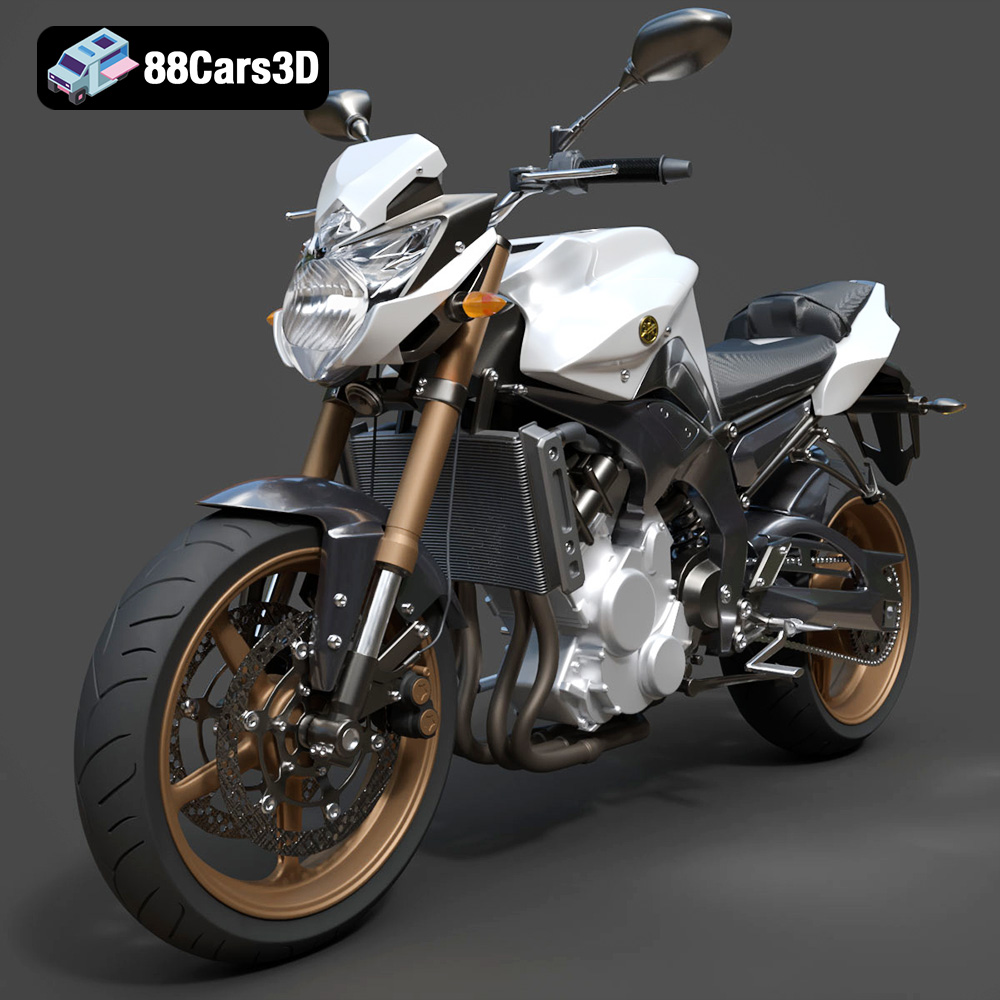
Yamaha FZ8 2011 3D Model
Texture: Yes
Material: Yes
Download the Yamaha FZ8 2011 3D Model featuring clean geometry, realistic detailing, and a fully modeled interior. Includes .blend, .fbx, .obj, .glb, .stl, .ply, .unreal, and .max formats for rendering, simulation, and game development.
Price: $19.99
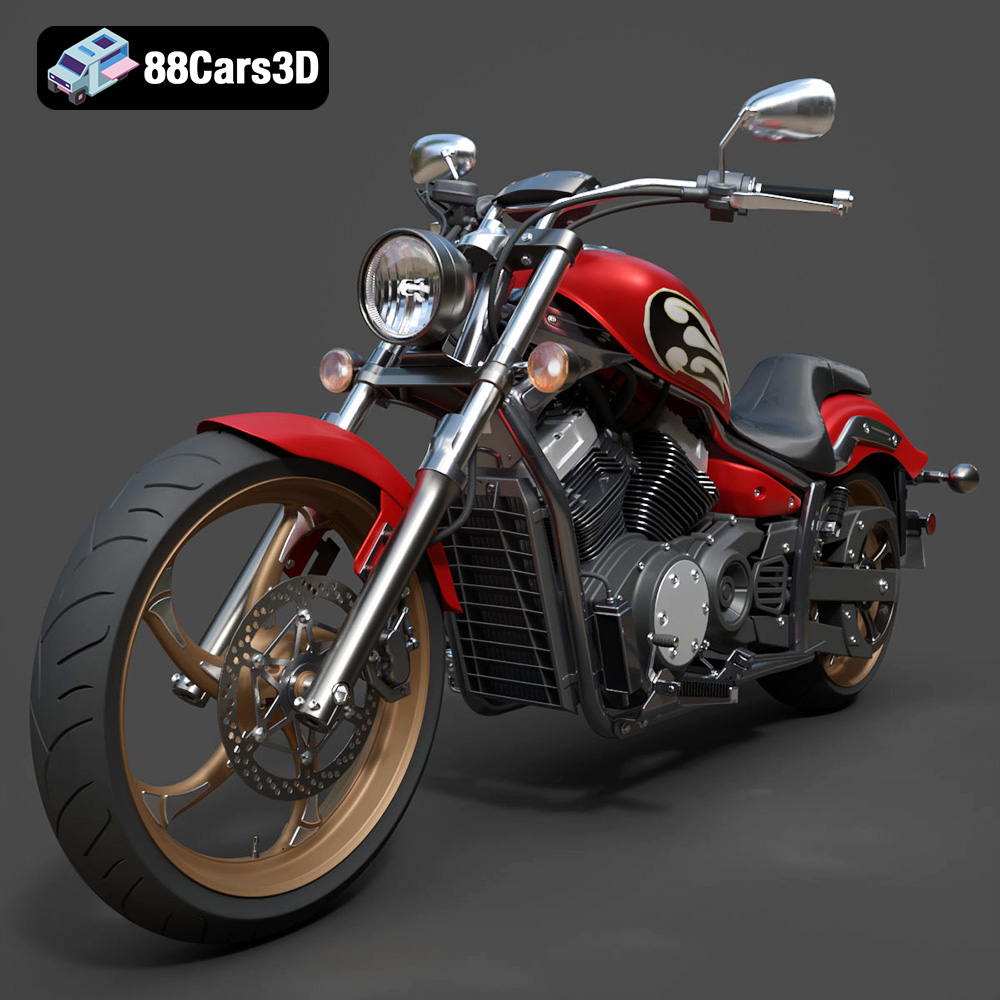
Yamaha Stryker 2012 3D Model
Texture: Yes
Material: Yes
Download the Yamaha Stryker 2012 3D Model featuring clean geometry, realistic detailing, and a fully modeled interior. Includes .blend, .fbx, .obj, .glb, .stl, .ply, .unreal, and .max formats for rendering, simulation, and game development.
Price: $19.99
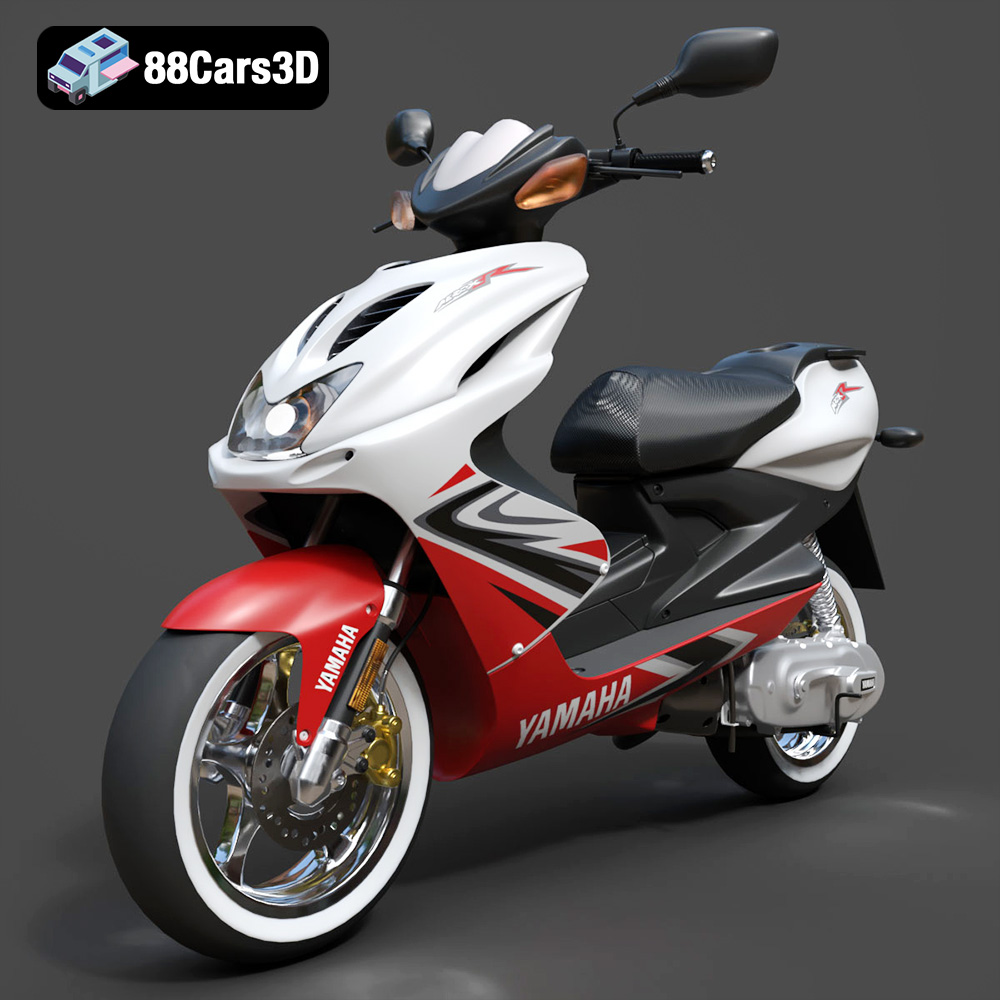
Yamaha Aerox R-002 2024 3D Model
Texture: Yes
Material: Yes
Download the Yamaha Aerox R-002 2024 3D Model featuring clean geometry, realistic detailing, and a fully modeled interior. Includes .blend, .fbx, .obj, .glb, .stl, .ply, .unreal, and .max formats for rendering, simulation, and game development.
Price: $19.99
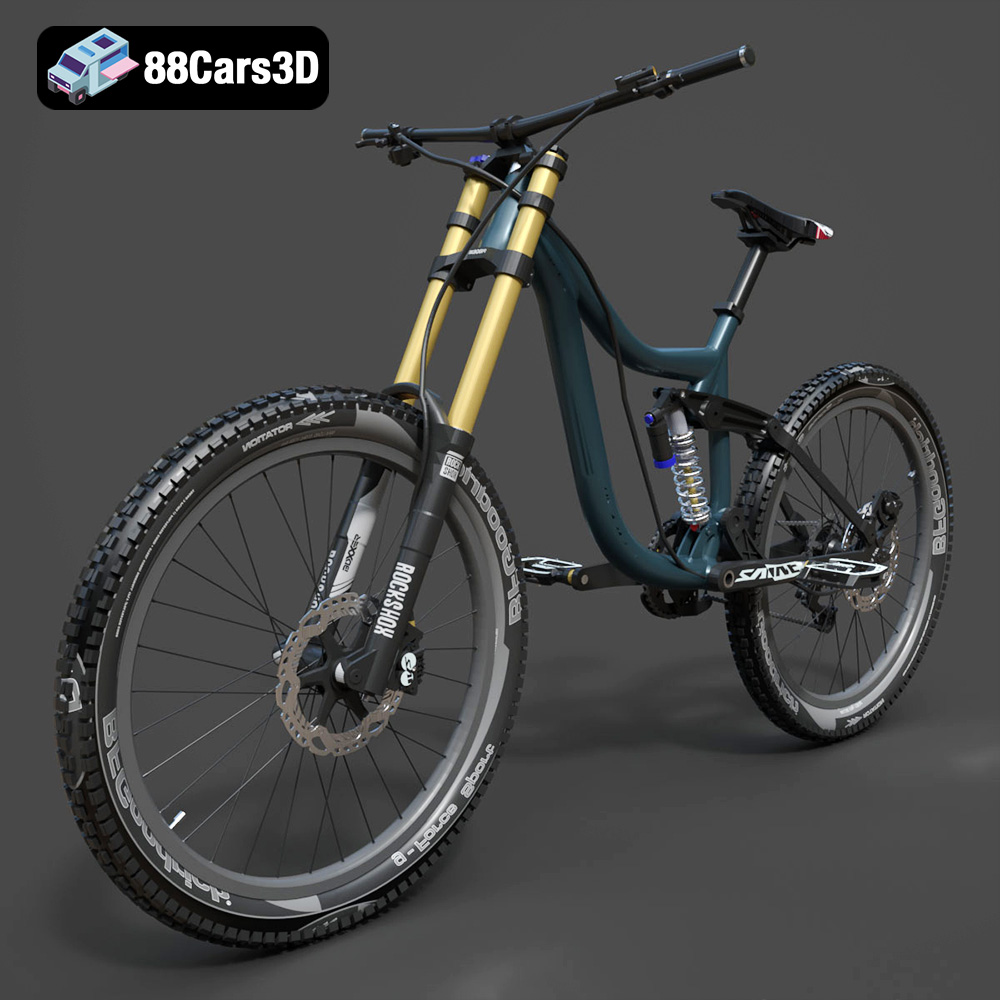
Mototsikly Downhill Bike-002 3D Model
Texture: Yes
Material: Yes
Download the Mototsikly Downhill Bike-002 3D Model featuring clean geometry, realistic detailing, and precise mechanical components. Includes .blend, .fbx, .obj, .glb, .stl, .ply, .unreal, and .max formats for rendering, simulation, and game development.
Price: $19.99
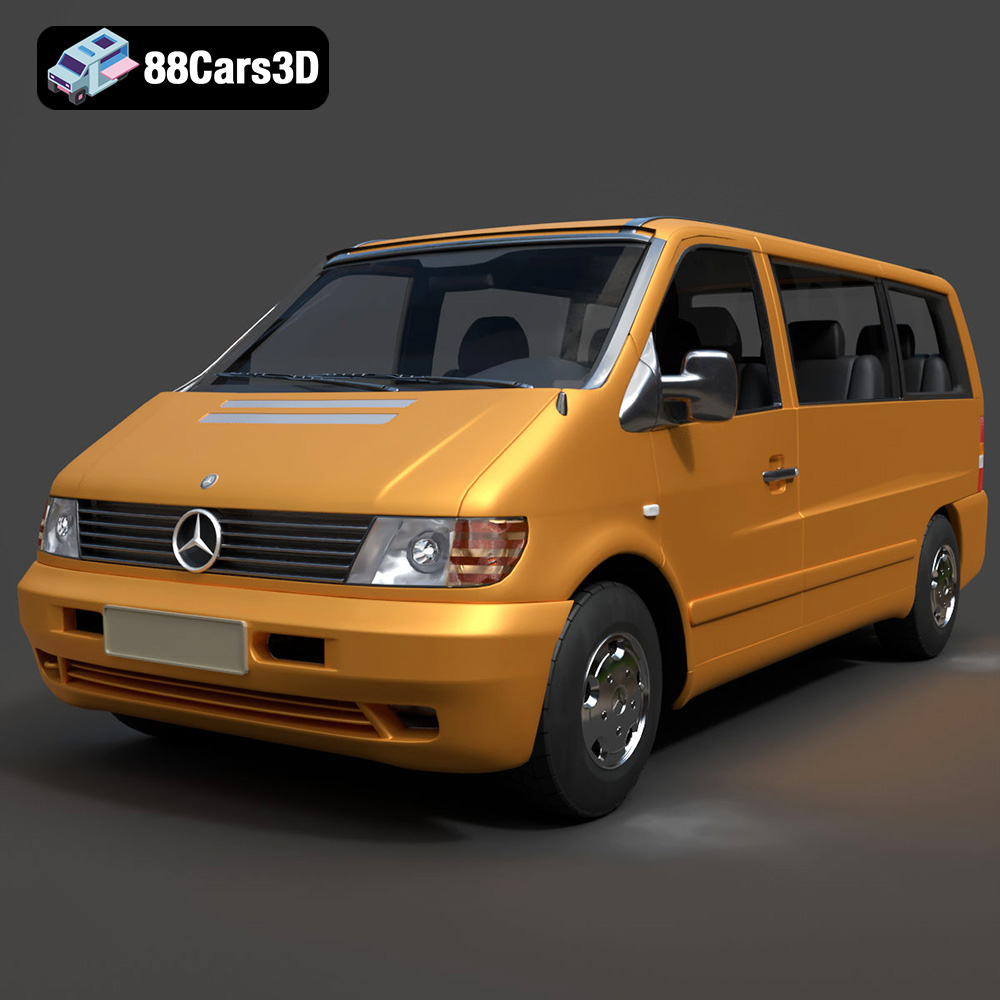
Mercedes-Benz Vito Passenger Van 3D Model
Texture: Yes
Material: Yes
Download the Mercedes-Benz Vito Passenger Van 3D Model featuring clean geometry, realistic detailing, and a fully modeled interior. Includes .blend, .fbx, .obj, .glb, .stl, .ply, .unreal, and .max formats for rendering, simulation, and game development.
Price: $19.99
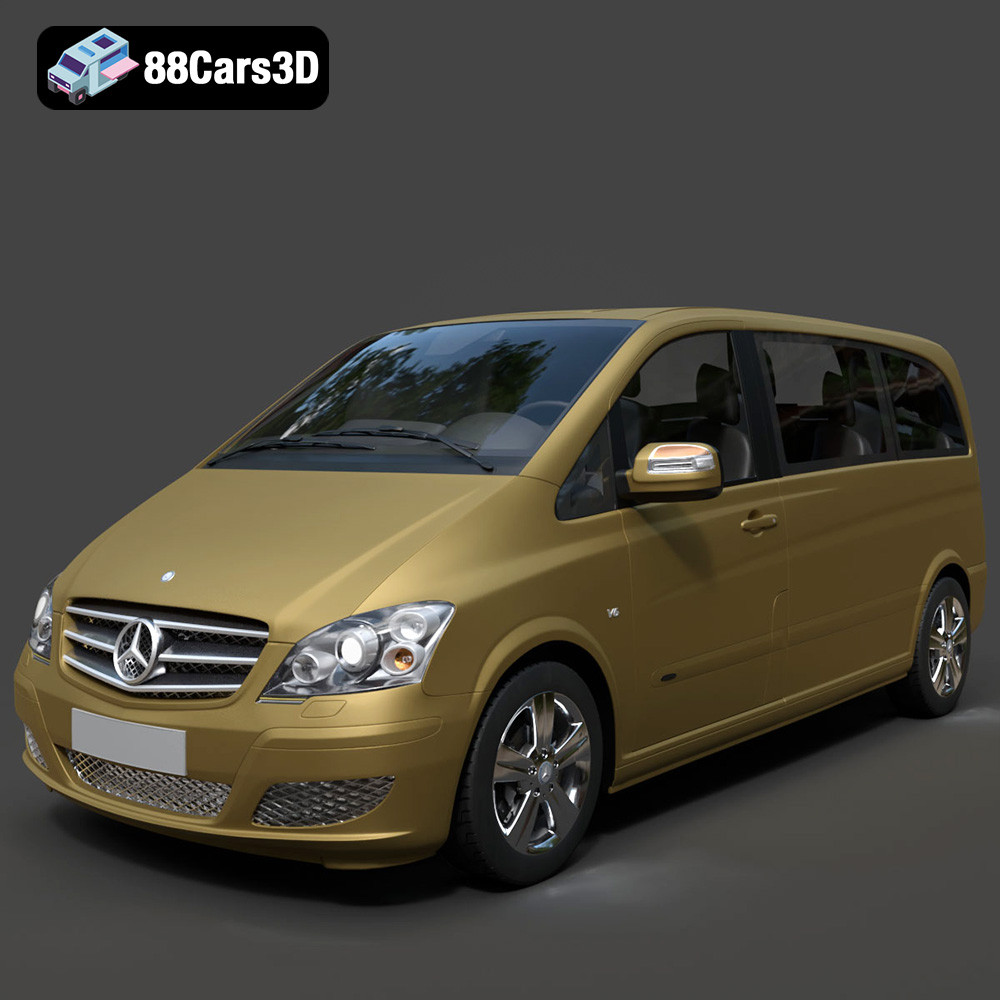
Mercedes-Benz Viano 2010 3D Model
Texture: Yes
Material: Yes
Download the Mercedes-Benz Viano 2010 3D Model featuring clean geometry, realistic detailing, and a fully modeled interior. Includes .blend, .fbx, .obj, .glb, .stl, .ply, .unreal, and .max formats for rendering, simulation, and game development.
Price: $19.99

Emt Avtobus 007 3D Model
Texture: Yes
Material: Yes
Download the Emt Avtobus 007 3D Model featuring clean geometry, realistic detailing, and a fully modeled interior. Includes .blend, .fbx, .obj, .glb, .stl, .ply, .unreal, and .max formats for rendering, simulation, and game development.
Price: $19.99
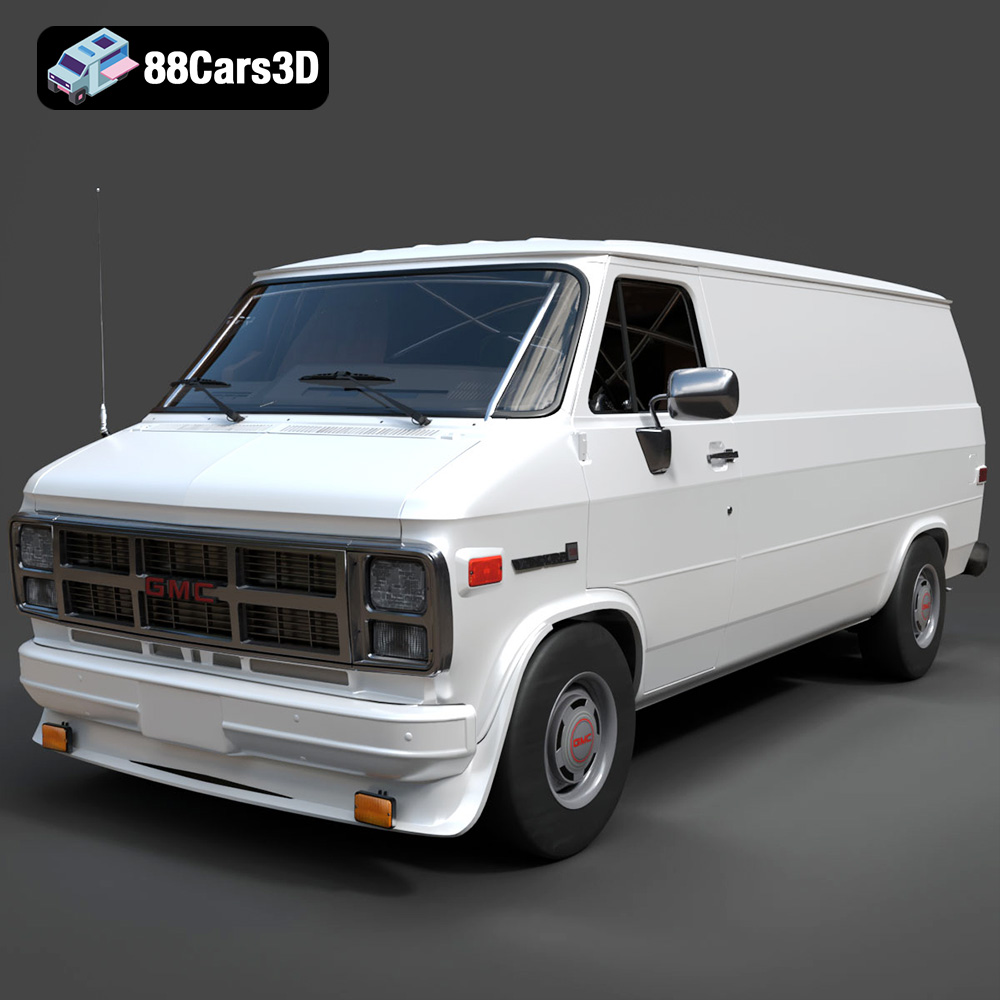
GMC Vandura G-1500 1983 3D Model
Texture: Yes
Material: Yes
Download the GMC Vandura G-1500 1983 3D Model featuring clean geometry, realistic detailing, and a fully modeled interior. Includes .blend, .fbx, .obj, .glb, .stl, .ply, .unreal, and .max formats for rendering, simulation, and game development.
Price: $19.99
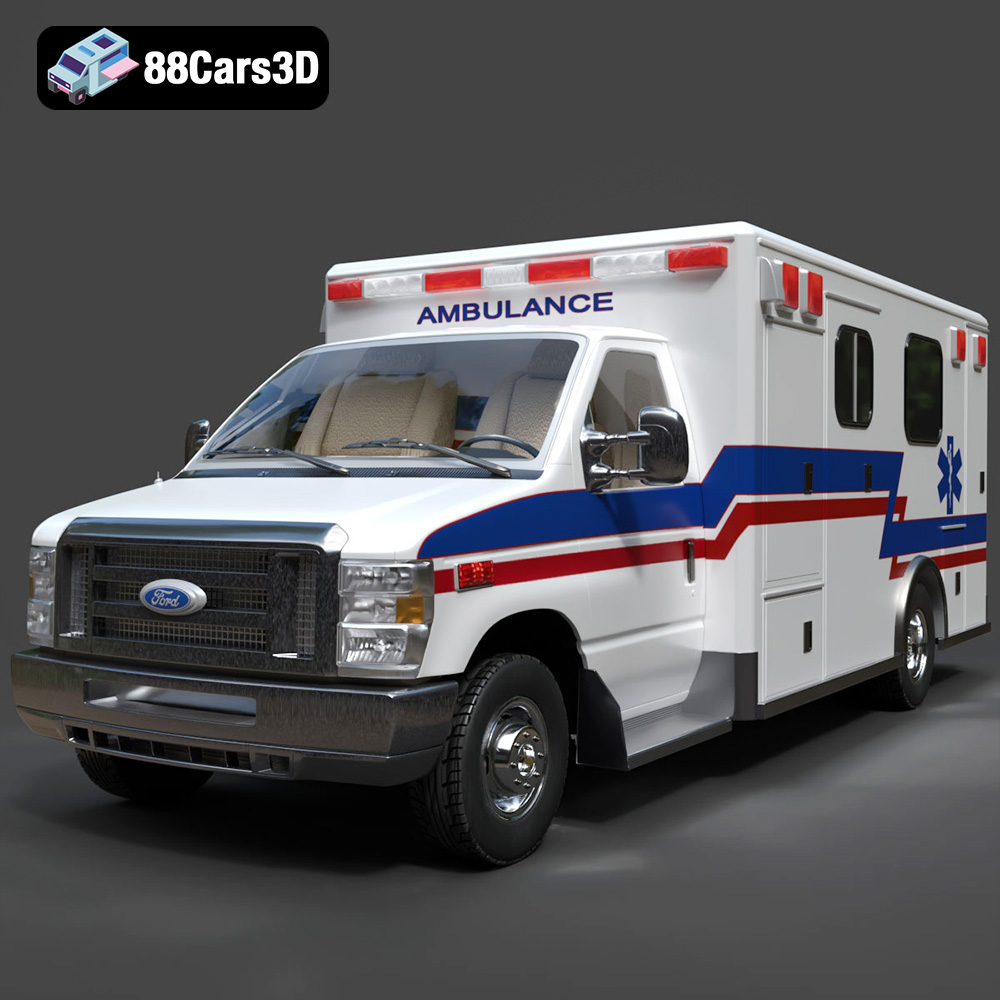
Ford E-450 Ambulance 3D Model
Texture: Yes
Material: Yes
Download the Ford E-450 Ambulance 3D Model featuring clean geometry, realistic detailing, and a fully modeled interior. Includes .blend, .fbx, .obj, .glb, .stl, .ply, .unreal, and .max formats for rendering, simulation, and game development.
Price: $19.99
