Get 20% OFF All Premium 3D & STL Models!

The automotive industry has always been at the forefront of technological innovation, and its visualization techniques are no exception. Gone are the days when static renders were sufficient to showcase a vehicle’s intricate design and engineering prowess. Today, with the demand for immersive experiences, real-time interactivity, and photorealistic fidelity, game engines like Unreal Engine have become indispensable tools for automotive designers, marketers, and engineers.
Unreal Engine provides an unparalleled ecosystem for creating stunning, interactive automotive visualizations, from detailed configurators to cinematic showcases and immersive AR/VR experiences. Its powerful rendering capabilities, advanced material systems, and intuitive visual scripting empower artists and developers to bring digital vehicles to life with breathtaking realism. This comprehensive guide will dive deep into leveraging Unreal Engine for automotive visualization, covering everything from project setup and material creation to advanced lighting, performance optimization, and interactive experiences. Whether you’re a seasoned Unreal Engine developer or new to real-time rendering, prepare to unlock the full potential of your 3D car models.
The journey to creating a captivating automotive visualization in Unreal Engine begins with a solid foundation: proper project setup and the seamless integration of your 3D car models. A well-organized and correctly configured project ensures optimal performance, ease of development, and the highest visual fidelity.
When starting a new project in Unreal Engine, selecting the appropriate template is crucial. For automotive visualization, the “Automotive, Product Design, and Manufacturing” template is often the ideal starting point. This template comes pre-configured with industry-specific settings, including optimized rendering pipelines, relevant plugins, and sample assets that can jumpstart your project. Alternatively, a “Blank” project can offer maximum control if you prefer to build everything from scratch.
Once your project is created, several initial settings warrant attention. Navigate to Edit > Project Settings to configure your rendering pipeline. Key areas to review include:
For high-fidelity automotive work, it’s also advisable to check your scalability settings (Settings > Engine Scalability Settings) and set them to “Epic” or “Cinematic” as a baseline, adjusting down later for specific optimizations if needed. Disable “Auto Exposure” initially in your Post Process Volume for more predictable lighting control, which is essential for accurate product visualization.
The quality of your 3D car model is paramount. When sourcing automotive assets from marketplaces such as 88cars3d.com, you can expect professionally modeled assets with clean topology, proper UV mapping, and realistic material setups. These pre-optimized models significantly streamline the import process.
The primary file formats for importing into Unreal Engine are FBX and USD (Universal Scene Description). While FBX has been the long-standing industry standard, USD is gaining traction due to its ability to handle complex scene graphs, layering, and non-destructive workflows, making it excellent for collaborative projects and large scenes.
Before importing, ensure your model adheres to Unreal Engine’s conventions:
To import, simply drag your FBX or USD file into the Content Browser. The Import Options dialog will appear, allowing you to specify settings like:
After import, organize your assets into logical folders (e.g., “Meshes,” “Materials,” “Textures”) within the Content Browser for easy management.
Photorealistic materials are the cornerstone of compelling automotive visualization. Unreal Engine’s Physically Based Rendering (PBR) system allows artists to create surfaces that interact with light in a way that mimics real-world physics, resulting in incredibly believable car finishes, interiors, and details.
At its core, a PBR material defines how light reflects off a surface. In Unreal Engine’s Material Editor, this is achieved by plugging various texture maps and scalar values into specific inputs of the main Material node. The primary inputs for most automotive materials include:
Creating a new material in Unreal Engine involves right-clicking in the Content Browser, selecting “Material,” and then double-clicking to open the Material Editor. Here, you’ll drag and drop your texture assets and connect them to the appropriate inputs. For a more detailed look at material creation, refer to the Unreal Engine documentation on Materials in Unreal Engine.
Automotive paint is notoriously complex due to its multiple layers and reflective properties. To achieve true realism, you’ll need to go beyond basic PBR setup:
Material Instances are incredibly powerful for automotive work. Once you create a complex master material (e.g., for car paint), you can create multiple instances from it. These instances allow you to change parameters (like paint color, roughness values, flake density) without recompiling the shader, enabling rapid iteration for configurators and color variations. Expose your desired parameters as “Parameters” in the master material for easy access in the instances.
Lighting is the single most critical factor in achieving photorealistic automotive visualization. Unreal Engine offers cutting-edge real-time lighting solutions, including Lumen for dynamic global illumination and Hardware Ray Tracing for unparalleled reflection and shadow fidelity.
Lumen is Unreal Engine’s fully dynamic global illumination (GI) and reflections system, providing an incredible leap in realism for real-time environments. Instead of pre-baking lightmaps, Lumen calculates light bounce and reflections in real-time, meaning you can move lights, objects, and even change the time of day, and the lighting will adapt instantly and realistically.
To enable Lumen:
Lumen works by analyzing the scene’s geometry (using various methods like Software Ray Tracing or Mesh Distance Fields) and emitting light rays to simulate bounces. For automotive scenes, it provides incredibly accurate indirect lighting, enhancing the realism of reflections on car paint and illuminating the vehicle’s interior subtly. Key considerations for Lumen:
For ultimate visual quality, especially in reflections and shadows, Hardware Ray Tracing (HRT) complements Lumen perfectly. HRT leverages dedicated GPU cores (like NVIDIA RTX or AMD RDNA 2) to trace light rays with physical accuracy, resulting in pixel-perfect reflections, soft area shadows, and precise ambient occlusion.
To enable Hardware Ray Tracing:
Once enabled, you can then configure specific Ray Tracing features in your Post Process Volume:
For automotive studio lighting, consider using an HDRI Backdrop. This component uses a High Dynamic Range Image (HDRI) to provide both environment lighting and reflections, simulating real-world studio setups or outdoor scenes with incredible realism. Combine it with directional lights (for sun), sky lights (for ambient sky light), and strategically placed Rect Lights (for studio softboxes) to sculpt your vehicle’s form and highlight its design features.
High-fidelity 3D car models, especially those sourced from 88cars3d.com, often boast incredibly detailed geometry with millions of polygons. While stunning, such complexity can cripple real-time performance. Unreal Engine offers powerful solutions like Nanite and Level of Detail (LOD) systems to manage this complexity without sacrificing visual quality.
Nanite is Unreal Engine 5’s groundbreaking virtualized geometry system, designed to handle meshes with unprecedented polygon counts – literally billions of triangles – while maintaining real-time frame rates. It revolutionizes how high-detail assets are managed by intelligently streaming and processing only the necessary geometric detail for each pixel on screen.
For automotive visualization, Nanite is a game-changer. It means you no longer need to painstakingly decimate your high-poly CAD models or create manual LODs for complex car parts to fit into a real-time budget. You can import models with millions of polygons (e.g., an entire car body with intricate details, or even a full engine bay) and convert them to Nanite.
To enable Nanite for a mesh:
Once enabled, Nanite automatically generates the necessary data and handles culling, streaming, and simplifying geometry on the fly. This frees artists to focus purely on visual fidelity rather than constantly battling polygon budgets.
While incredibly powerful, Nanite has a few considerations:
For a detailed overview of Nanite, Epic Games provides extensive documentation on Nanite Virtualized Geometry.
Even with Nanite, traditional Level of Detail (LOD) management remains crucial for certain scenarios, especially for optimizing non-Nanite meshes, translucent parts, or ensuring broader hardware compatibility (e.g., lower-end systems, mobile AR/VR). LODs allow you to swap out high-detail meshes for progressively simpler versions as the camera moves further away from the object.
Unreal Engine provides robust tools for LOD management:
A good strategy involves using Nanite for the main car body and highly detailed opaque parts. For transparent elements like windows, headlights, and complex interior electronics that might not be Nanite-compatible, traditional LODs are essential. For example, a detailed steering wheel might have 3-4 LODs, simplifying from 50,000 tris up close to a few thousand at a distance. Carefully balancing these techniques ensures that your automotive visualization runs smoothly across target platforms without compromising the perceived quality.
Real-time automotive visualization goes beyond static renders; it’s about interaction. Unreal Engine’s Blueprint visual scripting system empowers artists and designers to create complex interactive experiences—like car configurators, virtual showrooms, and dynamic demonstrations—without writing a single line of code.
A car configurator allows users to customize a vehicle’s appearance in real-time, changing colors, materials, wheels, interior trims, and even adding accessories. Blueprint is the ideal tool for building the logic behind such a system.
Here’s a simplified workflow for a basic car configurator:
Blueprint allows for incredibly flexible and robust interaction design. You can add complex logic for dependencies (e.g., certain interior trims only available with specific exterior packages) or animate parts like opening doors or bonnets in response to user input.
While full-fledged racing simulations are complex, Unreal Engine provides the Chaos Physics system for realistic vehicle dynamics. For automotive visualization, you might not need a complete simulation, but basic physics can add realism to interactive demos, such as suspension compression when landing, or rolling wheels.
The Chaos Vehicles system simplifies the setup of wheeled vehicles:
Even for non-drivable configurators, a lightweight physics setup can be beneficial. For instance, allowing users to “drop” a new wheel onto the car and see it settle with physics can enhance interactivity. For pure visualization, a simpler approach might be to animate wheel rotations or suspension with Sequencer or simple Blueprint timelines rather than full physics, especially if the focus is purely on aesthetics.
Unreal Engine is not just for interactive experiences; it’s a powerful tool for cinematic content creation and cutting-edge virtual production. For automotive marketing, film, and broadcast, Unreal Engine offers tools like Sequencer to create stunning, pre-rendered or real-time rendered cinematic sequences that showcase vehicles in their best light.
Sequencer is Unreal Engine’s multi-track non-linear editor, allowing you to create high-quality cinematic sequences with animated cameras, character animations, environmental effects, and dynamic lighting. For automotive applications, Sequencer is essential for creating compelling promotional videos, virtual test drives, and detailed walkthroughs.
Key workflows in Sequencer:
Virtual Production (VP) leverages real-time game engines to create immersive virtual environments that interact dynamically with live-action filmmaking. For the automotive industry, this means unprecedented possibilities for commercials, product launches, and digital events. Instead of shooting against a green screen, vehicles (physical or digital) can be placed within photorealistic virtual worlds rendered in Unreal Engine and displayed on large LED walls.
In-Camera VFX, driven by Unreal Engine, allows directors and cinematographers to see the final composite live on set, with digital backgrounds reacting to camera movement and lighting. This offers several benefits:
For a car commercial, a physical car might be placed on a stage surrounded by LED walls displaying an Unreal Engine environment. As the camera moves, Unreal Engine adjusts the perspective of the virtual background on the LED walls in real-time, creating the illusion that the car is driving through a real landscape. Digital extensions of the car (e.g., virtual wheels or reflections) can be seamlessly composited onto the physical vehicle, blurring the lines between reality and the digital world.
As technology advances, so do the expectations for how we experience and interact with products. Augmented Reality (AR) and Virtual Reality (VR) represent the next frontier for automotive visualization, offering truly immersive and interactive experiences. Unreal Engine is at the forefront of enabling these applications, transforming everything from car design reviews to virtual showrooms and marketing campaigns.
While AR/VR offers unparalleled immersion, it also presents significant technical challenges, primarily revolving around maintaining high frame rates (typically 90 FPS or higher) to prevent motion sickness. This demands rigorous optimization beyond what’s typically required for cinematic rendering or desktop configurators.
Key optimization strategies for AR/VR in Unreal Engine:
The convergence of Unreal Engine with AR/VR is driving significant innovation in the automotive sector:
As hardware becomes more powerful and accessible, the demand for these immersive automotive experiences will only grow, solidifying Unreal Engine’s role as the leading platform for real-time visualization.
Unreal Engine has irrevocably transformed the landscape of automotive visualization, offering a robust, feature-rich platform that caters to every need, from high-fidelity marketing renders to interactive configurators and cutting-edge virtual production pipelines. By mastering its powerful tools—from PBR material creation and advanced lighting with Lumen and Ray Tracing to performance optimization with Nanite and intelligent LODs, and the versatility of Blueprint scripting—you can create experiences that not only showcase automotive design but truly immerse your audience.
The journey into photorealistic real-time rendering is an ongoing one, with new features and optimizations constantly emerging. Remember to leverage high-quality 3D car models, such as those found on 88cars3d.com, as your foundation. Experiment with different lighting scenarios, refine your materials, and continuously optimize for your target platform. Embrace the interactive potential of Blueprint and the cinematic capabilities of Sequencer to tell compelling stories. As the industry continues to evolve, Unreal Engine will remain at the forefront, empowering artists and developers to push the boundaries of what’s possible in automotive visualization. Start building your next stunning automotive experience today, and drive your creativity forward with Unreal Engine!

Meta Description:
Texture: Yes
Material: Yes
Download the Porsche Cayenne 3D Model featuring realistic exterior styling and detailed interior design. Includes .blend, .fbx, .obj, .glb, .stl, .ply, .unreal, and .max formats for rendering, simulation, AR VR, and game development.
Price: $19.9
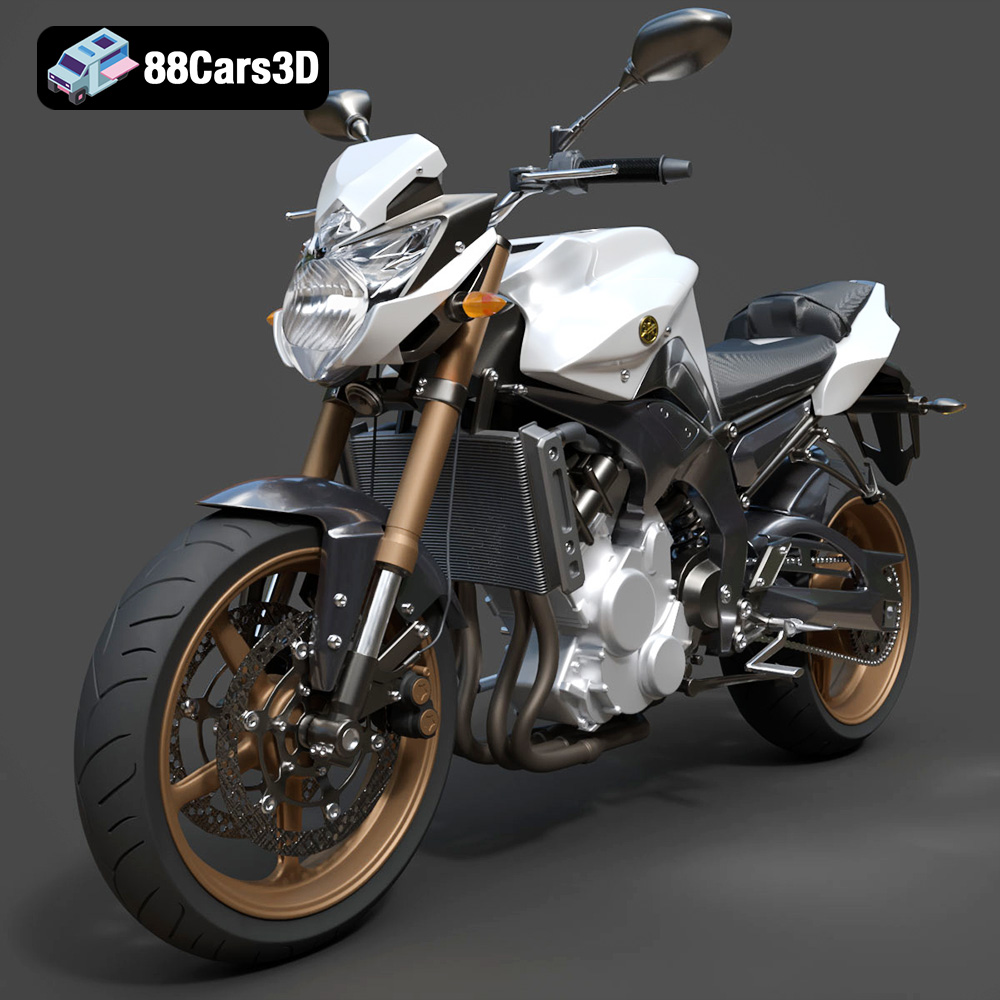
Texture: Yes
Material: Yes
Download the Yamaha FZ8 2011 3D Model featuring clean geometry, realistic detailing, and a fully modeled interior. Includes .blend, .fbx, .obj, .glb, .stl, .ply, .unreal, and .max formats for rendering, simulation, and game development.
Price: $19.99
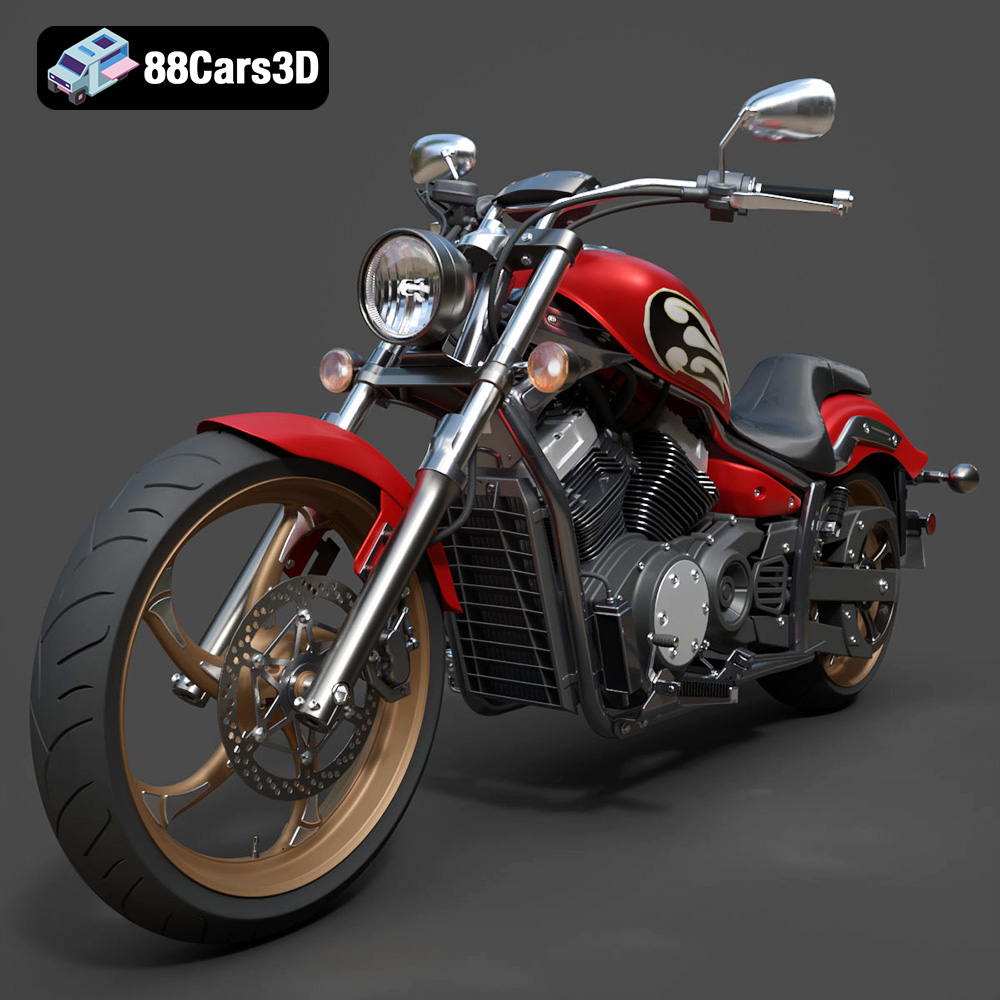
Texture: Yes
Material: Yes
Download the Yamaha Stryker 2012 3D Model featuring clean geometry, realistic detailing, and a fully modeled interior. Includes .blend, .fbx, .obj, .glb, .stl, .ply, .unreal, and .max formats for rendering, simulation, and game development.
Price: $19.99
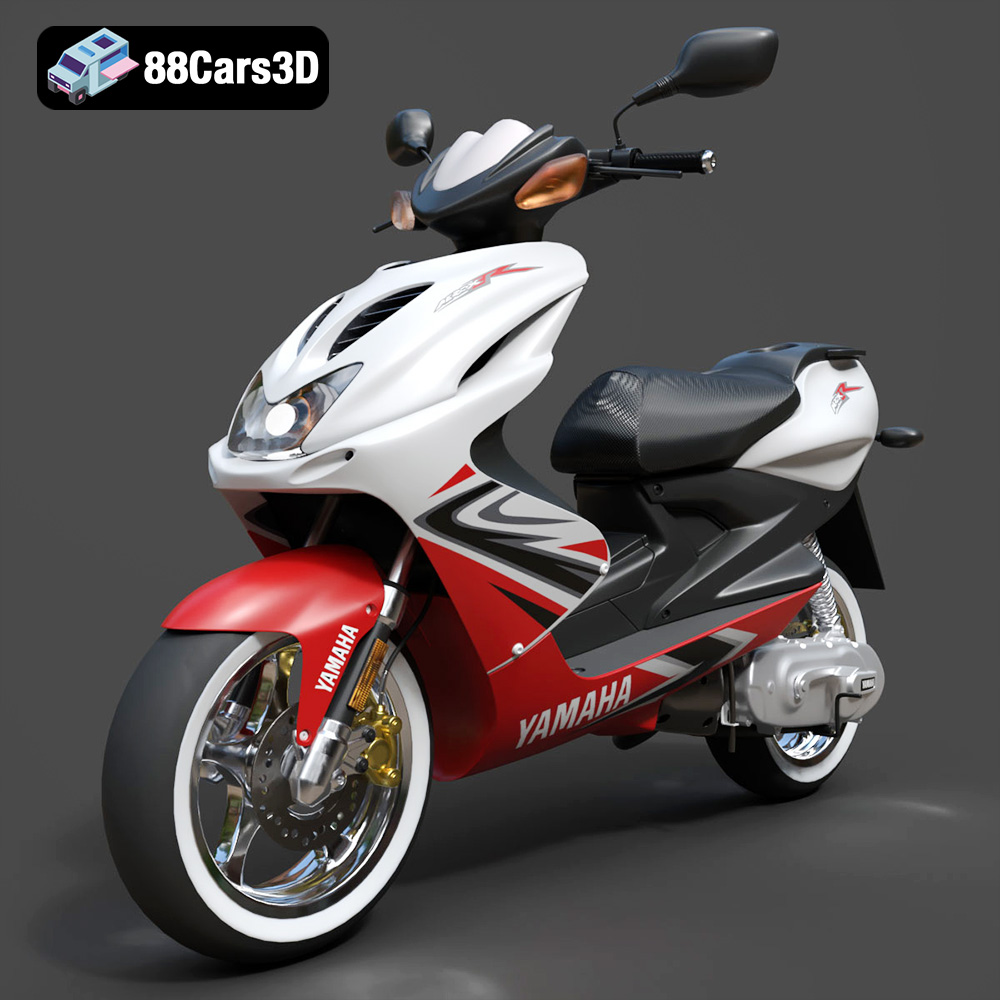
Texture: Yes
Material: Yes
Download the Yamaha Aerox R-002 2024 3D Model featuring clean geometry, realistic detailing, and a fully modeled interior. Includes .blend, .fbx, .obj, .glb, .stl, .ply, .unreal, and .max formats for rendering, simulation, and game development.
Price: $19.99
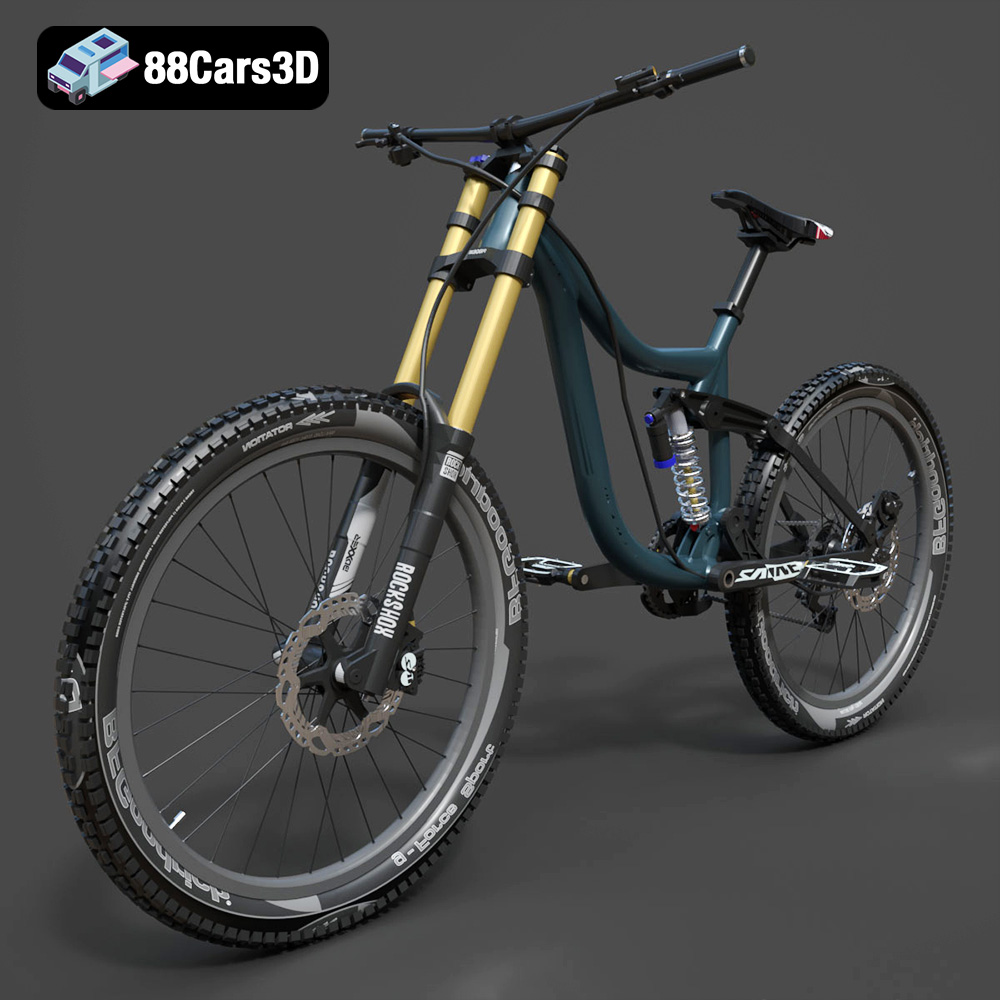
Texture: Yes
Material: Yes
Download the Mototsikly Downhill Bike-002 3D Model featuring clean geometry, realistic detailing, and precise mechanical components. Includes .blend, .fbx, .obj, .glb, .stl, .ply, .unreal, and .max formats for rendering, simulation, and game development.
Price: $19.99
Texture: Yes
Material: Yes
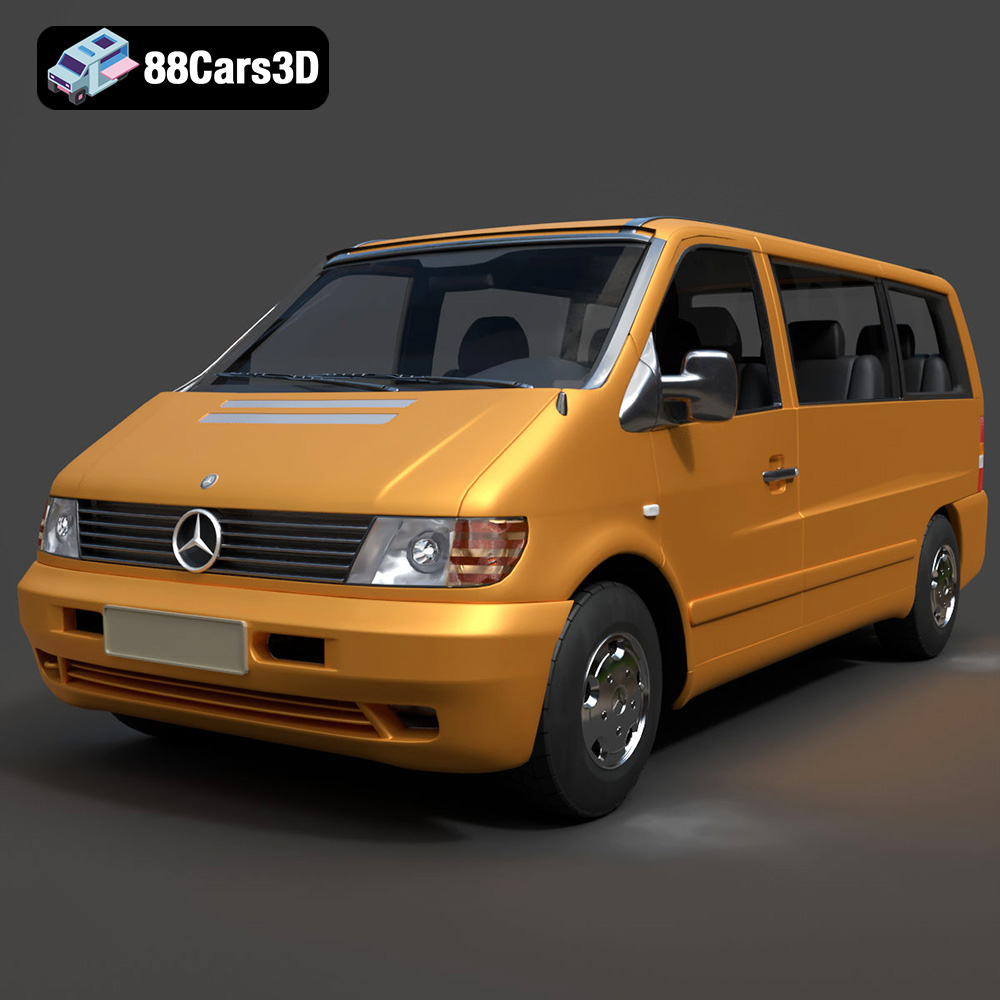
Download the Mercedes-Benz Vito Passenger Van 3D Model featuring clean geometry, realistic detailing, and a fully modeled interior. Includes .blend, .fbx, .obj, .glb, .stl, .ply, .unreal, and .max formats for rendering, simulation, and game development.
Price: $19.99
Texture: Yes
Material: Yes
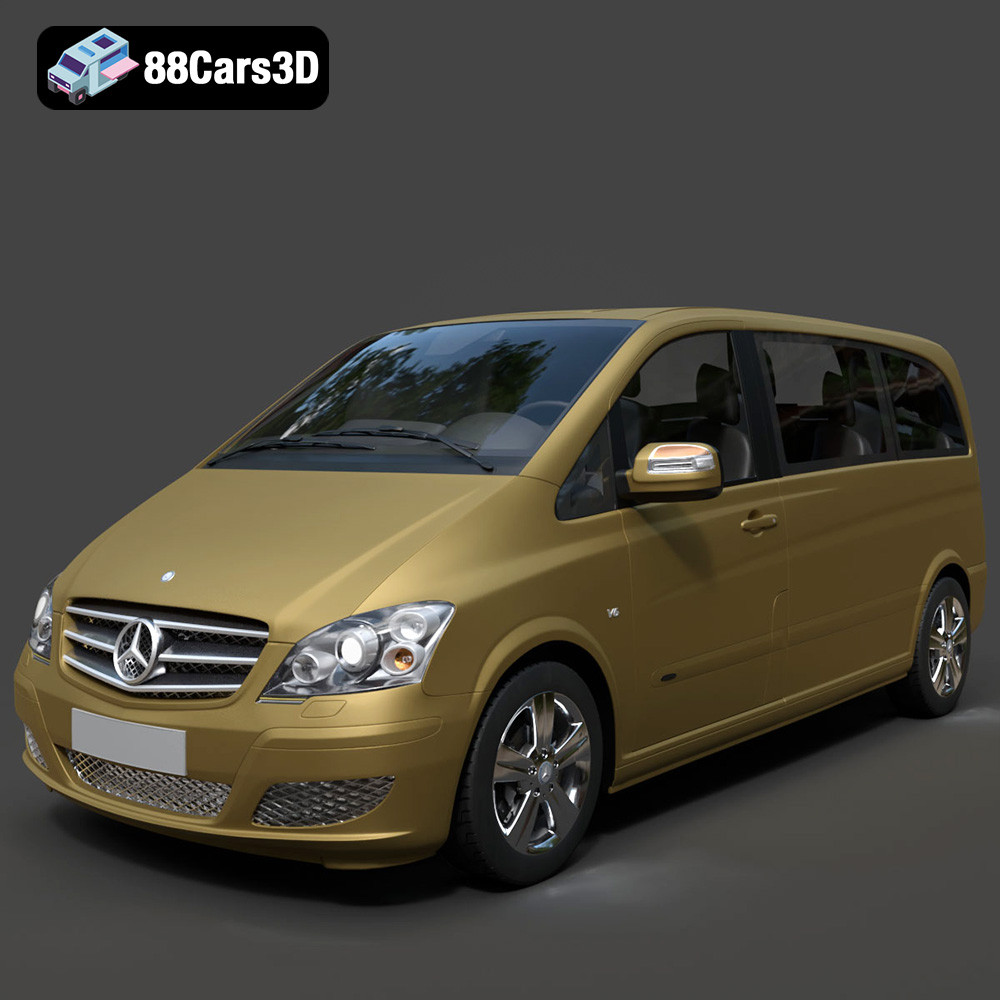
Download the Mercedes-Benz Viano 2010 3D Model featuring clean geometry, realistic detailing, and a fully modeled interior. Includes .blend, .fbx, .obj, .glb, .stl, .ply, .unreal, and .max formats for rendering, simulation, and game development.
Price: $19.99

Texture: Yes
Material: Yes
Download the Emt Avtobus 007 3D Model featuring clean geometry, realistic detailing, and a fully modeled interior. Includes .blend, .fbx, .obj, .glb, .stl, .ply, .unreal, and .max formats for rendering, simulation, and game development.
Price: $19.99
Texture: Yes
Material: Yes
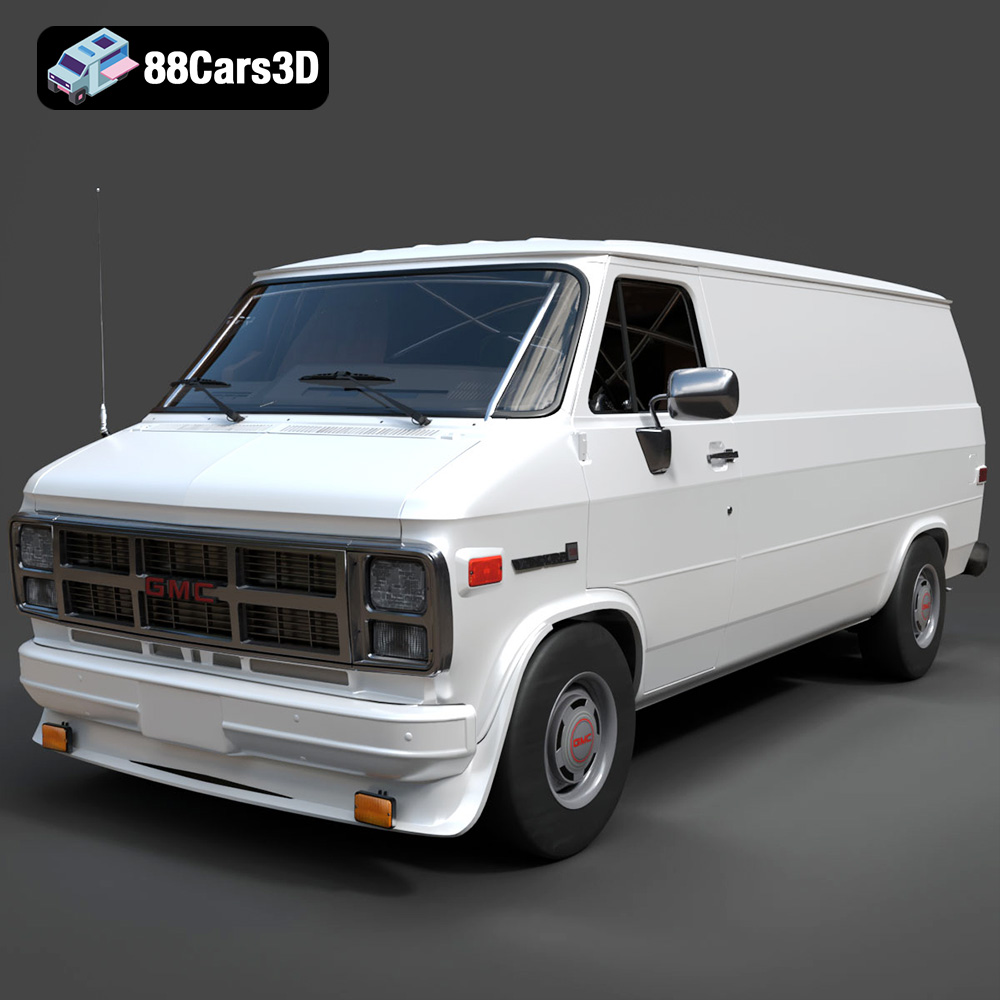
Download the GMC Vandura G-1500 1983 3D Model featuring clean geometry, realistic detailing, and a fully modeled interior. Includes .blend, .fbx, .obj, .glb, .stl, .ply, .unreal, and .max formats for rendering, simulation, and game development.
Price: $19.99
Texture: Yes
Material: Yes
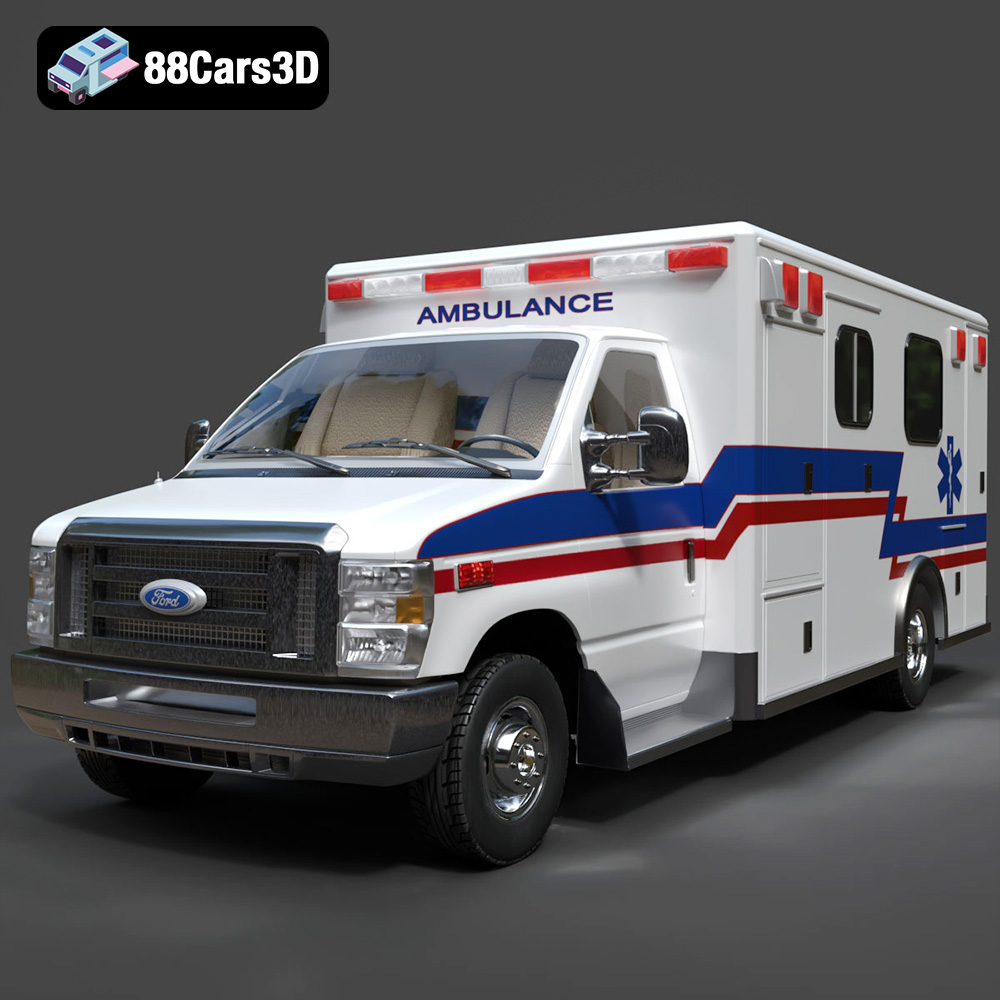
Download the Ford E-450 Ambulance 3D Model featuring clean geometry, realistic detailing, and a fully modeled interior. Includes .blend, .fbx, .obj, .glb, .stl, .ply, .unreal, and .max formats for rendering, simulation, and game development.
Price: $19.99

