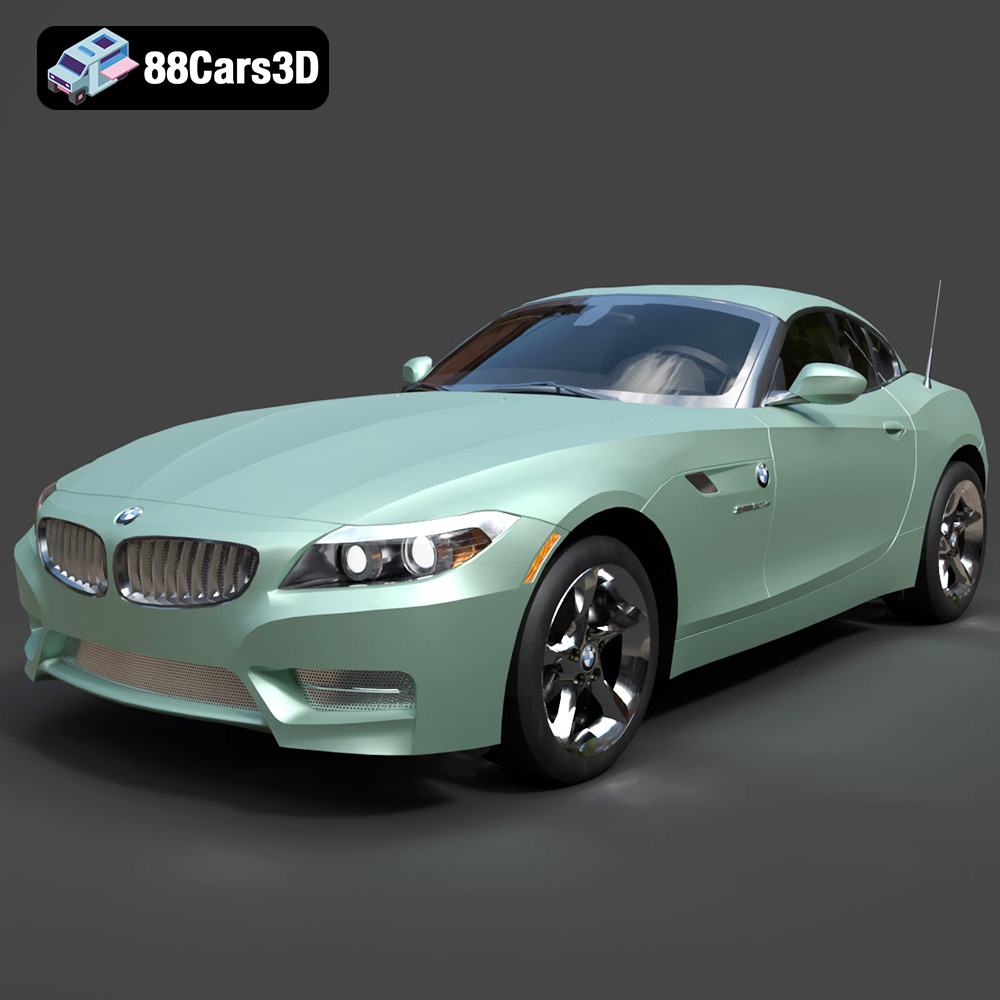
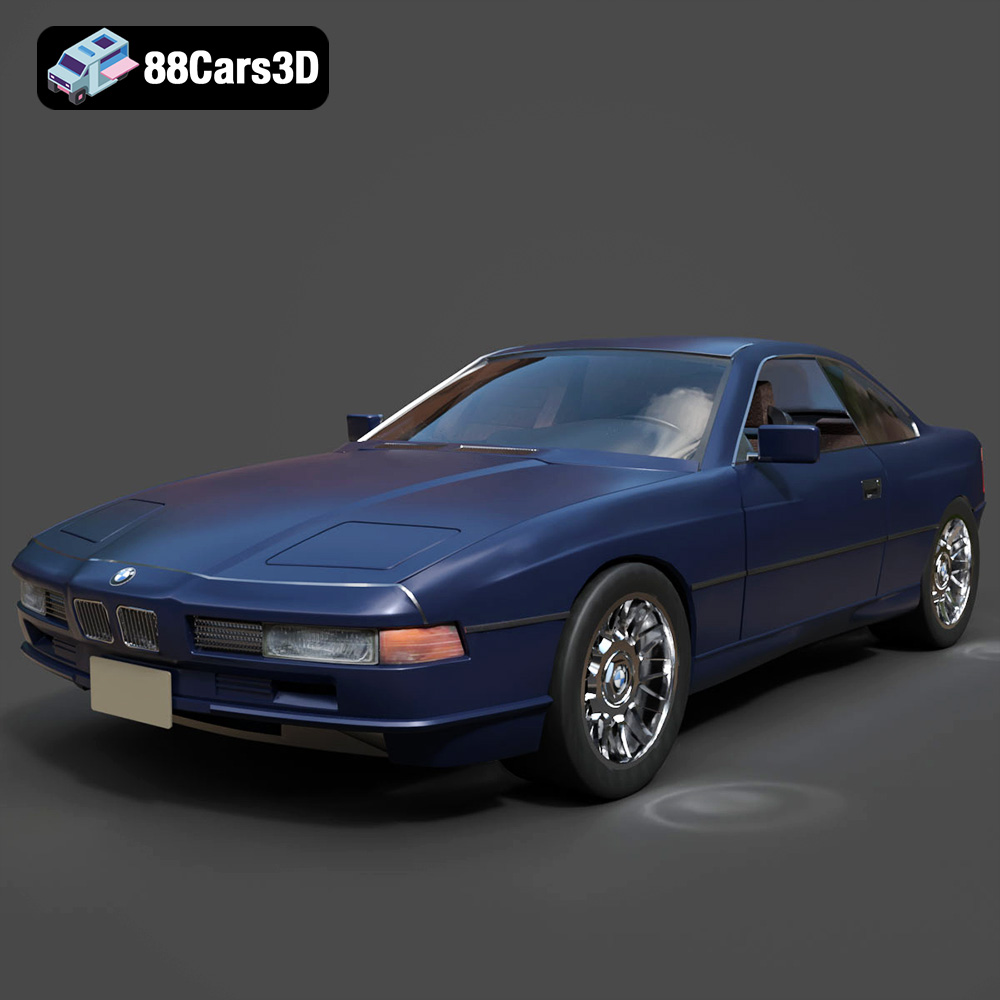
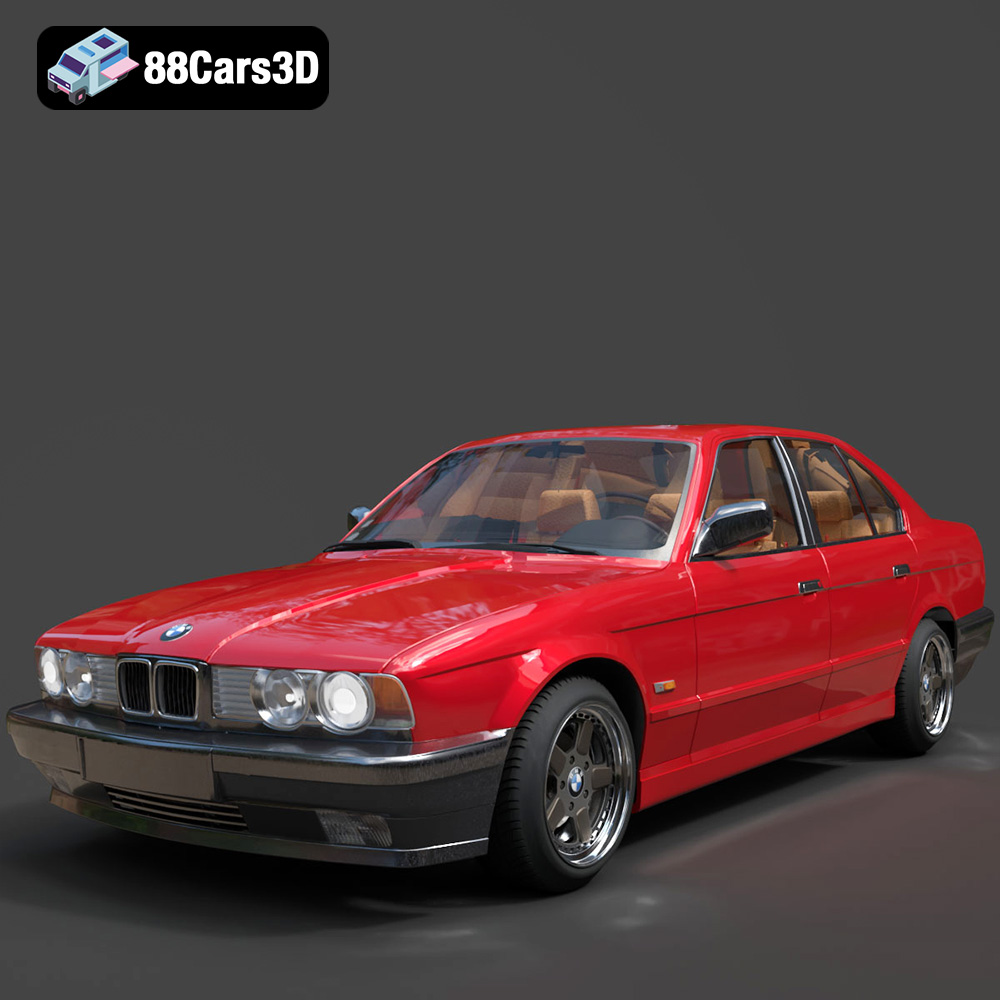
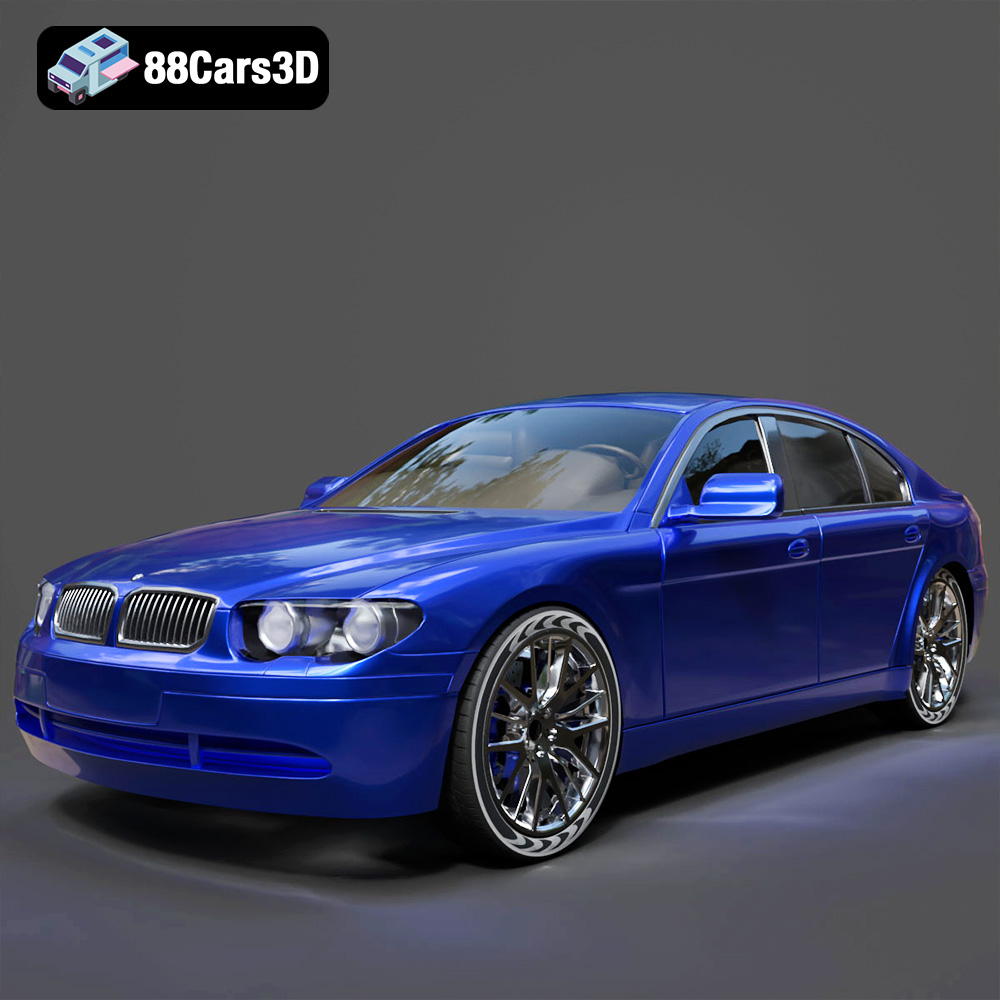
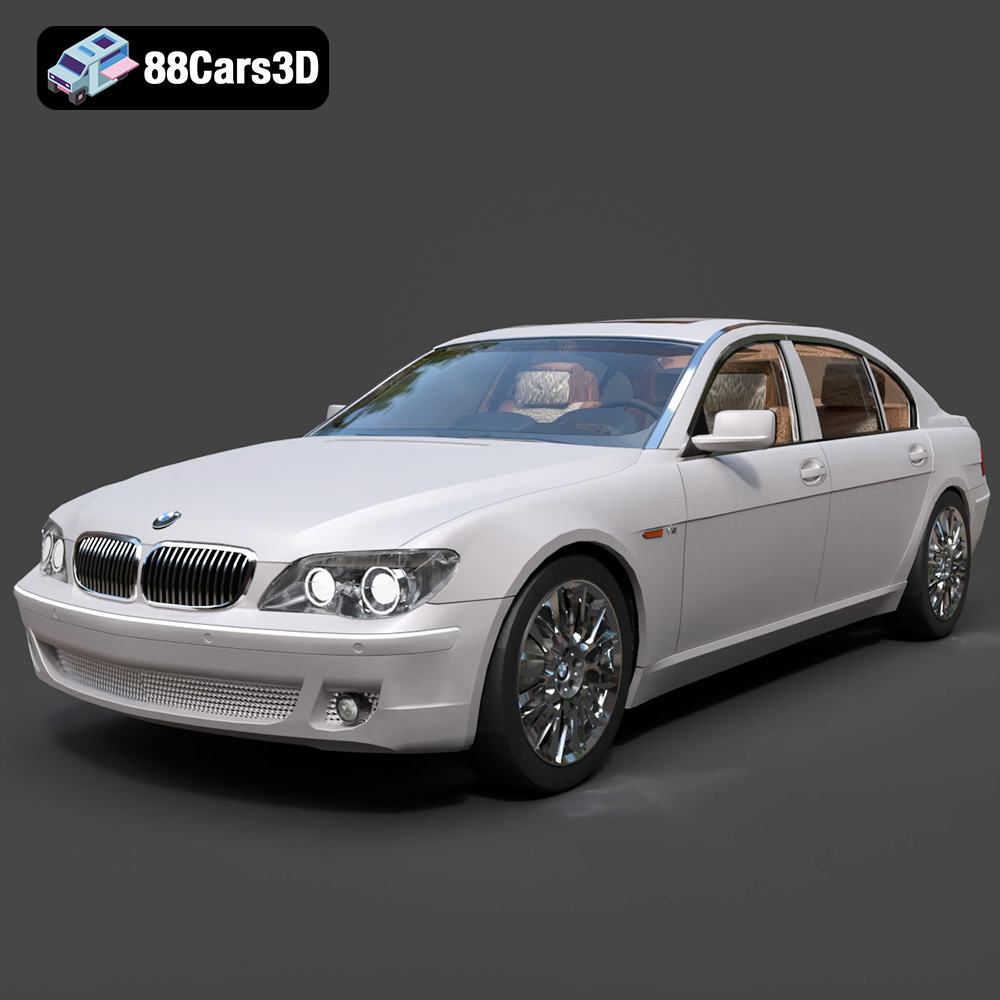
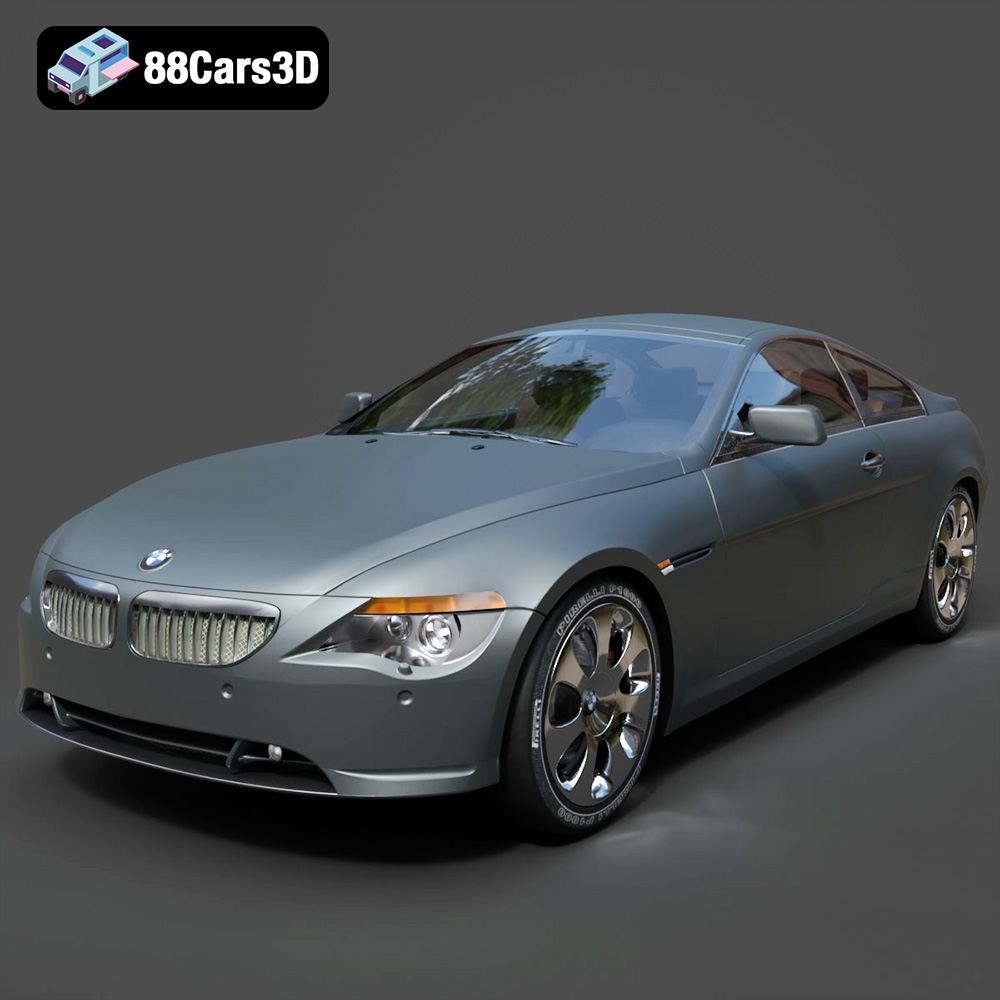
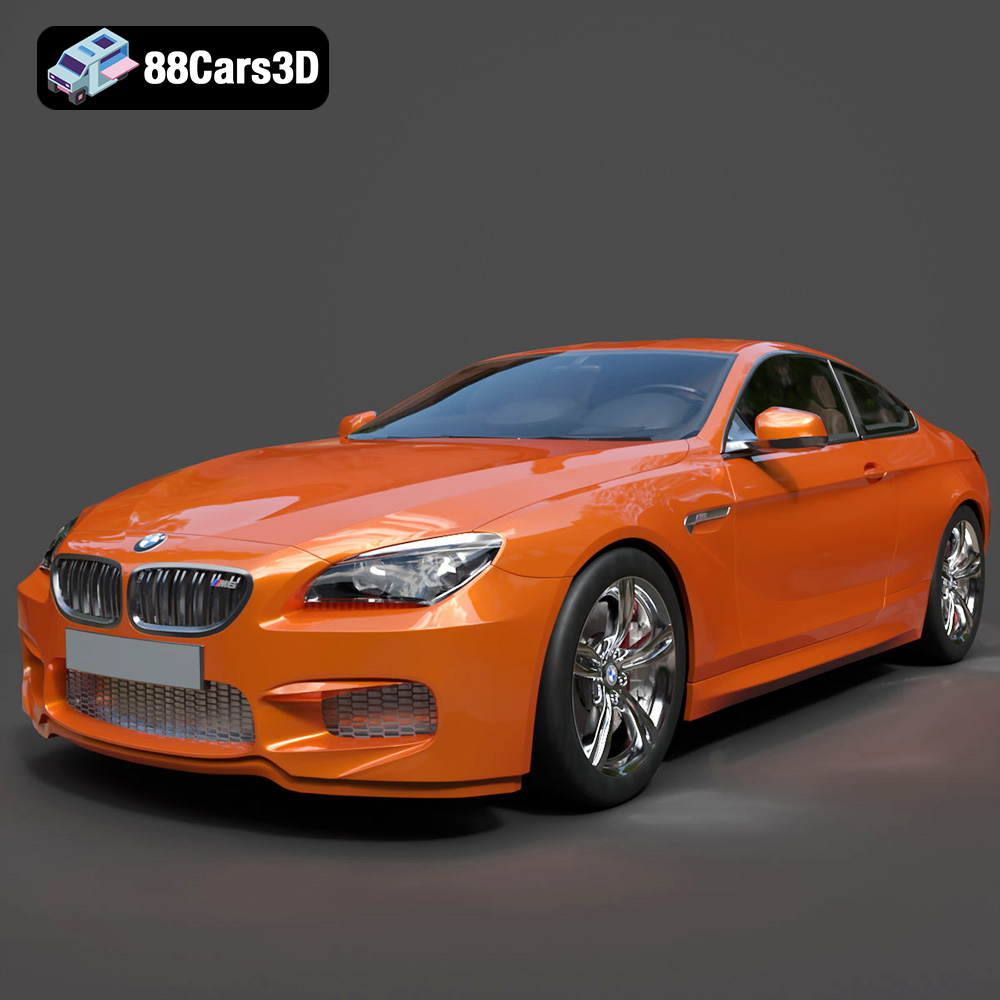
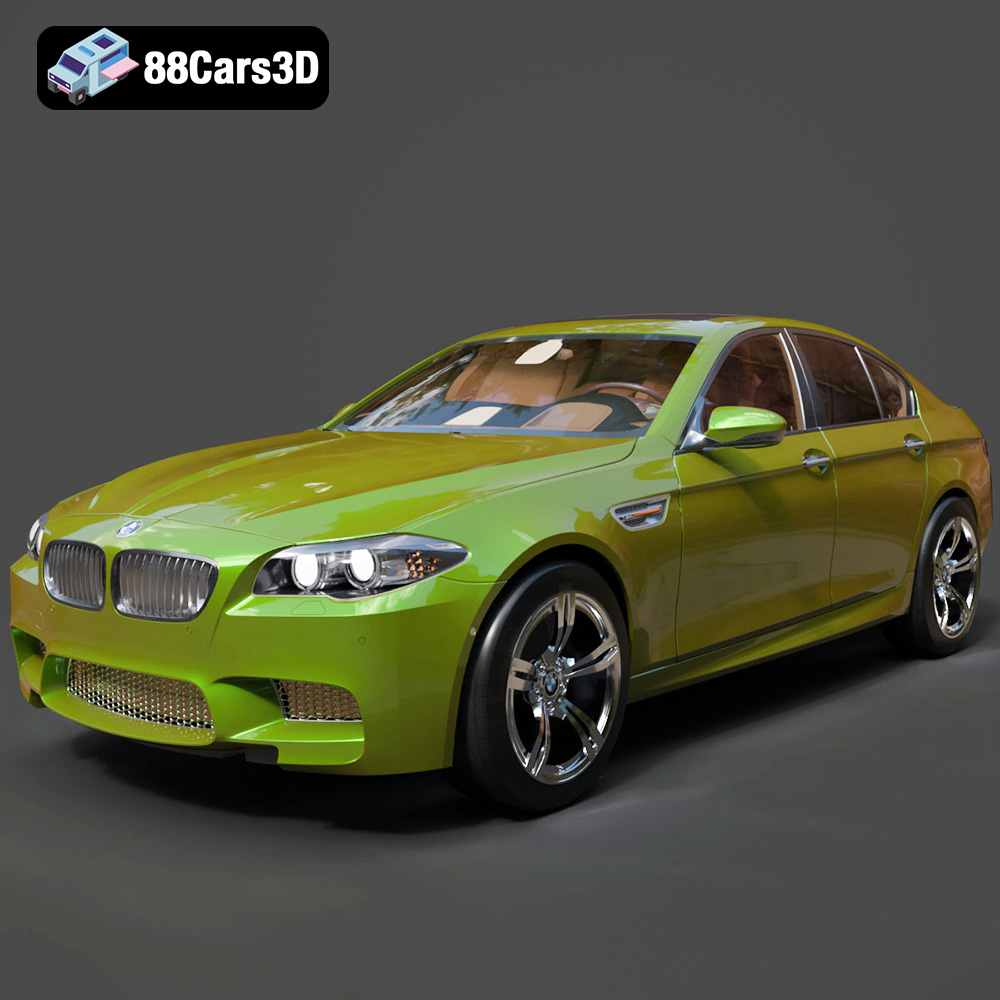
Unlocking the Potential of 3D Car Models: From Vision to Virtual Reality
The automotive industry has always been at the forefront of innovation, not just in engineering but also in design, marketing, and visualization. In today’s digital age, the role of high-quality 3D car models is more critical than ever, serving as the foundational asset for everything from cinematic advertisements and immersive game environments to virtual showrooms and engineering prototypes. These intricate digital representations bridge the gap between abstract concepts and tangible experiences, driving engagement and accelerating development across a multitude of sectors.
Whether you’re a seasoned 3D artist, a game developer, an architect, or an automotive designer, understanding the nuances of 3D car models is paramount. This comprehensive guide delves deep into the technical aspects, workflows, and diverse applications of these assets, highlighting how they empower creators to realize their visions with unparalleled precision and realism. We’ll explore everything from file formats and rendering techniques to game integration and advanced use cases, providing insights for anyone looking to leverage the power of professional-grade 3D vehicles.
The Foundation: Why High-Quality 3D Car Models Matter
At its core, a 3D car model is more than just a visual representation; it’s a data-rich asset that carries immense value. Its quality dictates not only the aesthetic appeal but also its versatility and performance across various platforms and applications. Investing in superior 3D car models ensures that your projects achieve the highest standards of visual fidelity and technical efficiency.
Beyond Aesthetics: Precision and Realism
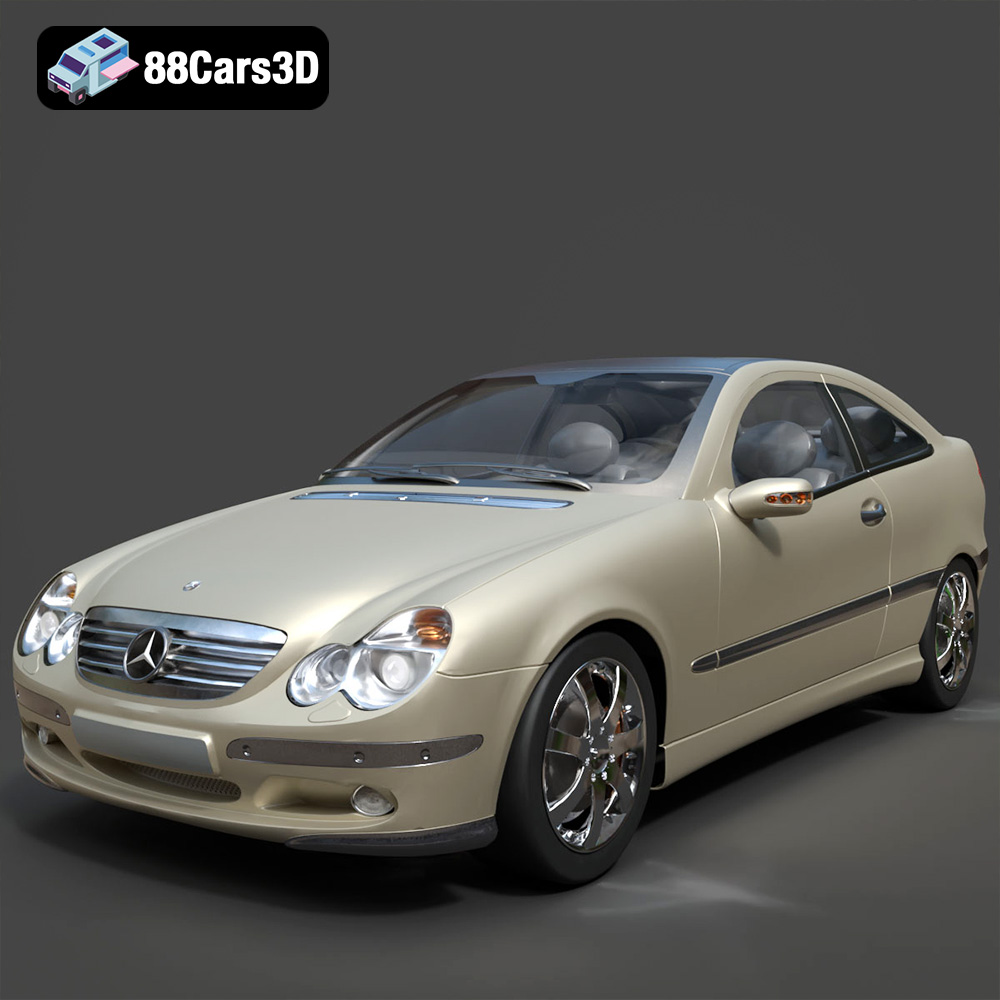
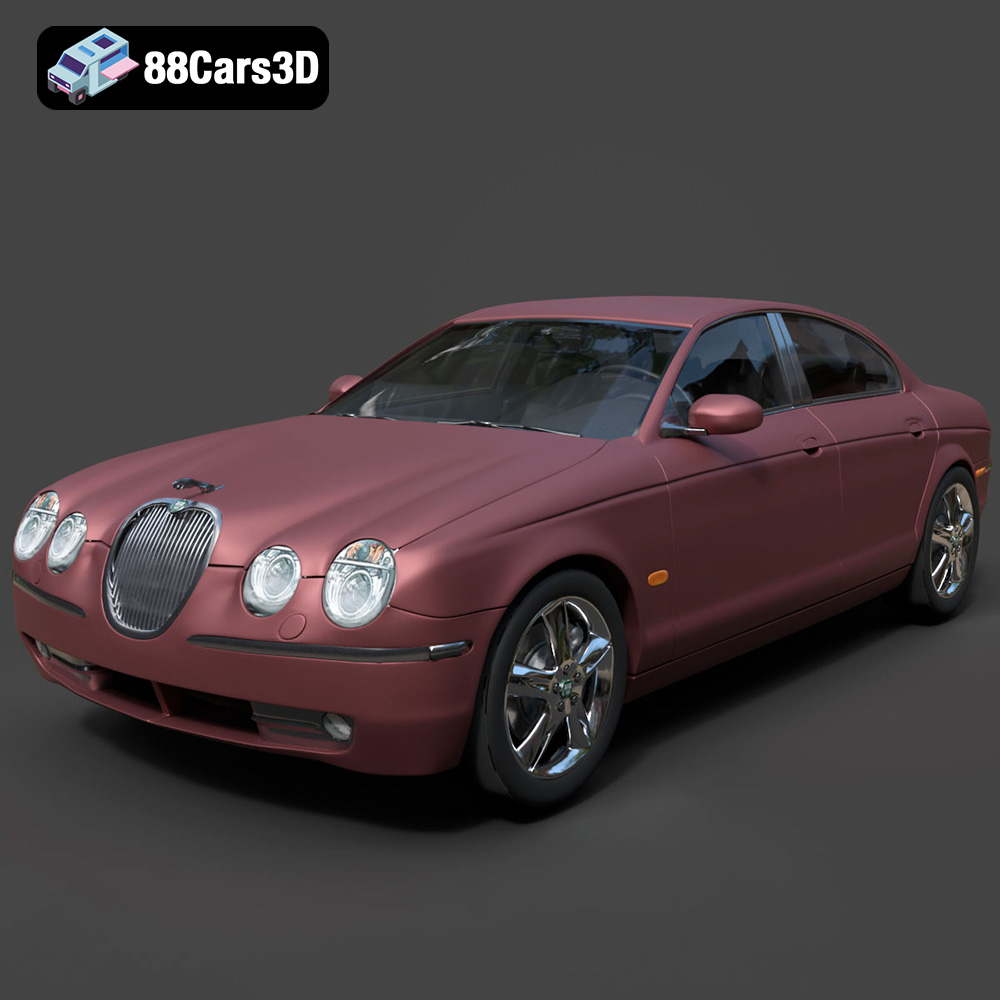
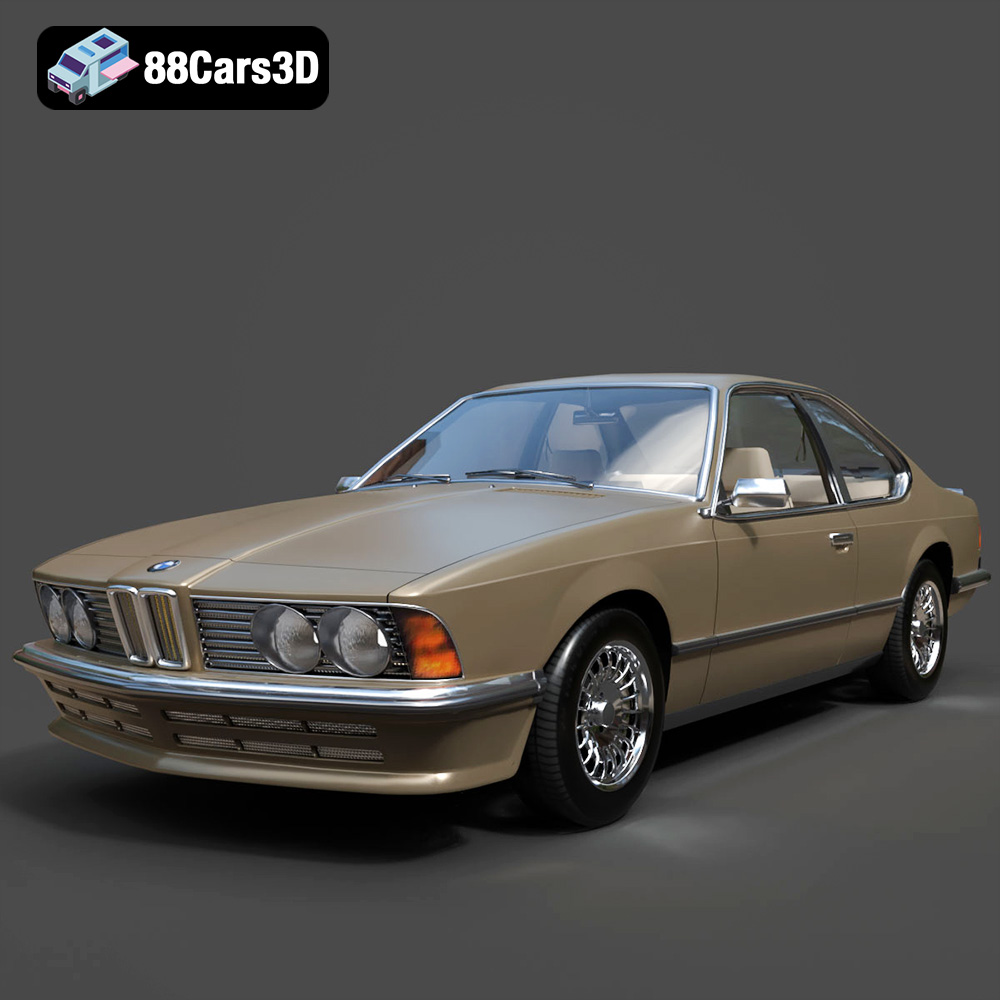
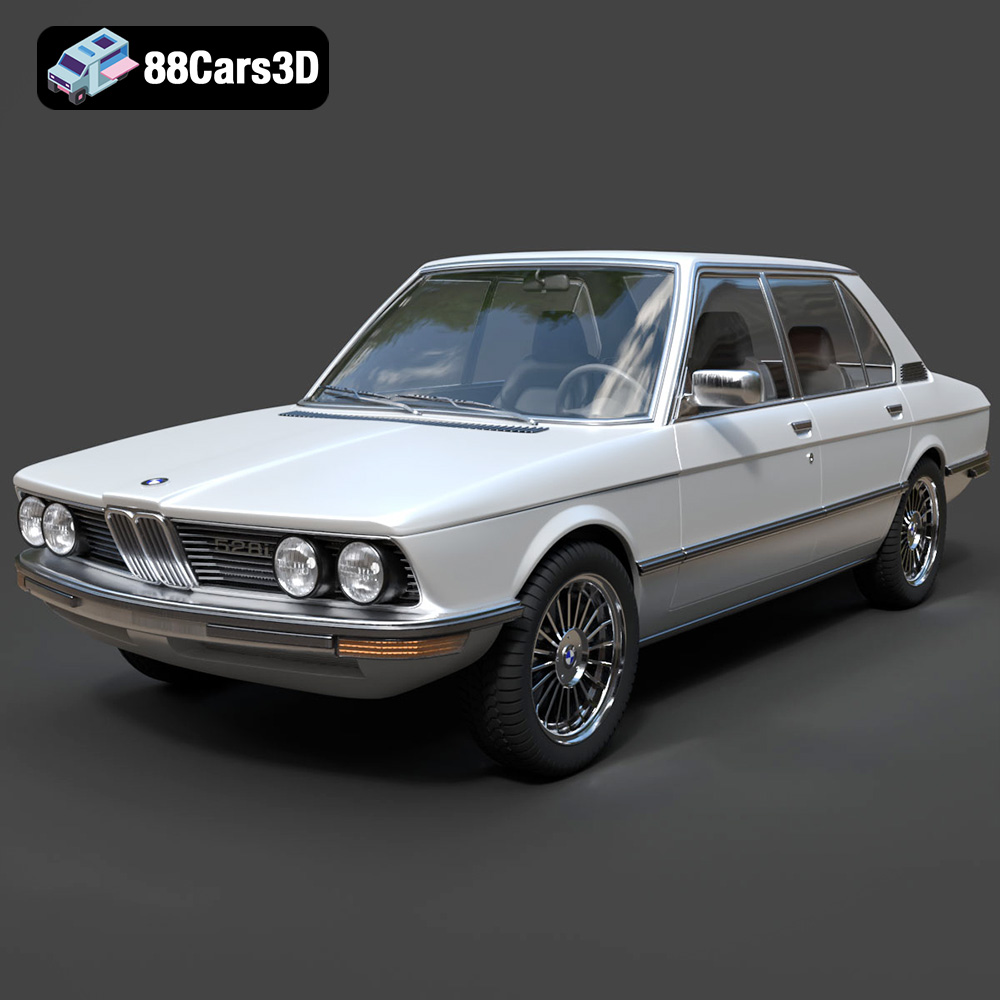
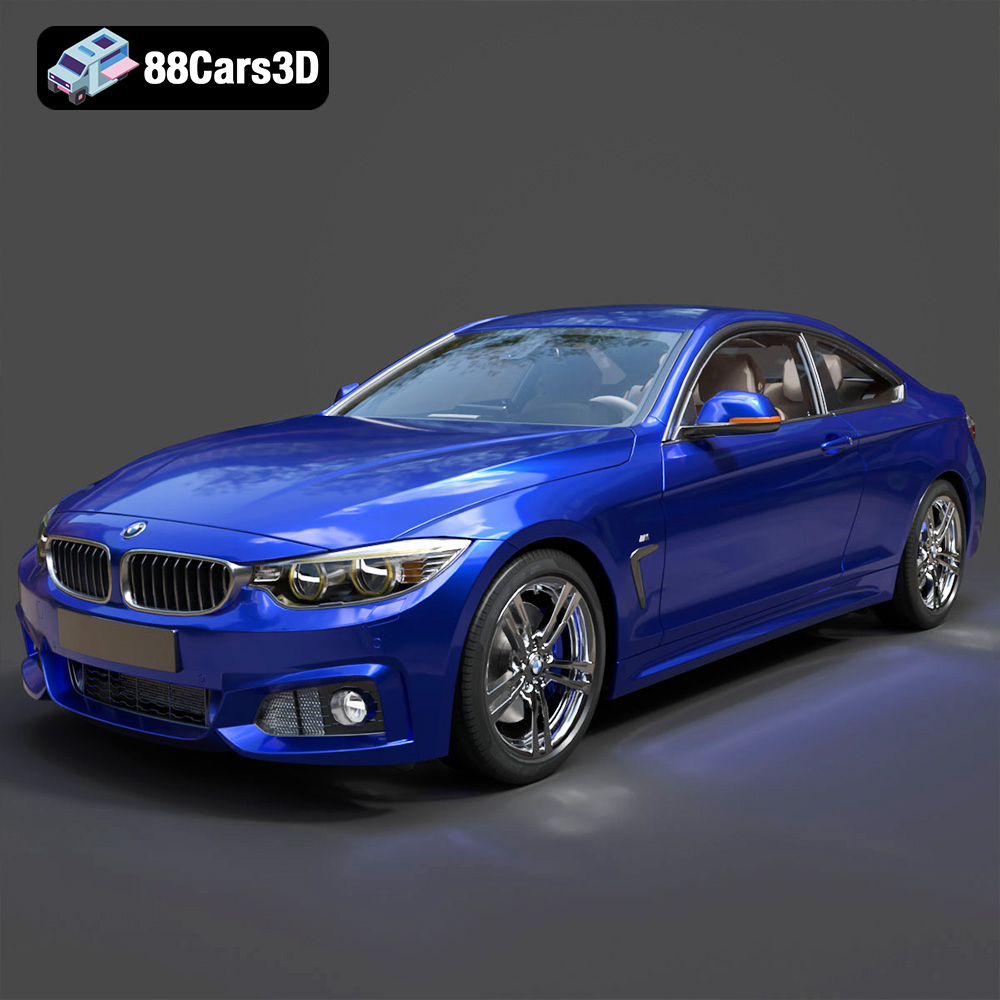
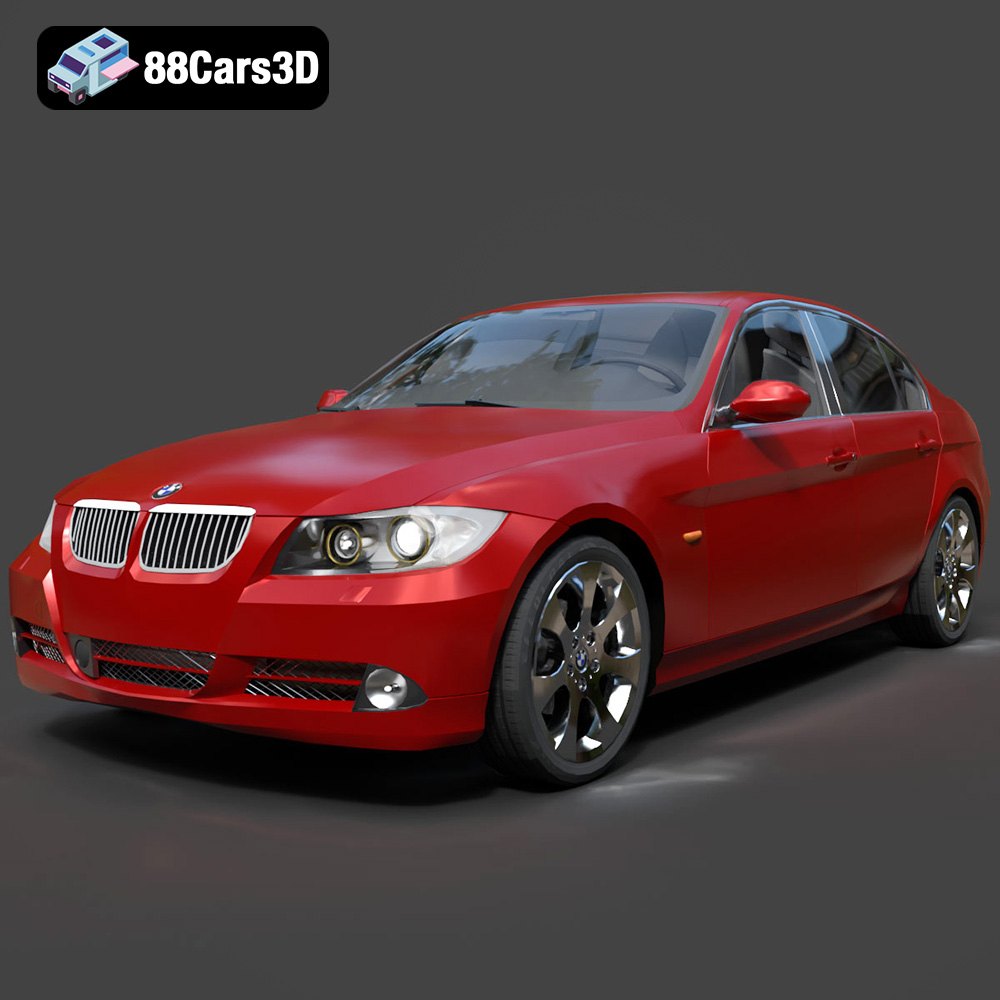
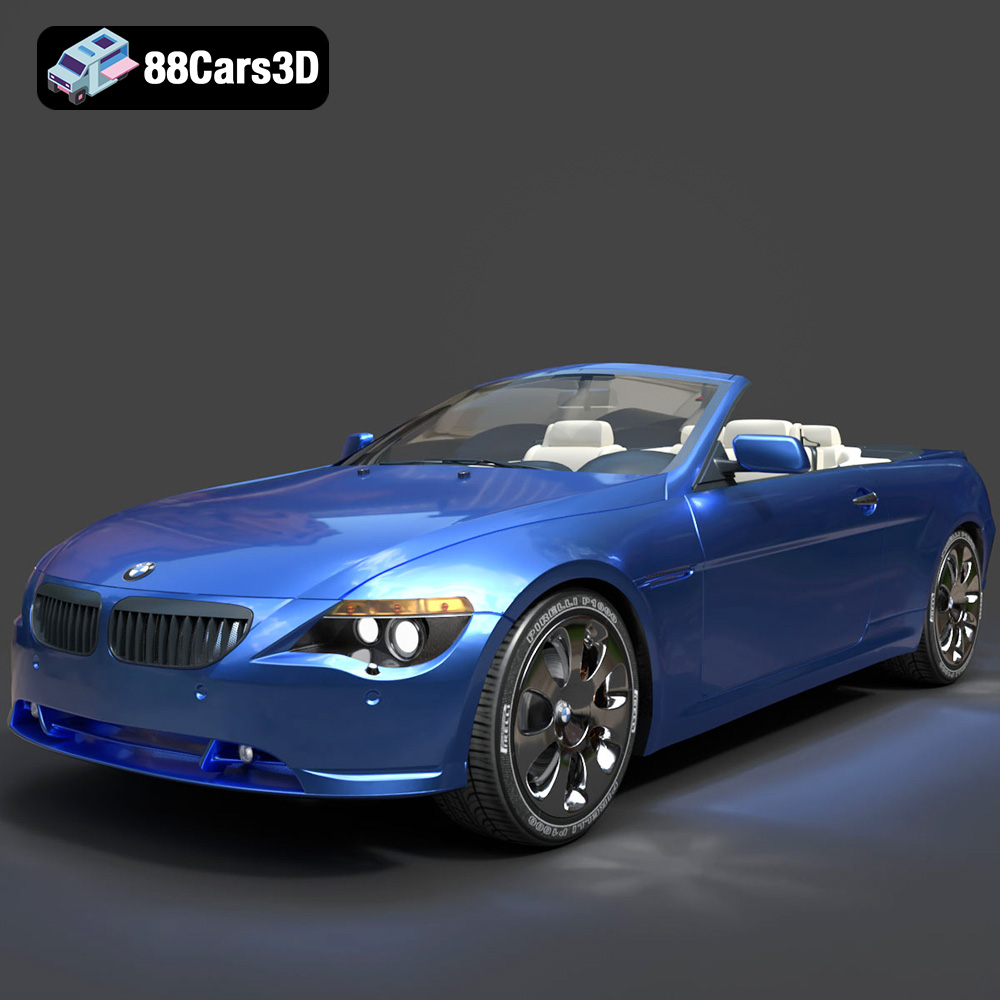
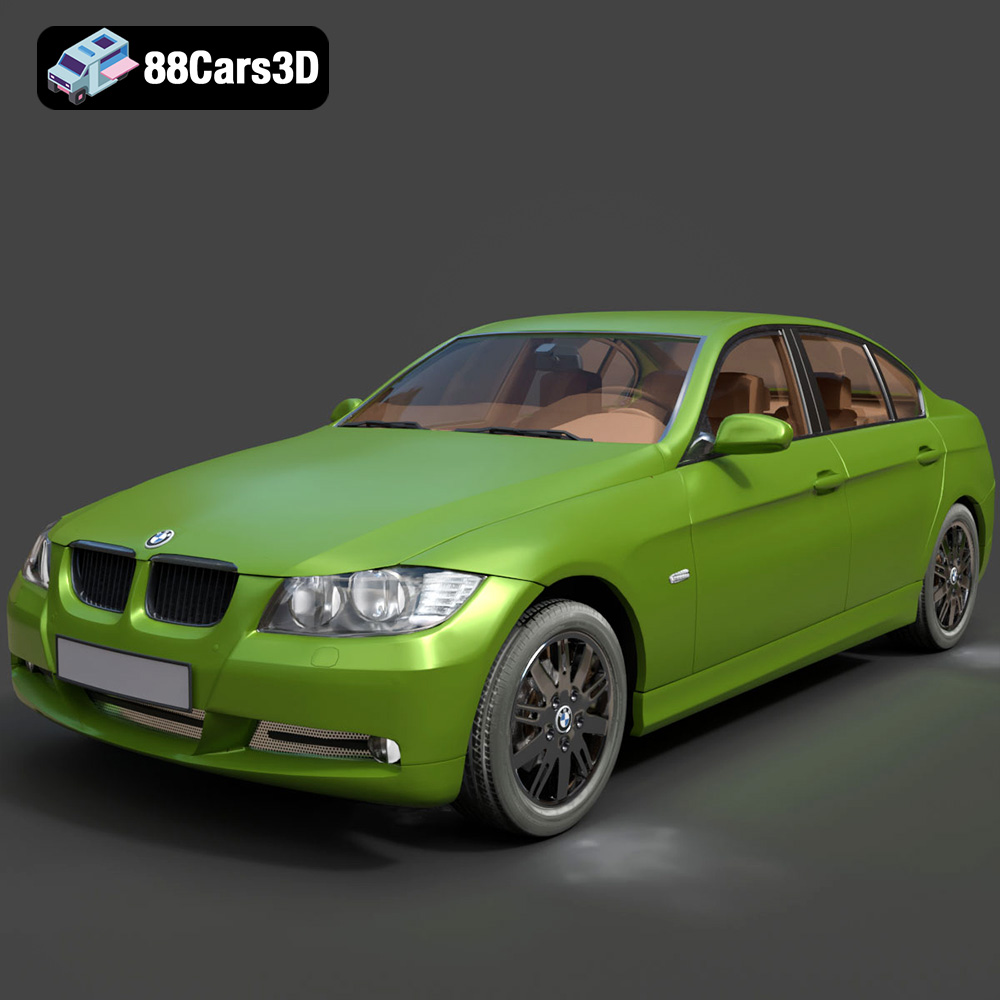
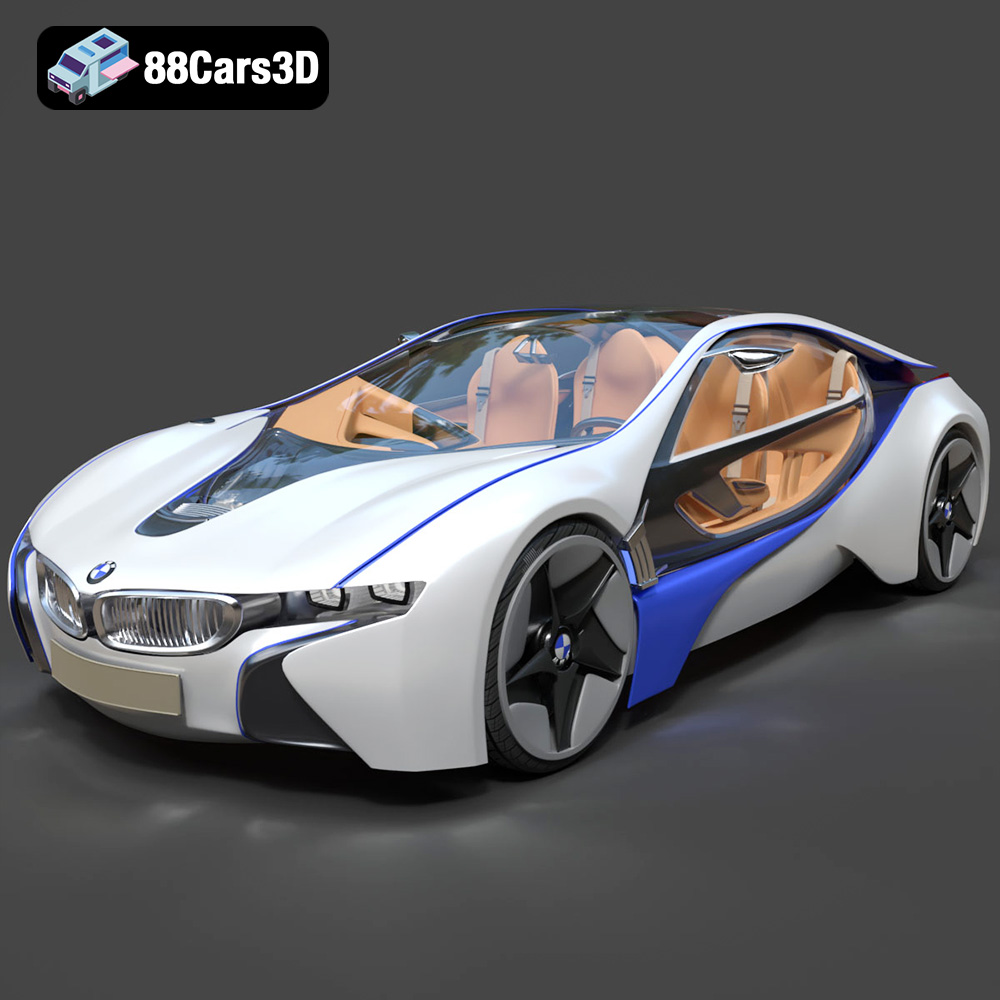
For automotive designers and engineers, 3D models are indispensable tools for prototyping and validation. A high-fidelity model can accurately represent complex curves, intricate panel gaps, and interior details, allowing designers to iterate rapidly and identify potential issues long before physical production begins. This level of precision is crucial for achieving the desired aesthetic and aerodynamic performance. Similarly, in marketing and advertising, hyper-realistic 3D renders of vehicles can convey brand luxury and technological sophistication, creating compelling visuals that are often indistinguishable from actual photography.
The quest for realism extends to the way light interacts with surfaces, the subtle reflections on polished paint, and the texture of interior fabrics. These details, meticulously crafted into a 3D car model, elevate its perceived quality and enhance viewer immersion, making it a powerful asset for conveying authentic product experiences.
The Spectrum of Detail: From Low-Poly to Hyper-Realistic
The “quality” of a 3D car model isn’t solely defined by its polygon count, but rather by its suitability for a specific use case. A model designed for real-time game engines will prioritize optimized polygon counts (low-poly), efficient UV mapping, and streamlined material setups to ensure smooth performance. These models often utilize Levels of Detail (LODs) to swap out higher-resolution meshes for lower-resolution ones as the vehicle moves further from the camera, balancing visual quality with performance.
Conversely, models intended for high-resolution cinematic rendering or product visualization might boast millions of polygons (high-poly), intricate subdivision surfaces, and extensive texture maps to capture every minute detail. Such models are typically not suitable for real-time applications without significant optimization but deliver unparalleled visual fidelity in pre-rendered sequences. Understanding these distinctions is key to selecting or creating the right 3D car model for your specific project needs.
Understanding 3D Model File Formats
Navigating the world of 3D assets requires a solid understanding of the various file formats available. Each format serves specific purposes, offering different levels of compatibility, data retention, and optimization for particular workflows. Choosing the correct format is crucial for ensuring seamless integration into your chosen software or engine and maximizing the efficiency of your project. Professional marketplaces like 88cars3d.com often provide models in multiple formats to cater to diverse professional needs.
Proprietary vs. Universal Formats
3D file formats can generally be categorized into two groups: proprietary and universal. Proprietary formats are native to specific 3D software applications, retaining all software-specific data such as modifiers, animation rigs, and complex material node setups. While these offer maximum editability within their native environment, they may not transfer perfectly to other applications. Universal formats, on the other hand, are designed for broad compatibility, focusing on transferring core mesh, UV, material, and sometimes animation data across different platforms, albeit often with some loss of application-specific features.
Navigating Specific Use Cases
Let’s delve into some of the most common and critical 3D model file formats you’ll encounter when working with 3D car models:
- .blend – Fully editable Blender scene with materials: This is Blender’s native file format. It’s incredibly powerful as it stores everything within a Blender project: meshes, materials, textures, animations, rigging, cameras, lighting, physics simulations, and even custom scripts. If you’re a Blender user, a .blend file offers maximum flexibility for editing, customization, and scene development. It allows for full control over the asset’s construction and is ideal for artists who want to deconstruct, modify, or extend the model’s functionality.
- .fbx – Ideal for Unreal, Unity, and real-time pipelines: Developed by Autodesk, FBX (Filmbox) is one of the most widely adopted interchange formats in the industry, especially for game development and animation. It efficiently stores 3D models, animation data, skeletal rigs, and PBR material definitions. Its strength lies in its ability to transfer complex scene data between different 3D applications and game engines like Unreal Engine and Unity while preserving hierarchy and animation. It’s the go-to format for bringing animated 3D car models into a game environment for real-time rendering.
- .obj – Universal format for cross-software compatibility: OBJ (Object) is a venerable and widely supported format, often considered the “workhorse” for basic 3D model exchange. It primarily stores geometric data (vertices, normals, texture coordinates) and references to external material files (.mtl). While it doesn’t support animation or advanced PBR materials inherently, its simplicity and ubiquitous support make it excellent for mesh-only transfers between almost any 3D software package. It’s reliable for static 3D car models where the mesh is the primary concern.
- .glb – Optimized for AR, VR, and browser-based display: GLB is the binary version of glTF (Graphics Language Transmission Format), designed for efficient transmission and loading of 3D scenes and models in web and real-time applications. It packages all assets (mesh, textures, materials, animations) into a single, compact file, making it perfect for augmented reality (AR), virtual reality (VR), and interactive browser-based experiences like 3D configurators. Its focus on speed and smaller file sizes makes it increasingly popular for deploying 3D car models on the web and mobile devices.
- .stl – Suitable for 3D printing output: STL (STereoLithography) is the standard file format for 3D printing. It represents a 3D model as a series of connected triangles (a tessellation) that describe the surface geometry without any color, texture, or material information. For 3D printing 3D car models, ensuring the mesh is “manifold” (watertight with no holes) is critical, as STL files are essentially instructions for additive manufacturing processes.
- .ply – Precision mesh format for CAD or analysis: PLY (Polygon File Format) is another format for storing 3D data, particularly useful for scanned data, CAD, and scientific applications where precision and additional data per vertex (like color or confidence values) are important. It can store faces, vertices, normals, and even color per vertex. While less common for general 3D car model distribution compared to FBX or OBJ, it’s highly valued in specific engineering and analysis pipelines.
- .unreal – Engine-ready asset for real-time environments: While not a standalone file extension in the traditional sense, “unreal” often refers to a model specifically prepared and optimized for Unreal Engine, typically imported via FBX and then converted into Unreal’s internal asset structure. An “Unreal-ready” asset implies it comes with optimized meshes, PBR materials, LODs, collision meshes, and sometimes even pre-configured blueprints or animation sequences, ready for direct integration into an Unreal project without extensive setup.
- .max – Editable 3ds Max project for animation and rendering: Similar to .blend for Blender, .max is the native file format for Autodesk 3ds Max. It contains all scene information, including geometry, modifiers, materials (especially V-Ray or Corona setups), lighting, cameras, and animation data specific to 3ds Max. It’s the optimal choice for users of 3ds Max who require full editability and access to complex scene setups, particularly for high-end automotive rendering and animation workflows.
When sourcing 3D car models from platforms like 88cars3d.com, pay close attention to the available file formats to ensure compatibility with your specific software and project requirements.
Mastering Automotive Rendering: Bringing Cars to Life
Automotive rendering is an art form that transforms static 3D car models into photorealistic images and animations. It involves a meticulous combination of advanced lighting, material science, and camera techniques to evoke emotion and showcase design intent. Achieving a compelling automotive render requires a deep understanding of Physically Based Rendering (PBR) workflows and artistic sensibility.
The Art of PBR Materials and Texturing
PBR is the cornerstone of modern photorealistic rendering. It describes how light interacts with surfaces in a physically accurate way, resulting in more consistent and believable materials across different lighting conditions. For 3D car models, this means crafting materials that accurately mimic real-world car paint (metallic flake, clear coat), tire rubber, glass, chrome, and interior leathers or fabrics.
Key PBR texture maps include:
- Albedo/Base Color: Defines the diffuse color of the surface.
- Normal Map: Adds fine surface detail (like subtle dents or fabric weaves) without increasing polygon count.
- Roughness Map: Controls the microscopic surface irregularities, dictating how rough or smooth a surface appears and how light scatters off it.
- Metallic Map: Determines which parts of a material behave like a metal (reflecting light) and which behave like a dielectric (diffusing light).
- Ambient Occlusion (AO) Map: Simulates soft shadows where light is occluded, enhancing depth and realism.
The precise layering and blending of these maps create the rich, nuanced surfaces that bring a 3D car model to life, especially in high-end renderers like V-Ray, Corona Renderer, Octane, or Arnold.
Lighting, Cameras, and Environment HDRI
Just as a photographer carefully lights a car for a photoshoot, a 3D artist must expertly craft the lighting environment. High Dynamic Range Images (HDRIs) are often used to provide realistic environmental lighting, capturing real-world light information (color, intensity, direction) from a spherical panoramic image. These HDRIs can simulate anything from a sunny outdoor scene to a professional studio setup, dramatically enhancing reflections and overall realism.
Beyond HDRIs, strategic placement of virtual studio lights (area lights, dome lights, spotlights) is crucial for highlighting specific design features, creating dramatic shadows, and emphasizing curves. Camera choice, focal length, depth of field, and aperture settings also play a vital role in composing a captivating automotive shot, mimicking real-world photography principles.
Post-Production Techniques for Polish
No render is truly finished without post-production. This phase, often performed in software like Adobe Photoshop, Affinity Photo, or Blackmagic Fusion, involves color correction, exposure adjustments, adding lens flares, subtle glow effects, and sharpening. Compositing render passes (like reflection, refraction, shadow, and ambient occlusion passes) gives artists granular control over each element, allowing for meticulous adjustments that elevate a good render to an exceptional one. This final polish adds the “magic” that makes an image truly photorealistic and impactful.
Integrating 3D Car Models into Game Development
The interactive nature of game development places unique demands on 3D car models. Unlike static renders, game assets must perform efficiently in real-time while maintaining visual quality. This requires a strong focus on optimization, engine compatibility, and smart asset management.
Optimization for Real-Time Performance
The primary goal for game assets is performance. This means keeping polygon counts as low as possible without sacrificing visual integrity. Techniques include:
- Polygon Reduction: Simplifying meshes using tools within 3ds Max, Blender, or dedicated software.
- Levels of Detail (LODs): Creating multiple versions of the model with decreasing polygon counts. The engine then automatically switches between these LODs based on the camera’s distance, ensuring performance without a noticeable drop in quality up close.
- Efficient UV Unwrapping: Maximizing texture space utilization and minimizing seams to prevent visual artifacts and improve texture streaming.
- Texture Atlases: Combining multiple smaller textures into one larger texture map to reduce draw calls and optimize memory usage.
These optimizations are critical for maintaining high frame rates, especially in open-world racing games or simulations featuring numerous vehicles.
Unreal Engine and Unity Workflows
Both Unreal Engine and Unity are industry-leading game engines that provide robust tools for integrating 3D car models. The typical workflow involves:
Exporting: High-quality 3D car models from 3ds Max, Blender, or other DCC tools are exported, typically as .fbx files, ensuring correct scale, pivot points, and embedded PBR textures.
Importing: In Unreal Engine or Unity, the FBX file is imported. The engine will then process the mesh, textures, and material assignments. For Unreal, this creates Static Mesh assets, Material assets, and Texture assets.
Material Setup: PBR materials are recreated within the engine’s node-based material editors, connecting the imported texture maps (albedo, normal, roughness, metallic, AO) to the appropriate PBR inputs. Custom parameters can be added for paint color variations or damage states.
Collision: Generating efficient collision meshes (often simpler approximations of the visual mesh) is crucial for accurate physics and player interaction. Both engines offer automatic collision generation or allow for custom-built collision hulls.
LODs Integration: Imported LOD meshes are configured within the engine to ensure seamless transitions during gameplay.
Animation and Rigging: If the 3D car model includes movable parts (doors, wheels, suspension), it will come with a skeletal rig and associated animations. These are imported and configured in the engine to respond to player input or in-game events.
Blueprints/Scripts: For Unreal Engine, Blueprints are often used to create interactive car systems, controlling engine sounds, tire smoke, damage, and driving physics. In Unity, C# scripts serve a similar purpose.
Crafting Realistic Driving Experiences
Beyond visual fidelity, a convincing driving experience relies on accurate physics. Game engines provide robust physics engines (e.g., Chaos Physics in Unreal Engine, PhysX in Unity) that allow developers to simulate realistic tire friction, suspension dynamics, engine torque, and vehicle handling. This involves setting up center of mass, wheel colliders, suspension joints, and tuning parameters to match the real-world performance characteristics of the 3D car model. Damage models, tire deformation, and dynamic dirt accumulation further enhance realism and player immersion.
Advanced Applications: AR/VR, 3D Printing, and Configurators
The utility of high-quality 3D car models extends far beyond traditional rendering and game development, driving innovation in emerging technologies and customer engagement.
Immersive Experiences in AR/VR
Augmented Reality (AR) and Virtual Reality (VR) are transforming how we interact with products, and 3D car models are central to this revolution. In AR, users can place a virtual car model into their real-world environment via a smartphone or tablet, allowing them to visualize a new vehicle in their driveway or garage. This requires highly optimized .glb models that load quickly and render smoothly on mobile devices.
In VR, entire virtual showrooms can be created, offering customers an immersive experience to explore vehicles, customize options, and even take virtual test drives. This necessitates exceptionally detailed yet performant 3D car models, often leveraging advanced rendering techniques within VR-optimized engines to maintain a high frame rate for comfort and realism.
Prototyping and Manufacturing with 3D Printing
For designers and engineers, 3D printing provides a rapid prototyping solution. Clean, manifold 3D car models in formats like .stl or .ply can be sent directly to a 3D printer to create physical scale models or even functional components for testing. This capability dramatically accelerates the design iteration process, allowing for tangible review and validation of concepts before committing to expensive tooling for mass production. The accuracy of the digital model directly translates to the precision of the physical print.
Interactive Automotive Configurators
Online car configurators have become a standard feature on automotive manufacturer websites, allowing potential buyers to customize their dream car in real-time. These configurators are powered by sophisticated 3D car models that allow for instant changes to paint color, wheel designs, interior trims, and optional accessories. The underlying technology often involves highly optimized meshes, dynamic material adjustments, and sometimes even real-time ray tracing to deliver stunning visual feedback directly in a web browser, showcasing the vehicle from every angle. Sourcing comprehensive 3D car models with easily swappable parts and materials, such as those found on 88cars3d.com, is key to building such interactive experiences.
Sourcing and Selecting the Right 3D Car Models
The success of any project utilizing 3D car models hinges on the quality and suitability of the assets chosen. Not all models are created equal, and discerning professionals know what to look for.
Key Technical Considerations
When evaluating 3D car models, consider these crucial technical aspects:
- Clean Topology: Look for models with clean, quad-based geometry, minimal ngons (polygons with more than four sides), and no overlapping vertices or faces. Clean topology ensures predictable subdivision, easier editing, and better deformation for animation.
- Proper UVs: Ensure the model has clean, non-overlapping UV maps. This is essential for applying textures correctly without stretching or distortion and for baking lighting information.
- PBR Materials: Verify that the model comes with PBR-ready materials and associated texture maps (albedo, normal, roughness, metallic, AO). This simplifies integration into modern rendering pipelines.
- Scalable Poly Counts: Ideally, models should be available in different poly counts or be easily optimizable for various uses (e.g., a high-poly version for rendering and a low-poly version with LODs for games).
- Included Formats: A professional asset should offer multiple file formats (.fbx, .obj, .blend, .max, .glb) to ensure broad compatibility with different software and engines.
- Accurate Scale and Pivot: Models should be built to real-world scale and have correctly placed pivot points for easy manipulation and animation.
The Value of Professional Marketplaces
Choosing a reputable source for your 3D car models significantly streamlines your workflow and guarantees a baseline of quality. Marketplaces like 88cars3d.com specialize in providing meticulously crafted, production-ready 3D car models that meet the rigorous demands of professional artists and developers. They offer:
- Curated Quality: Models are often reviewed for technical excellence, ensuring clean topology, proper UVs, and PBR-ready materials.
- Diverse Selection: A wide range of vehicle types, makes, and models are available, from classic cars to concept vehicles.
- Multiple Formats: Assets are typically provided in various common file formats, maximizing compatibility.
- Clear Licensing: Professional platforms provide clear licensing agreements, giving you peace of mind regarding commercial use.
- Technical Support: Access to support for any issues or questions regarding the purchased assets.
By relying on such platforms, you can save countless hours that would otherwise be spent on modeling, texturing, and optimizing, allowing you to focus on the creative aspects of your projects.
Conclusion
The world of 3D car models is a vibrant and technically demanding space, yet one that offers boundless creative opportunities. From crafting breathtaking automotive renders in 3ds Max or Blender to integrating optimized game assets into Unreal Engine, the ability to manipulate and present digital vehicles with precision and artistry is an invaluable skill. Understanding the nuances of file formats, the principles of PBR, and the specific optimization techniques for different applications empowers creators to push the boundaries of visual fidelity and interactive experiences.
Whether you’re building the next generation of racing games, designing the car of tomorrow, or producing high-impact marketing visuals, the demand for high-quality 3D car models will only continue to grow. By embracing the technical insights discussed here and leveraging trusted resources like 88cars3d.com for professional-grade assets, you can ensure your projects not only meet but exceed the expectations of today’s visually sophisticated audience, driving innovation and bringing your automotive visions to life.
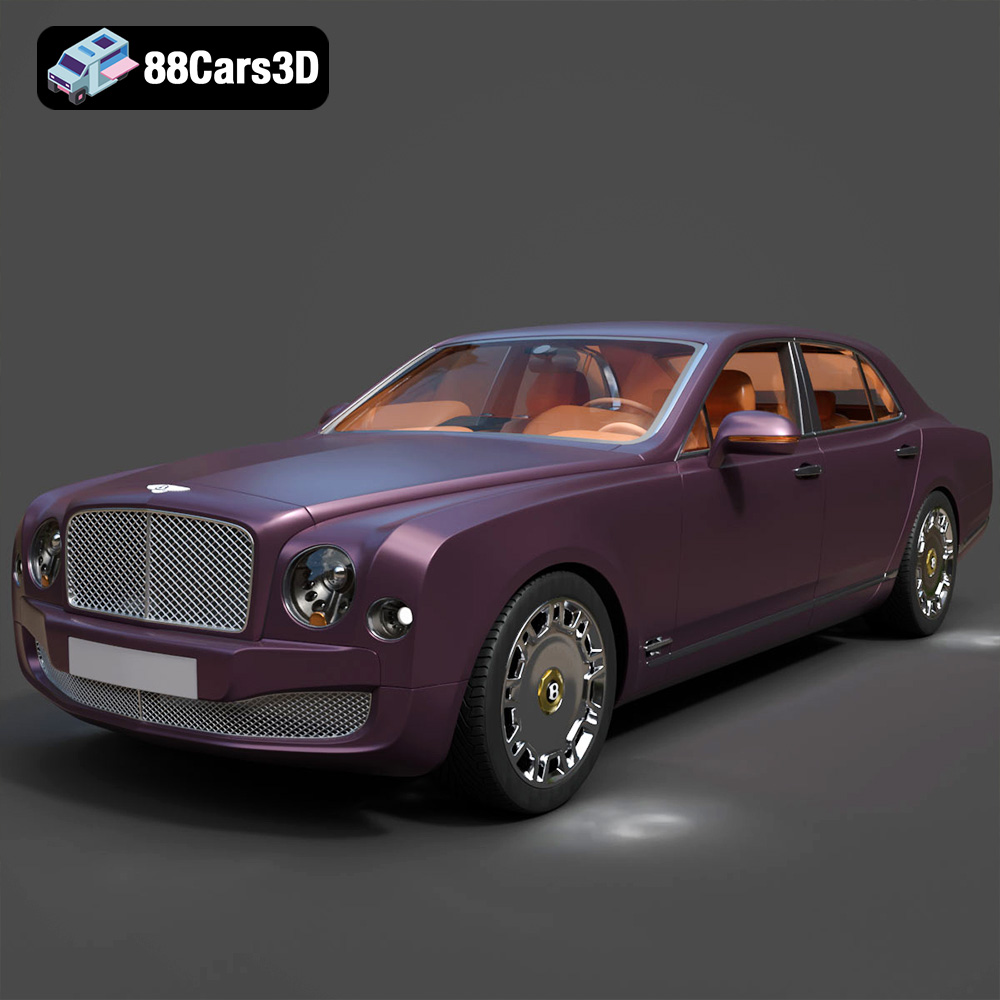
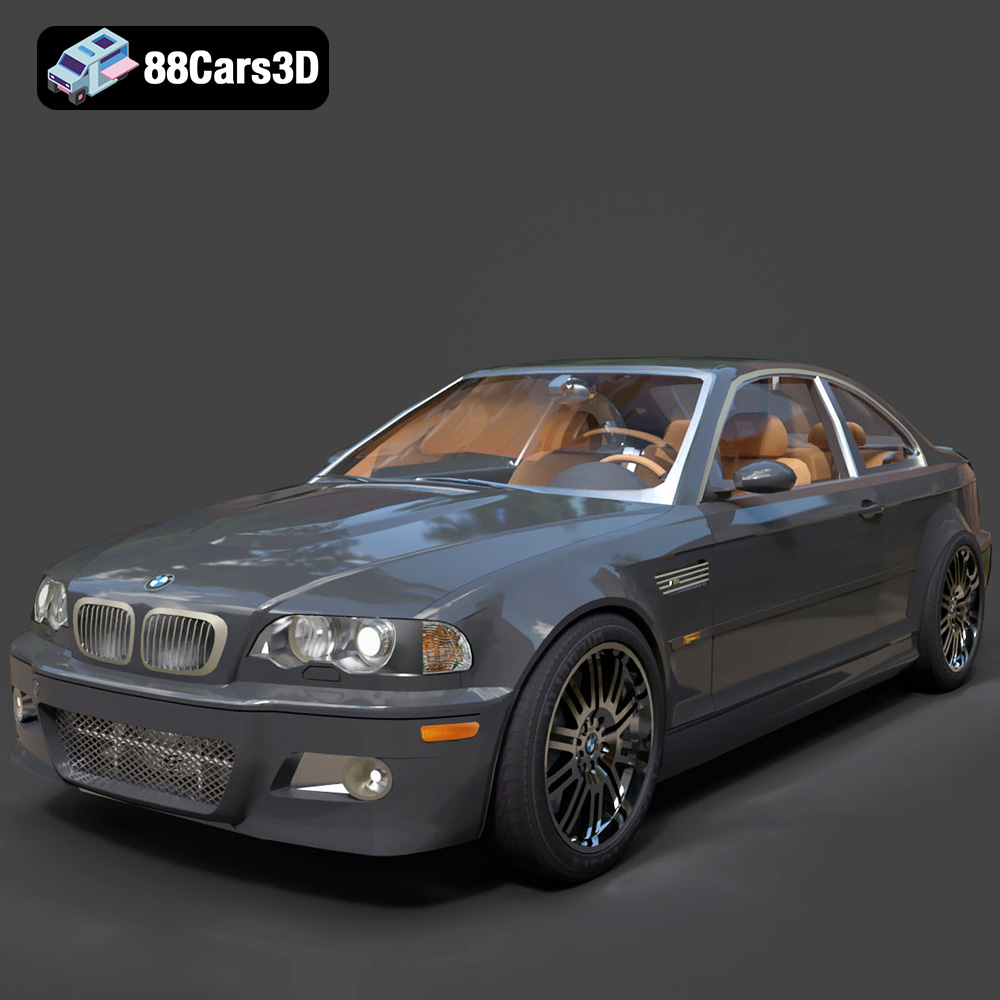
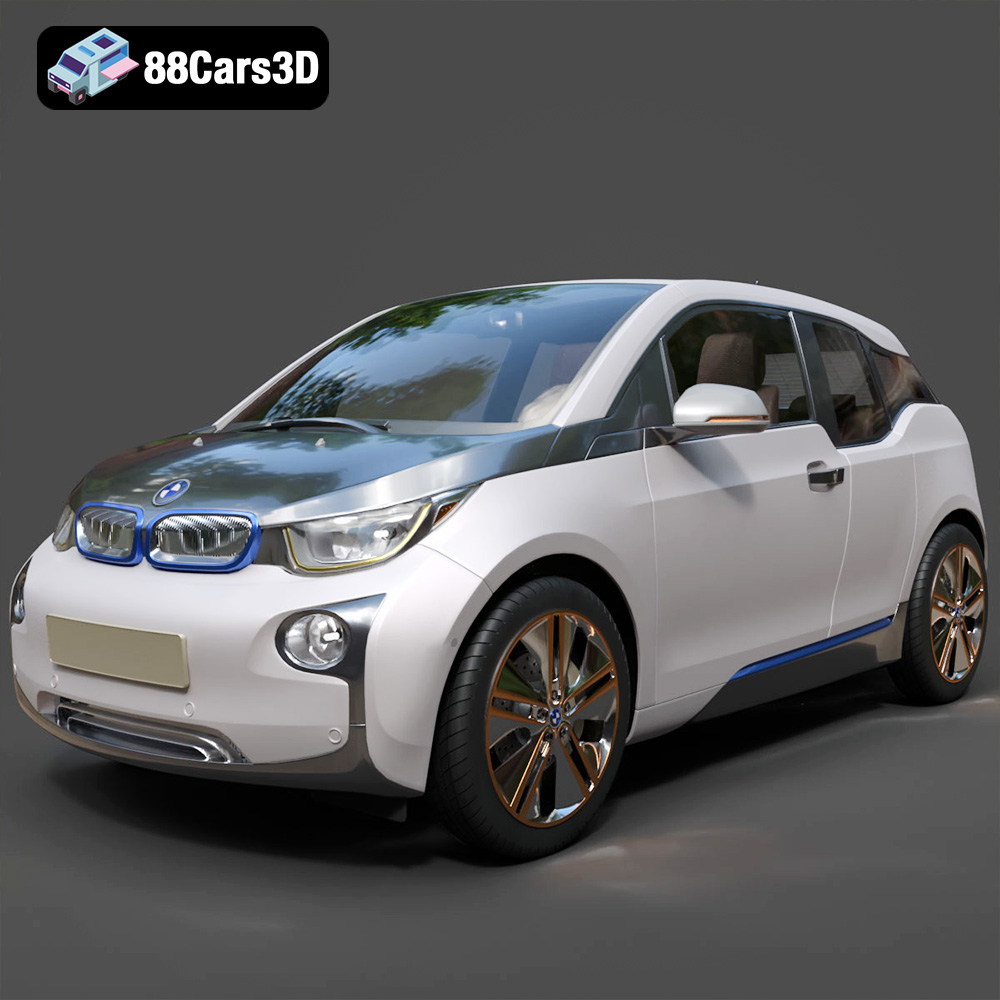
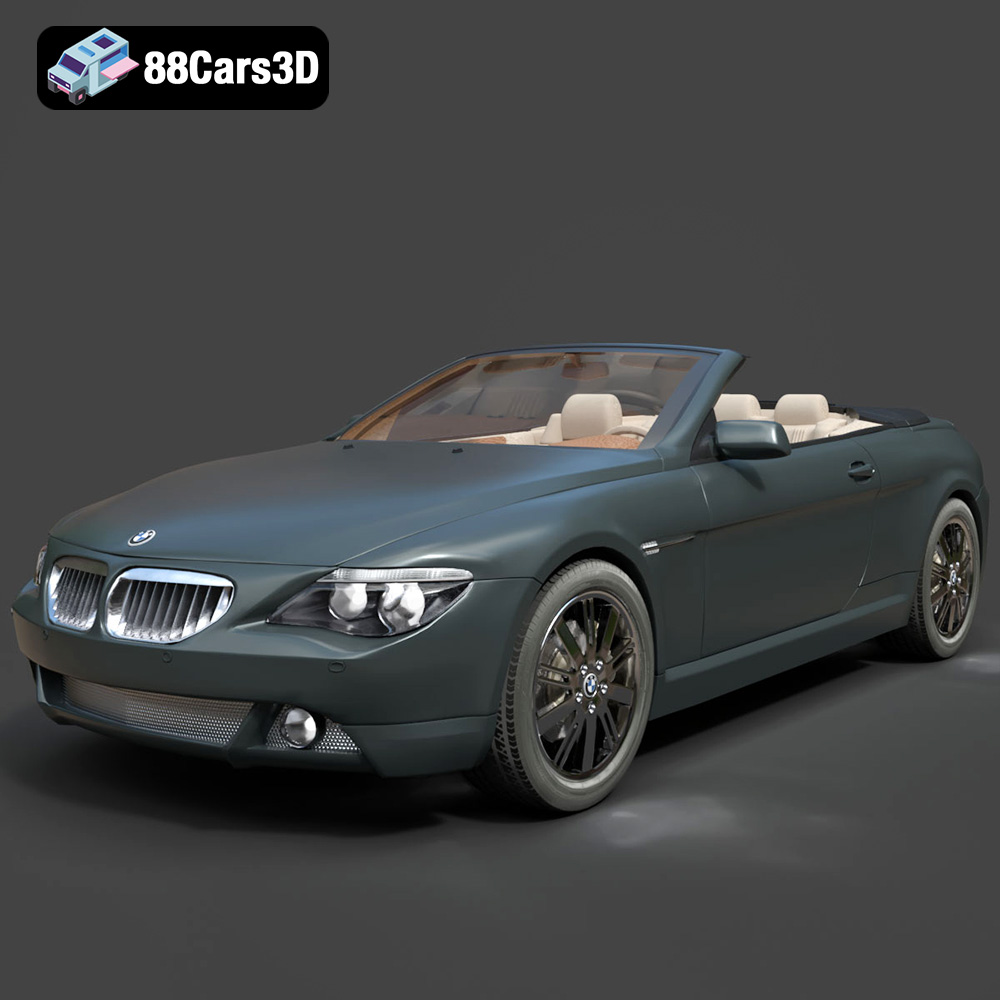
Featured 3D Car Models