

The pursuit of photorealism in real-time environments has long been the holy grail for 3D artists and developers. For industries like automotive visualization, where every reflection, every metallic flake, and every subtle nuance of a surface must be perfectly rendered, traditional Physically Based Rendering (PBR) models, while powerful, often presented limitations. Crafting truly convincing car paint, intricate leather, or complex carbon fiber required workarounds that could compromise physical accuracy or performance.
Enter Unreal Engine’s Substrate – a revolutionary material system designed to push the boundaries of real-time shading. Substrate is not merely an incremental update; it’s a fundamental reimagining of how materials are defined and rendered, offering unprecedented flexibility and physical accuracy. For developers leveraging high-quality 3D car models from platforms like 88cars3d.com, Substrate unlocks a new dimension of realism, allowing these meticulously crafted assets to truly shine.
In this comprehensive guide, we’ll dive deep into Unreal Engine’s Substrate, exploring its core architecture, practical implementation for automotive materials, and advanced optimization techniques. Whether you’re an Unreal Engine developer, a 3D artist, or a visualization professional, you’ll learn how to harness Substrate to create breathtakingly realistic automotive renders, dynamic interactive experiences, and cutting-edge virtual productions. We’ll cover everything from multi-layered car paint to managing performance with Nanite and Lumen, ensuring your projects achieve a level of visual fidelity previously thought impossible in real-time.
Understanding the Paradigm Shift: From PBR to Substrate
For years, the industry standard for realistic rendering has been Physically Based Rendering (PBR). PBR materials rely on a set of core parameters like Base Color, Metallic, Roughness, and Normal to define how light interacts with a surface. While incredibly effective for a wide range of materials, traditional PBR (often referred to as the “Standard Shading Model” in Unreal Engine) operates on a relatively simplified, single-layer model. This simplification can lead to challenges when attempting to accurately represent complex, multi-layered materials such as automotive paint, which often consists of a base coat, metallic flakes, and several layers of clear coat.
The limitations of traditional PBR become apparent when trying to simulate phenomena like thin-film interference (iridescence), volumetric scattering, or multiple distinct reflective layers on a single surface. Workarounds often involved blending multiple PBR materials or using complex shader math, which could be cumbersome, less physically accurate, and often less performant. Substrate, introduced with Unreal Engine 5.2, addresses these challenges head-on by moving away from a fixed PBR model to a modular, layered framework. Instead of defining a material with a single set of PBR parameters, Substrate allows you to stack multiple “Substrate Expressions” – like building blocks – each representing a distinct material layer or interaction, and then define how light propagates through them. This fundamentally changes how we approach material creation, granting unparalleled control over surface properties and light interaction.
The Components of a Substrate Material
At its core, Substrate is about composing materials from elementary building blocks. These blocks, known as Substrate expressions, represent different physical phenomena. Key components you’ll encounter include:
- Surface: The foundational layer, similar to a traditional PBR surface, defining parameters like Base Color, F0 (reflectivity at normal incidence), and Roughness. Most materials will start with a Surface layer.
- ThinFilm: Essential for phenomena like iridescence, such as oil slicks, soap bubbles, or the subtle color shifts seen on certain coatings or car headlight covers. It simulates light interference within a thin layer.
- Volumetric: For scattering and absorption within a volume, useful for things like smoke, fog, or translucent plastics.
- Unlit: For emissive surfaces that don’t react to scene lighting.
- ClearCoat: A specialized layer designed to simulate a transparent coating over another surface, perfectly suited for automotive finishes.
- SubstrateMaterialOutput: This is the final node where all your layered expressions connect. It defines the overall material and its connection to the rendering pipeline.
The power lies in the ability to stack and blend these components, creating complex visual behaviors. For instance, a realistic car paint might combine a Base Surface (for the color and metallic flakes) with multiple ClearCoat layers, each contributing its own roughness and IOR, to simulate depth and protection. This ‘stack’ approach for layering ensures energy conservation and physically accurate light interactions, which was often a struggle with prior systems. With 88cars3d.com’s high-quality 3D car models, which feature clean UVs and realistic meshes, Substrate materials can be applied with precision, bringing an extraordinary level of visual integrity to every automotive project.
Energy Conservation and Physical Accuracy
One of Substrate’s most significant advantages is its robust handling of energy conservation, especially with multi-layered materials. In traditional PBR, accurately distributing light energy across multiple layers (e.g., a diffuse base and a clear coat) could be challenging, potentially leading to materials that looked either too bright or too dark, violating physical laws. Substrate, however, is built from the ground up to respect energy conservation principles, ensuring that the total light energy reflected and transmitted by a material remains physically plausible, regardless of how many layers are stacked.
This means that when you apply multiple transparent or reflective layers, Substrate intelligently calculates how light interacts with each layer – how much is absorbed, reflected, and transmitted – and passes the remaining energy to the subsequent layer. This results in more accurate reflections, refractions, and overall luminance, leading to materials that respond far more convincingly to different lighting conditions. For high-stakes automotive visualization, where the fidelity of reflections and highlights is paramount, Substrate’s approach to energy conservation is a game-changer. It allows artists to achieve nuanced metallic paints, deep clear coats, and realistic glass without the visual artifacts or compromises often associated with older rendering pipelines.
Setting Up Substrate Materials for Automotive Finishes
Transitioning to Substrate materials requires a slight shift in workflow, but the underlying principles of material creation remain familiar to anyone experienced with Unreal Engine’s Material Editor. To begin, you must ensure Substrate is enabled in your Unreal Engine project. Navigate to Edit > Project Settings > Rendering > Experimental and check the “Substrate Materials” option. Restarting the editor will apply these changes, and you’ll then find new Substrate-specific nodes available in the Material Editor palette. When you create a new material, you’ll notice it defaults to the standard PBR output; to switch to Substrate, you simply replace the default output node with a SubstrateMaterialOutput node.
The core of Substrate material creation involves connecting various Substrate expressions to this output node. For most automotive applications, you’ll start with a Base Surface expression, feeding it parameters like Base Color (from your texture maps or a constant value), F0 (often 0.04 for non-metals or higher for metals), and Roughness. From there, you can layer additional expressions using dedicated blend nodes or by connecting them sequentially. For instance, a common setup involves connecting a ClearCoat expression on top of a Base Surface to create that characteristic glossy automotive finish. These layers are effectively merged, with Substrate handling the complex light interactions between them, ensuring a physically accurate result. This modularity means you can start simple and progressively add complexity without breaking the physical realism of your material, making it ideal for the iterative design process common in automotive visualization projects.
Crafting Multi-Layered Car Paint
Creating truly photorealistic car paint is one of Substrate’s standout applications. A typical car paint finish consists of several distinct layers: a primer, a colored base coat (often with metallic or pearlescent flakes), and multiple clear coats that provide gloss, depth, and protection. With traditional PBR, simulating all these layers accurately was incredibly difficult without custom shaders. Substrate simplifies this process by allowing you to explicitly define and stack these layers.
- Base Layer: Start with a `SubstrateSurface` expression. Feed in your vehicle’s Base Color (e.g., a vibrant red or deep blue), and appropriate Roughness and F0 values. For metallic paints, you would use a `SubstrateMetallicFlakes` expression and connect it to your Surface. This node allows you to control flake density, size, and sparkle, lending that essential metallic sheen.
- Clear Coat Layers: On top of your base layer, add one or more `SubstrateClearCoat` expressions. Connect the output of your base layer to the `SubstrateClearCoat`’s Base input. Each clear coat can have its own Roughness, IOR (Index of Refraction, typically around 1.5 for automotive clear coats), and Absorption Color/Distance. By layering multiple clear coats with slightly varying roughness values, you can simulate the subtle depth and wet look of real-world paint. For instance, a very smooth, low-roughness clear coat on top of a slightly rougher one can mimic the layered effect of a factory finish.
- Thin-Film Effects (Optional): For specialized paints like iridescent or chameleon finishes, you might incorporate a `SubstrateThinFilm` expression, either on its own or layered under a clear coat, to create those captivating color shifts.
The result is a material that not only looks stunning but also reacts accurately to lighting, producing convincing reflections, specularity, and depth. When sourcing automotive assets from marketplaces such as 88cars3d.com, which feature models with clean topology and proper UV mapping, applying these sophisticated Substrate materials becomes a streamlined process, allowing artists to focus on artistic direction rather than technical hurdles.
Advanced Interior Materials
Substrate’s capabilities extend far beyond exterior paint, making it indispensable for crafting hyper-realistic automotive interiors. Materials like leather, carbon fiber, and brushed metals, which often present challenges with traditional PBR, can be meticulously recreated with Substrate.
- Leather: Real leather exhibits complex subsurface scattering, a subtle sheen, and fine micro-details. A Substrate approach might involve a `SubstrateSurface` for the base color and primary roughness, combined with a `SubstrateMicroFiber` expression to simulate the fine fibrous structure. For worn leather, you might even blend in `SubstrateTransmittance` or `SubstrateVolumetric` to mimic light subtly scattering through thinner areas or cracks. The ability to layer these effects allows for incredible realism, capturing the soft, supple feel of high-end automotive leather.
- Carbon Fiber: This material is characterized by its woven pattern, often encased in a glossy resin. With Substrate, you can combine a `SubstrateSurface` for the woven texture’s base (with appropriate anisotropy if desired) and then apply a `SubstrateClearCoat` on top to represent the resin. The clear coat would have its own IOR and roughness, accurately simulating the deep, protected finish of carbon fiber panels. The interaction between the intricate weave and the reflective clear coat is handled beautifully, capturing the material’s distinctive look.
- Brushed Metals: Brushed metals require anisotropic reflections, where reflections stretch along the direction of the brushing. While traditional PBR had some anisotropy support, Substrate offers more control. You can use a `SubstrateAnisotropic` expression alongside your `SubstrateSurface` to precisely control the direction and intensity of anisotropy, resulting in incredibly convincing brushed aluminum or stainless steel finishes for trim pieces and dashboards.
By leveraging Substrate’s modularity, artists can faithfully reproduce the tactile and visual qualities of these complex interior materials, elevating the overall realism of any automotive visualization project. This attention to detail is crucial for high-fidelity rendering, game development, and AR/VR applications where immersion is key.
Optimizing Substrate Materials for Real-time Performance
While Substrate unlocks incredible visual fidelity, it’s essential to understand its performance implications. By nature, more complex materials will incur a higher shader cost. Each additional layer, texture lookup, and complex calculation contributes to the overall instruction count of the shader, directly impacting real-time frame rates. However, Unreal Engine provides powerful tools and best practices to manage this complexity and ensure your Substrate-powered automotive scenes remain performant.
The key lies in intelligent material design and leveraging Unreal Engine’s optimized rendering pipeline. It’s not about avoiding Substrate, but about using its features judiciously. For instance, while you can layer many clear coats, visually assessing if three layers truly add more value than two for a given camera distance is crucial. Always prioritize performance, especially for interactive experiences like automotive configurators or game assets, where consistent frame rates are paramount. Unreal Engine’s shader complexity view mode (accessible from the Viewport’s ‘Show’ menu > ‘Visualize’) is your best friend here, providing instant visual feedback on the cost of your materials. Hotter colors indicate higher instruction counts, guiding you to areas needing optimization. Regularly profiling your scene with the Stat GPU command will also provide granular details on shader performance, helping you pinpoint bottlenecks.
Managing Material Complexity and Shader Cost
Effective management of Substrate material complexity is vital for maintaining optimal real-time performance. Here are key strategies:
- Minimal Layering: Only use as many Substrate layers as are visually necessary. For example, while physically accurate car paint might have many clear coat layers, a simplified stack might be perfectly convincing for distant objects or less critical assets. Always question if an additional layer truly adds noticeable visual benefit.
- Shared Material Functions: Encapsulate common calculations or material logic into Material Functions. This not only cleans up your material graphs but also allows Unreal Engine to potentially optimize and reuse shader code, reducing overall instruction count.
- Texture Optimization: Use appropriate texture resolutions. For example, a 4K normal map might be overkill for a small interior button. Employ texture streaming and compression settings effectively. When working with 88cars3d.com models, leverage their optimized texture sets as a strong foundation.
- Shader Complexity View Mode: Regularly use the Shader Complexity view mode in the viewport to visualize the instruction count of your materials. Aim for green and blue areas; red and white indicate very high costs that need attention.
- Parameterization: Use Material Instances (Master Materials) and expose parameters. This allows artists to tweak material properties without recompiling the entire shader, speeding up iteration and potentially reducing redundant shader variants.
By implementing these practices, you can strike an excellent balance between Substrate’s immense power for visual fidelity and the need for robust real-time performance, ensuring your Unreal Engine projects run smoothly across target platforms.
Leveraging Nanite and Lumen with Substrate
Substrate doesn’t operate in a vacuum; it’s designed to work hand-in-hand with Unreal Engine’s other next-generation features, particularly Nanite and Lumen. This powerful trio forms the backbone of Unreal Engine 5’s promise of cinematic-quality real-time rendering. When used together, they create an incredibly synergistic pipeline for automotive visualization.
- Nanite Virtualized Geometry: Nanite allows artists to import and render incredibly high-polygon models (like the detailed 3D car models available on 88cars3d.com) without significant performance penalties. It automatically handles LODs and streaming, ensuring that only the necessary geometric detail is rendered at any given time. For Substrate, this means you can apply your ultra-realistic, complex materials to meshes with millions of polygons without worrying about geometry budget. The intricate reflections and details generated by Substrate will be rendered on a geometrically accurate surface, enhancing the overall photorealism.
- Lumen Global Illumination: Lumen is Unreal Engine’s fully dynamic global illumination and reflections system. Substrate materials define how light interacts with a surface (reflecting, absorbing, transmitting), and Lumen takes this information to accurately propagate light throughout the scene, calculating realistic indirect lighting, soft shadows, and reflective bounces. When a Substrate clear coat reflects the environment, Lumen ensures those reflections are dynamic and physically accurate. The deep, multi-layered reflections of a Substrate car paint material will beautifully interact with Lumen’s real-time GI, creating unparalleled atmospheric depth and realism for your automotive scenes.
This integrated approach allows Unreal Engine developers to achieve a level of realism and performance that was previously unattainable, especially for high-fidelity real-time rendering of complex environments and detailed 3D car models.
Integrating Substrate with Unreal Engine’s Ecosystem for Automotive Visualization
Substrate materials, while powerful on their own, truly shine when integrated into Unreal Engine’s broader ecosystem. For automotive visualization, this means harnessing the engine’s tools for interactivity, cinematic storytelling, and immersive experiences. Whether you’re building a real-time car configurator, rendering a stunning commercial, or developing a virtual showroom, Substrate forms the foundation of your visual fidelity, complementing features like Blueprint, Sequencer, and advanced rendering pipelines.
The modularity of Substrate not only benefits material creation but also simplifies integration with dynamic systems. For example, changing car paint colors or interior finishes in an interactive configurator becomes a straightforward process of manipulating Substrate material parameters. Similarly, for virtual production workflows using LED walls, the physical accuracy of Substrate materials ensures that digital assets blend seamlessly with real-world elements, maintaining consistent lighting and reflections across both. This holistic integration ensures that the effort invested in creating hyper-realistic Substrate materials yields maximum impact across all facets of an Unreal Engine project, from the smallest game asset to the most ambitious virtual experience.
Dynamic Material Instancing and Blueprint Interactions
One of the most compelling applications of Substrate in automotive visualization is the creation of dynamic, interactive configurators. This involves allowing users to change material properties—such as car paint color, wheel finishes, or interior upholstery—in real-time. Unreal Engine’s Material Instances and Blueprint visual scripting are the perfect tools for this interaction.
- Parameterization: When designing your Substrate master materials, expose key parameters (e.g., Base Color, Clear Coat Roughness, Metallic Flake properties) using the “Parameter” nodes in the Material Editor. This allows these values to be adjusted externally.
- Creating Dynamic Material Instances: In Blueprint, at runtime, you can create a “Dynamic Material Instance” from your master Substrate material. This instance is a copy of the master material but allows its exposed parameters to be changed without recompiling the shader, ensuring smooth performance.
- Blueprint Logic: Use Blueprint to drive these parameter changes. For example, when a user clicks a color swatch in a UI, a Blueprint script can call the “Set Vector Parameter Value” node (for colors) or “Set Scalar Parameter Value” node (for roughness, metallic flakes) on the Dynamic Material Instance. This instantly updates the material on the 3D car model, providing immediate visual feedback to the user.
This workflow enables seamless material swaps for complex elements like metallic car paint, allowing users to experiment with different finishes and trims with high fidelity. For game developers and automotive designers, this capability is invaluable for showcasing variants of vehicle designs, creating immersive showrooms, or implementing in-game customization systems using assets like the high-quality models from 88cars3d.com.
Substrate in Virtual Production and AR/VR
Substrate’s physical accuracy is a critical asset in advanced workflows such as Virtual Production (VP) and Augmented/Virtual Reality (AR/VR) applications. These environments demand the highest level of realism to maintain immersion and credibility.
- Virtual Production (LED Walls): In virtual production, digital assets rendered in Unreal Engine are displayed on large LED walls, acting as the virtual backdrop for live-action filming. The ability of Substrate materials to accurately reflect light, cast realistic shadows, and maintain consistent visual properties under various real-world lighting conditions is paramount. Substrate ensures that the digital car, for example, shares the same reflective qualities and reacts to the studio’s lights in the same physically plausible way as any physical prop. This seamless blending of digital and physical elements is crucial for achieving high-quality in-camera visual effects and reducing post-production time.
- AR/VR Optimization: While AR/VR demands real-time performance, it also thrives on immersion, which is heavily influenced by material fidelity. Substrate can enhance the realism of 3D car models in AR/VR experiences, making virtual vehicles feel more tangible. However, optimization is key. For AR/VR, careful management of Substrate complexity is even more critical due to stringent frame rate requirements (e.g., 90 FPS for VR). This might involve:
- Using simpler Substrate stacks for objects that are distant or less visually prominent.
- Baking complex lighting into textures where dynamic global illumination (Lumen) might be too costly.
- Optimizing texture resolutions and material parameter counts.
By judiciously applying Substrate, developers can deliver breathtakingly realistic automotive experiences in AR/VR, allowing users to explore cars with unprecedented detail, whether it’s an interactive showroom or a driving simulator.
The combination of physically accurate Substrate materials with optimized workflows makes Unreal Engine an indispensable tool for the next generation of immersive automotive experiences.
Advanced Substrate Techniques and Future Potential
Beyond the foundational applications, Substrate offers a fertile ground for advanced techniques and custom solutions, pushing the boundaries of what’s possible in real-time rendering. Its modular architecture is not just about layering predefined material types; it’s about giving developers and artists the power to define entirely new ways light interacts with surfaces. This level of control opens the door for highly specialized automotive materials and innovative visual effects that transcend conventional PBR limitations.
The potential for Substrate extends into creating entirely custom shading models. Imagine developing unique material behaviors for futuristic concept cars, simulating responsive smart surfaces, or even replicating exotic, experimental coatings that react to environmental changes. This ability to tailor the material response directly within the Material Editor, rather than relying on fixed models, means greater creative freedom and the capacity to innovate at a rapid pace. As Unreal Engine continues to evolve, Substrate will undoubtedly become the canvas for groundbreaking visual effects and the bedrock of next-generation photorealism, empowering artists to realize their most ambitious visions in real-time.
Custom Shading and Specialized Effects
Substrate’s true power lies in its extensibility. While the provided Substrate expressions cover a wide range of common materials, the system allows for the creation of bespoke shading behaviors to achieve truly unique or experimental effects, particularly relevant for cutting-edge automotive design and visualization.
- Bespoke Reflectance Models: You’re not limited to standard Lambertian diffuse or GGX specular. Substrate allows you to implement custom reflectance distribution functions (BRDFs) for highly specialized materials. For instance, if you need to simulate a unique retroreflective surface or a non-standard anisotropic behavior beyond what the default nodes provide, you can craft your own Substrate expression logic using custom nodes and mathematical operations.
- Chameleon or Color-Shifting Paints: Beyond a simple ThinFilm, you could combine various Substrate elements with custom logic driven by view angle or light direction to create complex iridescent or multi-chromatic paints that dynamically shift color, mimicking advanced factory finishes. This might involve blending multiple surfaces based on dot products with the camera vector or light vector.
- Self-Healing or Reactive Surfaces: Imagine a material that visually “heals” over time or changes its appearance based on environmental input (e.g., temperature). While this would require Blueprint or C++ for the dynamic input, Substrate provides the visual framework to define how the material transitions between states, allowing for nuanced blending of different properties.
- Procedural Materials: Rather than relying solely on texture maps, you can leverage Unreal Engine’s procedural nodes within Substrate to generate complex patterns and details on the fly. This is particularly useful for things like intricate carbon fiber weaves that adapt to mesh curvature, or realistic tire sidewall patterns with wear and tear integrated procedurally.
This deep level of control makes Substrate an invaluable tool for R&D in automotive design, enabling artists and engineers to explore and visualize concepts that push beyond current material capabilities, all within a real-time environment. The robust nature of Unreal Engine and the detailed inputs from 88cars3d.com models provide the perfect platform for these innovations.
Iterative Design and Workflow Efficiencies
Beyond its raw power for realism, Substrate also significantly enhances the iterative design process for automotive artists and designers. The modular and layered nature of Substrate materials inherently supports a more flexible and efficient workflow, leading to faster prototyping and more streamlined production cycles.
- Non-Destructive Material Iteration: With Substrate, you can easily add, remove, or modify layers without having to rebuild the entire material from scratch. Want to try a different clear coat thickness or add a subtle thin-film effect? Simply adjust a parameter or plug in a new Substrate expression. This non-destructive approach encourages experimentation and rapid iteration, crucial for creative exploration.
- Consistent Material Libraries: By creating robust Substrate master materials, studios can build extensive and consistent material libraries. A single master material for “automotive paint” can be instanced hundreds of times, with parameters exposed for base color, flake size, clear coat roughness, etc. This ensures brand consistency across different models and projects while allowing for vast variations in appearance, ideal for large-scale production of game assets or visualization projects.
- Easier Material Upgrades: As rendering technology evolves, Substrate’s modularity makes materials easier to upgrade. Instead of overhauling legacy PBR materials, you can often integrate new rendering features or more accurate physical models by simply replacing or adding specific Substrate expressions, minimizing rework and future-proofing your asset library.
- Collaborative Workflows: The clear, organized structure of Substrate material graphs makes collaboration simpler. Artists can easily understand and contribute to complex materials, reducing friction and accelerating team-based projects in game development and virtual production settings.
Ultimately, Substrate empowers automotive designers and 3D artists to spend less time fighting their material system and more time refining their creative vision, bringing their next-generation vehicle designs to life with unparalleled realism and efficiency in Unreal Engine.
Conclusion
Unreal Engine’s Substrate material system marks a profound leap forward in real-time rendering, offering unprecedented flexibility and physical accuracy that redefines what’s possible in automotive visualization, game development, and virtual production. By moving beyond the limitations of traditional PBR, Substrate empowers artists and developers to craft hyper-realistic materials like multi-layered car paint, intricate leather, and complex carbon fiber with a level of fidelity previously reserved for offline renderers.
We’ve explored how Substrate’s modular architecture, built on stackable expressions, ensures physical accuracy and energy conservation, translating into breathtaking reflections and nuanced surface interactions. We’ve delved into practical workflows for creating sophisticated automotive finishes, detailed the crucial role of optimization with Nanite and Lumen, and highlighted Substrate’s seamless integration with Unreal Engine’s powerful ecosystem for dynamic configurators and immersive AR/VR experiences. Mastering Substrate is not just about adopting a new feature; it’s about embracing a paradigm shift that unlocks unparalleled realism and creative freedom.
To fully leverage the power of Substrate, starting with high-quality, meticulously modeled assets is crucial. Platforms like 88cars3d.com offer optimized 3D car models that provide the perfect foundation for applying these advanced material techniques. We encourage you to dive into Unreal Engine, experiment with Substrate, and explore the extensive Unreal Engine documentation to deepen your understanding. The journey to cinematic-quality real-time rendering is ongoing, and Substrate is your essential tool for crafting the next generation of stunning automotive visuals.
Featured 3D Car Models

Porsche Cayenne 3D Model
Meta Description:
Texture: Yes
Material: Yes
Download the Porsche Cayenne 3D Model featuring realistic exterior styling and detailed interior design. Includes .blend, .fbx, .obj, .glb, .stl, .ply, .unreal, and .max formats for rendering, simulation, AR VR, and game development.
Price: $19.9
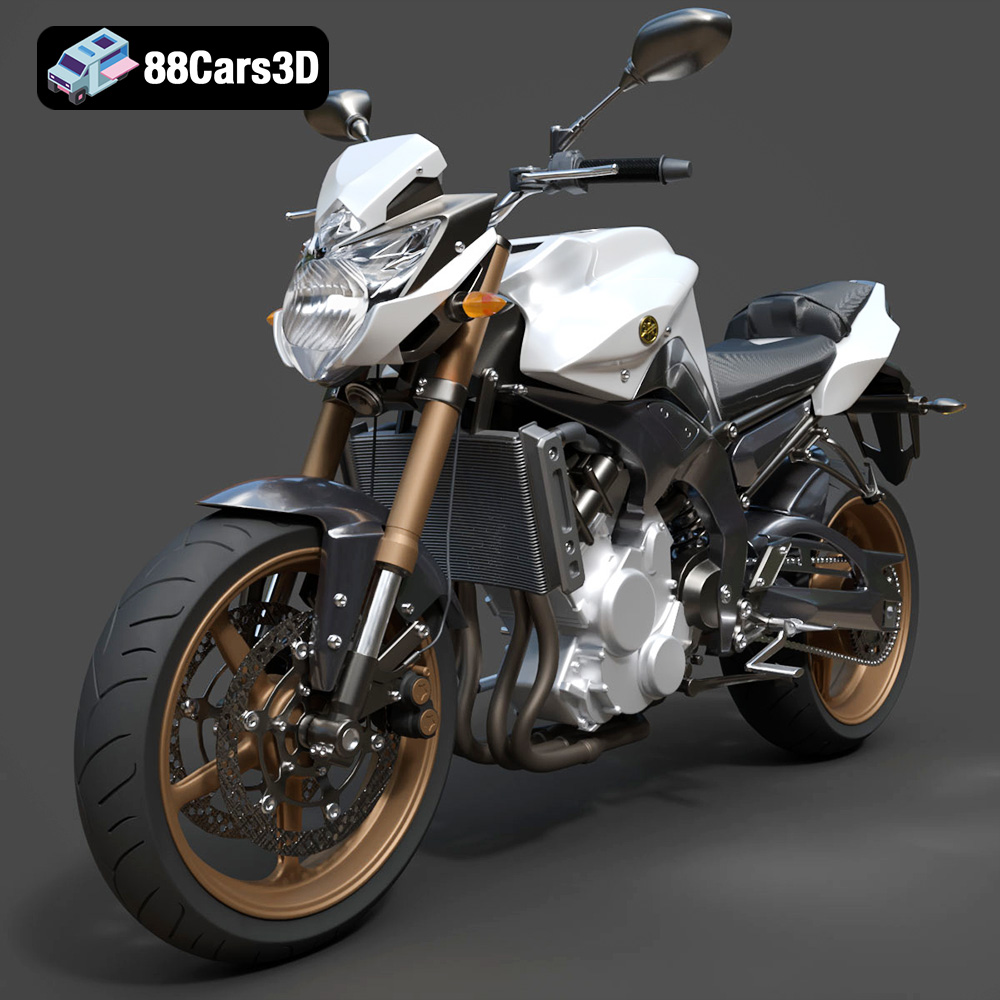
Yamaha FZ8 2011 3D Model
Texture: Yes
Material: Yes
Download the Yamaha FZ8 2011 3D Model featuring clean geometry, realistic detailing, and a fully modeled interior. Includes .blend, .fbx, .obj, .glb, .stl, .ply, .unreal, and .max formats for rendering, simulation, and game development.
Price: $19.99
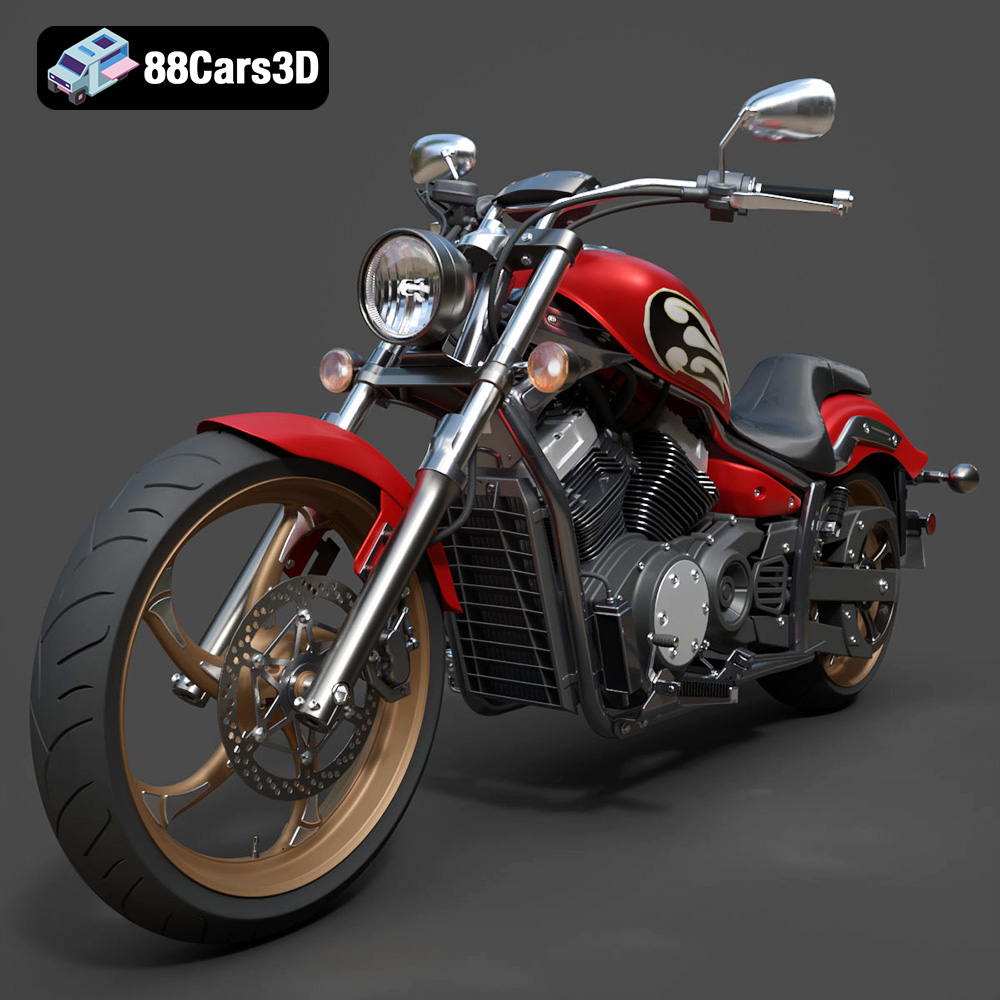
Yamaha Stryker 2012 3D Model
Texture: Yes
Material: Yes
Download the Yamaha Stryker 2012 3D Model featuring clean geometry, realistic detailing, and a fully modeled interior. Includes .blend, .fbx, .obj, .glb, .stl, .ply, .unreal, and .max formats for rendering, simulation, and game development.
Price: $19.99
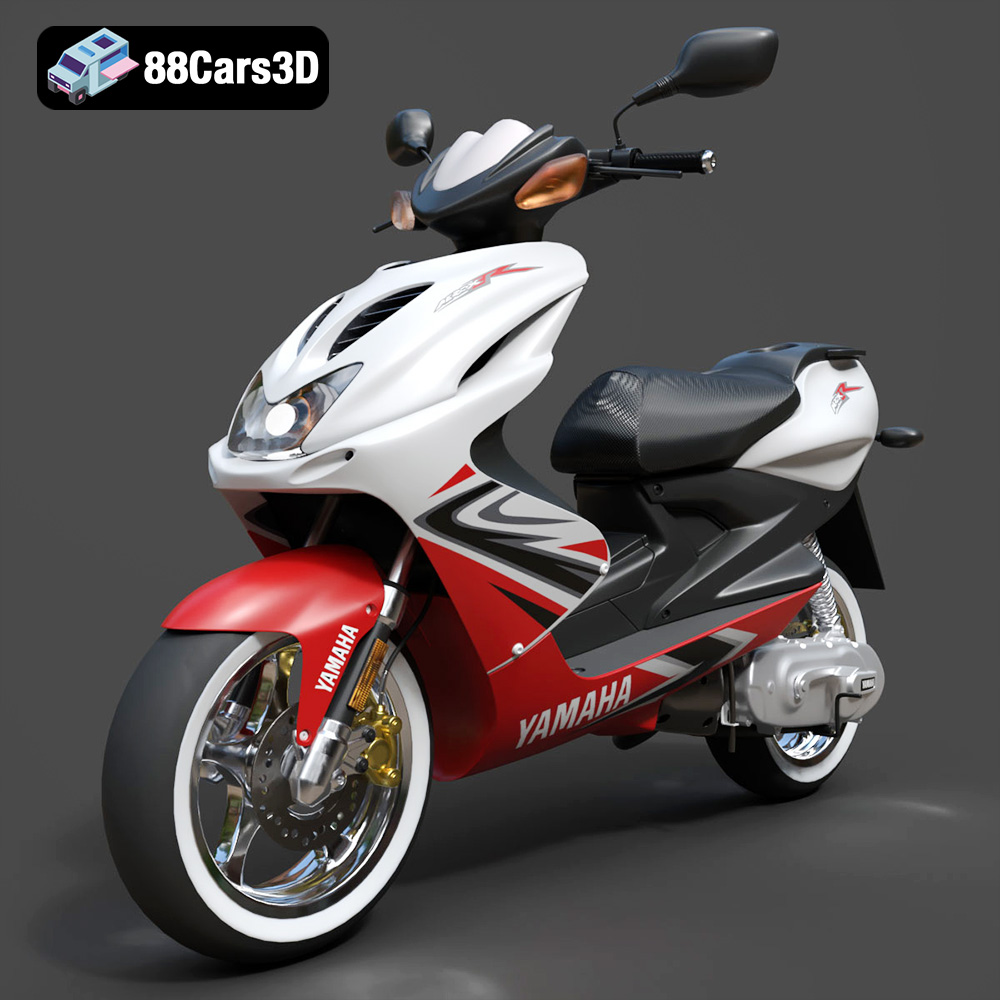
Yamaha Aerox R-002 2024 3D Model
Texture: Yes
Material: Yes
Download the Yamaha Aerox R-002 2024 3D Model featuring clean geometry, realistic detailing, and a fully modeled interior. Includes .blend, .fbx, .obj, .glb, .stl, .ply, .unreal, and .max formats for rendering, simulation, and game development.
Price: $19.99
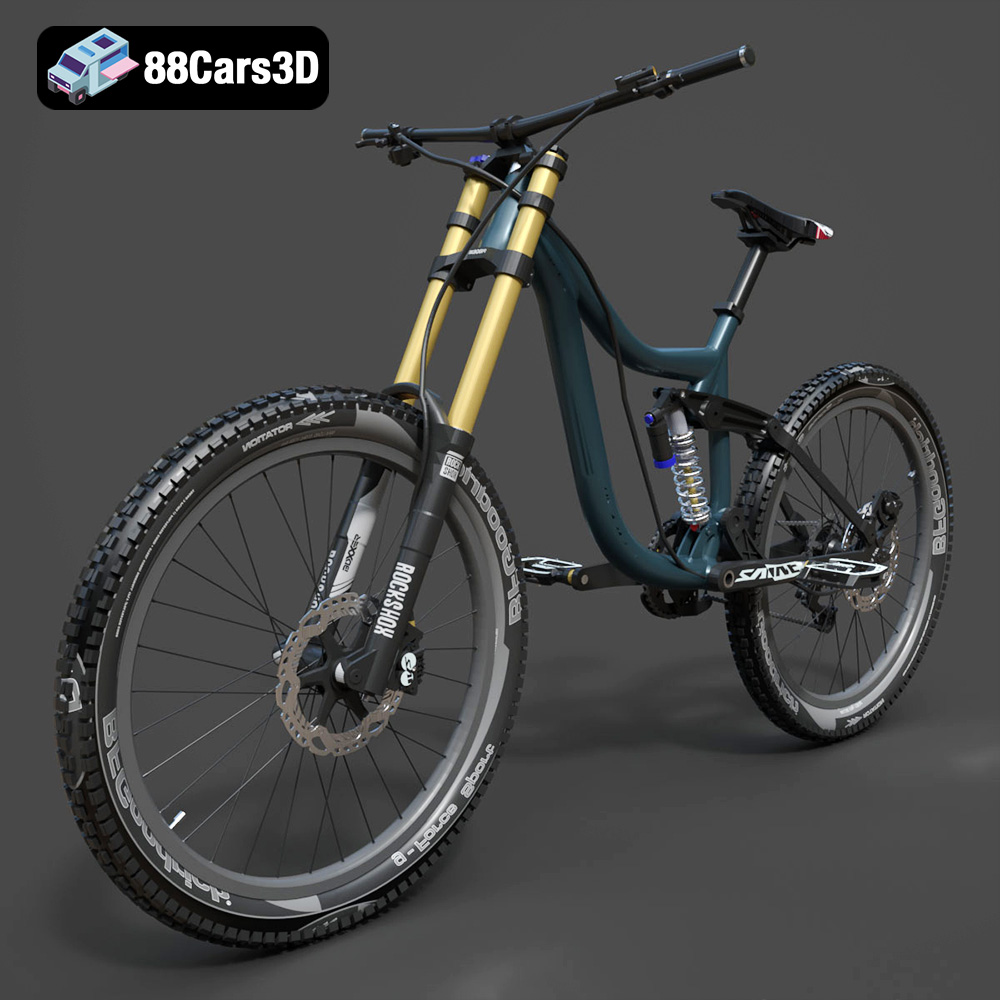
Mototsikly Downhill Bike-002 3D Model
Texture: Yes
Material: Yes
Download the Mototsikly Downhill Bike-002 3D Model featuring clean geometry, realistic detailing, and precise mechanical components. Includes .blend, .fbx, .obj, .glb, .stl, .ply, .unreal, and .max formats for rendering, simulation, and game development.
Price: $19.99
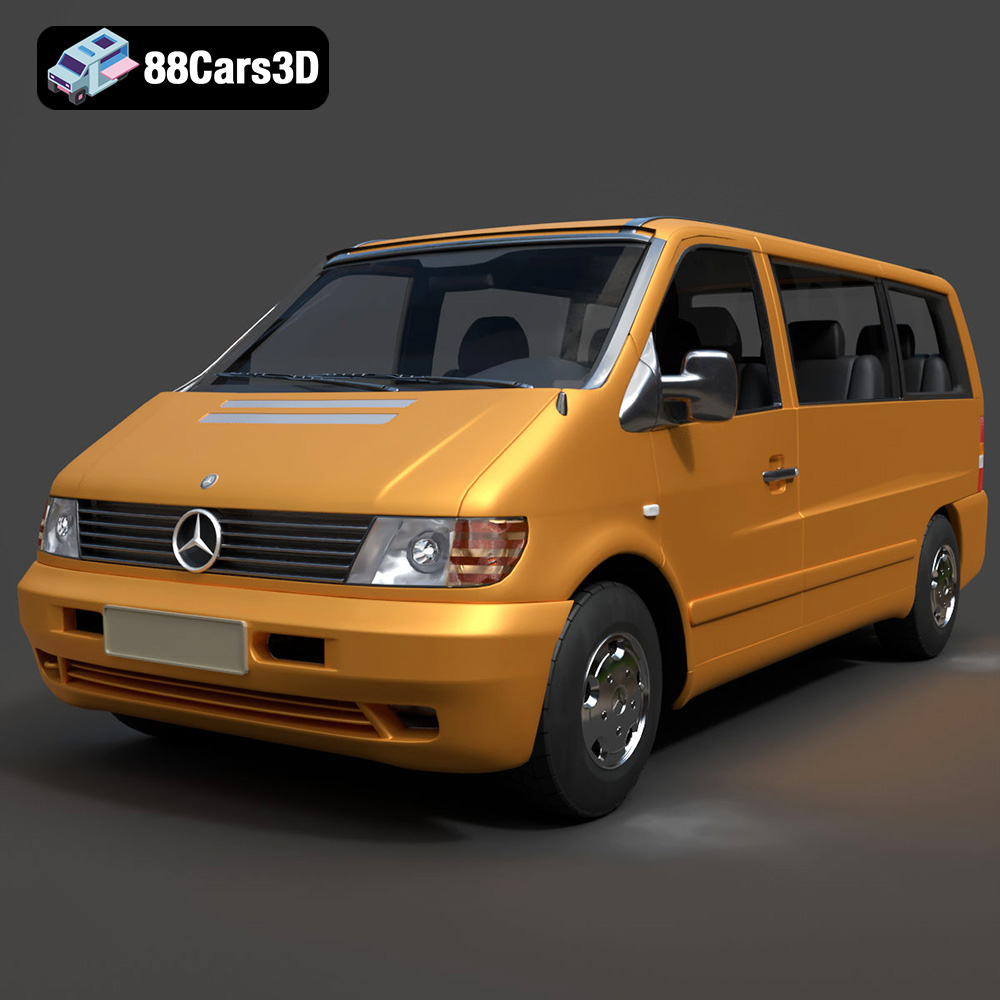
Mercedes-Benz Vito Passenger Van 3D Model
Texture: Yes
Material: Yes
Download the Mercedes-Benz Vito Passenger Van 3D Model featuring clean geometry, realistic detailing, and a fully modeled interior. Includes .blend, .fbx, .obj, .glb, .stl, .ply, .unreal, and .max formats for rendering, simulation, and game development.
Price: $19.99
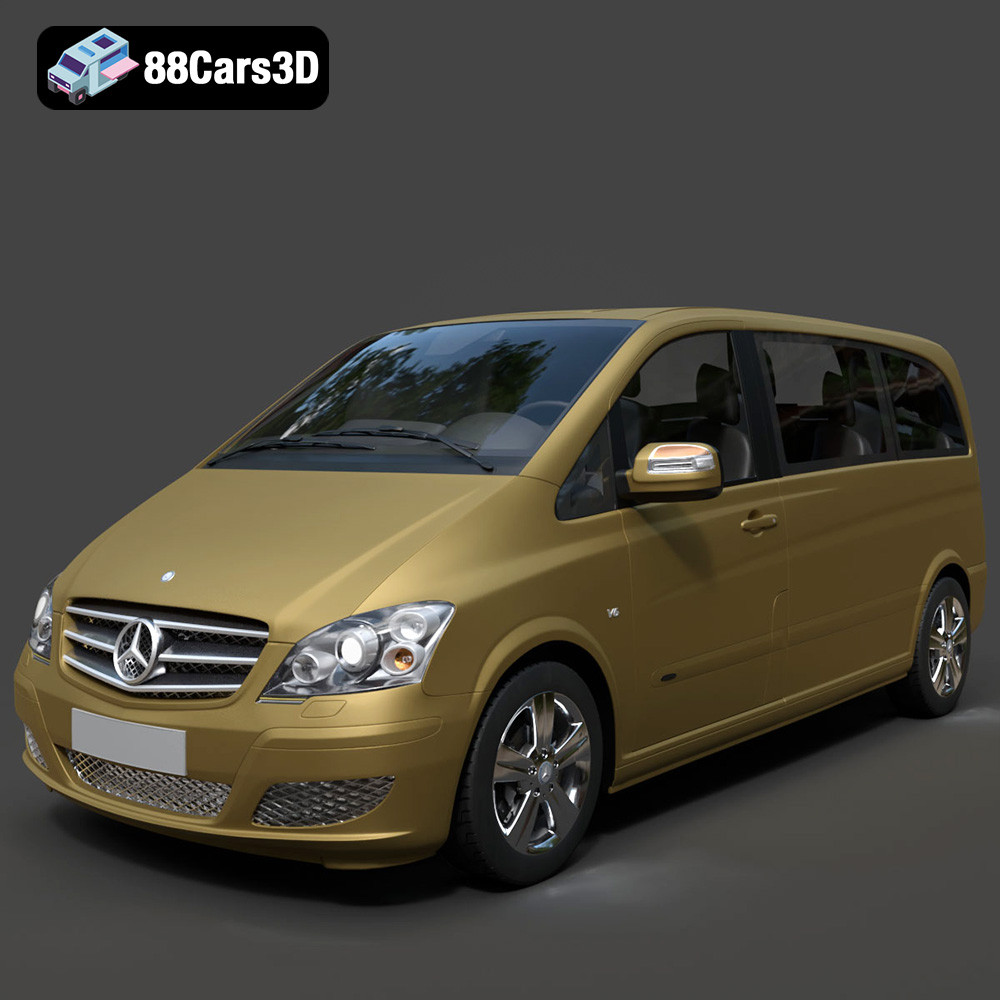
Mercedes-Benz Viano 2010 3D Model
Texture: Yes
Material: Yes
Download the Mercedes-Benz Viano 2010 3D Model featuring clean geometry, realistic detailing, and a fully modeled interior. Includes .blend, .fbx, .obj, .glb, .stl, .ply, .unreal, and .max formats for rendering, simulation, and game development.
Price: $19.99

Emt Avtobus 007 3D Model
Texture: Yes
Material: Yes
Download the Emt Avtobus 007 3D Model featuring clean geometry, realistic detailing, and a fully modeled interior. Includes .blend, .fbx, .obj, .glb, .stl, .ply, .unreal, and .max formats for rendering, simulation, and game development.
Price: $19.99
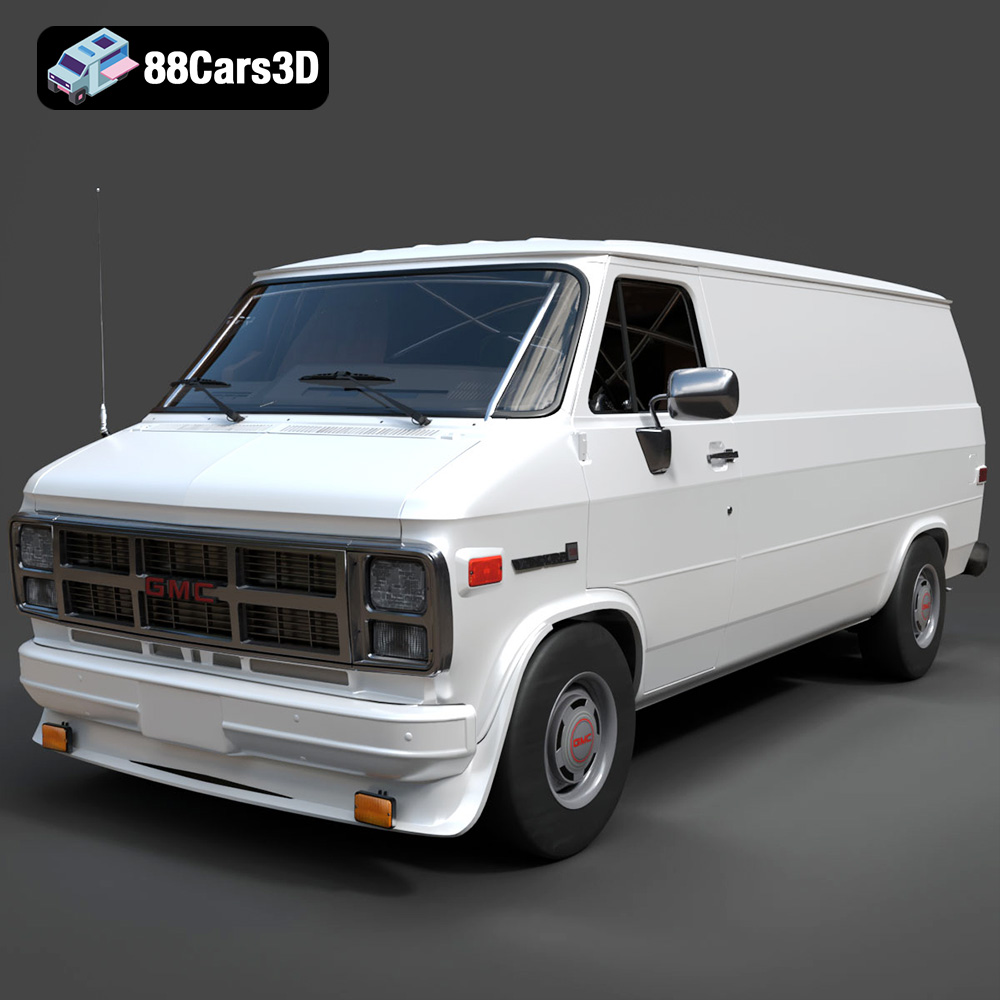
GMC Vandura G-1500 1983 3D Model
Texture: Yes
Material: Yes
Download the GMC Vandura G-1500 1983 3D Model featuring clean geometry, realistic detailing, and a fully modeled interior. Includes .blend, .fbx, .obj, .glb, .stl, .ply, .unreal, and .max formats for rendering, simulation, and game development.
Price: $19.99
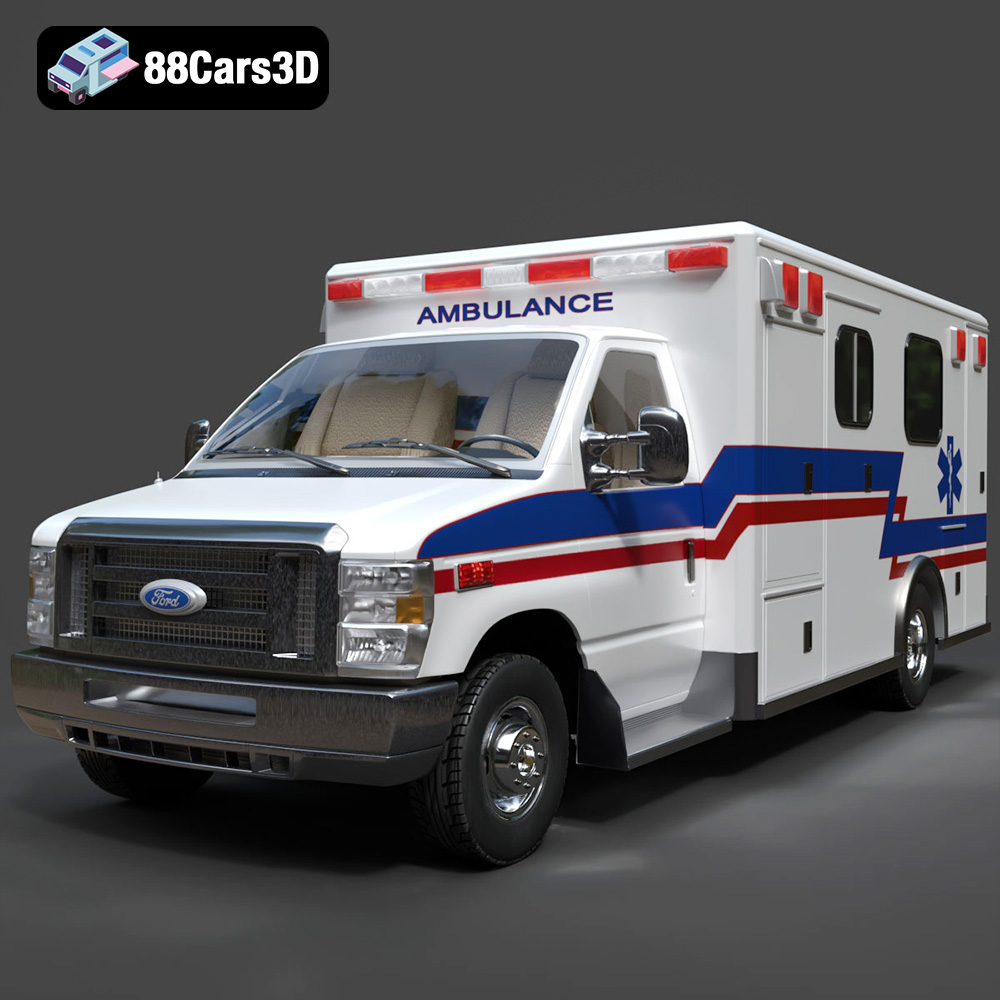
Ford E-450 Ambulance 3D Model
Texture: Yes
Material: Yes
Download the Ford E-450 Ambulance 3D Model featuring clean geometry, realistic detailing, and a fully modeled interior. Includes .blend, .fbx, .obj, .glb, .stl, .ply, .unreal, and .max formats for rendering, simulation, and game development.
Price: $19.99
