

The mobile gaming landscape is a dynamic and fiercely competitive arena, where performance can make or break a title. For developers leveraging the power of Unreal Engine to create stunning experiences, especially those featuring high-fidelity assets like 3D car models, optimizing for mobile devices is not merely an option—it’s an absolute necessity. From sleek automotive configurators to immersive racing simulations, delivering a smooth, visually appealing, and battery-efficient experience on a diverse range of mobile hardware presents unique challenges. This comprehensive guide will delve deep into the technical strategies and best practices for optimizing Unreal Engine projects, particularly those rich in detailed vehicle assets, to thrive on mobile platforms.
We’ll explore critical areas from initial project setup and efficient asset management to advanced lighting techniques, Blueprint scripting considerations, and thorough profiling methods. By the end of this article, you’ll have a robust understanding of how to squeeze every ounce of performance from your mobile Unreal Engine game, ensuring your automotive creations run flawlessly and engage players without compromise. Whether you’re a seasoned Unreal developer or just starting, these insights will equip you with the knowledge to deliver exceptional mobile experiences.
Establishing a Solid Foundation: Project Setup and Initial Mobile Configuration
The journey to a performant mobile game in Unreal Engine begins long before a single asset is imported. A strategic project setup and thoughtful initial configuration are paramount. Unreal Engine offers a rich array of settings designed to tailor your project specifically for mobile platforms, significantly impacting your final performance. Understanding these settings and making informed choices from the outset can save countless hours of optimization down the line.
When starting a new project, selecting the ‘Mobile/Tablet’ preset under the ‘Target Hardware’ section is crucial. This automatically adjusts several engine defaults for mobile-friendliness, such as disabling features like tessellation and advanced post-processing that are generally too demanding for mobile GPUs. For projects already underway, navigate to Project Settings > Platforms > Android (or iOS) to review and modify these critical settings. Key configurations here include selecting the appropriate Minimum SDK Version, Target SDK Version, and ensuring your project’s capabilities (e.g., location, internet access) are correctly specified. Additionally, consider enabling ‘Mobile HDR’ if your visual targets demand it, but be aware of its performance cost. For a more detailed look at platform-specific settings, refer to the official Unreal Engine documentation on Mobile Development.
Renderer and Graphics API Selection
The choice of rendering path and graphics API is a cornerstone of mobile performance. Unreal Engine primarily supports OpenGL ES 3.1 and Vulkan for Android, and Metal for iOS. While OpenGL ES 3.1 offers broader compatibility, Vulkan (and Metal) generally provides better performance due to lower driver overhead and more efficient multi-threading capabilities. It’s often beneficial to target Vulkan for higher-end Android devices while falling back to OpenGL ES 3.1 for broader reach, configuring this via Project Settings > Platforms > Android > Build > Target RHI. Testing across different APIs on various devices is essential to determine the optimal balance for your target audience.
Scalability Settings and Device Profiles
Unreal Engine’s scalability settings are powerful tools for dynamically adjusting rendering quality based on device performance. These settings control parameters like view distance, texture quality, anti-aliasing, and post-processing effects. For mobile development, leveraging device profiles is key. You can define specific profiles (e.g., ‘Low-End’, ‘Mid-Range’, ‘High-End’) and associate them with different mobile devices or hardware tiers. This allows Unreal Engine to automatically apply optimized settings at runtime, ensuring your game provides the best possible experience across a spectrum of devices. You can configure these in Project Settings > Engine > General Settings > Device Profiles, defining custom scalability groups that disable or reduce demanding features like dynamic shadows or complex particle effects on lower-end hardware.
Mastering Asset Optimization: 3D Car Models and Textures
For games and applications rich in detailed 3D assets, like the high-quality car models found on marketplaces such as 88cars3d.com, asset optimization is paramount. Unoptimized models and textures are often the primary culprits behind performance bottlenecks on mobile devices. Every polygon, every texture resolution, and every material channel contributes to the memory footprint and GPU load. A disciplined approach to asset management is essential for smooth mobile performance.
When sourcing automotive assets from marketplaces such as 88cars3d.com, always prioritize models that are described as “game-ready” or “optimized for real-time engines.” These typically feature clean topology, efficient UV mapping, and a sensible polygon budget. However, even with premium assets, further optimization steps are almost always required for mobile deployment. The goal is to strike a balance between visual fidelity and performance, ensuring that your stunning vehicles remain impressive without taxing mobile hardware.
Polygon Budgeting and Level of Detail (LODs)
High-fidelity 3D car models, while beautiful, often exceed practical polygon budgets for mobile devices. A typical hero car model might have anywhere from 50,000 to 150,000 triangles for high-end PC/console. For mobile, even 30,000-50,000 triangles for a hero vehicle might be too much, especially if multiple cars are on screen. Non-hero vehicles might need to be in the 5,000-15,000 triangle range. This is where Level of Detail (LODs) becomes indispensable. LODs allow you to define multiple versions of a mesh, each with decreasing polygon counts, that Unreal Engine swaps out dynamically based on the camera’s distance to the object.
For complex car models, manually creating effective LODs is crucial. Most 3D modeling software (e.g., Maya, Blender, 3ds Max) provides tools for generating simplified versions. Inside Unreal Engine, you can import these pre-generated LODs or use the built-in Automatic LOD Generation, though manual creation often yields better visual results for intricate objects like cars. Ensure your LODs decrease aggressively: LOD0 (full detail) for close-up shots, LOD1 at 50% reduction, LOD2 at 75% reduction, and potentially LOD3 at 90% reduction or even a billboard/sprite for extreme distances. Setting appropriate screen size percentages for LOD transitions in the Static Mesh Editor is vital. For example, LOD0 might switch to LOD1 at a screen size of 0.5 (50% of the screen), and LOD1 to LOD2 at 0.25 (25% of the screen).
Texture Resolution and Compression
Textures are another significant memory and performance hog on mobile. While a 4K texture might look crisp on a desktop, it consumes considerable memory and bandwidth on a mobile GPU. For most mobile applications, 1K (1024×1024) or 2K (2048×2048) textures are typically the maximum advisable for hero assets like car bodies, with smaller assets using 512×512 or even 256×256. Reduce texture sizes where possible without sacrificing perceptible quality. Additionally, employing efficient texture compression is critical.
Unreal Engine provides various compression settings (e.g., DXT1, DXT5, ASTC, ETC2) for different platforms. ASTC (Adaptive Scalable Texture Compression) is generally recommended for Android as it offers excellent quality-to-file size ratios and is highly flexible. For iOS, PVRTC or ASTC are typically used. In the Texture Editor, you can adjust the ‘Compression Settings’ and ‘Max Texture Size’ for individual textures. Use ‘TC_Default’ for most color maps, ‘TC_Normalmap’ for normal maps, and ‘TC_Grayscale’ for masks or roughness maps to ensure optimal compression. Always enable ‘sRGB’ for color maps and disable it for data maps (normal, roughness, metallic) to prevent incorrect color space conversion.
Efficient Material and Shader Creation for Mobile
The materials applied to your 3D car models dictate how they react to light and appear in the world. On mobile, complex shaders can quickly become a performance bottleneck. Understanding how to create efficient materials in Unreal Engine’s Material Editor, specifically tailored for mobile rendering, is crucial. The goal is to achieve visual quality with the fewest possible instructions and texture lookups.
Unreal Engine’s mobile renderer prioritizes speed over high-end desktop features. This means avoiding expensive operations like complex procedural noise, excessive blend modes, parallax occlusion mapping, or multi-layered clear coat shaders unless absolutely necessary and carefully optimized. When creating PBR (Physically Based Rendering) materials for car paint, for instance, focus on using the standard Base Color, Metallic, Specular, Roughness, and Normal channels effectively. Platforms like 88cars3d.com typically provide high-quality PBR textures, which serve as an excellent starting point, but always verify their compatibility and adjust settings for mobile.
Shader Complexity and Mobile-Specific Nodes
Shader complexity is a direct indicator of material performance. You can visualize this in Unreal Engine by navigating to View Modes > Shader Complexity. Red areas indicate highly complex and potentially slow shaders, while green areas are efficient. Strive to keep your car materials in the green or light green range. To achieve this, minimize the number of texture samples and mathematical operations within your material graphs.
Avoid using complex nodes like ‘Custom Expression’ or deeply nested functions unless absolutely optimized. Leverage mobile-specific material attributes where possible. For instance, if you don’t need full PBR reflections, consider using simpler shader models. Unreal Engine also allows you to branch material logic using the ‘Feature Level Switch’ node, which can render simpler versions of a material based on the target platform (e.g., mobile vs. desktop), ensuring that mobile devices don’t execute unnecessary complex code. For car windows, instead of full transparency and refraction, consider a simpler opaque material with a subtly tinted specular reflection to save performance.
Material Instancing and Draw Call Reduction
Draw calls are a significant performance factor on mobile. Each time the CPU tells the GPU to draw an object, it’s a draw call. Reducing draw calls is paramount. One of the most effective ways to do this is through Material Instancing. Instead of creating a new base material for every slight variation (e.g., different car colors), create one master material and then create multiple Material Instances from it. These instances allow you to change parameters like base color, roughness values, or texture inputs without recompiling the shader, sharing the same underlying shader code and thus reducing draw calls.
For example, a master car paint material can expose parameters for color, metallic value, and roughness. Then, create instances like ‘RedCarPaint_Inst’, ‘BlueCarPaint_Inst’, etc., simply by adjusting these exposed parameters. This approach not only boosts performance but also streamlines your asset pipeline. Additionally, consider using vertex colors to add subtle variations or dirt to vehicles without requiring extra material complexity or texture maps, further optimizing rendering for mobile.
Optimized Lighting and Rendering for Mobile Performance
Lighting is crucial for bringing automotive visualization to life, but it’s also one of the most performance-intensive aspects in real-time rendering. On mobile, dynamic lighting and global illumination solutions like Lumen (which is not available for mobile) are typically too expensive. Therefore, a careful strategy focusing on static lighting, judicious use of dynamic elements, and mobile-specific rendering settings is essential.
The primary approach for mobile lighting in Unreal Engine involves baking most of your scene’s lighting using Lightmass. This pre-calculates light and shadow information into lightmaps and lightmass importance volumes, which are then sampled at runtime, providing realistic lighting at a fraction of the cost of dynamic illumination. While this means less flexibility for entirely dynamic scenes, it’s the cornerstone of achieving good performance with appealing visuals on mobile devices.
Baking Static Lighting with Lightmass
To implement baked lighting effectively, ensure your scene consists primarily of static meshes that can receive pre-computed lighting. For detailed car models, you might want a blend: the car itself could have some dynamic elements (headlights, brake lights) but the environment it sits in (showroom, race track) should be largely static. Configure your light sources as ‘Static’ or ‘Stationary’ in their details panel. Stationary lights can cast dynamic shadows from moving objects but their indirect lighting is baked, making them a good compromise for key lights. Set up a ‘Lightmass Importance Volume’ to focus the lighting bake quality on your primary playable area. Prioritize optimizing lightmap UVs (second UV channel) for all static meshes, ensuring they are non-overlapping and have sufficient padding to prevent light bleed. Target lightmap resolutions should be as low as possible without noticeable artifacts; often 64×64 or 128×128 for larger surfaces and 32×32 for smaller details is a good starting point.
Once your lights are set, perform a ‘Build Lighting’ operation. Pay close attention to Lightmass settings in Project Settings > Engine > Rendering > Lighting. Reducing ‘Num Indirect Lighting Bounces’ and ‘Indirect Lighting Quality’ can significantly speed up bake times and reduce lightmap sizes, which directly impacts mobile memory footprint. Remember, every byte counts on mobile.
Minimizing Dynamic Lights and Shadows
Dynamic lights and shadows are extremely expensive on mobile GPUs. Each dynamic light adds to the rendering cost, and dynamic shadows are particularly demanding. As a general rule, limit dynamic lights to only essential elements, such as headlights on a player’s car, which might only affect a small area. Avoid multiple overlapping dynamic lights. For a dynamic car in a static environment, you might only have one or two ‘Movable’ lights attached to the car itself (e.g., headlights) and rely heavily on pre-baked lighting for the world. If dynamic shadows are absolutely necessary, keep their ‘Shadow Resolution’ low and ‘Shadow Distance’ short in the light’s properties.
For elements that need to cast shadows but don’t move, consider ‘Stationary’ lights, which offer a hybrid approach, or use shadow casters with baked shadows. Alternatively, for very distant or minor objects, blob shadows (projected textures) can be an extremely performant alternative to real-time shadow mapping. Leveraging forward rendering paths (Project Settings > Engine > Rendering > Mobile Shader Permutation Reduction > Mobile Forward Shading) can also offer performance benefits on mobile, especially with fewer lights, by reducing overdraw and improving batching.
Optimizing Gameplay, Blueprints, and Physics for Mobile
Beyond visuals, the underlying logic and interactive systems of your mobile game also require careful optimization. Gameplay mechanics, Blueprint scripting, and physics simulations, while crucial for an engaging experience, can quickly consume CPU resources if not handled efficiently. For games featuring high-fidelity car models and realistic vehicle dynamics, this becomes particularly critical.
The core principle is to avoid unnecessary computations and to spread heavy workloads over multiple frames where possible. Blueprints, while user-friendly, can be less performant than C++ for very complex, frequently executed logic. However, with good practices, most Blueprint-driven gameplay can be optimized for mobile. Physics simulations, especially those involving complex car collisions and suspension systems, are often a major CPU bottleneck that demands specific attention.
Blueprint Performance Best Practices
When working with Blueprints, several practices can significantly improve performance. First, minimize the use of ‘Event Tick’ for non-essential logic. Code executed on Tick runs every frame, and if you have multiple actors doing complex calculations on Tick, it quickly adds up. Instead, use timers, event dispatchers, or custom events that trigger only when needed. For example, instead of constantly checking a car’s speed on Tick, only update UI elements or trigger effects when the speed changes by a certain threshold.
Avoid looping over large arrays or performing complex math inside Blueprint loops on Tick. If such operations are necessary, consider moving them to C++ or distributing the workload over several frames using ‘Set Timer by Event’ or ‘Delay’ nodes. Cache references to actors and components rather than constantly calling ‘GetAllActorsOfClass’ or ‘GetComponentByClass’, which are expensive operations. Use ‘Pure’ Blueprint functions for calculations that don’t modify state, as they can be optimized by the engine. For more in-depth Blueprint optimization tips, consult the Unreal Engine documentation on Blueprint Performance.
Efficient Physics Simulation and Vehicle Dynamics
Physics simulations are inherently resource-intensive. For mobile car games, using Unreal Engine’s built-in Vehicle component is generally optimized, but still requires tuning. Reduce the complexity of collision meshes for cars and environmental objects. Instead of per-poly collision, use simplified convex hull or box collisions where appropriate. For very distant objects, consider disabling collision altogether or using extremely simple proxies. In the Static Mesh Editor, set ‘Collision Complexity’ to ‘Use Simple Collision’ where possible. For car models, ensure the chassis and wheel collision shapes are as simple as they can be while accurately representing the vehicle’s interactions with the environment.
Adjust physics sub-stepping in Project Settings > Engine > Physics > Physics > Substepping. While sub-stepping improves simulation accuracy, it also increases CPU cost. Find a balance that provides stable vehicle behavior without excessive overhead. Reduce the number of ‘Solver Iterations’ for rigid bodies, especially for non-critical physics objects. For vehicle suspension, tune the spring and damper values carefully. Extremely stiff or soft suspensions can lead to unstable simulations requiring more solver iterations. For interactive configurators or demos where cars don’t need complex driving physics, consider disabling physics entirely for static displays or using simplified physics models if interaction is minimal.
AR/VR Optimization for Mobile Automotive Applications
While the focus is on mobile games, many automotive visualization projects leverage AR (Augmented Reality) on mobile devices for interactive car viewing. Optimizing AR experiences presents similar challenges with additional considerations for world tracking and camera feed processing. Ensure your 3D car models are hyper-optimized with aggressive LODs, as they will be rendered on top of a live camera feed, doubling the rendering complexity. Use efficient PBR materials as described earlier. For AR, minimize the use of dynamic lighting and rely on the mobile device’s environment probe capabilities to generate approximate lighting for the virtual car. Ensure your AR experience is configured for the lowest possible tracking quality that still feels stable, as higher quality tracking consumes more CPU and battery. Platforms like 88cars3d.com often provide models suitable for AR, but custom optimization is always beneficial.
UI/UX Considerations and Platform-Specific Tweaks
The User Interface (UI) and User Experience (UX) are vital for any game, and on mobile, they come with their own set of performance challenges. Unreal Engine’s UMG (Unreal Motion Graphics) is a powerful UI system, but unoptimized UMG widgets can become a hidden performance killer, especially on lower-end mobile devices. Beyond UI, fine-tuning platform-specific settings can yield crucial performance gains.
Mobile UI demands efficiency. Every element, every image, and every animation in your UI contributes to rendering cost and memory footprint. Consider the diverse screen sizes and resolutions of mobile devices. Your UI should not only be performant but also scale gracefully across different aspect ratios, ensuring that your automotive customization menus or in-game dashboards look good and function well on any screen.
Optimizing UMG Widgets and Draw Calls
UMG widgets generate their own set of draw calls. The more complex your widget hierarchy and the more overlapping transparent elements you have, the higher the draw call count. To optimize UMG:
- Minimize Overdraw: Avoid unnecessary overlapping transparent images. Flatten UI elements where possible. For complex static backgrounds, consider rendering them to a single texture if they don’t change frequently.
- Texture Atlases: Combine multiple small UI textures into a single larger texture atlas. This reduces the number of texture samples and draw calls.
- Batching: UMG attempts to batch elements with the same material and texture. Organize your widgets to encourage this. For instance, group all text elements that use the same font and material.
- Visibility: Set widgets to ‘Collapsed’ or ‘Hidden’ when not in use, rather than merely changing their alpha to 0. Collapsed widgets are not processed or rendered.
- Animations: Use simple animations and avoid complex transforms on many UI elements simultaneously. Cache frequently used widgets and avoid constantly creating and destroying them.
Check the ‘Widget Reflector’ (Window > Developer Tools > Widget Reflector) to analyze your UI’s draw order and identify areas of high overdraw. This tool is invaluable for pinpointing performance bottlenecks in your UMG setup.
Platform-Specific Build Settings and Debugging
Beyond the general project settings, delving into platform-specific build configurations can uncover further optimization opportunities. For Android, consider options like ‘Strip Debug Info’ and ‘Enable Gradle’ for more optimized builds. For iOS, ensure you’re building for ‘Shipping’ to enable compiler optimizations. Additionally, leveraging platform-specific SDK features can sometimes provide boosts, though this requires more advanced integration. Remember to regularly clean your project’s intermediate files and ensure unused plugins are disabled to reduce build size and complexity.
Debugging on mobile requires specialized tools. Use Android Studio’s ‘Logcat’ or Xcode’s ‘Console’ for real-time device logs. Unreal Engine’s ‘stat’ commands are also invaluable on device for real-time metrics (e.g., stat fps, stat unit, stat rhi). For deeper analysis, tools like RenderDoc (for Vulkan/OpenGL ES) or Xcode’s GPU Frame Capture (for Metal) allow you to inspect individual draw calls, shader complexity, and texture binding, providing granular insight into your GPU’s workload. These tools are critical for identifying rendering bottlenecks specific to mobile hardware. Regular testing on a range of target devices is non-negotiable; never assume performance based solely on editor playback.
Profiling, Debugging, and Iterative Optimization
Optimization is not a one-time task; it’s an iterative process of identifying bottlenecks, implementing solutions, and re-evaluating performance. Even after applying all the best practices, you’ll inevitably encounter performance dips. This is where robust profiling and debugging tools come into play, allowing you to pinpoint the exact cause of slowdowns and iteratively refine your project.
Unreal Engine provides a powerful suite of profiling tools that can run both in the editor and on a connected mobile device. Understanding how to interpret the data these tools provide is key to effective optimization. The goal is to identify whether your project is CPU-bound (meaning the processor is the bottleneck) or GPU-bound (meaning the graphics card is struggling), as the optimization strategies differ significantly for each.
Unreal Engine’s Profiling Tools for Mobile
The primary tool for performance analysis in Unreal Engine is the ‘Session Frontend’ (Window > Developer Tools > Session Frontend). Within the Session Frontend, the ‘Profiler’ tab is your go-to. Connect your mobile device, launch your game, and start a capture session. The profiler will record CPU and GPU timings, draw calls, memory usage, and much more. Look for spikes in ‘Game Thread’ (CPU) or ‘Render Thread’ (CPU sending commands to GPU) times, and investigate what functions or events are consuming the most milliseconds. For GPU-bound issues, focus on ‘GPU Frame Time’, looking at specific passes like ‘Base Pass’, ‘Shadow Depth’, and ‘Post Processing’ to identify expensive rendering steps.
The ‘Stat’ commands are also incredibly useful for real-time, in-game profiling on your mobile device. Common commands include:
stat fps: Displays frames per second.stat unit: Shows game, draw, GPU, and frame times. Crucial for determining if you’re CPU or GPU bound. If ‘Game’ or ‘Draw’ is highest, you’re CPU-bound. If ‘GPU’ is highest, you’re GPU-bound.stat rhi: Displays rendering hardware interface statistics, including draw calls, primitives, and texture memory.stat scenerendering: Detailed breakdown of rendering passes.stat streaming: Monitors texture streaming performance.
These commands, typed into the console (accessible via keyboard or touch input if enabled), provide immediate feedback on how your optimizations are impacting performance. Use them consistently to track progress.
Addressing Common Mobile Performance Bottlenecks
Once you’ve identified whether you’re CPU or GPU bound, you can target specific areas for optimization:
- CPU Bound (High Game/Draw Thread Time):
- Reduce Draw Calls: Use LODs, Instanced Static Meshes, Material Instancing, texture atlases. Merge actors where possible.
- Optimize Blueprints/C++ Logic: Refactor expensive loops, minimize Tick events, cache references.
- Physics Overload: Simplify collision meshes, tune physics sub-stepping, reduce active physics objects.
- AI Complexity: Optimize AI logic, reduce perception queries, limit active AI agents.
- GPU Bound (High GPU Time):
- Overdraw: Minimize overlapping transparent elements in UI and scene. Use efficient alpha testing instead of blending where possible.
- Shader Complexity: Simplify materials, reduce texture lookups, avoid complex procedural nodes. Use mobile-specific PBR materials.
- Texture Memory: Reduce texture resolutions, use efficient compression (ASTC). Ensure texture streaming is working correctly.
- Light Overload: Rely on baked static lighting. Minimize dynamic lights and shadows. Reduce lightmap resolutions.
- Post-Processing: Reduce or disable expensive post-processing effects (e.g., bloom, depth of field, screen space reflections).
- High Polygon Count: Aggressive LODs for all meshes, especially 3D car models.
Continuous testing on diverse mobile hardware is essential. What runs well on a high-end device might struggle on a mid-range phone. Set performance targets early and iterate until they are met, remembering that every improvement contributes to a better user experience for your players.
Optimizing Unreal Engine for mobile devices, especially when dealing with detailed assets like 3D car models, is a multi-faceted challenge that requires a holistic approach. From the initial project setup to the final stages of profiling and debugging, every decision impacts performance. By diligently applying the strategies outlined in this guide—meticulous asset optimization, efficient material creation, smart lighting techniques, streamlined gameplay logic, and thorough profiling—you can transform your demanding automotive visualizations into smooth, engaging mobile experiences. Remember that platforms like 88cars3d.com provide an excellent starting point with high-quality assets, but tailoring them specifically for mobile hardware is the key to unlocking their full potential.
The journey of optimization is ongoing, but with a solid foundation and a commitment to iterative improvement, you can deliver stunning mobile games and applications that captivate your audience without compromising on performance or visual fidelity. Embrace the tools Unreal Engine provides, stay vigilant with profiling, and your mobile automotive creations will not only look fantastic but also run flawlessly on a broad spectrum of devices.
Featured 3D Car Models

Porsche Cayenne 3D Model
Meta Description:
Texture: Yes
Material: Yes
Download the Porsche Cayenne 3D Model featuring realistic exterior styling and detailed interior design. Includes .blend, .fbx, .obj, .glb, .stl, .ply, .unreal, and .max formats for rendering, simulation, AR VR, and game development.
Price: $19.9
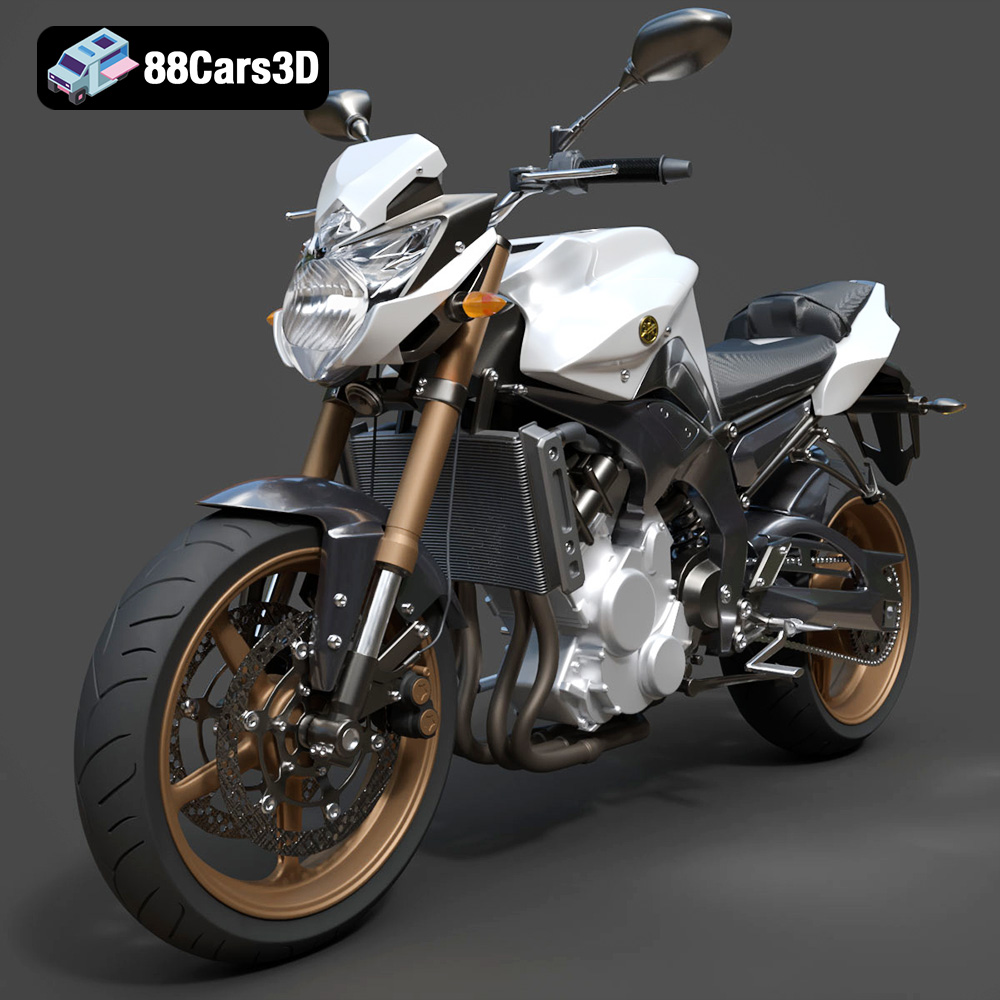
Yamaha FZ8 2011 3D Model
Texture: Yes
Material: Yes
Download the Yamaha FZ8 2011 3D Model featuring clean geometry, realistic detailing, and a fully modeled interior. Includes .blend, .fbx, .obj, .glb, .stl, .ply, .unreal, and .max formats for rendering, simulation, and game development.
Price: $19.99
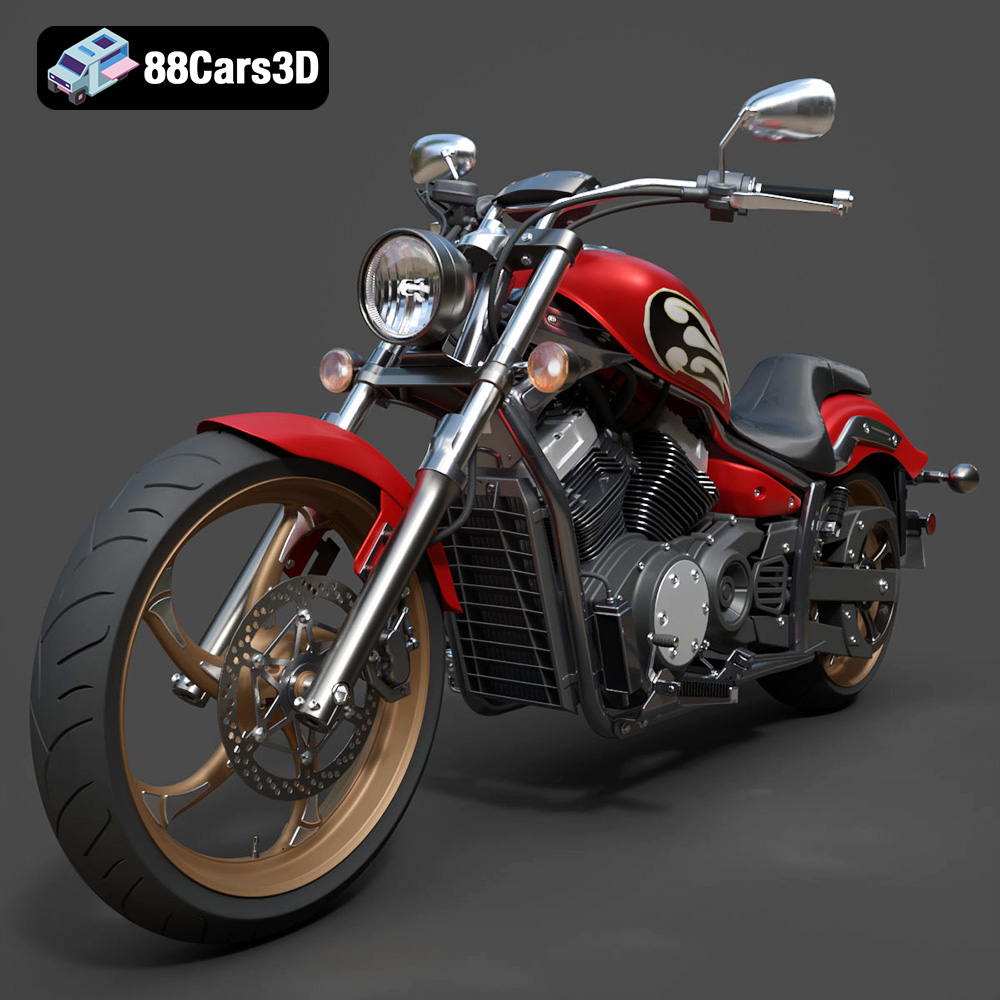
Yamaha Stryker 2012 3D Model
Texture: Yes
Material: Yes
Download the Yamaha Stryker 2012 3D Model featuring clean geometry, realistic detailing, and a fully modeled interior. Includes .blend, .fbx, .obj, .glb, .stl, .ply, .unreal, and .max formats for rendering, simulation, and game development.
Price: $19.99
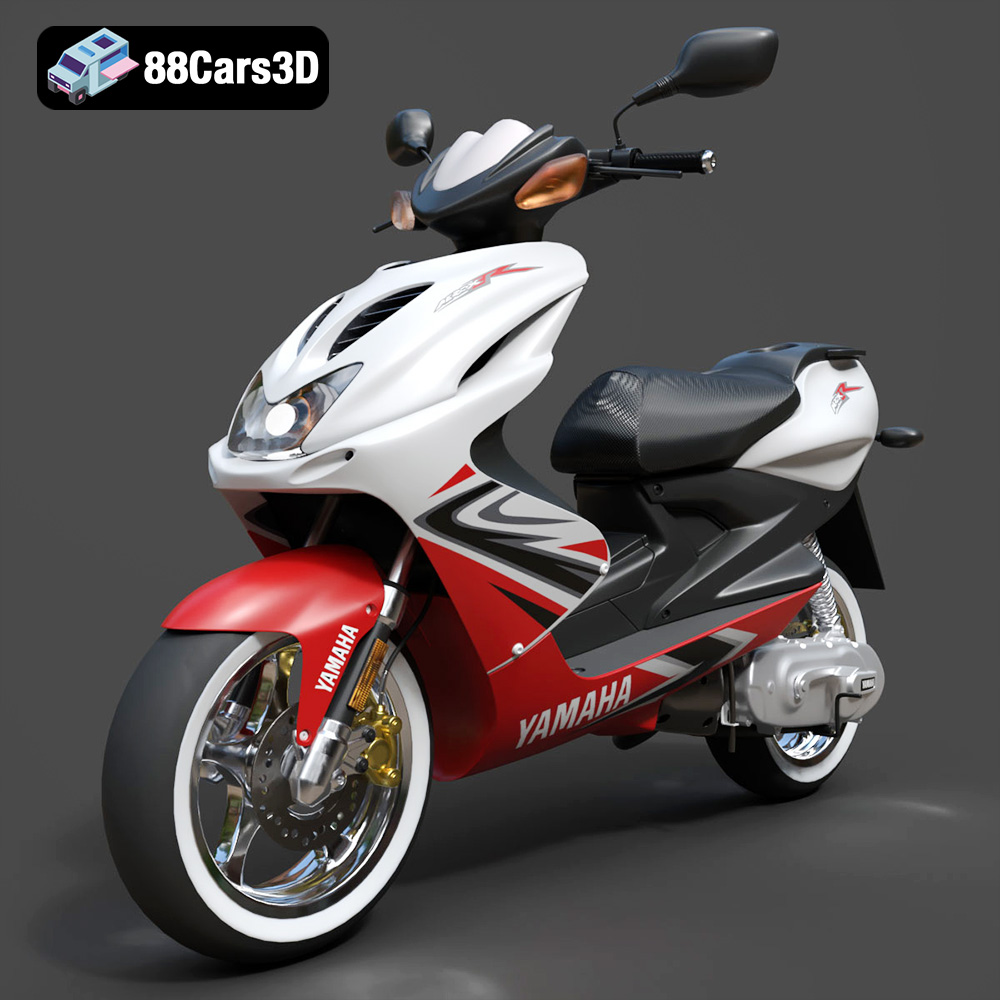
Yamaha Aerox R-002 2024 3D Model
Texture: Yes
Material: Yes
Download the Yamaha Aerox R-002 2024 3D Model featuring clean geometry, realistic detailing, and a fully modeled interior. Includes .blend, .fbx, .obj, .glb, .stl, .ply, .unreal, and .max formats for rendering, simulation, and game development.
Price: $19.99
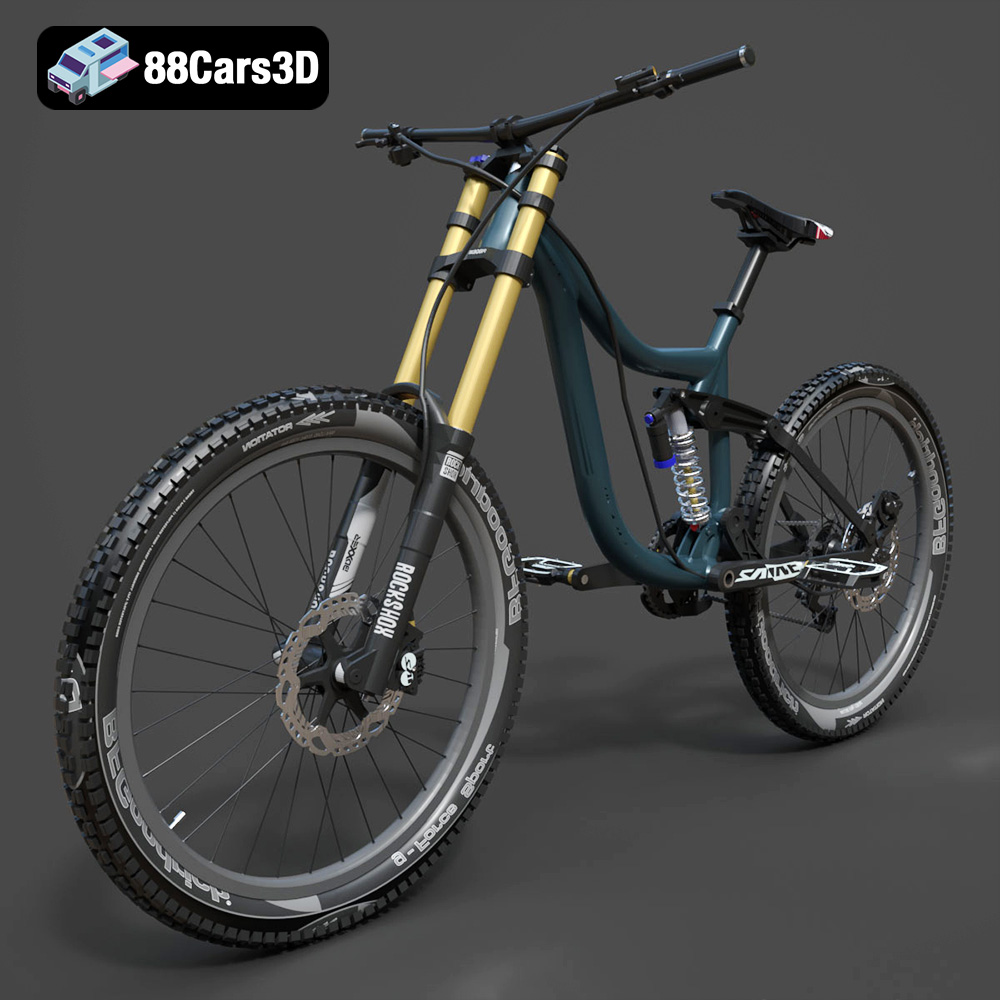
Mototsikly Downhill Bike-002 3D Model
Texture: Yes
Material: Yes
Download the Mototsikly Downhill Bike-002 3D Model featuring clean geometry, realistic detailing, and precise mechanical components. Includes .blend, .fbx, .obj, .glb, .stl, .ply, .unreal, and .max formats for rendering, simulation, and game development.
Price: $19.99
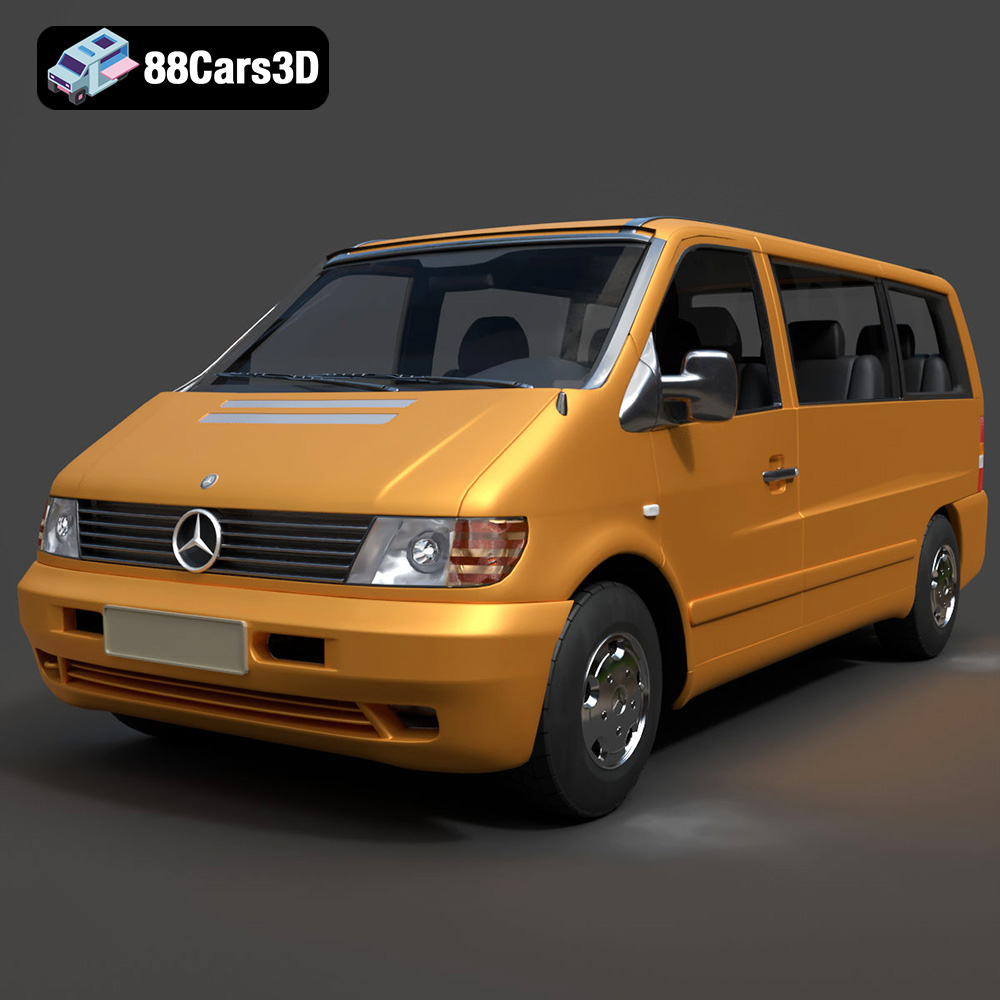
Mercedes-Benz Vito Passenger Van 3D Model
Texture: Yes
Material: Yes
Download the Mercedes-Benz Vito Passenger Van 3D Model featuring clean geometry, realistic detailing, and a fully modeled interior. Includes .blend, .fbx, .obj, .glb, .stl, .ply, .unreal, and .max formats for rendering, simulation, and game development.
Price: $19.99
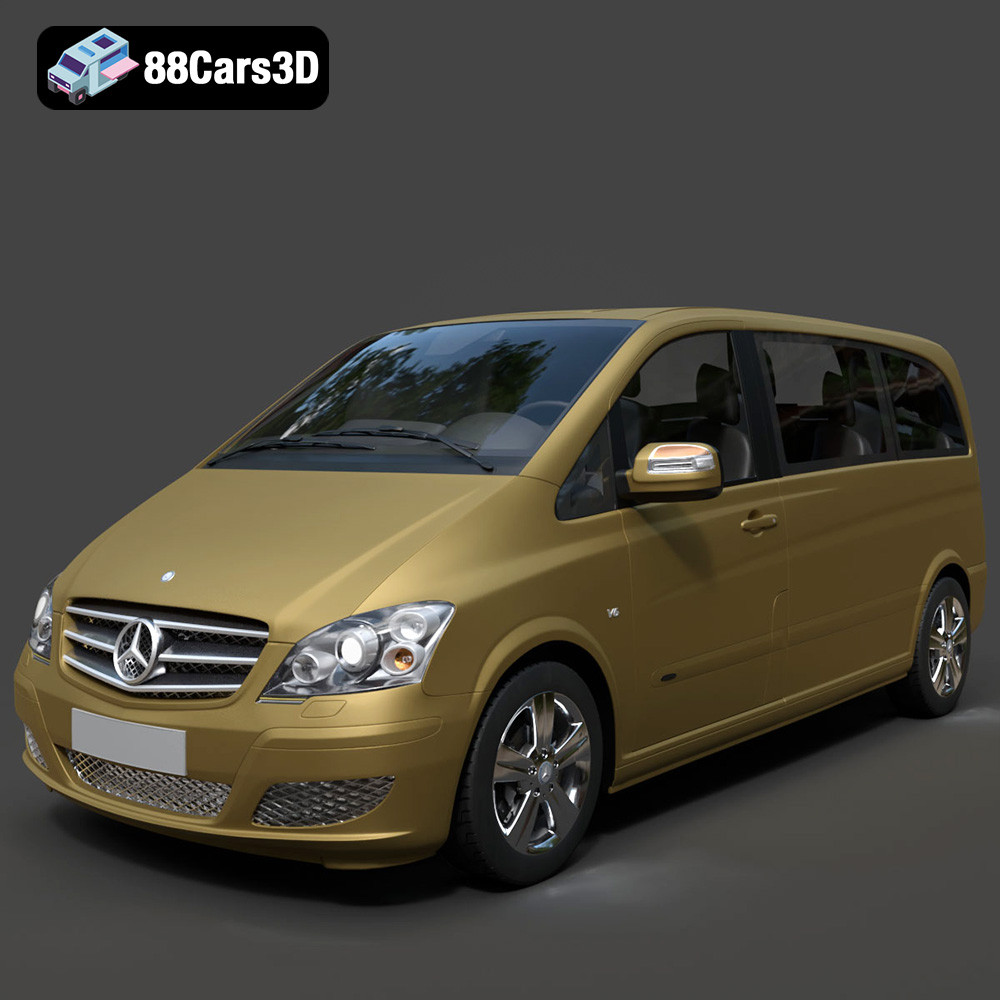
Mercedes-Benz Viano 2010 3D Model
Texture: Yes
Material: Yes
Download the Mercedes-Benz Viano 2010 3D Model featuring clean geometry, realistic detailing, and a fully modeled interior. Includes .blend, .fbx, .obj, .glb, .stl, .ply, .unreal, and .max formats for rendering, simulation, and game development.
Price: $19.99

Emt Avtobus 007 3D Model
Texture: Yes
Material: Yes
Download the Emt Avtobus 007 3D Model featuring clean geometry, realistic detailing, and a fully modeled interior. Includes .blend, .fbx, .obj, .glb, .stl, .ply, .unreal, and .max formats for rendering, simulation, and game development.
Price: $19.99
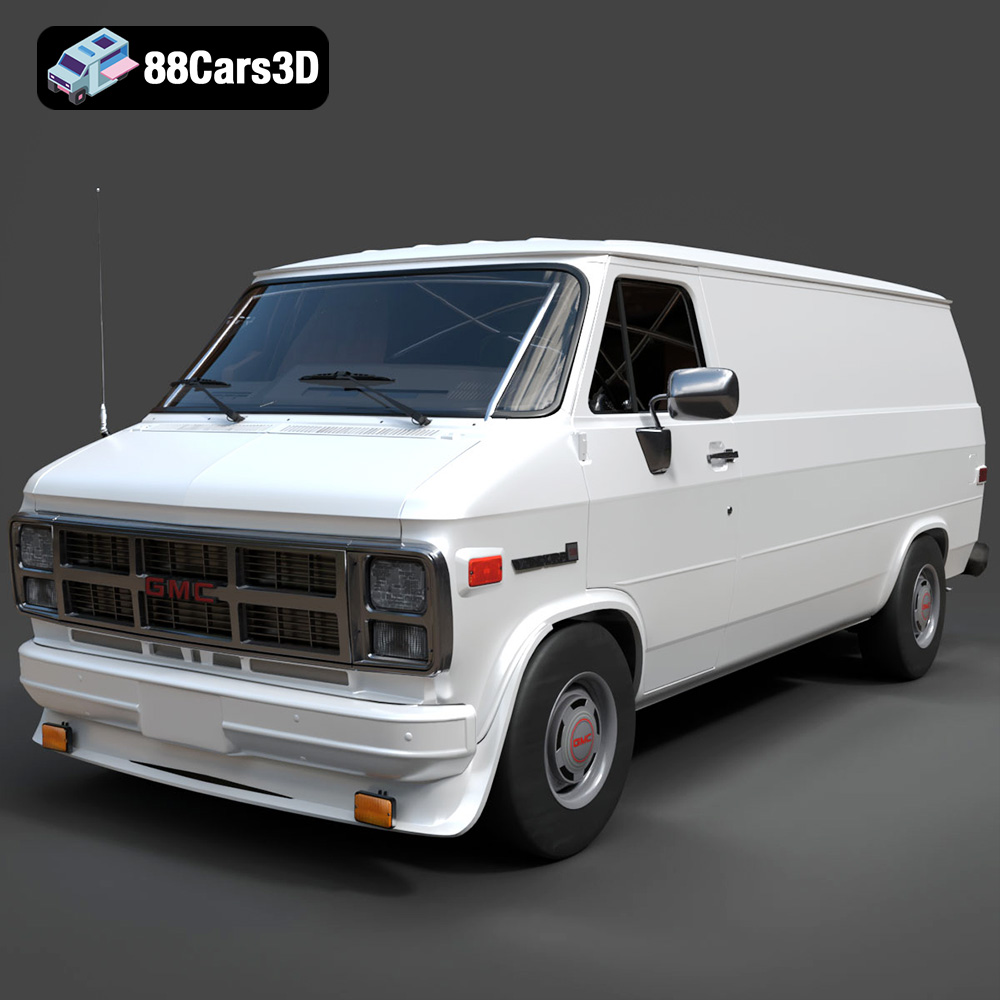
GMC Vandura G-1500 1983 3D Model
Texture: Yes
Material: Yes
Download the GMC Vandura G-1500 1983 3D Model featuring clean geometry, realistic detailing, and a fully modeled interior. Includes .blend, .fbx, .obj, .glb, .stl, .ply, .unreal, and .max formats for rendering, simulation, and game development.
Price: $19.99

Ford E-450 Ambulance 3D Model
Texture: Yes
Material: Yes
Download the Ford E-450 Ambulance 3D Model featuring clean geometry, realistic detailing, and a fully modeled interior. Includes .blend, .fbx, .obj, .glb, .stl, .ply, .unreal, and .max formats for rendering, simulation, and game development.
Price: $19.99
