Get 20% OFF All Premium 3D & STL Models!

The immersive worlds of Augmented Reality (AR) and Virtual Reality (VR) are no longer futuristic concepts; they are rapidly becoming integral to fields from entertainment and education to product design and automotive visualization. For 3D artists, game developers, and automotive designers, this paradigm shift presents both incredible opportunities and significant technical challenges, especially when working with high-fidelity assets like 3D car models. The demands of real-time rendering in AR/VR environments are vastly different from traditional offline rendering or even high-end game development, requiring a meticulous approach to optimization.
At 88cars3d.com, we understand the critical importance of delivering models that not only look stunning but also perform flawlessly in performance-sensitive applications. This comprehensive guide will deep-dive into the technical strategies and best practices required to transform your detailed automotive rendering assets into lightweight, efficient game assets suitable for AR/VR. We’ll cover everything from fundamental topology principles and advanced UV mapping techniques to PBR material optimization, game engine integration, and the specifics of AR/VR file formats. By the end of this article, you’ll possess the knowledge to ensure your 3D car models shine brilliantly and run smoothly across a diverse range of AR/VR platforms, unlocking their full potential in the next generation of interactive experiences.
Developing 3D content for Augmented and Virtual Reality platforms requires a fundamental shift in perspective compared to traditional offline rendering or even console game development. The core challenge lies in achieving and maintaining extremely high frame rates (typically 60-90 frames per second per eye) with minimal latency, all while running on hardware that often has significant power and processing constraints, especially for mobile AR and standalone VR headsets. A beautiful 3D car model that renders perfectly in 3ds Max with Corona or V-Ray might bring an AR/VR application to a crawl if not properly optimized. This is because real-time engines must process and display every frame within milliseconds, without the luxury of pre-rendering or extensive computation per pixel that offline renderers afford. Every polygon, every draw call, and every texture contributes to the processing load, and in AR/VR, these contributions are magnified due to stereoscopic rendering (rendering the scene twice, once for each eye) and the need for extremely low motion-to-photon latency to prevent user discomfort like motion sickness. Understanding these foundational performance requirements is the first step toward effective optimization.
In AR/VR, three key performance metrics dominate: frame rate, latency, and power consumption. Frame rate (FPS) dictates how smoothly the experience appears; a consistent 90 FPS is the gold standard for VR to prevent judder and motion sickness, while AR often targets 60 FPS. Dropping below these thresholds leads to a jarring, uncomfortable experience. Latency, specifically ‘motion-to-photon’ latency, refers to the time it takes from a user’s head movement to that movement being reflected in the display. High latency breaks immersion and causes severe discomfort. Optimizing 3D car models is crucial here: fewer polygons, simplified shaders, and efficient data structures directly reduce the render time per frame, minimizing latency. Finally, power consumption is a major concern for mobile AR devices and standalone VR headsets. Every computational cycle drains the battery. Highly optimized assets allow the hardware to run cooler, extend battery life, and often achieve higher sustained performance without thermal throttling. This holistic view of performance drives every optimization decision, from initial modeling to final engine integration.
Real-time rendering pipelines in engines like Unity and Unreal Engine operate fundamentally differently from offline renderers. They prioritize speed and efficiency above all else. This means complex global illumination calculations, ray tracing, and highly intricate shader networks that are common in cinematic automotive rendering often need to be simplified or baked into textures for AR/VR. The pipeline involves stages like culling (removing objects not in view), drawing (sending geometry to the GPU), and shading (calculating pixel colors). Each stage introduces overhead. For a detailed 3D car model, having too many individual mesh components, overly complex materials, or high polygon counts directly translates to more draw calls and more expensive shader operations, which are bottlenecks in the real-time pipeline. Understanding how these pipelines process geometry and materials allows artists to make informed decisions early in the asset creation process, focusing on performance-conscious modeling, UV mapping, and PBR material creation from the outset rather than attempting to fix performance issues retrospectively.
The foundation of any high-performing 3D car model for AR/VR lies in its mesh topology. While offline renders can often handle extremely dense meshes with millions of polygons, AR/VR environments demand a far more disciplined approach. Every triangle rendered consumes GPU resources, and in a stereoscopic view, that cost is effectively doubled. Achieving a balance between visual fidelity and performance is key. This means not just reducing polygon count, but also ensuring clean, efficient edge flow that supports proper deformation, realistic shading, and straightforward UV mapping. Poor topology can lead to shading artifacts (pinching, faceting), inefficient rendering (due to scattered vertices or non-manifold geometry), and difficulties in creating Level of Detail (LOD) meshes. A well-optimized mesh is not simply a decimated mesh; it’s a intelligently constructed mesh that preserves critical details while shedding unnecessary data, ensuring that the visual impact remains high even with a lower poly count. This is particularly vital for complex surfaces like car bodies, where subtle curves and reflections define realism.
Often, 3D car models created for high-fidelity offline rendering start with extremely dense CAD data or sculpted meshes. To prepare these for AR/VR, retopology is indispensable. This process involves creating a new, lower-polygon mesh that sits on top of the high-poly source, capturing its form and detail with an optimized polygon distribution. Key retopology principles for automotive assets include: prioritizing quads over triangles where possible (though triangles are fine for game engines), ensuring consistent edge loops around critical features (like wheel arches, door lines, and window frames) for smooth deformation and subdivision, and strategically reducing polygon density in flat areas while maintaining it on curves. Tools in Blender (using the Retopology add-on or manual retopology with snapping), 3ds Max (using tools like Quad Draw or Graphite Modeling Tools), and Maya (with Quad Draw) allow artists to manually or semi-automatically build clean, game-ready topology. Aim for a target polygon count that is appropriate for the AR/VR platform and the model’s role in the scene – a hero car viewed up close might target 50k-100k triangles, while a background car could be 5k-10k. Always consider the camera’s proximity and the model’s importance.
Level of Detail (LOD) is a crucial optimization technique for managing polygon budgets in real-time AR/VR applications. It involves creating multiple versions of a single 3D car model, each with a progressively lower polygon count. The game engine then automatically switches between these LODs based on the camera’s distance to the object. When the car is far away, a low-poly LOD is rendered, saving significant GPU resources. As the camera moves closer, higher-fidelity LODs are swapped in. Effective LOD implementation requires careful planning. Typically, 3-5 LOD levels are sufficient. The highest LOD (LOD0) is the most detailed, while the lowest (LODN) might be a simple silhouette. Tools like Blender’s Decimate Modifier (see Blender 4.4 Documentation on Decimate), 3ds Max’s ProOptimizer, or dedicated third-party solutions can automatically generate lower LODs, but manual cleanup is often necessary to ensure visual integrity and prevent mesh artifacts. When creating LODs, ensure that UVs remain consistent across levels where possible, to prevent texture popping, and consider baking normal maps from the high-poly LOD onto lower LODs to retain fine surface details without the polygon cost. Proper LOD setup is one of the most effective ways to maintain high frame rates in complex AR/VR scenes with many vehicles.
Once your 3D car models have optimized topology, the next critical step for AR/VR performance is efficient UV mapping and intelligent PBR (Physically Based Rendering) texturing. Textures can consume vast amounts of memory and bandwidth, directly impacting loading times and runtime performance, especially on mobile AR/VR devices with limited RAM. While the raw polygon count of a mesh is a significant factor, the number and resolution of textures, combined with the complexity of their associated shaders, can often be an even larger bottleneck. The goal is to achieve maximum visual quality with the smallest possible texture footprint and the most streamlined material definitions. This involves strategic UV unwrapping to minimize wasted space, consolidating multiple textures into atlases, and carefully selecting appropriate resolutions and compression formats. PBR materials, while providing incredible realism, need to be constructed efficiently to ensure their calculations don’t overwhelm the GPU in a real-time AR/VR context. This means simplifying shader graphs where possible and understanding how texture channels can be packed for optimal memory usage.
Texture atlasing is a powerful technique for AR/VR optimization. Instead of having a separate texture map (Albedo, Normal, Roughness, Metallic, etc.) for every individual part of a 3D car model (e.g., one for the door, one for the hood, one for the wheel), atlasing combines multiple UV islands into a single, larger texture sheet. This drastically reduces the number of draw calls because the engine can render many parts of the model using a single material and texture set, rather than switching between multiple materials. When preparing UVs for atlasing, prioritize non-overlapping UV islands, minimize distortion, and strategically arrange them to maximize the filled area of the texture. For texture resolution, always choose the lowest resolution that still provides acceptable visual quality at the closest viewing distance. Common resolutions for AR/VR might range from 1024×1024 or 2048×2048 for detailed hero parts like the car body, down to 512×512 or 256×256 for less prominent elements or LODs. Using power-of-two resolutions (256, 512, 1024, 2048) is a best practice for GPU efficiency and mipmap generation. Consider texture compression formats like DXT1/BC1, DXT5/BC3, or ASTC/ETC2 for mobile, which reduce file size and GPU memory footprint without significant visual degradation.
PBR materials are essential for realistic automotive rendering, but their implementation needs careful optimization for AR/VR. A typical PBR material uses maps for Albedo (color), Normal (fine surface detail), Metallic (reflectivity), Roughness (micro-surface imperfections), and optionally Ambient Occlusion. To optimize these:
By meticulously crafting PBR materials with performance in mind, you can retain the stunning realism of your 3D car models without sacrificing the smooth performance required for immersive AR/VR experiences.
Bringing your optimized 3D car models into AR/VR game engines like Unity or Unreal Engine is where all the prior optimization efforts converge. These engines provide powerful tools and workflows, but effective integration requires understanding their specific performance characteristics and optimization strategies. The primary goal is to minimize CPU processing per frame (which prepares data for the GPU) and GPU rendering time per frame (which actually draws the pixels). Improperly imported or configured assets, even if individually optimized, can still lead to performance bottlenecks within the engine environment. This section delves into crucial engine-specific techniques that ensure your automotive rendering assets run smoothly and efficiently within the AR/VR application, maintaining high frame rates and a seamless user experience. Mastering these techniques is critical for anyone looking to deploy high-quality game assets in an immersive setting.
Draw calls are one of the most significant performance bottlenecks in real-time rendering. Each time the CPU instructs the GPU to draw a batch of triangles, it incurs an overhead. For a complex 3D car model, having separate meshes for every bolt, interior component, or wheel part can lead to hundreds or thousands of draw calls per frame, crippling performance. The key is to reduce the number of draw calls as much as possible. This is achieved through:
By proactively reducing draw calls, you offload significant work from the CPU, allowing for more complex scenes and better overall AR/VR performance.
While draw call reduction optimizes what is rendered, culling optimizes *what isn’t rendered*.
Implementing these culling techniques ensures that precious GPU and CPU cycles are only spent on rendering truly visible parts of your game assets, leading to substantial performance gains in AR/VR environments.
The choice of file format is a critical consideration for deploying 3D car models into AR/VR experiences. While traditional formats like FBX and OBJ are widely used in content creation pipelines, AR/VR platforms often leverage specialized formats optimized for real-time delivery, efficiency, and platform-specific features. Understanding these formats and establishing robust conversion workflows are essential steps to ensure your high-quality automotive rendering assets are compatible and performant across a diverse range of AR/VR devices, from high-end PC VR headsets to mobile AR applications. The goal is to minimize file size, ensure proper material interpretation, and maintain visual integrity while providing the best possible user experience. This section will explore the leading AR/VR-centric file formats and outline best practices for converting and deploying your 3D models.
Two formats stand out for AR/VR deployment:
Choosing between GLB and USDZ often depends on your target platform, but many pipelines involve exporting to both to ensure broad compatibility. Both formats prioritize efficient runtime parsing and rendering, making them superior to raw FBX for final deployment.
Manually converting and preparing every 3D car model for multiple AR/VR platforms can be time-consuming and error-prone. Streamlining the asset pipeline with automated conversion workflows is key for efficiency and consistency.
By establishing an efficient, semi-automated pipeline, creators can quickly adapt their visualization assets for various AR/VR deployment targets, ensuring that models obtained from marketplaces like 88cars3d.com are always ready for the next immersive experience.
Achieving stunning visual fidelity in AR/VR, especially for detailed 3D car models, goes beyond just optimized geometry and textures. Lighting and shading play a monumental role in establishing realism, mood, and immersion. However, real-time rendering constraints mean that traditional cinematic lighting techniques are often too expensive. The challenge is to simulate complex lighting interactions – global illumination, reflections, and shadows – efficiently enough to maintain high frame rates. This requires a blend of pre-computation (baking) and clever real-time techniques. The goal is to make the virtual car feel like it truly belongs in its environment, whether that’s a virtual garage or superimposed onto the real world in an AR experience. Understanding the strengths and limitations of different lighting approaches in AR/VR engines is crucial for maximizing visual impact without compromising performance. This section will delve into specific strategies to elevate the appearance of your automotive rendering assets in real-time.
For static elements of an AR/VR scene or static lighting conditions around a 3D car model, baking lighting information directly into textures or vertex colors is an extremely effective optimization. Light baking involves pre-calculating complex lighting interactions, such as global illumination, ambient occlusion, and diffuse shadows, and saving this data. Instead of performing expensive real-time calculations, the engine simply reads the baked lightmap at runtime.
For a static showcase of a 3D car model in AR/VR, pre-baking environmental lighting and shadows can deliver incredibly realistic results with minimal runtime performance cost. This is often the go-to strategy for achieving high-fidelity static scene lighting.
While baking is excellent for static lighting, dynamic scenes or interactive elements (like a car driving through an environment) require real-time solutions.
For AR, matching the real-world lighting is paramount. Tools like ARKit’s environmental probes can capture real-world lighting and reflections, allowing virtual game assets to blend seamlessly. In VR, dynamic environment maps or highly optimized real-time GI solutions are crucial for interactive and believable automotive experiences.
Optimizing 3D car models for AR/VR applications is a multifaceted discipline that demands technical prowess, an understanding of real-time rendering constraints, and an unwavering commitment to performance. From the initial stages of modeling to final engine integration, every decision impacts the user’s immersive experience. We’ve explored the critical importance of disciplined topology, emphasizing the power of retopology and LOD strategies to manage polygon counts effectively. We delved into the art of efficient UV mapping and PBR texturing, showcasing how texture atlasing, resolution management, and clever shader packing can drastically reduce memory footprint and draw calls. Furthermore, we covered essential game engine-specific optimizations like draw call reduction, static batching, and advanced culling techniques in Unity and Unreal Engine, ensuring your assets run smoothly.
Finally, we examined the crucial role of specialized AR/VR file formats like GLB and USDZ, alongside strategies for streamlined conversion workflows, and discussed advanced lighting and shading techniques that marry visual fidelity with real-time performance. By embracing these technical insights, you can transform high-fidelity automotive rendering assets into lightweight, high-performing game assets capable of delivering breathtaking experiences across the spectrum of AR/VR platforms.
The journey to AR/VR optimization is continuous, but by applying these best practices, you equip yourself to tackle the challenges and unlock the immense potential of immersive visualization. Whether you’re a professional artist, a game developer, or an automotive designer, mastering these techniques will ensure your 3D car models not only meet but exceed the demands of this rapidly evolving frontier. Platforms like 88cars3d.com are dedicated to providing the foundational assets you need, and with these optimization strategies, you’re ready to make them shine in any immersive environment. Start applying these principles today, and elevate your AR/VR visualization projects to new heights of realism and performance.

Meta Description:
Texture: Yes
Material: Yes
Download the Porsche Cayenne 3D Model featuring realistic exterior styling and detailed interior design. Includes .blend, .fbx, .obj, .glb, .stl, .ply, .unreal, and .max formats for rendering, simulation, AR VR, and game development.
Price: $19.9
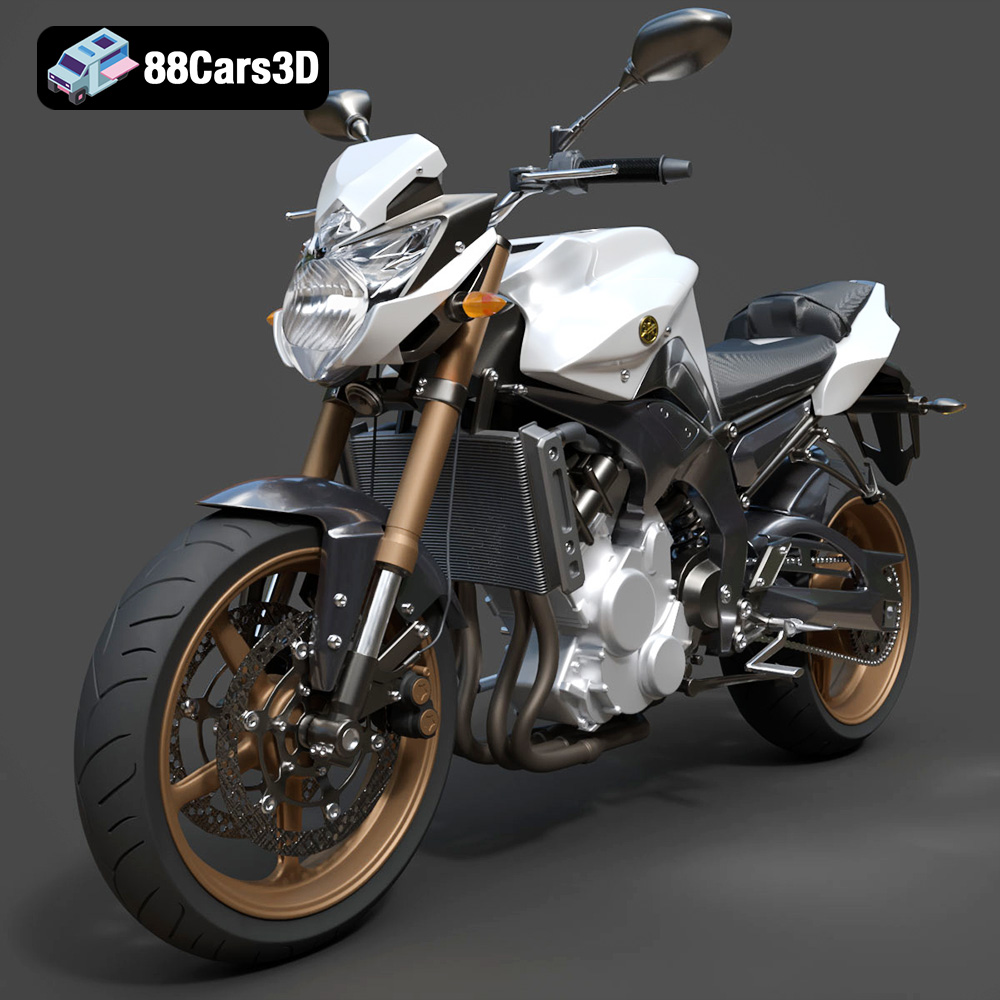
Texture: Yes
Material: Yes
Download the Yamaha FZ8 2011 3D Model featuring clean geometry, realistic detailing, and a fully modeled interior. Includes .blend, .fbx, .obj, .glb, .stl, .ply, .unreal, and .max formats for rendering, simulation, and game development.
Price: $19.99
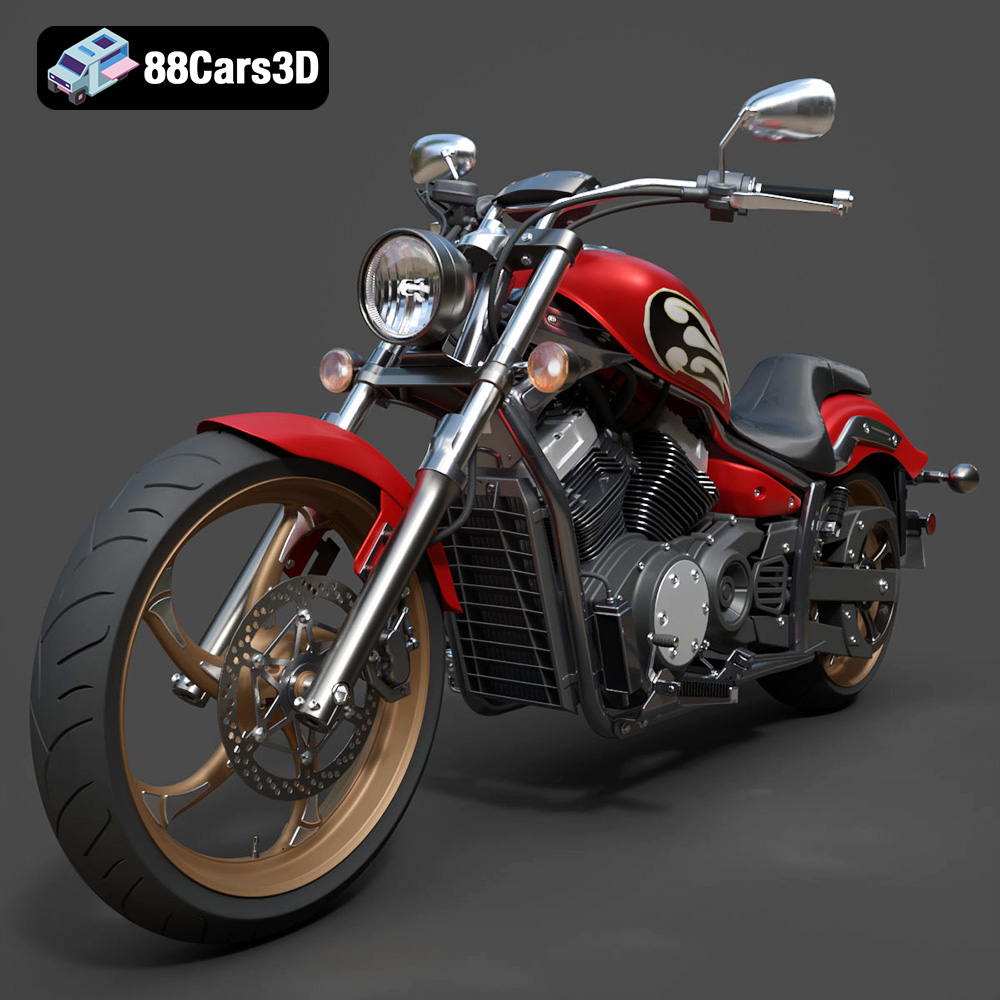
Texture: Yes
Material: Yes
Download the Yamaha Stryker 2012 3D Model featuring clean geometry, realistic detailing, and a fully modeled interior. Includes .blend, .fbx, .obj, .glb, .stl, .ply, .unreal, and .max formats for rendering, simulation, and game development.
Price: $19.99
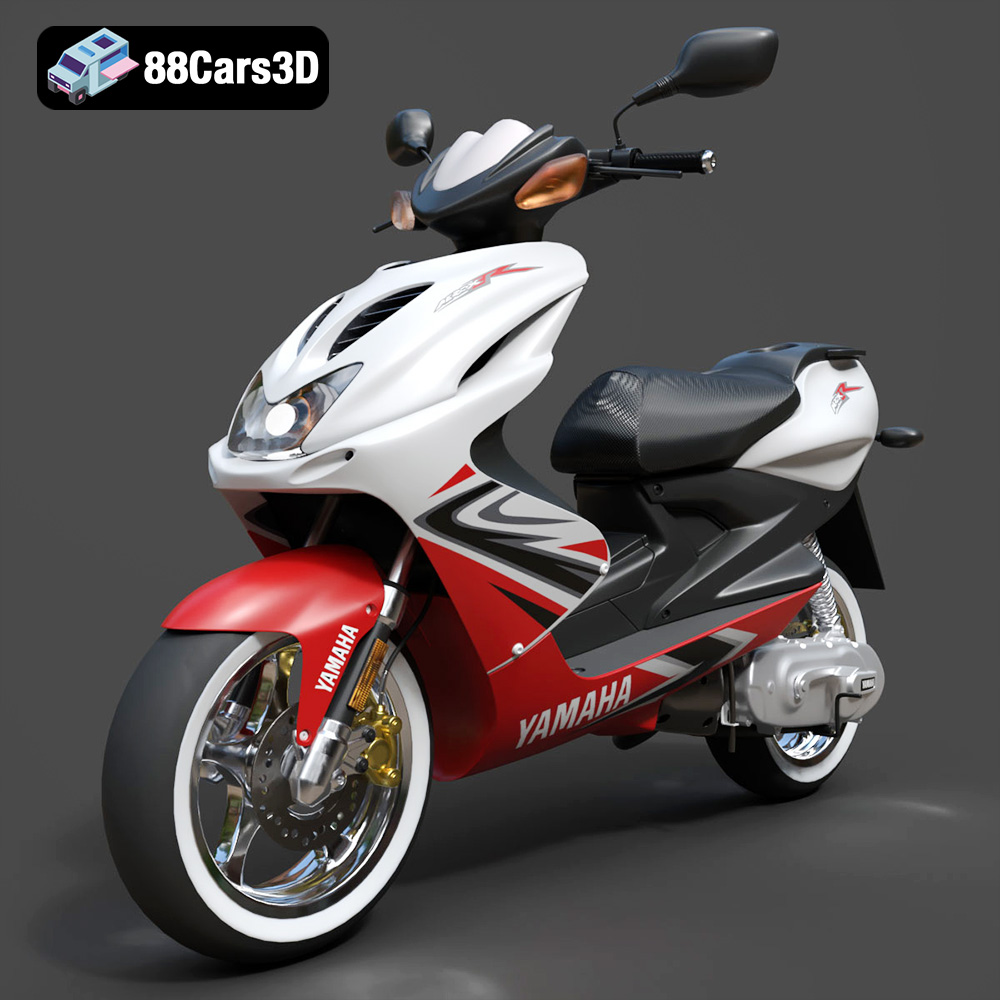
Texture: Yes
Material: Yes
Download the Yamaha Aerox R-002 2024 3D Model featuring clean geometry, realistic detailing, and a fully modeled interior. Includes .blend, .fbx, .obj, .glb, .stl, .ply, .unreal, and .max formats for rendering, simulation, and game development.
Price: $19.99
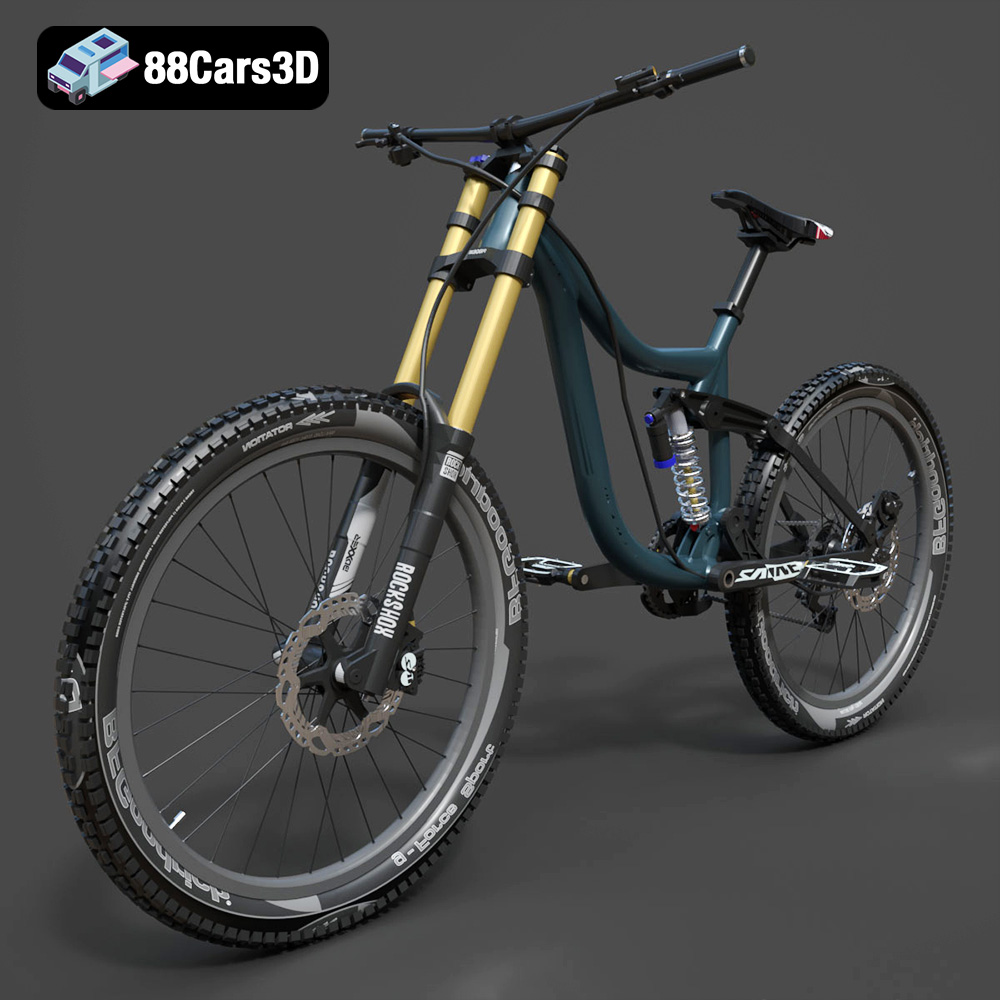
Texture: Yes
Material: Yes
Download the Mototsikly Downhill Bike-002 3D Model featuring clean geometry, realistic detailing, and precise mechanical components. Includes .blend, .fbx, .obj, .glb, .stl, .ply, .unreal, and .max formats for rendering, simulation, and game development.
Price: $19.99
Texture: Yes
Material: Yes
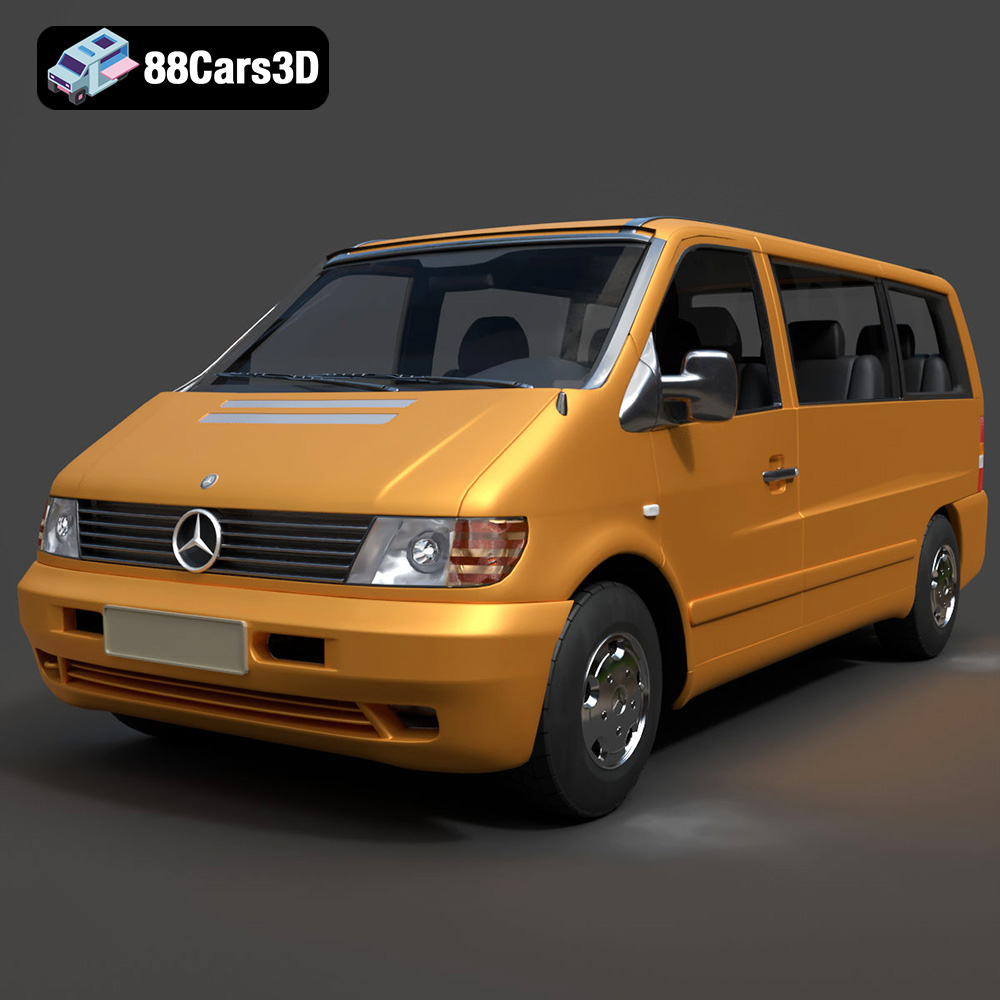
Download the Mercedes-Benz Vito Passenger Van 3D Model featuring clean geometry, realistic detailing, and a fully modeled interior. Includes .blend, .fbx, .obj, .glb, .stl, .ply, .unreal, and .max formats for rendering, simulation, and game development.
Price: $19.99
Texture: Yes
Material: Yes
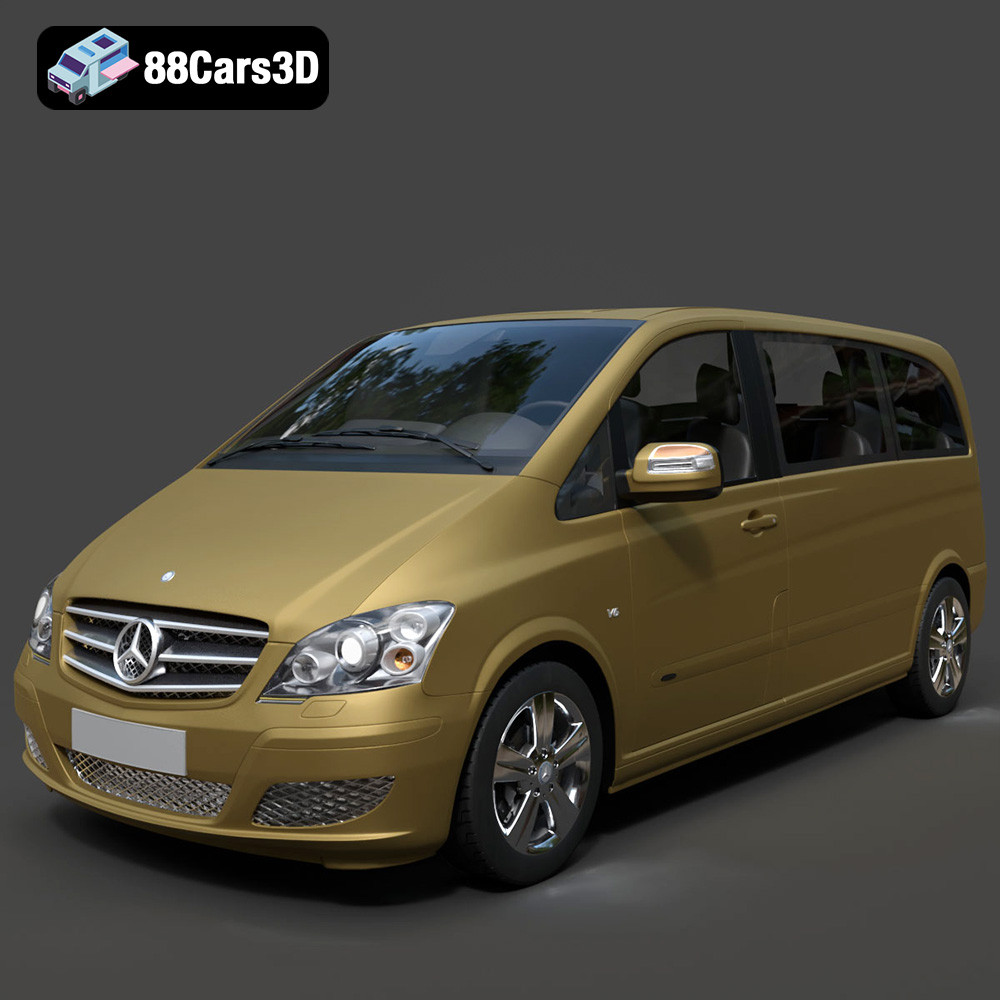
Download the Mercedes-Benz Viano 2010 3D Model featuring clean geometry, realistic detailing, and a fully modeled interior. Includes .blend, .fbx, .obj, .glb, .stl, .ply, .unreal, and .max formats for rendering, simulation, and game development.
Price: $19.99

Texture: Yes
Material: Yes
Download the Emt Avtobus 007 3D Model featuring clean geometry, realistic detailing, and a fully modeled interior. Includes .blend, .fbx, .obj, .glb, .stl, .ply, .unreal, and .max formats for rendering, simulation, and game development.
Price: $19.99
Texture: Yes
Material: Yes
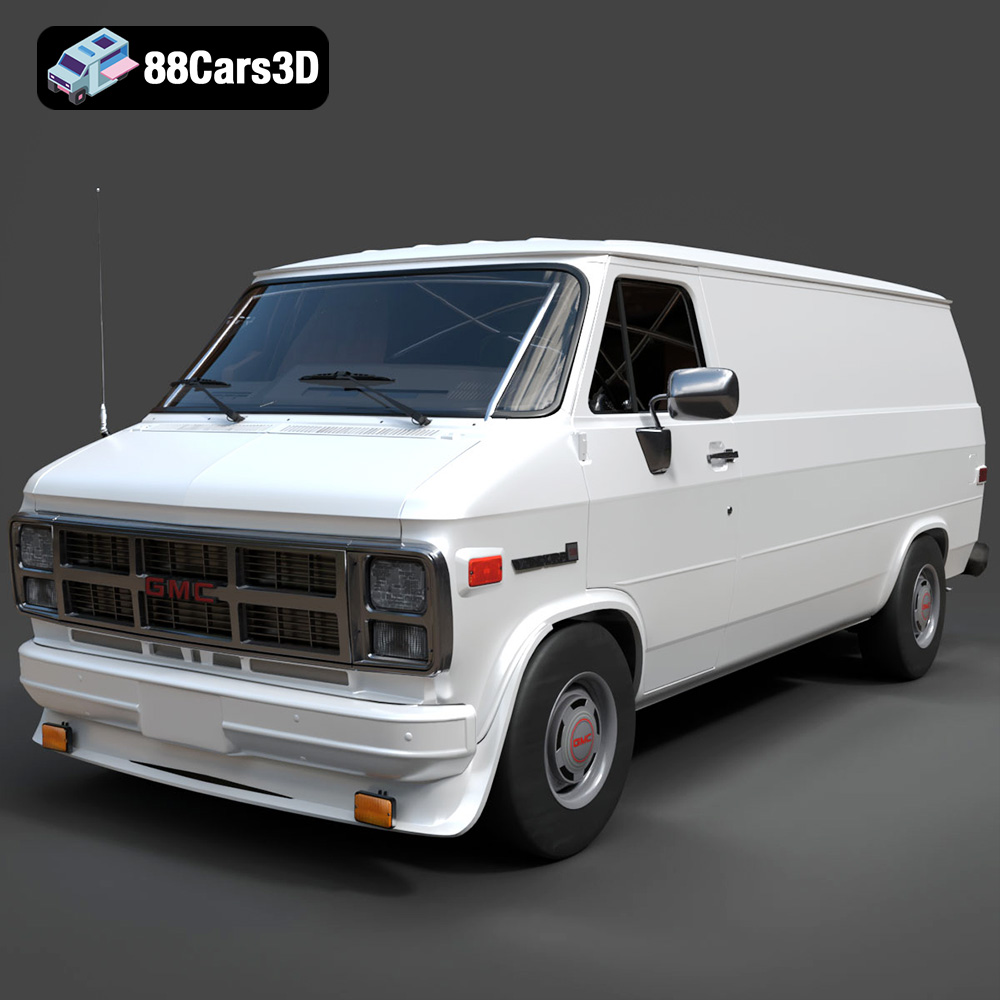
Download the GMC Vandura G-1500 1983 3D Model featuring clean geometry, realistic detailing, and a fully modeled interior. Includes .blend, .fbx, .obj, .glb, .stl, .ply, .unreal, and .max formats for rendering, simulation, and game development.
Price: $19.99
Texture: Yes
Material: Yes
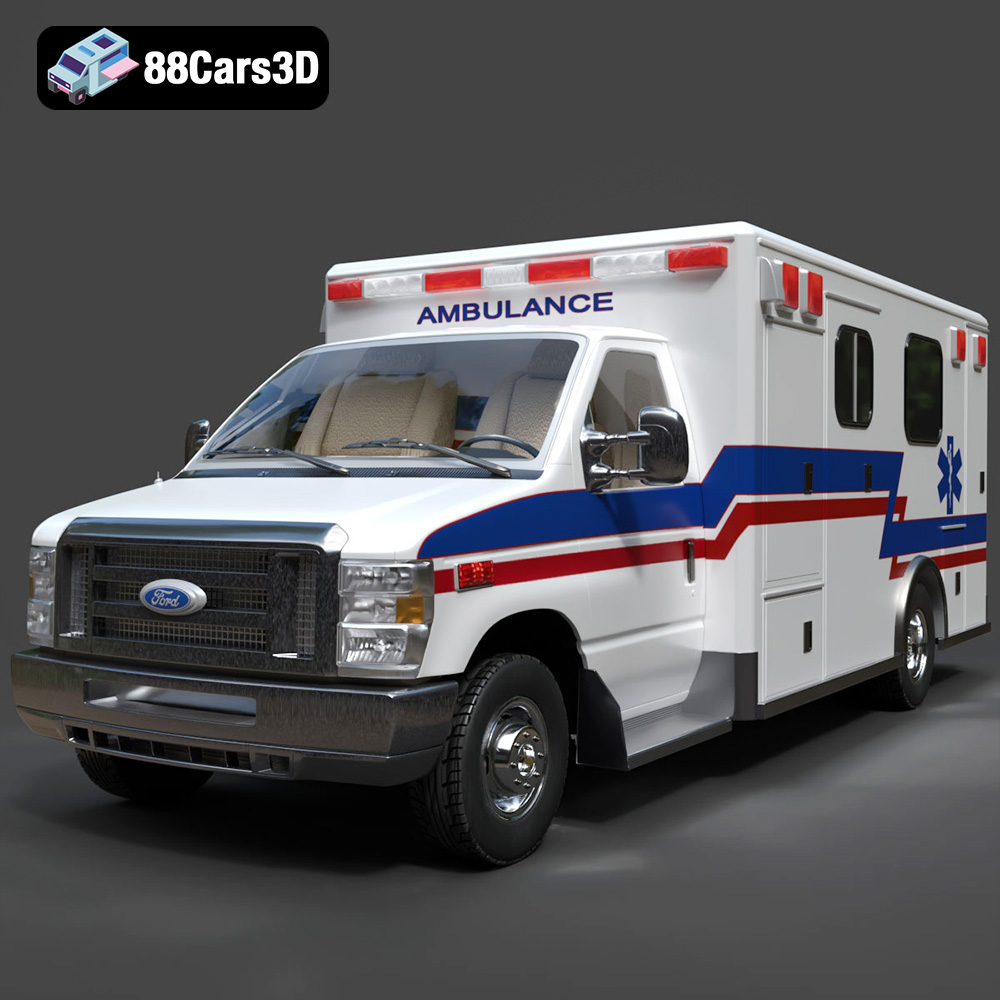
Download the Ford E-450 Ambulance 3D Model featuring clean geometry, realistic detailing, and a fully modeled interior. Includes .blend, .fbx, .obj, .glb, .stl, .ply, .unreal, and .max formats for rendering, simulation, and game development.
Price: $19.99

