Get 20% OFF All Premium 3D & STL Models!

Unreal Engine stands as a titan in real-time rendering, powering everything from AAA games to architectural visualizations and Hollywood virtual productions. For those working with intricate 3D models, especially highly detailed automotive assets found on platforms like 88cars3d.com, mastering its animation systems is paramount. While many immediately think of character animation when discussing Unreal Engine’s Animation Blueprints, their power extends far beyond bipedal figures, offering an incredibly robust framework for bringing complex machinery, interactive environments, and, most notably, vehicles to life.
Imagine a meticulously rendered car model – its doors swinging open with a satisfying thud, suspension compressing as it takes a corner, or an intricate engine bay revealing its mechanical dance. These dynamic elements transform a static 3D asset into an immersive experience. This comprehensive guide will dive deep into the essentials of Unreal Engine’s Animation Blueprints, demonstrating how to leverage them for automotive visualization, interactive experiences, and game development. We’ll cover everything from preparing your high-quality 3D car models for animation to advanced techniques for creating realistic vehicle interactions, all while keeping performance optimization in mind for seamless real-time rendering.
At its core, an Animation Blueprint is a specialized Blueprint class designed to control the animation of a Skeletal Mesh within Unreal Engine. It’s a powerful visual scripting tool that dictates which animations play, when they play, and how they blend together, responding dynamically to game logic or user input. Unlike static animations played directly on an asset, an Animation Blueprint provides a flexible, state-driven system that reacts to variables and events, making it indispensable for interactive automotive applications.
The primary components of an Animation Blueprint are the Event Graph and the Anim Graph. The Event Graph functions much like a standard Blueprint’s Event Graph, allowing you to execute logic based on events, update variables, and perform calculations. Here, you’ll typically retrieve data from your vehicle’s gameplay Blueprint (e.g., speed, steering angle, door open/close state) and store it in variables that the Anim Graph can then access. The Anim Graph, on the other hand, is where the magic of animation blending and state management happens. It’s a visual network of nodes that takes the computed data from the Event Graph, evaluates conditions, and outputs the final pose for your skeletal mesh.
The Event Graph in an Animation Blueprint is crucial for connecting your game’s logic to the visual animation. It’s where you define how your vehicle’s animation state should change based on external factors. Common events here include ‘Event Blueprint Update Animation’, which fires every frame, and ‘Event Blueprint Initialize Animation’, which runs once when the Animation Blueprint starts. Within these events, you’ll typically cast to your vehicle’s controlling Blueprint (e.g., a custom CarPawn or Character) to fetch relevant data. For example, you might get the current speed of the car, its steering input, or a boolean indicating if a door is being opened. This data is then stored as variables within the Animation Blueprint, ready for use in the Anim Graph.
Technical Tip: Efficiently update variables. Avoid complex calculations in the Event Graph if they can be done elsewhere. For performance-critical updates like wheel rotation, ensure your data retrieval is optimized. Often, a single “Try Get Pawn Owner” followed by a cast and variable assignment can feed multiple animation logic branches in the Anim Graph.
The Anim Graph is where you orchestrate the final pose of your skeletal mesh. It consists of various nodes that perform blending, state management, and direct bone manipulation. Key nodes include: State Machines, which manage complex animation sequences and transitions; Blend Spaces, for interpolating between multiple animations based on input parameters; and direct skeletal controls like Fabrik (IK) for inverse kinematics or Transform (Modify) Bone for direct bone manipulation. The output of this graph is ultimately connected to a “Final Animation Pose” node, which renders the vehicle’s animation. Understanding how to combine these nodes effectively is the key to creating responsive and realistic automotive animations.
Before you can animate your stunning 3D car models from a marketplace like 88cars3d.com, they need to be correctly prepared in your 3D modeling software and imported into Unreal Engine. While many high-quality vehicle models might initially be static meshes, dynamic interactions require them to be skeletal meshes, meaning they have a hierarchy of bones (a “skeleton”) that can be individually manipulated. This preparation is foundational for leveraging Animation Blueprints effectively.
The core principle is to break down your vehicle into components that need to move independently and assign them to a bone hierarchy. For a typical car, this includes: a root bone (usually at the center of the car), bones for each wheel (front left, front right, rear left, rear right), bones for doors (driver, passenger, rear), a bone for the hood, trunk, steering wheel, and potentially suspension components. Each of these movable parts needs to be “skinned” or “weighted” to its respective bone. This means that when a bone moves, its associated geometry moves with it.
In your 3D software (e.g., Maya, 3ds Max, Blender), start by creating a simple but logical bone hierarchy. A common approach is: `root_bone` -> `body_bone` -> `door_FL_bone`, `wheel_FL_bone`, `steering_wheel_bone`, etc. Ensure pivot points for rotation are correctly set for each bone (e.g., a door’s pivot should be at its hinge). Once the hierarchy is established, parent the relevant mesh parts to their corresponding bones and perform the skinning process. Export your model as an FBX file, ensuring “Skeletal Mesh” is selected during export. When importing into Unreal Engine, specify that it should be imported as a Skeletal Mesh.
Pro-Tip: Standardized naming conventions for bones are crucial, especially when working in teams or when considering future retargeting or automation. Names like `bone_Door_FL`, `bone_Wheel_FR`, `bone_SteeringWheel` make it easy to identify and reference bones within your Animation Blueprint and other Blueprint scripts. Consistency here prevents countless headaches during development.
Even though we’re talking about skeletal meshes for animation, Nanite, Unreal Engine’s virtualized geometry system, still plays a significant role in overall scene performance, particularly for the static elements of a highly detailed car model. While Nanite directly supports static meshes, many advanced vehicle models often combine static parts (the main chassis, detailed interior components that don’t animate) with skeletal parts (doors, wheels). When importing a complex car, you might choose to separate these elements, allowing the static, high-poly components to benefit from Nanite’s efficient rendering while only the truly animated parts are handled as skeletal meshes. For example, the car’s main body and interior shell could be Nanite-enabled static meshes, while the doors, hood, and wheels are part of a skeletal mesh setup. This hybrid approach allows for incredible visual fidelity without crippling performance. For the skeletal mesh components, generating LODs (Levels of Detail) is still critical. Unreal Engine can often generate these automatically on import, but custom LODs provide more control, ensuring that distant vehicles consume fewer resources. This balance of Nanite for static details and optimized skeletal meshes for animation is key to pushing visual boundaries in real-time.
State Machines are the backbone of robust Animation Blueprints, allowing you to define different animation states and the rules for transitioning between them. For automotive assets, this is incredibly useful for managing actions like opening and closing doors, hoods, or trunks, or even switching between different driving modes (e.g., regular driving, drifting, parked). Each state represents a distinct animation or pose, and transitions define how and when the system moves from one state to another.
Consider animating a car door. You might have three main states: “Idle_Closed,” “Opening_Door,” and “Idle_Open.” The “Idle_Closed” state would play a static pose of the door shut. When the player triggers an “open door” event, a transition rule (e.g., a boolean variable `bDoorOpen` becoming true) would trigger the “Opening_Door” state, which plays an animation of the door swinging open. Once that animation finishes, another transition rule (e.g., `TimeRemaining(Opening_Door_Anim) <= 0.0`) moves the system to the "Idle_Open" state, holding the door open. This structured approach ensures smooth, predictable, and responsive animations.
When designing your State Machine for a vehicle, start by identifying all the independent, animated components. Each component might have its own small State Machine, or they can all be managed within a single, larger machine. For a car door, you’d create states like:
Transitions between these states are defined by rules, often involving boolean variables driven by player input or game logic. You can use “Blend by Enum” or “Blend by Bool” nodes in your Anim Graph to combine the outputs of multiple State Machines if you have various independent parts animating simultaneously (e.g., opening multiple doors).
Transition rules are critical for smooth state changes. They define the conditions under which the Animation Blueprint can move from one state to another. For example, to transition from “Idle_Closed” to “Opening_Door_FL,” the rule might be as simple as checking if a boolean variable `bOpenFrontLeftDoor` is true. You can also specify a “Transition Blend Duration” to smoothly interpolate between the end pose of the previous state and the beginning pose of the next state, preventing sudden pops. Within the transition rule graph, you have access to a variety of nodes, including “Time Remaining (Ratio)” which is excellent for checking if an animation is nearly finished playing, allowing you to chain animations or return to idle states seamlessly. For comprehensive details on State Machines and animation logic, refer to the official Unreal Engine documentation at https://dev.epicgames.com/community/unreal-engine/learning.
The true power of Animation Blueprints emerges when they are integrated with other gameplay Blueprints or C++ code. The Event Graph acts as the bridge, allowing your vehicle’s core logic to feed real-time data into the animation system. This means that a player’s input, a car’s speed, or even environmental factors can directly influence how the vehicle animates. For instance, the Event Graph can retrieve the vehicle’s current velocity, calculate the rotational speed for each wheel, and then pass these values to the Anim Graph to make the wheels spin accurately.
This dynamic linkage is crucial for creating responsive and realistic automotive experiences. Without it, animations would be static or predetermined, severely limiting interactivity. By exposing variables within your Animation Blueprint (e.g., `CurrentSpeed`, `SteeringInput`, `DoorOpenState`), your gameplay Blueprint can directly set these values, providing a clean separation of concerns: gameplay logic handles vehicle behavior, and the Animation Blueprint handles its visual representation.
To integrate your Animation Blueprint with your vehicle’s gameplay Blueprint (e.g., a Custom CarPawn Blueprint), you’ll typically use the “Try Get Pawn Owner” node in the Animation Blueprint’s Event Graph. This allows you to cast the owner (your vehicle) to its specific Blueprint class and then access its public variables or functions. For example:
These internal Animation Blueprint variables can then be used in the Anim Graph to drive blend spaces, state machine transitions, or direct bone transformations. This robust communication pipeline ensures your vehicle animations are always synchronized with its gameplay state.
Beyond real-time gameplay, Sequencer, Unreal Engine’s multi-track cinematic editor, works hand-in-hand with Animation Blueprints. While Sequencer can directly animate skeletal mesh bones or play Montages, it can also override or blend with the logic from your Animation Blueprint. This is incredibly powerful for automotive visualization and virtual production. You might have an Animation Blueprint handling the subtle physics-based suspension movement during a drive, and then use Sequencer to keyframe a specific door opening action, a camera move, and even trigger particle effects (like tire smoke from Niagara) at precise moments. Sequencer allows for a blend between procedural Animation Blueprint logic and authored keyframe animation, offering unparalleled control over cinematic vehicle sequences for advertisements, film, or interactive presentations.
Taking your automotive animations to the next level requires delving into more advanced techniques. Features like Inverse Kinematics (IK), Blend Spaces, and Animation Montages offer precise control and efficient ways to create complex, believable motions for vehicles. These techniques are vital for conveying realistic suspension dynamics, intricate steering mechanisms, or specific interactive sequences.
For instance, imagine a vehicle’s suspension system. While simple bone rotations can work, an IK setup can provide a more natural, interconnected movement, ensuring that the wheel remains grounded while the chassis bobs and weaves. Similarly, a Blend Space can seamlessly transition between different wheel rotations based on speed, mimicking realistic tire blur as the car accelerates. Mastering these tools elevates the realism and immersion of your 3D car models in Unreal Engine.
Inverse Kinematics (IK) is a powerful tool in the Anim Graph that calculates the necessary rotations for a chain of bones to reach a target location. For automotive applications, IK is particularly useful for:
The “Fabrik” or “Two Bone IK” nodes are commonly used in the Anim Graph. You’ll define the root bone of the IK chain, the end effector bone (e.g., the wheel bone), and an IK target (often a socket or a calculated location in world space) that the end effector should try to reach. The solver then computes the intermediate bone rotations.
Blend Spaces are assets that allow you to blend between multiple animations based on one or two input parameters. This is incredibly efficient for creating nuanced animations for vehicles. Instead of creating a separate animation for every single speed, you can create a 1D Blend Space for wheel rotation:
As `VehicleSpeed` changes, the Blend Space interpolates between these animations, creating a continuous and realistic wheel rotation effect. You could also use a 2D Blend Space for more complex scenarios, such as blending engine vibrations based on RPM and load, or suspension movement based on speed and road roughness.
Animation Montages are composite animation assets that allow you to play a sequence of animations, blend them, and even override parts of an existing Animation Blueprint. While less common for continuous vehicle motion, they are perfect for specific, short-duration actions that need to interrupt or layer on top of the main animation graph. For automotive applications, Montages are excellent for:
You can play an Animation Montage directly from your gameplay Blueprint using the “Play Montage” node, specifying the Montage asset and, optionally, a section name to play a specific part of it. This allows for fine-grained control over when and how these specific, non-looping animations occur.
Performance optimization is non-negotiable in real-time rendering, especially when dealing with highly detailed automotive visualization assets. An unoptimized Animation Blueprint can quickly become a bottleneck, leading to frame rate drops and a poor user experience. While Unreal Engine’s Animation Blueprint system is highly performant, understanding and applying optimization strategies is crucial for maintaining smooth framerates, particularly in demanding scenarios like AR/VR applications or large open-world games with many animated vehicles.
The goal is to minimize the amount of computation performed per frame and reduce the complexity of the animation data. This involves careful planning of your bone hierarchy, intelligent use of compression, and strategic application of LODs and culling techniques. Leveraging features like Nanite for static car parts and optimizing the skeletal mesh for animated components, as previously discussed, is a great starting point.
Animation data can be quite large, especially for complex skeletal meshes. Unreal Engine offers various animation compression algorithms that can significantly reduce memory footprint and improve streaming performance. When importing animations, experiment with different compression methods (e.g., “ACL (Anim Compression Library)”, “Remove Linear Keys”, “Per Track Compression”). Each has trade-offs between compression ratio and potential visual artifacts. For realistic automotive animations, where precise movement is key, a balance is needed.
Culling is another vital optimization. Unreal Engine’s animation system can automatically stop updating animations for skeletal meshes that are not visible or are too far from the camera. Ensure your skeletal mesh components have appropriate bounds set so the engine can accurately determine visibility. For further control, you can manually adjust “Min Lod” and “Visibility Based Anim Tick Option” settings on your Skeletal Mesh Component within your Blueprint to ensure animations only update when truly necessary.
Just as with static meshes, LODs (Levels of Detail) are critical for skeletal meshes and their animations. For high-poly 3D car models, you should generate multiple LODs for the skeletal mesh. As the vehicle moves further from the camera, the engine switches to a lower-poly version of the mesh with fewer bones. Crucially, you can also reduce the complexity of the Animation Blueprint’s evaluation at lower LODs. In the Anim Graph, you can use a “LOD Poses” node to specify simpler animation logic or even static poses for distant LODs, rather than evaluating the full, complex graph. For example, a distant car might not need its suspension IK or individual door hinges to animate; a simple wheel rotation and static door pose would suffice. This significantly reduces computation for off-screen or distant vehicles. Always profile your game to identify bottlenecks and adjust LODs accordingly.
The application of Animation Blueprints for automotive assets extends across various industries, from interactive automotive configurators and high-fidelity product showcases to game development and immersive AR/VR experiences. Mastering these techniques not only enhances visual appeal but also provides tangible interactive value, making 3D car models truly come alive. Integrating these into professional workflows requires a systematic approach and an understanding of how different Unreal Engine features coalesce.
Consider a vehicle configurator where a user can open doors, change interior colors, or cycle through wheel options. Each of these interactions can be driven by an Animation Blueprint, making the experience dynamic and engaging. Or, in a virtual production environment, a car on an LED wall might need its wipers to animate realistically in a rain scene, or its wheels to spin in sync with footage. These scenarios highlight the versatility and necessity of Animation Blueprints.
Interactive automotive configurators are a prime example of where Animation Blueprints shine. Imagine a showroom experience where customers can walk around a virtual car, open its doors, peer into the engine bay, or even see the trunk mechanism in action. Each of these interactive elements can be controlled by a State Machine within the car’s Animation Blueprint. A simple UI button click in your main Blueprint could trigger a boolean variable that transitions the Animation Blueprint to an “Open_Door” state, playing the necessary animation.
Furthermore, Blueprint scripting can be used to drive parameters for the Animation Blueprint. For instance, a slider widget could control the rotation of the steering wheel or the degree to which a sunroof is open, feeding a float value directly into the Animation Blueprint to blend between poses or drive a bone transform. This level of dynamic control creates incredibly rich and immersive interactive product demonstrations.
For augmented reality (AR) and virtual reality (VR) applications in automotive visualization, every millisecond of performance counts. Animation Blueprints, while powerful, need careful optimization to maintain the high frame rates (typically 90 FPS or higher) required for a comfortable and immersive VR experience. Key strategies include:
By meticulously optimizing every aspect of your Animation Blueprints, you can deliver breathtaking and fluid automotive experiences in AR/VR, truly bringing the 3D car models from sources like 88cars3d.com to life in an immersive digital space.
Mastering Unreal Engine’s Animation Blueprints is an invaluable skill for anyone working with 3D car models and seeking to create dynamic, interactive, and visually stunning automotive visualization experiences. From the fundamental separation of logic in the Event Graph and animation blending in the Anim Graph, to the advanced power of State Machines, IK, and Blend Spaces, these tools offer unparalleled control over how your vehicles interact with the digital world. We’ve explored how to prepare your assets, orchestrate complex movements, and integrate animations with gameplay logic and cinematic sequences using tools like Sequencer, all while emphasizing critical real-time rendering optimization techniques for seamless performance across various applications, including demanding AR/VR scenarios.
Whether you’re developing a high-fidelity car configurator, a cutting-edge racing game, or a virtual production short film, the principles and techniques covered here will empower you to breathe life into your automotive projects. Remember that platforms like 88cars3d.com provide the high-quality, clean topology game assets you need as a foundation, allowing you to focus your efforts on the intricate and rewarding process of bringing them to dynamic reality through the power of Unreal Engine’s Animation Blueprints. Dive in, experiment, and transform your static models into engaging, responsive, and truly immersive experiences.

Meta Description:
Texture: Yes
Material: Yes
Download the Porsche Cayenne 3D Model featuring realistic exterior styling and detailed interior design. Includes .blend, .fbx, .obj, .glb, .stl, .ply, .unreal, and .max formats for rendering, simulation, AR VR, and game development.
Price: $19.9
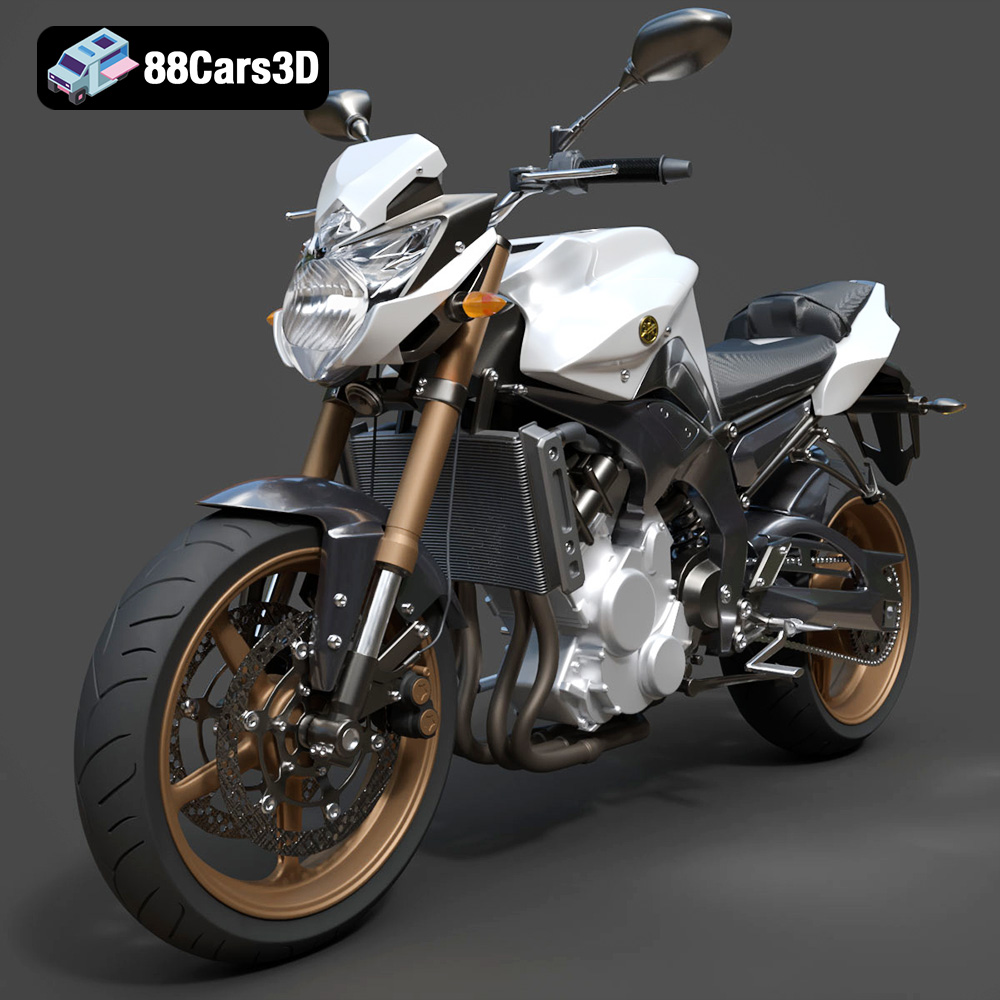
Texture: Yes
Material: Yes
Download the Yamaha FZ8 2011 3D Model featuring clean geometry, realistic detailing, and a fully modeled interior. Includes .blend, .fbx, .obj, .glb, .stl, .ply, .unreal, and .max formats for rendering, simulation, and game development.
Price: $19.99
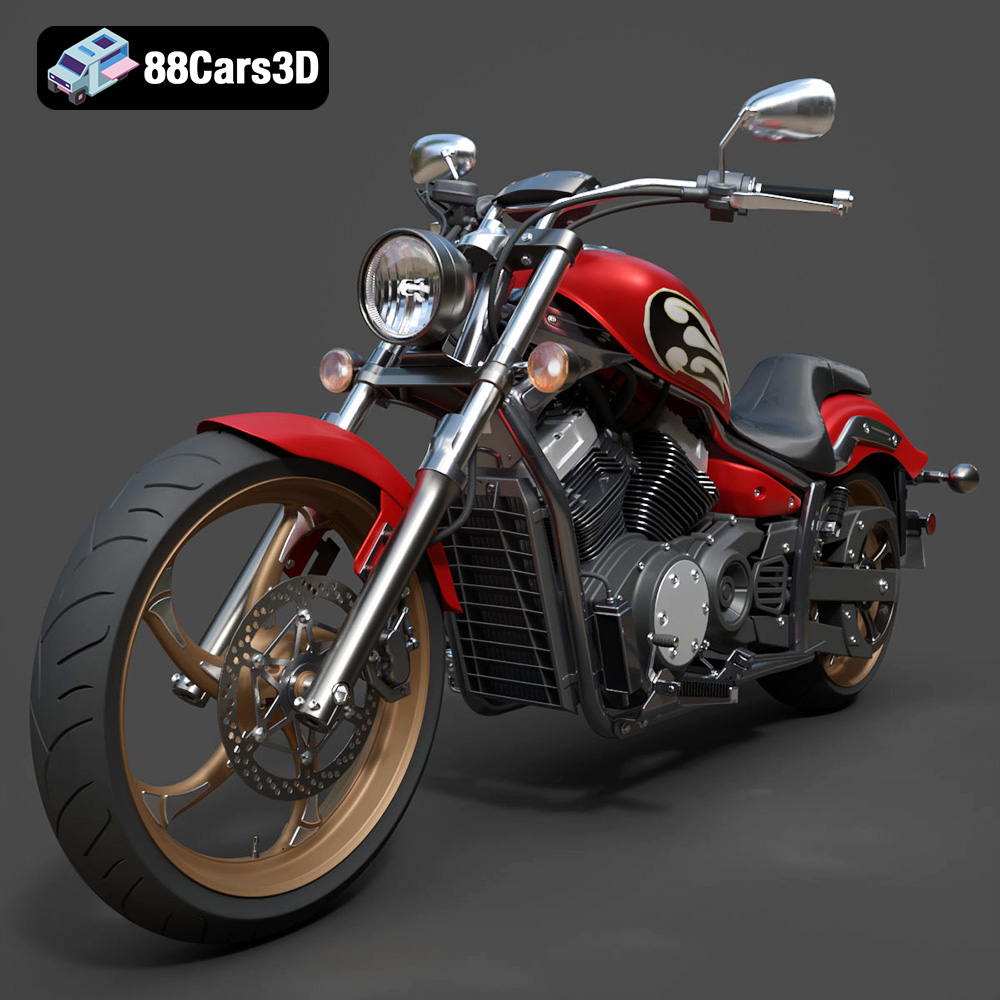
Texture: Yes
Material: Yes
Download the Yamaha Stryker 2012 3D Model featuring clean geometry, realistic detailing, and a fully modeled interior. Includes .blend, .fbx, .obj, .glb, .stl, .ply, .unreal, and .max formats for rendering, simulation, and game development.
Price: $19.99
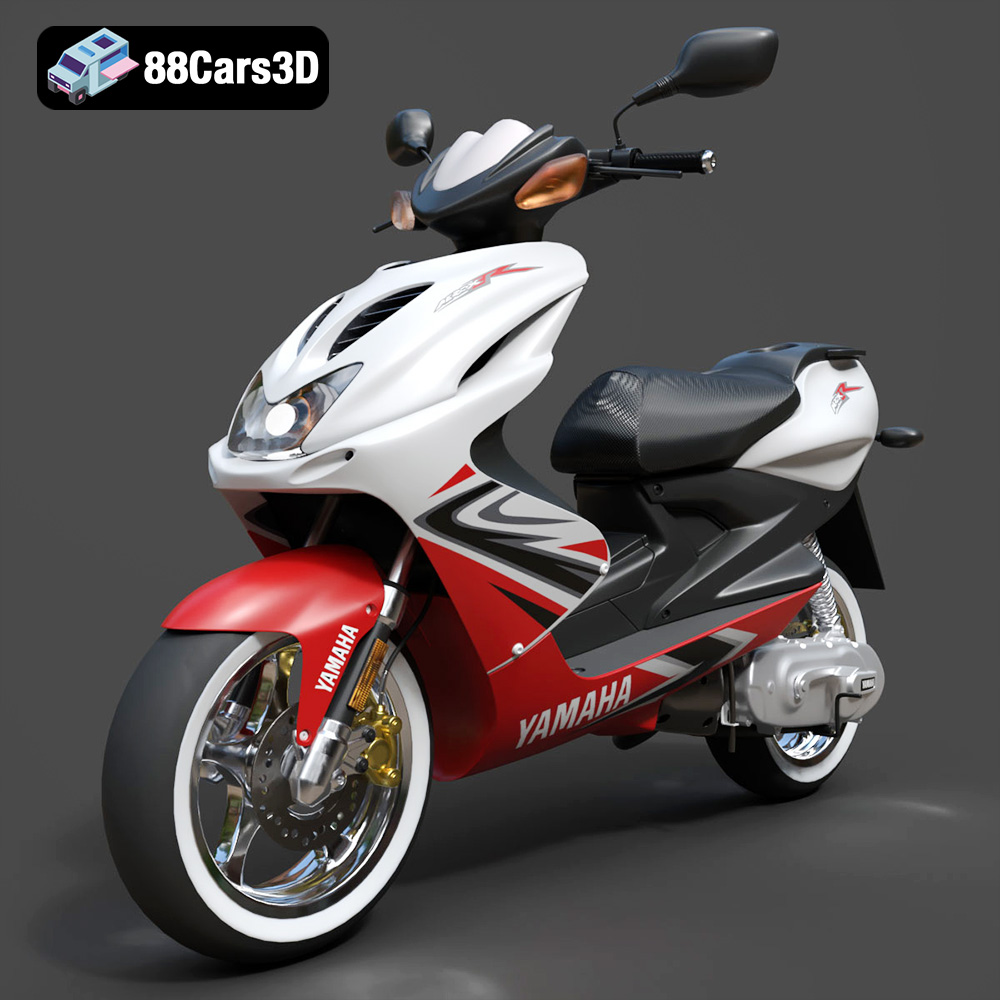
Texture: Yes
Material: Yes
Download the Yamaha Aerox R-002 2024 3D Model featuring clean geometry, realistic detailing, and a fully modeled interior. Includes .blend, .fbx, .obj, .glb, .stl, .ply, .unreal, and .max formats for rendering, simulation, and game development.
Price: $19.99
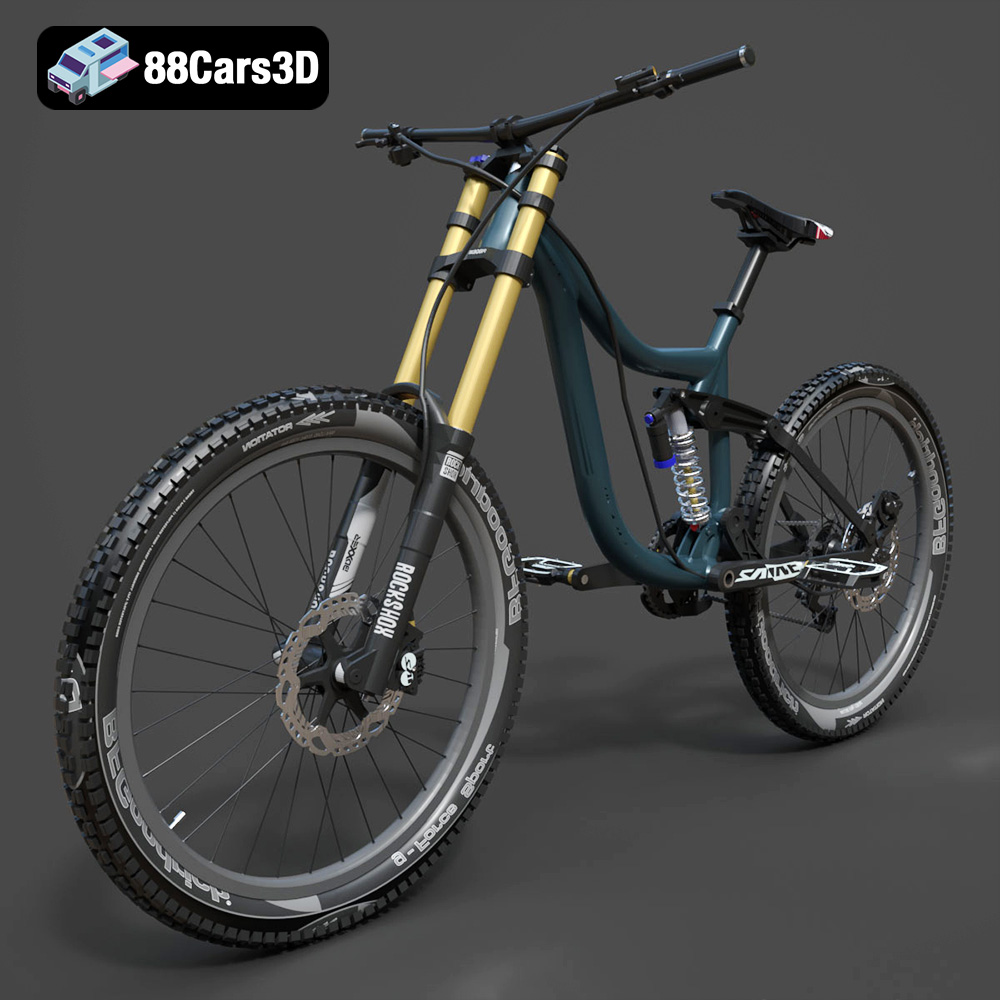
Texture: Yes
Material: Yes
Download the Mototsikly Downhill Bike-002 3D Model featuring clean geometry, realistic detailing, and precise mechanical components. Includes .blend, .fbx, .obj, .glb, .stl, .ply, .unreal, and .max formats for rendering, simulation, and game development.
Price: $19.99
Texture: Yes
Material: Yes
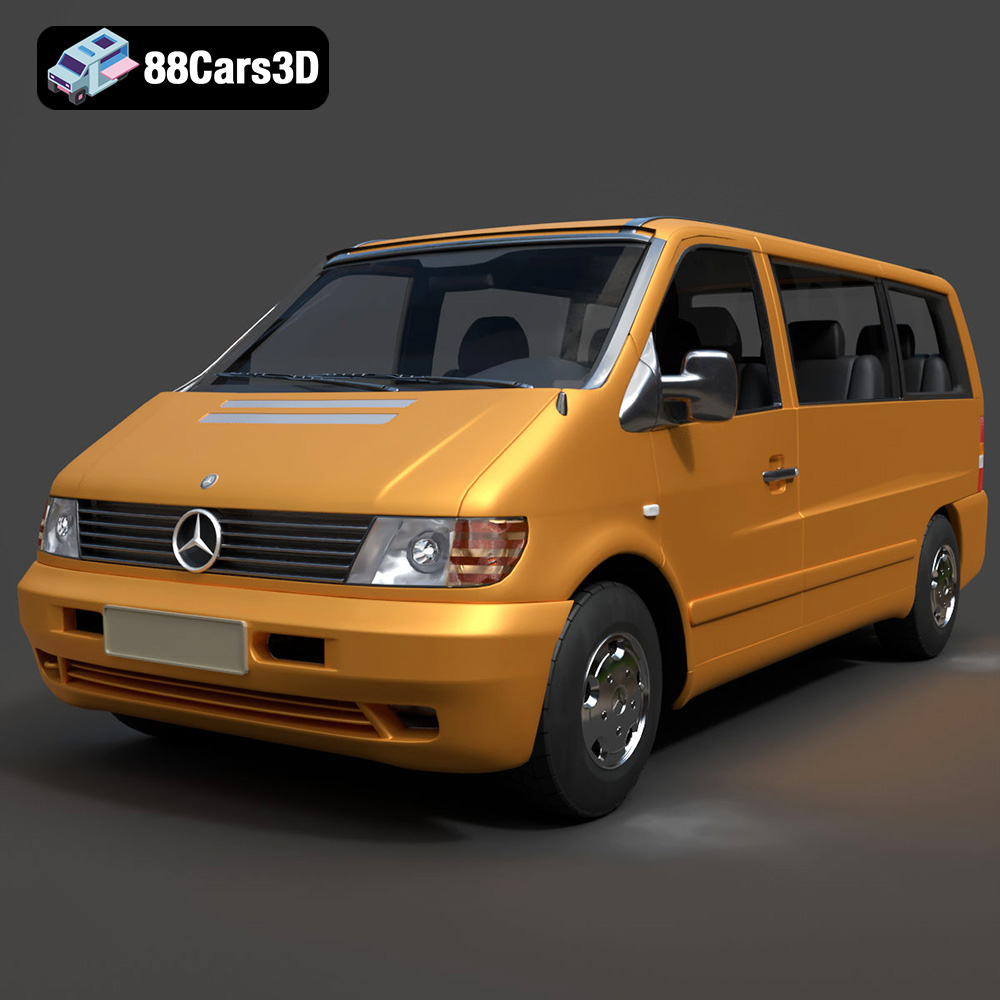
Download the Mercedes-Benz Vito Passenger Van 3D Model featuring clean geometry, realistic detailing, and a fully modeled interior. Includes .blend, .fbx, .obj, .glb, .stl, .ply, .unreal, and .max formats for rendering, simulation, and game development.
Price: $19.99
Texture: Yes
Material: Yes
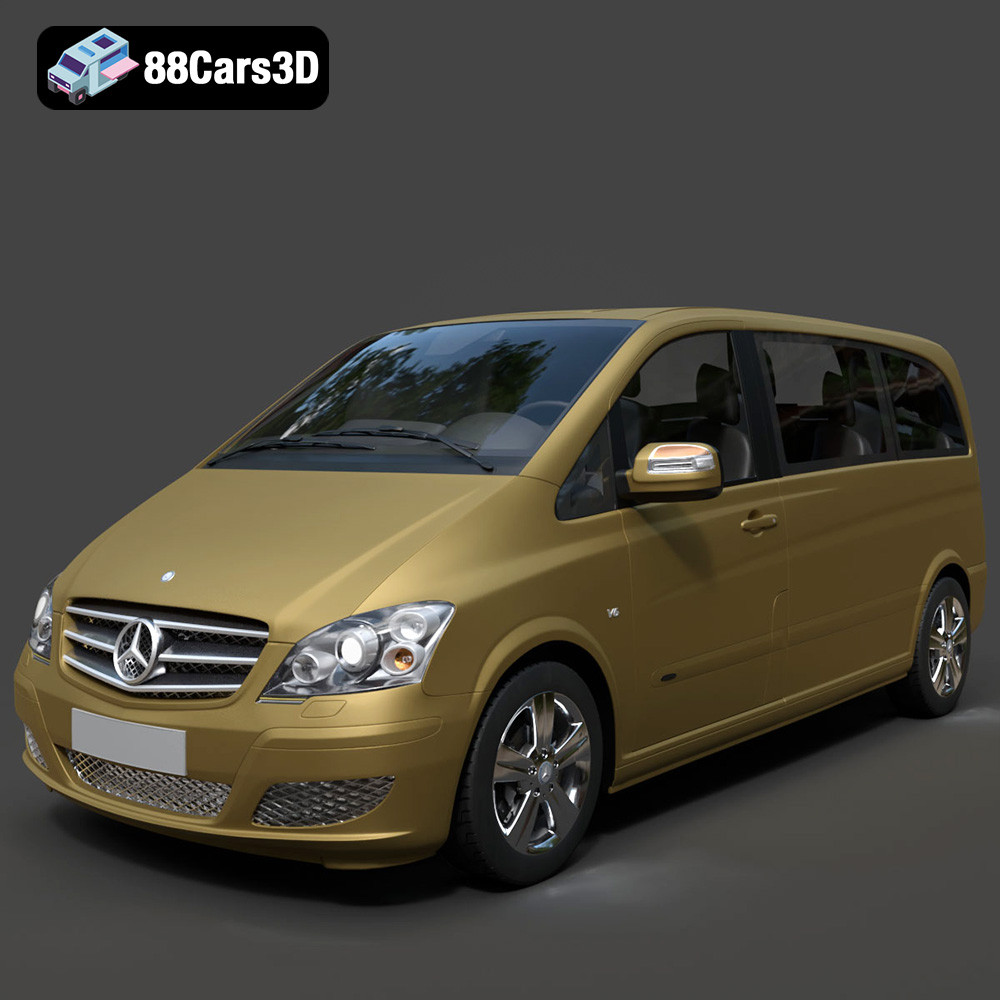
Download the Mercedes-Benz Viano 2010 3D Model featuring clean geometry, realistic detailing, and a fully modeled interior. Includes .blend, .fbx, .obj, .glb, .stl, .ply, .unreal, and .max formats for rendering, simulation, and game development.
Price: $19.99

Texture: Yes
Material: Yes
Download the Emt Avtobus 007 3D Model featuring clean geometry, realistic detailing, and a fully modeled interior. Includes .blend, .fbx, .obj, .glb, .stl, .ply, .unreal, and .max formats for rendering, simulation, and game development.
Price: $19.99
Texture: Yes
Material: Yes
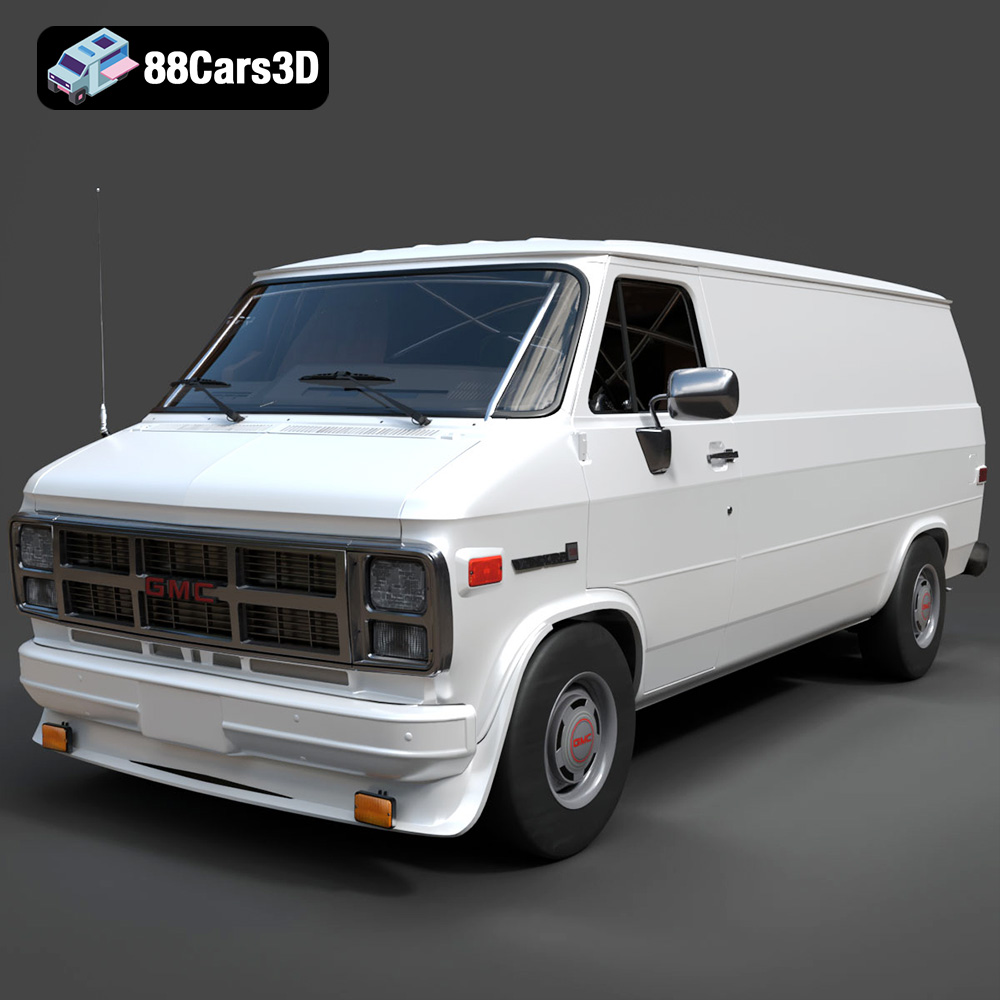
Download the GMC Vandura G-1500 1983 3D Model featuring clean geometry, realistic detailing, and a fully modeled interior. Includes .blend, .fbx, .obj, .glb, .stl, .ply, .unreal, and .max formats for rendering, simulation, and game development.
Price: $19.99
Texture: Yes
Material: Yes
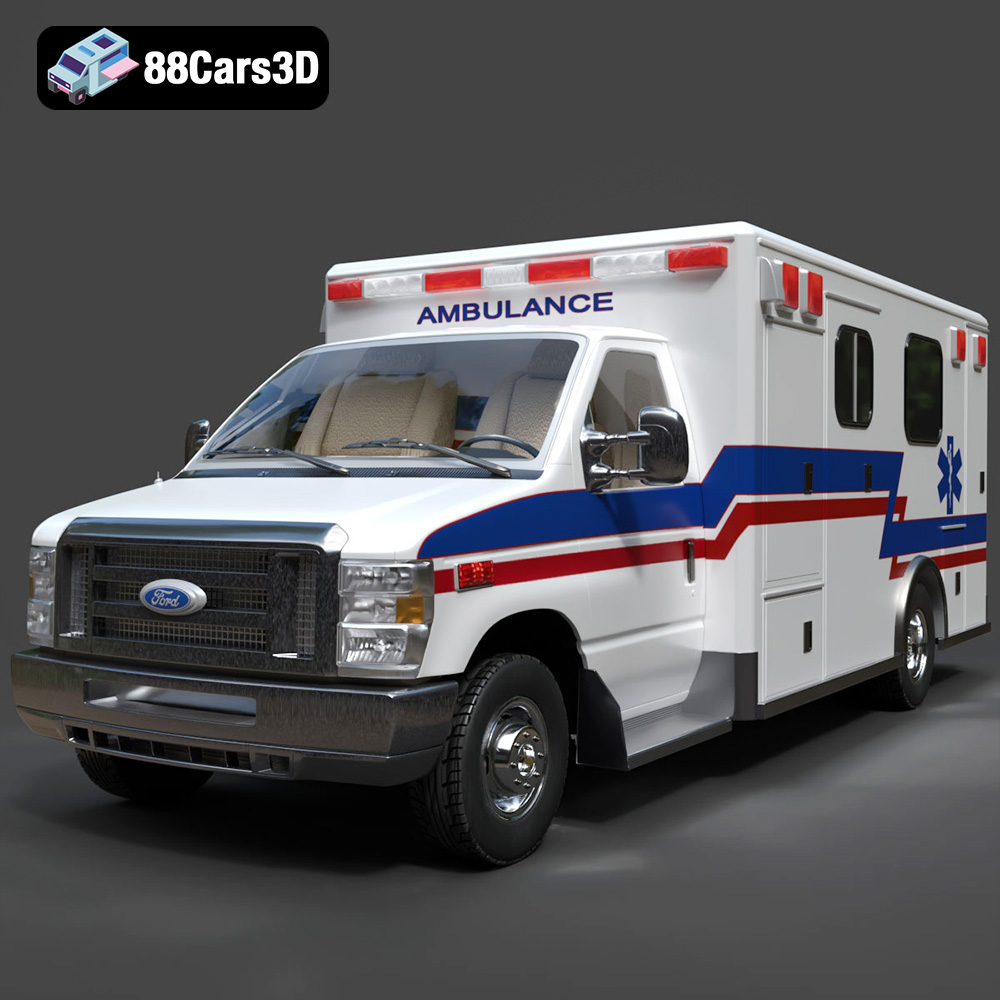
Download the Ford E-450 Ambulance 3D Model featuring clean geometry, realistic detailing, and a fully modeled interior. Includes .blend, .fbx, .obj, .glb, .stl, .ply, .unreal, and .max formats for rendering, simulation, and game development.
Price: $19.99

