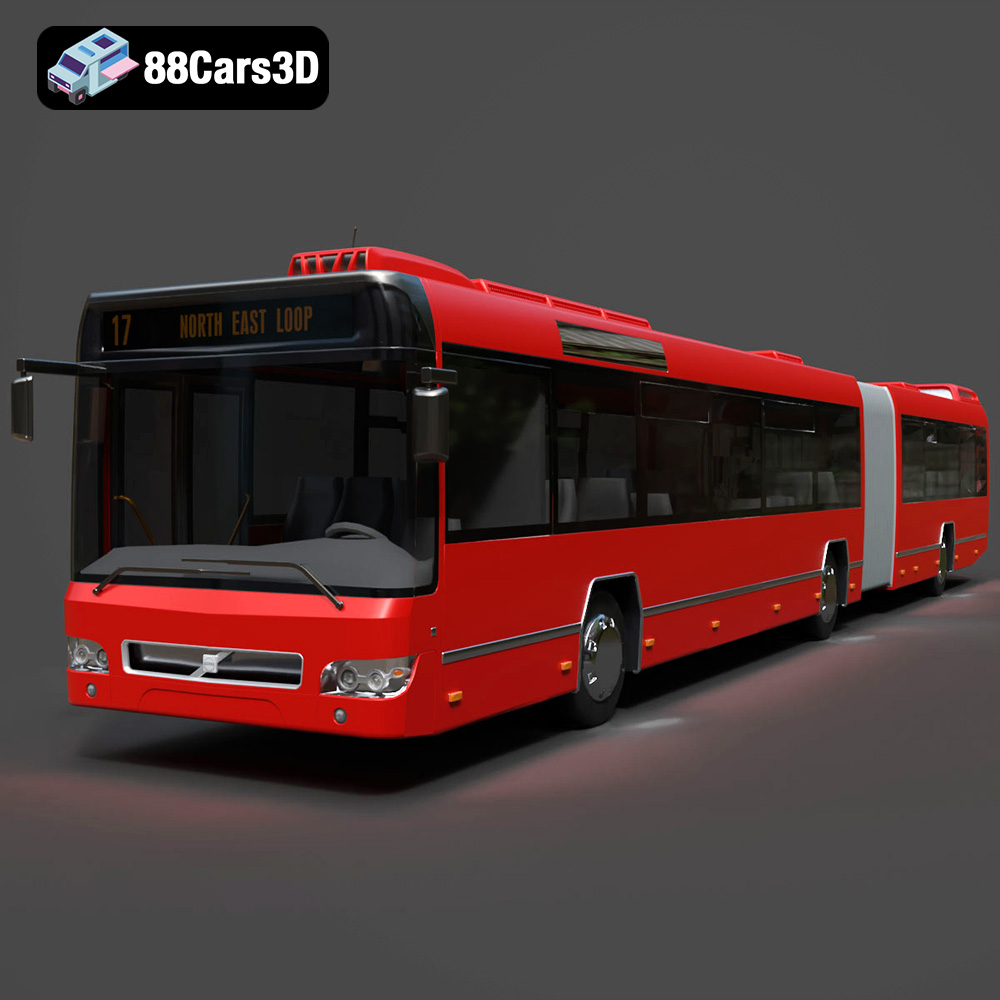
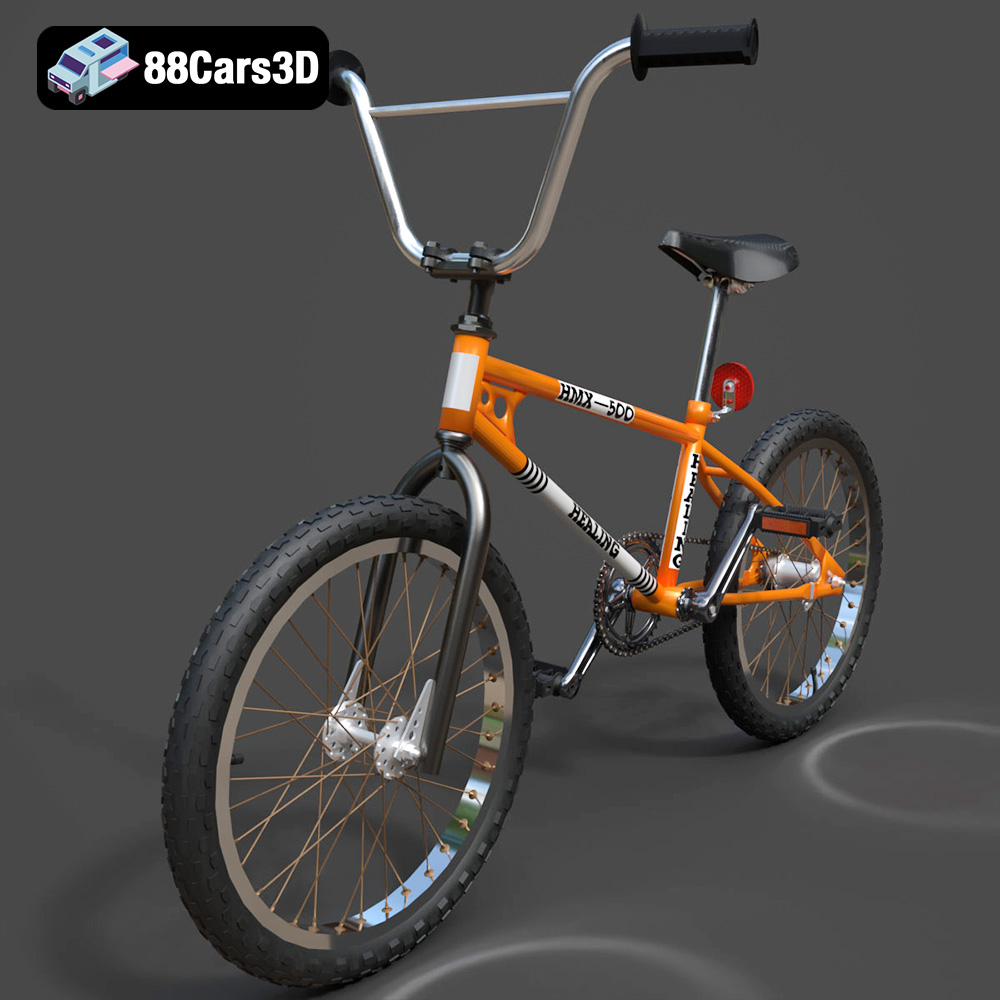
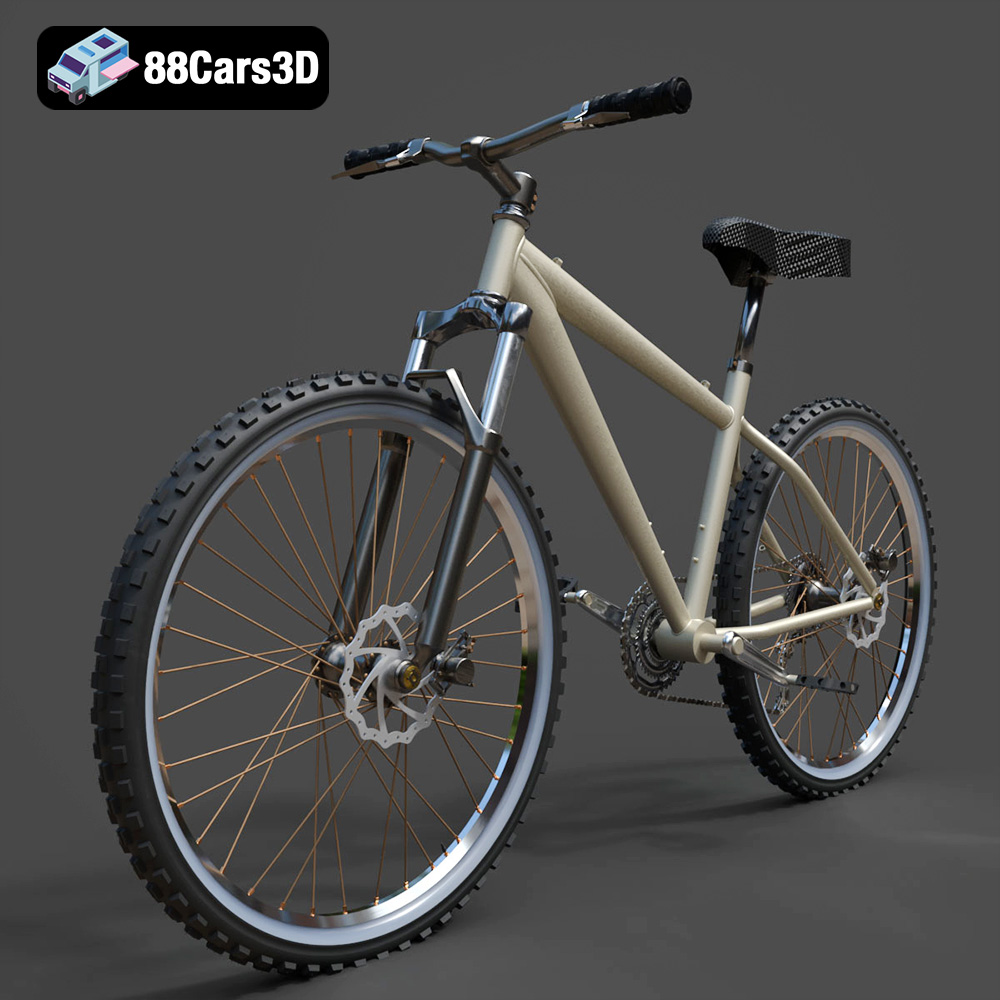
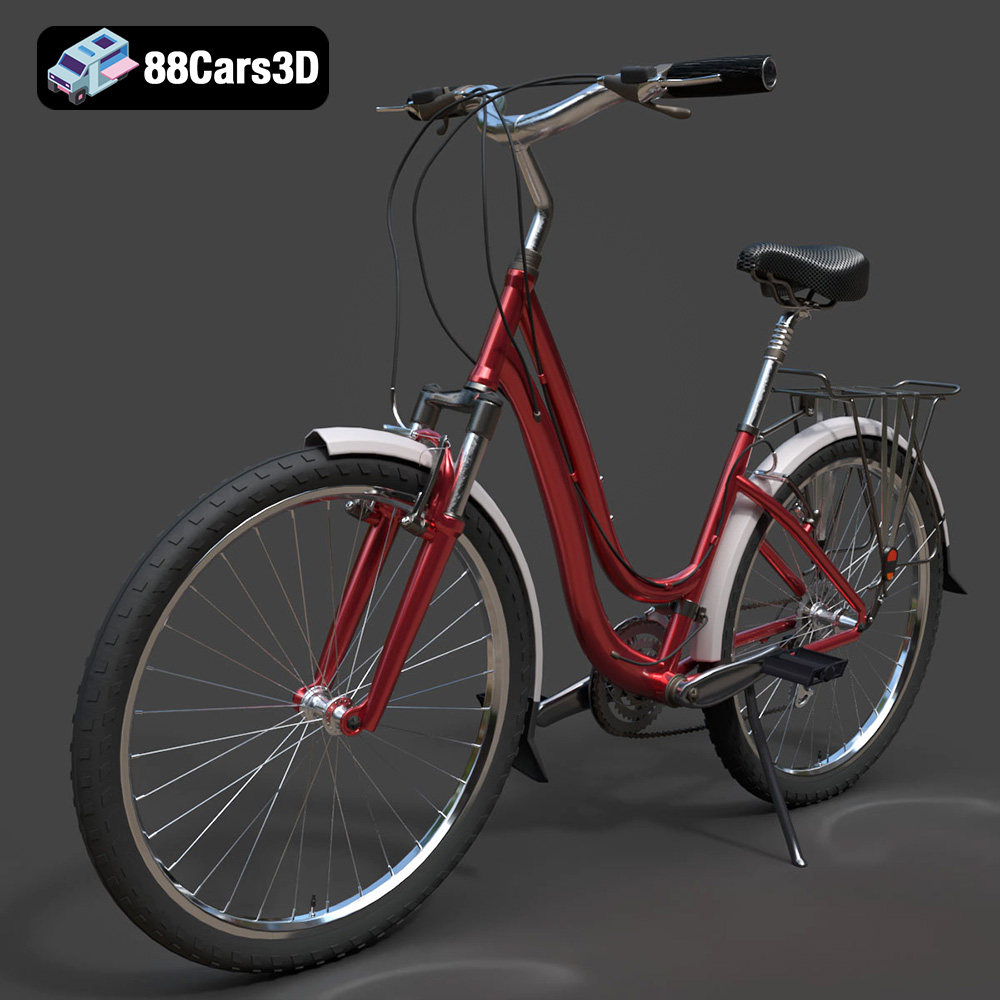
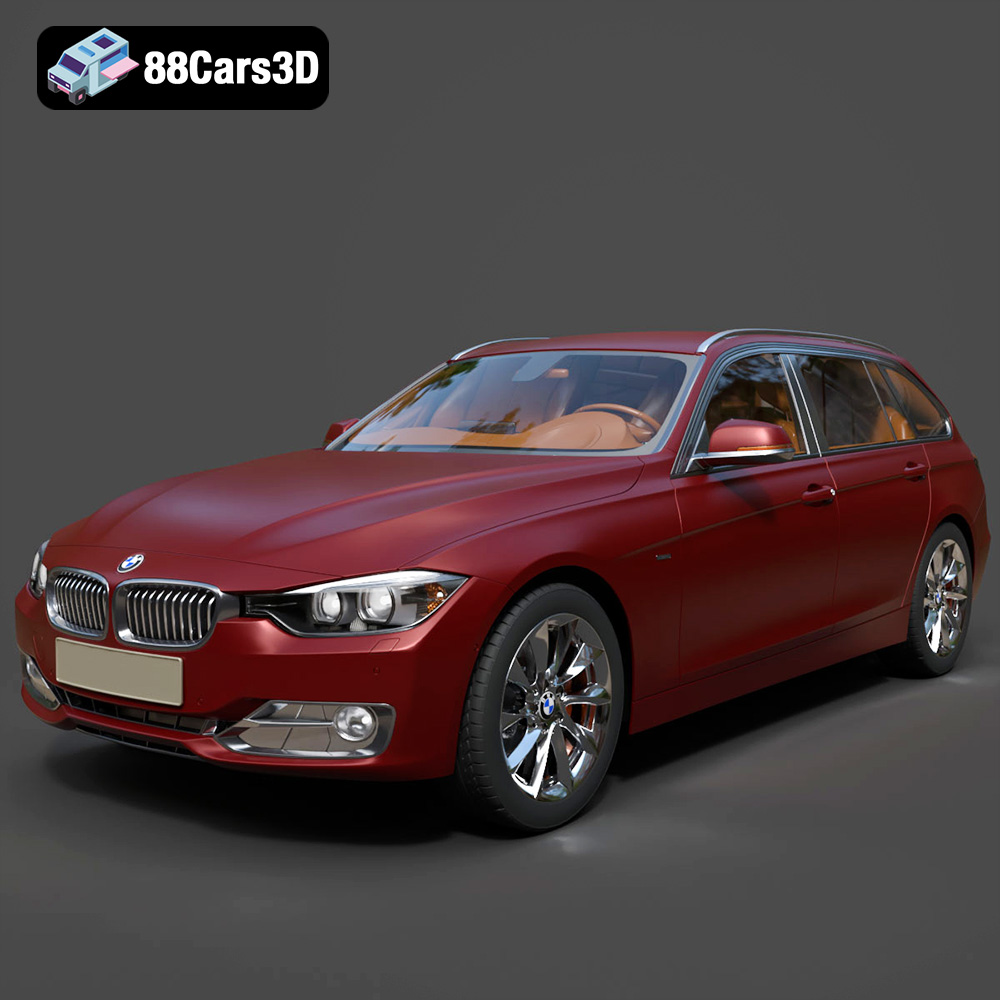
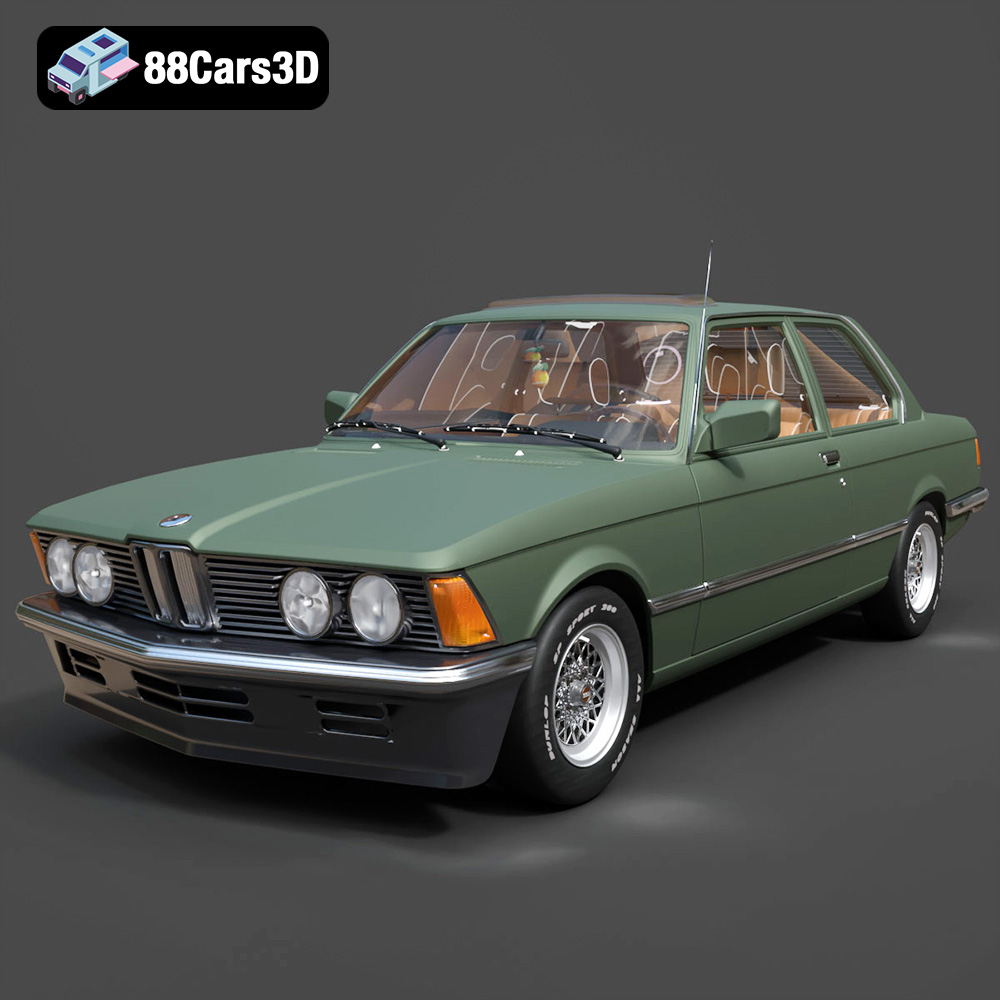
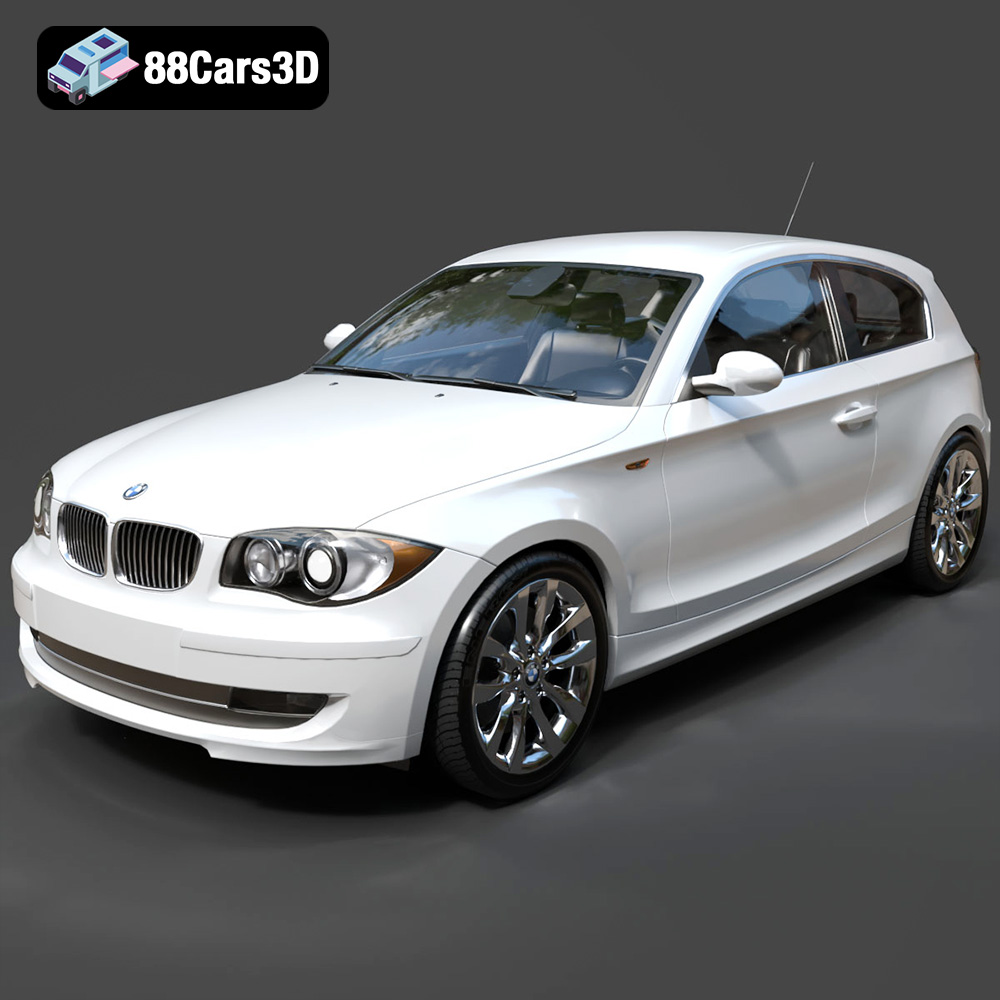
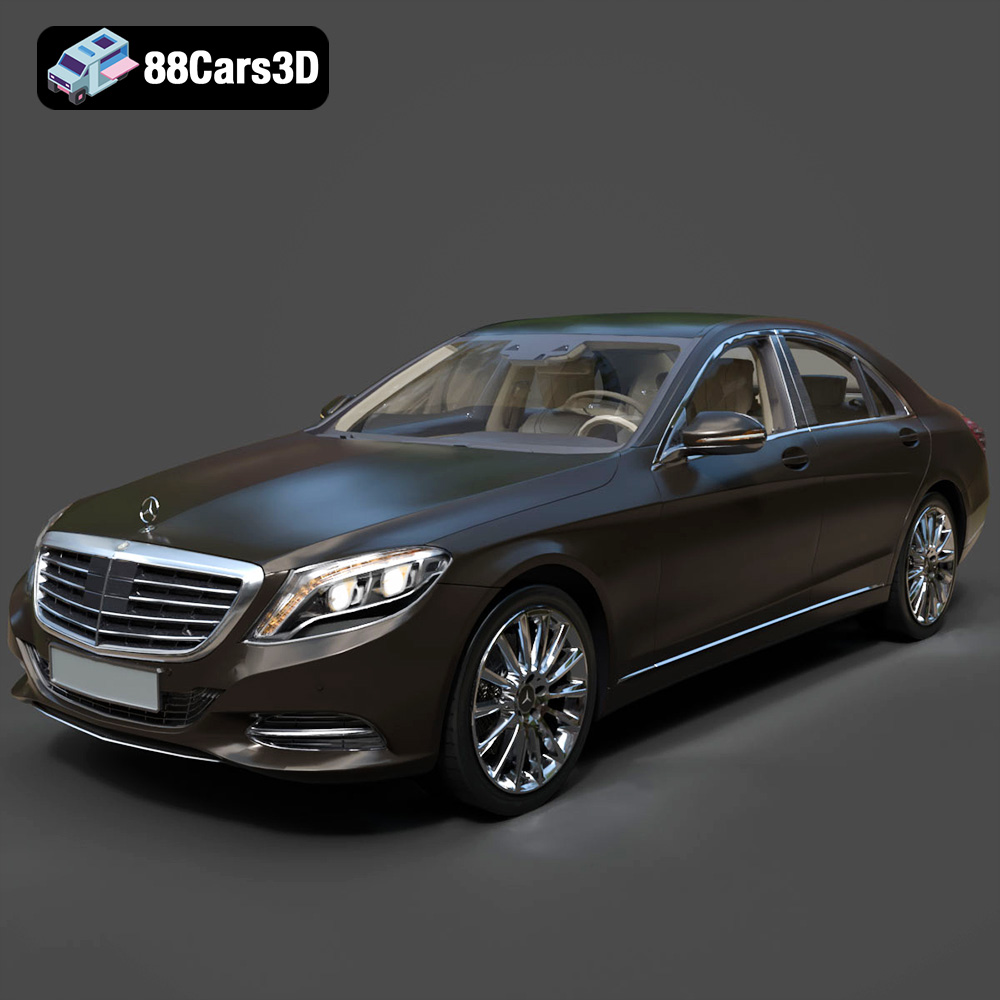
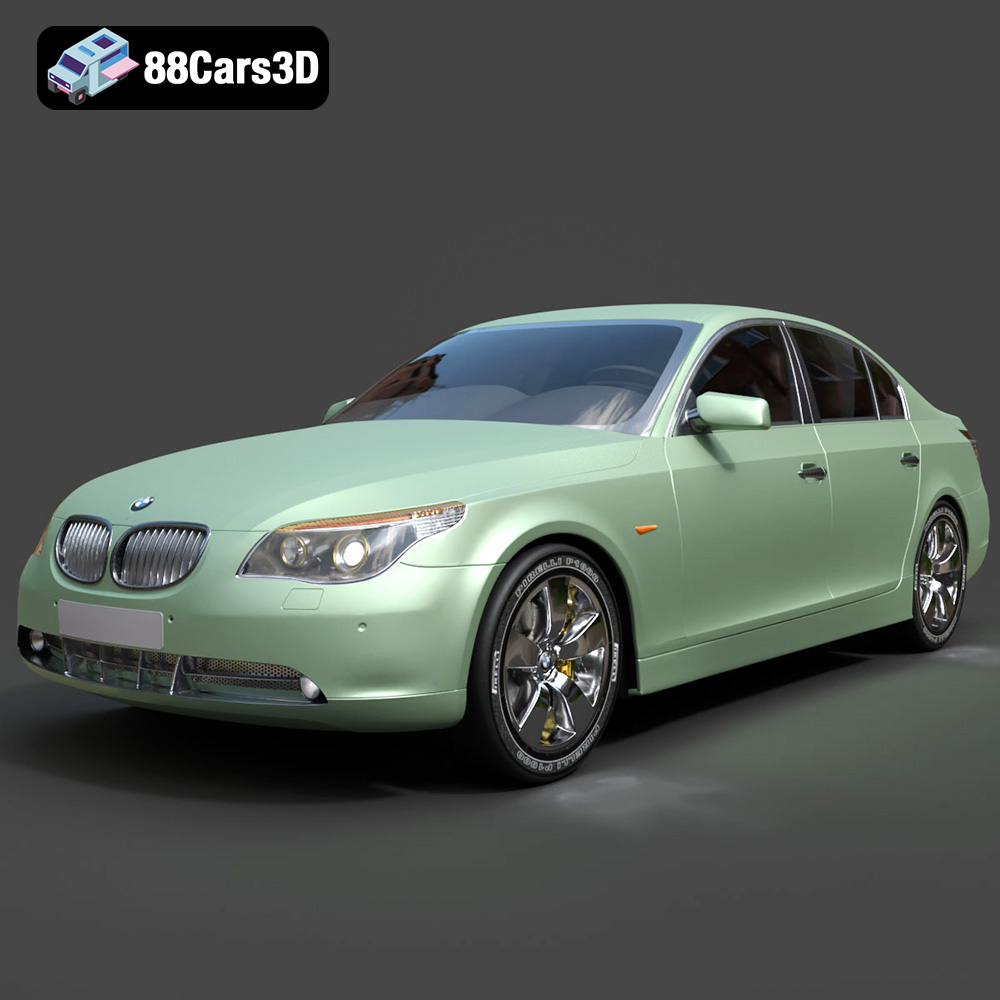
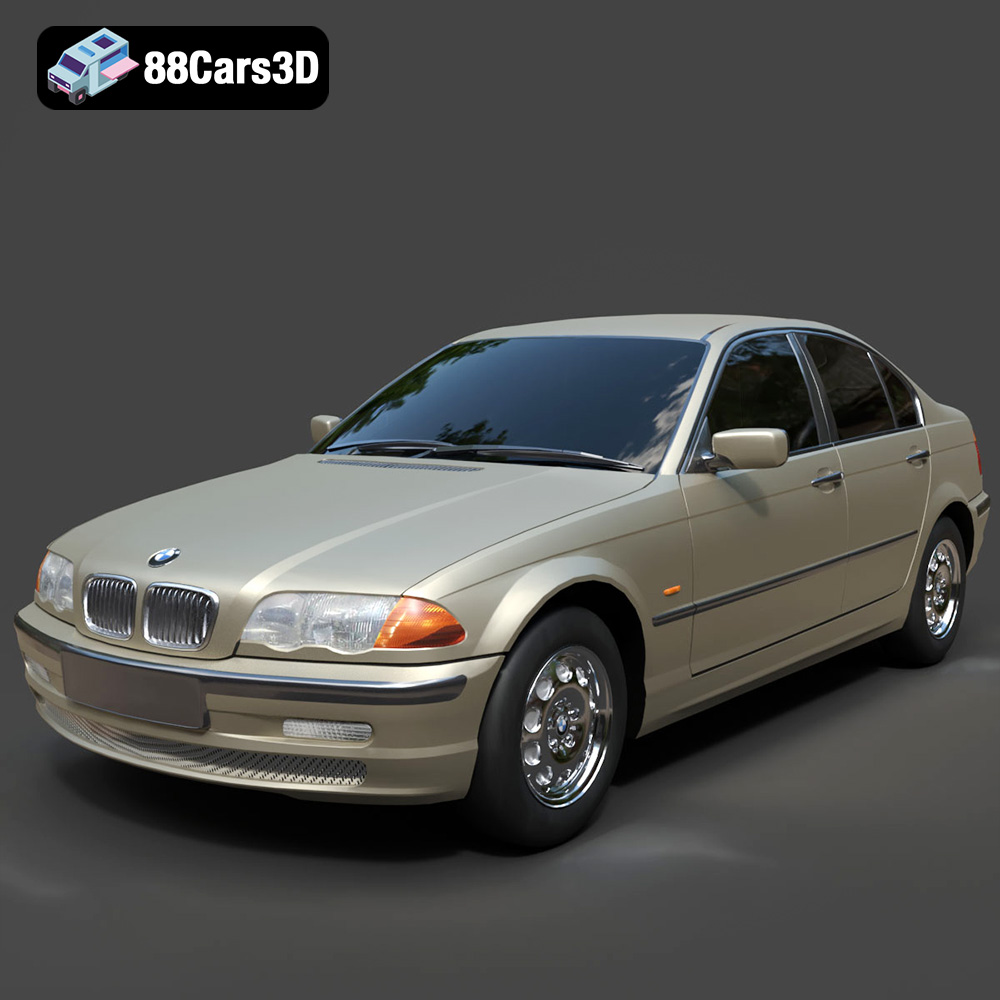
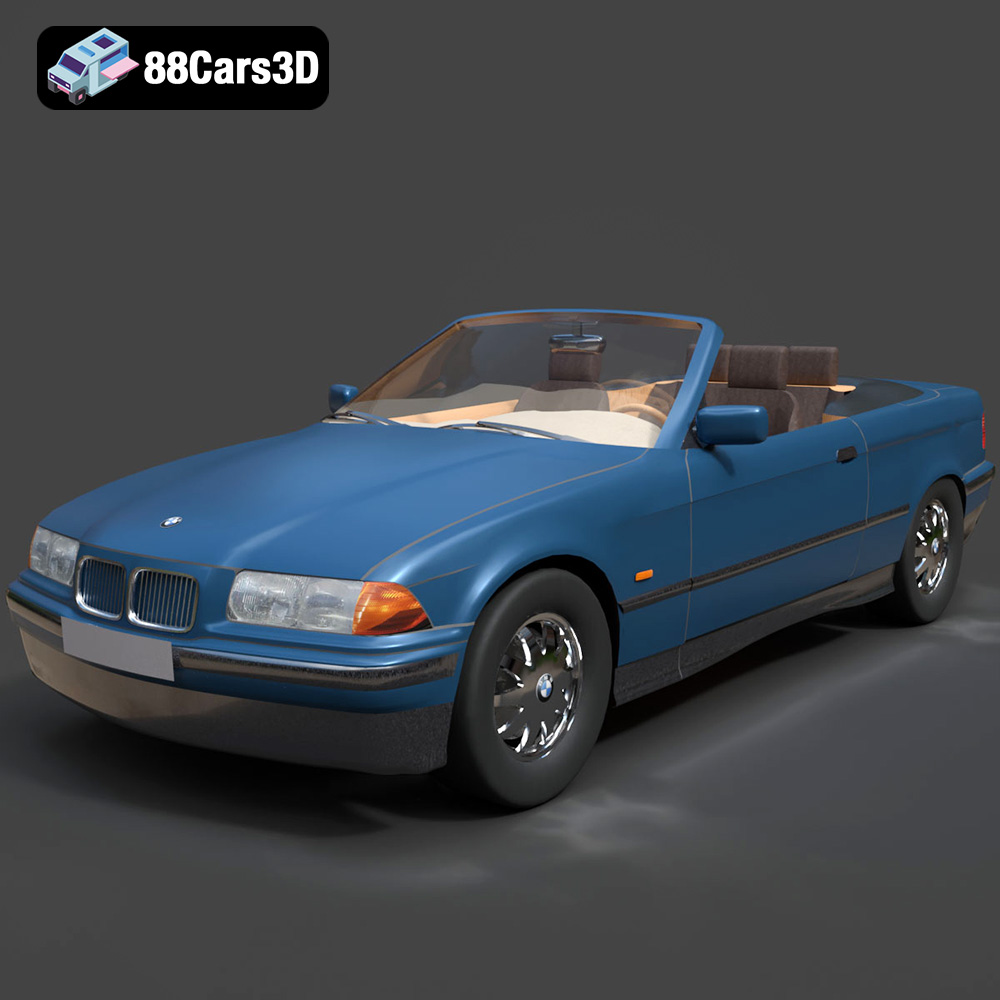
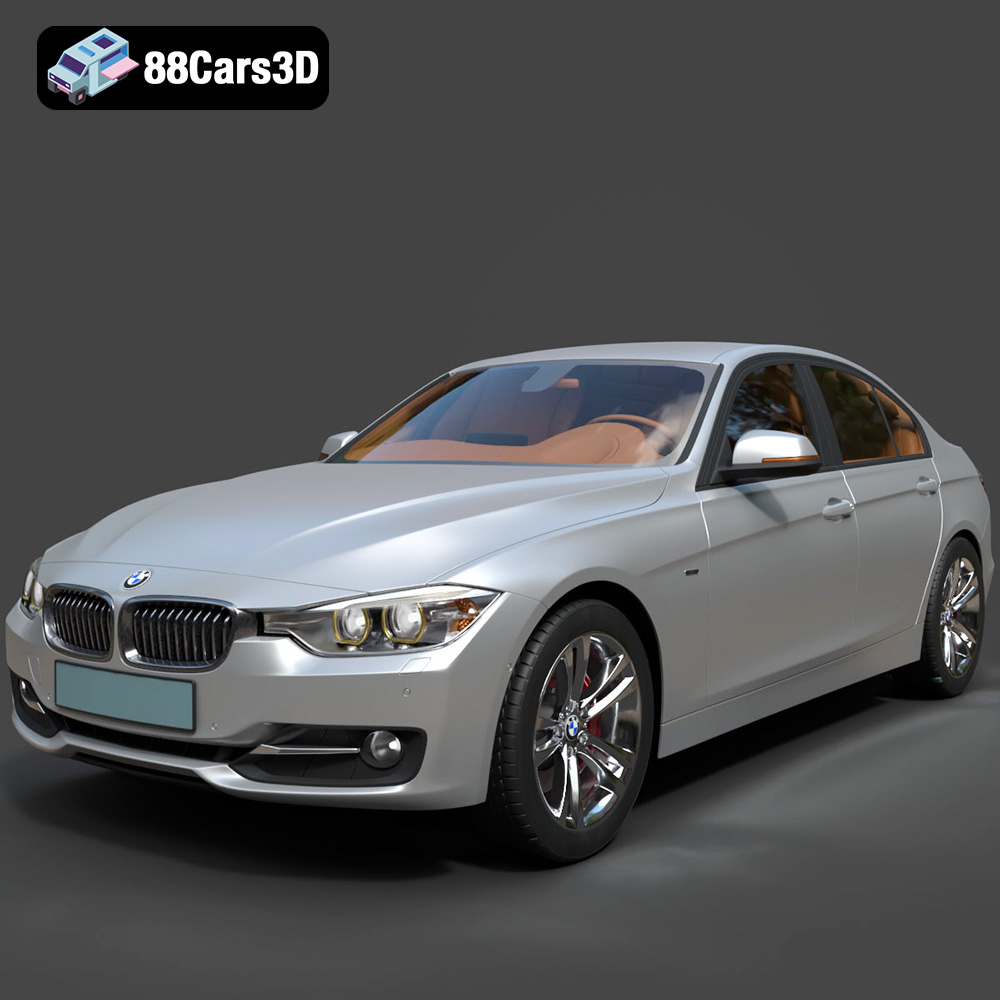
Get 20% OFF All Premium 3D & STL Models!

In the rapidly evolving digital landscape, high-quality 3D car models have become indispensable across a multitude of industries. From captivating automotive advertising and film production to immersive game development and sophisticated engineering visualization, the demand for photorealistic and technically accurate vehicle assets continues to skyrocket. These intricate digital constructs serve as the foundation for stunning visuals, interactive experiences, and crucial design evaluations, driving innovation at an unprecedented pace.
The automotive industry, in particular, relies heavily on advanced 3D modeling to streamline design workflows, reduce prototyping costs, and accelerate time-to-market. Designers and engineers leverage these models to iterate on concepts, perform aerodynamic simulations, conduct crash tests virtually, and present new vehicles with unparalleled realism long before physical production begins. This digital-first approach not only fosters creativity but also ensures precision and efficiency at every stage of development.
Beyond design and engineering, the power of detailed 3D car models extends to marketing and sales. Prospective buyers can explore vehicles in virtual showrooms, customize configurations in real-time AR applications, and visualize their dream car in their own driveway. For content creators, premium models are the cornerstone of compelling visual narratives, enabling breathtaking automotive rendering that blurs the lines between digital and reality. Whether it’s for a cinematic sequence, an architectural visualization, or a high-fidelity driving simulator, the quality of the underlying 3D asset dictates the ultimate impact of the final output.
Navigating the world of 3D car models often begins with understanding the various file formats available. Each format serves specific purposes, offering unique advantages for different stages of a project, from initial modeling to final deployment in games or AR/VR experiences. Choosing the right format is critical for maintaining data integrity, ensuring compatibility, and optimizing performance.
The .blend format is Blender’s native file type, storing an entire Blender scene with all its components: meshes, materials, textures, lighting, cameras, animations, physics simulations, and more. It’s ideal when you plan to continue editing or rendering within Blender, offering full access to modifiers, node-based materials, and complex rigging setups. For artists working exclusively or primarily within Blender, acquiring models in .blend ensures maximum editability and fidelity to the original artist’s setup. This format is a comprehensive package, allowing for complete customization and integration into existing Blender projects.
.fbx (Filmbox) is arguably the most widely adopted interchange format, particularly prevalent in game development and real-time pipelines. Developed by Autodesk, it efficiently stores 3D models, textures, animations, and skeletal data in a way that’s compatible with major DCC (Digital Content Creation) tools like 3ds Max, Maya, Blender, and game engines like Unreal Engine and Unity. When you need to move a 3D car model between different software or prepare it as a game asset, .fbx is often the go-to choice due to its robust support for complex scene data, including instances, blend shapes, and custom properties. Its versatility makes it a cornerstone for collaborative workflows.
The .obj (Wavefront OBJ) format is one of the oldest and most universally supported 3D formats. It’s a simple, text-based format that primarily stores mesh geometry (vertices, normals, texture coordinates, and faces) and references material definitions in an accompanying .mtl file. While it doesn’t support animations, rigging, or scene hierarchy as robustly as .fbx, its widespread compatibility makes it an excellent choice for cross-software transfers where only static mesh data is required. It’s often used when a clean, simple mesh is needed for sculpting, 3D printing preparation, or when importing into software that has limited support for newer formats. Many high-quality 3D car models are provided in .obj for maximum accessibility.
.glb (GL Transmission Format Binary) is the binary version of glTF, a format specifically designed for efficient transmission and loading of 3D scenes and models on the web and in AR/VR applications. It packages all assets—geometry, materials, textures, and animation—into a single file, making it incredibly easy to share and integrate. .glb is becoming increasingly popular for interactive 3D viewers in browsers, augmented reality experiences on mobile devices, and lightweight virtual reality scenes due to its compact size and native support for physically based rendering (PBR) materials. For those looking to deploy 3D car models in web-based configurators or AR apps, .glb is an optimal choice.
.stl (STereoLithography) is the standard file format for 3D printing. It represents a 3D object as a series of connected triangles, essentially describing the surface geometry without color, texture, or material information. While not suitable for rendering or animation, .stl is absolutely essential when a digital 3D car model needs to transition into a physical object. Its simplicity ensures compatibility with virtually all 3D printing software and hardware, making it the format of choice for rapid prototyping, creating scale models, or producing custom parts.
.ply (Polygon File Format or Stanford Triangle Format) is another popular format for storing 3D data, particularly used in 3D scanning, scientific visualization, and engineering applications. It can store a wider range of properties than .obj or .stl, including color per vertex, normal vectors, and even transparency, making it suitable for representing complex surfaces with high fidelity. While less common for typical artistic automotive rendering, it’s invaluable for precise measurement, analysis, and archiving of scanned real-world objects or CAD-generated geometry. For technical applications requiring precise mesh data, .ply offers robust capabilities.
While not a standalone general-purpose 3D format in the way .fbx or .obj are, an .unreal asset typically refers to a high-quality 3D car model that has been specifically prepared, optimized, and often packaged within an Unreal Engine project. This means the model is already correctly scaled, has optimized UVs, PBR materials set up, LODs (Levels of Detail) generated, and potentially even includes blueprints for interactive features. Acquiring a model “unreal-ready” significantly accelerates development time for game developers and real-time visualization artists, minimizing the need for extensive re-importing and setup work within the engine itself. These are truly plug-and-play game assets for Unreal Engine.
The .max format is Autodesk 3ds Max’s native file format, similar to .blend for Blender. It contains the complete 3ds Max scene, including all geometry, materials (with complex V-Ray or Corona setups), lighting, cameras, modifiers, animation curves, and render settings. For professionals working within the 3ds Max ecosystem, models in .max format offer the highest level of editability and allow for direct manipulation of the original scene elements. This is especially valuable for high-end automotive rendering projects requiring sophisticated rigging, advanced material networks, or complex studio lighting setups, giving artists full control over every aspect of the model and scene.
Achieving photorealistic automotive rendering is a highly skilled discipline that combines artistic vision with technical mastery. It involves meticulous attention to detail at every stage, from the foundational 3D car model to the final pixel. The goal is to create images so convincing they are indistinguishable from real-world photography.
A truly exceptional 3D car model begins with pristine geometry. This means clean topology, often quad-based, with consistent polygon density and strategically placed edge loops to support smooth subdivision and accurate deformation. High-fidelity models, like those found on 88cars3d.com, feature accurate dimensions, precise panel gaps, and intricate interior details, often modeled down to individual stitches and buttons. UV mapping is equally critical, ensuring that textures can be applied without stretching or distortion, with multiple UV sets typically used for different material layers (e.g., paint, decals, ambient occlusion).
The realism of an automotive render largely hinges on its materials. Modern workflows heavily rely on Physically Based Rendering (PBR), where materials accurately simulate how light interacts with surfaces. This involves creating a suite of textures: base color/albedo, roughness, metallic, normal, and sometimes ambient occlusion, displacement, and clear coat maps. Car paint, in particular, is complex, often requiring multi-layered shaders that simulate metallic flakes, clear coats, and subtle imperfections. Understanding how to set up these complex material networks in renderers like V-Ray, Corona, or Cycles is paramount for achieving that coveted showroom finish.
Just as in real-world photography, lighting is the soul of a compelling render. Studio lighting setups, often employing HDRI (High Dynamic Range Image) environments combined with targeted area lights, are used to define contours and reflections. Camera settings mimic their real-world counterparts, with careful consideration of focal length, depth of field, and motion blur to add authenticity. Finally, post-production in tools like Photoshop or Affinity Photo refines the image, adjusting color grading, contrast, adding lens flares, bloom, or subtle atmospheric effects to elevate the render from merely accurate to truly breathtaking. Mastering these elements transforms a good 3D car model into a magnificent visual.
The realm of interactive entertainment and real-time visualization places unique demands on 3D car models. While photorealism is still a goal, performance and interactivity take center stage. Integrating these assets effectively requires a deep understanding of engine limitations and optimization techniques.
Unlike pre-rendered animations, game assets must render at 30-120 frames per second on diverse hardware. This necessitates aggressive optimization. High-resolution 3D car models are typically reduced in polygon count through techniques like decimation or manual retopology, especially for distant views (Levels of Detail or LODs). Texture atlasing, where multiple small textures are combined into one larger map, reduces draw calls. Efficient UV mapping is essential for lightmap baking and preventing texture seams. Collision meshes are simplified, and occlusion culling is implemented to ensure only visible parts of the model are rendered, all contributing to a smooth, responsive user experience.
Physically Based Rendering (PBR) is the standard for modern game engines, providing a consistent and realistic look across various lighting conditions. For 3D car models used as game assets, this means creating PBR texture sets (Albedo/Base Color, Metallic, Roughness, Normal, Ambient Occlusion) that are optimized for real-time shaders. Tools like Substance Painter and Mari are frequently used to generate these textures, often incorporating weathering, dirt, and wear layers to enhance realism and storytelling. The careful calibration of these maps is crucial for how light interacts with the car’s surface in real-time.
Importing 3D car models into game engines like Unreal Engine or Unity is a multi-step process. Typically, .fbx files are preferred due to their robust support for geometry, materials, and animations. Once imported, artists assign and fine-tune PBR materials, ensuring correct texture mapping and shader parameters. Rigging and animation are set up for doors, wheels, and suspension. Collision volumes are added, and LODs are configured to swap out simpler meshes as the car moves away from the camera. Finally, blueprints or scripts are often developed to implement realistic vehicle physics, driving mechanics, and interactive elements, turning a static model into a fully functional in-game vehicle.
The utility of high-fidelity 3D car models extends far beyond traditional rendering and gaming. Augmented Reality (AR) and Virtual Reality (VR) are transforming how we interact with products, while advanced configurators empower customers with unprecedented customization options.
Virtual showrooms, powered by detailed 3D car models, offer an immersive alternative to physical dealerships. Customers can explore a car’s exterior and interior in a VR headset, walk around it, open doors, and even “sit inside” to get a true sense of space and design. This provides a highly engaging and convenient way for potential buyers to experience vehicles, especially new models or concept cars, without geographical limitations. The realism of the models and environments is paramount to creating a believable and persuasive experience.
Product configurators, particularly in the automotive sector, are becoming increasingly sophisticated. Using optimized 3D car models, online tools allow users to change paint colors, wheel designs, interior trims, and add optional features in real-time, instantly visualizing the impact of their choices. This level of customization, often delivered via webGL or AR applications using formats like .glb, empowers customers and significantly enhances the purchasing journey. Businesses can leverage these tools to streamline sales processes, reduce showroom stock, and provide a personalized experience that drives engagement and conversion. The quality of the underlying 3D car models from sources like 88cars3d.com directly influences the perceived value and fidelity of these interactive configurators.
The successful deployment of high-quality 3D car models across various industries often relies on specific strategies and adherence to best practices. Observing real-world applications highlights the immense versatility and impact of these digital assets.
Leading automotive brands consistently utilize premium 3D car models for their marketing and advertising. Instead of costly physical photoshoots, which require transporting vehicles, sets, and crews, brands can generate stunning visuals entirely digitally. This allows for unparalleled flexibility in environment design, lighting scenarios, and camera angles, often leading to more dynamic and visually striking results. Consider a luxury car manufacturer launching a new model: instead of building expensive prototypes for global campaigns, they can use a single, high-resolution 3D car model to create hundreds of diverse marketing assets – from print ads to cinematic TV commercials – with full creative control and significant cost savings. The precision and detail in models from 88cars3d.com enable this level of fidelity.
Beyond marketing, 3D car models are crucial in advanced simulation and training. Flight and driving simulators for pilots, race car drivers, or even military personnel rely on highly accurate vehicle models to replicate real-world physics and visual cues. These simulations provide a safe, controlled environment for training, allowing users to practice complex maneuvers and react to various scenarios without real-world risks. Similarly, in industrial settings, engineers use these models for ergonomics studies, assembly simulations, and maintenance training, improving efficiency and safety before any physical components are manufactured. The technical accuracy of the model, including its underlying geometry and pivot points, is paramount for realistic simulation.
From the intricate curves of a concept vehicle to the gritty realism of a virtual race track, high-quality 3D car models are the engine driving innovation across countless industries. They empower designers to visualize, engineers to simulate, marketers to captivate, and gamers to immerse themselves in unparalleled digital experiences. The technical depth required to create and utilize these assets – encompassing precise modeling, advanced material creation, rigorous optimization, and strategic file format selection – underscores their complexity and value.
As technology continues to advance, particularly in real-time rendering, AR, and VR, the demand for ever more detailed and versatile 3D car models will only grow. These digital assets are not merely representations; they are fundamental tools that accelerate design cycles, enhance customer engagement, and unlock new possibilities for interaction and visualization. The ongoing evolution of rendering techniques and engine capabilities will push the boundaries of what’s possible, making digital automotive experiences increasingly indistinguishable from reality.
For professionals and enthusiasts alike who demand nothing less than excellence, investing in expertly crafted 3D car models is a strategic imperative. Whether your project calls for stunning automotive rendering, performance-optimized game assets, or versatile models for AR/VR applications, the foundation of quality starts with the asset itself. Platforms like 88cars3d.com specialize in providing a diverse range of premium, technically sound 3D car models, ensuring that creators have access to the resources needed to bring their most ambitious visions to life.