Get 20% OFF All Premium 3D & STL Models!

“`html
The allure of bringing hyper-detailed automotive designs to life with a 3D printer is undeniable for hobbyists and professionals alike. Whether you’re a fan of classic muscle cars, sleek supercars, or rugged off-roaders, the ability to hold a tangible, high-fidelity replica in your hands is incredibly rewarding. At 88cars3d.com, we specialize in providing meticulously crafted printable car models in STL files that serve as the perfect foundation for your projects. However, the journey from a digital file to a flawless physical model hinges significantly on the capabilities of your 3D printer and your understanding of its core features. This guide delves deep into the critical aspects of 3D printers that truly matter for model makers, ensuring your prints capture the intricate details, smooth finishes, and structural integrity demanded by your creations. We’ll explore everything from resolution and material compatibility to build volume and ease of use, providing actionable insights and technical specifications to help you make informed decisions.
For model makers, especially those working with complex geometries like those found in detailed automotive designs, the printer’s ability to reproduce fine features is paramount. This is largely determined by its precision and resolution capabilities, which dictate how accurately the printer can translate the digital model into physical form. When examining printers, pay close attention to the layer height setting. This value, typically measured in microns (µm), represents the vertical thickness of each deposited layer of material. Lower layer heights result in finer detail and smoother surfaces, significantly reducing the visibility of individual layers, often referred to as the “stair-stepping” effect common on curved surfaces.
For FDM (Fused Deposition Modeling) printers, achieving a layer height of 0.1mm (100µm) is generally considered good for models with moderate detail. However, for high-fidelity car models, aiming for 0.05mm (50µm) or even 0.03mm (30µm) will yield dramatically smoother results, especially on aerodynamic curves and delicate trim. This finer resolution, however, comes with a trade-off: print time. Halving the layer height can roughly double the print duration. It’s a delicate balance, and understanding the required level of detail for your specific model and tolerating longer print times are key considerations.
Beyond layer height, the nozzle diameter on FDM printers plays a crucial role in resolving fine details. Standard nozzles are often 0.4mm, which is suitable for general-purpose printing. However, for intricate models, a smaller nozzle, such as 0.2mm or even 0.15mm, can significantly improve the printer’s ability to lay down fine lines and capture sharp edges. This allows for greater detail in areas like panel gaps, emblems, and small componentry. Be aware that smaller nozzles are more prone to clogging and require more precise calibration and potentially slower print speeds to ensure proper filament extrusion. If you’re downloading models from platforms like 88cars3d.com, which often feature very fine details, a smaller nozzle can be a game-changer.
For unparalleled detail and surface smoothness, resin 3D printers (SLA, DLP, MSLA) are often the preferred choice for model makers. These printers use UV light to cure liquid photopolymer resin layer by layer. The key resolution metric here is the XY resolution (pixel size for DLP/MSLA) or laser spot size (for SLA), which dictates the level of detail in the horizontal plane. High-end resin printers can achieve XY resolutions of 30-50µm, allowing for incredibly fine details that are simply not achievable with most FDM printers. Layer height in resin printing is also crucial, typically ranging from 0.025mm to 0.1mm, and higher resolutions in both axes lead to astonishingly smooth surfaces and sharp edges, perfect for replicating the gloss and form of automotive finishes.
The range of materials a 3D printer can handle directly impacts the finish, durability, and application of your printed models. For model makers, having the flexibility to choose the right material for the job is essential. FDM printers are known for their versatility, capable of printing with a wide array of filaments, each offering unique properties. For beginners and for most car models, PLA (Polylactic Acid) is an excellent choice. It’s easy to print, has low warping, and comes in a vast range of colors, including metallic finishes that can be a great starting point for car bodies. PETG (Polyethylene Terephthalate Glycol) offers greater strength and temperature resistance than PLA, making it suitable for parts that might experience more stress or higher temperatures.
For those aiming for a more professional finish, ABS (Acrylonitrile Butadiene Styrene) offers excellent mechanical properties and can be smoothed with acetone vapor, a popular technique for achieving a near-injection-molded finish on car bodies. However, ABS requires higher print temperatures and a heated enclosure to prevent warping. More advanced filaments like Nylon or Polycarbonate offer extreme durability and temperature resistance but demand specialized printers with higher hot-end and bed temperatures and often enclosed builds. Understanding your printer’s maximum nozzle and bed temperatures, as well as its ability to handle specific filament types, is crucial.
Resin printers also offer a diverse palette of materials. Standard resins are generally brittle but offer excellent detail. Engineering resins, such as tough or flexible resins, can mimic the properties of ABS or TPU, respectively, offering increased impact resistance or the ability to create pliable components like tires. High-temperature resins are available for applications requiring resistance to heat. When selecting a resin, consider the required properties for your model: clarity for windows, durability for external parts, or flexibility for specific components. The formulation of the resin, its viscosity, and its curing properties will influence printability and the final outcome, especially when working with intricate printable car models.
Beyond just compatibility, consider how the printer handles filament. Features like filament run-out sensors are invaluable, pausing the print if you unexpectedly run out of material, preventing failed prints. For moisture-sensitive filaments like PETG or Nylon, printers with enclosed spool holders or the ability to integrate filament dryers can be a significant advantage, ensuring consistent print quality by preventing moisture absorption, which leads to stringing and brittle prints. Proper filament storage is also key; keeping filaments in airtight containers with desiccant is a best practice, regardless of the printer’s features.
The build volume of a 3D printer defines the maximum dimensions of an object that can be printed in a single piece. For model makers, this specification dictates whether you can print a desired car model at a specific scale without having to split it into multiple parts. A larger build volume offers greater flexibility. For example, a printer with a build volume of 250x210x210mm is a common and capable size that can accommodate many popular 1:24 or 1:18 scale models printed in one piece. Larger printers, with build volumes exceeding 300mm in any dimension, can even allow for larger scale models or multiple smaller components to be printed simultaneously.
However, a large build volume isn’t always the only consideration. Sometimes, printing a large model in multiple parts is necessary or even advantageous. This allows for easier printing of overhangs, better orientation for detail, and the ability to print different parts in different colors or materials. If you anticipate needing to split models, ensure your slicing software (like Cura or PrusaSlicer) and potentially mesh editing software (like Meshmixer or Blender) have robust capabilities for cutting and rejoining models. For highly detailed models from sites like 88cars3d.com, consider if splitting a large model might improve the quality of intricate areas like the undercarriage or engine bay by allowing for optimal orientation of each section.
Regardless of build volume, the printer’s ability to accurately scale models is crucial. All reputable slicers allow you to scale models precisely. However, ensuring that the printer maintains dimensional accuracy across the entire print is vital. Poor calibration or excessive printer flex can lead to slight inaccuracies, where a 100mm printed object might actually measure 99.8mm or 100.2mm. For model making, where precise fits are often required for assembly, verifying and calibrating your printer’s dimensional accuracy (often through calibration cubes and further fine-tuning of steps per mm) is a necessary step for achieving professional results.
If you’re printing models designed to be assembled from multiple parts (e.g., chassis, body, wheels, interior), the printer’s consistency is key. Each part needs to fit with the others. This requires not only dimensional accuracy but also consistent extrusion and minimal warping across all prints. Features like auto-bed leveling can significantly contribute to consistent first layers, which are critical for dimensional stability and part alignment. If you’re downloading multi-part models, ensure the design includes tolerances for assembly, and that your printer can consistently produce parts within those tolerances.
For model makers who want to focus on the creative process rather than constant troubleshooting, a printer’s ease of use and reliability are extremely important. This encompasses several aspects, from the initial setup and calibration to day-to-day operation and maintenance.
Bed adhesion is a critical factor for reliability. A good auto-bed leveling system, a high-quality print surface (like PEI or a textured sheet), and features like a heated bed are essential for ensuring your prints stick properly and don’t detach mid-print, which is especially problematic for large or long prints. Failures due to poor bed adhesion can ruin hours of printing time and waste material.
The user interface and software experience also contribute to ease of use. An intuitive touchscreen interface, straightforward menu navigation, and reliable firmware make operating the printer less daunting. For beginners, printers that offer guided setup processes, pre-configured print profiles for common materials, and clear error messages are highly beneficial. Remote monitoring and control capabilities, often via Wi-Fi or Ethernet, allow you to keep an eye on your prints from another room, providing peace of mind and the ability to quickly address potential issues.
While not strictly a printer feature, how well a printer integrates with popular slicing software is crucial. Most modern printers are compatible with widely used slicers like Cura, PrusaSlicer, or Simplify3D. These slicers offer extensive control over print settings, including support structures, infill patterns, print speeds, and temperatures. Having access to detailed profiles for your specific printer within these slicers can significantly streamline the workflow. Some manufacturers also offer their own proprietary slicer software, which may offer optimized settings but can sometimes be less flexible than open-source alternatives. When downloading STL files from marketplaces such as 88cars3d.com, being able to easily load them into your preferred slicer and generate high-quality prints is paramount.
A reliable printer should also be relatively easy to maintain and, ideally, upgradable. Simple maintenance tasks, such as cleaning the print bed, replacing the nozzle, or lubricating the motion system, should be straightforward. Consider printers that use standard, readily available parts so replacements are easy to source. Upgradability can extend the life of your printer and allow you to adapt to new technologies. For example, the ability to upgrade the extruder for better filament handling, add a direct-drive system for flexible filaments, or even swap out the mainboard for more advanced firmware can be valuable for dedicated model makers who want to push the boundaries of what their printer can do.
The race to finish prints faster is a common pursuit in 3D printing, but for model makers, it’s often a secondary consideration to achieving the highest possible quality. Print speed is typically measured in millimeters per second (mm/s) and affects how quickly the print head moves while extruding material. While faster speeds can reduce overall print times significantly, they often come at the cost of print quality. Aggressive speeds can lead to ringing artifacts, reduced detail accuracy, poor layer adhesion, and increased stringing.
For FDM printing, speeds ranging from 40-60 mm/s are often considered a good balance for quality prints. For extremely fine details on automotive models, reducing speeds to 20-30 mm/s for outer walls and travel moves can make a noticeable difference in surface finish and detail reproduction. The acceleration and jerk settings within the printer’s firmware also play a critical role; lower values here can lead to smoother movements and less vibration, thus improving surface quality, even if the maximum travel speed is high.
The necessity and quality of support structures are intrinsically linked to print speed and quality. Complex automotive models often feature significant overhangs and intricate details that require support. The printer’s ability to generate and handle supports effectively is vital. Key settings include support type (tree vs. normal), density, contact distance, and interface layers. Tree supports, for instance, are often preferred for complex models as they touch the model at fewer points, leading to easier removal and less surface scarring. Printing supports at a slightly slower speed than the model itself can often improve their stability and the quality of the surface they support.
In resin printing, “speed” is often measured by the exposure time per layer. Faster resins and higher power light sources can reduce this time. However, just like with FDM, aggressive speed settings can lead to print failures, such as “towers” of uncured resin, incomplete curing, or layer separation. It’s a balance between efficient curing and ensuring each layer has adequate time to solidify properly. Supports are also critical in resin printing, and their removal requires careful handling to avoid damaging delicate parts.
No 3D printed model is truly finished straight off the build plate. The ability to effectively post-process your prints significantly impacts the final aesthetic and functionality. This often involves removing support structures, sanding, filling, priming, and painting. A printer that produces models with minimal artifacts and good surface quality will drastically reduce the post-processing effort.
For FDM prints, the quality of the outer walls is paramount. Printers with excellent calibration and extrusion control will produce smoother outer surfaces that require less sanding. The ability to print cleanly without excessive stringing or blobs simplifies the initial cleanup. For resin prints, the ease of washing and curing the printed parts is a key consideration. Many resin printers come with or have companion washing and curing stations that streamline this process. The ease with which supports can be removed from resin prints, leaving minimal marks, is also a critical factor for achieving a pristine finish.
The choice of materials also influences post-processing. As mentioned, ABS can be smoothed with acetone vapor, a technique that requires careful ventilation and execution but yields incredible results. PLA and PETG are more amenable to traditional sanding and filling. Having a printer that lays down uniform layers makes sanding much more effective, as you’re primarily dealing with sanding away minor layer lines rather than significant imperfections. For painting, a smooth, well-prepared surface is essential. Any imperfections left from printing or support removal will be magnified under paint, so a printer that minimizes these issues is invaluable.
When printing multi-part models, such as the detailed car kits available on 88cars3d.com, the dimensional accuracy of each component is crucial for a seamless assembly. Parts should fit together snugly but without excessive force. Features like precise dimensional accuracy and minimal warping ensure that mating surfaces align correctly. If you’re planning on painting the model before assembly, consider materials and finishes that will adhere well to the printed plastic. Primers designed for plastics are generally recommended, followed by your chosen paints (e.g., acrylics, enamels).
Selecting the ideal 3D printer for model making, particularly for intricate printable car models, is a decision that requires careful consideration of several key features. Precision and resolution are non-negotiable for capturing the fine details of automotive design, whether achieved through fine layer heights and small nozzles on FDM printers or the high XY resolution of resin printers. Material versatility allows you to choose the optimal properties for different parts of your model, from durable exteriors to flexible tires. A sufficient build volume provides flexibility in scaling and printing larger models, while consistent reliability and ease of use minimize frustration and maximize your creative time. Finally, understanding the interplay between print speed and quality, and considering the post-processing requirements, will ensure you achieve the professional-level results you desire.
Investing in a printer that excels in these areas will transform your experience, allowing you to effortlessly bring the stunning STL files from 88cars3d.com to life. Remember that even the best printer requires understanding its capabilities and mastering the art of slicing and print preparation. By focusing on these core features and continuously refining your skills, you’ll be well on your way to creating a collection of breathtaking 3D printed automotive masterpieces.
“`

Meta Description:
Texture: Yes
Material: Yes
Download the Porsche Cayenne 3D Model featuring realistic exterior styling and detailed interior design. Includes .blend, .fbx, .obj, .glb, .stl, .ply, .unreal, and .max formats for rendering, simulation, AR VR, and game development.
Price: $19.9
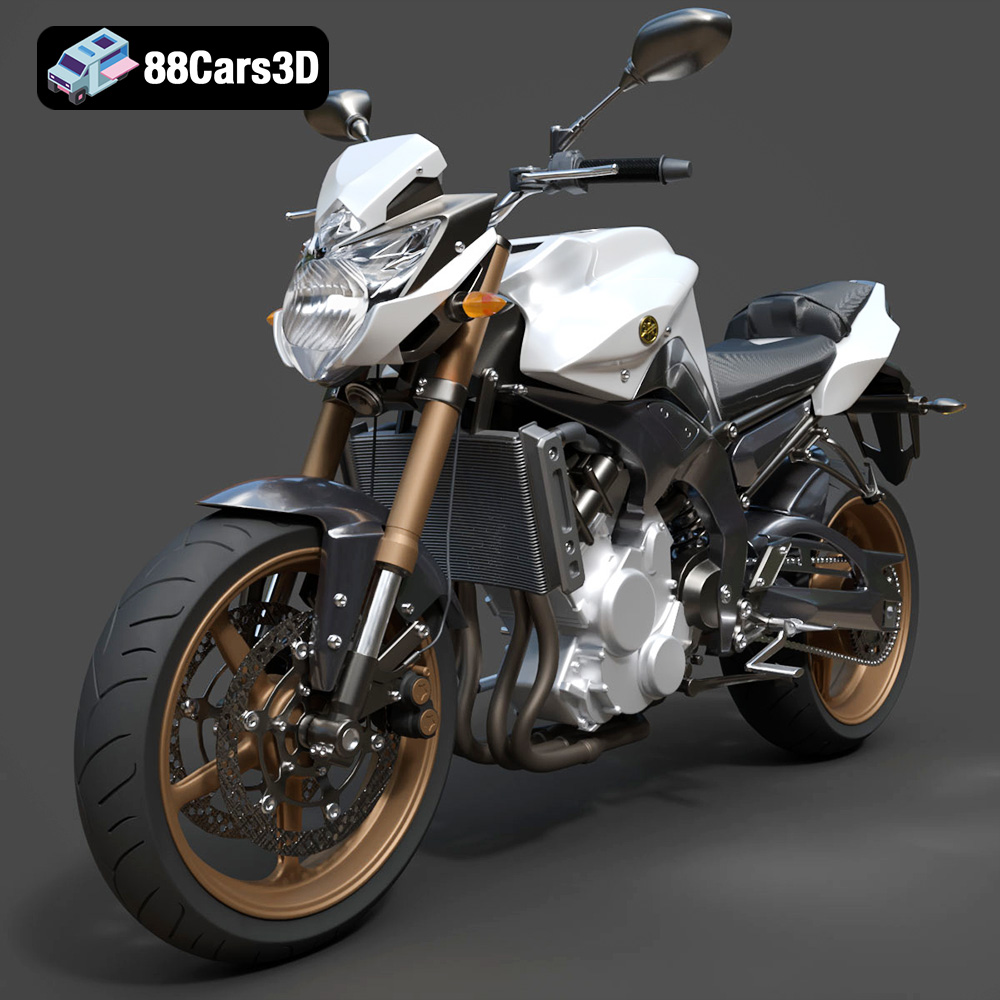
Texture: Yes
Material: Yes
Download the Yamaha FZ8 2011 3D Model featuring clean geometry, realistic detailing, and a fully modeled interior. Includes .blend, .fbx, .obj, .glb, .stl, .ply, .unreal, and .max formats for rendering, simulation, and game development.
Price: $19.99
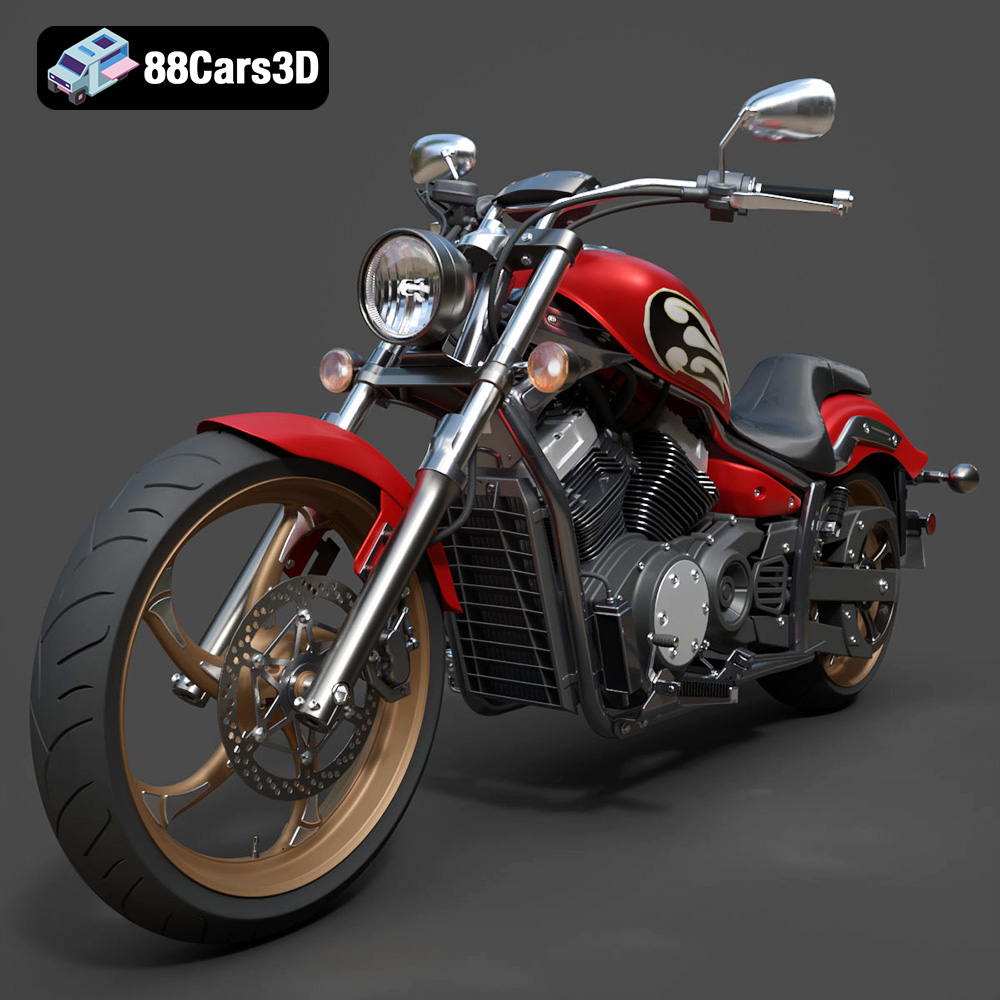
Texture: Yes
Material: Yes
Download the Yamaha Stryker 2012 3D Model featuring clean geometry, realistic detailing, and a fully modeled interior. Includes .blend, .fbx, .obj, .glb, .stl, .ply, .unreal, and .max formats for rendering, simulation, and game development.
Price: $19.99
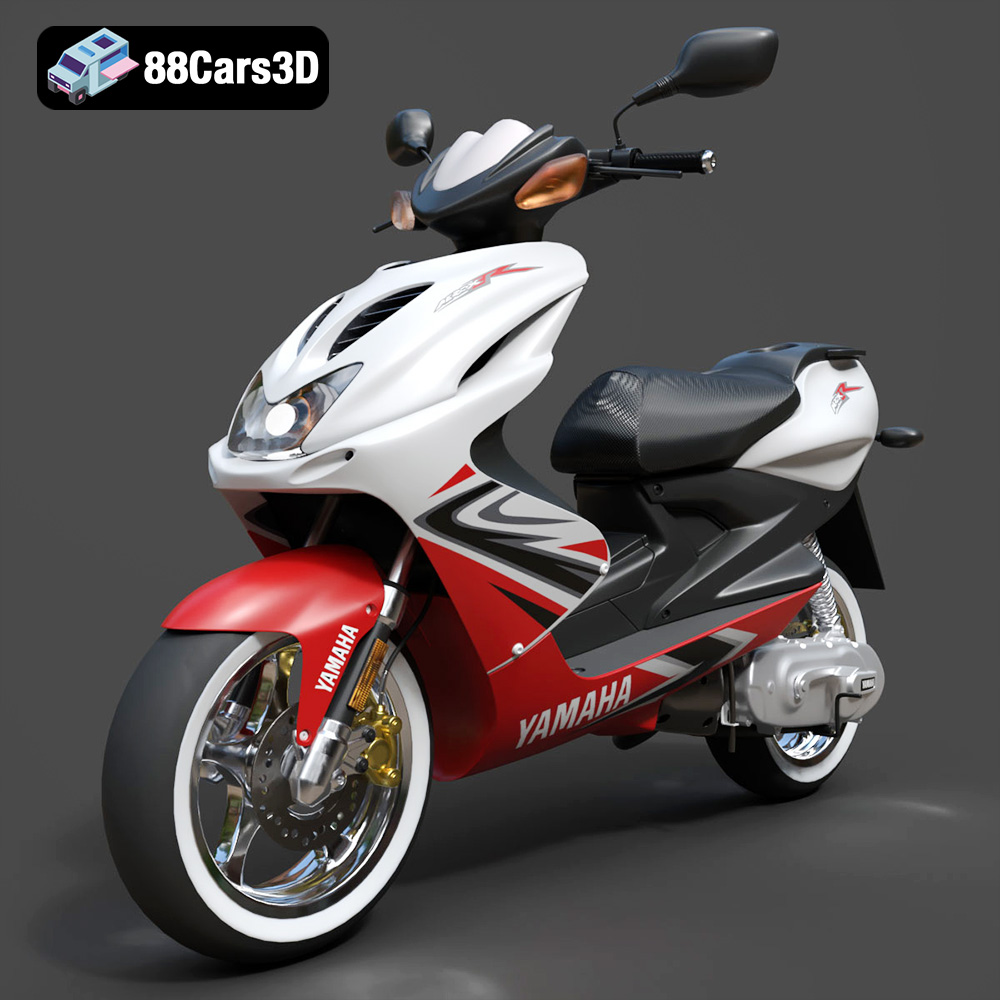
Texture: Yes
Material: Yes
Download the Yamaha Aerox R-002 2024 3D Model featuring clean geometry, realistic detailing, and a fully modeled interior. Includes .blend, .fbx, .obj, .glb, .stl, .ply, .unreal, and .max formats for rendering, simulation, and game development.
Price: $19.99
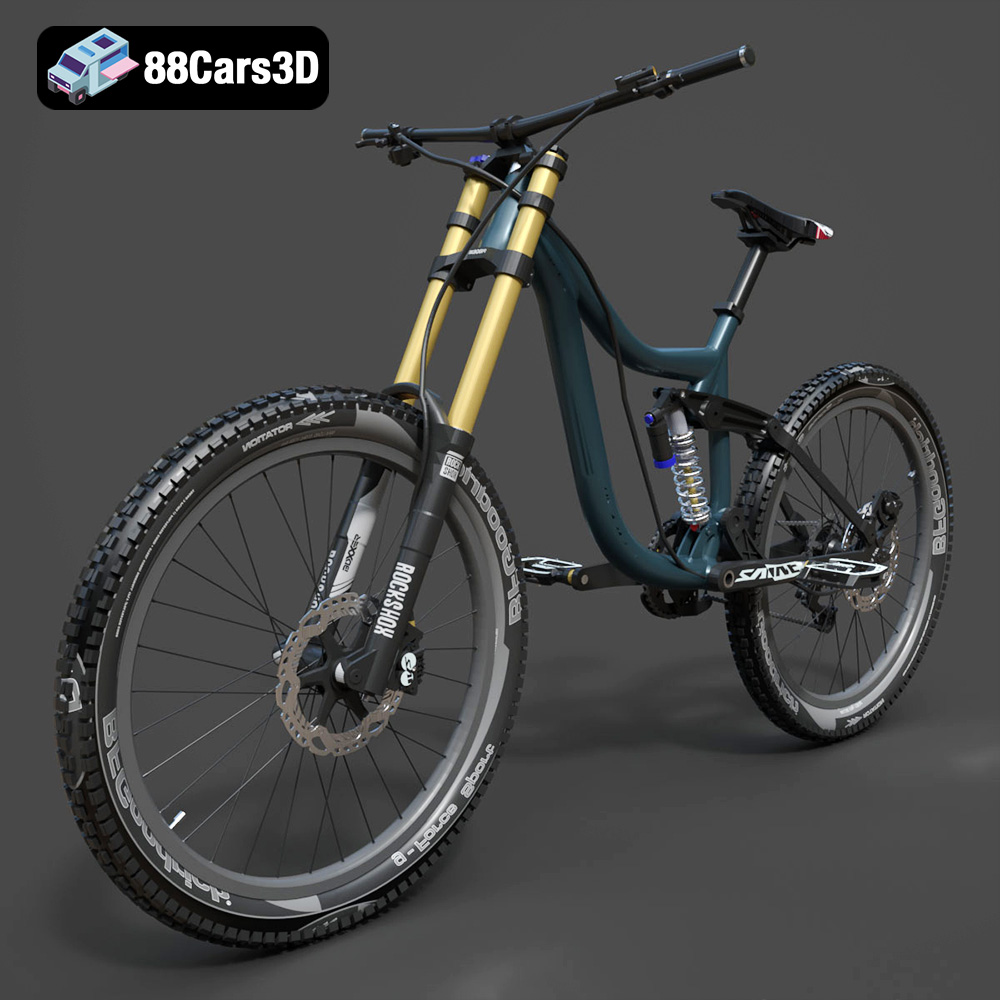
Texture: Yes
Material: Yes
Download the Mototsikly Downhill Bike-002 3D Model featuring clean geometry, realistic detailing, and precise mechanical components. Includes .blend, .fbx, .obj, .glb, .stl, .ply, .unreal, and .max formats for rendering, simulation, and game development.
Price: $19.99
Texture: Yes
Material: Yes
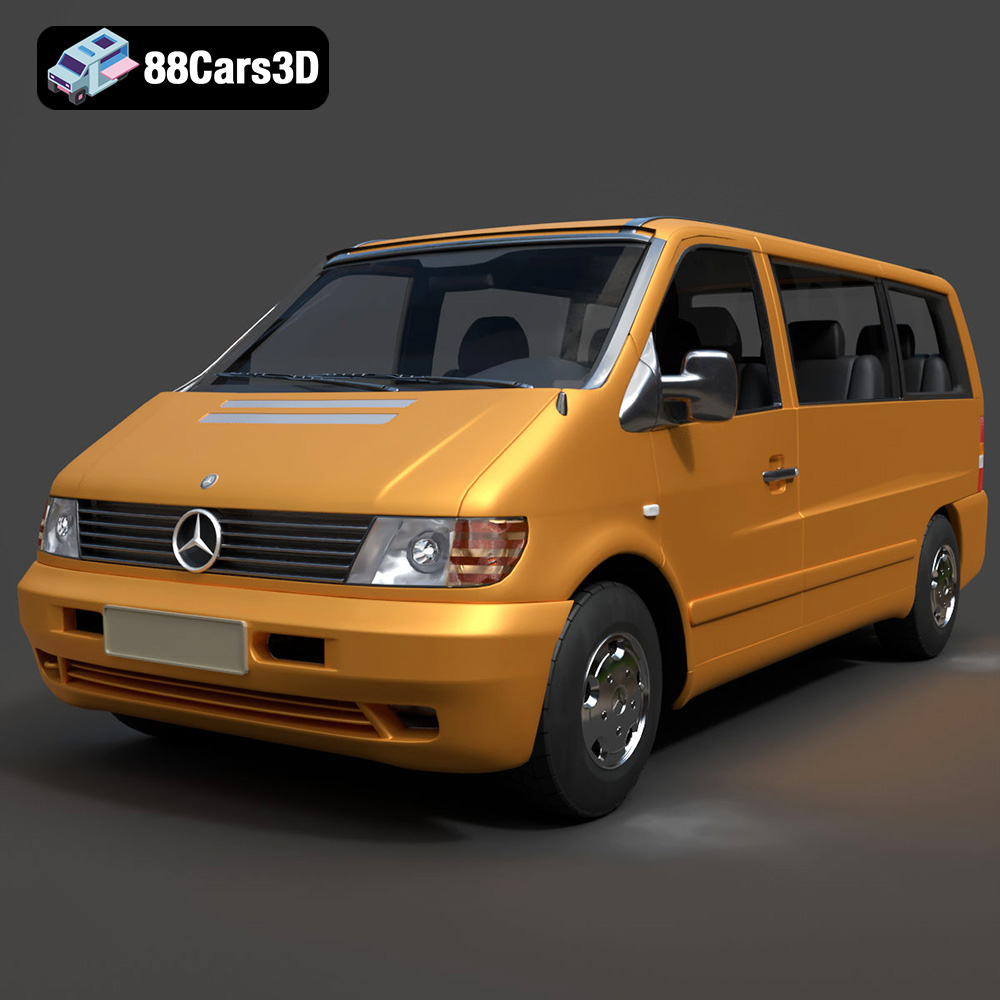
Download the Mercedes-Benz Vito Passenger Van 3D Model featuring clean geometry, realistic detailing, and a fully modeled interior. Includes .blend, .fbx, .obj, .glb, .stl, .ply, .unreal, and .max formats for rendering, simulation, and game development.
Price: $19.99
Texture: Yes
Material: Yes
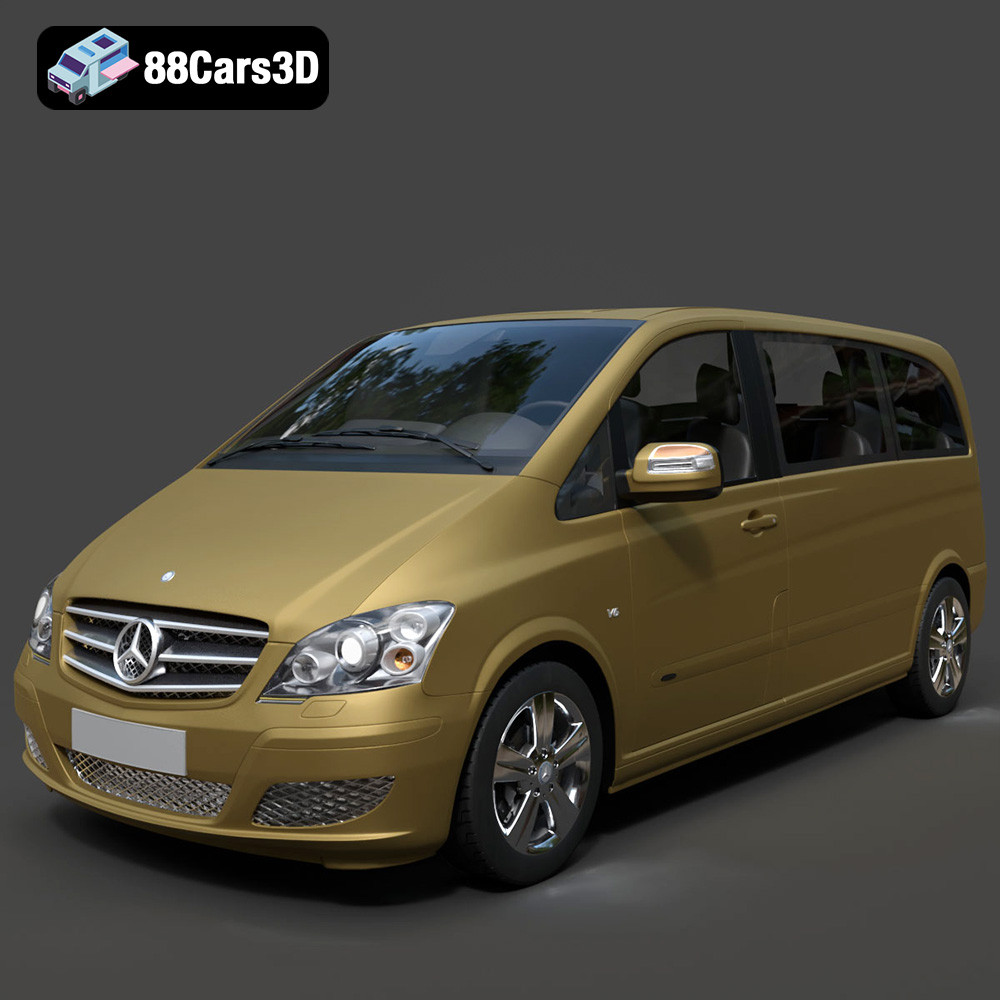
Download the Mercedes-Benz Viano 2010 3D Model featuring clean geometry, realistic detailing, and a fully modeled interior. Includes .blend, .fbx, .obj, .glb, .stl, .ply, .unreal, and .max formats for rendering, simulation, and game development.
Price: $19.99

Texture: Yes
Material: Yes
Download the Emt Avtobus 007 3D Model featuring clean geometry, realistic detailing, and a fully modeled interior. Includes .blend, .fbx, .obj, .glb, .stl, .ply, .unreal, and .max formats for rendering, simulation, and game development.
Price: $19.99
Texture: Yes
Material: Yes
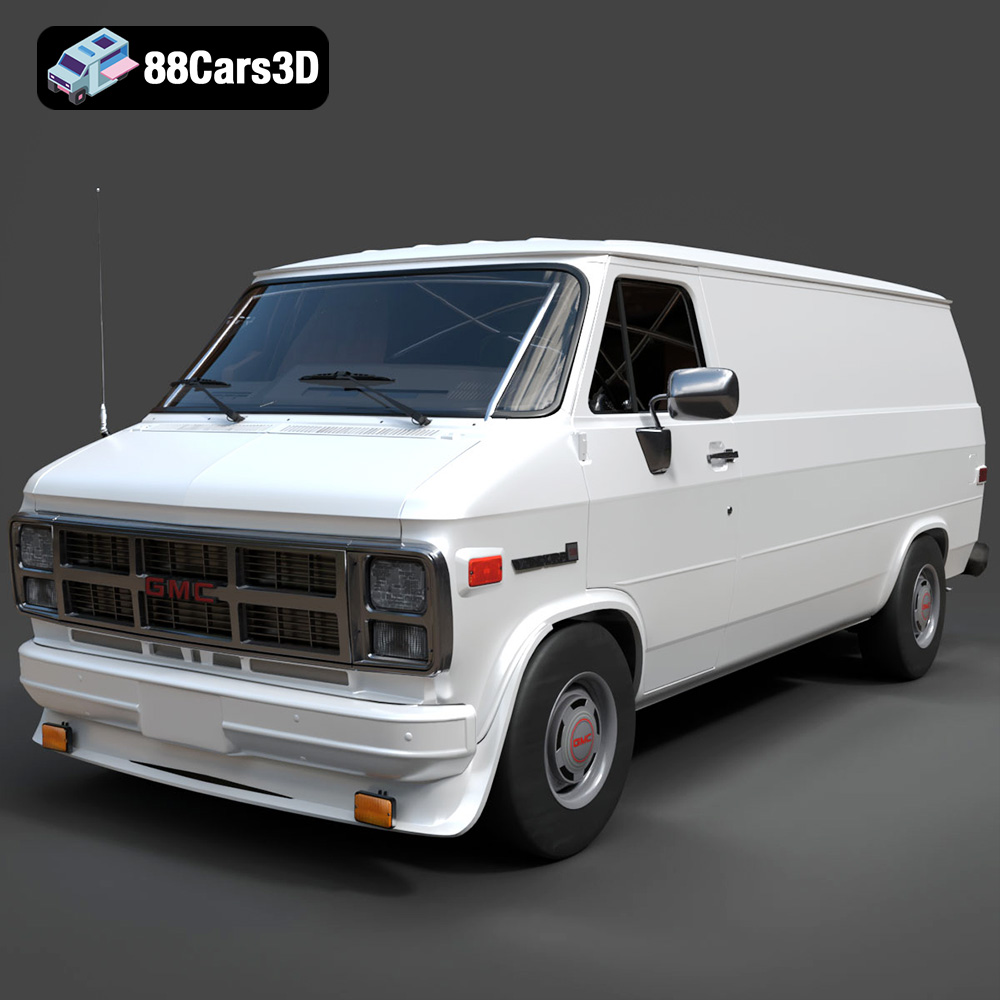
Download the GMC Vandura G-1500 1983 3D Model featuring clean geometry, realistic detailing, and a fully modeled interior. Includes .blend, .fbx, .obj, .glb, .stl, .ply, .unreal, and .max formats for rendering, simulation, and game development.
Price: $19.99
Texture: Yes
Material: Yes
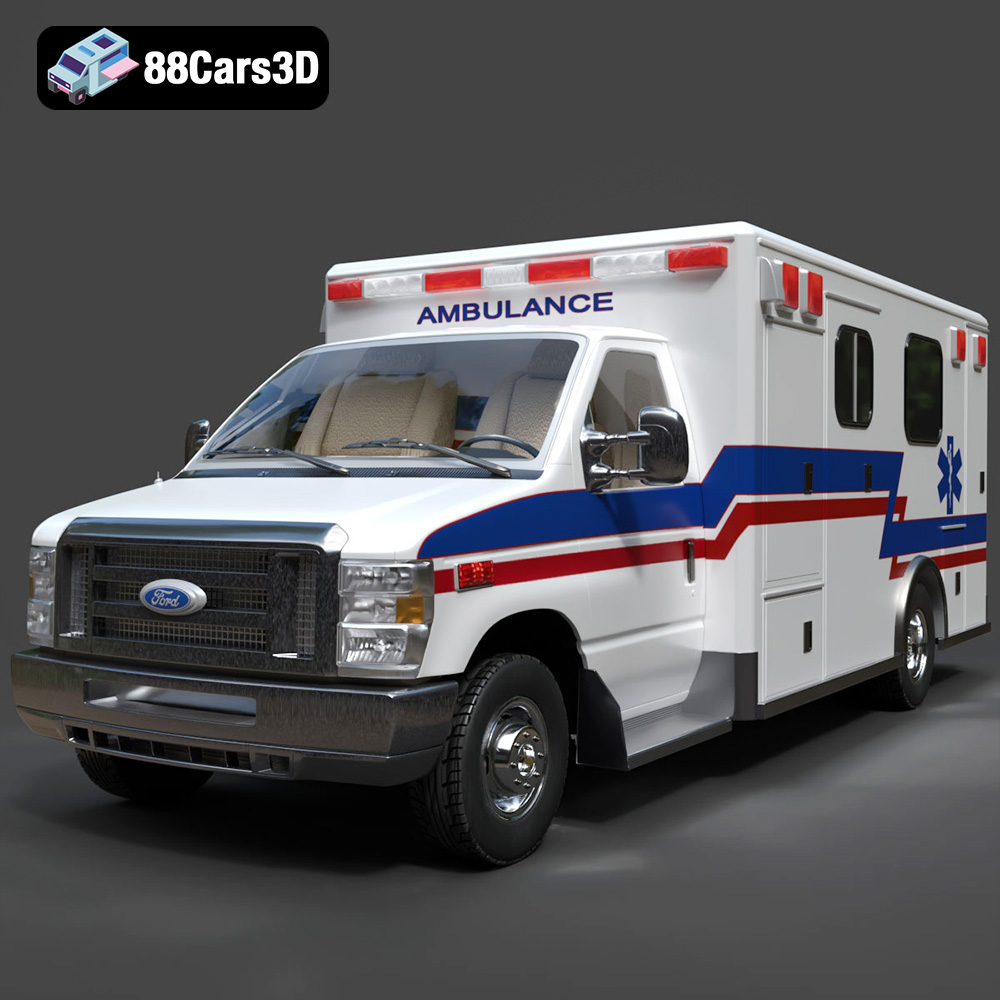
Download the Ford E-450 Ambulance 3D Model featuring clean geometry, realistic detailing, and a fully modeled interior. Includes .blend, .fbx, .obj, .glb, .stl, .ply, .unreal, and .max formats for rendering, simulation, and game development.
Price: $19.99

