Get 20% OFF All Premium 3D & STL Models!

The immersive realism of modern real-time experiences hinges on intricate details – none more impactful than dynamic weather. Imagine showcasing a high-performance sports car not just under a static sunny sky, but with rain dynamically streaking across its sleek body, or a dusting of snow gently settling on its contours. For automotive visualization, game development, and interactive applications, dynamic weather in Unreal Engine transforms static scenes into living, breathing environments. It adds unparalleled depth, atmosphere, and realism, significantly enhancing user engagement and storytelling.
Mastering dynamic weather systems in Unreal Engine is a cornerstone skill for any professional looking to push the boundaries of real-time rendering. From subtle changes in cloud cover to dramatic thunderstorms or serene snowfall, these systems demand a deep understanding of lighting, materials, particles, and scripting. This comprehensive guide will equip you with the technical knowledge and practical workflows to implement robust and visually stunning dynamic weather in your Unreal Engine projects. We’ll delve into the foundational setup, advanced material techniques, powerful Blueprint scripting, performance optimization, and real-world applications, ensuring your automotive creations or game environments truly come alive.
Creating a truly dynamic weather system in Unreal Engine begins with establishing a robust environmental foundation. Before we can make it rain or snow, we need a sky that feels real, lights that react naturally, and atmospheric effects that convey depth. Understanding and configuring Unreal Engine’s core environmental components is the critical first step in building a believable world that can transition seamlessly between different weather states.
Our goal is to set up a base environment that can be manipulated through parameters, allowing us to transition smoothly from a clear day to an overcast one, or from midday sun to a stormy evening. This involves leveraging Unreal Engine’s powerful sky and lighting actors, each playing a crucial role in the overall aesthetic. For accurate technical details and further exploration of these actors, always refer to the official Unreal Engine documentation at https://dev.epicgames.com/community/unreal-engine/learning.
Begin by ensuring your project is configured for realistic rendering. Enable Lumen and Nanite for advanced lighting and geometry capabilities. These features are transformative for dynamic environments, allowing for highly detailed scenes and global illumination that reacts instantly to changes. With Lumen, the indirect lighting from your sky and volumetric clouds will update in real-time as your weather changes, creating incredibly natural shifts in mood and visibility.
Next, populate your scene with the essential environmental actors:
The essence of dynamic weather lies in smoothly transitioning between different states. This is achieved by exposing parameters of the environmental actors and blending between their values. Instead of having distinct “sunny” and “rainy” levels, you’ll create a system that can smoothly interpolate between these states.
A state machine is often employed to manage these transitions. You might define states like “Clear Sky,” “Overcast,” “Light Rain,” “Heavy Rain,” “Snowfall,” and “Foggy.” Each state would have a predefined set of parameter values for your Sky Atmosphere, Volumetric Clouds, Directional Light, Skylight, and Exponential Height Fog. When a transition is triggered (e.g., “Clear Sky” to “Overcast”), your Blueprint system will interpolate all relevant parameters over a specified duration, ensuring a visually seamless change.
For instance, transitioning from “Clear Sky” to “Overcast” might involve:
This parametric approach forms the backbone of any sophisticated dynamic weather system, allowing for immense flexibility and realism in how your environment evolves.
While dynamic skies and volumetric effects set the atmosphere, it’s the realistic reaction of surfaces to weather that truly sells the immersion. PBR (Physically Based Rendering) materials are foundational here, allowing us to simulate wetness, snow accumulation, and other weather-induced surface changes in a visually convincing and performant manner. This is especially vital for high-quality assets, such as the detailed 3D car models available on platforms like 88cars3d.com, where every reflection and texture nuance matters.
The challenge is not just to make something look wet, but to make it look *dynamically* wet – reacting to rain intensity, drying over time, and reflecting the environment accurately. This requires advanced material graph manipulation and a good understanding of how light interacts with different surfaces under varying conditions.
Creating dynamic wetness involves manipulating the core PBR properties of your materials: Roughness, Specular, and Normal. When a surface gets wet, its roughness decreases (becoming shinier), its specular highlight becomes more defined, and water often pools, creating subtle variations in surface detail.
A common approach is to use a Material Function for wetness, making it reusable across many materials. This function can take a ‘Wetness Amount’ parameter (0-1) and blend between dry and wet states. Key elements:
When implementing dynamic wetness, consider the performance impact, especially on mobile or AR/VR platforms. Complex material functions with many texture reads can become expensive. Prioritize what’s visible and simplify where possible, perhaps using simpler lerps for distant objects.
Snow and ice present a different set of challenges, requiring simulation of accumulation, translucency, and unique surface properties. These effects are often achieved using a World-Aligned Texture/Blend technique:
These material techniques, when applied to high-quality 3D car models from marketplaces like 88cars3d.com, can transform a static scene into an incredibly dynamic and visually rich environment. The base topology and UV mapping of such models are already optimized, making it easier to layer these complex material effects without visual artifacts.
The true “dynamic” aspect of a weather system comes alive through Blueprint visual scripting. Blueprint allows developers to orchestrate complex sequences of events, blend between different visual states, and create interactive controls without writing C++ code. For weather systems, Blueprint serves as the central brain, managing transitions, triggering effects, and responding to environmental cues.
A well-structured weather Blueprint can handle everything from smooth transitions between clear and rainy skies to the spawning of particle effects, activation of audio cues, and even influencing physical properties of the environment. The flexibility of Blueprint makes it an indispensable tool for game designers and visualization artists alike.
Start by creating a dedicated Blueprint actor, perhaps named BP_WeatherManager. This actor will serve as the central hub for all weather-related logic. It should contain references to all the relevant environmental actors in your scene: the Directional Light, Skylight, Sky Atmosphere, Volumetric Clouds, and Exponential Height Fog.
Key components and variables within your BP_WeatherManager:
E_WeatherState) with values like Clear, Overcast, LightRain, HeavyRain, Snowfall, Foggy. This will drive the logic.The core logic often resides within a ‘Tick’ event or a custom event triggered by a Timeline. On each update, your Blueprint would compare the ‘Current Weather State’ with the ‘Target Weather State’. If they differ, it initiates a transition, smoothly interpolating all affected parameters until the ‘Target Weather State’ is reached. This design ensures that all aspects of your environment – from lighting to clouds and fog – change in a synchronized and visually appealing manner.
Beyond simply changing environmental parameters, a truly dynamic weather system integrates a variety of effects to sell the illusion. Blueprint is instrumental in orchestrating these:
By leveraging Blueprint in this comprehensive way, you can build an incredibly interactive and responsive weather system that enhances the immersion of any Unreal Engine project, making your automotive visualizations feel tangible and your game worlds truly dynamic.
Achieving breathtaking visual fidelity in dynamic weather systems relies heavily on Unreal Engine’s advanced rendering features. Lumen’s global illumination, sophisticated volumetric effects, and Nanite’s ability to handle incredibly detailed geometry all contribute to an unparalleled level of realism. When these systems are orchestrated correctly, they allow for truly convincing weather phenomena that react realistically to light and interact with the environment.
The interplay between these features is critical. For instance, Lumen ensures that the dim, diffuse light from an overcast sky or the sharp, contrasting light from a sun-drenched scene is accurately distributed throughout your environment, creating believable shadows and reflections. Volumetric clouds and fog add depth and atmosphere, while Nanite allows the environment itself to be highly detailed and respond to weather effects without crippling performance.
Lumen, Unreal Engine’s fully dynamic global illumination and reflections system, is a game-changer for dynamic weather. It provides real-time indirect lighting that automatically updates as your weather system changes the time of day, cloud cover, or atmospheric conditions. This means:
To maximize Lumen’s impact for weather, ensure your scene’s primary light sources (Directional Light, Skylight) are set to ‘Movable’. Also, materials should be correctly set up with PBR values for albedo, roughness, and metallic, as Lumen relies on these for accurate light interaction.
Unreal Engine’s native Volumetric Clouds are GPU-driven and fully integrated with Sky Atmosphere and Lumen. They are highly customizable and can represent a vast array of cloud types:
The combination of these volumetric systems creates an incredibly rich and dynamic sky and atmosphere that truly sells the weather illusion.
Nanite, Unreal Engine’s virtualized geometry system, allows artists to import and render incredibly high-fidelity geometric detail without the traditional performance bottlenecks of high polygon counts. For dynamic weather, Nanite is transformative:
By using Nanite for your environmental meshes, you empower your dynamic weather materials to truly shine, allowing for unparalleled visual depth and realism when surfaces react to rain, snow, or ice, enhancing the overall immersion of your Unreal Engine projects.
Creating visually stunning dynamic weather in Unreal Engine is only half the battle; ensuring it runs smoothly across various platforms is equally critical. Complex particle systems, volumetric effects, and intricate material shaders can quickly become performance bottlenecks if not managed carefully. Optimization isn’t about sacrificing quality entirely, but rather about smart allocation of resources and leveraging Unreal Engine’s tools to scale fidelity based on performance budgets.
For applications like real-time automotive configurators, game development, or AR/VR experiences, maintaining a high and stable frame rate is paramount for user experience. A beautiful rainstorm that drops your frame rate to 15 FPS is a broken experience. Therefore, a strategic approach to performance optimization is essential from the outset.
Level of Detail (LOD) management is not just for static meshes; it’s crucial for dynamic weather effects too:
The dynamic materials used for wetness, snow, and ice can be quite complex, potentially leading to high shader instruction counts. Optimize these:
AR/VR applications, especially in automotive visualization, have extremely tight performance budgets due to the need for high, stable frame rates (often 90+ FPS per eye). Dynamic weather for AR/VR requires aggressive optimization:
By meticulously optimizing each component of your dynamic weather system, you can ensure that your stunning visualizations, game worlds, and interactive automotive experiences run flawlessly, providing an immersive experience without compromise.
Dynamic weather systems transcend mere aesthetic enhancements; they are powerful tools for enriching narratives, improving product presentation, and creating truly immersive interactive experiences. For the automotive industry and game developers leveraging Unreal Engine, the ability to realistically simulate changing environmental conditions opens up a world of possibilities, from detailed product showcases to compelling cinematic sequences.
High-quality 3D car models, such as those found on 88cars3d.com, serve as the perfect canvas for these dynamic effects. When paired with a meticulously crafted weather system, these models can be presented in a myriad of captivating scenarios, dramatically increasing their visual impact and perceived value.
Interactive automotive configurators and virtual showrooms are prime beneficiaries of dynamic weather. Instead of presenting a car in a single, static environment, clients can now visualize vehicles under various conditions:
Unreal Engine’s Sequencer, a powerful non-linear editor, becomes an indispensable tool for crafting cinematic content with dynamic weather. Whether for marketing trailers, virtual production, or in-game cutscenes, Sequencer allows for precise control over weather transitions and effects over time:
Beyond visual effects, dynamic weather can profoundly influence the physical simulation of vehicles, adding another layer of realism to interactive experiences:
BP_WeatherManager and dynamically adjust tire friction coefficients, making driving more challenging and realistic.By integrating dynamic weather into every aspect of your Unreal Engine project – from visual presentation to interactive physics – you create experiences that are not only visually stunning but also deeply engaging and believable, pushing the boundaries of real-time automotive visualization and interactive media.
Dynamic weather systems are no longer a luxury but a fundamental component of truly immersive real-time experiences in Unreal Engine. From enhancing the visual appeal of a high-fidelity 3D car model from 88cars3d.com to dictating the entire mood and gameplay mechanics of a virtual environment, the ability to control and transition between complex atmospheric conditions is a powerful skill for any Unreal Engine developer or 3D artist.
We’ve traversed the intricate landscape of building such systems, starting with the foundational environmental components like Sky Atmosphere and Volumetric Clouds, then diving into the detailed PBR material work required for realistic wetness and snow accumulation. We explored the indispensable role of Blueprint visual scripting in orchestrating these changes, managing transitions, and integrating particle and audio effects. Furthermore, we examined how Unreal Engine’s cutting-edge rendering features – Lumen, Volumetric Fog, and Nanite – provide the visual fidelity needed to bring these weather phenomena to life, and how critical performance optimization strategies are to ensure a smooth, high-fidelity experience across various platforms, including demanding AR/VR applications.
The applications are vast and impactful, particularly in automotive visualization where dynamic weather can transform a static configurator into an emotionally resonant virtual showroom, or elevate a cinematic production to new heights of realism. The journey to mastering dynamic weather in Unreal Engine is one of continuous learning and experimentation, but the rewards are profound: truly living, breathing environments that captivate and engage your audience. Start experimenting with these techniques today, harness the power of Unreal Engine, and watch your virtual worlds come alive.

Meta Description:
Texture: Yes
Material: Yes
Download the Porsche Cayenne 3D Model featuring realistic exterior styling and detailed interior design. Includes .blend, .fbx, .obj, .glb, .stl, .ply, .unreal, and .max formats for rendering, simulation, AR VR, and game development.
Price: $19.9
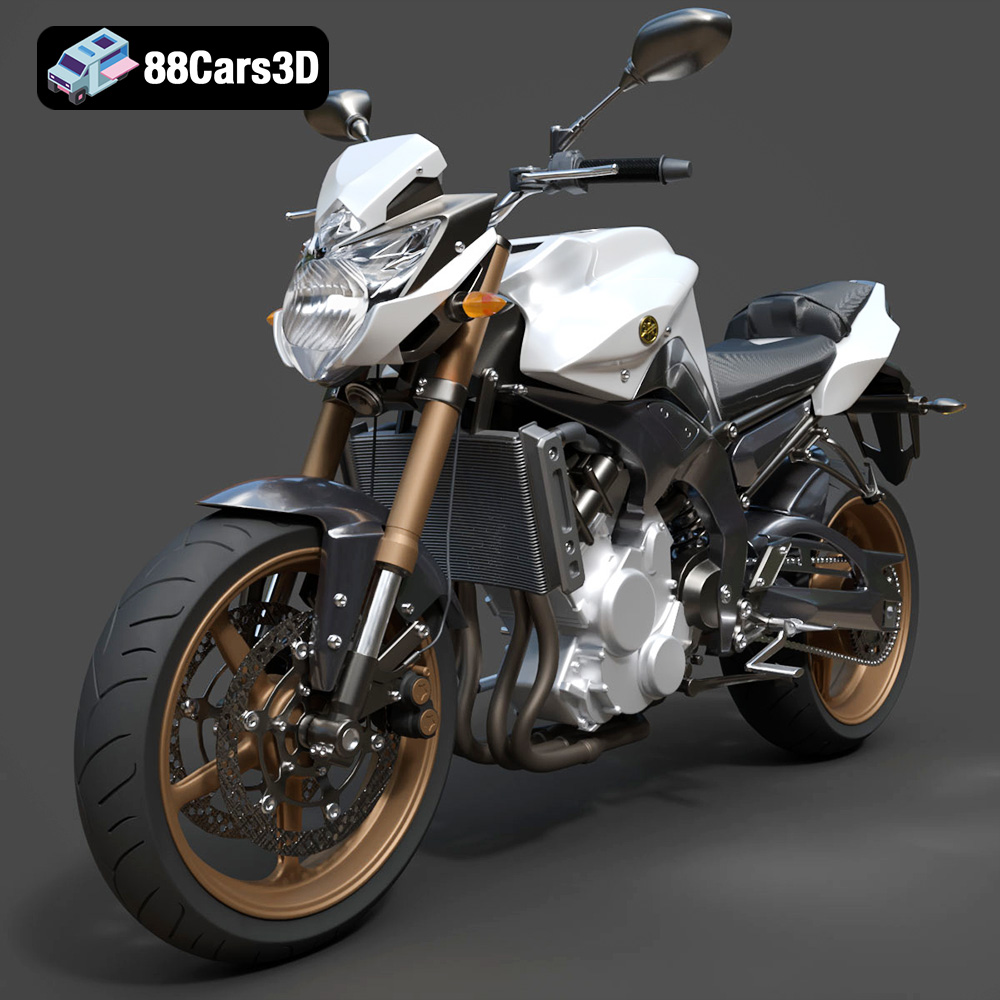
Texture: Yes
Material: Yes
Download the Yamaha FZ8 2011 3D Model featuring clean geometry, realistic detailing, and a fully modeled interior. Includes .blend, .fbx, .obj, .glb, .stl, .ply, .unreal, and .max formats for rendering, simulation, and game development.
Price: $19.99
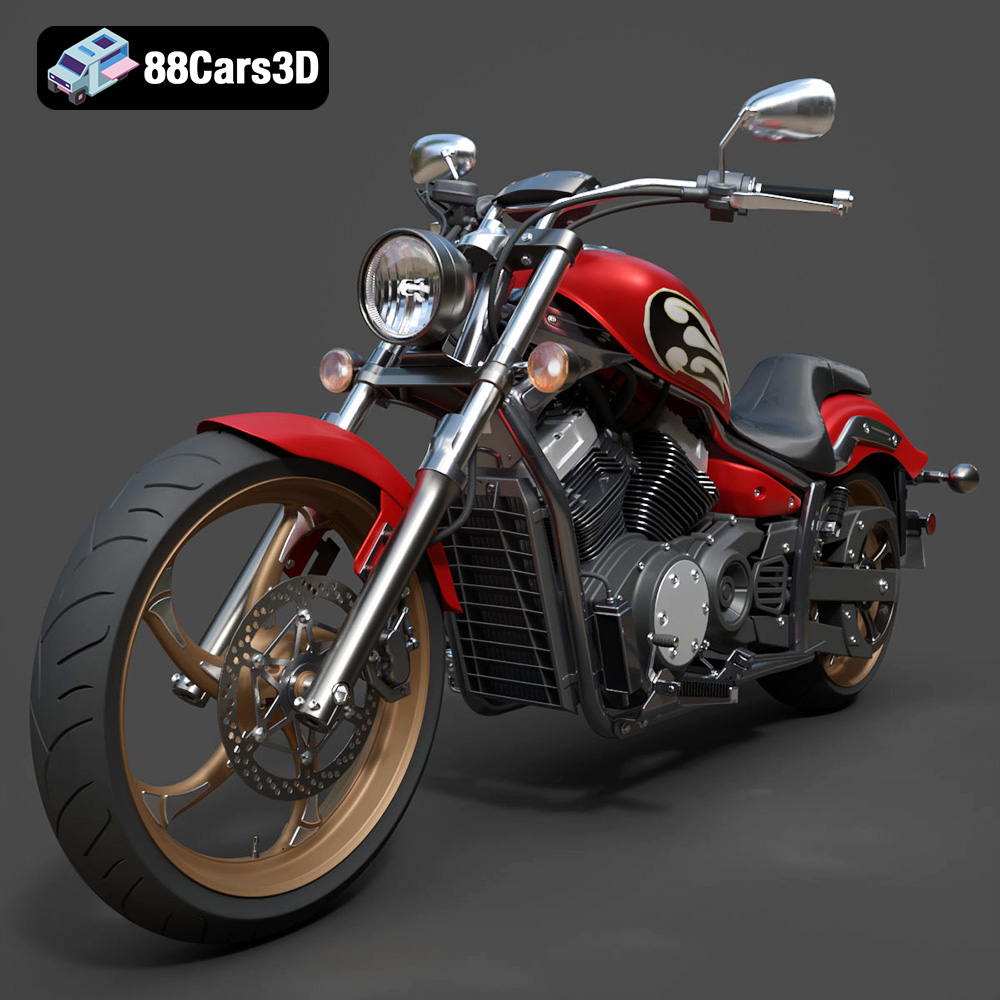
Texture: Yes
Material: Yes
Download the Yamaha Stryker 2012 3D Model featuring clean geometry, realistic detailing, and a fully modeled interior. Includes .blend, .fbx, .obj, .glb, .stl, .ply, .unreal, and .max formats for rendering, simulation, and game development.
Price: $19.99
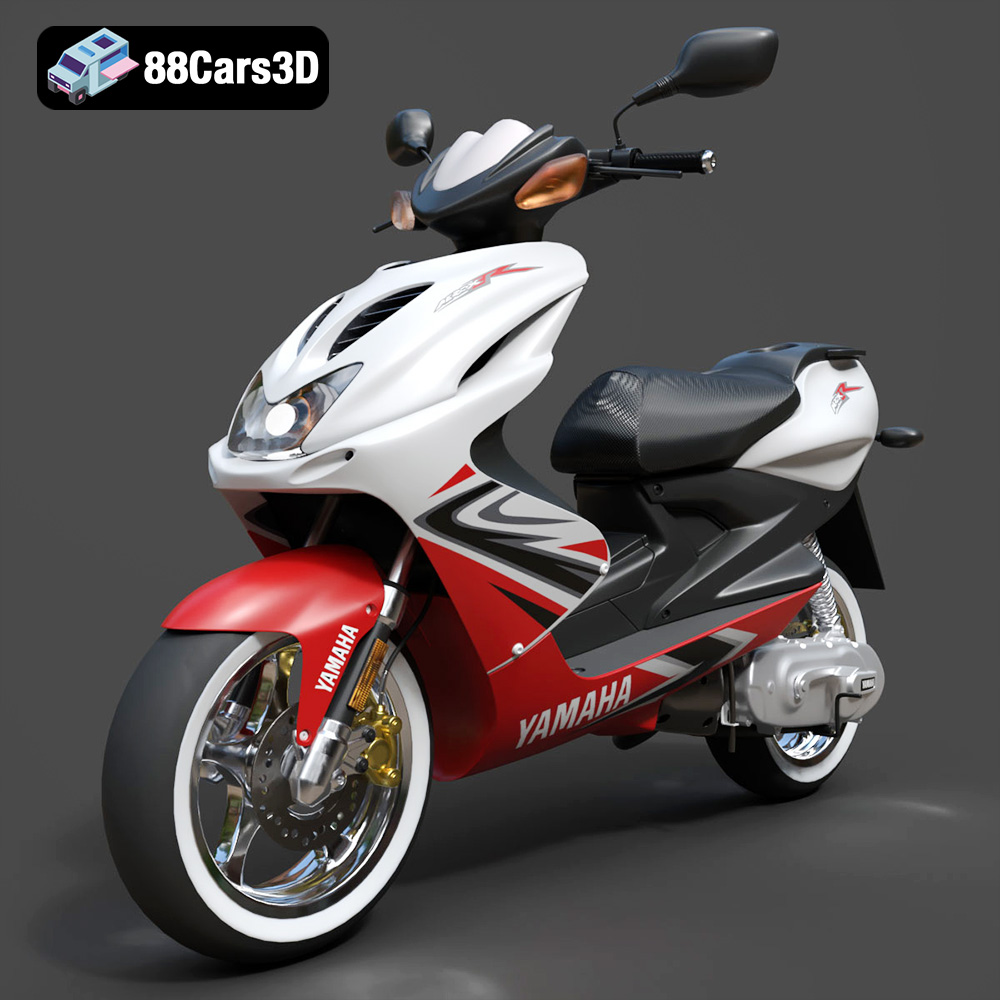
Texture: Yes
Material: Yes
Download the Yamaha Aerox R-002 2024 3D Model featuring clean geometry, realistic detailing, and a fully modeled interior. Includes .blend, .fbx, .obj, .glb, .stl, .ply, .unreal, and .max formats for rendering, simulation, and game development.
Price: $19.99
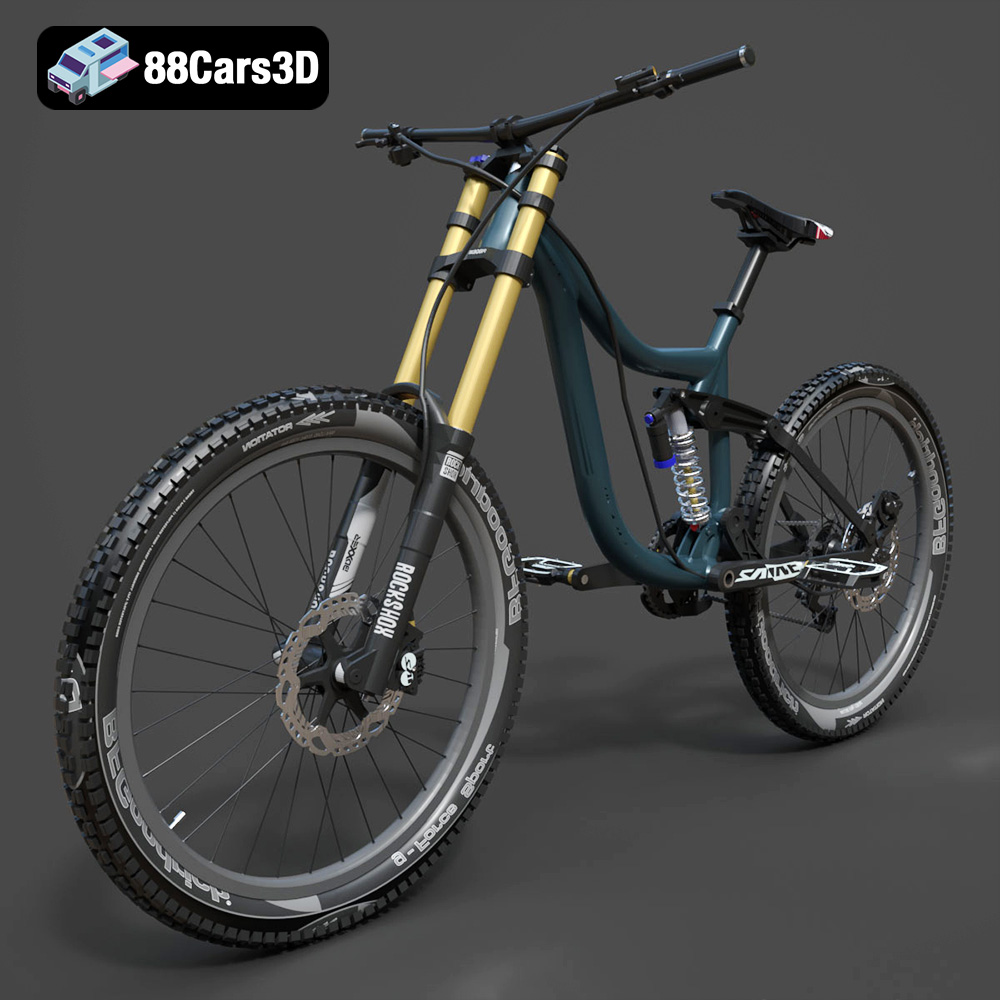
Texture: Yes
Material: Yes
Download the Mototsikly Downhill Bike-002 3D Model featuring clean geometry, realistic detailing, and precise mechanical components. Includes .blend, .fbx, .obj, .glb, .stl, .ply, .unreal, and .max formats for rendering, simulation, and game development.
Price: $19.99
Texture: Yes
Material: Yes
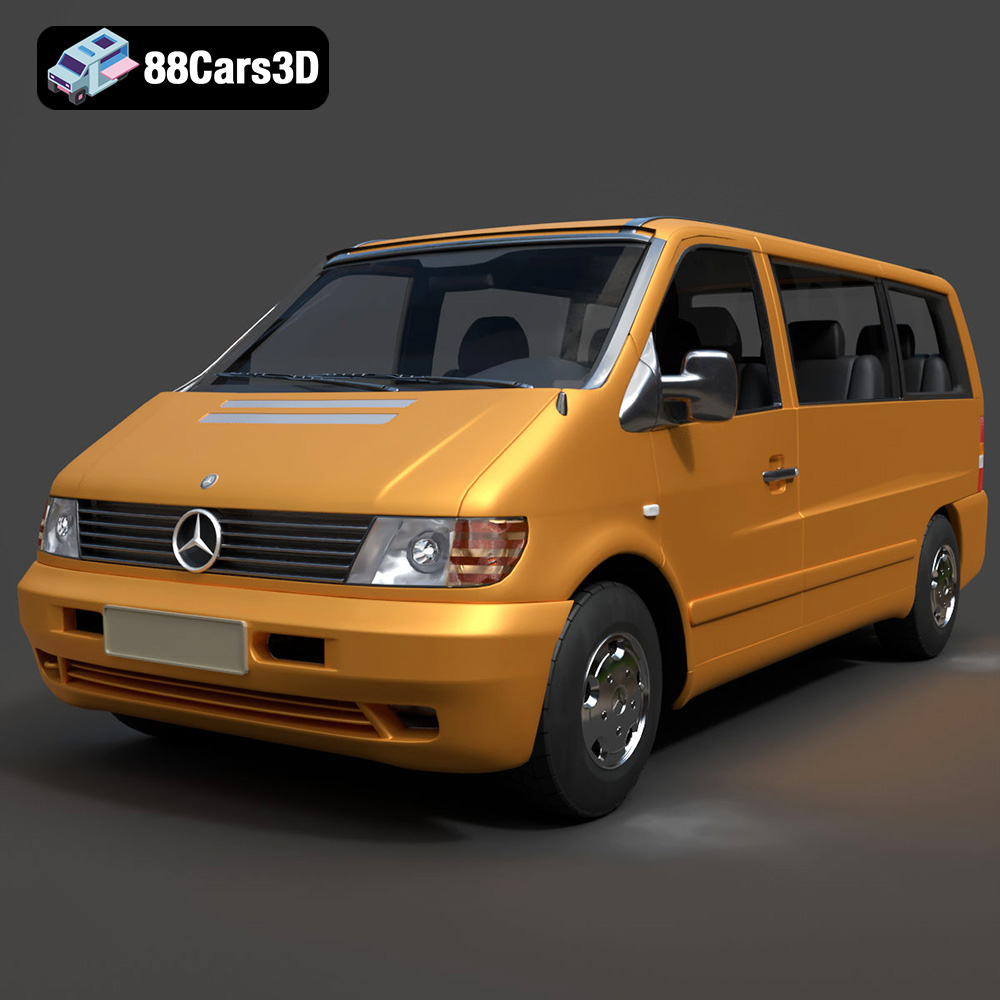
Download the Mercedes-Benz Vito Passenger Van 3D Model featuring clean geometry, realistic detailing, and a fully modeled interior. Includes .blend, .fbx, .obj, .glb, .stl, .ply, .unreal, and .max formats for rendering, simulation, and game development.
Price: $19.99
Texture: Yes
Material: Yes
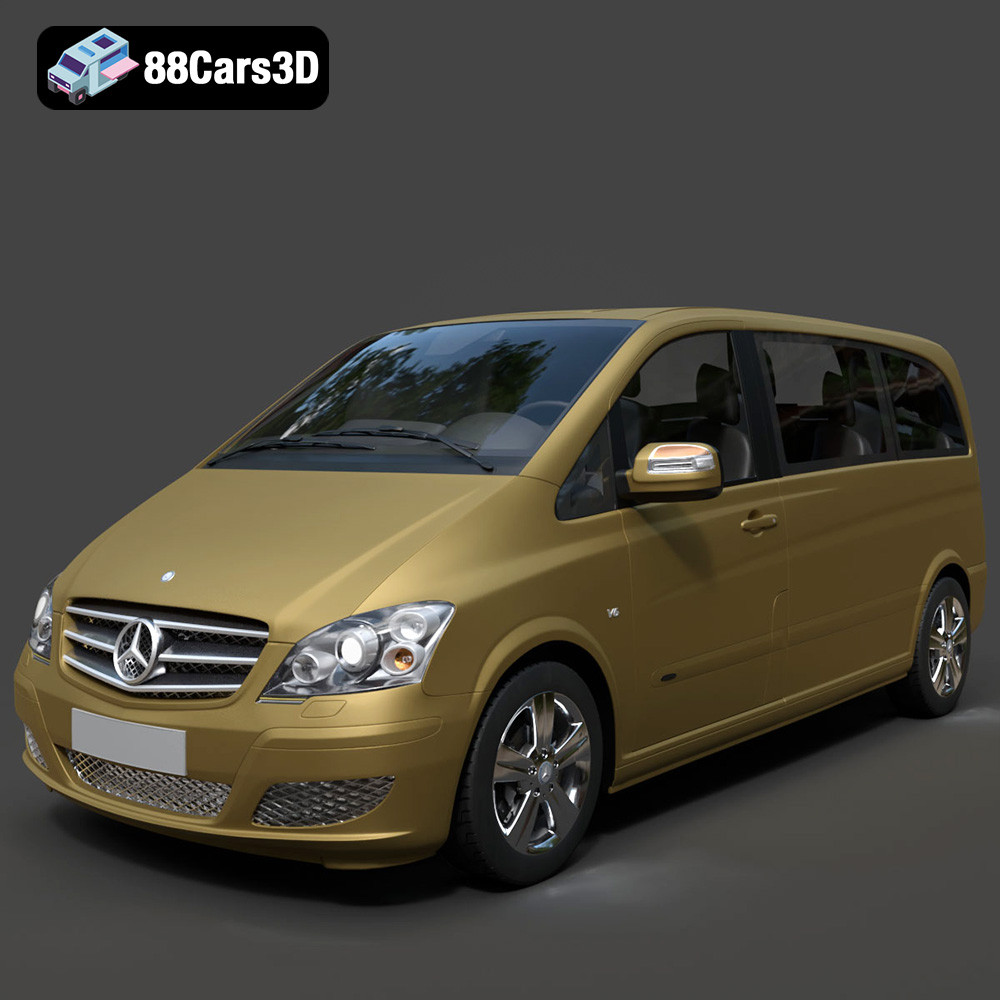
Download the Mercedes-Benz Viano 2010 3D Model featuring clean geometry, realistic detailing, and a fully modeled interior. Includes .blend, .fbx, .obj, .glb, .stl, .ply, .unreal, and .max formats for rendering, simulation, and game development.
Price: $19.99

Texture: Yes
Material: Yes
Download the Emt Avtobus 007 3D Model featuring clean geometry, realistic detailing, and a fully modeled interior. Includes .blend, .fbx, .obj, .glb, .stl, .ply, .unreal, and .max formats for rendering, simulation, and game development.
Price: $19.99
Texture: Yes
Material: Yes
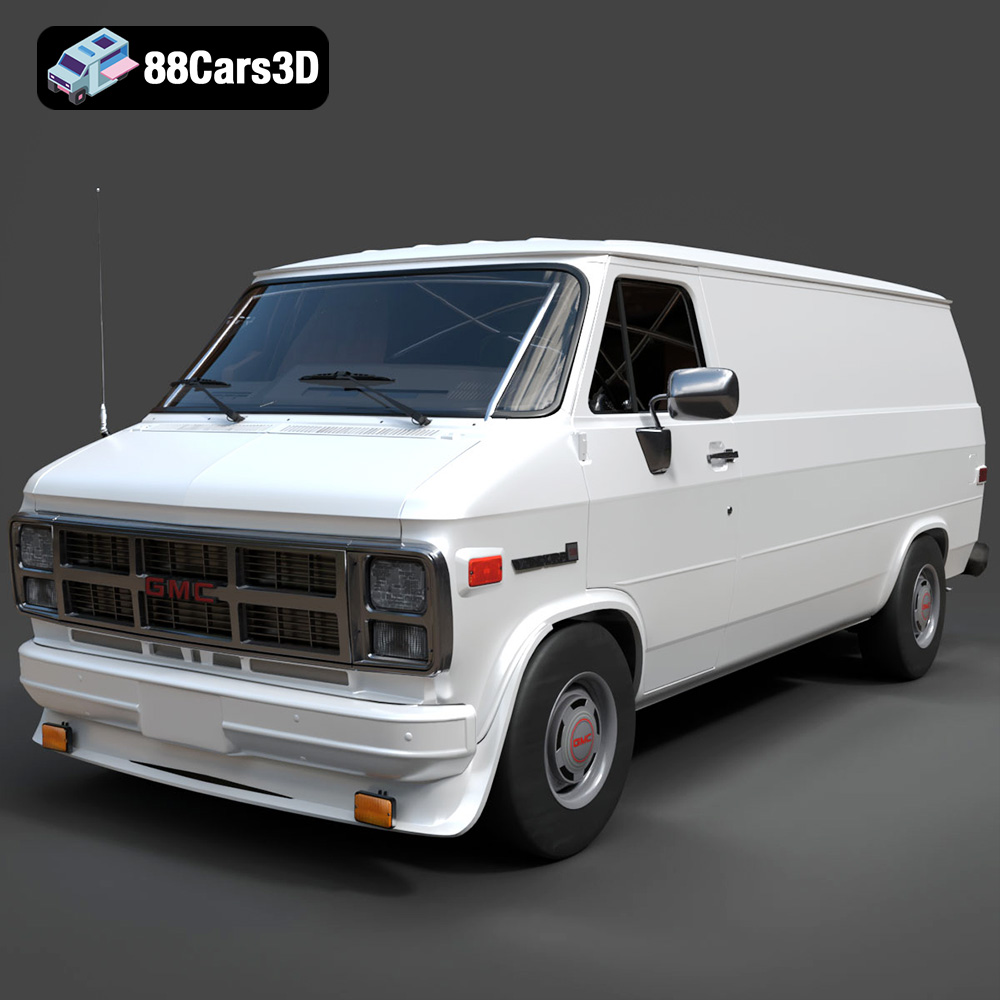
Download the GMC Vandura G-1500 1983 3D Model featuring clean geometry, realistic detailing, and a fully modeled interior. Includes .blend, .fbx, .obj, .glb, .stl, .ply, .unreal, and .max formats for rendering, simulation, and game development.
Price: $19.99

Texture: Yes
Material: Yes
Download the Ford E-450 Ambulance 3D Model featuring clean geometry, realistic detailing, and a fully modeled interior. Includes .blend, .fbx, .obj, .glb, .stl, .ply, .unreal, and .max formats for rendering, simulation, and game development.
Price: $19.99

