

The landscape of content creation, particularly within the automotive and film industries, has undergone a revolutionary shift thanks to Virtual Production (VP). At its heart lies the powerful combination of real-time rendering engines like Unreal Engine and cutting-edge LED wall technology. This synergy allows for the creation of immersive, dynamic environments that are rendered live on set, offering unprecedented creative control, efficiency, and flexibility. For anyone involved in automotive visualization, game development, or cinematic production, mastering these LED wall workflows with Unreal Engine is no longer a luxury but a strategic imperative.
Gone are the days of rigid green screen limitations and time-consuming post-production composites. With LED walls, artists and filmmakers can visualize their final product in real-time, making creative decisions on the fly and capturing final pixel content directly in-camera. This article will serve as your comprehensive guide to leveraging Unreal Engine for LED wall virtual production, with a specific focus on automotive applications. We’ll delve into project setup, optimize high-quality 3D car models, explore advanced lighting and material techniques, and discuss the critical performance considerations that ensure a flawless real-time experience. By the end, you’ll understand how to harness this transformative technology to elevate your automotive visualizations and productions to new heights.
The Foundation: Setting Up Unreal Engine for Virtual Production with LED Walls
Embarking on a virtual production journey with LED walls requires careful setup within Unreal Engine to ensure seamless integration and optimal performance. The core of this integration relies heavily on Unreal Engine’s nDisplay framework, a robust solution for driving multiple synchronized displays from a single engine instance or a cluster of synchronized machines. Proper configuration from the outset is paramount to avoid common pitfalls and achieve the desired visual fidelity and real-time responsiveness that virtual production demands.
Beyond just enabling nDisplay, understanding the underlying project settings, plugin requirements, and hardware considerations forms the backbone of a successful LED wall setup. This initial configuration stage dictates how your virtual environment will be projected onto the physical LED volume, how cameras will track within it, and ultimately, the quality and realism of your final output. Paying meticulous attention to these foundational steps will save considerable time and effort down the line, ensuring a stable and efficient workflow for your automotive visualization projects.
Initial Project Configuration and nDisplay Setup
To begin, create a new Unreal Engine project, ideally using the “Virtual Production” template or a Blank project. The first crucial step is enabling the necessary plugins. Navigate to Edit > Plugins and enable:
- nDisplay: This is the core plugin for driving multi-display setups, including LED walls.
- OpenCV: Often used for camera tracking systems.
- Composure: Essential for real-time compositing, particularly when integrating live-action elements.
- Live Link: For connecting external data sources like camera tracking, mocap, and DMX.
- Virtual Camera: If you plan to use an iPad-based virtual camera.
After enabling, restart the engine. Next, you’ll create your nDisplay config asset (Content Browser > Right-click > nDisplay > nDisplay Configuration). This asset defines your LED wall layout, resolution, and cluster nodes. For an automotive setup, you’ll typically configure a curved wall and possibly a ceiling, specifying the exact dimensions and pixel resolution of each LED panel. For example, a common setup might involve a large curved wall (e.g., 20m x 5m) with a resolution like 7680×2160, and a ceiling panel (e.g., 10m x 5m) at 3840×2160. Each ‘viewport’ in nDisplay corresponds to a section of your LED wall, and you’ll map these viewports to the physical layout of your panels.
The nDisplay cluster will typically consist of a primary “controller” PC and several “render” PCs. Each render PC is responsible for rendering a specific section of the LED wall. Synchronization between these machines is critical, often achieved through Genlock signals and PTP (Precision Time Protocol) networking for frame-accurate display. Incorrect nDisplay configuration can lead to visual artifacts, tearing, or desynchronized content on your LED wall, making precise setup a non-negotiable step. Refer to the official Unreal Engine documentation on nDisplay for detailed setup instructions and best practices at https://dev.epicgames.com/community/unreal-engine/learning.
Hardware Considerations and System Requirements
Virtual production, especially with high-resolution LED walls, is incredibly demanding on hardware. A typical setup requires a cluster of powerful workstations, each equipped with top-tier GPUs. For the render nodes, NVIDIA’s RTX series (e.g., RTX 4090 or A6000) are industry standards due to their ray tracing capabilities and high VRAM. You’ll likely need at least 24GB of VRAM per GPU for rendering high-resolution automotive scenes with Lumen and Nanite enabled. A single render node might drive multiple 4K outputs, so multiple high-end GPUs might be necessary for very large LED volumes.
Beyond GPUs, a robust networking infrastructure is crucial. A dedicated 10 Gigabit Ethernet network for data transfer between cluster nodes is highly recommended to minimize latency and ensure smooth frame delivery. Genlock synchronization cards (e.g., NVIDIA Quadro Sync II) are essential for frame-accurate synchronization across all display outputs and cameras, preventing tearing and ensuring a cohesive visual experience. Finally, a high-performance CPU (e.g., AMD Threadripper or Intel i9/i7 latest generation) and ample RAM (64GB minimum, 128GB+ recommended) are necessary to handle the complexity of real-time calculations, physics, and asset streaming that automotive scenes often entail. These specifications are not merely recommendations; they are vital to achieving the high frame rates (typically 24-30 FPS for film, higher for interactive) required for convincing virtual production.
Bringing Automotive Realism to the LED Wall with 88cars3d.com Models
The visual quality of your virtual production hinges on the fidelity of your 3D assets, none more so than the star of an automotive scene: the car model itself. When working with LED walls, the demands for realism are amplified, as models are seen in physical space and often under intense scrutiny from live cameras. Low-quality or poorly optimized models will instantly break immersion, revealing their digital origins. This is where sourcing professional-grade 3D car models becomes critical. Marketplaces like 88cars3d.com specialize in providing meticulously crafted automotive assets, engineered for performance and visual fidelity in real-time environments, making them ideal for Unreal Engine-based virtual production.
Importing and optimizing these high-quality assets correctly within Unreal Engine is a multi-step process that ensures they look their best and perform efficiently on an LED wall. It involves careful consideration of polygon counts, UV mapping, and the implementation of physically based rendering (PBR) materials. Getting these elements right is fundamental to achieving the photorealistic results that define compelling automotive visualization and truly make the virtual car feel present on the LED stage.
Importing and Optimizing High-Quality 3D Car Models
When sourcing automotive assets from marketplaces such as 88cars3d.com, you’ll typically receive models in formats like FBX or USD. These models are often pre-optimized, but further steps may be required within Unreal Engine. Upon import, ensure you enable options like “Combine Meshes” if the model is provided as multiple parts (e.g., body, wheels, interior) that should be treated as a single static mesh for simplicity, or keep them separate for modularity and interaction (e.g., opening doors). Pay close attention to the “Normal Import Method” (e.g., Import Normals and Tangents) and “Build Adjacency Buffer” settings for correct shading. For very high-polygon models (millions of polys), enabling Nanite during import is often the best strategy (more on Nanite later).
Even with optimized models, it’s crucial to inspect them. Check the mesh statistics (Window > Statistics > Mesh Stats) to understand the polygon count. While Nanite handles incredibly high poly counts, traditional meshes or those intended for specific non-Nanite applications (like physics simulations) might need further optimization. Consider using Unreal Engine’s built-in LOD (Level of Detail) generation, although often 88cars3d.com models come with pre-built LODs, ensuring performance across different distances. For vehicles, typically 3-5 LODs are sufficient, with the lowest LOD potentially having only a few thousand triangles for distant views, and the highest LOD preserving full detail for close-ups. Proper UV mapping is also critical; ensure your model has at least two UV channels: one for textures and another for lightmaps, if static lighting is used. Clean, non-overlapping UVs are essential for crisp textures and accurate lighting.
PBR Materials and Texturing for Photorealism
The realism of your automotive models in Unreal Engine heavily relies on robust Physically Based Rendering (PBR) materials. PBR materials accurately simulate how light interacts with surfaces, providing consistent and believable results under various lighting conditions, which is crucial for dynamic LED wall environments. For a typical car model from 88cars3d.com, you’ll work with several key textures:
- Albedo/Base Color: Defines the base color of the surface. For car paint, this might be a solid color or a subtle metallic flake texture.
- Normal Map: Adds fine surface detail without increasing polygon count (e.g., panel gaps, subtle bumps).
- Roughness Map: Controls how rough or smooth a surface appears, impacting reflectivity. Car paint will have very low roughness for reflections, while tires or interior plastics will be rougher.
- Metallic Map: Indicates which parts of the material are metallic. Car paint often has a metallic component, as do chrome trims and wheel alloys.
- Ambient Occlusion (AO) Map: Simulates soft shadows where surfaces are close together, enhancing depth and realism.
Inside the Unreal Engine Material Editor, you’ll connect these texture maps to their respective input pins. For complex car paint, you might employ advanced material functions to simulate clear coat layers, metallic flakes, and iridescent effects. Techniques like using fresnel nodes to control reflectivity at glancing angles, or blending multiple material layers for dirt and wear, can significantly enhance realism. Optimal texture resolutions for LED walls are often 4K (4096×4096) or even 8K for extremely close-up shots of the vehicle, ensuring no pixelation is visible on the large display surface. Consolidating maps (e.g., packing Roughness, Metallic, and AO into separate channels of a single RGB texture) can also optimize VRAM usage and draw calls, contributing to better real-time performance on a demanding LED wall stage.
Mastering Real-Time Lighting and In-Camera Visual Effects
Lighting is arguably the most critical element in virtual production. It bridges the gap between the physical and virtual worlds, making your 3D car models appear truly present on the LED wall and integrating seamlessly with any live-action elements. In an LED wall setup, lighting serves a dual purpose: illuminating the virtual environment displayed on the panels and providing practical light for any physical objects or actors on set. Unreal Engine offers a sophisticated suite of lighting tools, from its revolutionary Lumen global illumination system to traditional light sources, all crucial for achieving cinematic quality in real-time. Mastering these tools, alongside in-camera VFX techniques, is essential for a convincing virtual production scene.
The complexity of lighting for an LED wall lies in creating a cohesive look between the digital background and the foreground elements. This often involves carefully matching the direction, color, and intensity of virtual lights with physical lights on set, and leveraging Unreal Engine’s compositing capabilities to blend everything together seamlessly. The goal is to eliminate any visual discrepancies that could betray the virtual nature of the environment, making the automotive scene feel as if it were shot on a physical location.
Dynamic Lighting with Lumen and Physical Light Sources
Unreal Engine’s Lumen Global Illumination and Reflections system is a game-changer for virtual production, providing dynamic, real-time GI and reflections without the need for baked lightmaps. For automotive scenes on an LED wall, Lumen is invaluable for instantly reacting to changes in the virtual environment, such as moving the car or adjusting the time of day. This means that reflections on the car body, indirect lighting from the sky, and bounce light from surrounding surfaces are all calculated and displayed in real-time, greatly enhancing realism. To optimize Lumen for performance on an LED wall, consider adjusting settings like “Lumen Scene Lighting Quality” and “Lumen Scene Detail” in the Post Process Volume, balancing visual quality with frame rate. Using a reasonable “Max Trace Distance” for reflections can also help.
Beyond Lumen, traditional light sources play a vital role. Directional Lights simulate the sun, while Sky Lights capture ambient sky contributions. Rect Lights and Spot Lights are excellent for simulating studio lighting setups or precise illumination on specific parts of the car. When working with an LED wall, it’s crucial to match the virtual lights with any physical practical lights on set. This often involves using DMX control to synchronize physical light fixtures with their virtual counterparts in Unreal Engine via Live Link. For example, if you have a physical LED panel acting as a key light, you’d replicate its position, intensity, and color temperature with a virtual Rect Light in Unreal. This synchronized lighting ensures that the car model on the LED wall and any physical car in the foreground are lit consistently, creating a unified visual space. Using HDRI sky domes also significantly enhances realism by providing accurate environment reflections and ambient lighting.
In-Camera Compositing and Live Green Screen Alternatives
One of the primary advantages of LED walls is their ability to deliver “in-camera VFX” – capturing final pixel content directly from the camera without extensive post-production. Unreal Engine’s Composure plugin is central to this workflow. While LED walls largely reduce the need for green screens, Composure can still be used for advanced layering, color correction, and integrating additional virtual elements that might not be on the LED wall itself (e.g., CG explosions or subtle VFX passes). In an automotive context, Composure could be used to subtly blend a physical car’s tires onto a virtual road surface if the LED floor isn’t completely seamless, or to integrate virtual actors into the scene alongside the car.
The main benefit of LED walls over green screens for automotive VP is the elimination of spill and the provision of accurate interactive light. The LED wall itself emits light that correctly illuminates the physical car and actors on set, providing accurate reflections and bounce light that is impossible with a green screen. This dramatically reduces the need for extensive keying and rotoscoping in post-production. Furthermore, parallax is inherently handled correctly for the principal camera viewing the LED wall. When setting up your camera, ensure that Unreal Engine’s virtual camera matches the physical camera’s focal length, sensor size, and position precisely. Camera tracking systems (e.g., Mo-Sys, Stype, Ncam) feed real-time positional and rotational data into Unreal Engine via Live Link, ensuring that the perspective on the LED wall updates correctly with camera movement. This ensures the virtual background maintains proper perspective relative to the physical foreground, selling the illusion of a continuous environment.
Empowering Interactivity and Dynamic Scenes with Blueprint and Sequencer
Virtual production isn’t just about static backdrops; it’s about dynamic, controllable environments that respond to creative direction in real-time. Unreal Engine’s visual scripting system, Blueprint, and its non-linear cinematic editor, Sequencer, are indispensable tools for bringing this level of interactivity and cinematic control to LED wall workflows, especially for automotive applications. Imagine changing a car’s color, opening doors, or dynamically adjusting environmental conditions with a touch of a button – all live on set. This level of responsiveness is what sets virtual production apart and makes it incredibly powerful for automotive presentations, configurators, and even virtual photoshoots.
By leveraging Blueprint, technical artists and designers can create complex functionalities without writing a single line of C++ code. Sequencer, on the other hand, provides the precision and timeline-based control needed to orchestrate complex camera moves, character animations, and environmental changes, making it ideal for crafting polished cinematic content directly within the LED volume. Together, these tools empower creators to rapidly iterate on ideas, explore different scenarios, and capture refined content with unprecedented efficiency.
Blueprint for Interactive Automotive Experiences
Blueprint visual scripting allows for the creation of sophisticated interactive elements within your virtual production environment. For automotive visualization, this opens up a wealth of possibilities. You could use Blueprint to build an interactive car configurator directly on the LED wall stage. Key functionalities might include:
- Material Swapping: Allow a director or client to instantly change the car’s paint color, wheel material, or interior trim by clicking on UI elements or physical buttons connected via DMX. This is achieved by creating a Blueprint that references different material instances and swaps them on the car mesh.
- Door/Hood Animation: Create simple timelines in Blueprint to animate car doors, hoods, or trunks opening and closing. This can be controlled via an external input or a simple UI widget.
- Environment Controls: Adjust lighting conditions (time of day), weather effects (rain, fog using Niagara particles), or swap entire background environments dynamically. For example, a single Blueprint could control the intensity of a directional light (sun) and update the sky dome texture.
- Camera Control: Set up predefined camera paths or allow for live control of a virtual camera rig via a joystick or external input device.
A typical Blueprint setup for a material swap might involve an event (e.g., pressing a key, receiving a Live Link message) triggering a “Set Material” node on a Static Mesh Component, referencing a new material instance. These interactive elements significantly enhance the creative possibilities on set, allowing for rapid iteration and real-time decision-making, streamlining the entire production pipeline. For more on Blueprint, refer to the tutorials and documentation on Epic’s learning portal: https://dev.epicgames.com/community/unreal-engine/learning.
Cinematic Storytelling with Sequencer for Virtual Production
Sequencer is Unreal Engine’s powerful non-linear cinematic editor, essential for orchestrating complex camera movements, object animations, and visual effects within your virtual production scene. For automotive commercials, product reveals, or virtual photoshoots on an LED wall, Sequencer provides the precision needed to craft highly polished content. You can import camera data from tracking systems directly into Sequencer, or design complex virtual camera paths from scratch.
Within Sequencer, you can:
- Animate Car Elements: Precisely control the movement of your 3D car model, animate doors opening, wheels spinning, or the vehicle transitioning between environments. Keyframe material parameters to create dynamic paint changes or headlight effects over time.
- Camera Choreography: Design intricate virtual camera moves that seamlessly follow the action, simulating cinematic crane shots, dolly moves, or handheld operations. Sequencer allows for precise control over focal length, depth of field, and camera shake.
- Lighting and Environment Changes: Keyframe lighting intensity, color, and position to create dramatic mood shifts or simulate transitions from day to night. Integrate particle effects (using Niagara) for dynamic weather or exhaust effects, timed precisely to camera movements.
- Exporting Footage: Render out high-quality EXR sequences directly from Sequencer for further post-production, or capture real-time footage directly from the camera feed on set.
The ability to preview and refine these cinematic sequences in real-time on the LED wall provides immediate feedback to the director and crew, accelerating the creative process and ensuring the captured footage matches the artistic vision. This tight integration between interactive Blueprint controls and precise Sequencer timelines allows for both spontaneous exploration and meticulously planned execution in virtual production.
Advanced Performance and Visual Fidelity for LED Walls
Achieving breathtaking visual fidelity on a large-scale LED wall in real-time, especially with highly detailed automotive models, presents significant technical challenges. The sheer pixel count of these walls, coupled with the demand for photorealistic rendering, pushes hardware to its limits. Unreal Engine provides a suite of advanced features and optimization techniques to meet these rigorous requirements. Two of the most impactful technologies for handling complex geometry are Nanite virtualized geometry and robust Level of Detail (LOD) management. These tools are crucial for maintaining high frame rates while displaying millions of polygons per car model without sacrificing visual quality.
Furthermore, virtual production with LED walls introduces unique visual challenges, such as parallax and perspective distortions for off-axis cameras. Understanding and mitigating these issues is essential to deliver a truly convincing and immersive experience. Implementing correct parallax correction and employing sophisticated rendering techniques ensures that the illusion of depth and continuity between the physical and virtual worlds remains unbroken, regardless of the camera’s position relative to the LED volume.
Leveraging Nanite and LODs for High-Poly Car Models
Nanite, Unreal Engine’s virtualized geometry system, is a cornerstone for handling extremely high-polygon assets, making it indispensable for photorealistic automotive visualization on LED walls. Traditional game engines struggle with models containing millions of triangles, requiring extensive manual optimization and LOD creation. Nanite intelligently streams and renders only the necessary detail, allowing artists to import film-quality assets directly without worrying about polygon budgets. For a 3D car model from 88cars3d.com, you can enable Nanite during import or by right-clicking the static mesh in the Content Browser and selecting “Enable Nanite.” This means a car with 5 million polygons can be rendered as efficiently as one with 50,000, as only the visible pixels contribute to the render cost. This is a game-changer for car models with intricate details, complex meshes, and high-fidelity components, where every curve and panel needs to be perfectly smooth.
While Nanite handles the primary camera view exceptionally well, traditional LODs (Level of Detail) still have a place, especially for non-Nanite-supported features or when a fallback is needed for specific use cases (e.g., physics simulation meshes). Ideally, high-quality models from 88cars3d.com might already include multiple LODs, ranging from very high detail (LOD0) to simplified versions (LOD1, LOD2, etc.). Unreal Engine also offers automatic LOD generation within the Static Mesh Editor, allowing you to create lower-poly versions based on screen size or percentage reduction. For Nanite meshes, LODs are less critical for rendering performance but can still be useful for collision meshes or specific interactions. The combination of Nanite for unparalleled detail and strategic LODs ensures that your automotive assets maintain optimal performance across the entire LED volume, preventing performance bottlenecks and maintaining a consistent frame rate.
Overcoming Parallax and Perspective Challenges
One of the most significant technical hurdles in LED wall virtual production is managing parallax and perspective. When a physical camera moves in front of an LED wall, the background displayed on the wall must update its perspective in real-time to match the camera’s view. If not handled correctly, the virtual background will appear flat and break the illusion of depth. Unreal Engine’s nDisplay, combined with precise camera tracking, is designed to mitigate this. The virtual camera in Unreal Engine must accurately mimic the physical camera’s focal length, sensor size, and real-world position and rotation (provided by a tracking system via Live Link). This ensures that the frustum rendered for the LED wall correctly aligns with what the physical camera is seeing.
However, parallax is only correct for the principal camera’s viewpoint. For any cameras positioned significantly off-axis from the virtual camera’s projection center, or for human observers walking around the set, the perspective on the LED wall might appear distorted. This is an inherent limitation of a 2D display surface attempting to represent a 3D environment. To address this, several techniques can be employed:
- Precise Camera Calibration: Meticulously calibrate the physical camera’s intrinsic and extrinsic parameters within Unreal Engine to ensure pixel-perfect alignment.
- Frustum Culling and Viewport Configuration: Carefully configure nDisplay viewports to ensure only relevant parts of the virtual environment are rendered on each LED panel, maximizing efficiency.
- Depth Warping/Perspective Correction: Advanced techniques, sometimes involving custom shaders or post-processing, can subtly warp the image on the LED wall to enhance perceived depth for specific camera positions. This often requires complex calculations based on the camera’s position relative to the wall.
- Strategic Set Design: Place physical props and foreground elements to naturally obscure areas where perspective might appear most distorted for off-axis viewers.
- “Hot Spot” Optimization: Define a primary “hot spot” or sweet spot where the main action and camera work will occur, optimizing the projection for that specific area.
Successfully tackling these challenges requires a deep understanding of both Unreal Engine’s capabilities and the physics of light and perspective, ensuring a seamless blend between the physical and virtual worlds for your automotive scenes.
Workflow Synchronization and Real-World Applications
The true power of virtual production with LED walls lies in the harmonious synchronization of numerous technologies: camera tracking, lighting systems, playback control, and Unreal Engine itself. A single point of failure in this complex ecosystem can disrupt an entire production. Establishing robust synchronization protocols and workflows is paramount to achieving the efficiency and creative freedom that VP promises. This integrated approach not only ensures technical stability but also unlocks a new realm of creative possibilities for filmmakers, advertisers, and product designers.
The applications of this technology are diverse and continue to expand, with the automotive industry being a significant beneficiary. From crafting stunning commercials and promotional content to facilitating iterative design reviews and interactive configurators, LED wall virtual production is revolutionizing how we visualize and experience cars. Understanding these real-world use cases provides valuable context and inspiration for anyone looking to implement these advanced workflows.
Syncing Cameras, Tracking Systems, and Unreal Engine
Seamless synchronization is the backbone of any successful LED wall virtual production. At its core, this involves aligning the physical camera’s movement with the virtual camera’s perspective in Unreal Engine. This is achieved through sophisticated camera tracking systems (e.g., Mo-Sys, Stype, Ncam, OptiTrack) that transmit real-time positional (X, Y, Z) and rotational (pitch, yaw, roll) data to Unreal Engine via Live Link. A Genlock signal is absolutely critical here; it synchronizes the refresh rate of the LED wall, the camera’s shutter, and the Unreal Engine render frames, preventing tearing and ensuring smooth motion. This frame-accurate synchronization creates a consistent visual pipeline from the engine to the display to the camera sensor.
Beyond camera tracking, other elements need synchronization:
- DMX Lighting: For practical lights on set, DMX controllers can be linked to Unreal Engine via plugins like DMX, allowing virtual lights to directly control their physical counterparts. This ensures the physical foreground and virtual background are illuminated cohesively.
- Lens Data: Real-time lens data (focal length, focus distance, aperture) is crucial for matching depth of field and perspective between the physical camera and Unreal’s virtual camera. Systems like Mo-Sys StarTracker provide this data alongside positional tracking.
- Timecode: All systems (camera, audio, Unreal Engine, external playback devices) should ideally be referenced to a master timecode source to ensure consistent playback and logging across the production.
- Performance Monitoring: Tools like Unreal Engine’s profiler (Stat GPU, Stat FPS, Stat UnitGraph) are vital for monitoring real-time performance on the cluster nodes. Maintaining a stable frame rate (e.g., 24, 25, or 30 FPS) is critical for a smooth visual experience on the LED wall. If performance dips, identifying bottlenecks (e.g., complex shaders, too many dynamic lights, high draw calls) becomes the priority, prompting asset optimization or scene simplification.
This holistic approach to synchronization ensures that all components of the virtual production workflow operate as a single, cohesive unit.
Case Studies: Automotive Commercials and Design Reviews
Virtual production with LED walls has already transformed numerous aspects of the automotive industry. Here are a few compelling applications:
- Automotive Commercials and Marketing: Studios are increasingly using LED walls to shoot car commercials. Instead of expensive location scouting, permits, and travel, vehicles can be placed on an LED stage, surrounded by dynamic, high-fidelity virtual environments. This allows for rapid changes in location, time of day, and weather conditions, all within the studio. The interactive lighting from the LED wall produces accurate reflections and environmental bounce light on the car, making it seamlessly integrate into the virtual world. Directors gain immediate visual feedback, reducing costly reshoots and accelerating the creative process. This workflow has been adopted by major automotive brands to produce stunning, photorealistic promotional content that would be impossible or prohibitively expensive with traditional methods.
- Design Reviews and Product Visualization: Automotive manufacturers can leverage LED walls for internal design reviews. Engineers and designers can place a physical prototype or even a full-scale buck of a new vehicle on the stage and surround it with virtual environments. This allows them to evaluate exterior aesthetics, ergonomics, and material choices in various contexts (e.g., city, desert, showroom) without building multiple physical sets. With Unreal Engine’s Blueprint capabilities, they can interactively change car configurations (colors, wheels, interior layouts), open doors, or even simulate driving conditions, providing a comprehensive and immersive review experience. This significantly speeds up the design iteration process, allowing for faster decision-making and fewer physical prototypes.
- Virtual Photoshoots and Configurator Development: Imagine taking professional-grade photos of a car model in any desired environment without moving the vehicle. LED walls enable virtual photoshoots, capturing high-resolution stills that appear to be taken on location. Furthermore, the real-time configurator experiences developed in Unreal Engine for the LED wall can then be adapted for AR/VR applications or web-based configurators, leveraging the same high-quality assets and logic from platforms like 88cars3d.com. This unified approach maximizes asset reuse and ensures consistent visual quality across all touchpoints.
These examples illustrate how LED wall virtual production, powered by Unreal Engine, is not just a technological marvel but a practical tool delivering tangible benefits and creative possibilities across the automotive ecosystem.
Conclusion: Driving the Future of Automotive Visualization with Unreal Engine and LED Walls
The convergence of Unreal Engine’s real-time rendering prowess and the immersive capabilities of LED walls marks a pivotal moment in creative industries, particularly for automotive visualization and production. As we’ve explored, this transformative workflow liberates creators from the limitations of traditional filmmaking and design processes, offering unparalleled flexibility, efficiency, and creative control. From the meticulous setup of nDisplay clusters and the optimization of high-fidelity 3D car models sourced from platforms like 88cars3d.com, to the dynamic real-time lighting with Lumen and the interactive power of Blueprint and Sequencer, every step contributes to a seamlessly integrated virtual production pipeline.
Mastering these workflows means achieving photorealistic results in-camera, eliminating costly post-production, and enabling rapid iteration on complex automotive scenes. The ability to instantly change environments, dynamically adjust vehicle specifications, and orchestrate cinematic sequences in a live, collaborative setting is not just a technological advancement – it’s a paradigm shift. While challenges like performance optimization and parallax management require technical acumen, the tools and best practices within Unreal Engine provide robust solutions.
For Unreal Engine developers, 3D artists, game developers, and automotive professionals, embracing LED wall virtual production is an investment in the future. It empowers you to tell more compelling stories, design more efficiently, and deliver breathtaking visualizations that truly resonate. The journey into virtual production is continuous learning, but with a solid foundation in Unreal Engine and a commitment to high-quality assets, the possibilities are limitless. Dive in, experiment, and prepare to revolutionize how you bring automotive dreams to life.
Featured 3D Car Models

Porsche Cayenne 3D Model
Meta Description:
Texture: Yes
Material: Yes
Download the Porsche Cayenne 3D Model featuring realistic exterior styling and detailed interior design. Includes .blend, .fbx, .obj, .glb, .stl, .ply, .unreal, and .max formats for rendering, simulation, AR VR, and game development.
Price: $19.9
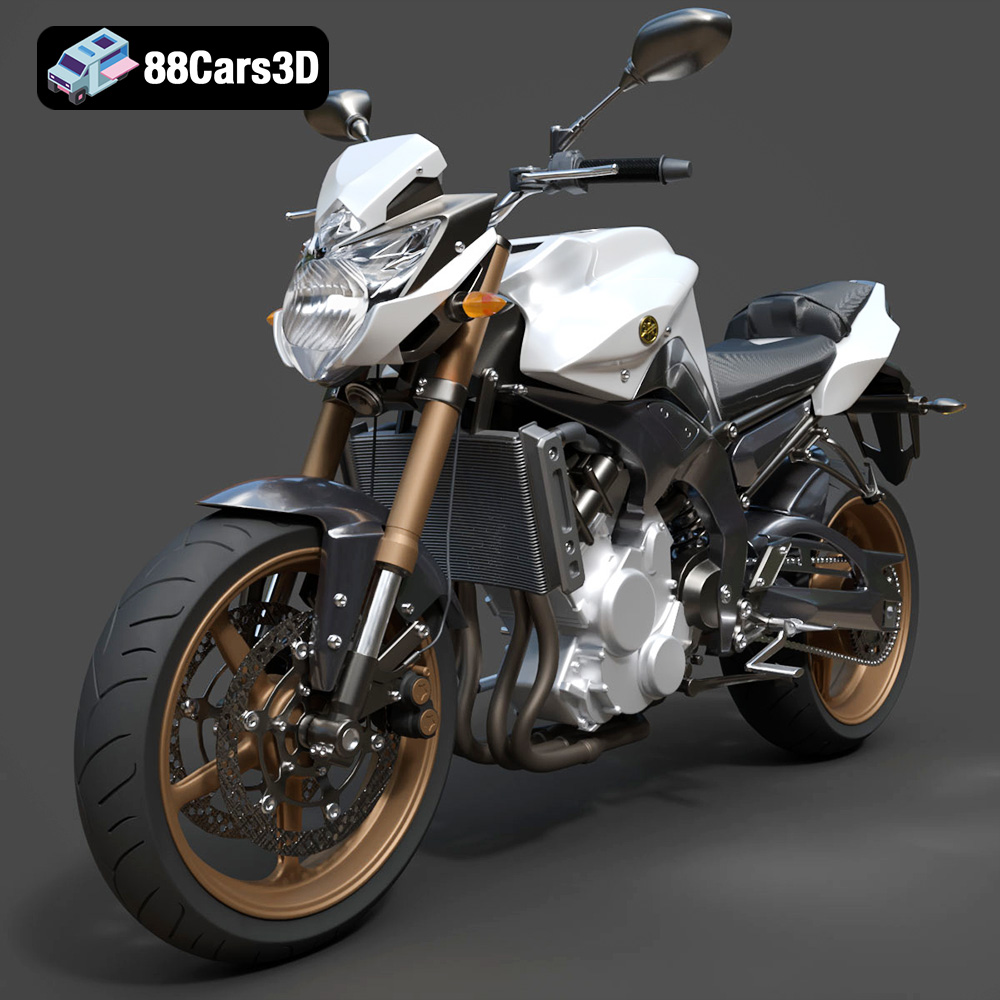
Yamaha FZ8 2011 3D Model
Texture: Yes
Material: Yes
Download the Yamaha FZ8 2011 3D Model featuring clean geometry, realistic detailing, and a fully modeled interior. Includes .blend, .fbx, .obj, .glb, .stl, .ply, .unreal, and .max formats for rendering, simulation, and game development.
Price: $19.99
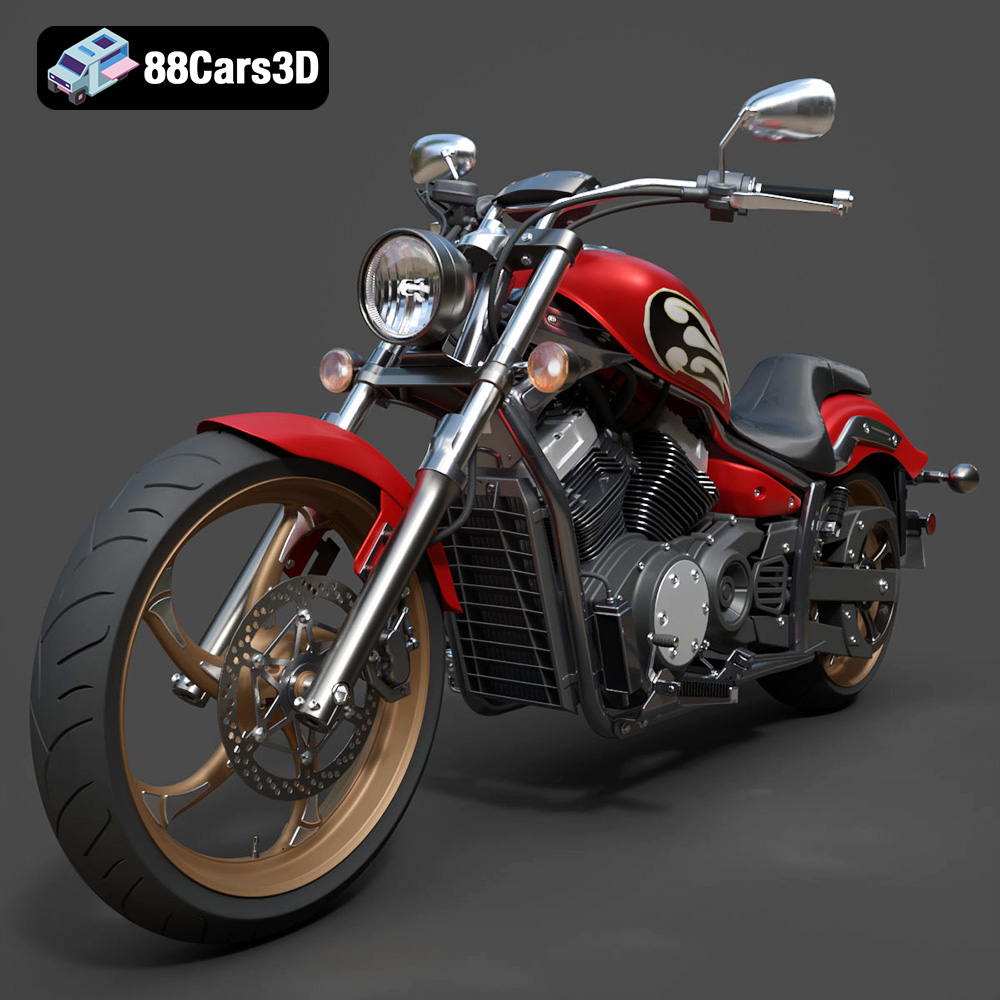
Yamaha Stryker 2012 3D Model
Texture: Yes
Material: Yes
Download the Yamaha Stryker 2012 3D Model featuring clean geometry, realistic detailing, and a fully modeled interior. Includes .blend, .fbx, .obj, .glb, .stl, .ply, .unreal, and .max formats for rendering, simulation, and game development.
Price: $19.99
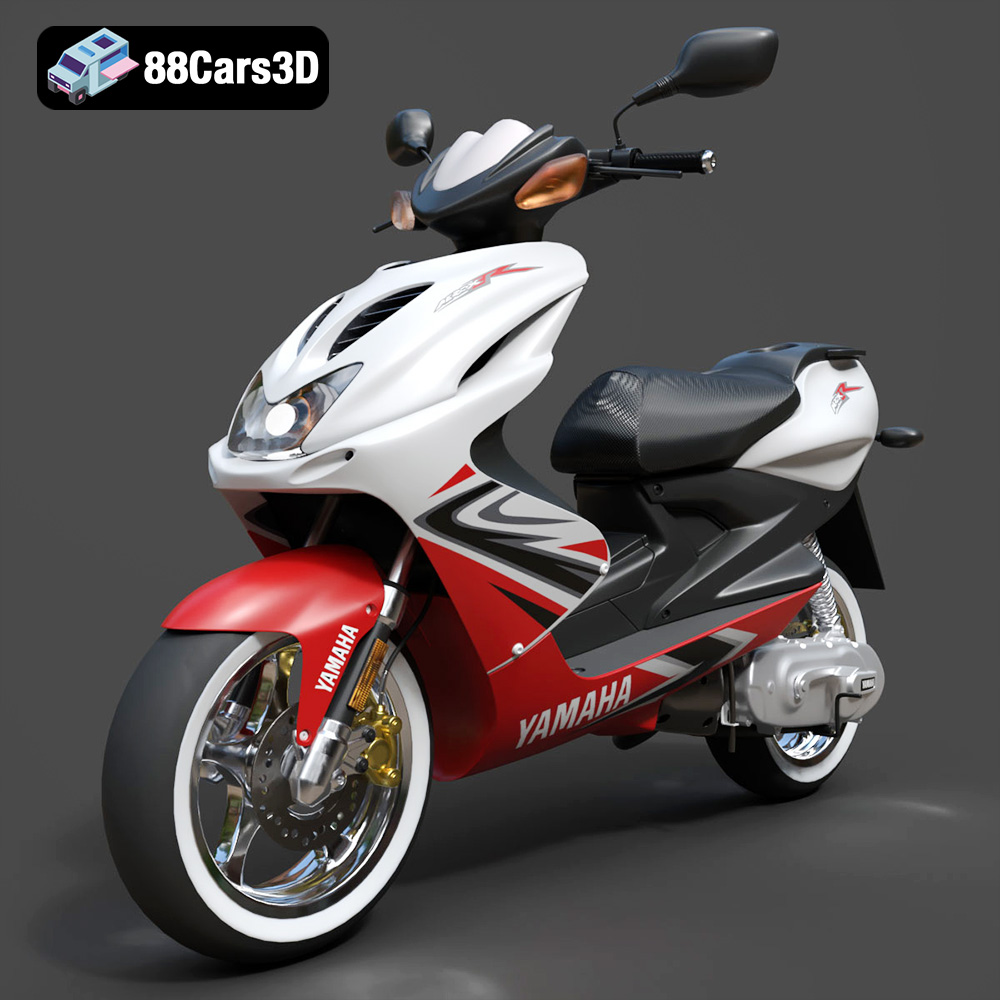
Yamaha Aerox R-002 2024 3D Model
Texture: Yes
Material: Yes
Download the Yamaha Aerox R-002 2024 3D Model featuring clean geometry, realistic detailing, and a fully modeled interior. Includes .blend, .fbx, .obj, .glb, .stl, .ply, .unreal, and .max formats for rendering, simulation, and game development.
Price: $19.99
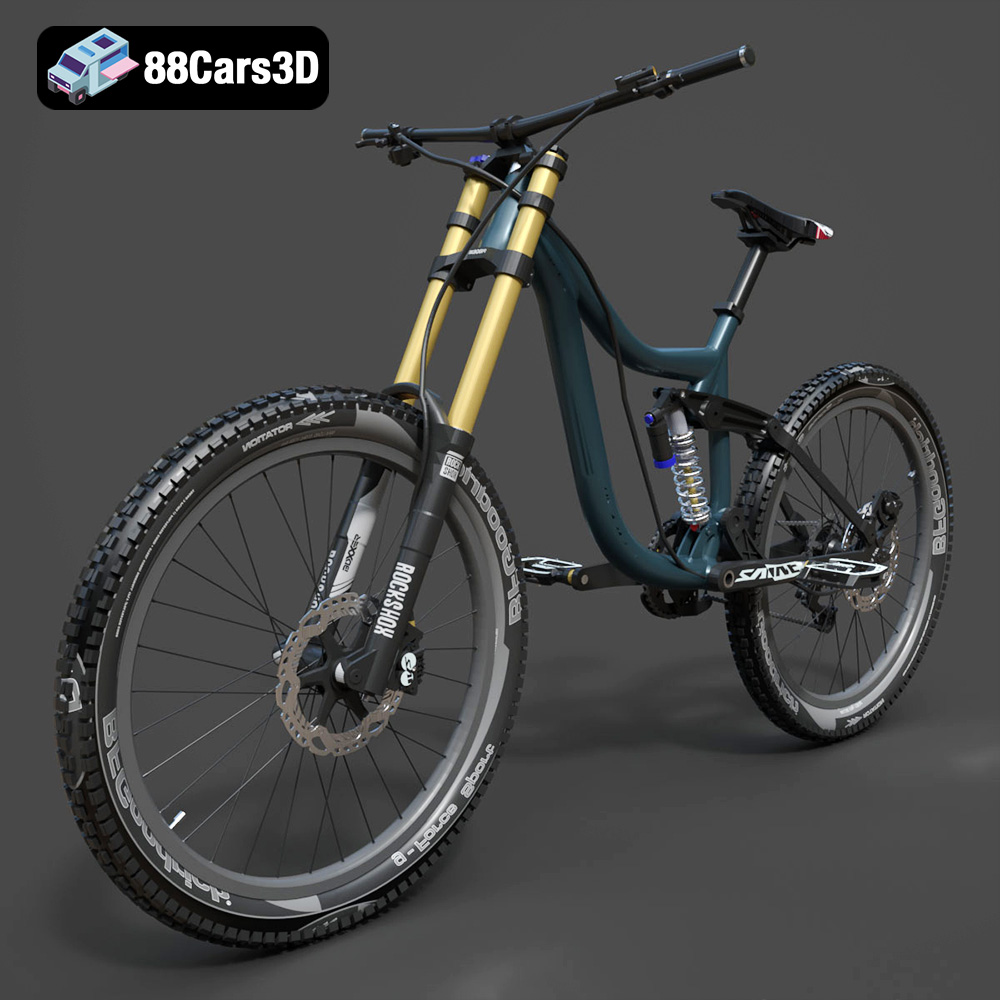
Mototsikly Downhill Bike-002 3D Model
Texture: Yes
Material: Yes
Download the Mototsikly Downhill Bike-002 3D Model featuring clean geometry, realistic detailing, and precise mechanical components. Includes .blend, .fbx, .obj, .glb, .stl, .ply, .unreal, and .max formats for rendering, simulation, and game development.
Price: $19.99
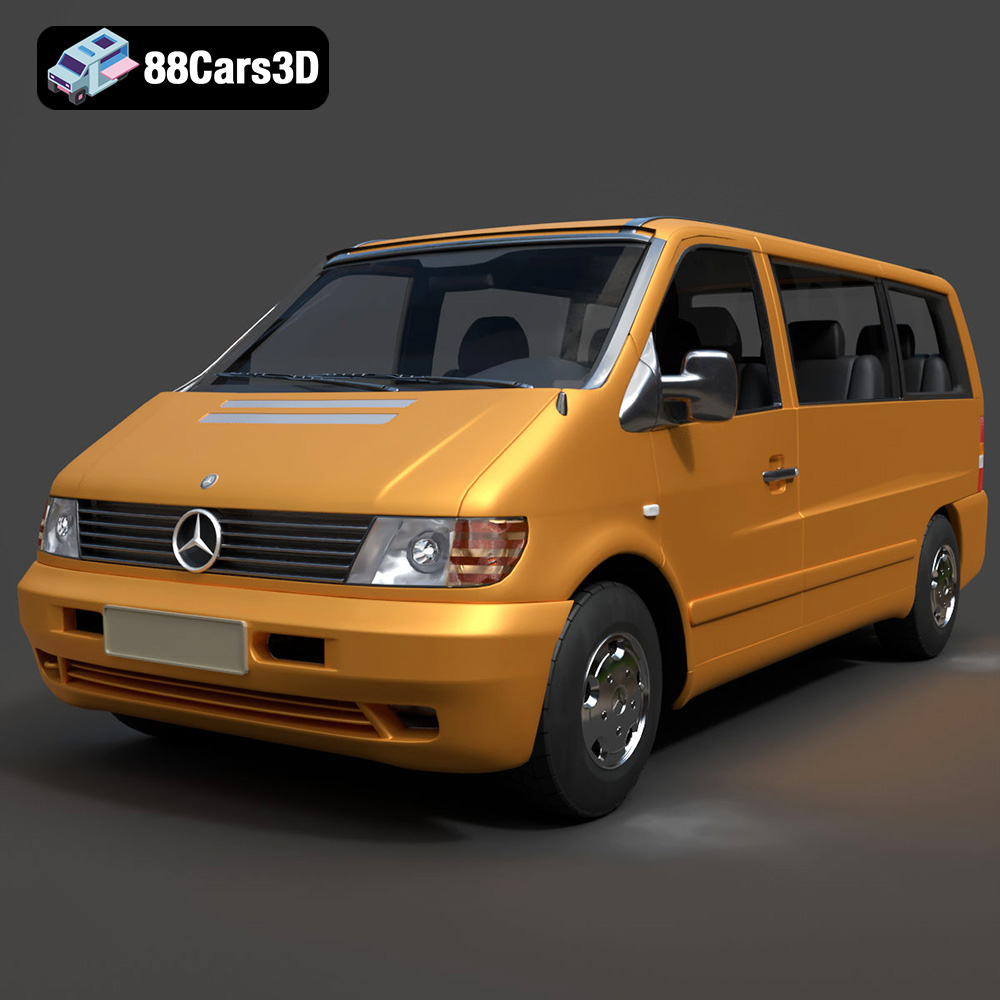
Mercedes-Benz Vito Passenger Van 3D Model
Texture: Yes
Material: Yes
Download the Mercedes-Benz Vito Passenger Van 3D Model featuring clean geometry, realistic detailing, and a fully modeled interior. Includes .blend, .fbx, .obj, .glb, .stl, .ply, .unreal, and .max formats for rendering, simulation, and game development.
Price: $19.99
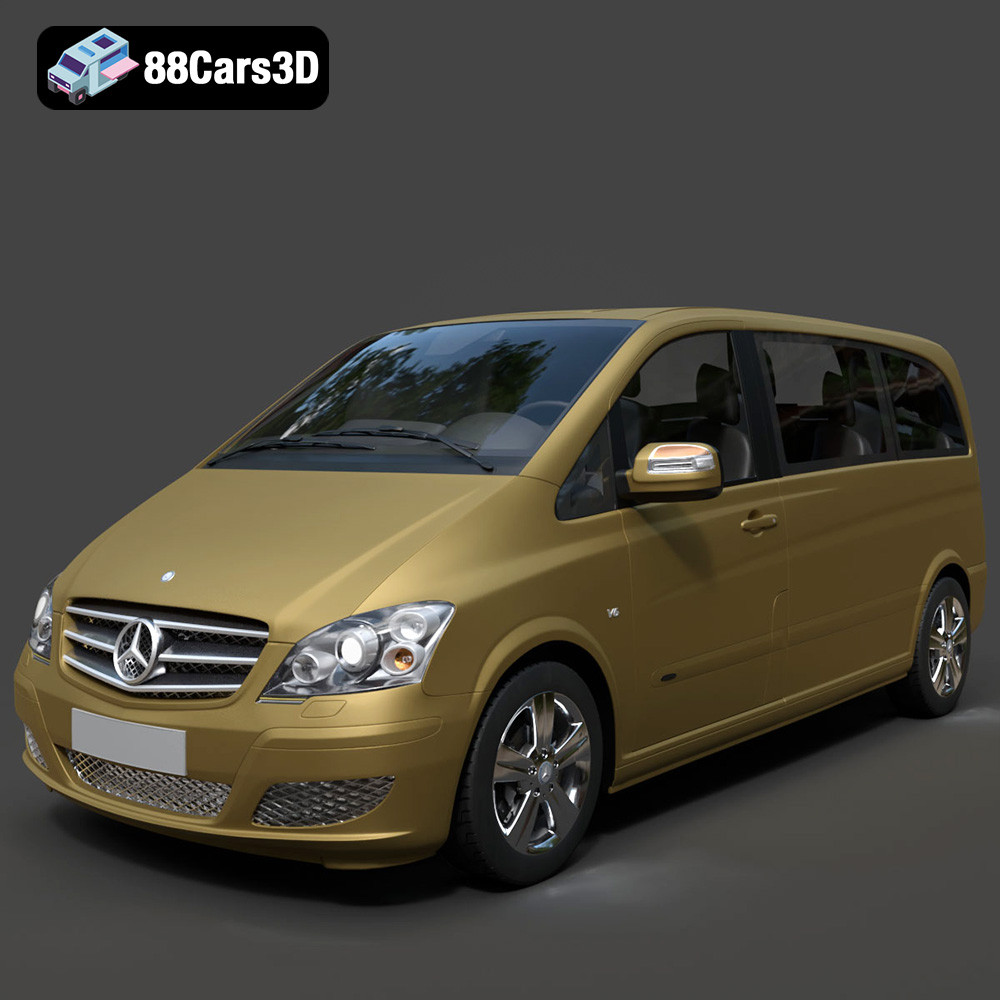
Mercedes-Benz Viano 2010 3D Model
Texture: Yes
Material: Yes
Download the Mercedes-Benz Viano 2010 3D Model featuring clean geometry, realistic detailing, and a fully modeled interior. Includes .blend, .fbx, .obj, .glb, .stl, .ply, .unreal, and .max formats for rendering, simulation, and game development.
Price: $19.99

Emt Avtobus 007 3D Model
Texture: Yes
Material: Yes
Download the Emt Avtobus 007 3D Model featuring clean geometry, realistic detailing, and a fully modeled interior. Includes .blend, .fbx, .obj, .glb, .stl, .ply, .unreal, and .max formats for rendering, simulation, and game development.
Price: $19.99
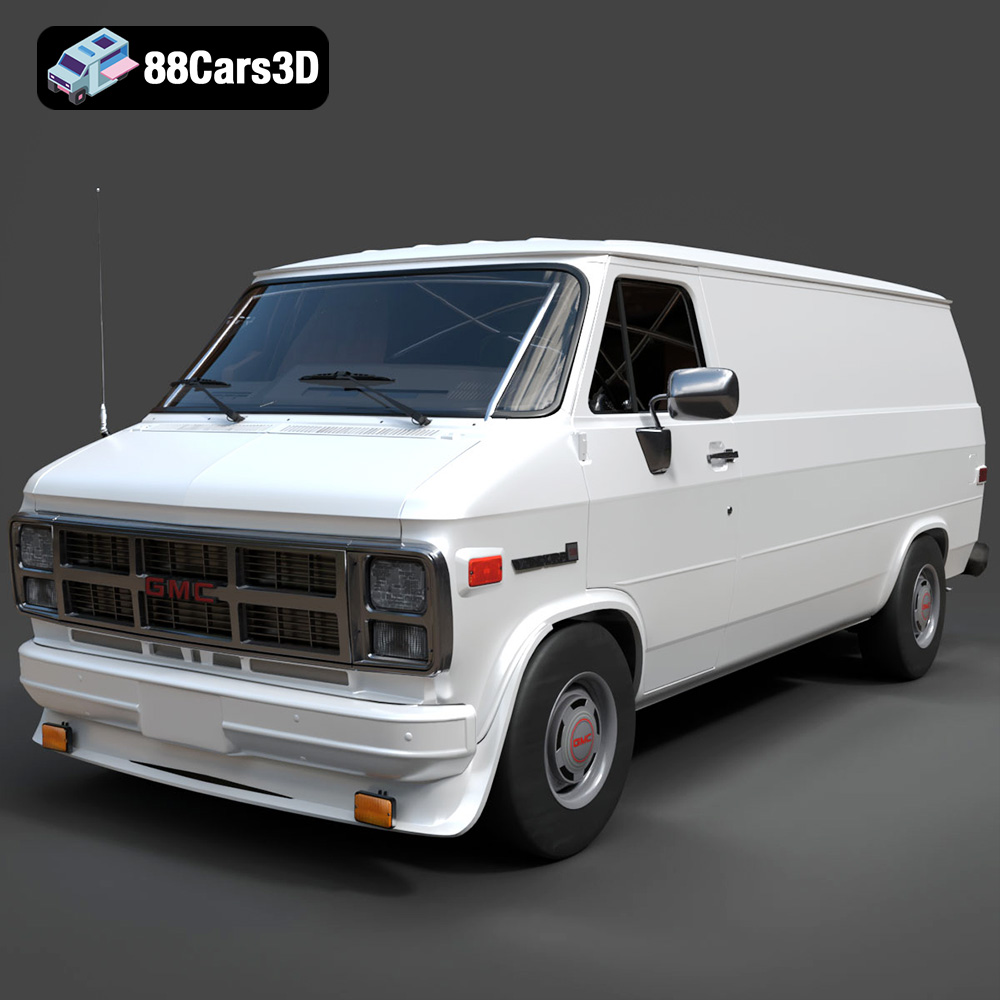
GMC Vandura G-1500 1983 3D Model
Texture: Yes
Material: Yes
Download the GMC Vandura G-1500 1983 3D Model featuring clean geometry, realistic detailing, and a fully modeled interior. Includes .blend, .fbx, .obj, .glb, .stl, .ply, .unreal, and .max formats for rendering, simulation, and game development.
Price: $19.99
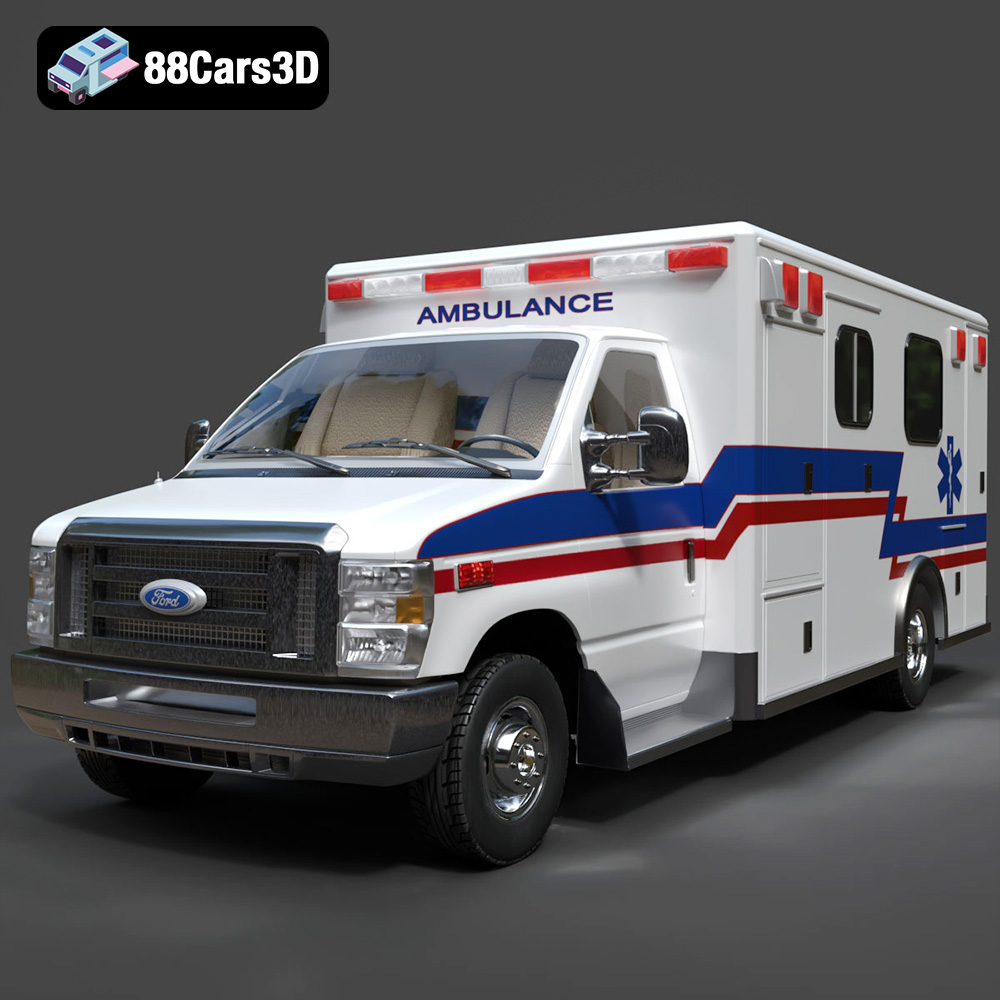
Ford E-450 Ambulance 3D Model
Texture: Yes
Material: Yes
Download the Ford E-450 Ambulance 3D Model featuring clean geometry, realistic detailing, and a fully modeled interior. Includes .blend, .fbx, .obj, .glb, .stl, .ply, .unreal, and .max formats for rendering, simulation, and game development.
Price: $19.99
