Get 20% OFF All Premium 3D & STL Models!

The roar of a finely tuned engine, the gleam of chrome, the intricate web of hoses and wires – for automotive enthusiasts and 3D artists alike, a detailed engine bay is more than just a collection of parts; it’s a statement of engineering prowess and an absolute marvel to behold. In the realm of 3D visualization, the engine bay often represents the ultimate challenge in precision modeling and texturing. While the exterior of a 3D car model might initially capture attention, it’s the meticulous rendering of the engine bay that truly elevates a digital vehicle from good to breathtaking, conveying unparalleled depth, realism, and value.
Creating a hyper-realistic 3D engine bay demands a unique blend of artistic vision and technical mastery. It involves navigating complex topology, crafting believable PBR materials, optimizing for various platforms, and finessing every minute detail from spark plugs to coolant lines. This comprehensive guide will take you on an in-depth journey through the intricate world of 3D engine bay creation. We’ll explore advanced modeling workflows, professional texturing strategies, cutting-edge rendering techniques, and crucial optimization steps for game engines, AR/VR experiences, and even 3D printing. Whether you’re a seasoned 3D artist, a game developer striving for authenticity, or an automotive designer pushing the boundaries of digital prototyping, prepare to unlock the secrets to crafting engine bays that truly ignite the imagination.
The foundation of any realistic 3D engine bay lies in its meticulously crafted geometry. Given the sheer number of components, varied shapes, and intricate connections, a systematic approach to modeling and a keen understanding of topology are paramount. The goal is to create clean, subdivision-ready meshes that can hold up to extreme close-ups without revealing any imperfections.
Before a single polygon is laid, thorough preparation is essential. Begin by breaking down the engine bay into its core components: the engine block itself, cylinder heads, intake and exhaust manifolds, turbochargers or superchargers (if applicable), alternators, air conditioning compressors, power steering pumps, radiators, coolant reservoirs, brake boosters, battery, and an exhaustive list of hoses, cables, belts, and brackets. Each of these elements will require individual attention.
High-quality reference material is your most valuable asset. Gather a vast collection of photographs from various angles, blueprints, technical drawings, and even real-world CAD data if accessible. Pay close attention to subtle details like casting marks, weld seams, bolt types, and material finishes. Understanding the scale and proportional relationships between components is critical. For instance, knowing the diameter of a specific hose or the exact placement of a bracket can make all the difference in achieving photorealism. Platforms like 88cars3d.com often provide highly detailed models that can serve as excellent learning references for understanding complex assemblies.
The majority of an engine bay consists of complex hard surface objects. While CAD data can sometimes be imported, traditional polygon modeling (box modeling, edge extrusion) remains a fundamental skill for creating clean, optimized meshes. Start with basic primitive shapes and gradually refine them using tools like Bevel, Extrude, Inset, and Loop Cut. The key is to maintain clean quad topology wherever possible, especially on surfaces intended for subdivision. Ngons and triangles should be minimized and avoided on deformation surfaces, though they can be tolerated on perfectly flat, non-subdivided areas.
Proper edge flow is crucial for ensuring smooth shading and preventing pinching artifacts when subdivision surfaces are applied. Edges should follow the natural contours and creases of the object. For sharp edges, strategically placed supporting edge loops (sometimes referred to as “control loops” or “holding loops”) are necessary to define crispness without adding unnecessary geometry to flat surfaces. For instance, around bolt heads or the edges of a manifold, two or three close-knit edge loops will allow the subdivision modifier to smoothly round the corner while maintaining a sharp appearance.
For Blender users, the software offers a robust suite of tools for hard surface modeling. Operations like ‘Extrude Manifold’, ‘Bevel’ (with its various profiling options), and ‘Loop Cut and Slide’ are indispensable. The ‘Knife’ tool allows for precise edge creation, and the ‘Bridge Edge Loops’ function is excellent for connecting complex shapes. For more detailed information on specific modeling tools and workflows within Blender, artists can refer to the official Blender 4.4 documentation, which offers comprehensive guides on topics like creating and editing meshes. These resources provide an excellent foundation for understanding how to leverage Blender’s capabilities for intricate automotive modeling. Pay close attention to object origins and transformations, ensuring each component is properly scaled and positioned within the engine bay assembly.
Once the intricate geometry of the engine bay is complete, the next critical step is to imbue it with life through physically based rendering (PBR) materials and high-resolution textures. The material work here is arguably more complex than on a car’s exterior, due to the vast array of material types and their unique surface properties.
PBR is not just a buzzword; it’s a methodology that ensures your materials react to light in a physically accurate manner, resulting in highly realistic renders regardless of the lighting environment. For an engine bay, you’ll be dealing with an expansive palette of materials: brushed steel, chrome, cast iron, various plastics (some glossy, some matte, some textured), rubber hoses, painted surfaces (often metallic flake or clear coat), copper wires, and perhaps even heat-stained metals.
Each of these materials requires a careful approach to its PBR maps. The Albedo (or Base Color) map defines the raw color, devoid of lighting information. Metallic maps determine if a surface is a metal (1.0) or a dielectric (0.0). Roughness maps are critical, defining how spread out or sharp reflections are – a crucial distinction between highly polished chrome and dull cast iron. Normal maps add fine surface detail without increasing polygon count, while Ambient Occlusion maps enhance perceived depth by simulating contact shadows. Height or Displacement maps can add actual geometric detail, useful for subtle casting textures or engraved labels. Understanding the interplay of these maps and achieving physically plausible values for each material is the core of realistic PBR.
UV unwrapping an engine bay is often a challenging and time-consuming task due to the complex and irregular shapes of components like manifolds, turbochargers, and serpentine belts. Efficient UV mapping is essential not only for clean texture application but also for maximizing texture resolution and minimizing visual artifacts.
Start by strategically placing seams along natural breaks or hidden areas of the mesh to minimize their visibility. Utilize various projection methods: planar for flat surfaces, cylindrical for hoses and pipes, spherical for spherical elements, and box projection for irregular mechanical parts. It’s often beneficial to manually unwrap complex pieces to ensure even texel density across the UV islands. For incredibly detailed components or assemblies that require extremely high-resolution textures without individual texture sets, consider using UDIMs (Universal Dimensions for Multiple Textures). This allows you to spread the UVs of a single mesh across multiple texture tiles, effectively bypassing traditional single-texture resolution limits and is particularly useful for showcasing intricate engine parts up close.
Software like Substance Painter and Designer are indispensable for engine bay texturing. Substance Painter’s smart materials and generators allow for rapid iteration and believable weathering effects, such as grime accumulation in crevices, oil stains, heat discoloration on exhaust pipes, and rust on older components. Procedural textures can simulate brushed metal grains, cast iron roughness, and various plastic finishes with precision. Pay close attention to texture resolution; while a general rule might be 2K or 4K for major components, smaller, highly visible parts like bolts or spark plugs might benefit from dedicated 1K or 2K textures, or efficient use of texture atlases for smaller details. Always double-check for stretching, distortion, or visible seams in your texture maps.
Even the most meticulously modeled and textured engine bay will fall flat without a thoughtfully constructed lighting setup and a robust rendering workflow. Lighting is not merely about illumination; it’s about shaping mood, guiding the viewer’s eye, and accentuating the intricate details you’ve painstakingly created.
For a professional, showcase-quality render of an engine bay, a studio lighting environment is often the ideal choice. High Dynamic Range Imagery (HDRI) maps are fundamental, providing realistic global illumination and reflections that are critical for metallic and reflective surfaces. A high-quality studio HDRI, featuring softbox lights and reflections, can immediately create a believable ambient light and reflections.
Beyond the HDRI, introduce a series of area lights and spot lights to highlight specific features. A strong key light positioned to emphasize the main engine block and chrome accents will define the primary shape and create dramatic highlights. Follow this with softer fill lights to reduce overly harsh shadows and reveal details in darker areas. Rim lights, placed behind and slightly to the side of the engine, are excellent for separating components from the background and creating appealing specular highlights on edges. Mesh lights, where actual geometry emits light, can be used to simulate internal lights or subtle glows within certain components, adding an extra layer of realism.
Crucially, pay attention to reflections. Chrome, polished aluminum, and painted surfaces will brilliantly reflect their environment. Ensure your lighting setup provides interesting shapes and contrasts in these reflections. A clean, subtle environment outside the immediate engine bay (even if it’s just a simple plane with a gradient) will provide more realistic reflections than a blank void.
Different render engines offer unique strengths and workflows. For maximum photorealism in 3ds Max, Corona Renderer and V-Ray are industry standards. In Corona, optimizing render quality often involves adjusting passes, noise levels, and using the denoiser effectively. The LightMix feature is invaluable for tweaking individual light intensities and colors during or after rendering, allowing for precise control over the final look without re-rendering the entire scene. V-Ray users will focus on sampling settings, global illumination methods (e.g., brute force, irradiance map), and often utilize render elements for compositing.
For Blender users, Cycles is a powerful physically based path tracer known for its realism. Optimizing Cycles renders involves balancing samples, light path bounces (especially for global illumination and transmission), and utilizing the denoising options (OIDN or OptiX). For real-time feedback during development, Blender’s Eevee renderer provides impressive results with significantly faster render times, though it’s not a path tracer. Maya artists often leverage Arnold, which offers similar path tracing capabilities to Cycles, focusing on sample counts, ray depth, and advanced shader networks.
Regardless of the engine, breaking down complex scenes into render passes (e.g., diffuse, specular, reflections, direct light, indirect light, ambient occlusion, depth) is a professional best practice. These passes allow for greater control in post-processing and compositing, enabling artists to fine-tune highlights, shadows, color grading, and add effects like lens flares or depth of field with precision. For particularly heavy scenes, distributed rendering or cloud-based render farms can significantly reduce render times.
While high-poly models are perfect for cinematic renders, game engines and real-time applications demand strict polygon budgets and optimized assets to ensure smooth performance. Translating a dense, detailed engine bay into a performant game asset is an art in itself.
The primary challenge for game engine integration is polygon count. A cinematic engine bay might have millions of polygons, whereas a game-ready asset needs to be significantly leaner, often in the tens or hundreds of thousands, depending on the game’s platform and target frame rate. The process typically involves creating a lower-polygon version of your high-poly model, known as a low-poly mesh. This low-poly mesh should capture the overall silhouette and main forms of the engine bay while using far fewer vertices and faces. Manual retopology, where you meticulously build a new mesh over the high-poly, offers the most control, ensuring clean topology for animation and deformation. Automated decimation tools can provide quick results but often require significant cleanup.
To maintain visual fidelity across different distances, Level of Detail (LODs) are crucial. This involves creating multiple versions of the engine bay model, each with progressively fewer polygons.
– **LOD0:** The highest detail version, used when the player is very close to the engine bay.
– **LOD1, LOD2, etc.:** Progressively lower polygon counts, swapping in as the player moves further away.
Modern game engines automatically switch between these LODs, allowing for incredible detail up close without bogging down performance when the engine bay is distant or obscured. Planning for these LODs from the outset is vital; consider where you can simplify geometry (e.g., removing small bolts, simplifying hose bends) without impacting the silhouette too much.
Beyond polygon count, game engine performance is heavily influenced by draw calls – the instructions sent from the CPU to the GPU to render objects. Each material and texture on a separate object generates a draw call, and an engine bay with dozens of individual components and materials can quickly become a bottleneck.
Texture atlasing is a powerful optimization technique. Instead of having a separate texture for every small component, you combine multiple textures into a single, larger texture map (an atlas). All components that share this atlas can then use a single material, significantly reducing draw calls. This requires careful UV remapping of the low-poly models to fit within the designated areas of the atlas. Baking high-poly details onto low-poly models is another cornerstone of game asset creation. This process generates normal maps, ambient occlusion maps, and sometimes even height or curvature maps from your high-resolution sculpts, allowing the low-poly model to appear highly detailed without the heavy geometry.
Additionally, consider material instancing, where multiple objects can share the same base material but have different parameters (like color or roughness), further reducing overhead. For interactivity, simple collision meshes for major engine bay components can be created, allowing for physics interactions without using the detailed visual mesh. When sourcing pre-made assets, platforms such as 88cars3d.com often provide models that are already optimized for game engines, complete with LODs and texture atlases, saving invaluable development time.
The application of 3D engine bay models extends far beyond traditional rendering and game development. Augmented Reality (AR), Virtual Reality (VR), and 3D printing offer exciting new avenues, each with its own specific technical requirements and optimization challenges.
AR and VR environments demand even stricter performance budgets than traditional games due to the need for high frame rates (typically 90 FPS or higher) to prevent motion sickness and ensure a fluid, immersive experience. An engine bay model for AR/VR must be incredibly lightweight, with highly optimized polygon counts and texture memory usage.
Polygon counts for an entire car, let alone an engine bay, can be extremely limited in mobile AR applications, often necessitating aggressive decimation and careful normal map baking. Texture resolutions should be kept as low as visually acceptable, potentially relying on texture atlases to combine multiple smaller elements into a single material. Shader optimization is critical; complex PBR shaders can be simplified or custom-written for AR/VR platforms to maximize performance. Techniques like static batching (combining static meshes into a single mesh for rendering) and GPU instancing (rendering multiple copies of the same mesh with different parameters in a single draw call) are essential for optimizing draw calls.
Ensuring correct real-world scale and orientation is paramount for AR, as the virtual engine bay will be overlaid onto the physical world. For VR, immersion is key, so subtle details like dust, grime, or minor imperfections (appropriately optimized) can add to the sense of presence. Utilizing standardized file formats like GLB (for web-based AR/VR) and USDZ (for Apple’s ARKit) ensures broad compatibility and efficient asset delivery across different platforms. The precision of high-quality models found on sites like 88cars3d.com can be a great starting point for AR/VR experiences, provided they undergo the necessary optimization passes.
Taking a complex 3D engine bay model from the digital realm to a physical object via 3D printing introduces a completely different set of technical considerations, primarily focused on mesh integrity and physical properties. Unlike rendering, where a mesh can have holes or non-manifold geometry and still appear fine, 3D printing requires a “watertight” mesh.
A watertight mesh, or manifold mesh, means that every edge is shared by exactly two faces, forming a continuous, enclosed volume with no holes, inverted normals, or self-intersections. Tools for mesh inspection and repair are invaluable here. Many 3D software packages (including Blender’s 3D Print Toolbox addon) offer features to check for non-manifold edges, open boundaries, and other printing errors. Meshmixer is another popular standalone application for mesh repair and preparation.
Beyond manifold geometry, consider wall thickness. If parts of your engine bay model are too thin, they may not print correctly or will be fragile. Ensure all components have a minimum wall thickness appropriate for the chosen 3D printing technology and material. Boolean operations might be used to combine parts into a single print or to create interlocking components for assembly after printing. File formats like STL (Stereolithography) and OBJ are the most common for 3D printing. Before sending to print, a final check for scale and unit consistency is always recommended to avoid printing a miniature engine or a gargantuan one.
Creating a realistic 3D engine bay is a journey that demands unwavering attention to detail, a deep understanding of 3D principles, and a command of specialized software techniques. From the initial stages of meticulously crafting topology and edge flow for each intricate component, through the complex artistry of developing physically accurate PBR materials and textures, to orchestrating breathtaking lighting and rendering setups, every step contributes to the final masterpiece.
Moreover, the versatility of these digital assets extends into diverse applications, requiring strategic optimization for real-time game engines, precise technical adjustments for immersive AR/VR experiences, and rigorous mesh preparation for tangible 3D prints. It’s a testament to the blend of artistic vision and engineering discipline that makes 3D automotive visualization such a compelling field. By mastering these techniques, you’re not just creating a model; you’re building a digital replica that can inform, entertain, and inspire.
Embrace the challenge, experiment with different workflows, and continuously refine your skills. The world of 3D modeling is ever-evolving, and the pursuit of photorealism in complex subjects like an engine bay is a rewarding endeavor. For high-quality 3D car models that provide exceptional detail and serve as robust foundations for your projects, explore curated marketplaces like 88cars3d.com. Keep pushing the boundaries of what’s possible, and let your digital engine bays roar with unparalleled realism.

Meta Description:
Texture: Yes
Material: Yes
Download the Porsche Cayenne 3D Model featuring realistic exterior styling and detailed interior design. Includes .blend, .fbx, .obj, .glb, .stl, .ply, .unreal, and .max formats for rendering, simulation, AR VR, and game development.
Price: $19.9
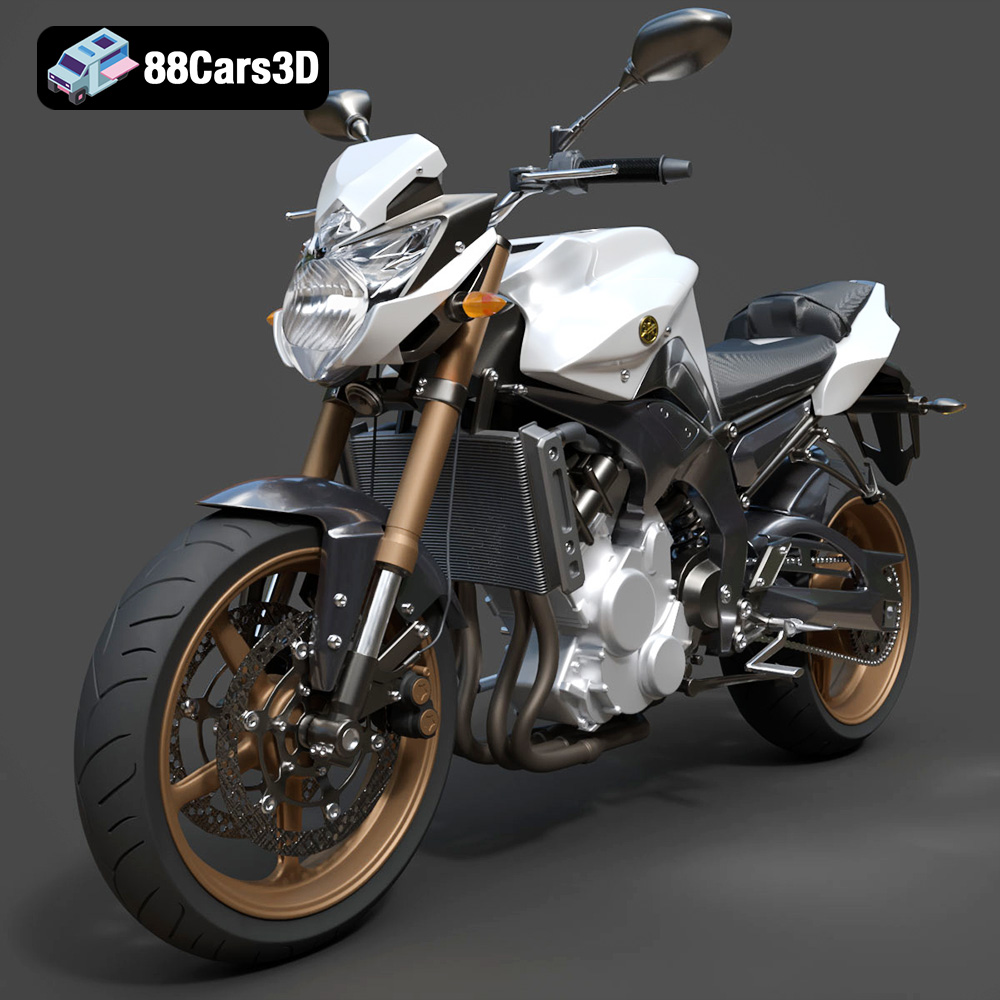
Texture: Yes
Material: Yes
Download the Yamaha FZ8 2011 3D Model featuring clean geometry, realistic detailing, and a fully modeled interior. Includes .blend, .fbx, .obj, .glb, .stl, .ply, .unreal, and .max formats for rendering, simulation, and game development.
Price: $19.99
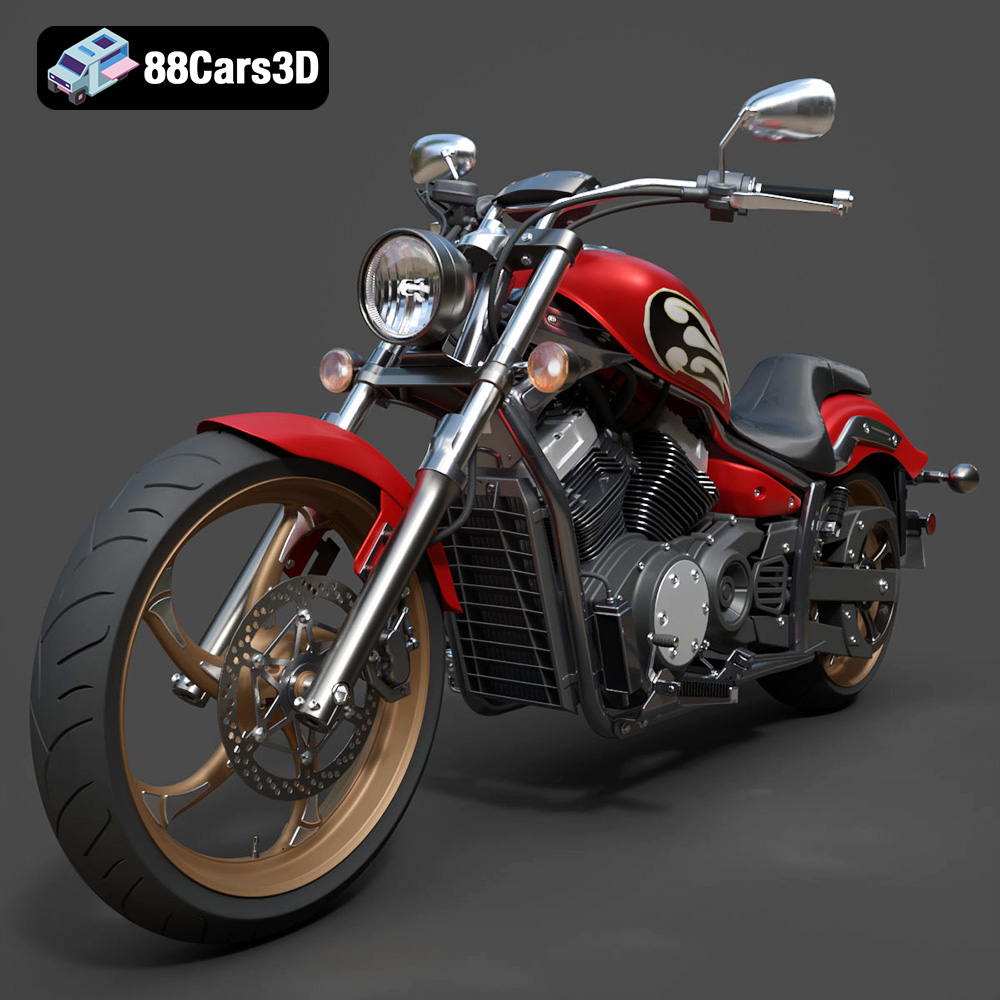
Texture: Yes
Material: Yes
Download the Yamaha Stryker 2012 3D Model featuring clean geometry, realistic detailing, and a fully modeled interior. Includes .blend, .fbx, .obj, .glb, .stl, .ply, .unreal, and .max formats for rendering, simulation, and game development.
Price: $19.99
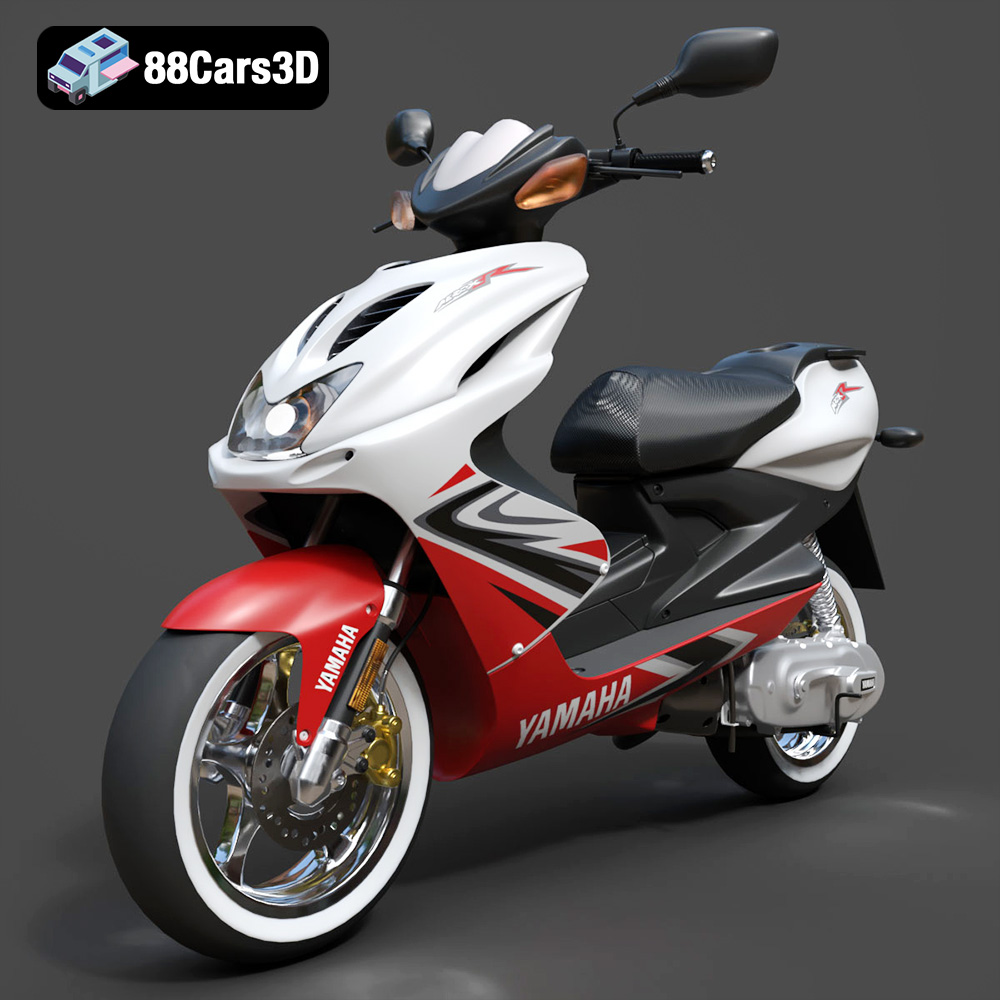
Texture: Yes
Material: Yes
Download the Yamaha Aerox R-002 2024 3D Model featuring clean geometry, realistic detailing, and a fully modeled interior. Includes .blend, .fbx, .obj, .glb, .stl, .ply, .unreal, and .max formats for rendering, simulation, and game development.
Price: $19.99
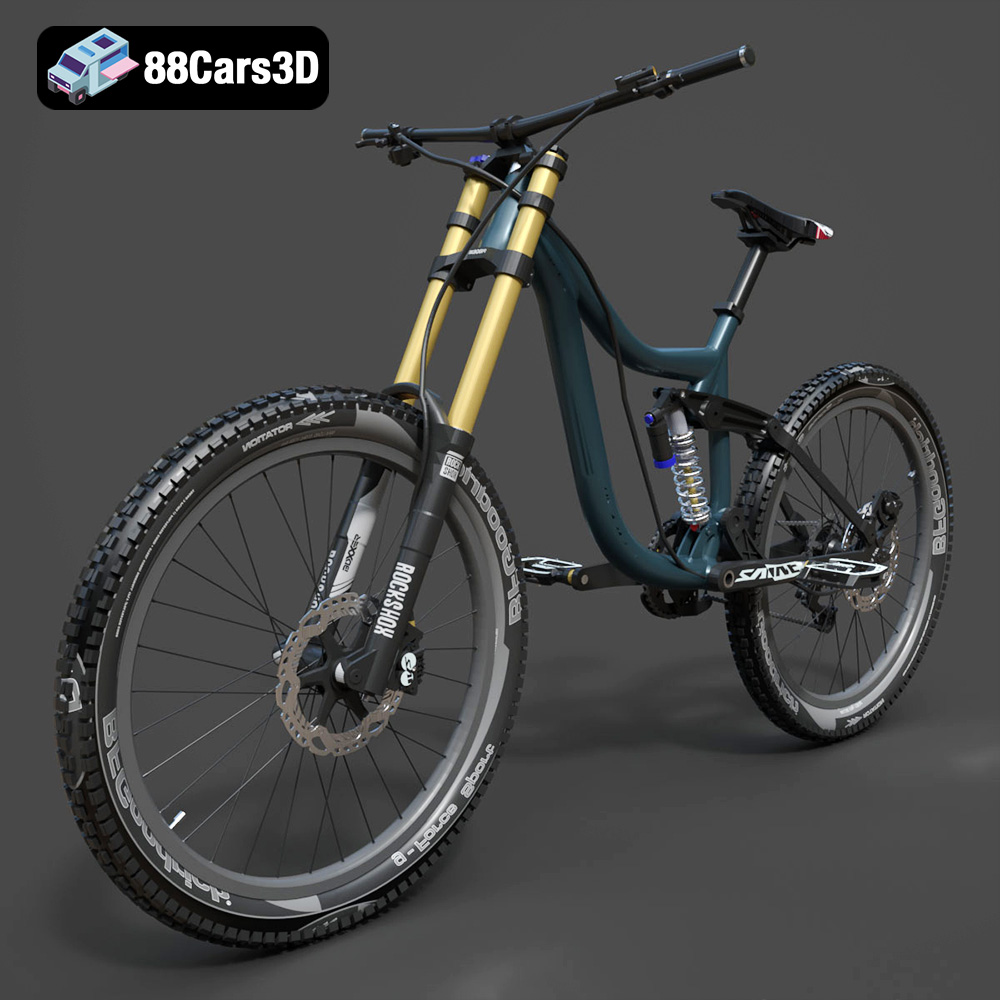
Texture: Yes
Material: Yes
Download the Mototsikly Downhill Bike-002 3D Model featuring clean geometry, realistic detailing, and precise mechanical components. Includes .blend, .fbx, .obj, .glb, .stl, .ply, .unreal, and .max formats for rendering, simulation, and game development.
Price: $19.99
Texture: Yes
Material: Yes
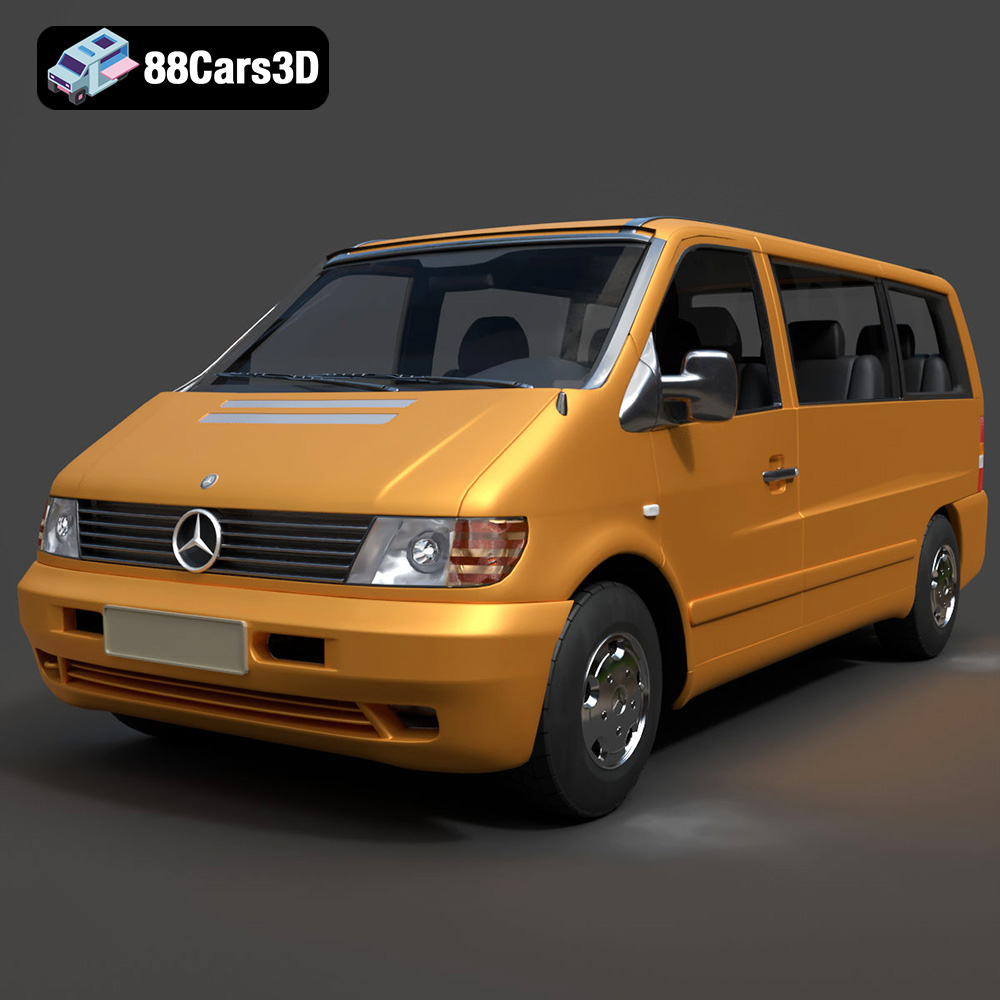
Download the Mercedes-Benz Vito Passenger Van 3D Model featuring clean geometry, realistic detailing, and a fully modeled interior. Includes .blend, .fbx, .obj, .glb, .stl, .ply, .unreal, and .max formats for rendering, simulation, and game development.
Price: $19.99
Texture: Yes
Material: Yes
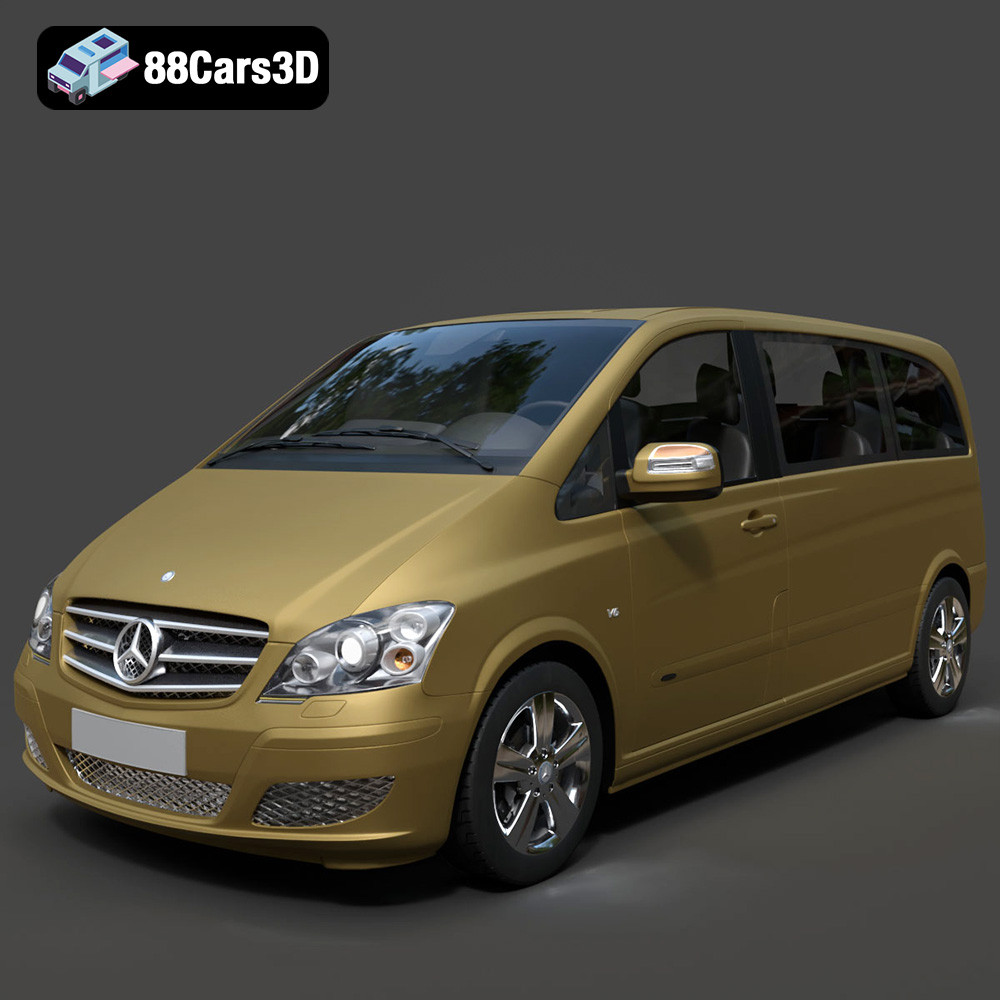
Download the Mercedes-Benz Viano 2010 3D Model featuring clean geometry, realistic detailing, and a fully modeled interior. Includes .blend, .fbx, .obj, .glb, .stl, .ply, .unreal, and .max formats for rendering, simulation, and game development.
Price: $19.99

Texture: Yes
Material: Yes
Download the Emt Avtobus 007 3D Model featuring clean geometry, realistic detailing, and a fully modeled interior. Includes .blend, .fbx, .obj, .glb, .stl, .ply, .unreal, and .max formats for rendering, simulation, and game development.
Price: $19.99
Texture: Yes
Material: Yes
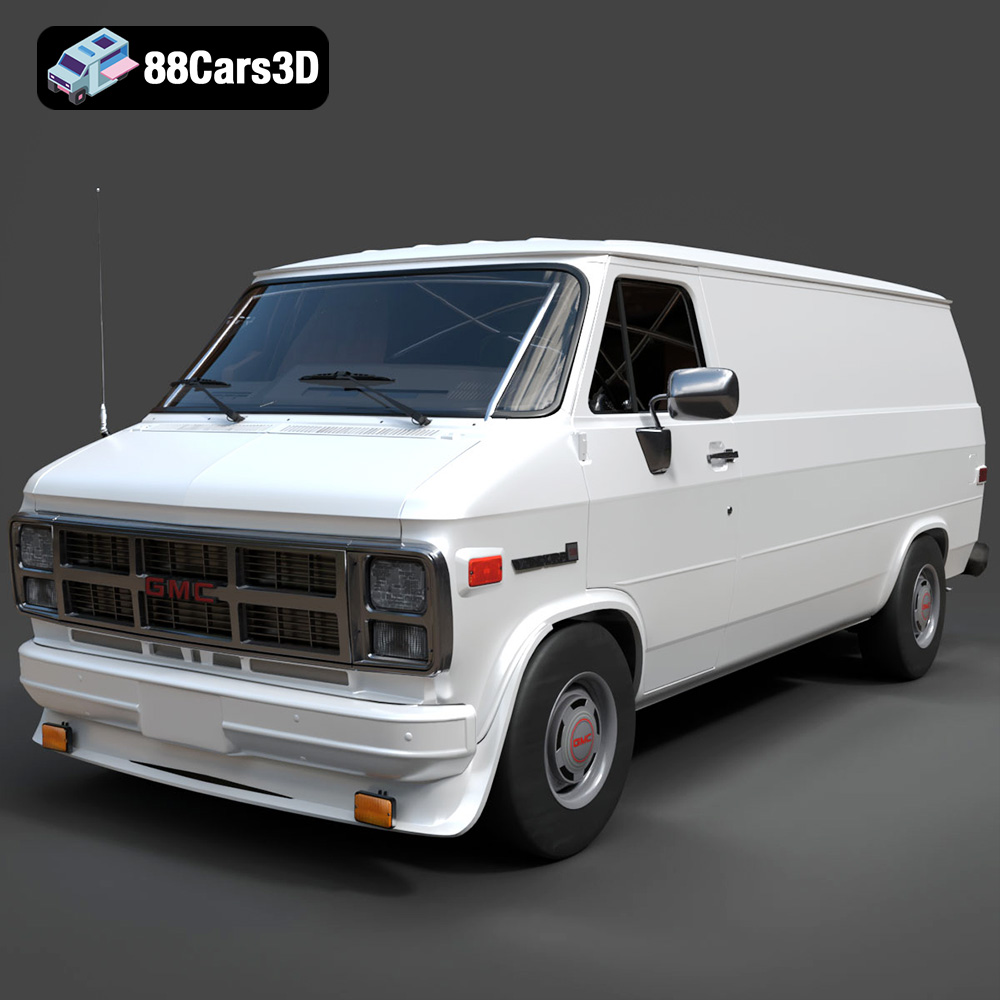
Download the GMC Vandura G-1500 1983 3D Model featuring clean geometry, realistic detailing, and a fully modeled interior. Includes .blend, .fbx, .obj, .glb, .stl, .ply, .unreal, and .max formats for rendering, simulation, and game development.
Price: $19.99
Texture: Yes
Material: Yes
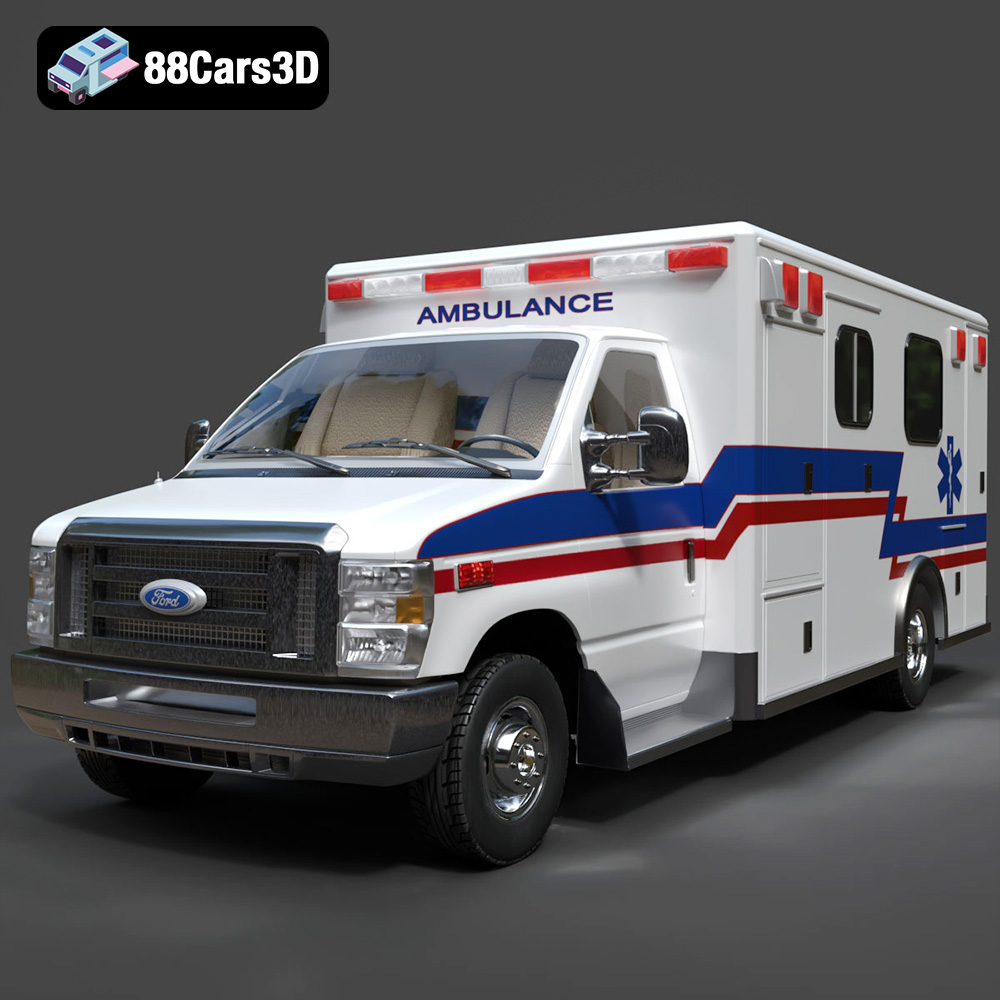
Download the Ford E-450 Ambulance 3D Model featuring clean geometry, realistic detailing, and a fully modeled interior. Includes .blend, .fbx, .obj, .glb, .stl, .ply, .unreal, and .max formats for rendering, simulation, and game development.
Price: $19.99

