

The automotive industry is at the forefront of digital transformation, constantly pushing the boundaries of design, marketing, and engineering. In this dynamic landscape, real-time visualization has emerged as a game-changer, allowing designers, marketers, and enthusiasts to experience vehicles with unprecedented fidelity and interactivity long before physical prototypes exist. At the heart of this revolution is Unreal Engine, a powerful real-time 3D creation tool that offers unparalleled visual quality and flexibility. For professionals seeking to bring stunning automotive concepts to life, mastering Unreal Engine is not just an advantage—it’s a necessity.
This comprehensive guide delves deep into the workflows and technical nuances of leveraging Unreal Engine for high-fidelity automotive visualization. We’ll explore everything from setting up your project and importing high-quality 3D car models (available from marketplaces like 88cars3d.com) to crafting photorealistic materials, illuminating your scenes with advanced lighting, and building interactive experiences using Blueprint. Whether you’re a game developer aiming for realistic vehicle physics, an automotive designer visualizing a new concept, or a virtual production specialist creating cinematic content, you’ll gain actionable insights and professional tips to elevate your projects to the next level. Prepare to unlock the full potential of Unreal Engine and transform your automotive visions into captivating real-time realities.
Setting the Stage: Unreal Engine Project Setup and Asset Integration
Embarking on any Unreal Engine project requires a solid foundation, especially when dealing with the intricate details of automotive visualization. Proper project setup ensures optimal performance, organization, and scalability. This initial phase involves configuring your engine, importing your core assets, and making critical decisions that will impact your entire development pipeline. The quality of your source 3D car models, such as those found on 88cars3d.com, plays a pivotal role here, as well-optimized assets inherently simplify subsequent steps.
Initial Project Configuration and Best Practices
When starting a new project in Unreal Engine, selecting the appropriate template and settings is crucial. For automotive visualization, a “Blank” or “Architecture, Engineering, and Construction” template often provides a clean slate, allowing you to manually enable the necessary plugins. Key plugins to consider enabling include:
- Datasmith: Essential for importing CAD data and complex scene files from various DCC applications, ensuring proper material and scene hierarchy translation.
- Alembic: Useful for importing complex animations like wheel spins or suspension dynamics.
- USD (Universal Scene Description): Increasingly important for collaborative workflows and handling large scene graphs.
- Modeling Tools Editor Mode: Provides in-engine mesh editing capabilities, handy for minor adjustments.
- Blueprint Nativization (for packaged projects): Can improve runtime performance by converting Blueprint graphs into C++ code.
Furthermore, navigate to Edit > Project Settings. Under the “Engine” section, pay attention to “Rendering” settings. Enable Lumen Global Illumination and Lumen Reflections for dynamic, high-quality indirect lighting. For ray tracing capabilities, ensure Hardware Ray Tracing is enabled if your target hardware supports it. It’s also wise to set up a logical folder structure from the outset (e.g., /Cars/[CarName], /Materials, /Textures, /Blueprints, /Maps) to maintain project hygiene as your content grows.
Seamless Importing and Initial Optimization of 3D Car Models
The journey of a 3D car model into Unreal Engine begins with careful import. Most high-quality 3D car models, like those offered on platforms such as 88cars3d.com, come in formats like FBX, USD, or OBJ. FBX is a common and robust choice due to its support for meshes, materials, and animations. When importing, specific settings are critical:
- Scale: Ensure the import scale matches your Unreal Engine scene scale (typically 1 unit = 1 cm). Confirming your source model’s scale before export is ideal.
- Pivot Point: Verify that the model’s pivot point is at a logical origin, usually the center of the car’s wheelbase, for easier manipulation.
- Combine Meshes: Generally, import individual parts of the car (body, wheels, interior components) as separate meshes rather than a single combined mesh. This allows for easier material assignment, LOD management, and potential interactive elements (e.g., opening doors).
- Normals and Tangents: Ensure “Import Normals” and “Import Tangents” are checked to maintain proper shading.
- Material Import Method: Choose “Create New Materials” or “Do Not Create Materials” if you plan to create PBR materials from scratch in Unreal Engine, which is often recommended for maximum control and quality.
Upon import, perform initial checks: look for inverted normals, disconnected vertices, or excessive polygon counts on minor details. While Nanite can handle very high poly counts, traditional meshes still benefit from a clean base. For detailed information on importing assets, refer to the official Unreal Engine documentation on importing content.
Crafting Visual Realism: PBR Materials and Advanced Texturing
The visual fidelity of a 3D car model in Unreal Engine hinges significantly on its materials. Photorealistic rendering relies heavily on Physically Based Rendering (PBR) principles, accurately simulating how light interacts with surfaces. Creating compelling PBR materials, especially for complex surfaces like car paint and intricate interiors, requires a deep understanding of the Material Editor and texture workflows.
The Foundation of Photorealism: PBR Material Principles
PBR materials are designed to react to light in a way that mimics real-world physics, regardless of the lighting environment. The core properties of a PBR material include:
- Base Color (Albedo): Represents the diffuse color of the surface, stripped of any lighting information. For metals, this is often the color of the reflected light.
- Metallic: A grayscale value (0 to 1) indicating how metallic a surface is. 0 is dielectric (non-metal), 1 is metal.
- Roughness: A grayscale value (0 to 1) controlling the microscopic surface imperfections that scatter light. 0 is perfectly smooth (mirror-like), 1 is completely rough (matte).
- Specular: Controls the intensity of the specular highlight. In Unreal Engine, this is often a constant value (0.5) for non-metals and derived from Base Color for metals.
- Normal Map: Provides fine surface detail by faking high-resolution geometry using tangent space normal information, crucial for conveying intricate patterns without adding polygons.
- Ambient Occlusion (AO): A grayscale map that fakes soft self-shadowing in crevices and corners, adding depth and realism.
Understanding the interplay of these maps is paramount. Incorrectly authored maps, such as baking lighting information into the Base Color, will break the PBR pipeline and lead to unrealistic results.
Building Car Paint and Interior Materials in Unreal Engine
Car paint is a particularly challenging material due to its multi-layered nature, often featuring a base coat, metallic flakes, and a clear coat. Here’s a typical approach in the Unreal Engine Material Editor:
- Base Layer: Start with a standard PBR setup for the underlying paint color using a “VectorParameter” for color, and “ScalarParameters” for metallic and roughness. For non-metallic base coats, metallic will be 0.
- Metallic Flakes: Introduce a “Fresnel” node combined with a “Noise” or “Cellular” texture to simulate metallic flakes. Blend this with the base layer’s metallic and roughness values, ensuring the flakes shimmer at glancing angles. You might use a custom function or a more complex layered material for precise flake control.
- Clear Coat: Unreal Engine’s standard material model includes a dedicated “Clear Coat” input. This takes a separate roughness value and a normal map, allowing you to simulate the reflective, protective layer over the paint. A very low roughness (0.05-0.1) for the clear coat and a subtle normal map (e.g., for orange peel effect) are common.
For interior materials, the diversity is high. Leather requires specific normal maps for grain and varying roughness across creases. Fabrics might use detailed normal maps and custom subsurface scattering profiles for a softer look. Plastics range from highly reflective to matte, controlled by roughness and metallic values. Wood veneers benefit from highly detailed normal and roughness maps, often paired with a subtle specular input. Employing instances of master materials allows for easy tweaking of parameters (colors, roughness, normal map intensity) without recompiling, significantly speeding up iterations. When sourcing assets, ensure they provide high-resolution textures (e.g., 2K, 4K, 8K) to support these detailed materials.
Illuminating the Scene: Real-Time Lighting and Rendering
Lighting is the soul of any visualization, transforming raw geometry and materials into evocative imagery. Unreal Engine offers a suite of powerful real-time lighting solutions, chief among them Lumen, alongside traditional static and dynamic methods. Mastering these tools is paramount for achieving professional-grade automotive renders that are both visually stunning and performant.
Dynamic Global Illumination with Lumen
Lumen is Unreal Engine’s robust, fully dynamic global illumination and reflections system, designed specifically for next-generation consoles and high-end PCs. For automotive visualization, Lumen eliminates the need for baking static lightmaps, allowing for entirely dynamic lighting scenarios that respond instantly to changes in the scene, such as moving cars, opening doors, or changing the time of day.
To enable Lumen, go to Project Settings > Rendering and set “Global Illumination” and “Reflections” methods to “Lumen.” Key aspects to optimize Lumen’s quality and performance include:
- Lumen Scene Quality: In Post Process Volume, adjust “Lumen Scene Quality” for higher detail.
- Probe Gathering: “Lumen Final Gather Quality” can improve lighting smoothness.
- Reflection Quality: Lumen provides dynamic reflections, but you can also supplement with Screen Space Reflections (SSR) or even Ray Traced Reflections for ultimate fidelity if hardware permits.
- Material Properties: Ensure materials have accurate Emissive values if they are light-emitting (e.g., car headlights, dashboard lights). Lumen accounts for light bounced from emissive surfaces.
While Lumen offers unparalleled realism, it is performance-intensive. Balancing visual quality with target frame rates often involves tweaking these settings and ensuring your scene geometry and materials are optimized. For specific performance considerations, refer to Epic Games’ detailed Lumen documentation.
Strategic Lighting for Automotive Showcase
Beyond Lumen, a strategic combination of direct lights and environment maps is crucial for showcasing automotive models. A typical setup includes:
- Directional Light: Simulates the sun, providing primary illumination and sharp, realistic shadows. Adjust its rotation to control the direction of the sunlight and its intensity for brightness.
- Sky Light: Captures the light from the sky and environmental reflections, providing ambient light and contributing to global illumination. Crucially, connect an HDRI (High Dynamic Range Image) Cubemap to the Sky Light’s “Cubemap” slot. HDRIs offer incredibly realistic environmental lighting and reflections, making the car look like it’s truly in a specific location (e.g., a studio, a scenic road, a cityscape).
- Spot Lights/Rect Lights: Used for accentuating specific features of the car, creating dramatic highlights, or simulating studio lighting setups. For example, using Rect Lights (area lights) can create soft, even reflections on the car body, mimicking professional studio photography.
- Post-Process Volume: This is where the final look is polished. Adjust exposure, color grading (hue, saturation, contrast), film grain, lens flare, bloom, vignette, and depth of field. Crucially, activate and fine-tune “Ray Tracing Reflections” and “Global Illumination” within the Post-Process Volume if you are using hardware ray tracing, as this allows for finer control over quality.
Experiment with different lighting scenarios – a bright sunny day, an overcast afternoon, or a dramatic night scene – to highlight various design aspects. Use reflection captures or Lumen reflections to ensure realistic reflections on the car’s metallic and glossy surfaces. Proper lighting can transform a good model into a truly spectacular render.
Empowering Interaction: Blueprint, Nanite, and LODs
Real-time automotive visualization goes beyond static renders; it thrives on interactivity and the ability to handle highly detailed assets efficiently. Unreal Engine’s Blueprint visual scripting system empowers developers to create dynamic experiences without writing a single line of code, while advanced features like Nanite and robust LOD management ensure optimal performance for even the most complex 3D car models.
Unleashing Interactivity with Blueprint Visual Scripting
Blueprint is Unreal Engine’s powerful visual scripting system, allowing artists and designers to create complex gameplay and interactive elements using a node-based interface. For automotive visualization, Blueprint enables a wealth of interactive features:
- Car Customization: Implement color changers (e.g., swapping material instances based on user input), wheel selectors, and interior trim options. This typically involves storing material parameters in a Data Table and using Blueprint to apply them to the car mesh.
- Door and Component Interaction: Script doors, hood, and trunk to open and close with smooth animations, either via a simple timeline or by setting target rotations for skeletal meshes.
- Camera Controls: Create sophisticated camera systems that allow users to orbit the car, switch to interior views, or activate predefined cinematic shots.
- Vehicle Dynamics: While complex physics often leverage the Chaos Vehicle plugin, simple vehicle movement and tire rotation can be prototyped with Blueprint.
- UI Integration: Connect user interface widgets (UMG) to your car’s interactive features, allowing users to make selections and trigger events seamlessly.
A common Blueprint setup might involve an Actor Blueprint for the car itself, containing references to all its meshes and parameters. Event Dispatchers can then be used to communicate between UI widgets and the car Blueprint, making the system modular and scalable. Blueprint is incredibly powerful for iterating rapidly on interactive concepts without the overhead of C++ compilation.
Handling High-Poly Assets: Nanite Virtualized Geometry and LOD Management
Modern 3D car models, especially those designed for film or high-end visualization, can have millions of polygons. Traditionally, managing such high-detail assets in real-time engines required extensive manual Level of Detail (LOD) creation, a time-consuming and often compromise-laden process. Enter Nanite.
- Nanite Virtualized Geometry: Introduced in Unreal Engine 5, Nanite revolutionizes how high-poly geometry is handled. It allows you to import cinematic-quality assets directly into the engine, rendering them with per-pixel detail without the need for manual LODs. Nanite automatically streams and processes only the necessary detail for each pixel on screen, dramatically reducing draw calls and memory footprint. For a 3D car body, wheels, and intricate interior elements, enabling Nanite (simply check “Enable Nanite Support” on static meshes in the Static Mesh Editor) means you can maintain extreme detail without performance crippling. This is particularly beneficial for the highly detailed models available from sources like 88cars3d.com, ensuring their quality is fully realized in-engine.
- LOD Management for Non-Nanite Assets: While Nanite handles the bulk of high-poly meshes, not all assets are suitable (e.g., skeletal meshes, translucent geometry). For these, traditional LODs are still crucial. Unreal Engine provides automated LOD generation (simply specify the number of LODs and screen percentage targets in the Static Mesh Editor), but for critical assets, manual creation and optimization in a DCC application often yield superior results. The goal is to reduce polygon count significantly at a distance while maintaining visual integrity, ensuring that less important assets don’t unnecessarily burden the rendering pipeline. This includes reducing texture resolution on distant LODs as well.
A hybrid approach, where high-detail static meshes leverage Nanite and other components use optimized LODs, is often the most effective strategy for balancing visual fidelity and performance in complex automotive scenes.
Advanced Applications: Configurator, Virtual Production & Cinematics
Unreal Engine’s versatility extends far beyond basic visualization, enabling sophisticated interactive applications and cutting-edge cinematic content creation. From empowering customers to configure their dream cars in real-time to driving virtual production pipelines for film and advertising, Unreal Engine is a powerhouse for advanced automotive applications.
Building Immersive Automotive Configurators
Automotive configurators are a prime example of real-time visualization’s power, allowing users to customize vehicles interactively. Building these in Unreal Engine involves combining the interactive elements discussed with robust data management and user interface design:
- Data-Driven Customization: Beyond simple Blueprint switches, real-world configurators often pull data from external databases (e.g., CSV, JSON, or even web APIs) to populate available colors, trim levels, wheel options, and even pricing. Blueprint can be used to parse this data and dynamically update the car model.
- User Interface (UI) with UMG: Unreal Motion Graphics (UMG) is the built-in UI editor. Design intuitive menus, sliders, and buttons that allow users to select options. Each UI element will trigger Blueprint events that modify the car (e.g., change the body material’s base color, swap out a static mesh for different wheels).
- Dynamic Part Swapping: For different wheel designs, spoilers, or interior components, use Blueprint to dynamically switch between different static mesh assets. Ensure these assets are consistently named and pivoted for seamless swapping.
- Performance Considerations: Configurators can be demanding. Optimize asset loading (e.g., only load assets when selected), manage texture streaming, and employ LODs aggressively. Consider using Blueprint Nativization for packaged projects to improve runtime performance of complex scripting.
An effective configurator offers instant feedback, allowing users to see their choices reflected in real-time, greatly enhancing engagement and purchase intent.
Virtual Production and Cinematic Storytelling with Sequencer
Unreal Engine has revolutionized virtual production, allowing filmmakers and advertisers to create stunning cinematic content with automotive models against virtual backgrounds, often displayed on LED walls. This workflow blends real-world actors and vehicles with virtual environments in real-time.
- Virtual Production Workflows:
- LED Walls: Car models can be placed in front of large LED screens displaying Unreal Engine environments. Real-world cameras with tracking systems can capture foreground elements (actors, physical props) composited seamlessly with the virtual background, delivering final pixels in-camera.
- In-Camera VFX: Leveraging the power of Unreal Engine’s rendering capabilities, complex visual effects and environments can be created and rendered live, interacting with physical elements in real-time, saving significant post-production time and costs.
- Cinematic Content with Sequencer: Sequencer is Unreal Engine’s multi-track non-linear editor for creating stunning cinematics, animations, and interactive sequences.
- Camera Animation: Create dynamic camera movements, track cars, or choreograph complex fly-throughs. Integrate real-world camera controls (e.g., focus, aperture) for a filmic look.
- Object Animation: Animate car components like doors, wheels (e.g., using skeletal mesh animations or simple transforms), and even entire vehicle movements.
- Lighting & VFX: Keyframe lighting changes, activate particle effects (Niagara for realistic smoke, dust, or water splashes), and control post-process effects over time to craft specific moods and visual styles.
- Render to Video: Sequencer allows rendering high-quality video (e.g., EXR image sequences for post-production, or MP4 for direct use) with movie render queue, supporting anti-aliasing, motion blur, and other filmic features.
For more detailed information on setting up virtual production, the official Unreal Engine documentation provides extensive guides on In-Camera VFX and Sequencer.
Performance & Scalability: Optimization for AR/VR and Game Development
While Unreal Engine excels at visual fidelity, achieving smooth performance, especially for demanding applications like AR/VR or high-frame-rate games, requires diligent optimization. Automotive assets, with their high polygon counts and complex materials, demand a strategic approach to ensure scalability across different platforms and target specifications.
Crucial Optimization Strategies for Real-Time Performance
Optimizing your Unreal Engine project involves a multi-faceted approach, tackling bottlenecks at various levels:
- Culling and LODs:
- Frustum Culling: Unreal Engine automatically culls objects outside the camera’s view. Ensure your meshes are correctly grouped to maximize this benefit.
- Occlusion Culling: Objects hidden behind others are not rendered. Use well-placed blocking volumes or efficient scene organization.
- Level of Detail (LODs): As discussed, for non-Nanite assets, ensure robust LODs are in place. The transition between LODs should be imperceptible.
- Material Optimization:
- Material Instances: Always use material instances to tweak parameters instead of creating new unique materials. This reduces shader compilation time and draw calls.
- Shader Complexity: Avoid overly complex materials with many instructions. Use the “Shader Complexity” view mode to identify costly materials.
- Texture Resolutions: Use appropriate texture resolutions. 4K or 8K for primary car body textures might be acceptable, but 512×512 or 1K might suffice for minor interior components. Enable texture streaming.
- Lighting Optimization:
- Static vs. Dynamic: For areas that don’t need real-time dynamism, consider using baked lighting (Lightmass) for better performance, though Lumen often negates this need for many automotive scenes.
- Light Counts: Minimize the number of dynamic lights. Use Rect Lights and Spot Lights strategically, and consider if a light truly needs to cast shadows.
- Draw Call Reduction:
- Merging Actors: Use the “Merge Actors” tool for static, unchanging parts of the environment (e.g., a garage floor, background elements) to reduce draw calls.
- Instanced Static Meshes: For repeated objects like streetlights or small props, use Instanced Static Mesh Components.
- Blueprint Optimization:
- Event Tick: Avoid running heavy logic on “Event Tick” unless absolutely necessary. Use timers or event-driven logic instead.
- Nativization: For packaged projects, Blueprint Nativization can convert Blueprints to C++, offering performance gains.
Regular profiling using Unreal Engine’s built-in tools (Stat Unit, Stat GPU, Profiler) is essential to identify and address performance bottlenecks efficiently.
Tailoring for AR/VR Experiences
AR/VR applications, especially on mobile or standalone headsets, present unique optimization challenges due to their strict performance targets (e.g., 90+ FPS per eye) and often limited hardware resources:
- Target FPS and Resolution: Prioritize maintaining a consistent high frame rate. Reduce screen percentage if necessary.
- Mobile Renderers: For mobile AR/VR (e.g., Oculus Quest, iOS/Android AR), ensure your project is configured for the “Mobile / VR” rendering path. This often means disabling advanced desktop features like Lumen, Nanite, and hardware ray tracing, which are not supported or too heavy for mobile platforms.
- Forward Shading: Consider using the Forward Shading renderer (Project Settings > Rendering > Forward Shading) for VR, as it can offer performance advantages, especially with MSAA (Multi-Sample Anti-Aliasing).
- Simplified Materials: Create dedicated, simpler material versions for AR/VR that use fewer texture samples and instructions.
- Aggressive LODs and Lower Polygon Counts: Even for Nanite-enabled meshes, consider a lower base poly count for AR/VR if not targeting high-end PC VR. Manual LODs become critical for all assets.
- Texture Compression: Use appropriate texture compression settings (e.g., ASTC for mobile) to reduce memory footprint.
- Stereo Instancing: Ensure “Instanced Stereo Rendering” is enabled in Project Settings for VR to reduce CPU overhead.
- Occlusion Culling on Mobile: Implement custom occlusion culling solutions if the default system isn’t sufficient for complex scenes on mobile.
Developing for AR/VR is a balance of visual quality and extreme performance. Every asset, every material, and every line of Blueprint logic must be evaluated for its impact on frame rate and responsiveness. Platforms like 88cars3d.com provide models with clean topology and good UVs, forming an excellent basis for these optimization efforts.
Conclusion
Unreal Engine stands as an unrivaled platform for transforming high-fidelity 3D car models into immersive, interactive, and visually stunning real-time experiences. From meticulous project setup and the crafting of photorealistic PBR materials to dynamic real-time lighting with Lumen and the revolutionary efficiency of Nanite, every facet of Unreal Engine empowers creators to push the boundaries of automotive visualization.
We’ve journeyed through the essentials of importing and optimizing your assets, unlocking interactivity with Blueprint, and leveraging advanced features like Sequencer for cinematic storytelling and virtual production. Furthermore, we’ve explored the critical strategies required for scaling your projects for demanding applications like AR/VR and game development, ensuring your creations are not only beautiful but also performant across diverse platforms.
The future of automotive design, marketing, and entertainment is undeniably real-time. By mastering these Unreal Engine workflows, you gain the power to conceptualize, iterate, and present vehicles with unprecedented realism and engagement. Start building your next automotive masterpiece today. Explore the wealth of high-quality 3D car models available on marketplaces like 88cars3d.com, apply these techniques, and bring your most ambitious automotive visions to life within the expansive capabilities of Unreal Engine. The road to real-time immersion awaits!
Featured 3D Car Models

Porsche Cayenne 3D Model
Meta Description:
Texture: Yes
Material: Yes
Download the Porsche Cayenne 3D Model featuring realistic exterior styling and detailed interior design. Includes .blend, .fbx, .obj, .glb, .stl, .ply, .unreal, and .max formats for rendering, simulation, AR VR, and game development.
Price: $19.9
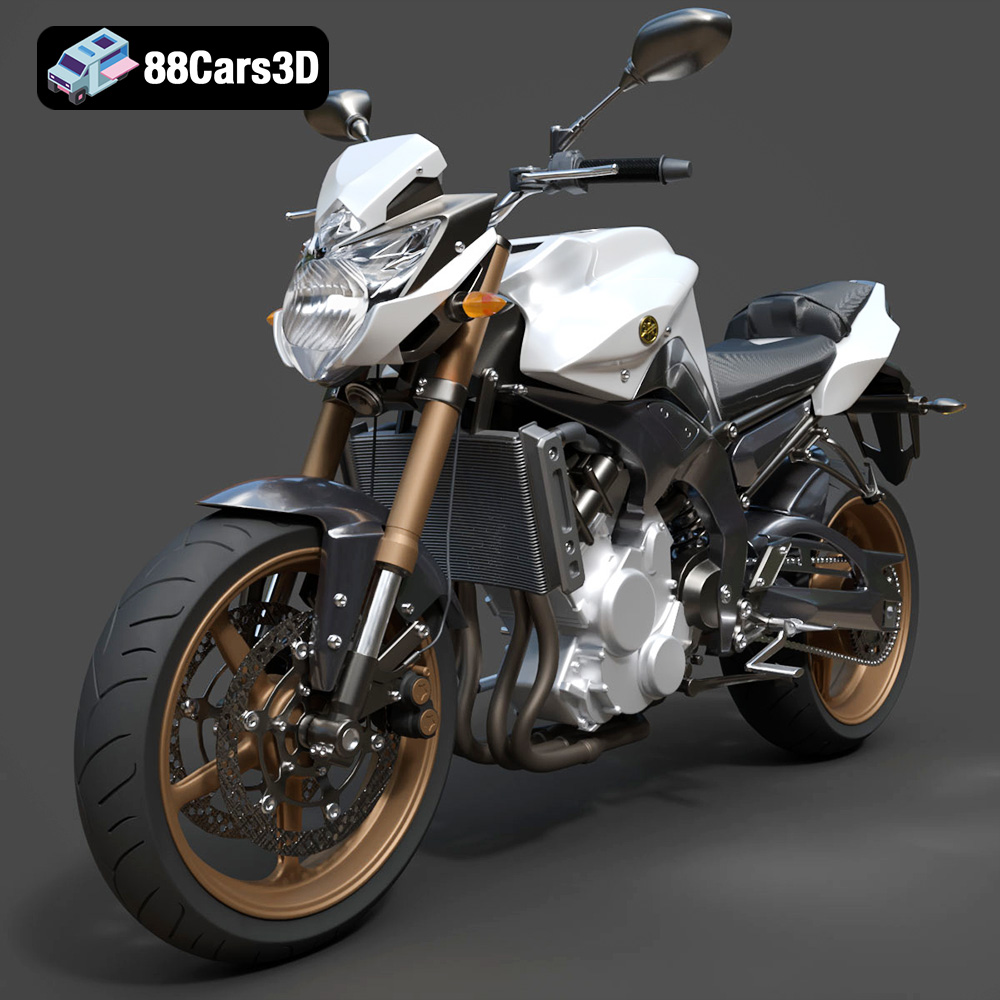
Yamaha FZ8 2011 3D Model
Texture: Yes
Material: Yes
Download the Yamaha FZ8 2011 3D Model featuring clean geometry, realistic detailing, and a fully modeled interior. Includes .blend, .fbx, .obj, .glb, .stl, .ply, .unreal, and .max formats for rendering, simulation, and game development.
Price: $19.99
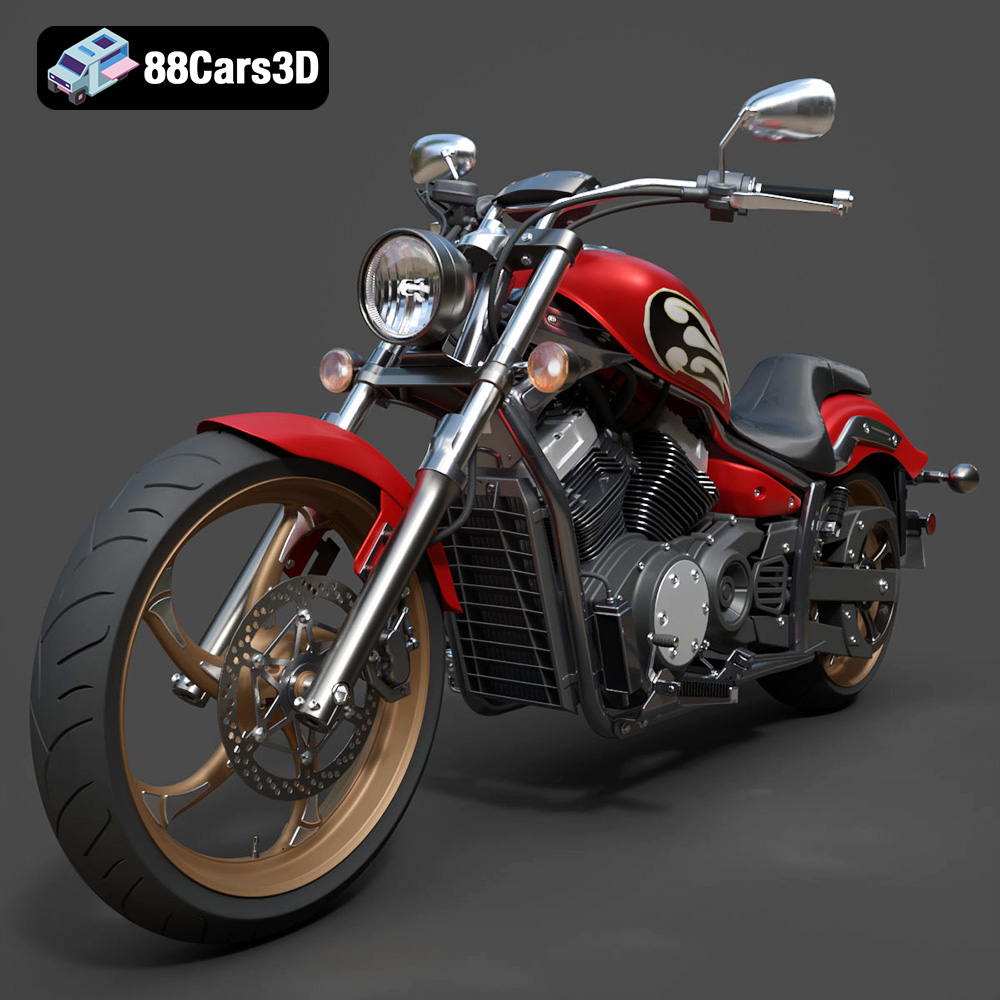
Yamaha Stryker 2012 3D Model
Texture: Yes
Material: Yes
Download the Yamaha Stryker 2012 3D Model featuring clean geometry, realistic detailing, and a fully modeled interior. Includes .blend, .fbx, .obj, .glb, .stl, .ply, .unreal, and .max formats for rendering, simulation, and game development.
Price: $19.99
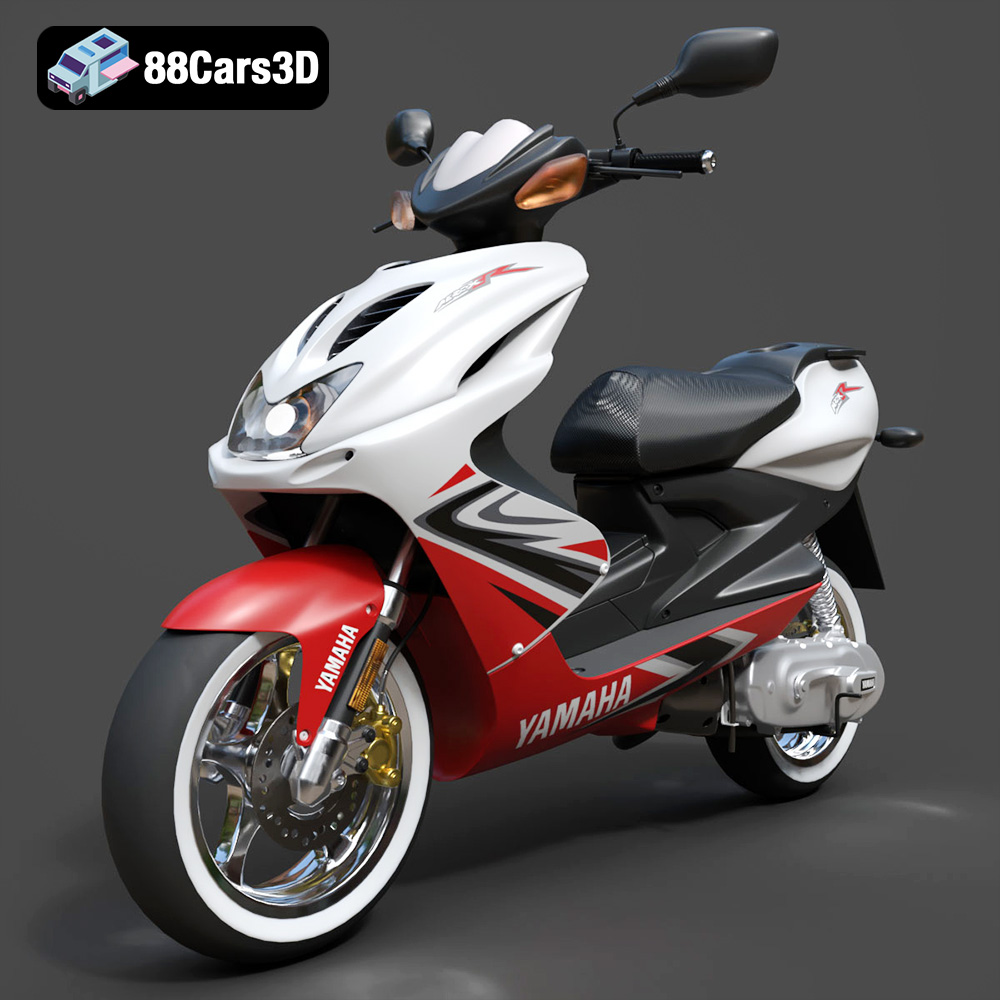
Yamaha Aerox R-002 2024 3D Model
Texture: Yes
Material: Yes
Download the Yamaha Aerox R-002 2024 3D Model featuring clean geometry, realistic detailing, and a fully modeled interior. Includes .blend, .fbx, .obj, .glb, .stl, .ply, .unreal, and .max formats for rendering, simulation, and game development.
Price: $19.99
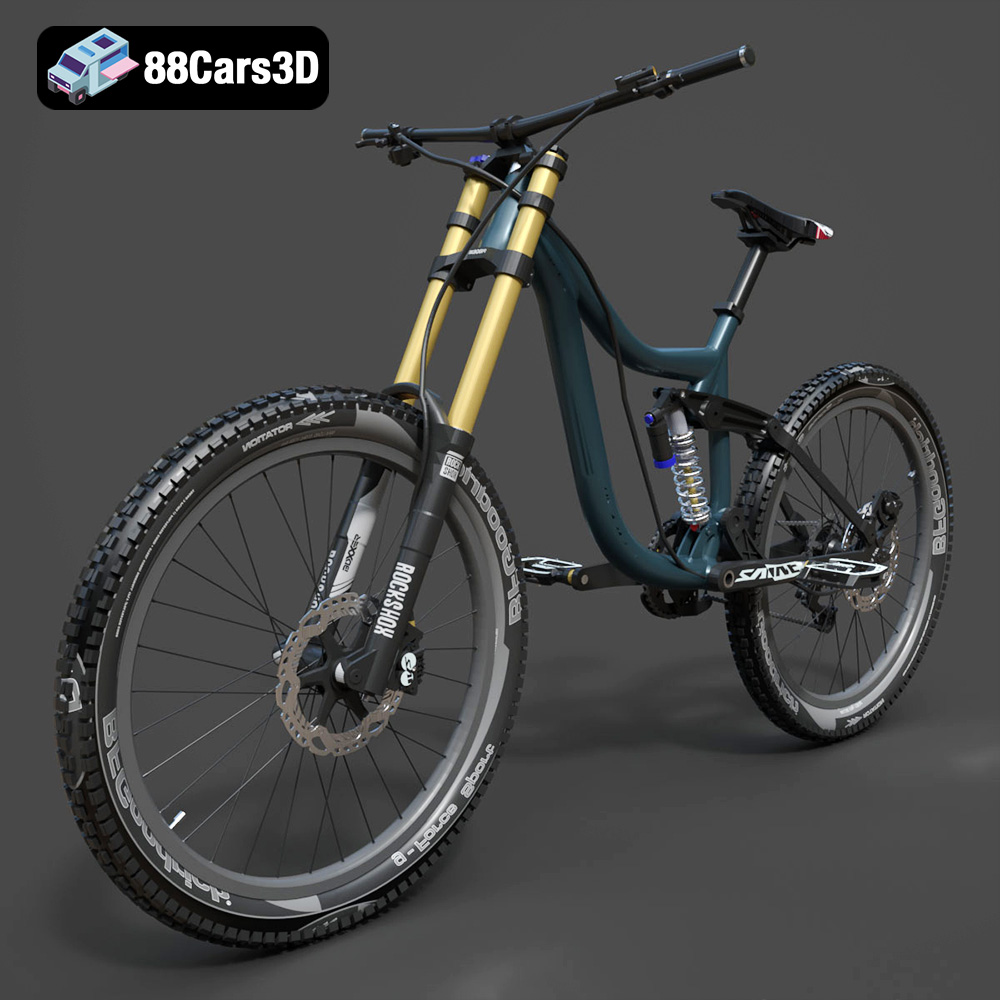
Mototsikly Downhill Bike-002 3D Model
Texture: Yes
Material: Yes
Download the Mototsikly Downhill Bike-002 3D Model featuring clean geometry, realistic detailing, and precise mechanical components. Includes .blend, .fbx, .obj, .glb, .stl, .ply, .unreal, and .max formats for rendering, simulation, and game development.
Price: $19.99
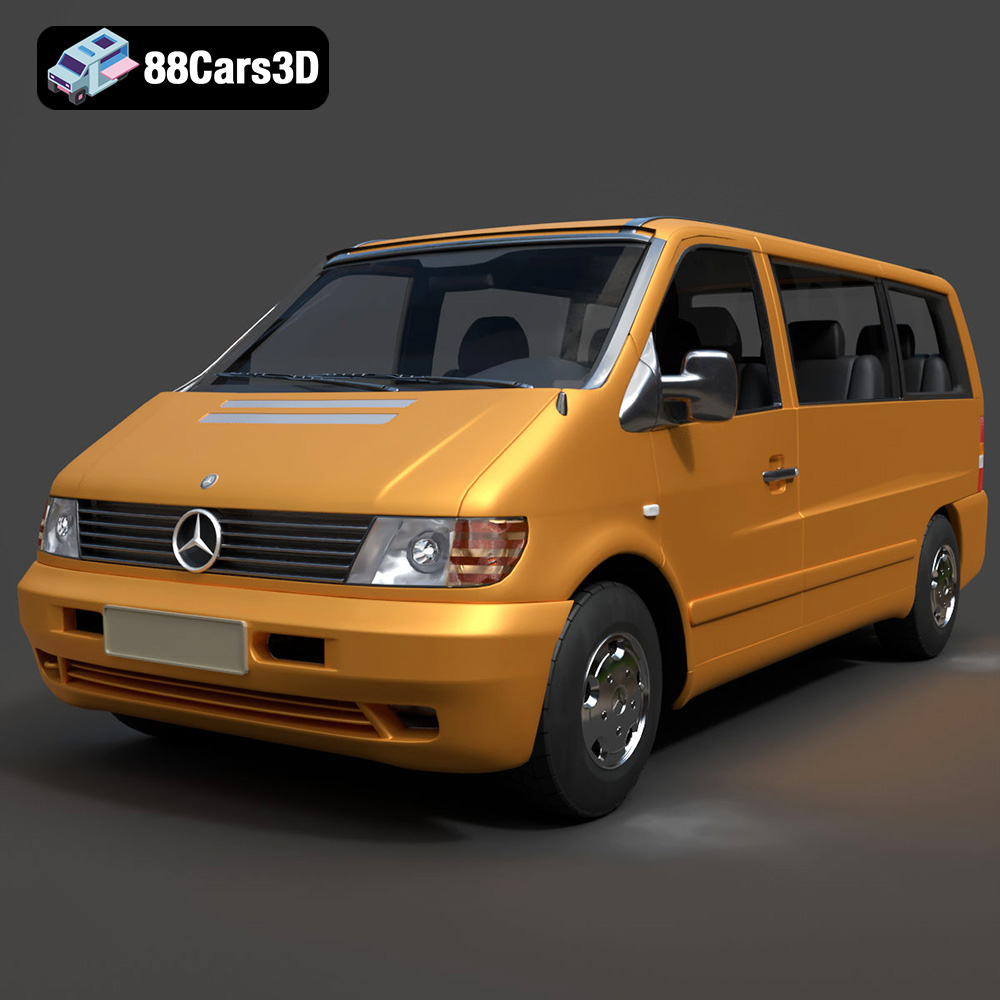
Mercedes-Benz Vito Passenger Van 3D Model
Texture: Yes
Material: Yes
Download the Mercedes-Benz Vito Passenger Van 3D Model featuring clean geometry, realistic detailing, and a fully modeled interior. Includes .blend, .fbx, .obj, .glb, .stl, .ply, .unreal, and .max formats for rendering, simulation, and game development.
Price: $19.99
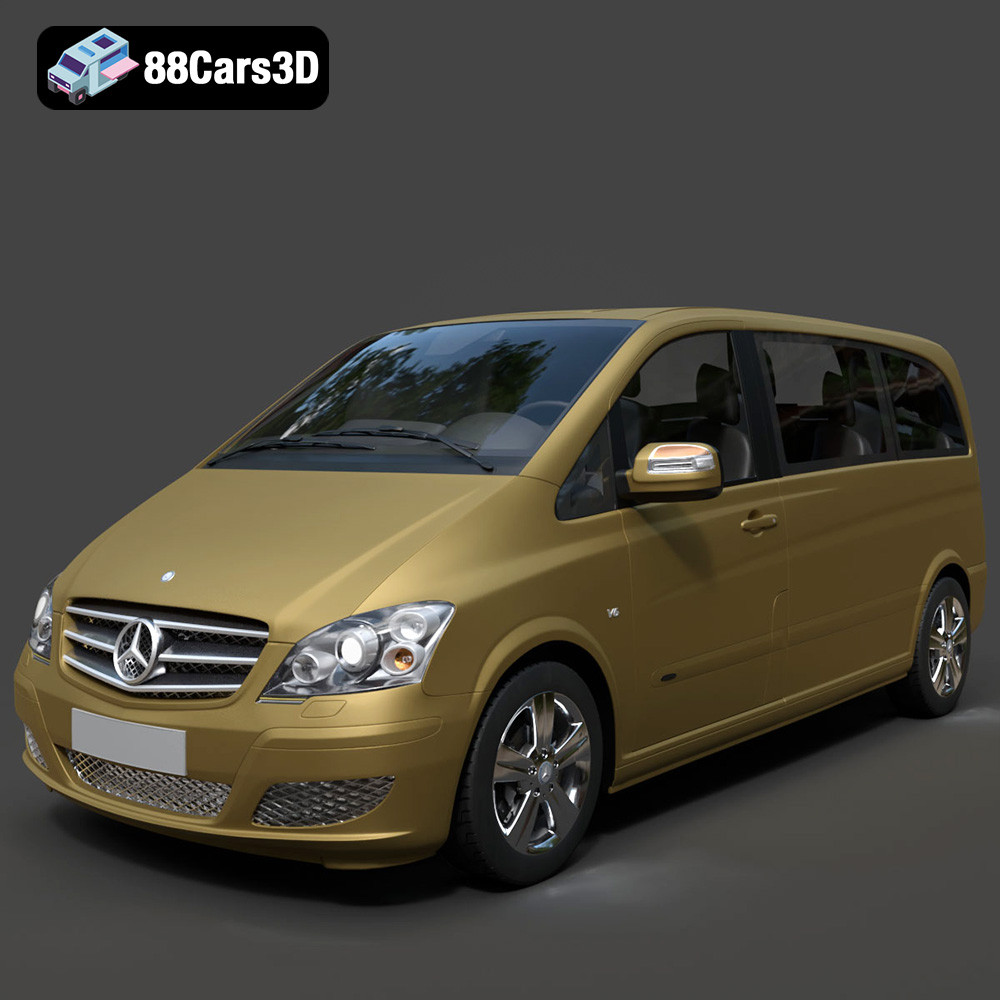
Mercedes-Benz Viano 2010 3D Model
Texture: Yes
Material: Yes
Download the Mercedes-Benz Viano 2010 3D Model featuring clean geometry, realistic detailing, and a fully modeled interior. Includes .blend, .fbx, .obj, .glb, .stl, .ply, .unreal, and .max formats for rendering, simulation, and game development.
Price: $19.99

Emt Avtobus 007 3D Model
Texture: Yes
Material: Yes
Download the Emt Avtobus 007 3D Model featuring clean geometry, realistic detailing, and a fully modeled interior. Includes .blend, .fbx, .obj, .glb, .stl, .ply, .unreal, and .max formats for rendering, simulation, and game development.
Price: $19.99
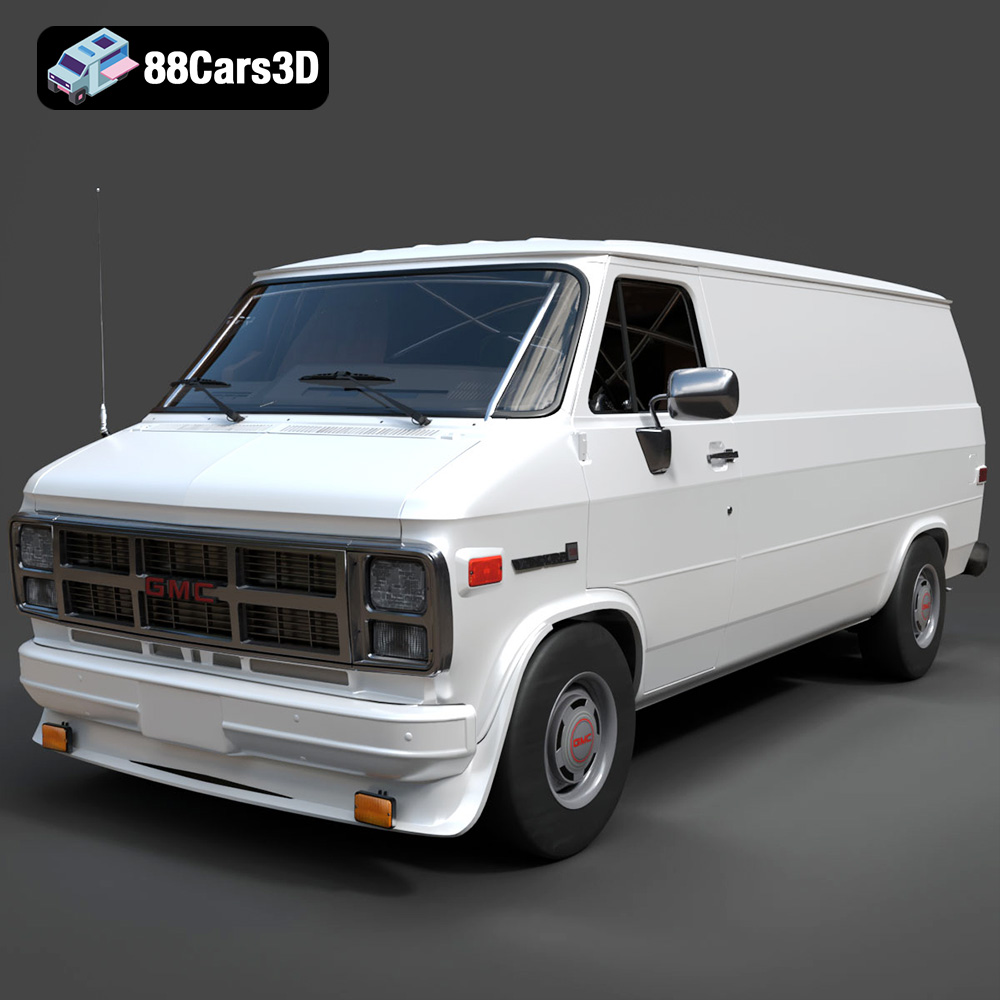
GMC Vandura G-1500 1983 3D Model
Texture: Yes
Material: Yes
Download the GMC Vandura G-1500 1983 3D Model featuring clean geometry, realistic detailing, and a fully modeled interior. Includes .blend, .fbx, .obj, .glb, .stl, .ply, .unreal, and .max formats for rendering, simulation, and game development.
Price: $19.99
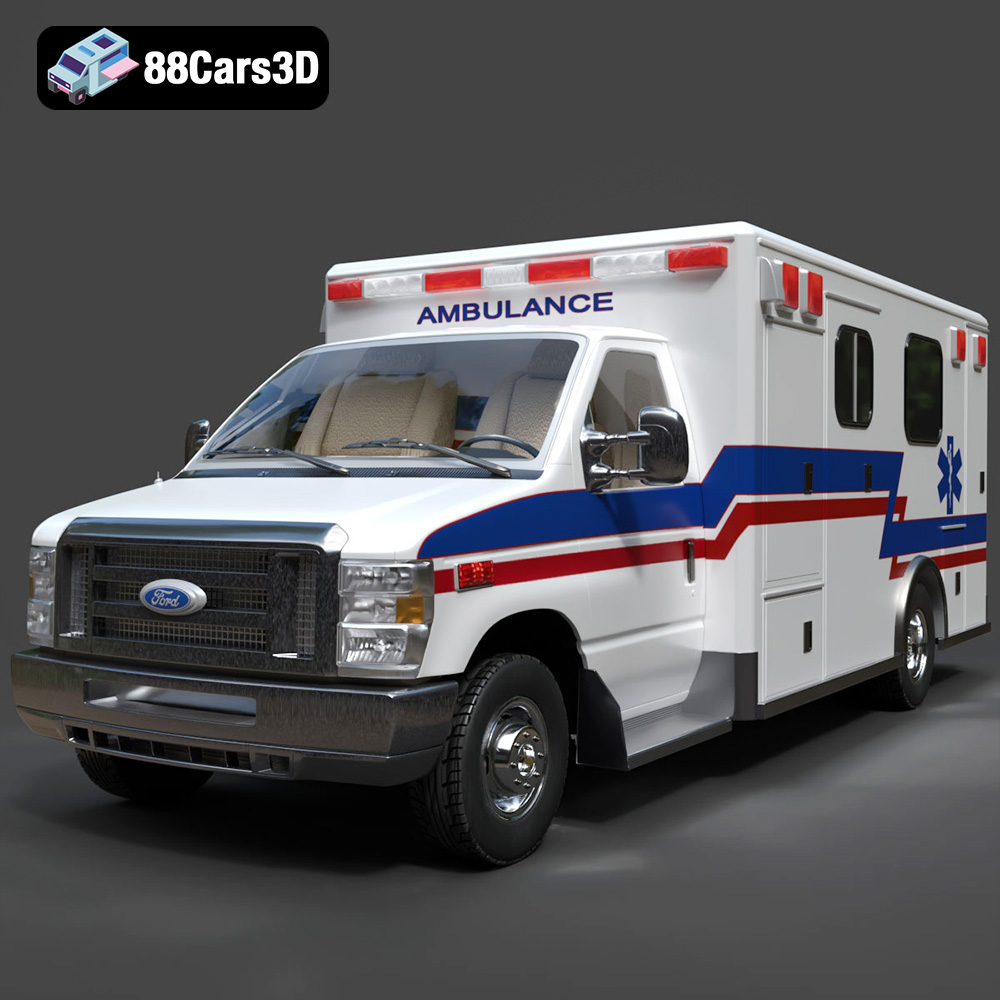
Ford E-450 Ambulance 3D Model
Texture: Yes
Material: Yes
Download the Ford E-450 Ambulance 3D Model featuring clean geometry, realistic detailing, and a fully modeled interior. Includes .blend, .fbx, .obj, .glb, .stl, .ply, .unreal, and .max formats for rendering, simulation, and game development.
Price: $19.99
