

“`html
Mastering the Drive: How to 3D Print Realistic Car Models from STL Files
The allure of the automobile is undeniable, capturing imaginations with their sleek lines, powerful engines, and intricate details. For 3D printing enthusiasts and automotive aficionados, the dream of holding a perfectly replicated car model in their hands is now within reach. With the advent of high-quality printable car models and sophisticated 3D printing technology, bringing these automotive masterpieces to life is more accessible than ever. But achieving that perfect, museum-quality finish requires more than just hitting ‘print’. It involves a deep understanding of STL file preparation, meticulous slicing techniques, optimal printer settings, and careful post-processing.
This comprehensive guide will steer you through the entire process, from selecting the right STL file to the final polish. We’ll delve into the technical nuances of slicing, explore the critical role of support structures, discuss the subtle differences between FDM and resin printing for automotive models, and arm you with the knowledge to troubleshoot common printing pitfalls. Whether you’re a seasoned maker looking to refine your skills or a newcomer eager to embark on your first detailed car model print, you’ll gain the insights needed to transform digital designs into stunning, tangible replicas. Get ready to unlock the secrets to 3D printing realistic car models that will impress even the most discerning collector.
Understanding Your Digital Blueprint: The STL File and Mesh Topology
At the heart of every 3D printable object lies the STL (STereoLithography) file. This ubiquitous format represents a 3D model as a collection of triangular facets, essentially a mesh of connected triangles that approximate the surface geometry. For car models, where complex curves, sharp edges, and fine details are paramount, the quality of the STL file is directly proportional to the quality of your final print. A poorly constructed mesh can lead to printing errors, missing details, and a frustrating experience.
When sourcing car models, especially from dedicated marketplaces like 88cars3d.com, you’ll often find files meticulously prepared for printing. These models typically feature clean geometry with watertight (manifold) meshes, meaning there are no holes or gaps in the surface that could confuse the slicer. They also often include optimized wall thicknesses, ensuring that delicate parts like mirrors or spoilers have enough substance to print successfully without being overly bulky. Understanding that an STL is essentially a surface representation, without internal structure information, is key. The slicer software interprets this surface data to create the toolpaths for your 3D printer.
What Makes a ‘Good’ STL File for Car Models?
A high-quality STL for a car model should possess several characteristics:
- Watertight (Manifold) Mesh: Absolutely critical. Any non-manifold geometry (e.g., internal faces, edges shared by more than two faces) will cause slicing errors. Software like Meshmixer, Blender, or Netfabb can be used to inspect and repair meshes if necessary.
- Appropriate Wall Thickness: Thin walls, especially on components like windshield wipers or exhaust pipes, need to be thick enough to be printable on your chosen printer and material. Models from reputable sources often have minimum wall thicknesses defined (e.g., 0.8mm for FDM).
- Clean Triangulation: While less critical for basic slicing, overly complex or degenerate triangles (very thin, stretched triangles) can sometimes cause issues with certain slicers or lead to tessellation artifacts.
- Detail Preservation: The resolution of the STL (how finely the mesh approximates the surface) should be high enough to capture the intended details of the car model, such as panel lines, emblems, and grille textures.
- Optimized for Printing: Some models are designed with printing considerations in mind, such as incorporating slight chamfers on edges that might otherwise peel up, or ensuring parts like door handles are integrated robustly.
Mesh Repair and Preparation Workflows
Even with well-sourced models, occasional mesh repair might be necessary. Here’s a typical workflow using common software:
- Import into Repair Software: Load the STL file into Meshmixer, Blender (using the 3D-Print Toolbox addon), or Autodesk Netfabb.
- Run Automatic Analysis/Repair: Most software has automated tools to detect and fix common issues like non-manifold edges, holes, and self-intersections. For example, Meshmixer’s “Inspector” tool is excellent for this.
- Manual Inspection and Correction: Review the highlighted errors. Sometimes, manual tools like “Sculpt” or “Edit Mesh” might be needed to bridge small gaps or smooth out rough areas. For intricate parts, consider detaching and re-attaching sections if necessary.
- Check Wall Thickness: Use tools to measure wall thickness and thicken areas if they fall below your printer’s capability.
- Export Cleaned Mesh: Save the corrected model, typically as a new STL file, ensuring export settings are appropriate (e.g., binary STL is generally smaller and faster).
Taking the time to ensure a clean, manifold mesh significantly reduces the likelihood of printing failures and improves the overall aesthetic of the final car model.
Slicing Strategies for Automotive Detail and Strength
The slicer is your command center, translating the 3D model into layer-by-layer instructions (G-code) for your 3D printer. For detailed car models, achieving a balance between intricate surface finish and structural integrity is paramount. This requires a nuanced approach to slicing parameters, moving beyond default settings to optimize for the specific model and printer. Popular slicers like Cura, PrusaSlicer, and Simplify3D offer a vast array of options, each playing a crucial role in the final output.
When printing complex models from platforms like 88cars3d.com, you’ll want to pay close attention to layer height, print speed, retraction settings, and cooling. A smaller layer height (e.g., 0.1mm or even 0.08mm) will produce smoother curves and finer details, crucial for realistic car bodies, but will significantly increase print time. Conversely, a larger layer height (e.g., 0.2mm) speeds up printing but can make layer lines more apparent, potentially detracting from the smooth finish expected of a car model. Finding the right tradeoff is key.
Layer Height, Print Speed, and Cooling: The Trinity of Detail
These three parameters are intrinsically linked and form the foundation of a quality print:
- Layer Height: As mentioned, smaller layer heights yield better detail but longer print times. For high-detail car parts, consider printing at 0.1mm or 0.12mm. For less critical, larger parts, 0.15mm or 0.2mm might suffice. Tip: Experiment with a small test print of a curved surface to determine the optimal balance for your printer and desired finish.
- Print Speed: Printing too fast can lead to ringing artifacts, under-extrusion, and poor layer adhesion, especially on complex geometries. For detailed car models, reducing outer wall speed (e.g., 30-40 mm/s) is crucial for a smooth surface finish. Inner walls can sometimes be printed slightly faster. Rule of thumb: If you experience quality issues, slow down.
- Cooling (Part Cooling Fan): Adequate cooling is vital for FDM printing sharp details, overhangs, and bridges found on car models (e.g., spoilers, grilles). Ensure your fan speed is set appropriately (often 100% for PLA after the first few layers) but be mindful that overcooling can weaken layer adhesion, especially with materials like ABS. Some slicers allow fan speed to be controlled per layer, which can be useful.
Infill Patterns and Density: Balancing Weight and Durability
While car models are often hollow or printed with thin walls, the infill plays a role in supporting upper layers and providing rigidity, especially for larger or multi-part models. For most display car models, a low infill density (5-15%) is sufficient.
- Infill Density: For display pieces, 10-15% is usually enough to support the top layers and provide minimal internal structure. If the model is intended for some level of handling or has functional parts, you might increase this to 20-25%.
- Infill Patterns: Patterns like ‘Grid’, ‘Gyroid’, or ‘Cubic’ offer good strength-to-weight ratios. ‘Gyroid’ is often favored for its isotropic strength (equal strength in all directions) and efficient material usage. For pure display models, even ‘Lines’ at low density can work if the outer walls are robust.
- ‘Vase Mode’ / ‘Spiralize Outer Contour’: For single-wall, hollow car bodies (e.g., for RC car shells), this mode can be incredibly effective, producing a seamless, smooth exterior in one continuous spiral. However, it’s not suitable for models requiring internal structure or multiple parts.
Carefully tuning these slicing parameters is essential. Consider performing small calibration prints of key features (like a wheel arch or spoiler) to dial in your settings before committing to a large, time-consuming print.
The Art of Support: Enabling Intricate Designs
Car models are replete with features that defy gravity: delicate spoilers, angled wings, undercuts, and complex suspension components. Without proper support structures, these elements would print as a messy blob, if they printed at all. Generating, orienting, and removing supports effectively is arguably one of the most critical skills for printing detailed automotive models.
Modern slicers offer sophisticated support generation tools, allowing for fine-tuning of support density, pattern, placement, and interface layers. The goal is to provide just enough material to hold up critical overhangs and bridges, while being easy to remove without damaging the model’s surface. For FDM printing, supports can be generated as ‘Touching Buildplate’ or ‘Everywhere’. ‘Touching Buildplate’ is ideal for models that can be printed mostly upside down, minimizing the need for internal supports. ‘Everywhere’ is necessary for more complex orientations but requires more careful removal.
Strategic Support Placement and Generation
The key to successful supports lies in thoughtful placement and configuration:
- Print Orientation: Before generating supports, orienting the model correctly on the build plate is paramount. Often, printing a car model upside down allows the main body to be printed with minimal supports (just touching the build plate). Subsequent parts (interior, wheels) can then be printed separately and assembled. This minimizes visible support marks on the most aesthetic surfaces.
- Support Type: ‘Tree’ supports (available in Cura and PrusaSlicer) are often superior for complex models like cars. They branch out from a base point and target only the necessary overhangs, using less material and being easier to remove than traditional linear supports.
- Support Overhang Angle: Most slicers have a setting for the maximum overhang angle that requires support (typically 45-60 degrees). Adjust this based on your material and printer’s capability.
- Support Density and Pattern: Lower density (e.g., 10-15%) and patterns like ‘Grid’ or ‘Zigzag’ are often sufficient. The goal is to provide a stable surface for the part above without being excessively difficult to break away.
- Support Interface Layers: Enabling ‘Support Interface’ creates a denser, smoother layer just below the model’s surface. This significantly improves the finish of the underside of overhangs, making them appear more solid and less rough. Adjusting the ‘Interface Support Z Distance’ (often 0 or one layer) is key.
The Delicate Dance of Support Removal
Removing supports requires patience and the right tools. For FDM prints, supports can often be carefully snapped or cut away. For resin prints, supports are typically removed before final curing.
- Tools: A set of hobby knives (X-Acto), flush cutters, needle-nose pliers, and dental picks are invaluable for carefully prying away and snipping supports. Heat can sometimes help (e.g., briefly warming the area with a hairdryer), but be cautious not to deform the plastic.
- Technique: Start by removing the largest sections of support first. Work slowly and deliberately, trying to break the support away from the model rather than pulling it along the surface. For stubborn supports, carefully score them with a knife to weaken them.
- Cleaning Up: After support removal, small nubs or marks may remain. These can often be sanded down or carefully trimmed. Using a filler primer before painting can help hide any imperfections left by the supports.
- Resin Supports: With resin printing, supports are typically thinner and require more delicate removal, often using flush cutters and then sanding. The resin print’s delicate nature means excessive force can easily cause damage.
Mastering support generation and removal is a skill that develops with practice. Each model and printer combination might require slightly different approaches.
FDM vs. Resin Printing: Choosing Your Weapon for Automotive Realism
When it comes to 3D printing car models, both Fused Deposition Modeling (FDM) and Stereolithography (Resin/SLA/DLP) printing technologies offer unique advantages and disadvantages. The choice between them often depends on the desired level of detail, the size of the model, and the available budget and resources.
FDM printing, using filament extruded through a heated nozzle, is generally more affordable, offers a wider range of materials (PLA, PETG, ABS, Nylon), and is suitable for larger prints. However, FDM prints typically exhibit visible layer lines and can struggle with extremely fine details. For car models, FDM is excellent for larger scale models, functional components, or when cost-effectiveness is a primary concern. High-quality FDM printers with smaller nozzles (0.2mm or 0.3mm) and meticulous tuning can achieve impressive results, but often require more post-processing to achieve a perfectly smooth finish.
Resin printing, utilizing UV light to cure liquid photopolymer resin layer by layer, excels at producing incredibly high-resolution prints with exceptional detail and smooth surfaces. This makes it the preferred choice for highly detailed, small-scale car models where capturing intricate features like grilles, emblems, and panel lines is crucial. However, resin printers are often more expensive, require more post-processing (washing and curing), and involve working with messy, often odorous, and potentially hazardous chemicals.
FDM Printing Considerations for Car Models
Achieving high quality with FDM requires attention to detail:
- Nozzle Size: While a standard 0.4mm nozzle is common, consider switching to a 0.2mm or 0.3mm nozzle for printing fine details on car models. This allows for finer layer lines and sharper features but will increase print times significantly.
- Material Choice: PLA is the most common and easiest material to print, offering good detail and rigidity. PETG offers better durability and temperature resistance. ABS can achieve a very smooth finish with post-processing (like acetone smoothing) but is more challenging to print due to warping.
- Bed Adhesion: Crucial for preventing warping, especially on large, flat car bodies. Use a PEI sheet, glass bed with adhesion aids (glue stick, hairspray), or specialized build surfaces. Ensure your bed is level and clean.
- Post-Processing: FDM prints almost always benefit from sanding, filling, and painting to achieve a smooth, professional finish comparable to injection-molded models.
Resin Printing Advantages for Automotive Miniatures
Resin printing shines for intricate miniatures:
- Resolution and Detail: Resin printers can achieve layer heights as low as 0.025mm and XY resolutions of 30-50 microns, resulting in incredibly smooth surfaces and sharp, minute details that are impossible to achieve with FDM. This is ideal for 1:64 or 1:43 scale models.
- Material Properties: Standard resins are rigid and can be brittle, but specialized engineering resins offer improved toughness and flexibility. The finish is typically smooth right off the printer, requiring less sanding.
- Post-Processing Workflow: Models need to be washed in isopropyl alcohol (IPA) or a resin cleaner to remove uncured resin, followed by UV curing to fully harden the part. This process is essential for durability and safety.
- Support Structure Removal: Resin supports are often finer and strategically placed, requiring careful removal with flush cutters and light sanding. Ensure supports are placed on non-visible areas where possible.
For collectors seeking the highest fidelity in smaller scales, resin printing is often the superior choice. For larger, more robust models, or if budget is a primary constraint, FDM printing with careful tuning and post-processing can still yield excellent results.
Achieving Perfection: Post-Processing and Finishing Techniques
The journey doesn’t end when the print is complete. Post-processing is where a good 3D print transforms into a truly realistic and professional-looking car model. This stage involves cleaning up the print, refining surfaces, and potentially assembling multiple components. The level of post-processing required can vary significantly depending on the printing technology used (FDM vs. resin) and the desired final aesthetic.
For FDM prints, the most noticeable artifacts are layer lines. These need to be addressed through sanding, filling, and priming. For resin prints, the focus is on support removal, cleaning, and potentially minor surface imperfections. Regardless of the method, patience and attention to detail are key to achieving a seamless finish that showcases the intricate details of models sourced from places like 88cars3d.com.
Sanding, Filling, and Priming for FDM Prints
This is perhaps the most labor-intensive but rewarding part of FDM finishing:
- Support Removal: Carefully remove all support material using appropriate tools (flush cutters, pliers, knives).
- Initial Sanding: Start with a coarser grit sandpaper (e.g., 120-220 grit) to remove major imperfections and support marks. Work your way up through finer grits (e.g., 400, 800, 1000, and even higher for a mirror finish). Always sand in one direction to avoid creating excessive scratches.
- Filling Gaps and Layer Lines: Use modeling putty, wood filler, or automotive body filler to fill any visible gaps or deep layer lines. Apply thinly and allow to dry completely before sanding. Alternatively, a filler primer spray can effectively hide layer lines.
- Priming: Apply several light coats of a good quality primer (e.g., automotive primer). This reveals any remaining imperfections that need further sanding or filling and provides an even surface for paint adhesion. Lightly sand between coats with very fine grit sandpaper (e.g., 800-1000 grit).
Resin Print Finishing and Assembly
Resin prints generally require less aggressive sanding but demand careful handling:
- Support Removal and Cleaning: After washing in IPA, carefully remove supports using flush cutters and a hobby knife. Sand any marks left by the supports using fine-grit sandpaper (400 grit and up).
- Curing: Ensure the model is fully cured under a UV light source according to the resin manufacturer’s recommendations. Incomplete curing can lead to brittle parts or residual stickiness.
- Surface Refinement: For an ultra-smooth finish, you can wet sand resin prints with very fine grits (1000-4000+). Some users also employ vapor smoothing techniques (e.g., with acetone for ABS-like resins), but this requires extreme caution and proper ventilation.
- Assembly: Many detailed car models are printed in multiple parts (body, chassis, wheels, interior). Use appropriate adhesives like CA (super glue), epoxy, or specialized plastic cement for assembly. Ensure precise alignment before bonding. For a seamless look, consider filling and sanding the seams after assembly.
Finally, painting is where the model truly comes alive. Using automotive spray paints, airbrushing, or hand-painting with acrylics can bring out the car’s personality. Decals and weathering can further enhance realism.
Troubleshooting Common Printing Pitfalls for Car Models
Even with the best preparation, 3D printing can sometimes present challenges. Understanding common issues and their solutions is crucial for a smooth printing experience, especially with the intricate geometries found in car models.
For FDM printers, common problems include warping, stringing, layer shifts, and under-extrusion. Warping occurs when the corners of the print lift off the build plate due to uneven cooling and material shrinkage. Stringing, or fine wisps of filament between separate parts of the print, is often caused by incorrect retraction settings or excessive travel speed. Layer shifts, where layers become misaligned, can be due to mechanical issues like loose belts or stepper motor skipping.
Resin printing has its own set of common failures, such as adhesion failures (print not sticking to the build plate), suction forces causing layers to detach, uncured or sticky surfaces, and support failures. Understanding the root causes and implementing corrective measures can save time, material, and frustration.
FDM Printing Faults and Fixes
- Warping:
- Cause: Uneven cooling, poor bed adhesion.
- Solution: Ensure proper bed leveling and adhesion (brim, raft, adhesion aids). Increase bed temperature slightly. Use an enclosure to maintain a stable ambient temperature. Reduce cooling fan speed for the initial layers.
- Stringing/Oozing:
- Cause: Incorrect retraction settings, wet filament, printing temperature too high.
- Solution: Increase retraction distance and speed. Perform a “dry run” to test retraction. Ensure filament is dry (use a filament dryer). Lower printing temperature slightly.
- Layer Shifting:
- Cause: Loose belts, obstructed movement, stepper motor overheating/skipping.
- Solution: Check and tighten X and Y axis belts. Ensure no wires or parts are obstructing movement. Check stepper motor drivers are not overheating. Reduce print speed.
- Under-extrusion:
- Cause: Clogged nozzle, insufficient extruder tension, incorrect filament diameter setting, printing too fast.
- Solution: Clean or replace the nozzle. Adjust extruder idler tension. Verify filament diameter in slicer settings. Slow down print speed.
Resin Printing Challenges and Solutions
- Print Not Sticking to Build Plate (Adhesion Failure):
- Cause: Bed not level, resin vat dirty, insufficient exposure time for the first layers, build plate not clean.
- Solution: Re-level the build plate meticulously. Clean the FEP film in the resin vat and remove any cured bits. Increase the exposure time for the initial “bottom” layers in the slicer settings (e.g., 40-60 seconds). Lightly sand the build plate for better grip.
- Suction Cups / Detached Layers:
- Cause: Excessive layer height, FEP film tension too high, insufficient “lift speed” during printing.
- Solution: Reduce layer height. Ensure FEP film has proper tension. Increase the lift speed slightly in slicer settings, allowing the resin to drain more effectively. Orient the model to minimize flat surfaces perpendicular to the build plate.
- Supports Failing:
- Cause: Supports too thin, insufficient contact point size, insufficient exposure time for supports.
- Solution: Use thicker supports or increase the number of supports. Ensure the “contact depth” or “tip diameter” of the supports is adequate. Slightly increase exposure times, especially for key support structures.
Documenting your print settings and parameters for successful prints can create a valuable reference for future projects. Don’t be afraid to experiment and learn from each print, refining your process for even better results.
Conclusion: Bringing Your Automotive Dreams to Life
3D printing realistic car models is a rewarding endeavor that combines technical skill with a passion for automotive design. From understanding the fundamental structure of STL files and mastering intricate slicing parameters to strategically employing support structures and choosing the right printing technology, each step plays a vital role in achieving a high-quality outcome. We’ve explored the nuances of FDM and resin printing, highlighting how each can be leveraged to capture the essence of iconic vehicles, and delved into the critical post-processing techniques that elevate a raw print into a display-worthy masterpiece.
Remember that the journey to printing the perfect car model is an iterative one. Patience, attention to detail, and a willingness to troubleshoot are your most valuable tools. By understanding the technical aspects of mesh preparation, slicing, support generation, and finishing, you can confidently tackle even the most complex models. Resources like 88cars3d.com provide a fantastic starting point with their meticulously prepared STL files, allowing you to focus on the printing and finishing process. Continue to experiment with different settings, materials, and techniques. As you gain experience, you’ll develop an intuitive understanding of what works best for your specific printer and desired results. Happy printing, and may your garages be filled with stunning, self-made automotive replicas!
“`
Featured 3D Car Models

Porsche Cayenne 3D Model
Meta Description:
Texture: Yes
Material: Yes
Download the Porsche Cayenne 3D Model featuring realistic exterior styling and detailed interior design. Includes .blend, .fbx, .obj, .glb, .stl, .ply, .unreal, and .max formats for rendering, simulation, AR VR, and game development.
Price: $19.9
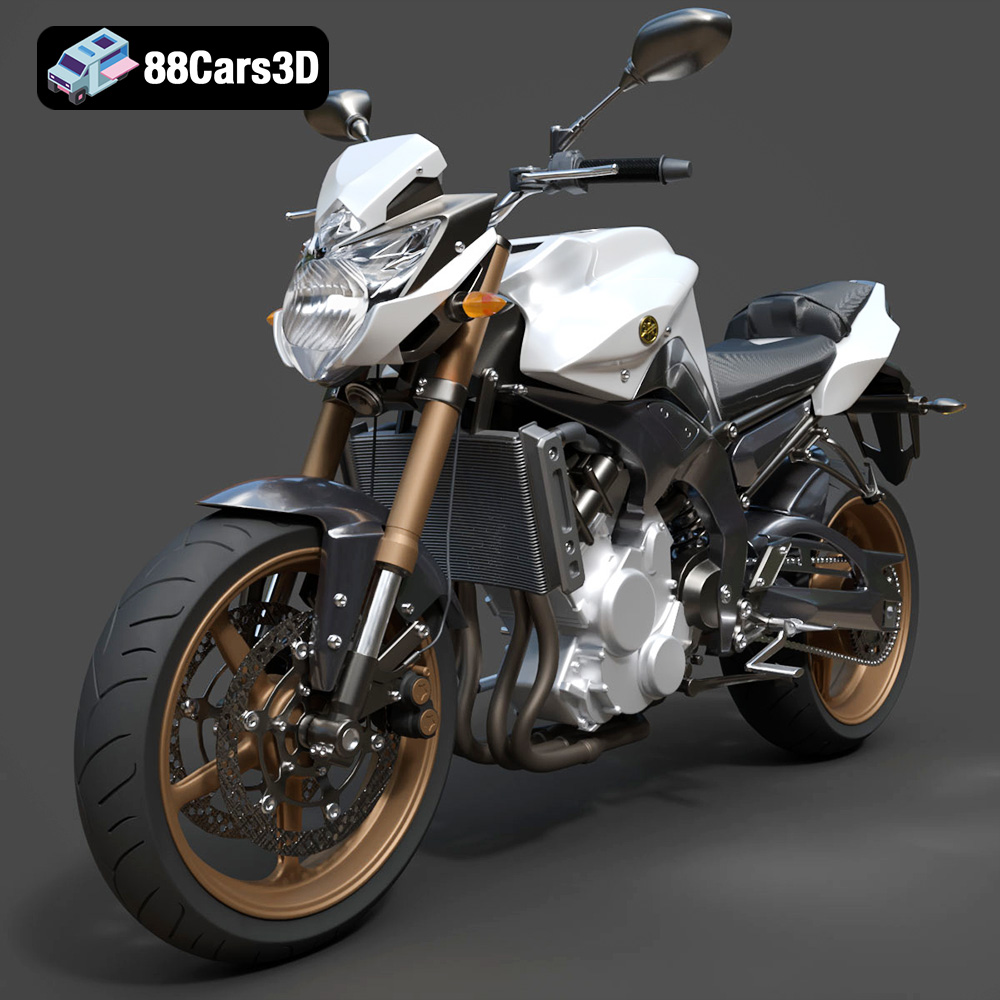
Yamaha FZ8 2011 3D Model
Texture: Yes
Material: Yes
Download the Yamaha FZ8 2011 3D Model featuring clean geometry, realistic detailing, and a fully modeled interior. Includes .blend, .fbx, .obj, .glb, .stl, .ply, .unreal, and .max formats for rendering, simulation, and game development.
Price: $19.99
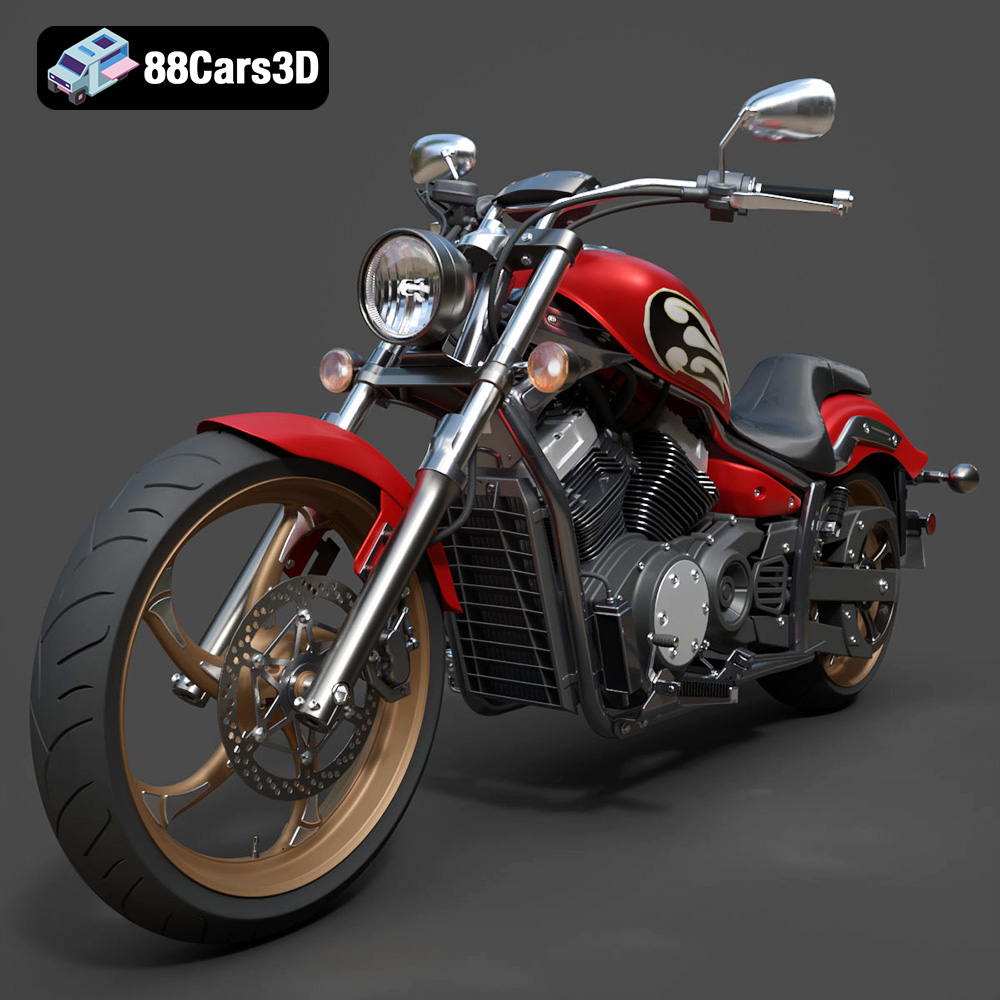
Yamaha Stryker 2012 3D Model
Texture: Yes
Material: Yes
Download the Yamaha Stryker 2012 3D Model featuring clean geometry, realistic detailing, and a fully modeled interior. Includes .blend, .fbx, .obj, .glb, .stl, .ply, .unreal, and .max formats for rendering, simulation, and game development.
Price: $19.99
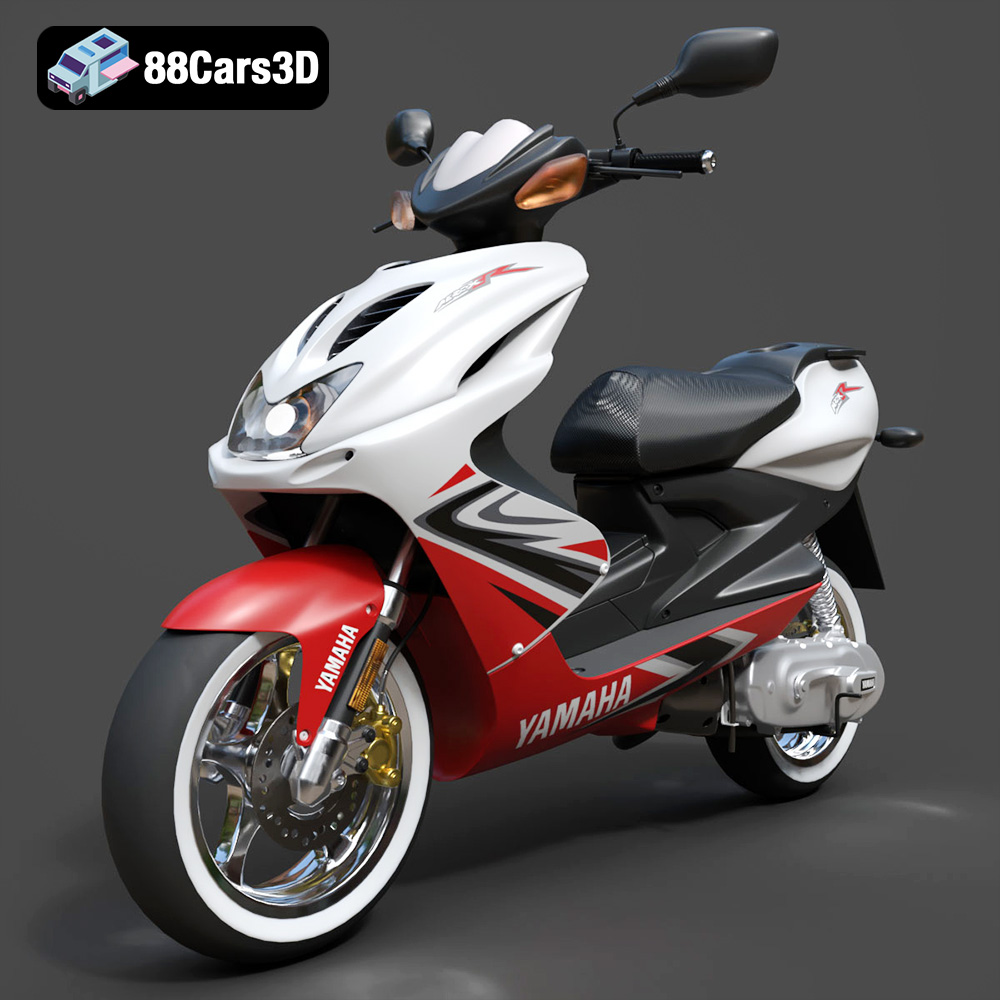
Yamaha Aerox R-002 2024 3D Model
Texture: Yes
Material: Yes
Download the Yamaha Aerox R-002 2024 3D Model featuring clean geometry, realistic detailing, and a fully modeled interior. Includes .blend, .fbx, .obj, .glb, .stl, .ply, .unreal, and .max formats for rendering, simulation, and game development.
Price: $19.99
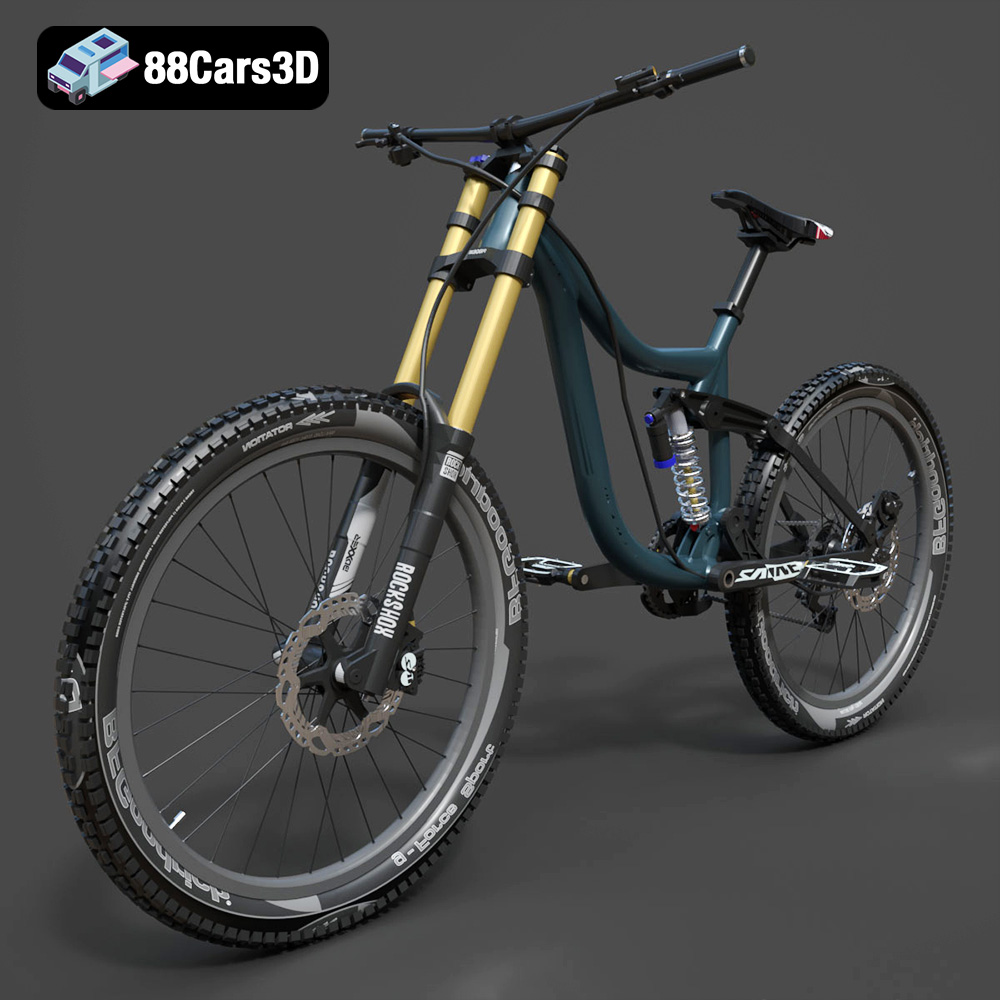
Mototsikly Downhill Bike-002 3D Model
Texture: Yes
Material: Yes
Download the Mototsikly Downhill Bike-002 3D Model featuring clean geometry, realistic detailing, and precise mechanical components. Includes .blend, .fbx, .obj, .glb, .stl, .ply, .unreal, and .max formats for rendering, simulation, and game development.
Price: $19.99
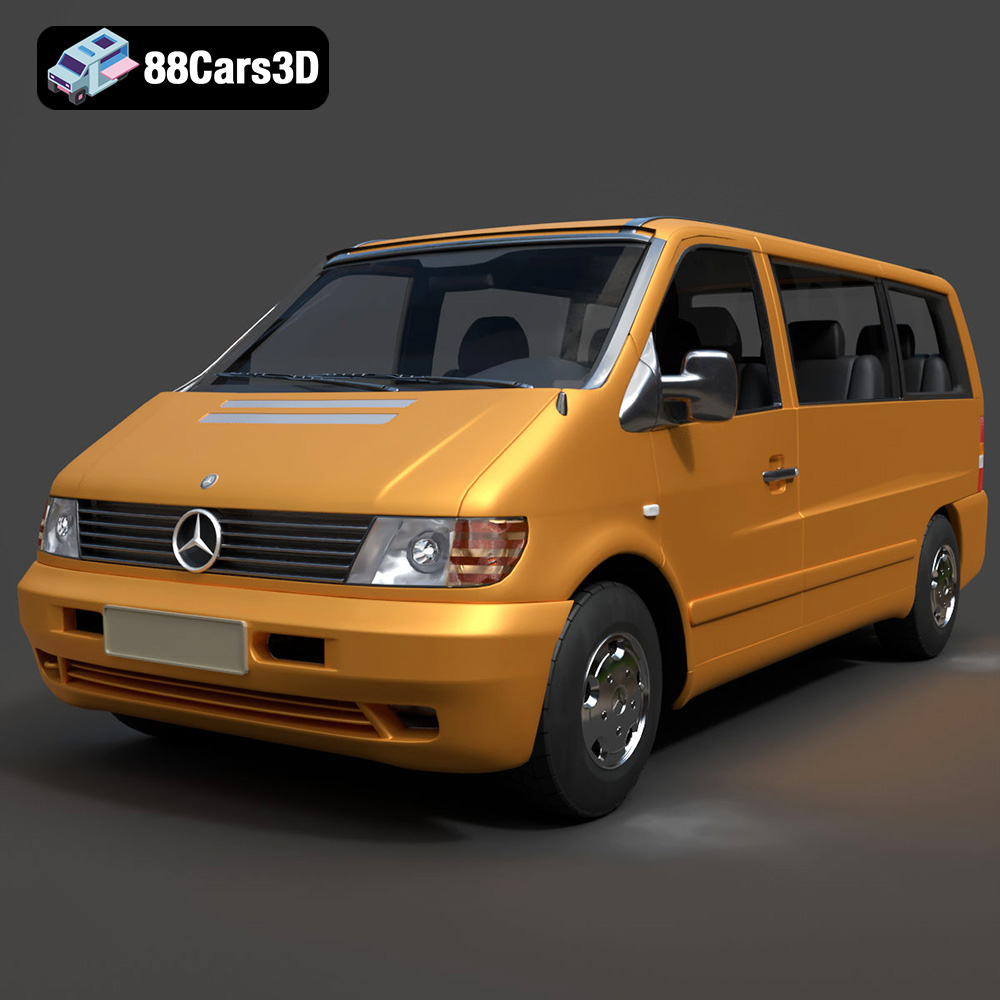
Mercedes-Benz Vito Passenger Van 3D Model
Texture: Yes
Material: Yes
Download the Mercedes-Benz Vito Passenger Van 3D Model featuring clean geometry, realistic detailing, and a fully modeled interior. Includes .blend, .fbx, .obj, .glb, .stl, .ply, .unreal, and .max formats for rendering, simulation, and game development.
Price: $19.99
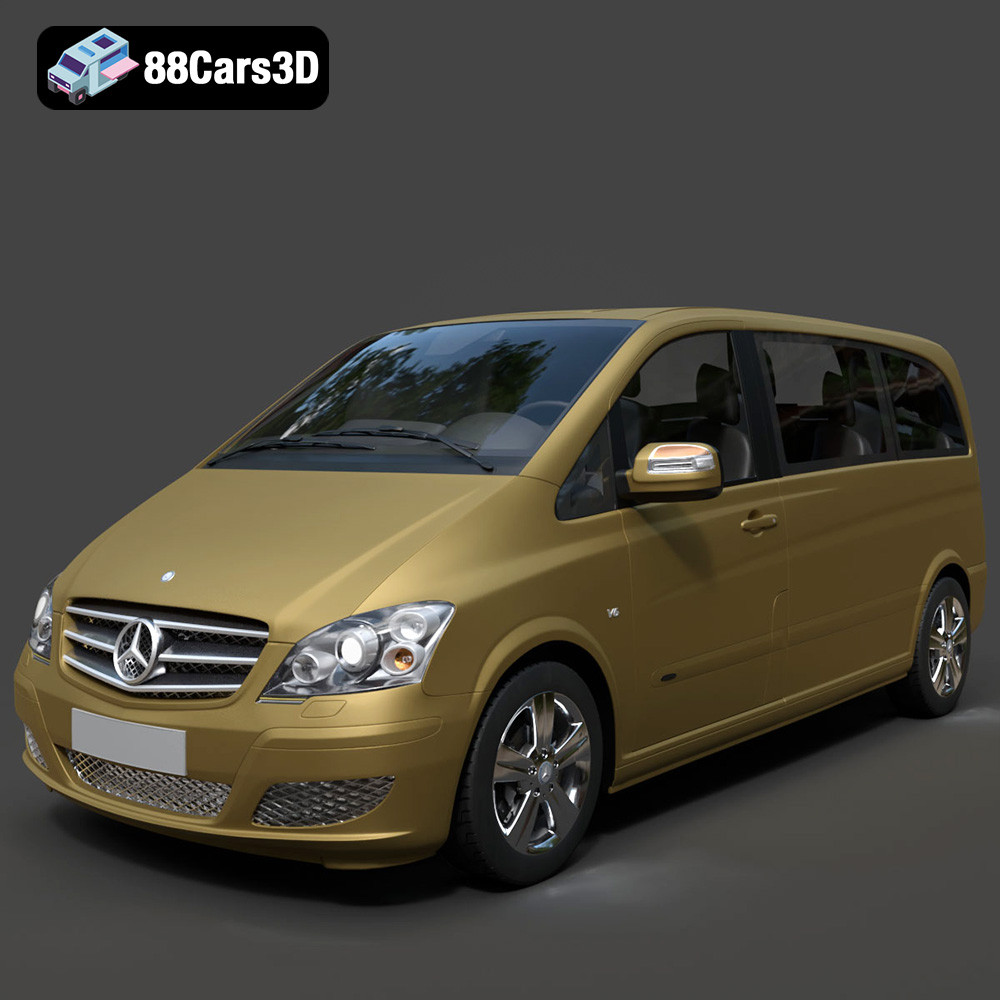
Mercedes-Benz Viano 2010 3D Model
Texture: Yes
Material: Yes
Download the Mercedes-Benz Viano 2010 3D Model featuring clean geometry, realistic detailing, and a fully modeled interior. Includes .blend, .fbx, .obj, .glb, .stl, .ply, .unreal, and .max formats for rendering, simulation, and game development.
Price: $19.99

Emt Avtobus 007 3D Model
Texture: Yes
Material: Yes
Download the Emt Avtobus 007 3D Model featuring clean geometry, realistic detailing, and a fully modeled interior. Includes .blend, .fbx, .obj, .glb, .stl, .ply, .unreal, and .max formats for rendering, simulation, and game development.
Price: $19.99
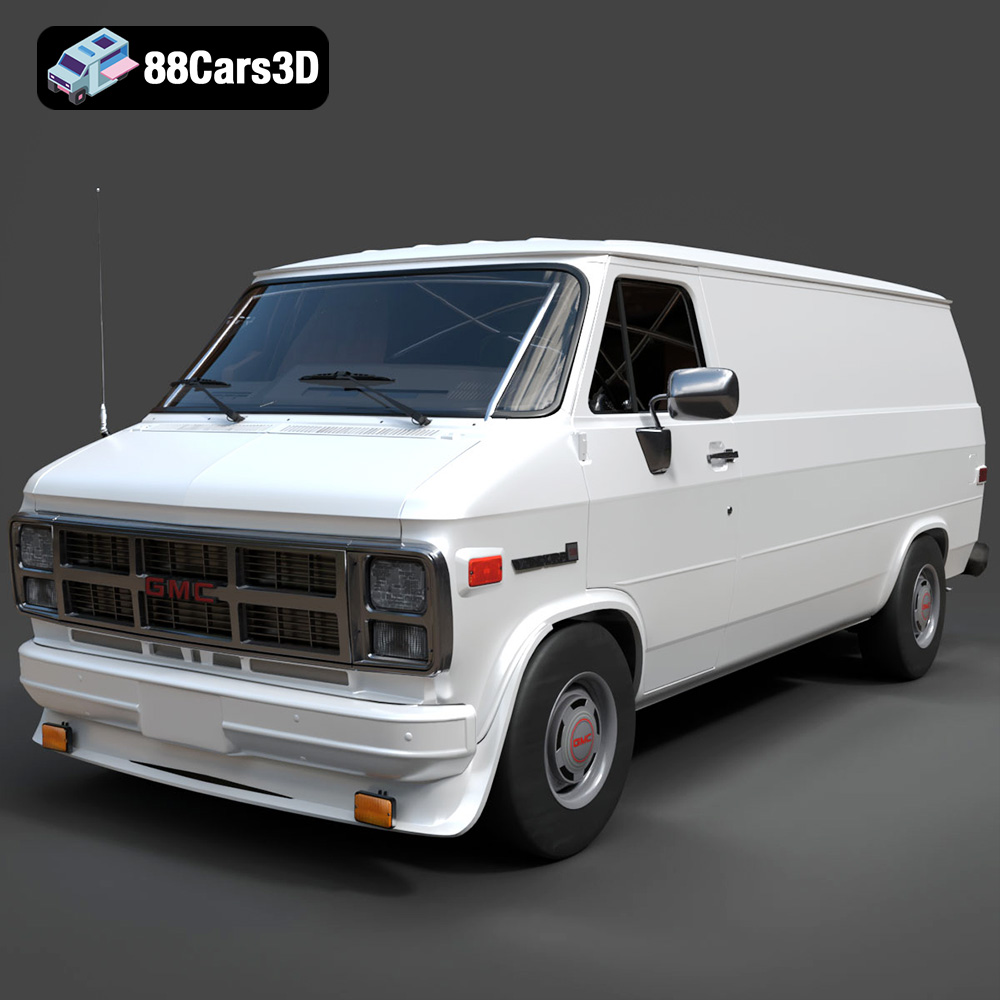
GMC Vandura G-1500 1983 3D Model
Texture: Yes
Material: Yes
Download the GMC Vandura G-1500 1983 3D Model featuring clean geometry, realistic detailing, and a fully modeled interior. Includes .blend, .fbx, .obj, .glb, .stl, .ply, .unreal, and .max formats for rendering, simulation, and game development.
Price: $19.99
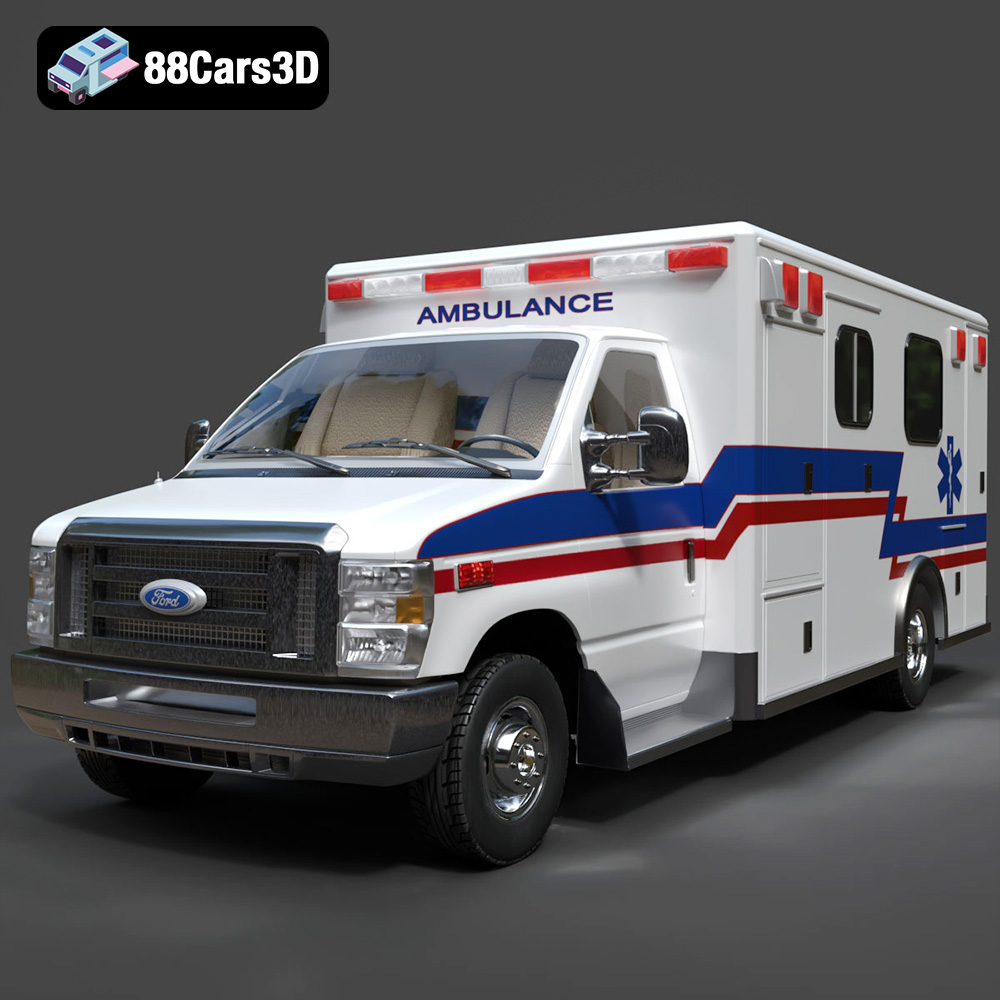
Ford E-450 Ambulance 3D Model
Texture: Yes
Material: Yes
Download the Ford E-450 Ambulance 3D Model featuring clean geometry, realistic detailing, and a fully modeled interior. Includes .blend, .fbx, .obj, .glb, .stl, .ply, .unreal, and .max formats for rendering, simulation, and game development.
Price: $19.99
