Get 20% OFF All Premium 3D & STL Models!

In the relentless pursuit of photorealism, automotive visualization stands as one of the most demanding frontiers. Artists and developers strive to render vehicles with exquisite detail, capturing every curve, reflection, and material nuance with breathtaking accuracy. While real-time rendering engines like Unreal Engine have revolutionized interactive experiences, there’s an increasing demand for ‘offline quality’ visuals – those pristine, noise-free renders traditionally associated with offline renderers – delivered within the same robust environment.
Enter Path Tracing in Unreal Engine. This advanced rendering technique offers a physically accurate, unbiased approach to lighting and global illumination, allowing creators to produce stunning, cinematic-quality imagery directly within the engine. For anyone working with high-quality 3D car models, whether for marketing, design review, or virtual production, understanding and leveraging Path Tracing is no longer a luxury but a fundamental skill. It bridges the gap between the interactive speed of real-time and the uncompromising fidelity of traditional rendering pipelines.
This comprehensive guide will take you on a deep dive into Path Tracing within Unreal Engine, focusing specifically on its application in automotive visualization. We’ll explore its underlying principles, walk through the setup process, delve into material and lighting considerations, discuss optimization strategies, and showcase how it empowers you to create unparalleled visual experiences. Prepare to unlock a new level of realism for your automotive projects, transforming your 3D car models into works of art.
Path Tracing represents a paradigm shift in how light is simulated within Unreal Engine, offering a level of physical accuracy previously unattainable in a real-time context. At its core, Path Tracing works by simulating the journey of light rays from the camera into the scene, tracing their bounces, refractions, and reflections until they either hit a light source or leave the scene. This process is inherently unbiased, meaning it doesn’t rely on approximations or shortcuts, resulting in a ‘ground truth’ representation of how light behaves in the real world.
For automotive visualization, this fidelity is paramount. Path Tracing accurately calculates complex phenomena like caustics through transparent materials (such as glass headlights or water puddles), intricate reflections on metallic surfaces (like chrome trim or polished paint), and subtle, multi-bounce global illumination that truly defines the shape and form of a vehicle. Unlike traditional rasterization, which approximates light, or even real-time ray tracing solutions like Lumen, which use biased techniques for speed, Path Tracing provides a statistically correct solution, converging to a photorealistic image as more samples are gathered.
The primary benefit of Path Tracing in Unreal Engine is its ability to deliver offline-render-quality visuals without exporting your scene to a separate application. This streamlined workflow is invaluable for artists, allowing for quick iterations and final renders within the same environment where interactive experiences are built. It’s the ideal choice when the absolute highest fidelity is required for static images, cinematic sequences, or high-resolution marketing assets, where render time is a secondary concern to visual quality.
Imagine a tiny camera lens at each pixel on your screen. Path Tracing casts numerous “paths” or rays from these virtual lenses into the scene. Each ray interacts with the environment – it might hit a surface, reflect, refract, be absorbed, or even generate a new ray. This process continues for a specified number of “bounces.” For instance, a ray hitting a car’s metallic paint might reflect towards a glossy floor, then bounce towards a light source, collecting color and intensity information at each step. By averaging the results of thousands or even millions of these paths per pixel, the renderer builds up a complete and accurate picture of light transport, including direct illumination, global illumination, reflections, refractions, and shadows. The more samples per pixel, the less noise and the more accurate the final image, though this also directly correlates with increased render times.
Unreal Engine offers multiple advanced lighting solutions, and understanding their differences is key to choosing the right tool for the job. Real-time Ray Tracing, exemplified by Lumen (Unreal Engine’s default global illumination and reflections system for real-time), provides highly plausible and dynamic lighting effects suitable for interactive experiences and games. Lumen uses a hybrid approach, combining software ray tracing, screen-space techniques, and signed distance fields to achieve impressive real-time performance. However, due to its need for speed, Lumen employs approximations and can exhibit visual artifacts or less physical accuracy in certain complex scenarios, particularly with glass, thin geometry, or very subtle color bleeding.
Path Tracing, conversely, is an unbiased renderer designed for absolute fidelity. It sacrifices real-time performance for pixel-perfect accuracy, making it unsuitable for interactive framerates but perfect for high-quality, non-interactive outputs. For a marketing still of a new concept car, where every highlight and shadow must be pristine, Path Tracing is the superior choice. For an interactive virtual showroom where users can walk around and customize a vehicle in real-time, Lumen is the hero. Often, the best approach for automotive visualization projects involves using Lumen for interactive previews and development, then switching to Path Tracing for final, high-resolution renders and cinematics.
Before you can unleash the full power of Path Tracing on your high-fidelity 3D car models, your Unreal Engine project needs to be correctly configured. This involves enabling the necessary rendering features and adjusting specific settings to optimize for quality and efficiency. Path Tracing is a demanding feature, requiring modern hardware, specifically an NVIDIA RTX or AMD Radeon RX 6000 series (or newer) GPU, to function effectively. Without hardware-accelerated ray tracing capabilities, performance will be severely hampered, if it works at all.
The initial setup ensures that the engine can utilize your GPU’s ray tracing cores. Once enabled, you’ll primarily interact with Path Tracing through the Post-Process Volume, which acts as your control panel for fine-tuning render quality, sample counts, and other crucial parameters. Getting these settings right is fundamental to achieving clean, photorealistic results without excessive render times. Mastering these configurations allows you to extract the maximum visual fidelity from your assets, such as the meticulously crafted 3D car models available on platforms like 88cars3d.com, which come ready with clean topology and PBR materials designed for high-end rendering.
To begin, open your Unreal Engine project and navigate to Edit > Project Settings. In the Project Settings window, scroll down to the Engine section and select Rendering. Here, you’ll find several critical checkboxes:
After enabling these, you might be prompted to restart the editor; do so to apply the changes. Once the engine restarts, you can activate Path Tracing in your viewport. Add a Post Process Volume to your scene (if you don’t already have one) and ensure its Infinite Extent (Unbound) property is checked so it affects the entire scene. With the Post Process Volume selected, scroll down to the Path Tracing category in the Details panel. Here you’ll find the main switch to enable Path Tracing:
For more detailed information on setting up ray tracing and path tracing, always refer to the official Unreal Engine documentation at https://dev.epicgames.com/community/unreal-engine/learning, which provides the most up-to-date technical guidance.
The Post Process Volume is your primary interface for controlling Path Tracing quality and performance. Adjusting these settings correctly is vital for balancing render time and visual fidelity:
Iterative testing of these settings is key to finding the sweet spot for your specific scene and desired output quality. Remember that the goal is not just to eliminate noise, but to do so efficiently.
Path Tracing thrives on physically accurate data. This means that the quality of your PBR (Physically Based Rendering) materials and the realism of your lighting setup are paramount. Unlike biased renderers that might forgive some material inaccuracies, Path Tracing will mercilessly expose any flaws in your PBR textures or lighting design. For automotive visualization, this translates to meticulously crafted car paint, realistic glass, and accurately calibrated metals. High-quality 3D car models, such as those found on 88cars3d.com, are typically built with PBR materials in mind, featuring clean UVs and correctly authored texture sets, which provides an excellent foundation for Path Tracing.
The interaction of light with surfaces is the essence of realism. Understanding how light bounces, refracts, and absorbs based on your material properties is critical. Similarly, your lighting environment must mimic real-world conditions to produce convincing results. Whether you’re aiming for a studio photoshoot look or a car parked under an overcast sky, your lighting sources and their properties will dictate the final visual impact. Path Tracing ensures that these interactions are simulated with maximum fidelity, making your car models truly shine.
The foundation of any realistic Path Traced scene lies in its PBR materials. For automotive assets, particular attention must be paid to:
Car Paint: Implementing realistic car paint is an art in itself. Modern car paints are complex, often featuring multiple layers:
When sourcing automotive assets from marketplaces such as 88cars3d.com, you can often find models that include sophisticated car paint materials already set up, saving significant development time and ensuring a high-quality starting point. Always inspect the material instances and parameters to understand how they are constructed and optimize them for your scene.
Effective lighting is non-negotiable for compelling automotive renders. Path Tracing accurately processes all light sources, making your choices here critically important:
A common workflow involves starting with an HDRI for foundational ambient light and reflections, then supplementing with Rect Lights for targeted illumination and stylistic touches, and finally integrating Sky Atmosphere for dynamic outdoor realism.
Once you’ve mastered the basics of Path Tracing, you can explore advanced workflows and optimization strategies to push the visual quality even further and streamline your production pipeline. Unreal Engine’s comprehensive toolset, including Nanite, Sequencer, and the Movie Render Queue, provides powerful capabilities to create truly exceptional automotive renders. These tools, when combined with high-quality 3D car models, form a robust framework for professional visualization.
Performance optimization in Path Tracing primarily revolves around managing render times and VRAM usage, as the pursuit of absolute realism can be computationally intensive. Understanding how features like Nanite interact with Path Tracing, and crucially, how to leverage the Movie Render Queue for robust output, will empower you to create stunning, noise-free cinematics and high-resolution stills efficiently.
Nanite, Unreal Engine’s virtualized geometry system, is a game-changer for handling extremely high-polygon assets in real-time. While its primary benefit is real-time performance, its impact on Path Tracing is somewhat nuanced. Path Tracing inherently does not benefit from Nanite’s automatic LOD generation and culling in the same way real-time rasterization does, as it traces rays against the full mesh detail regardless of distance to achieve physical accuracy. For Path Tracing, having more geometric detail is generally advantageous for capturing subtle curves, sharp edges, and detailed surface features of a 3D car model, especially when those features contribute to reflections and shadows. Assets from 88cars3d.com often feature meticulously detailed models which are perfect candidates for Path Tracing.
However, Nanite still plays a role in managing overall scene complexity. While Path Tracing uses the full mesh, Nanite can still optimize the scene’s memory footprint and initial loading times for other non-Path Traced elements or during real-time preview. This means you can populate your automotive visualization scenes with incredibly detailed environments (trees, buildings, ground textures) using Nanite, without bogging down your system during development, then switch to Path Tracing for the final render without worrying about simplified geometry. Traditional Level of Detail (LOD) systems remain relevant for real-time interactive elements, especially if your project might eventually include game-ready or AR/VR variations of your automotive assets. For the ultimate Path Traced render, however, the goal is typically to use the highest possible geometric fidelity for the subject vehicle itself.
For creating stunning automotive cinematics or exporting high-resolution stills, Unreal Engine’s Sequencer and Movie Render Queue (MRQ) are indispensable tools.
By defining your shots and animations in Sequencer, you create a robust timeline that can then be fed into the Movie Render Queue for high-quality export.
To use MRQ with Path Tracing, simply add a Path Tracer setting to your MRQ job, and set your desired Samples Per Pixel. For comprehensive guides on using Movie Render Queue, refer to the official Unreal Engine learning resources at https://dev.epicgames.com/community/unreal-engine/learning.
Path Tracing in Unreal Engine isn’t just about beautiful renders; it’s a powerful tool that transforms the entire automotive visualization pipeline, from early design concepts to final marketing campaigns. Its ability to generate stunning, physically accurate imagery within a real-time environment opens up new possibilities for efficiency and creative iteration. However, like any advanced technique, it comes with its own set of challenges and demands a strategic approach to achieve optimal results. By understanding its practical applications and adopting professional best practices, artists and designers can harness Path Tracing to its fullest potential, creating truly compelling automotive experiences.
Whether you’re crafting hero shots for a product launch, developing an interactive virtual configurator, or producing content for virtual production LED walls, Path Tracing provides the visual backbone. It allows you to maintain consistent, high-fidelity visuals across different outputs, ensuring that the same high-quality 3D car models, meticulously detailed and optimized, can serve a multitude of purposes without compromise on visual integrity.
While Path Tracing is generally too computationally intensive for real-time interactive framerates, it can significantly enhance elements within automotive configurators and virtual showrooms:
Maximizing the efficiency and quality of your Path Tracing renders involves more than just tweaking settings; it requires a disciplined approach to scene and asset management:
Path Tracing in Unreal Engine represents a significant leap forward for automotive visualization, offering an unparalleled level of photorealism directly within a real-time engine. By accurately simulating the complex physics of light, it empowers artists and designers to create stunning, ‘offline quality’ renders of 3D car models that stand shoulder-to-shoulder with results from dedicated offline renderers.
Throughout this guide, we’ve explored the fundamental principles of Path Tracing, detailed the essential project configurations, delved into the intricacies of PBR materials and realistic lighting, and uncovered advanced workflows using tools like Sequencer and Movie Render Queue. We’ve also touched upon crucial optimization strategies and practical applications, from enhancing virtual configurators to elevating cinematic sequences.
The journey to mastering Path Tracing is an iterative one, requiring experimentation and a keen eye for detail. However, the visual rewards are immense, allowing you to present your automotive designs and concepts with breathtaking fidelity. By embracing Path Tracing, you’re not just rendering a car; you’re crafting a digital masterpiece that truly reflects the artistry and engineering behind it. To begin your journey towards unparalleled automotive visualization, ensure you start with the highest quality 3D car models, like those available at 88cars3d.com, providing you with a solid foundation for exceptional results. Dive in, experiment, and prepare to be amazed by the realism you can achieve.

Meta Description:
Texture: Yes
Material: Yes
Download the Porsche Cayenne 3D Model featuring realistic exterior styling and detailed interior design. Includes .blend, .fbx, .obj, .glb, .stl, .ply, .unreal, and .max formats for rendering, simulation, AR VR, and game development.
Price: $19.9
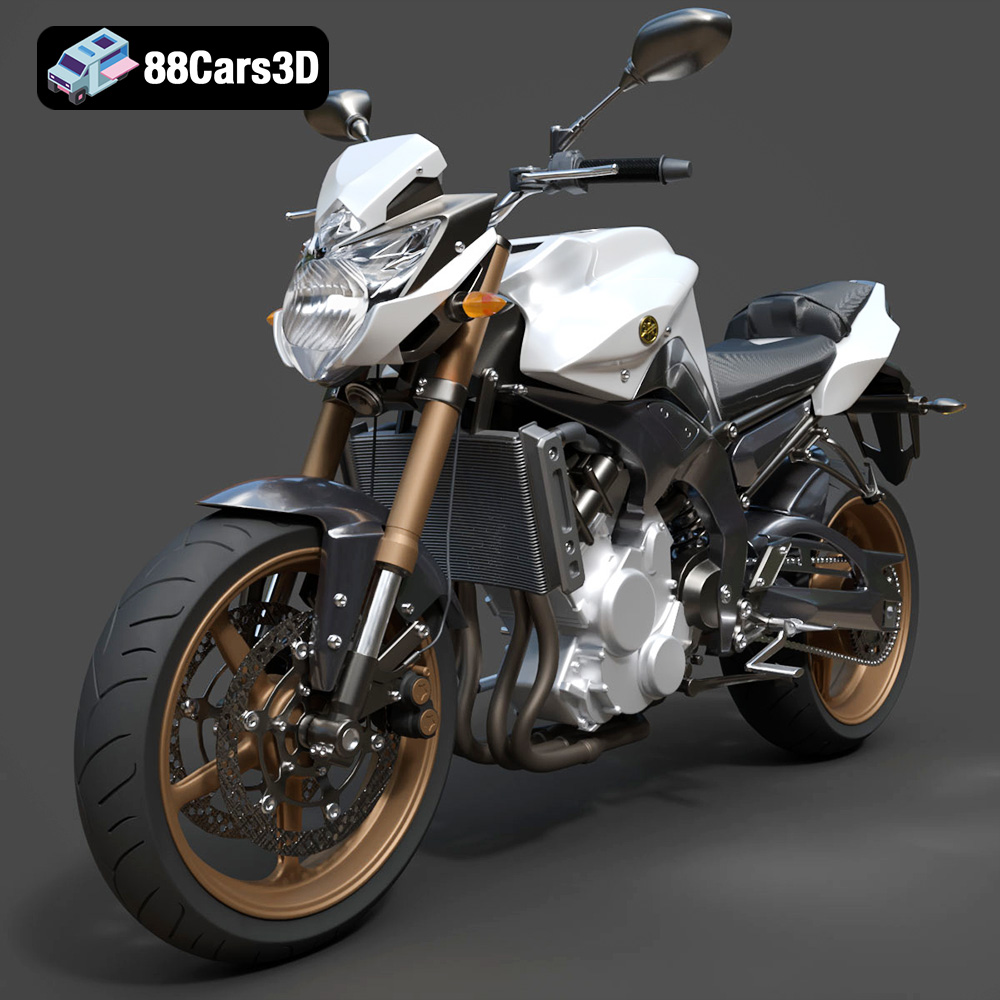
Texture: Yes
Material: Yes
Download the Yamaha FZ8 2011 3D Model featuring clean geometry, realistic detailing, and a fully modeled interior. Includes .blend, .fbx, .obj, .glb, .stl, .ply, .unreal, and .max formats for rendering, simulation, and game development.
Price: $19.99
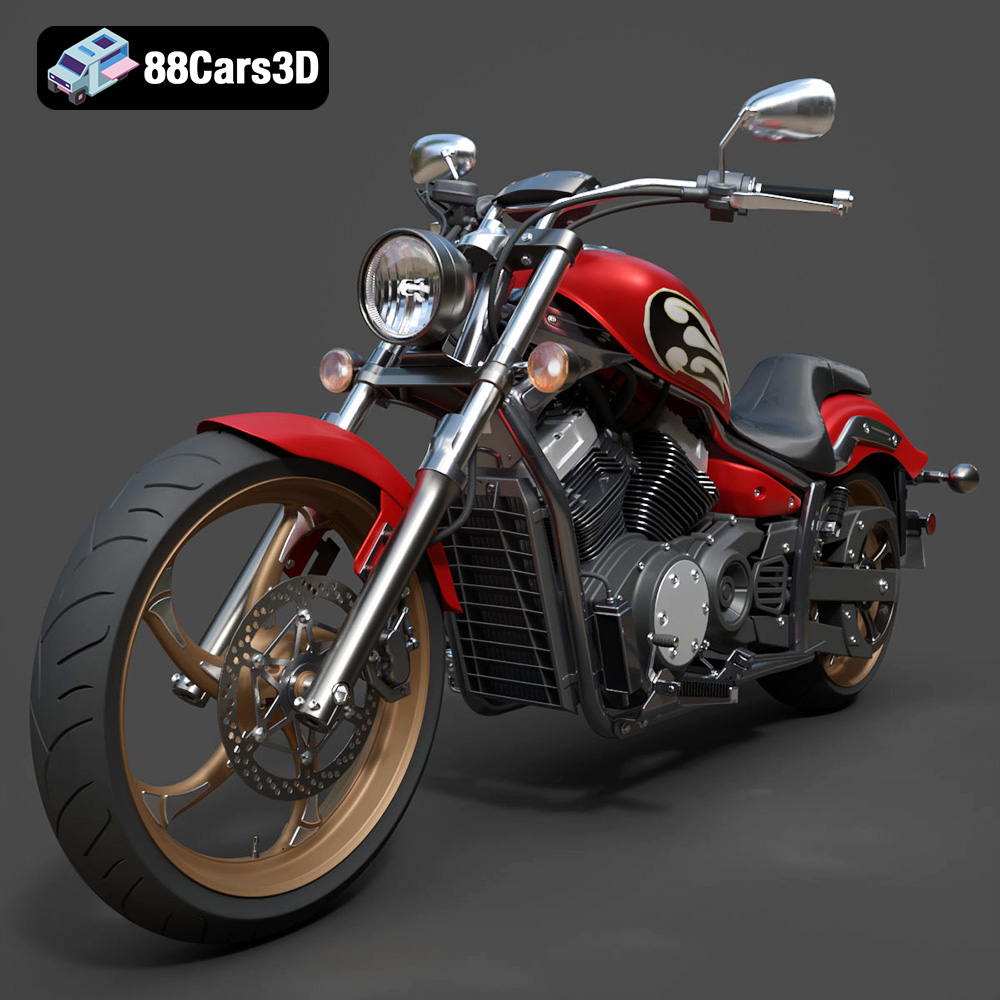
Texture: Yes
Material: Yes
Download the Yamaha Stryker 2012 3D Model featuring clean geometry, realistic detailing, and a fully modeled interior. Includes .blend, .fbx, .obj, .glb, .stl, .ply, .unreal, and .max formats for rendering, simulation, and game development.
Price: $19.99
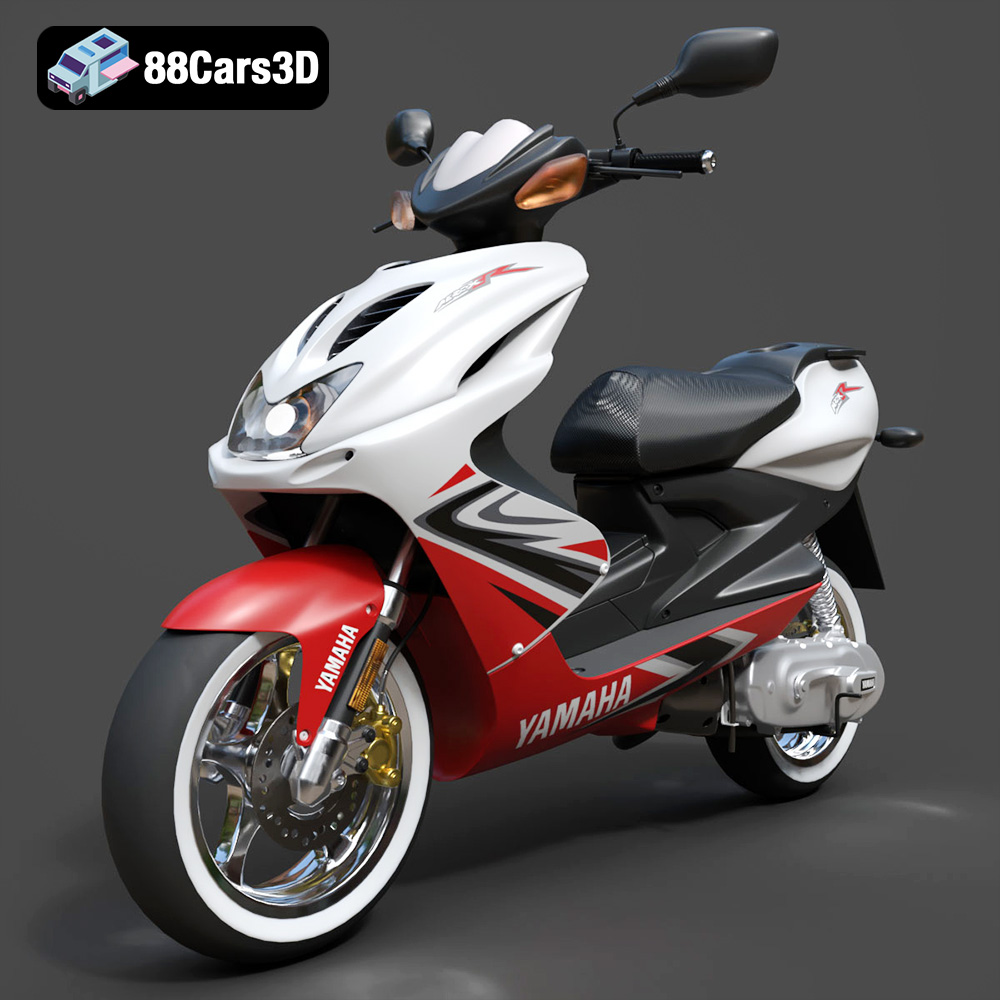
Texture: Yes
Material: Yes
Download the Yamaha Aerox R-002 2024 3D Model featuring clean geometry, realistic detailing, and a fully modeled interior. Includes .blend, .fbx, .obj, .glb, .stl, .ply, .unreal, and .max formats for rendering, simulation, and game development.
Price: $19.99
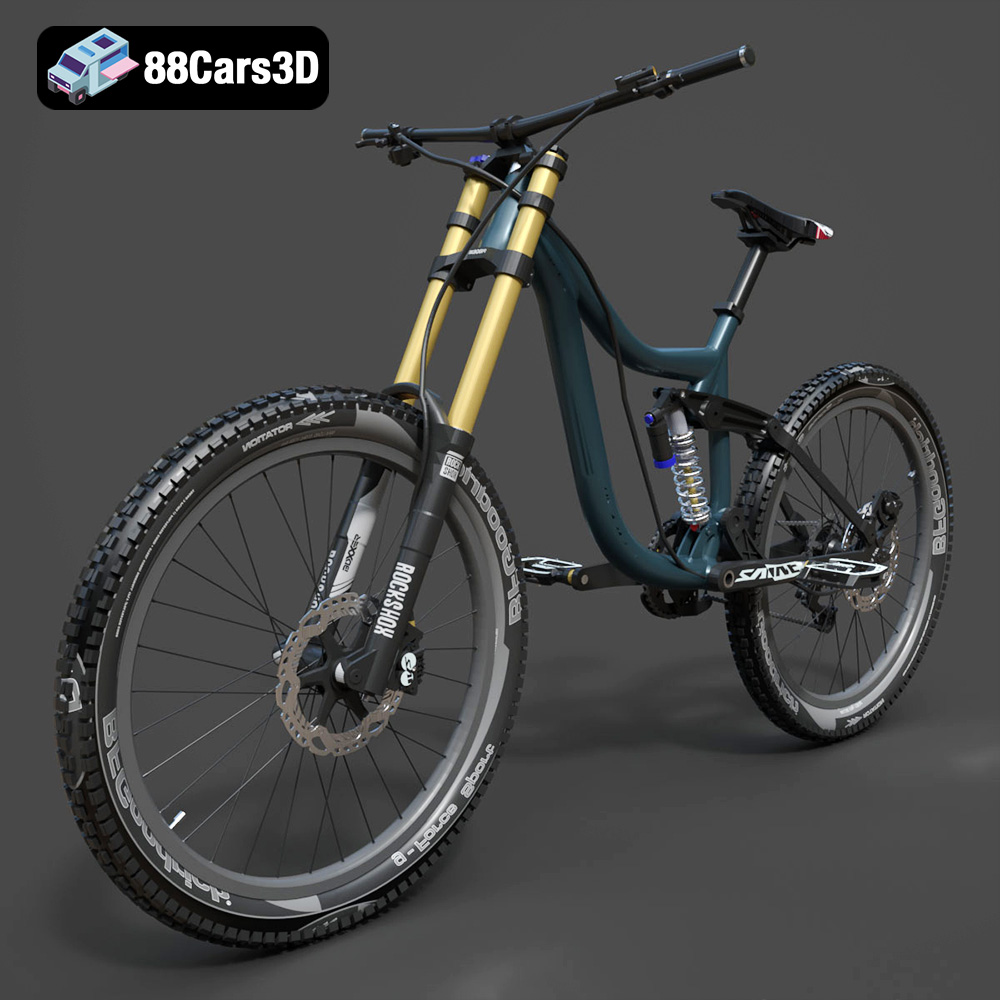
Texture: Yes
Material: Yes
Download the Mototsikly Downhill Bike-002 3D Model featuring clean geometry, realistic detailing, and precise mechanical components. Includes .blend, .fbx, .obj, .glb, .stl, .ply, .unreal, and .max formats for rendering, simulation, and game development.
Price: $19.99
Texture: Yes
Material: Yes
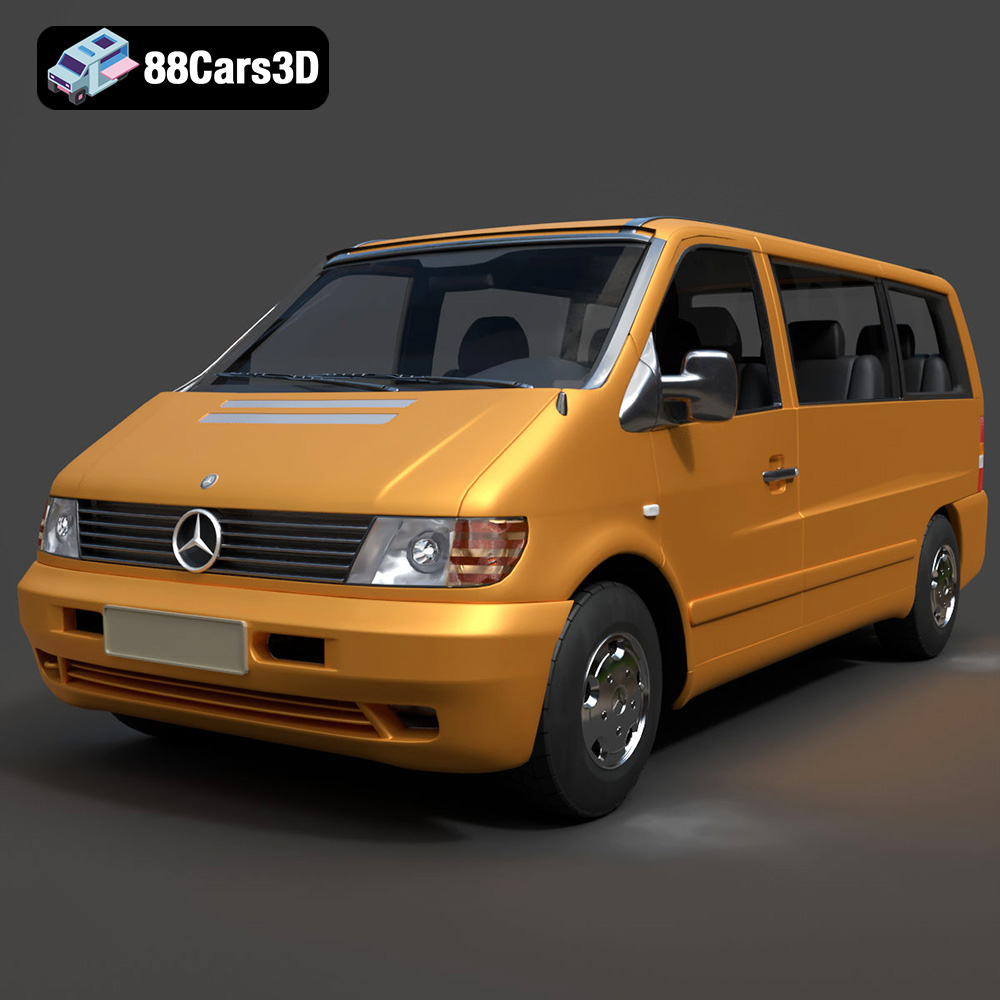
Download the Mercedes-Benz Vito Passenger Van 3D Model featuring clean geometry, realistic detailing, and a fully modeled interior. Includes .blend, .fbx, .obj, .glb, .stl, .ply, .unreal, and .max formats for rendering, simulation, and game development.
Price: $19.99
Texture: Yes
Material: Yes
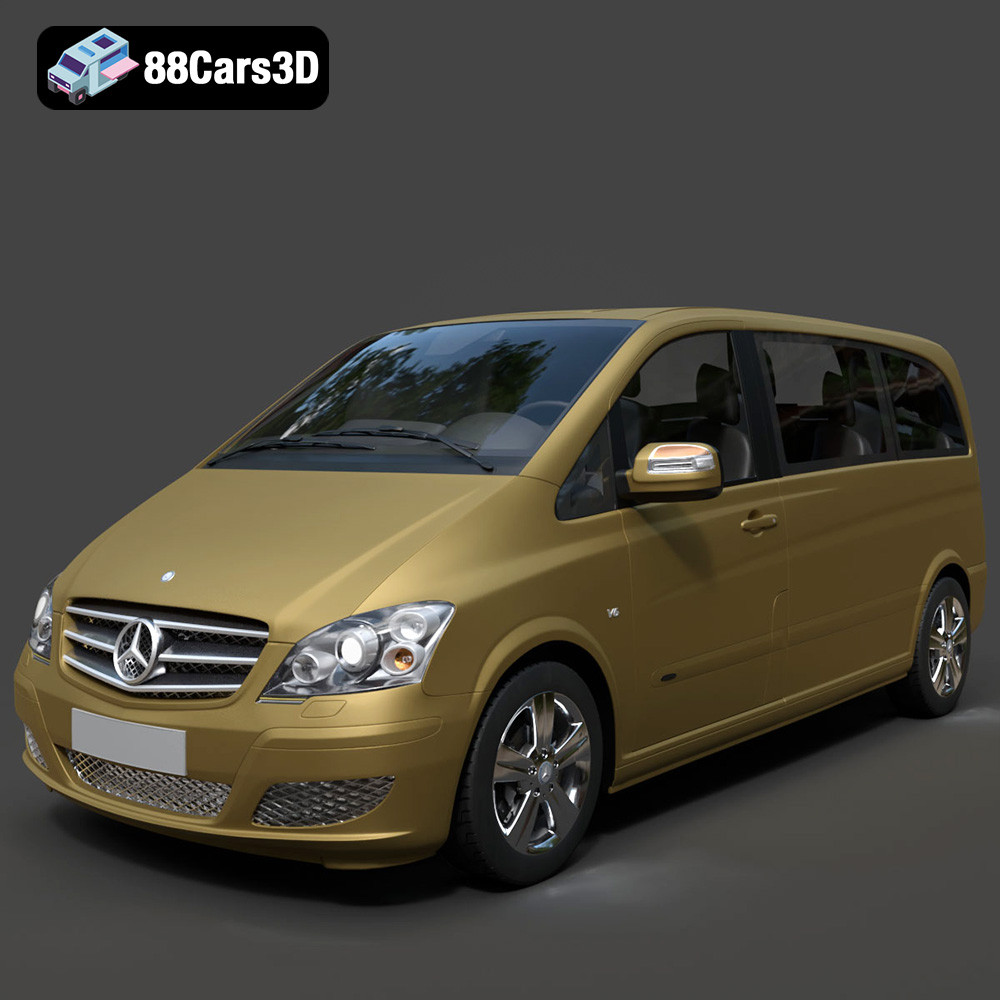
Download the Mercedes-Benz Viano 2010 3D Model featuring clean geometry, realistic detailing, and a fully modeled interior. Includes .blend, .fbx, .obj, .glb, .stl, .ply, .unreal, and .max formats for rendering, simulation, and game development.
Price: $19.99

Texture: Yes
Material: Yes
Download the Emt Avtobus 007 3D Model featuring clean geometry, realistic detailing, and a fully modeled interior. Includes .blend, .fbx, .obj, .glb, .stl, .ply, .unreal, and .max formats for rendering, simulation, and game development.
Price: $19.99
Texture: Yes
Material: Yes
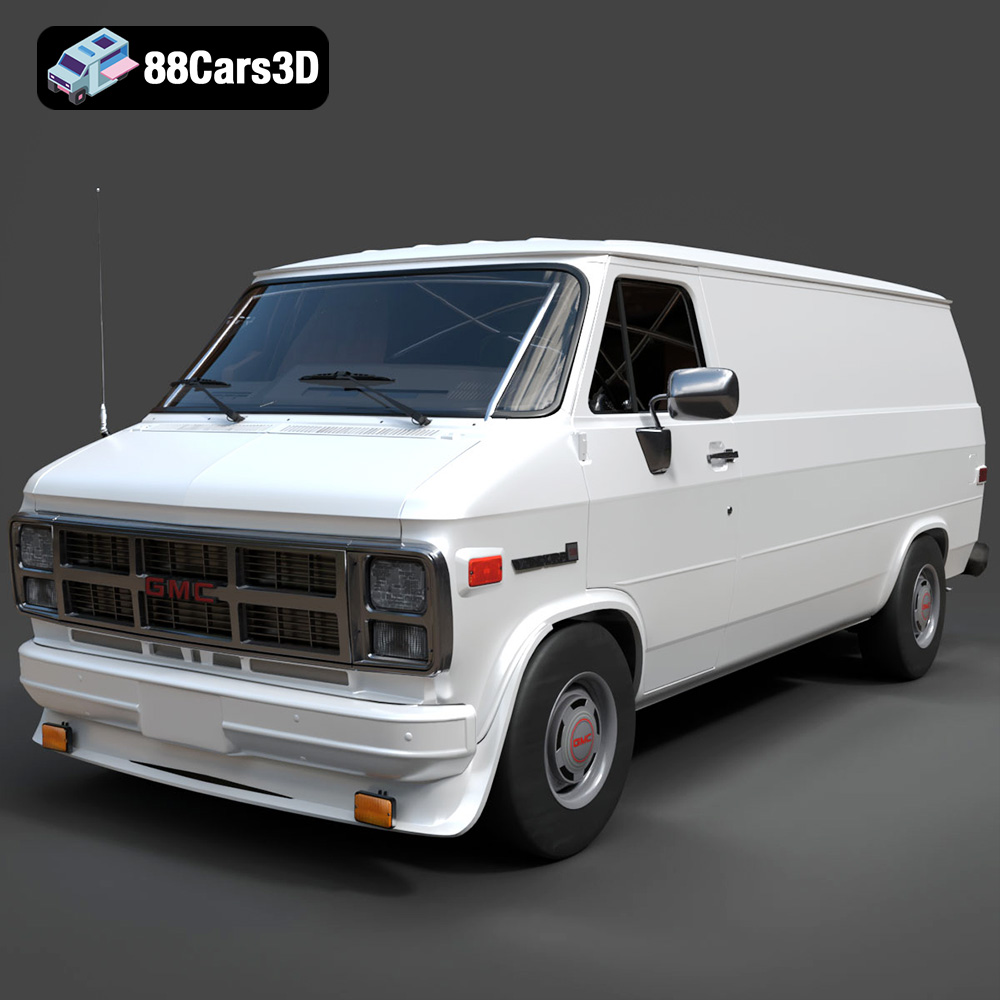
Download the GMC Vandura G-1500 1983 3D Model featuring clean geometry, realistic detailing, and a fully modeled interior. Includes .blend, .fbx, .obj, .glb, .stl, .ply, .unreal, and .max formats for rendering, simulation, and game development.
Price: $19.99
Texture: Yes
Material: Yes
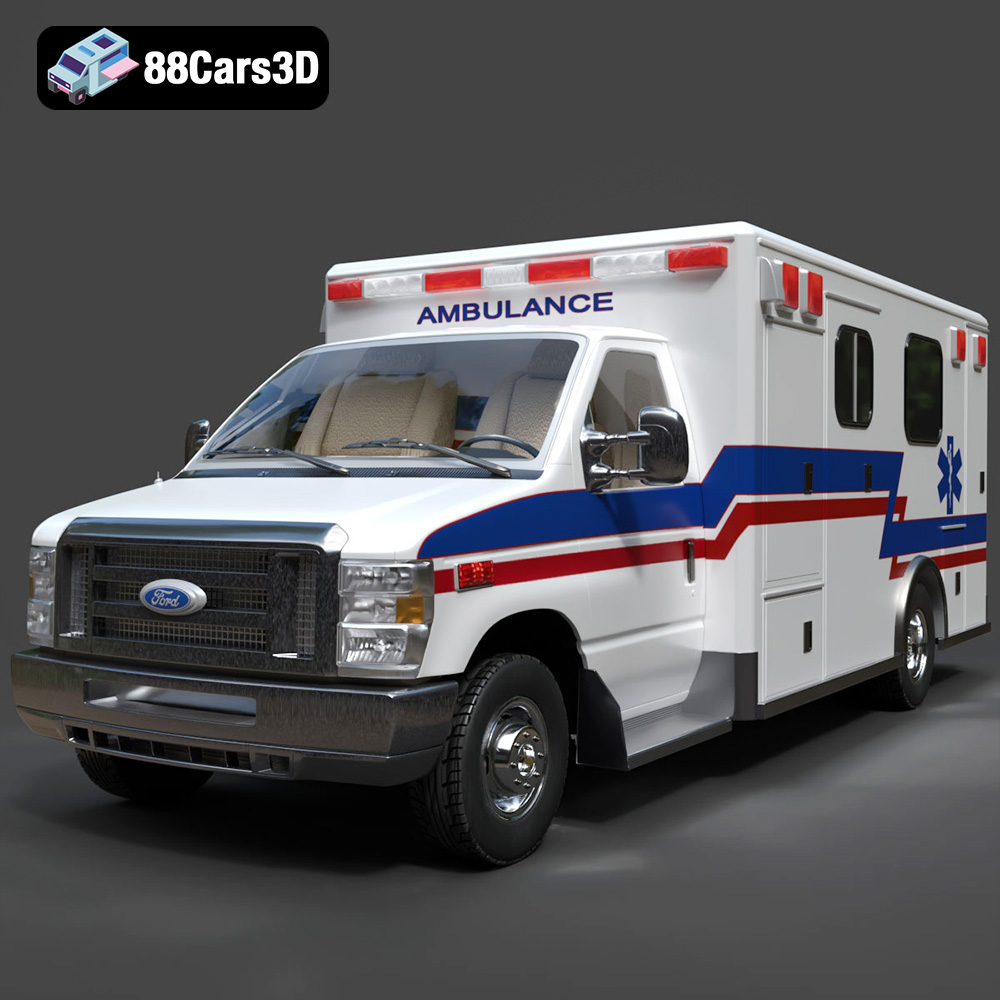
Download the Ford E-450 Ambulance 3D Model featuring clean geometry, realistic detailing, and a fully modeled interior. Includes .blend, .fbx, .obj, .glb, .stl, .ply, .unreal, and .max formats for rendering, simulation, and game development.
Price: $19.99

