Get 20% OFF All Premium 3D & STL Models!

In the demanding world of 3D visualization, automotive design, and game development, the difference between a good 3D model and an exceptional one often lies in the details. Nowhere is this more apparent than with vehicle wheels and tires. These seemingly secondary components are, in fact, critical focal points that can make or break the photorealism and overall impact of a 3D car model. For artists and developers who aim for the highest standards, such as those found on marketplaces like 88cars3d.com, creating realistic tire and wheel models is an art form that blends technical precision with artistic sensibility.
This comprehensive guide delves deep into the multifaceted process of crafting hyper-realistic 3D tires and wheels. We’ll explore everything from fundamental modeling principles and intricate topology considerations to advanced UV mapping, sophisticated PBR material creation, and optimization strategies for various applications, including game engines and AR/VR experiences. Whether you’re an aspiring 3D artist, an experienced game developer, or an automotive designer pushing the boundaries of virtual prototyping, mastering these techniques will empower you to elevate your 3D car models to an unparalleled level of authenticity and detail. Get ready to transform your understanding of what makes a truly stunning set of wheels and tires in the digital realm.
Creating realistic 3D wheel models begins with a solid understanding of fundamental modeling principles, primarily focusing on topology and hard-surface techniques. The intricate design of modern wheels, with their sharp edges, smooth curves, and often complex spoke patterns, demands a meticulous approach to ensure both visual fidelity and optimal performance. Clean topology is paramount, allowing for smooth subdivision, easy deformation (if animated), and efficient UV unwrapping.
The choice between starting with CAD data or employing subdivision surface modeling depends heavily on your project’s origin and final application. Automotive designers often begin with high-precision CAD data, which offers unparalleled accuracy. However, this data is typically composed of NURBS or solid geometry, which needs to be converted into a polygonal mesh for rendering and real-time engines. This conversion, known as “retopology” or “decimation,” requires careful handling to maintain crucial details while creating a clean, quad-based mesh. Tools like Fusion 360 or MoI3D excel at creating and exporting high-quality CAD surfaces. When translating to polygon meshes, aim for a polygon count that retains the curvature without excessive density, typically in the range of 50,000 to 150,000 triangles for a high-detail wheel, which can then be optimized with LODs (Levels of Detail).
For artists working from scratch or reference images, subdivision surface modeling is the preferred method in software like 3ds Max, Blender, or Maya. This technique allows you to start with a low-polygon base mesh and progressively add detail through subdivision modifiers, such as the Subdivision Surface Modifier in Blender. The key is to maintain an all-quad topology with excellent edge flow, ensuring that the subdivided mesh appears smooth and retains sharp edges where necessary. This is achieved through the strategic placement of additional edge loops, often referred to as “control edges” or “holding loops,” which ‘tighten’ the surface. For example, a wheel spoke, while appearing sharp, will still have a subtle fillet or bevel in reality. These small details are crucial for catching highlights and defining the form accurately.
The illusion of perfect smoothness on a subdivision surface model relies entirely on the strategic placement of control edges. These extra edge loops are positioned near sharp corners or areas of detail to prevent the subdivision modifier from rounding them off excessively. Without them, a simple box would become a sphere when subdivided. For a complex wheel, this means carefully adding loops around the outer rim, spokes, lug nut holes, and any other defined features.
Consider the process:
Aim for a clean, efficient quad mesh. While triangles are acceptable in some contexts, especially for game engines after the modeling phase, maintaining quads during modeling provides greater flexibility and predictable subdivision results. A dense but clean mesh for a hero asset wheel might have upwards of 100,000 polygons, while a game-ready asset could be optimized down to 10,000-20,000 polygons with various LODs.
Tires are arguably the most challenging part of a vehicle to model realistically, primarily due to their complex, repetitive tread patterns and soft, deformable nature. Achieving a convincing look requires a blend of high-detail modeling for close-ups and efficient techniques for real-time applications.
Start with a simple cylinder for the tire’s main body. The number of radial segments should be sufficient to represent the curvature smoothly, typically 32-64 segments. The crucial aspect of tire modeling is dealing with the tread. Since tread patterns are often highly repetitive and arranged radially, utilizing symmetry and array modifiers is essential. In Blender, you can leverage the Array Modifier combined with a Curve modifier to create a seamless, repeating pattern around the tire circumference. Model a single section of the tread, ensuring it has clean edge flow that can smoothly connect to its duplicates.
The side of the tire (sidewall) also needs careful attention. It’s here that manufacturing information, branding (e.g., “Michelin,” “Pirelli”), and size specifications are embossed or debossed. These details are critical for realism. For high-fidelity models, these can be modeled directly into the geometry using techniques like:
Ensure that the overall tire profile, including the slight bulge at the bottom where it meets the ground (if posed), is accurate. The transitions between the tread, sidewall, and rim should be smooth, reflecting the manufacturing process.
For truly convincing tire treads, especially for high-resolution renders or cinematic shots, traditional polygonal modeling for every tiny groove and siping is often impractical due to excessive polygon counts. A more efficient and industry-standard workflow involves sculpting the high-frequency details and then baking them onto a lower-polygon mesh.
Baking is commonly performed in software like Substance Painter, Marmoset Toolbag, or even directly in Blender’s Cycles renderer. When baking, ensure the low-poly and high-poly meshes are perfectly aligned to prevent artifacts. The resulting baked maps, typically 4K or 8K resolution depending on the required fidelity, will give your optimized tire model the appearance of millions of polygons without the performance overhead.
UV mapping is often perceived as a tedious but necessary evil in 3D workflows, yet for complex assets like tires and wheels, it’s a critical step that directly impacts texture quality and rendering efficiency. A well-laid-out UV map maximizes texture space, minimizes distortion, and simplifies the texturing process, ensuring your PBR materials look their best.
The goal of UV mapping is to flatten your 3D mesh into a 2D space without excessive stretching or compression. For wheels and tires, this involves strategic seam placement. Consider the wheel rim: you’ll typically want a seam along an inner edge that won’t be visible in most shots, allowing the outer rim to unwrap as a continuous strip. Spokes, being more organic or complex, might require individual unwraps. For the tire, the tread is typically unwrapped as a single rectangular strip, while the sidewalls are separate circular islands.
Here are best practices for seam placement and density:
For highly detailed models intended for close-up renders, you might use multiple UV sets. One set could be optimized for the main albedo, roughness, and metallic maps, while a secondary, higher-resolution set might be used for fine displacement details or decals that require extremely precise placement.
When dealing with extremely high-resolution models, especially those destined for film or high-end visualization, UDIMs offer significant advantages over a single UV set. UDIMs allow you to spread your UV islands across multiple 1001-10XX texture tiles, effectively bypassing the resolution limitations of a single 8K or 16K texture. This means you can have a dedicated 4K or 8K texture for the tire tread, another for the sidewall, and several more for different parts of the wheel, all while maintaining a coherent UV layout. This approach is particularly beneficial for automotive rendering where every scratch and imperfection needs to be visible up close. Software like Mari, Substance Painter, and Blender (Blender’s UDIM support) fully support this workflow.
For game assets or models destined for AR/VR, a single UV set (or a limited number of UV sets, typically one per material) is usually preferred for performance reasons. In this scenario, maximizing the use of the 0-1 UV space is crucial. Techniques like overlapping symmetrical UV islands (e.g., for left and right sides of identical spokes) can save valuable texture space, provided the textures applied are symmetrical. For platforms like 88cars3d.com, offering models with optimized single UV sets is often a key selling point for game developers and real-time visualization professionals.
The realism of your 3D tires and wheels ultimately hinges on the quality of their materials. Physically Based Rendering (PBR) is the industry standard for achieving photorealistic results, accurately simulating how light interacts with surfaces based on real-world properties. Creating compelling PBR materials for rubber and various wheel finishes involves a deep dive into texture map creation and intricate shader networks.
PBR workflows rely on several key texture maps to define a material’s appearance:
When creating these maps, software like Substance Painter, Quixel Mixer, or even Photoshop with relevant plugins are invaluable. Focus on subtle variations. No surface in the real world is perfectly uniform. Introduce slight variations in roughness, color, and even microscopic bumps to simulate realism. For example, a tire’s sidewall might show subtle manufacturing lines or very fine scuffs.
Brand new, pristine tires and wheels often look artificial. Realism demands imperfections. Integrating subtle wear and tear significantly enhances the believability of your 3D car models. This is achieved through carefully layered texture maps and advanced shader network techniques.
Modern renderers like Corona, V-Ray, Cycles (Blender), and Arnold offer robust node-based shader editors that allow artists to construct complex PBR materials by layering and blending these various texture maps. This nodal approach provides immense creative control and flexibility for achieving highly detailed and realistic material responses, crucial for automotive rendering.
A beautifully modeled and textured tire and wheel set will only look its best when rendered under appropriate lighting conditions. Effective lighting and a well-calibrated rendering setup are paramount to achieving photorealism and showcasing the intricate details of your 3D car models.
High Dynamic Range Images (HDRIs) are a cornerstone of modern 3D rendering for their ability to provide realistic environment lighting and reflections. An HDRI acts as both a light source and a background, encapsulating a full spherical view of real-world lighting conditions. For automotive rendering, choosing the right HDRI is crucial:
Beyond HDRIs, a traditional three-point lighting setup can be employed to highlight specific features of the wheel and tire. This typically involves:
Experiment with different light shapes and sizes. For example, long, narrow area lights can produce appealing anisotropic reflections on polished wheel surfaces, accentuating their form. In renderers like V-Ray and Corona for 3ds Max, or Cycles and EEVEE in Blender, you have extensive control over light properties, including temperature, intensity, and shape, allowing for precise artistic direction.
The raw render output, while technically accurate, rarely looks like a finished product. Post-processing and compositing are essential steps to add cinematic flair, correct colors, and integrate the rendered image seamlessly into its final context. This is where subtle adjustments can make a significant impact on perceived realism.
Many 3D artists utilize the Compositor within their 3D software (e.g., Blender’s Compositor) to perform these adjustments non-destructively, working with render passes (e.g., diffuse, specular, reflection, depth) to have maximum control. This iterative process allows for fine-tuning to achieve the desired visual impact for your 3D car models, making them ready for prime-time display on platforms like 88cars3d.com or in high-stakes presentations.
While photorealistic renders are crucial for marketing and visualization, the world of interactive experiences (games, AR/VR) demands stringent optimization without sacrificing visual quality. Adapting your high-detail tire and wheel models for real-time engines like Unity and Unreal Engine requires a strategic approach to polygon counts, textures, and asset delivery.
One of the most critical optimization techniques is implementing Levels of Detail (LODs). This involves creating multiple versions of your asset, each with a progressively lower polygon count. The engine then automatically switches between these versions based on the object’s distance from the camera:
The process of creating LODs often involves manual decimation, retopology, or using built-in tools within your 3D software or game engine. When reducing polygon count, ensure that critical silhouette-defining edges are preserved. Normal maps baked from the highest-detail model onto the lower LODs are vital for retaining visual fidelity across different detail levels. Each reduction in polygon count directly reduces draw calls and vertex processing, significantly improving real-time performance.
Another key aspect of polycount management is efficient instancing. If your scene contains multiple identical wheels, ensure they are instanced rather than duplicated. This allows the engine to draw the same geometry multiple times with fewer resources.
The choice of file format is crucial for compatibility and performance across different platforms. For general game development and cinematic purposes, FBX is the industry standard due to its robust support for mesh, materials, animations, and hierarchies. When exporting to FBX from 3ds Max, Maya, or Blender, ensure:
For modern web-based AR/VR experiences, GLB (glTF Binary) has become the go-to format. It’s an efficient, compact, and interoperable format that is widely supported. GLB packages models, textures, and animations into a single file, making it ideal for streaming and quick loading in web browsers and AR viewers. Assets on platforms like 88cars3d.com often leverage GLB for direct integration into web-based configurators or interactive showcases.
For Apple’s AR Quick Look and other iOS/macOS AR applications, USDZ is the proprietary format. USDZ files are optimized for AR viewing and offer similar advantages to GLB in terms of self-containment and efficiency. Converting models to USDZ typically requires Apple’s command-line tools or specific software plugins. When preparing for AR/VR, consider even stricter polycount limits (often < 50,000 triangles for an entire car, meaning wheels and tires need to be extremely efficient, perhaps 5,000-10,000 triangles each) and lower texture resolutions (e.g., 2K for base textures) to ensure smooth performance on mobile devices.
Regardless of the target format, it’s critical to thoroughly test your exported assets in the target environment to catch any scaling, material, or performance issues early in the pipeline.
Beyond the core PBR maps, there are numerous advanced shading, texturing, and decal techniques that can push the realism of your 3D tires and wheels even further. These methods add subtle nuances that mimic real-world optical phenomena and manufacturing variations, often overlooked but crucial for a truly believable asset.
Many high-performance wheels feature brushed metal finishes, which exhibit anisotropic reflections. Unlike isotropic reflections (where light scatters uniformly in all directions), anisotropic reflections stretch or squish highlights in a specific direction, typically perpendicular to the brush strokes. This effect is impossible to achieve with standard metallic-roughness PBR setups alone.
To implement anisotropic shading:
Careful application of these maps can dramatically enhance the realism of brushed aluminum, steel, or other directional finishes on your wheel models, making them reflect light in a physically accurate and visually compelling way. This is particularly noticeable during turntable renders or slow camera movements around the vehicle.
Rubber, especially the dark, dense rubber of tires, isn’t a purely opaque material. At thin edges or under strong light, it can exhibit subtle subsurface scattering (SSS), where light penetrates the surface, scatters internally, and re-emerges. While often ignored for dark materials, a very subtle SSS effect can add a touch of realism to tire sidewalls, preventing them from looking too flat or “digitally perfect.”
For rendering purposes, a slight SSS value, perhaps with a very dark grey or reddish scattering color, can be added to your tire material in renderers like Cycles or V-Ray. This effect is usually too computationally expensive for real-time game engines, but for high-fidelity visualization, it’s a worthwhile consideration.
Beyond the macro tread, real tire rubber has a fine, almost velvety texture known as micro-displacement or micro-surface detail. This can be simulated using very high-frequency normal maps or displacement maps with subtle noise patterns. This micro-texture helps break up perfect reflections and adds another layer of realism. You can generate these fine noise maps procedurally or by using photographic texture references. Applying this micro-detail can make the tire’s surface absorb and reflect light more realistically, differentiating it from other dark, matte surfaces in your scene.
Tire sidewalls are typically adorned with white lettering, branding, and other legal information. These are often applied as decals in 3D. Instead of modeling every letter (which is highly inefficient), a more practical approach involves creating a transparent texture with the text and then applying it as a decal.
These advanced shading and texturing techniques, while demanding meticulous attention, ultimately contribute to the stunning photorealism expected from top-tier 3D car models available on platforms like 88cars3d.com.
Crafting realistic 3D tire and wheel models is an intricate journey that combines precise technical execution with a keen artistic eye. From the foundational principles of clean topology and strategic subdivision modeling for intricate wheel designs, to mastering the complex, repetitive patterns of tire treads through sculpting and baking, every stage demands careful consideration. We’ve explored how advanced UV mapping strategies, including the intelligent placement of seams and the choice between UDIMs and single UV sets, directly influence texture quality and optimization.
The power of Physically Based Rendering (PBR) materials, with their calibrated albedo, roughness, and metallic maps, alongside the art of integrating subtle imperfections and wear, proves indispensable for achieving true photorealism. Moreover, understanding how to harness HDRIs and studio lighting, coupled with astute post-processing and compositing, elevates your renders from mere digital representations to captivating visual experiences. Finally, for those venturing into interactive realms, meticulous game engine optimization, including LOD creation and intelligent export to formats like FBX, GLB, and USDZ, ensures your high-quality assets perform flawlessly across diverse platforms.
The journey to creating truly stunning 3D car models is paved with these details. By applying these comprehensive techniques, you’re not just building geometry; you’re creating believable virtual components that stand up to the closest scrutiny. High-quality 3D car models, with their meticulously crafted tires and wheels, are invaluable assets for automotive rendering, game asset development, and advanced visualization. Remember, attention to detail is what distinguishes professional work, and continuous practice of these technical skills will undoubtedly set your 3D automotive creations apart. Explore the possibilities, hone your craft, and discover exceptional resources on platforms like 88cars3d.com to inspire your next masterpiece.

Meta Description:
Texture: Yes
Material: Yes
Download the Porsche Cayenne 3D Model featuring realistic exterior styling and detailed interior design. Includes .blend, .fbx, .obj, .glb, .stl, .ply, .unreal, and .max formats for rendering, simulation, AR VR, and game development.
Price: $19.9
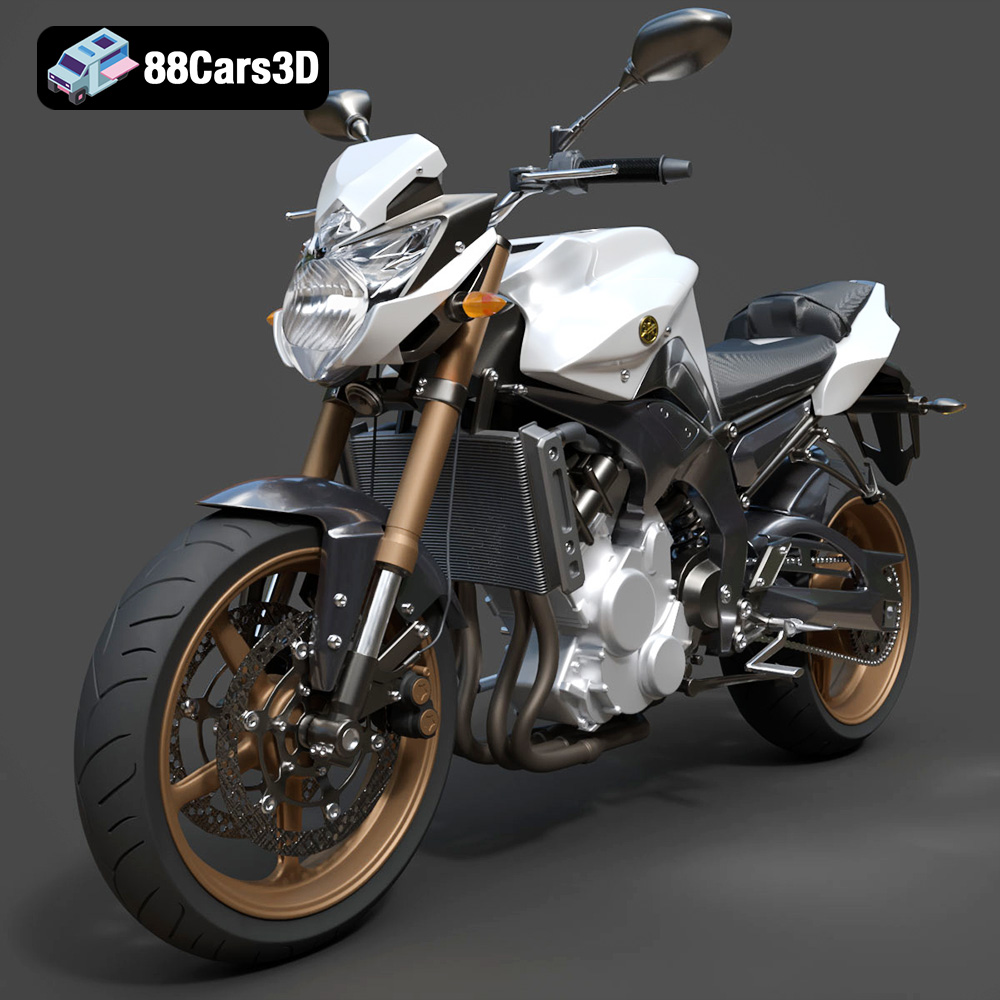
Texture: Yes
Material: Yes
Download the Yamaha FZ8 2011 3D Model featuring clean geometry, realistic detailing, and a fully modeled interior. Includes .blend, .fbx, .obj, .glb, .stl, .ply, .unreal, and .max formats for rendering, simulation, and game development.
Price: $19.99
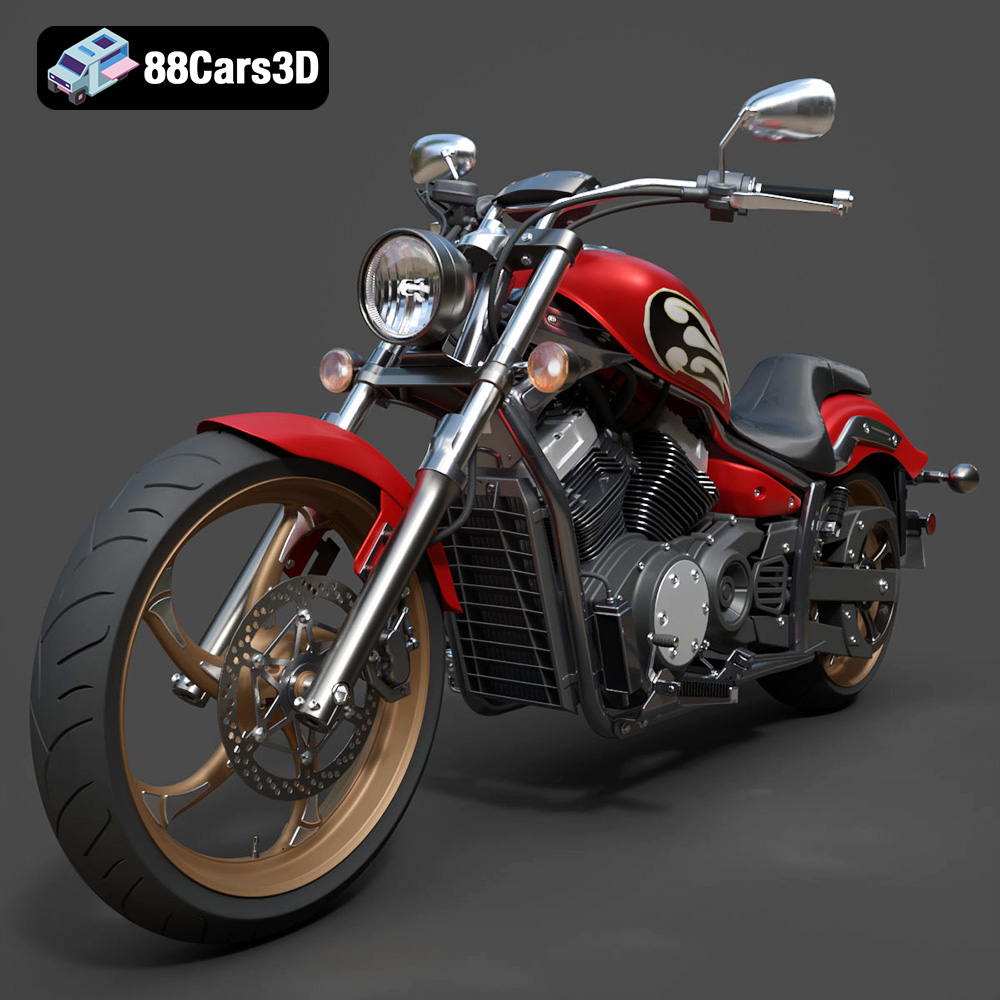
Texture: Yes
Material: Yes
Download the Yamaha Stryker 2012 3D Model featuring clean geometry, realistic detailing, and a fully modeled interior. Includes .blend, .fbx, .obj, .glb, .stl, .ply, .unreal, and .max formats for rendering, simulation, and game development.
Price: $19.99
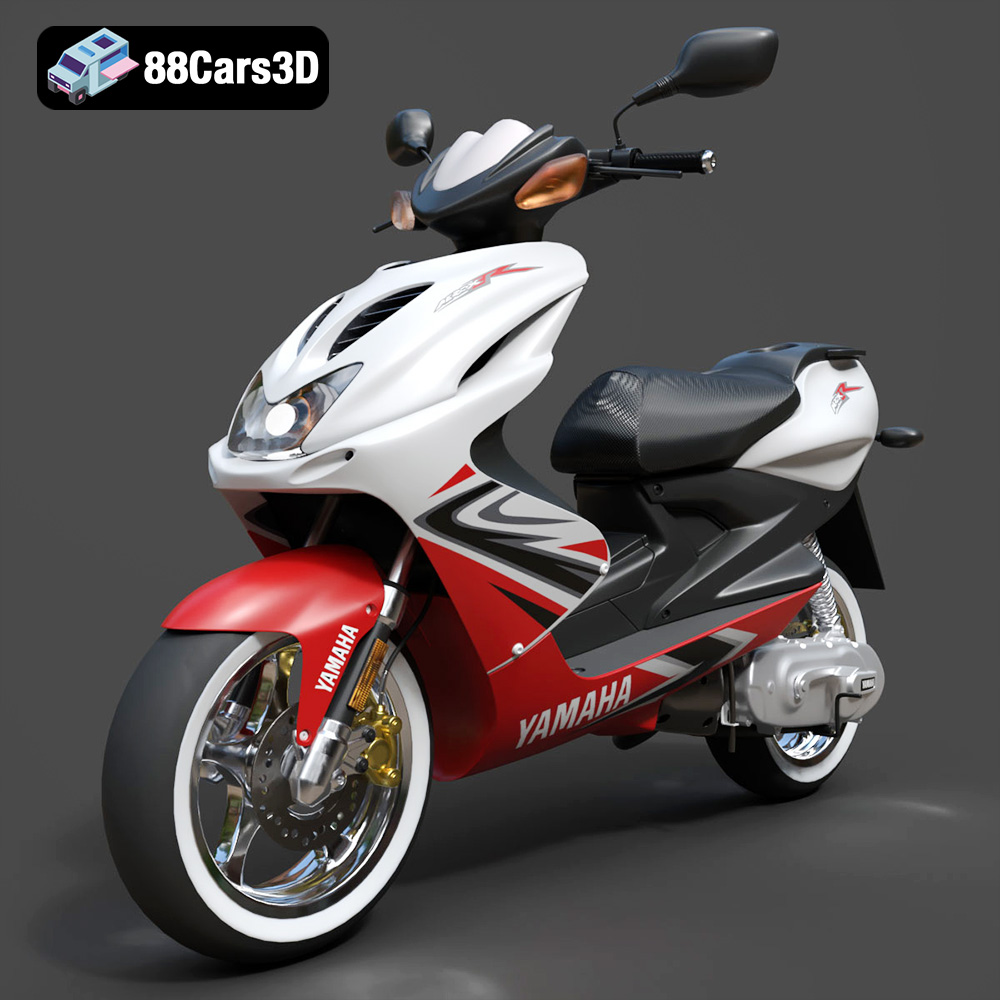
Texture: Yes
Material: Yes
Download the Yamaha Aerox R-002 2024 3D Model featuring clean geometry, realistic detailing, and a fully modeled interior. Includes .blend, .fbx, .obj, .glb, .stl, .ply, .unreal, and .max formats for rendering, simulation, and game development.
Price: $19.99
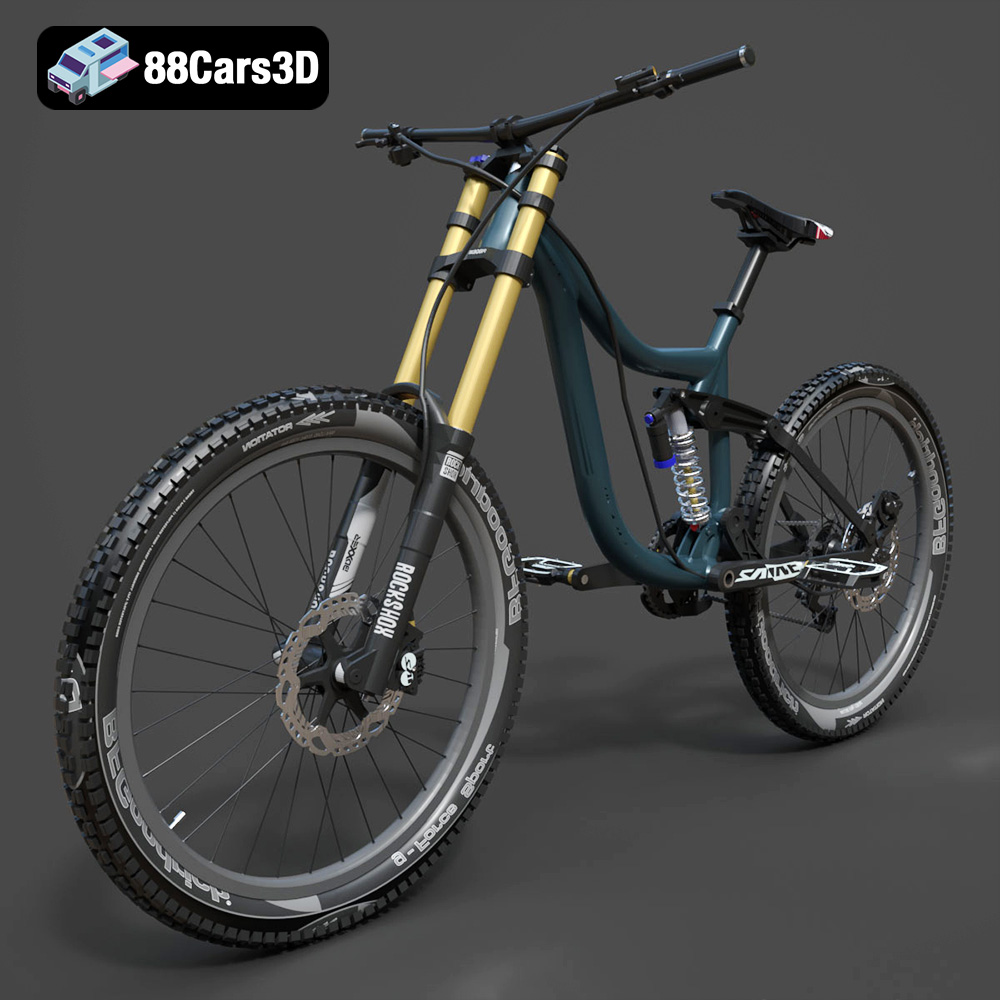
Texture: Yes
Material: Yes
Download the Mototsikly Downhill Bike-002 3D Model featuring clean geometry, realistic detailing, and precise mechanical components. Includes .blend, .fbx, .obj, .glb, .stl, .ply, .unreal, and .max formats for rendering, simulation, and game development.
Price: $19.99
Texture: Yes
Material: Yes
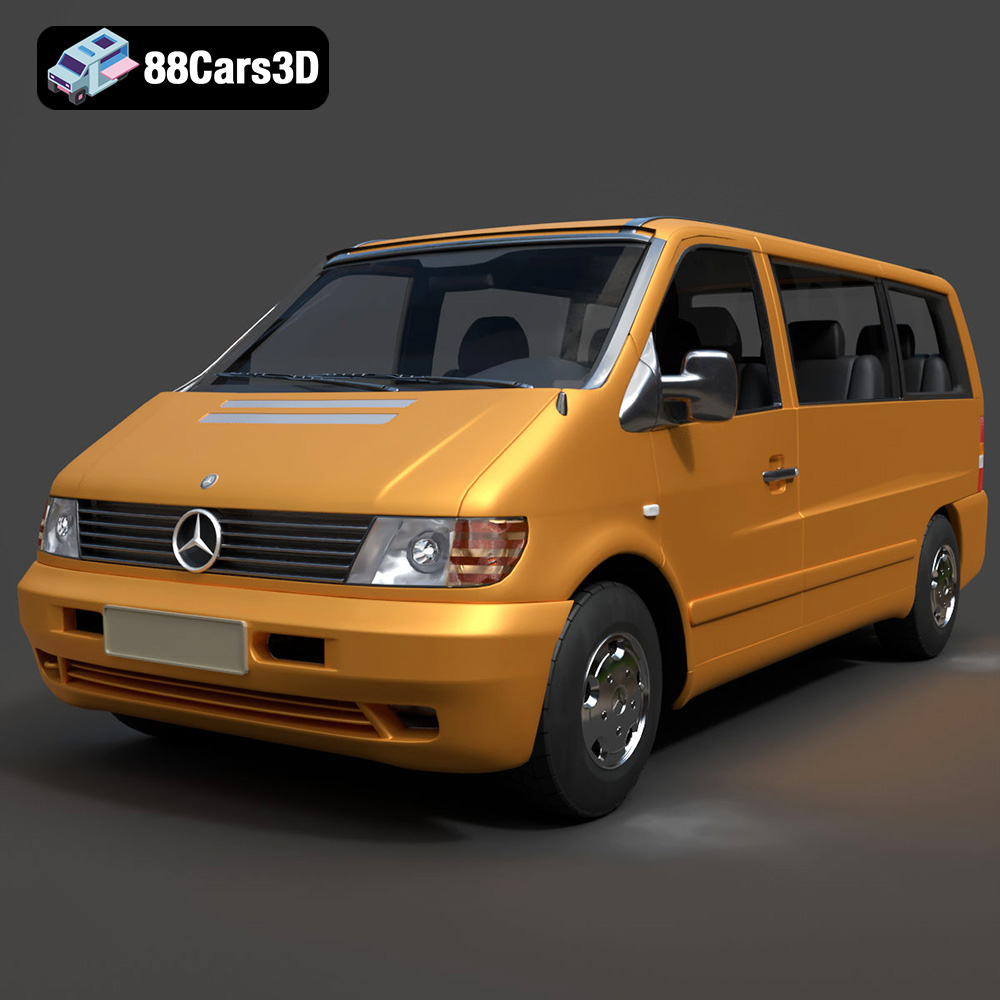
Download the Mercedes-Benz Vito Passenger Van 3D Model featuring clean geometry, realistic detailing, and a fully modeled interior. Includes .blend, .fbx, .obj, .glb, .stl, .ply, .unreal, and .max formats for rendering, simulation, and game development.
Price: $19.99
Texture: Yes
Material: Yes
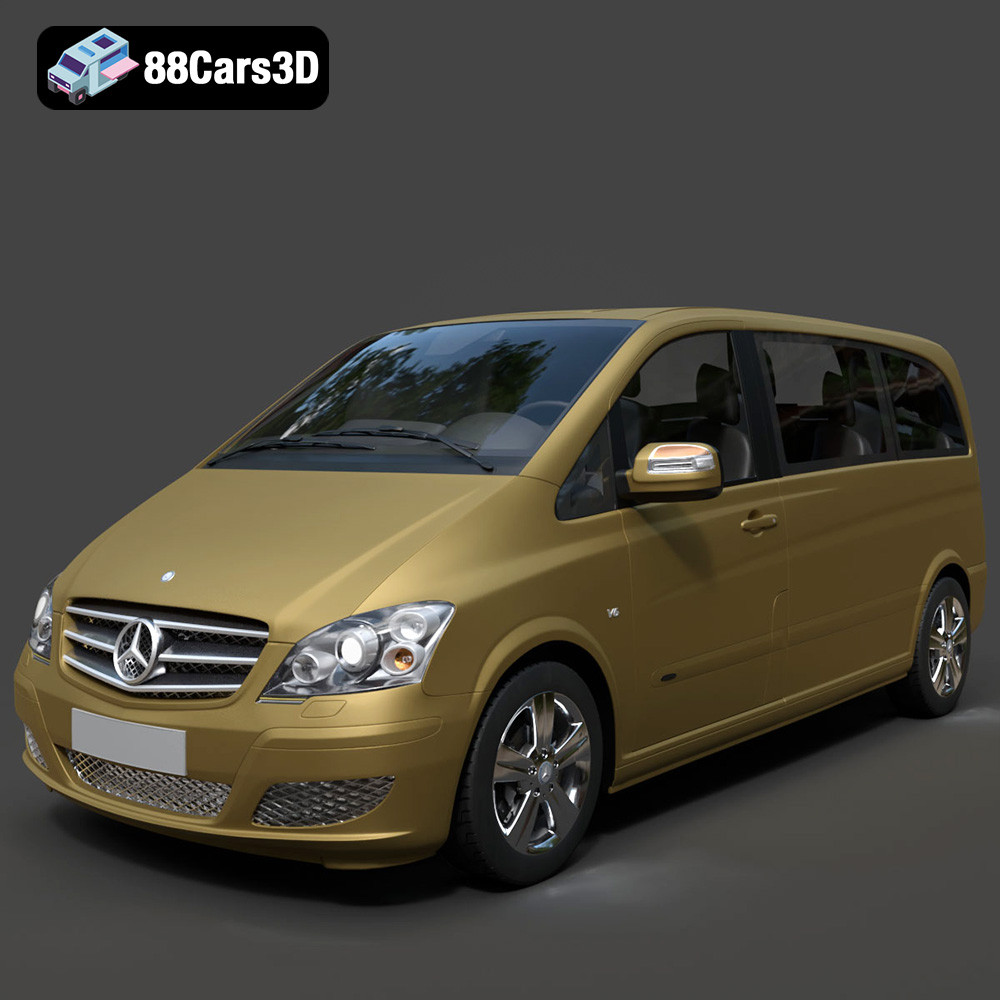
Download the Mercedes-Benz Viano 2010 3D Model featuring clean geometry, realistic detailing, and a fully modeled interior. Includes .blend, .fbx, .obj, .glb, .stl, .ply, .unreal, and .max formats for rendering, simulation, and game development.
Price: $19.99

Texture: Yes
Material: Yes
Download the Emt Avtobus 007 3D Model featuring clean geometry, realistic detailing, and a fully modeled interior. Includes .blend, .fbx, .obj, .glb, .stl, .ply, .unreal, and .max formats for rendering, simulation, and game development.
Price: $19.99
Texture: Yes
Material: Yes
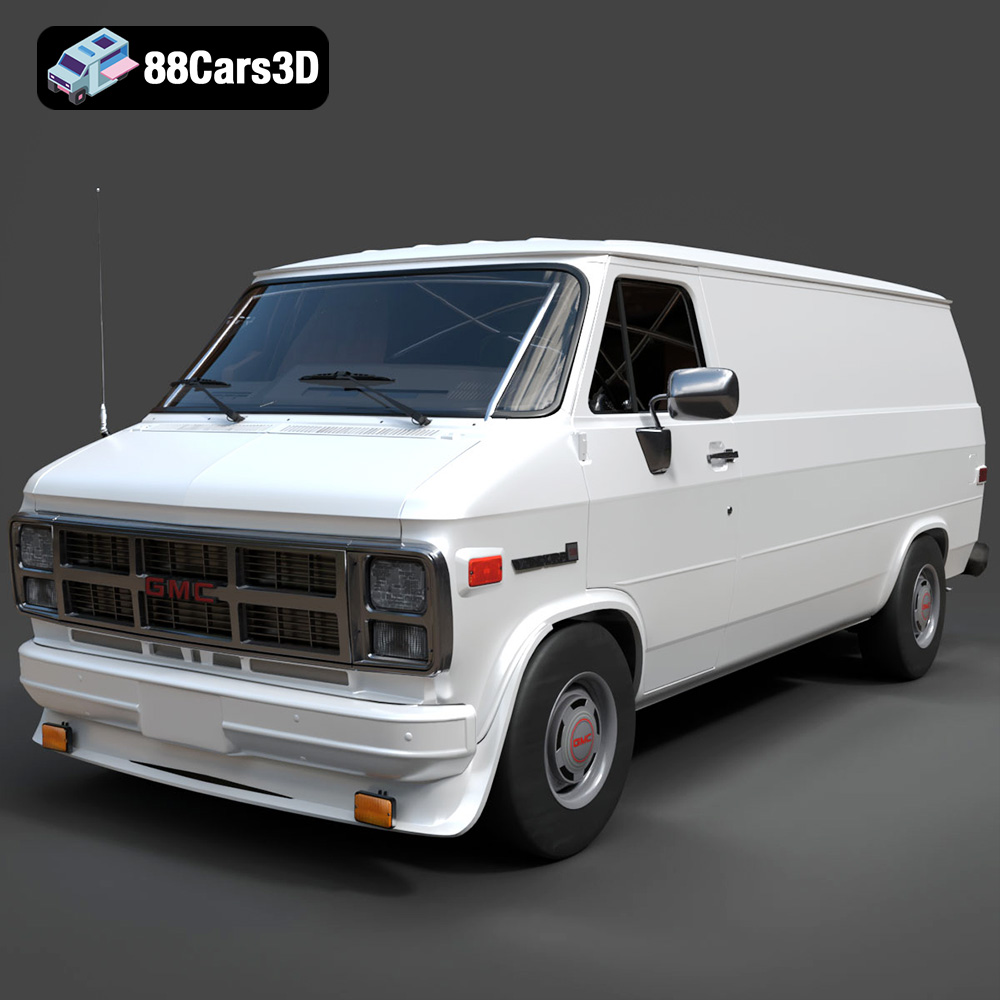
Download the GMC Vandura G-1500 1983 3D Model featuring clean geometry, realistic detailing, and a fully modeled interior. Includes .blend, .fbx, .obj, .glb, .stl, .ply, .unreal, and .max formats for rendering, simulation, and game development.
Price: $19.99
Texture: Yes
Material: Yes
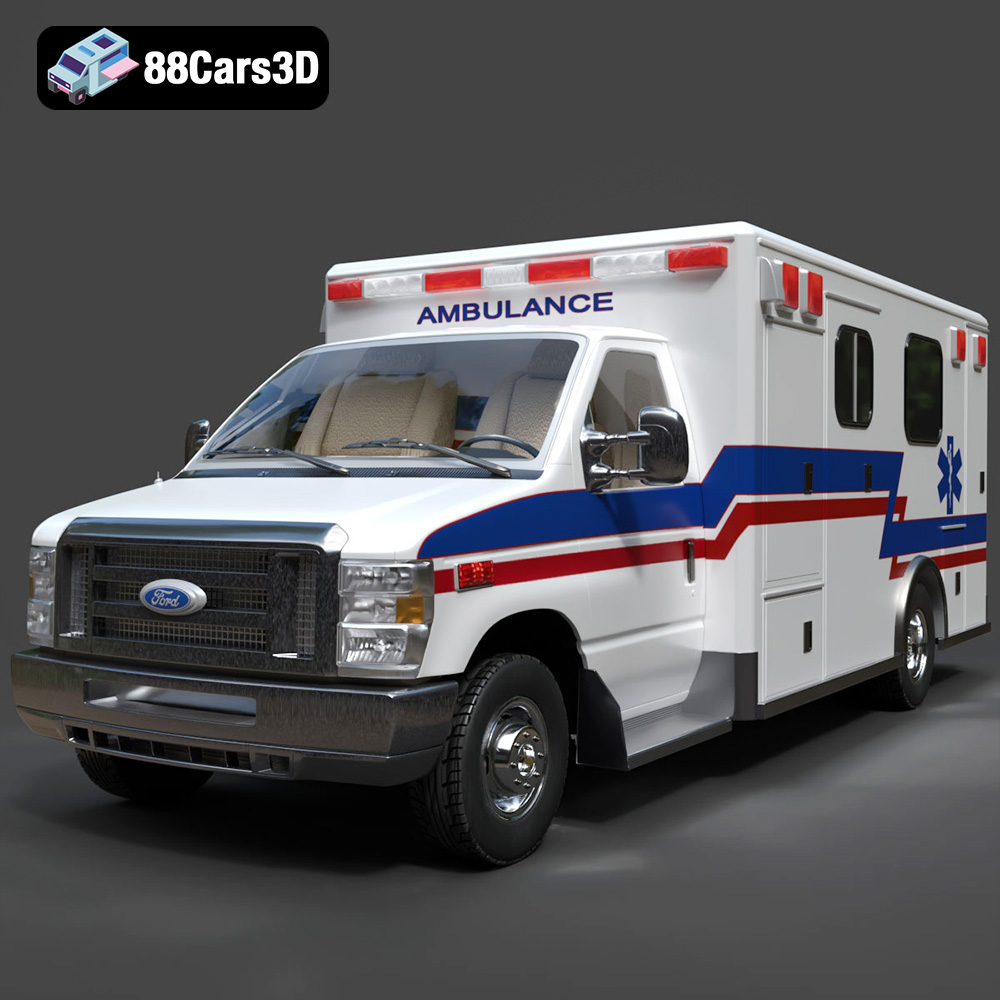
Download the Ford E-450 Ambulance 3D Model featuring clean geometry, realistic detailing, and a fully modeled interior. Includes .blend, .fbx, .obj, .glb, .stl, .ply, .unreal, and .max formats for rendering, simulation, and game development.
Price: $19.99

