

“`html
Mastering the Miniature: A Technical Guide to 3D Printing Detailed Car Interiors with STL Files
The allure of a perfectly rendered 3D printable car model extends far beyond its sleek exterior. For many enthusiasts and hobbyists, the true magic lies in the intricate details of the interior – the dashboard, seats, steering wheel, and center console. Capturing these nuances in a 3D printed model requires a deep understanding of STL file preparation, slicing techniques, and the specific challenges of printing fine details. This guide will delve into the technical aspects of transforming high-quality STL files, like those found on 88cars3d.com, into stunningly detailed car interiors. We’ll cover everything from understanding STL file topology to optimizing your 3D printer settings for unparalleled precision, ensuring your miniature automotive masterpieces are as impressive inside as they are out.
Understanding the Anatomy of a Detailed STL: From CAD to Printability
The journey to a perfect 3D printed car interior begins with the STL file itself. While the Stereolithography (STL) file format is ubiquitous in 3D printing, its fundamental structure – a mesh of interconnected triangles – can present challenges when dealing with delicate interior features. Understanding mesh topology, manifold errors, and geometric integrity is crucial before you even load your slicer. High-quality sources, such as the meticulously crafted models available on platforms like 88cars3d.com, are designed with printability in mind, but a basic understanding of these concepts empowers you to troubleshoot or even prepare your own models.
Mesh Topology and its Impact on Fine Details
A car interior is a complex assembly of thin walls, small protrusions, and subtle curves. In an STL file, these features are represented by triangles. For successful printing, these triangles must form a clean, closed surface without gaps or overlaps. Issues like non-manifold geometry (edges shared by more than two faces, or internal faces) can lead to slicing errors, unsupported overhangs, and ultimately, failed prints. Professional modeling software like Blender, Meshmixer, or Autodesk Netfabb are invaluable tools for inspecting and repairing STL files. Look for features like the steering wheel spokes, intricate dashboard buttons, or the stitching patterns on seats. Each of these requires a well-defined mesh with adequate triangulation to capture the detail without becoming overly dense and computationally intensive.
Ensuring Manifold Integrity and Watertight Meshes
A “watertight” or manifold mesh is essential for a 3D printer’s slicer software to interpret the model correctly. Imagine trying to fill a colander with water – it won’t hold. Similarly, a non-manifold mesh has holes or inconsistencies that prevent the slicer from defining the solid volume. Common issues include inverted normals (triangles pointing inwards), intersecting meshes, and orphaned edges. Software like Meshmixer offers automated repair functions (e.g., “Make Manifold”) that can fix many of these problems. For critical or complex repairs, manual editing in Blender or Netfabb might be necessary, involving techniques like merging vertices, deleting duplicate faces, and ensuring all normals are consistently oriented outwards. A manifold mesh ensures that the slicer can accurately generate toolpaths for printing, preventing unexpected gaps or missing sections in your detailed interior.
Slicing for Precision: Unlocking Delicate Details
Once you have a clean STL file, the slicer becomes your primary tool for translating the digital model into printable instructions. For car interiors, the default settings often won’t suffice. Achieving the crispness of a steering wheel or the subtle curvature of a dashboard requires careful calibration of layer height, print speed, retraction settings, and temperature. The goal is to minimize the “stepping” effect of layer lines and prevent stringing or blobs that can obscure fine details.
Layer Height: The Foundation of Detail
Layer height is arguably the most significant factor influencing the vertical resolution of your print. For intricate car interiors, using a smaller layer height is paramount. For FDM printers, a layer height of 0.1mm or even 0.08mm is often recommended for achieving smoother curves and sharper edges compared to the standard 0.2mm. While this dramatically increases print time, the trade-off in visual quality for miniature interiors is usually well worth it. Resin printers, with their inherent sub-pixel resolution, can achieve even finer details at layer heights of 0.025mm to 0.05mm, making them ideal for extremely small or complex interior components.
Print Speed and Retraction: Battling Stringing and Blobs
Printing fine details at lower layer heights often necessitates reducing print speeds. Fast movements can introduce vibrations and ringing, while slow, deliberate movements allow the extruded filament or resin to cool and solidify properly. For FDM printing, consider reducing your outer wall speed to 20-30 mm/s and your inner wall speed to 30-40 mm/s. Crucially, precise retraction settings are vital for preventing stringing – those fine, wispy threads of plastic that can mar delicate surfaces. Experiment with retraction distance (e.g., 4-6mm for Bowden setups, 0.5-2mm for direct drive) and retraction speed (e.g., 40-60 mm/s). Consistent tuning of these parameters, often through calibration prints like retraction towers, is key to a clean finish, especially around small features like dashboard vents or seat stitching.
Support Structures: The Unsung Heroes of Complex Geometry
Car interiors are rife with overhangs and bridges – elements that require support structures to be printed successfully. However, supports can also obscure details or leave undesirable marks upon removal. The art of printing detailed interiors lies in strategically generating and placing supports that are effective yet minimally invasive.
Support Types and Placement Strategies
Most slicers offer various support types, including standard, tree (or branched), and custom supports. For car interiors, tree supports are often preferred due to their delicate branching nature, which minimizes contact points with the model’s surface. They can be programmed to grow away from critical details. When placing supports manually or optimizing automatically, focus on supporting overhangs exceeding 45-60 degrees. Consider the orientation of your model: can you rotate it on the build plate to reduce the number or severity of overhangs, thereby minimizing the need for supports? For instance, printing a dashboard module flat on its back might eliminate most overhangs, requiring only minimal support for specific details.
Support Settings and Removal Techniques
Beyond the type of support, specific settings significantly impact ease of removal and surface finish. Lowering the support density (e.g., 5-10%) makes them easier to break away. Increasing the support Z distance (e.g., 0.2-0.3mm for FDM) creates a small gap between the support and the model, allowing for cleaner separation. For resin prints, adjusting the angle and density of supports is also critical to prevent print failures while ensuring details aren’t damaged during removal. When removing supports, patience is key. For FDM, small hobby tools like flush cutters, needle-nose pliers, and hobby knives are essential. Start by gently wiggling the support to break the initial adhesion, then carefully snip or cut away sections. For resin prints, supports are typically cut away with flush cutters after washing and curing, or sometimes before curing for easier access. Always wear appropriate safety gear, including gloves and eye protection, when handling tools for support removal.
Material Selection and Printer Calibration: The Building Blocks of Quality
The filament or resin you choose, coupled with a well-calibrated printer, forms the foundation for achieving the best possible results when printing intricate car interiors. Different materials offer varying levels of detail capture, post-processing capabilities, and mechanical properties, while proper calibration ensures your printer consistently performs at its peak.
FDM Materials: PLA vs. PETG vs. ABS for Interiors
PLA (Polylactic Acid) is often the go-to material for detailed prints due to its ease of printing, low warping tendency, and excellent detail reproduction. It has a relatively low printing temperature (190-220°C), making it forgiving. However, it can be brittle. PETG (Polyethylene Terephthalate Glycol) offers better temperature resistance and durability than PLA but can be more prone to stringing and requires slightly higher printing temperatures (220-250°C). ABS (Acrylonitrile Butadiene Styrene) boasts excellent temperature resistance and impact strength but is notoriously difficult to print due to significant warping and the need for an enclosed printer and heated bed (230-260°C). For most detailed car interior models, especially those not subjected to high temperatures or stress, PLA is the recommended choice for its balance of printability and detail. However, if durability or higher temperature resistance is a concern, PETG might be a viable alternative with careful tuning.
Resin Printing: SLA, DLP, and MSLA for Micro-Details
Resin printers (SLA, DLP, MSLA) excel at capturing the finest details, making them perfect for miniature car interiors. Various resin types are available, each with different properties: standard resins offer excellent detail but can be brittle; tough resins are more durable; flexible resins can mimic rubber components. For highly detailed car interiors, a standard or high-detail resin is usually sufficient. The key to successful resin printing lies in proper exposure settings and raft/support configuration. Over-exposure can lead to loss of detail and “cured” supports that are difficult to remove, while under-exposure can result in print failures. Calibration prints, like the AmeraLabs calibration model or Resin XP2 Validation Matrix, are crucial for dialing in correct exposure times.
Printer Calibration: The Bedrock of Success
Before tackling a complex car interior, ensure your 3D printer is optimally calibrated. This includes:
- Bed Leveling: A perfectly level bed is non-negotiable for good first-layer adhesion, which is critical for preventing warping and ensuring the base of your model is solid.
- E-steps Calibration: Ensures your extruder is pushing out the correct amount of filament. Incorrect E-steps can lead to under-extrusion (gaps) or over-extrusion (blobs and poor detail).
- Temperature Towers: Essential for finding the optimal printing temperature for your chosen filament, which significantly impacts bridging, overhangs, and stringing.
- Flow Rate Calibration: Fine-tunes extrusion multiplier to ensure accurate dimensions and prevent over/under-extrusion, especially important for thin walls in car interiors.
- Resin Printer Exposure Tests: For resin printers, finding the correct exposure time is paramount for detail and print success.
A well-calibrated printer minimizes variables and ensures that the fine-tuning you do in your slicer will yield predictable and high-quality results.
Print Orientation and Bed Adhesion: Setting the Stage for Success
The way your car interior model is positioned on the build plate (print orientation) and how well its first layer adheres are fundamental to print success, especially for delicate components. Incorrect orientation can exacerbate overhang issues and increase the need for difficult-to-remove supports, while poor bed adhesion will lead to failed prints or warped models.
Strategic Orientation for Minimal Supports and Maximum Detail
The orientation of your car interior model on the build plate should be carefully considered. The primary goals are to minimize the number and severity of overhangs, reduce the surface area that requires supports, and position critical details in a way that is least likely to be marred by supports or layer lines. For example, printing a dashboard tilted upwards at an angle might allow the dashboard face to print with fewer supports, while the underside might require more. Often, printing components separately and then assembling them can offer the best orientation for each piece. If a part has a very detailed “top” surface, consider orienting it upside down if the bottom surface is less critical, allowing the supports to adhere to the less visible side. Experimentation and visualizing the slicing layers in your slicer software are key to finding the optimal orientation.
Achieving Robust Bed Adhesion
A solid first layer is the foundation of any successful print. For FDM printers, this means ensuring your build plate is clean (use isopropyl alcohol) and properly leveled. Depending on your build surface material (e.g., glass, PEI, BuildTak) and filament, you may need to use adhesion aids like a glue stick, hairspray, or specialized bed adhesives. For very fine details on the base of a model, consider using a brim or raft. A brim adds a single layer of extruded lines around the base of your model, increasing the surface area in contact with the build plate and preventing detachment. A raft prints a thicker, multi-layered base upon which your model sits, providing excellent adhesion but can be more challenging to remove and may slightly impact the finish of the model’s bottom surface. For resin printers, proper adhesion to the FEP film or build plate is also crucial, achieved through correct initial layer exposure times and ensuring the build plate is clean and free of cured resin.
Post-Processing: Refining Your Miniature Masterpiece
Even with perfect slicing and printing, post-processing is often the final, crucial step in bringing a highly detailed car interior to life. This involves removing supports, cleaning up the print, and potentially assembling multiple components before painting or applying finishing touches.
Support Removal and Surface Smoothing
As discussed earlier, careful and patient support removal is essential. Once supports are detached, you may be left with small nubs or rough surfaces. For FDM prints, these can often be smoothed using fine-grit sandpaper (starting with 200-400 grit and moving up to 1000-2000 grit). A hobby knife can be used to carefully trim away any remaining support material. For a truly smooth finish, especially on visible exterior surfaces of the interior components, sanding and filling with a model putty or filler primer can be very effective. For resin prints, sanding is also an option, but care must be taken not to damage the fine details. Isopropyl alcohol (IPA) is used for cleaning uncured resin, and further sanding or polishing can enhance the surface finish. Using a filler primer and then wet-sanding is a common technique to achieve a glass-smooth surface ready for paint.
Assembly and Painting Techniques
Many detailed car interior models are designed to be printed in multiple parts (e.g., dashboard, seats, steering wheel) and then assembled. Use appropriate adhesives for your chosen material – super glue (cyanoacrylate) is common for both PLA and resin prints, while plastic cement or even 3D pen filament can be used for FDM parts. When painting, consider using acrylic model paints. A primer coat is always recommended, as it helps paint adhere better and reveals any imperfections that still need attention. For interiors, subtle weathering effects, dry brushing to highlight textures on seats or carpets, and careful application of different paint finishes (matte for dashboard plastics, gloss for instrument cluster lenses) can elevate the realism of your model. Airbrushing offers excellent control for achieving smooth color transitions and fine detail application.
Printing highly detailed car interiors from STL files is a rewarding endeavor that blends technical skill with artistic vision. By understanding the nuances of STL file preparation, optimizing your slicing software settings, mastering support generation and removal, selecting appropriate materials, and diligently calibrating your printer, you can achieve stunning results. Whether you’re creating a display piece, enhancing a model car, or exploring automotive design, the techniques outlined here will empower you to bring the intricate world of car interiors to your 3D printer. Remember to explore high-quality resources like 88cars3d.com for excellent starting points, and don’t be afraid to experiment and refine your process. Happy printing!
“`
Featured 3D Car Models

Porsche Cayenne 3D Model
Meta Description:
Texture: Yes
Material: Yes
Download the Porsche Cayenne 3D Model featuring realistic exterior styling and detailed interior design. Includes .blend, .fbx, .obj, .glb, .stl, .ply, .unreal, and .max formats for rendering, simulation, AR VR, and game development.
Price: $19.9
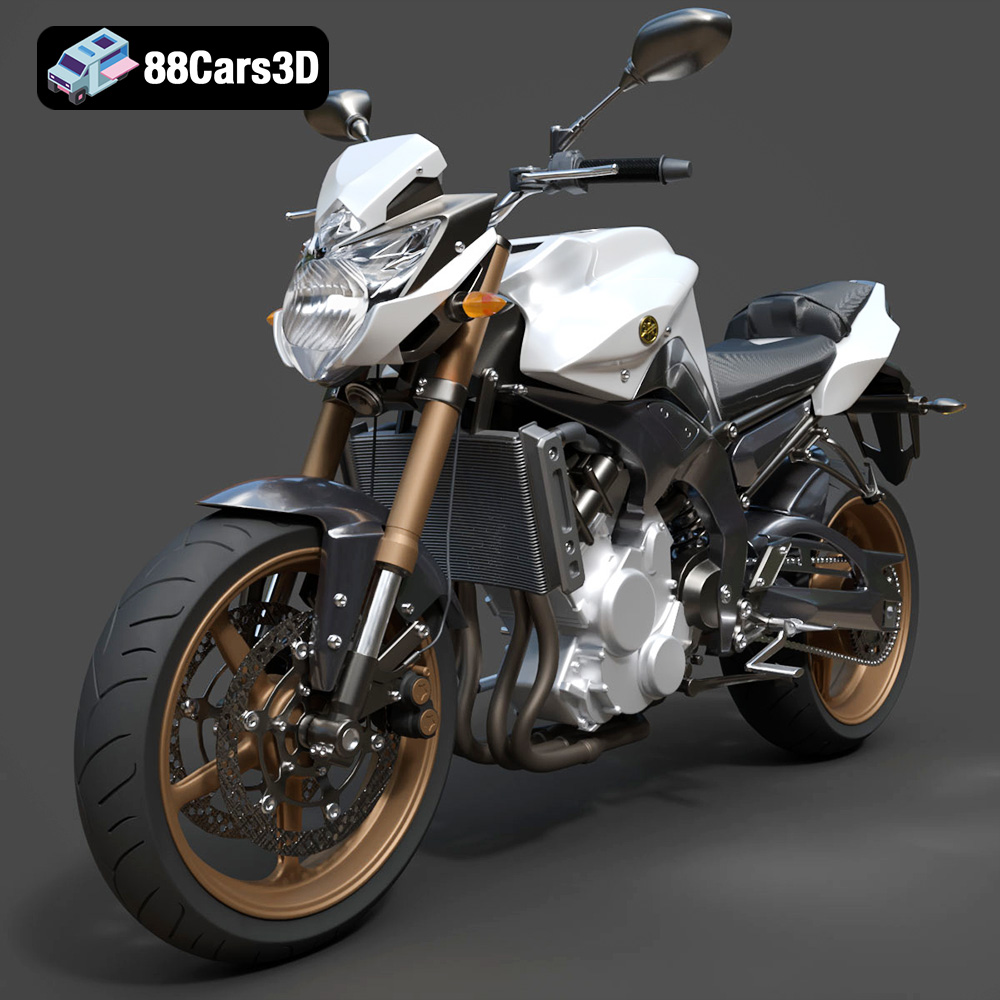
Yamaha FZ8 2011 3D Model
Texture: Yes
Material: Yes
Download the Yamaha FZ8 2011 3D Model featuring clean geometry, realistic detailing, and a fully modeled interior. Includes .blend, .fbx, .obj, .glb, .stl, .ply, .unreal, and .max formats for rendering, simulation, and game development.
Price: $19.99
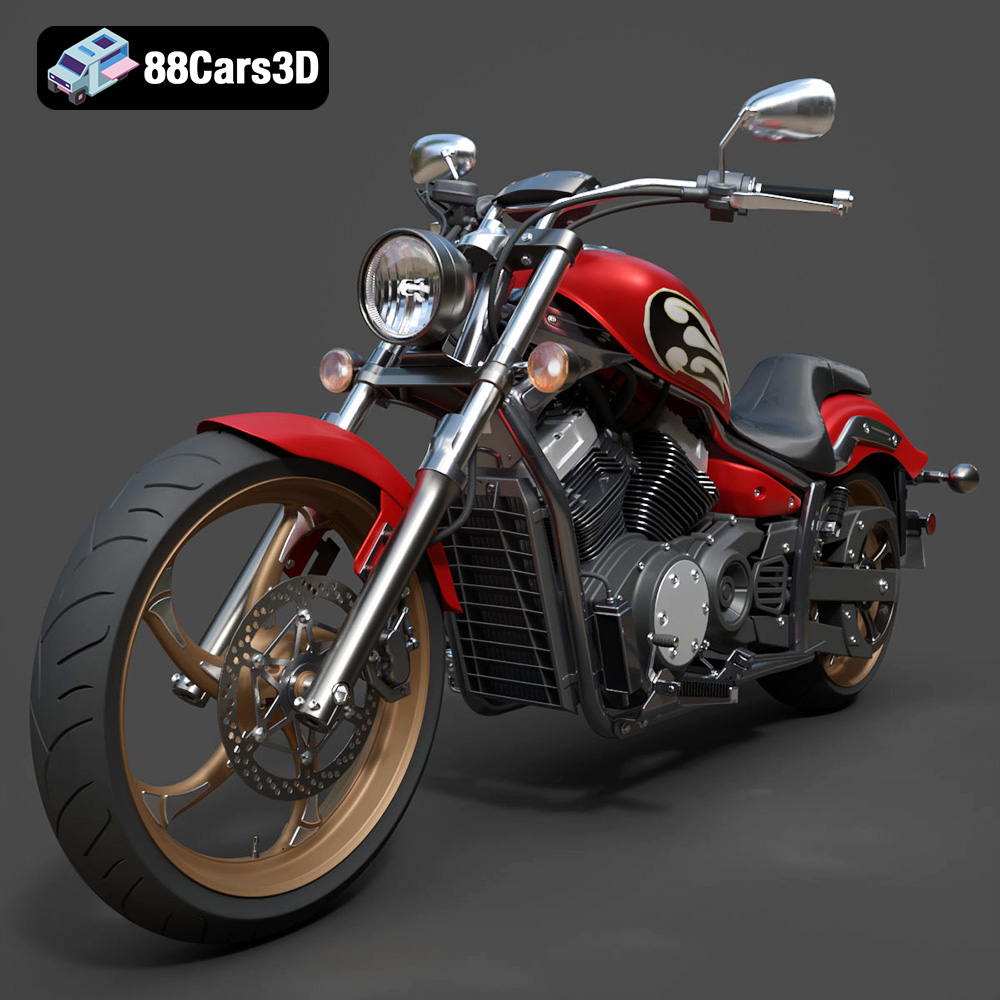
Yamaha Stryker 2012 3D Model
Texture: Yes
Material: Yes
Download the Yamaha Stryker 2012 3D Model featuring clean geometry, realistic detailing, and a fully modeled interior. Includes .blend, .fbx, .obj, .glb, .stl, .ply, .unreal, and .max formats for rendering, simulation, and game development.
Price: $19.99
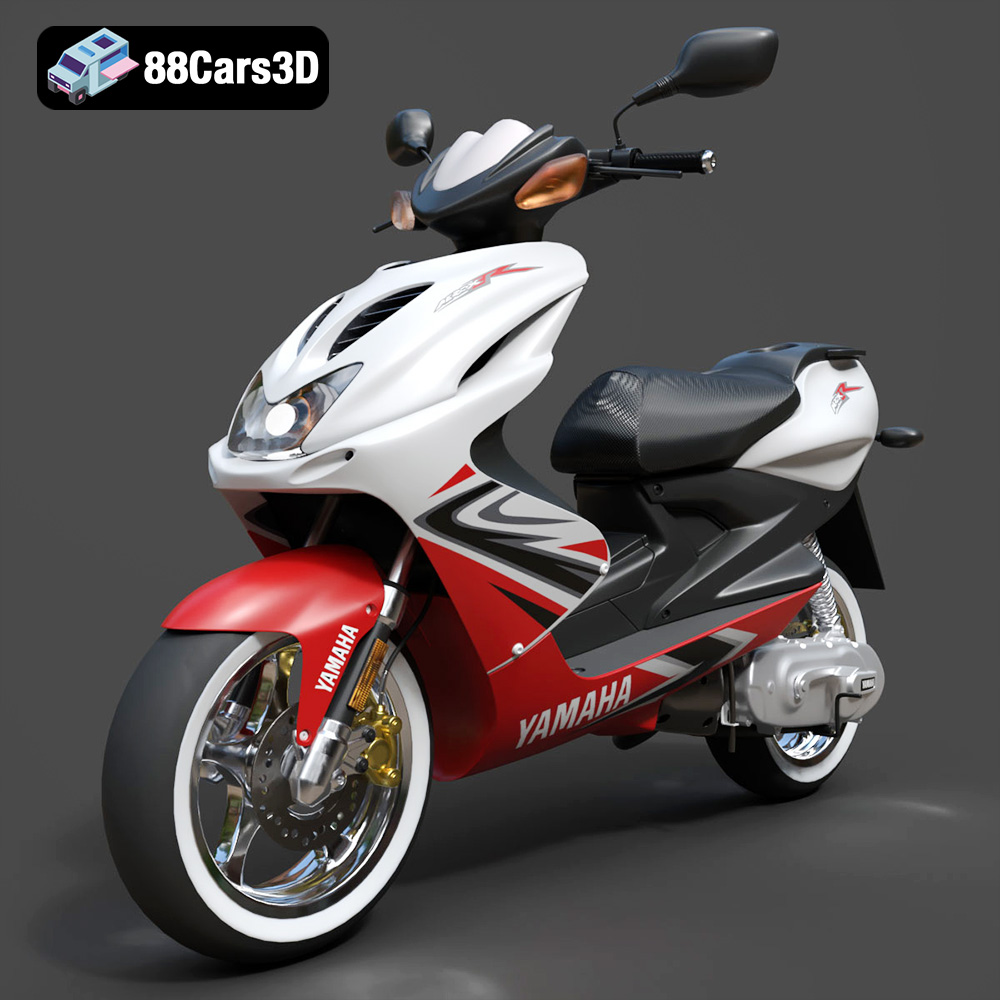
Yamaha Aerox R-002 2024 3D Model
Texture: Yes
Material: Yes
Download the Yamaha Aerox R-002 2024 3D Model featuring clean geometry, realistic detailing, and a fully modeled interior. Includes .blend, .fbx, .obj, .glb, .stl, .ply, .unreal, and .max formats for rendering, simulation, and game development.
Price: $19.99
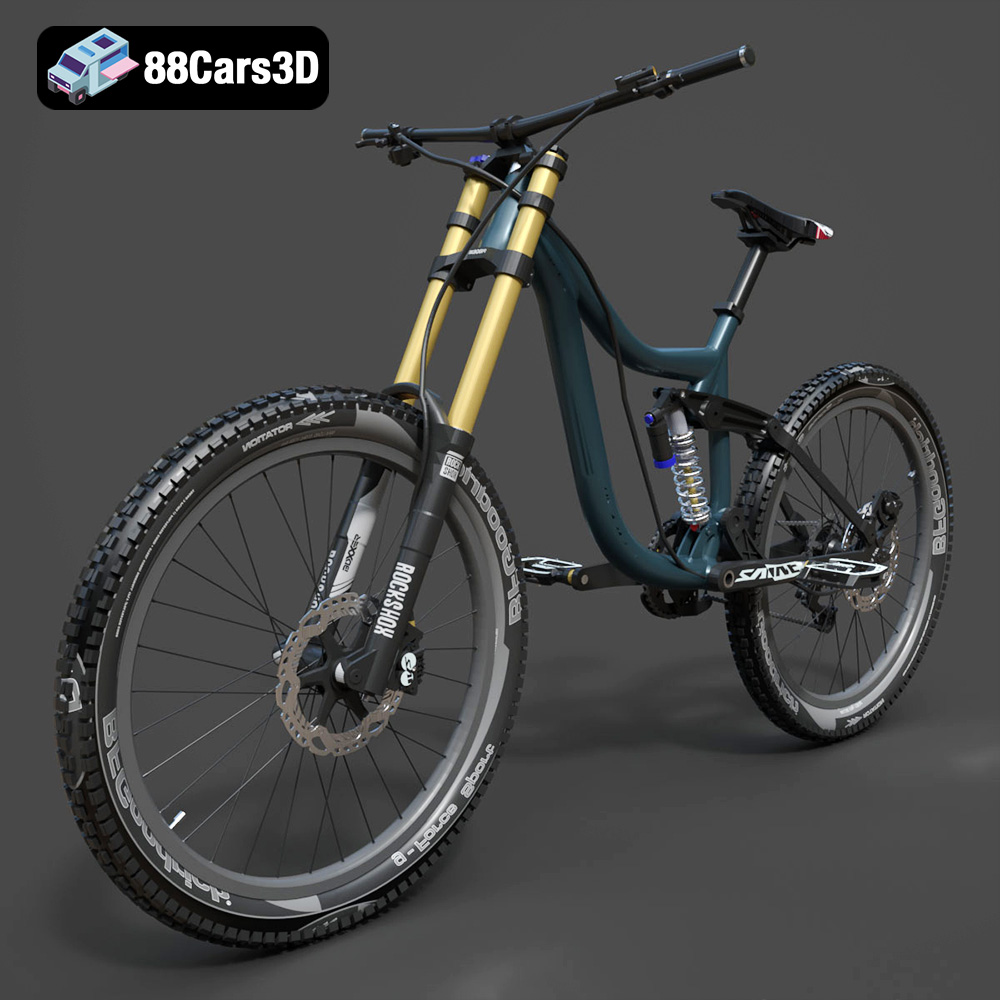
Mototsikly Downhill Bike-002 3D Model
Texture: Yes
Material: Yes
Download the Mototsikly Downhill Bike-002 3D Model featuring clean geometry, realistic detailing, and precise mechanical components. Includes .blend, .fbx, .obj, .glb, .stl, .ply, .unreal, and .max formats for rendering, simulation, and game development.
Price: $19.99
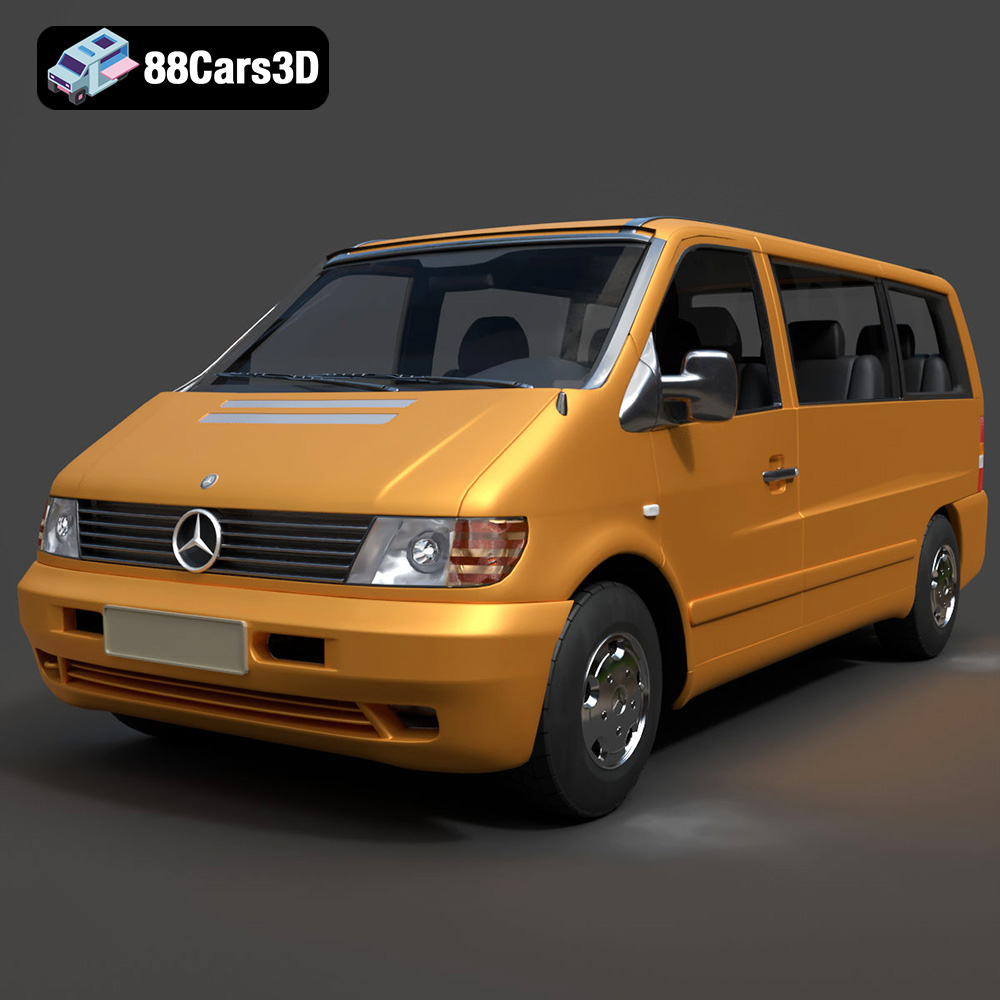
Mercedes-Benz Vito Passenger Van 3D Model
Texture: Yes
Material: Yes
Download the Mercedes-Benz Vito Passenger Van 3D Model featuring clean geometry, realistic detailing, and a fully modeled interior. Includes .blend, .fbx, .obj, .glb, .stl, .ply, .unreal, and .max formats for rendering, simulation, and game development.
Price: $19.99
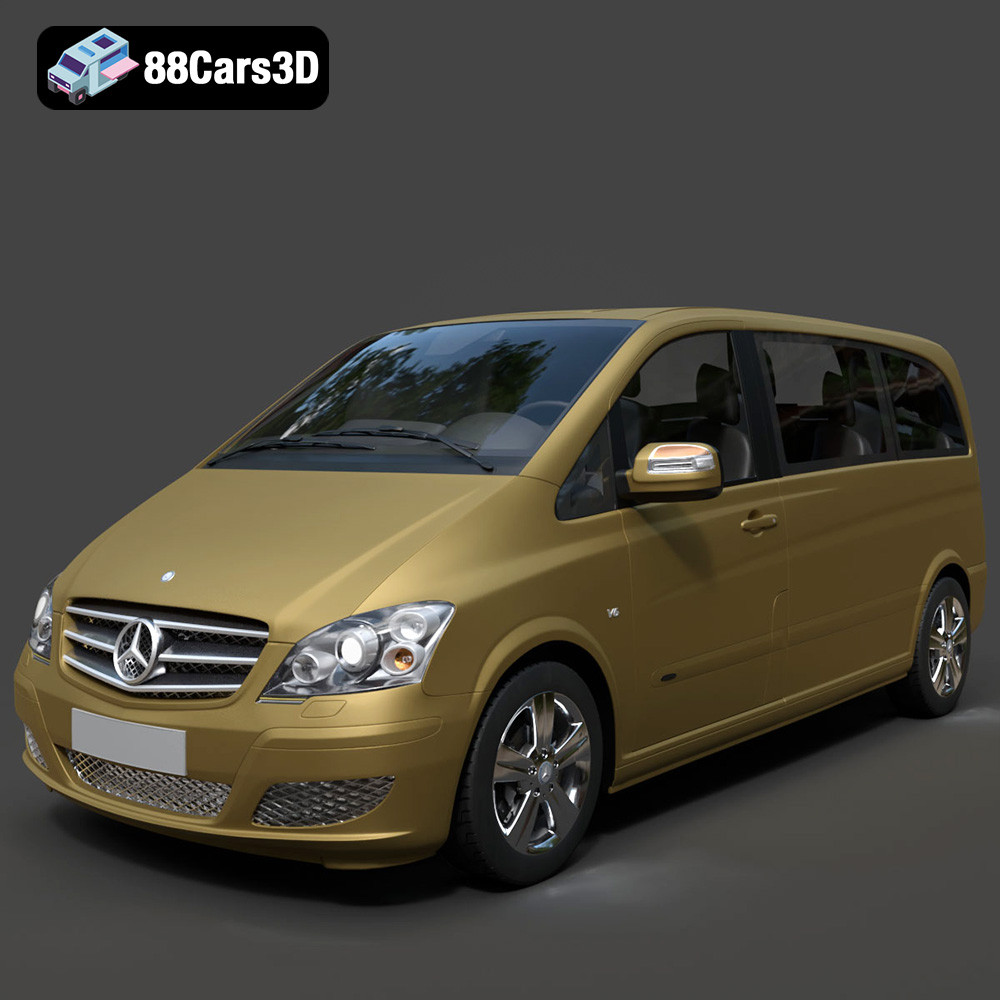
Mercedes-Benz Viano 2010 3D Model
Texture: Yes
Material: Yes
Download the Mercedes-Benz Viano 2010 3D Model featuring clean geometry, realistic detailing, and a fully modeled interior. Includes .blend, .fbx, .obj, .glb, .stl, .ply, .unreal, and .max formats for rendering, simulation, and game development.
Price: $19.99

Emt Avtobus 007 3D Model
Texture: Yes
Material: Yes
Download the Emt Avtobus 007 3D Model featuring clean geometry, realistic detailing, and a fully modeled interior. Includes .blend, .fbx, .obj, .glb, .stl, .ply, .unreal, and .max formats for rendering, simulation, and game development.
Price: $19.99
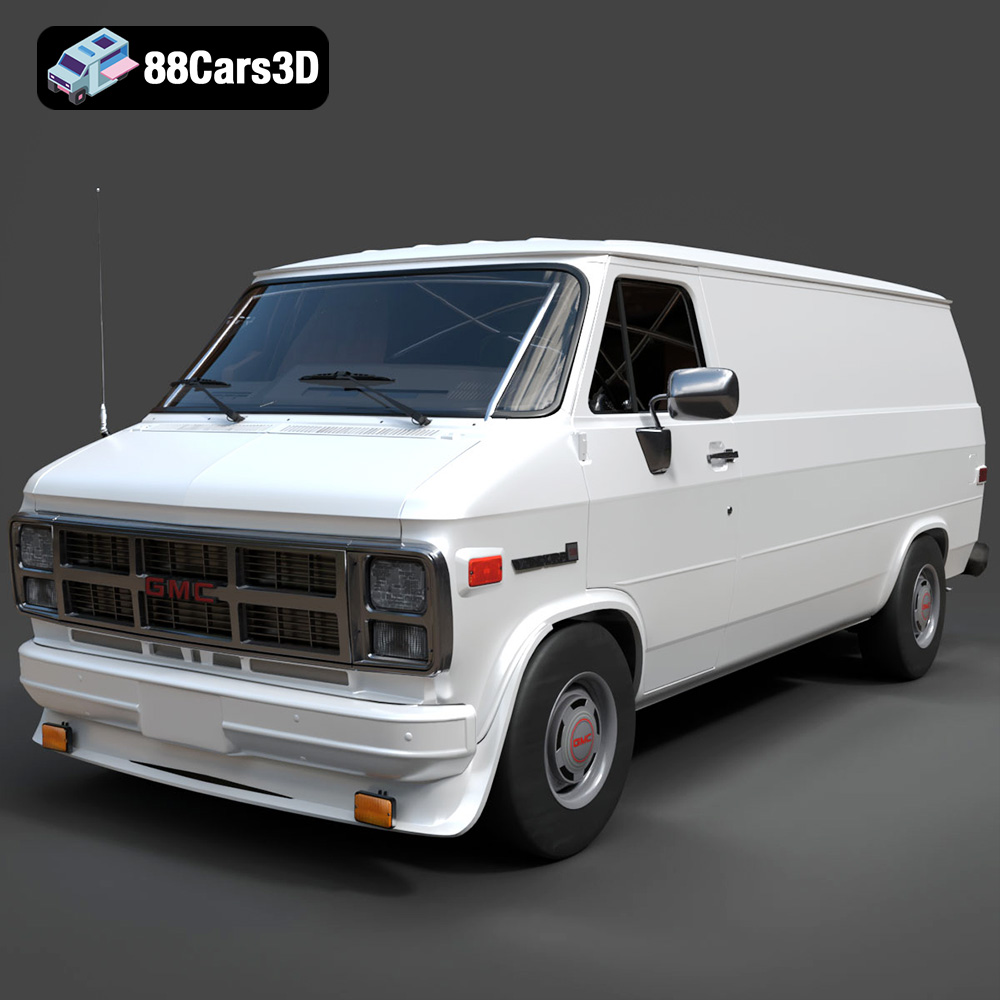
GMC Vandura G-1500 1983 3D Model
Texture: Yes
Material: Yes
Download the GMC Vandura G-1500 1983 3D Model featuring clean geometry, realistic detailing, and a fully modeled interior. Includes .blend, .fbx, .obj, .glb, .stl, .ply, .unreal, and .max formats for rendering, simulation, and game development.
Price: $19.99
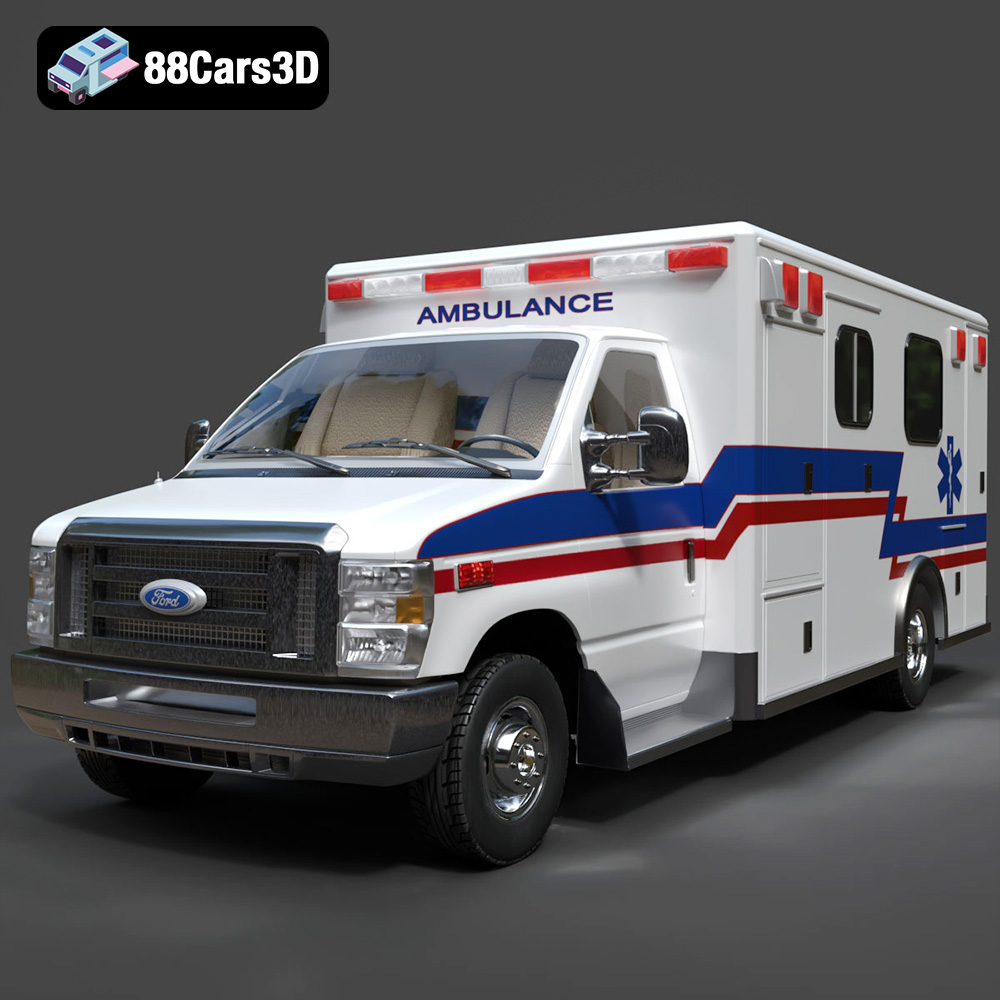
Ford E-450 Ambulance 3D Model
Texture: Yes
Material: Yes
Download the Ford E-450 Ambulance 3D Model featuring clean geometry, realistic detailing, and a fully modeled interior. Includes .blend, .fbx, .obj, .glb, .stl, .ply, .unreal, and .max formats for rendering, simulation, and game development.
Price: $19.99
