

In the vast landscape of real-time rendering and interactive experiences, stunning visuals often take center stage. Yet, it’s the often-underestimated power of sound that truly elevates immersion, transcending the visual to connect with users on a deeper, more visceral level. For anyone working with Unreal Engine, from game developers crafting sprawling worlds to automotive visualization specialists creating lifelike virtual showrooms, mastering the audio system is paramount. It’s the roar of an engine, the subtle creak of leather, or the distinct ‘thump’ of a door closing that can transform a mere 3D model into a tangible, breathing entity.
This comprehensive guide dives deep into Unreal Engine’s robust audio system, demystifying the complexities of spatial sound and mixing. We’ll explore everything from fundamental asset management to advanced procedural audio with MetaSounds, ensuring your projects don’t just look good, but sound spectacular. Whether you’re aiming for hyper-realistic vehicle dynamics or creating captivating cinematic sequences, understanding these principles is key. Prepare to unlock the full potential of Unreal Engine’s audio capabilities and learn how to sculpt auditory landscapes that captivate and engage your audience, making your high-fidelity 3D car models, like those found on 88cars3d.com, truly sing.
Foundations of Unreal Engine Audio: Building Your Sound Library
Before we can sculpt intricate soundscapes, we must first lay a solid foundation. Unreal Engine provides a flexible framework for managing and playing audio assets, starting with fundamental components like Sound Waves and their more advanced counterparts. Understanding these core elements and how to properly import and configure them is the first step towards creating immersive audio experiences.
Core Audio Assets & Workflow
At the heart of Unreal Engine’s audio system are Sound Waves. These are the raw audio files themselves, typically imported as uncompressed WAV files for maximum fidelity, though OGG files are often used for compressed, smaller file sizes, especially for ambient or less critical sounds. When importing, Unreal Engine automatically processes these into a format suitable for real-time playback. For optimal quality and flexibility, it’s generally recommended to use WAV files at a sample rate of 44.1 kHz or 48 kHz and 16-bit depth. Avoid heavily compressed formats outside of specific optimization needs, as they can introduce artifacts that become more noticeable when manipulated.
Once imported, Sound Waves can be directly played, but their true power comes when combined into Sound Cues (for simpler, legacy workflows) or, more powerfully, processed through MetaSounds. Sound Cues allow for non-destructive layering, random variations, looping, and basic effects, providing a convenient way to build more complex sounds from multiple Sound Waves. For instance, a single car door closing sound might consist of a ‘thump’ Sound Wave, a ‘creak’ Sound Wave, and a ‘click’ Sound Wave, all combined in a Sound Cue with slight pitch variations to prevent repetition. However, for truly dynamic and interactive audio, especially for complex systems like vehicle engines, MetaSounds are the modern, superior choice, offering procedural generation capabilities we’ll explore later.
Beyond the audio data itself, two critical settings influence how sounds behave in the world: Attenuation Settings and Concurrency Settings. Attenuation defines how a sound’s properties (volume, pitch, spatialization, low-pass filter) change based on its distance from the listener. Concurrency settings, on the other hand, dictate how many instances of a particular sound can play simultaneously before older instances are culled or new ones are blocked. For a vehicle, you might want to allow multiple tire squeals but limit engine sounds to one per vehicle, to prevent an overwhelming cacophony. These settings are defined as separate assets and can be applied to individual Sound Cues or MetaSounds, ensuring consistent behavior across similar audio events.
Project-Wide Audio Configuration
Effective audio begins with a well-configured project. Within Unreal Engine’s Project Settings (Edit > Project Settings > Engine > Audio), you’ll find a host of global parameters that impact your entire soundscape. This includes settings for the default audio device, buffer sizes, and the overall quality of audio processing. For example, adjusting the “Number of Audio Mixer Buffers” can impact latency and CPU usage. A smaller buffer size generally means lower latency but higher CPU overhead, while a larger buffer size increases latency but reduces CPU strain.
One crucial aspect here is the choice and configuration of Spatialization Plugins. While Unreal Engine offers built-in panning and basic HRTF (Head-Related Transfer Function) spatialization, advanced plugins like Steam Audio or Google Resonance Audio provide more sophisticated environmental audio rendering, including realistic reflections and advanced occlusion models. These plugins often require specific setup within the Project Settings and their respective plugin configurations. For AR/VR experiences, HRTF spatialization is critical for accurately simulating the directionality of sound, making it seem as if the sound is truly coming from a specific point in 3D space. When designing high-fidelity automotive experiences, especially those intended for immersive platforms, carefully selecting and configuring a robust spatialization solution will significantly enhance the realism of engine roars, environmental effects, and incidental sounds surrounding your meticulously crafted 3D car models.
Achieving Spatial Immersion with Attenuation and Occlusion
For sounds to feel truly integrated into your virtual world, they must respond naturally to the environment and the listener’s position. Unreal Engine’s powerful attenuation and occlusion features are the cornerstone of creating believable spatial audio, allowing sounds to fade, change pitch, or be muffled as distances and obstructions vary. This is especially vital for automotive visualization, where the sound of an engine or the subtle crunch of gravel beneath tires must dynamically adapt to the camera’s perspective and surrounding geometry.
Understanding Attenuation Settings
Attenuation Settings are separate data assets in Unreal Engine that define how a sound’s properties change based on its distance from the listener. They are crucial for creating a sense of depth and realism. When you create an Attenuation Settings asset, you’re presented with a range of customizable curves and parameters:
- Volume Falloff: This curve dictates how the sound’s volume decreases as the listener moves away from the source. You can choose from linear, logarithmic, or custom curves to achieve different types of volume decay. For instance, a linear falloff might be suitable for a distant, constant drone, while a more aggressive, logarithmic falloff could be used for a vehicle horn.
- Spatialization: This determines how the sound is placed in the stereo or surround field. Options include Panning (basic left/right channel distribution), Binaural (using HRTF for more realistic 3D localization, ideal for headphones), and Surround Sound (for multi-channel speaker setups). For automotive applications, especially in VR, selecting a strong HRTF spatialization is vital for making engine sounds or passing cars feel genuinely directional.
- LPF (Low-Pass Filter) Frequency: As sounds travel further, high frequencies tend to dissipate faster. The LPF curve simulates this, gradually filtering out higher frequencies based on distance, making sounds appear more distant and less sharp. This is particularly effective for large environments or open-world games where distant vehicle sounds should sound muted and less defined.
- Stereo Spread: This parameter defines how wide a stereo sound field is perceived from a given distance. Close to the listener, a stereo sound might be very wide, but as distance increases, it can collapse to a mono point, enhancing the perception of distance.
- Customization: You can define custom inner and outer radius values. Inside the inner radius, the sound plays at full volume and full stereo spread. Beyond the outer radius, the sound is fully attenuated (silent) or at its minimum specified properties. The curves then define the transition between these two points.
Applying these settings is straightforward: simply assign the created Attenuation Settings asset to your Sound Cue, MetaSound, or directly to an Audio Component in your Blueprint or Level. This modular approach allows for reusable attenuation profiles across similar sound events, ensuring consistency and efficiency.
Real-time Occlusion and Obstruction
Beyond simple distance falloff, realistic audio requires sounds to react to physical barriers in the environment. Unreal Engine offers robust features for Occlusion and Obstruction, simulating how sounds are muffled or blocked by geometry.
- Occlusion: This occurs when a direct line-of-sight from the sound source to the listener is blocked by solid objects. When occluded, Unreal Engine can apply volume reduction and/or a low-pass filter to simulate the sound traveling through or around the obstacle. The system typically uses trace-based checks (raycasts) from the listener to the sound source, and if an obstruction is found, it applies the specified occlusion parameters. You can enable and configure occlusion tracing within your Attenuation Settings, defining the “Occlusion Trace Channel” (e.g., Visibility) and the “Occlusion Low Pass Filter Frequency” and “Occlusion Volume Attenuation” curves. For instance, the sound of a car passing behind a building should sound significantly muffled and less direct.
- Obstruction: Similar to occlusion, but usually refers to partial blockage or filtering by less opaque objects (e.g., foliage, thin walls). While sometimes used interchangeably, Unreal Engine’s implementation primarily focuses on a single “Occlusion” system with customizable properties.
Performance Considerations: Real-time raycasts for occlusion can be CPU intensive if too many sounds are constantly tracing. Best practices involve:
- Limiting occlusion to critical sound sources.
- Using an appropriate “Occlusion Trace Interval” (e.g., checking every 0.1-0.5 seconds instead of every frame) to reduce the frequency of traces.
- Ensuring your collision geometry is optimized, as traces rely on this data. For complex 3D car models from 88cars3d.com, ensure their simplified collision meshes are efficient to avoid performance bottlenecks when calculating occlusion for sounds like engine noises.
By carefully configuring both attenuation and occlusion, you can achieve a level of auditory realism that significantly enhances the player’s or viewer’s connection to the virtual world, making every engine roar, tire screech, and environmental ambience feel physically present and believable.
Dynamic Soundscapes with MetaSounds and Blueprint
While Sound Cues offer a good starting point for static or simple variations, modern real-time applications demand much more dynamic and procedural audio. This is where Unreal Engine’s MetaSounds system truly shines, allowing for complex, generative audio content that reacts to gameplay in real-time. When combined with the power of Blueprint visual scripting, MetaSounds empower developers to create richly interactive and adaptive soundscapes, particularly crucial for nuanced systems like vehicle audio.
The Power of MetaSounds
MetaSounds represent a paradigm shift in how audio is designed in Unreal Engine. Instead of simply playing back pre-recorded samples, MetaSounds allow you to procedurally generate and manipulate audio signals within a nodal, graph-based editor, similar to materials or Niagara effects. This makes them exceptionally powerful for creating sounds that are truly dynamic and reactive. Imagine an engine sound that doesn’t just loop a few samples, but dynamically generates its tone, pitch, and timbre based on RPM, load, and gear changes – that’s the power of MetaSounds.
Key features of MetaSounds include:
- Procedural Audio Generation: Create oscillators, noise generators, filters (low-pass, high-pass, band-pass), envelopes, LFOs, and more to synthesize sounds from scratch.
- Sample Manipulation: Process and blend multiple Sound Waves in sophisticated ways, applying effects, modulating parameters, and sequencing playback based on logic.
- Real-time Control: Expose input parameters (like ‘RPM’, ‘Throttle Input’, ‘Gear’) that can be controlled directly from Blueprint or C++. These parameters can then drive internal MetaSound logic, altering pitch, volume, filter cutoff, or even triggering different sample layers.
- Complex Signal Flow: Build intricate graphs with signal processing chains, mixers, branching logic, and feedback loops to create highly sophisticated audio behaviors.
- Event-Driven Logic: Use ‘On Play’, ‘On Stop’, and custom events within the MetaSound graph to trigger audio segments, modulate effects, or transition between different states.
For an automotive example, a MetaSound for a car engine could take an ‘RPM’ input (a float value). Inside the MetaSound graph, this RPM input could drive the pitch of an oscillator representing the engine’s base frequency, blend between different Sound Wave layers (e.g., low RPM rumble, mid RPM growl, high RPM whine), and modulate the cutoff frequency of a low-pass filter to simulate exhaust tones. This level of dynamic control is simply not possible with traditional Sound Cues, and is vital for bringing high-quality 3D car models to life with authentic sounds.
Blueprint Integration for Interactive Audio
While MetaSounds provide the engine for dynamic audio, Blueprint visual scripting is the conductor that orchestrates their performance within your game or application. Blueprint allows you to connect gameplay logic and user input directly to your MetaSound’s exposed parameters, creating truly interactive sound experiences.
The core workflow involves:
- Adding an Audio Component: To play a MetaSound (or Sound Cue) in the world, you first need an Audio Component attached to an Actor (e.g., your vehicle Blueprint). Assign your MetaSound asset to this Audio Component.
- Controlling Playback: Use Blueprint nodes like ‘Play’ and ‘Stop’ on the Audio Component to start and halt the MetaSound.
- Setting Parameters: This is where the magic happens. Use the ‘Set Float Parameter’, ‘Set Bool Parameter’, or ‘Set Integer Parameter’ nodes on the Audio Component, specifying the exact name of the input parameter you exposed in your MetaSound (e.g., “RPM”). You can then link this to any gameplay variable, such as the vehicle’s current RPM from its physics component, the throttle input from the player, or a gear-shift event.
- Responding to Events: MetaSounds can also trigger output events that Blueprint can listen for. For example, a MetaSound might trigger an ‘OnEngineStall’ event when RPM drops below a threshold, which Blueprint can then use to play a specific sound or trigger other game logic.
Consider a realistic car setup: a vehicle Blueprint would have an Audio Component assigned to a MetaSound that models the engine. In the vehicle’s ‘Tick’ event, you would continuously query the car’s current engine RPM (from its physics simulation) and pass that value to the MetaSound’s ‘RPM’ input parameter via ‘Set Float Parameter’. Similarly, clutch depression, gear changes, or turbo spool-up could be fed as boolean or float parameters to the MetaSound. This seamless integration allows for an incredibly nuanced and responsive audio experience, where every action and state change in the game world is reflected sonically, creating unparalleled immersion.
Advanced Mixing and Mastering with Submixes and Effects
A collection of individual sounds, no matter how well-designed, can quickly devolve into a chaotic mess without proper organization and mixing. Unreal Engine’s Submix system provides a powerful routing and processing pipeline, allowing you to professionally mix, apply effects, and master your audio landscape. This hierarchical approach is essential for achieving clarity, spatial depth, and a polished final sound for any project, especially complex automotive simulations.
The Submix Hierarchy
A Submix in Unreal Engine acts like a channel strip or a bus in a traditional audio mixer. Sounds are routed into Submixes, where they can be processed collectively before being passed further down the chain or eventually to the Master Submix, and finally, to your speakers. This hierarchical structure allows for granular control over different categories of sounds:
- Master Submix: Every sound ultimately flows through the Master Submix. This is where final mastering effects (like overall compression, limiting, and EQ) are typically applied to the entire mix.
- Effect Submixes: You can create custom Submixes for specific categories of sounds (e.g., “Engine Sounds,” “Tire Sounds,” “Environmental Ambience,” “UI Sounds”). All sounds belonging to a category are routed into their respective Effect Submix. This allows you to apply effects like a global reverb to all environmental sounds or a specific compressor to all engine sounds, without affecting other parts of the mix.
- Ambisonic Submixes: For advanced spatial audio, particularly in VR/AR or specific cinematic contexts, Unreal Engine supports Ambisonic Submixes. These process sound fields in a way that preserves full spatial information, which can then be decoded for various speaker configurations or binaural rendering, offering superior spatial accuracy over traditional stereo or 5.1/7.1 mixes.
Routing Sounds: To route a Sound Cue or MetaSound to a specific Submix, simply select the desired Submix asset in its “Sound Class” or “Output to Submix” property. You can also define an “Output Submix” directly on an Audio Component instance in Blueprint or in the level editor. By default, sounds route to the Master Submix. A well-organized Submix hierarchy might look like this:
Master Submix
  ├─ Music Submix
  ├─ SFX Master Submix
  │  ├─ Vehicle Engine Submix (Compressor, EQ)
  │  ├─ Tire SFX Submix (Reverb, Delay)
  │  ├─ UI SFX Submix
  │  └─ Environmental Ambience Submix (Spatial Reverb)
  └─ Dialogue Submix
This structure ensures that you can adjust the volume, apply effects, or mute entire categories of sounds with ease, providing incredible flexibility during the mixing process and ensuring your 3D car models have an audio presentation that matches their visual fidelity.
Real-time Audio Effects and EQ
Unreal Engine provides a robust suite of built-in real-time audio effects that can be applied to Submixes or directly to individual sounds. These effects are essential for adding depth, polish, and realism to your audio:
- Reverb: The ‘Submix Reverb Effect’ is crucial for simulating the acoustic properties of environments. You can apply different reverb presets (e.g., ‘Small Room’, ‘Concert Hall’, ‘Outdoor’) or customize parameters like decay time, pre-delay, and wet/dry mix. For realistic automotive scenes, using a convolution reverb (via a separate plugin or specific Sound Fields) can simulate the precise acoustics of a car interior or a large showroom.
- Chorus/Flanger/Phaser: Modulation effects that add depth and movement to sounds. Useful for sci-fi or stylized audio, but less common for realistic automotive sound design.
- Delay: Creates echoes and repetitions. Can be used for specific effects or to add subtle ambience.
- Compressor/Limiter: Essential for dynamic range control. A compressor reduces the volume of loud sounds and boosts quiet ones, making the overall sound more consistent and present. A limiter prevents sounds from exceeding a certain volume threshold, protecting against clipping. These are vital for professional mixing, ensuring engine roars don’t peak too harshly.
- EQ (Equalizer): Allows you to boost or cut specific frequency ranges. This is indispensable for clarity in a mix. For example, you might cut muddy low-mid frequencies from an engine sound to make it sound cleaner, or boost high frequencies on tire squeals to make them cut through the mix. Unreal Engine offers a ‘Submix EQ Effect’ for applying multi-band equalization to entire Submixes.
To apply an effect, you first create an Audio Effect Preset asset (e.g., Submix Reverb Preset). Then, in your Submix properties, you add this preset to its “Effect Chain.” You can layer multiple effects in a chain, and their order matters. Mastering the use of these effects within the Submix hierarchy is key to achieving a professional, balanced, and immersive audio experience that complements the high-fidelity visuals of your Unreal Engine projects.
For more detailed technical specifications on Unreal Engine’s audio processing, effects, and mixing capabilities, consult the official documentation at dev.epicgames.com/community/unreal-engine/learning, particularly the sections on the Audio Mixer and Submixes.
Performance Optimization and Platform Considerations
While high-fidelity audio enhances immersion, it must also perform efficiently, especially in real-time applications like games, AR/VR experiences, and interactive visualizations. Poorly optimized audio can lead to hitches, frame drops, and an overall degraded user experience. Understanding how to optimize your audio assets and manage the engine’s audio workload is crucial for delivering a smooth and seamless auditory journey across various platforms.
Optimizing Audio for Real-time Applications
Effective audio optimization involves a multi-pronged approach, balancing fidelity with performance:
- Sound Wave Compression: While WAV files offer maximum quality, they can be large. Unreal Engine allows you to apply compression settings directly to Sound Waves. ADPCM (Adaptive Differential Pulse Code Modulation) is a common choice for game audio, offering good quality at significantly reduced file sizes. For less critical sounds or those with limited frequency content, even more aggressive compression might be acceptable. Be mindful of the “Decompression Type” for each Sound Wave: ‘Preload Into Memory’ is suitable for small, frequently played sounds (like UI clicks) to reduce latency, while ‘Stream From Disk’ is better for large, long-playing sounds (like music tracks or ambient loops) to conserve memory.
- Concurrency Management: As discussed earlier, Concurrency Settings are vital. Define how many instances of a specific sound can play simultaneously. Setting sensible limits (e.g., 4 instances for car engine sounds, 8 for bullet impacts, 1 for music) prevents an overwhelming number of voices from consuming CPU cycles. You can specify “Resolution Rules” like ‘Stop Oldest’ or ‘Stop Loudest’ when limits are hit. Using a global “Sound Concurrency” asset is often best for consistent management.
- Voice Management and Prioritization: Unreal Engine’s audio mixer has a limited number of “voices” it can process simultaneously. When this limit is reached, less important sounds might be culled. Assigning appropriate “Sound Priorities” to your Sound Cues or MetaSounds ensures that critical sounds (like an incoming impact warning or engine sounds of the player’s car) are always heard, while less important sounds (like distant ambient chatter) are dropped first if resources are scarce.
- Occlusion and Attenuation Optimization: Carefully configure the “Occlusion Trace Interval” in your Attenuation Settings. Don’t trace every frame unless absolutely necessary. For distant sounds, use simpler attenuation curves and aggressive low-pass filtering to reduce their processing overhead.
- Blueprint Logic Efficiency: Ensure your Blueprint scripts for triggering and manipulating audio are efficient. Avoid playing and stopping sounds rapidly if a loop can be used, and only update MetaSound parameters when necessary, not necessarily every single tick if the change is subtle.
By judiciously applying these optimization techniques, you can ensure that your detailed automotive visualizations or high-performance games maintain fluid frame rates without sacrificing the richness of the audio experience. Always profile your audio performance using Unreal Engine’s built-in tools (e.g., ‘stat sound’ console command) to identify bottlenecks.
AR/VR Audio for Automotive Experiences
AR/VR platforms present unique challenges and opportunities for audio. The goal is to create truly immersive spatial audio that convinces the brain of the sound’s physical presence, which is paramount for realistic automotive experiences:
- HRTF Spatialization: For AR/VR, Head-Related Transfer Function (HRTF) spatialization is non-negotiable when using headphones. HRTF algorithms simulate how sound waves interact with the human head and ears, providing accurate localization in 3D space (front/back, up/down, left/right). Unreal Engine offers built-in HRTF, but dedicated plugins like Google Resonance Audio or Oculus Audio SDK often provide superior results, including considerations for room acoustics and reflections. Ensure your Project Settings are configured to use an HRTF spatializer.
- Low Latency: In AR/VR, any perceptible delay between a visual event and its corresponding sound can break immersion. Aim for the lowest possible audio latency. This often means configuring smaller audio buffer sizes in Project Settings, though this comes with increased CPU cost. Balancing this trade-off is critical.
- Physics-Based Audio: Integrating physics interactions (e.g., car collisions, tire skids, engine vibrations) directly with audio events is crucial. For example, a vehicle’s engine sound should not just increase in pitch with RPM but also incorporate subtle vibrational sounds tied to suspension movement or road surface interaction. This level of detail, combined with accurate spatialization, makes driving a high-quality 3D car model from 88cars3d.com in VR feel incredibly real.
- Environmental Audio: Beyond direct sound sources, the environment plays a huge role. Implementing ambient sounds (wind, distant traffic) and spatialized reverb that reacts to the virtual space’s geometry (using volumes or dedicated plugins) enhances the sense of being “there.”
Prioritize careful testing on target AR/VR hardware, as audio performance and perception can vary significantly between devices. A well-optimized and spatially accurate audio system is just as important as high-resolution visuals in creating truly convincing AR/VR automotive experiences.
Bringing Automotive Audio to Life: Case Studies and Best Practices
The synergy of Unreal Engine’s audio tools truly comes alive when applied to specific, complex scenarios like automotive visualization and simulation. Here, the challenge isn’t just to play sounds, but to make them dynamic, responsive, and utterly convincing, transforming high-fidelity 3D car models into living, breathing machines. This requires a blend of technical expertise and creative sound design.
Crafting Realistic Vehicle Engine Sounds
A vehicle’s engine sound is its voice, and getting it right is perhaps one of the most challenging and rewarding aspects of automotive audio design. Simply looping a few engine samples won’t cut it for a realistic experience. Modern techniques involve dynamic layering and procedural generation, best achieved with MetaSounds:
- Layering Audio Samples: A realistic engine sound isn’t one sound, but a blend of many:
- RPM Layers: Record or source different engine sounds across various RPM ranges (e.g., idle, low revs, mid-range, high revs). In a MetaSound, these Sound Waves can be blended based on an ‘RPM’ input parameter using crossfading or gain curves.
- Load Layers: Distinguish between engine sounds under load (accelerating) versus coasting or decelerating. This adds immense realism.
- Turbo/Supercharger Whine: If applicable, add separate layers for forced induction, which can be triggered and modulated based on boost pressure or RPM.
- Exhaust Backfire/Pops: Use specific sound events for these, often triggered via Blueprint based on rapid throttle changes or gear downshifts.
- Idle Chug/Shake: Subtle, low-frequency sounds that give a sense of mechanical vibration even when stationary.
- Procedural Pitch and Volume Scaling: Within MetaSounds, the ‘RPM’ input drives not just sample blending but also the pitch and volume of the underlying Sound Waves. Use ‘Pitch Shifter’ nodes or direct frequency modulation on oscillators. Ensure pitch scaling is non-linear to match real-world engine characteristics.
- Filtering and EQ: Apply dynamic filtering based on RPM, load, or even camera position (e.g., a low-pass filter when the camera is behind the car, simulating exhaust muffling). EQ can bring out specific characteristics of the engine.
- Gear Changes: Implement discrete events for gear shifts that briefly cut engine power, play a unique gear-change sound, and then smoothly transition to the new RPM layer.
Integrating this with vehicle physics: your car Blueprint’s ‘Tick’ event should feed the current engine RPM, throttle input, gear, and potentially load (e.g., from the physics constraint system) directly into the MetaSound’s exposed parameters. This creates a seamlessly responsive engine sound that feels intrinsically linked to the vehicle’s behavior. When you acquire a high-quality, accurately modeled 3D car from marketplaces like 88cars3d.com, pairing it with such a meticulously crafted audio system elevates the entire experience from visual spectacle to immersive simulation.
Cinematic Audio with Sequencer
For cinematic trailers, product showcases, or virtual production, visual fidelity must be matched by equally compelling audio. Unreal Engine’s Sequencer is not just for animations and camera movements; it’s a powerful tool for crafting a polished, synchronized audio experience.
- Importing and Placing Audio Tracks: Drag and drop your audio assets (Sound Waves, Sound Cues, or MetaSounds) directly onto an audio track in Sequencer. You can easily trim, loop, and arrange clips just like in a video editor.
- Keyframing Audio Properties: Sequencer allows you to keyframe various properties of Audio Components or audio tracks themselves:
- Volume: Create dynamic volume fades and swells to emphasize certain moments or blend background audio.
- Pitch: Adjust pitch over time for dramatic effect or to synchronize with slow-motion visuals.
- Spatialization: For sounds attached to actors, you can keyframe their position, and the engine’s spatialization will naturally follow, creating dynamic movement.
- MetaSound Parameters: Crucially, you can expose and keyframe specific input parameters of a MetaSound directly within Sequencer. Imagine keyframing the ‘RPM’ parameter of your car engine MetaSound to match a dramatic acceleration shot, or adjusting the ‘BoostPressure’ of a turbo whine for a specific moment.
- Submix Sends: Control the amount a sound sends to specific Submixes, allowing for dynamic reverb or effect application.
- Synchronization: Sequencer provides precise control over timing. Align sound effects (like a car door closing or an impact) directly with their visual cues on the timeline. Use markers to indicate key events for perfect synchronization.
- Mixing within Sequencer: While global mixing happens with Submixes, Sequencer allows for per-shot or per-sequence audio balancing. Adjust individual track volumes, pan left/right, and even apply specific audio effects locally to a track without affecting the global mix.
- Final Render: When rendering your cinematic sequence, Unreal Engine will mix down all audio tracks according to your Sequencer settings, delivering a perfectly synchronized and mixed final output.
By leveraging Sequencer, you gain unparalleled control over the narrative and emotional impact of your automotive cinematics. The precise timing and dynamic control it offers transform a silent visual spectacle into an immersive, auditory journey, making your rendered showcases unforgettable.
For additional learning on Sequencer’s audio capabilities and advanced cinematics, refer to the Unreal Engine learning resources at dev.epicgames.com/community/unreal-engine/learning.
Conclusion: The Sonic Heartbeat of Your Unreal Engine Projects
Audio is far more than just background noise; it’s a critical component of immersion, realism, and emotional resonance in any interactive experience or visualization. By delving into Unreal Engine’s comprehensive audio system, from fundamental Sound Waves and Attenuation Settings to the cutting-edge procedural capabilities of MetaSounds and the precise orchestration of Sequencer, you gain the power to craft truly captivating auditory landscapes. Whether you’re developing a high-octane racing game, an interactive automotive configurator for meticulously detailed models sourced from 88cars3d.com, or a breathtaking cinematic showcase, mastering spatial sound and intelligent mixing is non-negotiable.
We’ve explored how proper asset management, realistic spatialization through attenuation and occlusion, and dynamic sound design with Blueprint and MetaSounds can elevate your projects. Furthermore, understanding submixes for professional mixing and optimizing for diverse platforms like AR/VR ensures your audio not only sounds incredible but performs flawlessly. The roar of an engine, the subtle creak of a chassis, or the distinct ‘thump’ of a door closing can breathe life into your virtual creations, making them feel tangible and real.
The journey to becoming an audio maestro in Unreal Engine is one of continuous learning and experimentation. Don’t underestimate the impact of sound; let it be the heartbeat of your virtual worlds. Start experimenting with MetaSounds, refine your attenuation settings, and meticulously mix your soundscapes. The difference between a good project and a truly unforgettable one often lies in the quality and thoughtfulness of its audio. Embrace the power of sound, and let your Unreal Engine projects resonate with unparalleled realism and immersion.
Featured 3D Car Models

Porsche Cayenne 3D Model
Meta Description:
Texture: Yes
Material: Yes
Download the Porsche Cayenne 3D Model featuring realistic exterior styling and detailed interior design. Includes .blend, .fbx, .obj, .glb, .stl, .ply, .unreal, and .max formats for rendering, simulation, AR VR, and game development.
Price: $19.9
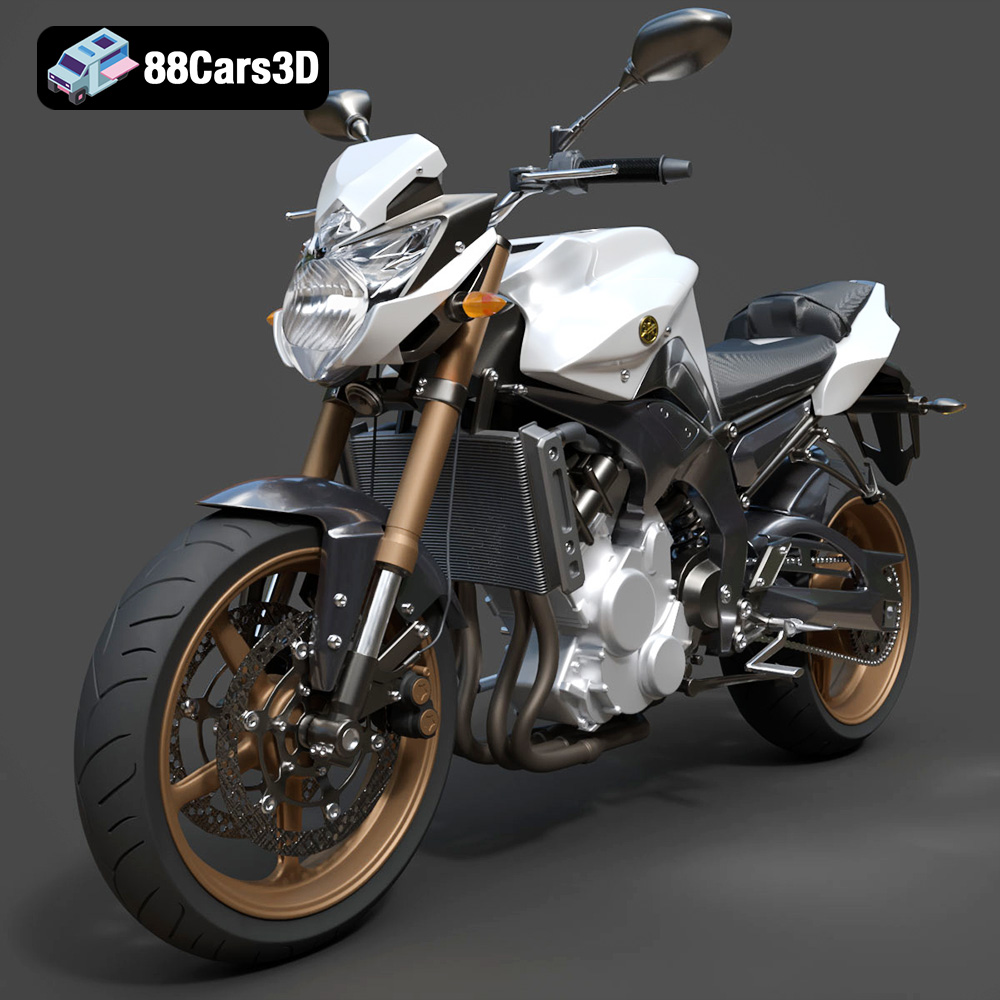
Yamaha FZ8 2011 3D Model
Texture: Yes
Material: Yes
Download the Yamaha FZ8 2011 3D Model featuring clean geometry, realistic detailing, and a fully modeled interior. Includes .blend, .fbx, .obj, .glb, .stl, .ply, .unreal, and .max formats for rendering, simulation, and game development.
Price: $19.99
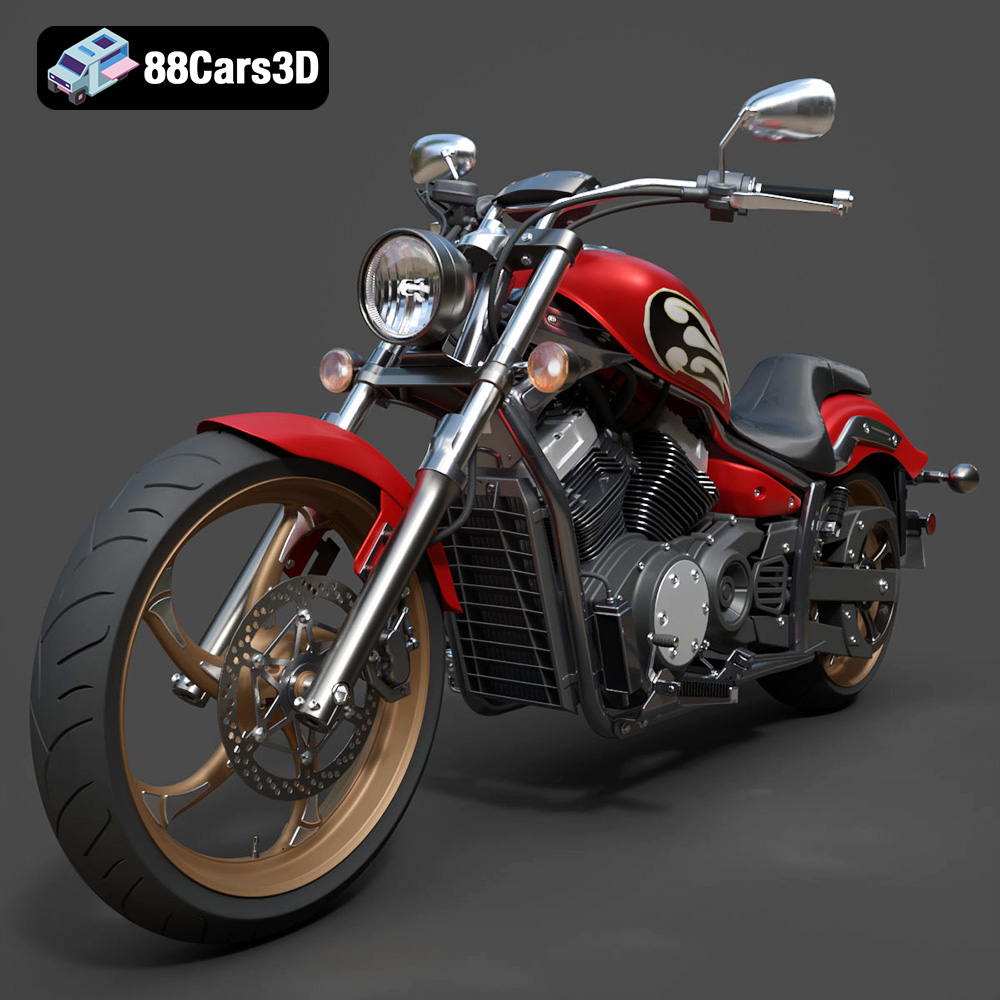
Yamaha Stryker 2012 3D Model
Texture: Yes
Material: Yes
Download the Yamaha Stryker 2012 3D Model featuring clean geometry, realistic detailing, and a fully modeled interior. Includes .blend, .fbx, .obj, .glb, .stl, .ply, .unreal, and .max formats for rendering, simulation, and game development.
Price: $19.99
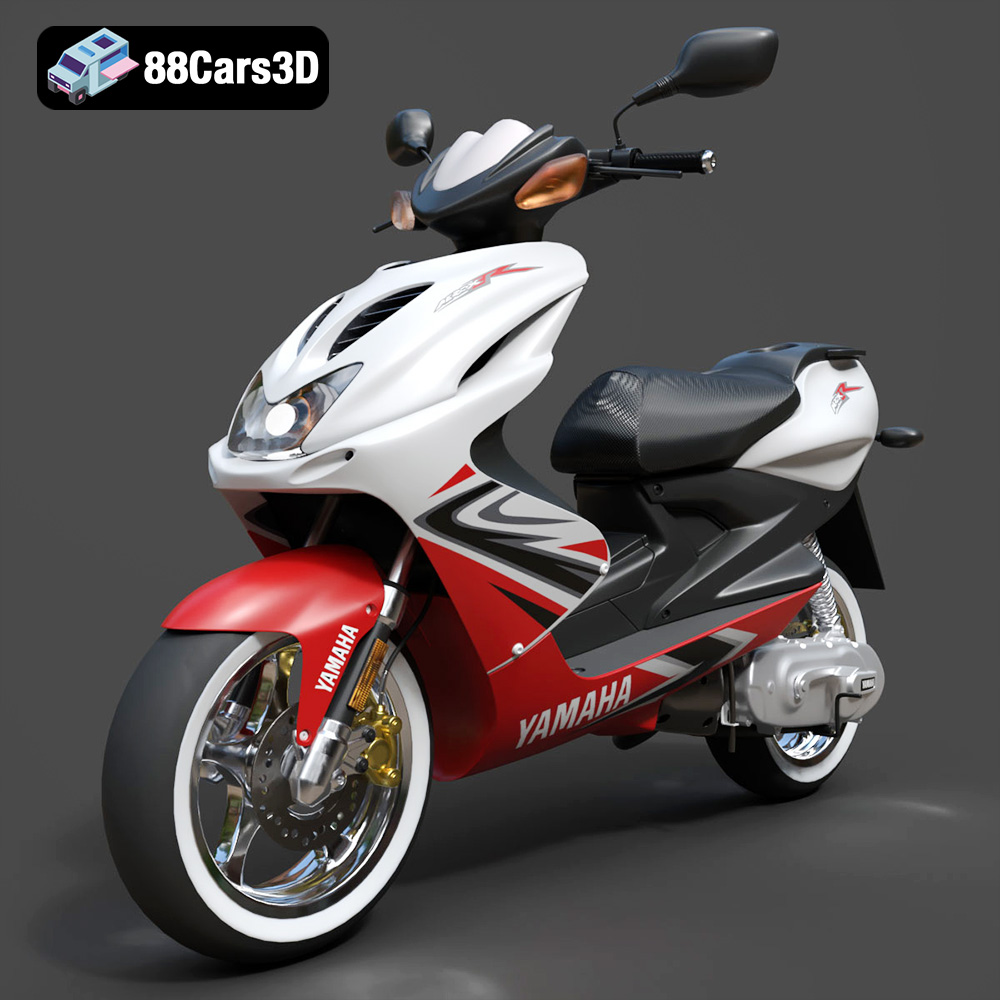
Yamaha Aerox R-002 2024 3D Model
Texture: Yes
Material: Yes
Download the Yamaha Aerox R-002 2024 3D Model featuring clean geometry, realistic detailing, and a fully modeled interior. Includes .blend, .fbx, .obj, .glb, .stl, .ply, .unreal, and .max formats for rendering, simulation, and game development.
Price: $19.99

Mototsikly Downhill Bike-002 3D Model
Texture: Yes
Material: Yes
Download the Mototsikly Downhill Bike-002 3D Model featuring clean geometry, realistic detailing, and precise mechanical components. Includes .blend, .fbx, .obj, .glb, .stl, .ply, .unreal, and .max formats for rendering, simulation, and game development.
Price: $19.99

Mercedes-Benz Vito Passenger Van 3D Model
Texture: Yes
Material: Yes
Download the Mercedes-Benz Vito Passenger Van 3D Model featuring clean geometry, realistic detailing, and a fully modeled interior. Includes .blend, .fbx, .obj, .glb, .stl, .ply, .unreal, and .max formats for rendering, simulation, and game development.
Price: $19.99

Mercedes-Benz Viano 2010 3D Model
Texture: Yes
Material: Yes
Download the Mercedes-Benz Viano 2010 3D Model featuring clean geometry, realistic detailing, and a fully modeled interior. Includes .blend, .fbx, .obj, .glb, .stl, .ply, .unreal, and .max formats for rendering, simulation, and game development.
Price: $19.99

Emt Avtobus 007 3D Model
Texture: Yes
Material: Yes
Download the Emt Avtobus 007 3D Model featuring clean geometry, realistic detailing, and a fully modeled interior. Includes .blend, .fbx, .obj, .glb, .stl, .ply, .unreal, and .max formats for rendering, simulation, and game development.
Price: $19.99
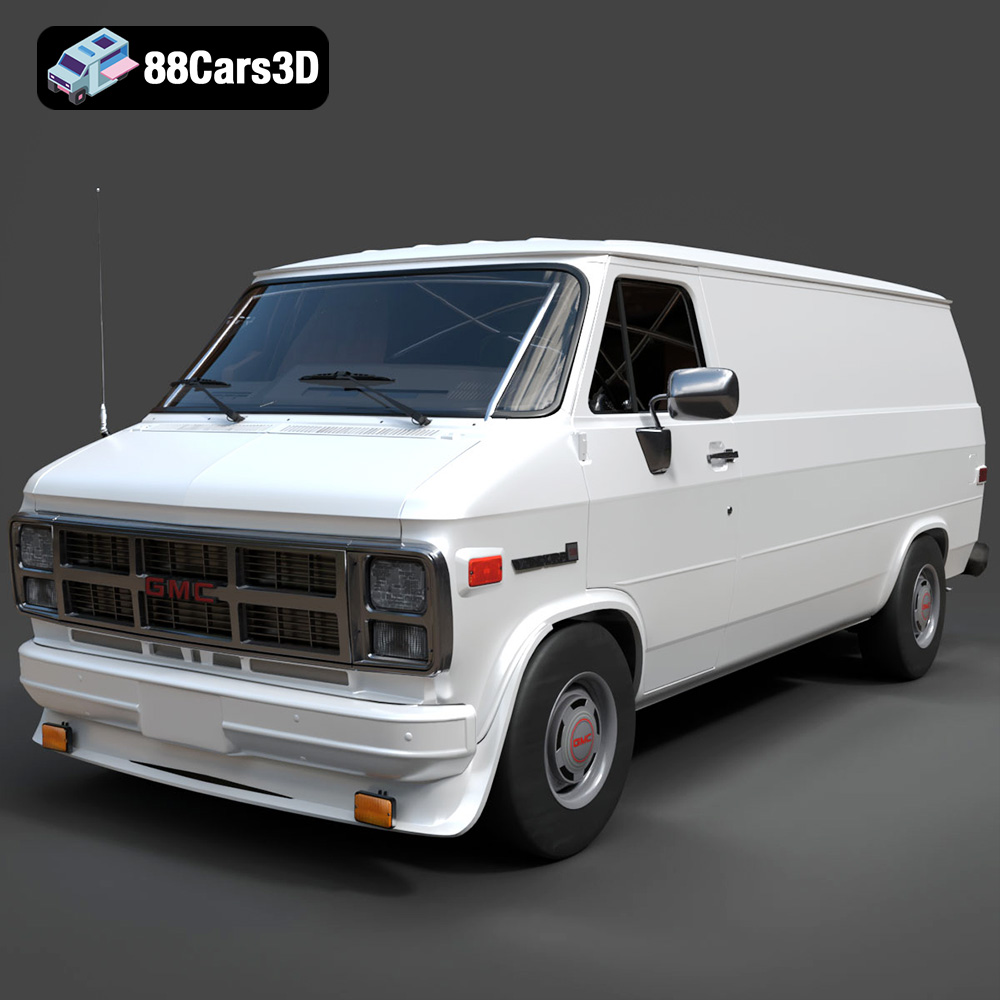
GMC Vandura G-1500 1983 3D Model
Texture: Yes
Material: Yes
Download the GMC Vandura G-1500 1983 3D Model featuring clean geometry, realistic detailing, and a fully modeled interior. Includes .blend, .fbx, .obj, .glb, .stl, .ply, .unreal, and .max formats for rendering, simulation, and game development.
Price: $19.99

Ford E-450 Ambulance 3D Model
Texture: Yes
Material: Yes
Download the Ford E-450 Ambulance 3D Model featuring clean geometry, realistic detailing, and a fully modeled interior. Includes .blend, .fbx, .obj, .glb, .stl, .ply, .unreal, and .max formats for rendering, simulation, and game development.
Price: $19.99
