Get 20% OFF All Premium 3D & STL Models!

The world of automotive design, visualization, and game development thrives on meticulously crafted 3D car models. From the sleek curves of a supercar to the intricate details of an engine component, precision is paramount. But how do these digital replicas come to life? For 3D artists, game developers, automotive designers, and visualization professionals, the fundamental choice often boils down to two primary methodologies: 3D scanning or manual modeling. Each path offers distinct advantages and challenges, influencing everything from workflow efficiency to the final aesthetic and performance of your 3D asset.
This comprehensive guide will dissect both approaches, providing a deep dive into the technical nuances, best practices, and practical applications. We’ll explore the intricacies of topology, UV mapping, PBR material creation, rendering workflows, and game engine optimization. By the end, you’ll have a clear understanding of when to leverage the speed and detail of 3D scanning, when to embrace the control and artistry of manual modeling, and how to combine both for a truly synergistic workflow to produce professional-grade 3D car models for any project.
Manual 3D modeling, often starting from blueprints, reference images, or design sketches, is a time-honored craft that grants artists unparalleled control over every polygon and edge. For automotive design, where aesthetic perfection and precise panel gaps are crucial, this hands-on approach remains invaluable. It’s the preferred method for concept cars, designs that require specific artistic interpretations, or when no physical object exists to scan.
The foundation of any high-quality manually modeled car part is clean, efficient topology. This typically involves subdivision surface (Sub-D) modeling, where a relatively low-polygon base mesh is smoothed by a subdivision modifier to create high-resolution, flowing surfaces. The goal is an all-quad mesh with well-defined edge loops that follow the natural curvature and creases of the car body. Good edge flow is critical; it ensures smooth reflections, predictable deformation during animation (if applicable), and clean UV mapping. Triangles and N-gons (polygons with more than four sides) are generally avoided in areas requiring smooth subdivision or deformation, though they can be strategically used in flat, non-deforming regions.
Specific techniques include blueprint matching, where orthographic views are used as background images to trace the car’s contours. Spline cage modeling involves creating curves along the car’s profile and then generating surfaces between them, which are later converted to polygons. Surface patching involves building sections of the car’s body panel by panel, ensuring continuity between them. For software like Blender, the Subdivision Surface Modifier (found in the manual at https://docs.blender.org/manual/en/4.4/modeling/modifiers/generate/subdivision_surface.html) is a core tool, allowing artists to create smooth, high-detail meshes from simpler cage models. Control loops (extra edge loops placed close to sharp edges) are vital for defining creases and maintaining crispness after subdivision without adding excessive geometry to the base mesh. This meticulous approach results in models with perfect surface continuity and predictable behavior, essential for high-end automotive rendering.
One of the significant advantages of manual modeling is the inherent flexibility for iterative design and artistic interpretation. Designers can experiment with different forms, proportions, and details on the fly, making adjustments without the constraints of existing physical data. This is particularly beneficial for conceptual designs or modifying existing designs to fit new criteria. Manual modeling allows for the creation of internal components, engine parts, or undercarriage details that might be inaccessible to a 3D scanner, or simply don’t exist yet. While time-intensive, the precision gained ensures that every curve, every reflection, and every panel gap aligns perfectly with the artistic vision or engineering specifications. The control over topology translates directly into control over the final visual fidelity, making it a cornerstone for professional automotive visualization.
3D scanning offers an alternative pathway, rapidly capturing the precise geometry of physical objects. For existing car parts, classic vehicles, or creating aftermarket components, scanning can dramatically accelerate the initial data acquisition phase. However, raw scan data is rarely production-ready and requires significant post-processing.
Various 3D scanning technologies are employed in automotive applications. Structured light scanners project patterns onto the object and use camera deformation to calculate geometry, offering high accuracy for medium to large objects like car body panels. Laser scanners sweep a laser line or dot across the surface, measuring distances with extreme precision, ideal for capturing fine details. Photogrammetry, using multiple photographs from different angles, reconstructs 3D models, being more accessible but often requiring careful lighting and detailed reference points for optimal accuracy.
The output from these scanners is typically a dense point cloud or a triangulated mesh, often consisting of millions of polygons. This raw data is usually “noisy,” containing surface imperfections, incomplete areas (holes), and inconsistent triangulation. Initial cleaning involves filtering out noise, filling small holes, and simplifying the mesh to a manageable polygon count without losing crucial detail. Software like Geomagic Wrap, MeshLab, or even ZBrush are commonly used for these initial stages. The accuracy of the scanner (often sub-millimeter) is crucial for automotive applications, ensuring that the digital model faithfully represents the physical part.
While 3D scanning excels at capturing intricate details, the raw mesh it produces is almost always unsuitable for rendering, animation, or game development. Scanned meshes are typically comprised of millions of unevenly distributed triangles, lacking proper edge flow, and often containing artifacts or internal geometry. This is where retopology becomes absolutely critical. Retopology is the process of creating a new, clean, and optimized mesh (usually all-quad) over the top of the high-resolution, often messy, scanned data.
The goals of retopology are multifaceted:
* **Clean Topology:** Create an all-quad mesh with excellent edge flow that follows the natural contours of the car part, essential for smooth subdivision, deformation, and reflections.
* **Optimized Poly Count:** Reduce the polygon count to a manageable level suitable for various applications (e.g., thousands for game assets, hundreds of thousands for high-fidelity renders), without sacrificing perceived detail.
* **Efficient UV Mapping:** A clean, organized topology makes the UV unwrapping process significantly easier and more effective.
Retopology can be performed manually or semi-automatically. Manual retopology, though time-consuming, offers the highest level of control and quality. Tools like Maya’s Quad Draw, Blender’s Retopoflow add-on, or simply modeling with snapping enabled using the Shrinkwrap modifier (details in the Blender 4.4 manual, for example, under Modeling/Modifiers) allow artists to draw new polygons directly onto the scanned surface. Automated retopology tools (e.g., 3ds Max’s Quad Remesher, ZBrush’s ZRemesher) can provide a good starting point, but often require manual cleanup and refinement, especially for complex automotive surfaces where specific edge flow is paramount. This crucial step transforms raw scan data into a usable, professional 3D car model, bridging the gap between physical capture and digital utility.
Regardless of whether a 3D car model originates from scanning or manual modeling, its visual fidelity hinges on two critical elements: well-executed UV mapping and meticulously crafted Physically Based Rendering (PBR) materials. These steps are where raw geometry transforms into a believable, visually rich asset.
UV mapping is the process of unwrapping the 3D surface of a model into a 2D space, akin to cutting open a cardboard box to lay it flat. This 2D representation, known as a UV map, dictates how textures are applied and projected onto the model. For complex car surfaces, strategic UV mapping is paramount to avoid stretching, distortion, and seams, ensuring textures like paint, decals, or carbon fiber appear uniform and realistic.
Key strategies include:
* **Seam Placement:** Carefully placing UV seams along natural breaks or hidden edges of the model (e.g., along panel lines, under trim pieces) to minimize their visibility.
* **Texel Density:** Maintaining a consistent texel density (pixels per unit of surface area) across the entire model ensures uniform texture resolution, preventing some areas from looking blurry while others are crisp.
* **UV Packing:** Efficiently arranging UV islands (unwrapped parts of the model) within the 0-1 UV space to maximize texture resolution and minimize wasted space.
* **Multi-UDIM Workflows:** For extremely high-resolution assets or complex cars, using UDIMs (U-Dimension) allows for multiple UV tiles, each with its own texture set, effectively bypassing the resolution limits of a single 0-1 UV space. This is common for movie-quality car models where 4K or 8K textures are needed for every major panel.
While manual modeling provides naturally cleaner topology for easier UV unwrapping, even retopologized scanned data requires careful UV work. Software like Blender offers robust UV editing tools, allowing artists to select edges, mark seams, unwrap, and pack UVs (detailed guides can be found in the Blender 4.4 manual under UV Editing). Good UVs are the bridge between your geometry and the realistic textures that bring your automotive models to life, whether for rendering, game development, or AR/VR.
Physically Based Rendering (PBR) materials are the cornerstone of modern 3D visualization, designed to accurately simulate how light interacts with surfaces in the real world. For automotive rendering, PBR ensures that car paint, metal, glass, rubber, and plastics react realistically to various lighting conditions.
Most 3D software and game engines utilize a “Principled” or “Standard” shader (e.g., Blender’s Principled BSDF, 3ds Max’s Physical Material, Arnold’s aiStandardSurface), which consolidates numerous parameters into an artist-friendly interface. The two main PBR workflows are:
* **Metallic-Roughness:** Uses Metallic (0 or 1 for non-metal/metal) and Roughness (0-1 for shiny/matte) maps. This is widely adopted in game engines and real-time applications.
* **Specular-Glossiness:** Uses Specular (color of reflections) and Glossiness (inverse of roughness) maps, still prevalent in some production pipelines.
For car paint, a complex PBR shader network is often needed. This typically involves a base paint layer (Albedo/Base Color, Roughness, Metallic) combined with a clear coat layer, which simulates the glossy, protective finish of real car paint. Flake maps can be added to simulate metallic or pearlescent flakes within the paint. Additional maps like Normal maps (for surface detail like scratches or fine bumps), Ambient Occlusion (for subtle shadowing), and Opacity (for transparent elements) are crucial. High-resolution texture maps (e.g., 2K, 4K, 8K) are essential for capturing fine details and ensuring visual fidelity, especially for close-up renders. The quality of the underlying geometry and UVs directly impacts how seamlessly these textures and shaders are applied, making the initial modeling or retopology steps critical for achieving truly photorealistic automotive renders.
Bringing a 3D car model to life involves more than just geometry and textures; it demands a sophisticated rendering and visualization workflow that culminates in photorealistic imagery or immersive real-time experiences. This is where artistic vision meets technical prowess.
Photorealistic automotive rendering is an art form that simulates the physics of light to create images indistinguishable from photographs. This is achieved using advanced renderers like Corona Renderer, V-Ray, Blender’s Cycles, or Arnold, each offering robust toolsets for lighting, materials, and camera control.
* **Lighting Setups:** The choice of lighting heavily influences the mood and realism. High Dynamic Range Image (HDRI) environments are widely used to accurately simulate real-world lighting and reflections, placing the car in a convincing virtual environment. Physical lights (area lights, spot lights, dome lights) are then strategically added to highlight specific features, create dramatic shadows, or emulate studio lighting setups. For instance, large softbox-like area lights are common for studio car renders to create elegant reflections along the body panels.
* **Camera Settings:** Emulating real-world photography, rendering engines offer parameters like depth of field (blurring foreground/background to focus on the car), f-stop (controlling aperture and depth of field), and shutter speed (for motion blur in animations). These settings contribute significantly to the perceived realism and cinematic quality of the final image.
* **Render Passes and Elements:** For maximum flexibility in post-production, renders are often output as multiple passes (e.g., Beauty, Diffuse, Specular, Reflections, Refractions, Z-depth, Ambient Occlusion). These passes can then be composited together in software like Photoshop or After Effects, allowing artists to finely tune each aspect of the image without re-rendering the entire scene.
Manually modeled clean geometry with excellent edge flow inherently aids in producing clean, accurate reflections and refractions, which are paramount for automotive rendering. Scanned data, even after meticulous retopology, might still require careful normal mapping to ensure that fine surface details captured by the scanner are accurately represented without introducing unwanted artifacts in reflections. This attention to detail ensures that the 3D car models you find on platforms like 88cars3d.com are suitable for the highest quality visualizations.
While the renderer does the heavy lifting, the final polish often comes in post-processing and compositing. This stage is crucial for enhancing the emotional impact, correcting subtle imperfections, and elevating the render to a truly professional standard. Software like Adobe Photoshop, After Effects, or Blackmagic Fusion are standard tools in this pipeline.
Common post-processing techniques include:
* **Color Grading:** Adjusting hues, saturation, and luminance to establish a specific mood or correct color casts. This can dramatically change the feel of the image.
* **Exposure and Contrast Adjustments:** Fine-tuning the brightness and dynamic range to ensure details are visible in both highlights and shadows.
* **Lens Effects:** Adding subtle lens flares, chromatic aberration, or vignetting to simulate real-world camera optics and increase realism.
* **Glow and Bloom:** Enhancing emissive elements or bright lights with a soft glow effect.
* **Sharpening:** Carefully sharpening areas to make details pop, especially after any blurring from depth of field or motion blur.
* **Adding Atmospheric Effects:** Introducing subtle fog, haze, or dust particles to add depth and realism to the environment.
By compositing different render passes, artists can selectively adjust specific elements. For example, reflections might be subtly enhanced, or shadows slightly darkened, all without affecting other aspects of the image. This non-destructive workflow provides immense creative freedom, allowing artists to refine their automotive renders into stunning, high-impact visuals.
While rendering focuses on producing a single, perfect image, game engine optimization is about achieving consistent high performance in a real-time, interactive environment. For 3D car models intended for games, AR/VR, or interactive configurators, a completely different set of priorities comes into play, demanding efficiency and clever asset management.
High-fidelity renders can easily accommodate millions of polygons, but game engines demand far more economical geometry. The transition from a detailed, high-poly model (whether manually sculpted or retopologized from a scan) to a game-ready asset involves aggressive optimization:
* **Polygon Count Reduction:** This is the most critical step. Decimation tools can reduce poly counts, but manual retopology for game assets is often preferred to ensure clean, efficient edge flow specifically tailored for real-time rendering. A common target for a hero car in a racing game might be 50,000-150,000 triangles, while background cars could be as low as 10,000-30,000.
* **Level of Detail (LODs):** To maintain performance, multiple versions of the same model are created at varying levels of detail. LOD0 (highest poly) is used when the car is close to the camera, LOD1 (medium poly) when further away, and LOD2+ (lowest poly) for distant views. Game engines like Unity and Unreal Engine automatically swap these LODs based on camera distance, saving processing power.
* **Draw Call Reduction:** Each material and object in a scene generates a “draw call,” which can burden the GPU. Techniques like texture atlasing (combining multiple smaller textures into one larger texture map) and instancing (reusing the same mesh geometry multiple times) help minimize draw calls, leading to smoother performance.
* **Normal Map Baking:** This is a cornerstone of game asset creation. Fine surface details from the high-poly model (like panel lines, rivets, or subtle dents) are “baked” onto a normal map, which is then applied to the low-poly game mesh. This gives the illusion of high detail without the computational cost of actual geometry. Ambient Occlusion (AO) maps are also often baked to simulate subtle contact shadows, enhancing realism.
Optimizing scanned data for games presents unique challenges. The initial raw mesh is often incredibly dense and messy, requiring more intensive cleanup and retopology than a model designed from scratch for real-time use. While a manually modeled car can be planned with game optimization in mind from the outset, scanned data inherently carries the burden of geometric complexity that must be carefully managed. For excellent starting points, platforms like 88cars3d.com offer high-quality 3D car models often pre-optimized for game engines.
Real-time applications extend beyond traditional games to emerging fields like Augmented Reality (AR) and Virtual Reality (VR), as well as the rapidly growing realm of 3D printing. Each has specific requirements for 3D car models:
* **AR/VR Optimization:** AR/VR environments impose even stricter performance budgets than traditional games due to the need for high frame rates and low latency to prevent motion sickness. This means extremely aggressive polygon count reduction, minimal texture resolutions (often 1K or 2K), and the use of efficient, single-pass shaders. Models must be meticulously optimized, with LODs and careful draw call management being paramount. File formats like GLB (glTF Binary) and USDZ (Universal Scene Description Zip) are preferred for their efficiency and wide support across AR/VR platforms.
* **3D Printing Preparation:** For physical output, mesh integrity is key. 3D models for printing must be “watertight” (no holes), “manifold” (no overlapping or intersecting geometry), and have sufficient wall thickness. Scanned data, with its inherent imperfections, often requires extensive mesh repair, hole filling, and sometimes even re-meshing to create a solid, printable object. Manual models, if built correctly, tend to be more suitable for 3D printing from the start, requiring fewer modifications. STL and OBJ are common file formats for 3D printing.
Understanding these specialized requirements is crucial when preparing 3D car models for different applications. Whether you’re designing for a hyper-realistic VR showroom or a detailed 3D printed scale model, the initial choice of 3D scanning or manual modeling, combined with subsequent optimization, will dictate the success of your project.
The choice between 3D scanning and manual modeling for automotive parts isn’t a matter of one being universally superior; it’s a strategic decision influenced by project requirements, budget, timeline, and the desired outcome. Both methodologies offer distinct advantages and present unique challenges.
**3D Scanning:**
* **Pros:**
* **Speed for Existing Objects:** Rapidly captures complex real-world geometry and intricate details that would be tedious or impossible to model manually.
* **Accuracy:** High-fidelity scanners can capture sub-millimeter precision, ensuring a faithful digital replica of a physical part.
* **Realism:** Direct capture of subtle surface imperfections adds to authenticity.
* **Cons:**
* **Messy Data:** Raw scan data is often noisy, incomplete, and has unsuitable topology (millions of triangles), requiring significant cleanup and retopology.
* **Cost of Equipment:** High-end professional scanners can be expensive.
* **Limitations:** Difficult to scan reflective or transparent surfaces without specialized sprays; struggles with internal geometry or inaccessible areas.
* **Retopology Overhead:** The most time-consuming part of the scan-to-model workflow.
**Manual Modeling:**
* **Pros:**
* **Total Control:** Complete artistic and technical control over topology, edge flow, and overall design from the ground up.
* **Clean Geometry:** Produces optimized, all-quad meshes ideal for subdivision, animation, and clean UV mapping.
* **Ideal for Concepts/Animation:** Perfect for creating concept cars, stylized designs, or models that require complex deformation.
* **Smaller Initial File Sizes:** Well-optimized manual models can be lean from the start.
* **Cons:**
* **Time-Consuming:** Can be very slow for capturing highly intricate or organic details of existing objects.
* **Requires High Skill:** Demands a deep understanding of 3D modeling principles, anatomy (of a car), and software proficiency.
* **Difficulty with Exact Replication:** Precisely replicating complex existing physical objects without reference can be challenging.
In many professional automotive projects, the most effective approach is a hybrid workflow that combines the strengths of both 3D scanning and manual modeling. This synergy leverages the speed and detail capture of scanning with the precision and control of manual craftsmanship.
**Project Examples:**
* **Classic Car Restoration:** Scan the exterior of a vintage car to capture its unique contours and subtle imperfections. Then, manually model the interior, engine bay, or any missing/damaged parts from scratch, ensuring clean topology for rendering or potential manufacturing.
* **Aftermarket Part Design:** Scan an existing car’s relevant section (e.g., bumper, fender) to get accurate mounting points and surrounding geometry. Then, manually design and model the new aftermarket part within that scanned context, ensuring a perfect fit and desired aesthetic.
* **High-Detail Production Assets:** Scan a physical prototype or a detailed component, use it as a base for retopology, then manually model additional features, intricate details, or areas that were not perfectly captured.
This approach often involves using the scan data as a “template” or “background plate” for manual retopology and modeling. Specific challenges include maintaining consistent scale between scanned and modeled elements, ensuring smooth transitions where different methods meet, and harmonizing the level of detail across the entire model. For automotive design studios and game developers aiming for peak efficiency and quality, understanding when to deploy which technique, or how to combine them, is a cornerstone of modern 3D asset creation. When sourcing 3D car models from marketplaces such as 88cars3d.com, knowing the origin and preparation of the model can help you choose the best fit for your specific project needs.
The journey of creating high-quality 3D car models, whether for breathtaking automotive renders, immersive game environments, or practical AR/VR applications, is a complex interplay of technical skill and artistic vision. We’ve explored the two dominant methodologies – 3D scanning and manual modeling – and dissected their workflows, technical specifications, and real-world applications.
Manual modeling offers unparalleled control over topology and design, making it ideal for conceptual vehicles, animation, and achieving pristine surface reflections. 3D scanning, conversely, provides rapid, accurate capture of existing physical objects, saving immense time on complex details. However, raw scan data always necessitates meticulous retopology to become production-ready.
Ultimately, the “best” approach is not absolute; it’s a strategic decision. Your choice hinges on the project’s specific requirements, timeline, budget, and the desired level of creative freedom versus physical accuracy. Often, the most powerful workflow involves a hybrid approach, leveraging the speed of scanning for existing forms and the precision of manual modeling for refinement and specific design elements. Regardless of the origin, the importance of clean topology, efficient UV mapping, and realistic PBR materials remains constant, serving as the bedrock for any successful 3D automotive asset.
Equipped with this understanding, you are better prepared to tackle your next automotive 3D project. Whether you choose to sculpt every curve or capture every detail with a scanner, remember that high-quality 3D car models are an investment. For a vast array of professionally crafted 3D car models, ready for rendering, game development, or visualization, explore the extensive collection available on 88cars3d.com.

Meta Description:
Texture: Yes
Material: Yes
Download the Porsche Cayenne 3D Model featuring realistic exterior styling and detailed interior design. Includes .blend, .fbx, .obj, .glb, .stl, .ply, .unreal, and .max formats for rendering, simulation, AR VR, and game development.
Price: $19.9
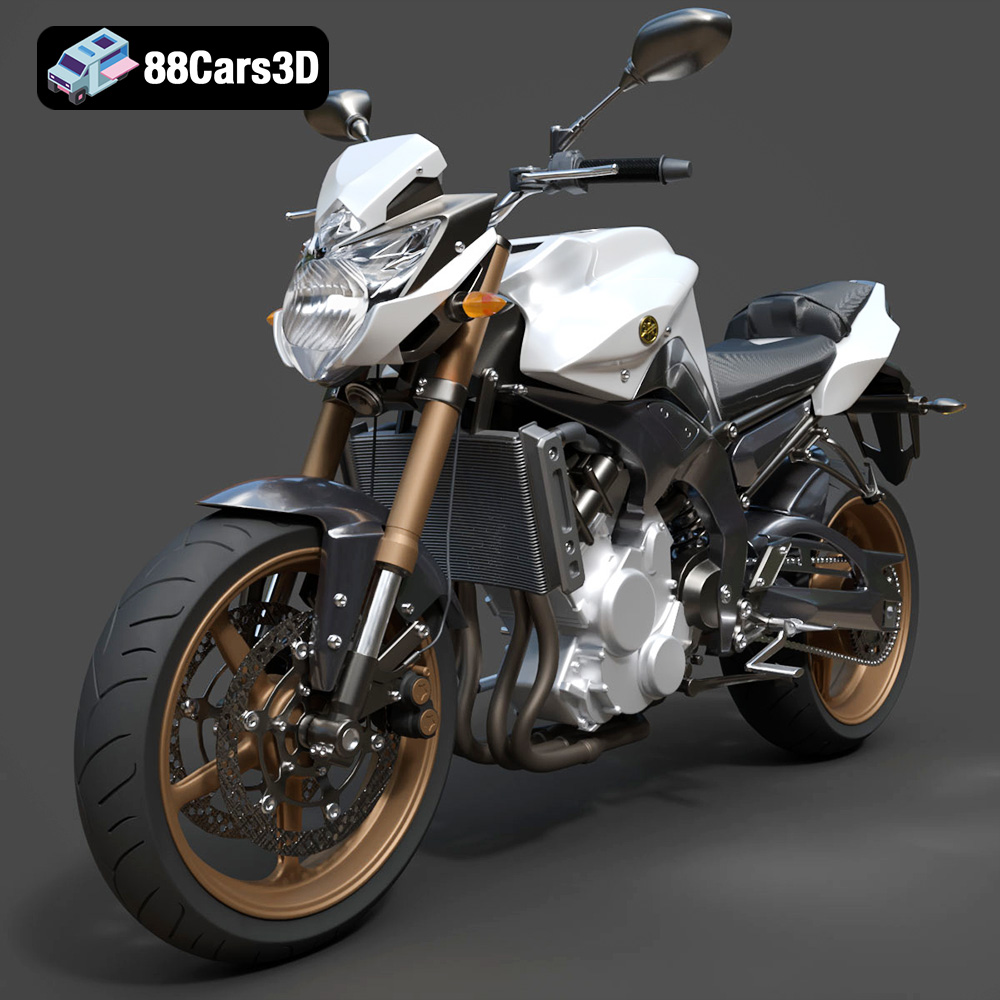
Texture: Yes
Material: Yes
Download the Yamaha FZ8 2011 3D Model featuring clean geometry, realistic detailing, and a fully modeled interior. Includes .blend, .fbx, .obj, .glb, .stl, .ply, .unreal, and .max formats for rendering, simulation, and game development.
Price: $19.99
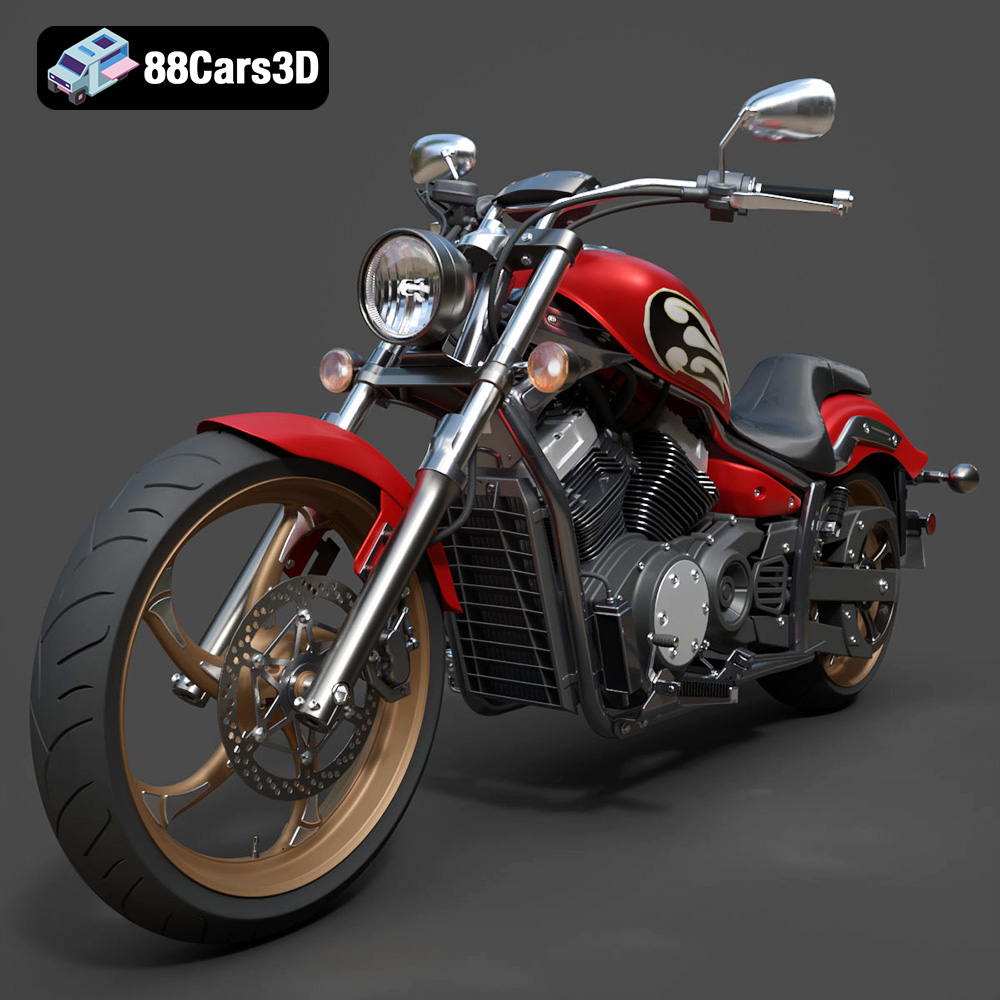
Texture: Yes
Material: Yes
Download the Yamaha Stryker 2012 3D Model featuring clean geometry, realistic detailing, and a fully modeled interior. Includes .blend, .fbx, .obj, .glb, .stl, .ply, .unreal, and .max formats for rendering, simulation, and game development.
Price: $19.99
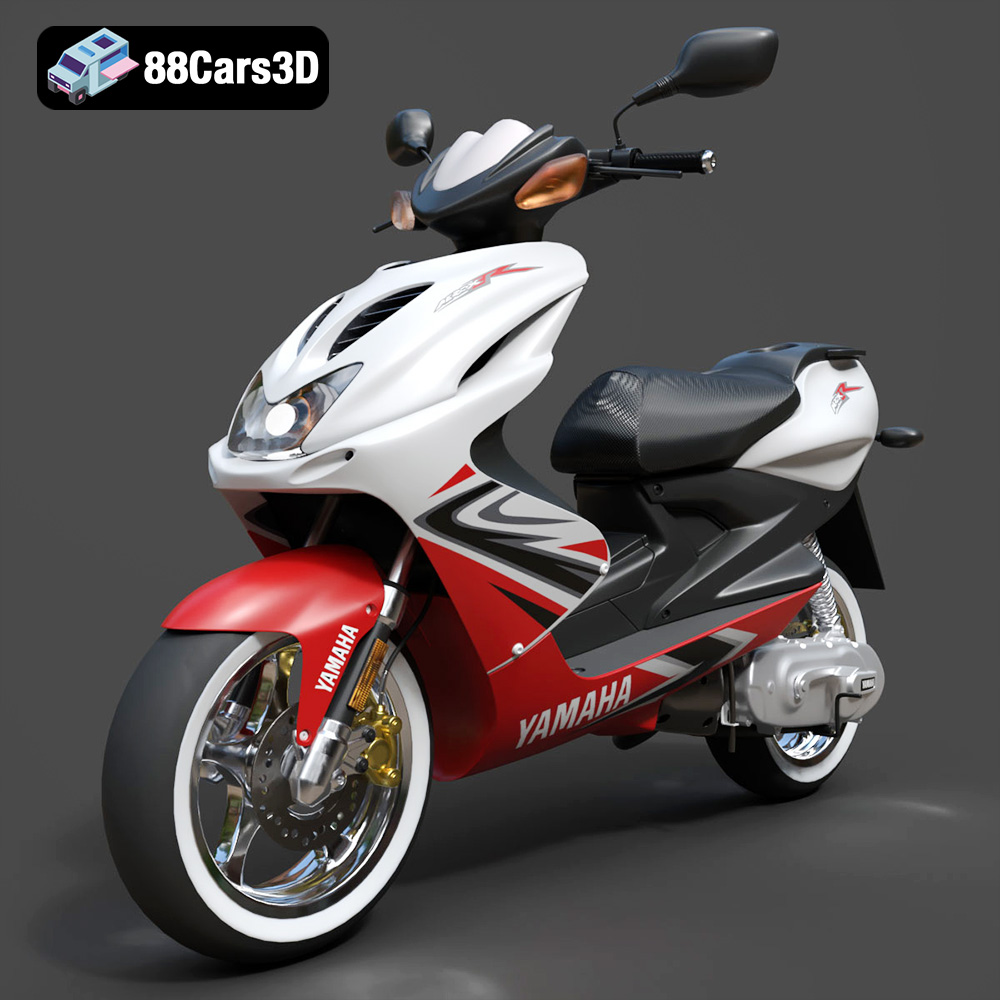
Texture: Yes
Material: Yes
Download the Yamaha Aerox R-002 2024 3D Model featuring clean geometry, realistic detailing, and a fully modeled interior. Includes .blend, .fbx, .obj, .glb, .stl, .ply, .unreal, and .max formats for rendering, simulation, and game development.
Price: $19.99
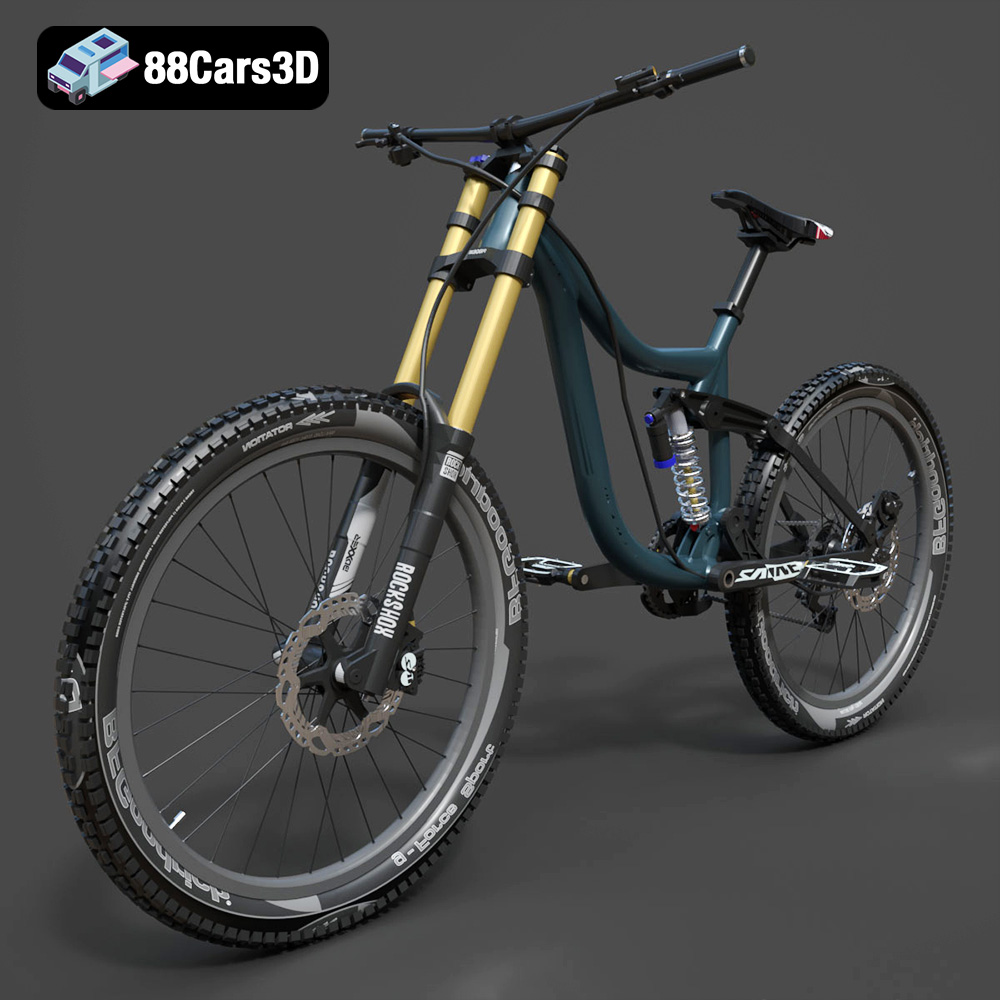
Texture: Yes
Material: Yes
Download the Mototsikly Downhill Bike-002 3D Model featuring clean geometry, realistic detailing, and precise mechanical components. Includes .blend, .fbx, .obj, .glb, .stl, .ply, .unreal, and .max formats for rendering, simulation, and game development.
Price: $19.99
Texture: Yes
Material: Yes
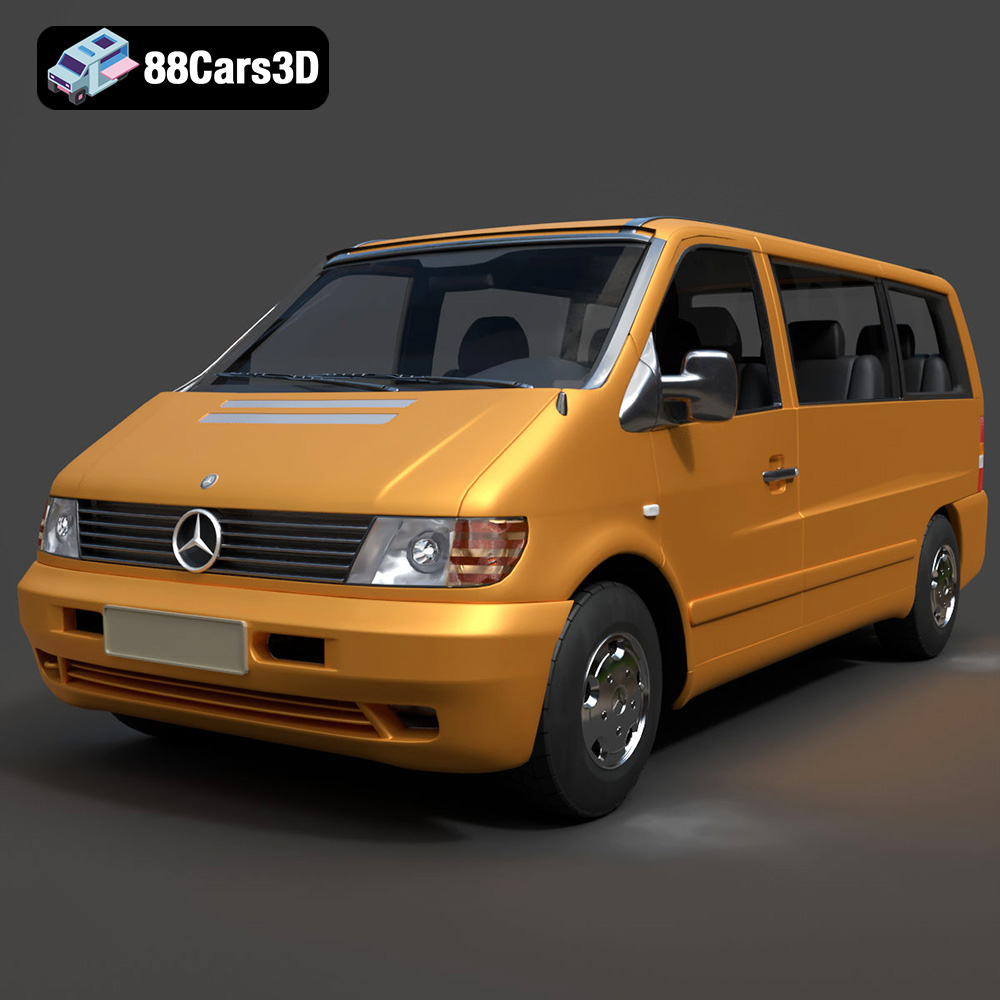
Download the Mercedes-Benz Vito Passenger Van 3D Model featuring clean geometry, realistic detailing, and a fully modeled interior. Includes .blend, .fbx, .obj, .glb, .stl, .ply, .unreal, and .max formats for rendering, simulation, and game development.
Price: $19.99
Texture: Yes
Material: Yes
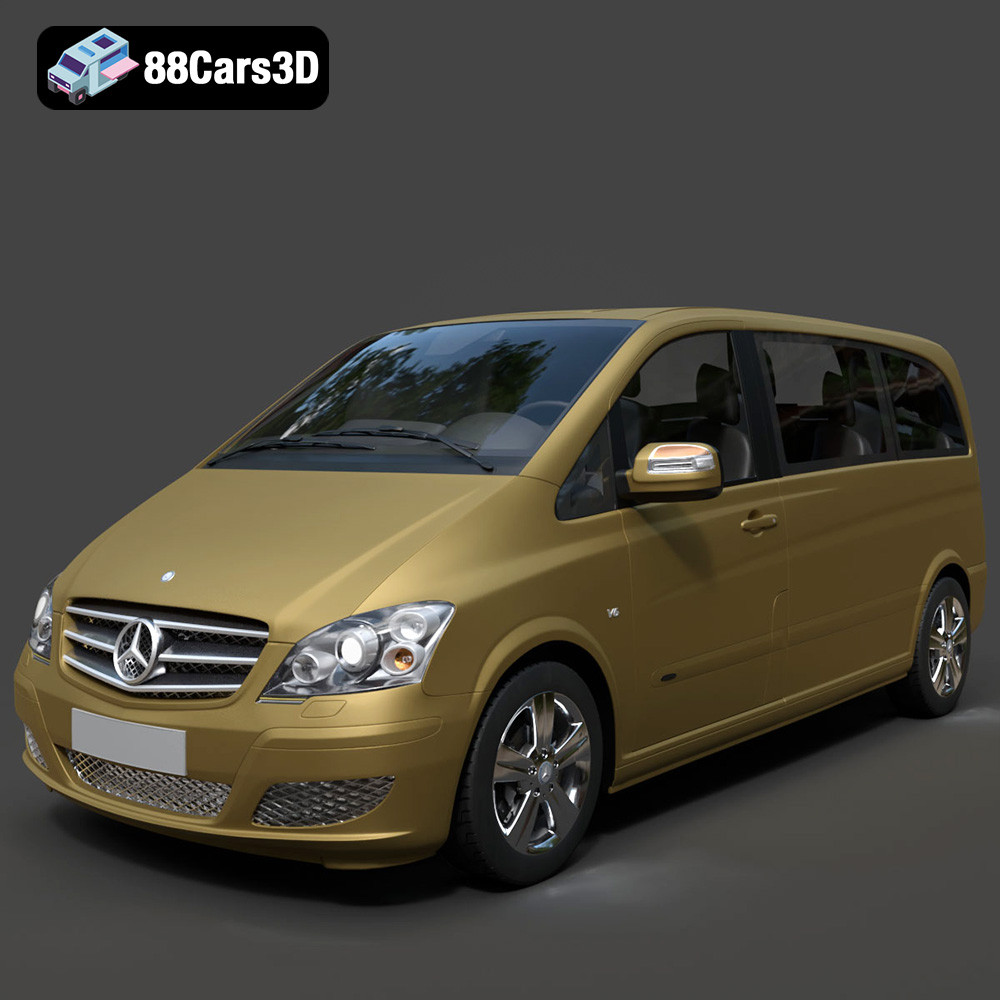
Download the Mercedes-Benz Viano 2010 3D Model featuring clean geometry, realistic detailing, and a fully modeled interior. Includes .blend, .fbx, .obj, .glb, .stl, .ply, .unreal, and .max formats for rendering, simulation, and game development.
Price: $19.99

Texture: Yes
Material: Yes
Download the Emt Avtobus 007 3D Model featuring clean geometry, realistic detailing, and a fully modeled interior. Includes .blend, .fbx, .obj, .glb, .stl, .ply, .unreal, and .max formats for rendering, simulation, and game development.
Price: $19.99
Texture: Yes
Material: Yes
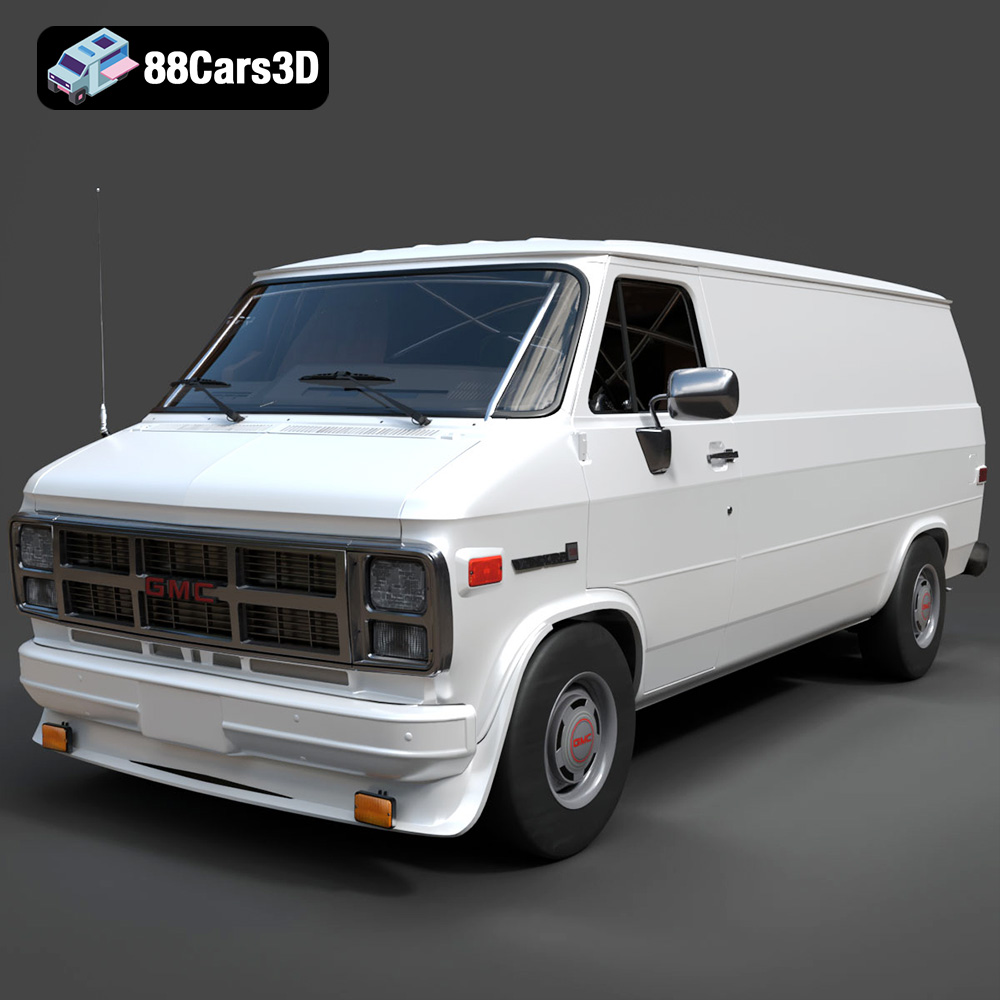
Download the GMC Vandura G-1500 1983 3D Model featuring clean geometry, realistic detailing, and a fully modeled interior. Includes .blend, .fbx, .obj, .glb, .stl, .ply, .unreal, and .max formats for rendering, simulation, and game development.
Price: $19.99
Texture: Yes
Material: Yes
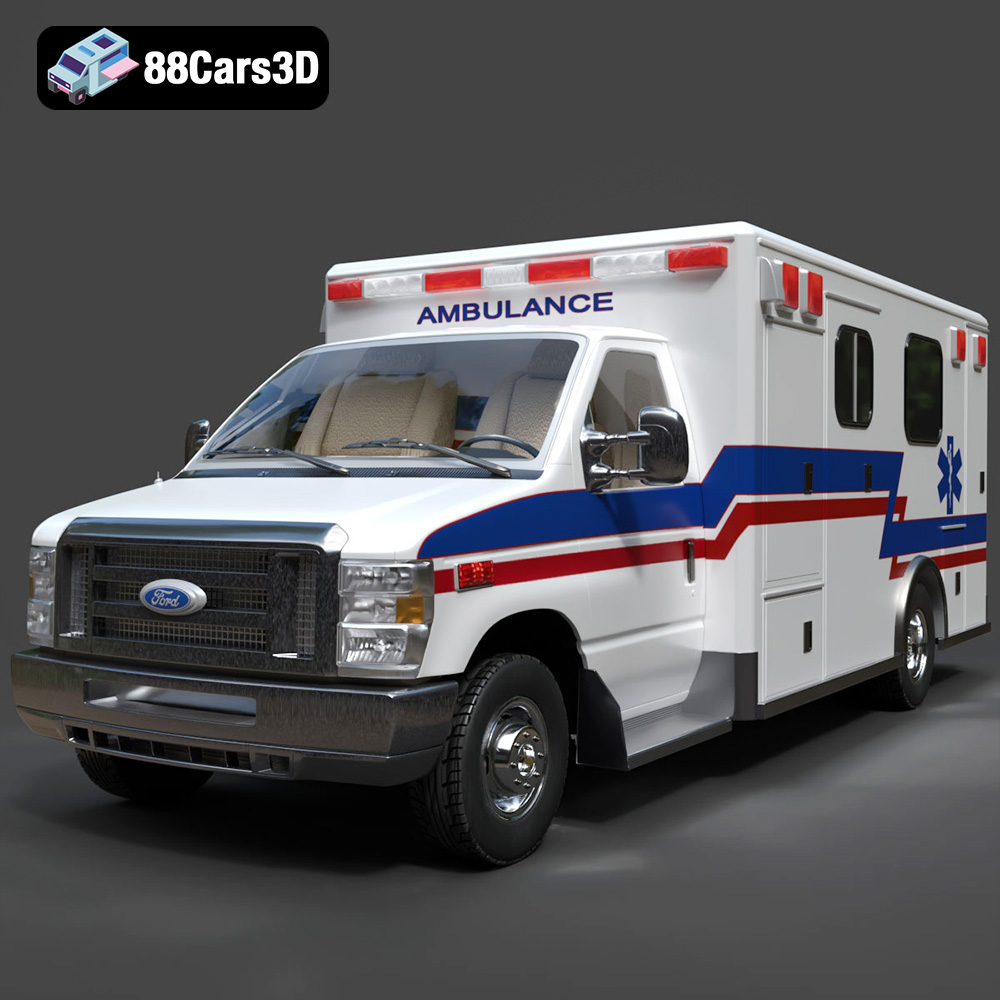
Download the Ford E-450 Ambulance 3D Model featuring clean geometry, realistic detailing, and a fully modeled interior. Includes .blend, .fbx, .obj, .glb, .stl, .ply, .unreal, and .max formats for rendering, simulation, and game development.
Price: $19.99

