

In the vibrant realm of real-time 3D, where stunning visuals and interactive experiences converge, the user interface (UI) and user experience (UX) are paramount. For professionals working with high-fidelity 3D car models in Unreal Engine—whether for automotive visualization, cutting-edge game development, or interactive configurators—a seamless and intuitive interface transforms a static scene into an engaging journey. Imagine showcasing a meticulously crafted vehicle, sourced from marketplaces like 88cars3d.com, allowing users to effortlessly change its paint, interior trim, or even open its doors with a few clicks or gestures. This level of interaction is precisely where Unreal Engine’s powerful UI system, Unreal Motion Graphics (UMG), comes into play.
UMG is not just a tool for creating simple menus; it’s a comprehensive framework that empowers developers and artists to build sophisticated, dynamic, and responsive interfaces that elevate the entire user experience. From sleek heads-up displays in driving simulators to complex automotive configurator panels, UMG provides the flexibility and power needed to match the visual fidelity of your 3D assets. This long-form technical guide will dive deep into leveraging UMG for exceptional UI/UX design within Unreal Engine, with a particular focus on its application in automotive visualization and interactive projects. We’ll explore core concepts, practical workflows, optimization strategies, and advanced techniques to help you craft interfaces that are not only beautiful but also highly functional and performant.
The Foundation of Interactive Experiences: Understanding UMG Widget System
Unreal Motion Graphics UI Designer (UMG) is the declarative UI system within Unreal Engine, providing a visual way to create, arrange, and animate user interface elements. At its core, UMG is built around “Widgets” – reusable building blocks like buttons, text blocks, images, sliders, and progress bars. These individual widgets are then composed into “Widget Blueprints,” which are special types of Blueprint assets that house the visual layout and the interactive logic for a specific UI screen or component. The hierarchical nature of UMG, allowing widgets to be nested within various panel widgets (like Canvas Panel, Horizontal Box, Vertical Box, Grid Panel), offers immense control over layout and responsiveness, crucial for diverse screen resolutions and aspect ratios.
For projects involving high-quality 3D car models, UMG becomes the bridge between the stunning visual asset and the user’s ability to interact with it. Imagine a sophisticated car configurator: UMG handles the material selection menus, paint color swatches, rim options, and even information displays about the vehicle’s specifications. Its integration with Unreal Engine’s powerful Blueprint visual scripting system allows for complex UI logic to be implemented without writing a single line of C++. This accessibility makes it a favorite among 3D artists and designers who want to bring their visualizations to life. Understanding the fundamental components and their interaction is the first step towards building compelling interactive experiences that enhance the appeal of your automotive projects.
Core UMG Components: Widgets, Canvases, and Panels
The UMG ecosystem is structured around several key components. The most granular are the Widgets themselves. These are the visual elements users interact with or observe: a ‘Button’ widget, a ‘TextBlock’ for displaying information, an ‘Image’ widget to show a texture, or a ‘ProgressBar’ to indicate loading progress. Each widget has a set of properties that can be adjusted in the Details panel of the Widget Blueprint editor, controlling its appearance, behavior, and layout. For instance, a ‘Button’ widget can have different styles for its normal, hovered, and pressed states, allowing for nuanced visual feedback.
Widgets are organized within Panel Widgets. These are non-visual containers that dictate how their child widgets are positioned and sized. The ‘Canvas Panel’ is often the root of a Widget Blueprint, providing absolute positioning and anchoring capabilities, ideal for fixed layouts or HUD elements. Other crucial panels include the ‘Vertical Box’ and ‘Horizontal Box’ for stacking widgets vertically or horizontally, respectively. The ‘Grid Panel’ is excellent for tabular data or option grids, while ‘Overlay’ allows widgets to stack on top of each other. Mastering these panels is essential for creating robust, flexible, and responsive UIs that adapt gracefully to different screen sizes, which is a common requirement in professional automotive visualization and game development.
Designing for Responsiveness: Anchors and Layout Strategies
A major challenge in UI design is ensuring that the interface looks good and functions correctly across various screen resolutions and aspect ratios. UMG addresses this through its powerful Anchors system. Anchors define a pivot point on the parent widget (or screen) to which a child widget’s position and size are relative. By setting an anchor to the top-left, center, or stretching across the entire screen, you can ensure that UI elements scale and reposition themselves predictably. For example, a “back” button in an automotive configurator might always be anchored to the top-left corner, maintaining a consistent margin regardless of screen size. This approach is fundamental for any interactive application that might run on a desktop monitor, a widescreen display for a virtual production setup, or even a mobile device.
Beyond anchors, intelligent layout strategies using combinations of panel widgets are critical. Instead of relying solely on absolute positioning with a Canvas Panel, which can be brittle, developers often use ‘Size Box’ widgets to enforce minimum or maximum sizes, and ‘Scale Box’ widgets to automatically scale content to fit available space. ‘Spacer’ widgets can add padding, and the ‘Padding’ and ‘Stretch’ properties within various panel slots provide fine-grained control over spacing and distribution. By combining responsive anchors with smart panel widget usage, you can design UIs that gracefully adapt to diverse display environments, providing a consistent and professional user experience for your Unreal Engine projects, from real-time rendering showcases to interactive driving simulations.
Building Intuitive Automotive UI: Practical UMG Workflows
Creating an intuitive UI in Unreal Engine with UMG begins with practical, structured workflows. For automotive visualization, this often means designing interfaces that allow users to explore and customize a vehicle with ease. Consider a typical car configurator: the UI needs to facilitate changing paint colors, selecting rim designs, modifying interior options, and perhaps even viewing different lighting scenarios. This involves combining various UMG widgets, linking them to specific game logic via Blueprint, and ensuring a smooth flow of interaction. The initial step typically involves creating a new Widget Blueprint, choosing a suitable parent class (often ‘UserWidget’), and then populating it with the necessary visual components from the ‘Palette’ panel. Dragging and dropping Text Blocks for labels, Image widgets for thumbnails, and Buttons for actions forms the visual skeleton of your interface.
Once the visual layout is established, the real power of UMG comes from its integration with Blueprint scripting. Each interactive widget, such as a Button or a Slider, exposes events (e.g., ‘On Clicked’, ‘On Value Changed’) that can be hooked up to custom Blueprint logic. For example, clicking a ‘Red Paint’ button would trigger a Blueprint event that modifies the material instance on your 3D car model to display a red finish. This seamless connection between 2D UI and 3D world interaction is what makes UMG so effective for immersive experiences. Efficient organization of Widget Blueprints, perhaps grouping them by functionality (e.g., a ‘ColorPicker_WB’ or ‘RimSelector_WB’), helps maintain project clarity and reusability, essential for large-scale development or complex interactive demos.
Crafting a Car Configurator UI: From Concept to Blueprint
The journey of building a car configurator UI with UMG starts with a clear design concept. Sketch out the different panels you’ll need: a main navigation menu, a color selection panel, a wheels/rims selector, and perhaps an interior options panel. Each of these will likely translate into a distinct Widget Blueprint or a composite of multiple sub-widgets. For a color selector, you might use a ‘Wrap Box’ or ‘Grid Panel’ to display an array of ‘Image’ widgets, each representing a paint swatch. When a user clicks an image, its ‘On Clicked’ event would be dispatched to the Blueprint Event Graph. Here, you would implement the logic to retrieve the selected color information (perhaps from a ‘DataTable’ or a simple variable) and then apply a corresponding material instance to the car’s body mesh.
The actual application of materials to a 3D car model (such as those optimized for Unreal Engine from 88cars3d.com) is often handled in the main level Blueprint or a dedicated ‘CarController’ Blueprint. Your UI Widget Blueprint would typically have an ‘Event Dispatcher’ or a direct reference to the car actor to call functions like ‘SetCarPaintMaterial(NewMaterial)’ on it. This separation of concerns—UI handling its visual presentation and input, while a separate actor manages the 3D model’s properties—leads to cleaner, more maintainable code. For example, you could have a single ‘ChangeMaterial’ function on your car actor that takes a Material Instance as an input, and various UI buttons simply pass different instances to it. This approach streamlines the process of adding new customization options without overhauling existing UI logic, crucial for iterative development in real-time rendering applications.
Event Handling and User Interaction with UMG
Robust event handling is the backbone of any interactive UMG interface. Every interactive widget, from a simple button to a complex slider, offers a suite of events that can be captured and responded to in the Widget Blueprint’s Event Graph. For instance, a ‘Button’ widget provides ‘On Clicked’, ‘On Pressed’, ‘On Released’, ‘On Hovered’, and ‘On Unhovered’ events. These events are exposed as nodes in the Blueprint editor, allowing you to drag off an event node and connect it to a sequence of actions. For a car configurator, clicking a button to cycle through car colors might increment an integer variable and then update the car’s material based on that new index.
Beyond simple clicks, UMG supports a wide range of input types. For interactive demonstrations on touch-enabled devices or AR/VR setups, UMG can handle touch events. For game interfaces, gamepad navigation is critical, and UMG includes built-in support for focusing widgets and navigating them with directional inputs. Advanced interaction patterns can involve using ‘User Widgets’ as ‘Child Widgets’ within a parent, allowing for modularity. For instance, a complex color picker could be its own ‘User Widget,’ complete with its own color swatch buttons and logic. This ‘Child Widget’ could then expose its own ‘Event Dispatcher’ (e.g., ‘OnColorSelected’) that the parent widget can bind to, allowing for encapsulated, reusable UI components. This modularity is a professional best practice, promoting maintainability and collaboration in large Unreal Engine projects. For detailed documentation on UMG event handling, consult the official Unreal Engine learning portal: https://dev.epicgames.com/community/unreal-engine/learning.
Enhancing Visual Appeal: Styling, Animation, and Custom Widgets
While functionality is crucial, the visual appeal of a UI significantly impacts the user experience. UMG offers extensive tools to style widgets, ensuring they align perfectly with your project’s aesthetic, whether it’s a sleek, futuristic car dashboard or a minimalist configurator. Every interactive widget, such as a Button or Slider, comes with ‘Style’ properties that allow you to define its appearance for different states (Normal, Hovered, Pressed, Disabled). These styles leverage ‘Slate Brushes,’ which are powerful structs containing information about textures, tint colors, margins, and draw as types (e.g., box, border, image). By creating custom Slate Brushes or deriving them from existing textures, you can achieve a highly customized look for all your UI elements. For dynamic styling, you can bind properties like ‘Color and Opacity’ or ‘Brush’ to Blueprint functions, allowing the UI to react visually to in-game events, like highlighting the currently selected car part.
Beyond static styling, animation brings a UI to life, guiding the user’s eye and providing satisfying feedback. UMG incorporates a dedicated Animation Editor within the Widget Blueprint, allowing you to create timelines for animating widget properties such as position, rotation, scale, color, and opacity. Simple animations like fades for menu transitions, scaling for button presses, or sliding panels can dramatically improve perceived responsiveness and user satisfaction. For complex or procedural animations, you can also leverage Blueprint’s ‘SetRenderOpacity’ or ‘SetRenderTransform’ nodes in conjunction with Timelines, giving you fine-grained control over widget properties over time. These techniques are vital for creating polished, professional-grade interfaces that complement the high-fidelity real-time rendering of your 3D car models.
Dynamic Styling with Brushes and Material Instances
To achieve a truly unique and professional look, understanding how to utilize ‘Brushes’ and ‘Material Instances’ for UMG styling is key. A ‘Slate Brush’ is more than just an image; it defines how an image or a solid color is drawn onto a widget. You can specify different textures for different states of a button, apply a tint color, set padding, and even define how the image is scaled (e.g., tiled, stretched, or drawn as a border). This allows for highly efficient texture usage, as a single texture atlas can provide graphics for many UI elements, reducing draw calls and improving performance. For example, a single sprite sheet containing various button states can be sliced and referenced by multiple Slate Brushes, ensuring consistency and efficiency.
For even greater visual complexity or dynamic effects, UMG widgets can display ‘Material Instances’. By binding the ‘Image’ or ‘Brush’ property of a widget to a dynamically created ‘Material Instance Dynamic’ (MID), you can feed parameters to a Material and have the UI react to data or events. Imagine a progress bar with a shimmering metallic effect controlled by a Material, or a button that glows based on certain conditions. This is particularly useful in automotive interfaces where you might want to mimic realistic screen displays with advanced shaders. By creating parent ‘UI Materials’ with exposed parameters, artists can then generate MIDs and manipulate them via Blueprint, unlocking a vast array of sophisticated visual effects for their UMG interfaces, seamlessly blending with the advanced PBR materials of the 3D world.
Bringing UI to Life: Widget Animations and Timelines
Animations are critical for enhancing UI feedback and guiding the user. UMG’s integrated Animation Editor simplifies the process of creating dynamic transitions. Within the Widget Blueprint, you can create new animation sequences, then add ‘Tracks’ for specific widgets and properties. For example, to animate a menu panel sliding in from the side, you would add a ‘Render Transform’ track for the panel widget and keyframe its ‘Translation’ property over time. Similarly, fading out a message box involves animating its ‘Render Opacity’. These animations are played back using Blueprint nodes like ‘PlayAnimation’, ‘ReverseAnimation’, and ‘StopAnimation’, allowing you to trigger them based on user input or game state changes.
Beyond simple property animations, UMG allows for more complex effects. You can chain animations together, create looping animations, and even use ‘Event Tracks’ within an animation to trigger Blueprint events at specific points in the timeline. This is incredibly powerful for complex sequences, such as a multi-step car customization process where UI elements fade in and out gracefully. For example, when a user confirms a paint choice, an animation could play that fades out the color picker and simultaneously fades in the rim selection panel. The combination of well-timed animations and intuitive transitions significantly contributes to a polished user experience, making interaction with your Unreal Engine automotive projects more engaging and professional. For deeper technical insights, the official Unreal Engine documentation provides extensive resources on widget animations.
Advanced UMG Techniques for Automotive Visualization
Moving beyond basic UI construction, advanced UMG techniques empower developers to create truly immersive and interactive experiences, particularly in the realm of automotive visualization. One of the most powerful aspects is the deep integration between UMG and Blueprint scripting, allowing complex logic to drive UI behavior and vice-versa. This bidirectional communication is essential for everything from a simple button click changing a car’s material to a sophisticated vehicle configurator displaying real-time performance statistics based on user-selected components. For instance, a UI slider controlling a car’s suspension height would communicate its value to a Blueprint function on the car actor, which then manipulates the vehicle’s physics constraints or mesh transformations. This interaction brings 3D car models, especially those from 88cars3d.com, to life, transforming them from static renders into dynamic, explorable assets.
Another advanced application is the concept of ‘World Space UI’. While most UMG UIs exist in screen space (overlaying the camera view), World Space UI allows widgets to be rendered as 3D objects within the game world. This is invaluable for in-car dashboards, interactive displays embedded in a virtual showroom, or AR/VR applications where UI elements need to feel physically present. Creating World Space UI involves rendering a Widget Blueprint onto a ‘Widget Component’ attached to a 3D actor. This opens up possibilities for highly realistic in-car infotainment systems or interactive repair manuals where instructions appear directly on the vehicle components. However, World Space UI comes with its own set of performance considerations and interaction challenges, such as handling raycast interaction from a virtual hand or gaze, requiring careful optimization.
Bridging 2D UI and 3D World: Blueprint Communication
Effective communication between your UMG Widget Blueprints and your 3D world actors (like your 3D car models) is paramount for creating interactive experiences. The most common methods involve direct references, Event Dispatchers, and Blueprint Interfaces. For direct references, a Widget Blueprint might get a reference to the car actor in the level (e.g., using ‘GetAllActorsOfClass’ or ‘GetActorOfClass’ on ‘Event Construct’ or ‘Event Pre Construct’) and then directly call functions on it. For example, a ‘ColorPicker’ widget could have a variable that holds a reference to the ‘BP_Car’ actor, allowing it to directly call a ‘SetPaintColor’ function on that car.
Event Dispatchers provide a more decoupled approach. A Widget Blueprint can ‘Bind’ to an Event Dispatcher declared on another actor, or an actor can bind to an Event Dispatcher on a widget. For instance, a ‘RimSelector’ widget could ‘Call’ an ‘OnRimChanged’ Event Dispatcher whenever a new rim is selected, and the ‘BP_Car’ actor could ‘Bind’ to this dispatcher to receive the new rim’s data and update its mesh. This loose coupling makes your code more modular and easier to maintain. Blueprint Interfaces offer an even more robust solution, defining a contract of functions that different Blueprints can implement. This is excellent for systems where multiple types of cars might respond to the same ‘ChangePaintColor’ command, promoting polymorphic behavior. Mastering these communication patterns is crucial for any serious Unreal Engine developer looking to build sophisticated interactive environments, from automotive configurators to complex game simulations, leveraging the detailed PBR materials and realistic geometry of their assets.
Optimizing UMG Performance: Best Practices for Real-time Applications
While UMG is powerful, poorly optimized UI can significantly impact the performance of your real-time rendering application, especially when paired with high-fidelity assets like detailed 3D car models. The primary goal is to reduce draw calls and texture memory usage. One critical practice is to minimize the number of unique images and fonts. Texture atlasing – combining multiple small UI images into one larger texture – allows Unreal Engine to draw many UI elements with a single draw call, drastically improving performance. Similarly, using a limited set of fonts and consolidating their texture pages is beneficial.
Another key optimization involves managing widget visibility and complexity. Widgets that are not visible (e.g., behind another panel, or simply off-screen) should be properly collapsed or removed from the hierarchy if they are complex. Using ‘SetVisibility(Hidden)’ or ‘SetVisibility(Collapsed)’ is generally better than just moving them off-screen. Avoid updating widget properties unnecessarily on ‘Event Tick’; instead, use events to trigger updates only when data changes. For complex layouts, consider breaking them down into smaller, reusable ‘User Widgets’ which can sometimes aid in culling and rendering efficiency. Lastly, profiling your UI with Unreal Engine’s built-in tools (like the ‘Widget Reflector’ and ‘Slate Insights’) is indispensable for identifying performance bottlenecks, helping you achieve smooth frame rates even in demanding automotive visualization projects where the underlying 3D scene might be utilizing features like Nanite for geometry and Lumen for global illumination.
UI/UX Principles for Immersive Automotive Experiences
Designing effective UI/UX for automotive visualization and interactive projects in Unreal Engine goes beyond technical implementation; it requires a deep understanding of user psychology and interaction principles. The primary goal is to create an experience that is intuitive, efficient, and enjoyable for the target audience. For a car configurator, this audience might range from casual enthusiasts to professional automotive designers, each with different expectations and levels of technical proficiency. Therefore, the UI must strike a balance between simplicity for ease of use and depth for advanced customization. A clear, consistent visual language across all UI elements—from button styles to icon sets—is paramount for reducing cognitive load and ensuring users understand how to interact with the system without constant re-learning.
Feedback is another cornerstone of good UX. When a user interacts with the UI, they should receive immediate and clear feedback, whether it’s a button subtly changing color on hover, a sound playing on selection, or a loading animation while a new 3D car model variant is loaded. This feedback loop reassures the user that their action was registered and helps them understand the system’s state. Furthermore, the UI should guide the user through the customization process, perhaps with visual cues or progressive disclosure of options, preventing them from feeling overwhelmed. Designing for accessibility—considering factors like color contrast, font sizes, and alternative input methods—also broadens the reach and usability of your interactive automotive experiences, ensuring that your beautiful real-time rendering applications are accessible to as many users as possible.
Usability and Ergonomics in Automotive UI Design
Usability and ergonomics are critical considerations for automotive UI, particularly when designing virtual cockpits or interactive vehicle controls. The placement and sizing of UI elements should be optimized for reach and visibility. For touch interfaces, buttons need to be large enough to be easily tappable, with sufficient spacing to prevent accidental selections. For mouse and keyboard interfaces, logical grouping of related options and keyboard shortcuts can significantly improve efficiency. Consider the context of interaction: Is the user standing in front of a large display, sitting at a desk, or immersed in a VR headset? Each scenario dictates different ergonomic considerations.
In virtual production or automotive design reviews, the UI often needs to be non-intrusive, allowing the focus to remain on the 3D car model itself. Overlay UIs should be semi-transparent or designed to fade out when not in use. For interactive dashboards within a virtual car, the UI elements should mimic real-world counterparts where appropriate, leveraging familiar metaphors to reduce the learning curve. Consistency in navigation, iconography, and terminology across the entire application is vital for building user confidence and proficiency. This detailed approach to usability ensures that the user’s interaction with your Unreal Engine automotive visualization is seamless and intuitive, allowing them to fully appreciate the detail and realism of assets from sources like 88cars3d.com without fighting the interface.
Designing for Multi-Platform Deployment: VR, AR, and Mobile
Modern automotive visualization often targets multiple platforms, including desktop, VR, AR, and mobile. Each platform presents unique UI/UX challenges and opportunities. For AR/VR optimization, traditional screen-space UMG often falls short. In VR, UI elements typically need to exist in 3D space, rendered as ‘Widget Components’ on a 3D plane. Interaction shifts from mouse clicks to gaze, hand tracking, or raycast pointers. Crucially, VR UI must be designed to prevent motion sickness; static, large text close to the user’s face can be disorienting. Information should be spread out, and interactive elements should be placed within an comfortable reach. For AR, UI might involve contextual overlays directly on real-world objects, demanding precision and spatial awareness.
Mobile optimization requires different considerations. UI elements must be scaled appropriately for smaller screens and touch input. Performance is critical, as mobile devices have limited processing power compared to desktop PCs. Minimizing draw calls, using efficient texture atlases, and carefully managing widget complexity become even more important. Designers must prioritize essential information, often using swipe gestures or tabbed navigation to conserve screen real estate. When designing for multi-platform deployment, it’s often beneficial to create a core set of UI components and then adapt their layout and interaction logic for each specific platform, ensuring a consistent brand experience while optimizing for the unique characteristics of each device. This adaptability is key to maximizing the reach and impact of your Unreal Engine interactive automotive experiences.
Conclusion
Mastering Unreal Engine’s UMG Widget System is an indispensable skill for anyone looking to create compelling, interactive experiences, particularly in the demanding field of automotive visualization and game development. As we’ve explored, UMG offers a robust and flexible framework for designing everything from simple informational overlays to complex, multi-layered car configurators. By understanding core components like Widgets, Panels, and Anchors, and by leveraging the power of Blueprint scripting for dynamic logic and communication with your 3D car models (like those available on 88cars3d.com), you can craft interfaces that are not only aesthetically pleasing but also highly functional and intuitive.
Beyond the technical implementation, integrating sound UI/UX principles—such as clarity, consistency, feedback, and thoughtful consideration for multi-platform deployment—is crucial for elevating user engagement. Whether you’re animating sleek menu transitions, optimizing for real-time rendering performance, or designing responsive layouts for AR/VR, UMG provides the tools to bring your interactive visions to life. The ability to seamlessly connect beautiful, high-fidelity 3D assets with an empowering user interface is what truly differentiates an ordinary project from an immersive experience. Now, armed with these insights, take the next step: dive into Unreal Engine, experiment with UMG, and transform your stunning automotive renders into interactive masterpieces that captivate your audience.
Featured 3D Car Models

Porsche Cayenne 3D Model
Meta Description:
Texture: Yes
Material: Yes
Download the Porsche Cayenne 3D Model featuring realistic exterior styling and detailed interior design. Includes .blend, .fbx, .obj, .glb, .stl, .ply, .unreal, and .max formats for rendering, simulation, AR VR, and game development.
Price: $19.9
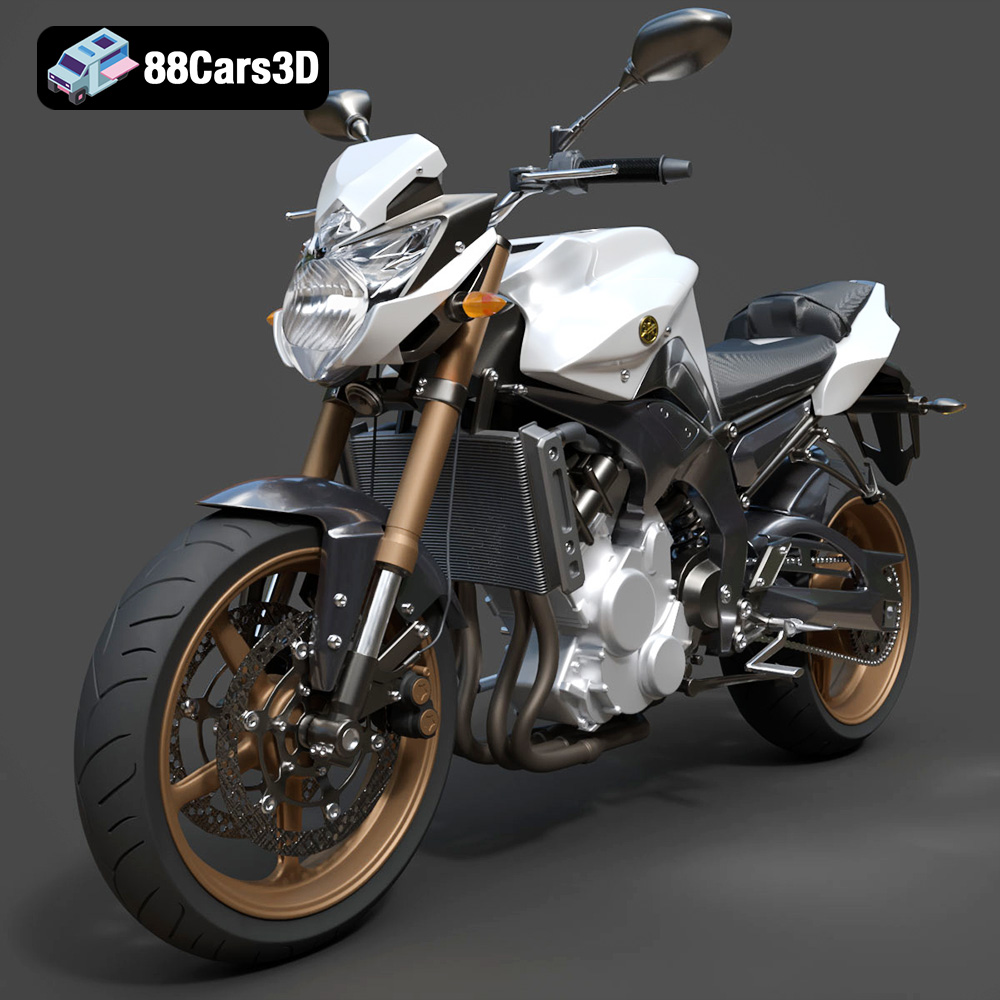
Yamaha FZ8 2011 3D Model
Texture: Yes
Material: Yes
Download the Yamaha FZ8 2011 3D Model featuring clean geometry, realistic detailing, and a fully modeled interior. Includes .blend, .fbx, .obj, .glb, .stl, .ply, .unreal, and .max formats for rendering, simulation, and game development.
Price: $19.99
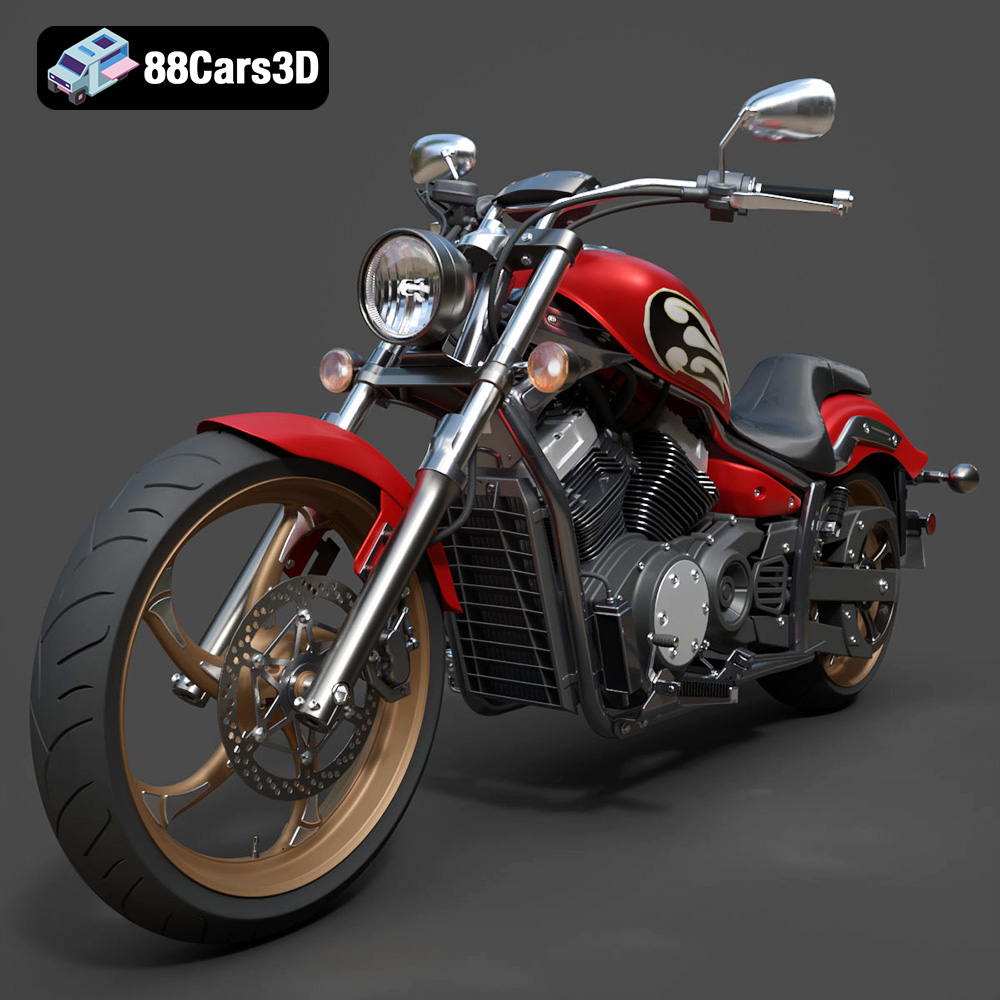
Yamaha Stryker 2012 3D Model
Texture: Yes
Material: Yes
Download the Yamaha Stryker 2012 3D Model featuring clean geometry, realistic detailing, and a fully modeled interior. Includes .blend, .fbx, .obj, .glb, .stl, .ply, .unreal, and .max formats for rendering, simulation, and game development.
Price: $19.99
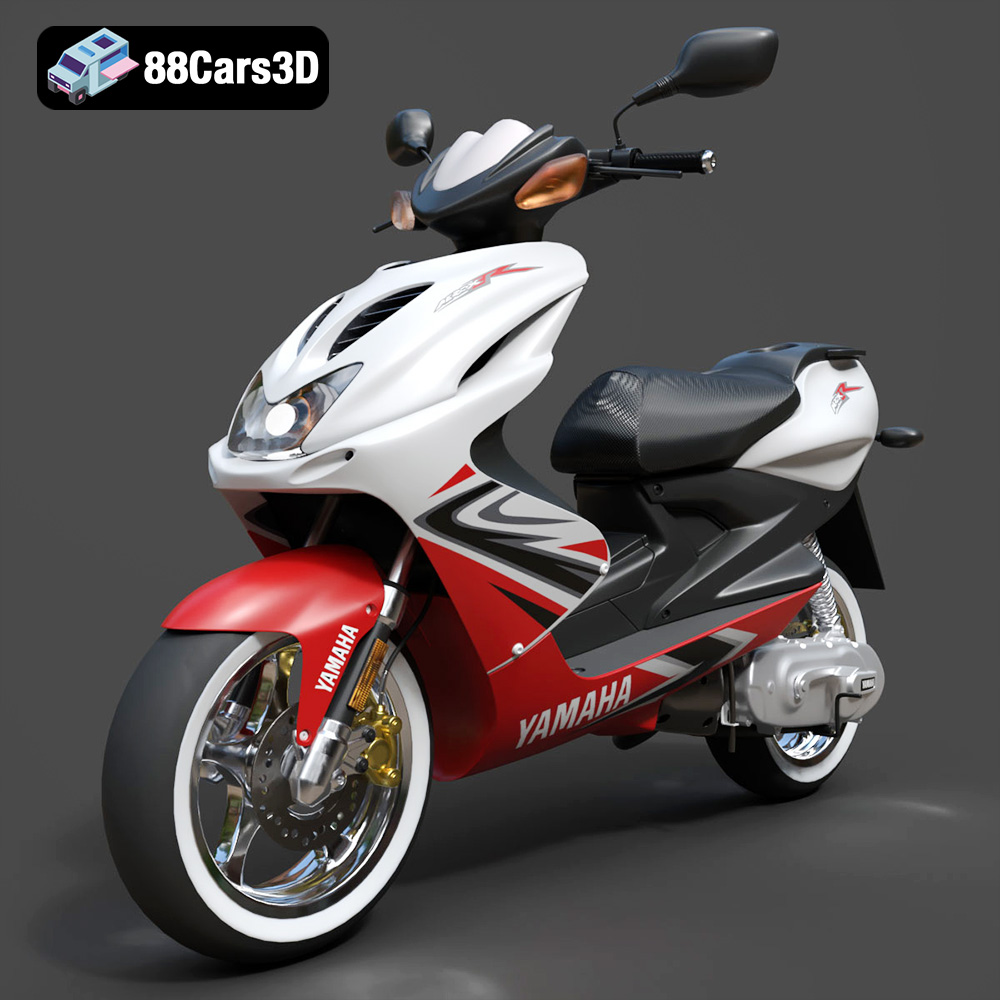
Yamaha Aerox R-002 2024 3D Model
Texture: Yes
Material: Yes
Download the Yamaha Aerox R-002 2024 3D Model featuring clean geometry, realistic detailing, and a fully modeled interior. Includes .blend, .fbx, .obj, .glb, .stl, .ply, .unreal, and .max formats for rendering, simulation, and game development.
Price: $19.99
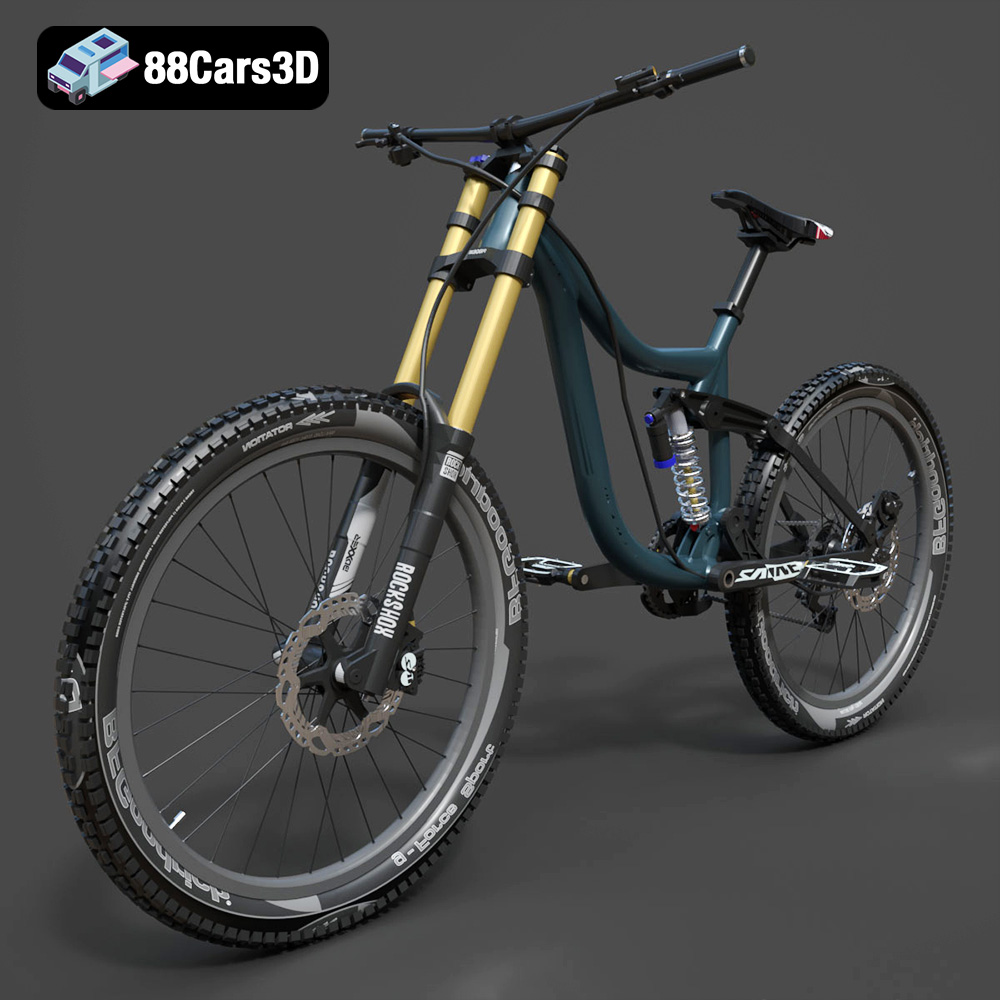
Mototsikly Downhill Bike-002 3D Model
Texture: Yes
Material: Yes
Download the Mototsikly Downhill Bike-002 3D Model featuring clean geometry, realistic detailing, and precise mechanical components. Includes .blend, .fbx, .obj, .glb, .stl, .ply, .unreal, and .max formats for rendering, simulation, and game development.
Price: $19.99
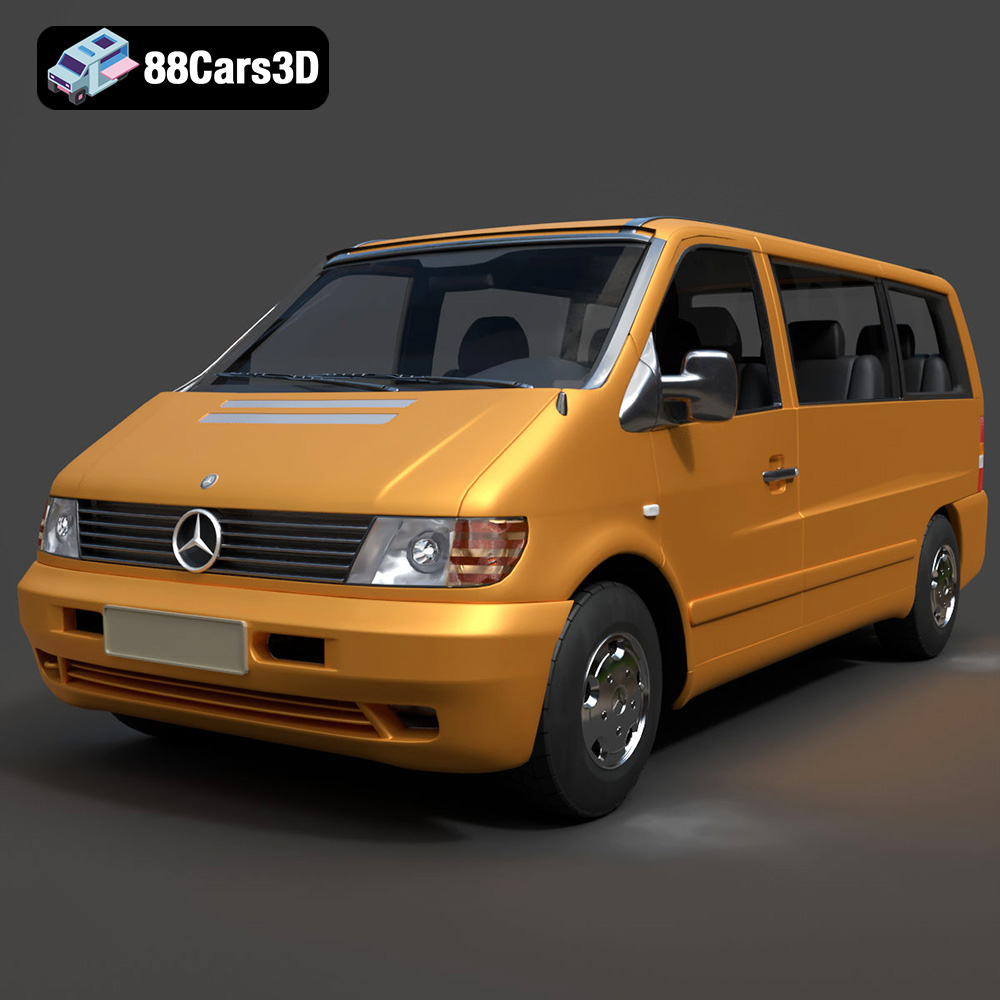
Mercedes-Benz Vito Passenger Van 3D Model
Texture: Yes
Material: Yes
Download the Mercedes-Benz Vito Passenger Van 3D Model featuring clean geometry, realistic detailing, and a fully modeled interior. Includes .blend, .fbx, .obj, .glb, .stl, .ply, .unreal, and .max formats for rendering, simulation, and game development.
Price: $19.99
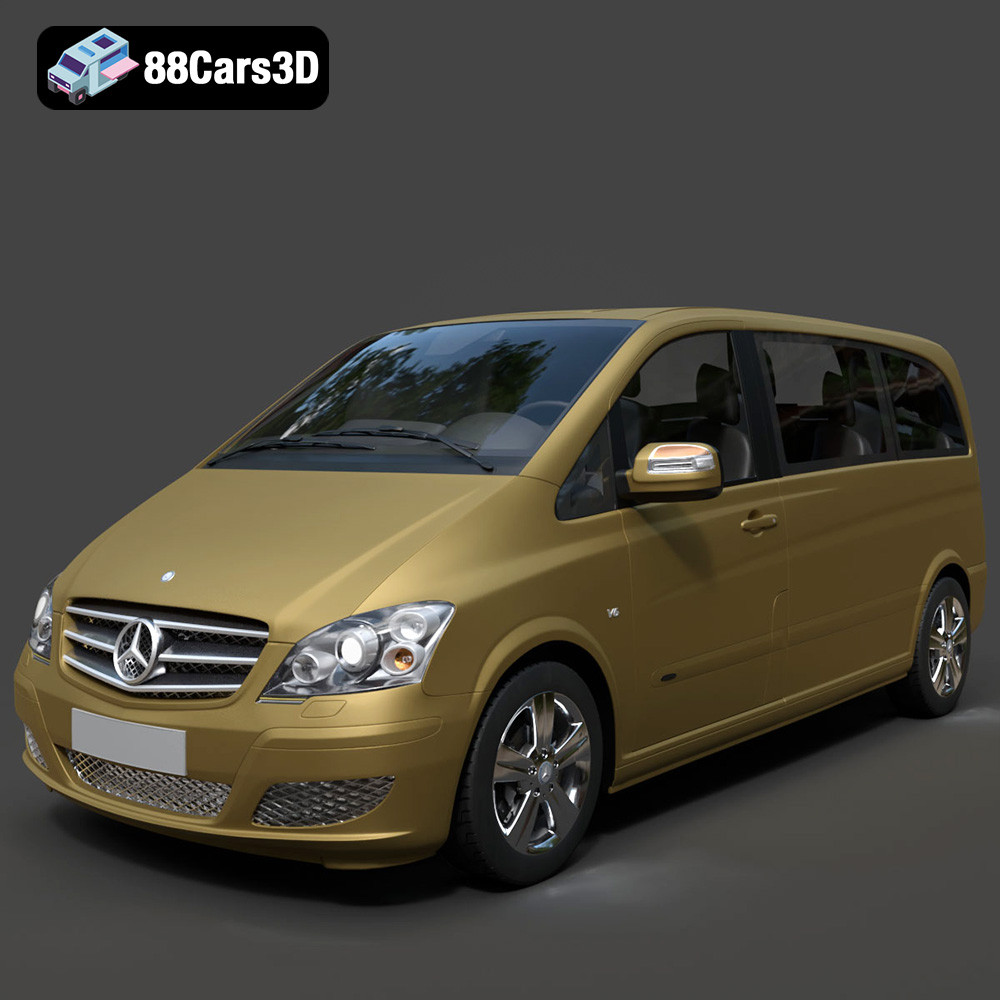
Mercedes-Benz Viano 2010 3D Model
Texture: Yes
Material: Yes
Download the Mercedes-Benz Viano 2010 3D Model featuring clean geometry, realistic detailing, and a fully modeled interior. Includes .blend, .fbx, .obj, .glb, .stl, .ply, .unreal, and .max formats for rendering, simulation, and game development.
Price: $19.99

Emt Avtobus 007 3D Model
Texture: Yes
Material: Yes
Download the Emt Avtobus 007 3D Model featuring clean geometry, realistic detailing, and a fully modeled interior. Includes .blend, .fbx, .obj, .glb, .stl, .ply, .unreal, and .max formats for rendering, simulation, and game development.
Price: $19.99
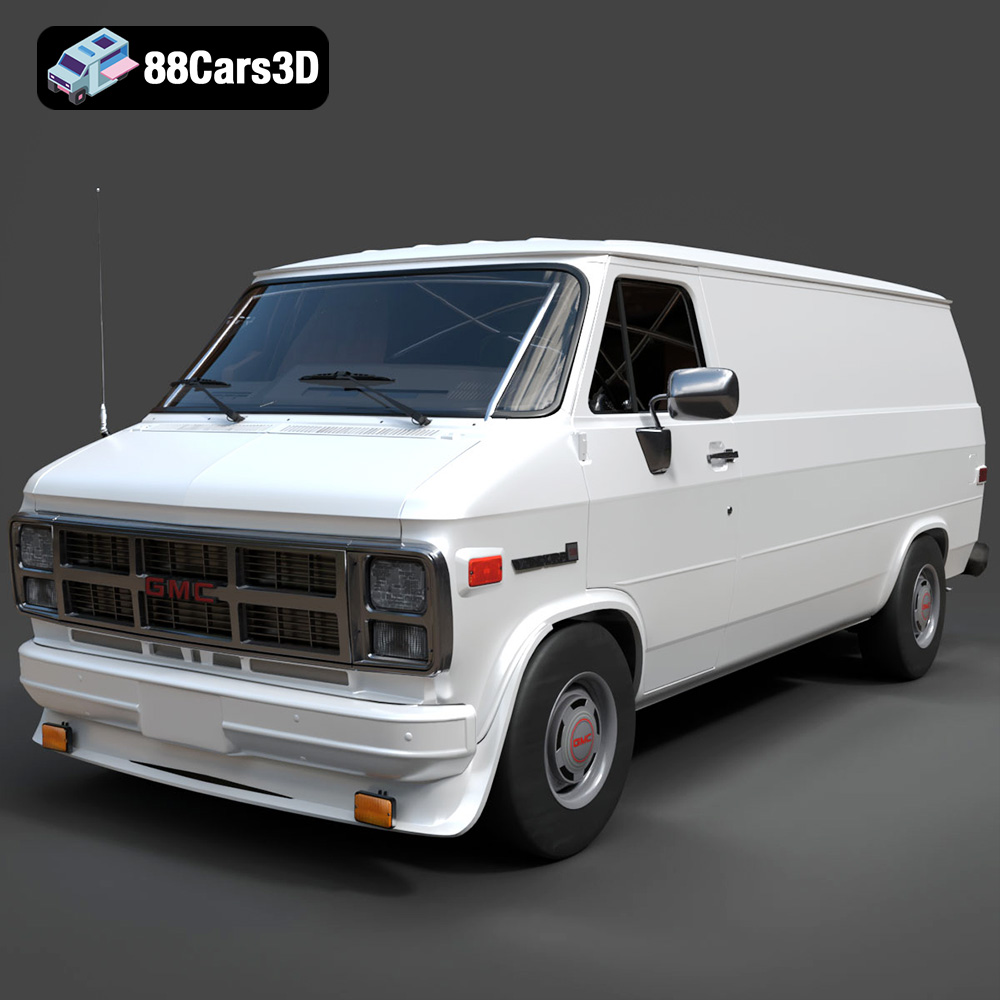
GMC Vandura G-1500 1983 3D Model
Texture: Yes
Material: Yes
Download the GMC Vandura G-1500 1983 3D Model featuring clean geometry, realistic detailing, and a fully modeled interior. Includes .blend, .fbx, .obj, .glb, .stl, .ply, .unreal, and .max formats for rendering, simulation, and game development.
Price: $19.99
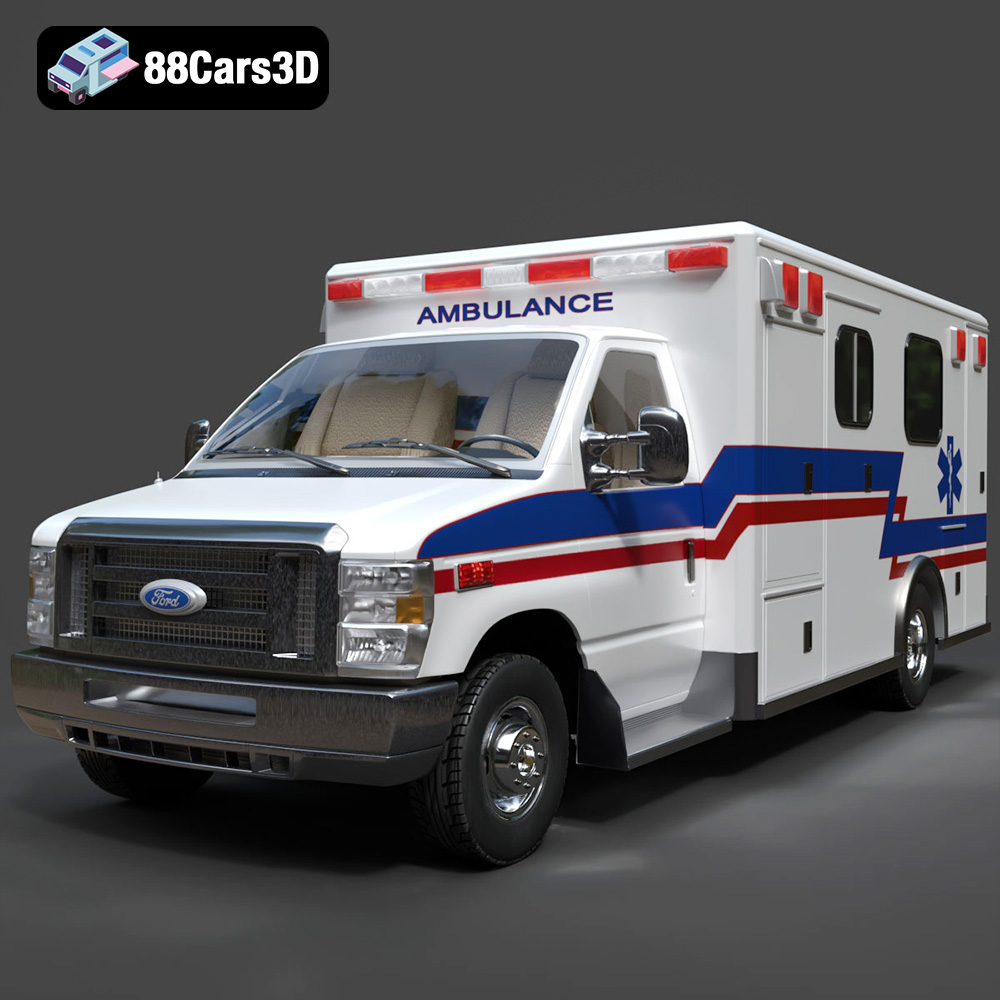
Ford E-450 Ambulance 3D Model
Texture: Yes
Material: Yes
Download the Ford E-450 Ambulance 3D Model featuring clean geometry, realistic detailing, and a fully modeled interior. Includes .blend, .fbx, .obj, .glb, .stl, .ply, .unreal, and .max formats for rendering, simulation, and game development.
Price: $19.99
