Get 20% OFF All Premium 3D & STL Models!

“`html
The world of 3D printing is a vibrant ecosystem where digital designs come to life. For hobbyists and professionals alike, acquiring or creating 3D models is the first exciting step. However, not all digital 3D models are immediately ready for the print bed. Many are created in complex polygonal formats (like OBJ, FBX, or even native CAD formats) that require conversion into the universally accepted STL (STereoLithography) format. This is especially true when you’re working with detailed automotive models, where intricate polygonal meshes are common. This guide will walk you through the essential steps, technical considerations, and best practices for converting polygon 3D models into high-quality, print-ready STL files, ensuring your projects from platforms like 88cars3d.com translate seamlessly from screen to physical object.
We’ll delve into the fundamental structure of STL files, explore the crucial mesh repair techniques necessary for successful printing, and discuss the optimal slicing strategies that leverage your converted STL. Whether you’re using FDM or resin printers, understanding this conversion process is key to unlocking the full potential of your 3D printer. By the end of this article, you’ll have a solid grasp of how to prepare your polygonal models for a flawless 3D printing experience, minimizing common printing failures and maximizing the fidelity of your prints.
The STL file format, despite its age (developed by 3D Systems in 1987), remains the de facto standard for transmitting 3D printable data. Its simplicity is its strength, but also a source of potential issues if not understood correctly. An STL file describes the surface geometry of a three-dimensional object using a collection of triangular facets. Each triangle is defined by a single normal vector and three vertices. The normal vector, perpendicular to the triangle’s surface, indicates the “outside” of the object, crucial for slicers to understand orientation and volume. This seemingly straightforward representation has significant implications for printability.
The fundamental principle is that the STL file must represent a watertight or manifold object. This means the surface must be completely enclosed, with no holes, gaps, or self-intersections. Think of it like a balloon; if there’s a puncture, the air escapes. In 3D printing, these “holes” can cause slicer software to misinterpret the model, leading to errors during slicing, failed prints, or incomplete objects. Understanding this requirement is the first step in ensuring your converted STLs will print reliably.
At its core, an STL file is a list of triangles. Each triangle is defined by three vertices, specified by their X, Y, and Z coordinates. Crucially, each triangle also has a normal vector. The normal vector is a 3D vector pointing directly outward from the surface at that point. For a valid STL, all normal vectors must consistently point outwards. If some normals point inwards and others outwards, the slicer will struggle to determine the object’s interior and exterior, leading to errors. The order in which the vertices are listed also defines the direction of the normal vector (using the right-hand rule), reinforcing the importance of consistent orientation.
There are two main types of STL files: ASCII and Binary. ASCII STLs are human-readable text files, making them easy to inspect or edit manually (though this is rarely practical for complex models). However, they are significantly larger in file size. Binary STLs, on the other hand, are much more compact and efficient, making them the preferred format for storing and transmitting complex models. Most modern 3D modeling and slicing software will handle both, but for large, highly detailed models like those found on 88cars3d.com, binary STLs are essential to manage file sizes and loading times.
Before converting any polygonal 3D model to STL, it’s essential to ensure its mesh integrity. This process, often referred to as mesh repair or mesh healing, is perhaps the most critical step in achieving a successful 3D print. Models sourced from different software, scanned, or even created in-house can often contain errors that will prevent them from being sliced correctly or printed accurately. Common issues include non-manifold geometry, inverted normals, holes, and disconnected components.
Software like Meshmixer, Blender, or even dedicated tools like Netfabb are invaluable for this stage. These programs allow you to analyze the mesh, identify errors, and automatically or manually correct them. For instance, a “hole” in the mesh might be a small gap between two faces. A “non-manifold edge” occurs where more than two faces meet at an edge, which is impossible in a physical object. Addressing these imperfections is paramount before exporting to STL.
Non-manifold geometry is a broad category of errors that violate the rules of printable 3D surfaces. This includes:
Tools like Meshmixer have dedicated “Inspector” or “Analysis” features that can automatically detect and often fix these issues. For example, the “Make Solid” feature in Meshmixer can attempt to create a watertight mesh from a surface, while the “Auto Repair” function is a good starting point for general mesh errors.
As mentioned, correct normal vector orientation is vital. Inconsistent normals can cause slicers to interpret internal surfaces as external, or vice versa, leading to printing failures or hollow parts where solid ones are expected. Most 3D modeling software has a “Recalculate Normals” or “Flip Normals” function. It’s good practice to check this after any significant mesh editing or repair. If you’re working with a complex model, manually selecting and flipping normals on problematic faces might be necessary, but this is a more advanced troubleshooting step.
Self-intersecting meshes occur when parts of the model’s surface pass through themselves, creating internal loops or overlapping geometry. This is particularly common with organic shapes or complex boolean operations. Slicers often struggle with these areas, as they don’t represent a physically possible surface. Tools like Meshmixer and Blender have specific functions to detect and often repair self-intersections. This might involve slightly moving vertices or re-meshing affected areas to resolve the overlap.
Once your polygonal model has been thoroughly repaired and verified for manifold integrity, it’s time to export it as an STL file. This is generally a straightforward process within your chosen 3D modeling software. The key is to select the correct export settings to ensure the geometry is preserved accurately. For highly detailed models, such as intricate automotive replicas, the level of detail retained during the export is crucial.
When downloading models from marketplaces like 88cars3d.com, you’ll often find they are already provided in optimized STL format. However, if you’re importing models from other sources or formats (like OBJ, FBX, or even STEP/IGES for CAD files that need conversion to mesh), this export step becomes your primary conversion method. The objective is to create an STL file that accurately represents the cleaned-up mesh without introducing new errors or losing critical details.
When exporting to STL, most software will offer options related to resolution or tessellation. For polygonal models, this often relates to how finely the curved surfaces are approximated by triangles. A higher resolution will result in more triangles, a larger file size, but a smoother approximation of curves and details. For complex models like cars, it’s essential to choose a resolution that captures the subtle curves of the bodywork, wheel arches, and smaller details without creating an excessively large file. A good balance is key; too low a resolution will result in visible facets on curves, while too high can lead to unmanageable file sizes and longer slicing times.
Pay close attention to the scale and units. Ensure that when you export, the model is at the intended size for printing. Some software may export in millimeters by default, while others might use inches or other units. It’s crucial to verify this setting or scale the model appropriately within your slicer software if there’s a mismatch. For instance, if a model is designed to be 100mm long but exports at 100 inches, it will be vastly too large for your printer.
As discussed earlier, binary STL is almost always the preferred format for 3D printing. It’s more efficient in terms of file size and processing speed for both the user and the slicing software. When you export your model, ensure you select the “Binary” option. ASCII STL files can be useful for debugging very specific, small issues as they are human-readable, but for the vast majority of applications, binary is the standard.
The STL file, now ready, is fed into your slicing software (such as Cura, PrusaSlicer, Simplify3D, etc.). The slicer’s job is to interpret the 3D geometry and “slice” it into hundreds or thousands of horizontal layers. For each layer, it generates a toolpath – a set of instructions that tells your 3D printer exactly where to move the print head (for FDM) or expose the resin (for SLA/DLP) to build up the object layer by layer. The settings you choose in your slicer have a profound impact on print quality, strength, and print time.
For complex models like cars, thoughtful slicing is paramount. This includes selecting the right layer height for detail, ensuring proper adhesion to the build plate, and generating effective support structures. Understanding the interplay between these settings and the STL’s geometry will significantly improve your printing success rate.
The layer height is arguably the most impactful setting on your print’s quality and duration. A smaller layer height (e.g., 0.1mm) will result in a smoother surface finish with less visible layer lines, capturing finer details characteristic of automotive models. However, printing with smaller layer heights takes considerably longer, as the printer must draw more layers to build the same height. Conversely, a larger layer height (e.g., 0.2mm or 0.3mm for FDM) will print much faster but will produce a more pronounced stepped appearance on curved surfaces.
For highly detailed printable car models, finding the right balance is key. You might opt for a 0.1mm or 0.12mm layer height for the main body to capture subtle curves and details, potentially increasing the layer height for internal components or less visible areas if speed is a concern. Always ensure your printer’s Z-axis and nozzle size are capable of handling the chosen layer height accurately.
Infill refers to the internal support structure within the hollow parts of your model. It affects the model’s strength, weight, and material consumption. For decorative models, a low infill density (e.g., 10-20%) with a simple pattern like grid or lines is usually sufficient. If the model needs to be durable or functional, you’ll need to increase the infill density and potentially use stronger patterns like gyroid or cubic. For many printable car models, the primary goal is aesthetic fidelity, so low infill is often the way to go, saving time and material.
Support structures are temporary material printed to hold up overhangs and bridges that would otherwise collapse during printing. For complex models with intricate details like spoilers, mirrors, or undercarriage elements, well-configured supports are essential. Most slicers offer various support types (e.g., normal, tree/organic) and density settings. Tree supports, in particular, can be very effective for complex geometries as they branch out to touch only critical overhangs, minimizing scarring on the model’s surface and making removal easier. Experimenting with support density, placement, and interface layers can significantly improve the ease of removal and the final surface finish.
Achieving truly professional-looking prints, especially with detailed automotive models, often requires delving into more advanced settings and techniques. This includes understanding the nuances of print orientation, ensuring robust bed adhesion, and selecting appropriate materials. These factors, combined with well-prepared STL files and thoughtful slicing, form the foundation of high-fidelity 3D printing.
How you orient your model on the build plate can dramatically affect the final print. For FDM printers, orientation is critical for managing overhangs, minimizing visible layer lines on key surfaces, and ensuring structural integrity. For example, printing a car body upright will expose its underside to significant support material and potentially weaker layer adhesion in critical areas. Rotating it might place the most aesthetically important surfaces (like the hood or roof) on the build plate or facing upwards, minimizing supports and layer line visibility. However, this can also introduce new challenges with overhangs on other parts.
For resin printers, orientation is also important for minimizing visual artifacts and ensuring that the weight of the model is distributed correctly to avoid adhesion issues on the build plate. The direction of supports and the angle of overhangs can influence curing time and the quality of fine details. Always consider how gravity and support placement will interact with your chosen orientation.
A print is only as stable as its first layer. Poor bed adhesion is a common cause of print failure, leading to warping, detachment, or misaligned prints. Ensuring your build plate is clean (free of oils and dust) and using appropriate adhesion methods (like rafts, brims, or adhesives such as glue stick or hairspray) is crucial. The initial layer height and print speed for the first layer can also be adjusted to promote better adhesion. For large or complex prints, a brim is often recommended to increase the surface area contact with the build plate.
The material you choose will significantly impact the final look, feel, and durability of your printed model.
For detailed car models, standard or high-detail resins are often preferred for their ability to capture fine lines and curves. If you’re printing with FDM, PLA is a great starting point for aesthetic models, while PETG might be chosen for parts requiring more resilience.
Successfully converting polygon 3D models into high-quality STL files for 3D printing is a multi-faceted process that combines technical understanding with practical application. From the fundamental structure of the STL format and the critical importance of mesh repair to the nuanced settings within your slicer, each step plays a vital role in determining the success of your print. Whether you’re working with intricate printable car models from 88cars3d.com or your own creations, mastering these principles will elevate your 3D printing capabilities.
Remember that clean, manifold geometry is the bedrock of any successful print. Invest time in mesh repair using tools like Meshmixer or Blender. Pay close attention to export settings, ensuring accurate resolution and scale. When slicing, experiment with layer heights, infill, and support strategies tailored to the specific model and your printer’s capabilities. By embracing these practices, you’ll not only minimize common printing frustrations but also unlock the potential to create stunningly accurate and detailed physical replicas of your favorite vehicles. Happy printing!
“`

Meta Description:
Texture: Yes
Material: Yes
Download the Porsche Cayenne 3D Model featuring realistic exterior styling and detailed interior design. Includes .blend, .fbx, .obj, .glb, .stl, .ply, .unreal, and .max formats for rendering, simulation, AR VR, and game development.
Price: $19.9
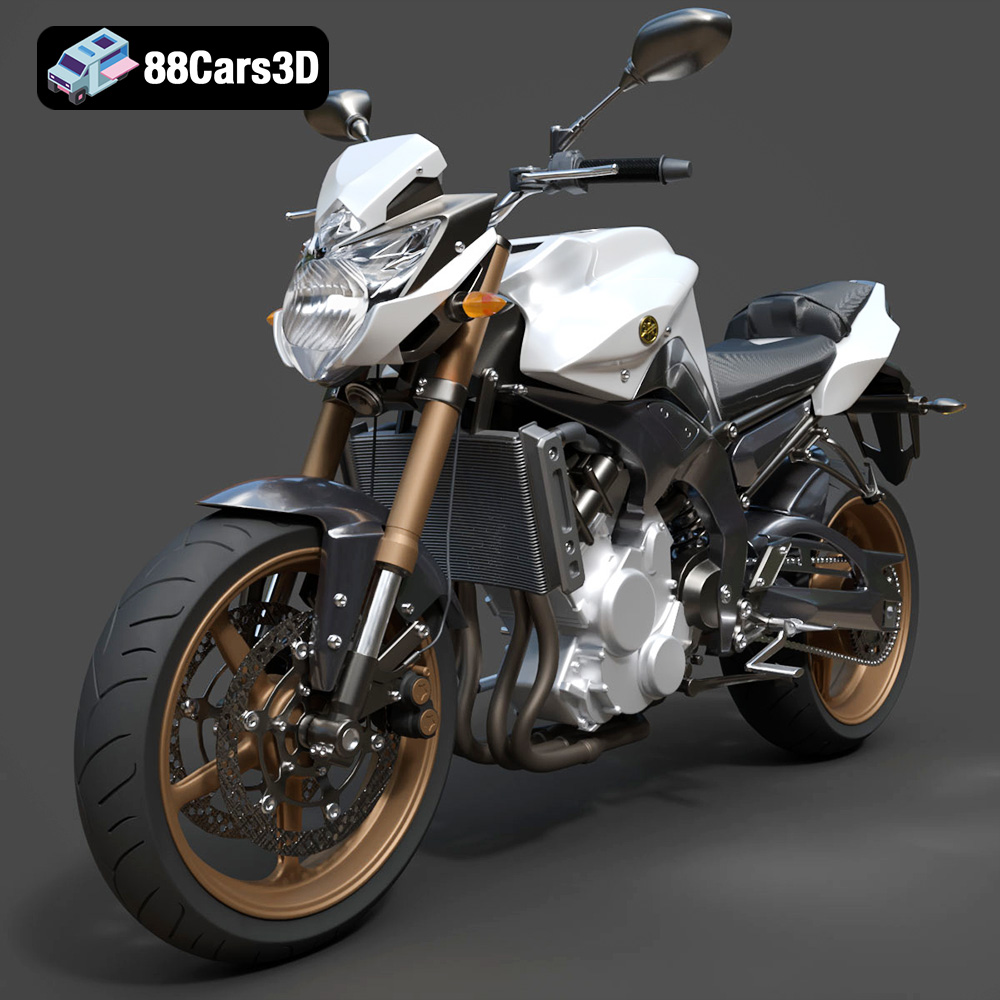
Texture: Yes
Material: Yes
Download the Yamaha FZ8 2011 3D Model featuring clean geometry, realistic detailing, and a fully modeled interior. Includes .blend, .fbx, .obj, .glb, .stl, .ply, .unreal, and .max formats for rendering, simulation, and game development.
Price: $19.99
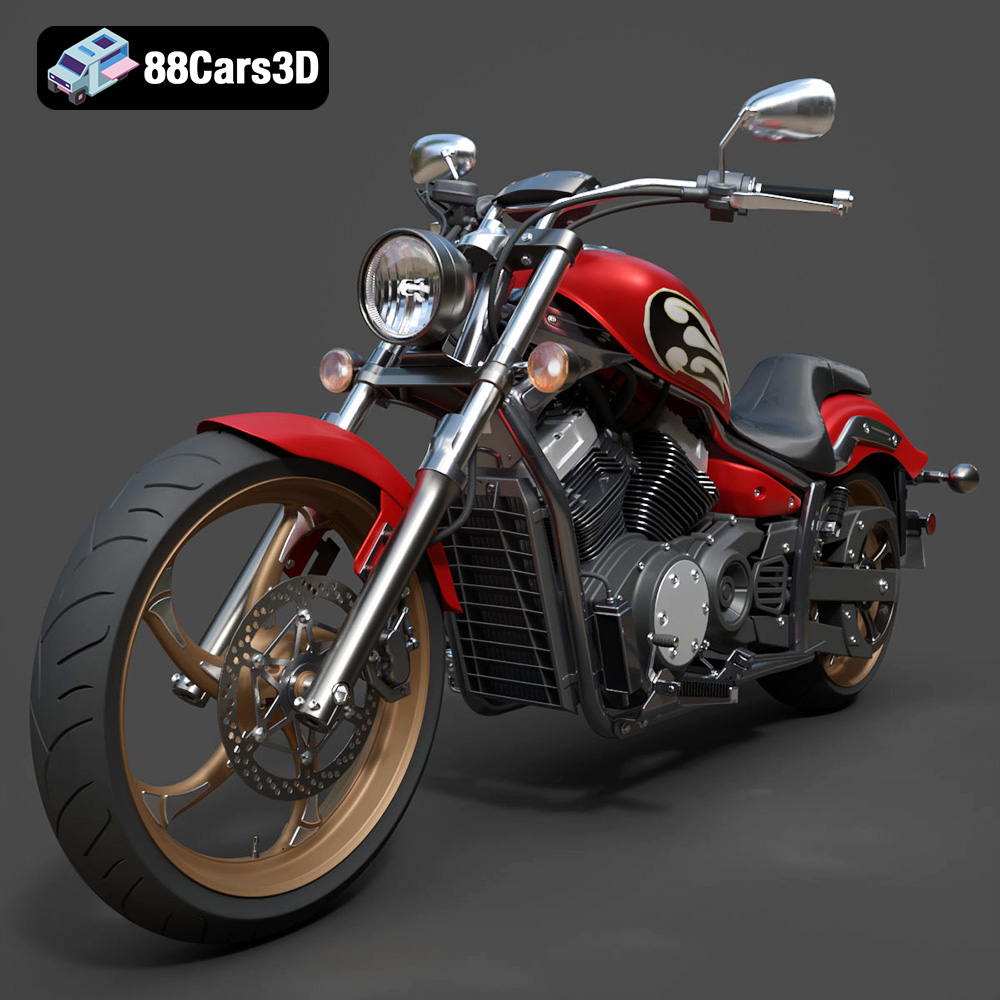
Texture: Yes
Material: Yes
Download the Yamaha Stryker 2012 3D Model featuring clean geometry, realistic detailing, and a fully modeled interior. Includes .blend, .fbx, .obj, .glb, .stl, .ply, .unreal, and .max formats for rendering, simulation, and game development.
Price: $19.99
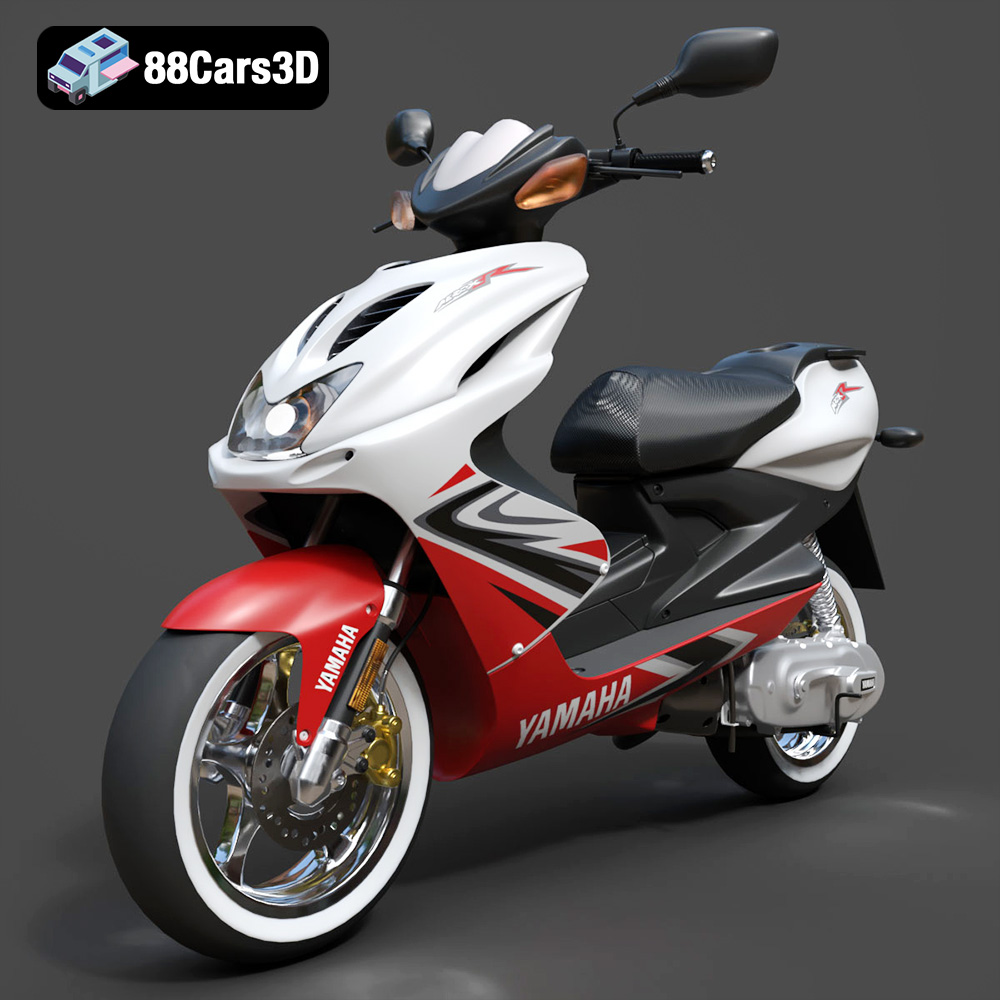
Texture: Yes
Material: Yes
Download the Yamaha Aerox R-002 2024 3D Model featuring clean geometry, realistic detailing, and a fully modeled interior. Includes .blend, .fbx, .obj, .glb, .stl, .ply, .unreal, and .max formats for rendering, simulation, and game development.
Price: $19.99
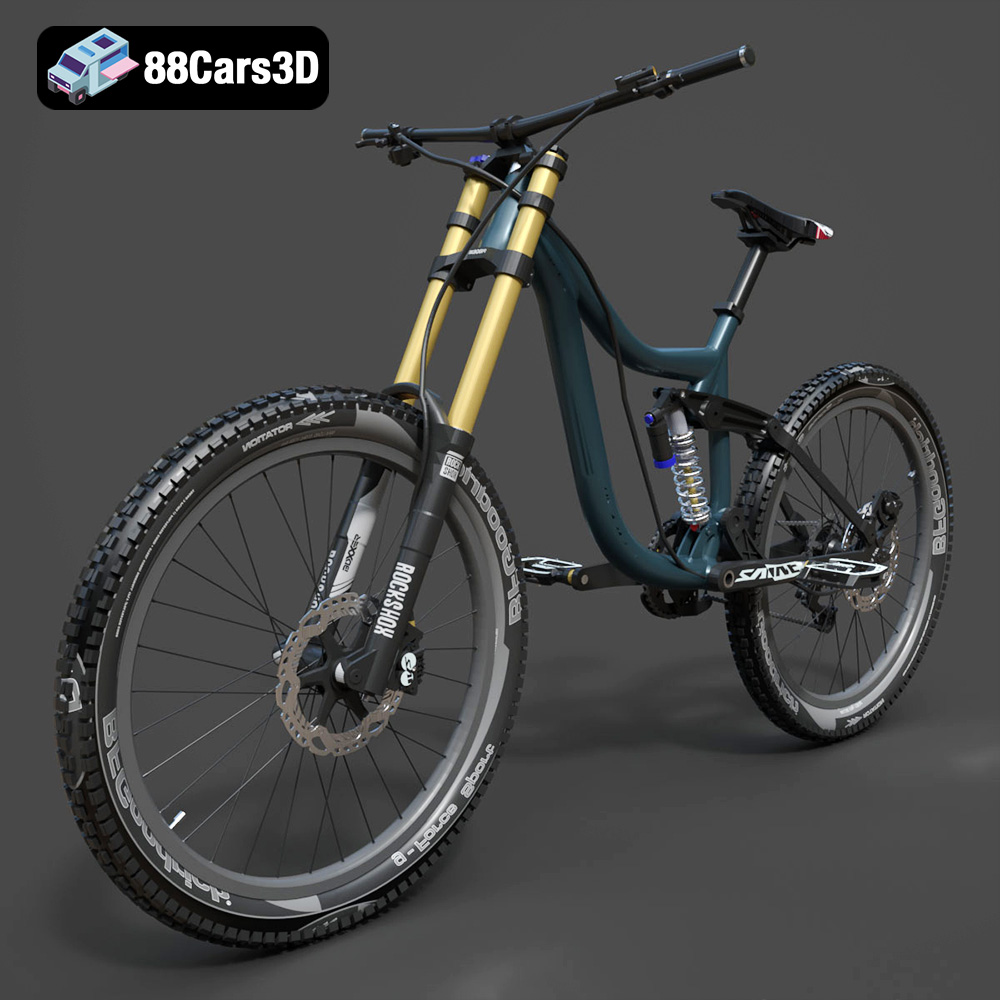
Texture: Yes
Material: Yes
Download the Mototsikly Downhill Bike-002 3D Model featuring clean geometry, realistic detailing, and precise mechanical components. Includes .blend, .fbx, .obj, .glb, .stl, .ply, .unreal, and .max formats for rendering, simulation, and game development.
Price: $19.99
Texture: Yes
Material: Yes
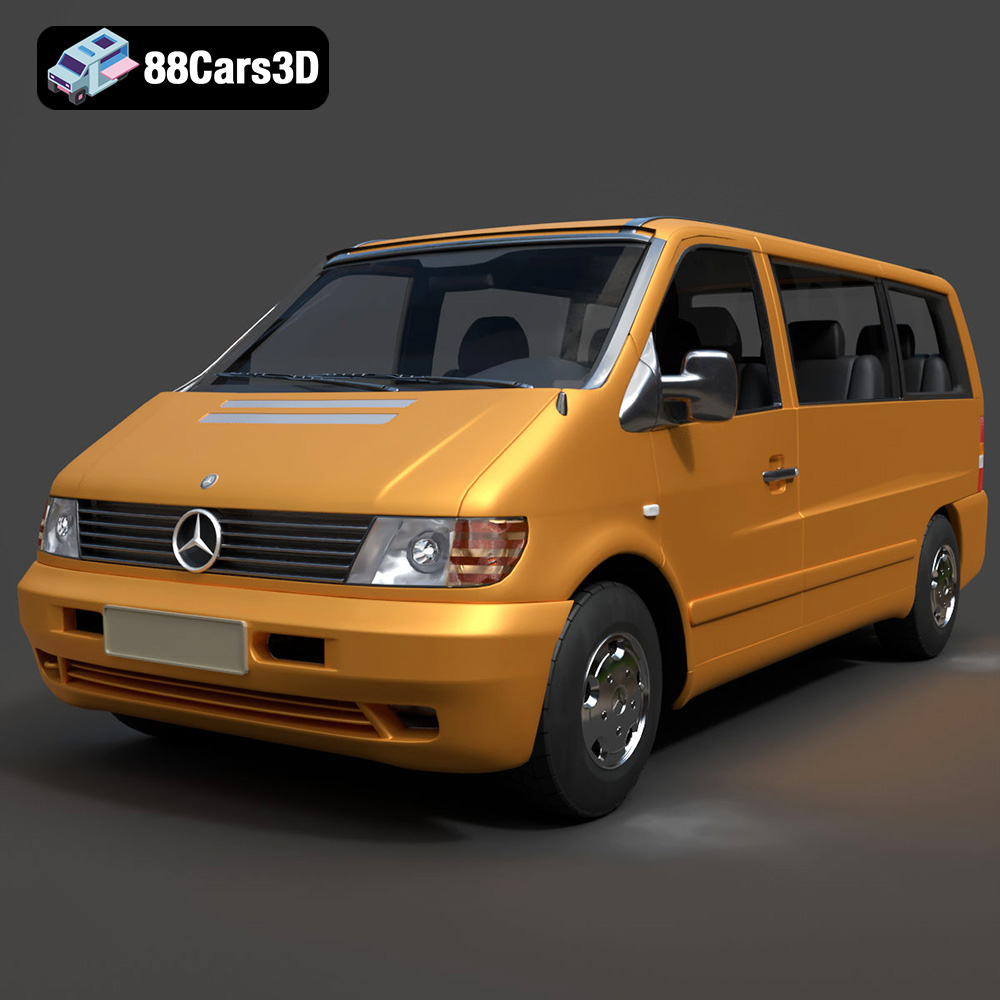
Download the Mercedes-Benz Vito Passenger Van 3D Model featuring clean geometry, realistic detailing, and a fully modeled interior. Includes .blend, .fbx, .obj, .glb, .stl, .ply, .unreal, and .max formats for rendering, simulation, and game development.
Price: $19.99
Texture: Yes
Material: Yes
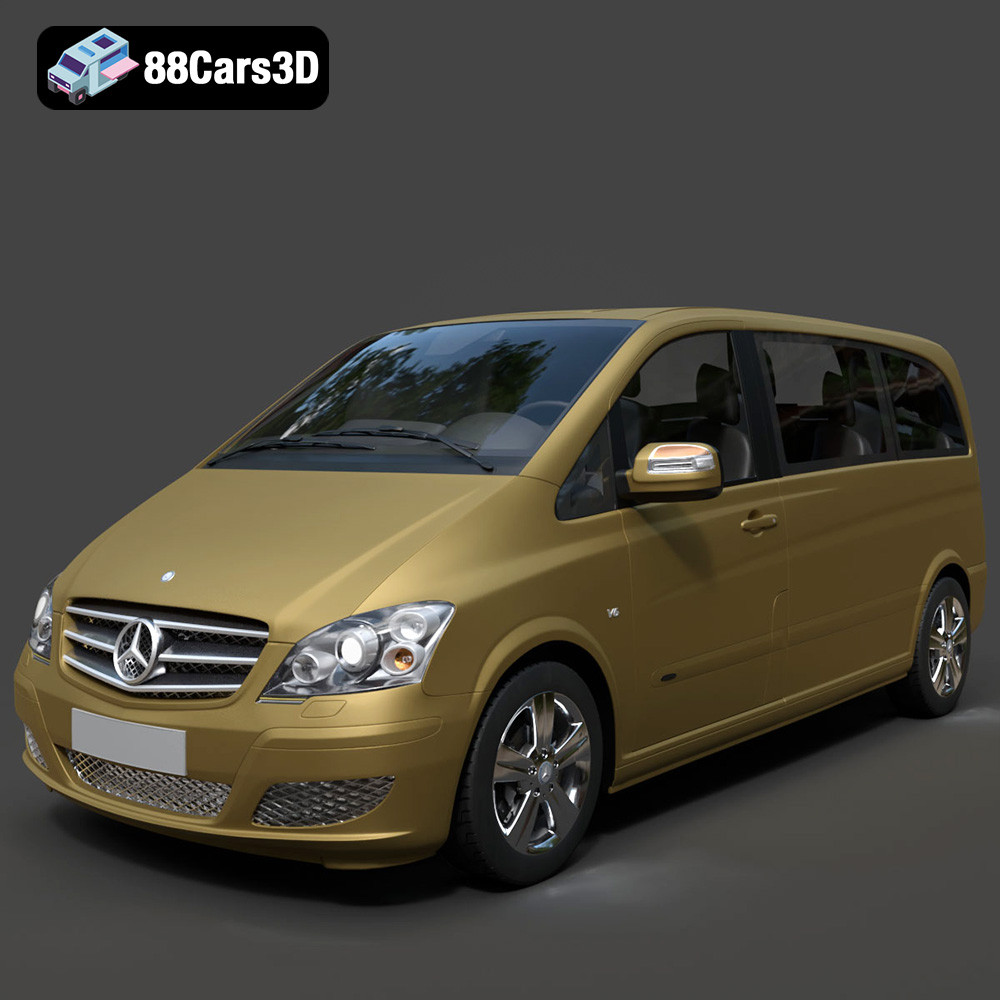
Download the Mercedes-Benz Viano 2010 3D Model featuring clean geometry, realistic detailing, and a fully modeled interior. Includes .blend, .fbx, .obj, .glb, .stl, .ply, .unreal, and .max formats for rendering, simulation, and game development.
Price: $19.99

Texture: Yes
Material: Yes
Download the Emt Avtobus 007 3D Model featuring clean geometry, realistic detailing, and a fully modeled interior. Includes .blend, .fbx, .obj, .glb, .stl, .ply, .unreal, and .max formats for rendering, simulation, and game development.
Price: $19.99
Texture: Yes
Material: Yes
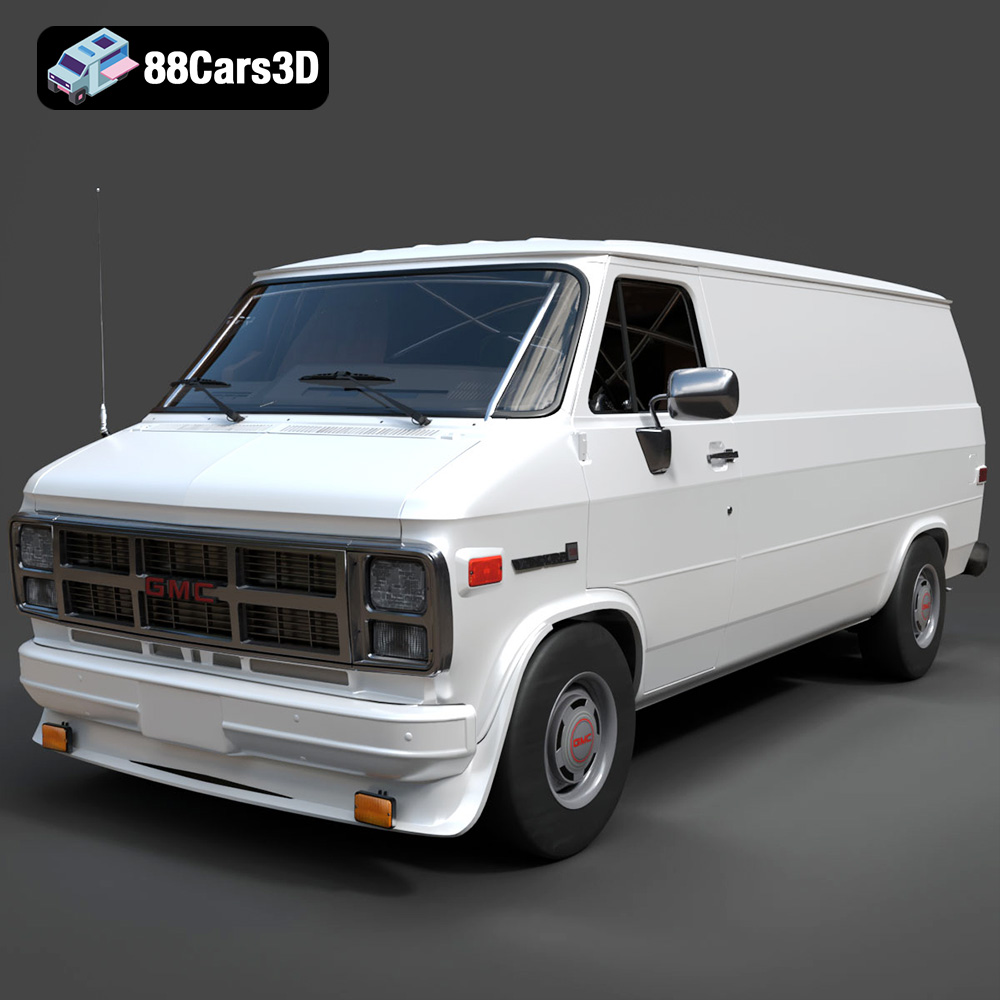
Download the GMC Vandura G-1500 1983 3D Model featuring clean geometry, realistic detailing, and a fully modeled interior. Includes .blend, .fbx, .obj, .glb, .stl, .ply, .unreal, and .max formats for rendering, simulation, and game development.
Price: $19.99
Texture: Yes
Material: Yes
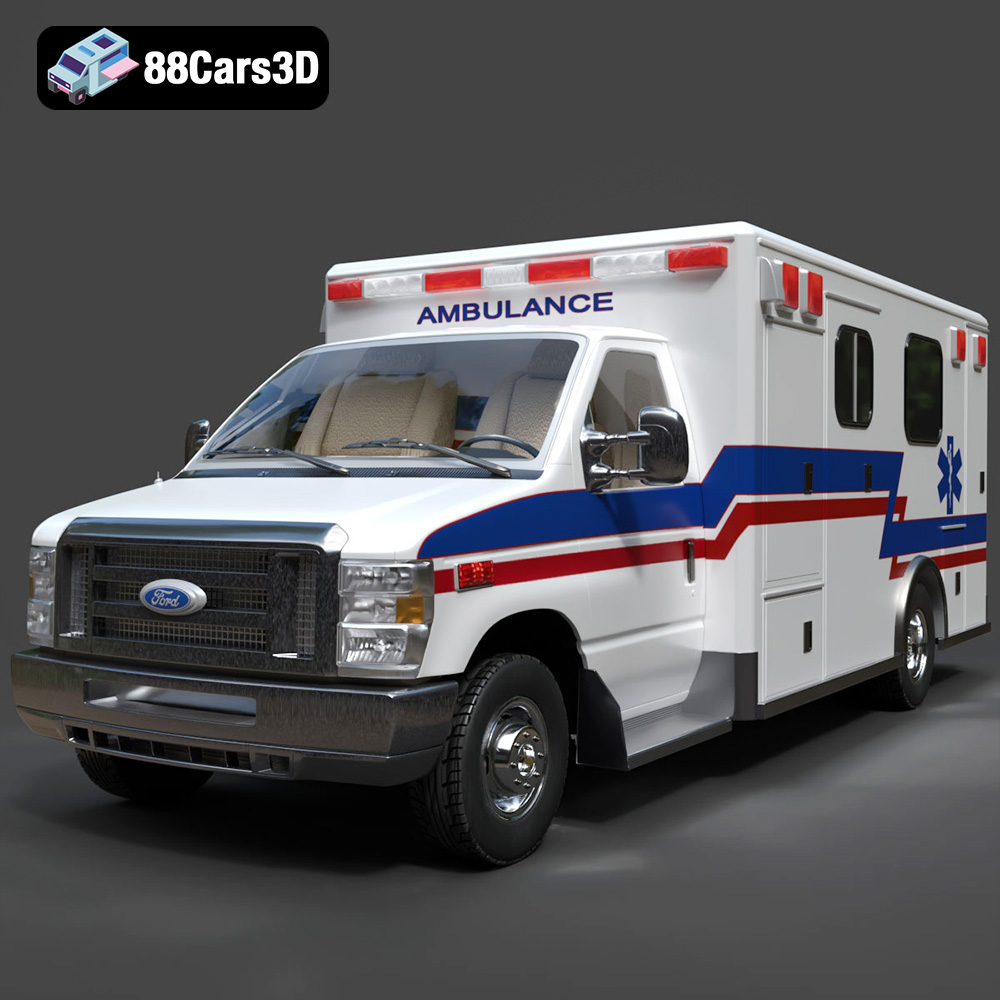
Download the Ford E-450 Ambulance 3D Model featuring clean geometry, realistic detailing, and a fully modeled interior. Includes .blend, .fbx, .obj, .glb, .stl, .ply, .unreal, and .max formats for rendering, simulation, and game development.
Price: $19.99

