

Unleashing Real-Time Learning: Creating Interactive Automotive Training Simulations in Unreal Engine
The automotive industry is in constant evolution, driven by complex engineering, advanced electronics, and intricate manufacturing processes. Training new technicians, engineers, and sales personnel effectively and efficiently has become a monumental challenge. Traditional methods often fall short in providing hands-on experience without incurring significant costs, risks, or logistical hurdles. This is where the power of real-time 3D technology, specifically Unreal Engine, transforms the landscape of automotive education. By leveraging Unreal Engine, companies can develop highly realistic, interactive training simulations that offer unparalleled depth, safety, and engagement.
This comprehensive guide will explore the essential workflows, technical considerations, and best practices for creating cutting-edge interactive automotive training simulations within Unreal Engine. From setting up your project and integrating high-fidelity 3D car models to crafting immersive PBR materials, dynamic lighting, and intelligent interactive systems with Blueprint, we’ll delve into the specifics that make a simulation truly effective. We’ll also cover performance optimization techniques like Nanite and LODs, explore advanced features such as vehicle physics and cinematic sequencing, and discuss specialized considerations for AR/VR deployment. Whether you’re an Unreal Engine developer, a 3D artist, or an automotive professional looking to innovate your training programs, this article will equip you with the knowledge to build powerful, memorable learning experiences.
Foundation for Realistic Simulations: Project Setup and Asset Integration
The journey to creating a compelling automotive training simulation in Unreal Engine begins with a solid foundation: proper project setup and the efficient integration of high-quality 3D assets. A well-configured project ensures optimal performance and scalability, while superior 3D models provide the visual fidelity crucial for effective learning. The goal is to create an environment that accurately reflects real-world scenarios, allowing trainees to interact with vehicles and components as they would in a physical setting. This realism not only enhances immersion but also improves retention and skill transfer.
Initial Project Configuration for Performance
Before importing any assets, it’s vital to configure your Unreal Engine project for the specific demands of a training simulation. This involves selecting the correct project template and adjusting engine settings to prioritize performance, especially if targeting standalone applications, virtual reality (VR), or augmented reality (AR) devices. Start with a “Blank” or “Games” template, as they offer a clean slate without unnecessary overhead. For automotive applications, enabling certain plugins from the outset can save time later. Navigate to **Edit > Plugins** and search for relevant modules such as “Datasmith” for CAD import, “Chaos Physics” for advanced vehicle dynamics, and “OpenXR” or device-specific VR/AR plugins if you plan for immersive experiences.
Key project settings under **Edit > Project Settings** include:
* **Rendering:** Configure features like **Lumen Global Illumination** and **Reflections** for realistic lighting (we’ll elaborate on this later). Adjust **Temporal Super Resolution (TSR)** settings for anti-aliasing. Consider disabling features not critical for your simulation, such as certain post-processing effects, to save performance.
* **Collision:** Set default collision presets for your physical objects to ensure accurate interactions.
* **Input:** Define custom input actions for trainee controls, such as examining parts, operating tools, or navigating the environment.
* **Packaging:** Choose appropriate packaging settings, including target platforms and compression, to ensure your final simulation runs smoothly on target hardware.
For performance-critical simulations, especially those involving many complex parts or targeting lower-end hardware, a rigorous approach to settings is essential. Regular profiling using Unreal Engine’s built-in tools like the **Stat Commands** (e.g., `stat fps`, `stat unit`, `stat gpu`) will guide your optimization efforts. Remember, a smooth user experience is paramount for effective training.
Importing and Optimizing High-Quality 3D Car Models
The quality of your 3D car models directly impacts the realism and effectiveness of your training simulation. When sourcing automotive assets, platforms like **88cars3d.com** offer a wide selection of pre-optimized, high-fidelity 3D car models specifically designed for real-time applications like Unreal Engine. These models typically feature clean topology, PBR-ready materials, and efficient UV mapping, which are crucial for a smooth integration workflow.
The most common file format for importing 3D models into Unreal Engine is FBX. For CAD data, Datasmith is invaluable, allowing direct import of formats like STEP, IGES, SolidWorks, and Catia with intelligent data conversion for meshes, materials, and hierarchies.
Here’s a general import workflow:
1. **Prepare Model:** Ensure your model from **88cars3d.com** (or any other source) is exported with correct scale, pivot points, and a clean hierarchy.
2. **Import to Unreal:** Drag and drop the FBX file into the Content Browser or use **Import > FBX**. During import, adjust settings:
* **Skeletal Mesh/Static Mesh:** Choose based on whether your car has animations (e.g., doors opening, wheels turning) or is a static prop. For vehicle dynamics, individual parts like wheels should often be separate meshes.
* **Generate Missing Collision:** Enable this for basic collision, though custom collision meshes are often better for complex shapes.
* **Import Materials/Textures:** Generally enabled, but you’ll often refine or re-create PBR materials in Unreal’s Material Editor.
* **Combine Meshes:** Deselect this if you need individual parts (doors, hood, engine components) to be interactable or removable for training.
3. **Post-Import Optimization:**
* **Polygon Count:** High-detail vehicles can have millions of polygons. Leverage **Nanite** (discussed later) for static meshes to handle extreme poly counts efficiently. For skeletal meshes or models that require traditional LODs, aim for optimized poly budgets. For a hero vehicle, 100k-300k triangles for the base mesh is a good starting point before Nanite, with subsequent LODs aggressively reducing counts.
* **Texture Resolution:** Use appropriate texture resolutions (e.g., 2048×2048 or 4096×4096 for main car body, 1024×1024 for smaller details) to balance visual quality and memory usage. Compress textures appropriately within Unreal Engine.
* **Collision Complexity:** Generate custom simplified collision meshes instead of per-poly collision for better performance.
* **Material Slots:** Consolidate material slots where possible to reduce draw calls.
By meticulously preparing and importing your 3D car models, you lay a strong foundation for a visually stunning and performant training simulation.
Crafting Immersive Visuals: Materials and Real-time Lighting
Visual fidelity is paramount for effective automotive training simulations. Trainees must feel as though they are interacting with real vehicles and components. This immersion is achieved through meticulously crafted physically-based rendering (PBR) materials and sophisticated real-time lighting systems. Unreal Engine provides powerful tools to replicate the subtle nuances of automotive finishes and the dynamic interplay of light, enhancing the sense of presence and authenticity.
PBR Material Creation for Automotive Realism
Physically-based rendering (PBR) is the cornerstone of modern real-time graphics, accurately simulating how light interacts with surfaces. For automotive assets, PBR materials are crucial for depicting metallic paints, rubber tires, glass, leather interiors, and various engine components with photographic realism. Unreal Engine’s Material Editor offers a node-based interface that allows artists to construct complex PBR materials using textures and mathematical functions.
A standard PBR workflow involves several key texture maps:
* **Base Color (Albedo):** Defines the diffuse color of the surface without any lighting information. For metals, this represents the color of the metal itself.
* **Normal Map:** Adds surface detail without increasing polygon count, simulating bumps and grooves. Critical for realistic panel gaps, tire treads, or dashboard textures.
* **Metallic Map:** Specifies whether a surface is metallic (white) or dielectric (black), influencing how light reflects. Automotive paints often involve a blend between metallic and dielectric properties.
* **Roughness Map:** Controls the microsurface detail, determining how much light scatters (rougher surfaces scatter more, appearing duller; smoother surfaces reflect more, appearing shinier). Essential for distinguishing polished chrome from matte plastic.
* **Ambient Occlusion (AO) Map:** Simulates indirect shadowing in crevices and corners, enhancing depth and realism.
Creating advanced automotive paint materials often involves blending multiple layers: a metallic base, a clear coat (dielectric), and potential flake layers for metallic sparkle. This can be achieved using material functions or layered materials in Unreal Engine. For example, a car paint material might include parameters for flake density, clear coat reflectivity, and color tinting, allowing for dynamic customization within the simulation or by trainees. Ensure your textures are properly imported with the correct sRGB settings (Base Color usually sRGB, others linear) and compression settings to maintain fidelity and optimize memory.
Harnessing Lumen and Advanced Lighting Techniques
Real-time global illumination and reflections are transformative for automotive visualization in Unreal Engine, bringing unprecedented realism to dynamic environments. Lumen, Unreal Engine’s fully dynamic global illumination and reflections system, eliminates the need for complex pre-baked lighting solutions, allowing light to bounce naturally off surfaces and propagate throughout the scene. This is especially impactful in training simulations where vehicles might move into different environments or parts are interactively exposed.
To enable Lumen: Go to **Edit > Project Settings > Rendering** and set **Global Illumination** and **Reflections** methods to “Lumen.” For hardware ray tracing-enabled GPUs, you can also enable “Hardware Ray Tracing” for even higher fidelity.
Beyond Lumen, integrating traditional lighting techniques ensures a polished look:
* **Directional Light:** Simulates the sun, providing the primary light source and casting sharp shadows. Adjust its rotation to represent different times of day or indoor lighting angles.
* **Sky Light:** Captures distant ambient light and reflections from the sky sphere or HDRI (High Dynamic Range Image). Pair it with a high-quality HDRI for realistic environmental reflections on your car surfaces, critical for metallic finishes.
* **Rect Lights/Spot Lights:** Use these for focused illumination, such as simulating shop lights, headlamps, or examination lamps. These are excellent for highlighting specific components during a training exercise.
* **Post-Process Volume:** Essential for fine-tuning the final visual output. Adjust settings like Exposure, Color Grading, Bloom, Vignette, and Depth of Field to achieve a cinematic or photographic look. For training, ensure post-processing enhances clarity without obscuring details.
For optimal performance with Lumen, manage the complexity of your scene geometry and avoid excessive light sources. Lumen works efficiently with Nanite meshes, but dense non-Nanite geometry or numerous translucent objects can impact performance. Regularly profile your scene to ensure lighting fidelity doesn’t compromise the smooth interactive experience required for training. Refer to the official Unreal Engine documentation at https://dev.epicgames.com/community/unreal-engine/learning for detailed Lumen optimization strategies and best practices.
Bringing Simulations to Life: Blueprinting Interactive Logic
At the heart of any effective interactive training simulation lies the logic that governs user interactions, system responses, and the progression of learning objectives. Unreal Engine’s Blueprint Visual Scripting system is a game-changer, empowering developers and even non-programmers to create complex interactive experiences without writing a single line of C++ code. Blueprint allows for rapid prototyping, iteration, and the implementation of sophisticated simulation mechanics that directly translate into effective training.
Core Interaction Systems with Blueprint
Blueprint provides an intuitive, node-based interface to define virtually any interactive behavior within your simulation. For automotive training, this means enabling trainees to manipulate vehicle parts, operate tools, trigger events, and receive feedback. A typical interaction system might involve:
1. **Selection/Highlighting:** When a trainee points at a specific car component (e.g., an engine part, a tire, a dashboard button), a Blueprint script can detect this interaction. This can be achieved using line traces (raycasts) from the player’s camera or controller. Upon detection, the selected component can be highlighted – perhaps by changing its material to an emissive color or displaying an outline effect. This helps trainees identify key parts.
* **Blueprint Workflow Example:** On “Left Mouse Click” or “Trigger Press” (for VR), perform a “Line Trace By Channel” from the player’s view. If it hits an actor, cast to a “Trainable Part” Blueprint class. If successful, call an “OnSelected” event on that part, which might then change its material instance parameters.
2. **Manipulation/Disassembly:** Trainees often need to “remove” or “install” parts. Blueprint can simulate this by changing the visibility of meshes, playing simple animations (e.g., sliding a component out), or physically attaching/detaching components using physics constraints. For instance, clicking on a lug nut could trigger an animation of it unscrewing and then disappearing, signifying its removal. This requires a robust event-driven system where actions on one part can affect others.
* **Blueprint Workflow Example:** A “BrakeCaliper” Blueprint has child components for its bolts. Clicking a “Bolt” actor triggers an event to simulate its removal (e.g., `SetRelativeLocationAndRotation` over time) and then sets its `SetVisibility` to false. Once all bolts are removed, the “BrakeCaliper” itself can become removable.
3. **Tool Usage:** Simulating the use of virtual tools (wrenches, diagnostic scanners) adds another layer of realism. Blueprints can detect when a virtual tool interacts with a specific part and trigger appropriate responses, such as tightening a bolt or initiating a diagnostic sequence. This often involves collision detection between the tool’s mesh and the target part, coupled with specific input events.
* **Blueprint Workflow Example:** A “Wrench” Blueprint has a collision volume. When this volume overlaps with a “Bolt” Blueprint, and the player presses an “Interact” button, the “Bolt” Blueprint checks if the correct tool is being used. If so, it increments a “tightness” variable, eventually changing its state to “tightened.”
Implementing Dynamic Feedback and Training Scenarios
Effective training simulations provide immediate and relevant feedback to the trainee, guiding them through procedures and correcting mistakes. Blueprint is instrumental in creating these dynamic learning pathways and interactive scenarios.
1. **Guided Procedures:** Blueprints can orchestrate step-by-step instructions. For example, a simulation might highlight the next component to interact with, display text prompts, or even provide audible cues. The simulation progresses only when the trainee correctly completes the current step. This is often implemented using a “State Machine” or a series of conditional branches in Blueprint, checking if specific conditions (e.g., “Part A removed,” “Tool B used on Part C”) have been met.
* **Blueprint Workflow Example:** A “TrainingManager” Blueprint has a current “Step” variable. When the current step requires removing a specific part, it highlights that part. An “OnPartRemoved” event is broadcast from the part. The “TrainingManager” receives this, checks if it’s the *correct* part for the *current* step, and if so, increments the “Step” variable and displays the next instruction.
2. **Performance Tracking and Scoring:** To assess trainee proficiency, simulations need to track actions, time taken, and accuracy. Blueprint can log every interaction, correct or incorrect, and calculate a score. This data can then be displayed to the trainee or saved for instructor review.
* **Blueprint Workflow Example:** Each interactive object or action can report back to a central “ScoreManager” Blueprint. Correct actions add points; incorrect actions deduct points or trigger penalties. A timer Blueprint can track the duration of the task. At the end of the simulation, the “ScoreManager” compiles and displays the results.
3. **Error Handling and Remediation:** A crucial aspect of training is learning from mistakes. Blueprints can detect incorrect actions (e.g., using the wrong tool, attempting to remove a part before its fasteners are loosened) and provide immediate corrective feedback. This might involve visual warnings, auditory cues, or detailed explanations of what went wrong and how to proceed correctly.
* **Blueprint Workflow Example:** If a trainee attempts to remove a “BrakeCaliper” when its “Bolts” are still attached, the “BrakeCaliper” Blueprint can check its internal state. If bolts are present, it prevents removal, displays a “Please remove the bolts first!” message on the UI, and potentially highlights the bolts.
By skillfully implementing these core interaction systems and dynamic feedback mechanisms using Blueprint, developers can transform static 3D models into engaging, effective, and truly interactive learning environments. This iterative process of building and refining Blueprint logic is fundamental to creating valuable training simulations.
Maximizing Fidelity and Performance: Nanite, LODs, and Optimization
Striking a balance between visual fidelity and real-time performance is a perpetual challenge in real-time rendering, especially for complex automotive models in interactive simulations. Unreal Engine provides cutting-edge solutions like Nanite and robust Level of Detail (LOD) systems, alongside a suite of optimization tools, to achieve stunning visuals without sacrificing responsiveness. For training simulations, smooth interaction and high frame rates are non-negotiable for an immersive and effective learning experience.
Leveraging Nanite for High-Detail Automotive Assets
Nanite, Unreal Engine 5’s virtualized geometry system, is a revolutionary feature that redefines how high-polygon meshes are handled. It allows developers to import and render assets with virtually unlimited polygon counts – often millions or even billions of triangles per mesh – without a significant performance hit. For automotive training simulations, this means models from **88cars3d.com** can be imported with their full engineering fidelity, showcasing every curve, bolt, and intricate detail without requiring manual poly-reduction or complex LOD setups for static meshes.
How Nanite works:
* **Virtual Geometry:** Nanite processes mesh data into a hierarchical cluster of micro-triangles. Only the necessary detail is streamed and rendered based on the camera’s view, distance, and screen resolution.
* **Automatic LOD:** Nanite dynamically adjusts the level of detail on a per-pixel basis, effectively eliminating the need for traditional manual LODs for static meshes. This frees artists to focus on model quality rather than performance budgets.
* **Draw Call Reduction:** Nanite combines many small draw calls into a single, efficient draw call, significantly reducing CPU overhead.
To enable Nanite for a mesh:
1. Import your high-poly static mesh (e.g., a car body, engine block, or detailed interior part).
2. Open the Static Mesh Editor for the imported asset.
3. Under the **Details** panel, locate the **Nanite Settings** section.
4. Check the **Enable Nanite** checkbox.
5. Adjust **Preserve Area** and **Trim Relative Error** settings if needed, though defaults often work well.
Benefits for automotive training:
* **Uncompromised Detail:** Trainees can zoom in on intricate mechanical assemblies, examine textures, and understand complex forms with unprecedented clarity, enhancing the accuracy of their learning.
* **Faster Iteration:** Artists can use high-fidelity CAD data directly, reducing the time spent on mesh optimization.
* **Consistent Visuals:** Eliminates LOD popping artifacts, ensuring a smooth visual experience regardless of proximity to the object.
It’s important to note that Nanite currently supports static meshes only. Skeletal meshes (e.g., car doors that animate open, wheels that spin and turn) still require traditional LODs and optimization. Transparent or translucent materials also have specific considerations with Nanite.
Strategic LOD Management and Performance Tuning
While Nanite handles static mesh optimization brilliantly, traditional Level of Detail (LOD) systems remain crucial for animated meshes, translucent objects, and scenarios where Nanite might not be applicable (e.g., certain VR performance targets). LODs involve creating multiple versions of a mesh, each with a progressively lower polygon count, to be swapped in based on the object’s distance from the camera.
Effective LOD strategy:
1. **LOD Generation:** Unreal Engine can automatically generate LODs for static and skeletal meshes from within their respective editors. Set the number of LODs (e.g., 3-5), their target triangle percentages (e.g., LOD1: 50%, LOD2: 25%, LOD3: 12%), and screen size transitions. Manual creation or import of custom LODs often yields better visual results.
2. **Skeletal Mesh Optimization:** For vehicles with moving parts, ensure skeletal meshes are optimized. This includes reducing bone counts if possible, simplifying skinning weights, and implementing LODs for the mesh itself.
3. **Material Optimization:**
* **Shader Complexity:** Complex materials with many instructions can be performance bottlenecks. Use the **Shader Complexity** view mode (`Alt+8`) to identify expensive materials. Simplify logic where possible, use material functions to reuse code, and avoid excessive transparent layers.
* **Texture Streaming:** Ensure textures are configured for streaming to reduce memory load.
* **Draw Calls:** Consolidate meshes with the same materials or use material instancing to reduce draw calls.
4. **Lighting Optimization:** As mentioned, balance Lumen quality with performance. Use GPU Lightmass for baking static indirect lighting if your scene allows for largely static environments (e.g., a fixed training room), which can be more performant than fully dynamic Lumen for some setups, or combine them for hybrid approaches.
5. **Blueprint Optimization:** Efficient Blueprint logic is critical. Avoid tick-based updates for non-essential events. Use event dispatchers and interfaces to minimize direct communication between Blueprints. Profile Blueprint execution using the **Blueprint Debugger** to identify bottlenecks.
6. **Culling Techniques:**
* **Frustum Culling:** Unreal Engine automatically culls objects outside the camera’s view.
* **Occlusion Culling:** Objects hidden behind others are not rendered. Ensure your geometry is “watertight” for effective occlusion.
* **Distance Culling:** For non-essential small details or far-away objects, you can manually set a maximum draw distance in the object’s details panel.
7. **AR/VR Specifics:** For AR/VR simulations, frame rate targets are very high (e.g., 90 FPS per eye), requiring even more aggressive optimization. This often means reducing poly counts, texture resolutions, disabling expensive post-processing, and using forward rendering where possible to minimize latency.
By strategically combining Nanite for static meshes with traditional LODs for dynamic elements, and meticulously applying performance optimization techniques across materials, lighting, and Blueprint logic, you can deliver an automotive training simulation that is both visually stunning and highly performant, ensuring an engaging and effective learning experience.
Advanced Simulation Capabilities: Physics, Cinematics, and VR/AR
Beyond fundamental interactions, advanced simulation capabilities elevate automotive training to an unprecedented level of realism and immersion. Integrating realistic vehicle physics, dynamic instructional cinematics, and optimizing for immersive AR/VR experiences transforms theoretical knowledge into practical, memorable skills. Unreal Engine’s powerful toolkit provides the means to simulate complex mechanical behaviors, guide trainees through procedures with visual storytelling, and deliver truly hands-on virtual learning.
Realistic Vehicle Physics and Mechanical Interactions
For training simulations that involve driving, diagnostic troubleshooting, or understanding the mechanics of a vehicle, realistic physics is indispensable. Unreal Engine’s **Chaos Physics System** provides a robust and highly configurable framework for simulating everything from full vehicle dynamics to the intricate movements of individual engine components.
1. **Vehicle Dynamics (Chaos Vehicles):** Unreal Engine 5 includes a dedicated **Chaos Vehicles** plugin (enable via **Edit > Plugins**). This system provides a comprehensive component-based solution for simulating wheeled vehicles.
* **Setup:** Create a new Blueprint class derived from `WheeledVehiclePawn`. Add a `ChaosWheeledVehicleMovementComponent` and configure its properties, including wheel setup (suspension, friction, mass, radius), engine curves (torque, RPM), gear ratios, and differential settings.
* **Input:** Map input actions (throttle, brake, steer, handbrake) to control the vehicle.
* **Visuals:** Attach your car body mesh and individual wheel meshes to the vehicle’s skeletal mesh or static mesh components, ensuring proper alignment with the physics wheels.
* **Training Application:** Use this for driving simulations (e.g., learning how a specific car handles, emergency braking procedures) or for understanding chassis and suspension behavior under different loads.
2. **Component-Level Physics:** For detailed mechanical training, individual parts of a vehicle might need realistic physics.
* **Physics Constraints:** Use `PhysicsConstraintComponents` to define how two `StaticMeshComponents` or `SkeletalMeshComponents` interact. This is ideal for simulating hinges (doors, hood), sliders (pistons), or ball joints (suspension components). Set linear and angular limits to mimic real-world movement ranges.
* **Destructible Meshes (Chaos Destruction):** For training scenarios involving impact or disassembly, **Chaos Destruction** allows you to pre-fracture meshes into smaller pieces that react physically upon collision or explicit breaking events. While primarily for dramatic effects, it can be adapted for simulating component failure or structural analysis in specialized training.
* **Applying Forces:** Use Blueprint nodes like `AddForce`, `AddTorque`, or `SetPhysicsLinearVelocity` to programmatically control component movement or reaction, useful for demonstrating how an engine part might respond to internal pressures or external tools.
Accurate calibration of mass, friction, and constraint limits is crucial for believable physics. Regular testing and iterative adjustments are necessary to achieve the desired level of realism for specific training objectives.
Integrating Instructional Cinematics with Sequencer
Interactive training isn’t always about hands-on manipulation; sometimes, a clear, guided explanation or a demonstration of a complex process is required. Unreal Engine’s **Sequencer** is a powerful non-linear cinematic editor that allows you to create professional-quality cutscenes, animations, and instructional videos directly within your simulation.
1. **Sequencer Basics:** Create a new Level Sequence asset (`Right-Click in Content Browser > Animation > Level Sequence`). Add `Possessable` tracks for actors in your scene (e.g., the car, specific components, cameras, lights) and `Spawnable` tracks for actors created within the sequence.
2. **Animating Elements:**
* **Transform Tracks:** Animate the position, rotation, and scale of any actor. This is perfect for showing an exploded view of an engine, guiding a camera to focus on a specific component, or demonstrating how a part detaches.
* **Material Parameter Tracks:** Animate material properties, such as changing the color of a component, making it glow, or fading it in/out to draw attention.
* **Visibility Tracks:** Control the visibility of components over time, useful for revealing hidden parts or simplifying a view.
* **Audio Tracks:** Add voiceovers, sound effects, or background music to enhance the instructional narrative.
* **Camera Tracks:** Create dynamic camera movements that highlight specific details or follow actions, adding a professional polish to your guidance.
3. **Integrating with Blueprint:** Blueprints can control Sequencer playback. Nodes like `Play` and `Reverse` on a `LevelSequencePlayer` allow you to trigger specific cinematic sequences based on trainee actions, task completion, or explicit requests. This can provide contextual information, demonstrate correct procedures, or offer visual feedback on successful completion.
* **Training Application:** A trainee successfully disassembles a component. A Blueprint then triggers a Sequencer cinematic that provides an animation of the reassembly process, followed by an interactive challenge for the trainee to perform the reassembly themselves. Or, an instructional sequence can play upon entering a new training module, outlining the learning objectives.
Optimizing for Immersive AR/VR Training Experiences
AR and VR offer the ultimate immersive training experiences, allowing trainees to physically interact with virtual vehicles and environments. However, achieving smooth performance in AR/VR requires meticulous optimization due to the demanding frame rate targets (typically 72-90 FPS per eye) and low latency requirements.
1. **Project Setup for AR/VR:**
* **Plugins:** Enable the relevant XR plugin (e.g., OpenXR, SteamVR, Oculus VR, ARCore, ARKit).
* **Forward Renderer:** For many VR applications, especially on mobile VR or standalone headsets, enable the **Forward Renderer** (in Project Settings > Rendering) as it can be more performant than deferred rendering, albeit with some feature limitations.
* **Instanced Stereo Rendering:** Enable this (in Project Settings > VR) for significant performance gains by rendering both eyes in a single pass.
2. **Performance Optimization Specifics:**
* **Poly Count & Draw Calls:** Be aggressive. Aim for lower polygon counts *before* Nanite where possible, or use Nanite where it makes sense (for static, high-detail objects). Consolidate meshes and materials to minimize draw calls.
* **Texture Memory:** Reduce texture resolutions where visual fidelity isn’t critically compromised. Use texture atlases.
* **Lighting:** Prefer baked static lighting with `GPU Lightmass` or `Lumen` in “performance” mode over fully dynamic lighting if feasible. Limit the number of dynamic lights.
* **Post-Processing:** Drastically reduce or disable expensive post-processing effects like Bloom, Depth of Field, Screen Space Reflections, and high anti-aliasing methods. These can introduce latency and impact frame rate.
* **Culling:** Ensure aggressive frustum and occlusion culling is enabled and effective.
* **Blueprint Efficiency:** Optimize Blueprint logic as previously discussed, as inefficient scripting can lead to significant frame drops in VR.
3. **Interaction Design for AR/VR:**
* **Natural Controls:** Design intuitive interaction mechanisms using motion controllers (e.g., grab, point, teleport). Avoid complex button combinations.
* **Teleportation:** For locomotion in larger environments, teleportation is generally preferred in VR to mitigate motion sickness.
* **UI/UX:** Design VR-friendly UI elements that are readable and easily interactable within the 3D space. Avoid traditional flat 2D menus where possible.
* **Comfort:** Maintain a consistent frame rate, avoid sudden camera movements, and provide options for comfort (e.g., snap turning, vignette during movement) to prevent motion sickness.
4. **AR Specifics:**
* **Tracking:** Ensure robust world tracking and plane detection for stable object placement.
* **Occlusion:** Implement virtual object occlusion with real-world environments for realistic blending.
* **Mobile Performance:** AR on mobile devices is extremely performance-sensitive. Utilize mobile-specific rendering paths and aggressive optimization.
By carefully considering these advanced capabilities and optimizing meticulously, you can harness Unreal Engine to create powerful, highly effective, and deeply immersive automotive training simulations that redefine how professionals learn and interact with complex machinery. The combination of realistic physics, guided cinematics, and the immersive potential of AR/VR opens up new frontiers for skill development in the automotive world.
Conclusion
The landscape of automotive training is undergoing a profound transformation, with Unreal Engine leading the charge in delivering highly realistic, interactive, and engaging learning experiences. By meticulously setting up projects, integrating high-fidelity 3D car models (sourced from trusted marketplaces like 88cars3d.com), crafting immersive PBR materials and dynamic lighting with Lumen, and developing sophisticated interactive logic through Blueprint, developers can create simulations that transcend traditional training methods.
We’ve explored how advanced features like Nanite allow for unprecedented visual fidelity without compromising performance, while strategic LOD management and comprehensive optimization techniques ensure smooth frame rates, critical for immersive AR/VR applications. Furthermore, integrating realistic vehicle physics with Chaos and leveraging Sequencer for instructional cinematics adds layers of depth and professionalism, transforming theoretical knowledge into practical, actionable skills.
The ability to safely practice complex procedures, dissect intricate mechanical systems, and experience real-world scenarios in a virtual environment offers immense value to automotive companies. This not only accelerates learning and improves retention but also reduces costs, minimizes risks, and enhances overall operational efficiency. As the automotive industry continues its rapid innovation, interactive training simulations built with Unreal Engine will be an indispensable tool for preparing the workforce of tomorrow.
Ready to revolutionize your automotive training? Dive into Unreal Engine today and begin building the next generation of interactive learning experiences. For the highest quality 3D car models to kickstart your projects, remember to visit 88cars3d.com, where you’ll find assets optimized for seamless integration into your Unreal Engine simulations. The future of automotive education is real-time, and it starts here.
Featured 3D Car Models

Porsche Cayenne 3D Model
Meta Description:
Texture: Yes
Material: Yes
Download the Porsche Cayenne 3D Model featuring realistic exterior styling and detailed interior design. Includes .blend, .fbx, .obj, .glb, .stl, .ply, .unreal, and .max formats for rendering, simulation, AR VR, and game development.
Price: $19.9
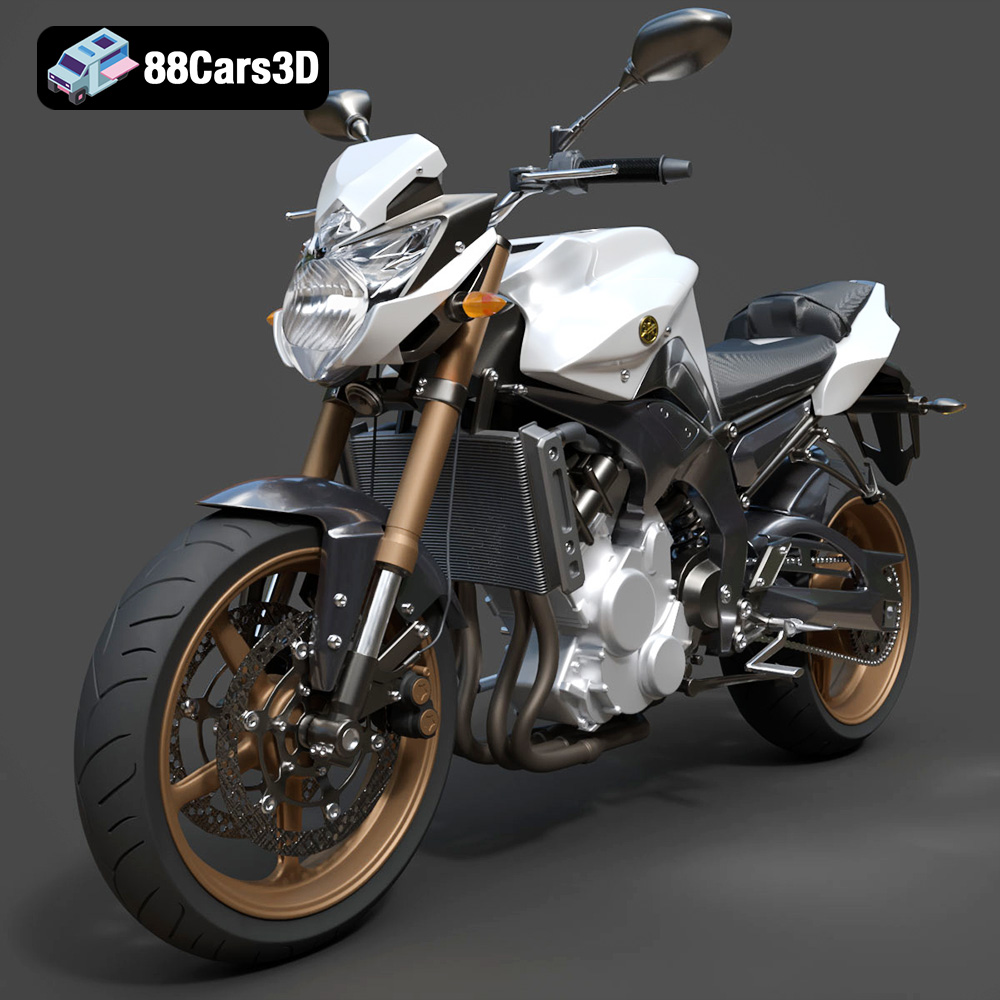
Yamaha FZ8 2011 3D Model
Texture: Yes
Material: Yes
Download the Yamaha FZ8 2011 3D Model featuring clean geometry, realistic detailing, and a fully modeled interior. Includes .blend, .fbx, .obj, .glb, .stl, .ply, .unreal, and .max formats for rendering, simulation, and game development.
Price: $19.99
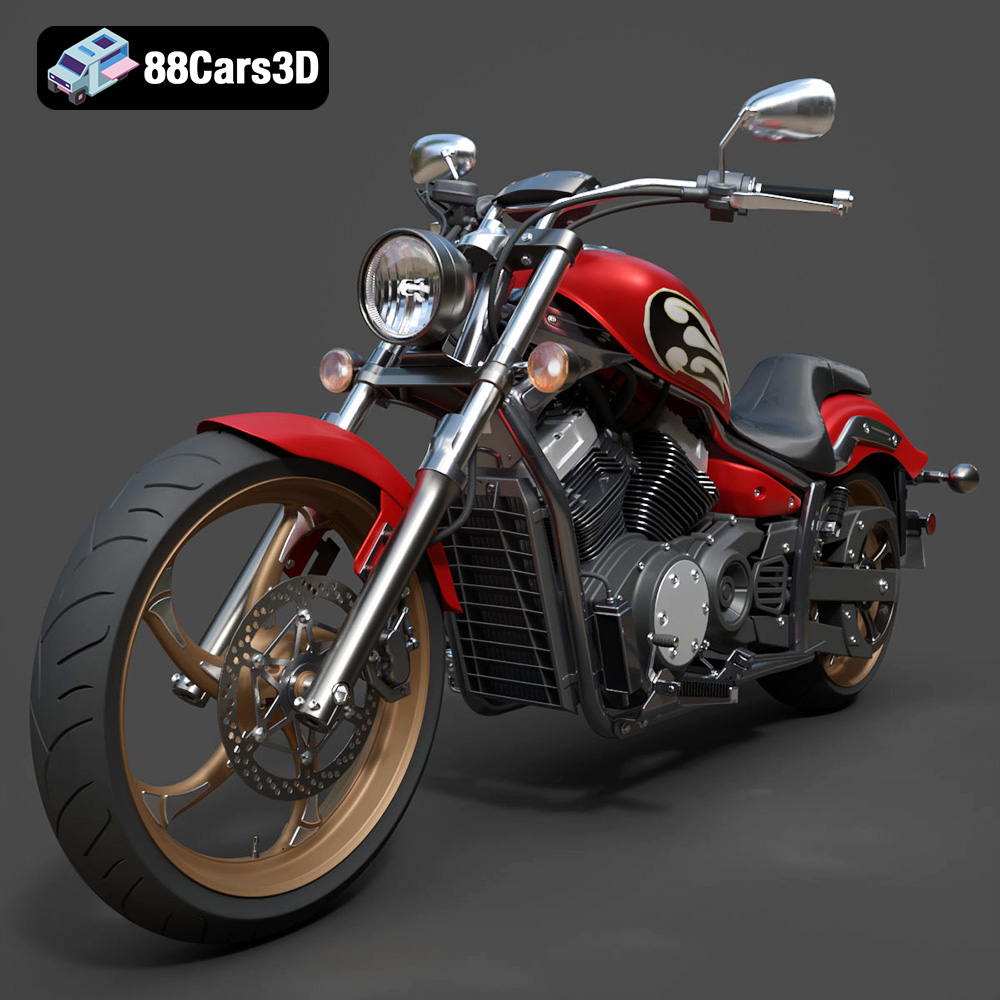
Yamaha Stryker 2012 3D Model
Texture: Yes
Material: Yes
Download the Yamaha Stryker 2012 3D Model featuring clean geometry, realistic detailing, and a fully modeled interior. Includes .blend, .fbx, .obj, .glb, .stl, .ply, .unreal, and .max formats for rendering, simulation, and game development.
Price: $19.99
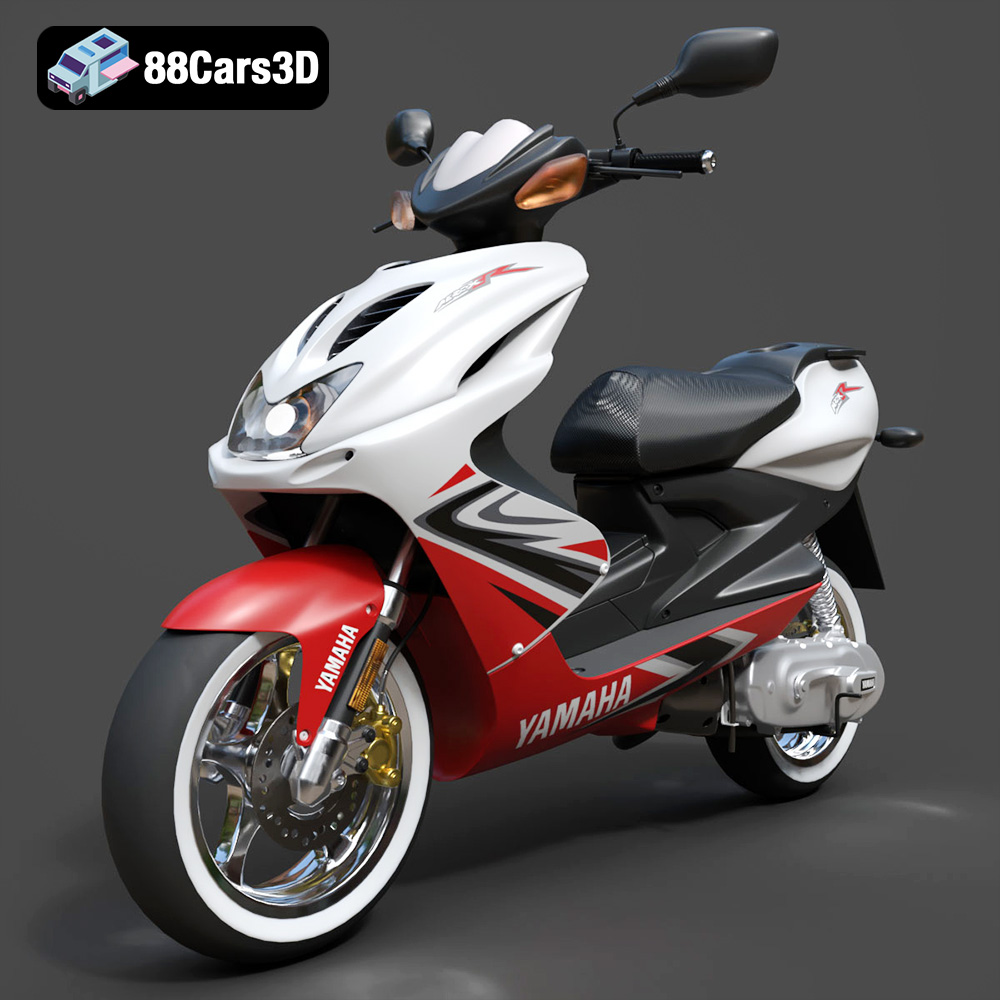
Yamaha Aerox R-002 2024 3D Model
Texture: Yes
Material: Yes
Download the Yamaha Aerox R-002 2024 3D Model featuring clean geometry, realistic detailing, and a fully modeled interior. Includes .blend, .fbx, .obj, .glb, .stl, .ply, .unreal, and .max formats for rendering, simulation, and game development.
Price: $19.99
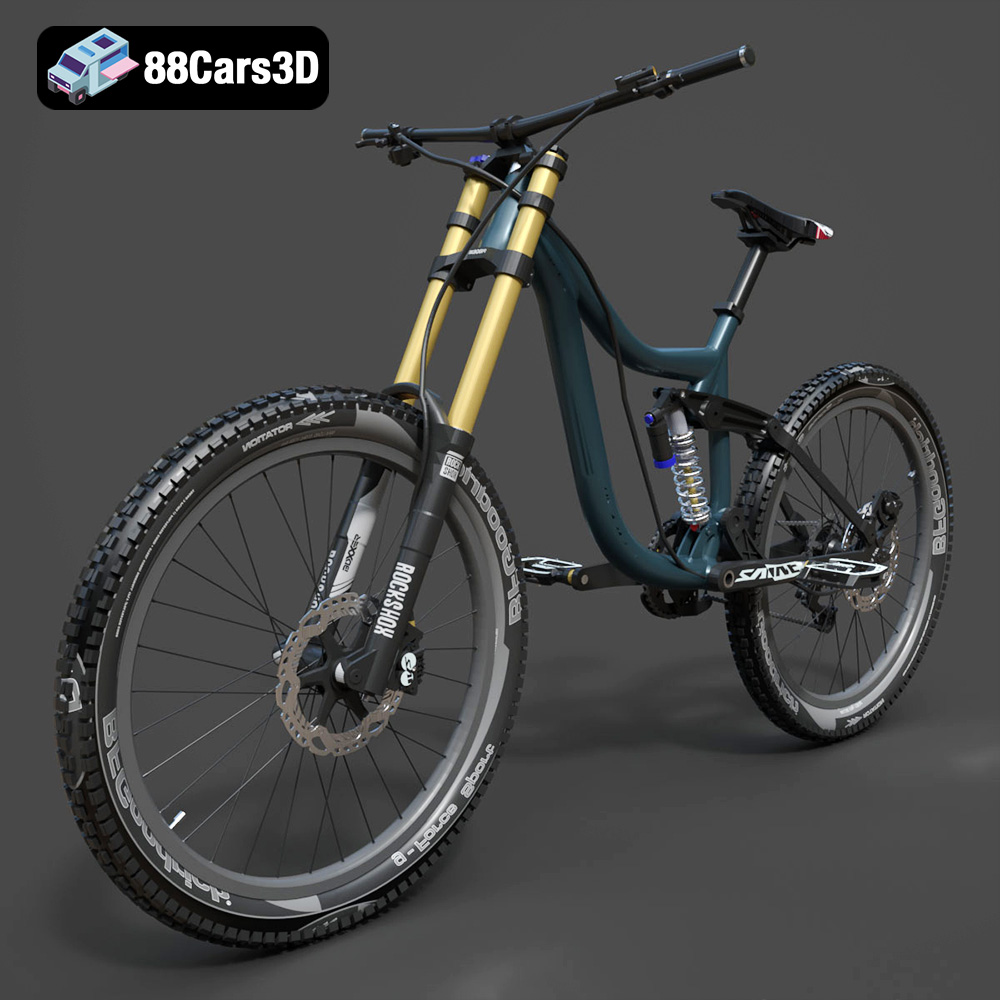
Mototsikly Downhill Bike-002 3D Model
Texture: Yes
Material: Yes
Download the Mototsikly Downhill Bike-002 3D Model featuring clean geometry, realistic detailing, and precise mechanical components. Includes .blend, .fbx, .obj, .glb, .stl, .ply, .unreal, and .max formats for rendering, simulation, and game development.
Price: $19.99
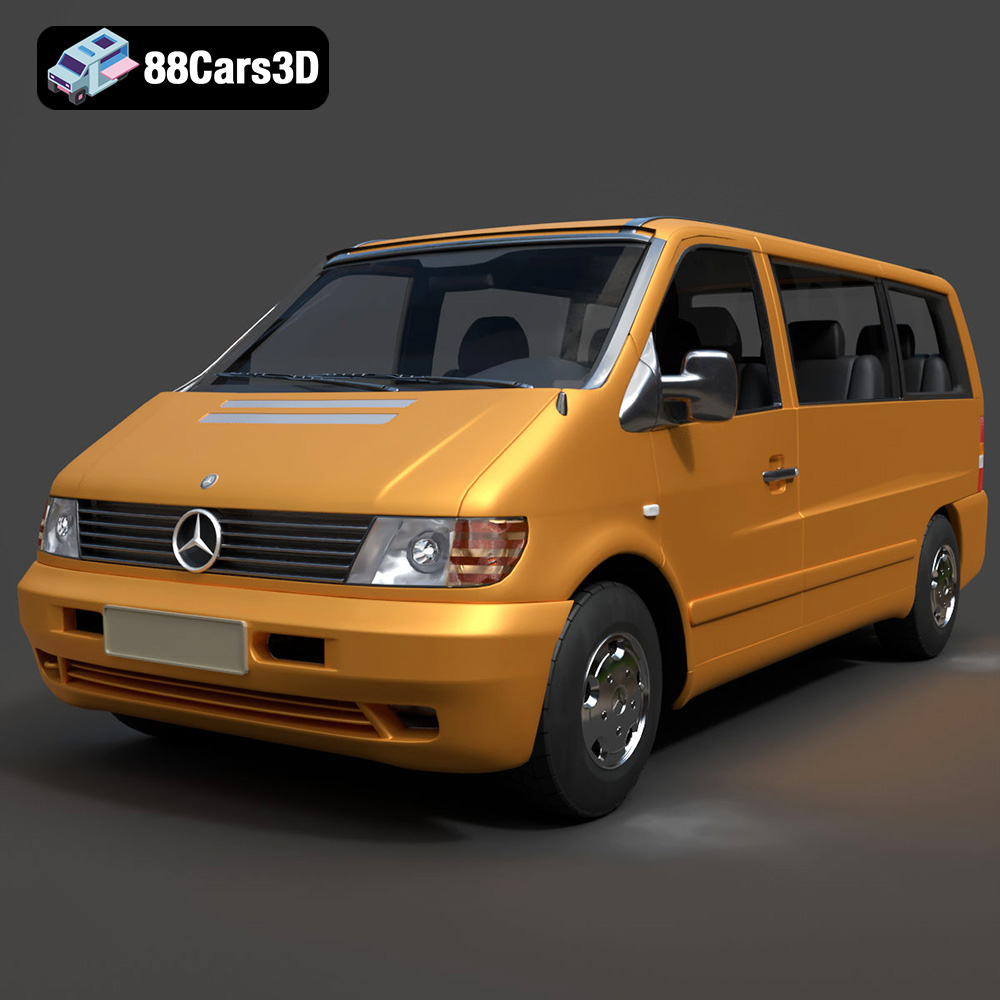
Mercedes-Benz Vito Passenger Van 3D Model
Texture: Yes
Material: Yes
Download the Mercedes-Benz Vito Passenger Van 3D Model featuring clean geometry, realistic detailing, and a fully modeled interior. Includes .blend, .fbx, .obj, .glb, .stl, .ply, .unreal, and .max formats for rendering, simulation, and game development.
Price: $19.99
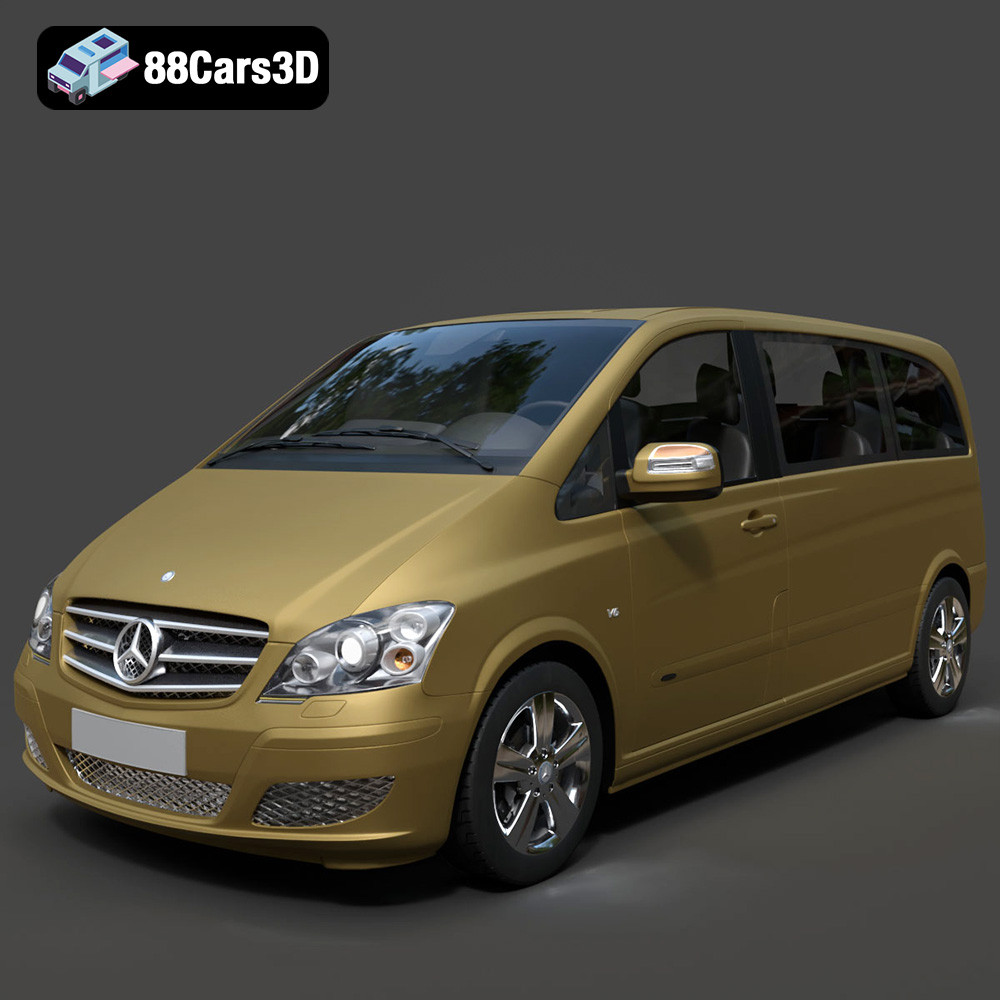
Mercedes-Benz Viano 2010 3D Model
Texture: Yes
Material: Yes
Download the Mercedes-Benz Viano 2010 3D Model featuring clean geometry, realistic detailing, and a fully modeled interior. Includes .blend, .fbx, .obj, .glb, .stl, .ply, .unreal, and .max formats for rendering, simulation, and game development.
Price: $19.99

Emt Avtobus 007 3D Model
Texture: Yes
Material: Yes
Download the Emt Avtobus 007 3D Model featuring clean geometry, realistic detailing, and a fully modeled interior. Includes .blend, .fbx, .obj, .glb, .stl, .ply, .unreal, and .max formats for rendering, simulation, and game development.
Price: $19.99
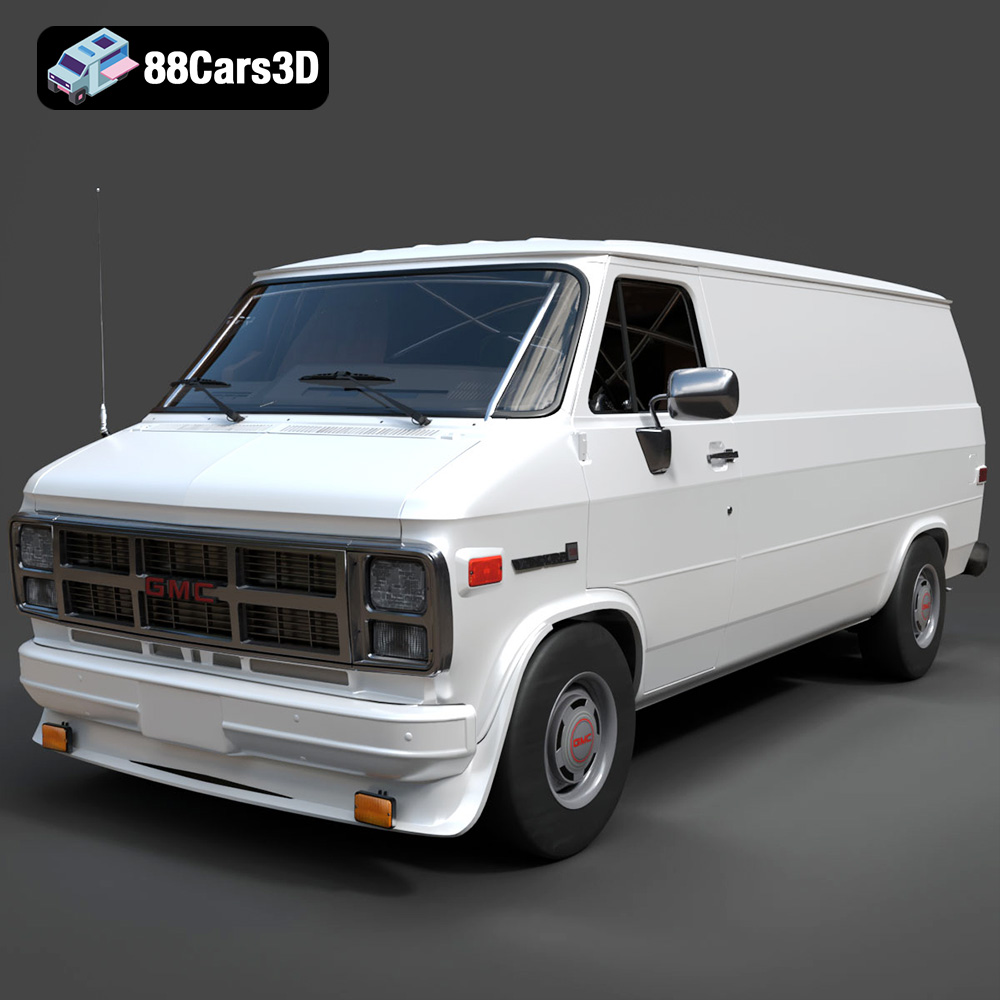
GMC Vandura G-1500 1983 3D Model
Texture: Yes
Material: Yes
Download the GMC Vandura G-1500 1983 3D Model featuring clean geometry, realistic detailing, and a fully modeled interior. Includes .blend, .fbx, .obj, .glb, .stl, .ply, .unreal, and .max formats for rendering, simulation, and game development.
Price: $19.99
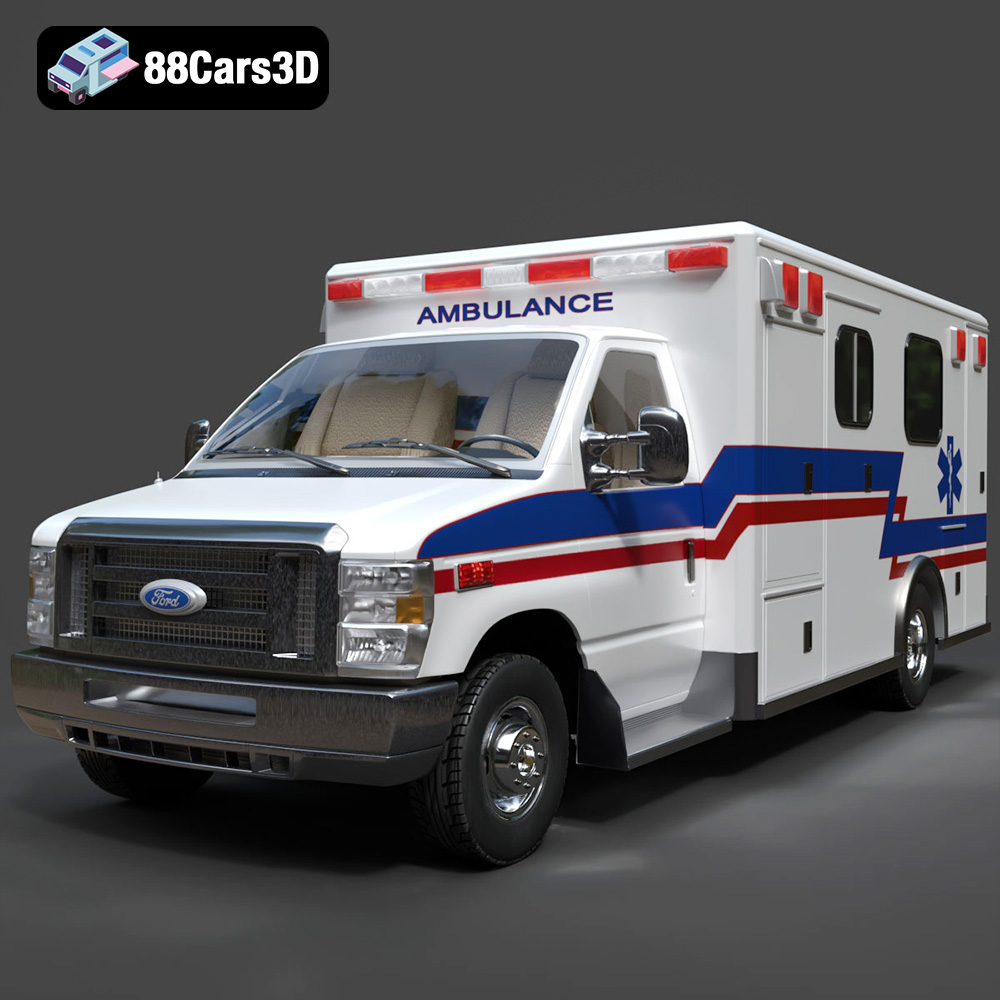
Ford E-450 Ambulance 3D Model
Texture: Yes
Material: Yes
Download the Ford E-450 Ambulance 3D Model featuring clean geometry, realistic detailing, and a fully modeled interior. Includes .blend, .fbx, .obj, .glb, .stl, .ply, .unreal, and .max formats for rendering, simulation, and game development.
Price: $19.99
