Get 20% OFF All Premium 3D & STL Models!

In the dynamic landscape of digital design, the demand for exceptionally detailed and versatile 3D assets continues to escalate across industries. From cinematic visual effects and cutting-edge game development to sophisticated architectural visualizations and immersive AR/VR experiences, high-quality 3D car models are no longer a luxury but a fundamental requirement. These assets serve as the backbone for conveying realism, performance, and aesthetic appeal, bridging the gap between imagination and digital reality. Understanding the intricate craft behind such models, and how to effectively leverage them, is paramount for any professional striving for excellence.
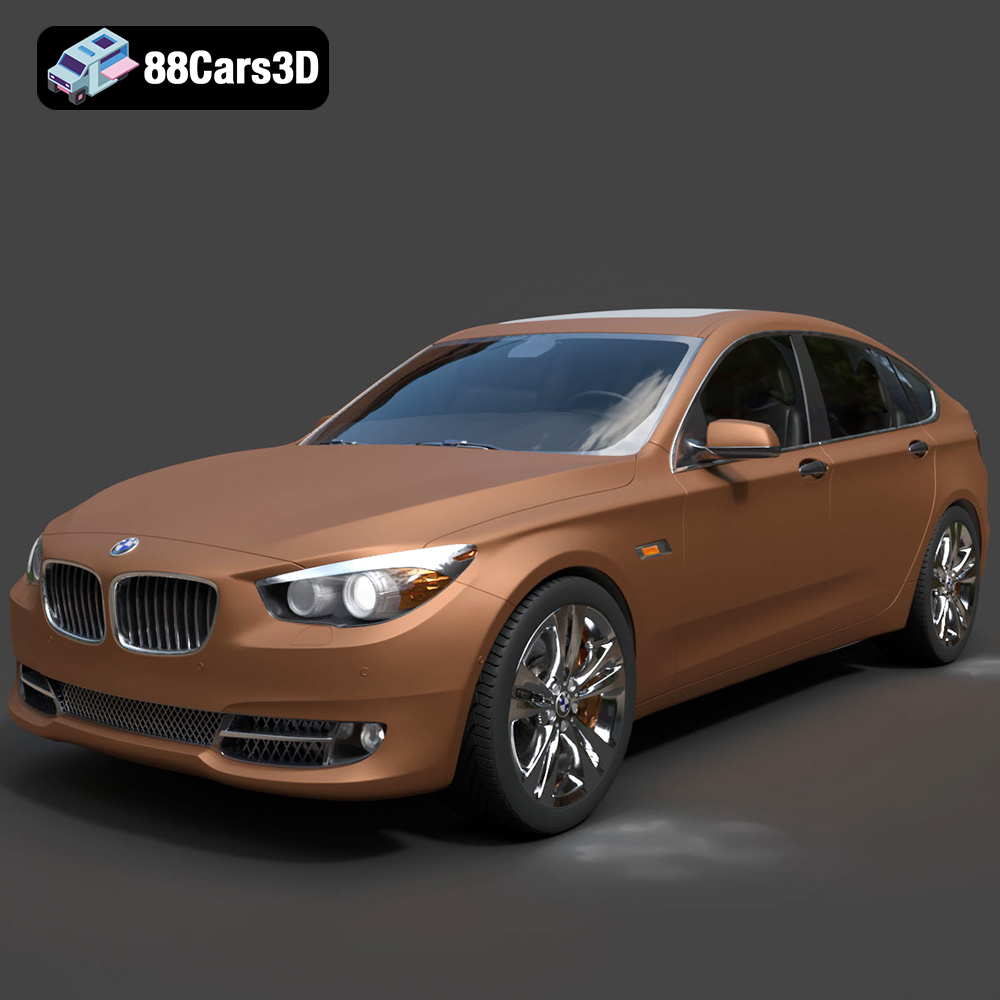
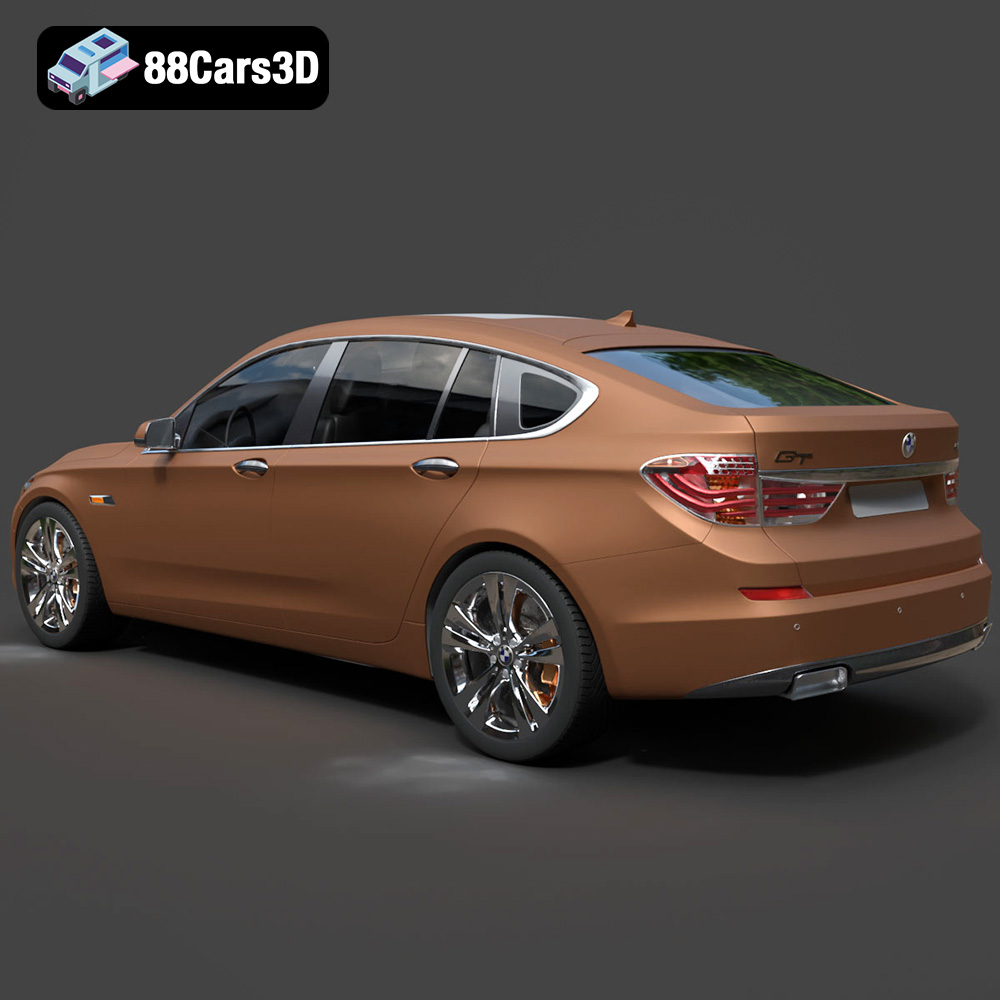
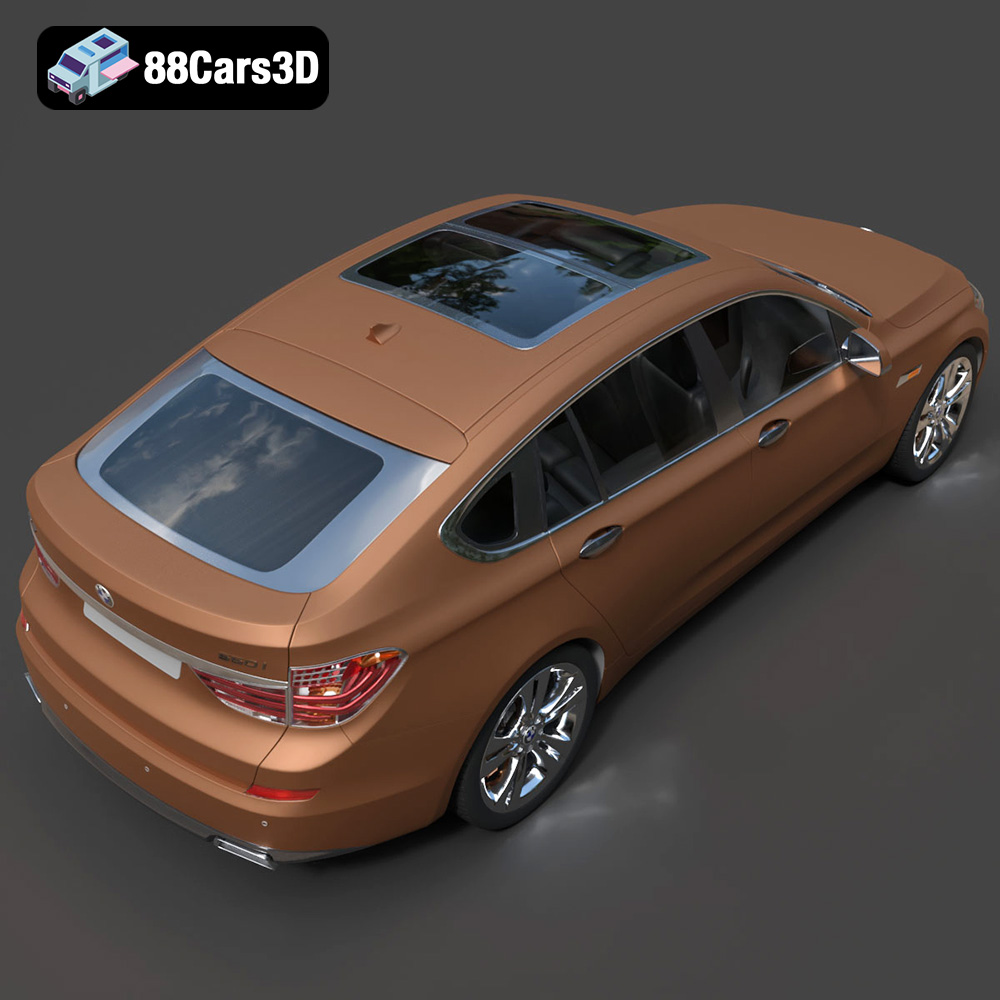
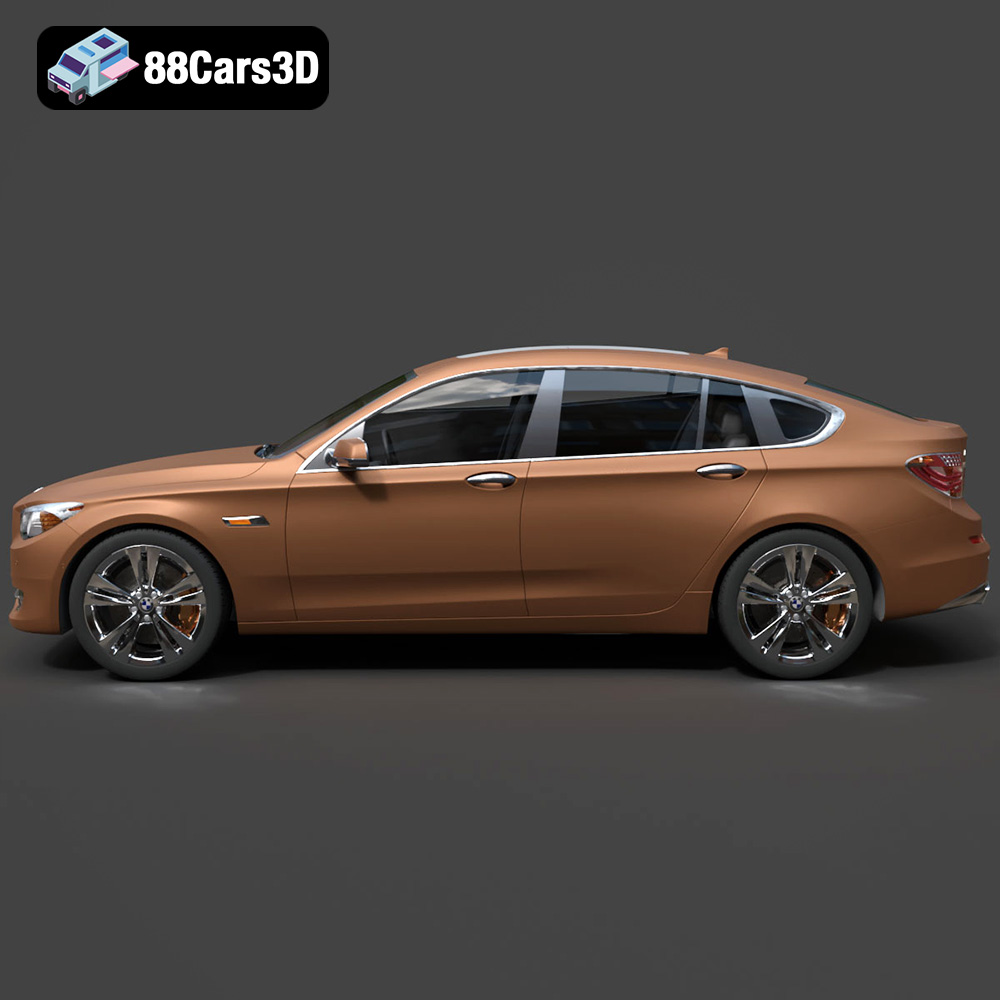
At the forefront of these demands lies the need for models that are not only visually stunning but also technically robust and adaptable. A prime example of such an asset is the BMW 5 Series Gran Turismo F07-003 3D model. This meticulously crafted digital representation embodies the distinctive blend of luxury, practicality, and performance that defines the real-world vehicle. Engineered with clean geometry, optimized for various professional applications, and offering a balanced level of detail, it stands as a testament to what premium 3D car models can achieve in today’s demanding production pipelines.
Creating a high-quality 3D car model is an intricate process that blends artistic vision with technical precision. It goes far beyond simply replicating a vehicle’s silhouette; it involves a deep understanding of automotive design, engineering principles, and the specific requirements of digital workflows. For a model like the BMW 5 Series Gran Turismo F07-003, every curve, panel gap, and component must be painstakingly recreated to ensure authenticity.
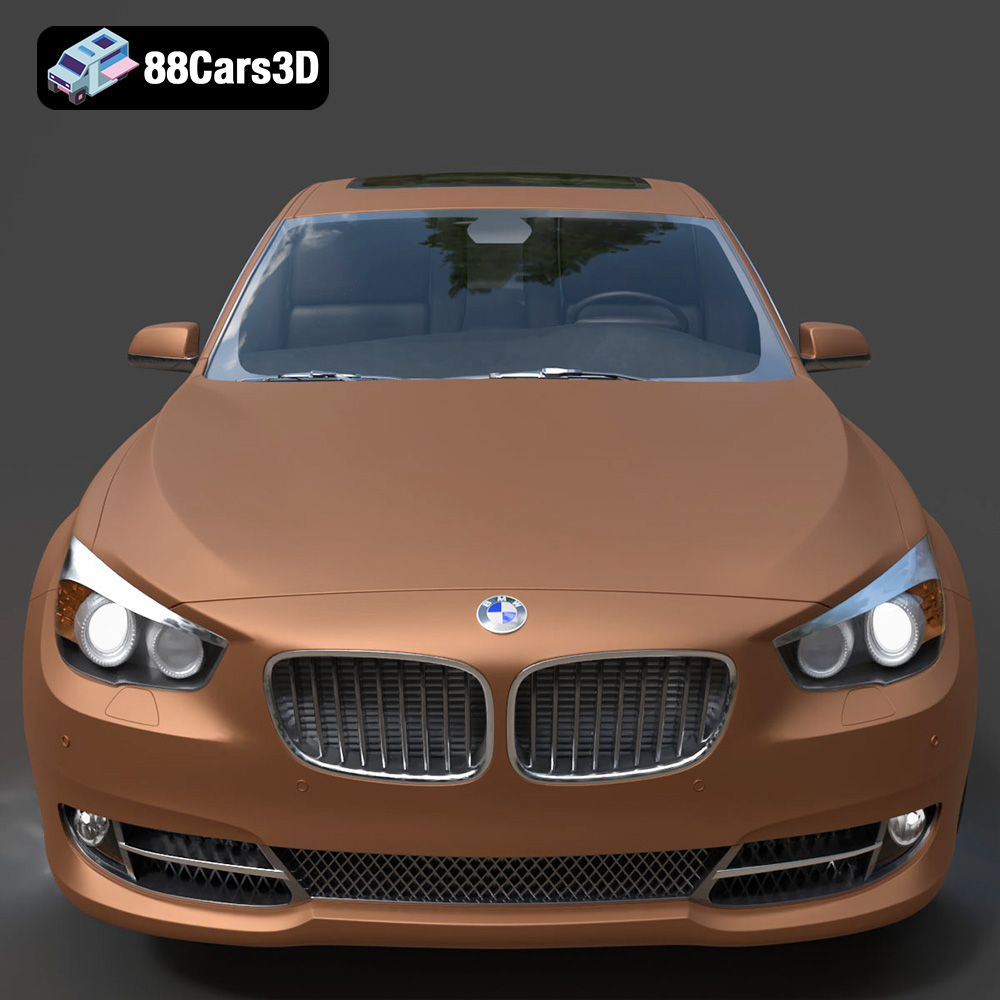
The initial phase of any premium 3D car model involves rigorous research and reference gathering. Designers meticulously study blueprints, photographs, and even physical vehicles to understand the manufacturer’s intent and the vehicle’s unique character. For the BMW 5 Series Gran Turismo F07-003, this means accurately translating its distinctive blend of sedan elegance and SUV practicality into a digital mesh. This includes precise detailing of the Gran Turismo’s signature sloping roofline, prominent kidney grille, and the unique proportions that define the F07 generation. Detailed headlights, taillights, and indicator lights aren’t just extruded shapes; they are complex assemblies with internal reflectors and transparent covers, each demanding realistic material definitions for accurate light behavior in renders.
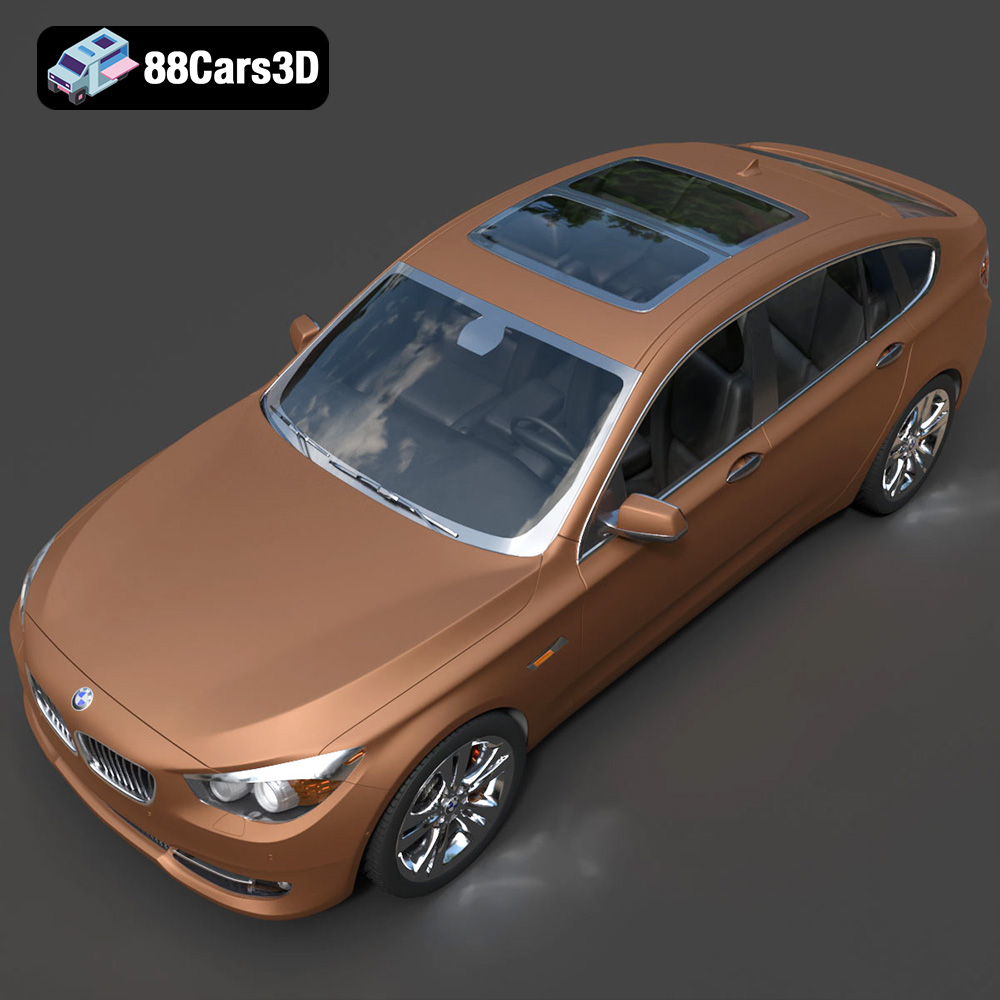
Furthermore, attention to smaller, yet crucial, elements such as authentic badging, chrome trim, and even the subtle contours of exterior mirrors ensures that the model is instantly recognizable and visually convincing. Inside, the dashboard, steering wheel, control console, and seating are all modeled with a level of fidelity that creates a realistic cockpit experience, complete with upholstery textures and precise stitching details. This commitment to authenticity makes models like the BMW 5 Series Gran Turismo F07-003 invaluable for automotive rendering, allowing artists to create visualizations that are virtually indistinguishable from real photography.
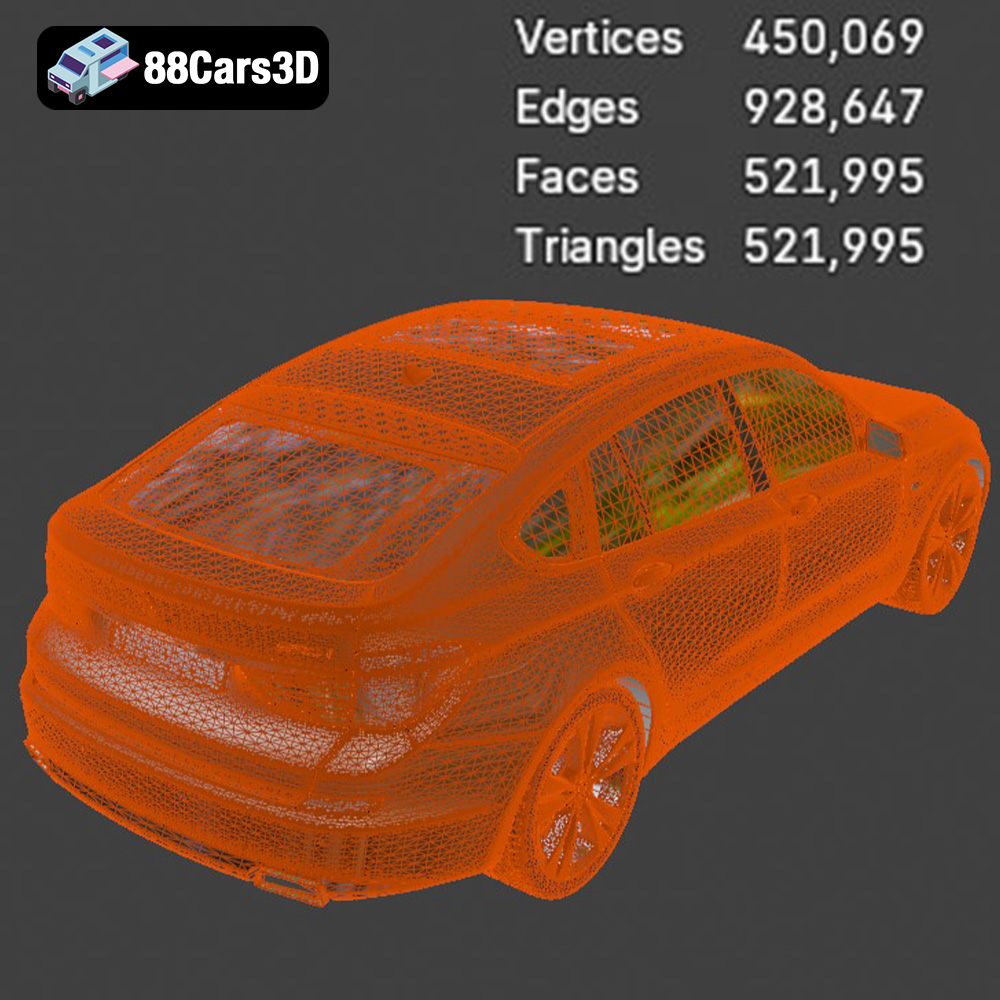
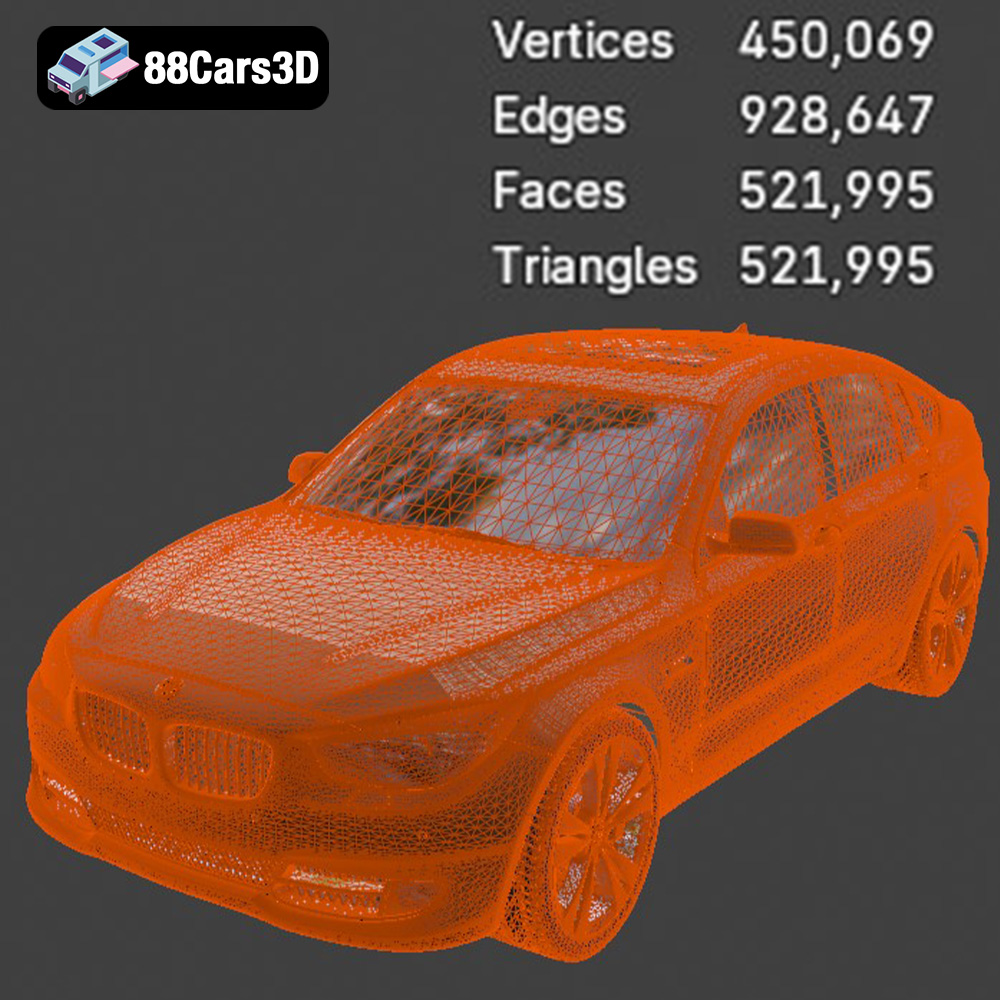
Beyond visual accuracy, the technical underpinnings of a 3D car model dictate its usability and performance. A premium model like the BMW F07-003 features clean, quad-dominant topology. This is critical for several reasons: it ensures smooth subdivision without unsightly pinches or artifacts, facilitates easy modification, and allows for clean deformation during animation. Accurate real-world scale and dimensions are also non-negotiable, ensuring seamless integration into existing scenes, whether for architectural visualization or game environments where physical interactions are simulated.
For animation-centric workflows, the model’s hierarchy is logically organized, with properly set pivots for all animatable components. Doors, hood, trunk, wheels, and the steering wheel are separated and rigged in a way that allows for efficient manipulation. This preparation is vital for creating dynamic sequences, such as opening doors, turning wheels, or demonstrating suspension articulation. Moreover, the optimized polygon count strikes a crucial balance, providing sufficient detail for high-fidelity renders while remaining performant enough for real-time applications like game development or AR/VR experiences. This technical foresight makes the BMW 5 Series Gran Turismo F07-003 a versatile asset, ready to be dropped into demanding professional projects right out of the box.
The world of 3D modeling relies heavily on a multitude of file formats, each designed with specific purposes, compatibilities, and optimizations in mind. Choosing the correct format is paramount for a smooth workflow, ensuring data integrity, and achieving optimal performance in your target application. Premium 3D car models, such as the BMW 5 Series Gran Turismo F07-003 available on 88cars3d.com, are often provided in a comprehensive suite of formats to cater to diverse professional needs. Understanding these distinctions is key to unlocking the full potential of your assets.
Each of these formats serves a distinct purpose, offering specific advantages depending on the project requirements. The availability of the BMW 5 Series Gran Turismo F07-003 in such a wide array of formats underscores its versatility and commitment to professional accessibility, empowering users to integrate it into virtually any workflow.
Automotive rendering and visualization are critical stages in the design, marketing, and sales cycles of the automotive industry. High-quality 3D car models are the foundation upon which photorealistic imagery and compelling animations are built. The BMW 5 Series Gran Turismo F07-003 3D model, with its meticulously crafted details and clean topology, is an ideal asset for these demanding applications, allowing artists to create stunning visuals that captivate audiences.
In a professional rendering studio, the goal is often to create images so lifelike they are indistinguishable from real photographs. This requires not only a high-fidelity 3D car model but also a deep understanding of PBR (Physically Based Rendering) materials, lighting, and camera techniques. For the BMW 5 Series Gran Turismo F07-003, its accurate body sculpt and realistic material definitions for components like paint, glass, chrome, and rubber are crucial. Using advanced rendering engines like V-Ray, Corona Renderer, or Arnold within 3ds Max or Blender, artists can simulate real-world light interactions, producing accurate reflections, refractions, and global illumination. The model’s optimized mesh quality ensures that even intricate details, such as the stitching on the seats or the texture of the dashboard, render efficiently and convincingly, contributing to an overall sense of realism. This makes the BMW F07-003 perfect for high-quality studio renders, marketing materials, and product configurators.
Beyond static images, 3D car models are indispensable for creating dynamic, cinematic sequences. Whether it’s for commercials, film productions, or concept showcases, the ability to animate a vehicle with realism is paramount. The BMW 5 Series Gran Turismo F07-003 is specifically designed for versatile animation workflows, featuring separated doors, hood, and trunk, along with properly set pivots for wheels and the steering wheel. This allows animators to create intricate sequences—from a graceful door opening to a dynamic driving shot—with ease and precision. The clean, quad-dominant topology of the model ensures smooth deformation during complex movements, preventing unsightly mesh distortions. Combined with environmental effects, camera movements, and post-production techniques, this model can be at the heart of compelling visual narratives that highlight the luxury and performance of the Gran Turismo.
Interestingly, 3D car models also play a significant role in architectural visualization (ArchViz). Incorporating realistic vehicles into exterior and interior architectural renders breathes life into scenes, provides a sense of scale, and enhances the overall visual appeal. A high-quality model like the BMW F07-003 adds a touch of sophistication and realism to a modern building exterior or a luxurious garage interior. Its accurate real-world scale and meticulously detailed exterior and interior features make it a perfect companion for showcasing design concepts to clients. The transparent window materials, allowing for interior visibility and realistic reflections, further integrate the vehicle seamlessly into diverse ArchViz scenarios, elevating the realism of the entire composition.
The rise of interactive entertainment, augmented reality (AR), virtual reality (VR), and advanced simulation platforms has significantly amplified the need for performant and visually rich 3D assets. The BMW 5 Series Gran Turismo F07-003 3D model is specifically engineered to meet these demands, serving as a robust game asset and an ideal component for immersive real-time experiences.
Game development requires a delicate balance between visual fidelity and computational efficiency. A game asset must look great while maintaining optimal frame rates. The BMW 5 Series Gran Turismo F07-003 is optimized with this principle in mind, featuring an optimized polygon count that provides sufficient detail without overburdening game engines. Its clean, quad-dominant topology is beneficial for creating multiple Levels of Detail (LODs), allowing the engine to dynamically switch to simpler versions of the model when it’s further from the camera, thereby saving precious rendering resources. The inclusion of .fbx and .unreal formats makes integration into popular game engines like Unreal Engine and Unity incredibly straightforward. These formats typically carry over materials, textures, and even basic collision meshes, ensuring the model behaves realistically within the game environment, whether it’s a high-octane racing simulator or a detailed open-world adventure.
Augmented Reality (AR) and Virtual Reality (VR) are transforming how we interact with digital content, especially in product showcases and interactive training. High-fidelity 3D car models like the BMW F07-003 are perfect for creating immersive AR/VR automotive showcases. Imagine clients being able to virtually walk around, sit inside, and even customize the BMW Gran Turismo in a virtual showroom or project it into their own driveway via AR. The .glb format, included with the model, is specifically optimized for web-based AR/VR applications, ensuring quick loading times and excellent visual quality on a variety of devices. The detailed interior, accurate exterior, and realistic materials all contribute to a truly engaging and lifelike immersive experience, making the BMW 5 Series Gran Turismo F07-003 an essential asset for cutting-edge marketing and presentation tools.
Beyond entertainment, 3D car models are fundamental to professional simulation and training. Driving simulators, automotive design reviews, and technical training modules rely on highly accurate digital representations of vehicles. The BMW F07-003, with its accurate real-world scale, detailed interior, and basic visible mechanical components, provides an excellent foundation for such applications. For driving simulators, the precise geometry and material definitions ensure that environmental interactions and visual feedback are authentic. In design reviews, engineers can interact with the model, test clearances, or evaluate ergonomics long before a physical prototype is built. For technical training, the separated components (doors, hood, trunk) can be used to illustrate maintenance procedures or assembly processes in a safe, virtual environment. The model’s quality ensures that these simulations are not only functional but also highly realistic, enhancing the learning and review process.
The utility of high-quality 3D car models extends beyond mere on-screen display. With advancements in manufacturing and analysis technologies, these digital assets can bridge the gap between the virtual and physical worlds, opening up new possibilities for product development, prototyping, and even artistic expression. The BMW 5 Series Gran Turismo F07-003 3D model exemplifies this versatility, offering pathways to tangible outputs.
One of the most exciting applications for 3D car models is 3D printing. The ability to convert a digital asset into a physical object allows for rapid prototyping, creation of scale models, or even custom parts. The clean, quad-dominant topology of the BMW 5 Series Gran Turismo F07-003 3D model makes it highly suitable for conversion to the .stl format, the industry standard for 3D printing. While some minor adjustments might be needed depending on the printer and scale, the inherent structural integrity of the model’s geometry ensures a smooth transition. This means designers can go from a virtual render to a tangible desktop model of the Gran Turismo, useful for concept validation, client presentations, or even collectible items. This application highlights the true multidisciplinary potential of professionally crafted 3D assets.
While often associated with artistic rendering, high-quality 3D car models can also serve as valuable assets in more technical, engineering-focused workflows. The precise mesh format of .ply, included with the BMW 5 Series Gran Turismo F07-003, allows for its integration into CAD (Computer-Aided Design) software or specialized analysis tools. Engineers can use the model for preliminary spatial analysis, fitment studies, or as a visual reference within larger assemblies. Although not a native CAD model, its accurate real-world scale and meticulously sculpted form provide a highly detailed geometric representation that can assist in various design review and reverse engineering processes. This capability underscores the model’s robust technical foundation and its adaptability across diverse professional domains.
For professionals across industries, finding reliable sources for high-quality 3D assets is crucial. The investment in a premium asset like the BMW 5 Series Gran Turismo F07-003 3D model saves countless hours of modeling, texturing, and optimization, allowing teams to focus on their core creative and technical challenges. This is precisely where platforms like 88cars3d.com prove invaluable.
88cars3d.com specializes in providing meticulously crafted 3D car models that meet the rigorous demands of professional production pipelines. By offering assets like the BMW 5 Series Gran Turismo F07-003, which comes with clean geometry, optimized polygon counts, PBR-ready materials, and a wide array of file formats, they enable artists and developers to streamline their workflows significantly. Instead of building a complex vehicle from scratch, which can take weeks or months, professionals can acquire a production-ready model that integrates seamlessly into existing projects. This efficiency is critical for meeting tight deadlines and maintaining high-quality standards in automotive rendering, game development, and visualization projects.
The true value of a premium asset lies in its ability to empower creativity. With the technical foundation already laid by experts, users can focus on customizing paint finishes, adding bespoke graphics, adjusting lighting setups for different atmospheric effects, or integrating the model into unique narratives. The BMW 5 Series Gran Turismo F07-003 3D model, as described, offers easily adjustable paint finishes and material adjustments for various components. This flexibility allows artists to experiment with different visual styles and presentation methods without being bogged down by foundational modeling tasks. Whether for a high-end commercial, an immersive VR experience, or a detailed game environment, such assets from 88cars3d.com provide the perfect canvas to bring ambitious visions to life.
The landscape of 3D visualization and interactive experiences is constantly evolving, driven by the ceaseless demand for realism and immersion. At the heart of this evolution are exceptional 3D car models, serving as indispensable tools for professionals across diverse sectors. From the meticulous detail required for photorealistic automotive rendering to the optimized performance essential for dynamic game assets and immersive AR/VR applications, the quality of these digital representations directly impacts the final output.
The BMW 5 Series Gran Turismo F07-003 3D model stands as a prime example of such a high-caliber asset. Its blend of accurate design, clean topology, and multi-format compatibility makes it a versatile foundation for a vast array of projects. Whether you’re an automotive designer, a game developer, an ArchViz artist, or a simulation engineer, leveraging a professionally crafted model like the BMW F07-003 can significantly elevate your work, save valuable time, and unlock new creative possibilities. Exploring trusted sources like 88cars3d.com for such premium 3D car models ensures you have access to the best tools to realize your most ambitious digital visions.
Immerse yourself in the world of automotive luxury with this meticulously crafted 3D model of the BMW 5 Series Gran Turismo F07-003. This premium model captures the distinctive blend of elegant sedan styling, spacious SUV practicality, and robust Gran Turismo performance that defines the F07 generation. Engineered with clean geometry and a balanced level of detail, it is optimized for professional use in high-fidelity rendering, immersive animation sequences, advanced simulation projects, and seamless integration into modern game development environments.
$10.79
.arvr
.blend
.bmw
.bmw5seriesgranturismo
.bmwf07
.car
.fbx
.gameasset
.glb
.granturismo
.luxurycar
.max
.obj
.ply
.rendering
.simulation
.stl
.unreal