Get 20% OFF All Premium 3D & STL Models!

In the dynamic world of digital content creation, the demand for authentic, high-fidelity 3D assets continues to grow exponentially. From blockbuster video games and immersive architectural visualizations to cutting-edge augmented and virtual reality experiences, realism is paramount. Artists and developers are constantly seeking meticulously crafted 3D models that can seamlessly integrate into diverse pipelines, reducing development time while enhancing visual fidelity.
At the heart of this pursuit lies the need for exceptional 3D car models and vehicle assets. These models are not merely static representations; they are complex digital blueprints engineered for performance and visual integrity across a spectrum of applications. Whether you’re an automotive designer seeking to visualize a new concept, a game developer populating an urban environment, or a rendering artist aiming for photorealism, the quality of your base assets dictates the final output.
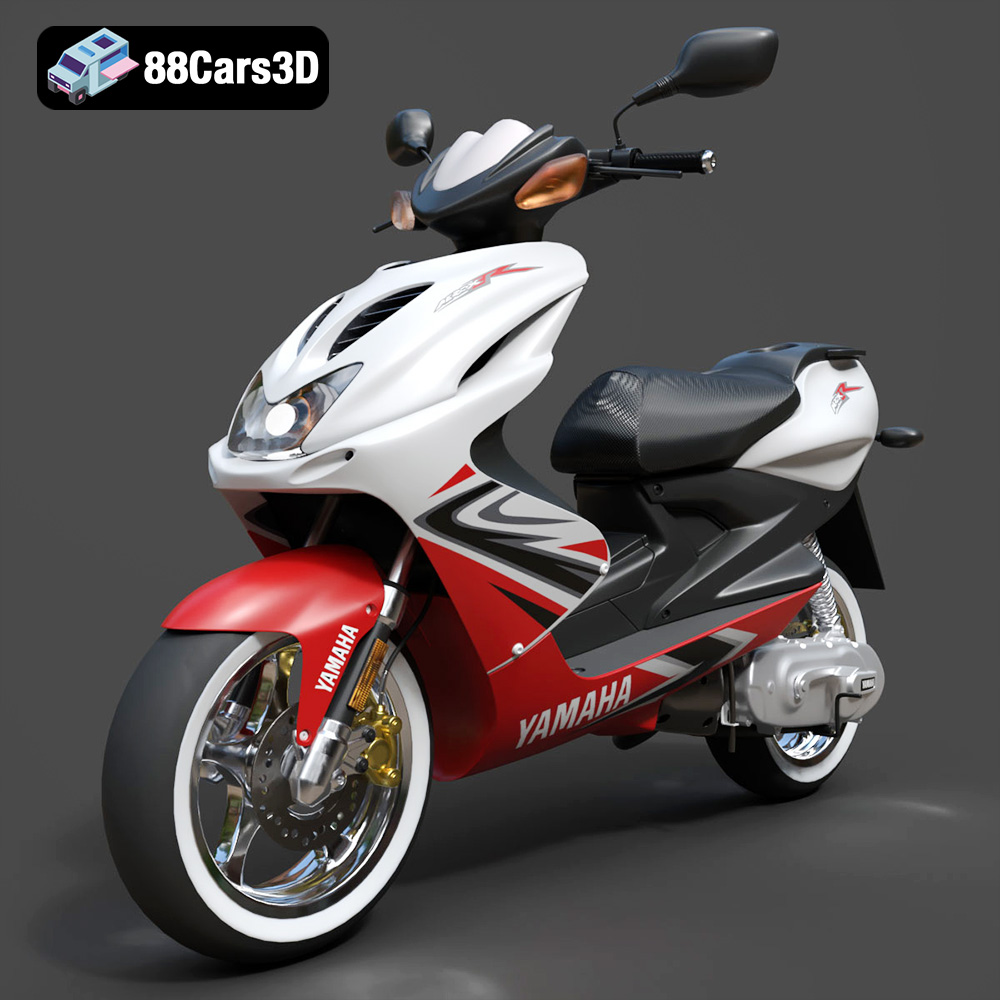
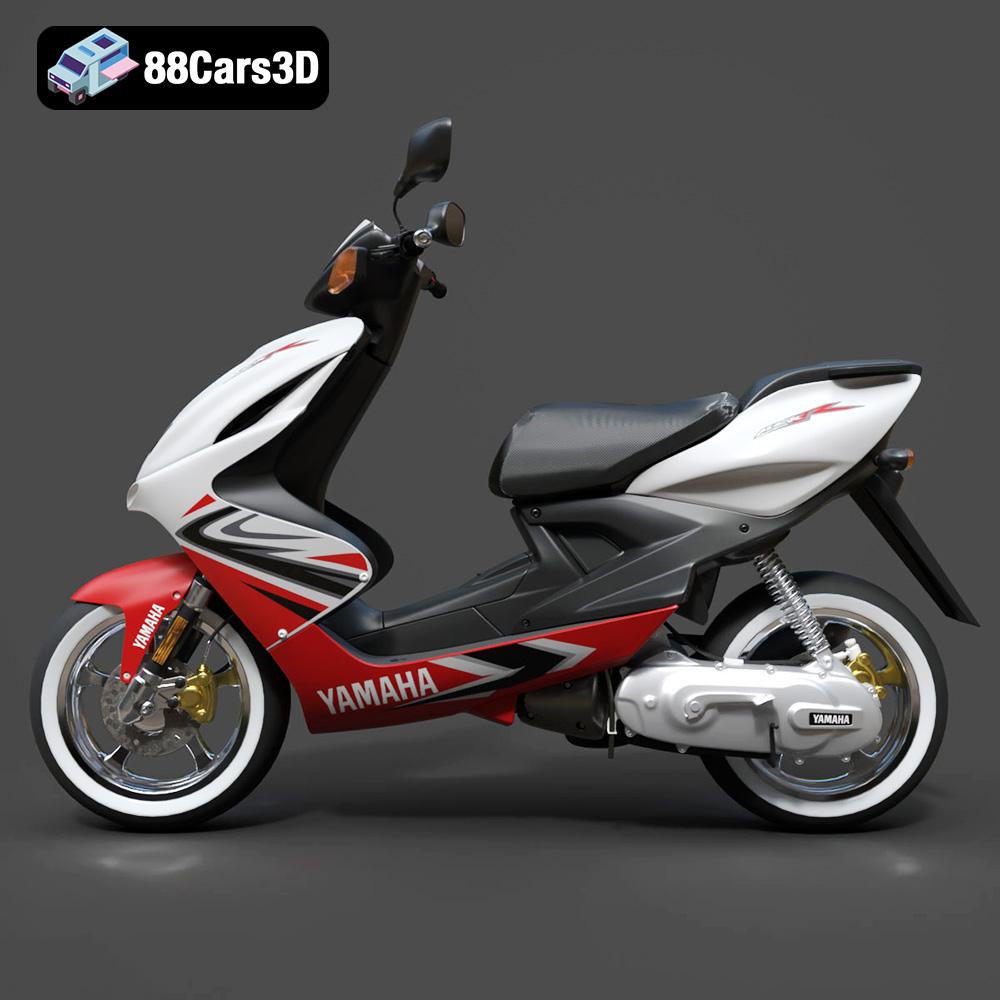
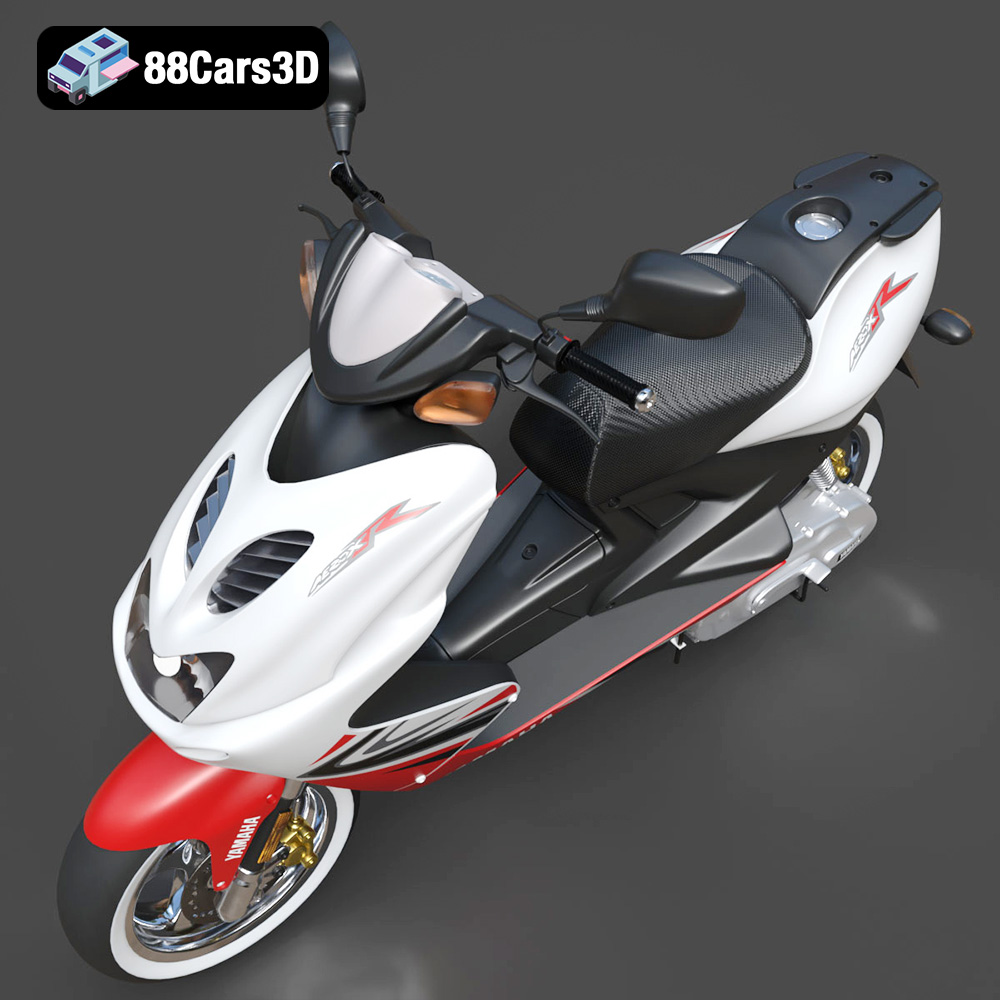
It’s within this professional landscape that models like the Yamaha Aerox R-002 2024 3D Model shine. This particular asset exemplifies the detailed craftsmanship required in today’s industry, offering an immersive and accurate digital recreation of a modern urban scooter. Its careful construction, PBR-ready materials, and optimized geometry make it an ideal candidate for projects demanding a contemporary, high-fidelity motorcycle asset. This introduction sets the stage for a deeper dive into the technical considerations and creative possibilities unlocked by such meticulously prepared 3D models, exploring how they empower professionals to achieve unparalleled realism and efficiency.
The versatility of a premium 3D model often hinges on its availability in various file formats, each tailored for specific software, workflows, and end-uses. Understanding these formats is crucial for any professional working with 3D car models or any complex asset. The Yamaha Aerox R-002 2024 3D Model, for instance, comes equipped with a comprehensive suite of formats, ensuring broad compatibility and optimal performance across different pipelines.
The .blend format is native to Blender, a ubiquitous open-source 3D creation suite. A .blend file typically contains not just the raw mesh data, but also materials, textures, lighting setups, animation data, and even camera configurations. For users deeply integrated into the Blender ecosystem, this format offers the most flexibility. You can easily modify geometry, adjust PBR material properties, tweak lighting for automotive rendering, or even animate specific components of the Yamaha Aerox R-002 directly within the scene. It preserves the complete creative intent of the original artist, making it perfect for custom modifications and in-depth scene development.
.fbx (Filmbox) is a proprietary file format owned by Autodesk, widely recognized as the industry standard for 3D data exchange, especially between different software applications and particularly for game assets. It’s incredibly robust, capable of storing complex scene data including models, PBR materials, textures, animations, and rigs. For projects targeting Unreal Engine, Unity, or other real-time pipelines, .fbx is often the go-to choice due to its efficient handling of complex scenes and animation data. The .fbx version of the Aerox model ensures smooth import into these engines, preserving its PBR materials and geometric integrity.
.obj (Wavefront OBJ) is one of the oldest and most universally supported 3D file formats. It’s a simple, text-based format primarily used for exchanging raw 3D geometry data (vertices, UVs, normals) and material references (.mtl file). While it doesn’t support advanced features like animation or rigging, its simplicity ensures compatibility with virtually all 3D software packages. When you need a clean, fundamental mesh of the Aerox, perhaps for sculpting or specific CAD applications where other formats might cause issues, .obj is an excellent, reliable option for cross-software compatibility.
.glb (GL Transmission Format Binary) is the binary version of glTF, an API-neutral runtime asset delivery format for 3D models. It’s quickly becoming the standard for 3D on the web, AR (Augmented Reality), and VR (Virtual Reality) experiences due to its compact size and efficient loading. A .glb file encapsulates the entire model, textures, and animation into a single, self-contained file, making it incredibly easy to share and deploy. For interactive web viewers or AR applications featuring the Yamaha Aerox R-002, the .glb format offers optimal performance and visual quality.
.stl (STereoLithography) is the native file format for stereolithography CAD software and is the de facto standard for 3D printing. It represents a 3D model as a series of connected triangles (a tessellation) of the surface geometry. While it lacks color or texture information, it’s perfect for conveying the precise geometric shape needed for physical manufacturing or prototyping. If you envision a scaled physical model of the Yamaha Aerox R-002, the .stl file is what your 3D printer will understand.
.ply (Polygon File Format, also known as Stanford Triangle Format) is another format for storing 3D data, particularly useful for high-resolution scan data and scientific applications. It supports properties such as color, transparency, normals, texture coordinates, and even reliability information. For detailed analysis, reverse engineering, or precision mesh operations on the Aerox model, .ply can be a valuable format, often preferred in fields like medical imaging, geological modeling, and high-fidelity CAD where intricate surface data is paramount.
The .unreal format signifies an asset specifically configured and often pre-imported for use within Unreal Engine. This isn’t a single file extension in the traditional sense, but rather a descriptor for a set of assets (mesh, materials, textures, blueprints, etc.) meticulously prepared to Unreal’s specifications, often packaged within an Unreal project structure or as a UAsset. It implies that the asset has undergone optimization, PBR material setup, and potentially collision generation directly within the engine, offering immediate, drag-and-drop functionality for developers, significantly streamlining the pipeline for creating compelling game environments with game assets like the Aerox scooter.
.max is the native file format for Autodesk 3ds Max, a leading software for 3D modeling, animation, and rendering in professional visualization. Like .blend files, .max files encapsulate the entire scene: geometry, lights, cameras, materials, modifiers, and animation. For professionals working in architectural visualization, product design, or complex animation sequences, having the Aerox model in .max format means full access to all the model’s components, allowing for advanced rendering setups using V-Ray or Corona, sophisticated rigging, and custom animation work, leveraging 3ds Max’s robust toolset.
The availability of such a diverse array of file formats for the Yamaha Aerox R-002 2024 3D Model underscores its professional-grade quality and adaptability, ensuring that regardless of your software preference or project requirements, you have the right version ready to go. This comprehensive approach is a hallmark of high-quality 3D car models found on platforms like 88cars3d.com.
Achieving visual realism in 3D is a complex endeavor that hinges on two fundamental pillars: meticulously crafted geometry and physically accurate materials. The Yamaha Aerox R-002 2024 3D Model exemplifies these principles, delivering an asset that is both visually stunning and technically sound for a variety of applications, from cinematic automotive rendering to real-time game assets.
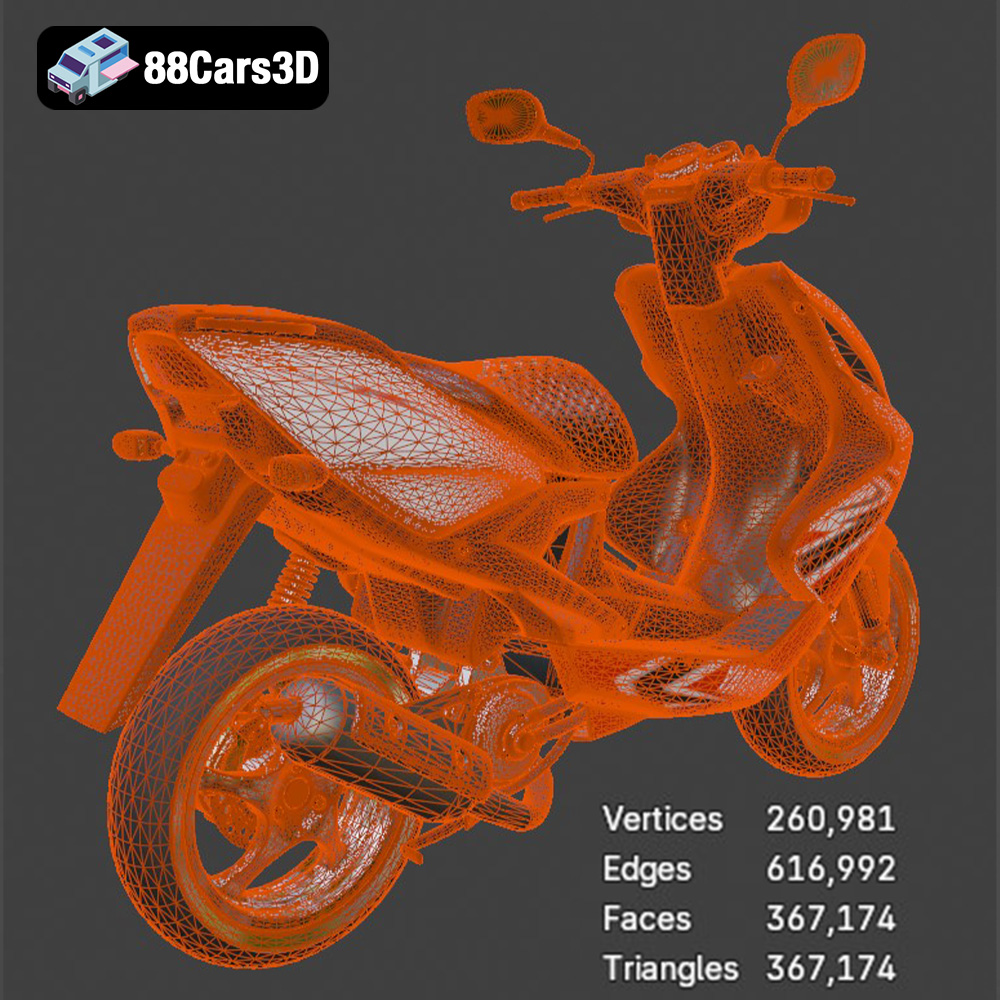
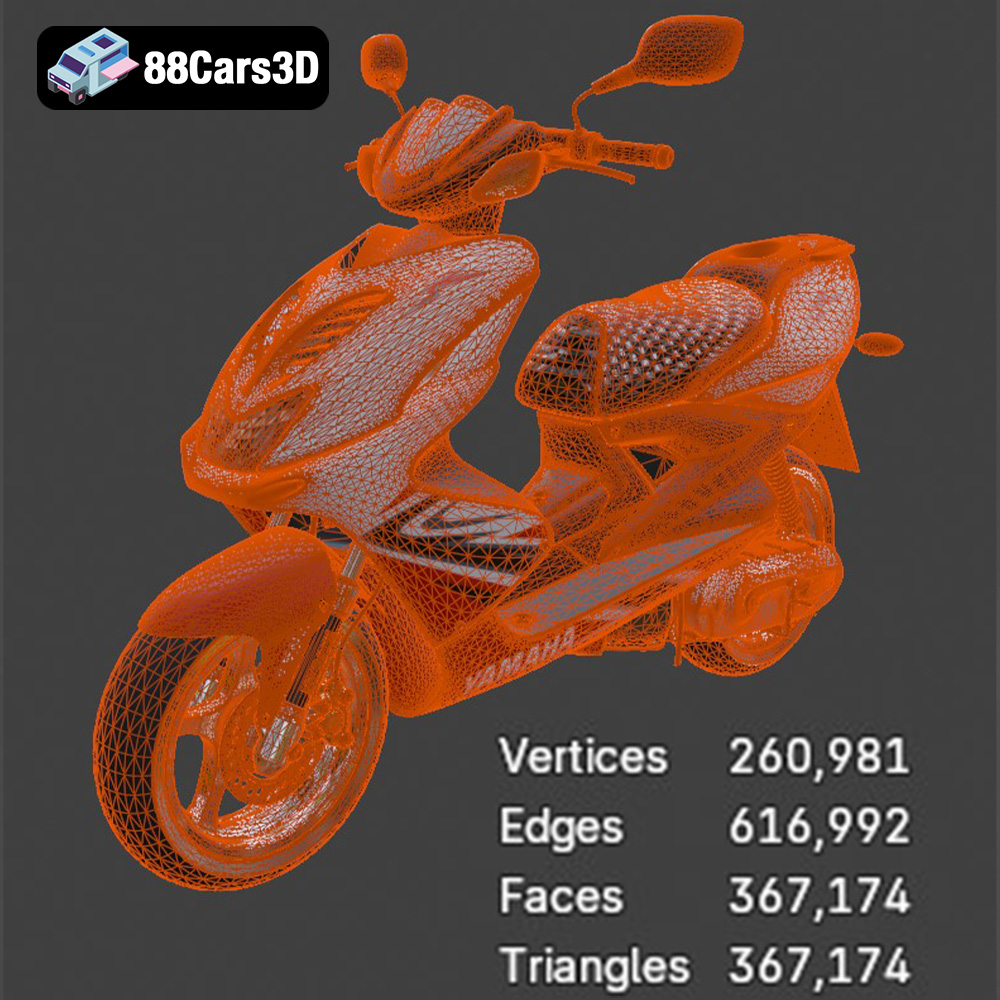
A superior 3D model begins with its foundational mesh. The Aerox R-002 model boasts optimized, clean geometry. This isn’t just about looking good; it’s about performance and flexibility. Clean geometry typically means an efficient polygon count, ensuring that the model renders smoothly without excessive computational overhead, which is critical for real-time applications like games or AR/VR. Furthermore, a well-structured mesh topology facilitates easy UV unwrapping and texture manipulation. Good topology ensures that edge loops flow naturally, supporting deformation for animation (if needed) and making it simple to isolate and select specific areas for texturing or material assignment. This meticulous approach means less time spent correcting mesh errors and more time focused on creative output, whether you’re working in Blender, 3ds Max, or directly within a game engine.
PBR has revolutionized automotive rendering and 3D visualization by ensuring that digital materials react to light in a way that mimics real-world physics. The Yamaha Aerox R-002 3D model features fully PBR-ready materials, which is a significant advantage. This means the model’s surfaces, from the glossy paintwork to the textured tires and reflective chrome, are defined by parameters like albedo (base color), roughness, metallic, normal, and ambient occlusion maps. These maps tell a renderer exactly how light should interact with each surface, resulting in consistent and physically accurate appearance under any complex lighting setup. Whether you’re integrating the model into a V-Ray scene in 3ds Max, Cycles in Blender, or the physically-based rendering pipelines of Unreal Engine, the PBR materials will ensure the scooter looks convincing, regardless of the environment or light source.
Beyond the mesh itself, the quality of a 3D model’s UVs is paramount for texture application. The Aerox R-002 model is designed with carefully structured mesh topology that facilitates easy UV unwrapping. Well-executed UVs minimize stretching and distortion of textures, ensuring that intricate decals, subtle surface imperfections, or high-resolution details appear crisp and accurate. This also makes it straightforward for artists to apply custom liveries or modify existing textures without encountering common pitfalls, enhancing the model’s adaptability for bespoke projects and diverse visual themes.
The true measure of a high-quality 3D asset lies in its seamless integration into diverse professional workflows. The Yamaha Aerox R-002 2024 3D Model is engineered precisely for this, offering robust compatibility with industry-standard software and real-time engines, making it an invaluable asset for automotive rendering, game development, and visualization.
For professionals utilizing Autodesk 3ds Max, the provided .max file offers complete access to the model’s structure, materials, and potential rigging. This is ideal for:
The .blend file for the Yamaha Aerox R-002 empowers Blender users with complete creative control. This open-source powerhouse allows for:
The inclusion of game-engine-ready formats like .fbx and the specific .unreal configuration makes the Aerox model a powerhouse for real-time applications:
The utility of a meticulously crafted 3D car model extends far beyond traditional rendering. The Yamaha Aerox R-002 2024 3D Model is designed with inherent versatility, making it perfectly suited for emerging technologies like Augmented Reality (AR), Virtual Reality (VR), and even physical prototyping through 3D printing.
AR overlays digital content onto the real world, and for truly compelling experiences, the 3D assets must be optimized for real-time mobile performance while maintaining visual integrity. The .glb format, specifically designed for web-based and AR/VR applications, makes the Aerox R-002 an ideal candidate:
VR offers fully immersive digital environments, where every detail contributes to the sense of presence. High-quality 3D car models are crucial for building believable virtual worlds:
The .stl format, included with the Aerox model, bridges the gap between the digital and physical realms. This makes it suitable for:
Understanding the theoretical applications of a 3D car model like the Yamaha Aerox R-002 is one thing; seeing it in action across various professional scenarios provides tangible proof of its value. Here, we explore hypothetical yet realistic case studies demonstrating its impact.
A leading advertising agency is tasked with launching a new digital campaign for a scooter brand, highlighting the agility and modern design of a new model (represented by our Aerox). They require high-fidelity visuals for online advertisements, interactive web showcases, and a cinematic launch video.
A game studio is developing an expansive open-world urban game where vehicles play a crucial role in populating the environment and offering player transport options. They need diverse, optimized game assets, including scooters.
A startup is building an AR/VR application for a scooter manufacturer, allowing customers to customize and view their chosen model in a virtual showroom or augmented reality environment.
Acquiring a high-quality 3D car model like the Yamaha Aerox R-002 2024 is an investment in efficiency and visual excellence. To truly maximize its value across your projects, consider these professional tips:
Before diving in, clearly define your project’s technical specifications. Are you targeting a real-time game engine with strict poly-count limits? Do you need cinematic quality for high-resolution stills? Or is it an AR application requiring super-optimized assets? The Yamaha Aerox R-002 comes with a diverse set of file formats precisely to cater to these varied needs. Choose the most appropriate format (.fbx for game engines, .max or .blend for studio rendering, .glb for AR/VR) to avoid unnecessary conversion or optimization work.
The PBR-ready materials of the Aerox model are its cornerstone for realism. Familiarize yourself with how PBR works within your chosen software (e.g., Unreal Engine’s material editor, Blender’s Shader Editor, 3ds Max’s Physical Material). Experiment with different lighting conditions to see how the materials react. Don’t be afraid to adjust roughness, metallic, or normal map intensities slightly to better fit your specific scene’s aesthetic or to simulate wear and tear, always keeping physical accuracy in mind.
Even with an optimized model, further tweaks might be necessary for specific scenarios:
Quality assets like the Yamaha Aerox R-002 are the building blocks of professional projects. Curate your asset library with similarly high-standard models. Platforms like 88cars3d.com are excellent resources for building a consistent collection of premium 3D car models and vehicles, ensuring visual harmony and technical reliability across all your projects. A well-organized library saves immense time and ensures your work maintains a professional polish.
The 3D industry is constantly evolving. Keep up with updates to your preferred software (Blender, 3ds Max, Unreal Engine, Unity) and learn new techniques for rendering, optimization, and material creation. This ensures you can always extract the maximum potential from your premium 3D models and integrate them into the latest workflows, pushing the boundaries of what’s possible in automotive rendering and interactive experiences.
The landscape of digital creation is ever-evolving, driven by an insatiable demand for realism, efficiency, and flexibility. For professionals operating in fields ranging from game development and cinematic visualization to cutting-edge AR/VR experiences, the quality of foundational 3D assets is non-negotiable. Meticulously crafted 3D car models and vehicle assets are not just commodities; they are critical enablers of creative vision and technical performance.
The Yamaha Aerox R-002 2024 3D Model stands as a prime example of what a professional-grade asset should embody. With its optimized, clean geometry, PBR-ready materials, and comprehensive suite of file formats – including .blend, .fbx, .obj, .glb, .stl, .ply, .unreal, and .max – it caters to virtually every conceivable professional pipeline. This scooter model offers immediate integration and exceptional visual fidelity, whether you’re aiming for stunning automotive rendering in 3ds Max or Blender, deploying engaging game assets in Unreal Engine, or building immersive AR/VR simulations.
Investing in such high-quality models from reputable sources like 88cars3d.com significantly streamlines workflows, reduces development costs, and ultimately elevates the standard of your final output. In an industry where time is money and visual impact is everything, choosing assets like the Yamaha Aerox R-002 3D Model empowers artists and developers to focus on innovation and creativity, confident that their digital foundations are built on excellence.
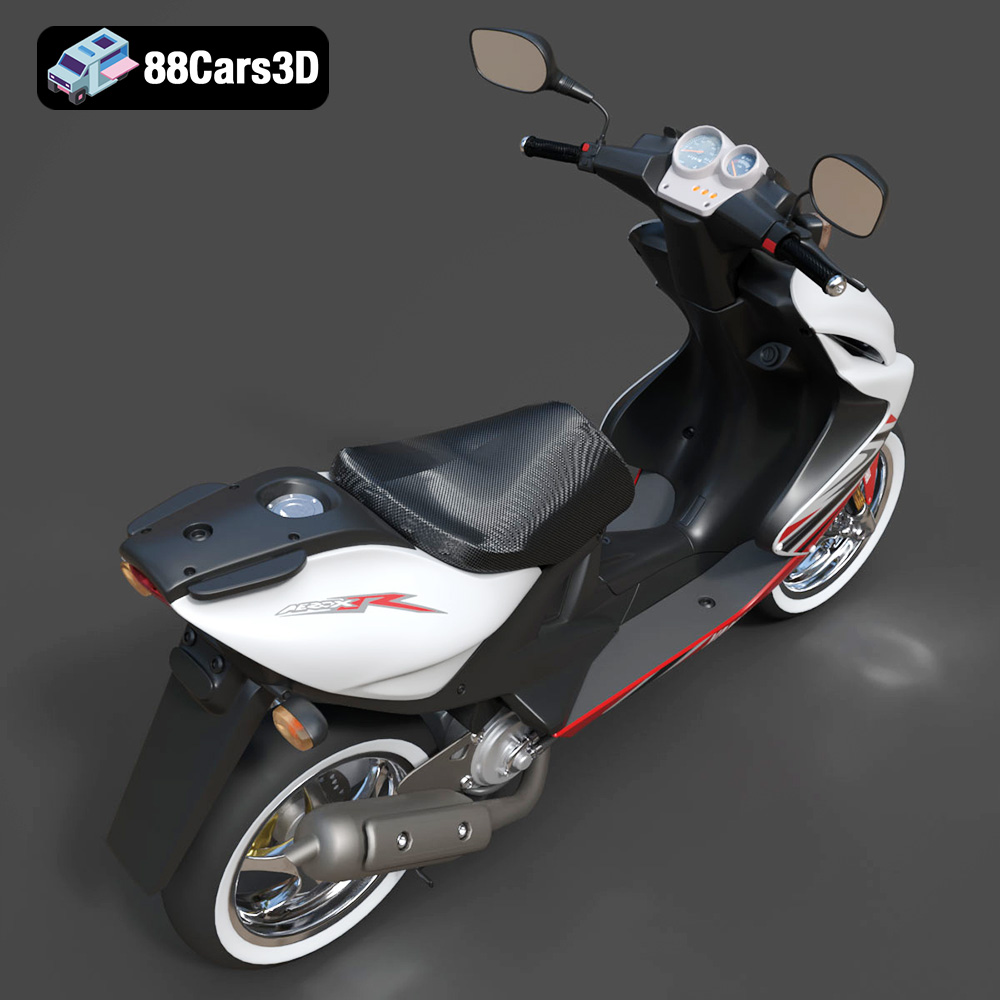
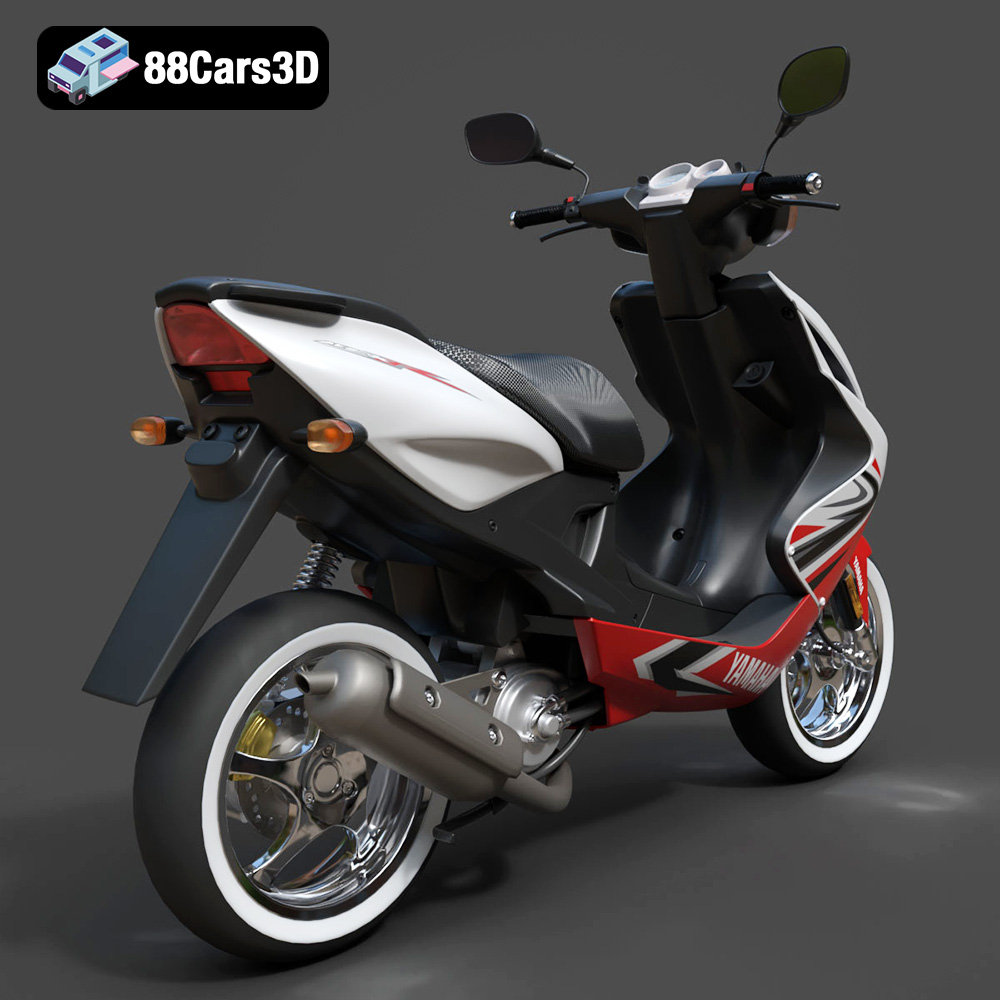
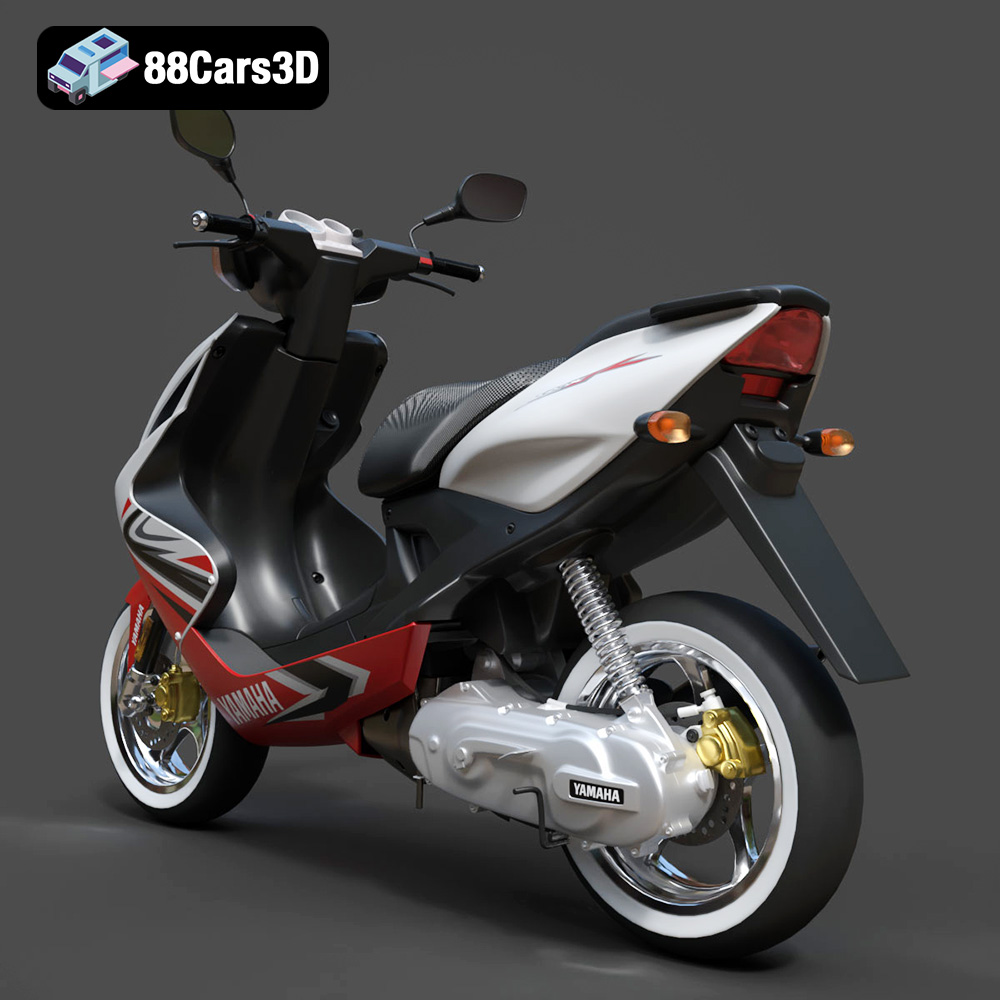
This is an immersive and accurate digital recreation of the Yamaha Aerox R-002 2024 scooter. This vehicle model is built to meticulous standards, capturing the distinct urban styling, ergonomic details, and component complexity of the real-world machine. It is ideal for projects requiring a modern, high-fidelity motorcycle asset. The model features optimized, clean geometry suitable for both real-time applications and demanding cinematic renders. The mesh topology is carefully structured, facilitating easy UV unwrapping and texture manipulation. Materials are fully PBR-ready (Physically Based Rendering), ensuring physical accuracy and consistent appearance under various complex lighting setups. This asset is prepared by industry experts for immediate integration into professional digital pipelines. This versatile asset is perfect for a wide range of digital projects including virtual reality (VR) simulations, augmented reality (AR) experiences, high-fidelity product visualization, architectural fly-throughs, and seamless integration into major game engines like Unreal Engine and Unity.
$19.99
.aerox
.arvr
.blend
.car3dmodel
.fbx
.gameasset
.glb
.max
.moped
.motorcycle
.obj
.ply
.r002
.rendering
.scooter
.simulation
.stl
.unreal
.urbanvehicle
.yamaha