In the dynamic world of 3D visualization, the demand for high-fidelity assets that can seamlessly integrate into various pipelines is ever-growing. From cinematic automotive rendering to immersive game environments and precise architectural visualizations, a quality 3D model is the bedrock of any successful project. Creating such an asset from scratch is a labor-intensive process, requiring deep technical skill and significant time investment. This is where professionally crafted 3D car models, like the Mercedes Benz C230 3D Model, become invaluable, offering a shortcut to excellence without compromising on detail or accuracy.
The Mercedes Benz C230 is an icon of luxury and refined engineering, a vehicle that commands attention. Translating this real-world presence into a digital format demands a meticulous approach to geometry, materials, and scale. Our featured asset, the Mercedes Benz C230 3D Model, embodies this commitment to quality, offering a production-ready solution for professionals across multiple industries. This model isn’t just a static representation; it’s a versatile digital tool, engineered for immediate integration and optimal performance, whether you’re pushing polygons for a photorealistic render or optimizing for real-time game asset deployment.
The Cornerstone of Digital Automotive Excellence
The quest for photorealism in 3D visualization starts with the fundamental quality of the model itself. A truly excellent 3D car model, especially one designed for professional use, must adhere to stringent standards of accuracy, topology, and material definition. The Mercedes Benz C230 3D Model exemplifies these principles, providing a robust foundation for a diverse range of projects from advertising to interactive experiences.
Precision Geometry and Subdivision Readiness
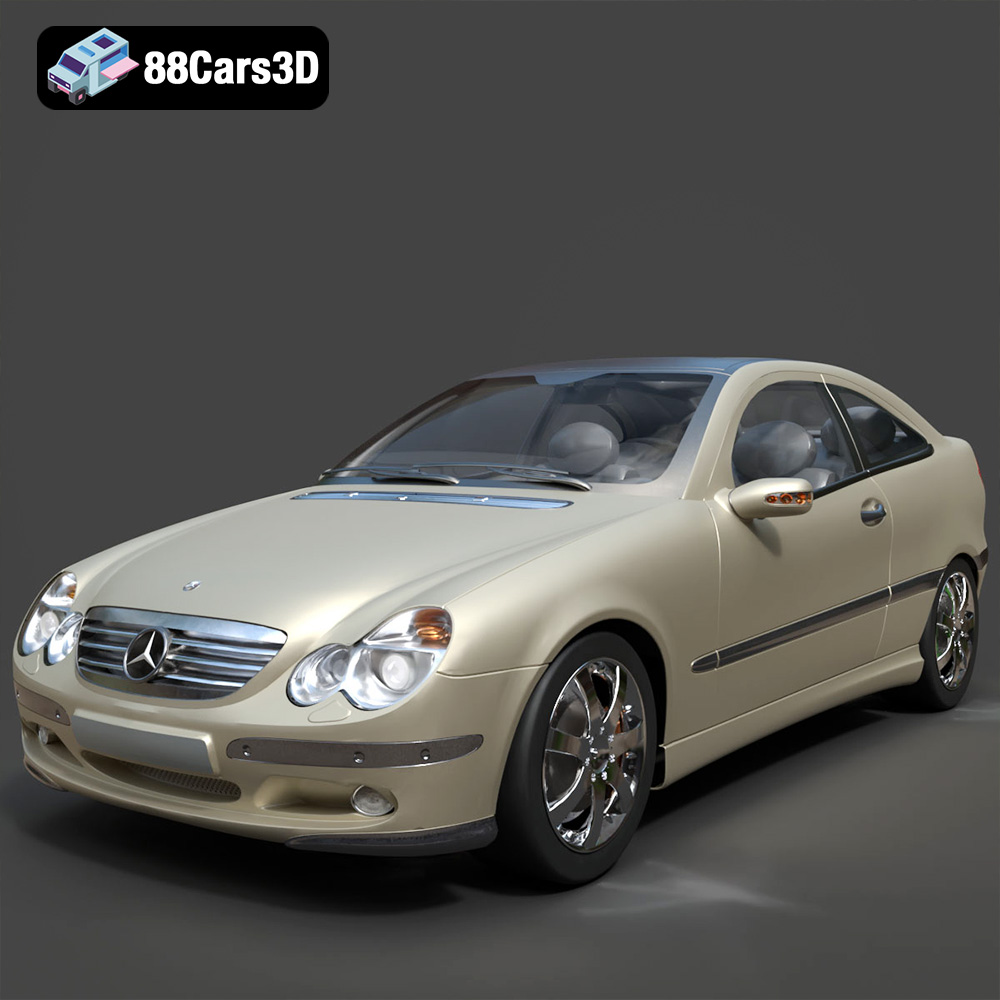
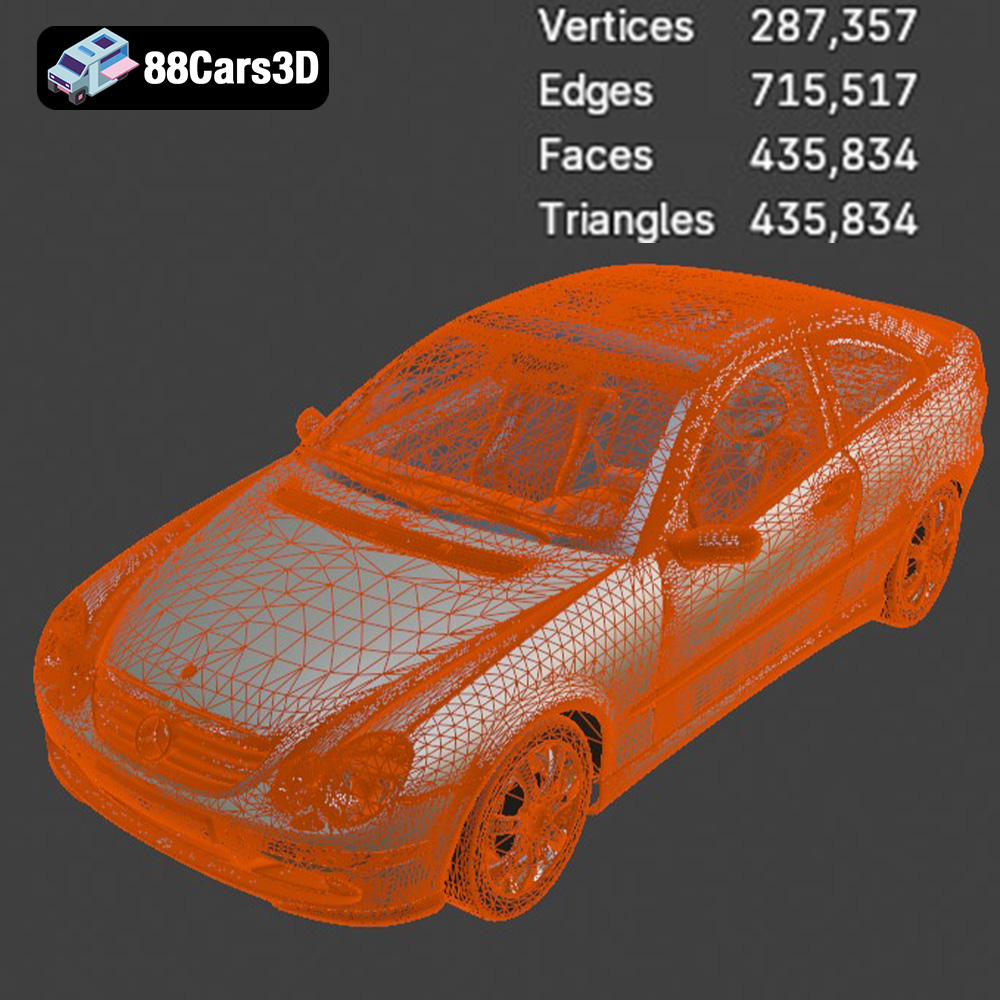
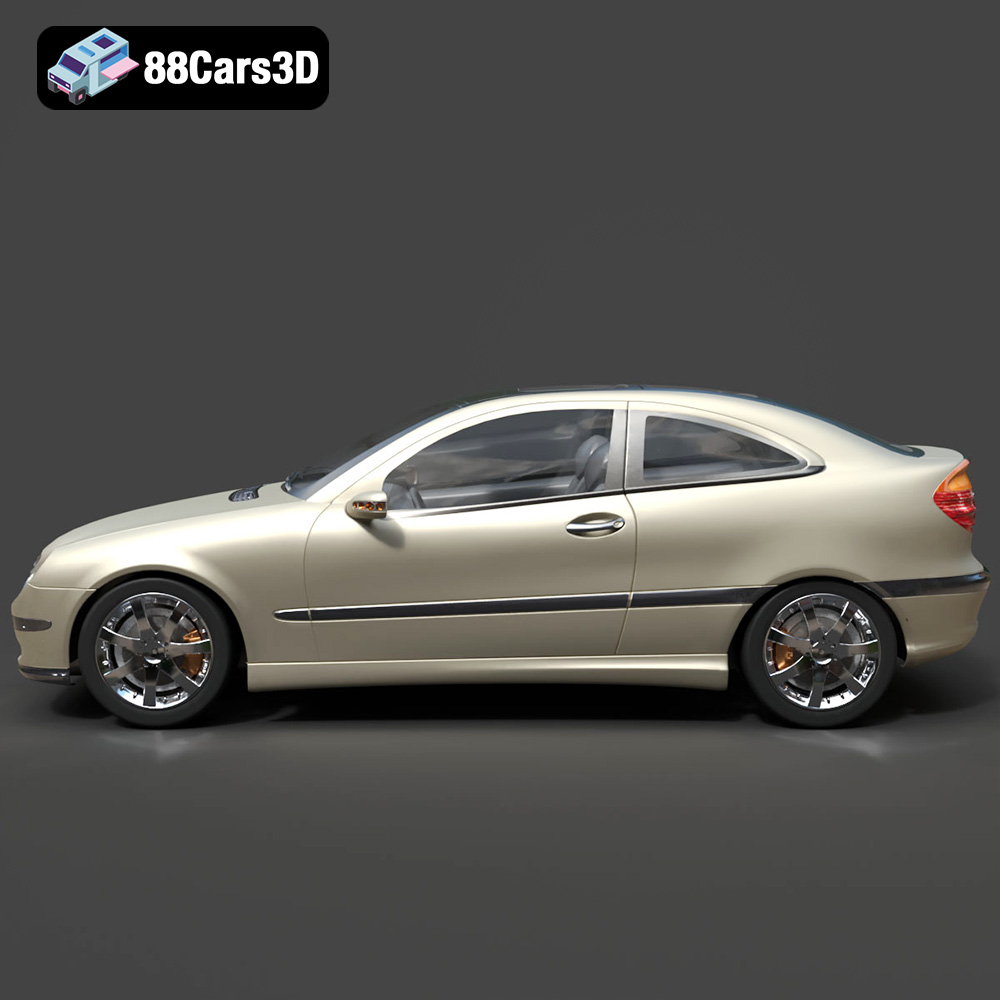
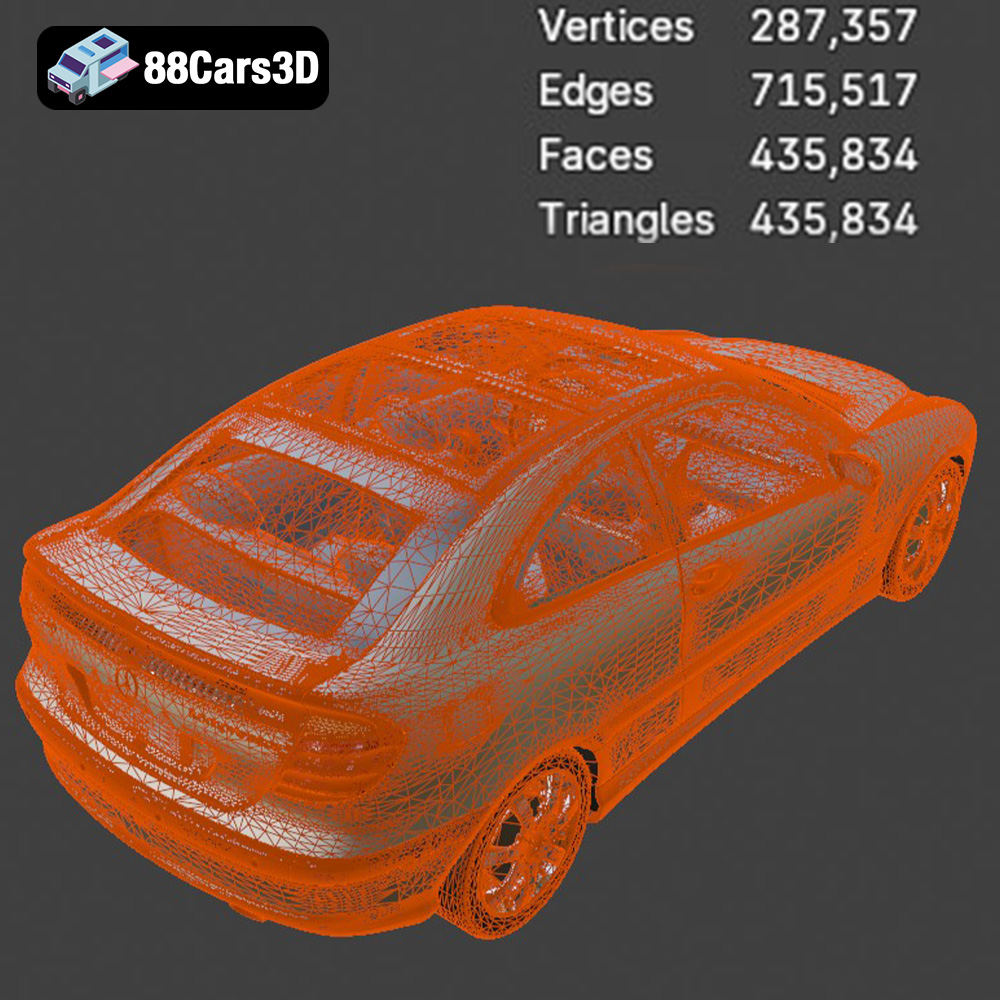
At the heart of any high-quality 3D asset is its geometry. The Mercedes Benz C230 3D Model boasts clean, optimized geometry that supports both high-fidelity rendering and efficient real-time performance. This means the mesh is constructed with quads, minimizing triangulation and ensuring smooth deformation when subdivision modifiers are applied. For close-up cinematic shots or detailed product showcases, the ability to subdivide the model without introducing artifacts is crucial. Conversely, for game engines or AR/VR applications, this clean base allows for easy creation of Level of Detail (LOD) models, ensuring performance across various hardware specifications without sacrificing visual integrity. Every curve, panel gap, and vent is accurately recreated, reflecting the engineering precision of the actual C230.
PBR Materials: The Key to Realism
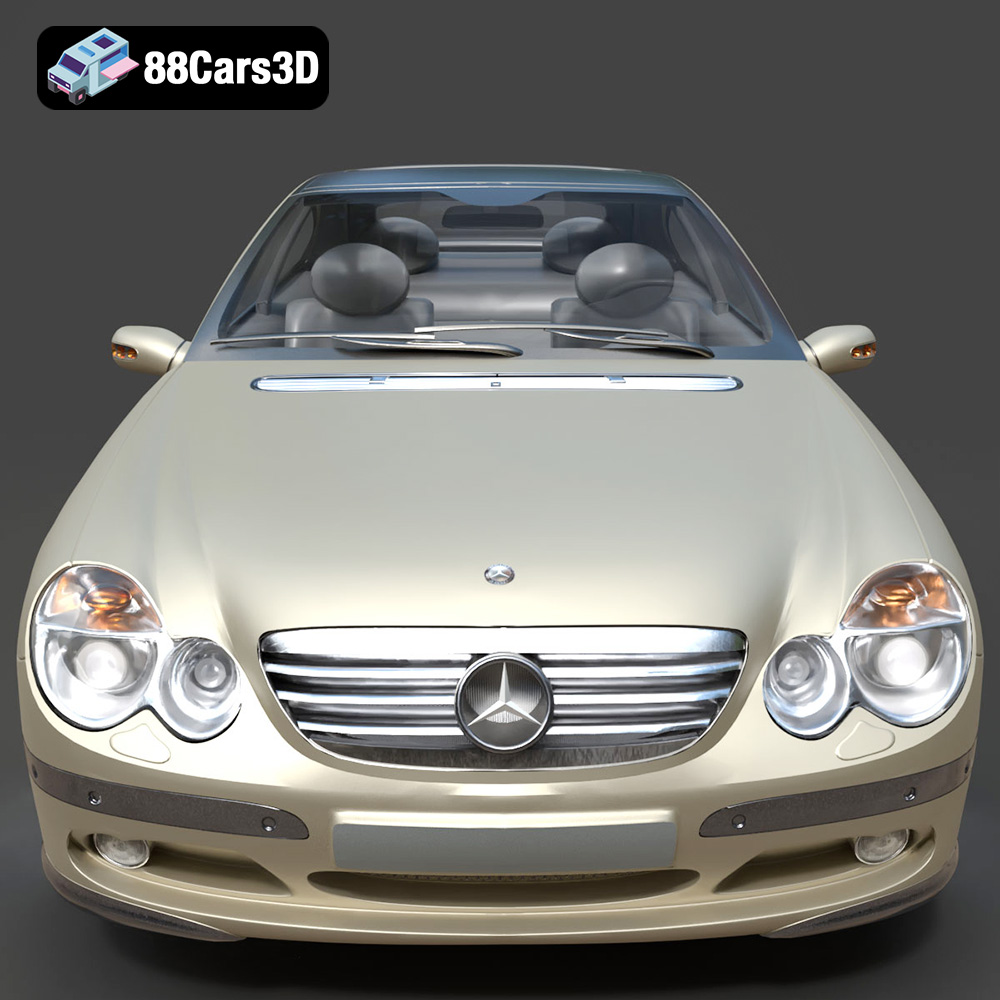
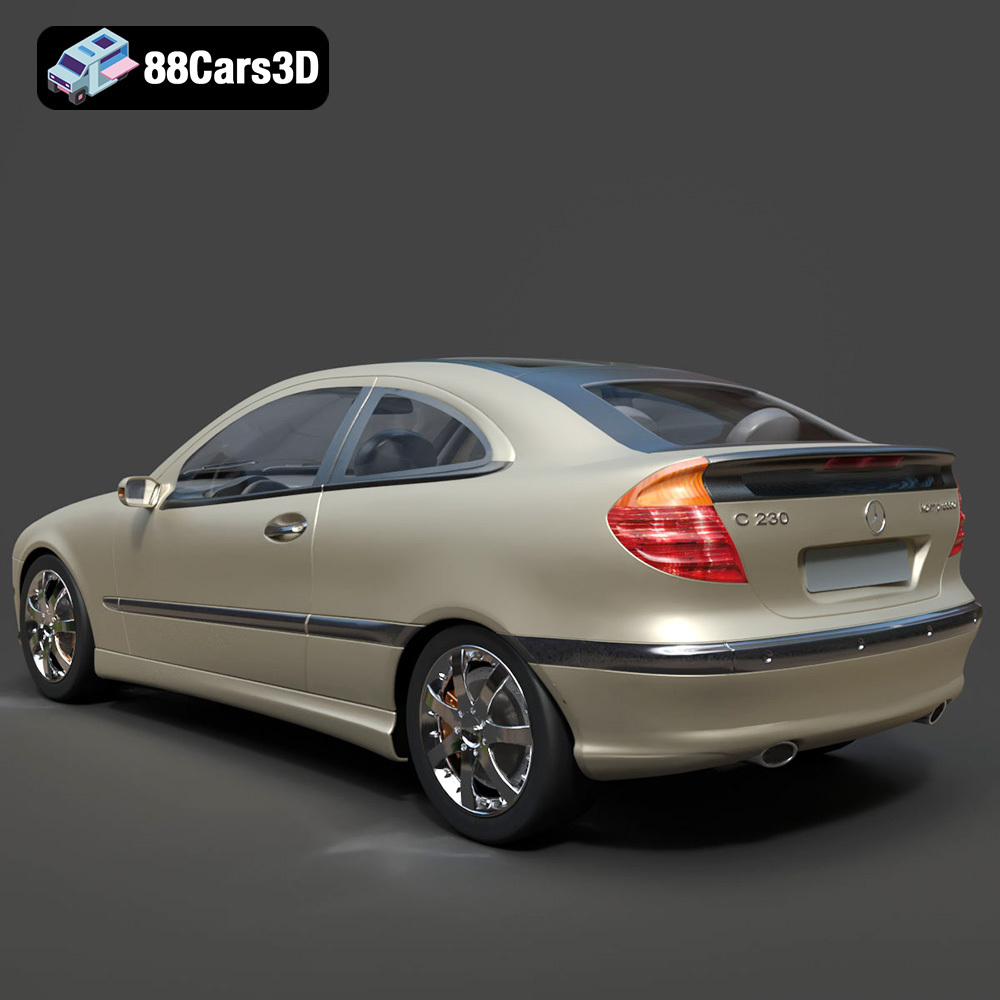
Beyond geometry, materials are paramount to achieving photorealistic automotive rendering. The Mercedes Benz C230 3D Model comes equipped with realistic Physically Based Rendering (PBR) materials. PBR workflows simulate how light interacts with surfaces in the real world, producing highly accurate and consistent results under varying lighting conditions. The model’s materials meticulously replicate the complex interplay of light on car paint (metallic flake, clear coat reflections), the translucency and reflections of glass, the subtle texture of rubber tires, and the intricate sheen of chrome accents. These pre-configured materials dramatically reduce setup time, allowing artists to focus on lighting and composition, knowing that the surfaces will react authentically within their chosen renderer or game engine.
Interior Detail and Scale Accuracy
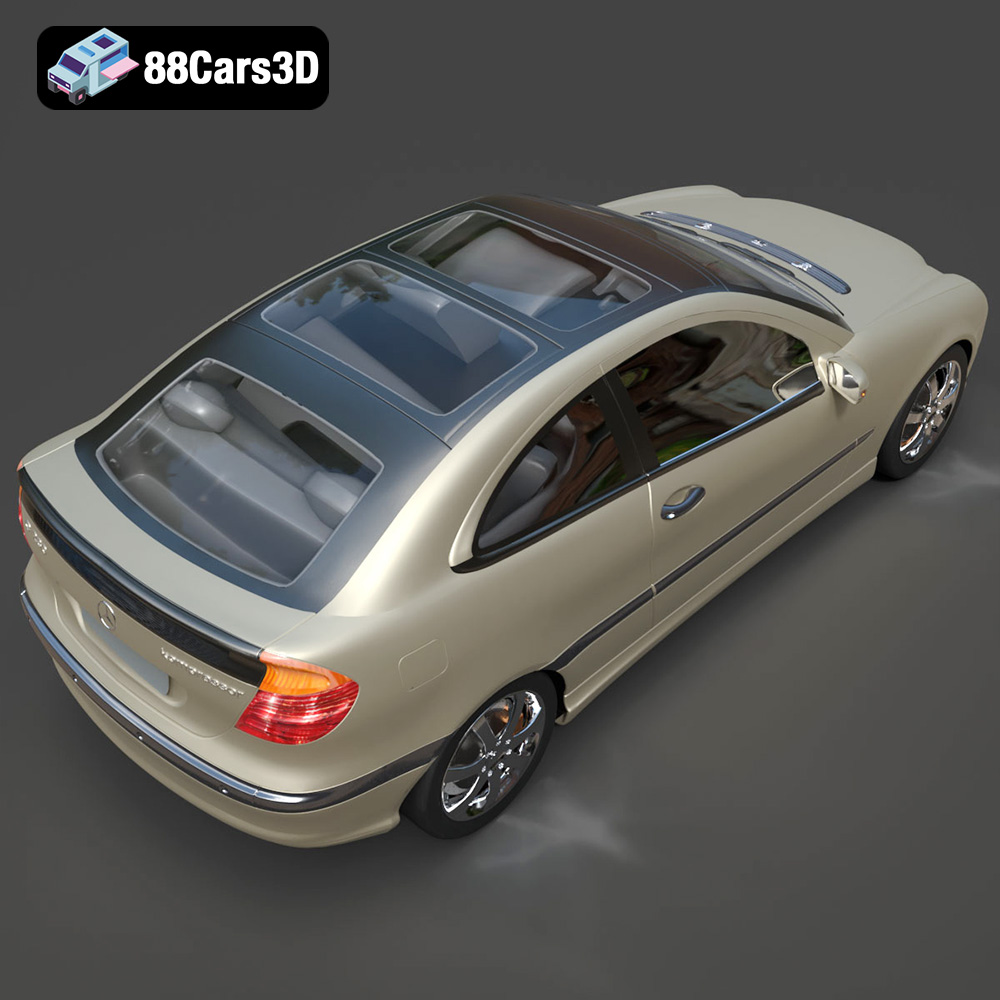
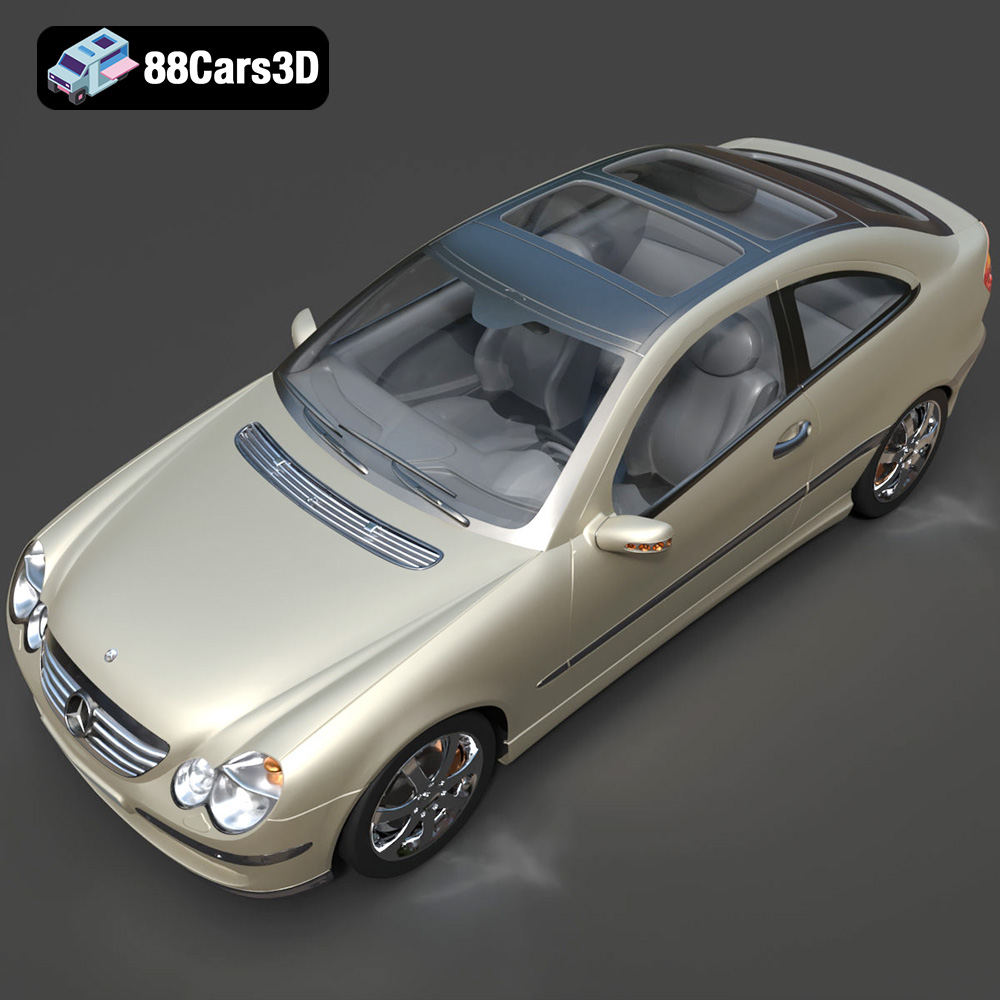
A truly comprehensive automotive 3D model isn’t complete without a meticulously detailed interior. The Mercedes Benz C230 3D Model features a fully modeled interior, making it suitable for a wide array of visualization and simulation projects where the inside of the vehicle is as important as the exterior. This level of detail is critical for projects like architectural visualization, where a car might be viewed through windows, or in virtual reality experiences where users can virtually sit inside the vehicle. Furthermore, the model is UV mapped and correctly scaled to match real-world specifications. Correct scaling is fundamental for accurate scene composition, ensuring that the car looks and feels right when placed alongside other assets, whether it’s an architectural building, a street environment, or even a virtual human character.
Understanding 3D Model File Formats
The versatility of a professional 3D car model is significantly enhanced by its availability in multiple file formats, each catering to specific software, pipelines, and use cases. The Mercedes Benz C230 3D Model from 88cars3d.com excels in this regard, offering a comprehensive suite of formats designed to maximize compatibility and efficiency across your projects. Understanding the nuances of each format is key to unlocking their full potential.
Let’s delve into the specifics of the file formats provided with the Mercedes Benz C230 3D Model:
.blend – Fully Editable Blender Scene with Materials
The .blend format is the native file type for Blender, a powerful and increasingly popular open-source 3D creation suite. When you acquire the C230 model in .blend format, you’re receiving a fully editable Blender scene. This typically includes the model’s geometry, its PBR materials configured for Blender’s Cycles or Eevee renderers, and often a basic lighting setup or studio environment. This format is ideal for Blender users who wish to customize the model, make animation adjustments, integrate it into a larger Blender project, or simply take advantage of Blender’s robust rendering capabilities. Its comprehensive nature means less setup and more creative freedom within the Blender ecosystem.
.fbx – Ideal for Unreal, Unity, and Real-Time Pipelines
.fbx (Filmbox) is a proprietary file format owned by Autodesk, widely recognized as the industry standard for interoperability between 3D software applications, especially for game development. The .fbx version of the C230 model is game-engine ready, optimized for import into Unreal Engine, Unity, and other real-time pipelines. It efficiently stores not only geometry but also materials (often baking textures into a PBR workflow), animations, skeletons, and scene hierarchies. When importing an .fbx, developers typically get a package that needs minimal tweaking to get running in a game environment, making it an indispensable format for game assets.
.obj – Universal Format for Cross-Software Compatibility
The .obj (Wavefront OBJ) format is one of the oldest and most universally supported 3D file formats. It’s a simple, text-based format primarily used to store 3D geometry (vertices, faces, normals, UV coordinates) and often references an accompanying .mtl (material) file for basic material properties. The .obj version of the C230 model ensures maximum compatibility with virtually all major 3D software, from 3ds Max to Maya, Cinema 4D, and Blender. While it might not carry complex PBR material setups as natively as .blend or .fbx, it provides a clean mesh that can be easily re-textured and integrated into any workflow, serving as a reliable backbone for cross-platform exchange.
.glb – Optimized for AR, VR, and Browser-Based Display
.glb (GL Transmission Format Binary) is the binary version of glTF, a royalty-free specification for the efficient transmission and loading of 3D scenes and models by engines and applications. The .glb format bundles all model data (geometry, textures, animations, materials) into a single file, making it incredibly efficient for web-based 3D, augmented reality (AR), and virtual reality (VR) applications. For the C230 model, the .glb format is optimized for displaying high-quality interactive models directly in browsers or AR/VR viewers, enabling rapid prototyping of immersive experiences or interactive product configurators on websites.
.stl – Suitable for 3D Printing Output
.stl (Stereolithography) is another widely adopted format, specifically designed for 3D printing, rapid prototyping, and CAD software. An .stl file represents a 3D model as a series of connected triangles (a tessellation) without any color or texture information. While the C230 model is primarily for visualization, its availability in .stl format means it can be directly prepared for 3D printing. This opens doors for creating physical scale models of the Mercedes Benz C230, useful for design reviews, educational purposes, or even custom merchandise. It represents the raw geometric data, ready for slicing and additive manufacturing.
.ply – Precision Mesh Format for CAD or Analysis
.ply (Polygon File Format or Stanford Triangle Format) is a file format for storing 3D data, particularly from 3D scanners. It can store a wider range of properties than .stl, including color, transparency, surface normals, and even confidence values. The .ply format for the C230 provides a precision mesh that can be valuable for CAD applications, detailed geometric analysis, or specific scientific visualization tasks where fine-grained mesh data is important. It’s less common for general rendering but crucial for certain engineering or analytical workflows.
.unreal – Engine-Ready Asset for Real-Time Environments
Specifically tailored for Epic Games’ Unreal Engine, the .unreal format signifies an asset that has been pre-configured or exported directly with Unreal Engine compatibility in mind. This might include optimized meshes, material instances, collision meshes, LODs, and possibly even Blueprints for quick setup. For game developers or real-time artists working with Unreal Engine, this format for the C230 model offers the most streamlined integration, saving significant time on asset preparation and ensuring optimal performance within the engine’s ecosystem.
.max – Editable 3ds Max Project for Animation and Rendering
Finally, the .max format is the native file type for Autodesk 3ds Max, a leading software for 3D modeling, animation, rendering, and visualization. Providing the C230 model in .max format means users of 3ds Max receive a fully editable project file. This includes the model’s clean geometry, PBR materials configured for renderers like V-Ray or Corona, lighting setups, and potentially cameras. It’s the go-to format for professionals focused on high-end architectural visualization, advertising renders, and complex animations, allowing full control over every aspect of the scene within their preferred software environment.
This comprehensive array of formats ensures that the Mercedes Benz C230 3D Model is not just a high-quality asset but a truly versatile one, ready to be deployed into virtually any professional 3D pipeline.
Integrating the Mercedes Benz C230 into Professional Workflows
A superior 3D model like the Mercedes Benz C230 is designed to be a catalyst for creativity and efficiency in various professional workflows. Its clean geometry, PBR materials, and multiple file formats ensure seamless integration and exceptional results.
Automotive Rendering in 3ds Max and V-Ray/Corona
For high-end automotive rendering, 3ds Max combined with powerful renderers like V-Ray or Corona is a common industry standard. The provided .max file for the C230 model is a huge advantage here. Artists can open the file and find a production-ready model with materials already set up. The workflow involves:
- Scene Setup: Import the C230 model into a studio environment or a custom scene. Since it’s correctly scaled, it will fit perfectly.
- Lighting: Set up realistic lighting, often using HDRIs (High Dynamic Range Images) for environmental illumination, complemented by area lights and reflectors to highlight the car’s curves. The C230’s PBR materials will react authentically to these light sources.
- Cameras: Position cameras to capture dynamic angles, utilizing real-world camera settings for depth of field and motion blur.
- Material Refinement: While the PBR materials are excellent, artists might fine-tune them, adjusting reflections, glossiness, or even adding custom decals for specific branding. The clean UV mapping of the C230 model makes this process straightforward.
- Rendering: Execute high-resolution renders, leveraging the model’s clean topology for smooth subdivision and realistic details, ultimately producing breathtaking marketing imagery or cinematic sequences.
Game Development with Unreal Engine
The Mercedes Benz C230 3D Model is an excellent game asset, optimized for both Unreal Engine and Unity. For Unreal Engine, the .unreal or .fbx format is the ideal choice. The integration process is highly efficient:
- Import: Import the .unreal or .fbx file directly into your Unreal Engine project. The engine will handle the material and texture setup based on the included PBR data.
- Material Instances: Create material instances to easily modify the car’s paint color, wheel finishes, or interior upholstery without affecting the base material.
- Collision and LODs: The clean geometry facilitates the creation of accurate collision meshes for realistic physics interactions. Furthermore, generating Level of Detail (LOD) models is simplified, ensuring the C230 performs optimally from close-up views to distant scenes, maintaining frame rates.
- Interaction and Animation: Implement vehicle blueprints for driving mechanics, door openings, or headlight toggles. The accurately modeled interior also allows for immersive first-person perspectives or cinematic sequences within the game engine.
ArchViz and Cinematic Sequences with Blender
Blender users will find the .blend file of the Mercedes Benz C230 3D Model exceptionally useful for architectural visualization (ArchViz) and cinematic projects. The fully editable scene provides a complete environment to start with:
- Scene Composition: Seamlessly integrate the C230 into architectural scenes, parking lots, or street environments. Its real-world scale ensures it fits proportionally.
- Animation: Utilize Blender’s powerful animation tools to create car animations, whether it’s a vehicle driving by a building or a close-up showcasing its design features. The model’s clean mesh is ideal for rigging.
- Lighting and Rendering: Leverage Blender’s Cycles or Eevee renderers to achieve stunning visual fidelity. The included PBR materials are already configured for Blender, requiring minimal adjustments.
- Customization: The editable nature of the .blend file allows for extensive customization, from adding custom textures to modifying minor details, perfectly matching the aesthetic of an ArchViz project.
Real-World Applications and Case Studies
The versatility of the Mercedes Benz C230 3D Model extends across a multitude of professional domains, proving its value as a multi-purpose asset ready for diverse applications. Its high quality makes it a prime candidate for projects demanding both visual fidelity and technical efficiency.
Elevating Automotive Marketing and Advertising
In the highly competitive automotive industry, captivating visuals are non-negotiable. The Mercedes Benz C230 3D Model offers an unparalleled advantage for marketing and advertising campaigns. Imagine hyper-realistic still renders for brochures, dynamic animated sequences for TV commercials, or interactive 3D configurators on a brand’s website. Agencies can utilize this model to showcase new features, demonstrate color options, or place the C230 in aspirational environments without the prohibitive costs and logistical challenges of physical photography or videography. Its production-ready PBR materials ensure that the paint glints and chrome shines with lifelike accuracy, capturing the essence of luxury.
Driving Immersive AR/VR Experiences
Augmented Reality (AR) and Virtual Reality (VR) are transforming how consumers interact with products. The .glb format of the C230 model is specifically optimized for these immersive platforms. Developers can create AR apps that allow potential buyers to “place” the Mercedes Benz C230 in their driveway using a smartphone, exploring its design from every angle. In VR, the detailed interior allows for virtual test drives or guided tours, providing a truly immersive brand experience. The model’s clean topology and real-time optimization are critical for maintaining smooth frame rates and a comfortable user experience in these demanding environments, making it an ideal game asset for interactive showrooms.
Simulation and Training
Beyond marketing, high-fidelity 3D car models play a crucial role in simulation and training. The fully modeled interior of the C230, combined with its accurate scaling, makes it an excellent asset for driver training simulators. Vehicle dynamics engineers can integrate the model into simulation software to study aerodynamic performance or crash test scenarios. Even for virtual prototyping, having a precise digital twin allows designers to analyze ergonomics and visualize components within the complete vehicle context. The provided .ply format, for instance, can be used for detailed geometric analysis in specialized engineering software.
The Value of a Production-Ready Asset
In a fast-paced industry, time is often the most critical commodity. Developing a high-quality 3D car model like the Mercedes Benz C230 from scratch is an undertaking that can easily consume hundreds of hours. This is where the true value of acquiring a production-ready asset from a trusted marketplace like 88cars3d.com becomes apparent.
Saving Time and Resources
The most immediate benefit is the colossal time saving. Instead of allocating resources to extensive modeling, UV unwrapping, and material creation, artists and studios can instantly access a polished asset. This allows project timelines to be significantly shortened, enabling quicker turnaround for client projects or faster development cycles for game assets. The saved time and labor can then be redirected to other critical aspects of a project, such as scene composition, lighting refinement, animation, or interactive development.
Assured Quality and Consistency
When you purchase a professional 3D car model, you’re not just buying geometry; you’re investing in expertise. Assets from 88cars3d.com are crafted with industry best practices in mind—clean topology, precise UV mapping, real-world scale, and physically accurate PBR materials. This ensures a consistent level of quality that might be challenging to achieve consistently across multiple projects or teams when starting from scratch. Furthermore, the availability in multiple formats guarantees that the asset will behave predictably and correctly across different software environments, reducing troubleshooting and rework.
The Mercedes Benz C230 3D Model embodies this promise of quality and efficiency. It’s a versatile tool that enhances workflows, elevates visual standards, and empowers creators to focus on their artistic vision rather than getting bogged down in the intricacies of asset creation. Whether for an automotive rendering masterpiece or a cutting-edge game, this model provides the reliable foundation you need.
Conclusion
The demand for high-quality, versatile 3D models in today’s digital landscape is undeniable. From crafting breathtaking automotive rendering for marketing campaigns to developing immersive game assets and detailed simulations, the foundation of any successful project lies in the integrity and usability of its 3D assets. The Mercedes Benz C230 3D Model stands out as an exemplary asset, meticulously designed to meet the rigorous demands of professional pipelines.
With its clean, subdivision-ready geometry, realistic PBR materials, fully modeled interior, and accurate real-world scaling, this model offers a robust and reliable solution for a multitude of applications. The comprehensive suite of provided file formats—including .blend, .fbx, .obj, .glb, .stl, .ply, .unreal, and .max—ensures unparalleled compatibility and ease of integration across leading 3D software and real-time engines. This means less time spent on technical setup and more time dedicated to creative exploration and project delivery.
By investing in a production-ready asset like the Mercedes Benz C230 3D Model from 88cars3d.com, artists and studios can significantly streamline their workflows, save valuable resources, and consistently achieve visually stunning results. It’s an asset that not only captures the elegance of a luxury sedan but also embodies the efficiency and quality demanded by modern 3D production.
Featured 3D Model
Mercedes Benz C230 3D Model
The Mercedes Benz C230 3D Model provides an accurate digital representation of the renowned luxury sedan. Crafted with attention to precision, this asset is optimized for close-up renders, cinematic sequences, and detailed virtual environments. It captures the engineering and design essence of the C230, offering immediate integration into professional pipelines.
$14.99
Product Image Gallery