Get 20% OFF All Premium 3D & STL Models!

In the rapidly evolving landscape of digital visualization, the demand for high-fidelity 3D car models has never been greater. From cinematic automotive rendering to immersive game environments and precise architectural visualizations, a meticulously crafted vehicle asset forms the bedrock of a compelling visual narrative. Professionals across industries recognize that generic or poorly optimized models can derail a project, leading to compromised visual quality, performance bottlenecks, and extensive rework. This is where dedicated marketplaces like 88cars3d.com step in, offering a curated selection of premium 3D vehicle assets designed to meet the most stringent industry standards.
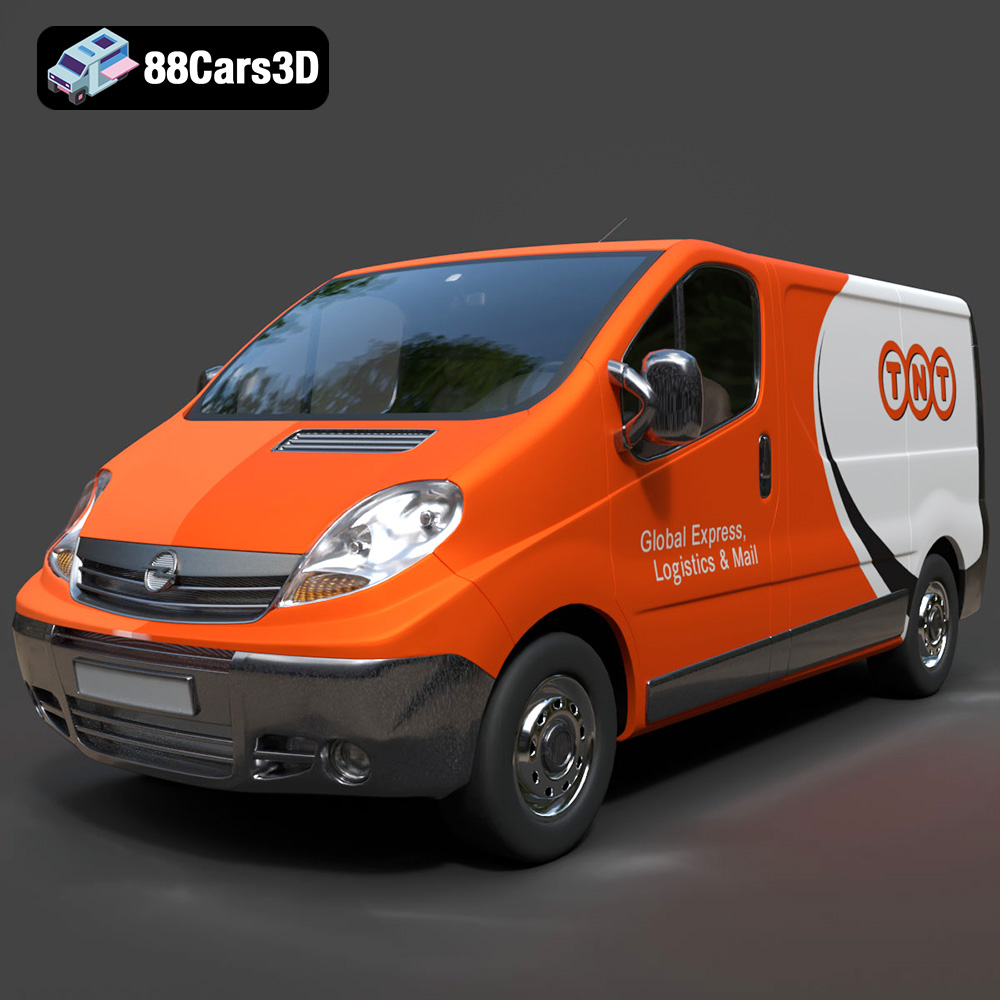
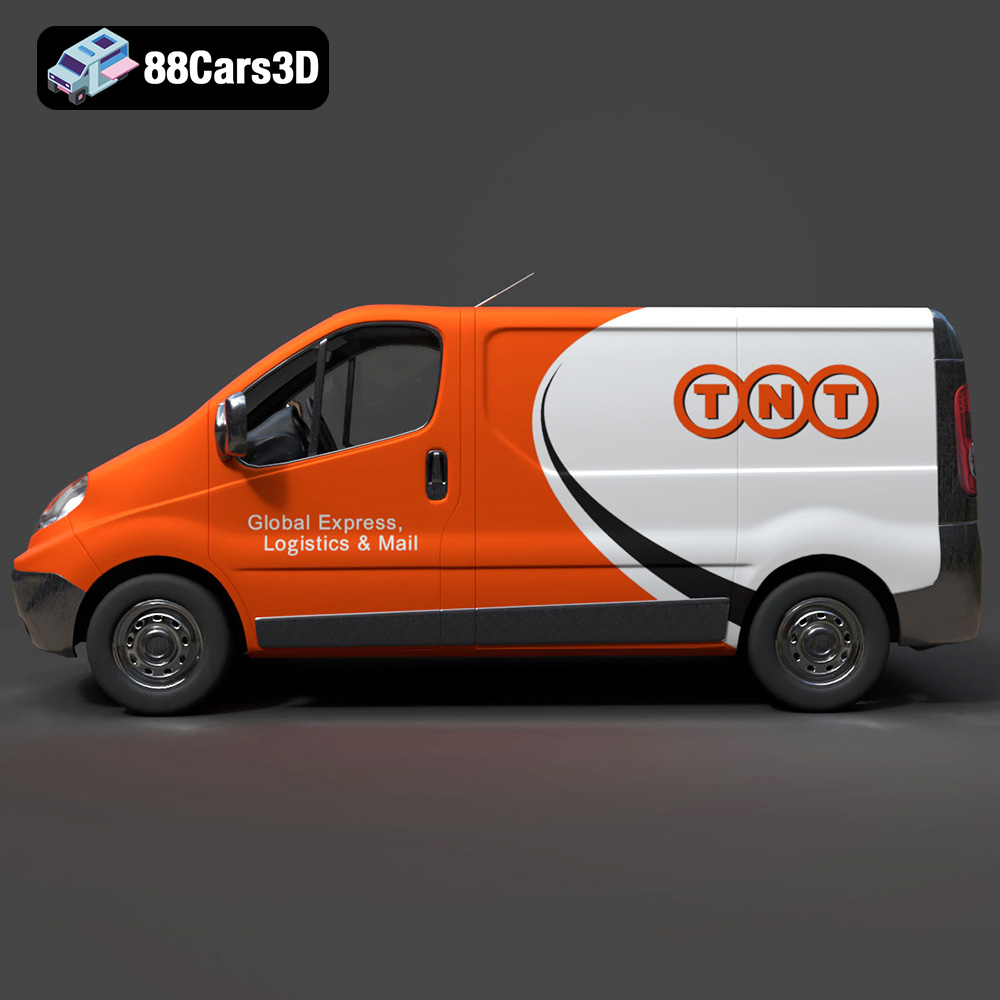
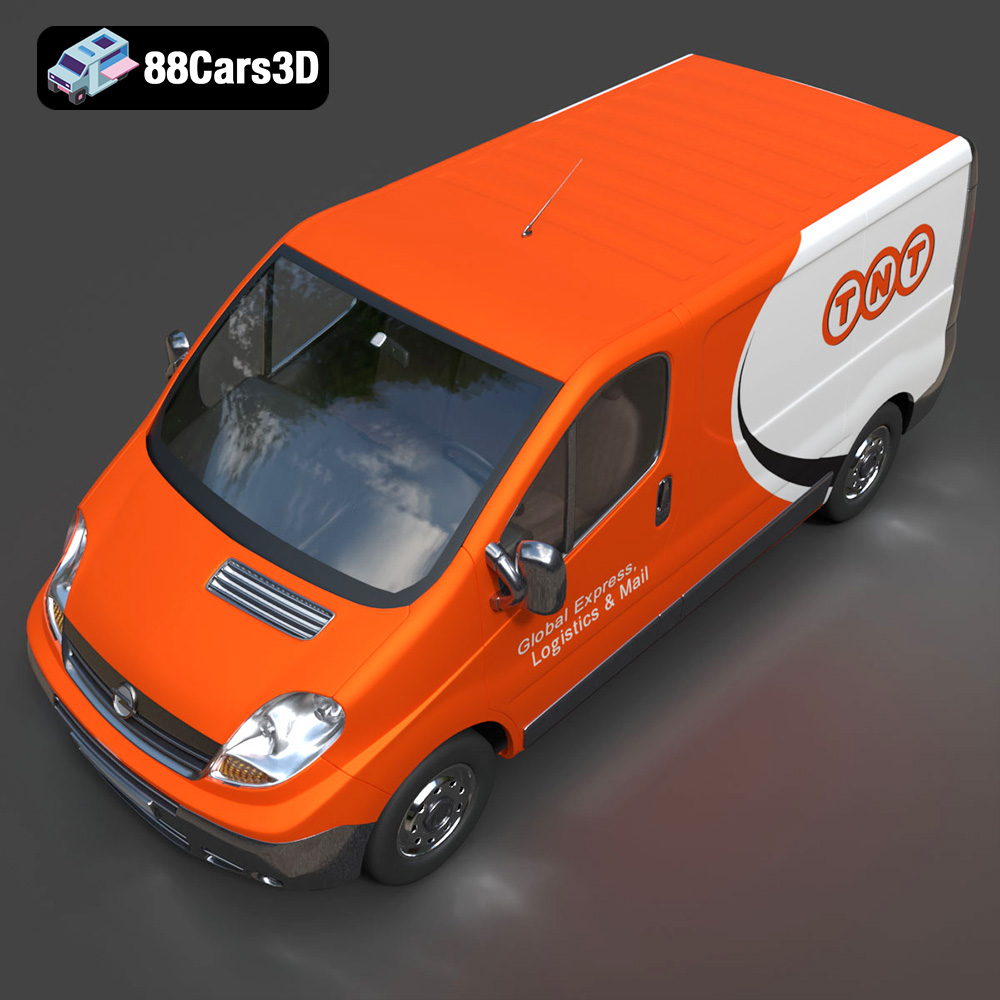
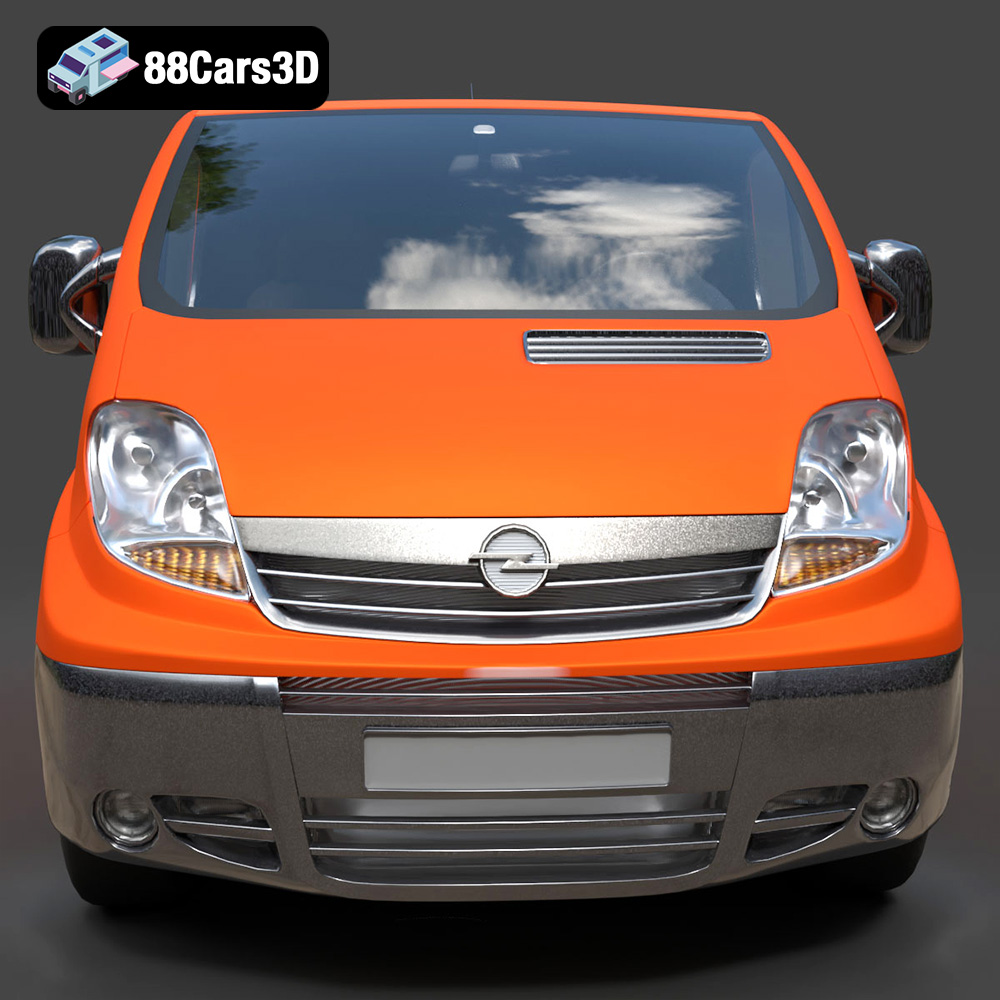
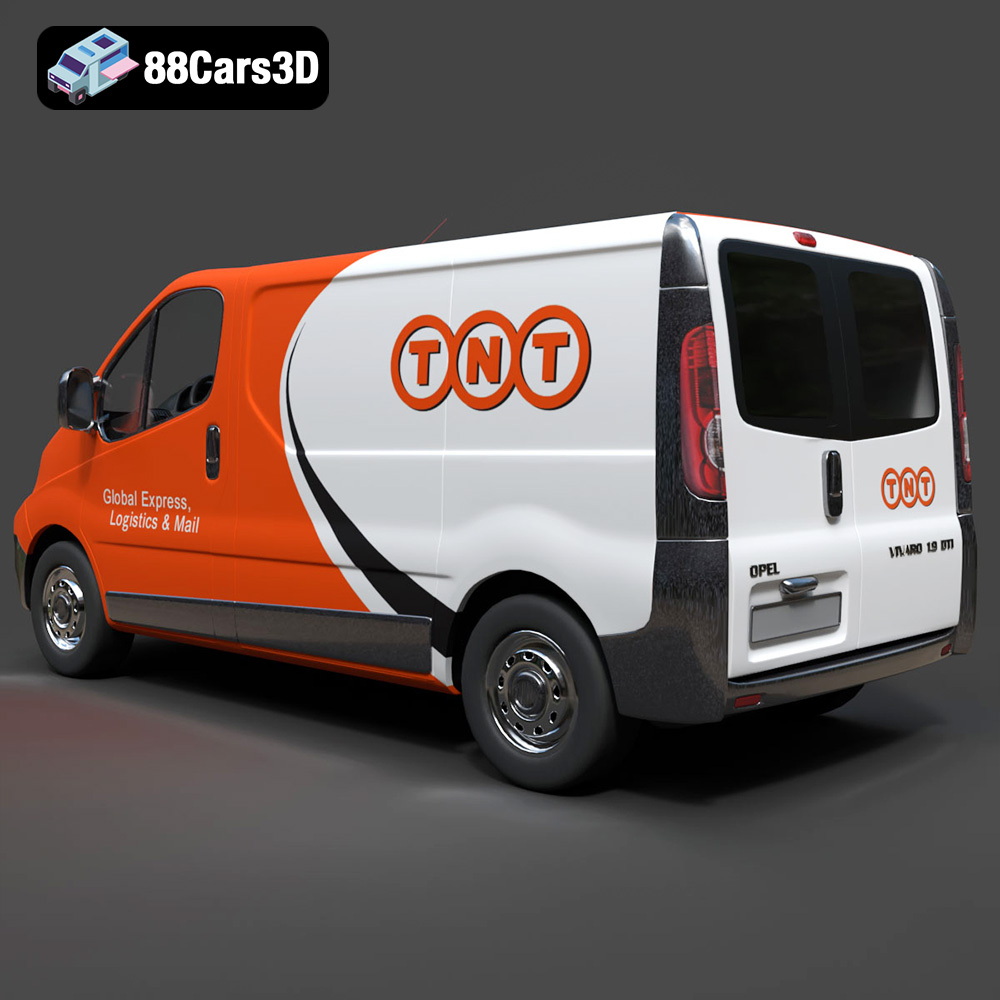
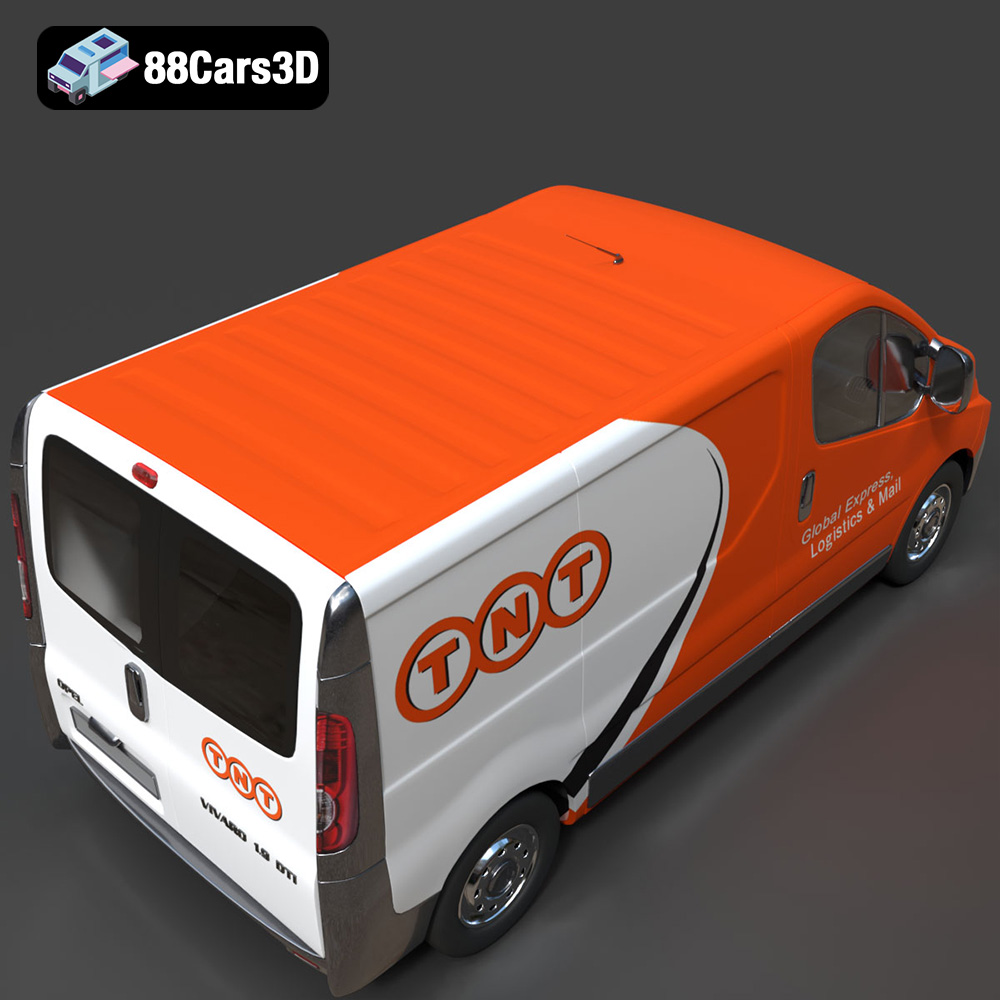
Among the impressive offerings, the Opel Vivaro 3D Model stands out as a prime example of professional-grade asset creation. This versatile commercial van, known for its functional design and robust utility, has been digitally recreated with an exceptional level of detail and technical precision. Whether your project demands realistic animations, detailed simulations, or seamless integration into a real-time game engine, this model is engineered to deliver. It embodies the core principles of excellent 3D modeling: clean geometry, accurate scale, and comprehensive optimization for diverse applications. Throughout this deep dive, we will explore the technical nuances that make such 3D car models indispensable and demonstrate how assets like the Opel Vivaro empower creators to achieve their artistic and technical objectives with unparalleled efficiency and visual fidelity.
The versatility of a professional 3D model, such as the Opel Vivaro 3D Model available on 88cars3d.com, is significantly enhanced by its availability in a variety of industry-standard file formats. Each format serves a distinct purpose, optimized for specific software, workflows, or end-use scenarios. Understanding these distinctions is crucial for seamless integration and optimal performance within your projects.
The `.blend` file format represents a fully editable Blender scene. For users of Blender, this is the most comprehensive and flexible option. It encapsulates not only the mesh geometry but also all associated materials, textures, lighting setups, cameras, animations, and even physics simulations if present. The Opel Vivaro’s `.blend` file allows for direct manipulation within Blender, enabling artists to easily modify paint finishes, body graphics, adjust material properties using Eevee or Cycles, or integrate the model into a larger Blender-based scene without any conversion issues. This format ensures that all the author’s optimizations and setup are preserved.
`.fbx` (Filmbox) is a proprietary file format developed by Autodesk, widely regarded as the industry standard for 3D data exchange between different software applications and game engines. It supports geometry, materials (with some limitations on complex shader graphs), textures, skeletal animations, blend shapes, and more. For projects destined for Unreal Engine, Unity, or other real-time pipelines, the `.fbx` version of the Opel Vivaro is often the preferred choice due to its robust support for animation and hierarchal data. Its efficiency in transferring complex scene information makes it indispensable for professional game development and animation studios.
The `.obj` (Wavefront OBJ) format is one of the oldest and most widely supported 3D file formats. It is a universal solution for transferring mesh geometry, UV coordinates, and basic material definitions (via an accompanying `.mtl` file) between virtually any 3D software. While it lacks support for animation or advanced material definitions, its widespread compatibility makes the `.obj` version of the Opel Vivaro invaluable for simple imports into unfamiliar software or for artists who primarily focus on static renders and require a highly portable mesh. It’s excellent for ensuring cross-software compatibility when complex animations aren’t the primary concern.
`.glb` (GL Transmission Format Binary) is the binary version of glTF, a royalty-free specification for the efficient transmission and loading of 3D scenes and models by applications. Optimized for real-time applications and the web, `.glb` files package geometry, materials, textures, and animation into a single compact file. The Opel Vivaro in `.glb` format is perfectly suited for developing immersive augmented reality (AR) and virtual reality (VR) experiences, or for displaying the model interactively within a web browser, offering rapid loading times and a streamlined integration process.
`.stl` (STereoLithography) is the de facto standard file format for 3D printing. It represents a 3D model as a series of connected triangles, defining only the surface geometry of an object without color, texture, or other CAD attributes. For those looking to create a physical scale model of the Opel Vivaro, the `.stl` file provides the necessary data for slicing software to prepare the model for additive manufacturing. While the Opel Vivaro 3D Model is highly detailed, converting to `.stl` means it’s ready for translation into a tangible object.
The `.ply` (Polygon File Format, or Stanford Triangle Format) is a format for storing three-dimensional data from 3D scanners. It supports geometry, colors, and other data for each vertex and face, offering a more comprehensive representation than `.stl` for certain applications. While less common for general artistic use, the `.ply` version of the Opel Vivaro can be particularly useful for precision mesh analysis, scientific visualization, or integration into specific CAD (Computer-Aided Design) workflows where detailed surface information beyond simple triangles is required.
The `.unreal` format denotes an asset specifically prepared and optimized for direct integration into Unreal Engine projects. This often means pre-configured materials, collision meshes, LODs (Levels of Detail), and a proper asset hierarchy, streamlining the import process and ensuring optimal performance within the engine. The Opel Vivaro 3D Model’s `.unreal` option signifies that the laborious setup tasks typically associated with bringing a complex vehicle into a game engine have already been addressed, saving significant development time for game developers and real-time visualization specialists.
Similar to `.blend` for Blender, the `.max` file format is the native project file for Autodesk 3ds Max. It encompasses the entire scene, including geometry, materials, textures, lighting, cameras, animation, and any specific modifiers or plugins used. For professionals whose primary workflow revolves around 3ds Max for high-fidelity rendering and animation, the `.max` version of the Opel Vivaro offers complete editability and leverages the full power of 3ds Max’s tools and renderers like V-Ray or Corona, ensuring seamless integration into existing production pipelines.
The availability of the Opel Vivaro 3D Model in such a comprehensive array of formats highlights its versatility and the foresight in its creation. This multi-format approach ensures that creators, regardless of their preferred software or target application, can leverage this high-quality asset effectively.
The true value of a premium 3D vehicle asset lies not just in its aesthetic appeal but in its underlying technical craftsmanship. The Opel Vivaro 3D Model from 88cars3d.com exemplifies this principle, offering a robust foundation for a multitude of digital applications. Its design philosophy prioritizes both visual fidelity and practical usability, making it an indispensable tool for professional designers and developers.
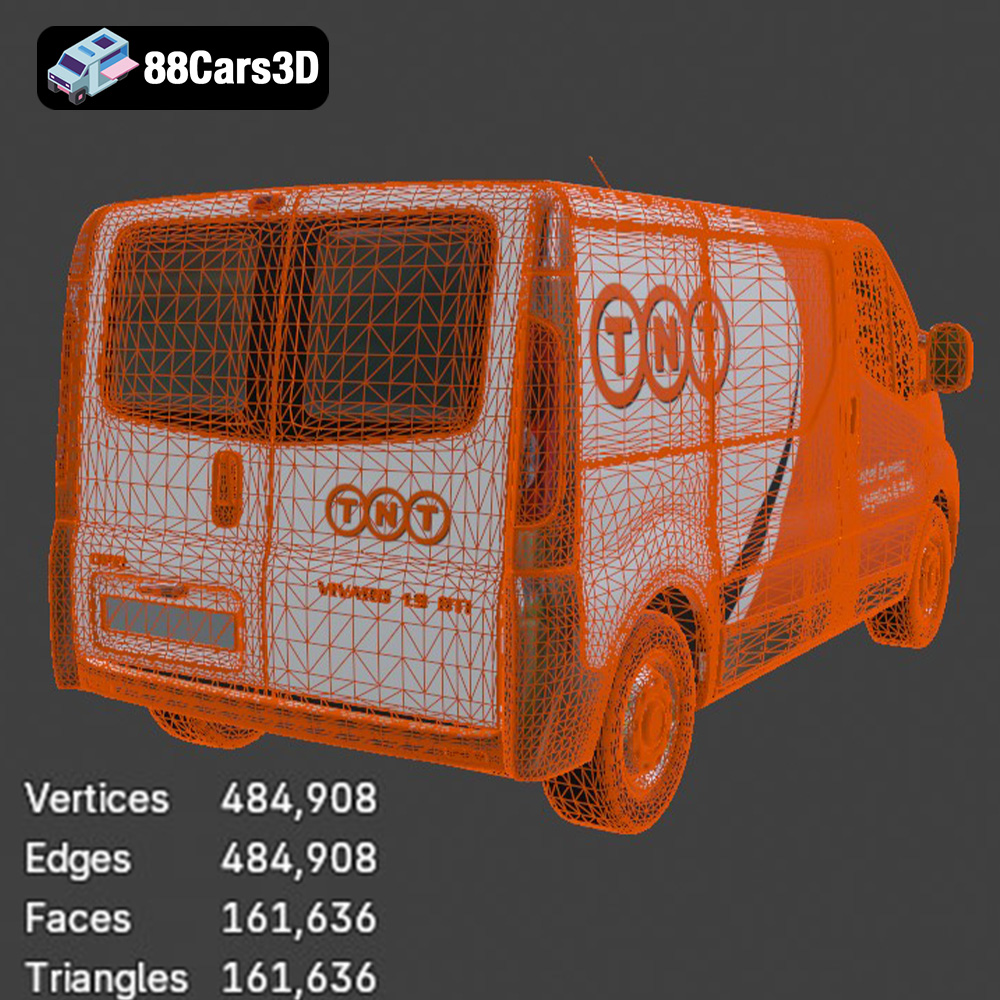
At the core of the Opel Vivaro 3D Model is its clean, quad-dominant topology. This is a critical technical advantage, especially for models intended for animation, subdivision, and high-fidelity rendering. Quad polygons (four-sided faces) are inherently more stable during deformation and allow for predictable smoothing and subdivision, producing cleaner results with fewer artifacts compared to triangulated meshes. This meticulous approach ensures that when the model is subdivided for close-up renders or subjected to deformation during animation, it maintains its integrity and smooth contours, accurately replicating the Vivaro’s real-world design. Furthermore, the model is built to accurate real-world scale, facilitating seamless integration into architectural visualization (arch-viz) scenes or other scaled environments without the need for manual resizing and recalibration, which often leads to misaligned physics or lighting.
A static mesh is often just the beginning. The Opel Vivaro 3D Model is engineered for dynamic use, featuring separated doors, hood, and tailgate. This modular design is paramount for animation and rigging workflows. Each movable part has its own logical naming convention and proper pivot points, allowing animators to quickly and accurately articulate these components without extensive setup. Imagine showcasing the Vivaro’s loading capacity by animating its rear doors opening, or demonstrating engine maintenance by lifting the hood. This pre-configured structure significantly reduces the time and effort required to integrate the model into complex animated sequences, making it an invaluable asset for automotive commercials, product demonstrations, or interactive simulations.
Beyond the foundational mesh, the Opel Vivaro boasts authentic detailing that elevates its visual realism. This includes meticulously modeled headlights, taillights, and indicator lights, complete with transparent materials ready for advanced lighting setups. The wheels, tires, and even subtle brake components are realistically rendered, adding crucial elements of realism that are often overlooked in less professional models. Accurate badging and trim elements further contribute to the model’s authenticity, ensuring that it is immediately recognizable as the Opel Vivaro. While the interior is partially detailed, focusing on key elements like the dashboard, steering wheel, and seating, it strikes an optimal balance between visual presence and performance, preventing unnecessary polygon overhead for scenes where the interior isn’t the primary focus. This attention to detail, coupled with an optimized mesh, means artists can achieve stunning renders without compromising on scene complexity or render times.
The true measure of a high-quality 3D car model lies in its seamless integration into diverse professional workflows. The Opel Vivaro 3D Model, with its multiple file formats and optimized structure, is designed precisely for this purpose, empowering artists and developers using a range of industry-standard software.
For those specializing in photorealistic automotive rendering, the Opel Vivaro provides an exceptional starting point. In environments like Autodesk 3ds Max or Blender, leveraging its `.max` or `.blend` files respectively, artists gain full control over materials, lighting, and camera angles. For example, in 3ds Max, artists can easily load the Vivaro model and apply advanced materials using renderers like V-Ray or Corona. This involves setting up PBR (Physically Based Rendering) materials for paint, glass, rubber, and plastics, adjusting reflection, refraction, and normal maps to achieve hyper-realistic surfaces. Similarly, Blender users can take advantage of Cycles or Eevee, utilizing the pre-configured materials in the `.blend` file as a base for further customization. Studio lighting setups, HDRI environments, and advanced camera effects can then be applied to create stunning marketing visuals, cinematic sequences, or detailed product showcases. The organized hierarchy and proper pivot points are crucial here, allowing for easy placement on turntables or within complex scene compositions.
The demand for high-quality game assets is ever-present, and the Opel Vivaro 3D Model excels in this arena. Utilizing the `.fbx` or the specific `.unreal` file, game developers can efficiently integrate the Vivaro into engines like Unreal Engine or Unity. The `.fbx` format streamlines the import process, bringing in the mesh, UVs, and basic material assignments. Developers can then apply engine-specific PBR materials, set up collision meshes, and implement Levels of Detail (LODs) to ensure optimal performance across different platforms and viewing distances. The pre-separated body parts are invaluable for creating interactive elements, such as opening doors in an open-world game or simulating damage effects. For Unreal Engine users, the `.unreal` package significantly reduces setup time by providing an engine-ready asset with potentially pre-configured blueprints or material instances, allowing for immediate placement and interaction within the game world. This efficiency is critical in fast-paced game development cycles.
Beyond pure automotive contexts, the Opel Vivaro 3D Model serves as an excellent prop for architectural and product visualization projects. Imagine a large commercial building rendering that needs a fleet of vans for a logistics company, or a new parking lot design that requires realistic vehicle placement. The Vivaro’s real-world scale and authentic detailing allow it to seamlessly blend into these scenes, adding a layer of realism and context without demanding extensive modeling effort. For product visualization, the van could be depicted transporting goods, or its interior partially used to showcase custom shelving or cargo solutions. Its customizable paint finishes and decals mean it can be branded to match any corporate identity, making it a versatile tool for demonstrating logistics, urban planning, or commercial property use.
While stunning automotive rendering is a primary application for models like the Opel Vivaro, their utility extends far into various other professional domains, proving their multifaceted value as sophisticated 3D car models.
The Opel Vivaro 3D Model is a robust asset for game development. Its optimized mesh quality and clean topology are ideal for integration into racing games, open-world simulations, or even mobile titles. Game designers can use it as a driveable vehicle, a static background prop, or an interactive element within specific game mechanics. The pre-separated doors and hood are perfect for adding realism to vehicle damage systems, allowing parts to deform or detach. Furthermore, the model’s logical hierarchy and proper pivot points simplify the rigging process for physics engines, enabling realistic suspension, steering, and acceleration behaviors, which are crucial for immersive gameplay. This asset allows developers to focus on game logic and player experience, rather than spending valuable time on complex vehicle modeling.
Augmented Reality (AR) and Virtual Reality (VR) experiences thrive on realism, and the Opel Vivaro in its `.glb` format is perfectly suited for this purpose. Imagine an AR application where you can virtually park the Vivaro in your driveway to see how it fits, or a VR training simulation for delivery drivers. The optimized nature of the `.glb` file ensures smooth performance even on mobile AR devices or less powerful VR headsets, providing a seamless and immersive experience. Businesses can leverage this for interactive product showcases, allowing potential customers to explore the vehicle’s features in a virtual environment before making a purchase. The fidelity of the Vivaro model brings a tangible quality to these digital interactions.
High-fidelity 3D models are fundamental to creating accurate and effective simulations. The Opel Vivaro 3D Model can be a cornerstone for automotive simulations, driver training modules, or logistics planning visualizations. For driver training, the model can be placed in virtual environments to simulate various road conditions, traffic scenarios, or parking challenges. Its accurate scale and realistic representation contribute to a believable training environment, helping drivers practice maneuvers without real-world risks. In logistics, companies can use the model to visualize fleet management, optimize delivery routes, or plan warehouse layouts, integrating it into virtual scenarios to test efficiency and resource allocation. The detailed exterior and partially detailed interior provide enough visual context to make these simulations highly effective.
The ability to transition from digital to physical is a significant advantage in product development and design. With the Opel Vivaro 3D Model’s `.stl` file, creators can easily produce physical scale models. This is invaluable for rapid prototyping, concept validation, or creating tangible marketing displays. Architects might use a 3D-printed Vivaro to complement a physical model of a building project, demonstrating scale and context. Automotive enthusiasts or model makers can create custom, high-detail replicas. The clean mesh of the original model ensures that the `.stl` conversion results in a manifold, printable mesh, minimizing issues during the 3D printing preparation phase.
In professional 3D production, it is not enough for a model to simply look good; it must also perform efficiently. The Opel Vivaro 3D Model is built with performance and scalability in mind, a critical factor for complex scenes, real-time applications, and diverse project requirements.
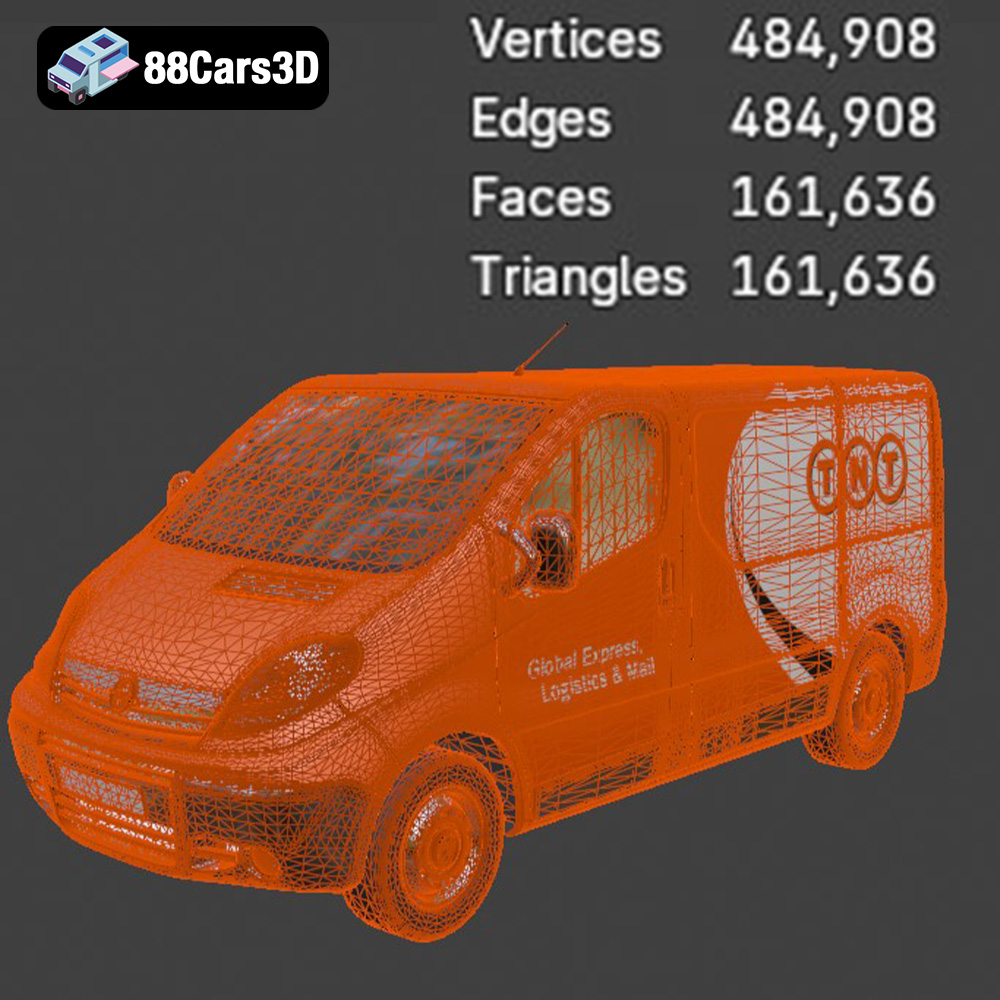
The Opel Vivaro 3D Model is engineered with “balanced detailing” and “optimized mesh quality.” This means that while it features authentic exterior and partial interior elements, the polygon count is carefully managed to ensure efficient resource usage without sacrificing visual fidelity. In high-fidelity rendering, this optimization leads to faster render times. In real-time applications like games or AR/VR, it translates to higher frame rates and smoother user experiences. For instance, areas not typically seen up close (like certain undercarriage components) might have a basic representation rather than excessive detail, conserving polygons where they don’t add significant visual value. This intelligent distribution of detail makes the Vivaro suitable for both close-up hero shots and distant background elements, accommodating various levels of detail depending on the project’s specific needs.
The professional utility of the Opel Vivaro 3D Model is further enhanced by its inherent customization options. Artists can effortlessly modify paint finishes, body graphics, and decals to match specific branding requirements, simulate different scenarios (e.g., police van, delivery truck, passenger shuttle), or simply explore creative color schemes. The ability to adjust material properties—metals for realistic reflections, plastics for subtle imperfections, glass for accurate refraction, and rubber for texture and grip—allows for fine-tuning the visual output to perfectly match environmental conditions or stylistic preferences. Furthermore, customizing lighting setups can simulate various times of day, weather conditions, or studio environments, providing endless possibilities for visual storytelling. This level of adaptability ensures the Opel Vivaro 3D Model remains a valuable asset across numerous projects, capable of evolving with each unique creative vision.
In the fast-paced world of 3D production, time is a precious commodity, and quality is non-negotiable. Relying on expertly crafted 3D car models like the Opel Vivaro 3D Model from 88cars3d.com offers significant advantages over attempting to model vehicles from scratch or settling for sub-par alternatives. The meticulous attention to detail in topology, scale, texture, and organization embedded in such assets empowers professionals to achieve superior results with greater efficiency.
From architectural visualizations that demand realistic street scenes to game environments that require robust, optimized vehicles, and cinematic renders that call for breathtaking fidelity, the right 3D asset can be the difference between a project that shines and one that struggles. The Opel Vivaro, with its comprehensive file format support, animation-ready structure, and balanced optimization, is more than just a model; it’s a strategic investment in your project’s success. It underscores the commitment of 88cars3d.com to provide assets that not only look exceptional but are also technically sound and production-ready for the most demanding creative and technical endeavors. Elevate your digital projects by choosing quality, precision, and performance.
Step into the world of professional 3D visualization with our meticulously crafted Opel Vivaro 3D model. This digital rendition accurately captures the essence of the versatile commercial van, known for its functional design and robust utility. Built with clean, quad-dominant geometry and balanced detailing, this model is engineered for optimal performance across various applications. It is ideal for high-fidelity rendering, realistic animations, detailed simulations, and seamless integration into game development projects.
$21.99