Get 20% OFF All Premium 3D & STL Models!

In the rapidly evolving landscape of 3D visualization, the demand for realistic and versatile assets has never been higher. From breathtaking cinematic sequences and immersive game worlds to precise architectural walkthroughs and cutting-edge AR/VR experiences, high-quality 3D car models are often at the heart of bringing these digital realities to life. They serve not just as static objects, but as dynamic components that convey realism, scale, and functional elegance within any scene.
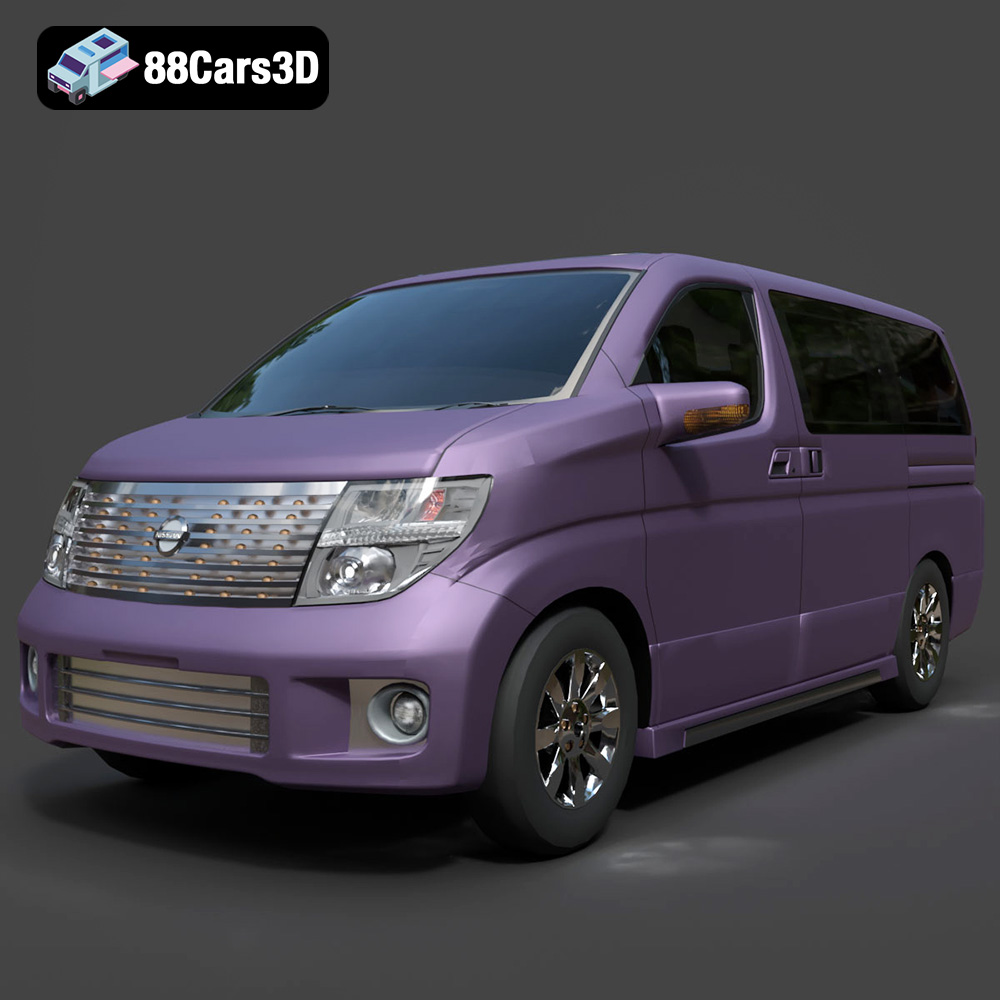
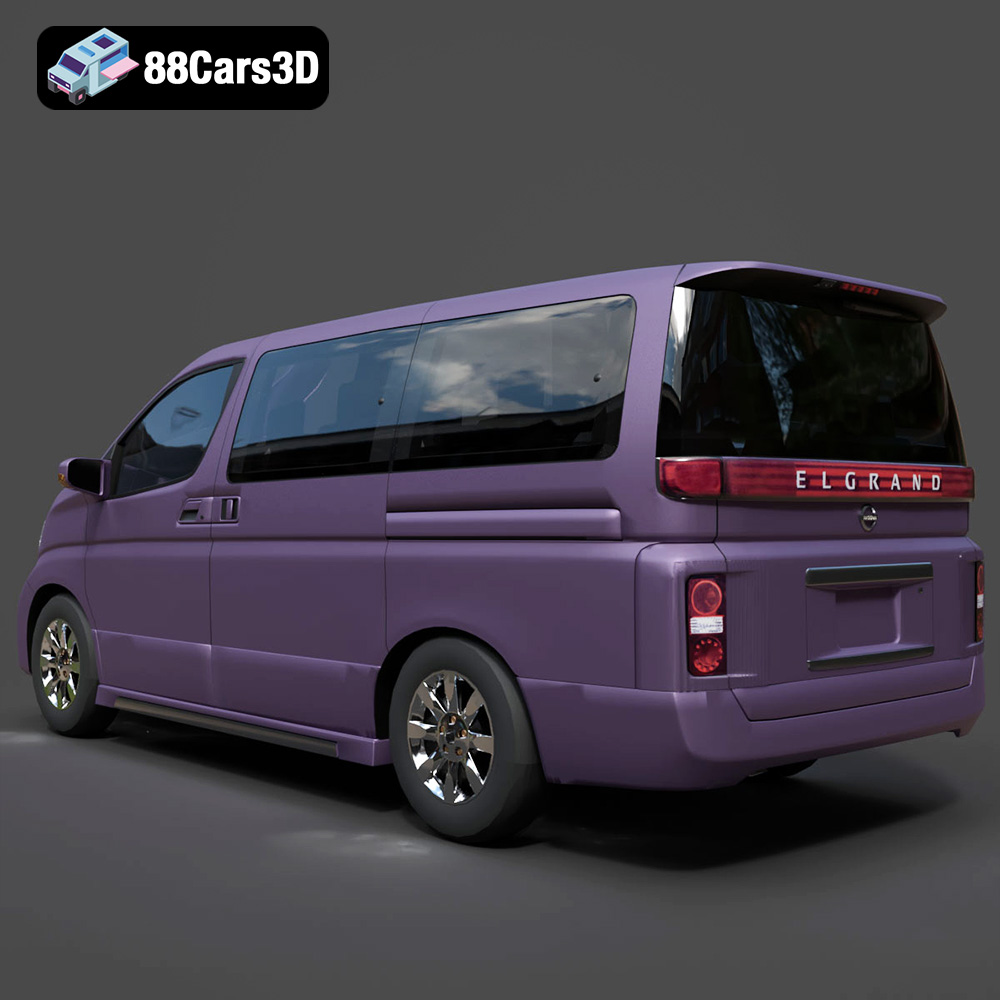
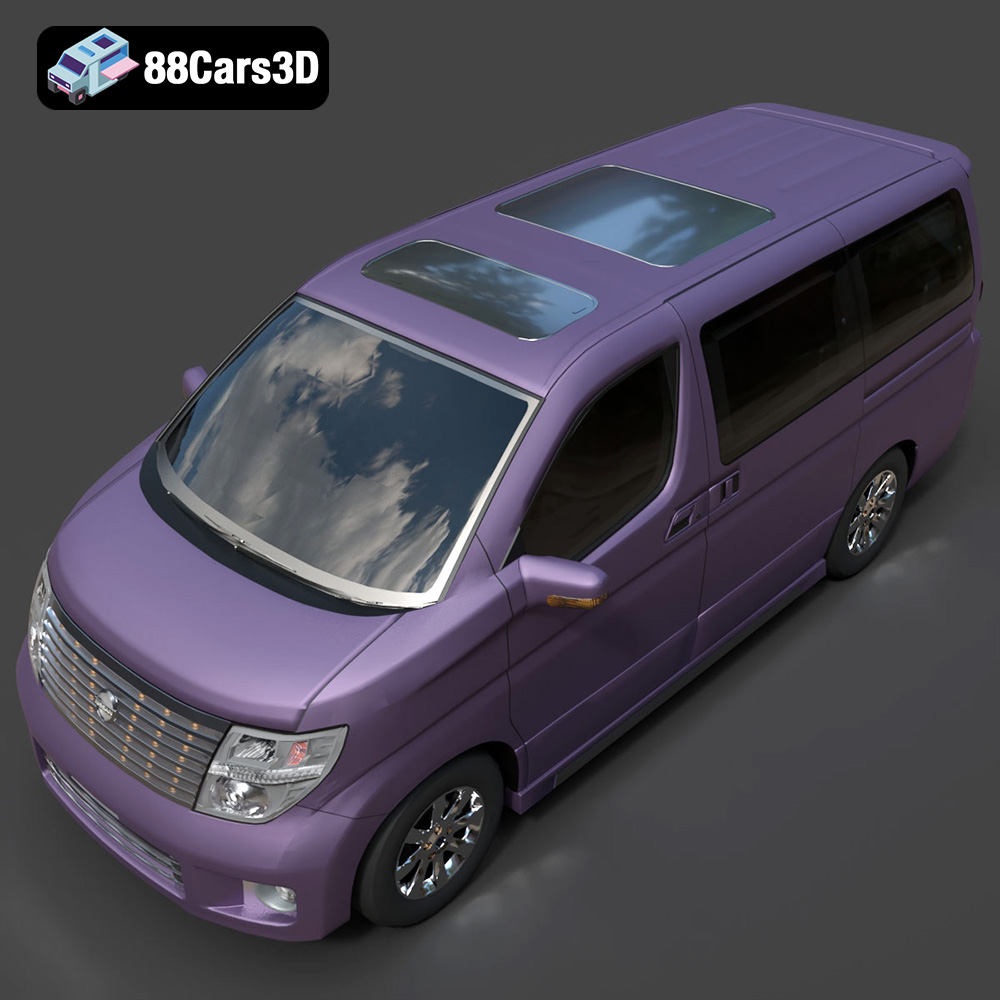
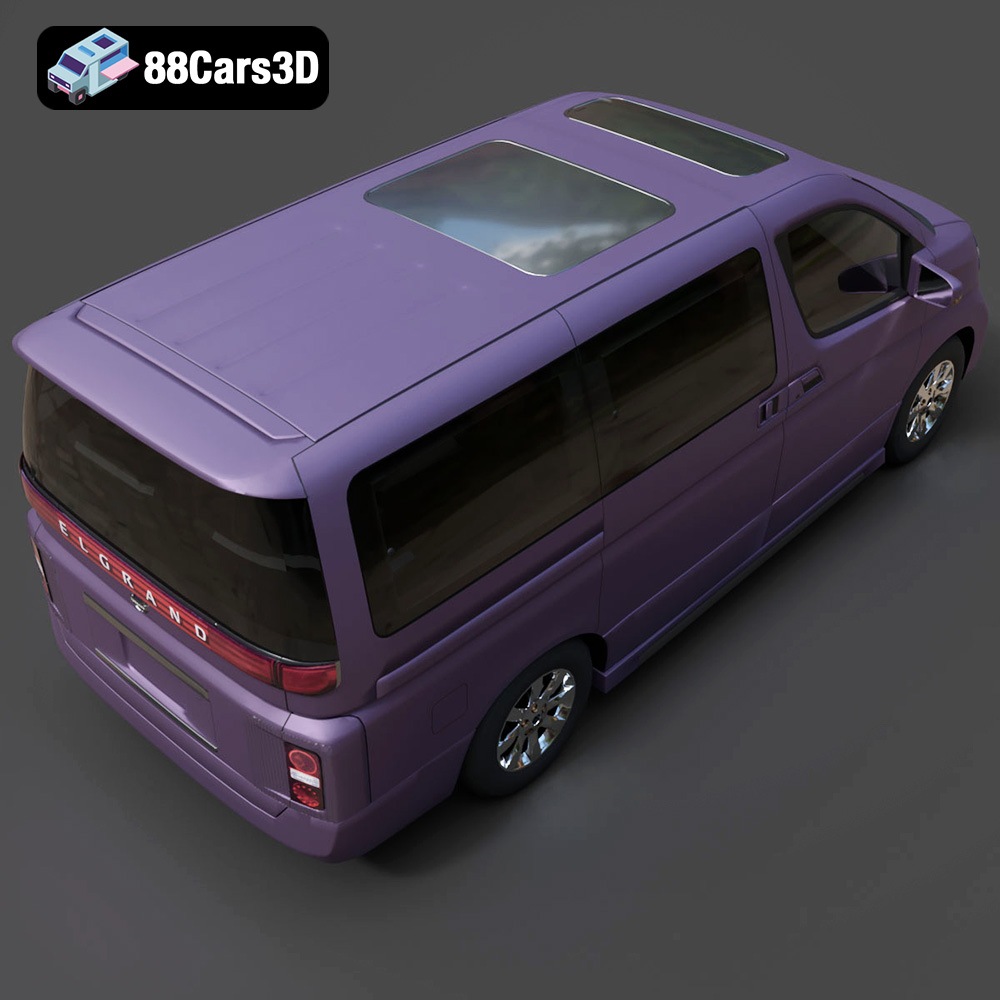
A prime example of such an indispensable asset is the Nissan Elgrand 3D Model, a meticulously crafted digital representation available on 88cars3d.com. This premium full-size minivan, known for its distinctive styling and spacious appeal, offers an unparalleled level of detail and technical robustness. Whether you’re an automotive designer needing to visualize a concept, a game developer integrating a new vehicle into an open world, or a visual effects artist crafting a compelling narrative, understanding the intricacies of such a model and its compatible formats is key to unlocking its full potential.
This comprehensive guide will delve into the technical advantages of using expertly designed 3D car models, explore various professional workflows, and illustrate how an asset like the Nissan Elgrand 3D Model can become a cornerstone of your creative projects.
The choice of file format for a 3D model is far more than a minor technicality; it dictates compatibility, functionality, and the efficiency of your workflow across different software and platforms. The Nissan Elgrand 3D Model, for instance, is offered in a comprehensive suite of formats, ensuring maximum adaptability for virtually any professional application. Understanding each one is critical for seamless project integration.
The .blend file format is Blender’s native project file. It encapsulates an entire Blender scene, including mesh data, materials, textures, animations, cameras, lighting setups, and even Python scripts. When you acquire the Nissan Elgrand 3D Model in .blend format, you’re getting a fully editable, pre-configured scene ready for immediate use within Blender. This is ideal for artists who primarily work within Blender’s robust environment, allowing for direct modification, rendering with Cycles or Eevee, and integration into existing Blender projects without any loss of data or conversion artifacts. Its advantage lies in retaining all specific Blender features, modifiers, and node-based materials.
FBX (Filmbox) is a proprietary file format developed by Autodesk, serving as an industry standard for 3D data interchange between various software packages, particularly within animation and game development. It supports not only geometry and UVs but also materials, textures, cameras, lights, and crucially, skeletal animation and morph targets. For the Nissan Elgrand 3D Model, the .fbx version is paramount for transferring the model into game engines like Unreal Engine and Unity, or other DCC applications such as Maya or Cinema 4D. Its widespread support makes it incredibly versatile, though care must be taken with material conversions between software.
OBJ (or .obj) is one of the oldest and most universally supported 3D file formats. It primarily stores geometric data – vertices, normals, UV coordinates, and faces. While it can reference external material files (.mtl), it doesn’t embed them directly, nor does it typically carry animation or rigging data. The .obj format for the Nissan Elgrand 3D Model guarantees cross-software compatibility, making it a safe choice for importing the raw mesh into virtually any 3D application, regardless of its ecosystem. It’s often preferred for static mesh assets where simplicity and broad compatibility are key.
GLB (GL Transmission Format Binary) is the binary version of glTF, a royalty-free specification for the efficient transmission and loading of 3D scenes and models by applications. GLB embeds all assets (geometry, materials, textures, animations) into a single file, making it incredibly efficient for web-based 3D, augmented reality (AR), and virtual reality (VR) applications. When using the Nissan Elgrand 3D Model in .glb format, you’re receiving an asset optimized for rapid loading and display in browsers or AR/VR viewers, providing a streamlined experience for interactive, real-time environments on various devices.
STL (STereoLithography) is the de facto standard file format for 3D printing. It represents a 3D model as a series of connected triangles (a triangulated surface), without any color or texture information. The .stl version of the Nissan Elgrand 3D Model is specifically intended for manufacturing physical replicas. It’s critical that the mesh is watertight (manifold) for successful 3D printing, a characteristic usually ensured in professional models like this one, enabling the creation of scale models or prototypes.
PLY (Polygon File Format) is a file format for storing three-dimensional data from 3D scanners. It supports various properties like color, transparency, normals, texture coordinates, and scalar values. While less common than OBJ or FBX for general artistic work, the .ply format for the Nissan Elgrand 3D Model is particularly useful in workflows involving CAD, scientific visualization, or precise mesh analysis where additional vertex properties might be required beyond basic geometry and UVs.
The .unreal format, often implying a pre-packaged Unreal Engine project or asset, is specifically tailored for direct integration into Unreal Engine projects. This goes beyond a simple .fbx import; it often means the asset includes properly configured materials, textures, possibly LODs (Level of Detail), and collision meshes, all set up to Unreal’s specifications. For game developers and real-time visualization specialists, having the Nissan Elgrand 3D Model in this format significantly reduces setup time, allowing immediate deployment into interactive environments with optimal performance.
The .max file is the native project format for Autodesk 3ds Max, one of the most widely used 3D modeling, animation, and rendering software packages in the industry. Similar to .blend, it contains the entire scene data, including geometry, materials, lighting, cameras, animation, and modifiers specific to 3ds Max. The .max version of the Nissan Elgrand 3D Model offers full editability and access to all parameters within 3ds Max, making it ideal for high-end automotive rendering, architectural visualization integration, and complex animation sequences using renderers like V-Ray or Corona.
Having the Nissan Elgrand 3D Model available in this extensive array of formats underlines its versatility and professional readiness, catering to a broad spectrum of digital artists and engineers across different software ecosystems.
Creating a high-fidelity 3D car model is a delicate balance of artistic vision and technical precision. It involves an intricate process that goes beyond simply replicating form; it’s about capturing the essence, the minute details, and the functional integrity of a real-world vehicle. The Nissan Elgrand 3D Model exemplifies this synthesis, offering an asset that is both visually stunning and technically sound.
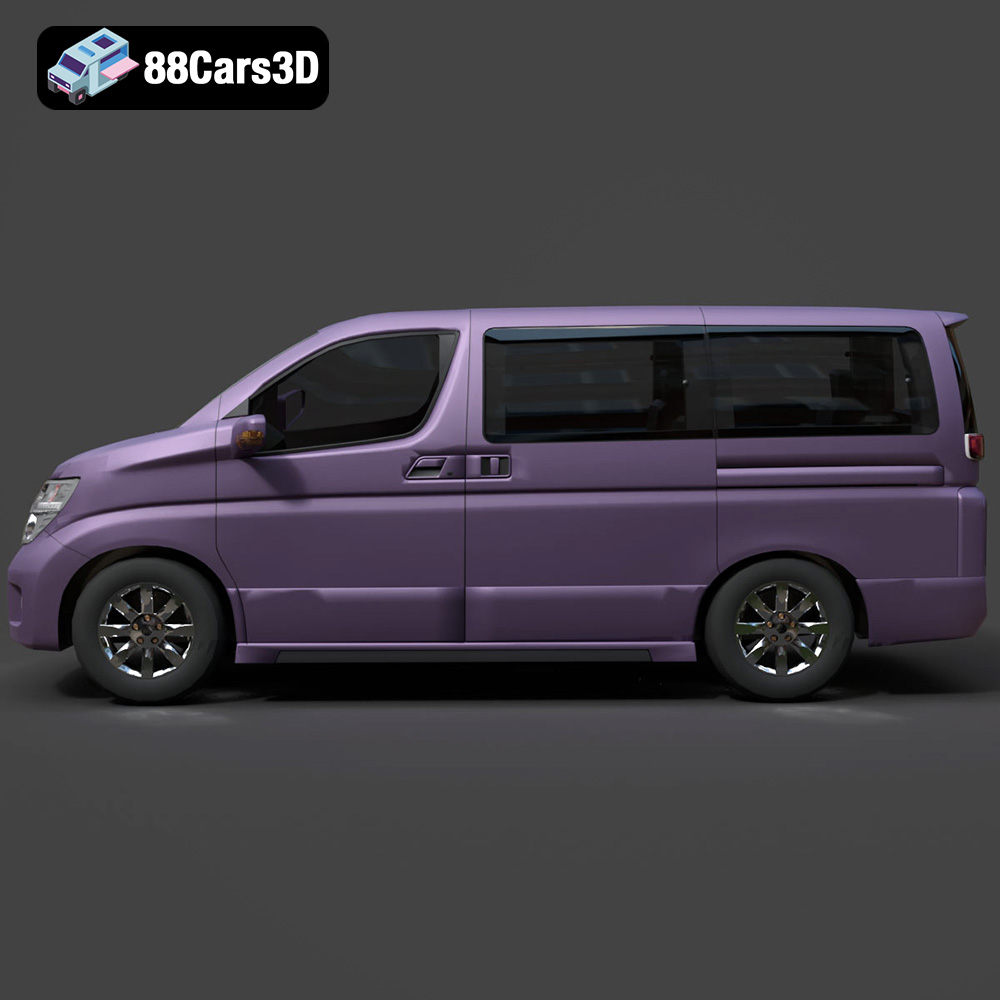
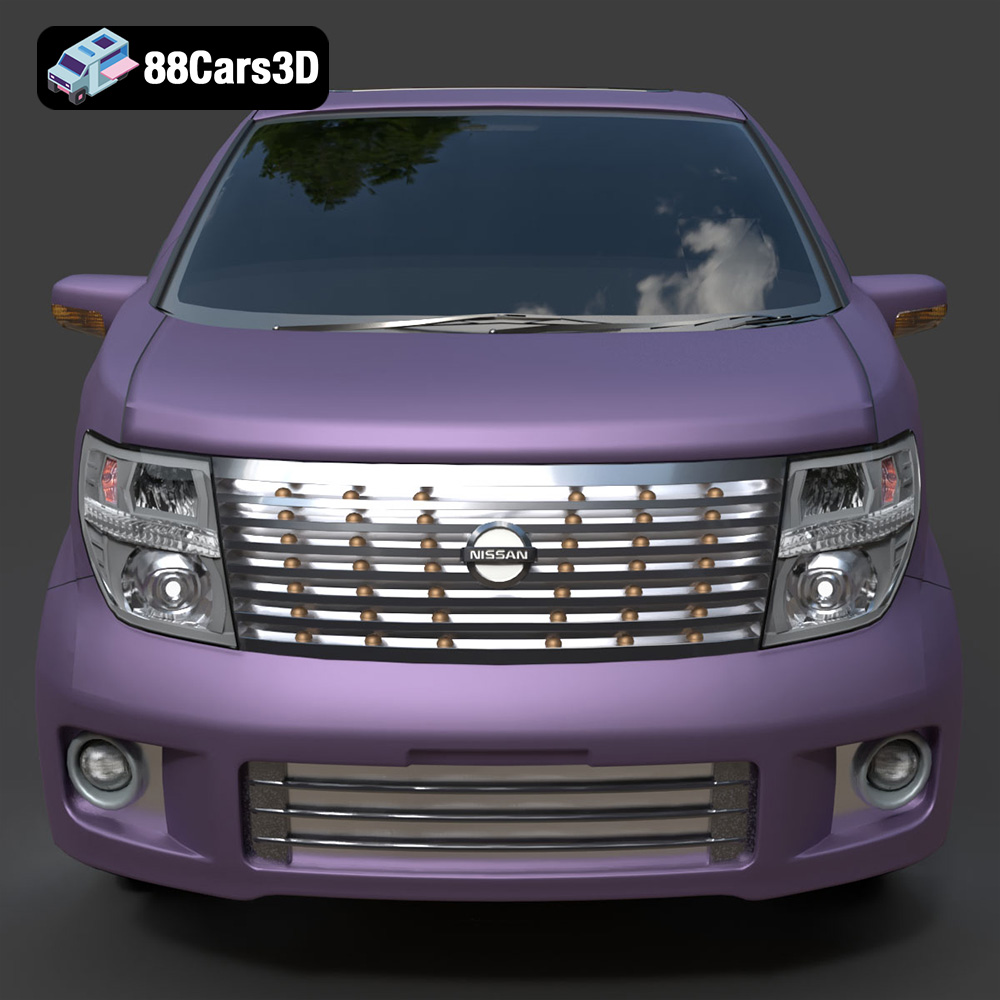
The initial impression of any 3D vehicle comes from its exterior. For the Nissan Elgrand 3D Model, meticulous attention has been paid to every curve and panel. Accurate body panels reflect the Elgrand’s iconic silhouette, ensuring that its distinct presence is perfectly translated into the digital realm. This isn’t just about aesthetics; precise curvature is crucial for how light interacts with the vehicle’s surface, affecting reflections and overall realism in automotive rendering. Detailed headlights and taillights, complete with transparent materials, are not mere textures but geometrically robust elements designed for realistic lighting effects. Furthermore, precisely modeled wheels and tires, featuring authentic tread patterns, add a significant layer of realism, especially in close-up shots or dynamic scenes. Even subtle chrome accents and window trims are meticulously replicated, showcasing a dedication to realism that sets professional-grade 3D car models apart.
While the exterior grabs attention, a high-quality interior elevates a 3D model from a simple prop to a versatile scene element. The Nissan Elgrand 3D Model features a faithfully reproduced dashboard, steering wheel, and central console, crucial for immersive first-person views or detailed product showcases. Comfortable seating arrangements with detailed upholstery and visible interior components like door panels and floor mats further enhance the realism. This level of interior detail is vital for applications like AR/VR, where users can virtually “sit inside” the vehicle, or for cinematic sequences that demand interior shots. Technically, the mesh quality for these interior components is optimized for efficient rendering, striking a balance between intricate detail and performance, ensuring that even complex scenes remain manageable without compromising visual integrity.
Automotive rendering is a specialized field that demands photorealism, precision, and efficiency. High-quality 3D car models are the foundation, but pairing them with powerful rendering software and optimized workflows is what transforms raw data into captivating visuals. The Nissan Elgrand 3D Model is engineered to fit seamlessly into professional rendering pipelines, offering flexibility across various platforms.
For many professionals, 3ds Max remains a cornerstone for high-end rendering and animation, especially when paired with industry-leading renderers like V-Ray or Corona. The .max format of the Nissan Elgrand 3D Model provides a fully editable scene, allowing artists to leverage 3ds Max’s robust toolset. The workflow typically involves importing the model, applying or refining physically based rendering (PBR) materials to replicate car paint, glass, chrome, and rubber accurately. Lighting is paramount: artists often employ High Dynamic Range Images (HDRIs) for realistic environmental lighting and reflection, complemented by studio lights for emphasis and drama. Thanks to the model’s organized hierarchy and proper pivot points, animating elements like doors, the hood, or wheels for a reveal sequence or a subtle cinematic shot becomes straightforward. This setup allows for creating stunning, photorealistic images ideal for advertising, product showcases, or architectural visualizations where a vehicle integrates into a scene.
Blender has emerged as a formidable contender in 3D production, offering powerful rendering engines like Cycles (for ray-traced realism) and Eevee (for real-time PBR rendering). The .blend file for the Nissan Elgrand 3D Model is a perfect starting point for Blender artists. The workflow involves opening the native file, which often comes with pre-configured PBR materials, ready for Cycles or Eevee. Artists can then fine-tune materials, add custom liveries, or adjust paint finishes to achieve specific aesthetic goals. Blender’s animation capabilities, combined with the Elgrand model’s separate, animatable components (doors, wheels), facilitate creating dynamic shots – perhaps a vehicle driving through a scenic route, or a detailed breakdown of its features. Scene composition with Blender’s intuitive interface allows for integrating the car into complex environments, be it a bustling city street or a serene landscape, producing breathtaking cinematic renders.
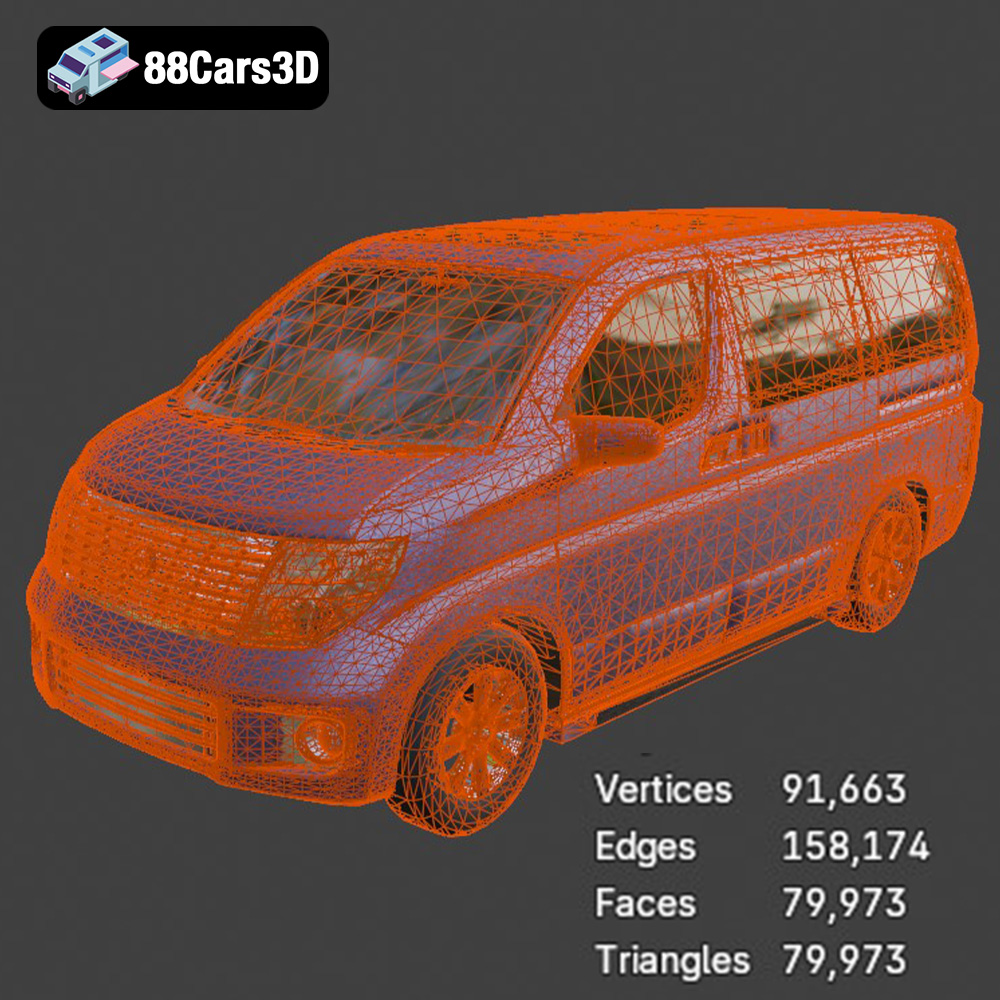
Game development places unique demands on 3D assets: they must be visually compelling, but also highly optimized for real-time performance. Game assets, particularly vehicles, need efficient geometry, appropriate UV mapping, and well-configured materials to run smoothly across various hardware. The Nissan Elgrand 3D Model is designed with these considerations in mind, making it an excellent game asset.
Unreal Engine is a powerhouse for creating visually stunning and highly interactive real-time environments. The Nissan Elgrand 3D Model, especially in its .fbx or dedicated .unreal format, is engineered for seamless integration. The workflow typically involves importing the .fbx, which carries mesh data, UVs, and basic material assignments. Game developers would then create PBR materials within Unreal Engine, connecting textures for diffuse, normal, roughness, metallic, and ambient occlusion maps to achieve realistic surface properties. Crucially, the model’s optimized mesh quality allows for the creation of Level of Detail (LOD) meshes, where lower-polygon versions of the car are rendered at a distance to save performance, while the high-detail version is used up close. Setting up collision meshes and integrating vehicle physics systems within Unreal allows the Elgrand to become a fully drivable and interactive element within a game world, from racing simulations to open-world adventures.
Unity, another leading game engine, is widely used for everything from mobile games to complex driving simulators and architectural walk-throughs. The .fbx format of the Nissan Elgrand 3D Model is the primary gateway for Unity users. Upon import, developers can establish high-quality PBR materials using Unity’s Standard or HDRP/URP rendering pipelines, applying textures and fine-tuning parameters for metals, plastics, glass, and rubber. The model’s clean topology and real-world scale are beneficial for integrating with Unity’s physics engine, allowing for realistic driving dynamics. For complex simulations or training modules, the Elgrand’s detailed interior and exterior provide the necessary visual fidelity to create convincing scenarios, whether it’s navigating through traffic or practicing parking maneuvers. The ability to modify materials and add custom graphics directly within Unity further enhances its adaptability for diverse game projects.
The utility of high-quality 3D car models extends far beyond static renders and conventional games. Emerging technologies like Augmented Reality (AR), Virtual Reality (VR), and advanced simulation, alongside traditional applications like 3D printing, are increasingly leveraging detailed digital assets to create new forms of engagement and utility.
AR and VR are transforming how we interact with digital content, and realistic 3D car models are central to this revolution. Imagine viewing the Nissan Elgrand in your driveway via AR on your smartphone or stepping into a VR showroom to explore its interior. The .glb format of the Nissan Elgrand 3D Model is specifically optimized for these immersive experiences. Its single-file structure and efficient data compression ensure quick loading times and smooth performance on mobile devices and VR headsets. This allows for applications like virtual product demonstrations, interactive car configurators, or even educational modules where users can dissect and understand the vehicle’s components in a truly immersive three-dimensional space. The model’s high fidelity ensures that these virtual experiences are convincing and engaging.
Precision and realism are paramount in professional simulations and training. Automotive training modules, traffic simulations, and driver education platforms benefit immensely from highly accurate 3D vehicle models. The Nissan Elgrand 3D Model, with its real-world scale accuracy, detailed interior, and robust technical foundation, serves as an excellent asset for such applications. Its clean geometry facilitates the integration of complex physics engines for realistic vehicle behavior, while the detailed exterior and interior provide the visual cues necessary for effective training. From learning to navigate complex urban environments to practicing emergency maneuvers, a realistic virtual vehicle enhances the efficacy and immersion of simulation-based training.
The digital realm often connects back to the physical. For designers, hobbyists, or educators, the ability to create physical scale models from a digital asset is invaluable. The .stl format of the Nissan Elgrand 3D Model makes it ready for 3D printing. This format represents the geometry as a triangulated surface, which is the universal language for additive manufacturing. Professionals can use this file to print anything from small desk models for concept presentation to larger, more detailed prototypes for display. The clean, manifold (watertight) geometry of a professionally built model like the Elgrand ensures a successful print, avoiding common issues like gaps or non-existent surfaces that plague lower-quality models. This capability turns a digital asset into a tangible object, bridging the gap between virtual design and physical realization.
A truly professional 3D model offers more than just fidelity; it provides a canvas for creativity and adaptation. The Nissan Elgrand 3D Model is built with customization in mind, allowing artists and developers to easily tailor it to specific project requirements.
The base materials included with the Nissan Elgrand 3D Model provide a strong foundation, but its clean UV mapping and organized material IDs allow for extensive customization. Artists can easily adjust paint finishes, from metallic flakes to matte textures, or change material reflectivity to achieve specific atmospheric effects. Adding custom graphics, decals, or liveries for unique branding or racing simulations is straightforward, as the model’s UVs are typically laid out cleanly, preventing distortion. Modifying material properties for chrome, glass, and rubber components to match diverse environmental lighting setups or stylistic choices further enhances its versatility. This adaptability makes the model suitable for a vast array of visual styles and brand requirements.
Beyond static renders, the Nissan Elgrand 3D Model’s design facilitates dynamic animation. With separate components for doors, hood, and trunk, along with proper pivot points, it’s easy to create realistic opening and closing animations. Wheels are also typically separate, allowing for rotation and steering simulations. This modularity is crucial for cinematic sequences, interactive product showcases, or game mechanics. Furthermore, the model’s real-world scale accuracy ensures seamless integration into existing scenes, whether it’s an architectural visualization requiring a vehicle to provide scale, or a bustling street environment in a game. Its organized hierarchy means that components are logically grouped, making selection, manipulation, and animation intuitive and efficient for any user, regardless of their preferred 3D software.
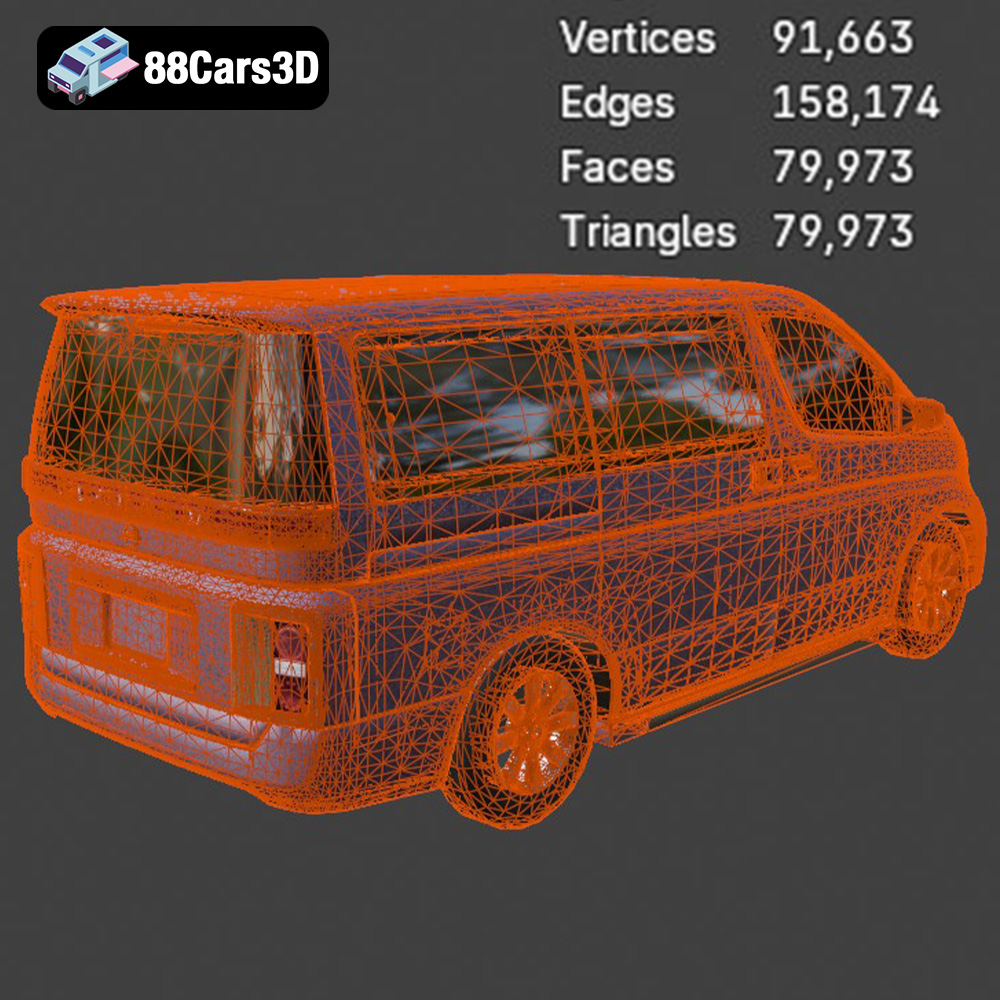
The landscape of 3D visualization is a testament to precision, creativity, and technical mastery. High-fidelity 3D car models like the Nissan Elgrand are not just assets; they are foundational elements that enable stunning automotive rendering, immersive game development, realistic simulations, and innovative AR/VR experiences. From its meticulously crafted exterior and detailed interior to its robust technical advantages, including clean quad-dominant topology and real-world scale, the Nissan Elgrand 3D Model is built to exceed professional expectations across a diverse range of applications.
Its availability in a comprehensive array of file formats – .blend, .fbx, .obj, .glb, .stl, .ply, .unreal, and .max – underscores its unparalleled versatility, ensuring seamless integration into virtually any production pipeline. Whether you’re aiming for photorealistic studio renders, dynamic in-game action, or tangible 3D prints, this model offers the quality and adaptability necessary to elevate your projects. For professionals seeking premium 3D car models that deliver on both aesthetics and technical performance, 88cars3d.com stands as a reliable source for assets that truly drive digital excellence. Explore the Nissan Elgrand 3D Model and other exceptional resources to empower your next creative endeavor.
Discover the Nissan Elgrand 3D Model, a meticulously crafted digital representation of the premium full-size minivan. This model captures the distinctive styling and spacious appeal of the Elgrand, known for its elegant design and comfortable interior. Built with clean geometry and balanced detailing, it ensures optimal performance across various applications. Ideal for high-quality rendering, realistic animations, detailed simulations, and robust game development projects.
$21.99