Get 20% OFF All Premium 3D & STL Models!

In the expansive and ever-evolving world of 3D visualization, the demand for exceptionally crafted automotive assets is constant. From cinematic advertising campaigns to immersive gaming experiences and precise engineering simulations, a high-quality 3D car model is often the linchpin of a successful project. It’s not merely about aesthetics; it’s about technical accuracy, pipeline efficiency, and the ability to convey the essence of a vehicle with uncompromised fidelity. Among the titans of automotive design, the BMW 7 Series stands as an icon of luxury, performance, and sophisticated engineering. For 3D artists, designers, and developers, translating this real-world grandeur into a digital format requires a model that meets the highest professional standards.
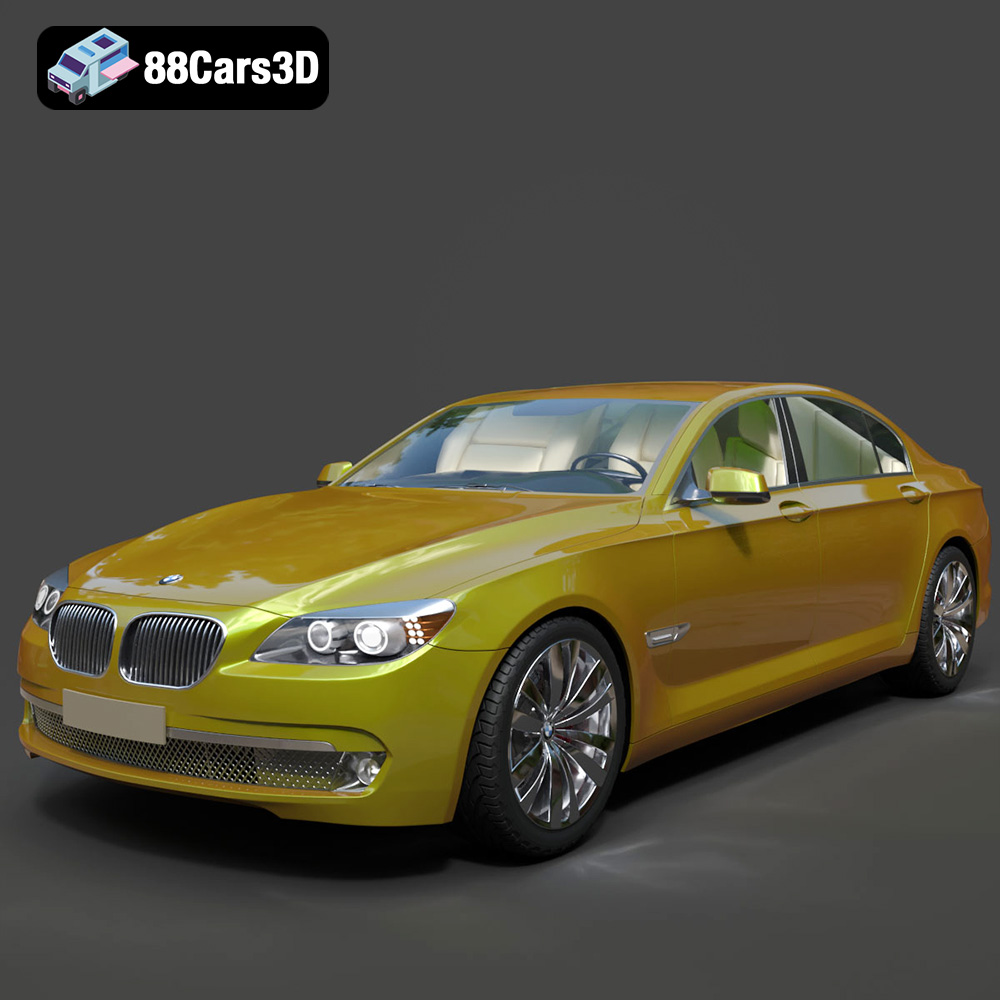
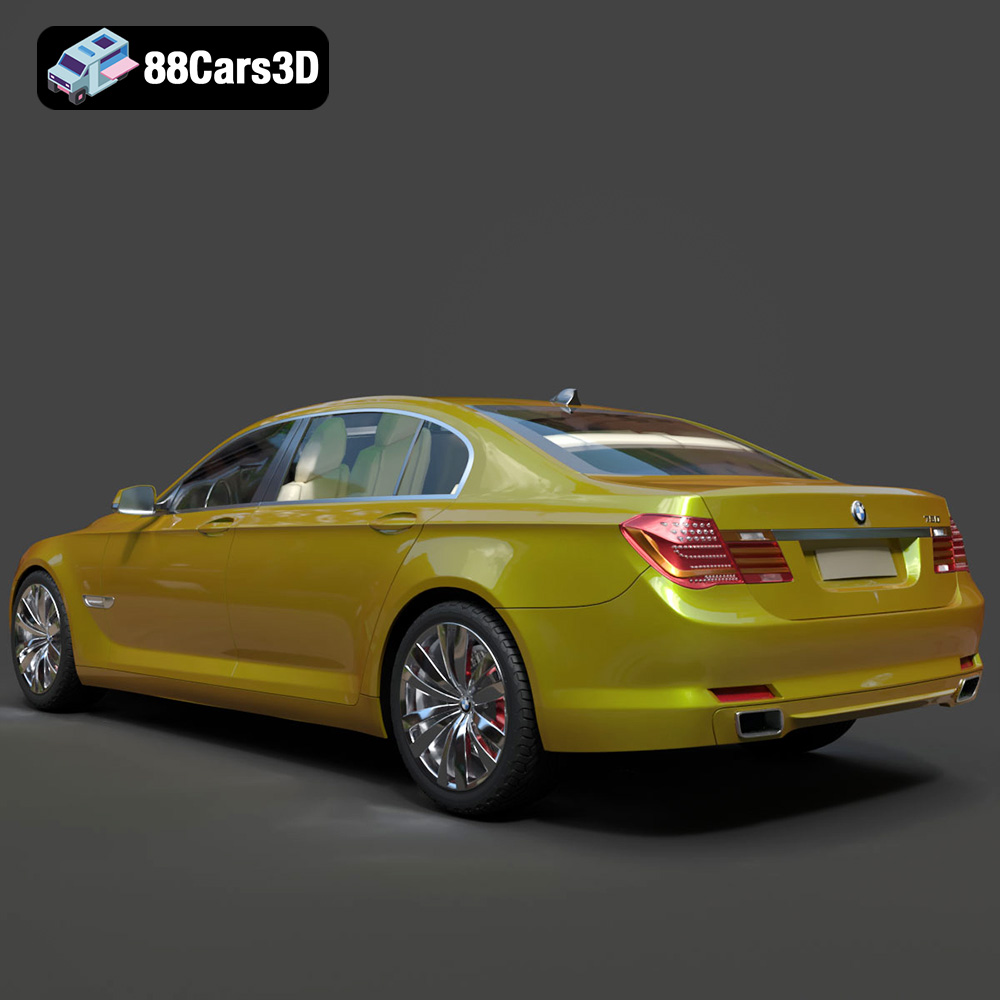
Enter the BMW 7 Series 750 F01 3D Model. This particular asset represents the epitome of what a premium 3D car model should offer: clean geometry, balanced detailing, and an array of file formats ready to integrate into diverse creative pipelines. Whether your project demands stunning studio renders, realistic animations, or a robust game asset, this model, available on 88cars3d.com, provides the foundational quality necessary to elevate your work. In this comprehensive guide, we will delve into the intricacies of creating and utilizing such sophisticated 3D car models, exploring the technical advantages, workflow integrations, and the boundless possibilities they unlock across various industries.
Creating a truly professional 3D car model is a fusion of artistic vision and rigorous technical execution. It goes far beyond simply mimicking a vehicle’s appearance; it involves understanding automotive design principles, material science, and the specific demands of different rendering and real-time environments. The BMW 7 Series 750 F01 3D Model exemplifies this synthesis, offering a robust foundation for any high-end project.
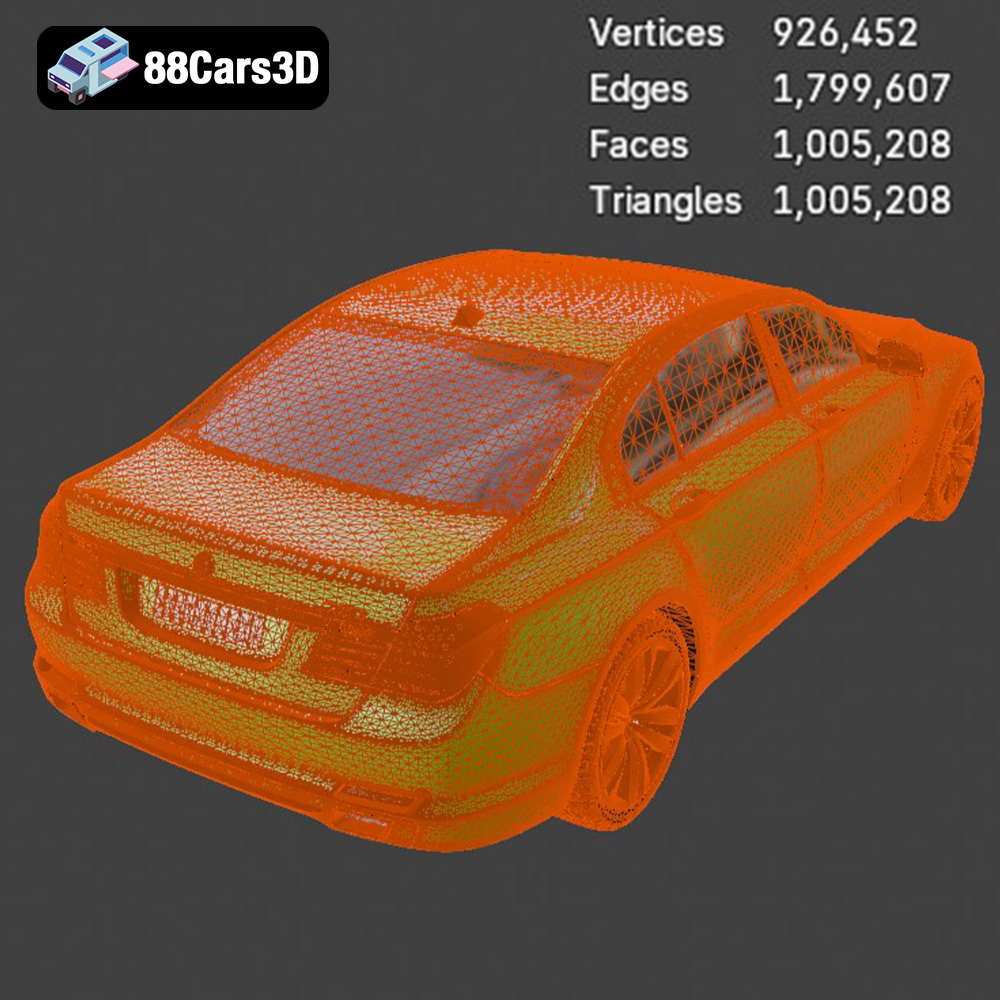
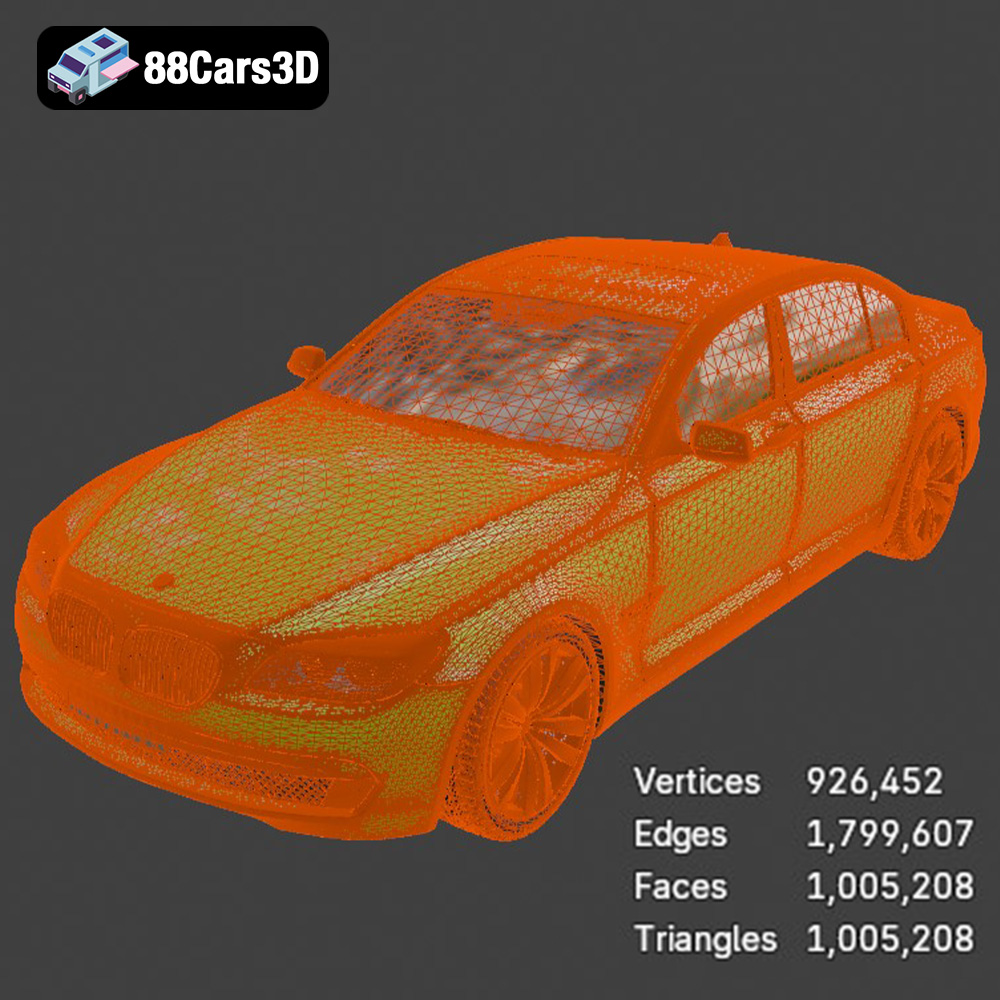
At the core of any high-quality 3D model lies its topology – the arrangement of vertices, edges, and faces that form the mesh. For automotive rendering and animation, clean, production-ready topology is paramount. This means the mesh is predominantly quad-dominant, favoring four-sided polygons over triangles where possible. Quads allow for smooth subdivision, crucial for creating photorealistic curves and surfaces without unsightly pinching or distortion. When light interacts with a finely sculpted surface, the underlying topology dictates how reflections and shadows behave. A model like the BMW 7 Series 750 F01 3D Model is meticulously constructed to ensure that its body panels, elegant lines, and intricate details respond realistically to light, making it suitable for even the most demanding close-up renders.
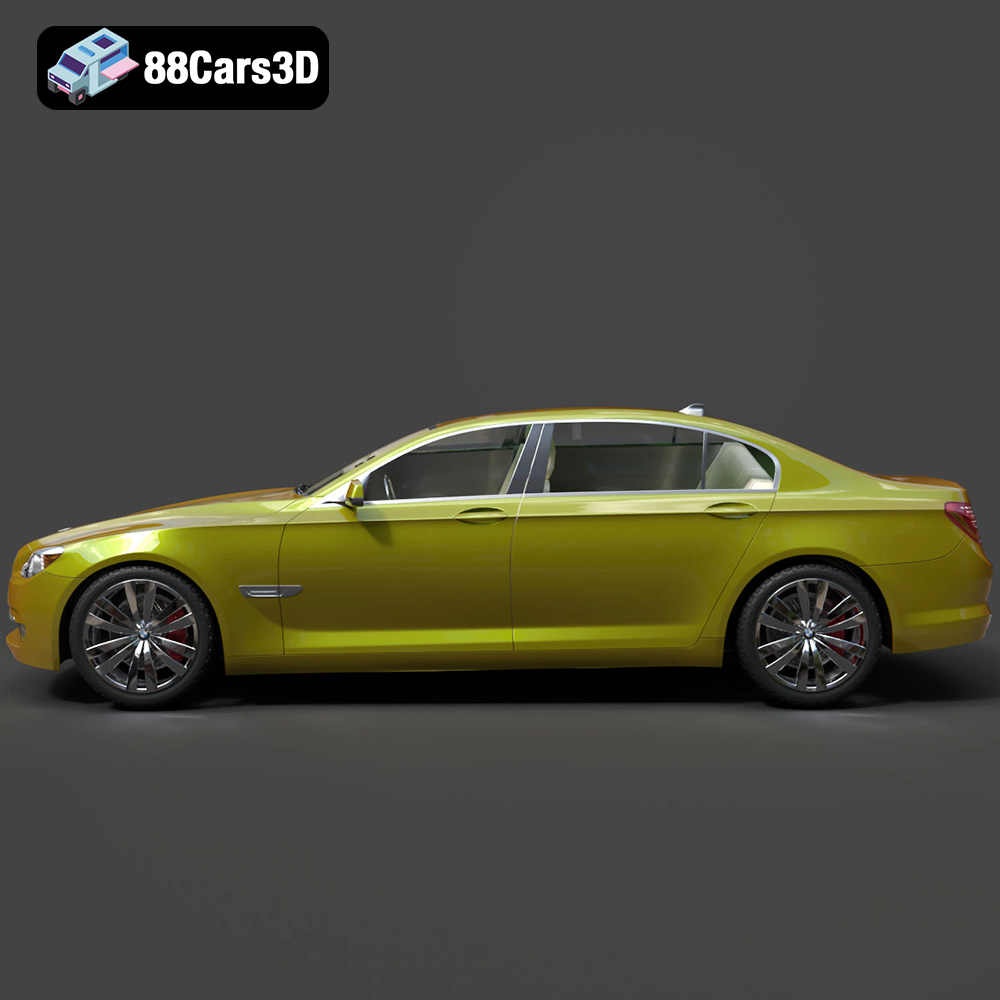
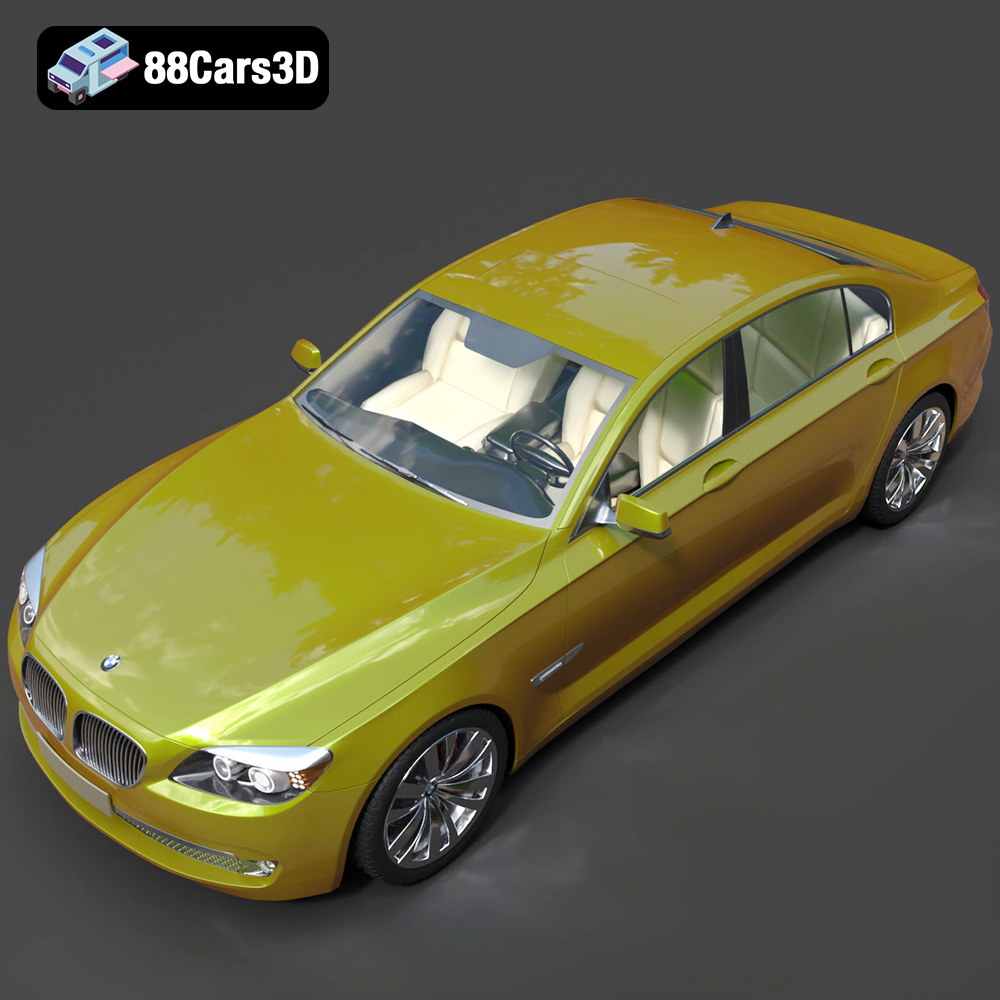
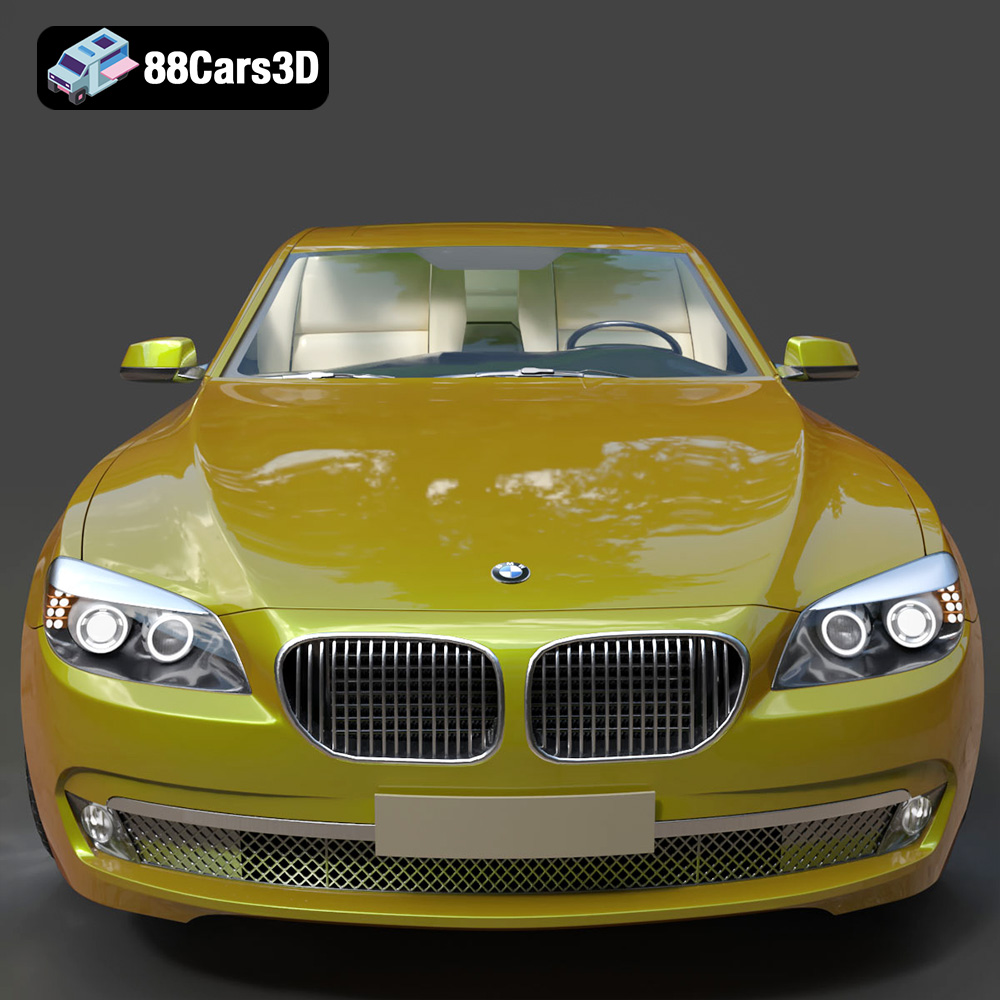
Accuracy is another non-negotiable aspect. The BMW 7 Series 750 F01 3D Model is built to real-world scale, ensuring seamless integration into any scene without the need for manual resizing. This is vital for architectural visualizations where a vehicle needs to fit realistically into a streetscape or for simulations where physical accuracy is critical. Furthermore, the level of detail provided is exceptional. Exterior features include accurately modeled body panels reflecting the F01 chassis, a detailed front grille, authentic BMW emblems, and intricate headlight/taillight assemblies with transparent materials ready for custom lighting. The alloy wheels and performance tires boast precise tread patterns, adding another layer of realism. For animation workflows, major components like doors, hood, and trunk are separated with proper pivots, allowing for realistic opening and closing sequences.
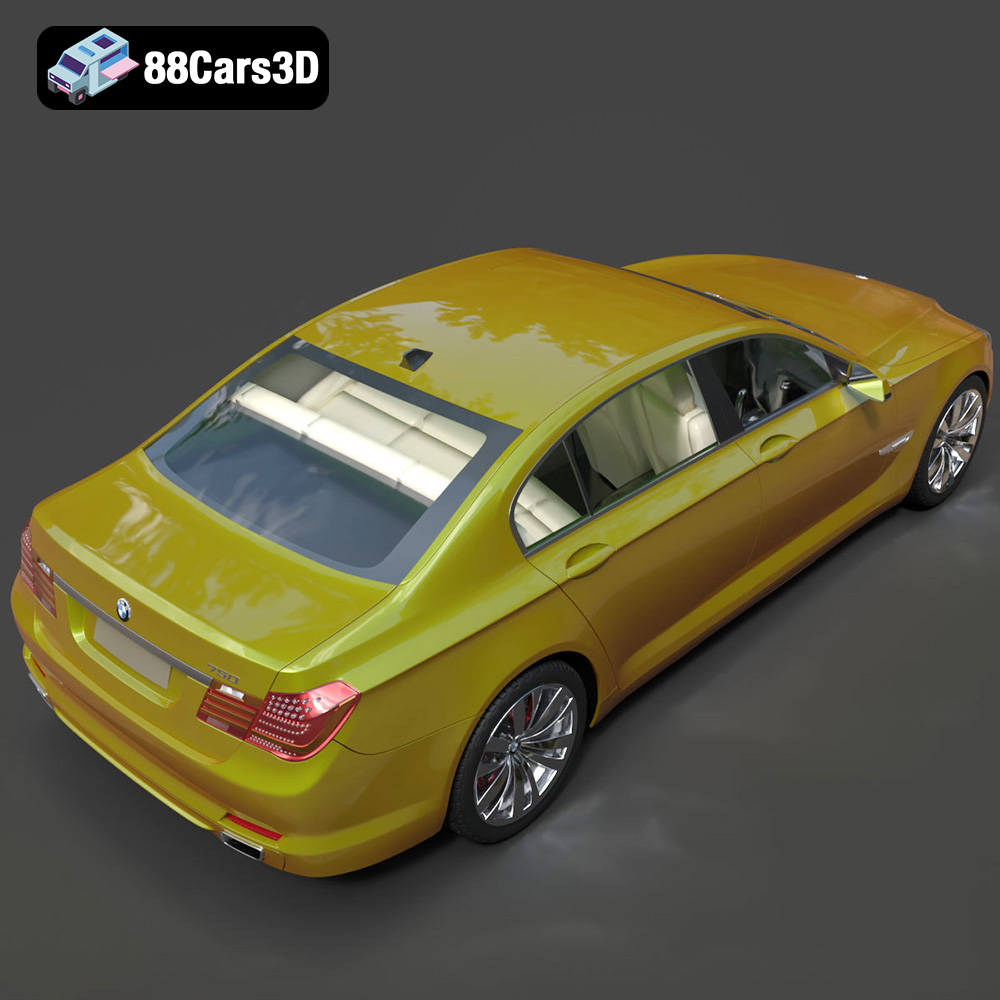
The attention to detail extends to the interior as well. A luxurious cabin awaits, featuring a detailed dashboard, steering wheel, central console, comfortable seating, and accurately recreated instruments and infotainment screens. While optimized for performance, the interior retains enough fidelity for compelling close-up shots, perfect for showcasing the car’s opulence in virtual showrooms or interactive experiences.
One of the most crucial aspects of working with 3D car models, especially a premium asset like the BMW 7 Series 750 F01, is understanding the various file formats available. Each format serves a specific purpose, offering different levels of compatibility, data retention, and optimization for particular workflows. The BMW 7 Series 750 F01 3D Model from 88cars3d.com comes equipped with a comprehensive suite of formats, ensuring maximum flexibility for professionals.
.blend – Fully editable Blender scene with materials: Blender is a powerful open-source 3D creation suite, and the .blend format is its native file type. This format encapsulates an entire Blender project, including the 3D model, materials, textures, lighting, camera setups, and even animation data. For artists primarily working in Blender, this is the most advantageous format as it offers full editability without any data loss during conversion. It’s perfect for those who wish to delve deep into the model’s structure, modify its components, or render it directly within Blender’s Cycles or Eevee engines with all original material setups intact.
.max – Editable 3ds Max project for animation and rendering: Autodesk 3ds Max is another industry-standard software, particularly dominant in architectural visualization, motion graphics, and game development. The .max format is its native project file, providing a complete 3ds Max scene. This format retains all the intricate details of the model, including modifiers, intricate material networks, camera rigs, and advanced animation setups. For professionals who rely on 3ds Max for its robust rendering capabilities (e.g., V-Ray, Corona Renderer) or complex animation pipelines, the .max file offers the highest fidelity and control for the BMW 7 Series 750 F01 3D Model.
.fbx – Ideal for Unreal, Unity, and real-time pipelines: FBX (Filmbox) is a proprietary file format developed by Autodesk, serving as a popular interchange format across various 3D applications and game engines. It is exceptionally versatile, capable of storing not just mesh data but also materials, textures, animation, rigging, and even scene hierarchy. For game developers working with Unreal Engine or Unity, .fbx is often the go-to format due to its robust support for game asset pipelines. It efficiently transfers complex data between software, making it an excellent choice for incorporating the BMW 7 Series 750 F01 into interactive real-time environments.
.obj – Universal format for cross-software compatibility: OBJ (Wavefront Object) is one of the oldest and most widely supported 3D file formats. It’s a simple, text-based format that primarily stores geometry data (vertices, normals, UV coordinates) and references to external material files (.mtl). While it doesn’t support animation or complex material networks directly within the file, its universality makes it an excellent fallback or starting point for transferring mesh data between virtually any 3D software. If you need to import the BMW 7 Series 750 F01 3D Model into a less common application or simply require the raw geometry, .obj is a reliable choice.
.unreal – Engine-ready asset for real-time environments: This format signifies a project or asset package specifically configured for Unreal Engine. Unlike a generic .fbx, an .unreal file or associated package likely includes pre-setup materials, textures, collision meshes, and potentially even LOD (Level of Detail) variations optimized for Unreal Engine’s rendering pipeline. This streamlines the integration process, allowing developers to drop the BMW 7 Series 750 F01 directly into their Unreal project with minimal setup, maximizing efficiency for game development and interactive visualization.
.glb – Optimized for AR, VR, and browser-based display: GLB (GL Transmission Format Binary) is a compact, single-file format designed for efficient transmission and loading of 3D scenes and models in web, augmented reality (AR), and virtual reality (VR) applications. It bundles textures, materials, and animations directly into the binary file, making it ideal for streamlined delivery. The BMW 7 Series 750 F01 3D Model in .glb format is perfectly suited for creating immersive AR experiences of the car in real-world environments or for interactive 3D viewers on websites, providing a rich, responsive experience.
.stl – Suitable for 3D printing output: STL (Stereolithography) is a standard file format used for 3D printing and CAD software. It represents a 3D model as a series of connected triangles, forming the surface geometry. For 3D printing, the model must be “manifold” – watertight with no holes or intersecting geometry – to ensure a successful print. While the BMW 7 Series 750 F01 3D Model is highly detailed, an .stl conversion might require some simplification or preparation to ensure optimal 3D printing results, especially for smaller scales or specific printer technologies.
.ply – Precision mesh format for CAD or analysis: PLY (Polygon File Format, also Stanford Triangle Format) is a file format for storing 3D data from 3D scanners. It can store a variety of properties including color, transparency, normals, texture coordinates, and scalar values. It’s often used for precision mesh data in scientific, engineering, and CAD applications where detailed point cloud or polygonal data is required for analysis or reverse engineering. For specialized tasks involving the exact geometry of the BMW 7 Series 750 F01, the .ply format offers a robust solution.
The availability of the BMW 7 Series 750 F01 3D Model in this diverse range of formats underlines its versatility and professional readiness, catering to virtually any 3D production pipeline.
The true value of a premium 3D asset like the BMW 7 Series 750 F01 3D Model lies in its seamless integration into various professional workflows. Its clean topology, real-world scale, and multiple file formats make it an invaluable tool for designers, artists, and developers across industries.
For artists focused on automotive rendering, studio shots, or incorporating vehicles into architectural visualizations, the BMW 7 Series 750 F01 is an ideal asset. Workflows typically involve importing the .max, .blend, or .fbx file into software like 3ds Max (with V-Ray or Corona Renderer), Blender (with Cycles), or Maya (with Arnold). The process then moves to setting up PBR (Physically Based Rendering) materials, meticulously tuning the car’s paint, chrome, glass, and rubber for photorealism. Dynamic lighting setups – simulating everything from a sunny outdoor scene to a dramatic studio environment – are crucial. A compelling case study might involve rendering the BMW 7 Series 750 F01 elegantly parked in front of a modern minimalist villa, demonstrating how its luxurious presence enhances the architectural design. Artists can easily adjust paint finishes, reflections, and even apply custom graphics or liveries, allowing for endless creative permutations and ensuring the car perfectly matches the scene’s aesthetic.
The world of game development and real-time environments demands assets that are not only visually impressive but also highly optimized for performance. The BMW 7 Series 750 F01 3D Model is described as a “high-fidelity asset suitable for racing games, open-world simulations, and virtual car showrooms.” Game development workflows often begin by importing the .fbx or the pre-configured .unreal file into engines like Unreal Engine or Unity. Optimization steps might include generating Level of Detail (LOD) models to maintain performance at varying distances, setting up accurate collision meshes, and integrating the model into a vehicle blueprint or script for drivable functionality. Imagine this BMW 7 Series navigating the streets of an open-world racing game, or serving as a detailed, interactive exhibit in a virtual automotive showroom. Its organized hierarchy and optimized mesh quality are key to making it a performant and visually stunning game asset.
Augmented Reality (AR) and Virtual Reality (VR) are transforming how we interact with digital content, offering immersive experiences that blend the real and virtual. The BMW 7 Series 750 F01 3D Model, particularly in its .glb format, is perfectly suited for these applications. Developers can import the model into AR/VR platforms like Unity, Unreal Engine, or web-based AR frameworks, creating interactive experiences where users can explore the car in a virtual garage, place it realistically in their driveway via AR, or even conduct a detailed virtual inspection of its interior. The model’s readiness for immersive experiences means it can be the centerpiece for virtual dealerships, automotive design reviews, or advanced training simulations, allowing users to interact with every detail of this luxury sedan in a truly engaging way.
Beyond its visual appeal and format versatility, the BMW 7 Series 750 F01 3D Model offers robust technical advantages and extensive customization options that empower professionals to achieve unparalleled results.
The “Technical Advantages” section of the product description highlights critical aspects of its construction: “Clean, production-ready topology, primarily quad-dominant for smooth subdivision,” and “Optimized mesh quality to balance detail with performance.” While specific poly count ranges aren’t provided, these descriptions imply a meticulously managed mesh, likely optimized for different levels of detail depending on the application. For high-fidelity rendering, the model is built to handle subdivision modifiers without artifacts, producing incredibly smooth surfaces. For real-time applications, the mesh is balanced to deliver visual richness without overwhelming engine performance. Efficient UV mapping is another cornerstone, ensuring straightforward texture application and material adjustments. This means artists won’t struggle with stretched textures or complex unwrapping; the UVs are prepared for seamless material workflows. Finally, an “organized hierarchy with properly pivoted objects” is essential for animation and rigging. This structure allows animators to easily open doors, turn wheels, or raise the hood with realistic rotation and movement, making the BMW 7 Series 750 F01 3D Model a truly dynamic asset.
One of the most powerful features of a professional 3D car model is its inherent flexibility for customization. The BMW 7 Series 750 F01 allows artists to easily adjust paint finishes, reflections, and apply custom graphics or liveries. This means you can transform the car from a sophisticated metallic grey executive sedan to a vibrant, race-ready vehicle with bespoke decals, all within your 3D software. Furthermore, the ability to modify material properties for metal, chrome, glass, and rubber components offers granular control. Want a more brushed aluminum look for interior accents? Or a slightly tinted window? These adjustments are straightforward, enabling artists to match the model perfectly to specific scene requirements or brand guidelines. Flexible lighting setup modifications also contribute to achieving various moods and atmospheric effects, whether it’s a dramatic sunset glow or the crisp, even light of a professional studio. This comprehensive control ensures that the BMW 7 Series 750 F01 3D Model can be adapted to any creative vision, maintaining its luxury appeal while fitting diverse project needs.
The applications for a high-quality 3D car model like the BMW 7 Series 750 F01 extend beyond traditional rendering and game development, touching upon various cutting-edge and practical uses.
The digital realm often intersects with the physical, and 3D printing is a prime example. The BMW 7 Series 750 F01 3D Model is “compatible with 3D printing workflows,” primarily through its .stl conversion. While requiring careful preparation, this opens up possibilities for creating physical scale models, design prototypes, or even custom parts. Engineers and designers can print detailed miniatures for concept validation, marketing displays, or simply as exquisite desk ornaments. The process typically involves ensuring the model is manifold (watertight), checking for wall thickness, and potentially simplifying certain highly intricate areas for optimal results on consumer-grade printers. This fusion of digital fidelity with tangible output showcases the broad utility of well-constructed 3D car models.
The realism and accuracy of the BMW 7 Series 750 F01 3D Model make it an invaluable tool for educational and training purposes. Imagine using it in advanced driving simulators, where trainees can experience the dynamics of a luxury sedan in a safe, virtual environment. Automotive design students could use the model for detailed studies of its elegant lines and sophisticated ergonomics, gaining a deeper understanding of BMW’s engineering philosophy. It can serve as a central asset in virtual classrooms, allowing students to “disassemble” and “reassemble” components, or to visualize complex mechanical interactions. For automotive design reviews, stakeholders can interact with the model in VR, critiquing aesthetics or discussing manufacturing considerations without the need for physical prototypes, saving time and resources.
Acquiring professional-grade 3D assets is a strategic investment for any creative project. Platforms like 88cars3d.com specialize in providing meticulously crafted 3D car models that meet the rigorous demands of various industries. When you choose an asset like the BMW 7 Series 750 F01 3D Model from 88cars3d.com, you’re not just buying a file; you’re gaining access to a production-ready solution that has been optimized for quality, performance, and ease of use. This eliminates the time-consuming and often expensive process of modeling from scratch, allowing artists and developers to focus on their core creative tasks, secure in the knowledge that their foundational assets are of the highest standard.
The journey from a real-world automotive masterpiece to a versatile, high-fidelity 3D model is a testament to the blend of artistic skill and technical precision in the 3D industry. The BMW 7 Series 750 F01 3D Model embodies this excellence, offering an unparalleled blend of accuracy, detail, and versatility that makes it an indispensable asset for a wide range of applications. From stunning automotive rendering and compelling animation sequences to immersive game development and sophisticated AR/VR experiences, its robust construction and comprehensive format support ensure seamless integration into any professional pipeline.
By understanding the nuances of clean topology, real-world scale, and the specific applications of various 3D file formats, artists and developers can unlock the full potential of such premium assets. The ability to customize materials, finishes, and lighting further empowers creators to achieve their unique vision, while the inclusion of specialized formats like .stl and .glb opens doors to innovative uses beyond traditional screen-based media. Whether you’re a seasoned professional seeking to elevate your projects or an emerging talent aiming for the highest quality, the BMW 7 Series 750 F01 3D Model, available on 88cars3d.com, stands as a prime example of what a top-tier automotive 3D asset should be. It’s not just a model; it’s a foundation for creative excellence.
Experience automotive luxury with this professional 3D model of the BMW 7 Series 750 F01. Representing the iconic executive sedan, this model captures the elegant lines, sophisticated design, and commanding presence of one of BMW’s flagship vehicles. Built with clean geometry and balanced detailing, it ensures exceptional visual fidelity and performance across various applications. Ideal for high-quality rendering, realistic animation sequences, detailed simulations, and as a premium asset for game development.
$10.79
.bmw.7series.750.f01.luxurycar.sedan.rendering.simulation.gameasset.arvr.blend.fbx.obj.glb.stl.ply.unreal.max