Driving Innovation: The Core of High-Quality 3D Automotive Assets
In the rapidly evolving landscape of digital content creation, the demand for high-fidelity 3D assets continues to escalate across diverse industries. From breathtaking cinematic sequences and immersive game environments to intricate product visualizations and advanced simulation training, a meticulously crafted 3D model forms the bedrock of a compelling visual experience. Automotive design, in particular, thrives on precision, realism, and versatility in its digital representations. A high-quality 3D car model is not just a visual prop; it’s a dynamic tool that empowers artists, developers, and engineers to bring their visions to life with unparalleled accuracy and impact.
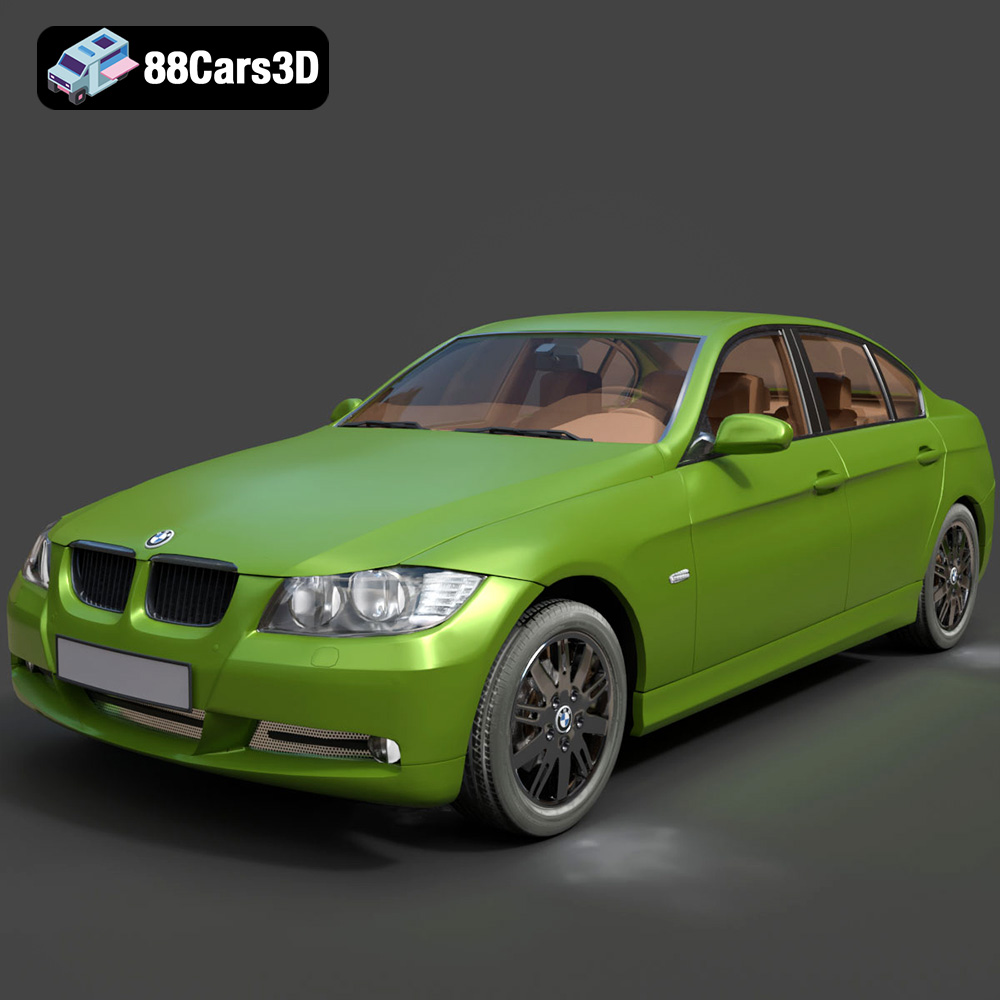
Today, we’re delving into the technical intricacies and boundless applications of such an asset, specifically highlighting the BMW 3-005 3D Model. This model stands as a testament to professional-grade digital craftsmanship, meticulously designed to meet the rigorous demands of various creative and technical pipelines. Whether you’re an architect visualizing a future urban landscape, a game developer populating a virtual world, or a marketing agency crafting a powerful advertisement, understanding the technical underpinnings of such an asset is crucial for maximizing its potential.
Understanding 3D Model File Formats: The Language of Digital Assets
The choice of file format for a 3D model is far more than a minor technicality; it dictates compatibility, feature support, and overall workflow efficiency. A high-quality asset like the BMW 3-005 3D Model from 88cars3d.com is often provided in multiple formats to ensure maximum utility across different software environments and pipelines. Each format is optimized for specific use cases, and understanding their strengths and weaknesses is fundamental for any professional 3D artist or developer.
.blend – The Native Blender Ecosystem
The .blend format is Blender’s native file type, offering a comprehensive and fully editable scene. When you receive a .blend file, you’re not just getting a model; you’re getting the entire project with its original materials, textures, lighting setups, cameras, animations, and even modifiers and procedural effects. This makes it ideal for users who primarily work in Blender and require full creative control and the ability to easily modify or adapt any aspect of the model. It’s a self-contained package, perfect for deep customization and leveraging Blender’s powerful rendering engines like Cycles and Eevee.
.fbx – The Industry Standard for Interoperability
The .fbx (Filmbox) format, originally developed by Kaydara and now owned by Autodesk, has become one of the most widely adopted interchange formats in 3D production. It excels at transferring comprehensive scene data between different 3D software applications and game engines like Unreal Engine and Unity. FBX can store not only mesh data but also materials (though often simplified, requiring re-setup in the destination software), textures, animations (including skeletal animations and blend shapes), cameras, and lights. Its robust support for animation data makes it indispensable for character rigging, vehicle animation, and real-time pipelines where movement is key.
.obj – The Universal Workhorse
The .obj (Wavefront OBJ) format is a classic and highly compatible file type, often considered the most universal for transferring pure geometric data. It’s a text-based format that primarily stores vertex positions, UV coordinates, normals, and face information, along with references to external material files (.mtl). While it doesn’t typically store advanced features like animation or complex material nodes, its simplicity ensures near-universal compatibility across virtually all 3D software. For foundational mesh transfer, especially when clean geometry is paramount, .obj remains an excellent choice.
.glb – Optimized for AR, VR, and Web
The .glb (GLB format, a binary form of glTF – Graphics Library Transmission Format) is rapidly gaining traction as the preferred format for web-based 3D, augmented reality (AR), and virtual reality (VR) applications. It’s designed for efficient transmission and loading of 3D scenes and models by packaging all assets (geometry, materials, textures, animations, skinning) into a single, compact file. GLB’s optimization for real-time rendering and its native support in web browsers and AR/VR platforms make it perfect for interactive product viewers, virtual showrooms, and immersive experiences – ideal for showcasing models like the BMW 3-005 in a dynamic, accessible way.
.stl – The Standard for 3D Printing
The .stl (STereoLithography) format is the de facto standard for 3D printing and additive manufacturing. It represents 3D surfaces as a series of connected triangles, essentially describing the outer geometry of a 3D object without any color, texture, or material information. For models intended for physical output, such as creating a miniature physical prototype of the BMW 3-005, the .stl format is essential. It requires the source model to be a “manifold” mesh (watertight with no holes or self-intersections) to ensure successful printing.
.ply – Precision for CAD and Analysis
The .ply (Polygon File Format, or Stanford Triangle Format) is another common format for storing 3D data from 3D scanners, CAD software, and scientific applications. Similar to .obj, it can store vertex, face, and normal data, but it also supports additional properties like color, transparency, and even confidence values for each vertex. It’s often used for precision mesh data, point clouds, and applications requiring detailed analysis or reconstruction of scanned objects. For highly accurate geometric data or when integrating with engineering workflows, .ply offers a robust solution.
.unreal – Engine-Ready for Real-Time Environments
A specialized .unreal format, often referring to a pre-packaged Unreal Engine project or asset, represents an optimized and often pre-configured asset ready for direct integration into Unreal Engine. This typically means the model has already been imported, scaled, had its materials set up (often using Unreal’s PBR workflow), and might even include LODs (Levels of Detail), collision meshes, and basic interactivity components. For game developers or real-time visualization specialists using Unreal Engine, this format significantly streamlines the pipeline, saving valuable setup time and ensuring optimal performance for assets like the BMW 3-005 3D Model.
.max – The Versatility of 3ds Max
The .max format is Autodesk 3ds Max’s native scene file, much like .blend for Blender. It encapsulates the entire 3ds Max project, including geometry, modifiers, materials (especially those optimized for renderers like V-Ray or Corona), lighting, cameras, animations, and scene settings. For professionals working in architectural visualization, product rendering, or animation using 3ds Max, having the .max file provides the highest degree of flexibility for customization, sophisticated rendering setups, and complex animation sequences. It offers full access to the original project hierarchy, pivots, and modifier stacks, making it invaluable for precise adjustments.
The fact that the BMW 3-005 3D Model is offered in this comprehensive array of formats underscores its professional-grade quality and adaptability, ensuring it seamlessly integrates into virtually any production pipeline you might employ.
The Foundation of Digital Realism: Crafting High-Quality 3D Automotive Models
Creating a truly convincing 3D automotive model goes far beyond simply mimicking its real-world counterpart. It demands a deep understanding of surface continuity, material behavior, and optimization. The BMW 3-005 3D Model exemplifies this dedication, built with precision that caters to both visual fidelity and technical efficiency.
The Art of Precision Modeling: Topology and Scale
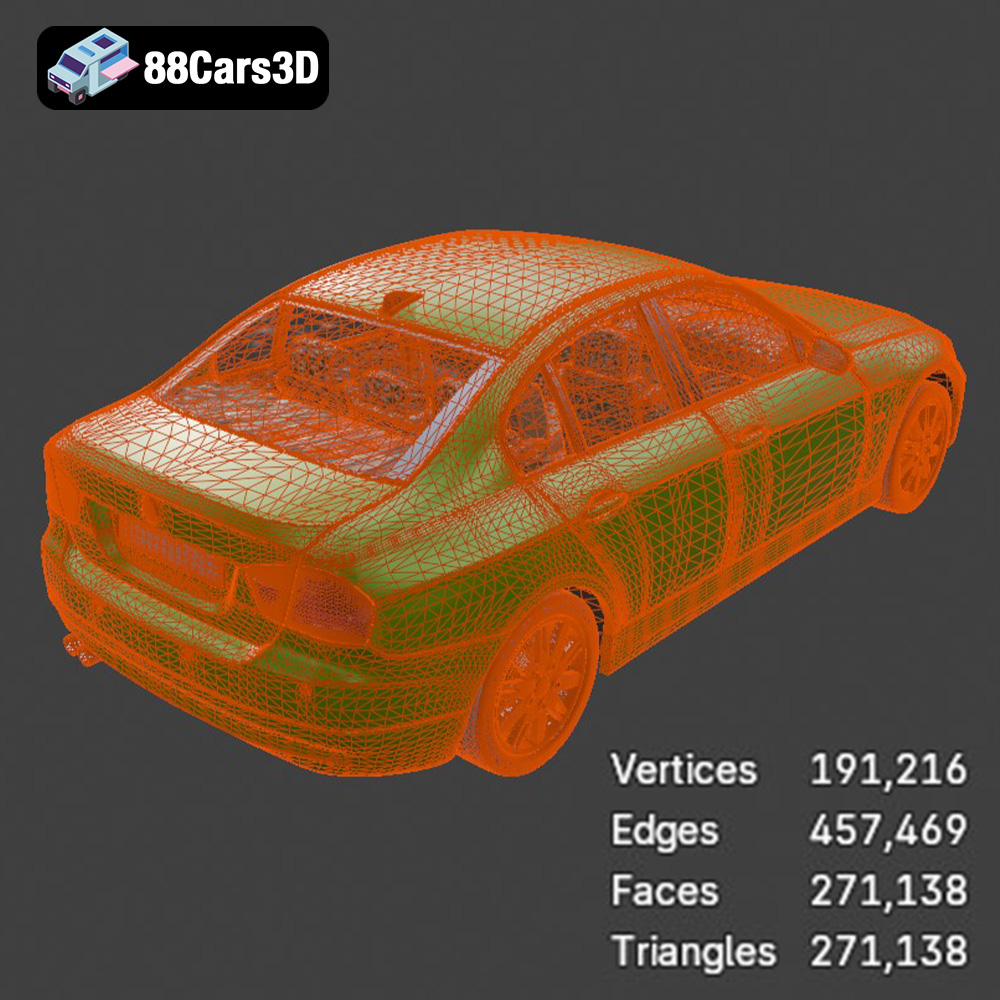
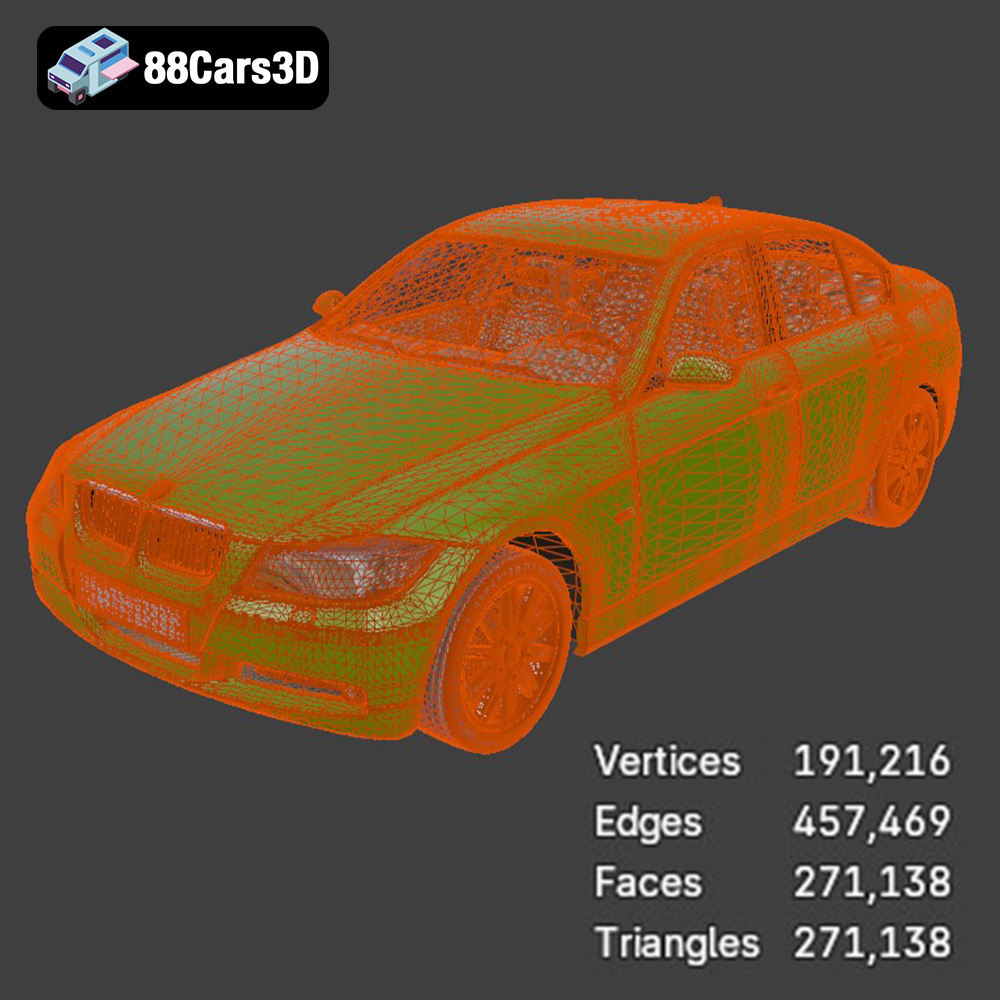
At the heart of any high-quality 3D model is its topology – the arrangement of vertices, edges, and faces that form its surface. The BMW 3-005 3D Model boasts clean, quad-dominant topology. This isn’t just an aesthetic choice; it’s a technical imperative. Quad-based meshes deform smoothly, are easier to subdivide for higher detail without introducing artifacts, and provide predictable results in animation. This meticulous approach ensures that when the car turns a corner, accelerates, or encounters dynamic lighting, its body panels remain fluid and realistic, free from pinching or unsightly distortions.
Furthermore, the model is built to real-world scale. This seemingly simple detail is critical for accurate integration into scenes. Whether it’s placed in an architectural visualization alongside buildings and street furniture, or integrated into a simulation environment where physical laws dictate movement, correct scale ensures immediate realism without the need for manual adjustments that can introduce errors. Properly set pivots for components like doors, hoods, and trunks also streamline animation workflows, making it effortless to simulate realistic openings and closings.
Material Definition and Texturing: Beyond the Surface
A model’s realism is significantly elevated by its materials and textures. The BMW 3-005 3D Model comes with detailed material definitions that capture the nuanced properties of various automotive surfaces. This includes reflective paint finishes and chrome accents that interact with light in a physically accurate manner, crucial for stunning automotive rendering. The transparency of windows is handled with precision, allowing for realistic light interaction and interior visibility. High-fidelity wheels and tires feature proper tread patterns, adding an extra layer of detail that often goes unnoticed until it’s missing.
Efficient UV mapping is another technical advantage. This process flattens the 3D surface into a 2D space, allowing textures to be applied without stretching or distortion. For the BMW 3-005, efficient UVs mean that custom liveries, brand graphics, or specific weathering effects can be applied straightforwardly, giving artists full control over the final look without wrestling with complex texture alignment.
Unleashing Creativity: Workflow Integration with Professional Software
The true value of a versatile 3D asset lies in its seamless integration into various professional workflows. The BMW 3-005 3D Model, with its diverse file format offerings, is designed to be a plug-and-play solution for leading 3D software packages and game engines.
3ds Max for Cinematic Rendering and Animation
For professionals in architectural visualization, product design, and cinematic animation, Autodesk 3ds Max remains a powerhouse. The inclusion of a .max file means users gain access to a fully editable 3ds Max scene. This allows for immediate integration with industry-standard renderers like V-Ray or Corona Renderer, where artists can leverage advanced lighting simulations, global illumination, and sophisticated material editors to produce photorealistic automotive rendering. The logically organized hierarchy and properly set pivots of the BMW 3-005 model make it simple to set up complex animations, from intricate camera movements tracking the vehicle to dynamic sequences involving opening doors or steering the wheels.
Blender for Independent Production and Open-Source Workflows
Blender has emerged as a formidable tool for artists and studios, offering a comprehensive suite for 3D creation. The .blend file for the BMW 3-005 is a complete project, enabling Blender users to dive straight into rendering with Cycles or Eevee, or to further customize the model using Blender’s powerful modifiers and geometry nodes. This is particularly valuable for independent artists and smaller studios seeking high-quality assets without proprietary software dependencies. The model’s clean topology readily supports subdivision surface modifiers for ultra-smooth renders, while its optimized mesh quality ensures good performance in real-time viewport interactions.
Unreal Engine for Real-Time Immersion
Unreal Engine stands at the forefront of real-time rendering, powering everything from AAA games to cutting-edge virtual production. The BMW 3-005 3D Model is provided in .fbx and a specialized .unreal format, making it an exceptional game asset. Importing into Unreal Engine is streamlined, allowing developers to quickly leverage features like Lumen for real-time global illumination, Nanite for high-fidelity geometry streaming, and Unreal’s robust material editor for physically based rendering (PBR) setups. The separated components of the car (doors, hood, trunk) are perfect for setting up interactive elements via Blueprints, allowing players or users to open them, customize the vehicle, or even simulate damage. For high-performance virtual reality experiences or driving simulations, this model provides the necessary foundation for immersive realism.
Elevating Interactive Experiences: Game Development & AR/VR
The digital age is increasingly interactive, and high-quality 3D car models are pivotal for creating believable virtual worlds and augmented realities. The BMW 3-005 3D Model is engineered to excel in these demanding environments.
Optimizing for Real-Time Performance
Game development and AR/VR applications place unique constraints on 3D assets, primarily concerning performance. The BMW 3-005 model offers optimized mesh quality for a balance of detail and performance. This means careful poly-count management, ensuring the model looks stunning without bogging down real-time rendering engines. Game developers can further optimize it by generating Levels of Detail (LODs) – lower-polygon versions of the model that are swapped in at greater distances – and creating custom collision meshes for accurate physics interactions. The efficient UV mapping also translates to optimized texture memory usage, a critical factor for smooth gameplay and immersive AR/VR experiences.
Immersive AR/VR Applications
Augmented Reality (AR) and Virtual Reality (VR) demand models that are not only realistic but also highly efficient. The .glb format included with the BMW 3-005 3D Model is specifically optimized for AR, VR, and web-based display, ensuring rapid loading and smooth interaction across devices. Imagine showcasing this BMW model in an interactive AR app on a smartphone, allowing potential customers to view it in their driveway, change its color, or even peer inside. In a VR experience, the model can become the centerpiece of a virtual showroom or a key element in a sophisticated driving simulation, providing unparalleled realism through its detailed exterior and interior features.
Simulation and Training
Beyond entertainment, high-fidelity 3D car models are invaluable for simulation and training. The BMW 3-005 can be integrated into advanced driving simulators for professional training, automotive engineering test beds, or educational presentations. Its accurate real-world scale, detailed interior (dashboard, steering wheel, controls), and even visible basic drivetrain components contribute to a highly realistic and effective simulation environment, where users can learn, practice, and evaluate scenarios with digital precision.
Beyond the Screen: 3D Printing and Physical Prototyping
While digital visualization is paramount, the journey of a 3D model can extend into the physical realm. The BMW 3-005 3D Model offers pathways for tangible output, bridging the gap between digital design and physical fabrication.
Preparing Models for Additive Manufacturing
The inclusion of the .stl format makes the BMW 3-005 3D Model ready for 3D printing. This format simplifies the complex geometric data into a mesh of triangles, which 3D printers understand. While scaling and ensuring appropriate wall thickness might be required depending on the printing method and desired size, the clean topology and well-defined geometry of the source model provide an excellent foundation. This allows designers to create physical prototypes, collectible models, or scale replicas, transforming the digital asset into a tangible object.
Precision for Engineering and Analysis
The .ply format, also included, caters to workflows requiring precision mesh data for engineering or analytical purposes. This could involve reverse engineering, quality control, or integration with CAD (Computer-Aided Design) software for further design iteration. For instance, an engineer might use the .ply file to analyze surface curvature, perform aerodynamic simulations, or simply integrate it as a reference model within a larger assembly. Its robust data storage capabilities make it suitable for tasks where geometric accuracy and additional per-vertex data are important.
Why Choose Professional-Grade 3D Car Models from 88cars3d.com?
In a competitive digital landscape, the difference between a good project and an exceptional one often comes down to the quality of its assets. Sourcing professional-grade 3D car models like the BMW 3-005 from a trusted marketplace such as 88cars3d.com offers significant advantages.
Firstly, it’s about saving invaluable time and resources. Rather than embarking on the complex and time-consuming process of modeling a vehicle from scratch – a task that requires specialized skills in hard surface modeling, topology optimization, and material creation – professionals can leverage pre-made, production-ready assets. The BMW 3-005 3D Model is a meticulously crafted digital representation that embodies BMW’s iconic design philosophy, meaning you get instant access to a model that has undergone rigorous development and quality assurance.
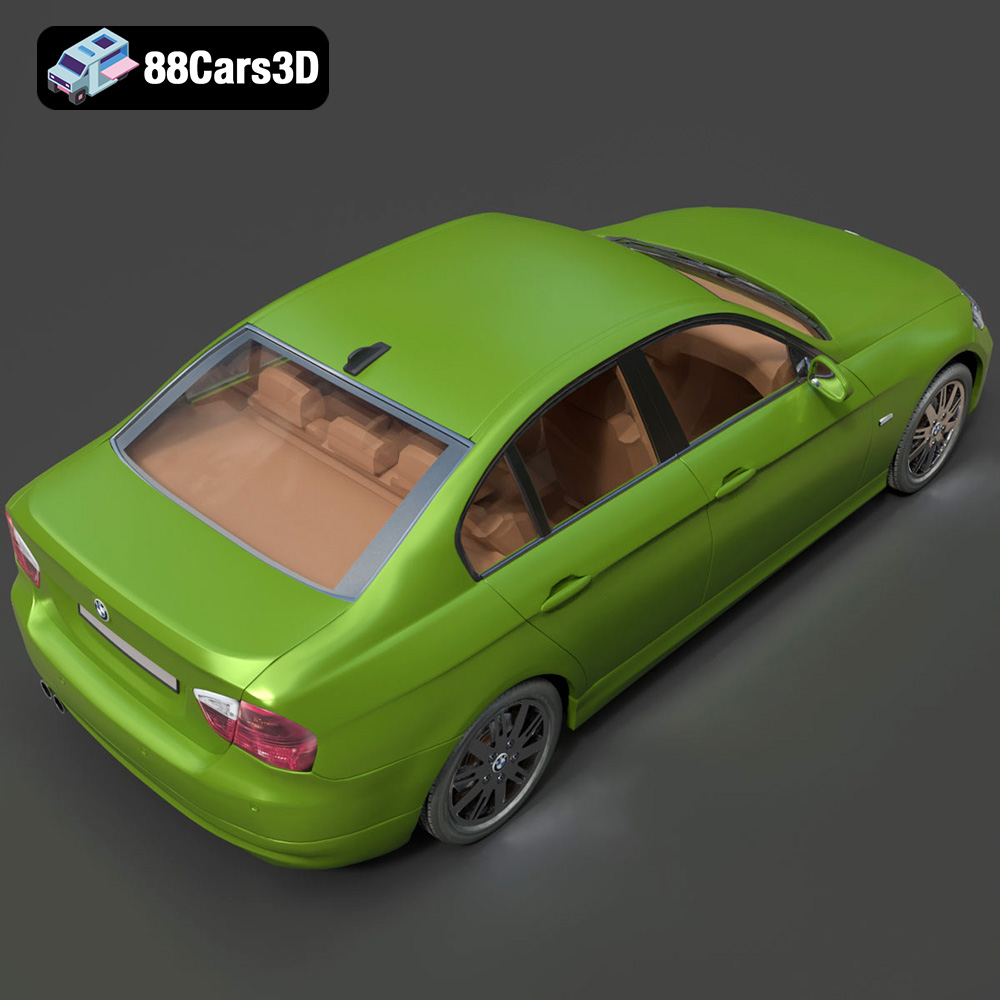
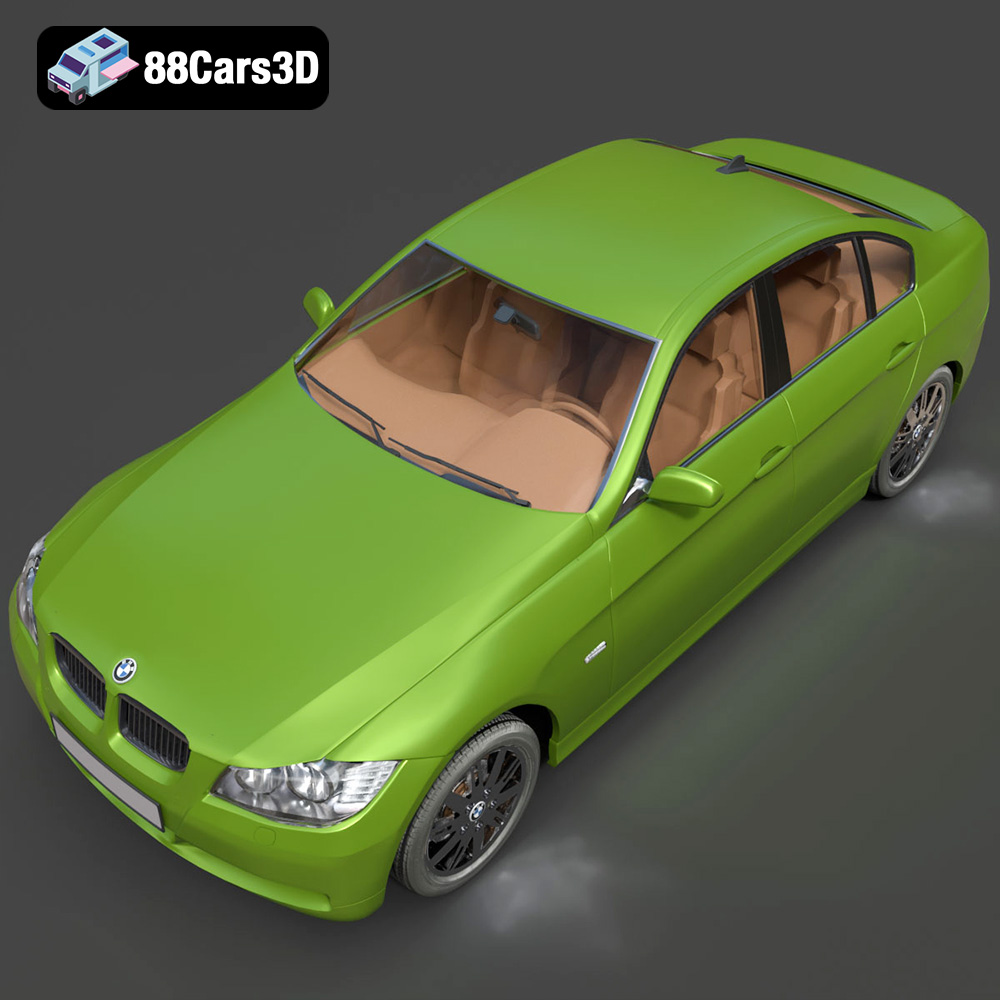
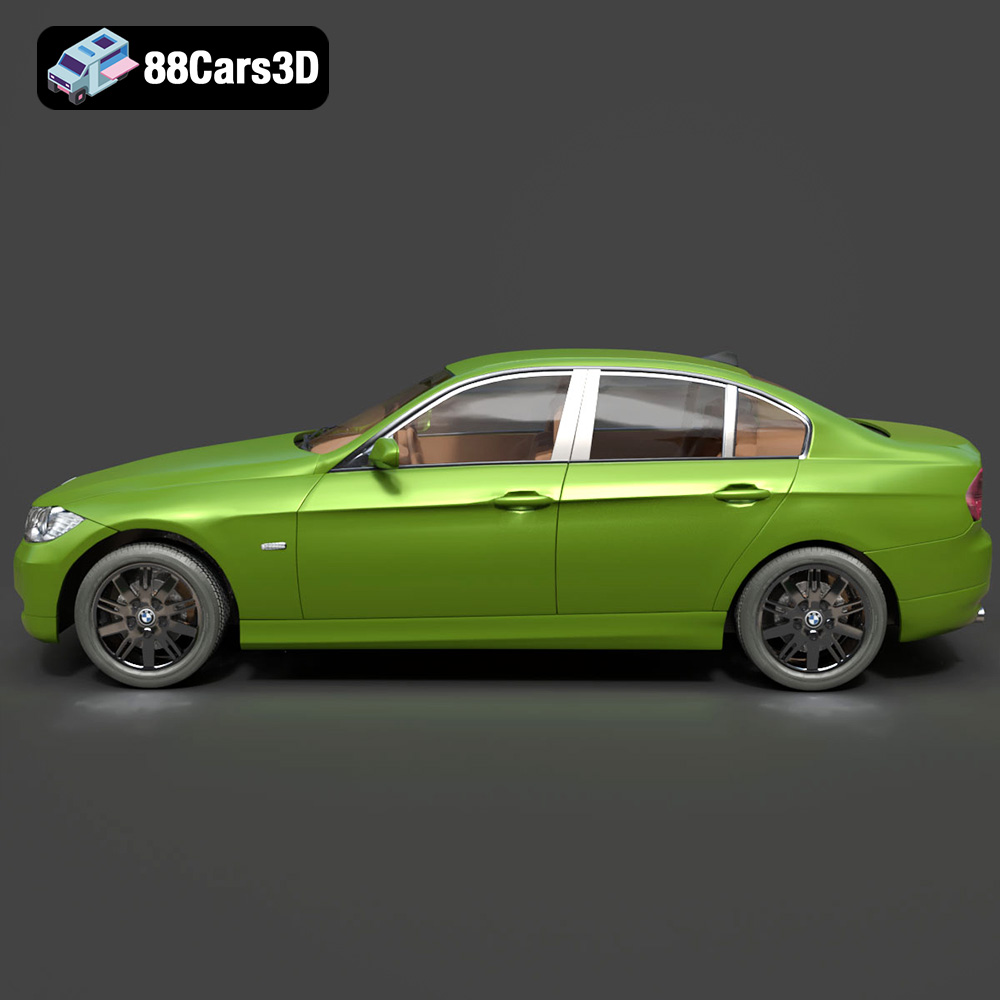
Secondly, consistency and reliability are key. When you acquire assets from 88cars3d.com, you are investing in models built to a high standard. The BMW 3-005, for example, features accurately modeled body panels, detailed headlights and taillights, high-fidelity wheels, and a detailed interior. These are not just superficial details; they are indicators of a model designed for demanding professional use. Its clean, quad-dominant topology, real-world scale, and logically organized hierarchy ensure predictable results across various applications, minimizing the troubleshooting often associated with lower-quality models.
Finally, the versatility of such an asset is unparalleled. With included file formats like .blend, .fbx, .obj, .glb, .stl, .ply, .unreal, and .max, the BMW 3-005 3D Model is truly an indispensable tool. It’s ready for high-quality rendering, realistic animation, immersive simulation projects, detailed game development, and even 3D printing. This adaptability ensures that your investment yields returns across multiple projects and platforms, providing a foundation for stunning visuals and engaging interactive experiences.
Conclusion: Empowering Your Creative and Technical Endeavors
The journey of a high-quality 3D automotive model, from its meticulous creation to its diverse applications, underscores its critical role in modern digital production. Whether it’s enhancing the realism of an architectural visualization, driving the thrill of a next-generation racing game, or forming the core of an immersive AR/VR experience, a well-crafted 3D car model is an essential component for success.
The BMW 3-005 3D Model is a prime example of an asset built with professional requirements in mind. Its optimized geometry, comprehensive material definitions, and availability in a multitude of industry-standard file formats ensure it integrates seamlessly into virtually any workflow. From the precision required for 3D printing to the performance demands of real-time game engines, this model provides a robust and versatile solution for creators and innovators across all fields.
By understanding the technical specifications and application nuances of such professional-grade assets, you empower yourself to make informed decisions that elevate your projects. For this exceptional BMW 3-005 3D Model and a wide array of other meticulously crafted 3D car models, explore the extensive collection available at 88cars3d.com – your destination for premium digital automotive assets that truly drive innovation.
Featured 3D Model
BMW 3-005 3D Model
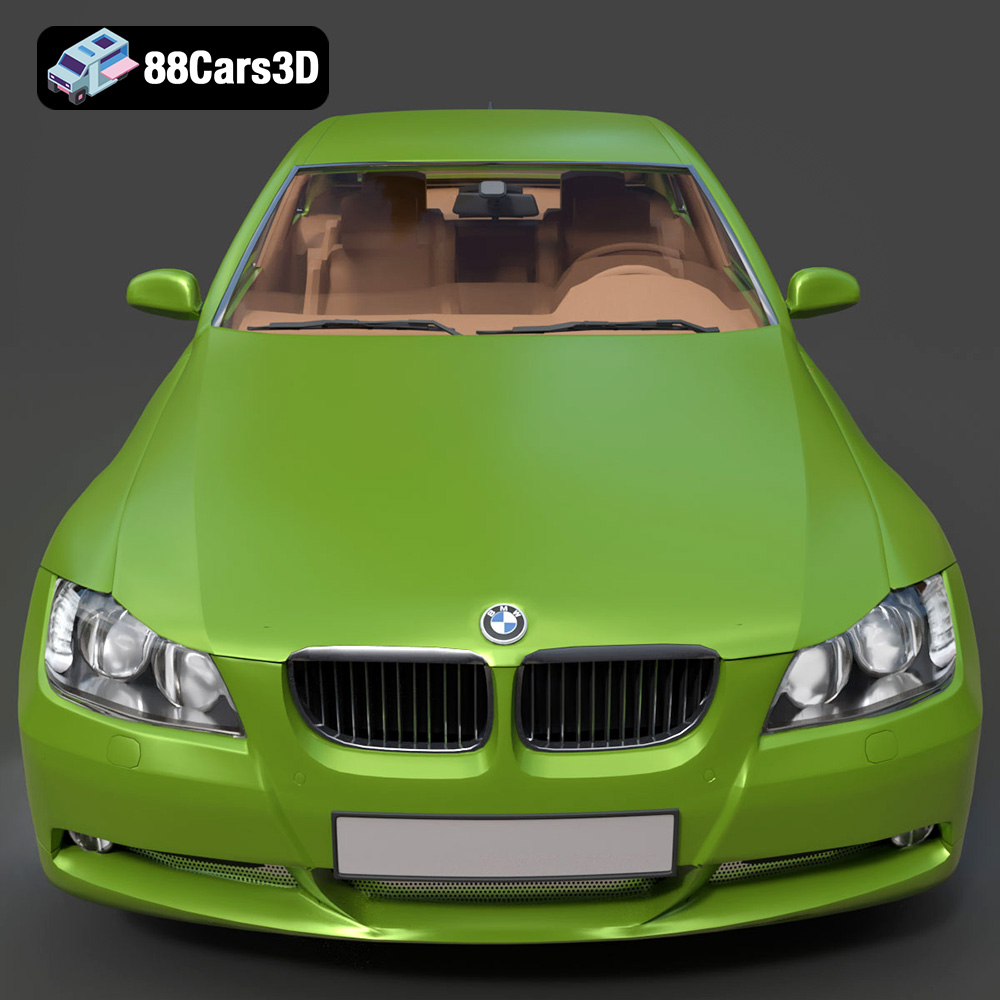
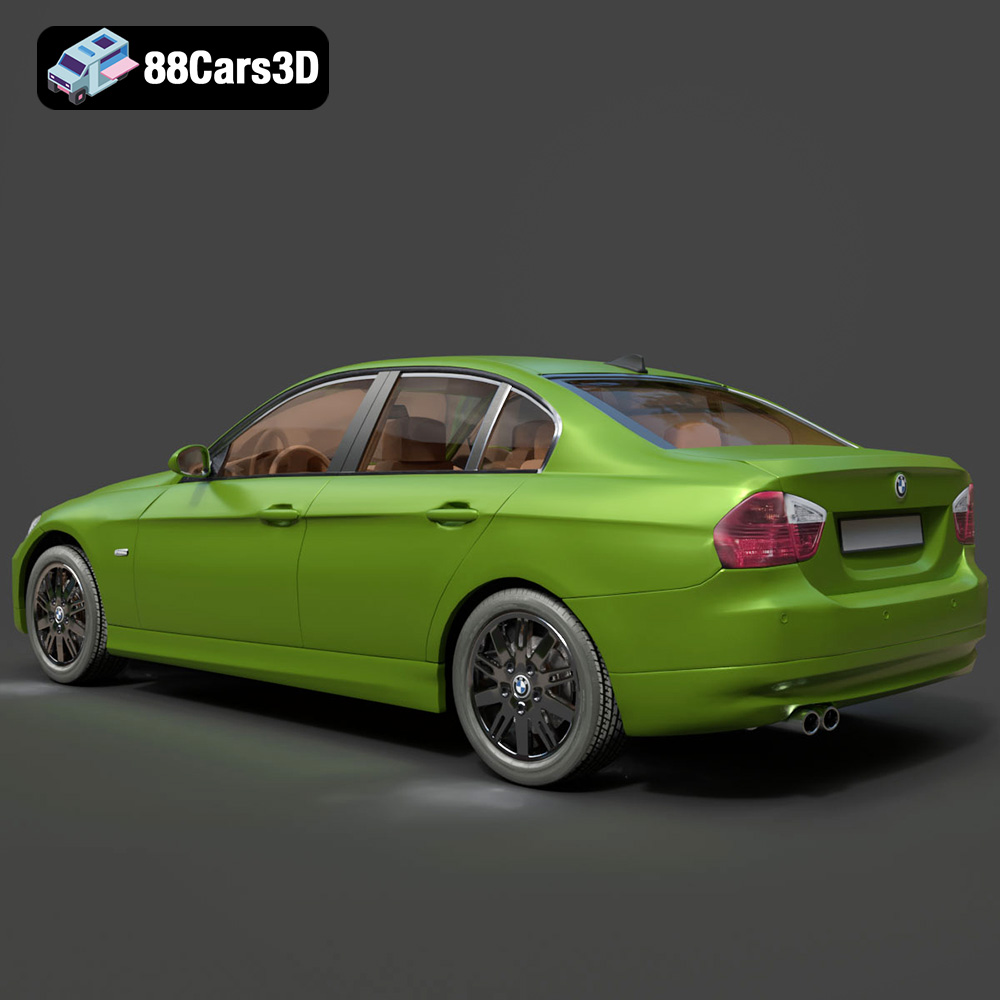
Presenting the professional-grade BMW 3-005 3D Model, a meticulously crafted digital representation of BMW’s iconic design philosophy. This model captures the essence of a modern luxury vehicle, featuring clean, optimized geometry and a balanced level of detail perfect for a wide range of applications. Built with precision, it’s an ideal asset for high-quality rendering, realistic animation, immersive simulation projects, and detailed game development.
Exterior Features:
- Accurately modeled body panels reflecting BMW’s distinctive styling
- Detailed headlights and taillights with realistic material definitions
- High-fidelity wheels and tires with proper tread patterns
- Separated components such as doors, hood, and trunk for easy animation workflows
- Transparent materials for windows, allowing for realistic light interaction
- Reflective paint finishes and chrome accents for a premium look
Interior / Mechanical Features:
- Detailed dashboard, steering wheel, and control elements
- Comfortable seating with realistic fabric or leather textures
- Visible engine and basic drivetrain components for mechanical accuracy (where applicable)
- Optimized mesh quality for a balance of detail and performance
Technical Advantages:
- Clean, quad-dominant topology ensures smooth subdivisions and deformation
- Modeled to real-world scale for accurate integration into scenes
- Logically organized hierarchy with properly set pivots for easy animation and manipulation
- Efficient UV mapping for straightforward texture application
Applications:
- Rendering & Visualization: Create stunning studio renders, cinematic sequences, and product visualizations.
- Game Development: Integrate into racing games, open-world environments, or simulation titles as a high-quality game asset.
- AR/VR: Develop immersive augmented reality and virtual reality experiences with realistic vehicle interactions.
- Simulation & Training: Utilize for automotive simulations, driving trainers, or educational presentations.
- 3D Printing: Easily convert to .stl for physical model production (scaling may be required).
Customization Options:
- Easily modify paint finishes, apply custom liveries, or integrate brand graphics.
- Adjust material properties for metal, chrome, glass, rubber, and plastics to match specific scene requirements.
- Adapt lighting setups to achieve diverse moods and atmospheric conditions.
The BMW 3-005 3D Model is an indispensable asset for professionals seeking a high-quality, versatile, and production-ready vehicle model. Its exceptional detail and technical advantages make it a superior choice for any demanding 3D project.
Included File Formats:
- .blend – Blender project with materials
- .fbx – Compatible with Unreal, Unity, and major 3D engines
- .obj – Universal format for nearly all 3D software
- .glb – Optimized for AR, VR, and web-based visualization
- .stl – Ready for 3D printing
- .ply – Mesh format for analysis and CAD workflows
- .unreal – Unreal Engine project setup
- .max – Editable 3ds Max scene for rendering and animation
$14.99
Product Image Gallery