Mastering Automotive Design: The Iconic BMW M3 E46 3D Model for Professional Workflows
The BMW M3 E46 holds a special place in the hearts of automotive enthusiasts and designers alike. Renowned for its perfect blend of performance, driver engagement, and timeless aesthetic, it represents a high-water mark in sports car engineering. For professionals in 3D visualization, game development, and simulation, accurately capturing the essence of such an icon is paramount. A high-quality 3D model isn’t just a digital representation; it’s a foundation for breathtaking renders, immersive interactive experiences, and precise simulations. It embodies countless hours of meticulous craftsmanship, designed to elevate projects from good to exceptional.
Whether you’re crafting a cinematic advertisement, populating a sprawling open-world game, or developing a sophisticated driving simulator, the quality of your core assets dictates the final output. In this comprehensive guide, we’ll delve into the technical intricacies and creative possibilities unlocked by a professional-grade 3D model, specifically focusing on the venerable BMW M3 E46 3D Model. We’ll explore its features, discuss how it integrates into various professional workflows, and highlight the critical role of versatile file formats in today’s demanding digital landscape.
The Enduring Legacy of the BMW M3 E46 in 3D
The BMW M3 E46 wasn’t just another car; it was a phenomenon. Its inline-six S54 engine, responsive chassis, and distinct wide-body stance cemented its status as a legend. Translating this automotive icon into the digital realm requires more than just polygon counts; it demands an understanding of its character and an eye for every subtle curve and aggressive line.
Capturing Automotive Iconography
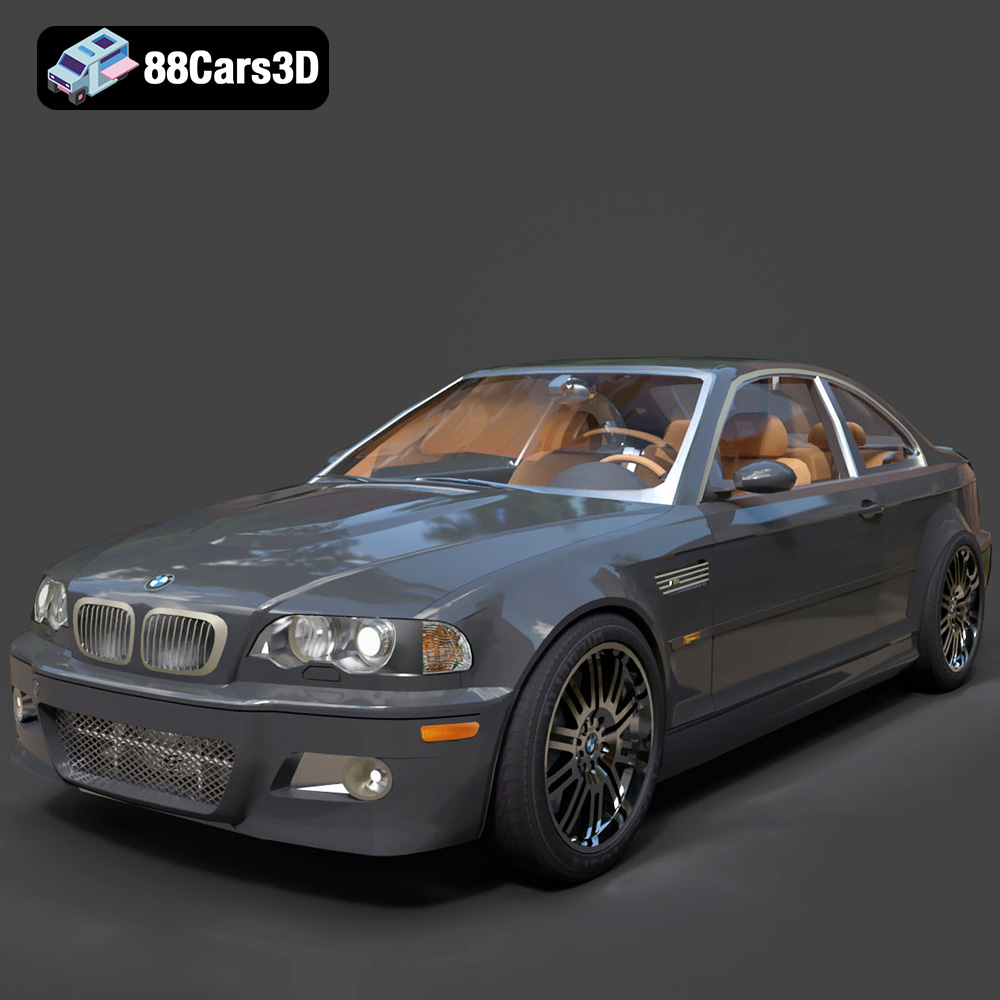
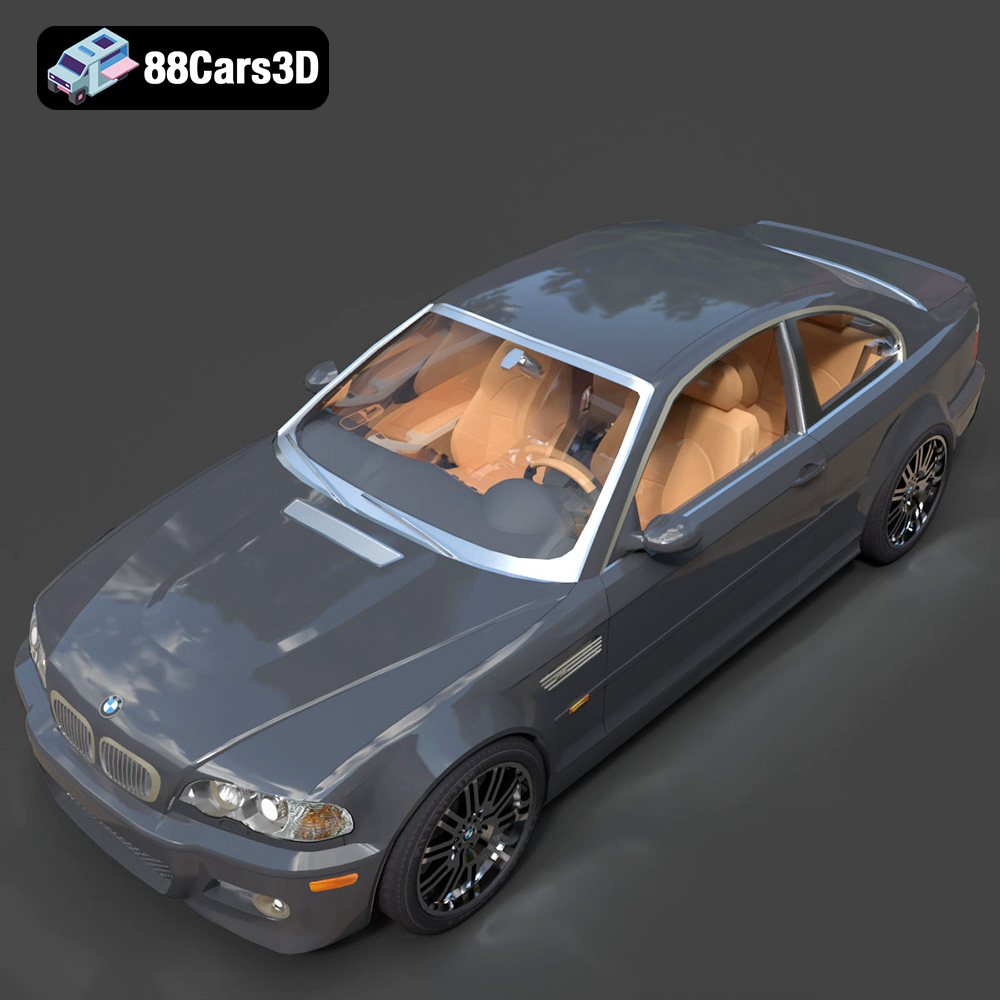
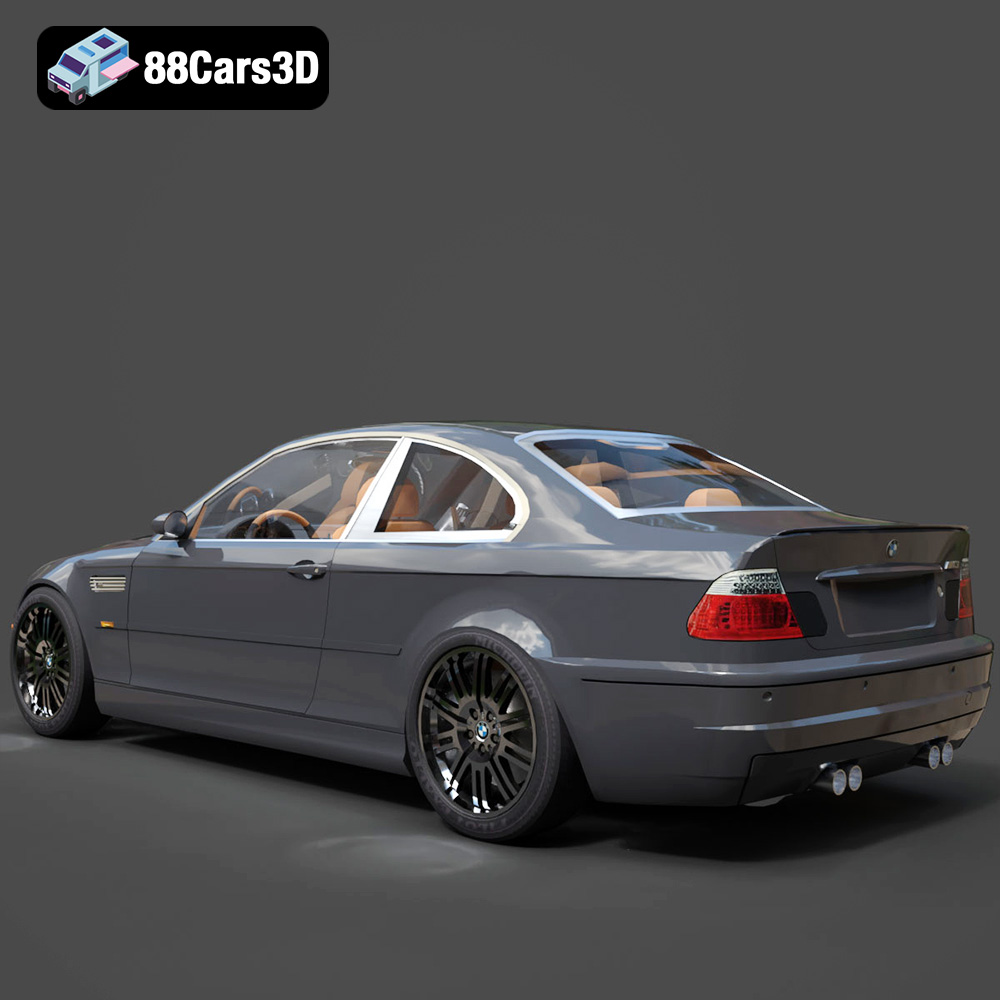
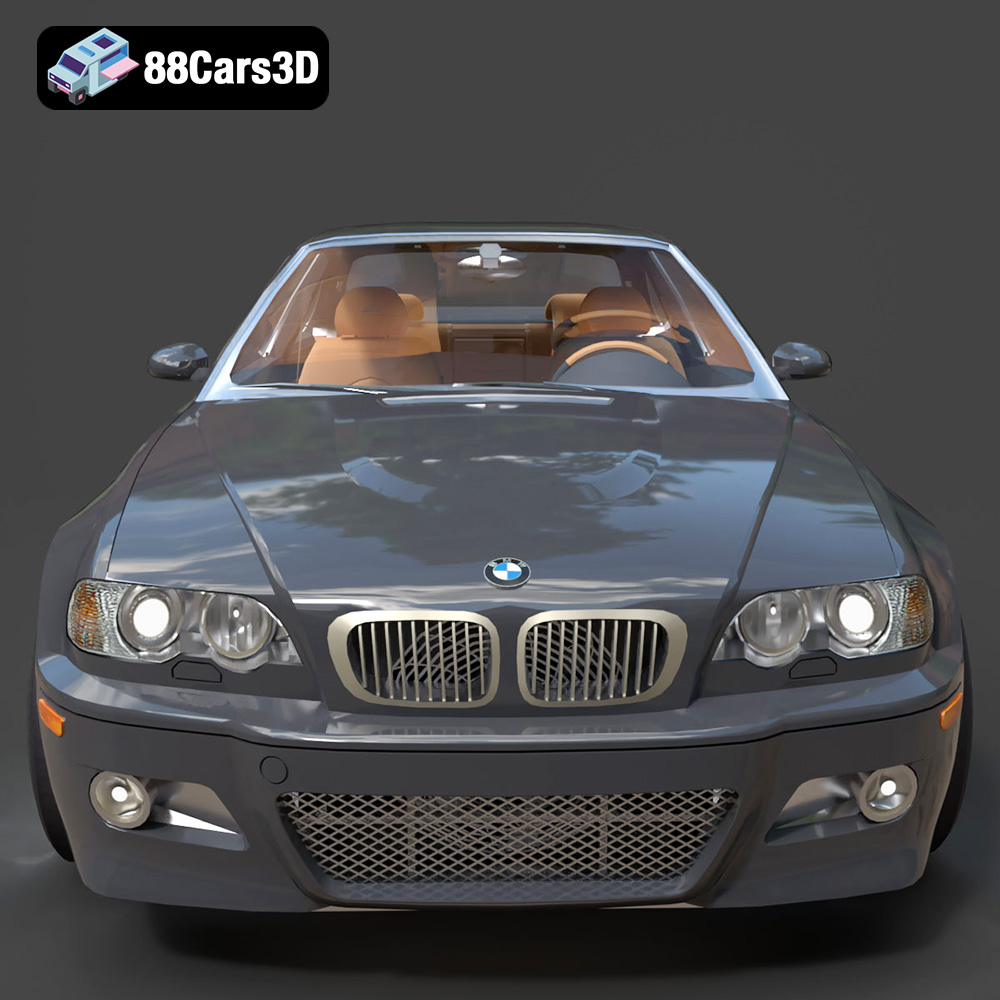
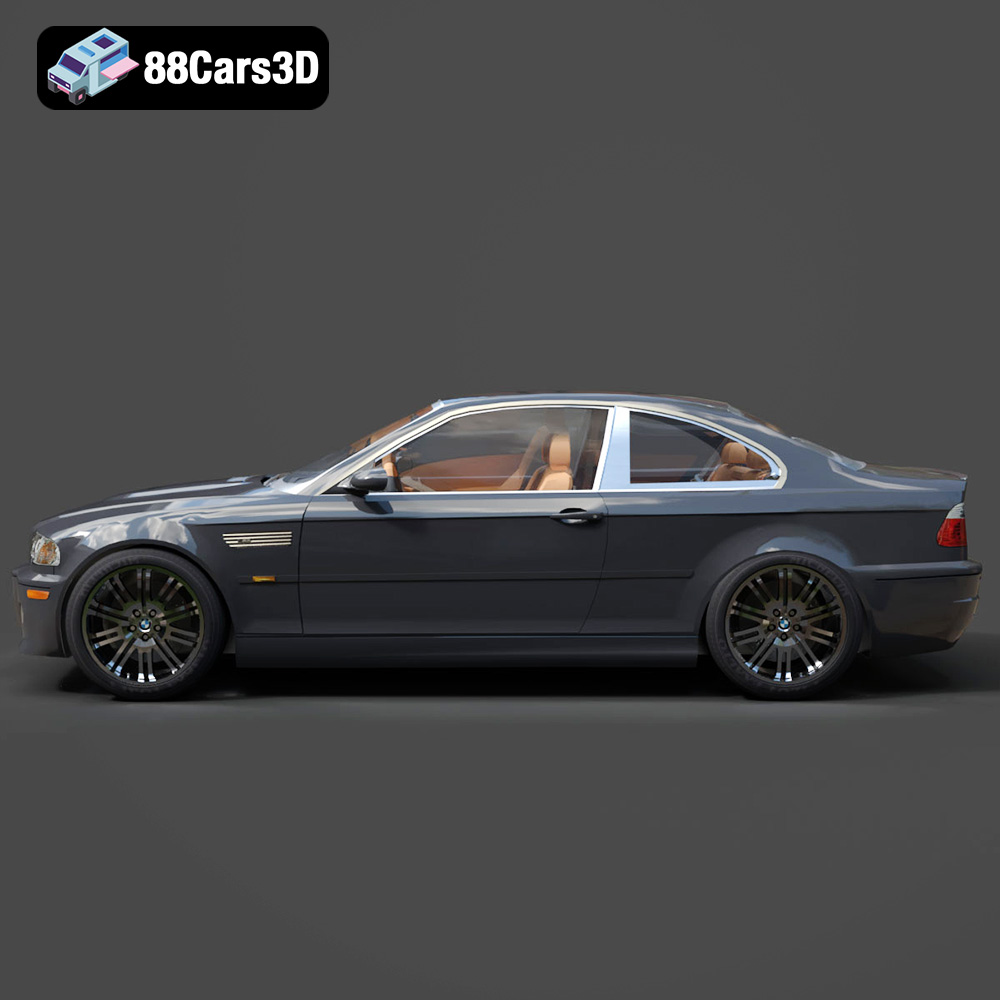
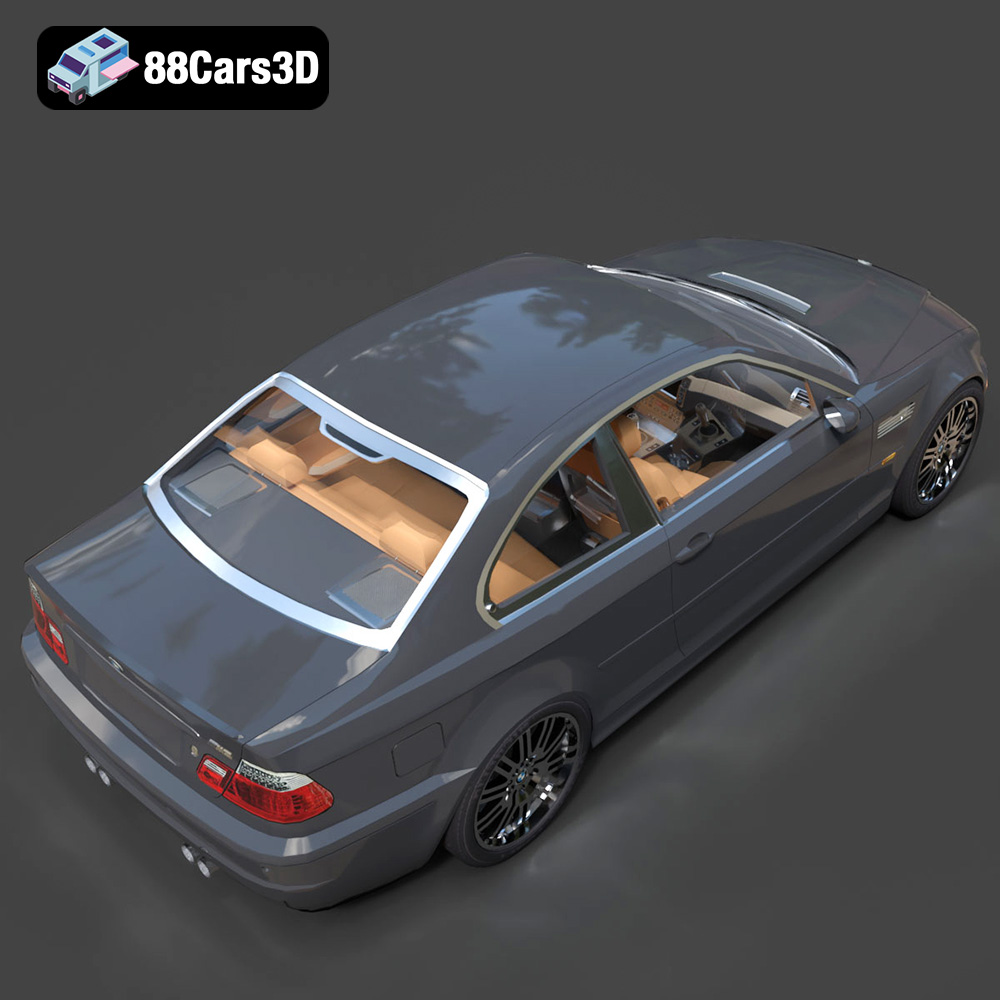
For many, the M3 E46 represents the zenith of BMW’s M division. Its exterior design is a masterclass in understated aggression, from the functional hood bulge and sculpted side skirts to the iconic quad exhausts. Replicating this digitally means paying homage to these details. A truly professional 3D model captures the distinctive M3 wide-body flares, the intricate design of the front grille, and the precise geometry of its headlights and taillights. These aren’t merely decorative elements; they are crucial components that define the vehicle’s identity and visual impact in any scene.
The Art of Digital Reconstruction
The process of creating a high-fidelity 3D car model is an intricate dance between artistic interpretation and technical precision. It involves extensive research, referencing blueprints, photographs, and real-world measurements. Every panel gap, every curve of the body, and every nuance of the interior must be meticulously recreated to ensure authenticity. The BMW M3 E46 3D Model available at 88cars3d.com exemplifies this dedication, built with clean, optimized geometry and balanced detailing that ensures both visual fidelity and efficient performance. This approach ensures that the digital M3 E46 is not merely a model, but a faithful digital twin, ready to ignite your projects with its classic sporting spirit.
Understanding 3D Model File Formats
In the professional 3D industry, the choice of file format is as critical as the model’s quality itself. Different formats serve different purposes, optimized for specific software, engines, or applications. Understanding these distinctions is paramount for streamlining workflows and ensuring compatibility. The BMW M3 E46 3D Model is provided in a wide array of formats, offering unparalleled flexibility for any project requirement.
.blend – The Blender Powerhouse
The
.fbx – Real-time Engine Standard
Autodesk’s
.obj – The Universal Translator
The
.glb – Web & AR/VR Optimization
GL Transmission Format Binary (
.stl – Precision for Physical Output
Stereolithography (
.ply – For Scientific & Engineering Accuracy
The Polygon File Format (
.unreal – Native Engine Integration
The
.max – The 3ds Max Professional’s Choice
The
Crafting Excellence: Technical Specifications of the BMW M3 E46 3D Model
A truly professional 3D car model goes beyond looking good; it’s engineered for performance and adaptability. The BMW M3 E46 3D Model available on 88cars3d.com is a prime example of this philosophy, built with a meticulous attention to technical detail that underpins its visual fidelity and ease of use in various applications.
Geometry and Topology
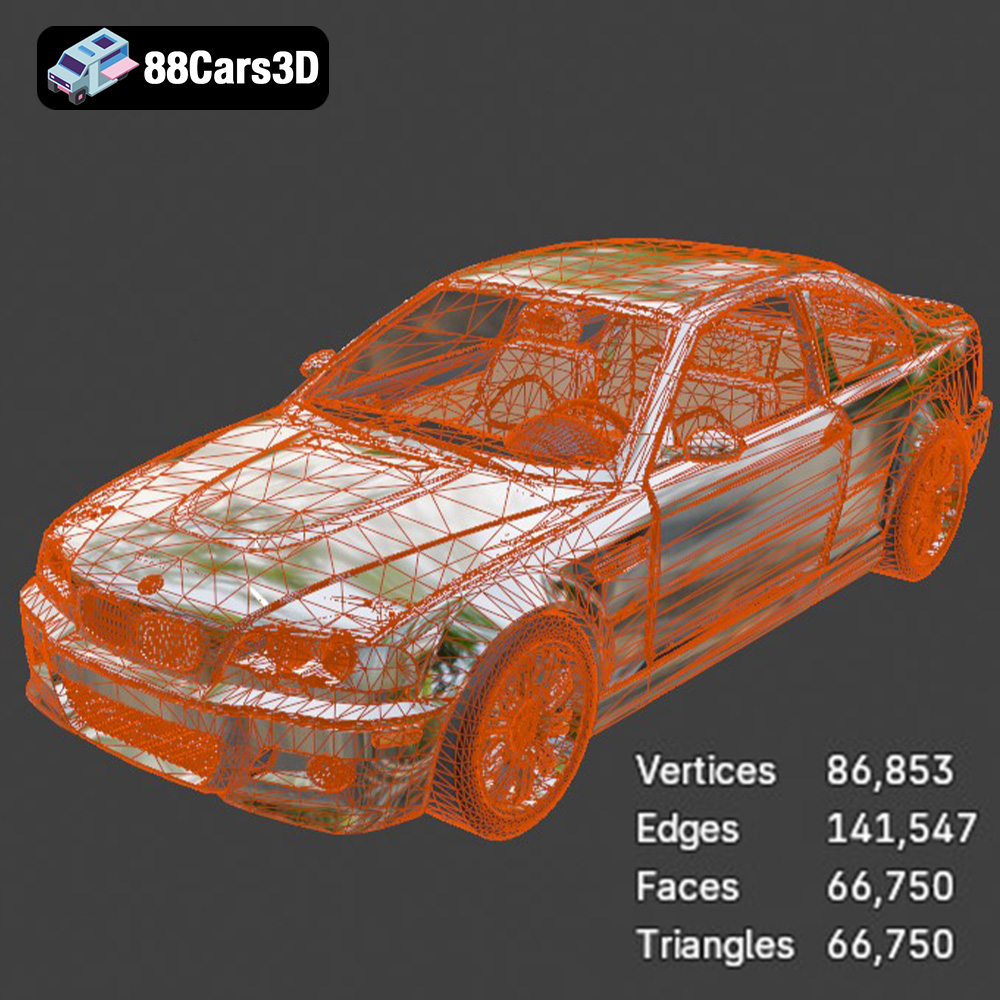
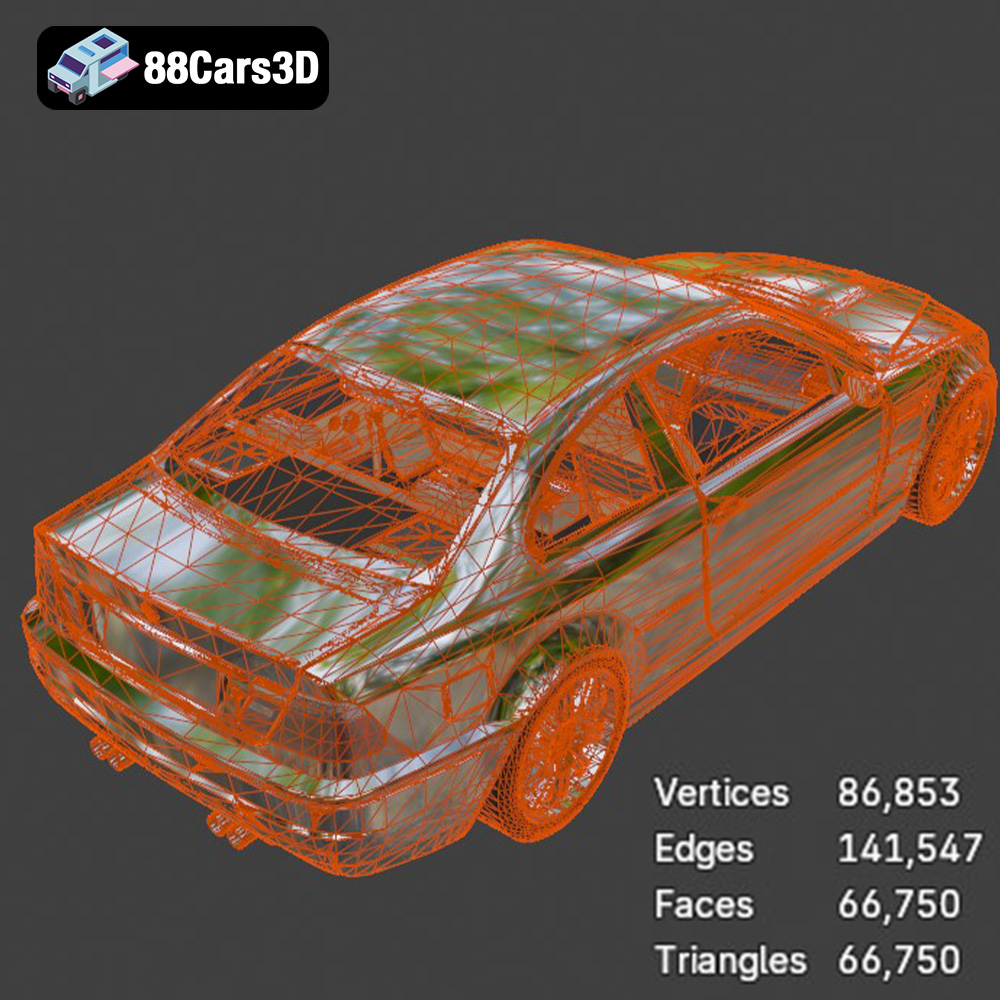
At the core of any high-quality 3D model is its geometry and topology. This M3 E46 model boasts
Material Fidelity and Realism
The realism of a 3D model is heavily reliant on its materials. This BMW M3 E46 model features
Precision in Scale and Animation Readiness
Seamless integration into existing scenes is facilitated by models that are
Professional Workflows: Integrating the M3 E46 into Your Projects
The versatility of the BMW M3 E46 3D Model shines brightest when integrated into professional production pipelines. Its robust construction and comprehensive file formats make it an invaluable asset across diverse industries.
High-Fidelity Automotive Rendering (3ds Max/Blender/V-Ray/Cycles)
For artists focused on photorealistic automotive rendering, this M3 E46 model is a dream. In environments like 3ds Max or Blender, coupled with powerful renderers such as V-Ray, Corona, or Cycles, the model’s clean topology ensures flawless reflections and subtle surface variations that are crucial for realism. Workflows typically involve:
- Environment Setup: Utilizing high-dynamic-range imaging (HDRI) maps to simulate realistic lighting and reflections from a specific environment (e.g., a studio, street, or scenic backdrop).
- Material Tweaking: Fine-tuning paint metallicity, clear coat reflections, tire roughness, and glass transparency to achieve the desired look.
- Camera and Composition: Setting up cinematic camera angles, depth of field, and motion blur to create compelling visual narratives.
- Animation: Leveraging the separated parts and correctly set pivots for dynamic shots – opening doors, rotating wheels, or even a full driving sequence.
Such workflows are essential for automotive advertising, product visualization, and cinematic presentations, where every detail counts. The optimized mesh ensures smooth reflections that are key to showcasing a vehicle’s premium finish.
Real-time Game Development (Unreal Engine/Unity)
The BMW M3 E46 3D Model is game-ready, particularly with its .fbx and dedicated .unreal formats. Game developers can significantly accelerate their production timelines. The process typically involves:
- Import and Optimization: Importing the .fbx or the native .unreal asset into the engine. The optimized mesh density helps maintain frame rates without sacrificing visual quality.
- LODs and Collision: Creating or utilizing existing Levels of Detail (LODs) to swap out higher-poly versions for lower-poly ones at a distance, further boosting performance. Setting up accurate collision meshes for realistic interaction with the game world.
- Material Instances: Applying and customizing material instances for paint, glass, and interior, allowing for quick variations (e.g., different car colors or liveries) without duplicating assets.
- Vehicle Physics: Integrating the model with the engine’s physics system for realistic driving dynamics, suspension, and tire behavior.
This model is ideal for high-fidelity racing games, open-world simulations, or interactive configurators, providing a robust foundation for a captivating player experience. Its technical advantages are directly translated into efficient performance, a critical factor for successful game assets.
Immersive AR/VR Experiences
The rise of augmented and virtual reality demands highly optimized assets that can be rendered smoothly on diverse hardware. The .glb format, included with the BMW M3 E46 3D Model, is perfectly tailored for this. For AR/VR applications, workflows might include:
- Web-based Viewers: Embedding the .glb model directly into websites for interactive 3D product showcases, allowing users to spin, zoom, and inspect the car in their browser.
- Mobile AR: Integrating the model into ARKit (iOS) or ARCore (Android) applications, enabling users to place the M3 E46 into their real-world environment via their smartphone camera.
- VR Showrooms: Building virtual environments where users can walk around, sit inside, and interact with the car in a fully immersive VR headset experience.
The efficiency and self-contained nature of .glb make it an exceptional choice for virtual showrooms, interactive training modules, and other compelling AR/VR experiences, delivering high visual quality with minimal latency.
Beyond Visualization: Advanced Applications and Customization
The utility of a meticulously crafted 3D model extends far beyond aesthetic visualization. Its precision and adaptability open doors to advanced applications and empower extensive creative customization.
Simulation and Training
The accurate representation of the BMW M3 E46 in 3D makes it an ideal candidate for sophisticated simulation and training platforms. Its real-world scale and detailed chassis components are crucial for:
- Driving Simulators: Providing a realistic vehicle model for professional driving training, allowing users to experience the M3 E46’s handling characteristics in a controlled virtual environment.
- Automotive Engineering Analysis: While not a CAD model, its precise geometry can serve as a strong visual reference or even a base for certain engineering analyses or aerodynamic simulations.
- Educational Platforms: Creating interactive modules for automotive mechanics or design students to explore vehicle components and learn about their function.
These applications leverage the model’s accuracy to deliver impactful and practical experiences, moving beyond mere viewing to genuine interaction and learning.
3D Printing and Prototyping
For those who wish to bring the digital M3 E46 into the physical world, the included .stl format is ready for 3D printing. This opens up possibilities for:
- Scale Models: Producing highly detailed physical replicas for display, collection, or as a reference.
- Prototyping: Creating physical mock-ups of components or entire vehicles for conceptual design verification (though for functional parts, a dedicated engineering CAD model would be preferred).
- Custom Memorabilia: Generating unique, personalized M3 E46 models with specific paint schemes or modifications.
The ability to convert the model to .stl ensures that the high fidelity of the digital asset can be translated into a tangible, physical object.
Unleashing Creative Customization
One of the most significant advantages of a well-constructed 3D model is the freedom it provides for customization. The BMW M3 E46 3D Model offers unparalleled flexibility:
- Paint Finishes and Liveries: Easily modify the car’s paint, from gloss to matte, metallic to pearlescent. Artists can also apply complex custom liveries or brand-specific graphics to transform its appearance for advertising or unique project requirements.
- Material Adjustments: Fine-tune properties of metals, plastics, rubber, and glass to match specific rendering styles, from ultra-realistic to stylized. This includes adjusting roughness, reflectivity, and even subtle wear and tear.
- Lighting and Environment: Adapt lighting setups to achieve any mood or environment. Whether you need a showroom-bright render, a moody street-lit scene, or a dynamic action shot under racing lights, the model responds beautifully to varied lighting conditions.
- Interior and Exterior Modifications: While the base model is incredibly detailed, professionals can further customize interior trim, add aftermarket accessories, or even modify body kit elements to create truly unique variations.
This level of control ensures that the BMW M3 E46 3D Model isn’t just a static asset, but a dynamic tool that can be continuously adapted to evolving creative visions and project demands.
Conclusion
The BMW M3 E46 remains a benchmark in automotive engineering and design, and its digital counterpart, a high-quality 3D model, is an indispensable asset for modern creative professionals. From its meticulously crafted exterior and detailed interior to its optimized geometry and extensive range of file formats, this model is built to exceed expectations across various demanding applications.
Whether your focus is on generating photorealistic renders for advertising, building immersive game environments, or developing precise simulations and AR/VR experiences, the BMW M3 E46 3D Model provides the technical foundation and visual fidelity you need. Its animation-ready structure, clean topology, and accurate scaling streamline workflows, allowing artists and developers to concentrate on creativity rather than wrestling with technical debt.
Investing in such a professional-grade 3D car model is an investment in efficiency, quality, and creative potential. For those seeking top-tier 3D car models, 88cars3d.com offers a curated selection of assets that truly elevate visual content and empower streamlined production. Embrace the digital legacy of the M3 E46 and bring your automotive visions to life with unparalleled detail and versatility.
Featured 3D Model
BMW M3 E46 3D Model
Immerse yourself in the world of high-performance automotive design with this meticulously crafted 3D model of the BMW M3 E46. Representing a pinnacle of sports car engineering from its era, this model captures the aggressive stance, classic lines, and intricate details that define the iconic M3 E46. Built with clean, optimized geometry and balanced detailing, it ensures exceptional visual fidelity and performance across various applications. This professional-grade asset is perfectly suited for high-quality rendering, realistic animations, precise simulations, and robust game development.
$16.99
Product Image Gallery