

Mastering Automotive Visualization: A Deep Dive into the BMW 6 Series 640i F12 3D Model
In the dynamic world of 3D visualization, the demand for exceptionally detailed and technically robust automotive assets has never been higher. From breathtaking cinematic sequences and ultra-realistic game environments to immersive AR/VR experiences and precise engineering simulations, the quality of a 3D car model can elevate or diminish an entire project. Professionals continually seek assets that not only look authentic but are also built with a keen understanding of production pipelines.
It is within this pursuit of excellence that we turn our attention to the BMW 6 Series 640i F12 3D Model. This meticulously crafted digital representation of BMW’s iconic luxury coupé embodies the perfect fusion of aesthetic precision and technical integrity. It stands as a testament to what high-fidelity 3D car models can achieve, offering unparalleled versatility for a wide array of professional applications. Whether you’re an automotive designer, a game developer, an architect, or a visualization artist, understanding the intricate details and broad utility of such an asset is crucial for maximizing your creative output.
The Pinnacle of Automotive Detail: Dissecting the BMW 6 Series 640i F12 3D Model
The essence of a truly professional 3D car model lies in its ability to replicate real-world design with absolute fidelity, while also providing the underlying technical structure required for diverse workflows. The BMW 6 Series 640i F12 3D Model exemplifies this balance, capturing the luxurious and sporty elegance of the F12 generation with painstaking accuracy.
Unveiling Exterior Craftsmanship
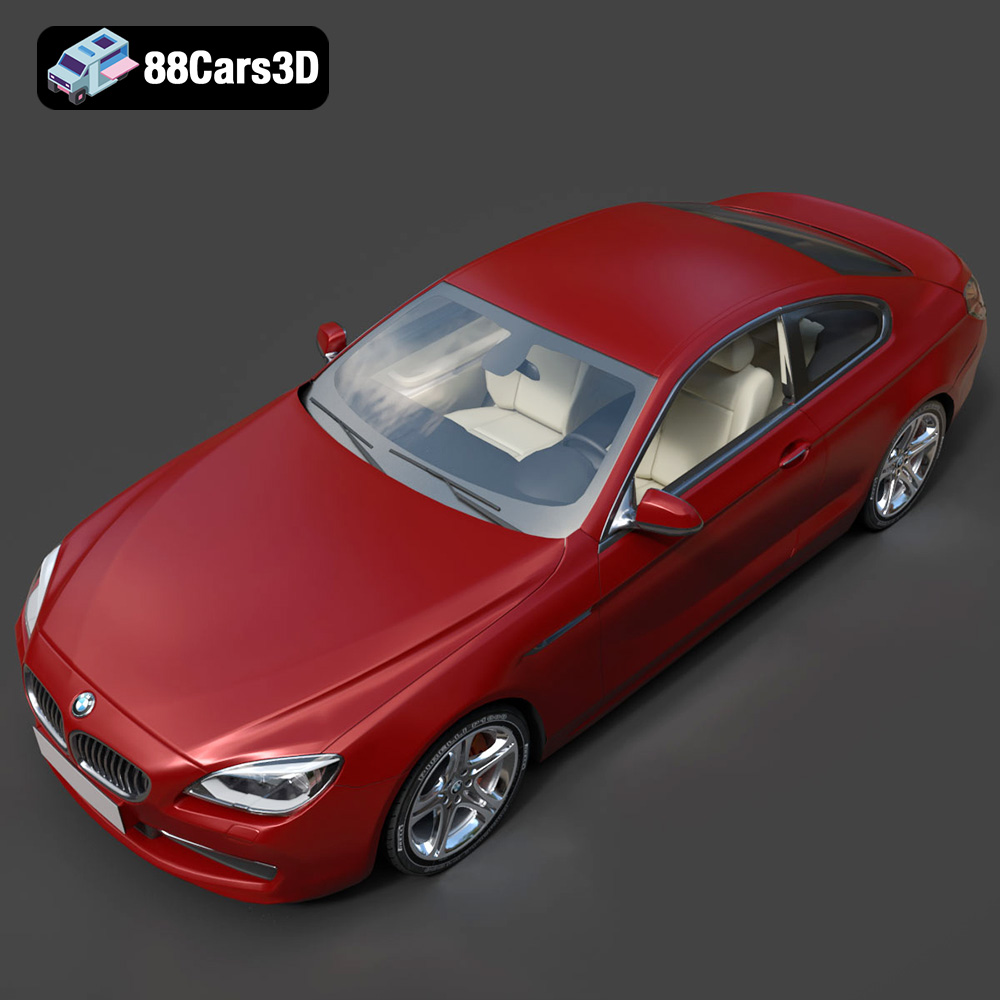
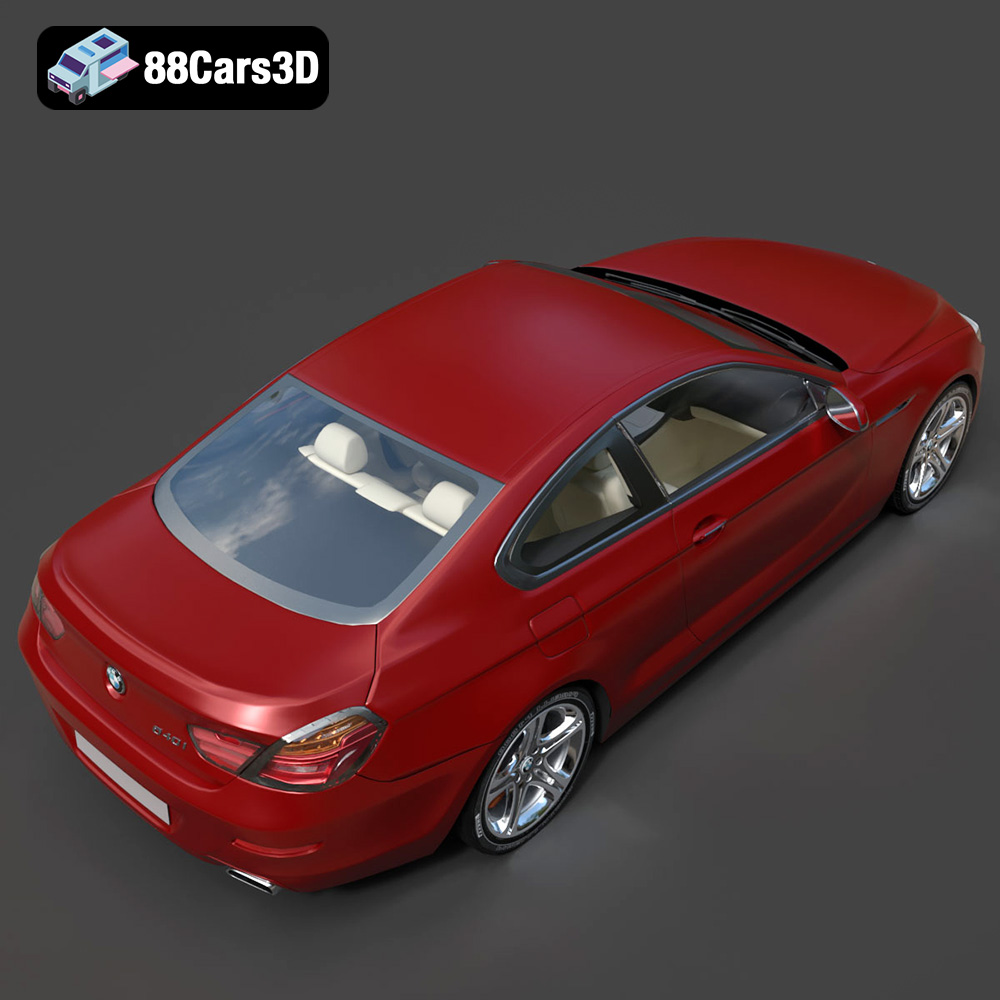
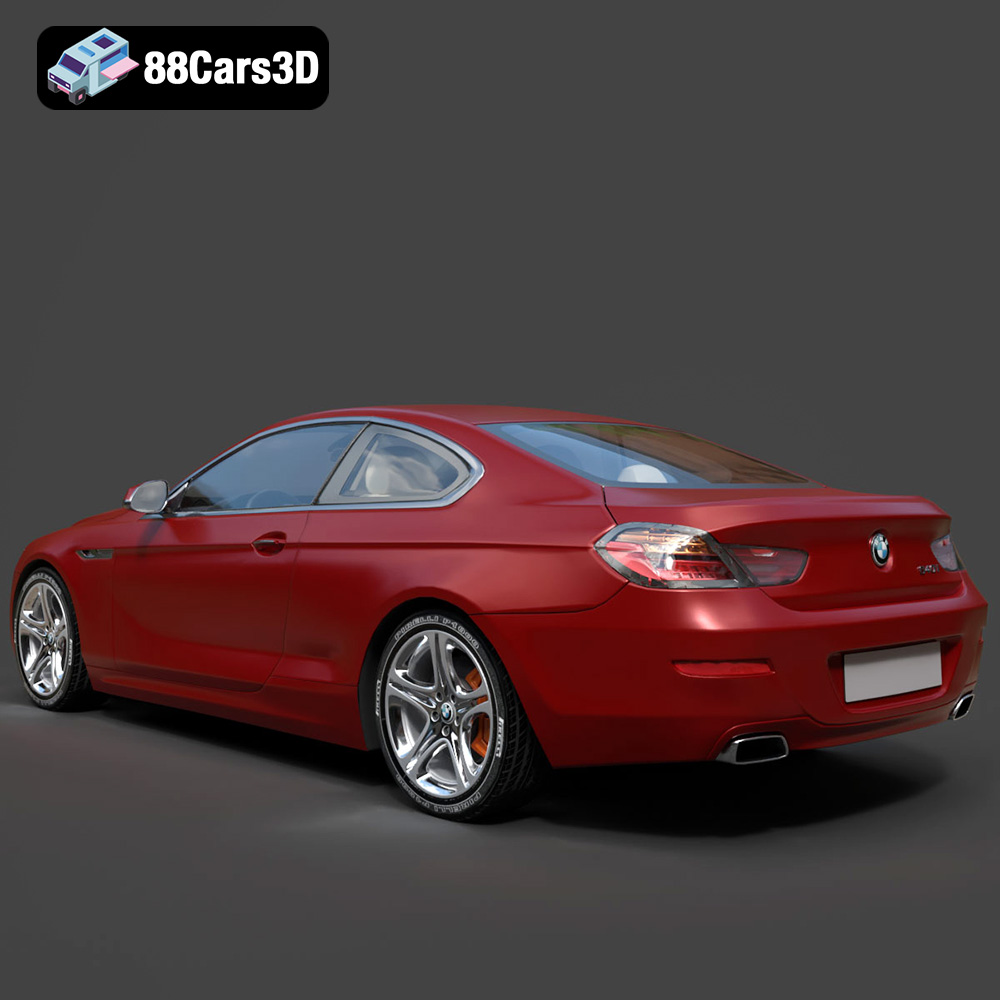
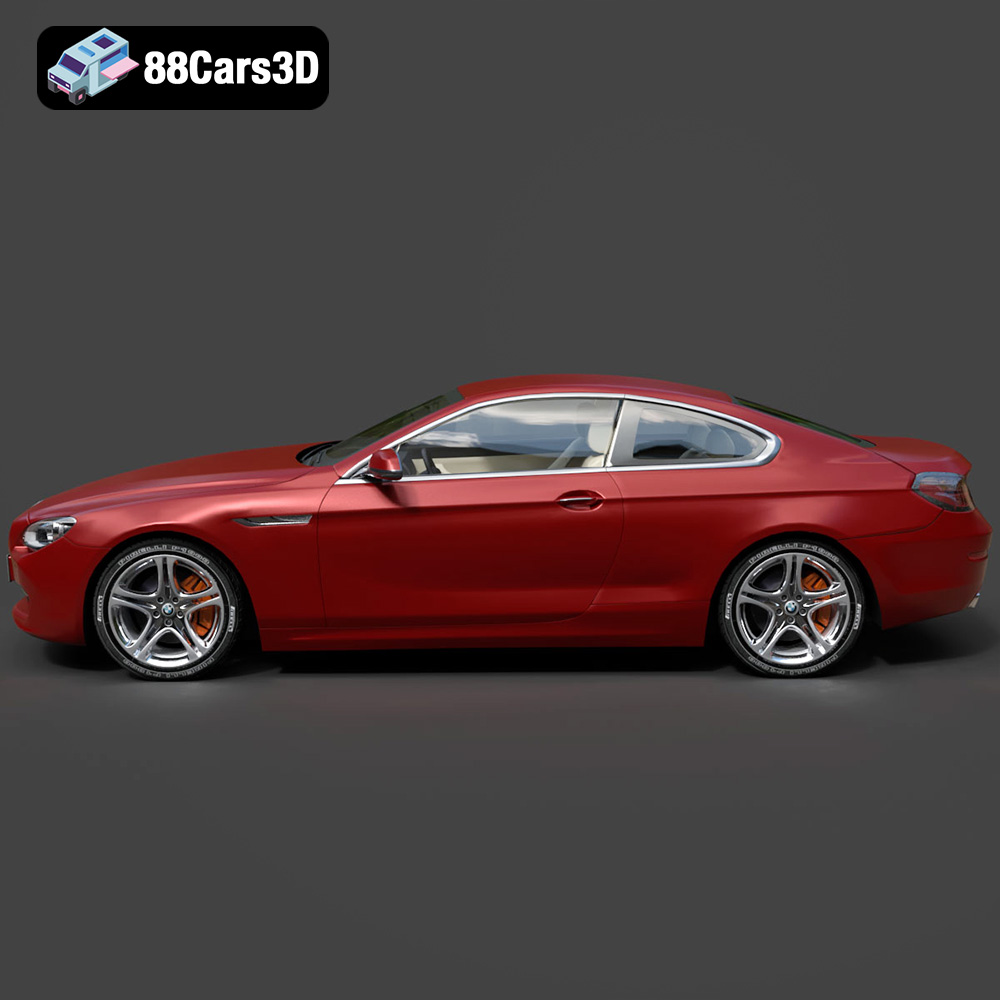
The exterior of the BMW 6 Series 640i F12 3D Model is a masterclass in automotive surfacing. Every curve, panel gap, and distinctive feature has been accurately modeled, reflecting the F12’s unique silhouette. The signature BMW kidney grille is rendered with exquisite detail, its intricate slats and chrome surrounds catching light just as they would in reality. Headlights and taillights are precisely replicated, utilizing transparent materials to allow for realistic light scattering and reflections, crucial for photorealistic rendering.
Further enhancing the model’s realism are the authentic alloy wheels, complete with detailed brake calipers, which often go unnoticed in lower-quality models but are essential for close-up shots. Chrome accents and trim elements are meticulously applied, ensuring that the premium finish associated with BMW is faithfully preserved. Crucially for animators, components such as doors, the hood, and the trunk are separated and rigged with properly set pivot points, enabling seamless and realistic animation sequences for presentations or interactive experiences. Clear and tinted glass materials for windows and the sunroof (where applicable) complete the exterior, offering a complete and convincing visual.
Interior and Mechanical Fidelity
The commitment to detail extends beyond the exterior to the cabin and visible mechanical components. The interior boasts a highly detailed dashboard, featuring a realistic instrument cluster and infotainment screen, bringing the digital cockpit to life. The comfortable seating is sculpted with accurate contours and distinct material separation, hinting at the luxury and craftsmanship of the original vehicle. From the precisely modeled steering wheel and center console to the intricate controls and switches on the door panels, every element contributes to an authentic cabin feel.
While often hidden, the attention paid to optimized mesh quality for visible mechanical components, such as suspension elements and the exhaust system, underscores the model’s professional-grade construction. This level of detail ensures that even in scenarios where these parts are exposed – perhaps during an animation showcasing the undercarriage or a custom build – the model maintains its high standard of realism.
Technical Foundations for Professional Use
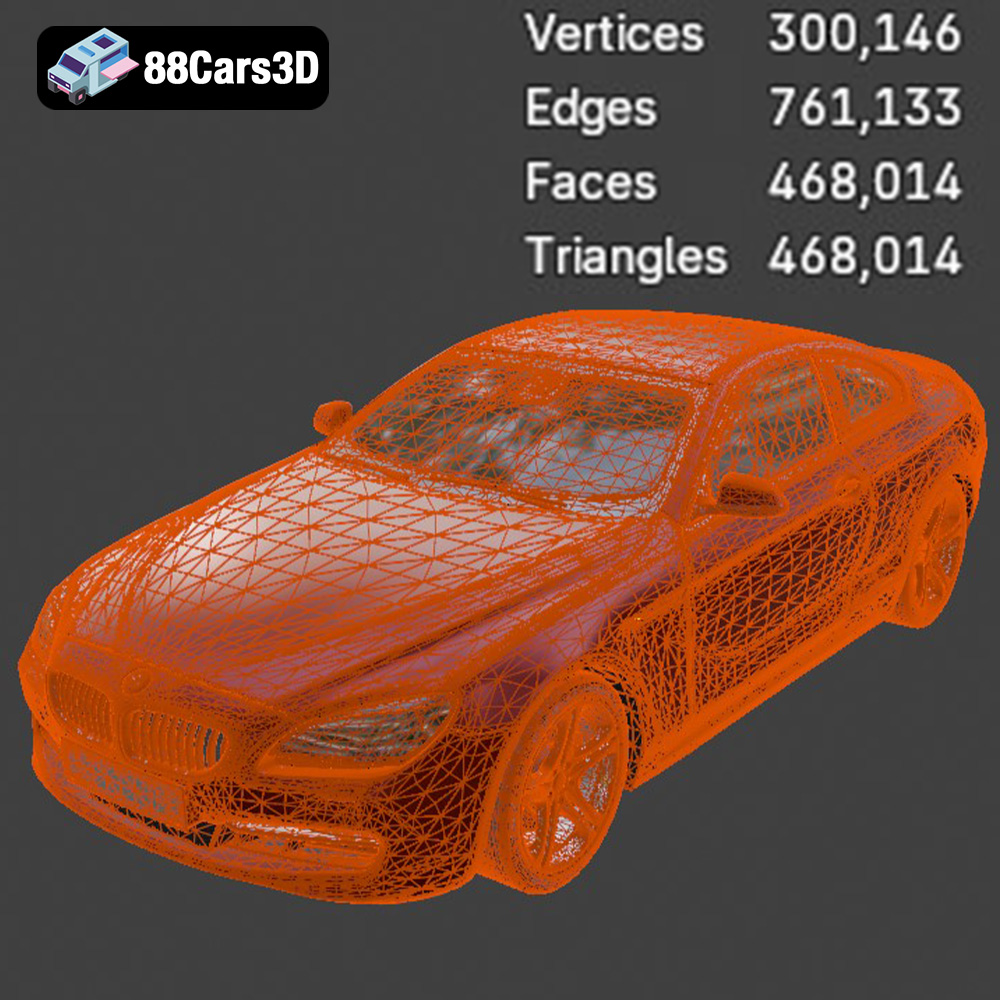
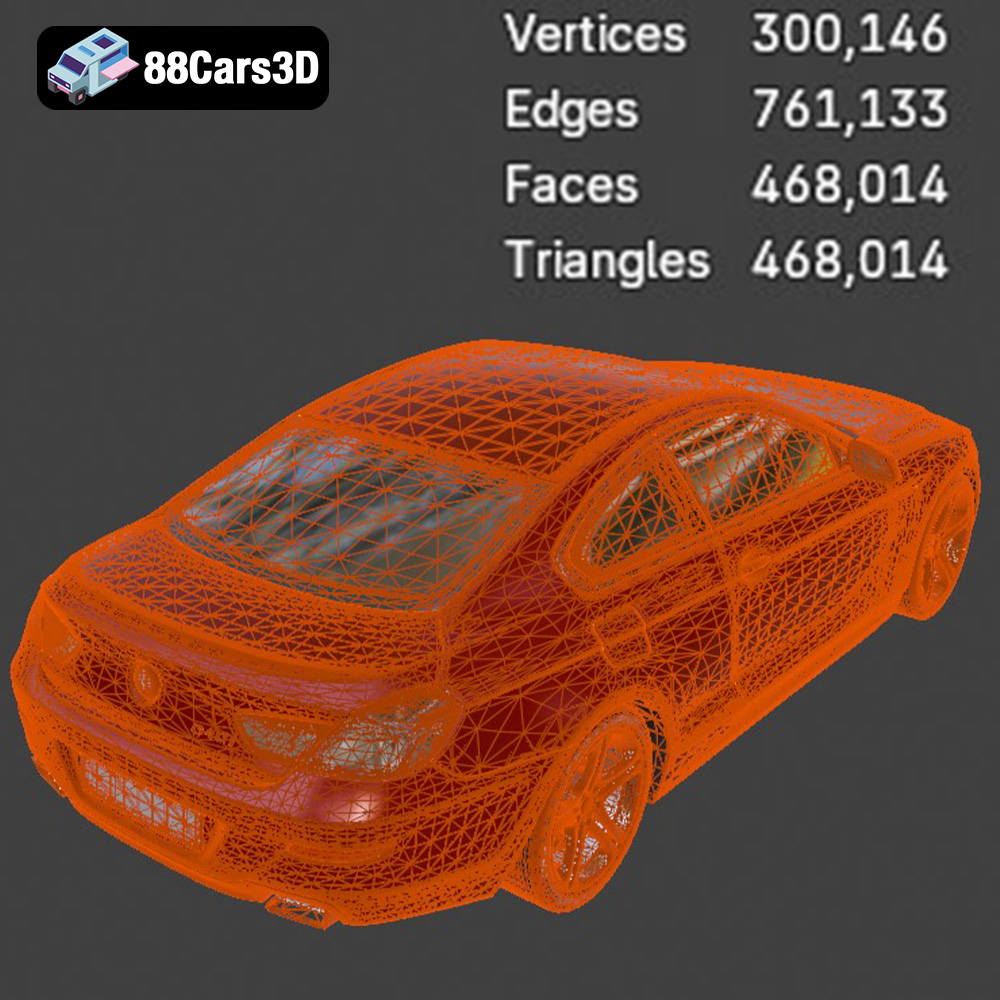
Beyond visual appeal, the true strength of the BMW F12 3D model lies in its technical advantages. It features clean, quad-dominant topology, which is paramount for ensuring smooth subdivisions, realistic deformations during animation, and error-free UV mapping. This robust mesh structure allows for seamless integration into various rendering pipelines and ensures flexibility for future modifications. The model is built to real-world scale, guaranteeing accurate integration into any scene without the need for manual scaling adjustments, a common headache with lesser models. Furthermore, a logically organized hierarchy with properly set pivot points simplifies manipulation and animation, saving countless hours for artists and developers. All these attributes contribute to a model that is not only visually stunning but also optimized for efficient rendering and superior real-time performance.
Understanding 3D Model File Formats
The versatility of a professional 3D car model, such as the BMW 6 Series 640i F12, is significantly amplified by its availability in multiple industry-standard file formats. Each format caters to specific workflows, software, and application requirements. Understanding these distinctions is critical for any 3D artist or developer to choose the right tool for the job. The BMW F12 model from 88cars3d.com offers a comprehensive suite of these formats, ensuring maximum compatibility and utility.
.blend – Fully Editable Blender Scene with Materials
The .blend format is native to Blender, one of the most popular open-source 3D creation suites. When you receive a .blend file, you’re getting a fully editable Blender scene, complete with all materials, textures, lighting setups, and potentially even rigging or animation. This format is ideal for artists who primarily work in Blender, offering direct access to the model’s internal structure for extensive customization, material tweaks using Cycles or Eevee render engines, or further development within the Blender ecosystem. It’s an excellent choice for iterating on design, creating bespoke renders, or integrating into larger Blender projects.
.fbx – Ideal for Unreal, Unity, and Real-time Pipelines
.fbx (Filmbox) is a proprietary file format owned by Autodesk and is one of the most widely used interchange formats in the 3D industry. It’s renowned for its ability to store not just geometry, but also materials, textures, cameras, lights, and even animation data. Its primary strength lies in its excellent compatibility with game engines like Unreal Engine and Unity, as well as major DCC (Digital Content Creation) software such as 3ds Max, Maya, and Cinema 4D. For real-time applications, .fbx is often the go-to choice due to its robustness in transferring complex scenes and its optimization for engine integration. The BMW F12 .fbx provides a streamlined path for game developers.
.obj – Universal Format for Cross-Software Compatibility
The .obj (Wavefront OBJ) format is a universal standard, highly valued for its simplicity and widespread compatibility across virtually all 3D software. It primarily stores geometry (vertices, normals, texture coordinates, and faces) and can reference external material files (.mtl). While it doesn’t typically store animation or complex scene data like .fbx, its strength lies in its unparalleled ability to transfer pure mesh data between disparate software packages without compatibility issues. It’s often used as a fallback or for situations where only the mesh is needed, making the BMW F12 .obj a robust choice for maximum interoperability.
.glb – Optimized for AR, VR, and Browser-based Display
.glb (GL Transmission Format Binary) is the binary version of the glTF format, designed for efficient transmission and loading of 3D scenes and models by applications. It’s a relatively newer format, rapidly gaining traction as the “JPEG of 3D” due to its optimization for web-based applications, augmented reality (AR), and virtual reality (VR). A single .glb file contains all necessary data—geometry, materials, textures, animations—making it incredibly convenient for quick deployment in browser viewers, social media filters, or mobile AR experiences. For showcasing the BMW F12 in interactive web contexts or AR apps, the .glb format is indispensable.
.stl – Suitable for 3D Printing Output
.stl (STereoLithography) is the de facto standard file format for 3D printing and CAD software. It represents a 3D model as a series of connected triangles, defining only the surface geometry without color, texture, or other attributes. While seemingly basic, its simplicity makes it universally readable by 3D printers and slicing software. When preparing the BMW F12 3D model for physical production, perhaps as a miniature collectible or a prototype, the .stl format ensures a clean, watertight mesh suitable for additive manufacturing processes. This allows digital assets to bridge the gap into the physical world.
.ply – Precision Mesh Format for CAD or Analysis
The .ply (Polygon File Format, also Stanford Triangle Format) is another format for storing 3D data, particularly useful for scan data, point clouds, and mesh data with additional attributes like color per vertex, normal information, or transparency. It can represent both polygonal meshes and point clouds, making it valuable for scientific visualization, 3D scanning applications, and certain CAD or analysis workflows that require highly precise mesh information. For detailed inspection or integration into specific engineering tools for the BMW F12 model, .ply offers a robust solution for preserving mesh integrity.
.unreal – Engine-ready Asset for Real-time Environments
The .unreal format represents an asset specifically configured for Unreal Engine. This often means the model has been imported, materials set up, possibly optimized with LODs (Levels of Detail), and organized within an Unreal Engine project structure. For developers working within Unreal Engine, an .unreal file or a project folder containing the setup for the BMW F12 means a dramatically accelerated workflow, bypassing manual import and setup steps. It ensures the model is ready to drop into a real-time scene with minimal effort, offering true plug-and-play capability.
.max – Editable 3ds Max Project for Animation and Rendering
Finally, the .max format is native to Autodesk 3ds Max, a powerful 3D modeling, animation, and rendering software. Similar to .blend, a .max file provides a fully editable 3ds Max scene, including geometry, materials (often V-Ray, Corona, or mental ray specific), lights, cameras, and animation data. For professionals rooted in the 3ds Max ecosystem, this format offers the highest degree of flexibility for customization, advanced rendering setups, and integrating the BMW F12 into complex architectural visualizations or automotive commercials. It empowers artists to fully exploit 3ds Max’s extensive toolset.
The inclusion of all these diverse formats with the BMW 6 Series 640i F12 3D Model underscores its professional-grade nature and commitment to providing unparalleled utility across the entire spectrum of 3D production.
Elevating Visualization: Automotive Rendering with the F12 Model
Automotive rendering is an art form, demanding not only a keen eye for aesthetics but also a deep understanding of light, materials, and composition. High-quality 3D car models are the foundation, and the BMW 6 Series 640i F12 3D Model provides an exceptional starting point for creating stunning visual content.
High-Resolution Studio Renders and Cinematic Sequences
For artists aiming to produce high-resolution studio renders, the BMW F12 model is an ideal asset. Its clean, quad-dominant topology ensures that subdivision surfaces smooth perfectly, capturing the subtle curves and reflections of the car’s bodywork without artifacts. In software like 3ds Max with V-Ray or Corona Renderer, or Blender with Cycles or Octane, artists can leverage the model’s meticulously crafted geometry to achieve photorealistic results. Setting up realistic studio lighting – be it softboxes, area lights, or intricate HDRI environments – becomes straightforward, allowing the car’s premium materials to shine. For cinematic sequences, the separated components (doors, hood, trunk) and properly set pivot points facilitate fluid and believable animations, from dramatic reveals to dynamic camera movements.
Architectural and Product Visualization Integration
Beyond dedicated automotive showcases, the BMW F12 3D model is perfect for integrating into larger visualization projects. In architectural visualizations, placing a high-fidelity car model like the F12 within a scene instantly adds realism, scale, and a touch of luxury. It helps ground the architectural design in a real-world context, making the entire visualization more believable and aspirational. For product visualization, the F12 can serve as a contextual element or even be customized to feature new aftermarket parts, demonstrating their aesthetic and functional integration with a premium vehicle. Its real-world scale ensures seamless fitting into any environment.
Mastering Material Customization
The product description highlights the ease with which users can modify paint finishes, body graphics, decals, and adjust material properties for metals, plastics, glass, and rubber. This flexibility is crucial for high-end rendering. Artists can easily switch between various paint types – metallic, pearlescent, matte – by adjusting PBR (Physically Based Rendering) parameters like base color, roughness, and metallic values. The accurate modeling of chrome accents and glass allows for realistic reflections and refractions, which are critical for convincing automotive renders. The logical organization of materials within the model simplifies this customization process, empowering artists to achieve diverse visual effects and match specific client requirements with ease.
Driving Immersion: Game Development and Real-time Applications
The gaming industry and real-time visualization fields demand assets that are not only visually impressive but also highly optimized for performance. The BMW 6 Series 640i F12 3D Model rises to this challenge, providing a robust foundation for immersive interactive experiences.
Integrating into Game Engines (Unreal Engine, Unity)
For game developers, the availability of the BMW F12 3D model in .fbx and specifically configured for .unreal is a significant advantage. The .fbx format ensures excellent compatibility with both Unreal Engine and Unity, allowing for a smooth import process. The “optimized mesh quality” is paramount here; while the base model offers high fidelity, it is designed with efficient polygon counts and clean topology, which is essential for maintaining high frame rates in real-time environments. Developers can further optimize the model by generating LODs (Levels of Detail) to ensure performance across different viewing distances. Material setup in game engines, leveraging PBR shaders, is straightforward thanks to the model’s well-organized UVs and material ID assignments. The BMW F12 provides a high-quality asset ready to be dropped into racing games, open-world simulations, or virtual garages.
Augmented and Virtual Reality Experiences
The burgeoning fields of Augmented Reality (AR) and Virtual Reality (VR) thrive on optimized 3D content. The BMW F12’s inclusion of the .glb format is a game-changer for these applications. .glb files are highly optimized for web delivery and real-time rendering, making them perfect for creating interactive car configurators on a website, visualizing the car in a real-world environment via AR apps on a smartphone, or exploring its interior in a VR headset. The model’s detailed interior and exterior translate beautifully into immersive environments, allowing users to experience the car as if they were physically present. Its clean geometry aids in maintaining smooth performance, a critical factor for preventing motion sickness in VR.
Simulations and Training Environments
Beyond entertainment, high-fidelity 3D car models are invaluable for professional simulations and training. The BMW 6 Series 640i F12 3D Model is ideally suited for driving simulators, offering a realistic visual representation for driver training or automotive research. Its real-world scale and highly detailed interior, including the instrument cluster and controls, provide an authentic cabin experience. In automotive design reviews, the model allows engineers and designers to visualize changes and assess aesthetics or functionality in a virtual space, reducing the need for expensive physical prototypes. This application of 3D car models significantly streamlines development cycles and enhances educational platforms.
Beyond the Screen: 3D Printing and Advanced Workflows
The utility of a premium 3D car model extends beyond digital screens, offering tangible outputs and specialized data for advanced engineering and manufacturing processes.
Bringing the F12 to Life with 3D Printing
For enthusiasts, collectors, or designers needing a physical prototype, the BMW 6 Series 640i F12 3D Model’s compatibility with .stl format is a significant asset. The .stl file, optimized for 3D printing, allows users to translate the digital model into a physical object. While some preparation for printability (like checking wall thickness, ensuring watertight meshes, and adding supports) might be necessary depending on the scale and printer type, the underlying clean geometry of the F12 model provides an excellent foundation. Imagine a detailed miniature replica of the F12 gracing your desk, or a scaled-down prototype being used for ergonomic studies. This capability truly bridges the gap between the virtual and physical realms.
Design Review and CAD Integration with .ply
The inclusion of the .ply format caters to more specialized technical workflows, particularly in design review, analysis, and certain CAD (Computer-Aided Design) integrations. The .ply format, known for its precision in storing mesh data, can be utilized in various engineering or reverse-engineering applications where accurate surface geometry is paramount. For instance, designers might import the .ply data into CAD software to compare it against existing designs, perform surface analysis, or integrate it into a larger assembly. While the primary use of the F12 model is for rendering and real-time, its availability in .ply underscores its technical precision and suitability for tasks demanding robust mesh information beyond basic visualization.
The Value Proposition: Why Choose 88cars3d.com for Your Automotive Assets
The journey through the capabilities of the BMW 6 Series 640i F12 3D Model reveals its immense value as a professional asset. Its meticulous detail, technical precision, and broad format compatibility speak volumes about the quality you can expect. For any project demanding high-fidelity automotive content, this model dramatically reduces development time and resources, allowing artists and developers to focus on creativity rather than asset creation from scratch.
At 88cars3d.com, the commitment to providing such top-tier 3D car models is evident. Each product is curated to meet the stringent demands of modern 3D production pipelines, from automotive rendering studios to leading game development houses. By choosing assets from 88cars3d.com, you are investing in reliability, versatility, and exceptional visual quality, empowering your projects with assets that truly stand out. The BMW 6 Series 640i F12 3D Model is a prime example of this dedication, offering a comprehensive solution for virtually any 3D automotive need.
Conclusion
The BMW 6 Series 640i F12 3D Model is more than just a digital replica; it is a meticulously engineered asset designed to empower professionals across the 3D industry. From its stunning exterior and richly detailed interior to its robust technical foundation and extensive file format support, every aspect has been crafted to deliver unparalleled versatility and realism. Whether your goal is to create breathtaking automotive rendering, build immersive game assets, develop cutting-edge AR/VR experiences, or produce physical prototypes through 3D printing, this model provides the quality and flexibility required to achieve excellence.
By offering such a comprehensive and high-quality product, 88cars3d.com reinforces its position as a go-to marketplace for premium 3D car models. The BMW 6 Series 640i F12 3D Model is a testament to what is possible when precision and practicality converge, ensuring that your creative visions can be brought to life with maximum impact and efficiency.
Featured 3D Model
BMW 6 Series 640i F12 3D Model
Experience automotive excellence with this meticulously crafted 3D model of the BMW 6 Series 640i F12. Representing BMW’s iconic blend of luxury, performance, and sophisticated design, this model captures the sleek lines and sporty elegance of the F12 generation. Built with clean geometry and balanced detailing, it is optimized for a wide range of professional applications, including high-end rendering, dynamic animation sequences, realistic simulations, and immersive game development environments.
Exterior Features:
- Accurately modeled body panels reflecting the F12’s distinctive silhouette
- Detailed front grille with BMW’s signature kidney design
- Precisely replicated headlights and taillights with transparent materials for realistic lighting
- Authentic alloy wheels with detailed brake calipers
- Chrome accents and trim elements for a premium finish
- Separated components such as doors, hood, and trunk for versatile animation workflows
- Clear and tinted glass materials for windows and sunroof (if applicable)
Interior / Mechanical Features:
- Highly detailed dashboard with realistic instrument cluster and infotainment screen
- Comfortable seating with sculpted contours and material distinction
- Precisely modeled steering wheel, center console, and door panels
- Intricate controls and switches for an authentic cabin feel
- Optimized mesh quality for both interior and visible mechanical components (e.g., suspension elements, exhaust system)
Technical Advantages:
- Clean, quad-dominant topology ensuring smooth subdivisions and deformations
- Modeled to real-world scale for accurate integration into scenes
- Logically organized hierarchy with properly set pivot points for easy animation and manipulation
- Optimized for efficient rendering and real-time performance
Applications:
- Rendering & Visualization: Perfect for high-resolution studio renders, architectural visualizations, and cinematic scenes.
- Game Development: Ready for integration into racing games, open-world simulations, or virtual experiences as a high-quality asset.
- AR/VR: Ideal for creating immersive augmented and virtual reality experiences.
- Simulation & Training: Suitable for driving simulators, automotive design reviews, and educational platforms.
- 3D Printing: Can be easily converted to .stl format for physical model production.
Customization Options:
- Easily modify paint finishes, body graphics, and decals to match specific project requirements.
- Adjust material properties for metals, plastics, glass, and rubber to achieve desired visual effects.
- Adapt lighting setups to create different atmospheric conditions and render styles.
Elevate your projects with this high-fidelity BMW 6 Series 640i F12 3D model. Its exceptional detail, technical precision, and versatility make it an invaluable asset for any professional 3D artist or developer seeking top-tier automotive content.
Included File Formats:
- .blend – Blender project with materials
- .fbx – Compatible with Unreal, Unity, and major 3D engines
- .obj – Universal format for nearly all 3D software
- .glb – Optimized for AR, VR, and web-based visualization
- .stl – Ready for 3D printing
- .ply – Mesh format for analysis and CAD workflows
- .unreal – Unreal Engine project setup
- .max – Editable 3ds Max scene for rendering and animation
Tags:
.bmw,.6series,.640i,.f12,.car,.coupe,.luxurycar,.sportscar,.rendering,.simulation,.gameasset,.arvr,.blend,.fbx,.obj,.glb,.stl,.ply,.unreal,.maxMercedes Benz CLS 500 3D Model
$10.79
Product Image Gallery


Related Tags
.640i
.6series
.arvr
.blend
.bmw
.car
.coupe
.f12
.fbx
.gameasset
.glb
.luxurycar
.max
.obj
.ply
.rendering
.simulation
.sportsCar
.stl
.unreal
