

Driving Digital Excellence: The Power of Premium 3D Car Models in Modern Design and Development
In today’s visually driven world, the demand for photorealistic and highly optimized 3D assets is paramount across industries. From automotive design and marketing to cutting-edge game development and immersive AR/VR experiences, the quality of a 3D model can make or break a project. A meticulously crafted 3D car model isn’t just a digital object; it’s a foundation for innovation, a tool for communication, and a cornerstone for breathtaking visuals. It represents countless hours of skilled artistry and technical precision, delivering a tangible advantage to any professional workflow.
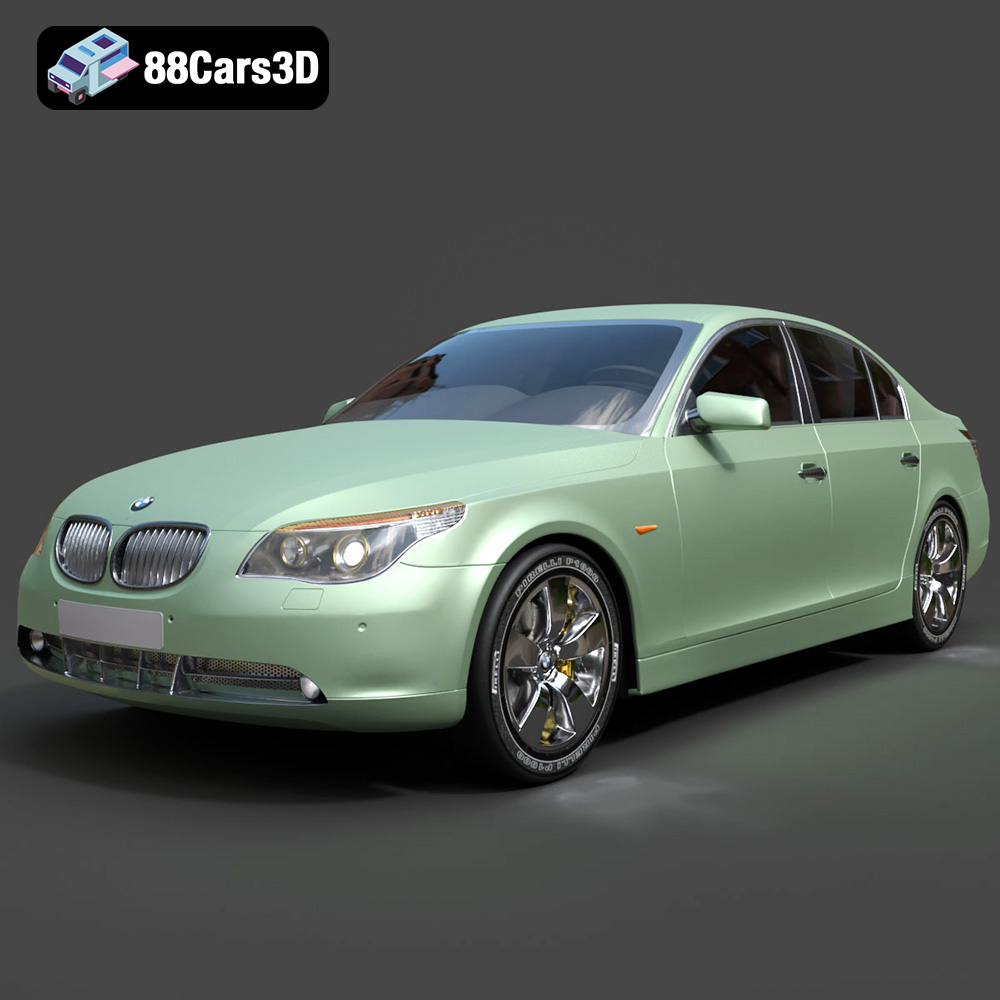
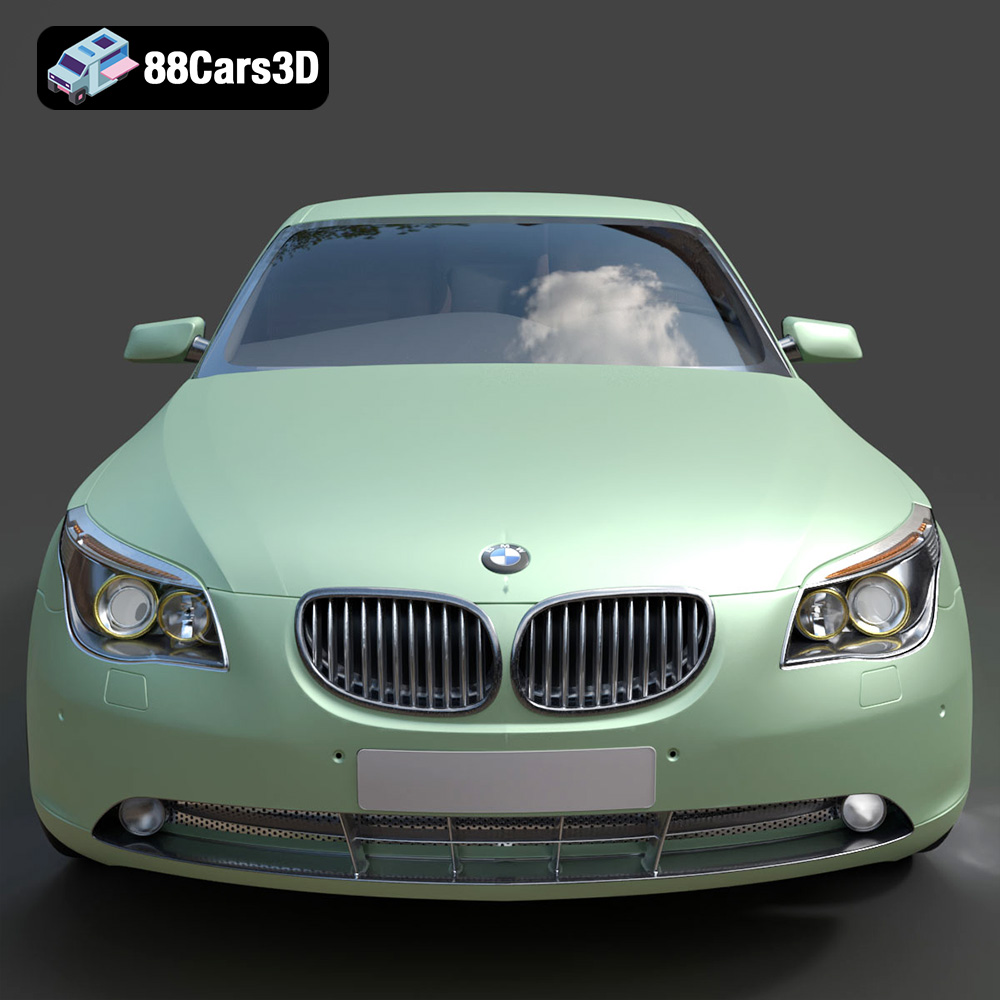
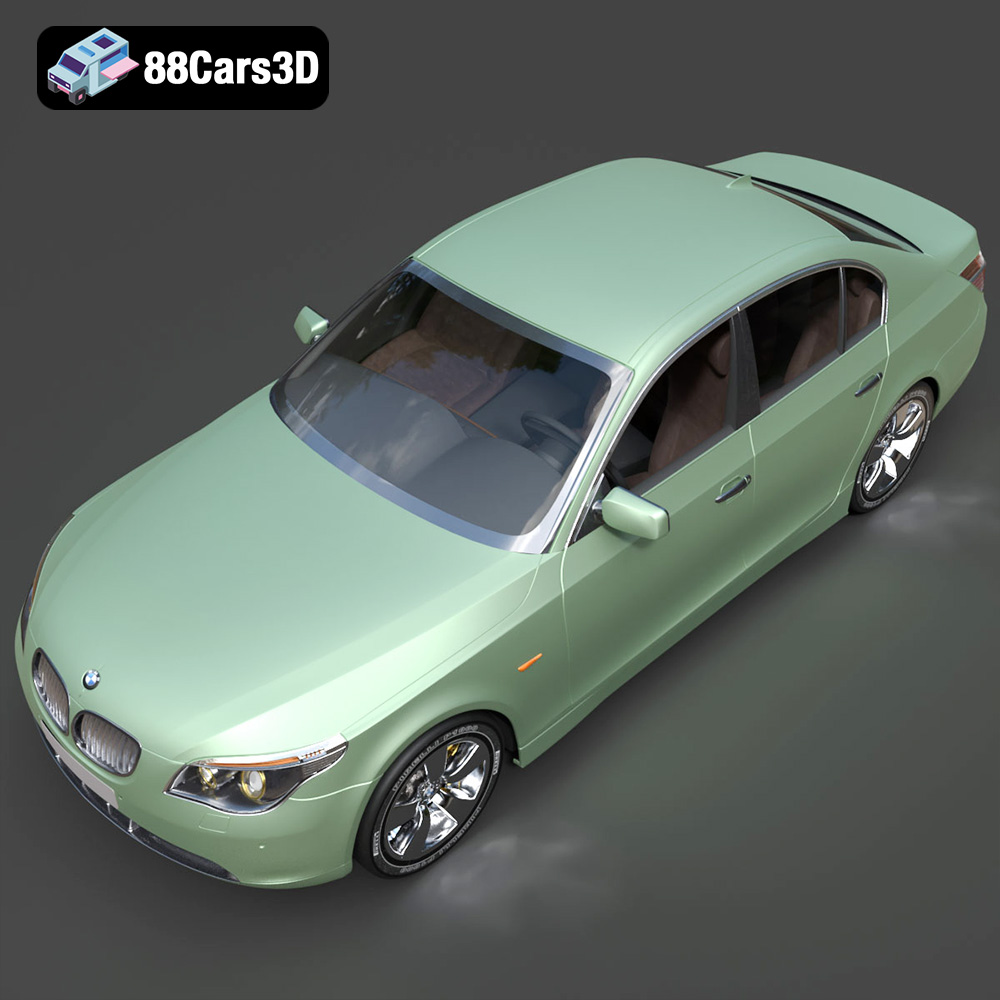
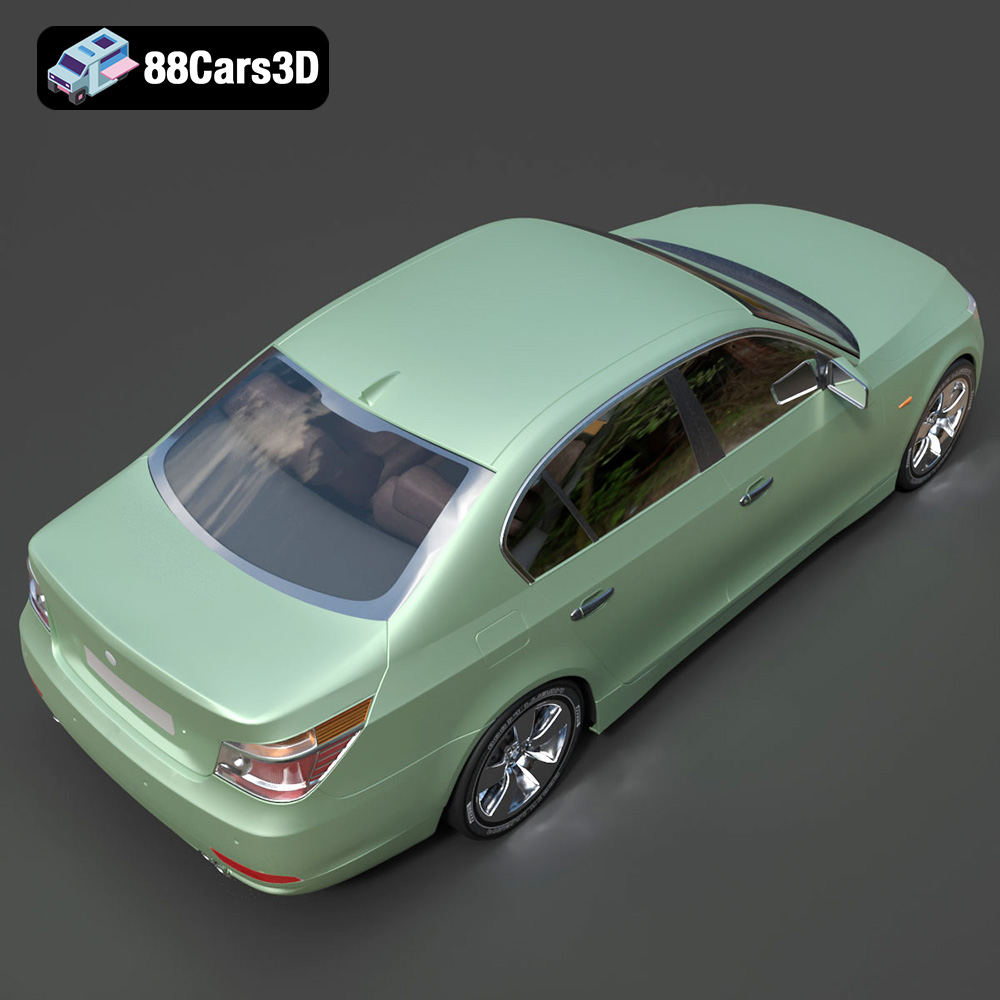
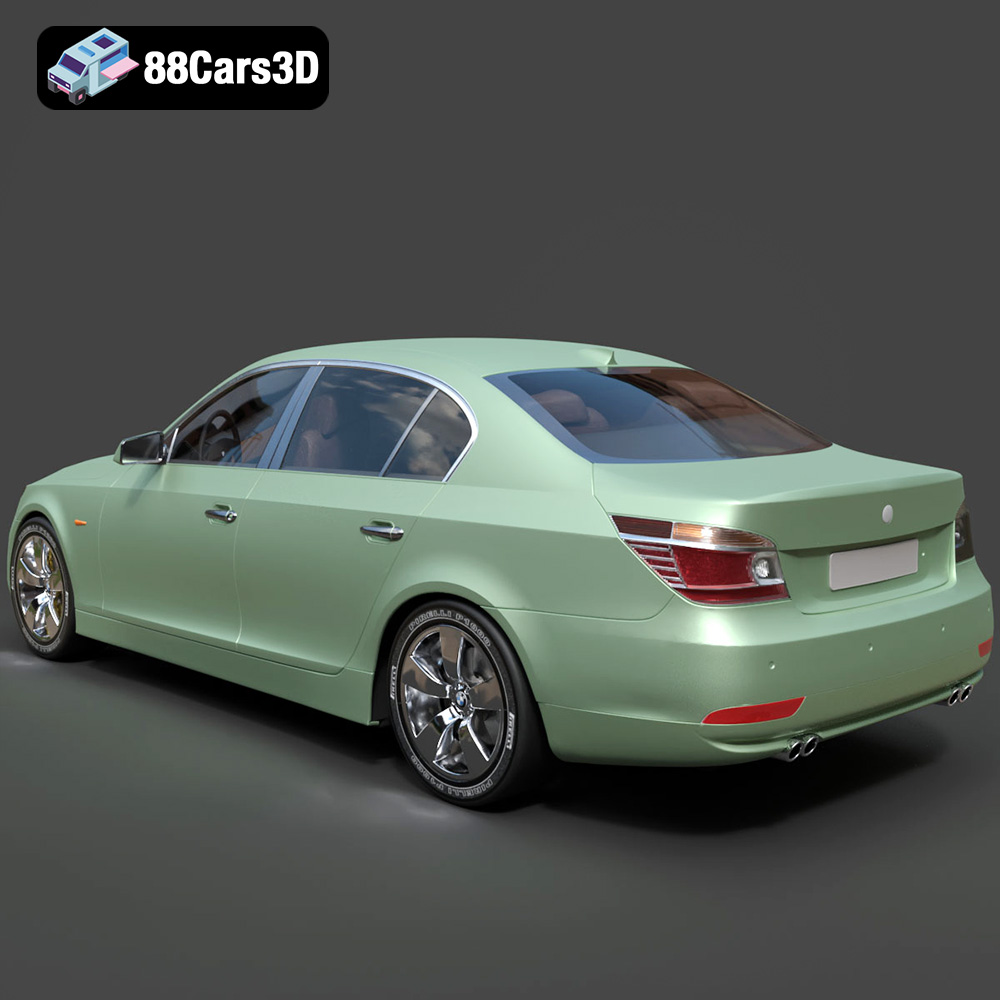
Among the myriad of options available, the BMW 5 Series E60 3D Model stands out as an exemplary asset. This digital replica of the iconic luxury sedan is a testament to professional craftsmanship, engineered to meet the rigorous demands of various applications. It encapsulates the distinctive styling and robust presence of the E60 generation, making it an indispensable resource for creators seeking both elegance and performance in their digital endeavors. Whether you’re aiming for high-fidelity automotive rendering, dynamic animation sequences, advanced simulation projects, or immersive real-time game environments, this model offers a robust and versatile starting point.
This comprehensive article delves into the technical intricacies and practical applications of high-quality 3D car models, using the BMW 5 Series E60 3D Model as a prime example. We’ll explore the critical role of various file formats, the demanding requirements of professional pipelines, and how a premium asset like this can significantly elevate your projects, ultimately saving time and ensuring unparalleled quality.
Understanding 3D Model File Formats
The choice of file format is a fundamental decision when working with 3D models, directly impacting compatibility, functionality, and performance across different software and platforms. The BMW 5 Series E60 3D Model from 88cars3d.com offers a comprehensive suite of formats, each tailored for specific professional needs. Understanding their nuances is crucial for optimizing your workflow and achieving your project goals.
.blend – The Native Blender Powerhouse
The .blend format represents a fully editable Blender scene, complete with materials, textures, lighting, and animation data. It’s the native format for Blender, a powerful open-source 3D creation suite. For artists and developers deeply integrated into the Blender ecosystem, this format offers unparalleled flexibility. You can effortlessly modify topology, adjust materials, refine UVs, animate components, and leverage Blender’s extensive toolset for rendering with Cycles or Eevee. The .blend file for the BMW 5 Series E60 3D Model provides direct access to its meticulously organized scene, making customization and intricate adjustments seamless without any loss of data during import/export.
.fbx – The Industry Standard for Interoperability
FBX (Filmbox) is arguably the most widely adopted interchange format in the 3D industry, particularly for game development. It’s ideal for transferring models, animations, and scenes between various 3D software applications and real-time engines like Unreal Engine and Unity. The .fbx format supports mesh data, materials, textures, rigging, and animation, making it incredibly versatile. When importing the E60 model as .fbx, developers can expect its clean geometry, UV mapping, and material assignments to translate accurately, providing a robust foundation for creating game assets, cinematic cutscenes, or real-time visualizations.
.obj – The Universal Mesh Format
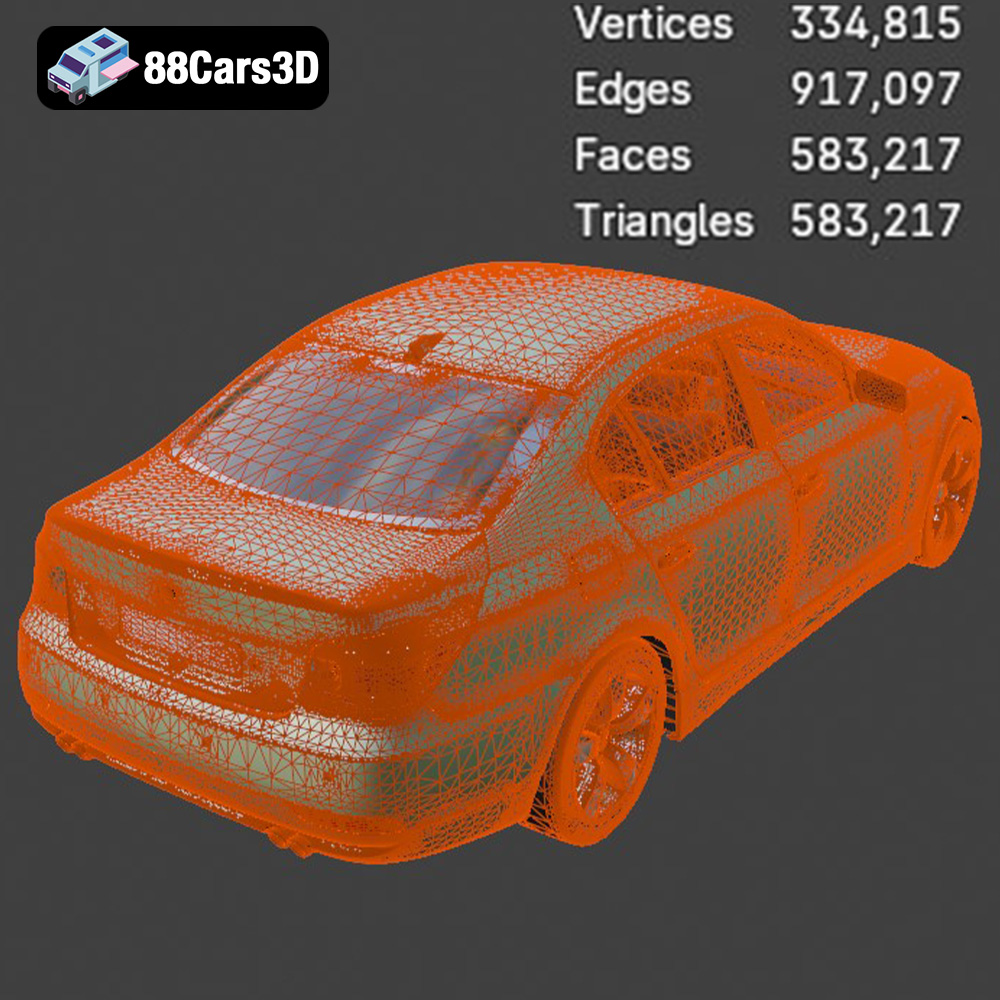
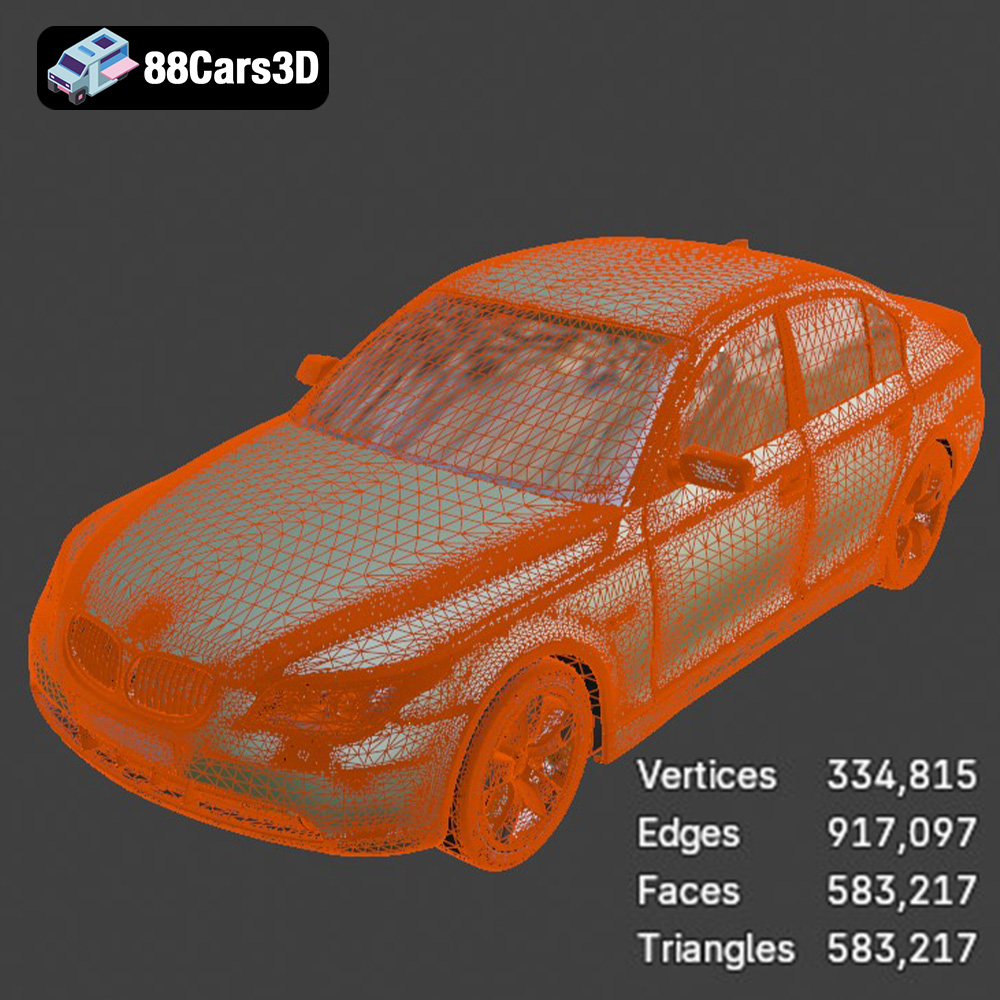
The .obj (Wavefront OBJ) format is a universal standard for storing 3D geometry data. It’s a simple, widely supported format that describes the geometric vertices, texture coordinates, vertex normals, and polygonal faces of an object. While it primarily focuses on mesh data and supports basic material references (via an accompanying .mtl file), it lacks support for advanced features like animation, rigging, or complex shader networks. However, its universal compatibility makes it an excellent choice for cross-software transfers when precise geometry is the priority. For the BMW 5 Series E60 3D Model, the .obj file guarantees that the core geometric accuracy and quad-dominant topology are preserved, making it an excellent fallback for virtually any 3D software.
.glb – Optimized for AR, VR, and Web-based Display
GLB (GL Transmission Format Binary) is a modern, efficient, and increasingly popular format for 3D models, particularly optimized for web-based applications, augmented reality (AR), and virtual reality (VR). It encapsulates all necessary data—geometry, materials, textures, and even animations—into a single binary file, making it incredibly easy to load and render quickly in browsers and mobile environments. The .glb version of the BMW E60 model is perfect for creating interactive product showcases on websites, integrating into AR applications for virtual car previews, or building lightweight VR experiences without sacrificing visual quality.
.stl – The Go-To for 3D Printing
STL (STereoLithography) is the de facto standard file format for 3D printing. It describes only the surface geometry of a 3D object using a collection of interconnected triangles. It does not carry color, texture, or material information. For designers looking to transform the BMW 5 Series E60 into a physical scale model, the .stl format is essential. While the provided model is high-detail, it may require some preparation (like ensuring watertight meshes and appropriate scale) within a 3D printing software before sending to a printer.
.ply – Precision Mesh Format for CAD or Analysis
PLY (Polygon File Format, or Stanford Triangle Format) is another format for storing 3D data, often used for data from 3D scanners, CAD applications, and scientific analysis. Like .obj, it primarily describes the geometry of an object, but it can also include additional properties like color, transparency, and even normal vectors per vertex. The .ply version of the BMW 5 Series E60 3D Model offers a high-precision representation of its mesh, suitable for detailed technical evaluation, reverse engineering workflows, or integration into specialized engineering software.
.unreal – Engine-Ready Asset for Real-time Environments
The .unreal format, or more accurately, an Unreal Engine project setup that includes the asset, provides a direct pipeline into one of the industry’s leading real-time rendering engines. This isn’t a single file like the others but rather a pre-configured asset within an Unreal project. It signifies that the BMW 5 Series E60 3D Model has been specifically prepared, optimized, and set up with appropriate materials, textures, and possibly LODs (Levels of Detail) to function seamlessly within Unreal Engine. This saves immense development time, as the asset is already “engine-ready” for immediate use in games, architectural visualizations, or cinematic sequences.
.max – The Editable 3ds Max Project
The .max format is the native file type for Autodesk 3ds Max, a powerhouse for 3D modeling, animation, and rendering, particularly dominant in architectural visualization and high-end product rendering. The .max file for the BMW 5 Series E60 3D Model provides full access to the original scene, including complex materials, lighting setups, modifiers, and potentially animation rigs. This allows professionals using 3ds Max to leverage the model’s clean topology and robust structure for advanced rendering with V-Ray or Corona, detailed animation, or further customization with 3ds Max’s extensive toolset.
Crafting Automotive Realism: The BMW 5 Series E60 Model’s Foundation
The true value of a premium 3D asset lies in its foundational quality. The BMW 5 Series E60 3D Model exemplifies this through its meticulous construction, designed to ensure both visual fidelity and technical efficiency. This isn’t merely a surface representation; it’s a deep dive into the engineering principles of digital modeling.
Precision in Exterior Design
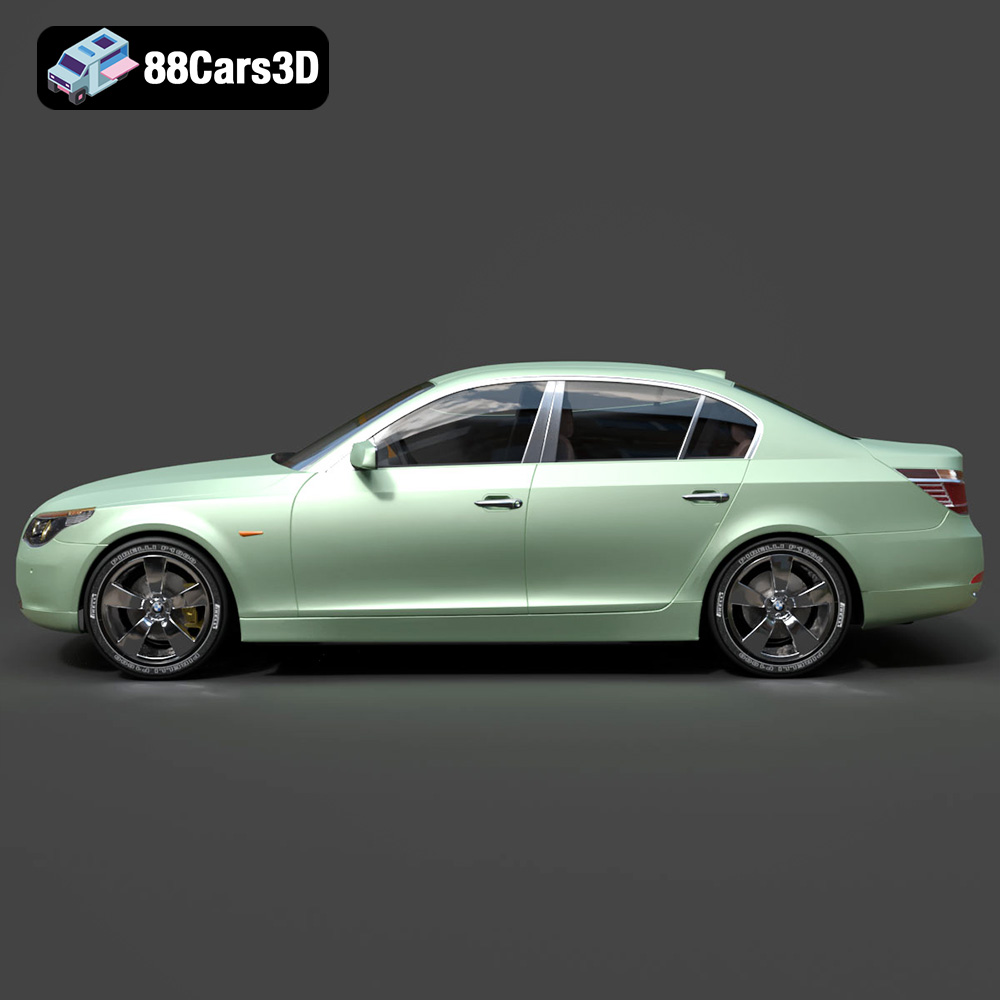
The exterior of any car model is its most immediately recognizable feature, and for a luxury sedan like the E60, accuracy is paramount. This model features accurately modeled body panels that flawlessly reflect the E60’s unique contours and aggressive stance. Every curve, crease, and panel gap is replicated with precision, capturing the car’s distinctive personality. The headlights, taillights, and indicator lights are highly detailed, utilizing realistic transparent materials that mimic glass and plastic, complete with internal reflectors and bulbs. The wheels and tires are also precisely replicated, including intricate rim designs and realistic tire sidewall details, which are crucial for close-up renders and animations. Furthermore, realistic material definitions for paintwork, chrome accents, glass, and rubber components ensure that the model behaves correctly under various lighting conditions, contributing to its photorealistic potential. Key components like doors, the hood, and the trunk are separated, complete with proper pivot points, streamlining animation workflows for interactive presentations or cinematic sequences.
Interior Fidelity and Mechanical Essentials
While often seen less, a detailed interior significantly enhances the model’s overall quality and utility, especially for AR/VR applications or dynamic camera shots. The BMW 5 Series E60 3D Model includes a detailed interior, encompassing the dashboard, steering wheel, center console, and seating, all optimized for visual fidelity without excessive poly counts that could hinder performance. This attention to detail creates a convincing cockpit environment. Beyond the aesthetics, essential mechanical components, such as a basic engine block and visible suspension elements, are included. These aren’t just arbitrary shapes; they are suitable for various simulation needs or subtle visual cues in renders, demonstrating the model’s versatility beyond mere static display. The optimized mesh quality throughout the model ensures efficient performance in real-time applications while maintaining impressive visual integrity, striking a critical balance for professional use.
Professional Workflows: Integrating the E60 into Your Pipeline
The true measure of a high-quality 3D asset is its seamless integration into diverse professional workflows. The BMW 5 Series E60 3D Model is designed with this principle in mind, offering unparalleled flexibility for various creative and technical pipelines.
High-Fidelity Rendering with 3ds Max and Blender
For artists focused on stunning visuals, the model’s clean topology and material definitions make it ideal for high-fidelity rendering. In 3ds Max (using the .max file) or Blender (using the .blend file), professionals can easily set up elaborate studio renders for marketing materials, cinematic scenes, or product visualizations. The organized hierarchy with proper pivot points on movable parts streamlines animation, allowing for dynamic camera tours, door openings, or wheel rotations. Advanced users can leverage the model’s quad-dominant topology for smooth subdivision, adding even finer detail without artifacts. Photorealistic material adjustments, advanced lighting setups, and integration with render engines like V-Ray, Corona, Cycles, or Eevee transform this 3D car model into a central piece of compelling visual storytelling. The accuracy of the model ensures that reflections, refractions, and shadows interact authentically, leading to breathtaking automotive rendering.
Game Development and Real-time Engines (Unreal, Unity)
Game developers require assets that are not only visually impressive but also highly optimized for real-time performance. The BMW 5 Series E60 3D Model, particularly in its .fbx and .unreal formats, is engineered as a high-quality game asset. Its optimized mesh quality ensures efficient performance even in demanding open-world games or racing simulators. The clean topology allows for easy creation of LODs (Levels of Detail), where simplified versions of the model are used at greater distances to reduce rendering load. Proper UV mapping is crucial for efficient texture baking and consistent material application within game engines. With the .unreal file specifically, the model arrives pre-configured for immediate use in Unreal Engine, including basic material setups that can be further enhanced using Unreal’s robust shader editor. This significantly reduces the setup time, allowing developers to focus on gameplay and immersive experiences. For Unity users, the .fbx format ensures smooth import and setup.
Immersive AR/VR Experiences and Simulations
The burgeoning fields of Augmented Reality (AR) and Virtual Reality (VR) demand highly optimized yet visually rich 3D assets. The BMW 5 Series E60 3D Model is ready for these immersive applications, especially with its .glb format. Virtual showrooms, interactive product showcases, and driver training simulators can all benefit from this model’s balanced detailing and performance efficiency. In an AR application, users could virtually place the E60 in their driveway, explore its interior, or customize its paint job in real-time. In VR, it could serve as a high-fidelity vehicle in a virtual driving experience or a detailed exhibit in a virtual automotive museum. The real-world scale and organized components are critical for accurate spatial placement and interaction within these immersive environments, offering users a truly engaging and realistic experience.
Beyond Visualization: Advanced Applications and Customization
The versatility of a premium 3D car model extends far beyond its initial visualization purpose. The BMW 5 Series E60 3D Model offers a canvas for endless creative and technical possibilities.
Customization for Unique Projects
Every project has unique demands, and the ability to customize a 3D asset is invaluable. The E60 model provides extensive customization options. Artists can easily modify paint finishes to match specific brand palettes or client requests, apply custom graphics or liveries for racing simulations, or integrate branding elements for marketing campaigns. Adjusting material properties for metals, chrome, glass, rubber, and plastics allows for fine-tuning the aesthetic to match any desired mood or scene environment. Flexible lighting setup modifications within your chosen 3D software can dramatically alter the perception of the car, from a sleek studio spotlight presentation to a moody, ambient street scene. This adaptability ensures that the model can be tailored to fit virtually any creative vision, making it a truly flexible asset for diverse industries.
3D Printing and Technical Analysis
While digital rendering is a primary use, the high-quality geometry of the BMW 5 Series E60 3D Model also makes it suitable for physical manifestations. The .stl format is explicitly provided for 3D printing, enabling the creation of physical scale models for prototyping, display, or even as collectibles. While some preparation might be needed for intricate details common in 3D prints, the underlying clean mesh provides an excellent starting point. Additionally, the .ply format offers a precision mesh for more technical applications, such as CAD integration, engineering analysis, or detailed measurements for automotive design evaluations. This allows designers and engineers to use the digital model for practical, tangible outputs, bridging the gap between virtual design and physical realization.
The Value Proposition for Studios and Developers
Investing in high-quality 3D car models like the BMW 5 Series E60 from 88cars3d.com is not merely a purchase; it’s a strategic decision that offers significant benefits to professional studios and individual developers alike.
Time and Cost Efficiency
Creating a highly detailed, topologically clean, and production-ready 3D car model from scratch is an incredibly time-consuming and expensive process. It requires specialized skills in modeling, UV mapping, texturing, and optimization. By acquiring a pre-made asset like the BMW 5 Series E60 3D Model, studios can bypass hundreds of hours of development time. This allows teams to allocate their resources more efficiently to other critical project areas, reducing overall production costs and accelerating project timelines. The immediate availability of a high-quality asset means faster iteration and quicker deployment of projects, a crucial factor in competitive markets like game development and advertising.
Ensuring Project Quality and Consistency
The quality of a 3D asset directly impacts the perceived professionalism and realism of a final project. The BMW 5 Series E60 3D Model is built to professional standards, ensuring clean geometry, accurate scale, and optimized performance. This level of quality contributes to a consistent visual standard across all aspects of a project, whether it’s a series of marketing renders, a game environment, or an interactive AR experience. By starting with a proven, high-quality base, developers can maintain a consistent level of excellence, avoiding the pitfalls of inconsistent or poorly optimized assets that can detract from the overall user experience.
Conclusion
The world of 3D visualization and real-time interactive experiences continues to evolve at a rapid pace, with the demand for exceptional digital assets driving innovation. High-quality 3D car models are at the forefront of this evolution, serving as critical components for industries ranging from automotive marketing and game development to architectural visualization and advanced simulation.
The BMW 5 Series E60 3D Model exemplifies the pinnacle of professional 3D asset creation. Its meticulous craftsmanship, from the accurately modeled exterior to the detailed interior and essential mechanical components, ensures it meets the highest standards of visual fidelity and technical performance. The comprehensive range of included file formats – .blend, .fbx, .obj, .glb, .stl, .ply, .unreal, and .max – provides unmatched flexibility, allowing seamless integration into virtually any professional workflow, be it high-fidelity automotive rendering, efficient game development, immersive AR/VR experiences, or even 3D printing.
For studios and individual artists looking to elevate their projects, leverage efficiency, and deliver unparalleled realism, investing in a premium asset like this is a strategic imperative. The BMW 5 Series E60 3D Model from 88cars3d.com is more than just a model; it’s a versatile tool engineered to unlock new creative possibilities and propel your projects to the forefront of digital excellence. Explore this and other high-quality 3D car models at 88cars3d.com to transform your digital visions into stunning realities.
Featured 3D Model
BMW 5 Series E60 3D Model
Discover the meticulously crafted BMW 5 Series E60 3D Model, an exquisite digital replica of the iconic luxury sedan. This model captures the distinctive styling and robust presence of the E60 generation, known for its blend of elegance and performance. Built with clean, optimized geometry and balanced detailing, it is engineered for professional applications, making it ideal for high-fidelity rendering, realistic animation sequences, advanced simulation projects, and immersive game development.
$10.79
Product Image Gallery
Related Tags
.5series
.arvr
.blend
.bmw
.car
.e60
.fbx
.gameasset
.glb
.luxurycar
.max
.obj
.ply
.rendering
.sedan
.simulation
.stl
.unreal
