Mastering the Urban Canvas: The Power of High-Fidelity 3D Car Models in Modern Digital Projects
In the rapidly evolving world of 3D visualization, game development, and immersive experiences, the quality of your digital assets can make or break a project. From the subtle glint on a vehicle’s paintwork to the intricate details of its interior, every element contributes to the overall realism and immersion. For professionals striving to create believable urban environments, realistic traffic simulations, or compelling architectural visualizations, access to meticulously crafted 3D car models is not just a luxury—it’s a necessity. This is where assets like the Generic Modern Bus 3D Model prove invaluable, offering a robust foundation for a myriad of creative and technical applications.
Whether you’re populating a bustling city scene in a cinematic render, designing an engaging driving simulator, or developing an AR application that brings virtual transport to life, the demand for versatile, high-performance 3D models is constant. A well-built model streamlines workflows, reduces production time, and ultimately elevates the final output. The Generic Modern Bus 3D Model, available on 88cars3d.com, exemplifies this blend of quality and utility, providing artists and developers with a ready-to-use asset that adheres to professional standards for detail, optimization, and adaptability across various platforms and software.
Understanding 3D Model File Formats: The Backbone of Digital Assets
Navigating the diverse landscape of 3D modeling often begins with understanding the various file formats that dictate how models are stored, exchanged, and utilized across different software and platforms. Each format serves a specific purpose, offering unique advantages in terms of compatibility, data preservation, and optimization. The Generic Modern Bus 3D Model comes packaged with a comprehensive array of these formats, ensuring maximum flexibility for any professional workflow.
.blend – Blender’s Native Powerhouse
The .blend file format is native to Blender, a powerful open-source 3D creation suite. When you receive a .blend file, you’re getting a complete Blender project, including the 3D model, its materials, textures, lighting setups, cameras, and even animations. This format is ideal for users who primarily work within Blender, offering full editability and access to all the original scene data. For the Generic Modern Bus 3D Model, the .blend file provides a fully prepared scene with materials, allowing for immediate rendering or further customization within Blender’s ecosystem. Its comprehensive nature makes it perfect for artists who need to delve deep into the model’s construction, modify its topology, or re-rig components.
.fbx – The Industry Standard for Real-time and Interoperability
FBX (Filmbox) is a proprietary file format owned by Autodesk, renowned for its excellent interoperability across various 3D applications, especially for game engines like Unreal Engine and Unity. It efficiently stores 3D model data, including geometry, materials, textures, animations, and even skeletal deformation information. The .fbx format is crucial for its ability to transfer complex scene data while maintaining structural integrity. For the Generic Modern Bus 3D Model, the .fbx is ideal for real-time pipelines due to its optimization for game engines, ensuring that all necessary animation hooks, materials, and mesh data are preserved for a smooth import and setup process in a game environment.
.obj – The Universal Cross-Software Format
The .obj (Wavefront OBJ) format is one of the most widely supported and universal 3D file formats. It’s a simple, text-based format primarily used for transferring geometric data (vertices, normals, texture coordinates, and faces). While it doesn’t typically store advanced scene data like animation or complex material setups directly, it’s invaluable for its compatibility across virtually all 3D software. An .obj version of the Generic Modern Bus 3D Model ensures that users of niche or less common 3D applications can still access and utilize the core geometry, importing it into their preferred software for re-texturing, rigging, or rendering.
.glb – Optimized for AR, VR, and Web-Based Displays
GLB (GL Transmission Format Binary) is a relatively newer format, an evolution of glTF, specifically designed for efficient transmission and loading of 3D scenes and models in web browsers, AR (Augmented Reality), and VR (Virtual Reality) applications. It packs all necessary assets (geometry, materials, textures, animations) into a single, compact binary file, making it incredibly performant for real-time applications where file size and load times are critical. The .glb version of the bus model is perfect for creating immersive AR experiences on mobile devices or integrating the model into interactive web visualizations, providing a streamlined and optimized asset for modern digital platforms.
.stl – The Go-To for 3D Printing Output
STL (Stereolithography) is the de facto standard file format for 3D printing. It represents 3D surfaces as a series of connected triangles, forming a “shell” that defines the object’s geometry. While it lacks color or texture information, its simplicity makes it ideal for additive manufacturing. If you’re looking to bring the Generic Modern Bus 3D Model into the physical world as a scale model, the .stl file provides the necessary data for your 3D printer, enabling the creation of tangible prototypes or display pieces.
.ply – Precision Mesh Format for CAD or Analysis
PLY (Polygon File Format, or Stanford Triangle Format) is a file format for storing 3D data from 3D scanners. It can store a wider range of properties, including color, transparency, and confidence values, in addition to geometry. It’s often used in scientific and engineering applications, particularly for CAD (Computer-Aided Design) or mesh analysis. For those requiring a precise mesh representation of the bus model for detailed engineering studies or integration into CAD software, the .ply format offers a robust solution for preserving intricate surface data.
.unreal – Engine-Ready Asset for Real-time Environments
The inclusion of an .unreal specific file format signifies a pre-configured asset directly optimized for Unreal Engine. This isn’t a standard file extension but rather a project setup or asset package designed for direct import and immediate use within Unreal. This format ensures that all materials are correctly set up, textures are linked, collision meshes are configured, and the asset is ready for level design and gameplay integration without extensive manual setup. For game developers leveraging Unreal Engine, this pre-packaged asset significantly accelerates the development pipeline for the Generic Modern Bus 3D Model.
.max – Editable 3ds Max Project for Animation and Rendering
The .max file format is the native project file for Autodesk 3ds Max, a leading software for 3D modeling, animation, and rendering in architectural visualization, design, and media. Similar to .blend, a .max file contains the complete scene, including geometry, materials, textures, lights, cameras, and animation data. This format provides full editability within 3ds Max, making it perfect for professionals who rely on its powerful rendering engines (like V-Ray or Corona) or its robust animation tools to create high-quality cinematic renders or detailed simulations involving the bus model.
The Anatomy of a Professional 3D Bus Model
A truly professional 3D model goes far beyond mere visual appeal. It encompasses a thoughtful construction that balances aesthetic detail with technical efficiency. The Generic Modern Bus 3D Model stands out due to its meticulous design, addressing both exterior realism and interior functionality.
Exterior Detailing: Realism from Every Angle
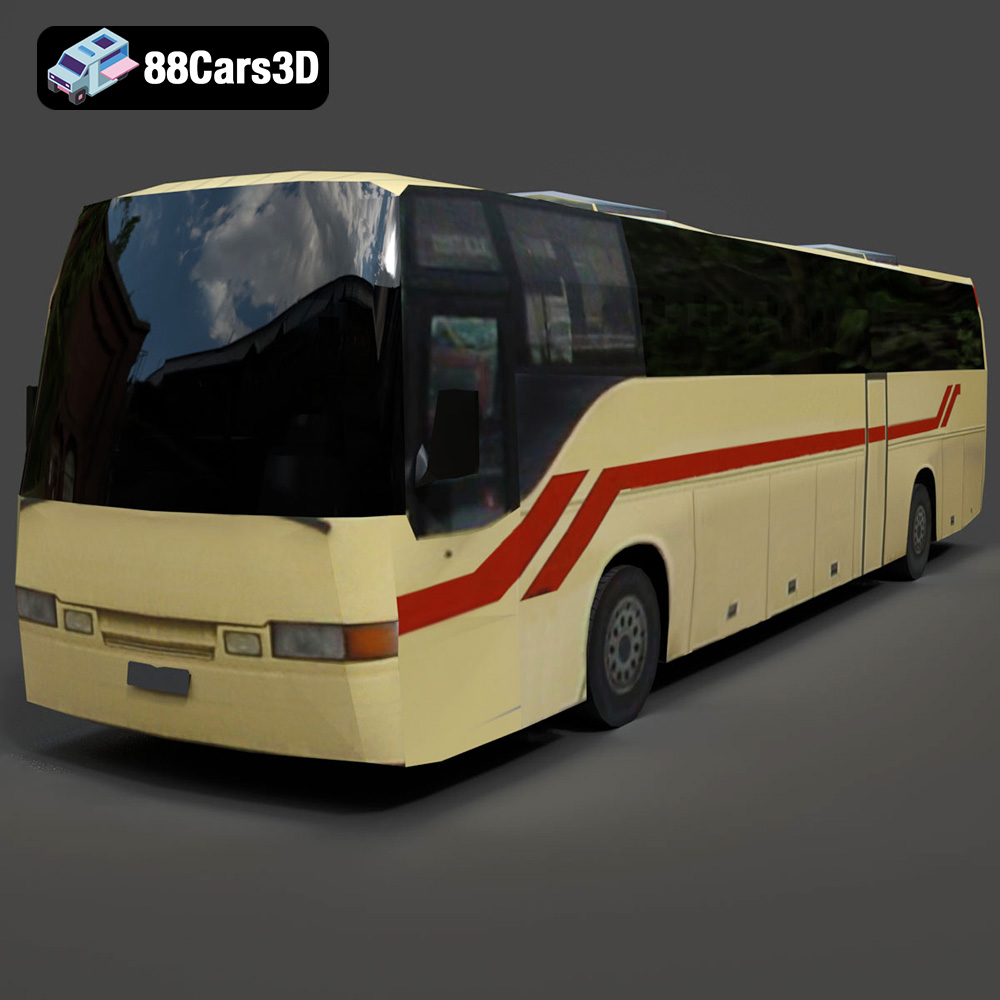
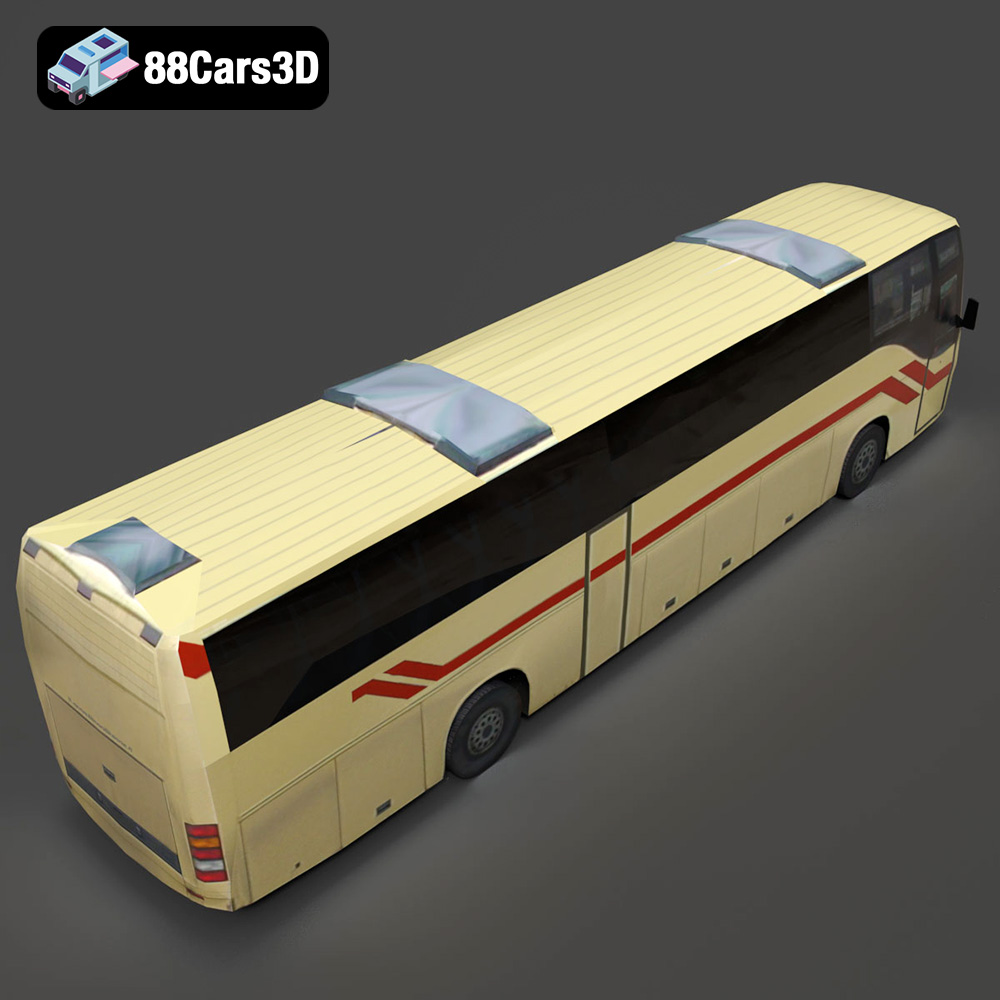
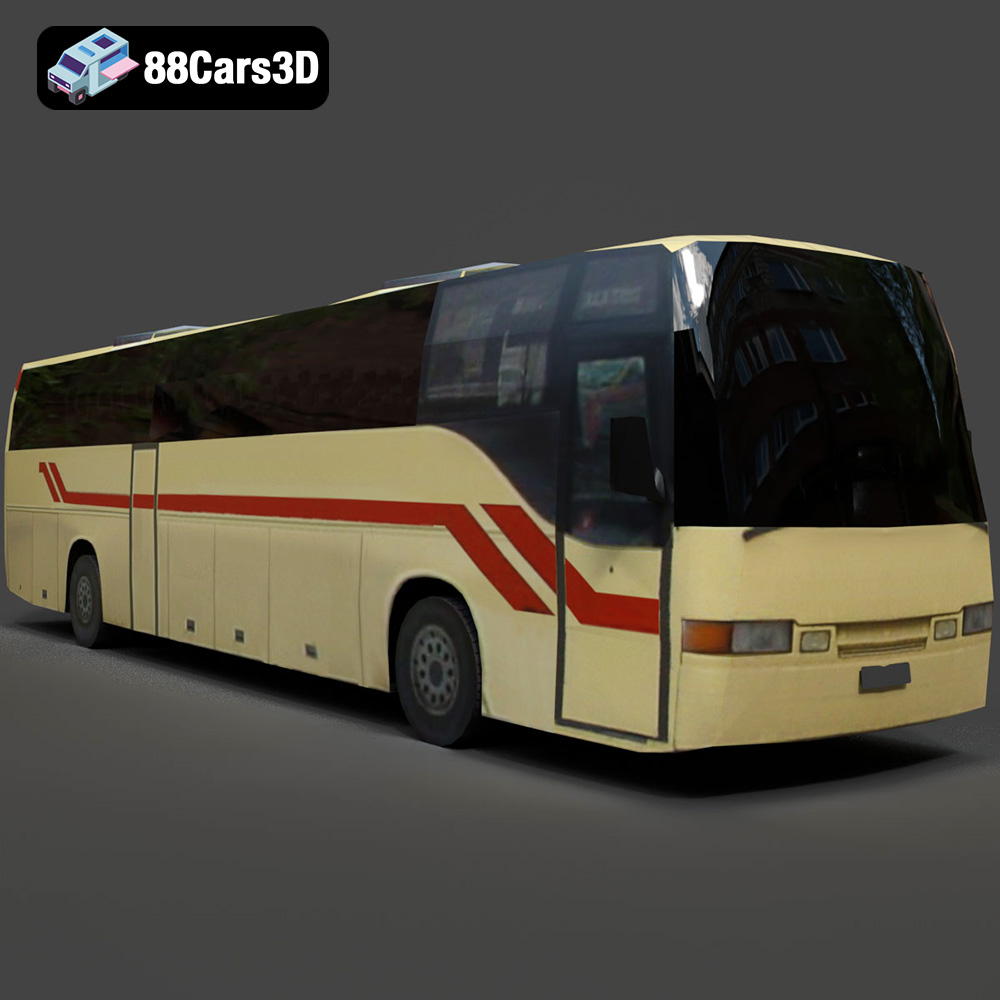
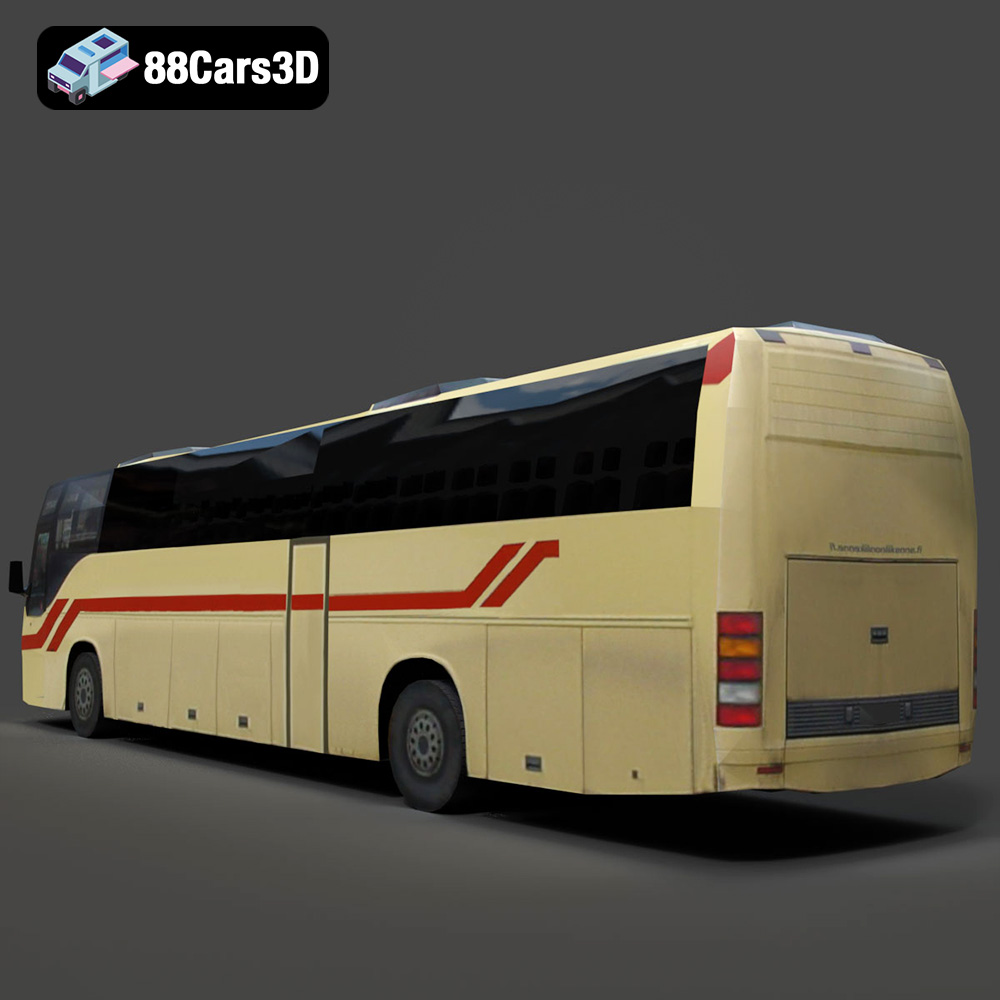
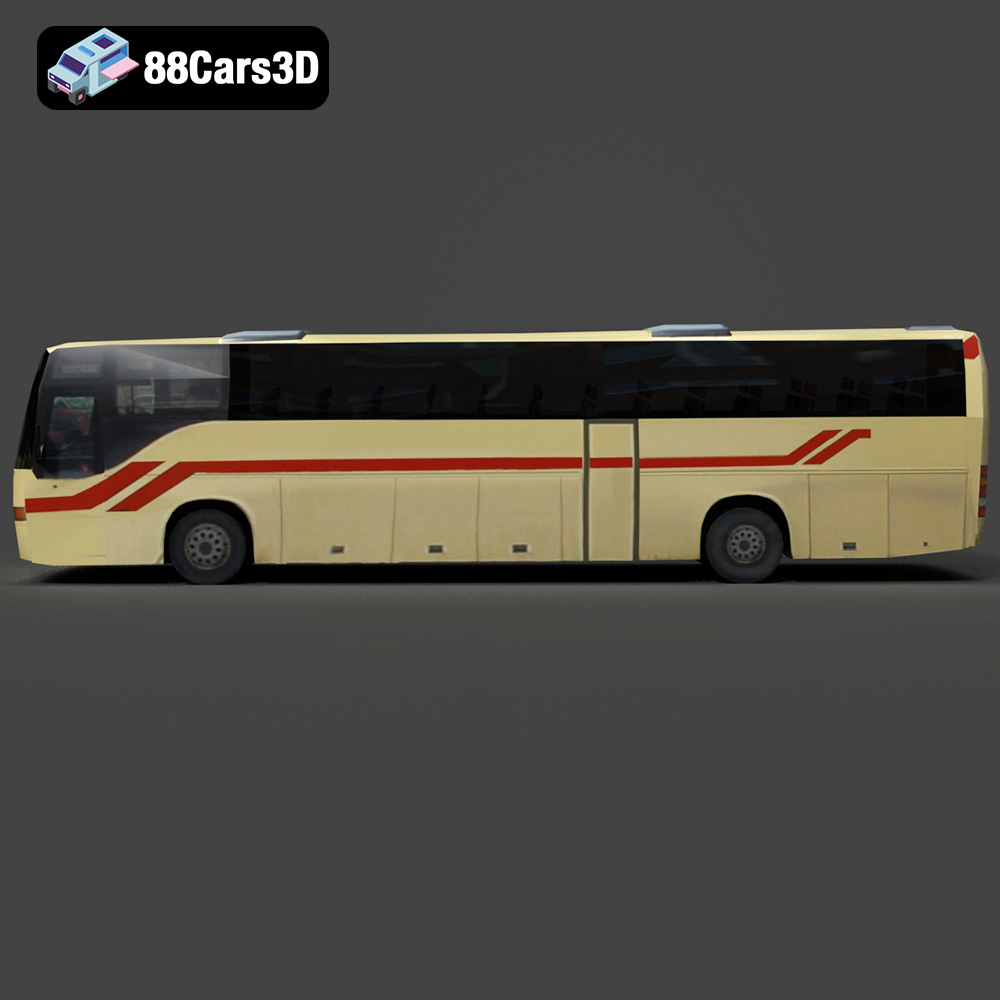
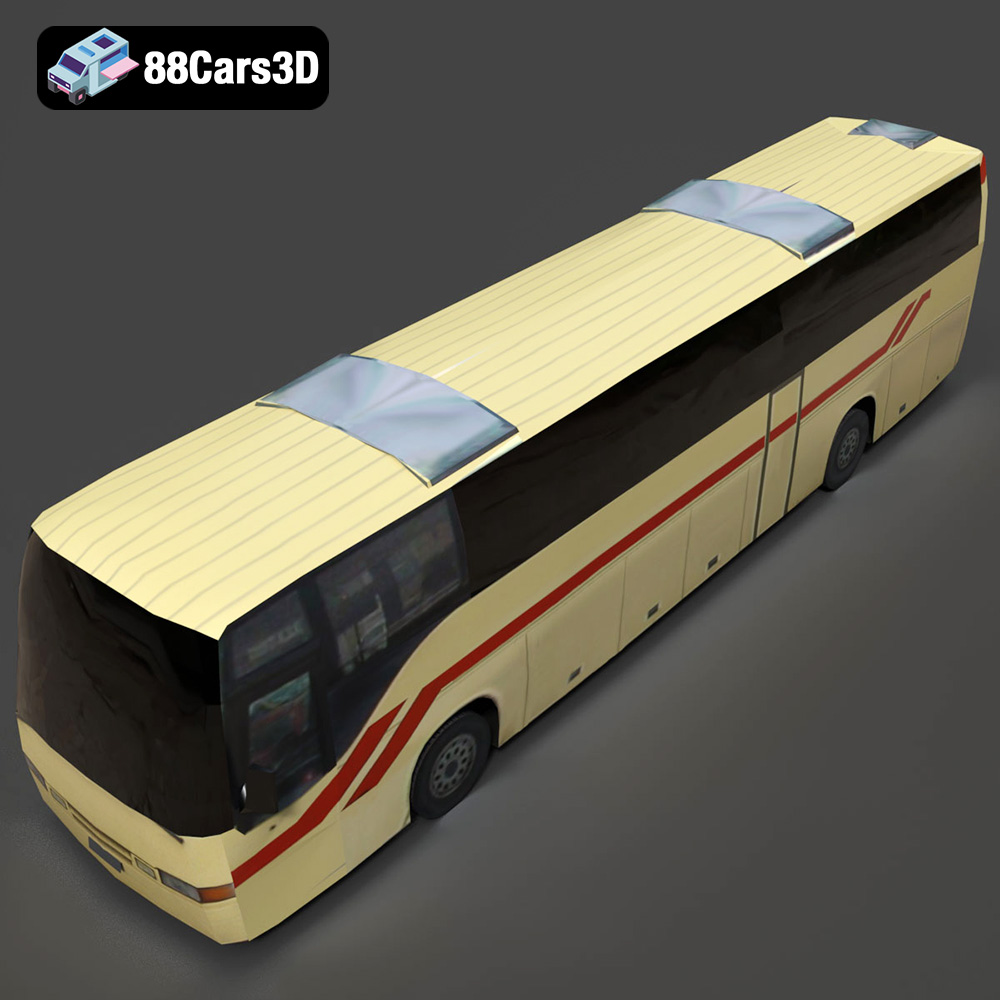
The first impression of any vehicle model comes from its exterior, and the bus model excels here. It features accurate body panels with smooth curves and sharp edges, reflecting the design language of contemporary public transport. Critical elements like detailed headlights, taillights, and indicator lamps aren’t just flat textures; they are modeled with transparent materials and proper geometry to catch light realistically. The wheels and tires include authentic tread patterns, a detail often overlooked but crucial for close-up shots and realistic ground interaction. Furthermore, elements like separated doors and windows are ready for animation workflows, allowing for dynamic scenes, while integrated mirrors, wipers, and roof-mounted details add to the overall visual fidelity, ensuring the bus looks convincing whether stationary or in motion.
Interior Fidelity: Beyond the Shell
The interior of a vehicle model is equally important, especially for simulations, AR/VR experiences, or any scenario where the user might glimpse inside. This bus model doesn’t disappoint, offering a detailed driver’s cockpit complete with a dashboard, steering wheel, and essential controls, making it suitable for driver training simulations. Passenger seating and standing areas, complete with grab handles, are thoughtfully designed to populate urban scenes or serve as backdrops for character interactions. Accessible entrance/exit points and internal lighting fixtures further enhance realism. Crucially, the mesh quality is optimized for both distant overviews and close-up interior shots, maintaining visual integrity without excessive poly counts. Even basic chassis and suspension elements are included for mechanical realism, providing a solid foundation for physics-based simulations.
Technical Foundations: Geometry, UVs, and Hierarchy
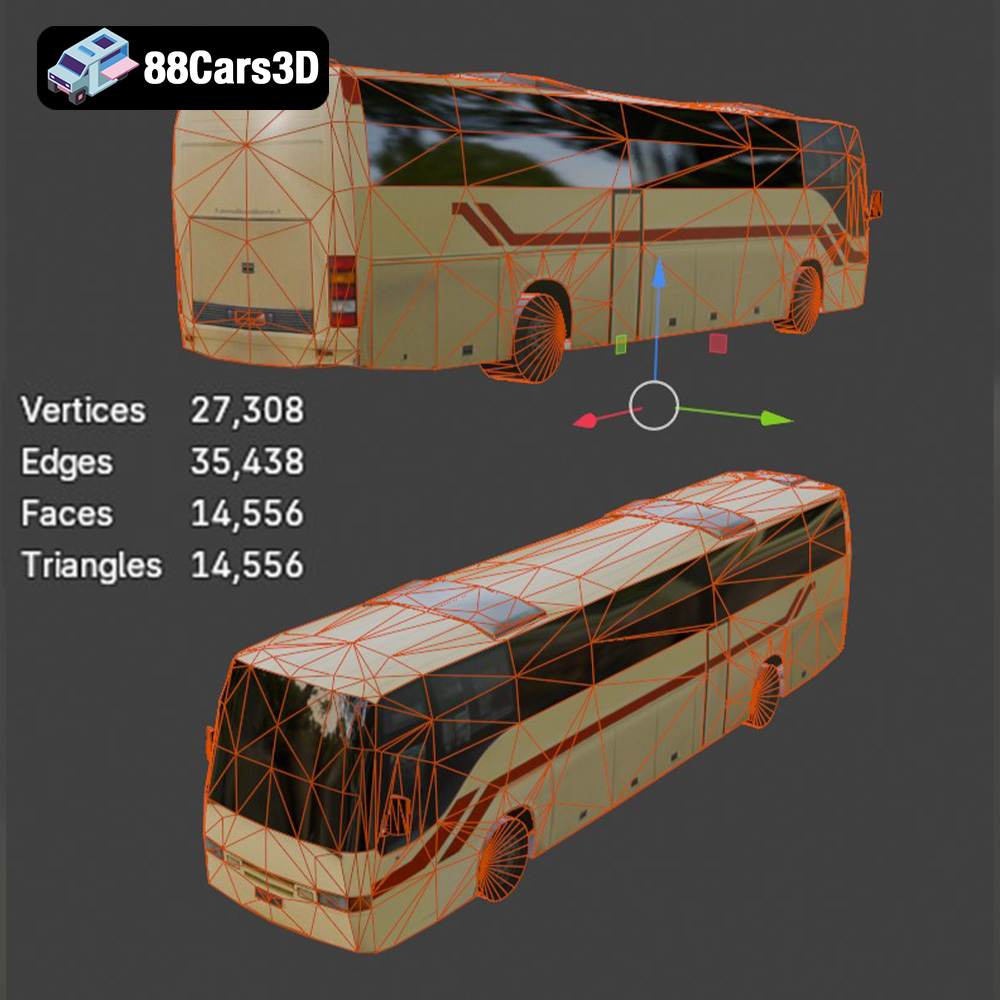
Underpinning the visual appeal are the model’s technical advantages. Its clean, quad-dominant topology is a hallmark of professional work, facilitating easy modification, subdivision for higher detail, and deformation during animation. The accurate real-world scale ensures seamless integration into scenes, preventing scale mismatches that can break immersion. A well-organized hierarchy with properly set pivots for doors, wheels, and other animated components is vital for efficient rigging and animation, saving countless hours in production. Finally, professionally prepared materials and UV mapping mean textures are applied correctly, optimizing both rendering quality and real-time application performance. This attention to technical detail makes the Generic Modern Bus 3D Model a truly reliable asset.
Integrating the Bus Model into Diverse Workflows
The true value of a versatile 3D asset lies in its seamless integration into various professional pipelines. The Generic Modern Bus 3D Model is designed to be a plug-and-play solution across multiple disciplines, from high-end rendering to real-time interactive experiences.
Automotive Rendering and Visualization with 3ds Max & Blender: Setting the Scene
For architectural visualization, urban planning, or cinematic scene creation, photorealistic rendering is paramount. Using software like 3ds Max or Blender, artists can leverage the bus model’s pre-configured materials and clean geometry. In 3ds Max, the .max file provides a ready-to-render scene, allowing users to quickly set up advanced lighting with V-Ray or Corona Render, creating stunning images of the bus in various urban contexts. Similarly, Blender users can utilize the .blend file with Cycles or Eevee, fine-tuning PBR (Physically Based Rendering) materials to achieve desired effects, from a glossy new finish to a weathered, city-worn look. This capability makes it perfect for depicting busy city streets, illustrating public transport routes, or even showcasing proposed urban developments with realistic traffic flows.
Game Development with Unreal Engine: Performance and Playability
In game development, performance is as crucial as visual quality. The Generic Modern Bus 3D Model, with its optimized mesh and included .fbx and .unreal formats, is an ideal game asset. For Unreal Engine, the .unreal package ensures that the model can be imported with minimal fuss, complete with correctly assigned materials, collision meshes, and even pre-configured Level of Detail (LOD) settings if they are part of the package, optimizing performance for different viewing distances. Developers can easily implement custom animations for the separated doors, steerable wheels, and even passenger ingress/egress. Whether it’s for a detailed city simulation, a realistic driving game, or an open-world environment, this model offers the blend of fidelity and efficiency required for smooth gameplay and immersive experiences.
AR/VR and Web-Based Experiences: Immersive Interaction
The growing demand for interactive 3D content in AR, VR, and web browsers necessitates models that are highly optimized for real-time performance and efficient data transfer. The .glb format included with the Generic Modern Bus 3D Model is specifically tailored for these applications. Developers can effortlessly integrate the bus into AR apps, allowing users to place a virtual bus in their real-world environment, or deploy it in VR simulations for training or entertainment. Its optimized structure ensures quick loading times and smooth interaction even on less powerful hardware, expanding its utility into cutting-edge immersive experiences where performance directly impacts user engagement.
Advanced Applications: Beyond the Visuals
The utility of a high-quality 3D asset often extends beyond its primary visual applications, reaching into more technical and functional domains. The Generic Modern Bus 3D Model’s robust design and various file formats enable it to serve a multitude of advanced purposes.
Simulation and Training: Dynamic Environments
The detailed nature and real-world scale of the Generic Modern Bus 3D Model make it an excellent candidate for various simulation and training scenarios. Public transport operator training modules can utilize the highly detailed driver’s cockpit and functional components to create immersive and realistic driving experiences. Urban logistics simulations can integrate multiple instances of the bus model to test route efficiencies, traffic flow management, or emergency response scenarios within a virtual city. The ability to animate doors, wheels, and potentially even passenger movement, combined with its optimized mesh, allows for the creation of dynamic, interactive environments that accurately mimic real-world conditions, providing invaluable insights and training opportunities.
3D Printing and Physical Prototyping: Bringing Digital to Life
While primarily a digital asset, the Generic Modern Bus 3D Model also bridges the gap into the physical realm through 3D printing. The inclusion of an .stl file format specifically prepares the model for additive manufacturing. Architects and urban planners might create physical scale models for presentations, allowing stakeholders to grasp the physical presence of proposed transport solutions. Enthusiasts or designers could print miniature versions for display or custom projects. The clean geometry of the original model ensures that the .stl conversion maintains accuracy and printability, making the transition from digital rendering to tangible object seamless. This capability demonstrates the model’s versatility, offering a physical manifestation of a meticulously crafted digital design.
Customization and Future-Proofing Your Asset
In professional production, a 3D model is rarely a static, unchangeable entity. The ability to customize and adapt an asset to specific project requirements is crucial for its longevity and usefulness. The Generic Modern Bus 3D Model is built with this flexibility in mind.
Modifying Liveries and Materials: Branding and Aesthetics
One of the most common customization needs for vehicles is the ability to change their appearance. The bus model allows users to easily modify paint finishes, apply specific livery designs, and integrate branding graphics to match local transport companies or fictional entities. Artists can adjust material properties for glass, metal, rubber, and plastics to achieve desired visual effects – from brand-new showroom shine to battle-hardened utility. This level of customization ensures that the model can seamlessly fit into any specific project brief, whether it requires a pristine, futuristic public transport system or a grittier, established urban fleet. The clean UV mapping facilitates straightforward texture painting and decal application, making the branding process efficient and effective.
Animation Potential: Dynamic Scenes and Interactions
The model’s organized hierarchy with properly set pivots for doors, wheels, and other components lays the groundwork for extensive animation. Beyond simple rotation of wheels, animators can create realistic opening and closing door sequences, allowing for passenger ingress and egress animations in cinematic renders or game cutscenes. The steerable front wheels enable dynamic driving animations, essential for realistic vehicle behavior in simulations and driving games. Furthermore, the robust construction and optimized mesh quality ensure that the model deforms predictably and cleanly under animation, preventing unwanted artifacts and maintaining visual fidelity throughout any dynamic scene. This built-in animation readiness significantly enhances the model’s value for projects requiring active and interactive vehicle models.
Conclusion
The demand for high-quality 3D car models in today’s digital landscape is undeniable. From crafting photorealistic architectural visualizations to developing immersive game environments and training simulations, a meticulously designed and optimized asset can significantly impact the success and efficiency of any project. The Generic Modern Bus 3D Model, available on 88cars3d.com, stands as a prime example of such an asset, offering unparalleled versatility, technical excellence, and broad compatibility across various software and platforms.
With its detailed exterior and interior, clean quad-dominant topology, accurate real-world scale, and professionally prepared materials, this model is engineered for professional-grade results. Its availability in multiple formats, including .blend, .fbx, .obj, .glb, .stl, .ply, .unreal, and .max, ensures that it fits seamlessly into virtually any workflow—be it high-end automotive rendering, real-time game development, AR/VR experiences, or even 3D printing. The ability to easily customize liveries, materials, and leverage its animation-ready components further future-proofs this investment.
For professionals seeking a reliable, visually striking, and technically sound public transport solution for their digital projects, the Generic Modern Bus 3D Model is an essential tool. It not only streamlines production but also empowers creators to realize their most ambitious visions with confidence and precision. Explore this and other high-quality 3D car models at 88cars3d.com to elevate your next project.
Featured 3D Model
Generic Modern Bus 3D Model
Presenting the Generic Modern Bus 3D Model, a meticulously crafted digital asset designed for high-fidelity visualization and performance across various platforms. This model captures the essence of a contemporary public transport vehicle, featuring a robust exterior and thoughtfully designed interior. Built with clean, optimized geometry and balanced detailing, it ensures professional-grade quality suitable for demanding projects. Ideal for use in realistic rendering, engaging animations, complex simulations, and efficient game development pipelines.
$19.99
Product Image Gallery