

The Enduring Legacy of the BMW E46: A 3D Artist’s Perspective
Few vehicles capture the imagination and devotion of enthusiasts quite like the BMW 3 Series E46. Revered for its balanced performance, timeless aesthetics, and driver-centric design, the E46 generation holds a special place in automotive history. For 3D artists, designers, and game developers, recreating such an iconic machine in the digital realm presents both a challenge and an opportunity to capture its essence with precision and fidelity.
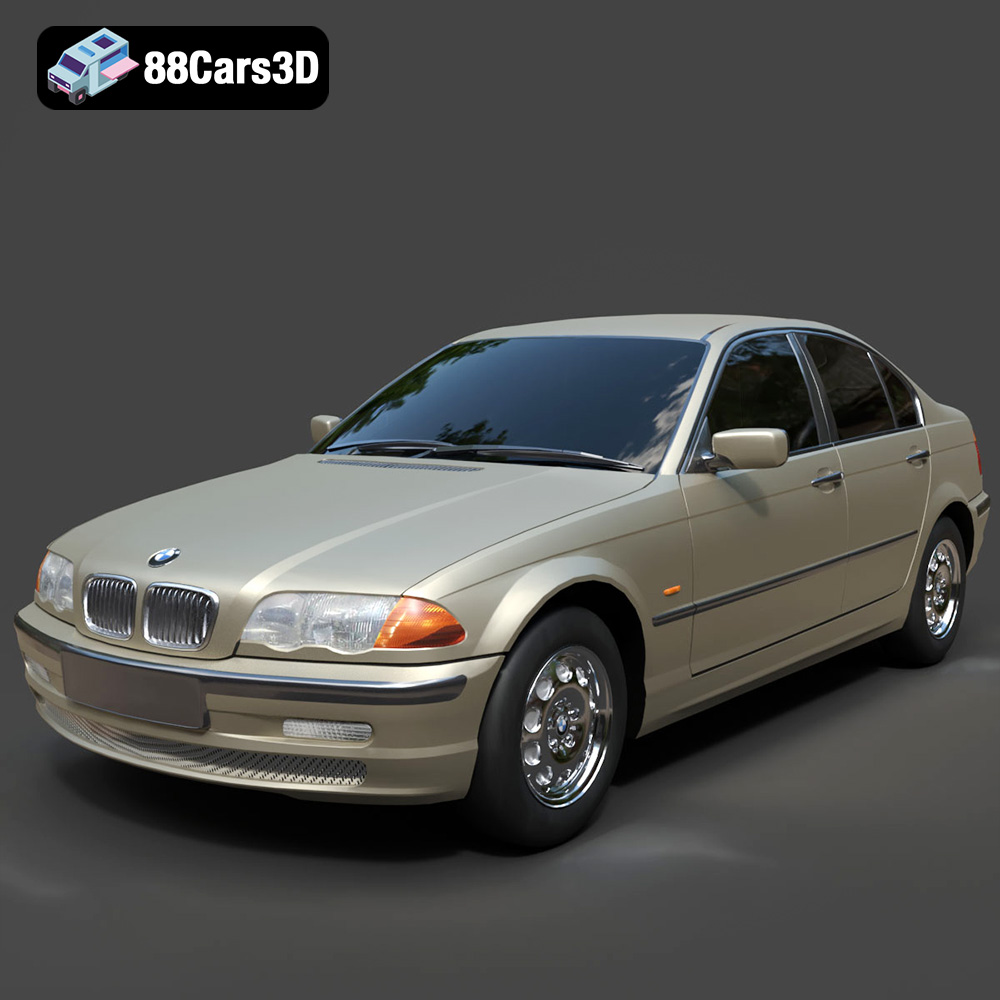
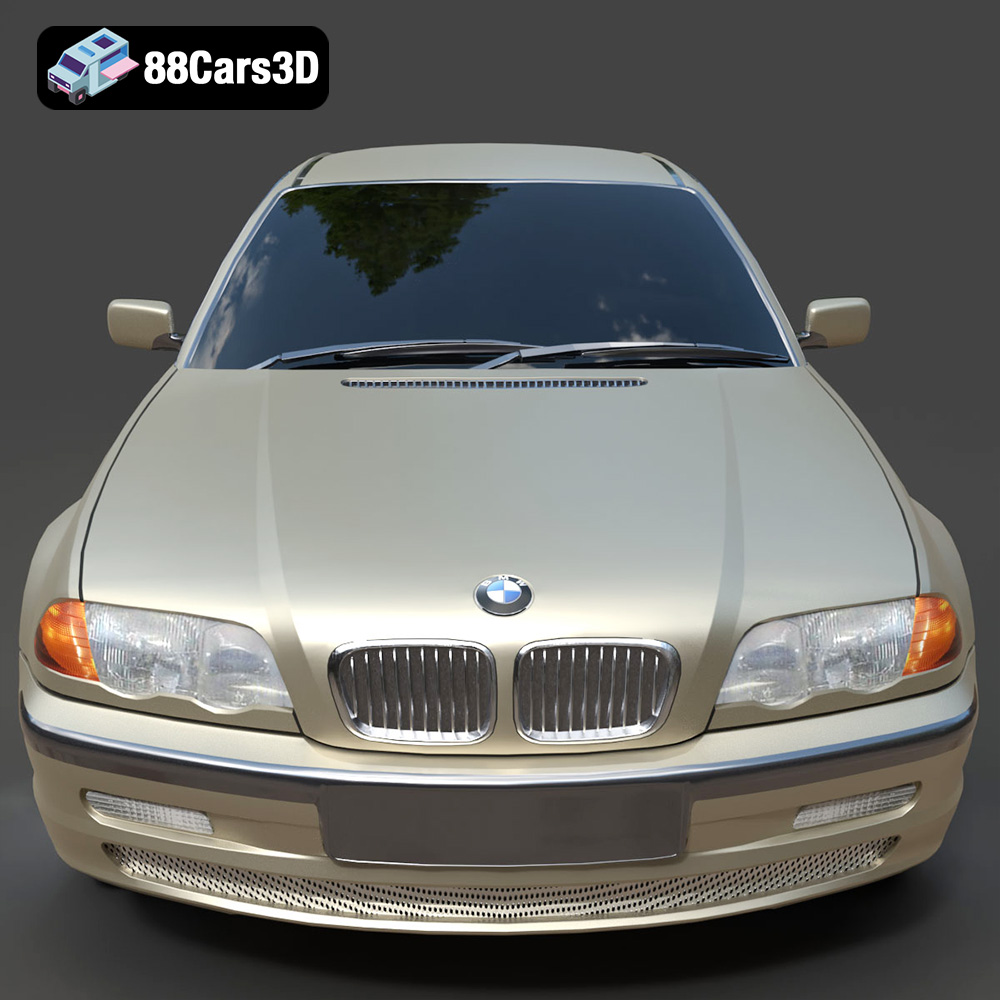
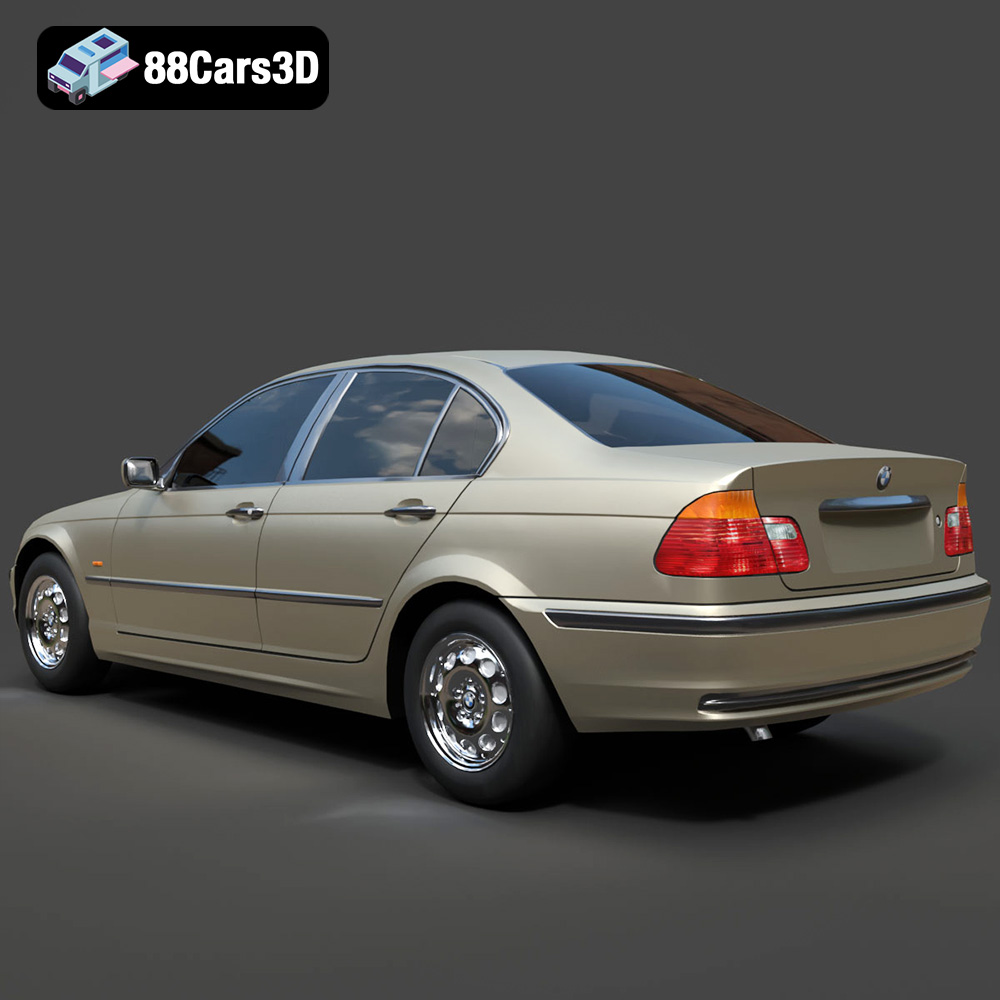
A high-quality 3D model of the BMW E46 is more than just a digital replica; it’s a versatile asset that unlocks a myriad of creative and professional applications. From hyper-realistic automotive rendering for advertising campaigns to meticulously detailed game assets populating virtual worlds, the demand for authentic and technically sound 3D car models is consistently high. The BMW 3 Series E46 3D Model available at 88cars3d.com exemplifies this commitment to quality, offering a meticulously crafted asset ready for diverse professional pipelines. This article delves into the technical intricacies of utilizing such a model, exploring workflows, file formats, and the myriad possibilities it presents for digital creators.
Understanding 3D Model File Formats
The success of any 3D project often hinges on selecting the correct file format. Each format offers unique advantages regarding compatibility, data preservation, and intended application. Understanding these distinctions is paramount for ensuring seamless integration and optimal performance in your professional workflows. The BMW 3 Series E46 3D model, for instance, provides a comprehensive suite of formats, catering to virtually every need.
.blend – The Native Blender Scene
The .blend format is Blender’s native file type, offering a complete and fully editable scene. When you acquire the BMW 3 Series E46 3D Model in .blend format, you gain access to all the original modeling data, materials, textures, lighting setups, and even animation rigs if they were included. This makes it ideal for Blender users who need to customize the model extensively, re-texture it, adjust the topology, or integrate it into complex scenes built within Blender. It preserves modifiers, node-based materials, and any specific Blender features, ensuring maximum flexibility for artists familiar with this powerful open-source software.
.fbx – The Industry Standard for Interchange
.fbx (Filmbox) is arguably the most widely used 3D interchange format in the industry, developed by Autodesk. Its strength lies in its ability to store not just geometry, but also hierarchical data, materials, textures, animations, and even camera and light information. For the BMW 3 Series E46 3D Model, the .fbx format is an excellent choice for transferring the model between different 3D applications like 3ds Max, Maya, Cinema 4D, and most importantly, game engines like Unreal Engine and Unity. It’s renowned for its robust handling of animations and scene hierarchies, making it essential for real-time pipelines where performance and fidelity are crucial.
.obj – The Universal Mesh Format
The .obj (Wavefront OBJ) format is a simple, universal geometry format that has been around for decades. It primarily stores vertex positions, UV coordinates, normals, and polygon faces. While it doesn’t typically embed animations or complex material nodes, it’s incredibly reliable for cross-software compatibility. If you need to import the BMW E46 model into a lesser-known application or simply require a clean mesh without extra scene data, .obj is an excellent choice. It’s often accompanied by an .mtl file that defines basic material properties and texture links.
.glb – Optimized for AR, VR, and Web
.glb (GL Transmission Format Binary) is the binary version of .gltf, designed for efficient transmission and loading of 3D scenes and models. It packages geometry, materials, textures, and animation into a single compact file, making it perfect for web-based 3D viewers, augmented reality (AR) applications on mobile devices, and virtual reality (VR) experiences. The BMW E46 in .glb format would be ideal for interactive virtual showrooms embedded on a website or for a quick AR preview of the car in a real-world environment, offering a balance of quality and performance.
.stl – The Go-To for 3D Printing
.stl (Stereolithography) is the de facto standard for 3D printing. It represents a 3D model as a collection of triangulated surfaces, defining only the surface geometry of an object without color, texture, or other CAD attributes. When preparing the BMW 3 Series E46 3D Model for physical fabrication, the .stl format is crucial. It ensures the model is watertight and manifold, characteristics necessary for successful additive manufacturing. For hobbyists or professionals creating physical scale models of the E46, this format is indispensable.
.ply – Precision Mesh for CAD and Analysis
.ply (Polygon File Format) is another format for storing 3D data, particularly useful for scanned data, CAD applications, and scientific visualization. It can store various properties for each vertex (such as color, normal, transparency) and face (such as color). While less common for general rendering than .fbx or .obj, the .ply format for the BMW E46 could be invaluable for engineering analysis, reverse engineering workflows, or integration into specialized CAD software where precision and specific mesh properties are critical.
.unreal – Engine-Ready Asset for Real-Time
The .unreal format signifies an asset specifically prepared and optimized for Unreal Engine. This isn’t a standalone file type but rather a description that the provided model package includes assets pre-configured for direct import and use within an Unreal Engine project. This means materials are set up with Unreal’s Physically Based Rendering (PBR) pipeline in mind, textures are correctly linked, and potentially even LODs (Levels of Detail) or collision meshes are included. For game developers or architectural visualizers working in Unreal, this offers a significant time-saving advantage, allowing immediate integration of the BMW E46 into their real-time environments.
.max – The Native 3ds Max Project
.max is the native file format for Autodesk 3ds Max, one of the most powerful and widely used 3D modeling, animation, and rendering software packages. Similar to .blend for Blender, the .max file for the BMW 3 Series E46 3D Model provides the complete 3ds Max scene, including all geometry, modifiers, materials (V-Ray, Corona, Arnold), lighting, and camera setups. This allows 3ds Max users full control over every aspect of the model, enabling them to make extensive modifications, create complex animations, and render high-fidelity cinematics directly within their preferred environment.
The Anatomy of a Professional 3D Car Model
Creating a truly professional 3D car model, such as the BMW 3 Series E46, requires a deep understanding of geometry, topology, and material science. It’s about balancing aesthetic fidelity with technical efficiency, ensuring the model performs well across diverse applications.
Clean Geometry and Optimal Topology
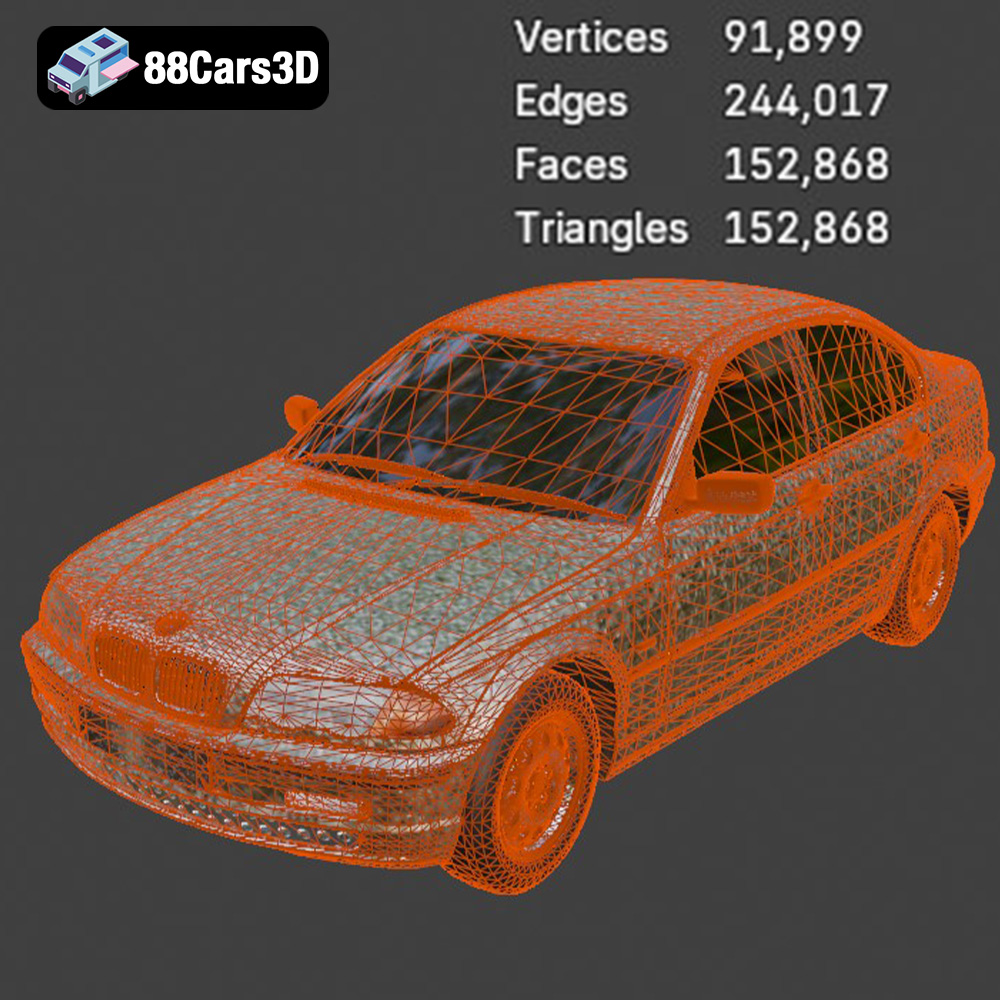
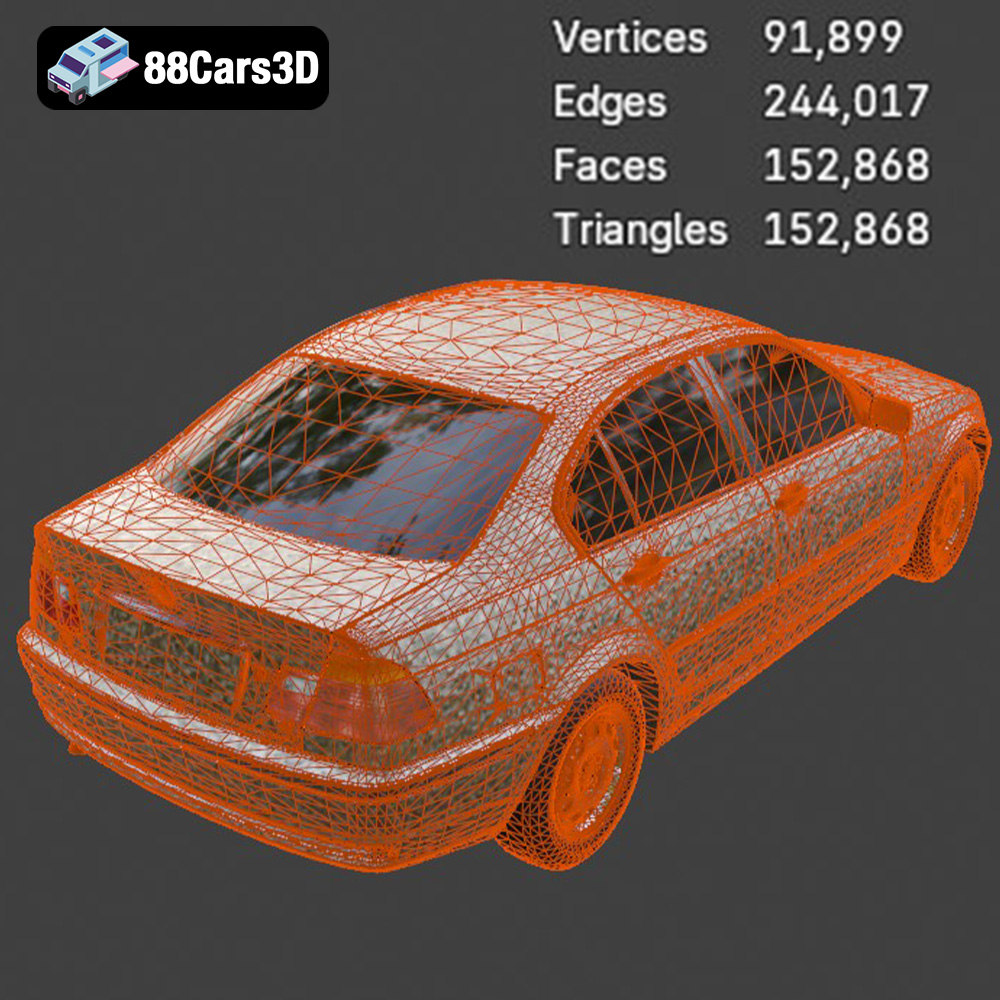
The foundation of any great 3D model is its geometry. For the BMW E46, this means faithful recreation of its iconic body lines, curves, and distinctive features. A professional model adheres to a “clean, quad-dominant topology.” This signifies that the mesh primarily consists of four-sided polygons (quads), which are easier to work with, subdivide smoothly, and deform predictably during animation. Triangles are minimized, especially in areas that require deformation or smoothing. This meticulous approach prevents unsightly pinching or artifacts when subdivision surfaces (like OpenSubdiv or TurboSmooth) are applied, ensuring the E46’s sleek contours remain flawless, whether viewed up close in a render or in motion within a game engine.
Furthermore, an “optimized mesh quality” means the polygon count is balanced. It’s detailed enough to capture the E46’s intricate details, like the grille, headlights, and interior elements, without being excessively heavy, which could hinder real-time performance or rendering times. The product description highlights “basic representation of the engine bay and undercarriage components, optimized for detail where visible,” which is a smart approach for managing polygon budgets effectively without sacrificing perceived quality.
Precise UV Mapping and PBR Materials
UV mapping is the process of unwrapping the 3D surface of a model into a 2D space, allowing textures to be painted onto it accurately. A professional 3D car model, like the BMW E46, features clean and non-overlapping UVs, crucial for applying high-resolution textures without distortion. This is particularly important for details like paint finishes, chrome accents, rubber tires, and interior fabrics, where precise texture alignment is key to realism.
Modern rendering relies heavily on Physically Based Rendering (PBR) materials. These materials mimic how light interacts with real-world surfaces, using maps like Albedo (color), Normal (fine surface details), Roughness/Glossiness (specular reflection), Metallic (metallic properties), and Ambient Occlusion (contact shadows). For the E46 model, PBR setups would ensure the metallic paint gleams authentically, the glass accurately reflects its surroundings, and the interior materials react realistically to lighting conditions, enhancing the overall visual fidelity in renders and real-time applications.
Real-World Scale and Asset Organization
Accuracy in 3D modeling extends beyond visual representation to physical dimensions. A model built to “real-world scale” is essential for seamless integration into existing scenes, architectural visualizations, or simulation environments. This ensures that the BMW E46 fits naturally alongside other objects and adheres to realistic proportions, avoiding scale issues during production.
Equally important is a well-organized hierarchical structure. This means the model’s components (doors, hood, trunk, wheels, interior elements) are grouped logically and have “properly set pivots.” Correct pivots are critical for animation, allowing parts like doors to open and close along their natural hinges without complex manual adjustments. This thoughtful organization significantly streamlines the animation, rigging, and overall manipulation of the asset within any 3D software or game engine.
Mastering Automotive Rendering Workflows with the E46
Automotive rendering is an art form, transforming raw 3D models into captivating visuals for advertising, design showcases, and cinematic sequences. The BMW 3 Series E46 3D Model provides an excellent foundation for achieving stunning results across various professional rendering workflows.
Studio Setup and Lighting in 3ds Max/Blender
For high-fidelity renders, setting up a virtual studio environment is crucial. In software like 3ds Max or Blender (using render engines such as V-Ray, Corona, Cycles, or Eevee), this involves creating a seamless background, often using a curved backdrop or a virtual infinity cove. Lighting plays the most critical role. Common setups include three-point lighting (key, fill, back lights) to define the car’s form and highlights, combined with studio softboxes or HDRI (High Dynamic Range Image) environment maps for realistic reflections and ambient illumination. For the BMW E46, careful placement of lights can emphasize its distinctive kidney grille, the elegant sweep of its fender lines, or the intricate details of its alloy wheels. Experimenting with different HDRI environments can instantly transport the car from a sterile studio to a sun-drenched street or a moody cityscape, showcasing its versatility.
The .max and .blend formats provided by 88cars3d.com allow artists full control over these lighting setups, enabling them to adapt existing scene lighting or build entirely new environments tailored to their creative vision.
Material Customization and Visual Storytelling
The ability to “easily modify paint finishes, apply custom liveries, and adjust graphic details” is a significant advantage of a well-built 3D model. Artists can experiment with an infinite array of paint colors, from classic BMW metallics to bespoke matte finishes, using advanced PBR material controls. Tuning material properties—like reflectivity, roughness, and clear coat thickness—allows for nuanced distinctions between metallic paint, glossy chrome, matte plastics, and soft interior leathers.
Beyond technical accuracy, rendering is about visual storytelling. Imagine a pristine E46 rendered in a dramatic sunset, emphasizing its sporty silhouette, or a custom-liveried version tearing through a futuristic street scene. The flexibility of the model allows artists to create these narratives, whether for an automotive advertising agency showcasing the car’s elegance or a concept artist visualizing a personalized tuner build. The product’s organized structure with separable components (doors, hood, trunk) also enables dynamic shots, such as an engine reveal or an interior walkthrough.
Integrating 3D Car Models into Game Development
The demands of real-time environments in game development are distinct from offline rendering, prioritizing performance and efficiency without sacrificing visual quality. The BMW 3 Series E46 3D Model is optimized to serve as a high-quality game asset, ready for engines like Unreal and Unity.
Optimization for Real-Time Performance
Game engines require meticulous optimization. While the base E46 model boasts “clean and optimized mesh quality,” further steps are often taken for game integration. This includes creating Levels of Detail (LODs), which are progressively lower-polygon versions of the model that swap in as the car moves further from the camera. This drastically reduces the computational load on the GPU. Additionally, a dedicated collision mesh (a simplified, invisible mesh) is often created to handle physics interactions accurately without needing to process the high-resolution visual mesh.
The “organized hierarchical structure with properly set pivots” is invaluable here, as it facilitates rigging the car for realistic suspension, steering, and wheel rotations within the game engine. The separation of components like doors and the hood also allows for interactive elements, such as opening doors in a virtual showroom or hood damage in a racing game.
Seamless Integration with Unreal Engine
The inclusion of a “.unreal” file format or pre-configured assets is a significant boon for developers working with Unreal Engine. This typically means the model arrives with correctly set up PBR materials, textures efficiently packed, and possibly even pre-imported into an Unreal project file. This minimizes the setup time, allowing developers to immediately focus on gameplay mechanics, lighting, and environmental integration.
The BMW E46 model can be used as a primary vehicle in a racing simulator, a detailed prop in an open-world adventure, or an interactive object in a virtual car configurator. Developers can leverage Unreal’s powerful rendering capabilities to make the E46 shine with dynamic lighting, advanced reflections, and particle effects, pushing the boundaries of realism in interactive experiences. Similarly, for Unity users, the .fbx format provides a straightforward path to import and configure the model within their projects.
Beyond the Screen: AR/VR, Simulation, and 3D Printing
The utility of a high-quality 3D car model extends far beyond traditional rendering and game development, venturing into cutting-edge fields that leverage immersive technologies and physical fabrication.
Immersive Experiences with AR/VR
Augmented Reality (AR) and Virtual Reality (VR) are transforming how we interact with digital content. The BMW 3 Series E46 3D Model is perfectly suited for these immersive applications, especially with the inclusion of the .glb format, optimized for web and mobile AR/VR. Imagine a virtual showroom where potential buyers can explore the E46 in full 3D, customize its paint and interior in real-time, or even place it in their driveway using AR on their smartphone. Educational applications could utilize VR to allow users to disassemble and study the E46’s mechanical components.
These applications demand efficient models, and the E46’s clean geometry and optimized materials ensure smooth performance even on less powerful devices, offering engaging and realistic interactive experiences.
Simulation and Training Applications
Precision and realism are paramount in simulation and training environments. Whether for professional driving simulators, vehicle dynamics studies, or educational platforms, a accurately scaled and detailed model like the BMW E46 is indispensable. Engineering students could use the model to analyze aerodynamics or structural integrity (potentially through integration with CAD software via .ply or .obj). Driving schools could offer advanced training modules with realistic vehicle behavior. The organized hierarchical structure further supports complex simulations, allowing individual components to react authentically to physics and user input.
From Digital to Physical: 3D Printing
For enthusiasts who wish to bring the digital E46 into the physical world, the model’s suitability for 3D printing is a significant advantage. The included .stl format is specifically designed for this purpose, representing the model’s surface geometry as a series of triangles, ready for additive manufacturing. This allows for the creation of physical scale models, custom parts, or unique collectibles. Artists and designers can iterate on physical prototypes or create custom display pieces, bridging the gap between digital creation and tangible reality.
Conclusion
The BMW 3 Series E46 3D Model stands as a testament to meticulous digital craftsmanship, capturing the essence of an automotive icon with exceptional detail and technical precision. Its robust construction, featuring clean, quad-dominant topology, real-world scale, and optimized materials, positions it as an invaluable asset for a diverse range of professional applications.
From crafting cinematic automotive renders in 3ds Max or Blender to integrating a performance-ready vehicle into cutting-edge game environments like Unreal Engine, this model provides the foundational quality necessary for success. Its versatility extends further into immersive AR/VR experiences, rigorous simulation projects, and even physical 3D printing, making it a truly future-proof investment for any creative professional.
Whether you’re a seasoned 3D artist seeking to elevate your portfolio, a game developer needing a high-fidelity vehicle, or a visualization specialist bringing concepts to life, the BMW 3 Series E46 3D Model from 88cars3d.com offers the quality, flexibility, and compatibility to meet your demands. Explore the possibilities and enhance your projects with this iconic digital masterpiece.
Featured 3D Model
BMW 3 Series E46 3D Model
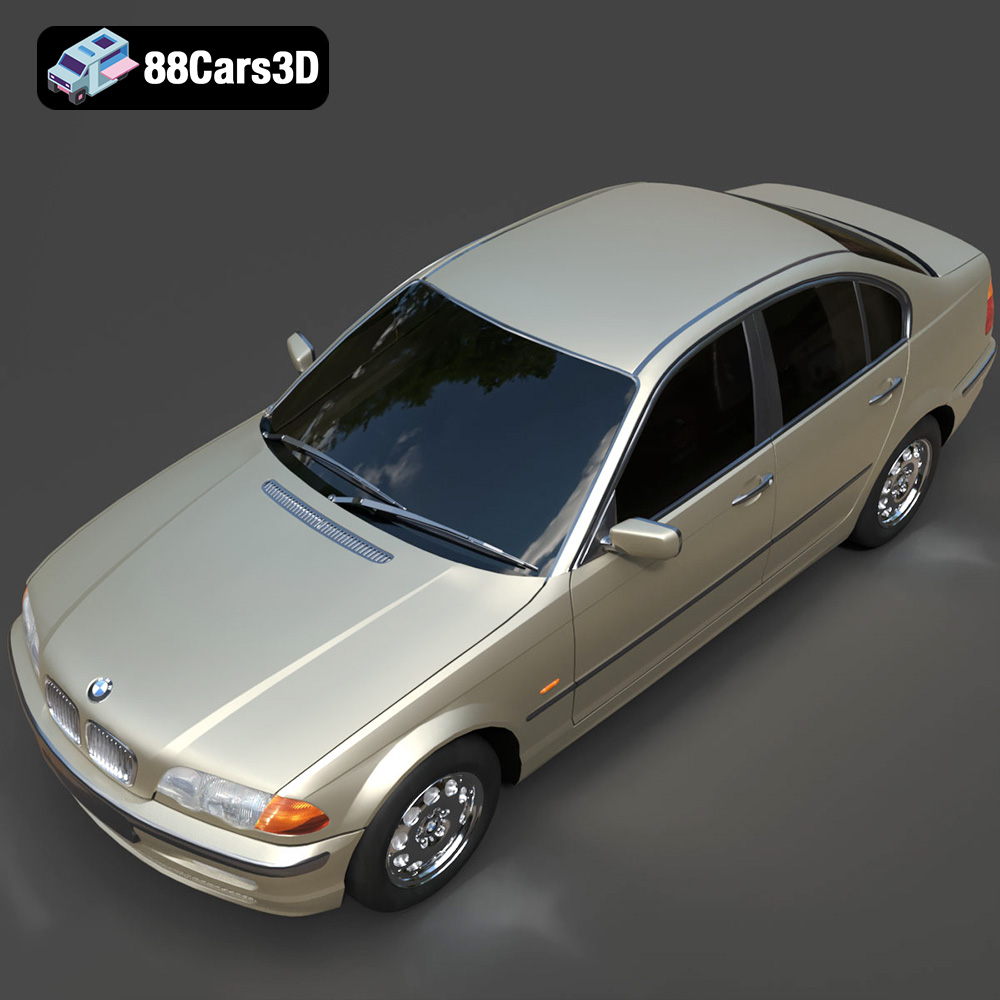
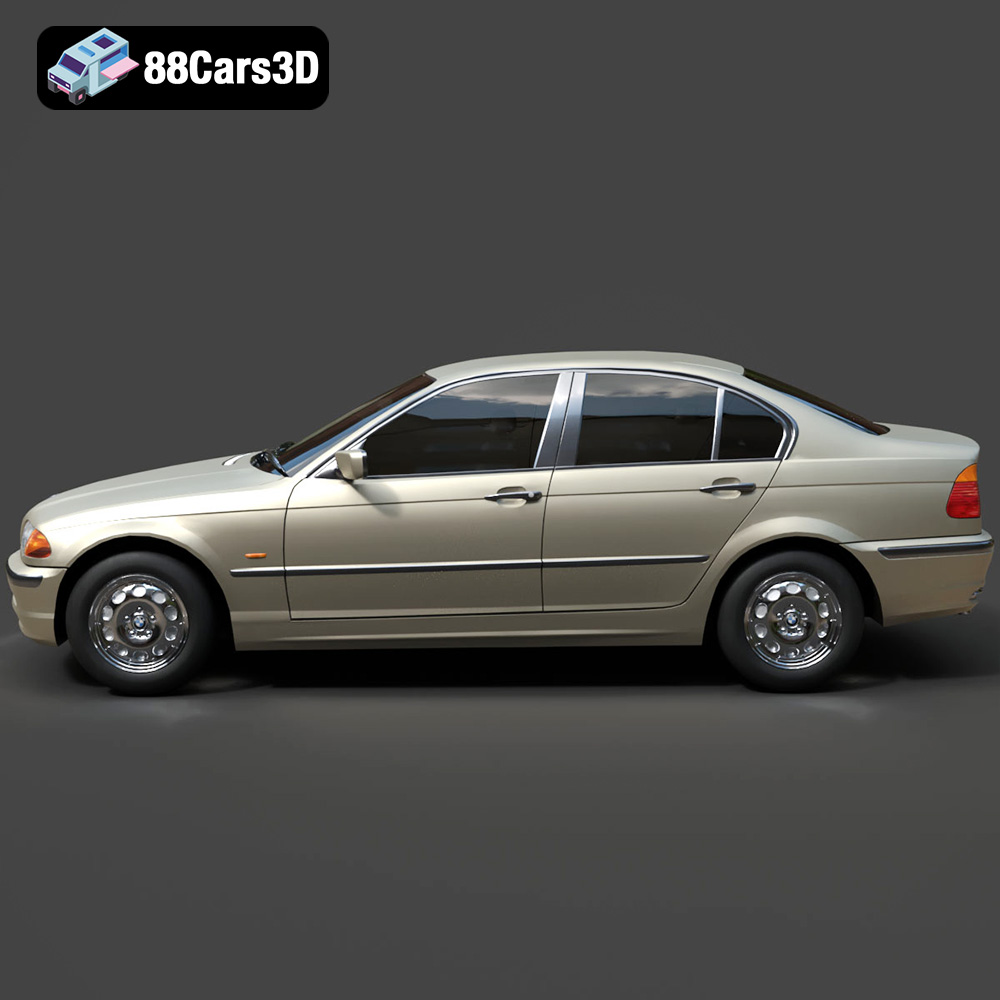
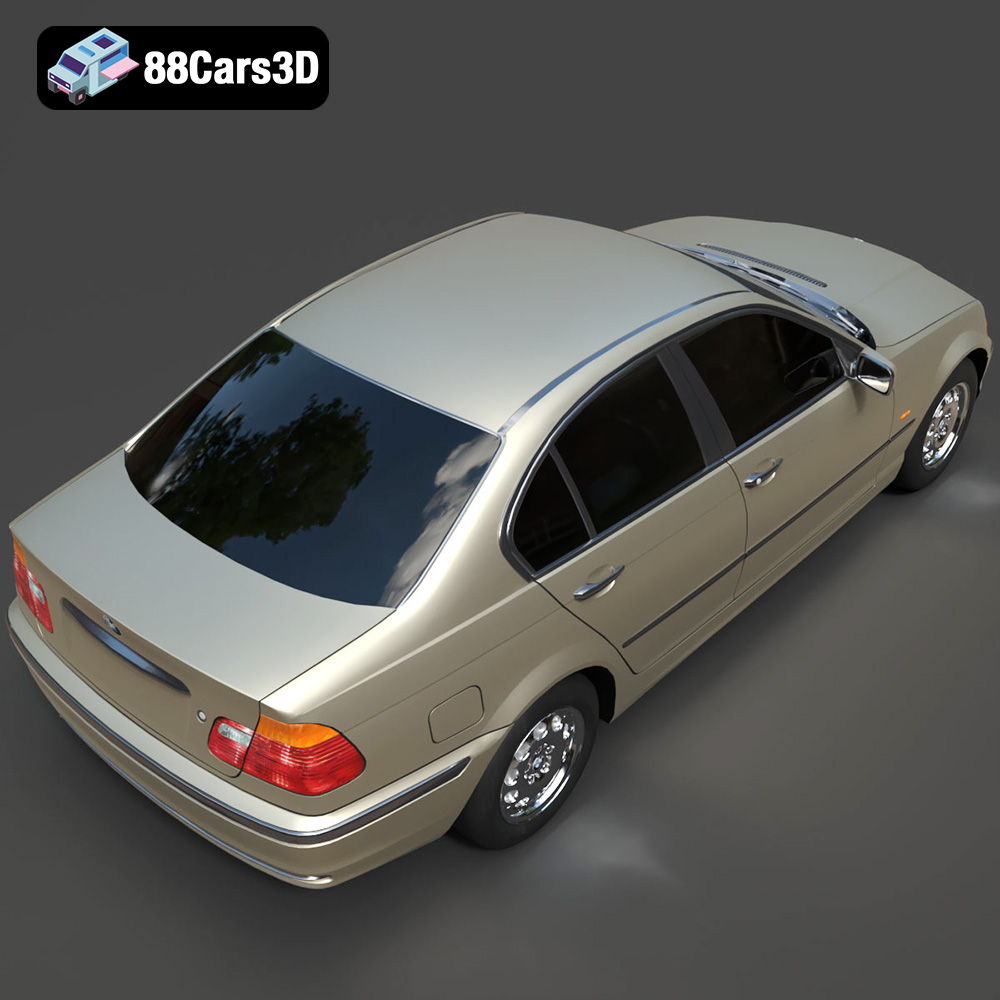
Experience the iconic German engineering with our meticulously crafted BMW 3 Series E46 3D model. This faithful digital recreation captures the timeless design and dynamic presence of the beloved E46 generation, known for its balanced performance and elegant aesthetics. Built with clean geometry and balanced detailing, this model is perfectly suited for a wide array of professional applications, including high-fidelity rendering, realistic animation sequences, detailed simulation projects, and seamless integration into game development environments.
$10.79
Product Image Gallery
Related Tags
.3series
.arvr
.automotive
.blend
.bmw
.car
.e46
.fbx
.gameasset
.glb
.max
.obj
.ply
.rendering
.sedan
.simulation
.sportsCar
.stl
.unreal
