

Unlocking Automotive Creativity: A Deep Dive into Professional 3D Car Models
In the dynamic worlds of automotive design, game development, cinematic rendering, and cutting-edge visualization, the quality of your 3D assets can make or break a project. From the sleek lines of a luxury sedan to the rugged practicality of an SUV, capturing the essence of a vehicle in digital form demands precision, technical expertise, and an unwavering commitment to detail. High-quality 3D car models are not just static representations; they are versatile foundations that power everything from photorealistic marketing campaigns to immersive virtual experiences.
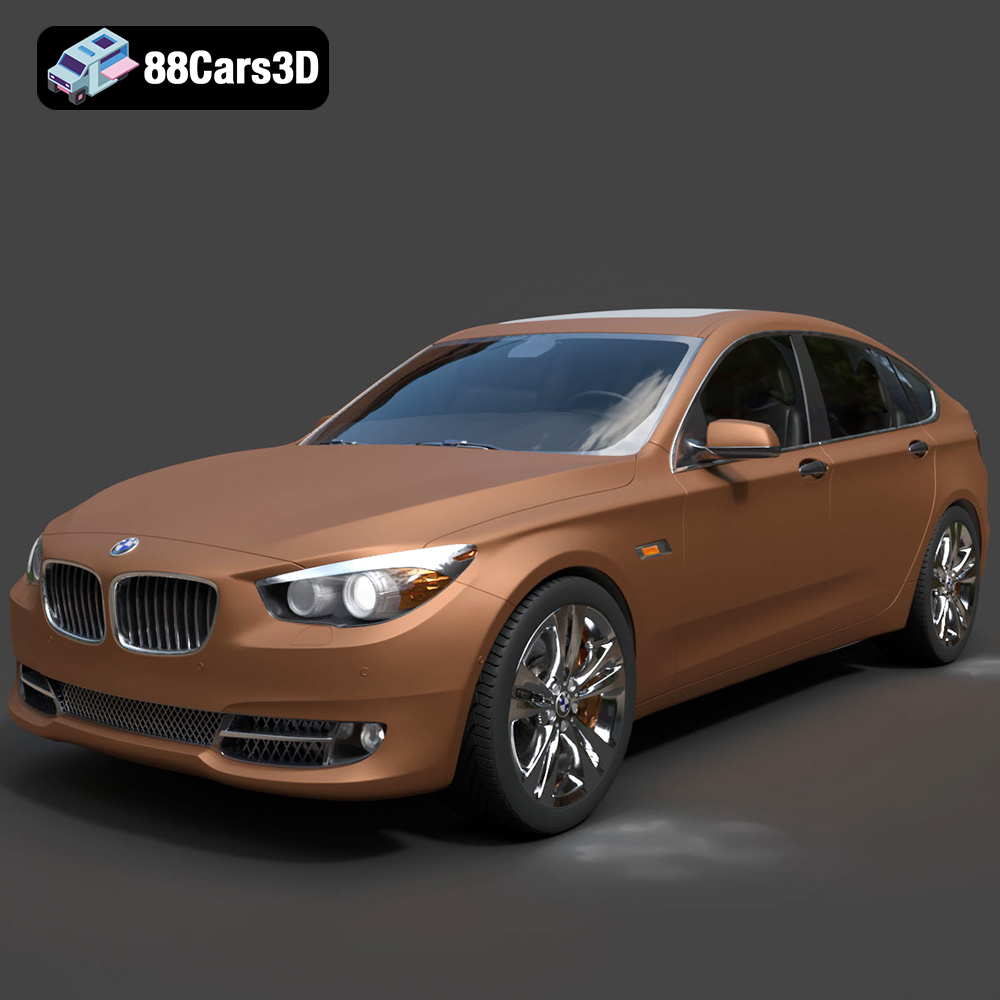
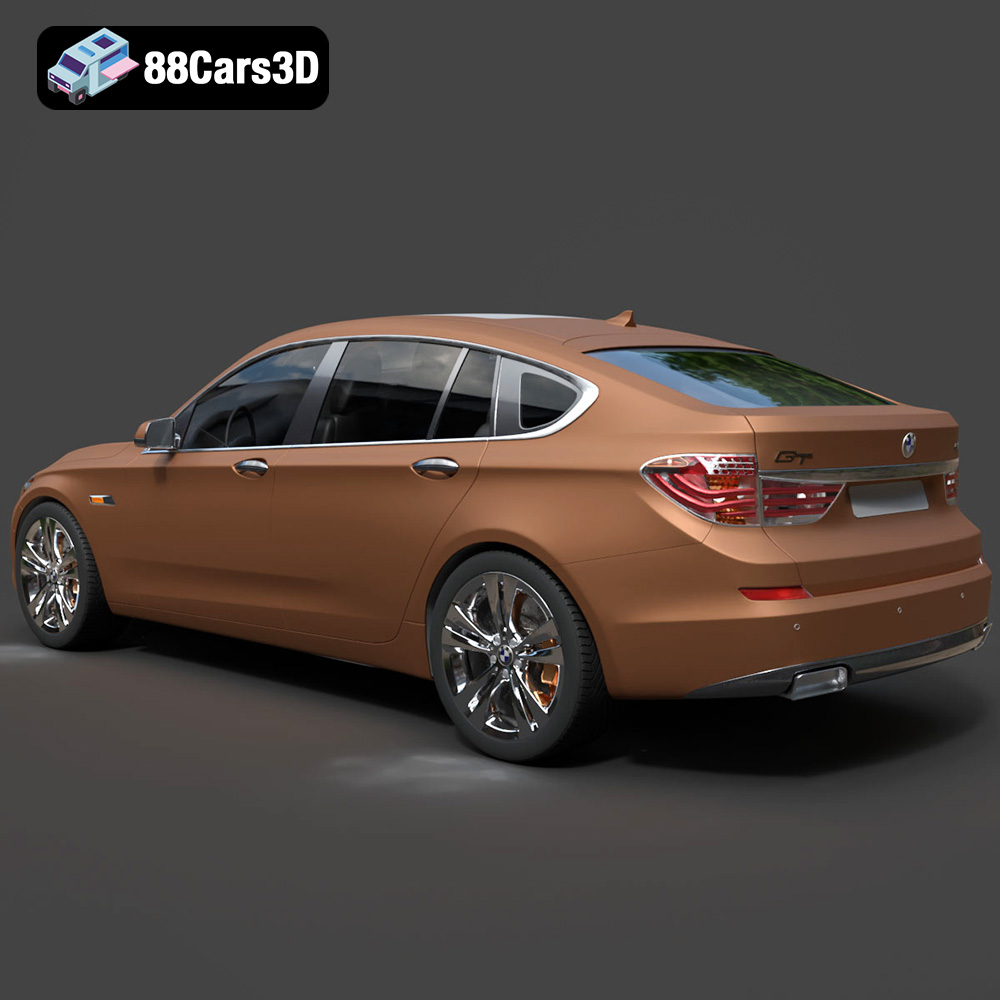
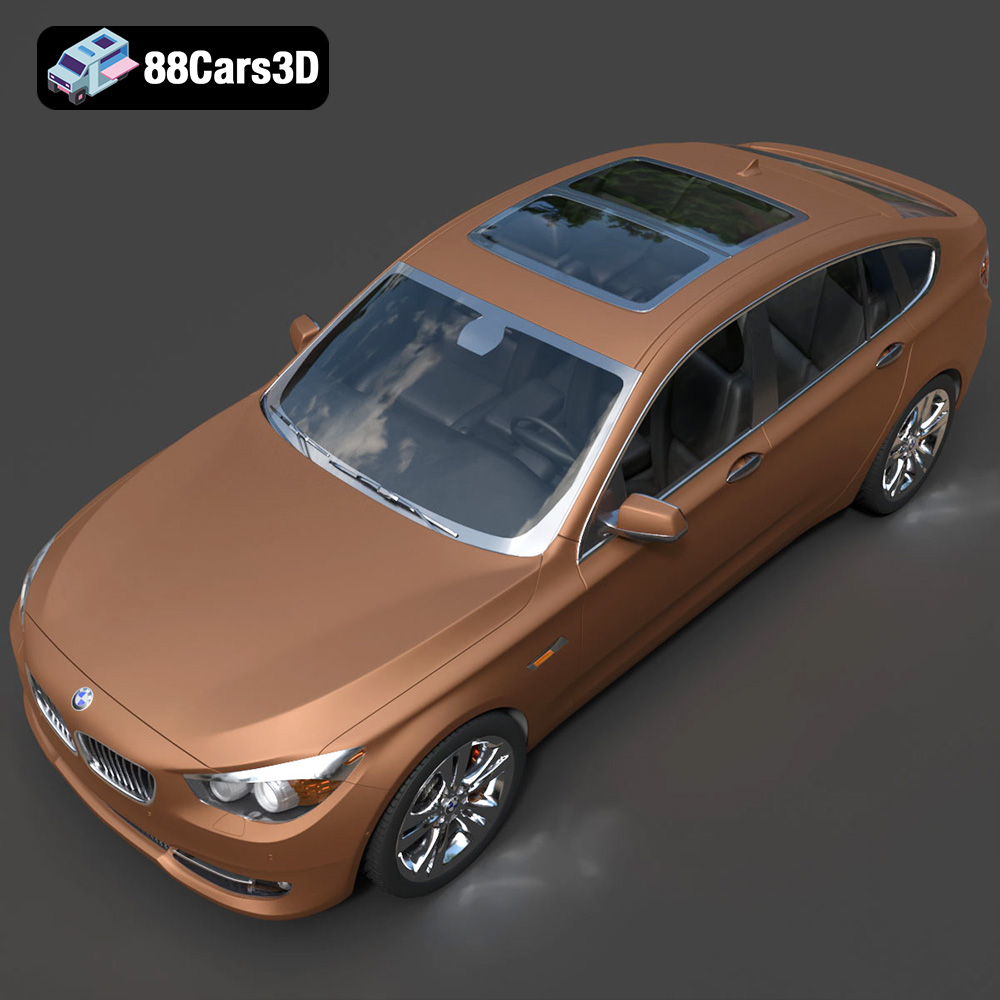
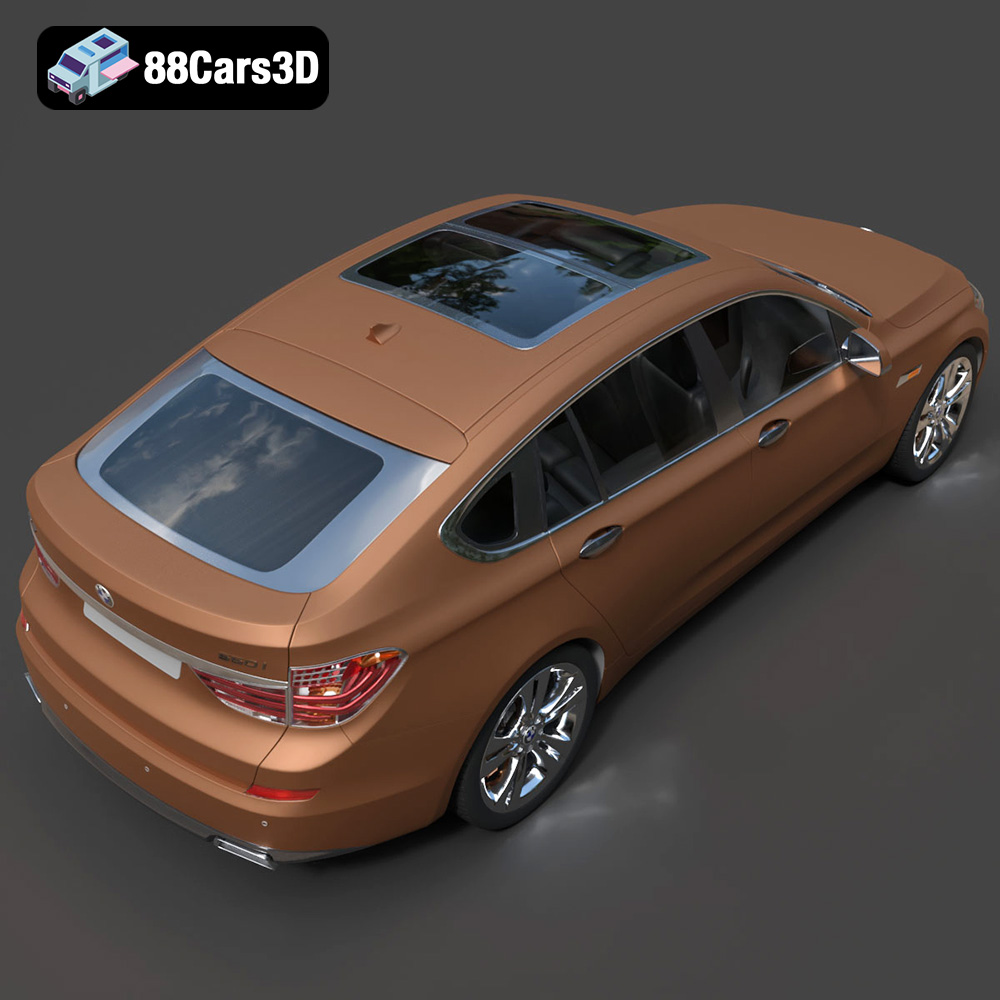
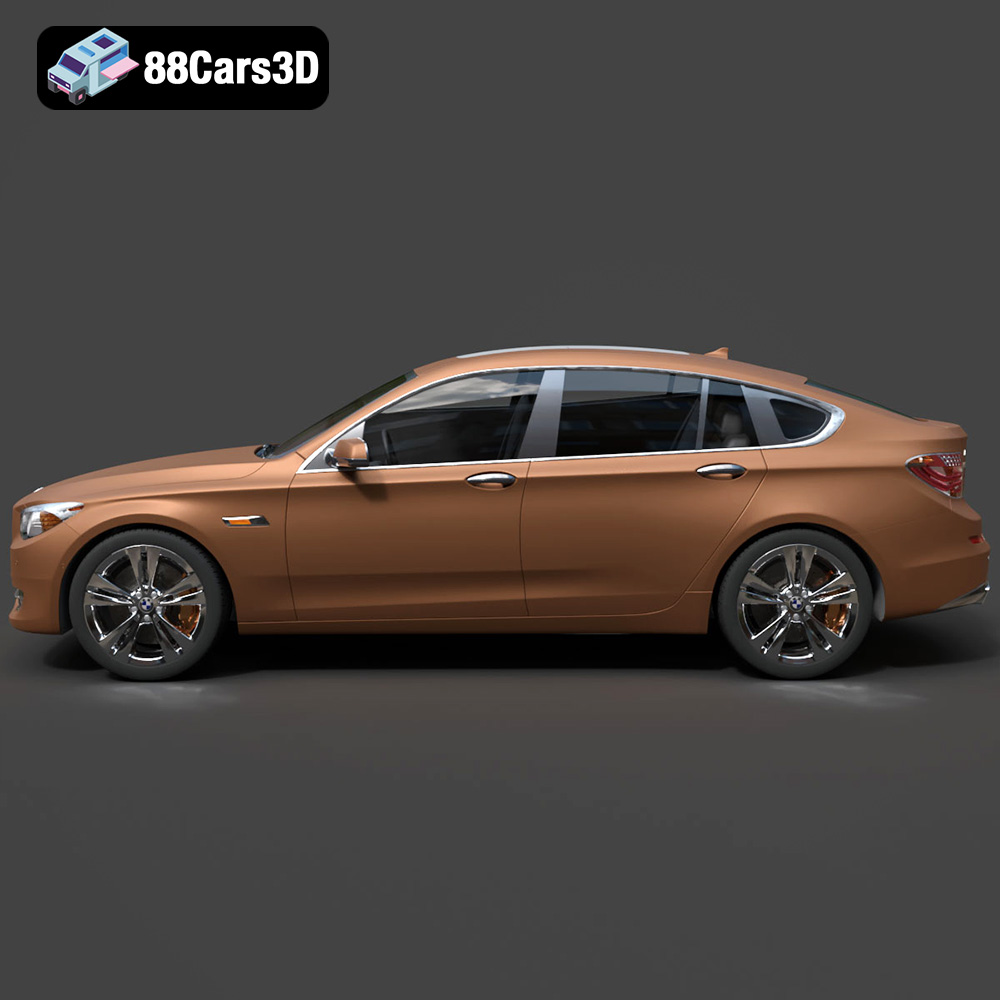
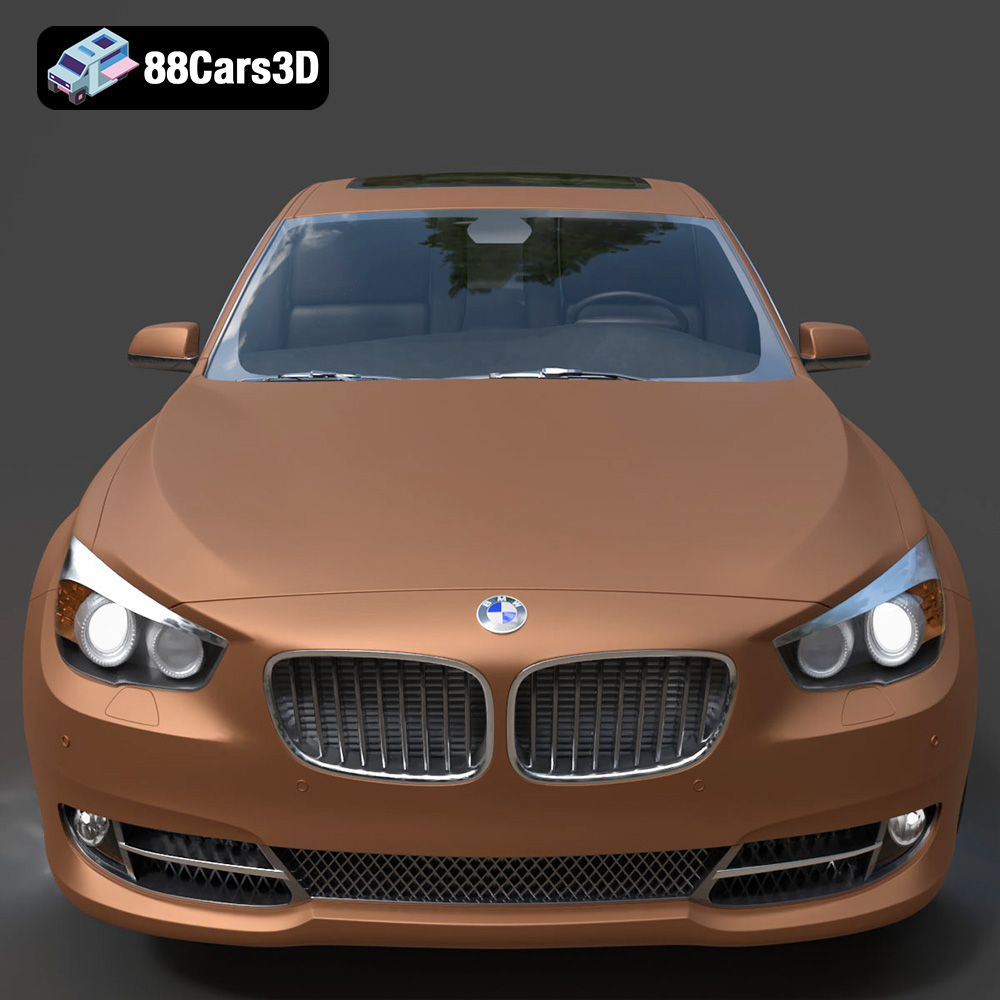
Today, we’re taking a closer look at what makes a professional-grade 3D car model indispensable, using the exceptional BMW 5 Series Gran Turismo F07-003 3D Model as our prime example. This meticulously crafted asset perfectly encapsulates the distinctive blend of elegant sedan styling, spacious SUV practicality, and robust Gran Turismo performance of the F07 generation. Whether you’re a seasoned 3D artist, a game developer, or an architectural visualizer, understanding the technical underpinnings and creative applications of such models is key to elevating your work.
Understanding 3D Model File Formats
The versatility of a 3D model often hinges on the file formats it supports. Different formats are optimized for distinct workflows, software compatibility, and end-use applications. A truly professional asset, like the BMW 5 Series Gran Turismo F07-003, offers a comprehensive suite of formats to ensure seamless integration into any pipeline. Let’s break down the most common and crucial ones included with this model:
.blend – The Blender Native Format
The .blend file is Blender’s native project format, offering a complete scene package. When you receive a .blend file, you’re getting the entire working environment, including the 3D model, its materials (often set up with advanced PBR shaders), textures, lighting, camera setups, and even animations or modifiers. This format is ideal for Blender users who want to dive straight into a fully editable and customizable scene, leveraging Blender’s powerful non-destructive workflows and real-time Eevee or Cycles rendering capabilities. It allows for deep modification of geometry, materials, and rigging without needing to re-import or re-configure elements.
.fbx – The Industry Standard for Interchange
FBX (Filmbox) is arguably the most widely adopted format for exchanging 3D data between various software applications and game engines like Unreal Engine and Unity. It excels at preserving complex scene information, including meshes, materials, textures, animations, and skeletal data. For game development, .fbx is often the go-to because it efficiently packages assets for real-time pipelines. The BMW 5 Series Gran Turismo F07-003 3D Model’s .fbx version ensures that its clean geometry, detailed UVs, and animation-ready components transfer smoothly, maintaining data integrity across different platforms.
.obj – Universal Cross-Software Compatibility
The OBJ (Object) format is a universal standard renowned for its broad compatibility. Almost every 3D software can import and export .obj files. It primarily stores geometric data (vertices, faces, UVs) and references to external material files (.mtl). While it doesn’t typically encapsulate animations or advanced scene data, its simplicity makes it an excellent choice for static meshes and for ensuring your model can be opened and worked on in virtually any 3D application. For users prioritizing foundational mesh data, the .obj format is invaluable.
.glb – Optimized for AR, VR, and Web-Based Display
GLB (GL Transmission Format Binary) is an increasingly vital format, especially for modern interactive applications. It’s a self-contained, single-file package that includes geometry, materials, textures, and even animations, all optimized for efficient loading and rendering in web browsers, augmented reality (AR), and virtual reality (VR) environments. Its compactness and readiness for real-time display make it perfect for showcasing the BMW F07-003 in interactive 3D viewers or AR apps where performance is paramount.
.stl – The Go-To for 3D Printing Output
STL (Stereolithography) is the standard format for 3D printing. It represents 3D surfaces as a collection of unconnected triangles, defining only the geometry of an object. It does not carry color, texture, or material information. For designers looking to transform the BMW 5 Series Gran Turismo F07-003 into a physical prototype or collectible, the .stl file provides a direct path, ensuring the model’s structural integrity is preserved for additive manufacturing processes.
.ply – Precision Mesh for CAD or Analysis
The PLY (Polygon File Format) is another mesh format often used for storing 3D data from 3D scanners or CAD systems. It can store a wide range of properties beyond just geometry, including color, transparency, normals, and texture coordinates. While less common for general 3D asset exchange than FBX or OBJ, its precision and ability to carry detailed attribute data make it valuable for scientific visualization, reverse engineering, and advanced analytical workflows where the faithful reproduction of scan data is critical.
.unreal – Engine-Ready Asset for Real-time Environments
Specifically tailored for Unreal Engine, an .unreal file represents an asset or collection of assets within an Unreal Engine project. This often means the model comes pre-configured with Unreal-specific materials, collision meshes, LODs, and even blueprints. For game developers or real-time visualization artists working with Unreal, this format dramatically reduces setup time, allowing for instant integration of the BMW F07-003 into complex scenes with engine-specific optimizations already applied.
.max – The 3ds Max Project File
The .max file is 3ds Max’s native scene format, similar to .blend for Blender. It contains all aspects of a 3ds Max project, including models, materials (often V-Ray or Corona ready), lighting, cameras, animation, and scene organization. For professionals using 3ds Max for architectural visualization, product rendering, or cinematic animation, the .max file provides the fullest control and the ability to leverage 3ds Max’s extensive feature set for further refinement and rendering.
The inclusion of such a broad range of formats with the BMW 5 Series Gran Turismo F07-003 3D Model from 88cars3d.com underscores its professional-grade quality and adaptability, ensuring it meets the rigorous demands of diverse creative and technical pipelines.
The Art and Science of Automotive Rendering
Automotive rendering is a specialized field that blends artistic vision with technical mastery to create images and animations indistinguishable from real-life photographs or film. A high-quality 3D car model like the BMW 5 Series Gran Turismo F07-003 is the cornerstone of this process, providing the accurate geometry and material definitions needed for stunning results.
Crafting Photorealistic Materials and Lighting
Achieving photorealism starts with meticulous material definition. Car paint, for instance, is not a simple solid color; it’s a complex interplay of metallic flakes, clear coat reflections, and subsurface scattering. The BMW F07-003 model, with its robust material definitions, serves as an excellent starting point. Artists can fine-tune these using Physically Based Rendering (PBR) workflows in software like 3ds Max with V-Ray or Blender with Cycles. This involves adjusting parameters for metallicness, roughness, normal maps for subtle surface imperfections, and an appropriate Index of Refraction (IOR) for glass and chrome. Realistic lighting setups, often involving High Dynamic Range Images (HDRIs) for environmental illumination and area lights for precise highlights, are then layered on to mimic real-world studio or outdoor conditions, bringing the model to life with accurate reflections and shadows.
Animation and Cinematic Storytelling
Beyond static renders, the true potential of a detailed 3D car model is unleashed through animation. The BMW 5 Series Gran Turismo F07-003 is engineered with separated doors, hood, and trunk, along with properly set pivots for wheels and steering, making it inherently animation-ready. This structural organization significantly streamlines the animation workflow in applications like 3ds Max or Blender. Imagine creating a cinematic sequence where the F07-003 cruises down a scenic road, its doors opening elegantly to reveal a detailed interior, or the hood lifting to showcase engine components. Artists can animate camera paths, integrate the car into environmental scenes, and even add character interactions, crafting compelling narratives that showcase the vehicle’s design and features in motion. The clean, quad-dominant topology of the model ensures smooth deformation during animation, preventing unsightly artifacts and maintaining visual integrity.
Driving Immersive Experiences: Game Development & Real-time Assets
The demands of game development and real-time interactive experiences are unique, balancing visual fidelity with strict performance requirements. High-quality 3D car models are essential for creating convincing virtual worlds, and the BMW 5 Series Gran Turismo F07-003 is perfectly suited for this demanding environment.
Optimization for Performance and Detail
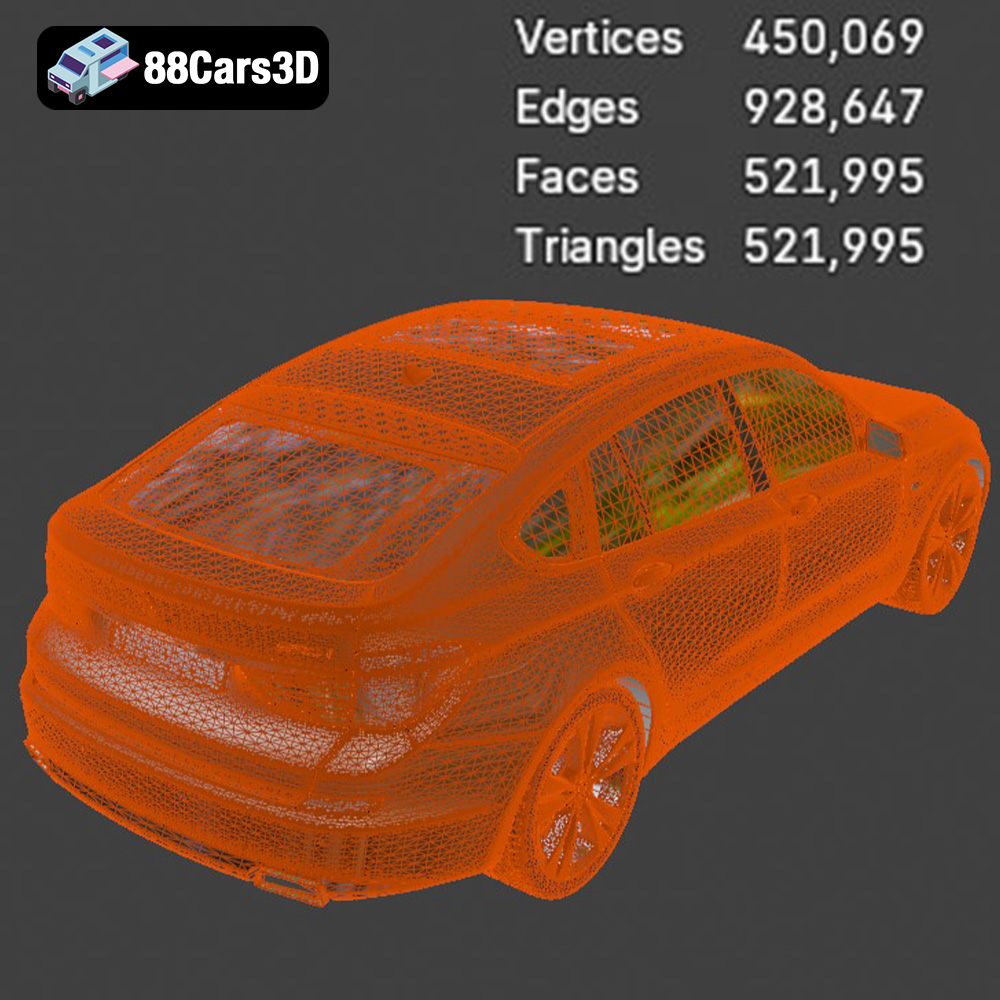
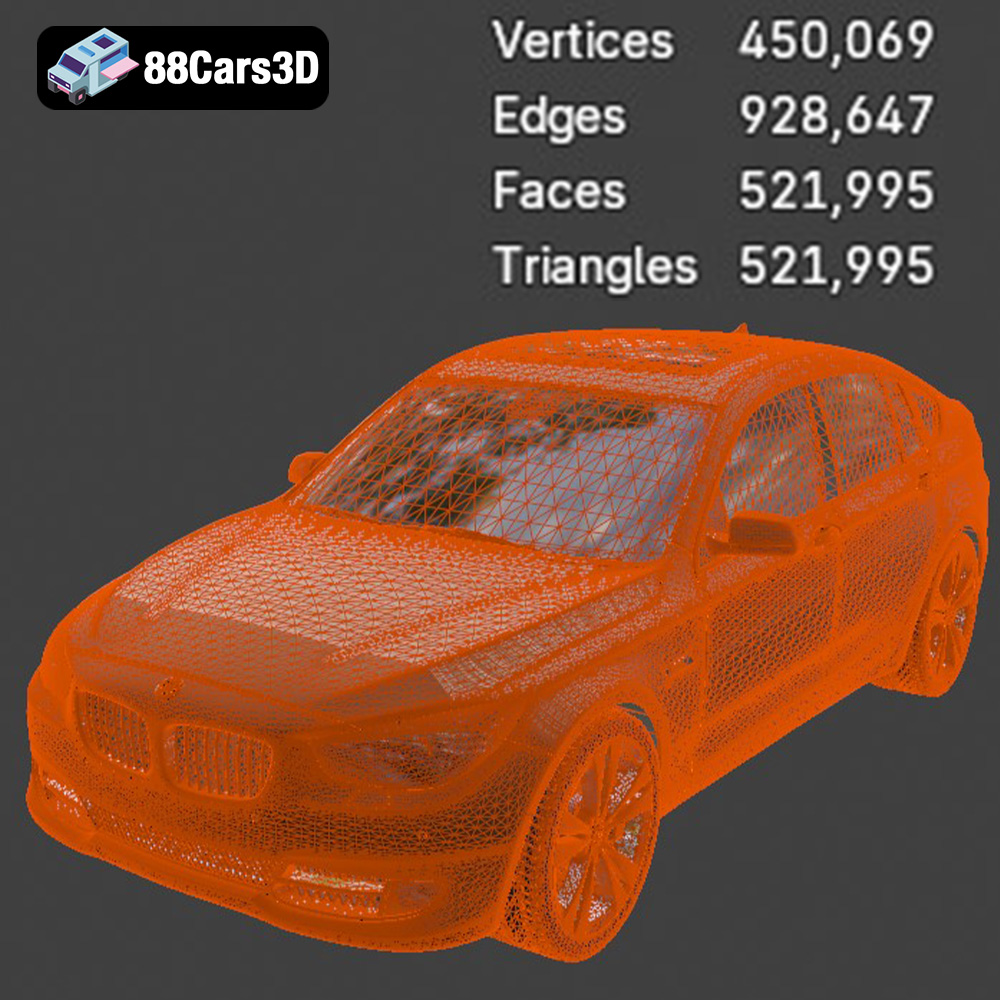
Game assets need to be visually rich but also highly optimized to run smoothly on various hardware. The BMW F07-003 achieves this balance with an optimized polygon count that provides ample detail without bogging down real-time engines. Its clean, quad-dominant topology is not only great for rendering but also crucial for generating efficient Level of Detail (LOD) models, which dynamically switch out higher-resolution meshes for simpler ones as the camera moves further away. This ensures that the car looks great up close but doesn’t consume unnecessary processing power when viewed from a distance. Efficient UV mapping is also paramount, allowing for texture atlases that reduce draw calls and improve rendering performance within game engines.
Seamless Integration into Unreal Engine and Unity
For developers working with industry-leading platforms like Unreal Engine and Unity, the availability of .fbx and .unreal file formats for the BMW 5 Series Gran Turismo F07-003 is a significant advantage. Importing the .fbx model is straightforward, allowing developers to bring in the mesh, bone structure (if any for animation), and even basic materials. The real magic happens when setting up PBR shaders within the engine, configuring metallic, roughness, and normal maps to match the vehicle’s real-world appearance. For Unreal Engine users, the dedicated .unreal format potentially offers an even more streamlined experience, with pre-configured materials, collision setups, and possibly even basic blueprint interactions already in place. This greatly reduces the asset integration pipeline, letting teams focus more on gameplay and less on asset preparation, making it an invaluable asset for creating detailed game environments or driving simulators.
Beyond Visualization: AR/VR, Simulation, and 3D Printing
The utility of a robust 3D car model extends far beyond traditional rendering and gaming. Emerging technologies like AR/VR, sophisticated simulation platforms, and even physical 3D printing leverage these digital assets in innovative ways, and the BMW 5 Series Gran Turismo F07-003 excels across these diverse applications.
Augmented and Virtual Reality Showcases
Immersive experiences are transforming how products are showcased, and the automotive sector is at the forefront. The .glb format included with the BMW F07-003 is specifically designed for efficient deployment in AR and VR applications. Imagine a virtual showroom where potential buyers can explore the Gran Turismo’s interior in full 3D, changing paint colors and inspecting every detail as if they were physically present. Or an augmented reality app that places the virtual car directly onto your driveway through your smartphone, allowing for a real-world scale preview. The optimized mesh and self-contained nature of .glb files ensure smooth performance and a high-fidelity experience in these interactive, real-time environments, pushing the boundaries of automotive marketing and user engagement.
Precision for Simulation and 3D Printing
For highly technical applications, accuracy is paramount. The BMW 5 Series Gran Turismo F07-003 boasts accurate real-world scale and dimensions, making it an ideal candidate for professional simulation and training modules. In a driving simulator, this level of fidelity translates into a more realistic and engaging experience, crucial for driver training or automotive design reviews. Furthermore, the model’s clean geometry and quad-dominant topology ensure that it can be easily converted for 3D printing via the included .stl format. This allows designers, engineers, or enthusiasts to produce physical prototypes, scale models, or even custom parts. The .ply format, also included, offers additional precision for workflows involving CAD or detailed mesh analysis, underpinning the model’s value across various engineering and design disciplines.
Leveraging Professional Workflows with the BMW 5 Series Gran Turismo F07-003
For any professional artist or studio, efficiency and quality are paramount. The BMW 5 Series Gran Turismo F07-003 3D Model is designed with these principles in mind, offering advantages that streamline complex production pipelines and enhance creative output.
The Advantage of Clean Topology and Hierarchy
A hallmark of a professional 3D model is its underlying structure. The BMW F07-003 features clean, quad-dominant topology, which is essential for smooth subdivision. This means artists can easily add more detail where needed without introducing artifacts or pinching, making it highly adaptable for close-up renders or high-resolution applications. Beyond geometry, a logically organized hierarchy with properly set pivots for components like doors, wheels, and the steering wheel is a game-changer. This “animation-ready” structure significantly reduces the rigging and setup time for animators, allowing them to jump directly into creating compelling sequences. Instead of spending hours cleaning up a messy model, artists can focus their energy on creative tasks, a testament to the quality found at 88cars3d.com.
Customization and Adaptability
No two projects are identical, and the ability to customize a 3D asset is invaluable. The BMW 5 Series Gran Turismo F07-003 offers extensive customization options, empowered by its editable file formats (.blend, .max). Artists can easily adjust paint finishes to explore different color schemes, apply custom graphics or decals for branding or unique liveries, and fine-tune material properties for metal, chrome, glass, rubber, and plastics to achieve specific aesthetic goals. Changing lighting setups allows for varied atmospheric effects, transforming the mood of a scene from a bright, sunny day to a dramatic, moody evening. This adaptability ensures that the model can be tailored to fit the precise requirements of any project, from a stylized advertisement to a hyper-realistic simulation, providing unparalleled flexibility for creative expression.
Conclusion
The world of 3D visualization and interactive experiences relies heavily on the quality of its foundational assets. A high-fidelity 3D car model, such as the BMW 5 Series Gran Turismo F07-003, is more than just a digital object; it’s a versatile tool that empowers artists, developers, and engineers to achieve unparalleled realism and efficiency in their projects. From cinematic rendering and immersive game environments to precision simulations and tangible 3D prints, the meticulous detail, optimized structure, and comprehensive file format support of this model make it an indispensable resource.
Whether you are crafting a breathtaking automotive advertisement in 3ds Max, developing a next-generation racing simulator in Unreal Engine, or designing an interactive AR showroom experience with .glb, the BMW 5 Series Gran Turismo F07-003 3D Model stands ready to integrate seamlessly into your professional workflow. Its clean topology, accurate dimensions, and animation-ready components ensure that you spend less time on preparation and more time on creation, driving your projects towards excellence. Explore the possibilities and elevate your digital creations with professional-grade assets. Discover this model and many other high-quality 3D car models at 88cars3d.com.
Featured 3D Model
BMW 5 Series Gran Turismo F07-003 3D Model
Immerse yourself in the world of automotive luxury with this meticulously crafted 3D model of the BMW 5 Series Gran Turismo F07-003. This premium model captures the distinctive blend of elegant sedan styling, spacious SUV practicality, and robust Gran Turismo performance that defines the F07 generation. Engineered with clean geometry and a balanced level of detail, it is optimized for professional use in high-fidelity rendering, immersive animation sequences, advanced simulation projects, and seamless integration into modern game development environments.
$10.79
Product Image Gallery
Related Tags
.arvr
.blend
.bmw
.bmw5seriesgranturismo
.bmwf07
.car
.fbx
.gameasset
.glb
.granturismo
.luxurycar
.max
.obj
.ply
.rendering
.simulation
.stl
.unreal
