Unlocking Automotive Digital Design: The Power of High-Fidelity 3D Car Models
In the dynamic realm of 3D visualization, automotive design, and interactive experiences, the quality of a 3D model is paramount. From breathtaking cinematic renders to immersive real-time simulations, a meticulously crafted vehicle model forms the bedrock of any successful project. Professionals in these fields understand that precision, optimized geometry, and versatile file formats are not just desirable – they are essential.
The demand for authentic and high-performance 3D car models continues to grow across industries. Whether you’re an architect integrating a vehicle into a visualization, a game developer populating an open world, or a marketing agency crafting a compelling automotive campaign, the right asset can significantly elevate your work. Today, we’ll delve into the technical intricacies that define a superior 3D vehicle model, exploring how it translates into tangible benefits across diverse applications. As a prime example of this professional-grade quality, we’ll frequently reference the BMW 330i E90 3D Model, a precisely engineered asset available at 88cars3d.com, designed to meet the rigorous demands of modern digital production.
Understanding 3D Model File Formats: The Backbone of Digital Assets
Choosing the correct file format is a critical first step for any 3D project, directly impacting compatibility, workflow efficiency, and the ultimate visual fidelity of your automotive rendering or game assets. A high-quality 3D model like the BMW 330i E90 3D model from 88cars3d.com offers a range of formats, ensuring seamless integration into virtually any professional pipeline. Let’s break down the most prevalent and technically significant formats.
.blend – The Native Blender Powerhouse
The .blend format is Blender’s native project file. It’s incredibly powerful because it stores everything associated with the scene: the 3D model’s geometry, materials, textures, lighting, cameras, animations, rigging, and even modifiers. For users entrenched in the Blender ecosystem, this format offers the most flexibility for editing, iterating, and customizing the model. If you plan to make extensive modifications, re-texture, or animate the BMW 330i E90 in Blender, starting with the .blend file provides the most comprehensive and editable foundation.
.fbx – The Industry Standard for Interchange
.fbx (Filmbox) is a proprietary file format developed by Autodesk, widely regarded as the industry standard for exchanging 3D data between different software applications and game engines. It’s particularly ideal for pipelines involving Unreal Engine, Unity, 3ds Max, Maya, and other major DCC (Digital Content Creation) tools. FBX efficiently stores model geometry (meshes, vertices, polygons), materials (with embedded textures or references), animations, skeletal data (rigs), and camera information. Its robust support for animation and scene hierarchy makes it the go-to choice for transferring game assets, making it perfect for integrating the BMW 330i E90 3D model into real-time environments where performance and fidelity are crucial.
.obj – The Universal Geometry Exchange
The .obj (Wavefront Object) format is one of the oldest and most universally supported 3D formats. It primarily stores geometric data like vertices, faces, normals, and UV coordinates. While it doesn’t typically store advanced material properties or animations directly within the file, it’s often accompanied by an .mtl (material library) file that defines basic material colors and texture maps. OBJ’s simplicity and widespread compatibility make it an excellent choice for cross-software transfers where only the core mesh data is needed, ensuring that the BMW 330i E90’s clean geometry can be imported into virtually any 3D application.
.glb – Optimized for AR, VR, and Web
.glb (GL Transmission Format Binary) is the binary version of glTF (Graphics Language Transmission Format). It’s an open standard designed for efficient transmission and loading of 3D scenes and models by engines and applications. GLB packs all necessary data – geometry, materials, textures, and even animations – into a single, self-contained file. Its compact size and optimized structure make it perfect for AR (Augmented Reality), VR (Virtual Reality), and browser-based 3D displays, providing a lightweight yet visually rich experience for the BMW 330i E90 3D model in interactive web viewers or mobile AR apps.
.stl – The Go-To for 3D Printing
.stl (Stereolithography) is almost exclusively used for 3D printing. It represents a 3D model as a collection of unconnected triangles, describing only the surface geometry of the object. STL files do not contain color, texture, or material information, focusing solely on the shape for manufacturing. When converting the BMW 330i E90 3D model for physical production, an STL file is the standard output, ensuring a watertight mesh suitable for additive manufacturing processes.
.ply – Precision Mesh Format for Analysis
.ply (Polygon File Format) is a versatile format for storing 3D data, particularly from 3D scanners. It can store a wider range of properties than OBJ, including color, transparency, and even confidence values for each vertex or face. While not as universally used as FBX or OBJ for general exchange, it’s highly valued in scientific and engineering applications, CAD workflows, and for models requiring high precision and additional data attributes for analysis.
.unreal – Engine-Ready for Real-Time Environments
A dedicated .unreal file often refers to an Unreal Engine project asset or a specific Uasset package. This format signifies that the 3D car model, such as the BMW 330i E90, has been pre-configured, optimized, and packaged specifically for the Unreal Engine. This can include proper material setups, collision meshes, LODs (Levels of Detail), and blueprint configurations, saving significant time and effort for game developers and real-time visualization specialists. It provides an immediate, “drag-and-drop” ready asset.
.max – The Editable 3ds Max Project
Similar to .blend, the .max format is the native file type for Autodesk 3ds Max. It encapsulates the entire 3ds Max scene, including geometry, modifiers, materials (especially V-Ray or Corona materials), lighting, cameras, animation tracks, and render settings. For professionals working in 3ds Max, having the .max file of the BMW 330i E90 allows for complete control over the model, enabling advanced rendering, complex animations, and detailed scene compositions without any loss of data during import.
The Art of Automotive Modeling: Precision and Detail
Crafting a high-fidelity 3D car model is a meticulous process that combines artistic vision with rigorous technical standards. It goes beyond simply replicating shape; it’s about capturing the essence, the engineering, and the visual nuances that make a vehicle recognizable and appealing. The BMW 330i E90 3D model exemplifies this dedication to quality, offering a foundation for truly exceptional digital results.
Exterior Fidelity: Capturing the E90’s Essence
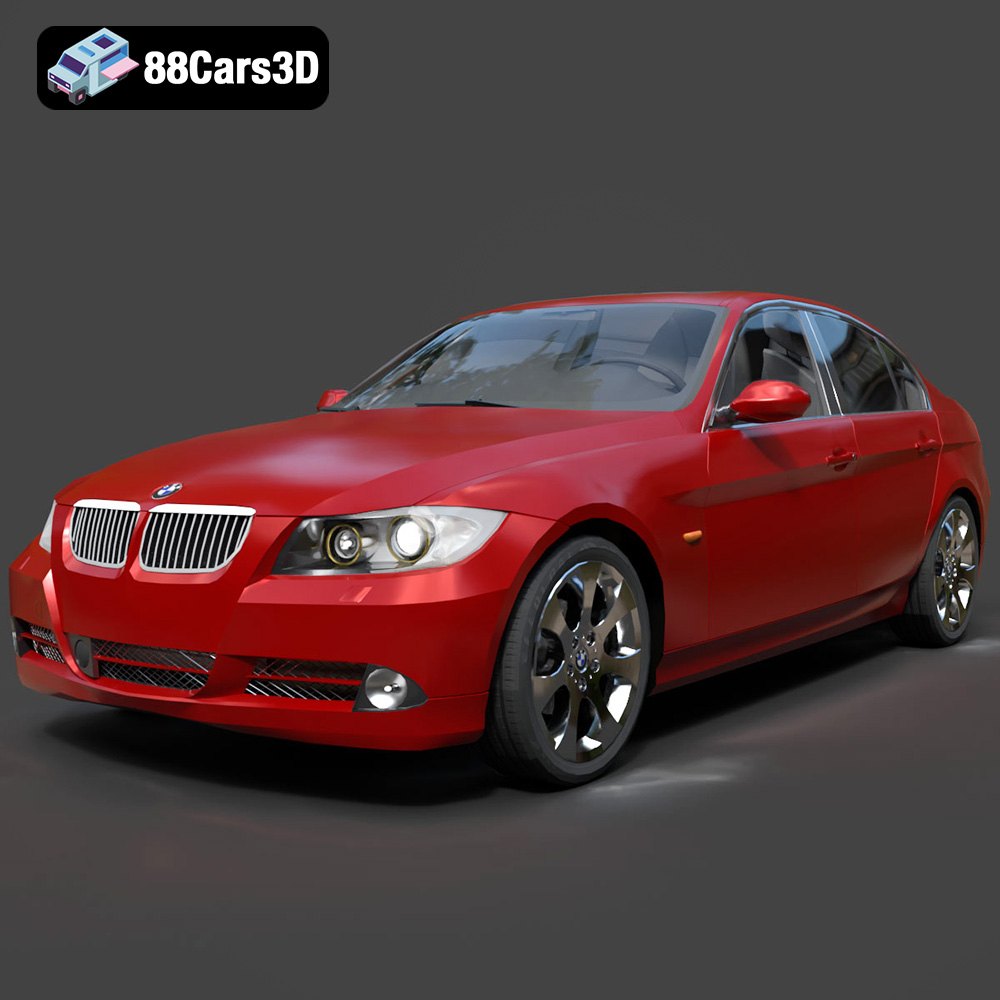
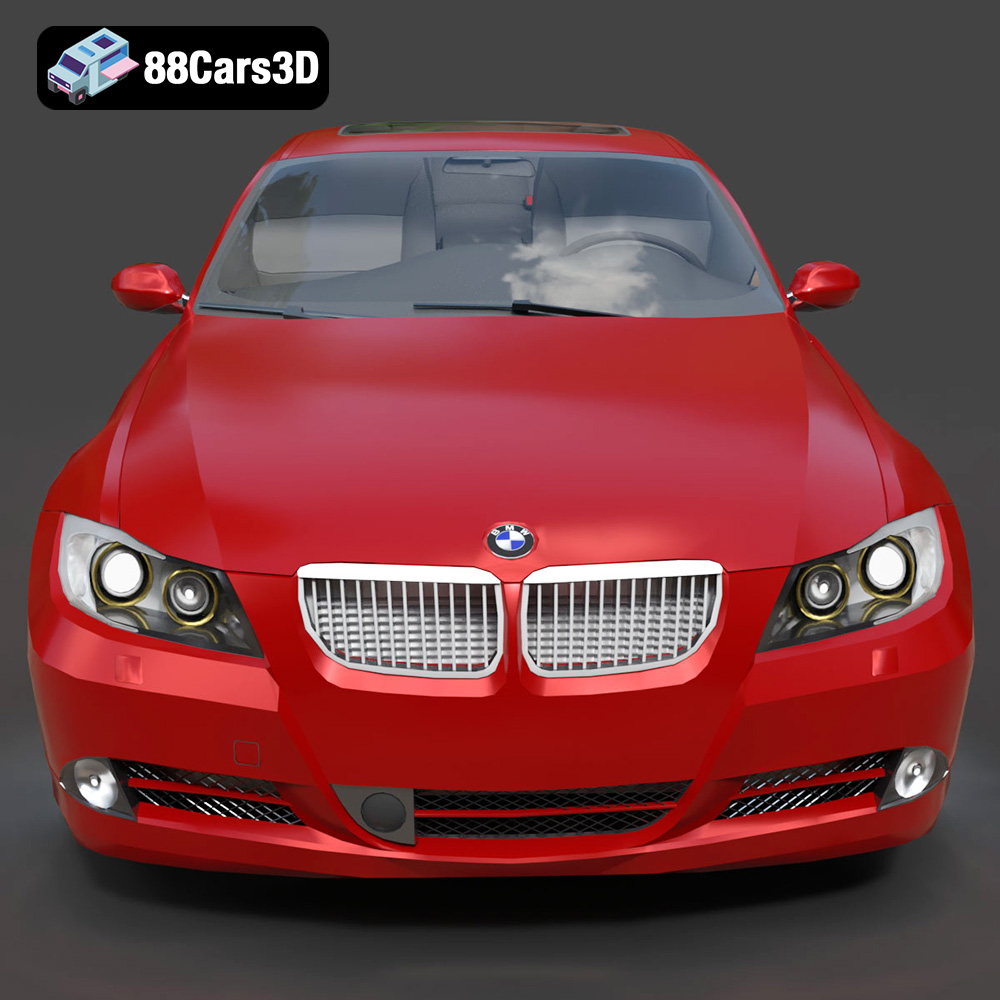
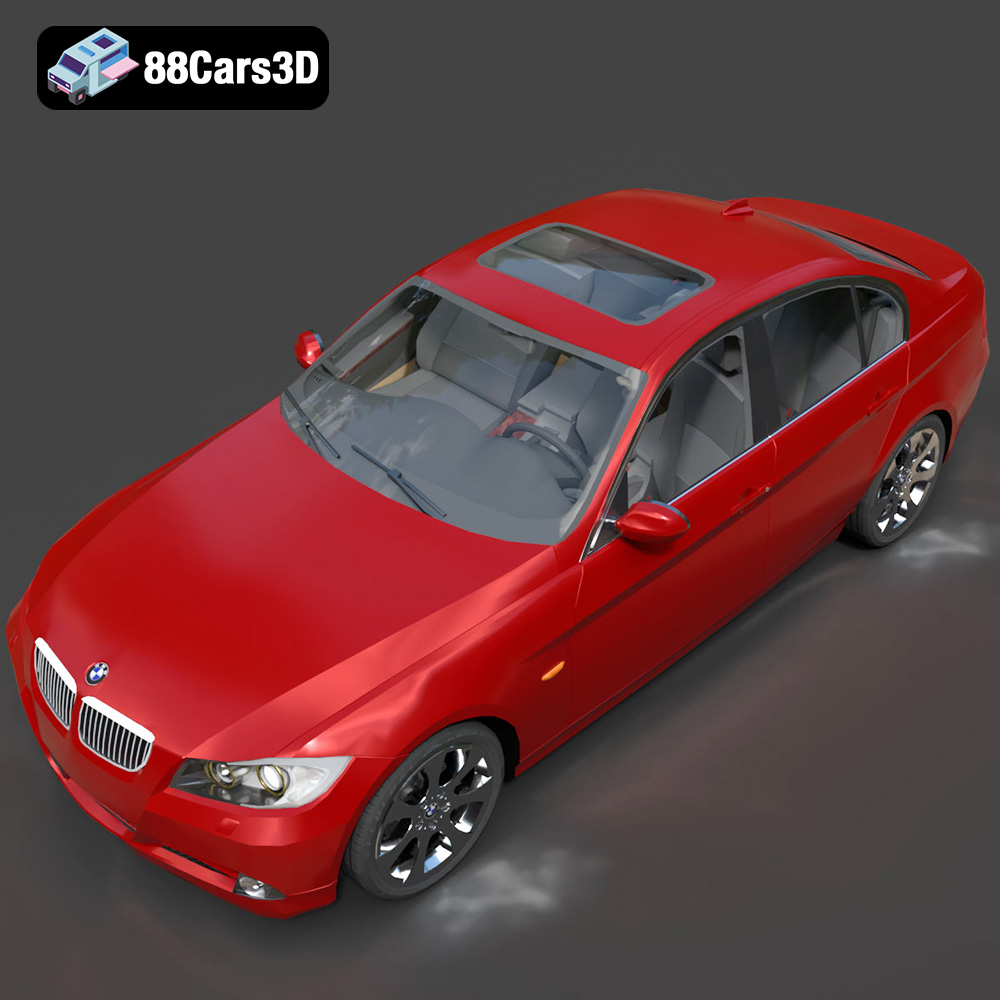
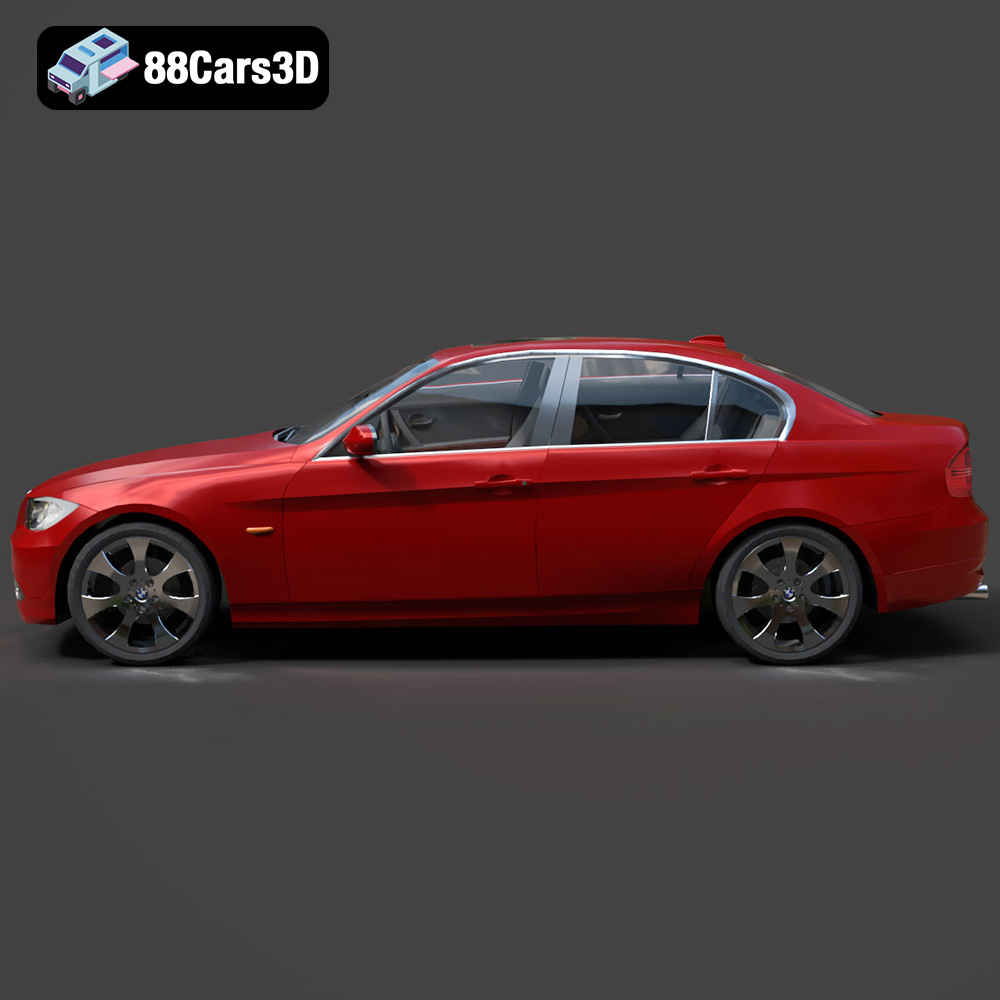
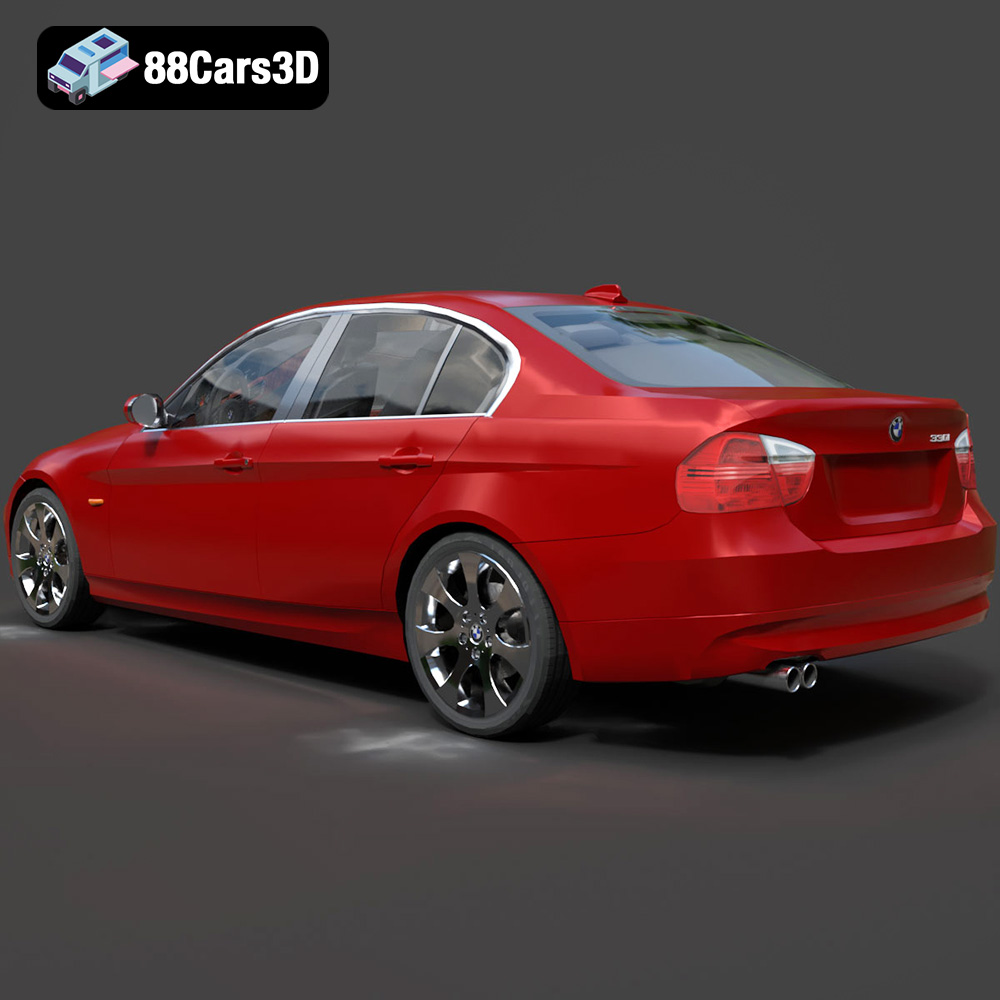
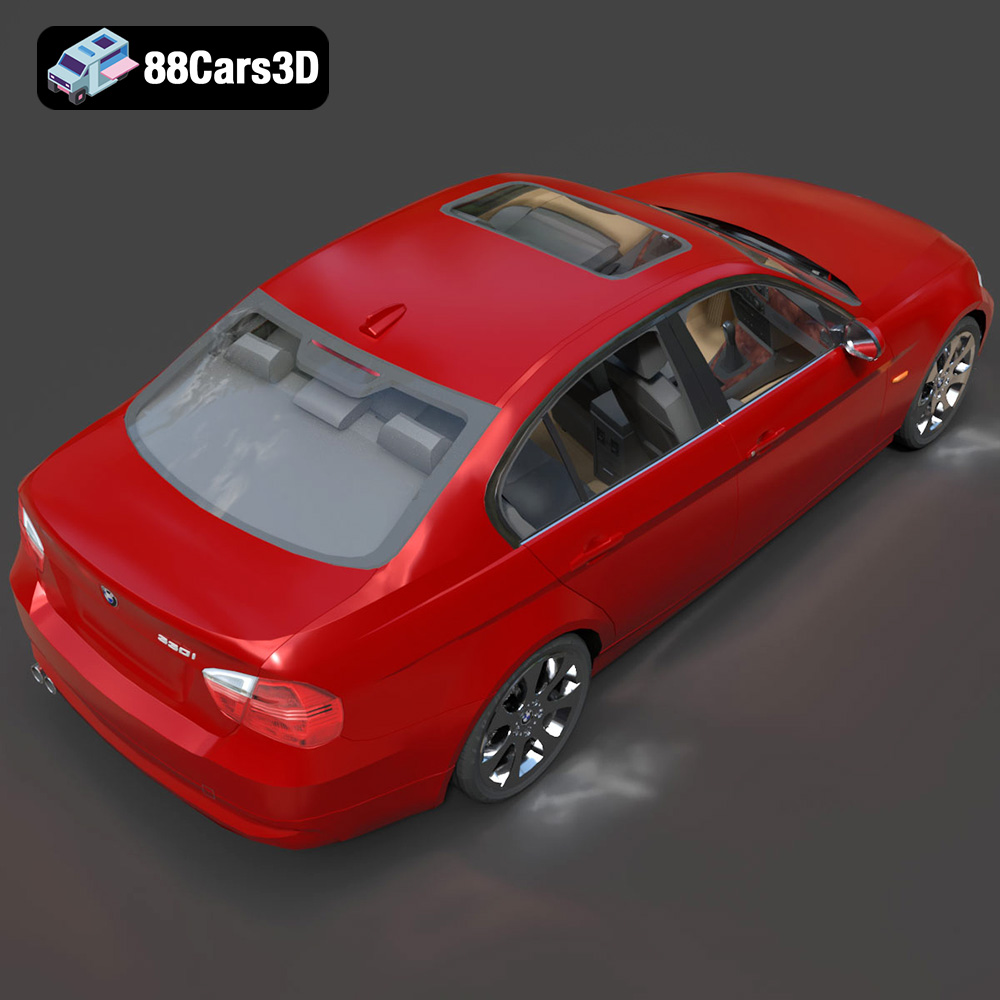
The exterior of any luxury vehicle like the BMW 330i E90 demands absolute precision. This model boasts accurately modeled body panels, reflecting the distinctive E90 styling that made it an icon. Key details like the authentic BMW kidney grille, emblems, and badging are not overlooked, providing visual anchors for realism. Headlights, taillights, and indicator lights are rendered with transparent materials, crucial for believable reflections and light interactions in rendering. Furthermore, high-resolution wheels and tires with realistic tread patterns are integral. These components are separated, along with doors, hood, and trunk, facilitating complex animation sequences and dynamic scene setups. Every curve, every sharp line, and every subtle recess is painstakingly recreated to ensure the model holds up under intense scrutiny.
Interior Craftsmanship and Optimization
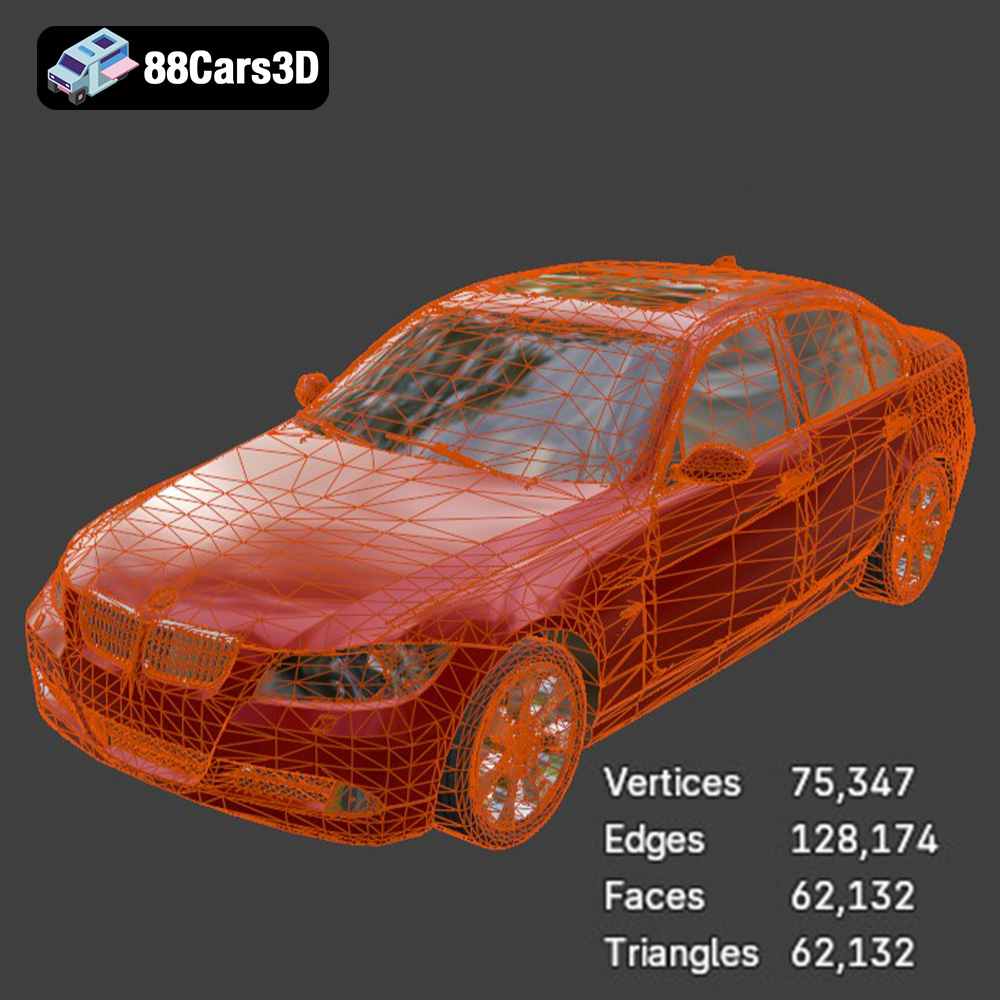
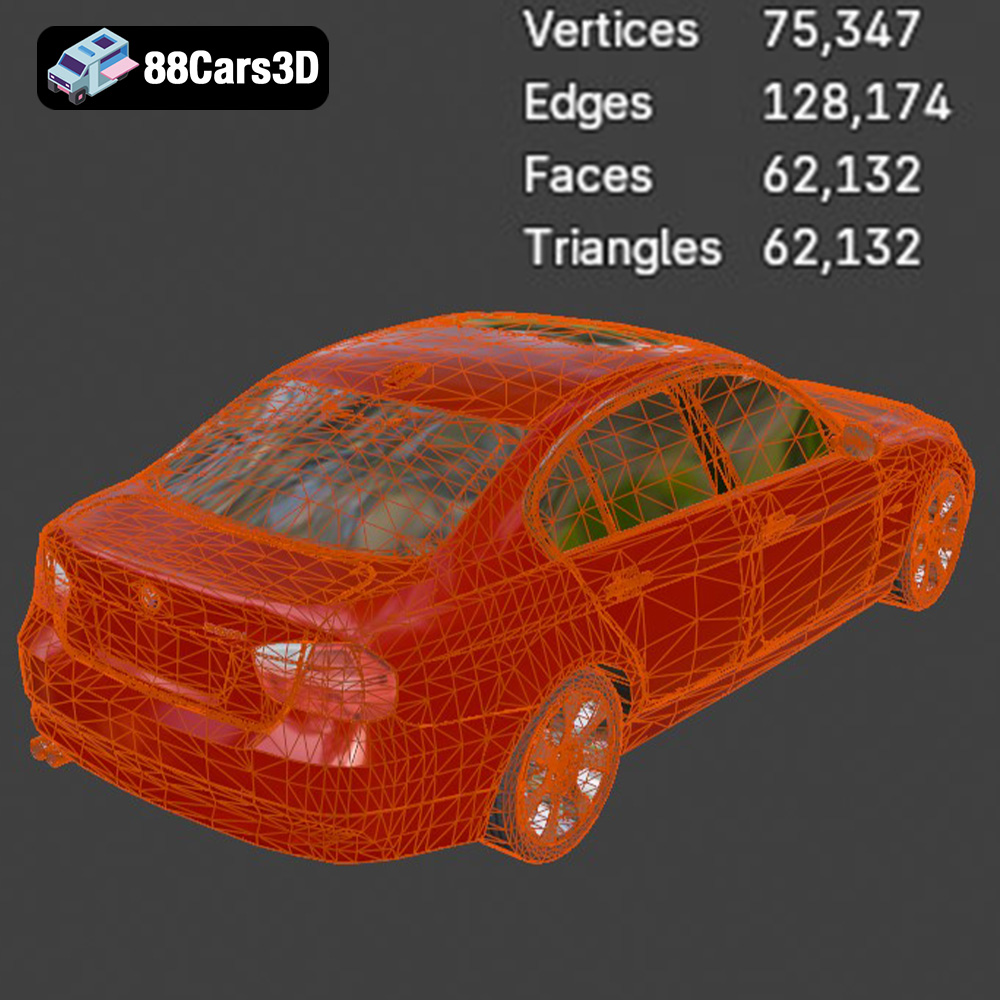
While often seen less prominently, a faithfully reproduced interior significantly enhances a model’s versatility and realism, especially for close-up shots, virtual tours, or first-person game perspectives. The BMW 330i E90 3D model features a meticulously reproduced interior, including the dashboard, steering wheel, center console, and seating. Crucially, the mesh quality is optimized. This means that while crucial details are maintained, the polygon count is managed efficiently to ensure smooth rendering without unnecessarily burdening the system. This balance between detail and optimization is a hallmark of professional-grade 3D car models, ensuring usability across both high-end rendering and real-time game development applications.
Topology, Scale, and UVs: The Foundation of Quality
Underneath the surface, several technical advantages elevate a 3D model from good to exceptional. The BMW 330i E90 3D model is built with clean, quad-dominant topology. This is vital for smooth subdivision, preventing unsightly pinching or artifacts when mesh modifiers are applied, and enabling distortion-free deformation for animations. It’s also modeled to real-world scale, which is essential for accurate integration into any scene, whether for architectural visualization or game development, ensuring proper perspective and physics. Finally, professionally unwrapped UVs are critical for high-quality texturing. Well-executed UVs prevent texture stretching, allow for precise material application, and ensure that custom paint finishes, decals, or weathering effects can be applied flawlessly, bringing the model to life with stunning realism.
Integrating 3D Car Models into Professional Workflows
The true value of a high-quality 3D car model, such as the BMW 330i E90 3D model from 88cars3d.com, lies in its seamless integration into various professional pipelines. Artists, designers, and developers rely on assets that are not only visually stunning but also technically robust and adaptable to their specific software and engine environments.
Rendering with 3ds Max and Blender
For high-end still image renders and cinematic animations, 3ds Max and Blender are industry powerhouses. When working with the .max file for 3ds Max, professionals gain access to a fully editable scene, often pre-configured with V-Ray or Corona materials, allowing for direct manipulation of lighting, camera angles, and advanced rendering settings. Similarly, the .blend file for Blender offers complete control within its native environment, leveraging powerful rendering engines like Cycles for photorealistic results or Eevee for fast, real-time feedback. Automotive rendering demands intricate material setups – reflective paints, metallic flakes, transparent glass, and textured rubber. A well-constructed model with clean UVs allows artists to apply PBR (Physically Based Rendering) materials accurately, achieving stunning realism that captures every highlight and shadow. The organized hierarchy with proper pivot points ensures that components like doors, wheels, and suspension can be animated with ease, bringing dynamic motion to your renders.
Real-Time Development in Unreal Engine and Unity
The landscape of game development, AR/VR experiences, and real-time visualization heavily relies on optimized game assets. The BMW 330i E90 3D model is perfectly suited for these applications, particularly with its .fbx and dedicated .unreal file formats. In Unreal Engine, an engine-ready asset means a quicker setup time, often including pre-configured materials, collision meshes, and LODs (Levels of Detail). LODs are crucial for performance in real-time environments, allowing the engine to swap to lower-polygon versions of the model when it’s further from the camera, optimizing frame rates without a noticeable drop in visual quality. Similarly, Unity developers can leverage the .fbx file for efficient import, taking advantage of its ability to store geometry, materials, and even simple animations. These platforms empower developers to create highly interactive experiences, from realistic driving simulators to virtual showrooms, where the vehicle responds dynamically to user input and environmental conditions.
AR/VR and Web-Based Visualization with GLB
The rise of augmented reality and virtual reality has opened new avenues for showcasing 3D car models. The .glb format is tailor-made for these emerging platforms. Its efficiency and single-file nature make it ideal for quick loading in web browsers (using WebGL) or deployment in AR/VR applications on mobile devices and headsets. Imagine a customer interacting with a virtual BMW 330i E90 in their driveway via AR, changing paint colors or peering into the interior. Or a user exploring a VR showroom, walking around and through the car with complete immersion. The optimized nature of GLB ensures these experiences are smooth and accessible, without compromising on the visual appeal of the detailed 3D car model.
Beyond Visualization: Practical Applications and Case Studies
A versatile 3D car model like the BMW 330i E90 extends its utility far beyond static renders, serving as a dynamic asset across numerous professional applications. Its robust construction and adaptable formats make it invaluable for diverse digital initiatives.
Game Development: From Racing Simulators to Open Worlds
For game developers, 3D car models are the heart of racing simulators, grand theft auto-style open-world games, and interactive driving experiences. A model like the BMW 330i E90 is optimized as a game-ready asset. This means not just clean geometry and efficient UVs, but often considerations for collision meshes, material optimization for real-time shaders, and scalable LODs. In a racing game, accurate handling physics can be paired with the model’s real-world scale, providing a hyper-realistic driving experience. In an open-world environment, a fleet of distinct, high-quality 3D car models populates the virtual streets, enhancing immersion. The flexibility to modify paint finishes, apply custom liveries, and adjust material properties allows developers to create a wide array of vehicle variations from a single base model, maximizing efficiency and creative output.
Architectural Visualization and Automotive Marketing
In architectural visualization (ArchViz), vehicles are essential for bringing a scene to life, adding a sense of scale, realism, and dynamic context to building renders. Placing a high-quality BMW 330i E90 3D model in front of a modern home or within an urban street scene instantly elevates the visual storytelling, transforming a static building render into a vibrant, lived-in environment. For automotive marketing, the applications are even more direct. Imagine a luxury car advertisement that showcases the BMW 330i E90 in various stylized environments – from sleek urban nights to serene country drives – all rendered digitally. These models facilitate cinematic walkthroughs, interactive product configurators, and visually stunning promotional materials that can be updated rapidly without the logistical costs of physical photoshoots. The ability to adjust lighting setups and material properties means the car can be presented in any mood or environment imaginable.
Simulation, Training, and 3D Printing
Beyond entertainment and marketing, professional 3D car models find critical uses in simulation and training. For driver training simulations, accurate vehicle models provide a realistic visual component, allowing learners to experience virtual driving scenarios in a highly believable setting. Vehicle dynamics studies can leverage these models for visual feedback alongside complex physics engines. Educational modules benefit from interactive 3D representations of vehicles, enabling students to explore components and understand engineering principles. Furthermore, the BMW 330i E90 3D model is easily convertible to the .stl format, making it suitable for 3D printing. This capability allows for the creation of physical scale models for prototyping, design review, or even collectibles, bridging the gap between the digital and physical worlds.
Customization and Flexibility: Tailoring Your 3D Asset
While the inherent quality of a 3D car model is crucial, its true professional value often comes from its adaptability. The BMW 330i E90 3D model offers extensive customization options, enabling artists and developers to tailor the asset precisely to their project’s unique requirements.
Material Adjustments and Finish Variations
The ability to easily modify material properties is paramount for achieving diverse visual styles and integrating the model seamlessly into various scenes. With the BMW 330i E90 3D model, artists can adjust everything from paint finishes to body graphics and decals. Want a deep, metallic flake paint for a luxurious look? Or a matte finish for a more aggressive, stealthy aesthetic? The professionally unwrapped UVs and clean topology ensure that these changes, along with intricate decal placements, apply flawlessly without stretching or distortion. Beyond paint, material properties for components like chrome, glass, rubber, and plastic can be fine-tuned. This level of control allows for precise color matching to specific branding guidelines or the creation of unique custom designs, ensuring the model fits perfectly into any automotive rendering or visualization project.
Lighting and Environment Adaptation
The mood and impact of any 3D render are heavily influenced by its lighting and environment. A versatile 3D car model must react realistically to different lighting conditions. The BMW 330i E90 3D model, with its accurate materials and reflections, allows artists to adapt lighting setups to achieve various moods. Whether it’s a dramatic studio lighting setup highlighting every curve, a natural outdoor daylight scene, or a moody urban night environment, the model’s surfaces will respond authentically. This flexibility is invaluable for automotive marketing, where a vehicle might need to be showcased in numerous scenarios – from a sun-drenched coastal road to a neon-lit city street – all without needing a new physical shoot. The model acts as a reliable canvas, reflecting the nuances of its virtual surroundings and enhancing the overall realism of the scene.
Conclusion
The journey through the creation, technical specifications, and diverse applications of high-fidelity 3D car models reveals a critical insight: quality assets are indispensable for professional success. From the nuanced curves of a vehicle’s exterior to the optimized topology beneath its surface, every detail contributes to a model’s versatility and performance across rendering, game development, AR/VR, and simulation.
The BMW 330i E90 3D model stands as a testament to this commitment to excellence. Its meticulous craftsmanship, array of industry-standard file formats, and robust technical advantages make it an ideal choice for professionals seeking unparalleled realism and flexibility. Whether you are crafting a breathtaking automotive rendering, developing an immersive game asset, or pushing the boundaries of AR/VR experiences, investing in a high-quality model like this ensures your projects not only meet but exceed expectations.
Elevate your digital creations and streamline your workflows with assets designed for peak performance. Explore the comprehensive range of professional-grade 3D car models, including the iconic BMW 330i E90, at 88cars3d.com – your premier source for precision and realism in automotive 3D design.
Featured 3D Model
BMW 330i E90 3D Model
Experience the iconic design and performance of the BMW 330i E90 with this meticulously crafted 3D model. Representing the fifth generation of the BMW 3 Series, this luxury compact sedan is renowned for its elegant lines, sporty stance, and sophisticated engineering. Our model boasts clean geometry, balanced detailing, and professional-grade construction, making it an ideal asset for high-quality rendering, realistic animation, immersive simulation, and robust game development projects.
$14.79
Product Image Gallery