Elevating Your Projects with Professional 3D Car Models: A Deep Dive into the Volkswagen Transporter T5 FL 2010
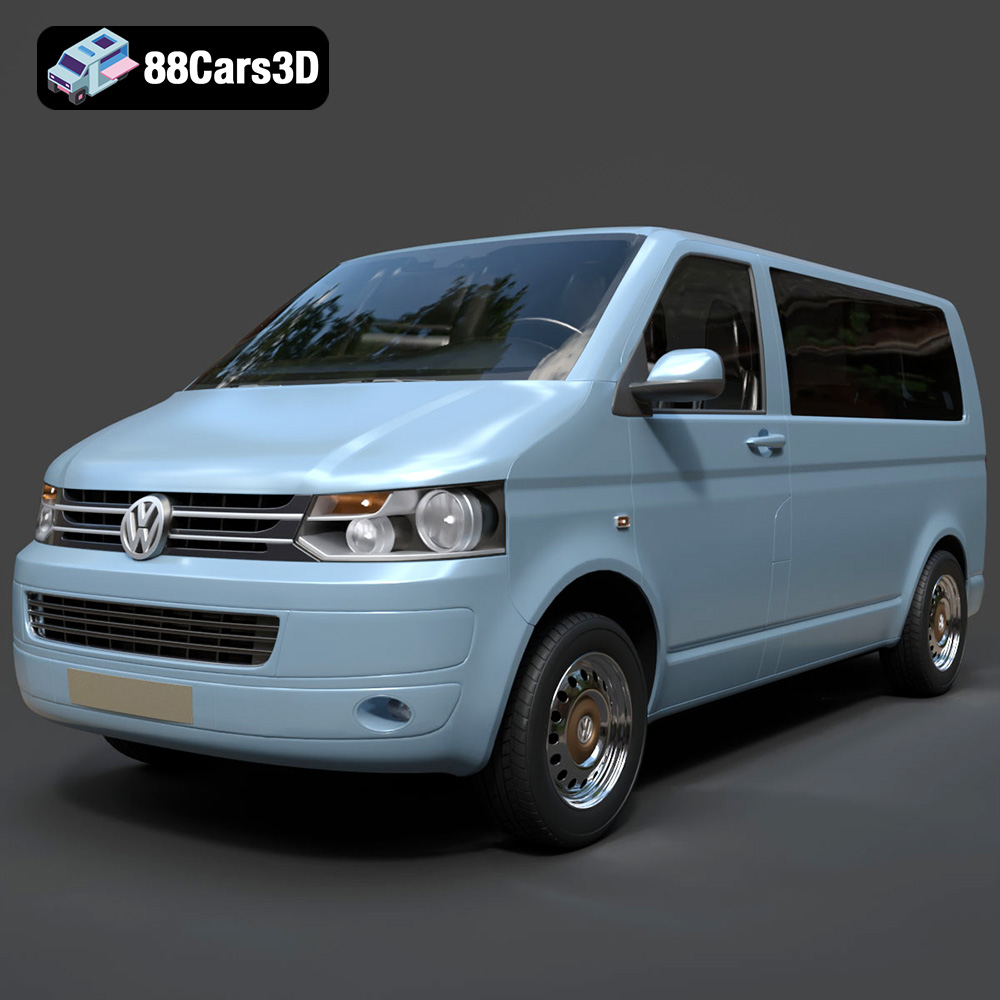
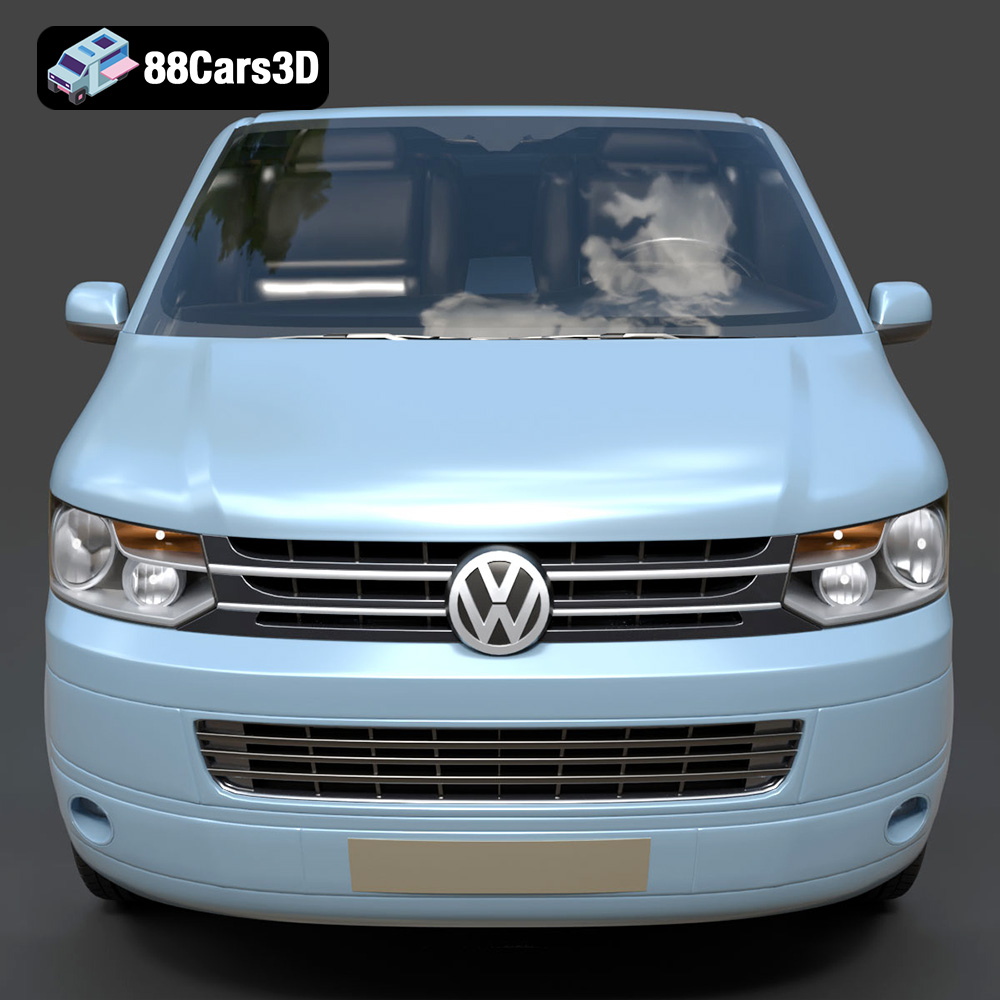
In the dynamic world of 3D visualization, game development, and interactive experiences, the quality of your assets can make or break a project. From breathtaking cinematic renders to immersive real-time simulations, precision and authenticity are paramount. This holds especially true for automotive models, where intricate details and accurate proportions are essential for achieving believability. Today, we’re taking a closer look at a versatile workhorse of the automotive world, and how its high-fidelity 3D representation can be a cornerstone for a multitude of professional applications: the Volkswagen Transporter T5 FL 2010 3D Model.
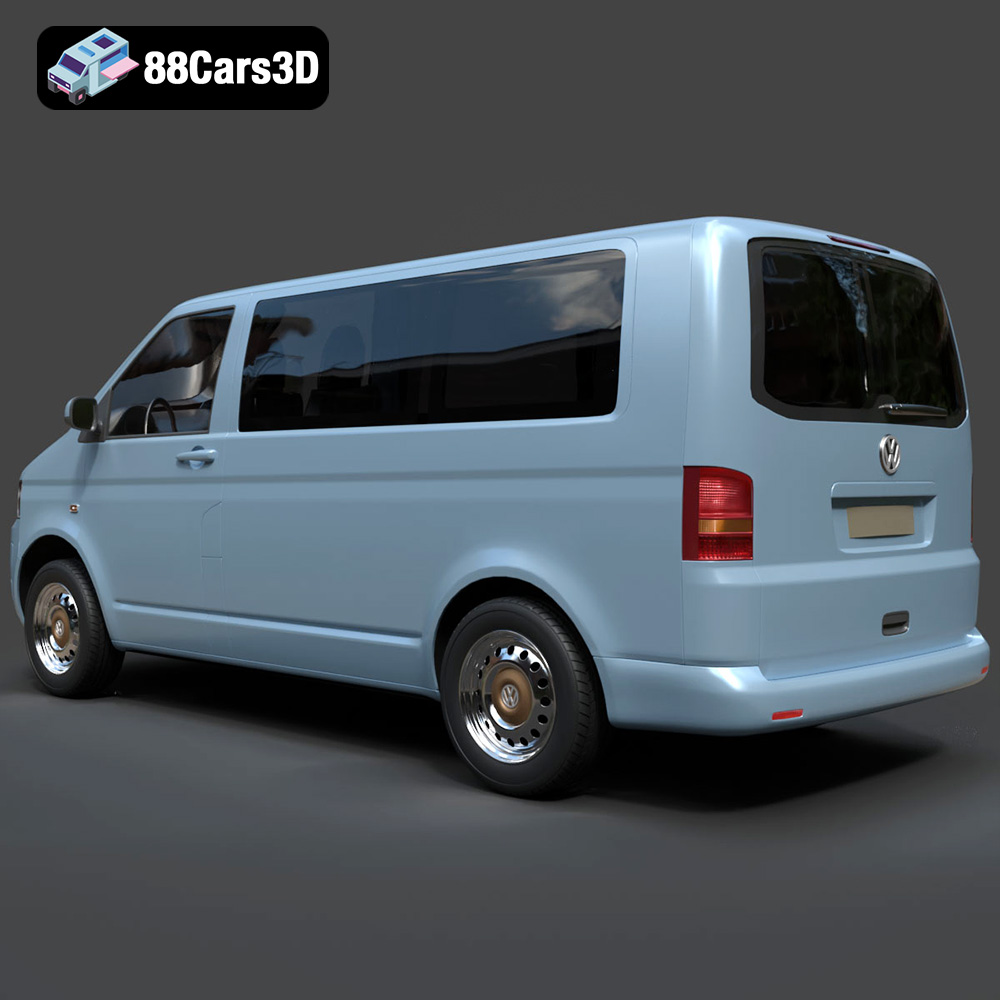
The Volkswagen Transporter T5 FL 2010 isn’t just a vehicle; it’s an icon of utility and reliable design. Its digital counterpart, available on 88cars3d.com, offers an accurate and meticulously crafted representation, poised to integrate seamlessly into your most demanding production pipelines. Whether you’re an architect needing a realistic vehicle for an exterior rendering, a game developer populating a bustling city, or a simulation expert creating a training scenario, a high-quality model like this provides an invaluable foundation. Let’s delve into the technical depths of what makes such a 3D asset indispensable and how it empowers creators across various industries.
The Foundation of Digital Realism: Introducing the Volkswagen Transporter T5 FL 2010 3D Model
The quest for photorealism in digital environments begins with the source material. A 3D model must not only look good but also be structured impeccably to ensure optimal performance and flexibility in any project. The Volkswagen Transporter T5 FL 2010 3D Model stands out as a prime example of a production-ready asset.
The Enduring Appeal of Commercial Vehicles in 3D
While sports cars and luxury sedans often grab the spotlight, commercial vehicles like vans and trucks play an equally critical, though often understated, role in visual storytelling. They add authenticity to urban scenes, provide context for architectural visualizations, and serve as functional elements in simulations or game environments. The Volkswagen Transporter T5 FL 2010, with its distinctive facelift design, offers a modern yet familiar presence. It’s not just about flashy aesthetics; it’s about the subtle details that ground your digital world in reality. From its characteristic grille to its robust body lines, every aspect contributes to the overall believability of a scene, making it a highly sought-after 3D car model.
Meticulous Craftsmanship for Demanding Productions
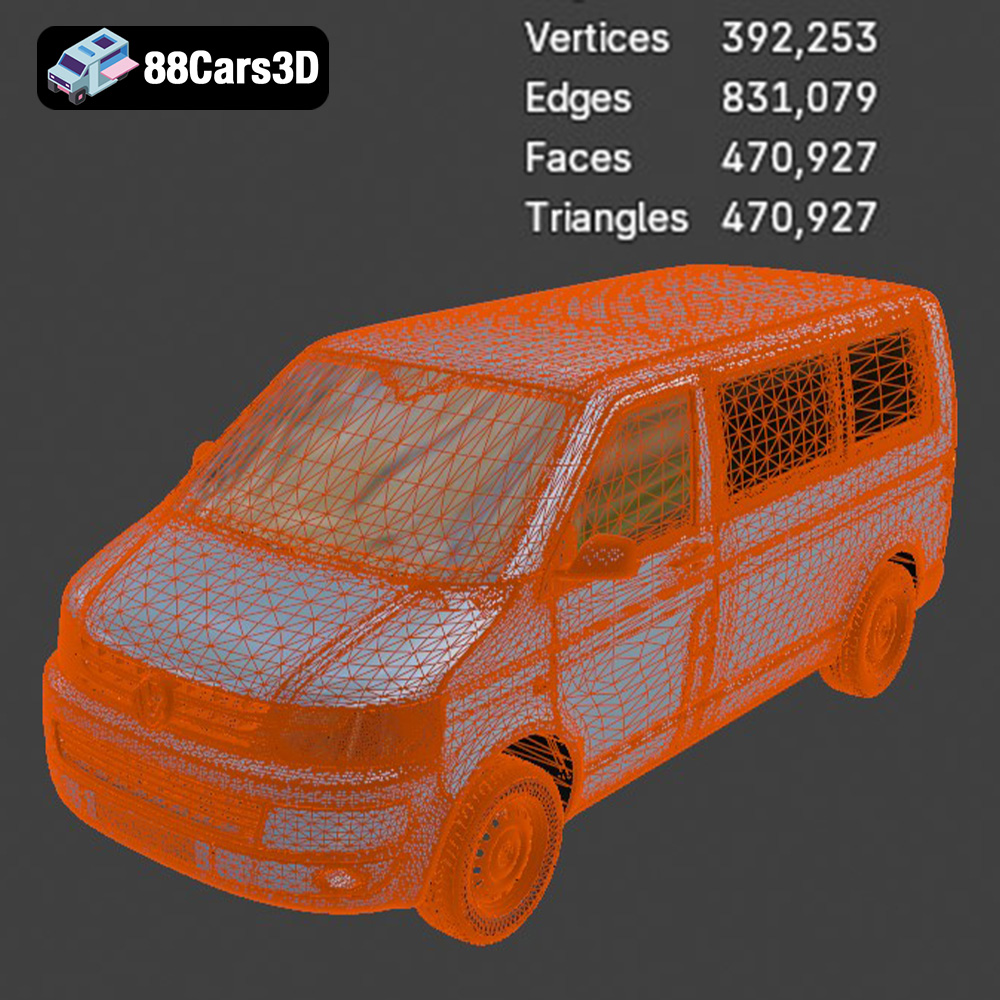
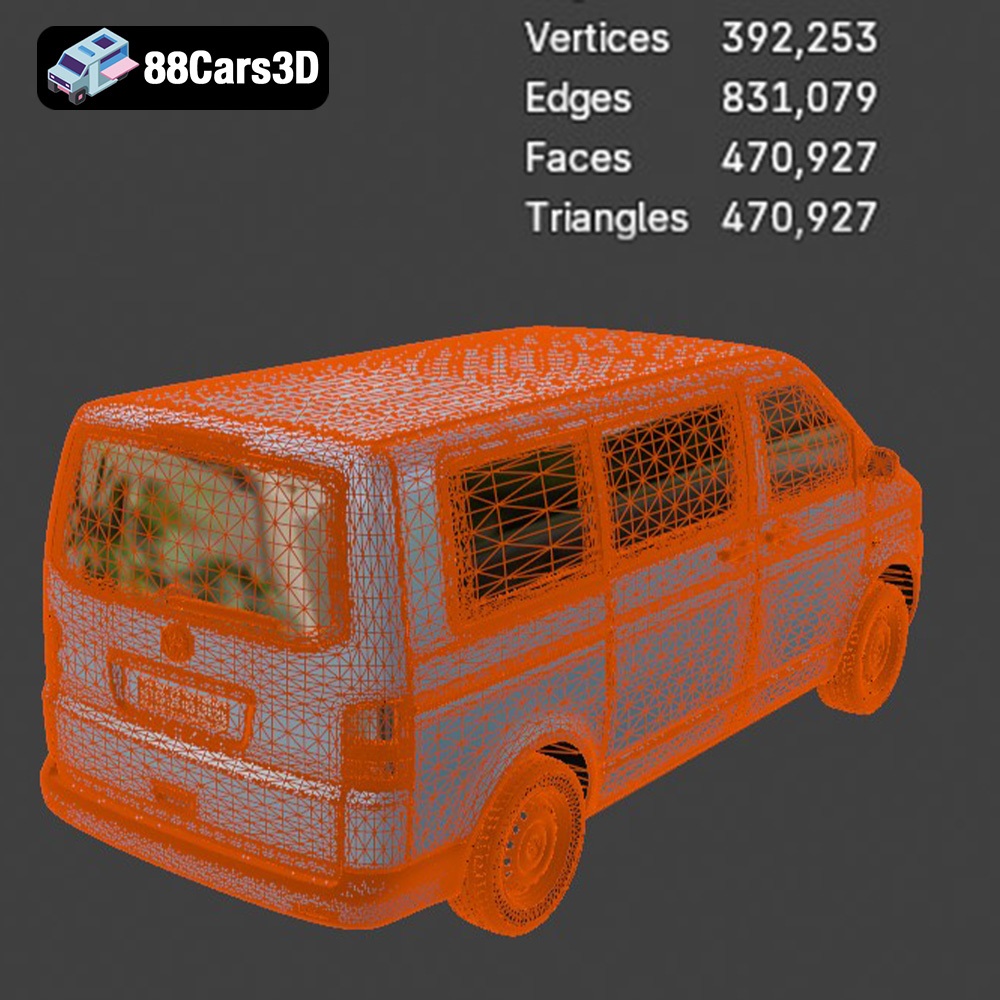
What truly elevates a 3D model from a simple digital object to a professional-grade asset is the attention to detail in its creation. The Volkswagen Transporter T5 FL 2010 3D Model boasts exceptionally clean, production-ready geometry. This means the mesh is optimized, free of common errors like Ngons or excessive triangulation, and structured to allow for easy modification and seamless subdivision if needed. Furthermore, the model features realistic materials and textures applied across the body, lighting units, wheels, and interior components. This comprehensive approach guarantees an authentic appearance, ensuring that whether viewed up close in a high-resolution render or from a distance in a real-time game, the visual fidelity holds true. Its accuracy makes it perfect for integration into simulations, architectural visualizations, automotive configurators, and immersive game environments, saving countless hours of manual work for artists and developers.
Understanding 3D Model File Formats: The Backbone of Project Compatibility
One of the most critical aspects of selecting a professional 3D car model is understanding the file formats included and what each offers. The Volkswagen Transporter T5 FL 2010 3D Model comes with a robust set of formats, ensuring comprehensive compatibility across a myriad of software and platforms. Choosing the right format for your specific workflow is essential for efficiency and maintaining asset integrity. Let’s break down the technical specifications and use cases for each.
.blend: Blender’s Native Powerhouse
The .blend format is Blender’s native file type. When you purchase a model with a .blend file, you’re getting a fully editable Blender scene, often complete with materials, lighting setups, and even camera configurations. This is ideal for artists who primarily work within Blender, offering maximum flexibility for customization, animation, and rendering directly within their preferred environment. It preserves all scene data, including modifiers, constraints, and intricate material node setups, allowing for deep artistic control.
.fbx: The Industry Standard for Interchange
The .fbx (Filmbox) format is arguably the most widely used interchange format in 3D production, especially within game development and animation pipelines. It supports geometry, materials, textures, animations, and even skeletal data. Its robust nature makes it ideal for transferring assets between different 3D applications like Maya, 3ds Max, Blender, and directly into game engines like Unreal Engine and Unity. When a model is provided in .fbx, it signifies readiness for real-time applications due to its efficient data handling and widespread support.
.obj: Universal Mesh Transfer
The .obj (Wavefront Object) format is a universal standard for 3D geometry. It’s a simpler format compared to FBX, primarily storing mesh data (vertices, normals, UVs, faces) and references to external material (.mtl) and texture files. While it doesn’t support animation or complex scene data, its widespread compatibility makes it a safe bet for importing models into virtually any 3D software. If you need a clean mesh to start from or integrate into an unusual renderer, .obj is a reliable choice.
.glb: Streamlined for Web and AR/VR
The .glb (GLB Transmission Format) is a binary version of the glTF (GL Transmission Format), designed for efficient transmission and loading of 3D scenes and models by applications. It’s rapidly becoming the standard for web-based 3D, AR (Augmented Reality), and VR (Virtual Reality) experiences. A .glb file encapsulates geometry, materials, textures, and animations into a single, compact file, making it perfect for quick deployment in browser viewers, social media filters, and mobile AR apps.
.stl & .ply: Bridging Digital to Physical
.stl (Stereolithography) is the de facto standard for 3D printing. It describes only the surface geometry of a 3D object as a series of connected triangles. While it doesn’t store color or texture information, it’s indispensable for physical prototyping and manufacturing. The Volkswagen Transporter T5 FL 2010, provided as an .stl, could be 3D printed for scale models or physical concept validation. The .ply (Polygon File Format or Stanford Triangle Format) is similar but more versatile, capable of storing more complex data like color, transparency, and even scanner data. It’s often used for precision mesh output in CAD or for analysis, providing a more detailed polygon mesh for specific engineering or scientific visualizations.
.unreal & .max: Engine and Studio Specific Solutions
A dedicated .unreal file (often a .uasset or a project with the model imported and configured) indicates that the asset is pre-configured for direct use within Unreal Engine. This means materials are set up, potentially with LODs (Levels of Detail), and collisions might be applied, significantly reducing setup time for game developers. Similarly, a .max file is 3ds Max’s native project format, offering a fully editable scene for users of Autodesk 3ds Max. This provides maximum control for rendering, animation, and further modeling work within that specific software environment.
This comprehensive set of formats ensures that the Volkswagen Transporter T5 FL 2010 3D Model is ready for immediate deployment, regardless of your chosen software or end-use application, embodying the spirit of true professional-grade 3D car models.
The Art and Science of Automotive Rendering
Automotive rendering is a specialized field that blends artistic vision with technical prowess. It’s about more than just placing a 3D model in a scene; it’s about crafting an illusion of reality that convinces the viewer. High-quality 3D car models are the starting point for this demanding process.
Achieving Photorealism: Materials, Lighting, and Environment
Photorealistic rendering relies heavily on accurate material properties, sophisticated lighting, and a convincing environment. For the Volkswagen Transporter T5 FL 2010, the pre-applied realistic materials and textures are a massive head start. These aren’t just flat colors; they simulate how light interacts with paint, glass, rubber, and chrome, incorporating properties like metallicness, roughness, and normal mapping. Correct lighting — whether it’s an HDRI (High Dynamic Range Image) capturing real-world lighting or meticulously placed virtual light sources — mimics natural illumination, revealing the car’s form and surface qualities. The environment, from a subtle background plate to a fully modeled street scene, provides reflections and context, anchoring the vehicle in its surroundings.
The Role of PBR Texturing and UV Mapping
Physically Based Rendering (PBR) is the cornerstone of modern photorealistic rendering. PBR textures, included with professional 3D car models, define how surfaces react to light based on physical principles, ensuring consistency across different lighting conditions and rendering engines. Central to PBR is excellent UV mapping. UVs are the 2D coordinates that tell the 3D software how to project a 2D texture onto a 3D surface. A well-unwrapped model, like the Transporter T5 FL, means textures appear correctly without stretching or distortion, allowing for precise detail and efficient texture utilization. Clean UVs are also vital for game assets, where texture atlases and efficient material calls are critical for performance.
Case Study: Architectural Visualization with the T5 FL
Imagine an architectural visualization of a modern logistics hub or a new residential complex. Placing generic vehicles often detracts from the realism. However, integrating the Volkswagen Transporter T5 FL 2010 3D Model, with its detailed exterior and even interior components, can dramatically enhance the scene’s authenticity. A visualization studio could render the T5 FL parked outside a building, demonstrating scale, functionality, and adding a touch of everyday realism. The clean geometry allows for easy integration into rendering software like V-Ray, Corona Renderer, or Arnold within 3ds Max or Blender, leveraging its pre-configured materials for stunning, believable results that resonate with clients and stakeholders.
Optimizing 3D Car Models for Real-Time Game Environments
While rendering focuses on visual fidelity, real-time environments like video games demand a delicate balance between visual quality and performance. High-quality game assets require careful optimization, and the Volkswagen Transporter T5 FL 2010 3D Model is designed with this in mind.
Geometry Management: Poly Count and LODs
For game assets, polygon count is a critical factor. Too many polygons can drastically reduce frame rates. Professional 3D car models often feature optimized geometry, striking a balance between detail and performance. Crucially, they should be designed to support Levels of Detail (LODs). LODs are progressively simpler versions of a model that are swapped in as the camera moves further away. This ensures that a highly detailed version is used when close, while a much simpler mesh (with significantly fewer polygons) is rendered at a distance, saving valuable computational resources. The “clean, production-ready geometry” of the T5 FL indicates it’s built with such optimization in mind, allowing game developers to generate LODs efficiently or use its base mesh as a solid foundation.
Efficient Texture Sets and Material Instancing
In real-time engines, texture memory and material calls can also impact performance. Optimized 3D car models utilize efficient texture sets, often packed into atlases, and leverage PBR workflows for consistent visual quality. Modern game engines benefit greatly from material instancing, where a base material can have multiple instances with varied parameters (like color or roughness) without incurring the overhead of entirely new materials. For the Volkswagen Transporter T5 FL 2010, its realistic materials and textures are set up in a way that allows for easy adaptation and optimization within game engines, potentially allowing for different paint jobs or livery variations without complex material restructuring.
Integrating the T5 FL into Unreal Engine Workflows
The inclusion of a dedicated .unreal file (or compatible .fbx) for the Volkswagen Transporter T5 FL 2010 3D Model signifies its readiness for Unreal Engine. Importing such an asset typically involves minimal setup: drag-and-drop the file into the content browser, and the engine recognizes the mesh, materials, and textures. The asset often comes with collision meshes already generated or easily generated, making it ready for physics simulations. For a simulation or a game environment requiring a realistic commercial vehicle, having this model pre-configured saves immense development time, allowing artists and developers to focus on the broader scene design and gameplay mechanics rather than asset preparation.
Beyond Visualization: Practical Applications of 3D Vehicle Assets
The utility of professional 3D car models extends far beyond simple rendering or game environments. They are powerful tools for various industries seeking innovation and efficiency.
Simulation and Training
For industries like logistics, emergency services, or automotive manufacturing, 3D simulations are invaluable for training, planning, and testing. A highly accurate 3D model like the Volkswagen Transporter T5 FL 2010 can be integrated into driving simulators for new drivers, fleet management training, or even vehicle maintenance simulations. Its precise dimensions and functional aesthetic provide the realistic visual cues necessary for effective learning and development. The ability to interact with a true-to-life digital twin significantly enhances the training experience.
Augmented and Virtual Reality Experiences
AR and VR are transforming how we interact with digital content. The Volkswagen Transporter T5 FL 2010 3D Model, particularly with its .glb format, is perfectly suited for these immersive technologies. Imagine a potential buyer using an AR app on their phone to place a virtual T5 FL in their driveway, examining its size and features in real-time, or exploring its interior in a VR showroom. These applications offer unprecedented levels of engagement and product understanding, making marketing and sales more interactive and effective. The optimized nature of the model ensures smooth performance even on mobile AR platforms.
Product Configurators and Marketing
Automotive configurators, whether online or at a dealership, allow customers to customize a vehicle to their exact specifications. A high-quality 3D model forms the core of such a system. The Volkswagen Transporter T5 FL 2010 can be the base, allowing users to change paint colors, wheel options, interior trim, and even visualize accessories. For marketing campaigns, photorealistic renders and animations generated from such models can be used across digital and print media, showcasing the vehicle’s features and appeal without the need for expensive physical photography or videography shoots.
Mastering Your Workflow: From Acquisition to Deployment
The journey of a 3D model from marketplace to project completion involves several key considerations, all centered around seamless integration and maximizing value.
Evaluating Quality: What to Look for in a 3D Model
When sourcing 3D car models, especially from platforms like 88cars3d.com, it’s crucial to know what constitutes a high-quality asset. Beyond aesthetic appeal, professional models offer:
- Clean Topology: Well-organized mesh with quads (four-sided polygons) where possible, allowing for easy subdivision and deformation.
- Optimized Poly Count: Suitable for the intended purpose (e.g., lower for games, higher for cinematic renders).
- Proper UV Unwrapping: Efficient and distortion-free texture mapping.
- PBR Materials and Textures: Realistic surface properties for consistent rendering.
- Multiple File Formats: Ensuring broad compatibility and flexibility.
- Logical Naming Conventions: For objects, materials, and textures, aiding organization.
The Volkswagen Transporter T5 FL 2010 3D Model ticks all these boxes, representing a sound investment for any professional workflow.
Seamless Integration with Industry-Standard Software
The comprehensive file set accompanying the Volkswagen Transporter T5 FL 2010 3D Model ensures its immediate deployment into both real-time engines and advanced rendering software. Whether you’re working in 3ds Max for architectural visualization, Blender for an indie game project, or Unreal Engine for a high-fidelity simulation, the variety of formats – .max, .blend, .fbx, .obj, and .unreal – provides a direct pathway. This eliminates the often time-consuming and frustrating process of format conversion, material re-creation, and topology cleanup that comes with lesser-quality assets. Artists can spend less time fixing and more time creating, leveraging the model’s pre-configured realism to accelerate their production timelines.
Conclusion: Driving Your Projects Forward with Premium Assets
In the competitive landscape of 3D production, efficiency, quality, and versatility are paramount. The Volkswagen Transporter T5 FL 2010 3D Model exemplifies how a meticulously crafted 3D car model can serve as a cornerstone for diverse projects, from photorealistic renderings and immersive game development to practical simulations and cutting-edge AR/VR experiences. Its clean geometry, realistic materials, and extensive format support make it a truly production-ready asset, empowering creators to focus on their vision rather than struggling with technical hurdles.
The Value of High-Quality 3D Assets
Investing in high-quality 3D models like the Volkswagen Transporter T5 FL 2010 from trusted marketplaces like 88cars3d.com is not just about purchasing a file; it’s about acquiring a powerful tool that saves time, reduces costs, and elevates the final output. Whether you’re a seasoned professional or an aspiring artist, having access to such premium assets allows you to achieve a level of realism and detail that would otherwise be incredibly time-consuming and expensive to create from scratch. By understanding the technical nuances and practical applications of these assets, you can unlock new creative possibilities and deliver truly impactful digital experiences. Equip your projects with the best, and watch your visions come to life with unparalleled fidelity.
Featured 3D Model
Volkswagen Transporter T5 FL 2010 3D Model
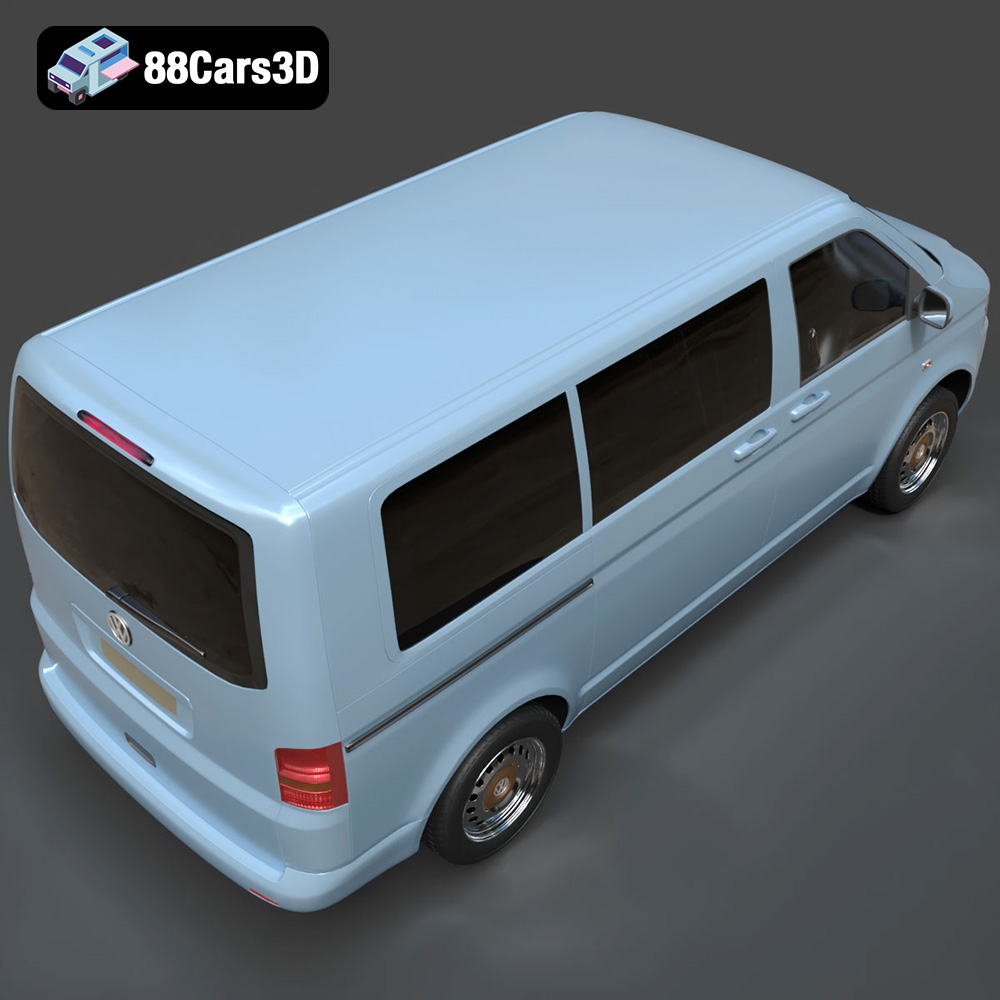
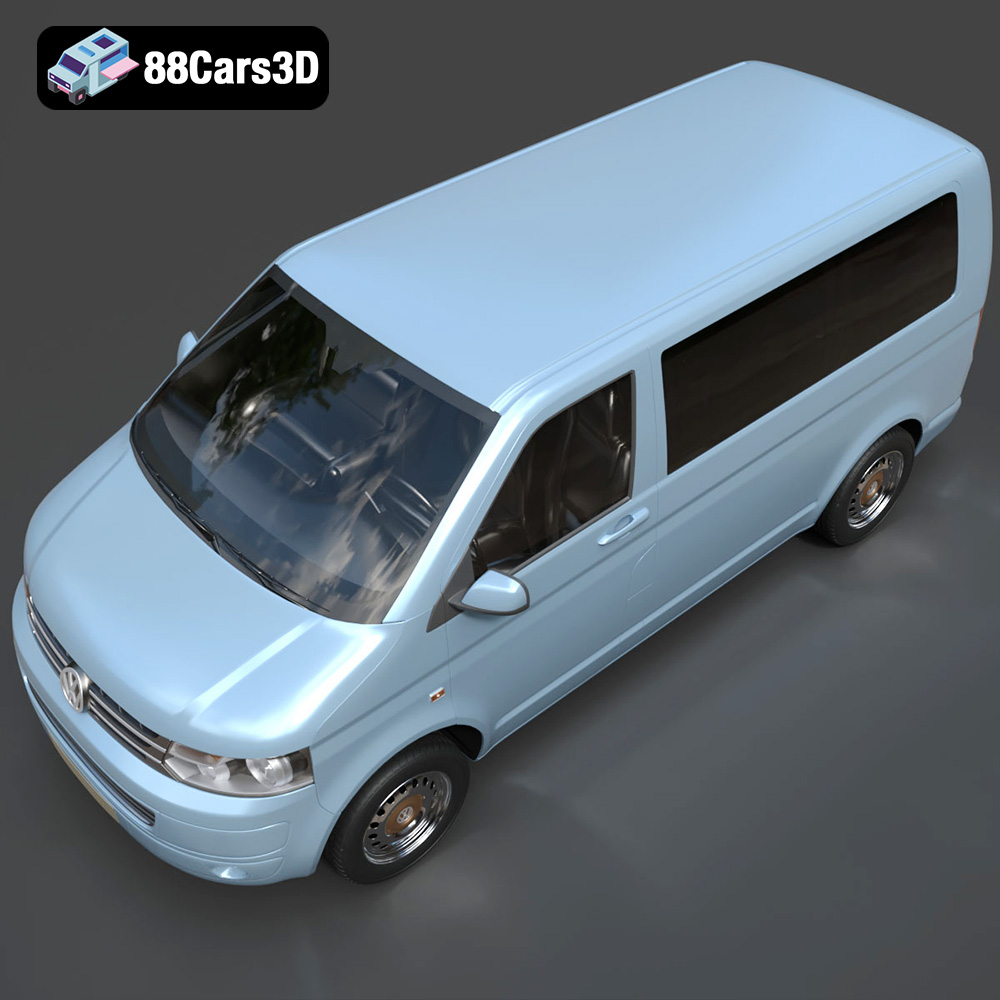
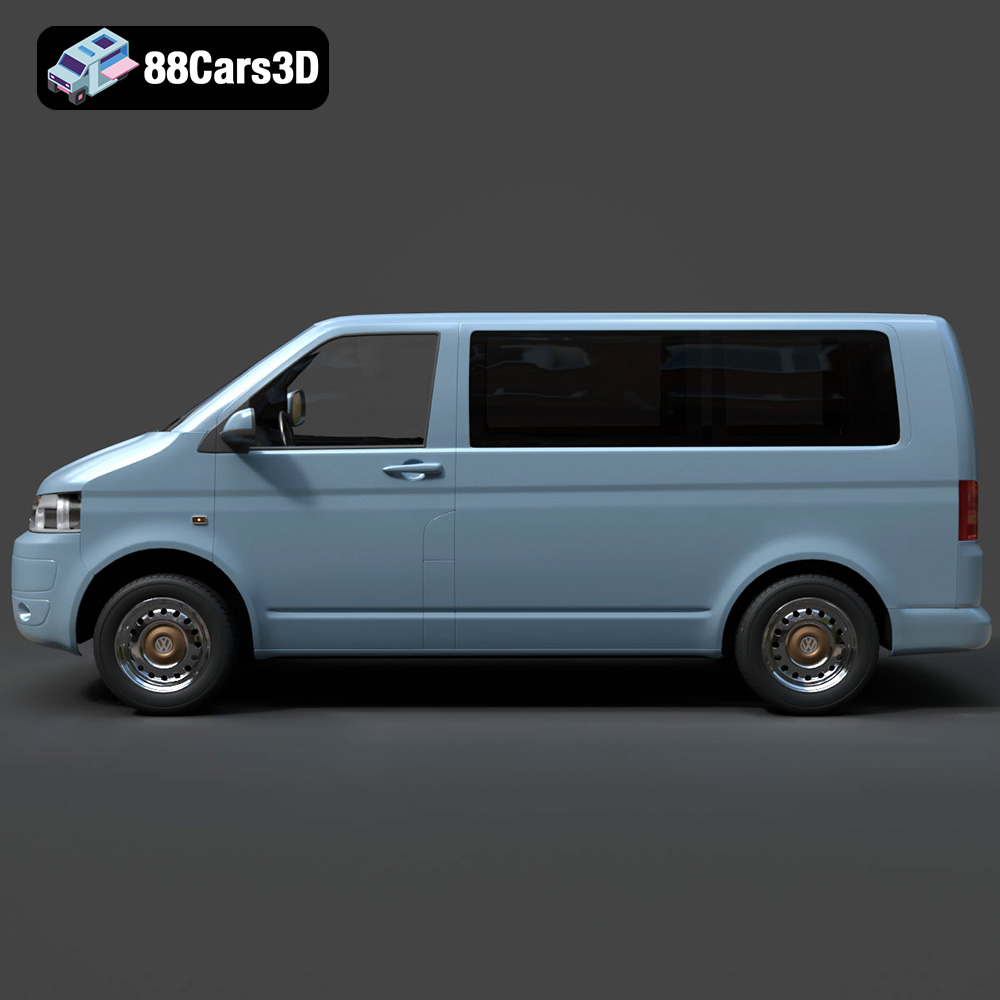
Explore the precision of the Volkswagen Transporter T5 FL 2010 3D Model. This asset provides an accurate digital representation of the versatile commercial vehicle, meticulously crafted to ensure visual fidelity for professional production pipelines. It captures the characteristic design and functional aesthetic of the T5 generation facelift. The model boasts exceptionally clean, production-ready geometry optimized for performance across different platforms. It features realistic materials and textures applied across the body, lighting units, wheels, and interior components, guaranteeing a detailed and authentic appearance in every scene. Perfect for integration into simulations, architectural visualizations, automotive configurators, and immersive game environments. The included file set offers comprehensive compatibility, allowing immediate deployment into both real-time engines and advanced rendering software.
$22.99
Product Image Gallery