Mastering Digital Automotive Excellence: A Deep Dive into High-Fidelity 3D Car Models
In the dynamic world of 3D visualization, the demand for truly exceptional digital assets continues to soar. From cutting-edge game development and immersive AR/VR experiences to photorealistic automotive rendering and detailed architectural walkthroughs, the quality of a 3D model can significantly impact the final product’s realism and professional appeal. At the heart of this digital revolution lies the precision-crafted 3D car model, an essential component for artists and developers aiming for visual perfection.
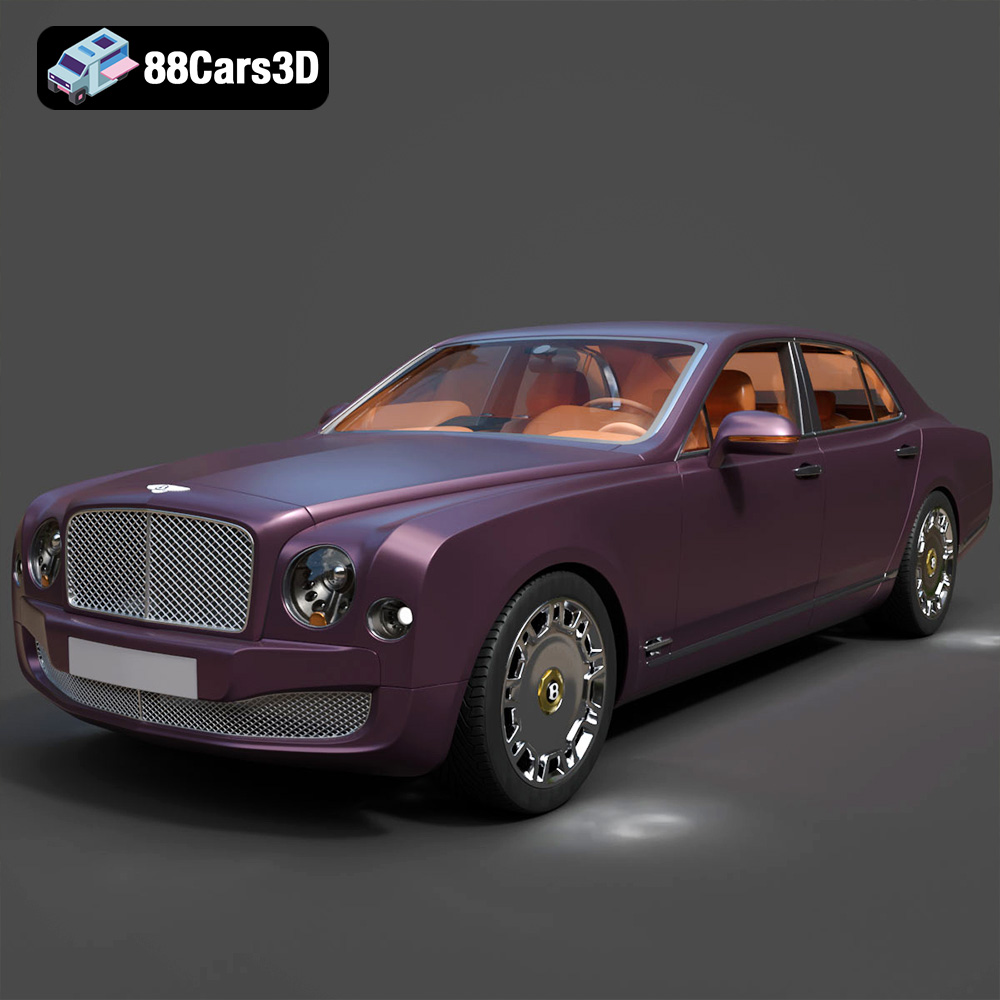
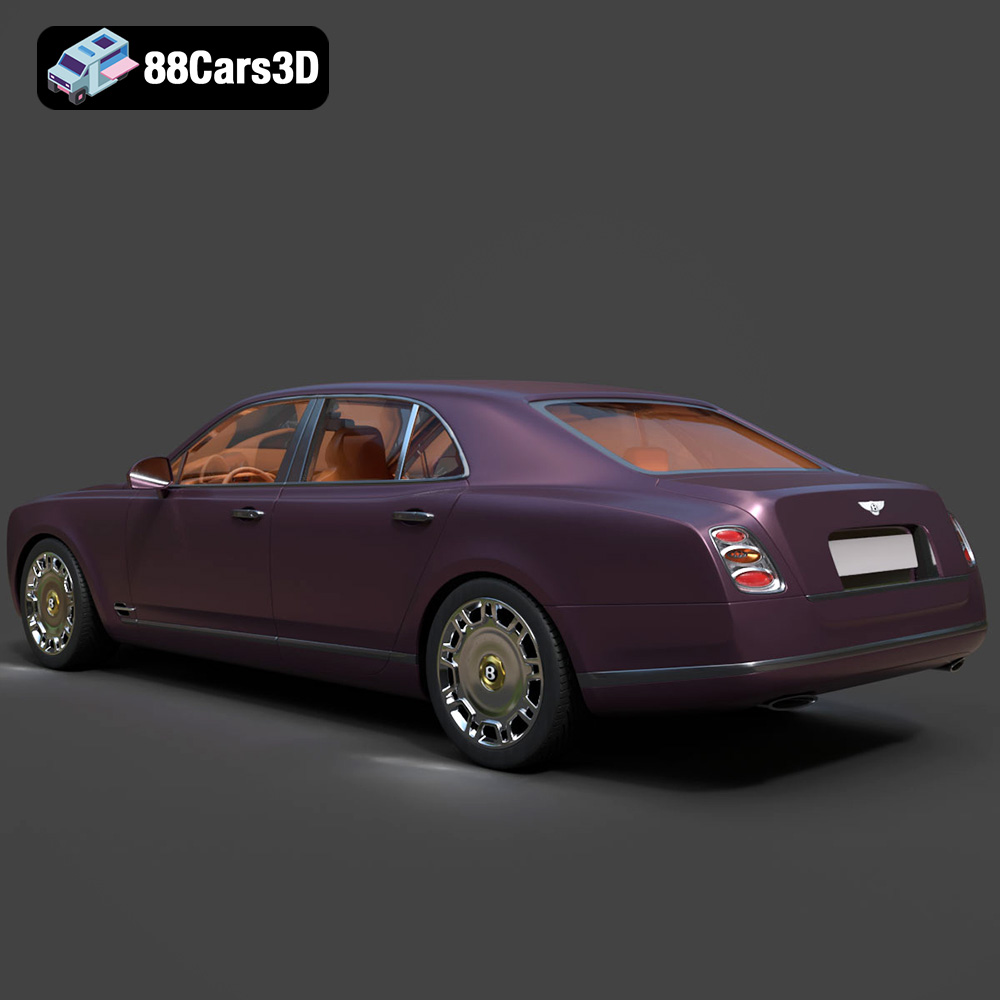
Few vehicles embody luxury and meticulous design quite like a Bentley. When translated into the digital realm, such a vehicle requires an equally meticulous approach. This is where a premium asset like the Bentley Mulsanne Luxury Sedan 3D Model from 88cars3d.com truly shines. It’s not just a mesh; it’s a meticulously engineered digital representation, ready to elevate any project it’s integrated into. This article will explore the intricate technical considerations behind creating and utilizing such a high-quality 3D car model, covering essential file formats, advanced rendering techniques, and its pivotal role across various professional workflows.
Understanding 3D Model File Formats: The Foundation of Digital Assets
The versatility and utility of a 3D model are often defined by the file formats it supports. Each format is designed with specific applications, software compatibility, and data structures in mind. Understanding these nuances is critical for artists and developers to ensure seamless integration and optimal performance within their chosen pipelines. The Bentley Mulsanne Luxury Sedan 3D Model, for instance, comes equipped with a comprehensive suite of formats, catering to virtually any professional need.
.blend – The Power of Blender Ecosystem
The .blend format is native to Blender, the powerful open-source 3D creation suite. When a model is provided in .blend, it typically includes the fully editable scene with all its components: geometry, materials, textures, lighting setups, and even animation data. For users deeply integrated into the Blender ecosystem, this format offers unparalleled flexibility for customization, rigging, animation, and rendering using Cycles or Eevee. It’s ideal for artists who want to dissect the model, learn from its construction, or make significant modifications without losing any native data or setup.
.fbx – The Industry Standard for Interoperability
.fbx (Filmbox) is arguably one of the most widely adopted proprietary file formats for 3D interchange, especially prevalent in game development. Developed by Autodesk, FBX can store comprehensive scene data, including geometry, materials, textures, animations, skinning, and camera information. It’s the go-to format for transferring assets between different 3D software packages like 3ds Max, Maya, and Blender, and is the preferred format for game engines such as Unreal Engine and Unity. Its robust data embedding capabilities make it highly reliable for ensuring assets are imported correctly into real-time pipelines, making it an indispensable choice for the Bentley Mulsanne 3D model.
.obj – The Universal Mesh Format
The .obj (Wavefront OBJ) format is a widely supported, simpler alternative to FBX. It primarily stores geometry (vertices, normals, texture coordinates, polygonal faces) and can reference external material (.mtl) and texture files. While it doesn’t support animation or advanced scene data, its universal compatibility makes it a safe bet for basic mesh transfer across virtually all 3D software. For simple static renders or when the receiving software has limited import options, .obj provides a clean, reliable mesh. It’s an excellent fallback and a testament to the model’s clean topology when provided by 88cars3d.com.
.glb – Optimized for AR, VR, and Web
.glb (GL Transmission Format Binary) is the binary version of glTF, a royalty-free specification for 3D models developed by the Khronos Group. It’s designed for efficient transmission and loading of 3D scenes and models in web and real-time applications. GLB packs all model data – geometry, materials, textures, animations – into a single file, making it incredibly convenient for AR/VR experiences, browser-based viewers, and mobile applications where file size and load times are critical. The Bentley Mulsanne 3D model in .glb is perfectly optimized for these cutting-edge interactive environments.
.stl – The Standard for 3D Printing
.stl (Stereolithography) is the dominant file format for 3D printing and rapid prototyping. It represents a 3D model as a series of connected triangles (a tessellated surface) without color, material, or texture information. For 3D printing, the mesh needs to be “watertight” (no holes or non-manifold geometry) to ensure a successful print. Providing the Bentley Mulsanne model in .stl indicates that its geometry is robust enough for physical fabrication, allowing designers to create scaled prototypes or detailed physical representations.
.ply – Precision Mesh for CAD and Analysis
The .ply (Polygon File Format) is another format for storing 3D data, particularly useful for scanned data, CAD models, and scientific applications where precision and additional per-vertex or per-face data (like color, normal, or confidence values) are important. It can store both triangle meshes and point clouds. While less common for general-purpose rendering, its inclusion for the Bentley Mulsanne suggests a meticulous capture or construction of the vehicle’s form, valuable for engineering, analysis, or very specific visualization tasks.
.unreal – Engine-Ready for Real-Time Environments
The .unreal format refers to assets specifically prepared and optimized for direct import into Unreal Engine projects. This can imply an FBX file with specific naming conventions, scale, and pivot points, or even a pre-packaged Unreal asset bundle. For the Bentley Mulsanne Luxury Sedan 3D Model, this format signifies that it’s been carefully pre-configured for the demanding real-time environment of Unreal, potentially including optimized LODs (Levels of Detail), collision meshes, and PBR material setups tailored for the engine’s rendering pipeline. This saves significant development time for game and simulation artists.
.max – The Dominance of 3ds Max
Finally, the .max format is native to Autodesk 3ds Max, a leading software for 3D modeling, animation, and rendering in architectural visualization, product design, and cinematic production. A .max file provides the complete 3ds Max scene, including complex hierarchies, modifiers, animation curves, V-Ray or Corona Renderer setups, and detailed material definitions. For professionals relying on 3ds Max for high-end automotive rendering or animated sequences, this format offers full creative control over the Bentley Mulsanne, allowing for deep customization and seamless integration into existing 3ds Max projects.
The Art and Science of Automotive Visualization
Creating a high-fidelity 3D car model is a fusion of artistic skill and engineering precision. It demands an understanding of industrial design, meticulous attention to detail, and a mastery of 3D software. The Bentley Mulsanne Luxury Sedan 3D Model from 88cars3d.com exemplifies this balance, offering an asset ready for the most demanding visualization tasks.
Precision Modeling for Photorealism
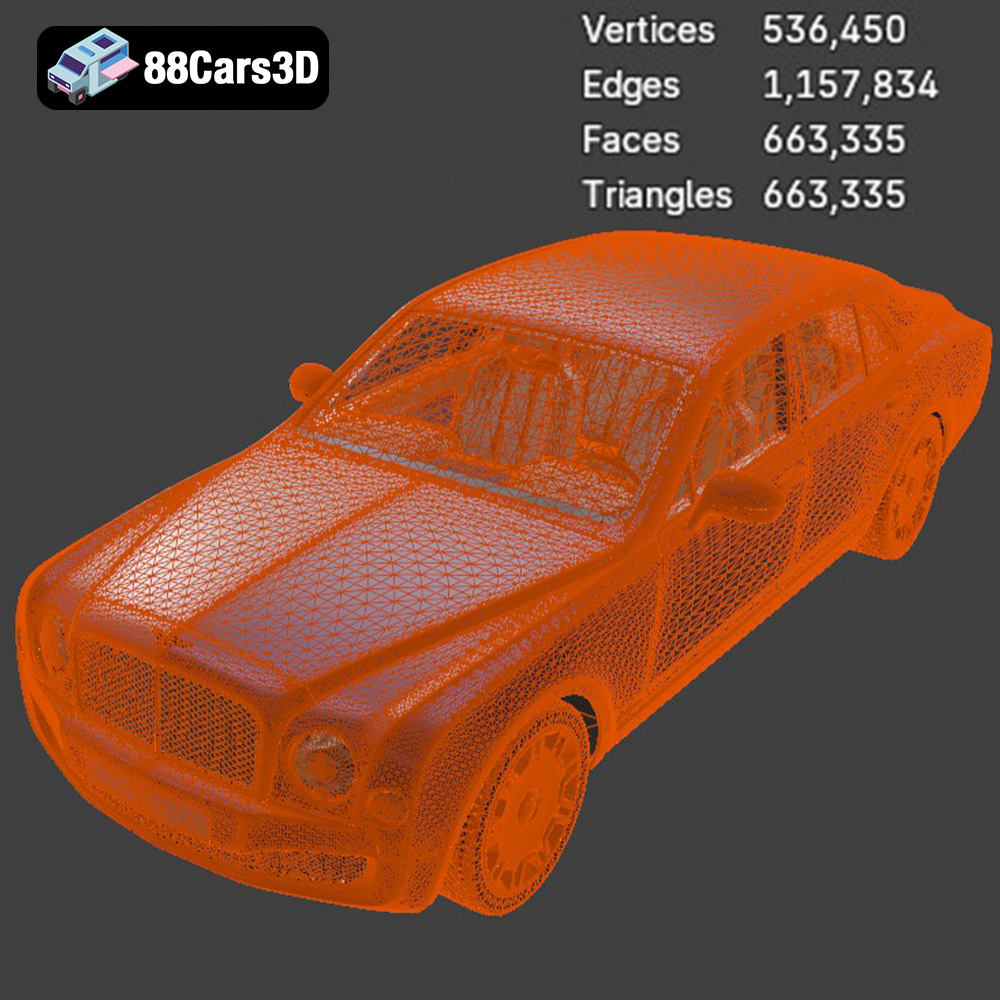
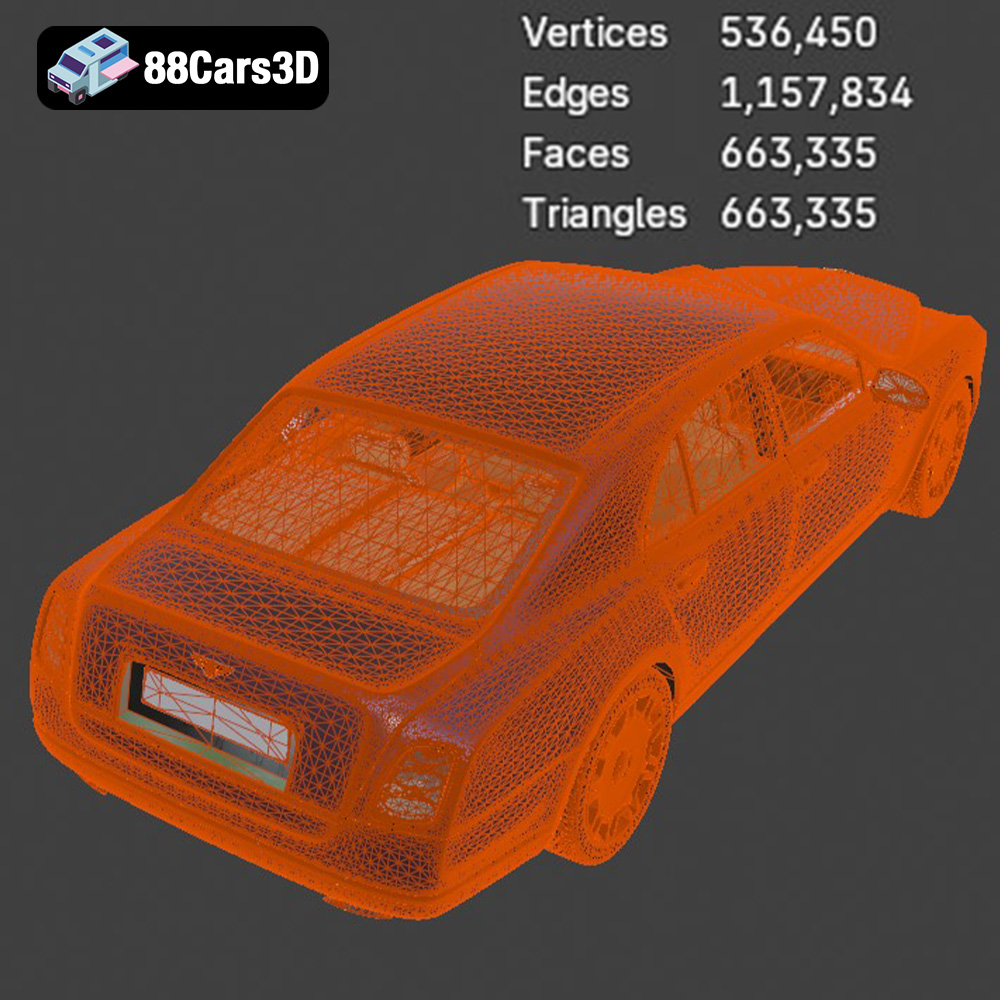
Achieving photorealism in 3D automotive models hinges on several technical aspects. First, clean mesh topology is paramount. This means the model’s polygons (typically quads) are evenly distributed, follow the natural curves and contours of the vehicle, and avoid stretched or overly dense areas. Good topology facilitates smooth deformations during animation and prevents rendering artifacts. The Bentley Mulsanne, with its complex curves and sharp lines, requires expert subdivision modeling or NURBS conversion to maintain its elegant form.
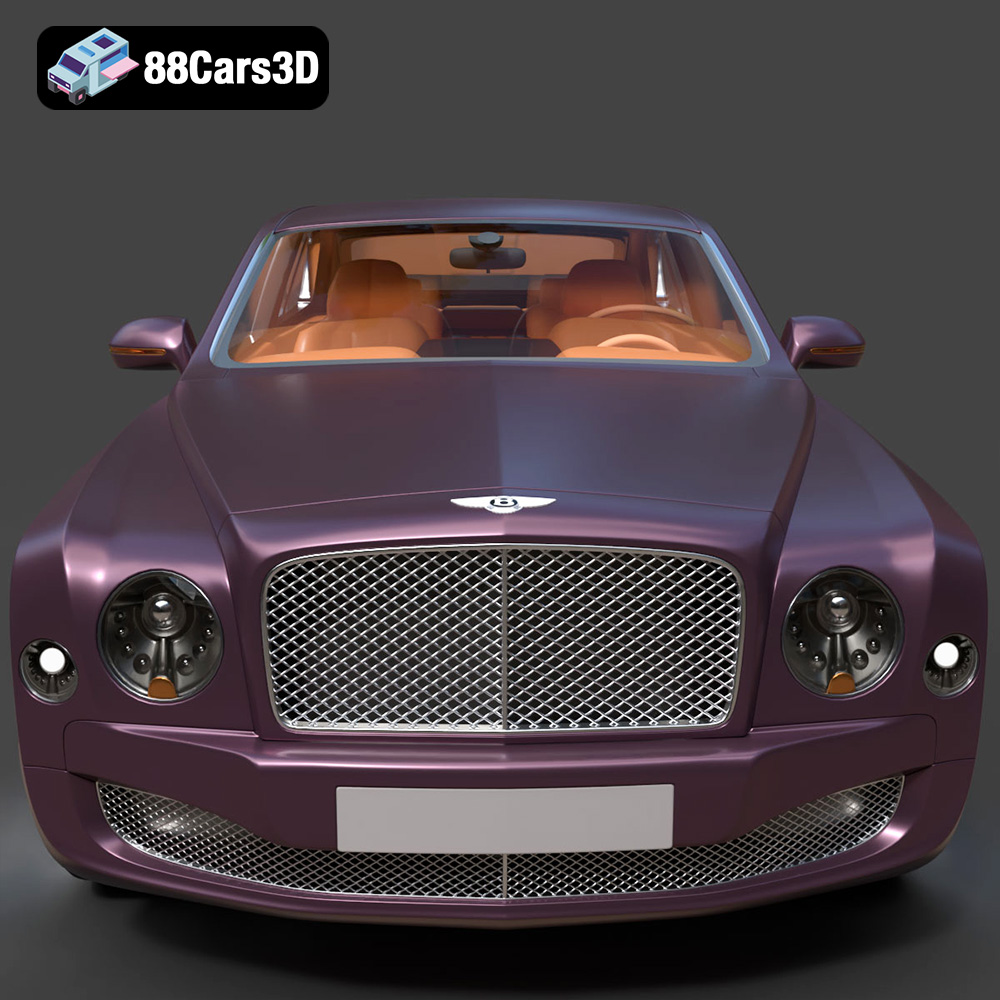
Edge flow is another critical consideration, particularly around hard edges and creases. Proper edge loops ensure that reflections behave realistically across the car’s body panels and that details like door seams or grille elements are sharply defined without introducing pinching or unwanted bumps. The distinct grille geometry and body lines of the Bentley Mulsanne are a prime example where precise edge flow makes all the difference in achieving that signature look.
PBR Texturing and Material Fidelity
Modern rendering relies heavily on Physically Based Rendering (PBR) workflows. PBR materials accurately simulate how light interacts with surfaces in the real world, producing far more convincing results than older shading models. For a luxury vehicle like the Mulsanne, this involves a sophisticated array of texture maps for various components:
- Albedo (Base Color) Map: Defines the diffuse color of a surface, free from lighting information.
- Normal Map: Adds high-frequency surface detail (like subtle imperfections or fabric weaves) without increasing polygon count.
- Roughness Map: Controls how diffuse or specular a surface is, from highly polished chrome to matte leather.
- Metallic Map: Differentiates between dielectric (non-metal) and metallic surfaces.
- Ambient Occlusion (AO) Map: Simulates soft shadows where surfaces are close together, adding depth and realism.
The Bentley Mulsanne 3D model, with its logically structured PBR materials, ensures that the metallic sheen of its trim, the deep gloss of its paintwork, the supple texture of its interior leather, and the clarity of its glass all react to light in a physically accurate manner. This level of material fidelity is crucial for creating stunning automotive rendering.
Integrating 3D Car Models into Game Development Pipelines
The journey of a 3D car model from a high-poly sculpt to a real-time game asset involves a rigorous optimization process. Game development demands a delicate balance between visual quality and performance. Assets like the Bentley Mulsanne 3D model are developed with these constraints in mind, often offering optimized geometry and PBR materials suitable for interactive environments.
Optimization for Performance (Unreal Engine & Unity)
For game engines like Unreal Engine and Unity, raw high-poly models are often too heavy. The optimization process includes:
- Poly Count Reduction: Carefully reducing the number of polygons while retaining essential silhouette and detail. This often involves retopology or automated decimation tools.
- Levels of Detail (LODs): Creating multiple versions of the model at varying polygon counts. The engine dynamically switches between these LODs based on the camera’s distance, ensuring performance without sacrificing quality up close.
- Collision Meshes: Simplified, invisible meshes used by the physics engine to detect collisions, far less complex than the render mesh.
- UV Unwrapping and Texture Atlasing: Efficient UV layouts prevent texture stretching and allow multiple textures to be packed into a single atlas, reducing draw calls.
The Bentley Mulsanne Luxury Sedan 3D Model, provided in game-engine ready formats like .fbx and .unreal, indicates that these optimizations have been considered, making it a valuable time-saver for game artists and developers.
Driving Immersive AR/VR Experiences
Augmented Reality (AR) and Virtual Reality (VR) represent the frontier of immersive digital experiences. High-quality 3D car models are central to these applications, whether for virtual showrooms, interactive product configurators, or simulated driving experiences. The unique challenges of AR/VR include even stricter performance budgets and the need for incredibly precise scaling and spatial accuracy.
For AR/VR, formats like .glb are particularly potent. Their single-file, optimized nature ensures quick loading times and seamless integration into web-based AR/VR platforms or dedicated applications. Imagine a customer exploring the luxurious interior of the Bentley Mulsanne through a VR headset, with every stitch and polished surface rendered in exquisite detail. Or an architectural visualization where the Mulsanne is placed virtually in a client’s future driveway via AR on a smartphone. The quality of the 3D car model directly dictates the realism and impact of such an experience.
Advanced Rendering Techniques in 3ds Max and Blender
While game engines focus on real-time performance, dedicated rendering software like 3ds Max (with V-Ray or Corona) and Blender (with Cycles or Eevee) push the boundaries of photorealistic still images and cinematic animations. Here, the focus shifts to maximizing visual fidelity, often without the same strict polygon budgets as real-time applications.
V-Ray/Corona (3ds Max) and Cycles/Eevee (Blender) Workflows
For high-end automotive rendering, artists leverage advanced rendering engines:
- Physical Camera Settings: Mimicking real-world cameras with settings like ISO, shutter speed, and f-stop to control exposure, depth of field, and motion blur.
- HDRI Lighting: Using High Dynamic Range Imagery (HDRI) environmental maps for realistic, complex lighting and reflections, replicating real-world lighting scenarios.
- Global Illumination (GI): Simulating how light bounces around a scene, contributing to realistic indirect lighting and soft shadows.
- Material Overrides and Layering: Advanced materials can include multiple layers (e.g., clear coat over metallic paint), dirt masks, and intricate wear and tear to achieve unparalleled realism. The Bentley Mulsanne model’s PBR materials provide an excellent foundation for these advanced setups.
Having the Bentley Mulsanne 3D model available in .max and .blend formats means artists can immediately tap into these powerful rendering capabilities, utilizing the native material setups and scene configurations provided by 88cars3d.com as a robust starting point.
Animating Automotive Masterpieces
Beyond static renders, animating 3D car models brings them to life. This can range from simple camera fly-arounds to complex driving sequences or showcasing intricate mechanical movements. For the Bentley Mulsanne, this might involve:
- Turntable Animations: A classic way to showcase a vehicle from all angles.
- Driving Simulations: Rigging the car for accurate wheel rotation, suspension compression, and steering.
- Interior Tours: Camera paths moving through the cabin to highlight the luxurious details.
- Exploded Views: Demonstrating how components fit together, often used in engineering or marketing.
The clean geometry and well-structured hierarchy of a professional 3D car model are essential for successful animation. A model like the Mulsanne, with its precise construction, offers a stable foundation for a wide array of dynamic presentations.
Beyond Visualization: 3D Printing and Prototyping
The utility of high-quality 3D car models extends beyond the digital screen. They serve as valuable resources for physical prototyping, engineering analysis, and even creating detailed collectibles.
From Screen to Reality with STL and PLY
The inclusion of .stl and .ply formats for the Bentley Mulsanne 3D model underscores its versatility. STL, as previously discussed, is the lingua franca of 3D printing. A well-constructed STL ensures a successful print, whether for a small-scale desktop model or a larger, more detailed prototype. Engineers and designers can leverage this to create tangible representations of their concepts, evaluate ergonomics, or verify complex geometries before committing to expensive manufacturing processes.
PLY files, while less common for consumer 3D printing, offer a higher degree of precision and can carry additional data, making them valuable for professional additive manufacturing, reverse engineering, or computational fluid dynamics (CFD) analysis, where an accurate surface representation of the Bentley’s aerodynamic properties might be required.
Architectural Integration and Scene Context
Architectural visualization (ArchViz) is another major beneficiary of detailed 3D car models. Placing a photorealistic vehicle like the Bentley Mulsanne in an architectural scene instantly adds a sense of scale, luxury, and realism. It helps contextualize the environment, making a rendered building feel lived-in and dynamic. The vehicle becomes a crucial element in telling the story of the space, whether it’s a high-end residential driveway or a corporate office entrance.
The ability to easily integrate such a polished asset into 3ds Max, Blender, or Unreal Engine scenes through various formats streamlines the ArchViz workflow, allowing artists to focus on environmental design rather than vehicle modeling from scratch.
Conclusion
The world of 3D modeling is an intricate landscape of technical challenges and creative opportunities. From the foundational understanding of file formats to the nuanced art of PBR texturing and the rigorous demands of game optimization, every aspect plays a crucial role in delivering a truly impactful digital experience. A high-quality 3D car model, such as the Bentley Mulsanne Luxury Sedan 3D Model, is not merely an object but a culmination of expert craftsmanship and technical foresight.
Whether your project demands cinematic automotive rendering in 3ds Max, real-time interactive experiences in Unreal Engine, engaging AR/VR applications, or even physical prototypes through 3D printing, a well-prepared asset is your most valuable resource. Investing in premium 3D car models from trusted marketplaces like 88cars3d.com empowers artists and developers to achieve unparalleled levels of realism and efficiency, allowing them to push creative boundaries without compromise. The Bentley Mulsanne 3D model stands as a testament to this commitment to excellence, ready to drive your next project to success.
Featured 3D Model
Bentley Mulsanne Luxury Sedan 3D Model
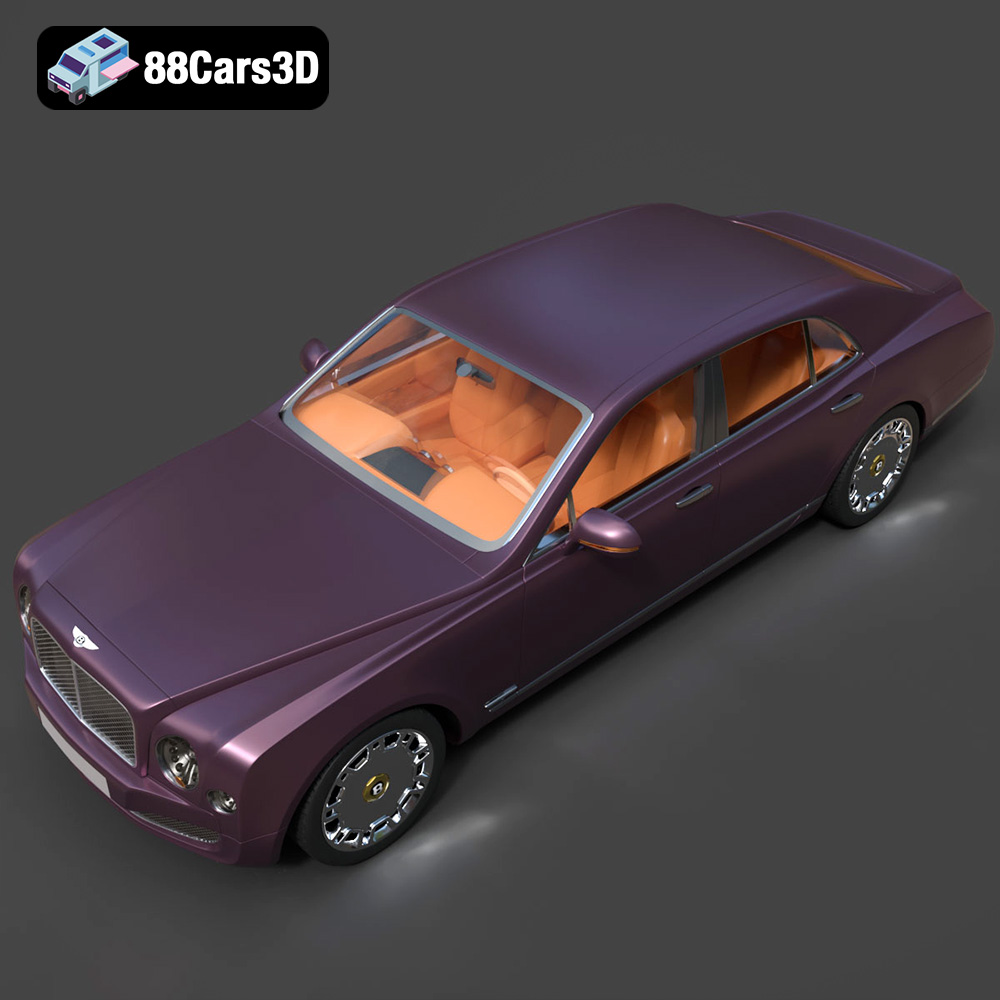
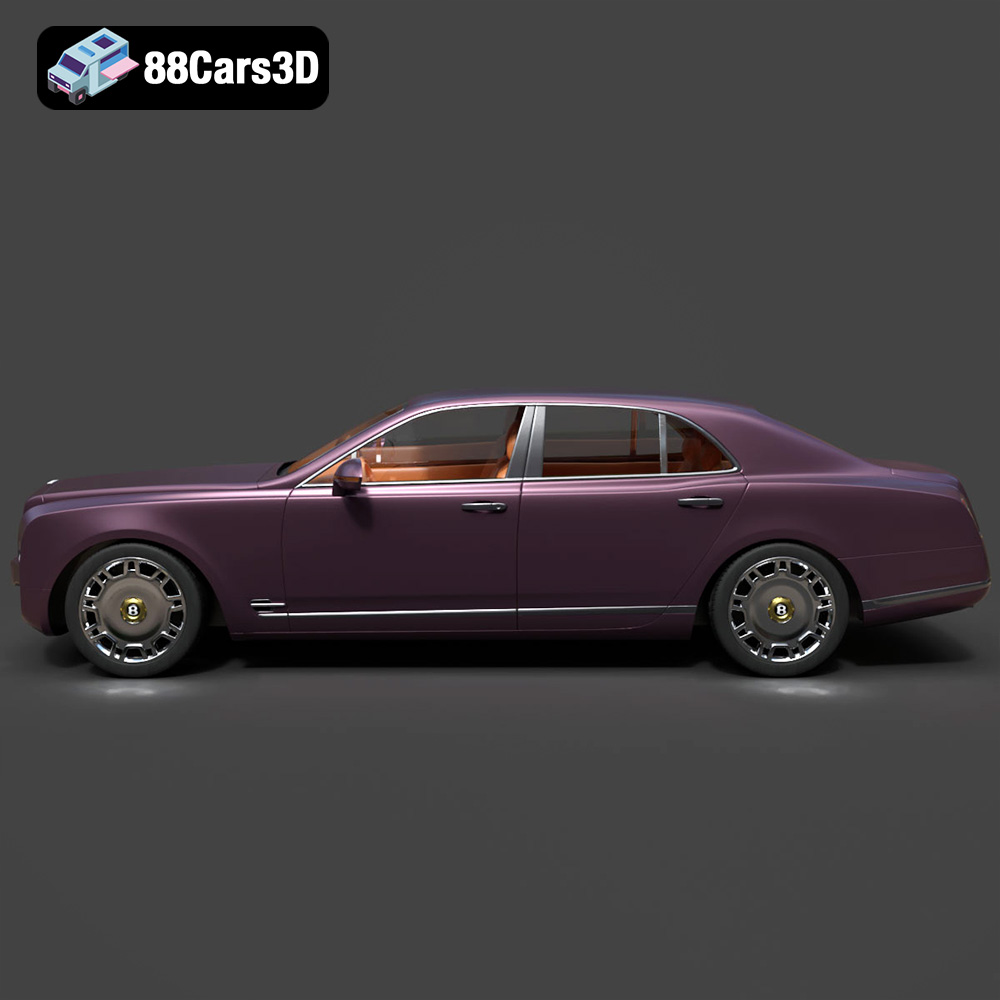
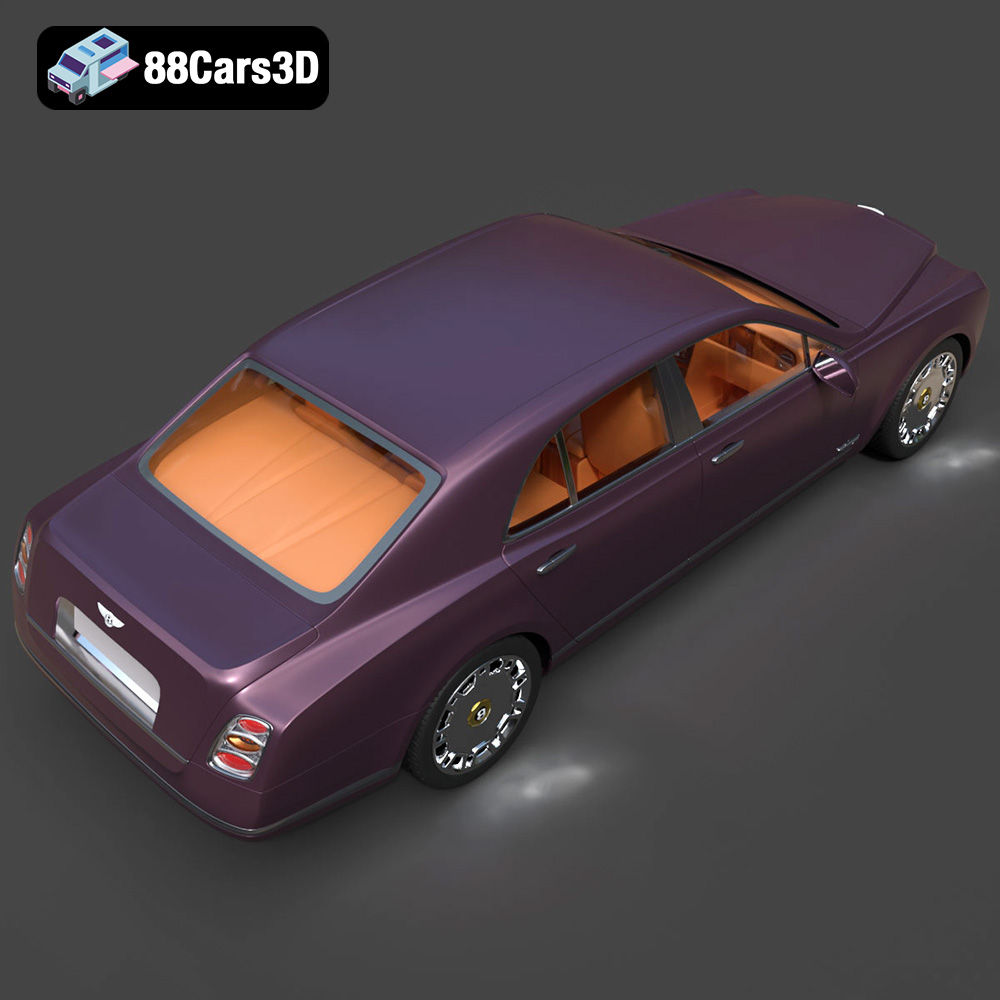
Experience the ultimate in digital luxury with this meticulously crafted Bentley Mulsanne 3D model. Designed for precision and realism, this asset captures the imposing presence and refined details of the iconic British sedan. Every element, from the distinct grille geometry to the interior layout, has been constructed to meet professional visualization standards.This asset features clean, optimized geometry suitable for both real-time applications and demanding high-resolution rendering tasks. Materials are logically structured and configured for PBR workflows, ensuring physically accurate light interaction on all metallic, glass, and leather surfaces. This provides maximum versatility for artists integrating the model into various lighting environments and scenes.The Bentley Mulsanne model is an essential resource for automotive visualization, architectural walkthroughs, cinematic animations, and serious game development (including integration into Unreal Engine or Unity projects). It is also perfectly suited for creating high-fidelity assets for virtual reality (VR) and augmented reality (AR) experiences.
$14.99
Product Image Gallery