Mastering Digital Automotive Design: A Deep Dive into High-Fidelity 3D Models
In the rapidly evolving landscape of 3D visualization, the demand for exceptionally detailed and versatile 3D models continues to soar. From creating stunning cinematic renders to developing immersive real-time game environments and even producing accurate physical prototypes, the foundation of any successful project lies in the quality of its core assets. Professionals across automotive design, game development, architectural visualization, and simulation industries constantly seek models that offer both aesthetic fidelity and technical robustness.
A truly professional 3D asset is more than just a visually appealing mesh; it’s a meticulously engineered digital object designed for seamless integration and optimal performance across diverse workflows. It speaks to a deep understanding of geometry, materials, and animation principles, providing artists and developers with a powerful tool that accelerates production and elevates output quality. Today, we’ll explore what makes a 3D model truly stand out, examining its technical underpinnings, practical applications, and how it empowers creators to push the boundaries of digital reality.
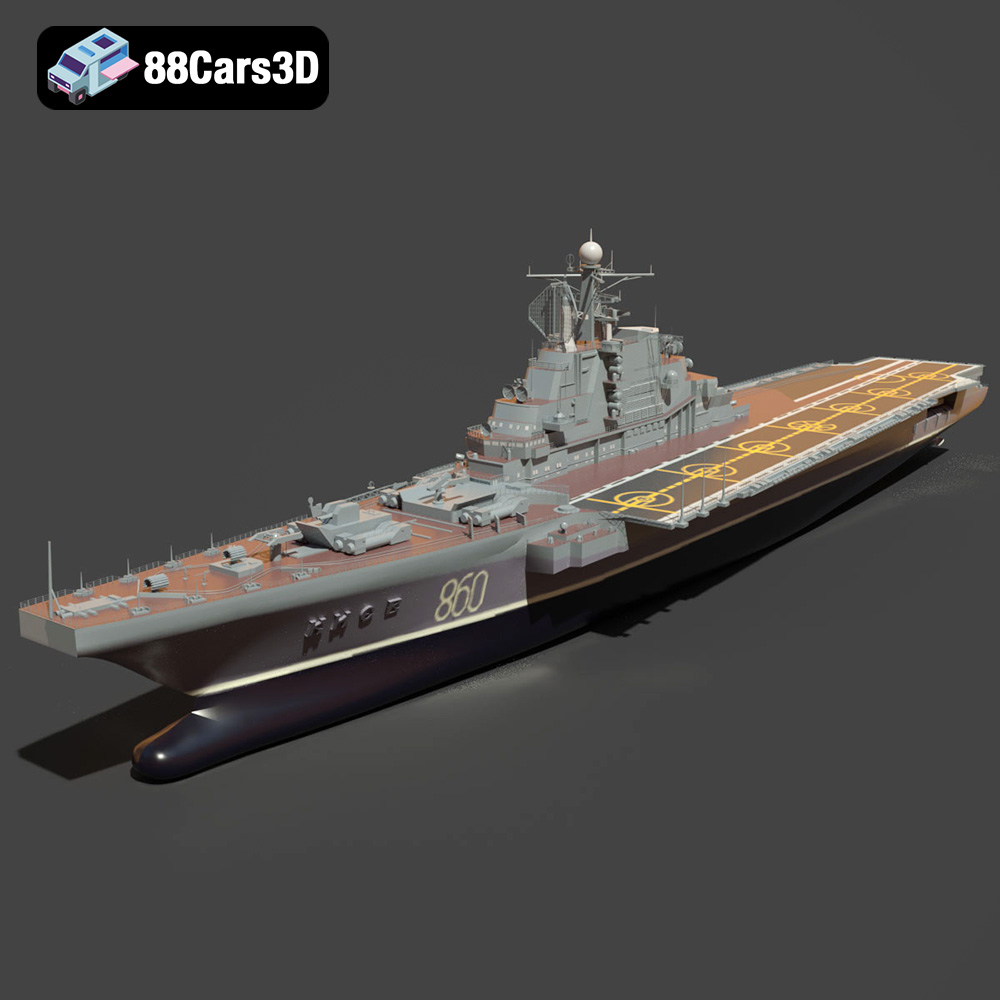
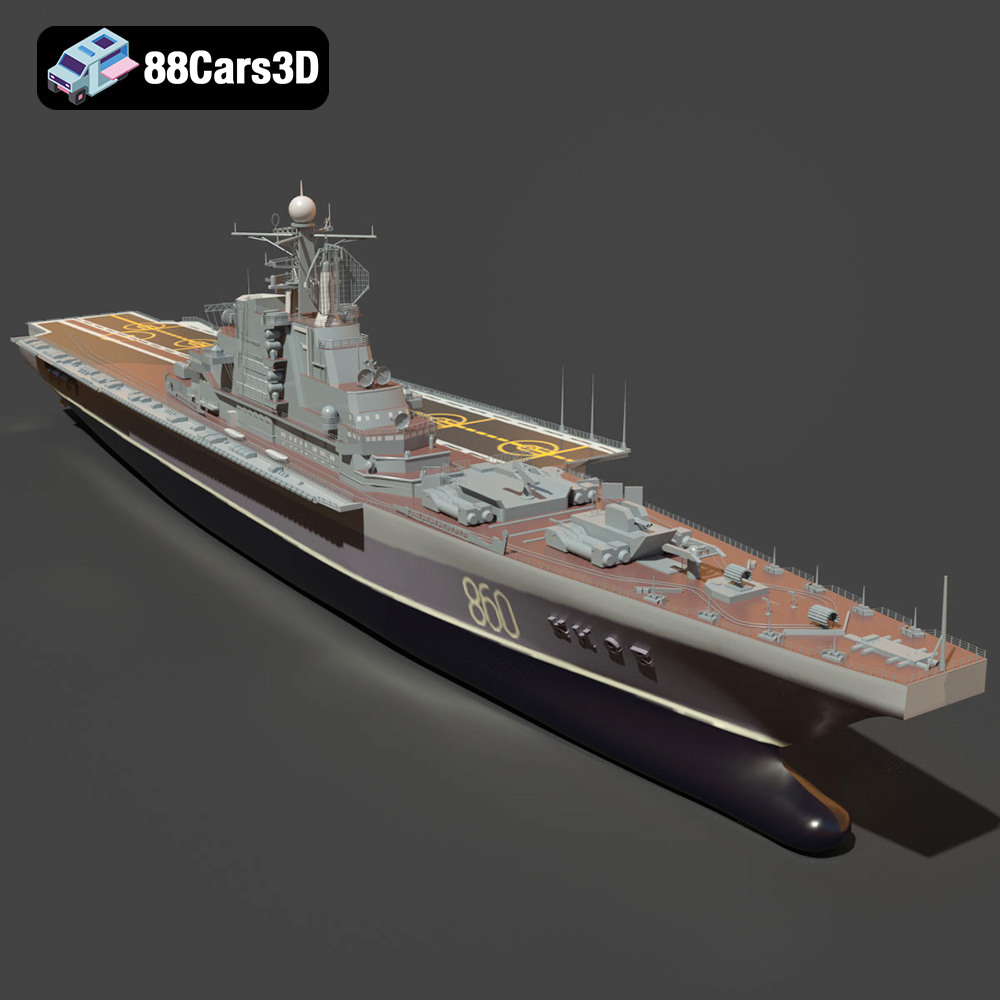
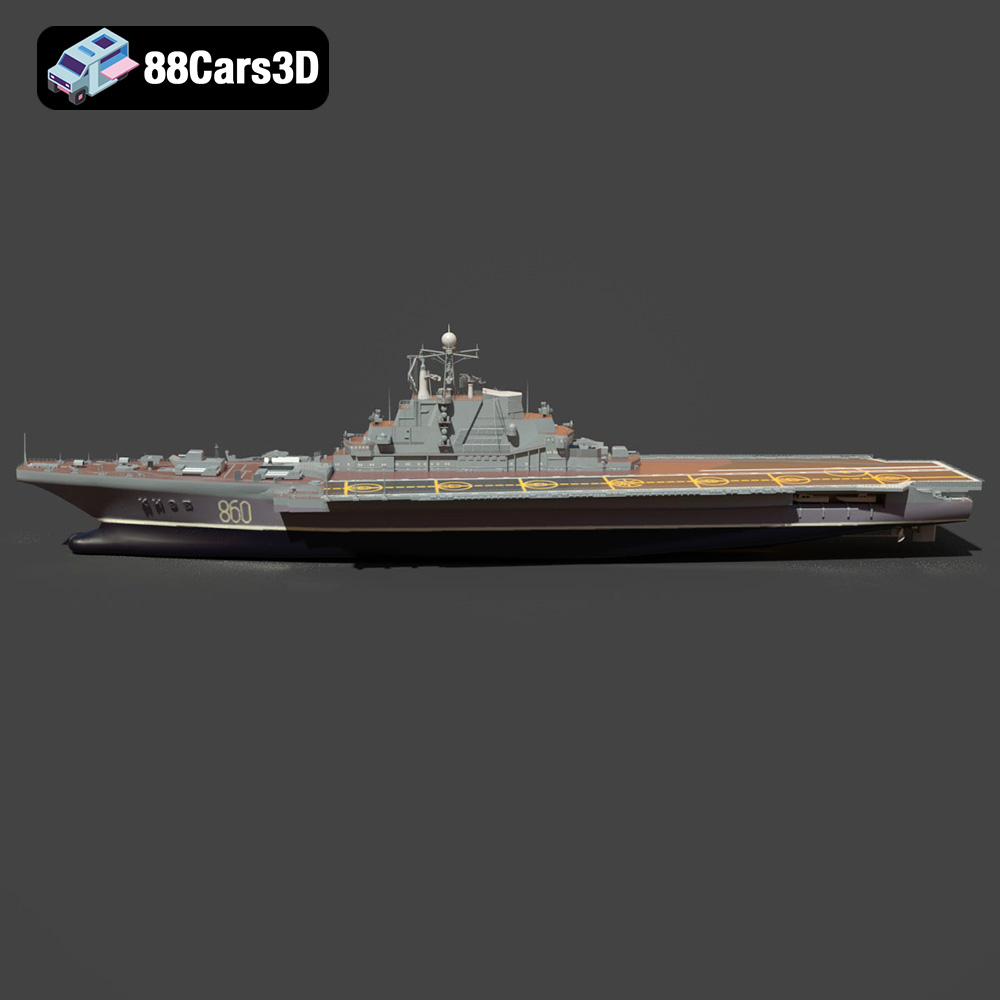
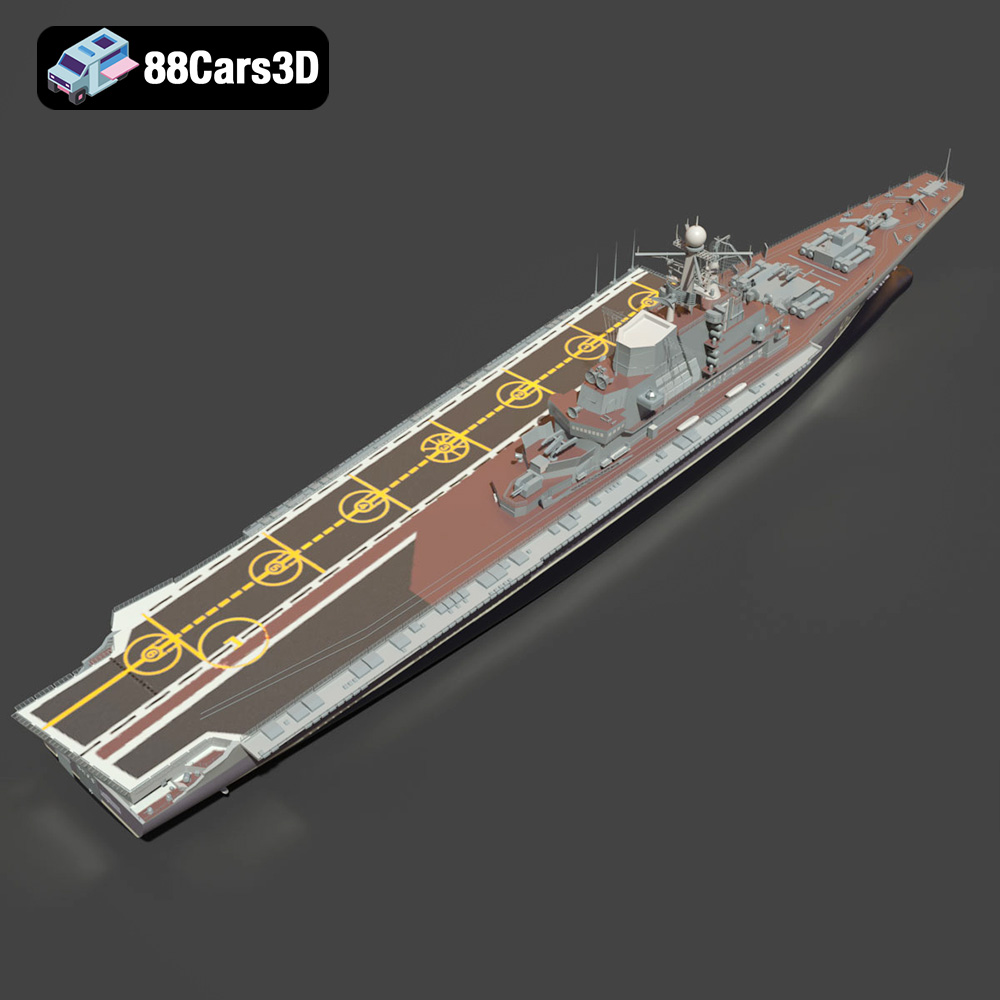
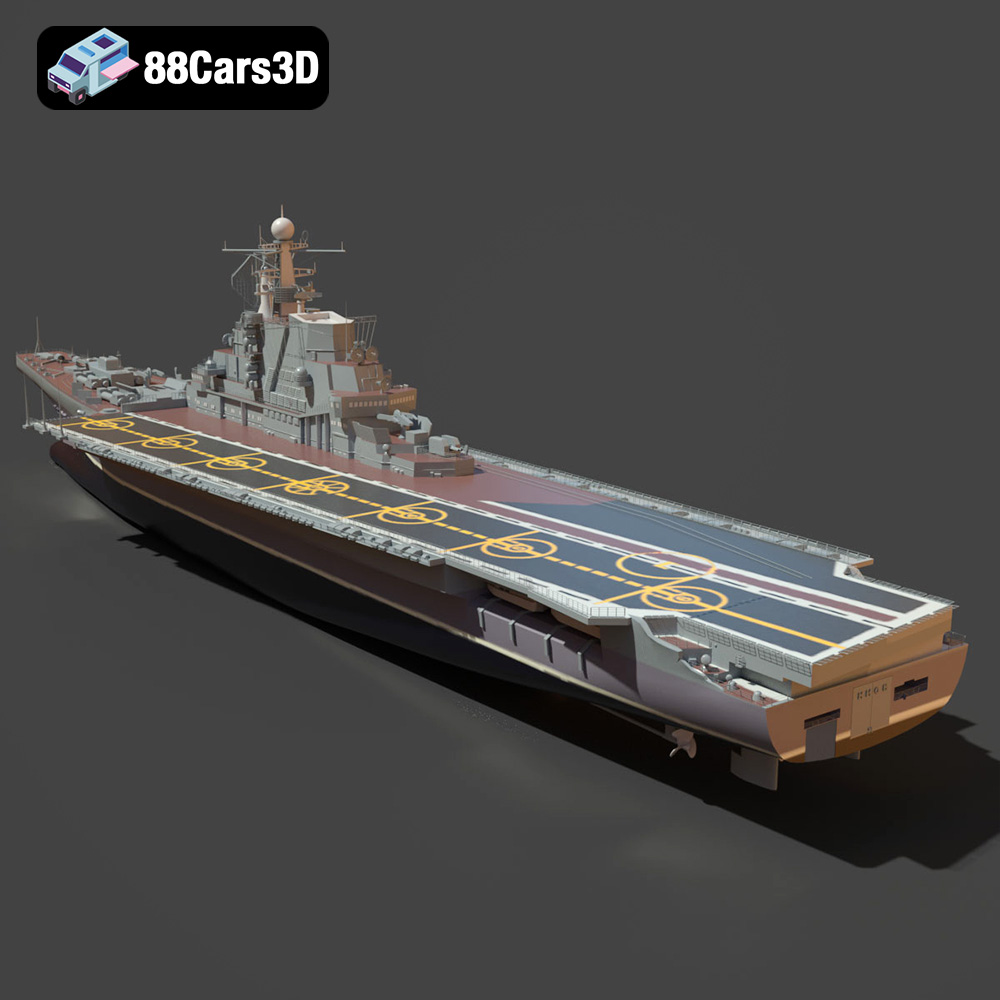
We’ll delve into the specifics of a prime example: the Carrier 006 3D Model, available on 88cars3d.com. While officially known as the Soviet aircraft carrier Kiev 3D Model within our catalog, its versatile design and detailed features are universally applicable to a wide array of vehicle-centric projects. This model encapsulates the very essence of high-quality digital craftsmanship, offering a robust and functional aesthetic that caters to everything from conceptual visualization to detailed simulations and serving as a high-quality asset in game development projects. Its clean geometry and balanced detailing ensure optimal performance, making it a valuable addition to any digital library.
Understanding 3D Model File Formats
The choice of file format is often as critical as the model itself, dictating compatibility, feature retention, and overall workflow efficiency. Understanding the nuances of each format allows artists and developers to make informed decisions, ensuring their 3D assets transition smoothly between different software, engines, and intended uses. Here’s a detailed look at the most common and essential 3D model file formats, including those provided with high-quality models like the Carrier 006 3D Model:
.blend – Fully Editable Blender Scene with Materials
The .blend format is native to Blender, the popular open-source 3D creation suite. When you purchase a model that includes a .blend file, you’re getting more than just the raw geometry; you’re receiving the full working scene. This typically includes all materials, textures, lighting setups, cameras, and even animation data if present. For artists working primarily in Blender, this format offers unparalleled flexibility, allowing for direct modification, re-shading, and easy integration into existing Blender projects without any loss of data. It’s the ideal choice for those who want full creative control and wish to leverage Blender’s powerful toolset.
.fbx – Ideal for Unreal, Unity, and Real-Time Pipelines
The .fbx (Filmbox) format, originally developed by Kaydara and now owned by Autodesk, has become an industry standard for interoperability between 3D software applications and game engines. It’s highly favored for its ability to store a comprehensive range of 3D data, including geometry, materials, textures, animation, skeletal data, and even camera and light information. For game developers using Unreal Engine or Unity, .fbx is often the go-to format for importing complex assets, as it preserves crucial data for real-time environments. Its robust nature makes it an excellent choice for transferring animated characters and detailed models like our Carrier 006 into production pipelines.
.obj – Universal Format for Cross-Software Compatibility
The .obj (Wavefront OBJ) format is one of the oldest and most widely supported 3D file formats. It’s a universal choice for simple geometry transfer between virtually any 3D software. While it excels at storing polygonal geometry (vertices, normals, texture coordinates, and faces), it’s more limited when it comes to animation, rigging, and complex material definitions. Typically, .obj files are accompanied by an .mtl (material) file for basic color and texture references. It’s an excellent fallback format for ensuring broad compatibility, especially when the destination software might not support more advanced formats.
.glb – Optimized for AR, VR, and Browser-Based Display
The .glb (GLB format, derived from glTF – Graphics Library Transmission Format) is rapidly gaining prominence as the standard for 3D web, AR (Augmented Reality), and VR (Virtual Reality) applications. It’s a compact, self-contained format that embeds all textures and materials directly within the single file, making it incredibly efficient for streaming and display on web platforms. Its optimization for real-time rendering pipelines ensures fast loading and smooth performance in interactive experiences. For developers aiming to integrate models into web viewers, AR apps, or VR environments, .glb offers an optimized and hassle-free solution.
.stl – Suitable for 3D Printing Output
The .stl (STereoLithography) format is the undisputed standard for 3D printing. It represents a 3D model as a series of connected triangles, describing only the surface geometry of the object without any color, texture, or material information. While simplistic, this triangulated mesh is precisely what 3D printers need to interpret and build a physical object layer by layer. High-quality models, such as the Carrier 006, are often designed with clean topology that converts easily to .stl, ensuring that any physical prints derived from the digital asset are accurate and structurally sound.
.ply – Precision Mesh Format for CAD or Analysis
The .ply (Polygon File Format or Stanford Triangle Format) is a versatile format for storing 3D data, including color, transparency, and sometimes even material properties. It’s often used in academic and scientific fields for storing data from 3D scanners, and is particularly useful for precision applications like CAD (Computer-Aided Design) or mesh analysis. While less common in game development or general rendering than .fbx or .obj, it offers a robust solution for specific technical workflows requiring detailed mesh information beyond basic geometry.
.unreal – Engine-Ready Asset for Real-Time Environments
The .unreal designation typically refers to assets specifically prepared and structured for direct import and use within Unreal Engine projects. This might involve optimized folder structures, pre-configured materials, collision meshes, or even blueprints for immediate functionality. While Unreal Engine primarily uses .fbx for raw mesh import, providing a .unreal file or project setup means significant time savings for developers, as many of the integration steps have already been handled. This level of preparation ensures seamless asset pipeline integration and quick deployment.
.max – Editable 3ds Max Project for Animation and Rendering
The .max format is the native file type for Autodesk 3ds Max, one of the leading software packages for 3D modeling, animation, and rendering in the architecture, engineering, and entertainment industries. Similar to a .blend file for Blender users, a .max file contains the complete scene, including geometry, lighting, cameras, materials, textures, and animation data. For professionals working in 3ds Max, this format offers full editing capabilities, making it ideal for high-end rendering projects, detailed animation sequences, and complex scene composition.
Having a comprehensive set of these file formats, as offered by 88cars3d.com with its models like the Soviet aircraft carrier Kiev 3D Model, ensures that the asset is usable by the widest possible range of professionals, regardless of their preferred software or end-use application.
The Anatomy of a Professional 3D Vehicle Model: Carrier 006’s Excellence
When evaluating a 3D vehicle model for professional use, the devil is truly in the details. The Carrier 006 3D Model, an exemplary asset from 88cars3d.com, showcases how meticulous design translates into superior usability and visual fidelity. Its construction demonstrates a deep understanding of both aesthetic realism and technical optimization, making it suitable for a vast array of projects.
Exterior Fidelity: From Body Panels to Lighting Systems
The exterior of any vehicle model is its most immediate visual calling card. The Carrier 006 excels here with its detailed body panels featuring realistic surface textures. This isn’t just about applying a texture map; it involves carefully modeled shut lines, subtle curvatures, and accurate panel gaps that mimic real-world manufacturing tolerances. Such precision is crucial for close-up renders and cinematic shots where imperfections would break immersion.
Beyond the fundamental bodywork, the model incorporates functional and accurate lighting components. This includes meticulously modeled headlights, tail lights, and indicators, not merely as static geometry but often with separate mesh components and designated material slots ready for emissive shaders or advanced lighting setups in rendering engines. Transparent materials are utilized for windows and light covers, allowing for realistic refractions and reflections that dynamically react to environmental lighting, enhancing the photorealism significantly.
Furthermore, the precisely modeled wheels and tires with intricate tread patterns are a testament to its high fidelity. Wheels are often separated into multiple components (rim, tire, brake calipers) for greater realism and animation potential, and tire treads are either fully modeled or expertly textured with normal maps, ensuring they hold up even under extreme scrutiny. This level of detail is paramount for automotive rendering and realistic driving simulations.
Crucially, components like doors, hatches, and other moving parts are separated and prepared for easy animation. This foresight in asset preparation saves countless hours in production, allowing animators to directly manipulate these elements without needing to modify the base mesh, facilitating dynamic sequences and interactive environments.
Interior & Mechanical Precision: Beyond the Surface
The value of a professional 3D vehicle model extends beyond its visible exterior. The Carrier 006 3D Model features an optimized interior layout that doesn’t compromise on detail, even for components that might not always be in frame. Dashboard controls, seating, and intricate console details are all meticulously crafted, providing a believable and immersive internal environment. This is vital for virtual reality experiences, first-person game views, or any scenario where the user might gain access to the vehicle’s cabin.
Perhaps one of the most compelling aspects of a high-quality model is its hidden depths. The Carrier 006 includes under-the-hood mechanical components, such as a detailed engine block and essential drivetrain elements. While often unseen, the presence of these elements demonstrates a commitment to realism and offers incredible flexibility for technical visualizations, cutaway renders, or even simulating repair processes. This attention to mechanical accuracy elevates the model from a simple visual prop to a comprehensive digital twin.
The overall mesh is optimized for performance while maintaining visual fidelity. This balance is key for demanding real-time applications where polygon count and draw calls need to be managed efficiently without sacrificing the stunning details that make the model truly shine. It’s a testament to skilled modeling techniques that achieve visual richness through efficient geometry and smart use of textures and normal maps.
Technical Foundation: Geometry, Optimization, and Workflow Integration
The true mark of a professional 3D model, such as the Soviet aircraft carrier Kiev 3D Model, lies not just in its visual appeal but in its technical construction. The underlying geometry and how it’s organized profoundly impact its usability, performance, and adaptability across various creative and technical pipelines. Understanding these technical advantages is key to unlocking the full potential of such an asset.
Quad Topology and Subdivision Ready
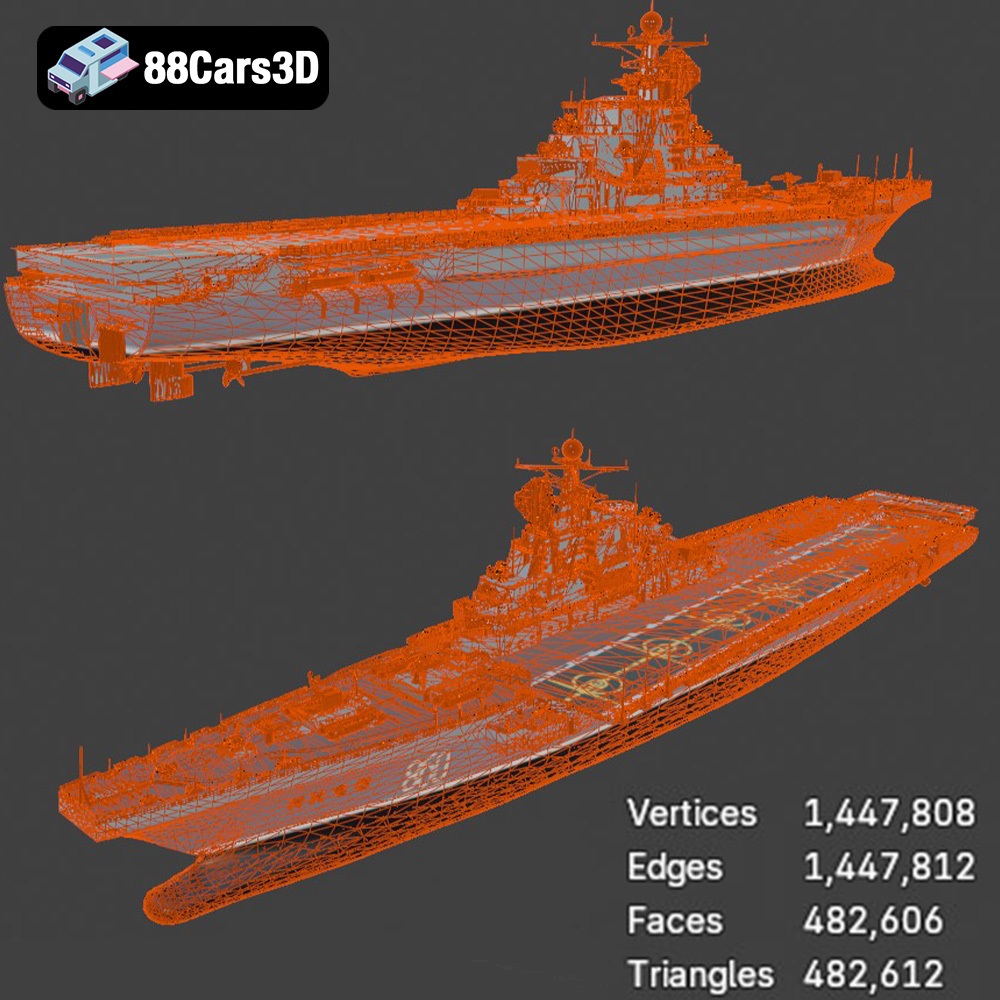
One of the most significant technical advantages of the Carrier 006 3D Model is its clean quad-dominant topology. In 3D modeling, quads (four-sided polygons) are universally preferred over triangles or n-gons for several critical reasons. Quads facilitate smooth subdivision, meaning the model can be easily refined and smoothed using subdivision surface modifiers (like TurboSmooth in 3ds Max or Subdivision Surface in Blender) without introducing unsightly pinches or artifacts. This allows artists to work with a relatively low-polygon base mesh for efficient editing, then effortlessly generate a high-resolution, smooth version for rendering or close-up shots. This flexibility is invaluable for maintaining consistent quality across different levels of detail (LODs) and ensuring predictable deformation during animation.
Real-World Scale and Scene Integration
Accuracy is paramount in professional 3D work, especially in fields like automotive design, architectural visualization, and simulation. The Carrier 006 3D Model is accurately scaled to real-world dimensions. This seemingly simple detail is crucial for seamless integration into any scene. When a model adheres to real-world scale, it naturally interacts correctly with physical lighting systems, depth-of-field effects, and environmental shaders. It eliminates the need for tedious manual scaling adjustments upon import, preventing errors in scene composition and ensuring that reflections, shadows, and volumetric effects behave realistically. This precision means the model can be dropped into an existing environment, be it a studio setup in 3ds Max or an open-world map in Unreal Engine, with minimal fuss.
Animation Readiness with Proper Pivots
For any interactive or animated project, the model’s setup for movement is as important as its static form. The Carrier 006 features a logically organized hierarchy with properly positioned pivots for seamless animation workflows. This means that components like doors, wheels, steering, and suspension elements are grouped hierarchically and have their pivot points correctly placed at their natural rotation axes. An animator can instantly grab a door and rotate it realistically without needing to manually adjust pivot points or deal with complex rigging. This thoughtful preparation is a massive time-saver for animators and developers, ensuring that the model is truly production-ready for cinematic sequences, game animations, or interactive simulations. The clean hierarchy also makes it easier to assign materials, manage LODs, and optimize the asset for real-time applications.
Lastly, the optimized mesh for efficient rendering and real-time application performance rounds out its technical prowess. This involves balancing polygon count with visual detail, efficient UV unwrapping, and smart material assignments, all contributing to quicker render times and smoother frame rates in interactive environments. These technical advantages collectively position the Carrier 006 3D Model as a superior asset, minimizing rework and maximizing creative potential for professionals.
Unleashing Potential: Applications Across Industries
The versatility of a high-quality 3D model like the Soviet aircraft carrier Kiev 3D Model lies in its ability to adapt and excel across a multitude of industry applications. Its robust design and technical advantages make it an indispensable asset for professionals aiming to achieve top-tier results in diverse fields.
Photorealistic Rendering & Visualization
At the forefront of 3D artistry is the creation of stunning visuals, and the Carrier 006 3D Model is purpose-built for rendering and visualization. Its meticulously detailed body panels, realistic surface textures, and accurate lighting components make it perfect for producing breathtaking studio renders. Imagine showcasing a new paint finish or a custom body kit with cinematic precision, capturing every subtle highlight and shadow. Automotive designers can use this model for product showcases, generating high-resolution marketing materials, or visualizing new concepts. Architectural visualization artists can integrate it into exterior scenes to add a layer of realism and context to their building renders. Whether it’s a static hero shot in V-Ray or Corona Renderer, or a dynamic animation in Arnold, the model’s quality ensures that the output is always professional and compelling.
Game Development and Real-Time Environments
The demands of game development are unique, requiring a delicate balance between visual fidelity and performance optimization. The Carrier 006 3D Model excels as a high-quality vehicle asset for racing games, open-world simulations, or military titles. Its optimized mesh ensures efficient rendering, maintaining smooth frame rates even in complex scenes. The logically organized hierarchy and properly positioned pivots are a game-changer for implementing interactive gameplay mechanics, such as drivable vehicles with realistic door and hood animations. Game developers can leverage the provided .fbx and .unreal formats for seamless integration into Unreal Engine or Unity, quickly populating their virtual worlds with a visually rich and technically sound asset. From realistic vehicle damage systems to custom liveries, this model provides an excellent foundation for engaging gameplay experiences.
Immersive AR/VR and Physical Prototyping
As augmented reality (AR) and virtual reality (VR) continue to reshape how we interact with digital content, the need for optimized 3D assets becomes critical. The Carrier 006 3D Model is perfectly suited for developing immersive augmented and virtual reality experiences. Its .glb format is specifically optimized for AR/VR and web-based applications, allowing for fast loading and smooth interactivity on a variety of devices. Imagine visualizing a new vehicle design in a virtual showroom or placing a realistic 3D model into a real-world environment via AR on a smartphone. The detail and optimization ensure a high-fidelity experience without performance bottlenecks.
Beyond digital immersion, the model also caters to the physical realm. With its clean geometry, the Carrier 006 can be easily converted to .stl for producing accurate physical models via 3D printing. This functionality is invaluable for industrial design, engineering, and hobbyists who require tangible prototypes for concept validation, fit-and-finish analysis, or display. The precision of the digital model translates directly into the accuracy of the physical print, demonstrating the model’s versatility from the digital screen to a tangible object.
Finally, for simulation and training purposes, the Carrier 006 3D Model integrates seamlessly into educational, technical, or operational simulation environments. Its accurate scale and detailed mechanical components make it ideal for training scenarios that require realistic vehicle interaction and visualization, providing a solid foundation for specialized applications across various sectors.
Customization and Creative Freedom
A truly professional 3D model doesn’t just look good out of the box; it empowers artists and designers with the flexibility to adapt it to their specific creative vision. The Carrier 006 3D Model is engineered with customization in mind, offering a wealth of options to tailor its appearance and functionality to any project requirement, whether for a realistic automotive render or a stylized game asset found on 88cars3d.com.
Material Versatility for Artistic Expression
One of the most powerful aspects of working with a high-quality 3D model is the ability to manipulate its materials. The Carrier 006 allows users to modify paint finishes and apply custom graphics or liveries with ease. This is facilitated by clean UV unwrapping and logically separated material IDs. An artist can swap out the base paint material for a metallic flake, a matte finish, or a pearlescent shader, completely transforming the vehicle’s aesthetic. Furthermore, custom decals, racing stripes, or corporate branding can be easily applied through texture overlays, giving the model a unique identity tailored to specific scenarios.
Beyond paint, the model enables detailed adjustment of material properties for metals, chrome, rubber, glass, and plastics. This means you can fine-tune reflections, refractions, glossiness, and roughness to match specific scene requirements or desired visual effects. Want ultra-shiny chrome rims or a subtle brushed aluminum trim? The model’s material setup supports these granular adjustments, ensuring that every surface reacts realistically to the scene’s lighting. Transparent materials for windows and light covers are also ready for custom tinting or weathering effects, offering endless possibilities for aesthetic variation.
Dynamic Lighting and Environmental Adaptations
Lighting is the soul of any render, and the Carrier 006 3D Model provides the flexibility to customize lighting setups to achieve various moods and atmospheric effects. Because its material properties are well-defined, the model responds predictably and beautifully to different lighting conditions. Whether you’re aiming for a dramatic studio render with crisp highlights, a soft outdoor scene with diffuse light, or a gritty urban night scene with harsh streetlights, the model’s surfaces will react appropriately, enhancing the overall realism.
Furthermore, the model’s robust construction and accurate scaling make it highly adaptable to different environmental conditions. Its detailed features will stand out equally in a pristine showroom environment, a dusty desert landscape, or a rain-soaked city street. This adaptability is critical for projects that require the same asset to perform across a range of visual scenarios, maintaining its high-quality appearance under any creative direction. The ability to quickly iterate on design and mood, coupled with the model’s inherent quality, makes it an invaluable tool for creative professionals.
Conclusion
In the competitive world of 3D content creation, the difference between good and great often comes down to the quality of your assets. The Soviet aircraft carrier Kiev 3D Model, also known as the Carrier 006 3D Model, stands as a testament to what a meticulously crafted, technically superior 3D asset can achieve. Its robust exterior and interior detailing, coupled with a foundation of clean quad-dominant topology, real-world scaling, and animation-ready setup, makes it an exceptionally versatile tool for a broad spectrum of applications.
From delivering photorealistic renders and cinematic sequences to powering immersive game environments and precise AR/VR experiences, this model is designed to excel. Its comprehensive suite of included file formats—from .blend and .max for full editing control, to .fbx and .unreal for game engine integration, .glb for web and AR/VR, and .stl for 3D printing—ensures unparalleled compatibility across professional workflows. The flexibility to customize materials, paint finishes, and lighting further empowers artists to imbue the model with unique character and adapt it to any creative vision.
Investing in a high-quality 3D model like the Carrier 006 is not just about acquiring an asset; it’s about investing in efficiency, quality, and creative freedom. It minimizes rework, accelerates production timelines, and ultimately elevates the standard of your digital projects. For professionals seeking to push the boundaries of realism and performance, this model is an indispensable addition to their digital toolkit.
Discover the immense potential of the Soviet aircraft carrier Kiev 3D Model and explore a wide array of other premium 3D car models and assets designed for professional use by visiting 88cars3d.com. Elevate your next project with assets built for excellence.
Featured 3D Model
Soviet aircraft carrier Kiev 3D Model
Presenting the Carrier 006 3D Model, a meticulously crafted digital representation designed for exceptional detail and versatility. This model embodies a robust and functional aesthetic, making it ideal for a wide range of applications from conceptual visualization to detailed simulations. Built with clean geometry and balanced detailing, it ensures optimal performance across various platforms. Perfect for rendering photorealistic scenes, integrating into animations, enhancing simulations, and serving as a high-quality asset in game development projects.Exterior Features:
- Detailed body panels with realistic surface textures
- Functional and accurate lighting components (headlights, tail lights, indicators)
- Precisely modeled wheels and tires with tread patterns
- Separated components for easy animation of doors, hatches, and moving parts
- Transparent materials for windows and light covers, allowing for realistic refractions and reflections
Interior / Mechanical Features:
- Optimized interior layout featuring dashboard controls, seating, and intricate console details
- Under-the-hood mechanical components, including a detailed engine block and essential drivetrain elements
- High-quality mesh optimized for performance while maintaining visual fidelity
Technical Advantages:
- Clean quad-dominant topology for easy subdivision and deformation
- Accurately scaled to real-world dimensions for precise integration into projects
- Logically organized hierarchy with properly positioned pivots for seamless animation workflows
- Optimized mesh for efficient rendering and real-time application performance
Applications:
- Rendering & Visualization: Create stunning studio renders, cinematic sequences, and product showcases.
- Game Development: Utilize as a high-quality vehicle asset for racing games, open-world simulations, or military titles.
- AR/VR: Develop immersive augmented and virtual reality experiences with a detailed and optimized model.
- Simulation & Training: Integrate into educational, technical, or operational simulation environments.
- 3D Printing: Easily convert to .stl for producing accurate physical models.
Customization Options:
- Modify paint finishes and apply custom graphics or liveries
- Adjust material properties for metals, chrome, rubber, glass, and plastics to match specific scene requirements
- Customize lighting setups to achieve various moods and atmospheric effects
Invest in the Carrier 006 3D Model for a versatile, high-quality asset that delivers professional results across diverse creative and technical applications. Its meticulous design and technical advantages ensure it will be a valuable addition to your digital library.
$10.79
Product Image Gallery