Driving Digital Excellence: Why High-Fidelity 3D Car Models Are Indispensable
In today’s visually driven world, the demand for realistic and versatile 3D assets has never been higher. From blockbuster video games and immersive virtual reality experiences to compelling architectural visualizations and cutting-edge automotive advertising, the quality of 3D models forms the bedrock of believability. Professionals across various industries consistently seek assets that not only look authentic but are also technically robust and adaptable to diverse workflows. This pursuit of digital perfection often leads to specialized marketplaces offering meticulously crafted models.
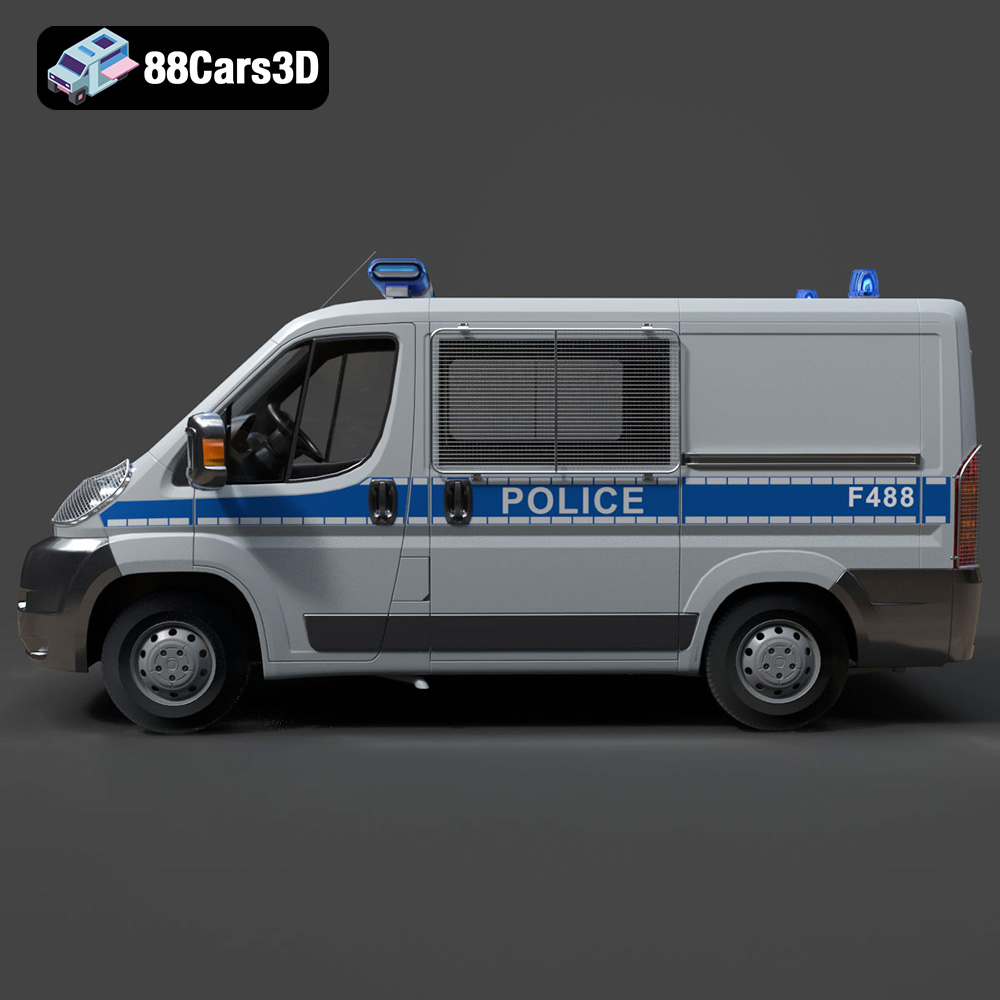
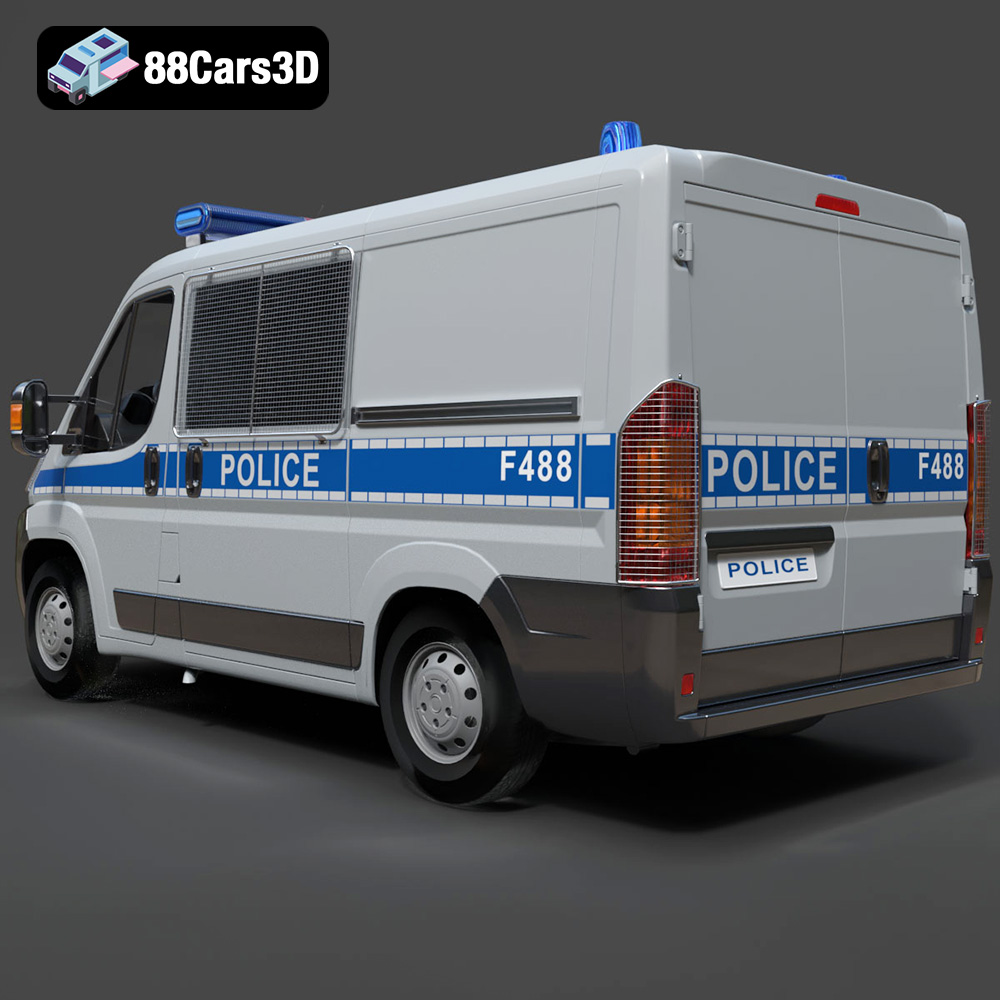
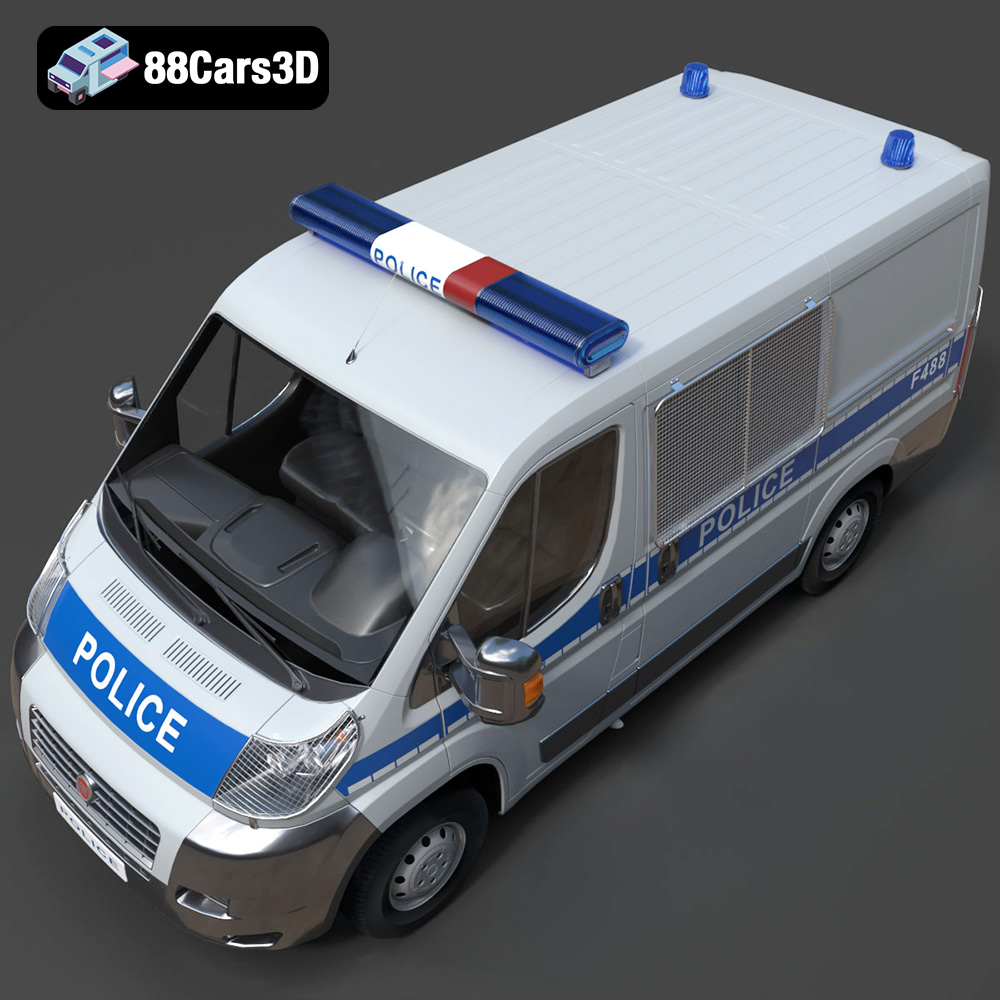
Commercial vehicles, in particular, play a crucial role in many simulations and visualizations, providing essential context and realism to urban scenes, logistics planning, and industrial environments. A prime example of such an indispensable asset is the Fiat Ducato SWB-001 3D Model. This meticulously crafted digital representation of the popular commercial van offers a level of detail and versatility that elevates any project. Its clean geometry, optimized performance, and comprehensive material setup make it a go-to choice for professionals aiming for the highest standards in their creative and technical endeavors.
The Foundation of Digital Realism: Why High-Quality 3D Car Models Matter
The distinction between a mediocre project and an outstanding one often lies in the quality of its foundational assets. For industries relying on automotive visualization, this means utilizing 3D car models that stand up to scrutiny, whether in a high-resolution render or a real-time interactive experience. High-quality 3D car models are more than just pretty pictures; they are complex technical constructions designed for performance, adaptability, and visual fidelity.
Precision in Architectural Visualization
Architectural visualization (ArchViz) thrives on realism. Integrating lifelike vehicles into rendered scenes of buildings, urban planning, or interior spaces brings them to life, offering scale, context, and a sense of habitation. A poorly modeled or textured vehicle can instantly detract from an otherwise stunning architectural render. Professional ArchViz artists require 3D car models with accurate dimensions, realistic materials, and clean topology to ensure they seamlessly blend into the scene, interact correctly with lighting, and render without artifacts. The Fiat Ducato SWB-001, with its detailed exterior and fully structured interior, provides the necessary realism to ground any architectural project in authenticity, showcasing its presence within a proposed urban landscape or a busy commercial hub.
Elevating Real-Time Simulations and Gaming
In the realms of game development, virtual reality (VR), augmented reality (AR), and advanced driving simulators, the demands on 3D car models are even more stringent. Here, performance is paramount alongside visual quality. Models must be optimized for real-time rendering, meaning efficient polygon counts, well-managed textures, and robust LOD (Level of Detail) setups. A high-quality game asset minimizes draw calls, reduces memory footprint, and ensures smooth frame rates without compromising visual fidelity. Assets like those found on 88cars3d.com, including the Fiat Ducato SWB-001, are engineered with these considerations in mind, making them ideal for integration into demanding real-time environments where every millisecond counts.
The Imperative of Optimized Geometry and Texturing
Underpinning the visual appeal of any 3D model is its underlying technical structure. Optimized geometry means clean, quad-based topology that allows for smooth deformations and efficient subdivision when necessary, while also keeping polygon counts manageable for performance. Similarly, physically based rendering (PBR) materials, complete with albedo, roughness, metallic, normal, and ambient occlusion maps, are crucial for achieving photorealistic surfaces that react accurately to various lighting conditions. Meticulous UV mapping ensures that textures are applied without stretching or distortion and that lightmaps can be generated effectively for static lighting solutions in game engines. The Fiat Ducato SWB-001 3D model exemplifies this commitment to technical excellence, ensuring it’s not just visually stunning but also performant and easy to integrate.
Understanding 3D Model File Formats
Navigating the world of 3D modeling often means grappling with a multitude of file formats, each with its own strengths, weaknesses, and intended applications. Choosing the correct format is critical for ensuring compatibility, preserving data, and optimizing workflow efficiency. When acquiring a professional 3D car model, such as the Fiat Ducato SWB-001 from 88cars3d.com, understanding the included file types is paramount for leveraging the asset to its full potential across various software and platforms.
.blend: The Blender Ecosystem Advantage
The .blend file format is native to Blender, the popular open-source 3D creation suite. A .blend file typically encapsulates an entire Blender scene, including the 3D model geometry, materials, textures, lighting setups, cameras, animations, and even scripts. This makes it an incredibly powerful format for artists working primarily within Blender, offering full editability and access to all scene components. For the Fiat Ducato SWB-001, the .blend file provides a fully editable Blender scene with pre-configured materials and lighting, allowing users to dive straight into rendering or further customization without complex setup. It’s ideal for those who wish to modify the model, re-rig it, or integrate it into an existing Blender project seamlessly.
.fbx: The Industry Standard for Interoperability
.fbx (Filmbox) is a proprietary file format developed by Autodesk, widely recognized as one of the most versatile and compatible formats for exchanging 3D data between different software applications. Its strength lies in its ability to store not just geometry, but also skeletal animation, blend shapes, cameras, lights, and PBR material data. This makes .fbx the go-to format for transferring animated or complex models between different 3D packages like 3ds Max, Maya, Blender, and directly into game engines like Unreal Engine and Unity. For the Fiat Ducato SWB-001, the .fbx variant is game-engine ready, optimized for real-time pipelines due to its efficient data packaging and robust support for crucial game development features like hierarchies and transforms. It’s the recommended format for immediate integration into interactive experiences.
.obj: Universal Compatibility and Simplicity
The .obj (Wavefront OBJ) format is one of the oldest and most universally supported 3D file formats. It is a simple, text-based format primarily used to store 3D geometry (vertices, normals, texture coordinates, and faces) and can reference external material files (.mtl). While .obj doesn’t support animation or rigging, its widespread compatibility makes it an excellent choice for static meshes and for ensuring cross-software interoperability. Nearly every 3D application can import and export .obj files, making it a reliable fallback format for the Fiat Ducato SWB-001 when maximum compatibility is needed, especially if the target software has limited support for newer formats.
.glb: Streamlined for AR/VR and Web
.glb (GL Transmission Format Binary) is the binary version of glTF, an open-standard 3D file format developed by the Khronos Group. Often referred to as the “JPEG of 3D,” .glb is highly optimized for efficient transmission and loading of 3D scenes and models in web browsers, augmented reality (AR), and virtual reality (VR) applications. It packs all necessary data (geometry, materials, textures, animations) into a single file, making it incredibly convenient for web-based viewers and AR/VR platforms. The Fiat Ducato SWB-001’s .glb version is specifically optimized for these use cases, offering a lightweight yet visually rich representation ideal for interactive product showcases or real-time AR experiences on mobile devices.
.stl & .ply: Bridging Digital to Physical and Data Precision
.stl (Stereolithography) is another widely adopted format, primarily used for 3D printing and rapid prototyping. It represents a 3D model as a series of connected triangles, defining only the surface geometry without color, texture, or material information. The Fiat Ducato SWB-001’s .stl file provides a watertight mesh suitable for direct export to 3D printers, allowing for physical prototyping or miniature creation. .ply (Polygon File Format or Stanford Triangle Format) is a precision mesh format capable of storing a wider range of properties, including color, transparency, and even camera data, along with geometry. It’s often used in scientific and engineering applications for storing 3D scanner data or for detailed analysis due to its flexibility in handling vertex and face properties. For advanced CAD or analytical workflows, the .ply version of the Fiat Ducato SWB-001 offers robust data representation.
.unreal & .max: Engine-Specific and Power User Workflows
The .unreal format refers to assets pre-configured and packaged specifically for direct import into Unreal Engine projects. This often means assets are already set up with appropriate materials, collision meshes, LODs, and potentially blueprints, significantly streamlining the integration process for game developers. The Fiat Ducato SWB-001’s .unreal file provides an engine-ready asset, saving valuable development time. Finally, .max is the native file format for Autodesk 3ds Max, a powerhouse for high-end rendering, animation, and modeling. Similar to .blend, a .max file contains the complete scene, offering full editability within 3ds Max, including complex modifiers, lighting rigs, and V-Ray or Corona renderer setups. For professional studios heavily invested in 3ds Max for architectural visualization or high-fidelity animation, the .max version of the Fiat Ducato SWB-001 ensures complete flexibility and access to all proprietary features.
Crafting Immersive Experiences: The Fiat Ducato SWB-001 in Professional Workflows
The true value of a professional 3D asset lies in its adaptability and performance across diverse professional applications. The Fiat Ducato SWB-001 3D model is designed to be a versatile workhorse, seamlessly integrating into demanding workflows from high-end rendering to real-time interactive experiences.
Architectural Visualization with the Ducato
For architectural visualization artists, contextual elements like vehicles are paramount for realism. Imagine a newly designed logistics hub, an urban streetscape, or a commercial building entrance. Populating these scenes with a lifelike commercial vehicle like the Fiat Ducato instantly adds depth and narrative. Using the .max or .blend file, artists can easily import the Ducato into their 3ds Max or Blender scenes. The model’s optimized geometry and PBR materials ensure it interacts realistically with V-Ray, Corona Renderer, or Cycles’ advanced lighting systems. Shadows fall correctly, reflections appear natural, and the vehicle’s presence contributes significantly to the overall believability of the architectural design presentation. The structured interior also allows for close-up shots or even interior views of the vehicle if the project requires that level of detail, providing an unparalleled sense of realism.
Dynamic Game Environments and Driving Simulators
Game developers and simulation engineers demand assets that are both visually rich and highly performant. The Fiat Ducato SWB-001, provided in .fbx and .unreal formats, is tailored for these environments. In Unreal Engine or Unity, the model can be easily imported with its pre-configured materials and textures. Developers can then assign appropriate collision meshes for realistic physics interactions, set up LODs to manage performance across different viewing distances, and integrate it into traffic systems or as a player-drivable vehicle. For advanced driving simulators, the accurate dimensions and detailed chassis elements (even if not fully exposed in a final render) provide a robust foundation for realistic vehicle dynamics and handling, enhancing the training experience for drivers or logistics personnel.
Interactive AR/VR and Product Showcases
Augmented Reality (AR) and Virtual Reality (VR) applications require extremely lightweight yet visually compelling models to maintain smooth frame rates and avoid motion sickness. The .glb format of the Fiat Ducato SWB-001 is specifically optimized for this. Imagine using an AR app to visualize how a new fleet of Ducatos would look in your company’s parking lot, or a VR experience allowing potential customers to explore the van’s spacious interior and cargo capabilities interactively. The optimized mesh and embedded textures in the .glb file ensure rapid loading and fluid interaction on mobile devices or VR headsets, making it an invaluable asset for interactive product showcases, digital showrooms, and engaging marketing campaigns.
Technical Deep Dive: Geometry, Materials, and UV Mapping for Performance
Beyond its aesthetic appeal, a high-quality 3D model like the Fiat Ducato SWB-001 embodies sound technical principles that ensure its versatility and longevity across various production pipelines. Understanding these underlying technical details is key to appreciating its professional value.
Optimized Geometry and Polygon Flow
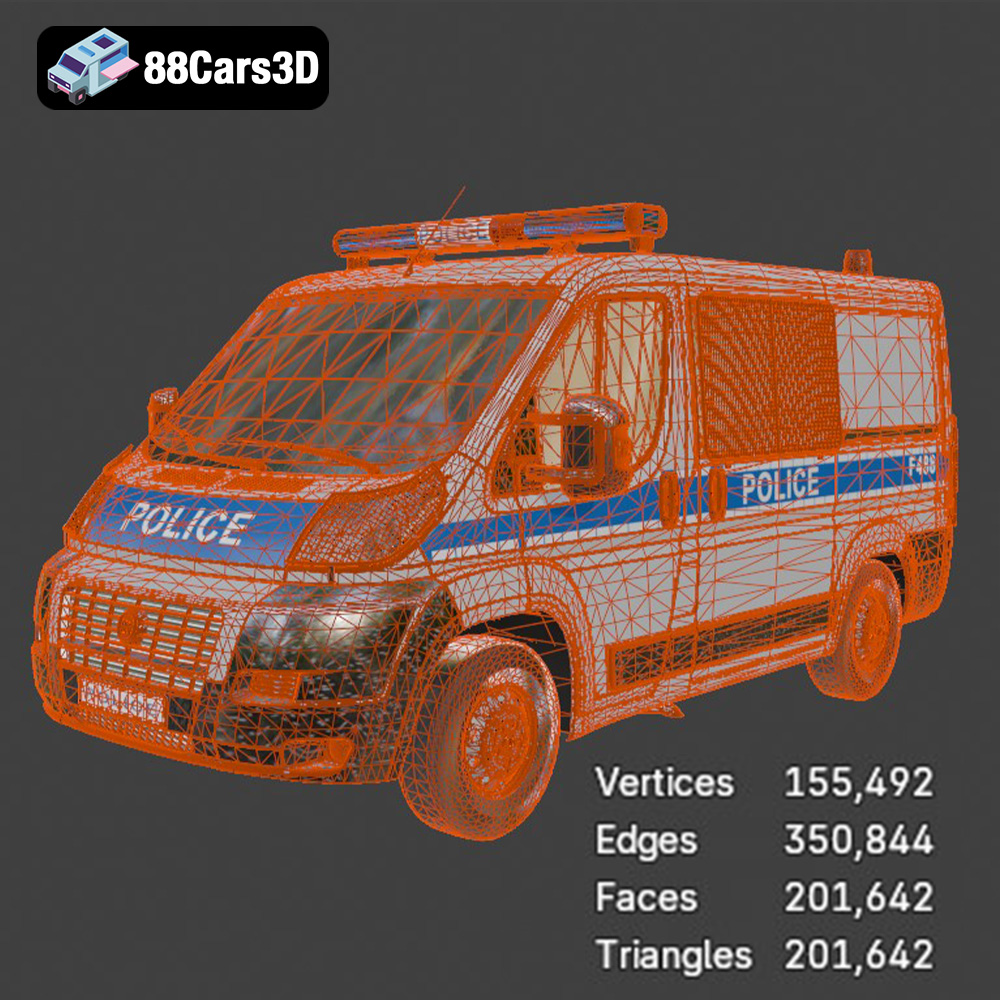
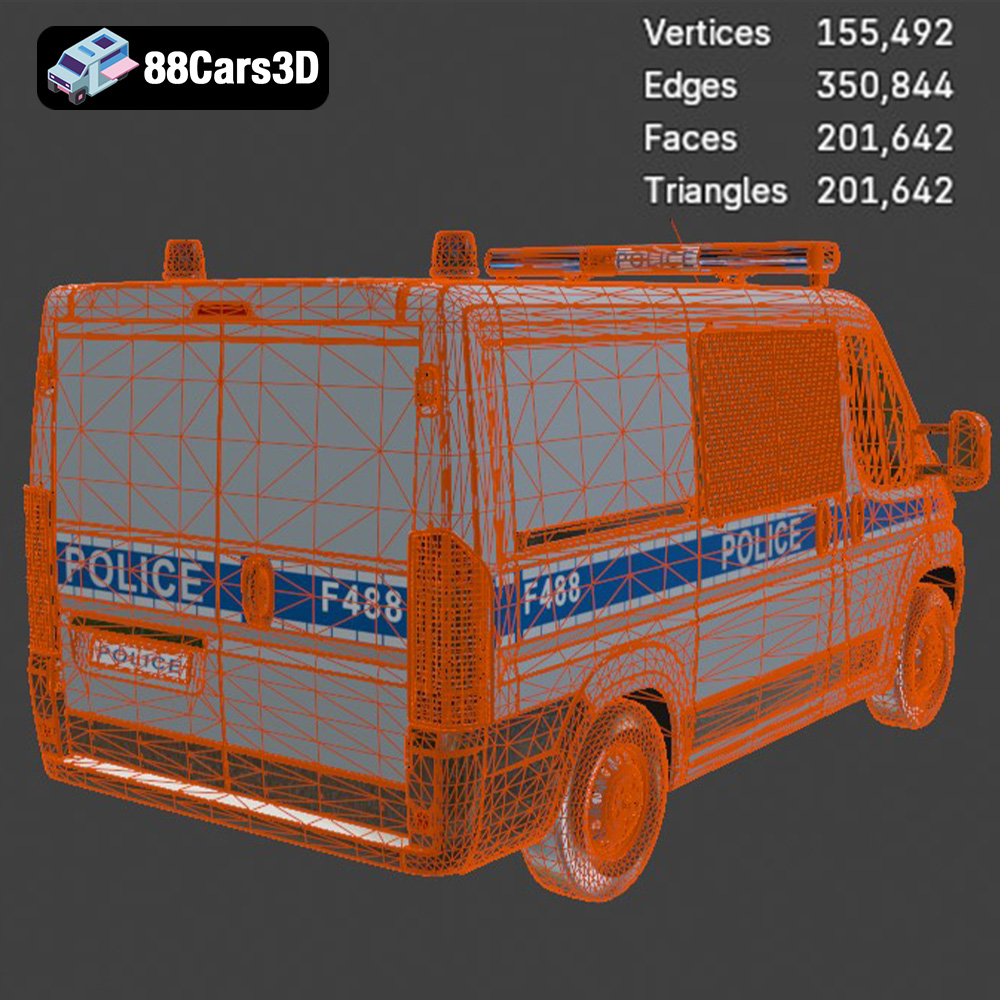
The foundation of any good 3D model is its geometry. The Fiat Ducato SWB-001 features clean, organized geometry, primarily built using quads (four-sided polygons). This is crucial for several reasons: it allows for predictable subdivision if higher detail is needed (e.g., for extreme close-up renders), it facilitates clean edge loops for animation or deformation, and it minimizes rendering artifacts. The polygon count is optimized, striking a balance between high visual fidelity for detailed renders and efficiency for real-time applications. For game assets, this means strategically reducing polygons in areas that won’t be seen up close, while maintaining detail where it matters most, ensuring the model performs smoothly without unnecessary overhead.
Physically Based Rendering (PBR) Materials
Modern rendering engines and game engines rely heavily on Physically Based Rendering (PBR) workflows to achieve photorealistic materials. The Fiat Ducato SWB-001 model includes physically accurate PBR materials, typically comprising texture maps such as Albedo (base color), Roughness (surface smoothness), Metallic (how metallic the surface is), Normal (surface detail via bumps and dents), and Ambient Occlusion (simulating indirect shading). These maps allow the surfaces of the van to react authentically to light, whether it’s the subtle sheen of the paintwork, the texture of the plastic trim, or the reflections on the glass. This ensures that the model looks consistent and realistic under any lighting scenario, enhancing its integration into diverse scenes without extensive material re-setup.
Meticulous UV Unwrapping and Texture Application
UV mapping is the process of flattening the 3D surface of a model into 2D space so that 2D texture images can be applied accurately. Meticulous UV unwrapping, as featured in the Fiat Ducato SWB-001 model, means that the UV islands are clean, non-overlapping, and efficiently packed, maximizing texture resolution and minimizing distortion. This is vital for texture artists to paint or apply textures seamlessly. Furthermore, for game engines, a separate set of lightmap UVs (often channel 1 or 2) is critical. These UVs are typically uniform in density and non-overlapping, designed specifically for baking static lighting information onto the model, preventing unsightly shadow artifacts and ensuring consistent lighting across the scene.
Unleashing Creativity: Beyond Standard Applications
While commonly associated with ArchViz and game development, the professional-grade Fiat Ducato SWB-001 3D model opens doors to an even wider spectrum of creative and commercial applications. Its inherent flexibility and realism make it a powerful tool for various industries.
Advertising and Marketing Campaigns
In the highly competitive world of automotive advertising, visual impact is everything. High-resolution 3D models like the Ducato allow marketing agencies to create stunning visuals without the logistical complexities and costs associated with physical photoshoots or video productions. From dynamic animated commercials showcasing the van’s features to impactful print advertisements and interactive online configurators, the 3D model provides limitless creative freedom. Different colors, accessories, and environments can be rendered instantly, making campaigns more agile and cost-effective. The model’s detailed interior means even internal features can be highlighted in promotional materials, offering a comprehensive view of the product.
Training and Simulation Modules
Beyond driving simulators, commercial vehicle models are invaluable for training. Industries like logistics, delivery, and emergency services can use the Fiat Ducato SWB-001 in VR or desktop simulations for various purposes: training new drivers on vehicle dimensions and handling, practicing cargo loading and unloading procedures, or even simulating emergency response scenarios involving commercial vehicles. The realistic representation enhances immersion, making training more effective and safer than real-world practice for initial stages. This kind of asset facilitates detailed scenario planning and operational efficiency improvements.
Digital Prototyping and Customization
For designers and engineers, the Fiat Ducato SWB-001 can serve as an excellent base for digital prototyping and customization. Manufacturers of vehicle accessories, upfitting companies, or even interior designers can use the model to digitally fit custom components, explore new layouts, or test design ideas before committing to physical production. This accelerates the design cycle, reduces material waste, and allows for quick visualization of various configurations, leading to more innovative and market-ready solutions. Its well-structured geometry in formats like .max or .blend is perfect for modification and iteration.
Conclusion
In the expansive and ever-evolving landscape of 3D content creation, the need for technically sound and visually compelling assets is undeniable. Whether you’re an architectural renderer aiming for photorealism, a game developer crafting immersive worlds, or a marketing professional seeking dynamic visual solutions, the quality of your 3D models directly impacts the success and impact of your projects. The Fiat Ducato SWB-001 3D Model stands as a testament to this principle, offering a meticulously crafted asset that combines aesthetic realism with robust technical execution.
With its optimized geometry, PBR materials, comprehensive UV mapping, and availability across a wide array of professional file formats—including .blend, .fbx, .obj, .glb, .stl, .ply, .unreal, and .max—this model is a versatile tool ready for any challenge. It empowers professionals to create stunning architectural visualizations, build engaging game environments, develop interactive AR/VR experiences, and much more. Investing in high-quality 3D car models like the Fiat Ducato SWB-001 from 88cars3d.com isn’t just about acquiring a digital asset; it’s about acquiring a reliable foundation for digital excellence, streamlining workflows, and unleashing unparalleled creative potential.
Featured 3D Model
Fiat Ducato SWB-001 3D Model
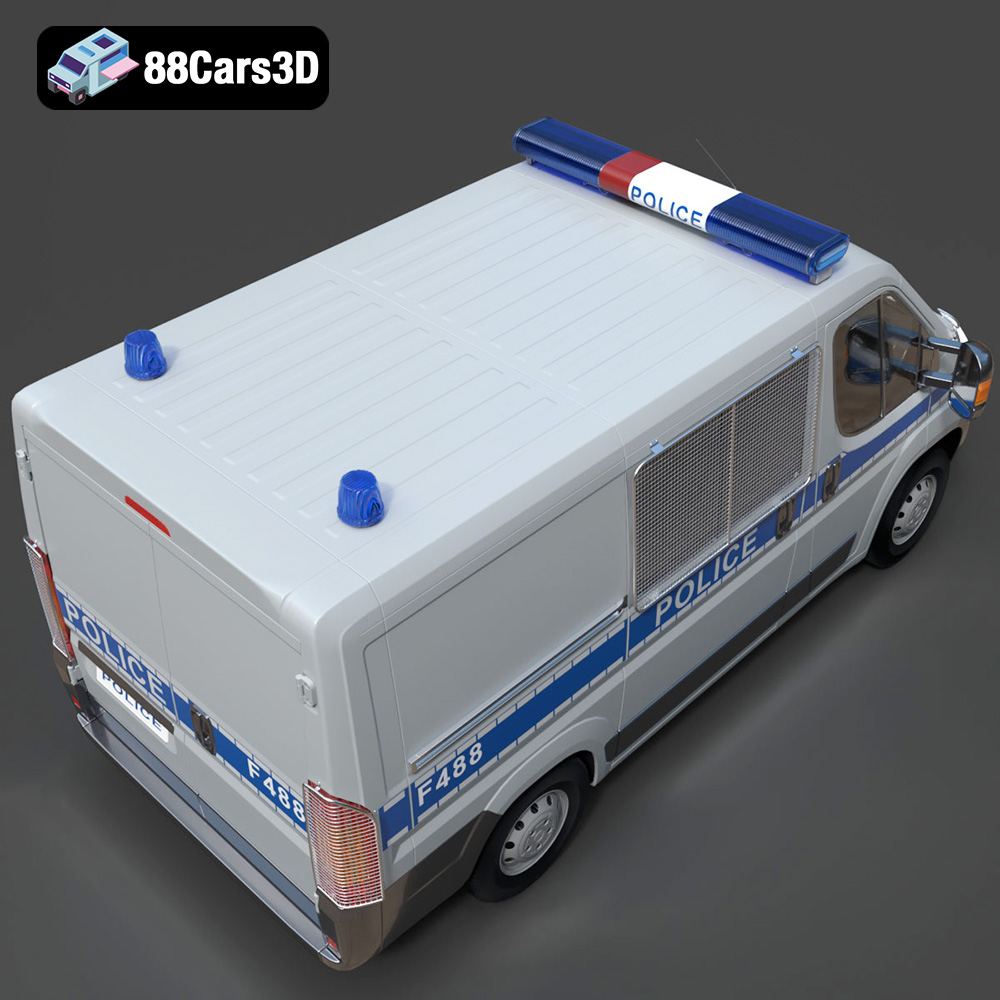
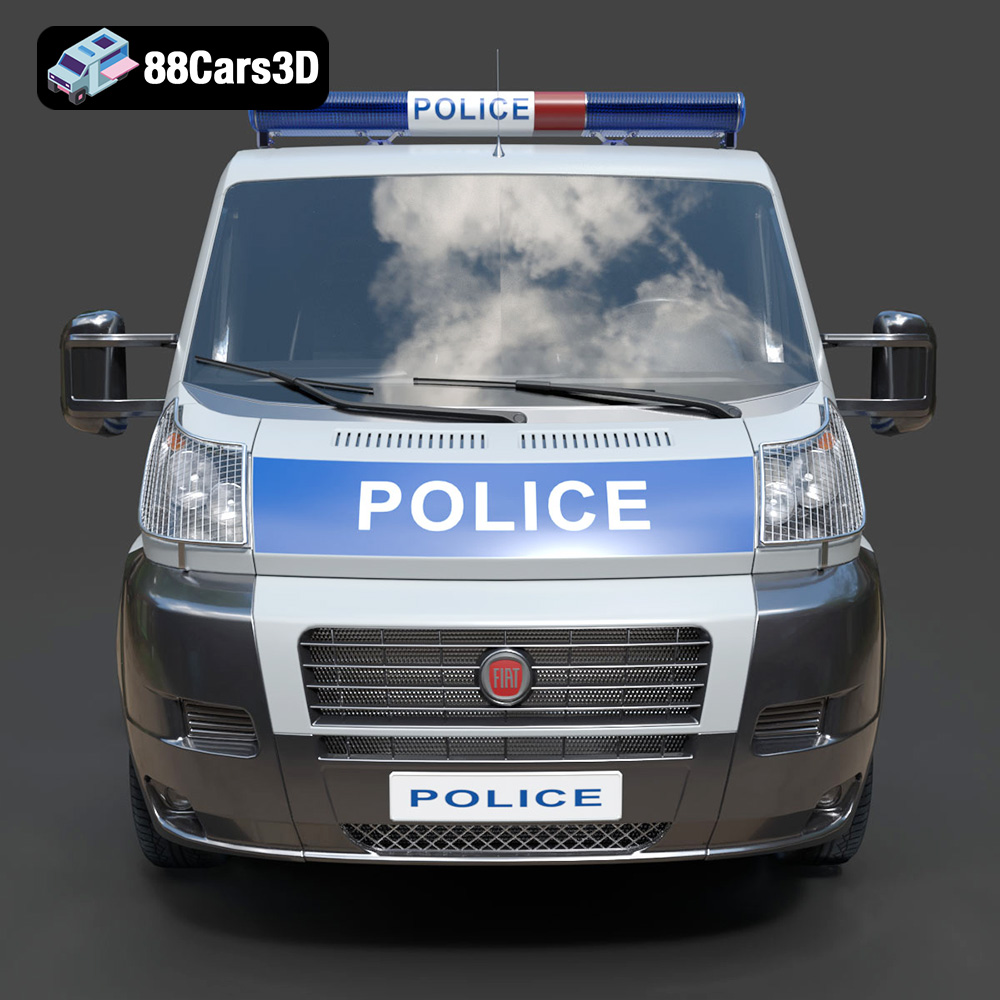
The Fiat Ducato SWB-001 3D model is a meticulously crafted digital asset representing the popular commercial van. Designed for accuracy and realism, this model features detailed exterior bodywork, chassis elements, and a fully structured interior suitable for close-up renders and detailed visualizations.
This professional 3D vehicle asset is built with clean, organized geometry and optimized polygon counts, ensuring smooth performance across various 3D applications and game engines. The model includes physically accurate materials and UV mapping to ensure textures render correctly under diverse lighting conditions, making it an ideal choice for architectural visualization and high-fidelity simulations.
Utilize the Fiat Ducato SWB-001 model across multiple professional domains, including architectural visualization, advanced driving simulators, interactive AR/VR experiences, advertising campaigns, and integration into large-scale game environments requiring realistic commercial vehicles.
$19.99
Product Image Gallery