The pursuit of photorealism in digital visualization demands not only powerful software and hardware but, most critically, impeccably crafted assets. Whether you are developing the next major open-world title, producing high-end marketing visualizations, or creating technical training simulations, the quality of your source geometry determines the limit of your final output.
For professionals specializing in vehicle visualization—be it high-speed automotive rendering or creating efficient game assets—the challenge lies in finding models that balance extreme fidelity with optimized performance. A truly professional asset must adhere to strict technical standards: clean topology, accurate UV mapping, real-world scaling, and robust support across various industry-standard pipelines.
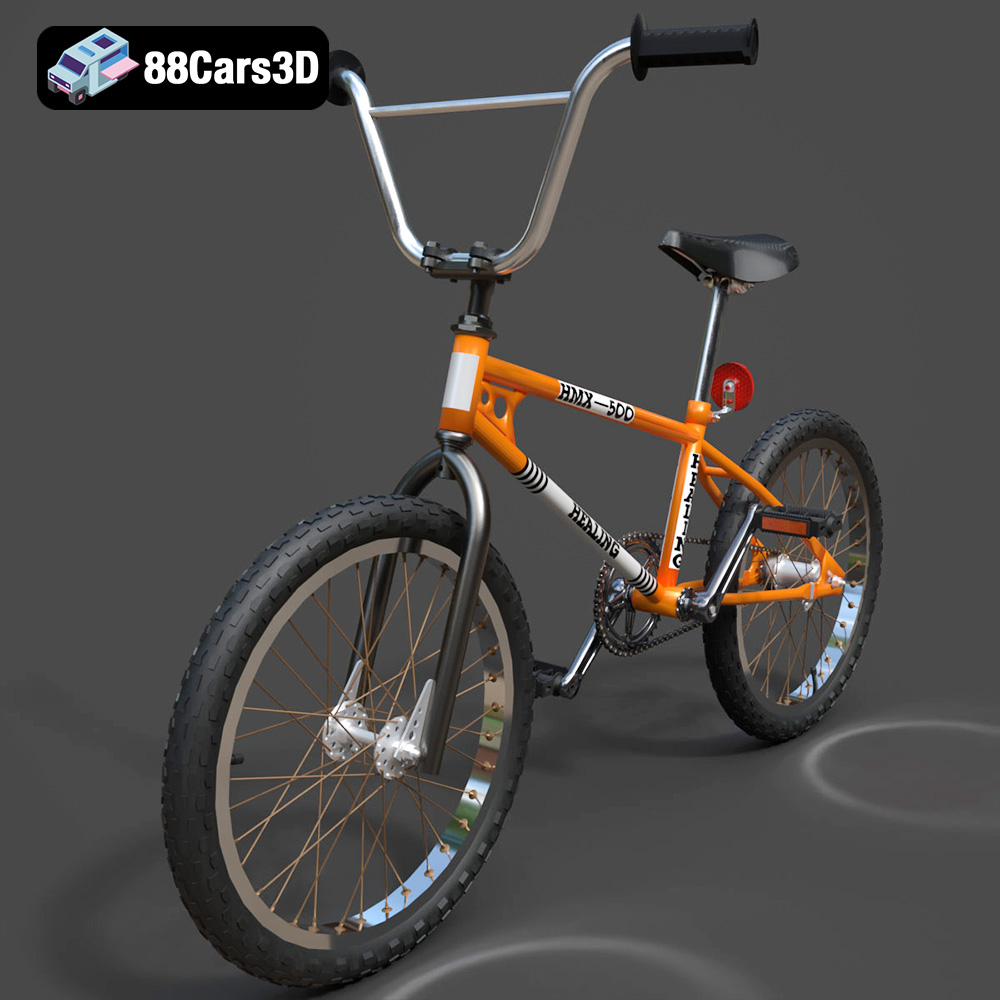
We delve deep into what defines a production-ready vehicle asset, focusing on the technical advantages offered by the Bike-001 3D Model. This detailed examination showcases how a meticulously engineered asset can significantly accelerate and improve various professional 3D workflows, from cinematic sequences in 3ds Max to real-time integration in Unreal Engine. The Bike-001, available on 88cars3d.com, exemplifies the intersection of artistic detail and technical discipline necessary for modern visualization projects.
The Technical Blueprint: Geometry and Scalability
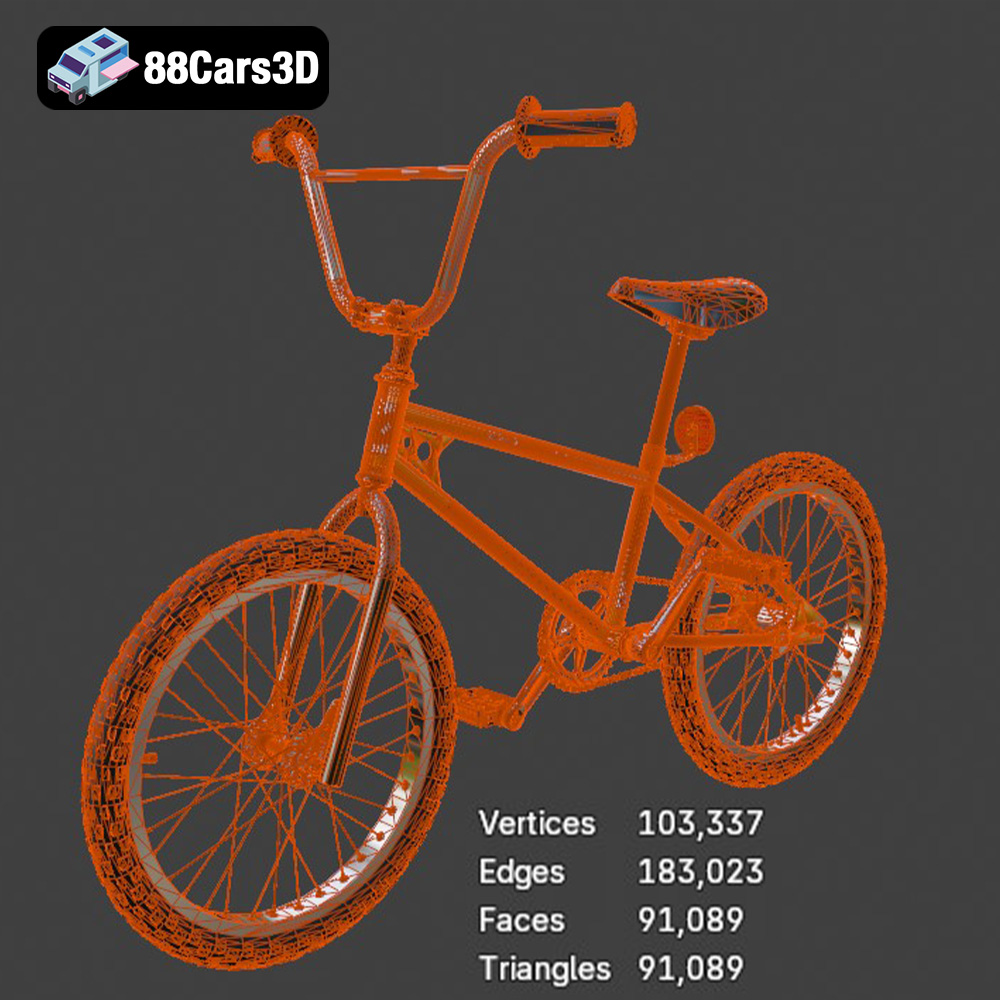
The foundation of any high-quality 3D asset is its underlying geometry. A poorly modeled asset, burdened by excessive triangles or messy topology, will lead to rendering artifacts, complex texture baking, and difficult subdivision surfacing. The Bike-001 3D Model is built specifically to counter these issues, adhering strictly to production-grade modeling standards.
Quad-Dominant Topology for Production
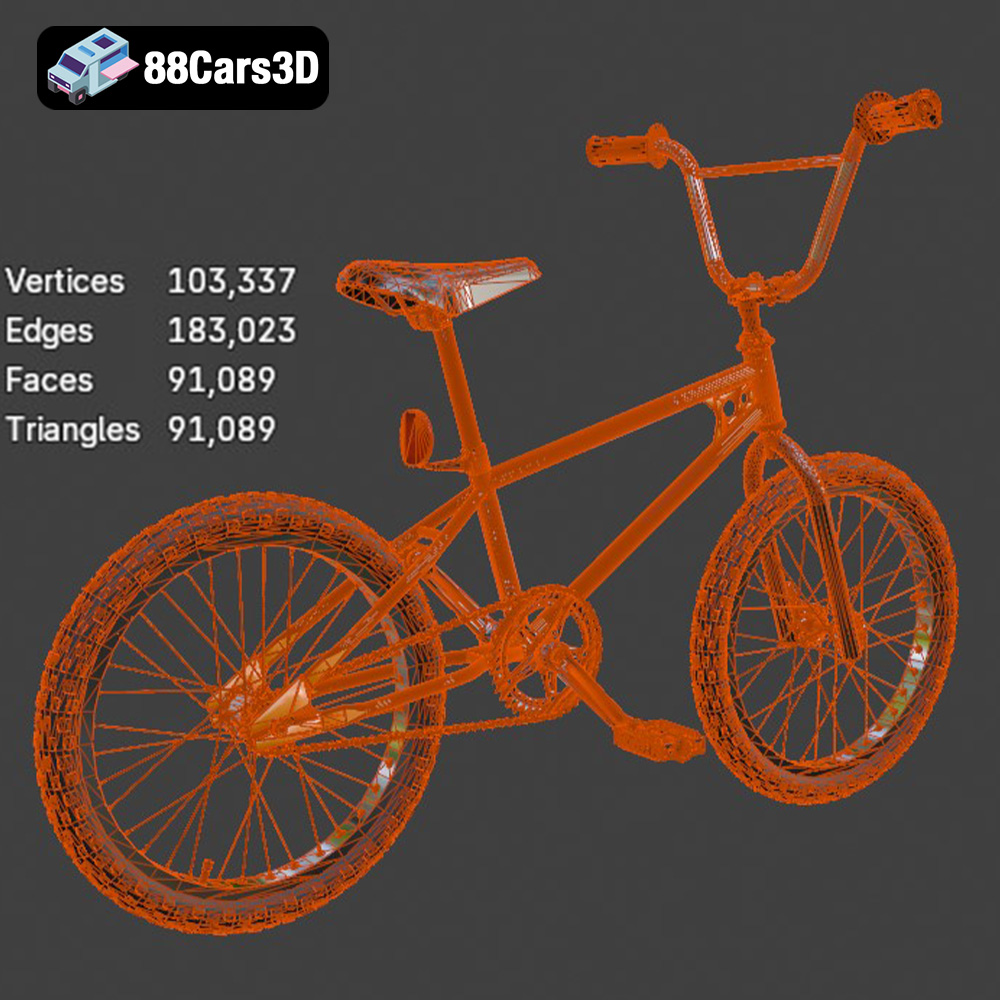
The Bike-001 utilizes a clean, quad-dominant topology. This is non-negotiable for professional workflows, particularly when high-resolution rendering or dynamic animation is involved. Quads ensure that when subdivision surface modifiers (like TurboSmooth in 3ds Max or Subdivision Surface in Blender) are applied, the geometry deforms smoothly and maintains curvature without pinching or creasing. This allows artists to work with a relatively light base mesh and activate high-detail smoothing only at render time, preserving performance during the scene setup phase.
Furthermore, clean topology is crucial for deformation. When the motorcycle is animated—perhaps hitting a bump or leaning into a corner—the suspension components and flexible parts must articulate realistically. The organized mesh structure of the Bike-001 ensures predictable and controllable deformation, minimizing the time spent on complex corrective morph targets.
Precision Scaling and Component Hierarchy
Integration into existing visualization projects, especially in architectural visualization or technical simulations, requires perfect real-world scale accuracy. The Bike-001 is modeled to precise physical dimensions. This seamless integration eliminates the headache of scale adjustment and potential collision issues in physics engines.
The internal hierarchy is equally vital. The model features separated components—including detailed wheels, suspension linkages, engine block, and the steering assembly. Each component is logically grouped, named, and, most importantly, has correctly positioned pivot points. For animation and rigging, the correct pivot points on the wheels, handlebars, and suspension linkage are essential for setting up constraints and inverse kinematics (IK) solvers quickly and accurately.
Clean UV Mapping for Texture Fidelity
High-quality 3D car models rely heavily on clean UV mapping to deliver photorealistic textures. The Bike-001 features clean UV mapping, which guarantees several technical advantages:
- Minimizing Seams: Proper UV layout reduces visible texture seams, especially on large, reflective surfaces like the fuel tank or fenders.
- Optimized Texel Density: Ensures consistent resolution across the entire model, preventing blurriness on critical areas like the instrument cluster or tire treads.
- PBR Workflow Support: Clean UVs are mandatory for baking high-resolution texture maps (Normal, Roughness, Metallic, Ambient Occlusion) required by modern Physically Based Rendering (PBR) pipelines used in both rendering and game engine environments.
Understanding 3D Model File Formats
In professional asset creation, versatility is paramount. A truly high-quality model is not limited to a single software package; it must be available in formats optimized for every stage of the pipeline, from modeling to real-time deployment and even manufacturing. The Bike-001 3D Model is provided in an exhaustive list of formats, ensuring compatibility regardless of your studio’s software stack or final application.
Understanding when and why to choose a specific format is a fundamental skill for any technical artist. The selection directly impacts data transfer, material fidelity, animation capabilities, and overall project efficiency.
Source and Editable Formats
- .max (3ds Max): This is the native format for 3ds Max, a cornerstone application in automotive rendering and visualization. The .max file includes the full, editable scene hierarchy, modifier stacks, scene lighting, and often, advanced materials (V-Ray or Corona setups). It allows for deep customization and non-destructive editing of the Bike-001 model.
- .blend (Blender): The native Blender project file offers a fully editable scene, preserving all physics constraints, material node setups (Eevee/Cycles), and collection organization. For studios leveraging Blender’s powerful open-source ecosystem, the .blend format provides the most flexibility for texturing, rigging, and animation setup.
Exchange and Real-Time Optimized Formats
- .fbx (Filmbox): The industry standard for data exchange, the .fbx format is ideal for moving assets into real-time environments like Unreal Engine, Unity, or other animation suites. Critically, .fbx handles geometry, UVs, PBR material assignments, and skeletal animation/rigging data seamlessly. When exporting the Bike-001 for use as a game asset, .fbx is the preferred, high-performance option.
- .obj (Wavefront Object): This is the universal ‘safe bet.’ The .obj format transfers mesh data (geometry and UVs) reliably across virtually all 3D software. However, it is fundamentally geometry-centric and does not typically carry advanced material setups, lighting, or animation data, making it best suited for simple cross-software compatibility or texture baking preparation.
- .unreal (Unreal Engine Project): This dedicated file type signifies an engine-ready asset. The Bike-001 .unreal package often includes optimized LODs (Levels of Detail), pre-configured PBR materials using the Unreal shading model, and sometimes basic physics/collision setups, significantly reducing the integration time required for deployment.
Specialized and Lightweight Formats
- .glb (GL Transmission Format – Binary): Optimized specifically for AR, VR, and browser-based display, .glb is a lightweight, single-file container. It embeds geometry, textures, and material definitions in a highly compressed binary format. This makes the Bike-001 instantly viewable and performant on mobile devices and web platforms, crucial for interactive product showcases or AR marketing.
- .stl (Stereolithography): This format represents the surface geometry as a series of connected triangles and is the standard input for most 3D printing software. The Bike-001’s geometry is designed to be converted to .stl efficiently, ensuring a watertight mesh suitable for subsequent physical model production.
- .ply (Polygon File Format): Used often in CAD, 3D scanning, and engineering analysis, the .ply format offers a precision mesh representation that can include color, transparency, and sometimes normal vectors per vertex. This makes it valuable for specialized simulation and technical training modules requiring fine geometric detail.
Real-Time Integration: Deploying Vehicle Game Assets
The development of modern video games and interactive simulations hinges on assets that look phenomenal but cost minimal processing power. The Bike-001 model is specifically prepared as a high-quality game asset, optimized for performance without sacrificing the visual detail necessary for current-generation realism.
Optimizing Assets for Modern Game Engines
When integrating the Bike-001 into Unreal Engine or Unity, the focus shifts to asset optimization. While the initial model geometry is clean, real-time environments require strategies to manage polygon count dynamically. The use of the included .fbx or .unreal formats facilitates the creation of Levels of Detail (LODs).
- LOD Generation: Professional models should be robust enough to automatically generate three or four LOD stages (e.g., LOD0 at full poly count, LOD1 reduced by 50%, LOD2 reduced by 75%). This ensures that when the motorcycle is far from the camera, the engine switches to a lower-poly version, drastically reducing draw calls and maintaining high frame rates.
- PBR Material Setup: The materials are designed around the PBR metallic/roughness workflow. This guarantees that reflections, specular highlights, and ambient occlusion behave physically accurately under the engine’s real-time lighting systems, giving the Bike-001 its necessary realism.
Rigging the Drivetrain for Interactive Simulations
A static motorcycle model is insufficient for game physics. The Bike-001’s organized hierarchy, with its precisely placed pivot points, is built for rapid rigging. In a typical vehicle simulation setup in Unreal Engine, the process involves:
- Importing the .fbx file, maintaining the mesh hierarchy.
- Defining the pivot points of the wheels, handlebars, and suspension linkage as skeletal joints or physics constraints.
- Assigning constraints (e.g., hinge constraints for rotation, prismatic constraints for piston movement) to the separated mechanical components (engine, chain, shocks).
- Implementing the vehicle dynamics framework (e.g., Chaos Vehicles in Unreal) to map user input to the steering and driving components.
The clean separation of parts—brake components, tires, handlebars—allows developers to apply specific material properties and physics constraints accurately, resulting in a responsive and believable driving experience.
Mastering Cinematic Automotive Rendering Workflows
For advertising, film, and high-resolution visualization, maximum detail and photorealism are paramount. The Bike-001’s comprehensive file support for applications like 3ds Max and Blender allows visualization experts to push the limits of fidelity in a controlled, offline rendering environment.
High-Fidelity Rendering in 3ds Max and V-Ray/Corona
The included .max file serves as the ideal starting point for high-end automotive rendering. In 3ds Max, artists utilize complex ray-tracing engines like V-Ray or Corona to achieve ultra-realism. The clean quad mesh allows for immediate application of high-level subdivision smoothing, resulting in flawless curves on the fuel tank and body panels.
The workflow for achieving stunning cinematic shots involves:
- Layered Materials: Applying complex layered materials to the body paint (base coat, metallic flake, clear coat/lacquer) to capture subtle depth and reflection anisotropy.
- HDRI Environment Mapping: Using high dynamic range image (HDRI) environments is essential for realistic reflections. The reflections captured on the glossy surfaces of the Bike-001 are what sell the realism.
- Depth of Field and Motion Blur: Configuring the camera to use subtle depth of field and realistic motion blur (often frame-by-frame) to simulate real photography and enhance the sense of speed and focus.
Non-Destructive Editing and Customization in Blender
Blender users benefit from the native .blend file structure, which preserves the procedural possibilities of the software. Customization of the Bike-001, such as modifying decals, paint finishes, or mechanical details, is highly efficient.
For instance, an artist can utilize Blender’s shader nodes to non-destructively swap material properties, changing the metallic flakes in the paint or altering the wear and tear on the engine block. The organized mesh structure means complex modifiers or texture projections targeting specific material IDs (e.g., applying carbon fiber texture only to the fenders) can be executed without tedious selection processes.
Advanced Asset Management for Large-Scale Projects
In major studio environments, efficiency in asset management is as crucial as fidelity. Large projects often involve hundreds of individual 3D car models or vehicles. Sourcing assets from 88cars3d.com ensures that these models come pre-prepared with standardized features that streamline integration into digital asset management (DAM) systems.
Standardized Naming Conventions and Metadata
The Bike-001 model uses professional, standardized naming conventions for all meshes, materials, and textures (e.g., “Bike001_Wheel_Front_Mesh,” “M_Bike001_BodyPaint_Metallic”). This standardized structure is critical for technical directors who rely on scripts and automation to batch-process assets, import them into engine pipelines, or link them to material libraries.
- Ease of Batch Processing: Predictable naming simplifies the automated conversion of texture maps and the application of master shader templates across multiple assets.
- Reduced Pipeline Errors: Clear organizational hierarchy minimizes errors during export/import, ensuring that components like the engine block or suspension linkage do not get misplaced or scaled incorrectly upon transfer.
Future-Proofing Through Modularity
The modular nature of the Bike-001—with separated components for the chassis, engine, wheels, and body—is an invaluable technical advantage. This allows studios to use the model as a base for future variations. For example, the detailed engine block geometry could be extracted and reused in a cutaway diagram or combined with a different frame geometry for a new vehicle variant. This commitment to modular design extends the lifecycle and return on investment for the digital asset.
Specialized Applications: AR/VR, Simulation, and Manufacturing
The versatility of a professional 3D vehicle model extends far beyond traditional rendering and gaming. The comprehensive file format support ensures that the Bike-001 is ready for highly specialized industry applications.
Immersive Experiences with AR/VR (.glb Optimization)
Augmented Reality (AR) and Virtual Reality (VR) environments demand extremely high performance and low latency. The .glb format included with the Bike-001 is purpose-built for this application. GLB bundles the mesh, PBR textures, and materials into one compact file, which loads instantly on AR viewers like Apple’s Quick Look or within VR environments built on WebGL.
The optimization inherent in the .glb export process ensures that the model is delivered efficiently over the web, allowing users to view the detailed Bike-001 in their physical space via AR, ideal for marketing previews and interactive showrooms.
Precision Output for 3D Printing and CAD (.stl and .ply)
The ability to transition a digital model into a physical object via 3D printing requires precise, watertight geometry. The .stl format provided is directly compatible with slicing software, enabling the Bike-001 to be produced as a scale physical model for prototyping or collectibles. Because the source model uses clean topology and real-world scale, engineers can rely on the geometric integrity for accurate physical output.
Furthermore, the .ply format is suitable for technical analysis, where the geometry might be imported into CAD software for tolerance checking or used in specialized vehicle dynamics software for simulation, leveraging the Bike-001’s accurate mechanical detailing, including the suspension system and drivetrain components.
Conclusion: The Value of Professional-Grade 3D Car Models
In today’s highly competitive digital landscape, time is the most expensive commodity. Investing in professional-grade 3D car models like the Bike-001 3D Model translates directly into accelerated production timelines and superior visual results. From the mandatory clean quad topology necessary for high-end automotive rendering to the optimized .fbx and .unreal files critical for high-performance game assets, the technical specifications of this model meet and exceed industry expectations.
The comprehensive file format support—encompassing everything from fully editable source files like .blend and .max to specialized deployment formats like .glb and .stl—ensures seamless integration into virtually any professional pipeline. Whether you are aiming for cinematic photorealism or interactive real-time performance, the Bike-001 provides the robust foundation required. Explore this and other expertly crafted vehicle assets available exclusively at 88cars3d.com.
Featured 3D Model
Bike-001 3D Model
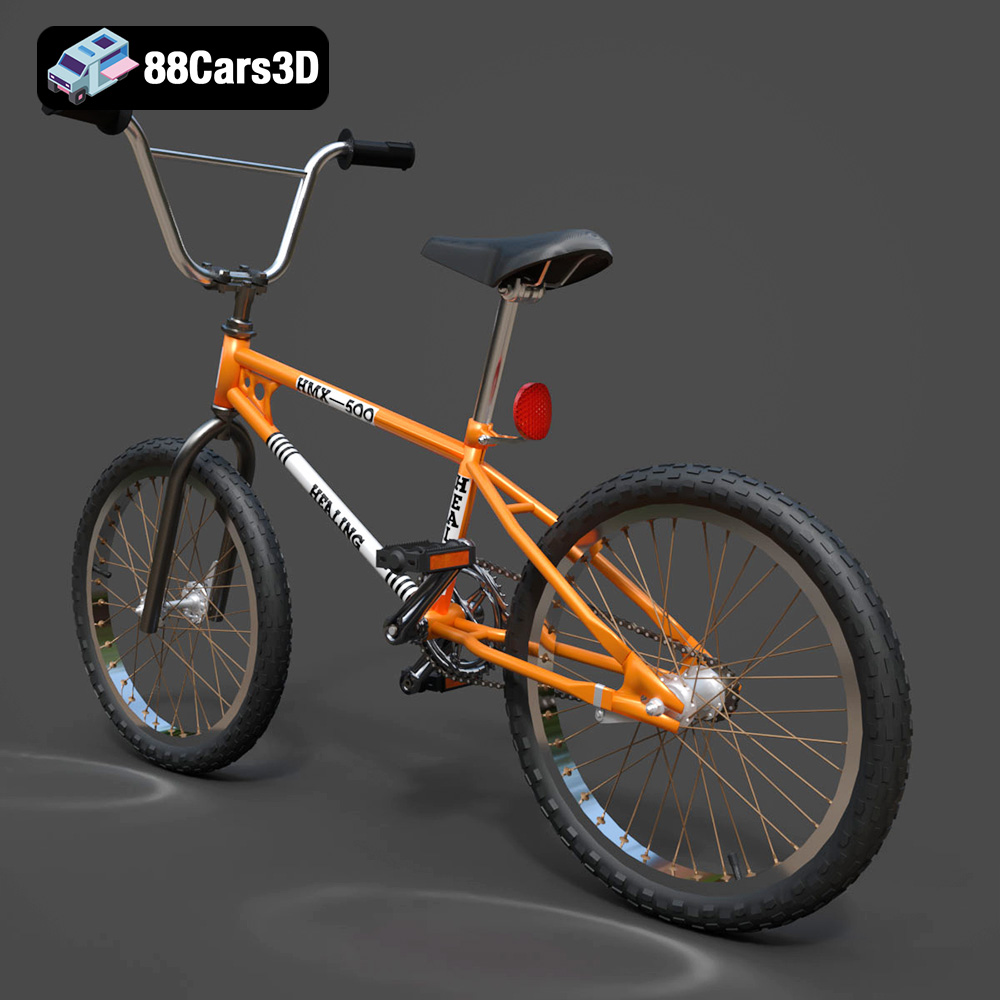
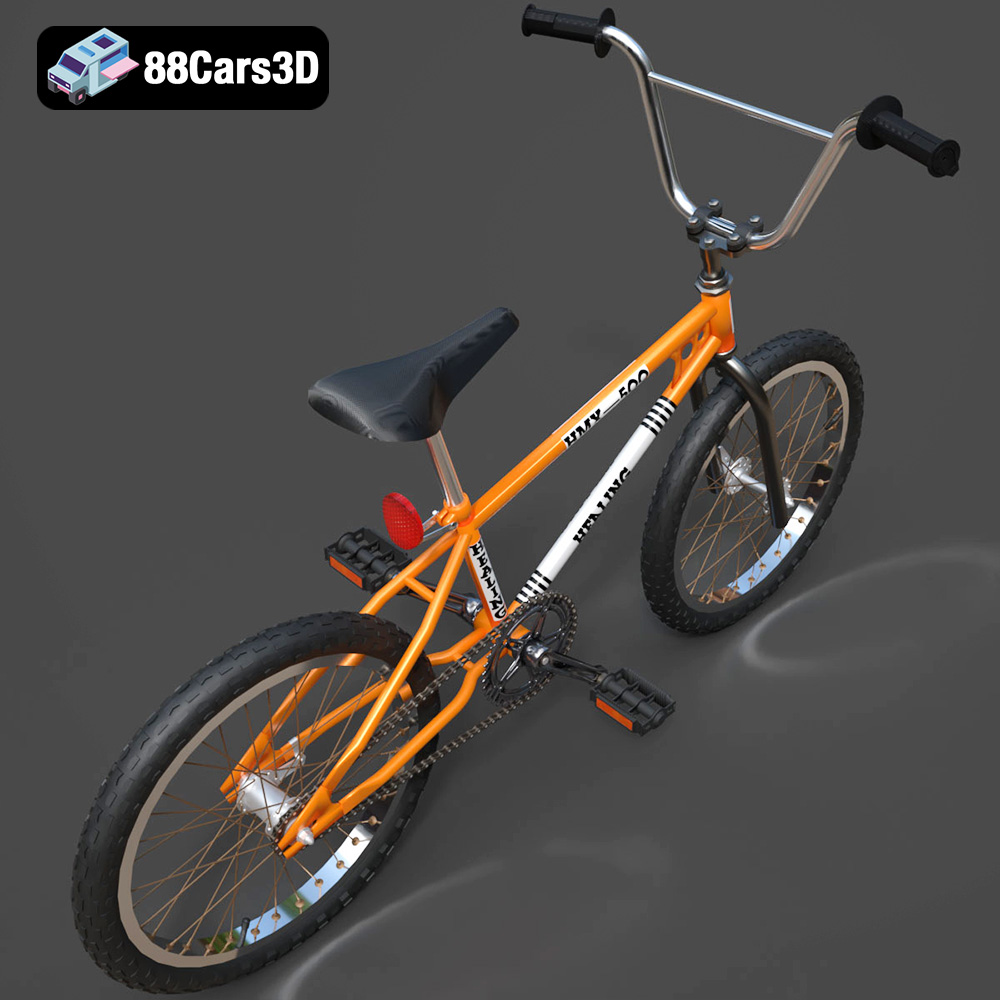
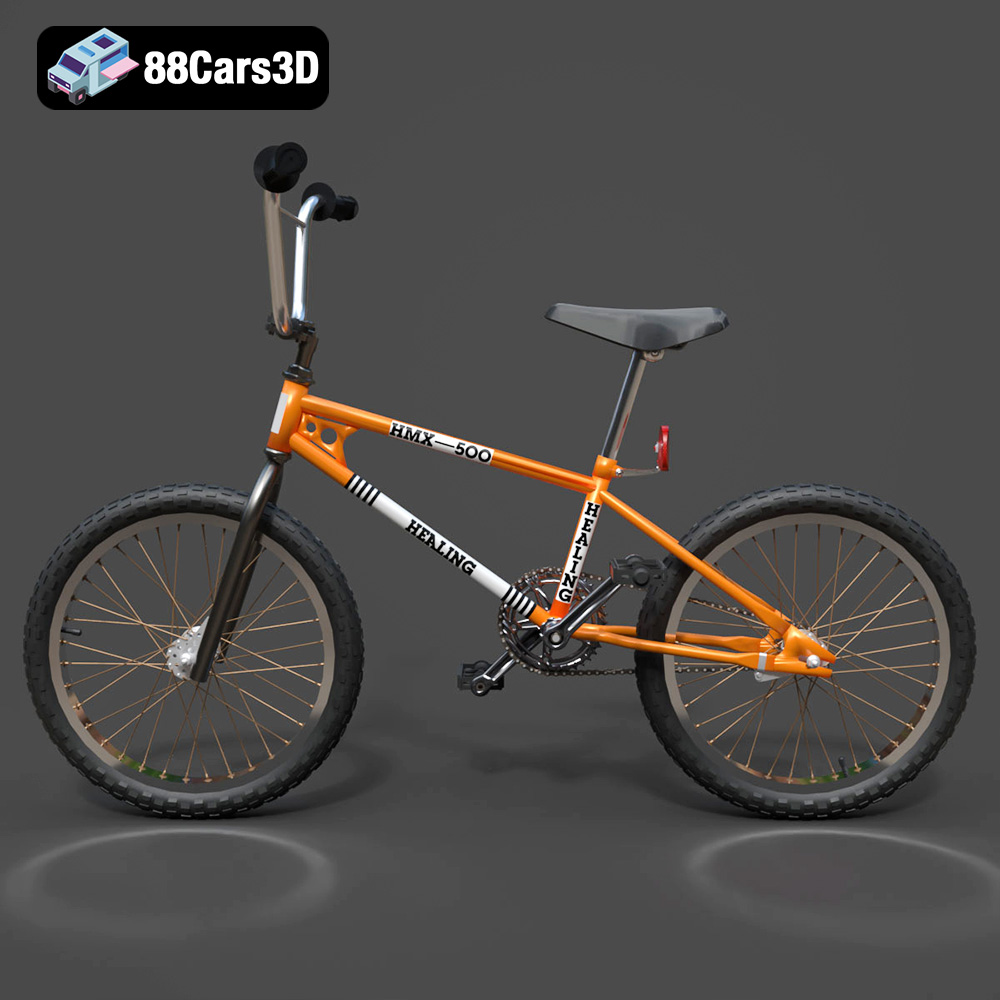
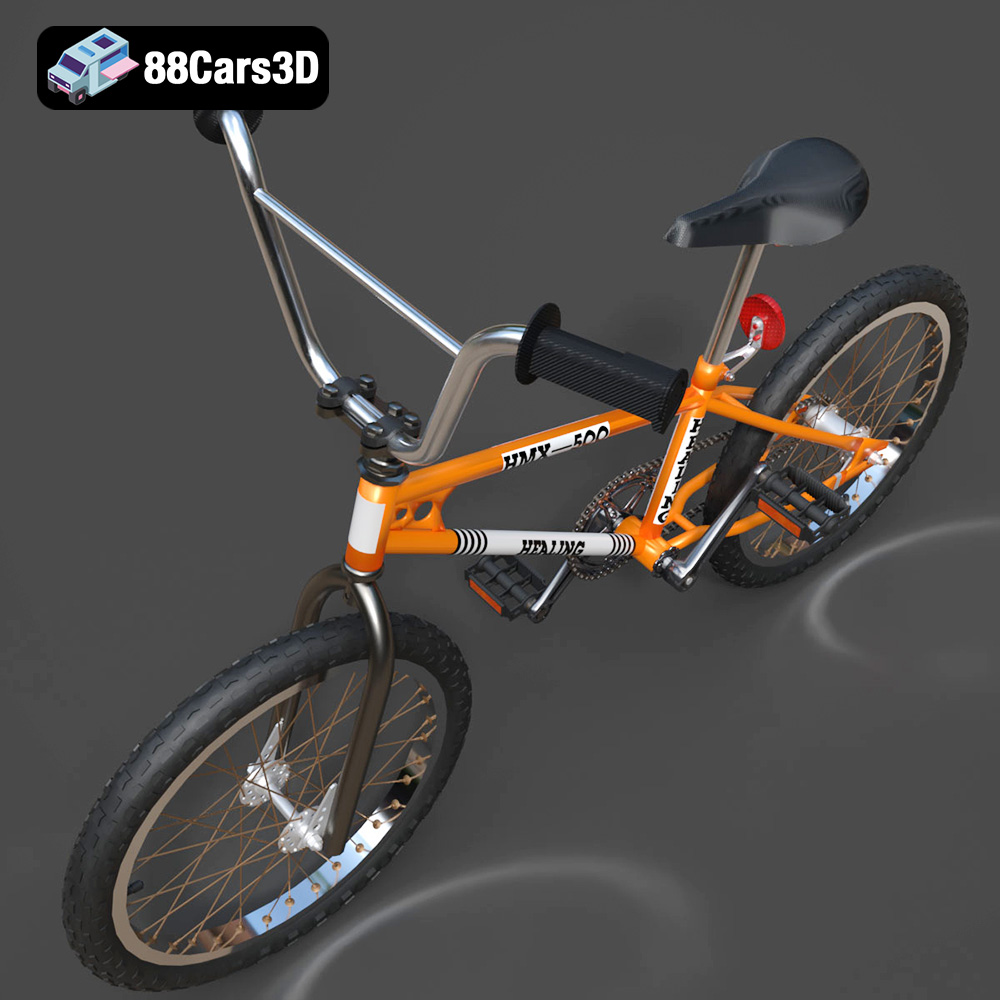
Presenting the Bike-001 3D Model, a versatile and meticulously crafted digital representation of a contemporary motorcycle. This model is engineered with clean, optimized geometry and balanced detailing, making it an excellent asset for a wide range of professional applications. Whether for high-fidelity rendering, dynamic animation sequences, realistic simulations, or robust game development, the Bike-001 offers exceptional visual quality and performance. Includes 8 file formats optimized for various workflows.
$19.99
Product Image Gallery