The Art of Automotive Detail: Mastering Professional 3D Car Models for Visualization and Gaming
In the high-stakes world of professional visualization, simulation, and game development, the quality of a 3D asset dictates the success of the final project. Whether you are creating a hyper-realistic automotive advertisement, building an immersive racing game, or developing complex driving simulations, the foundation rests on the fidelity, optimization, and technical cleanliness of your vehicle models.
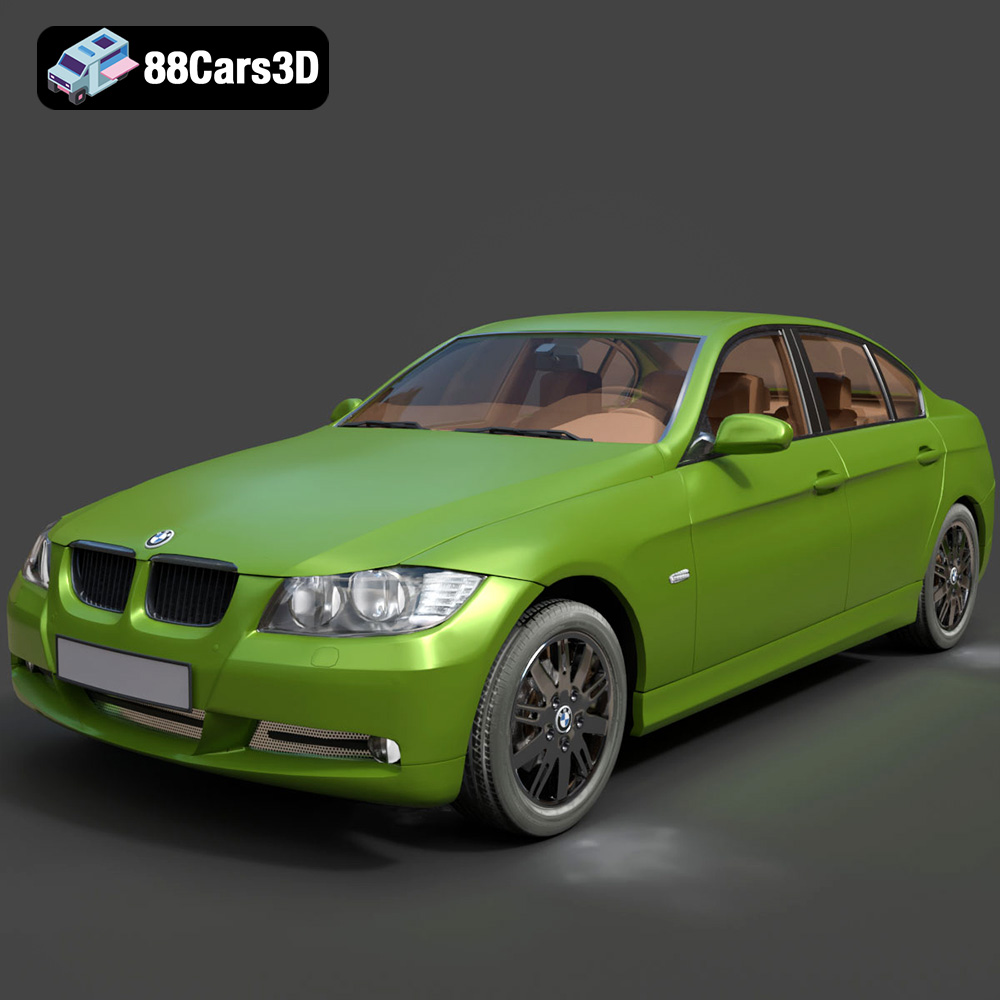
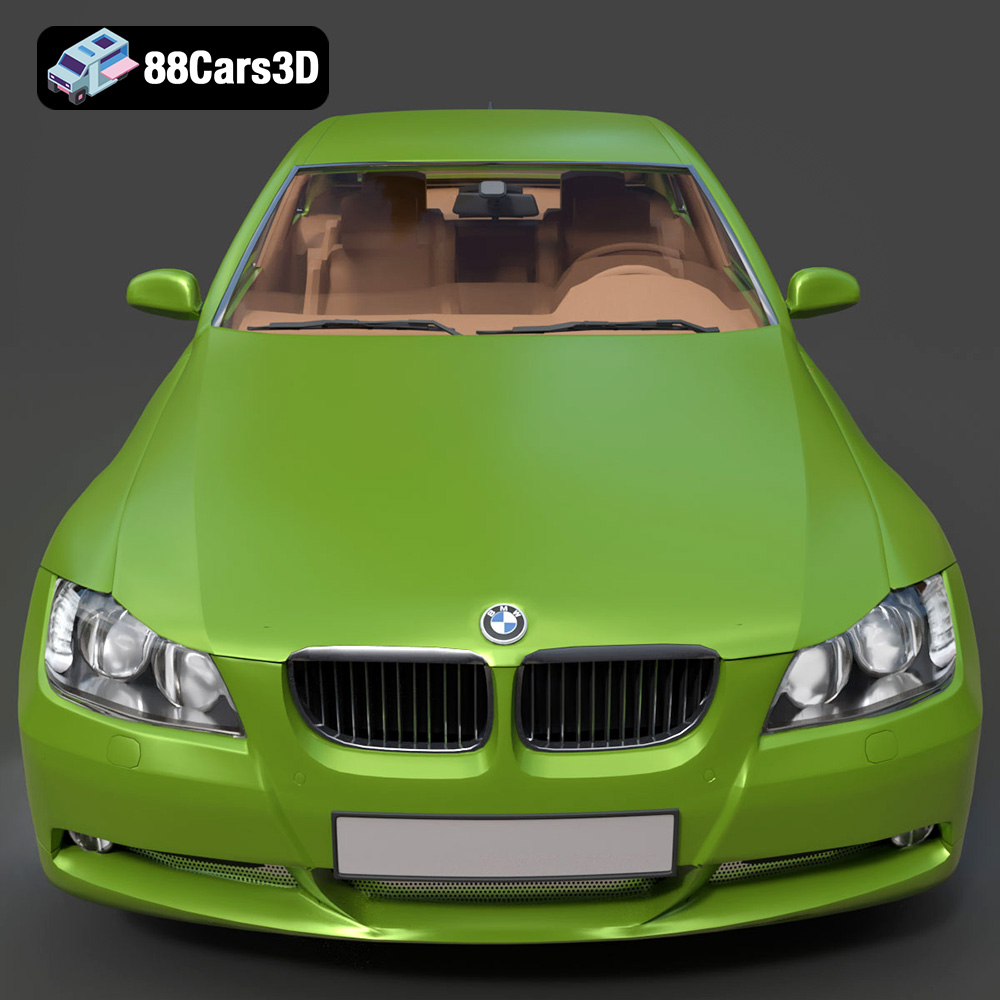
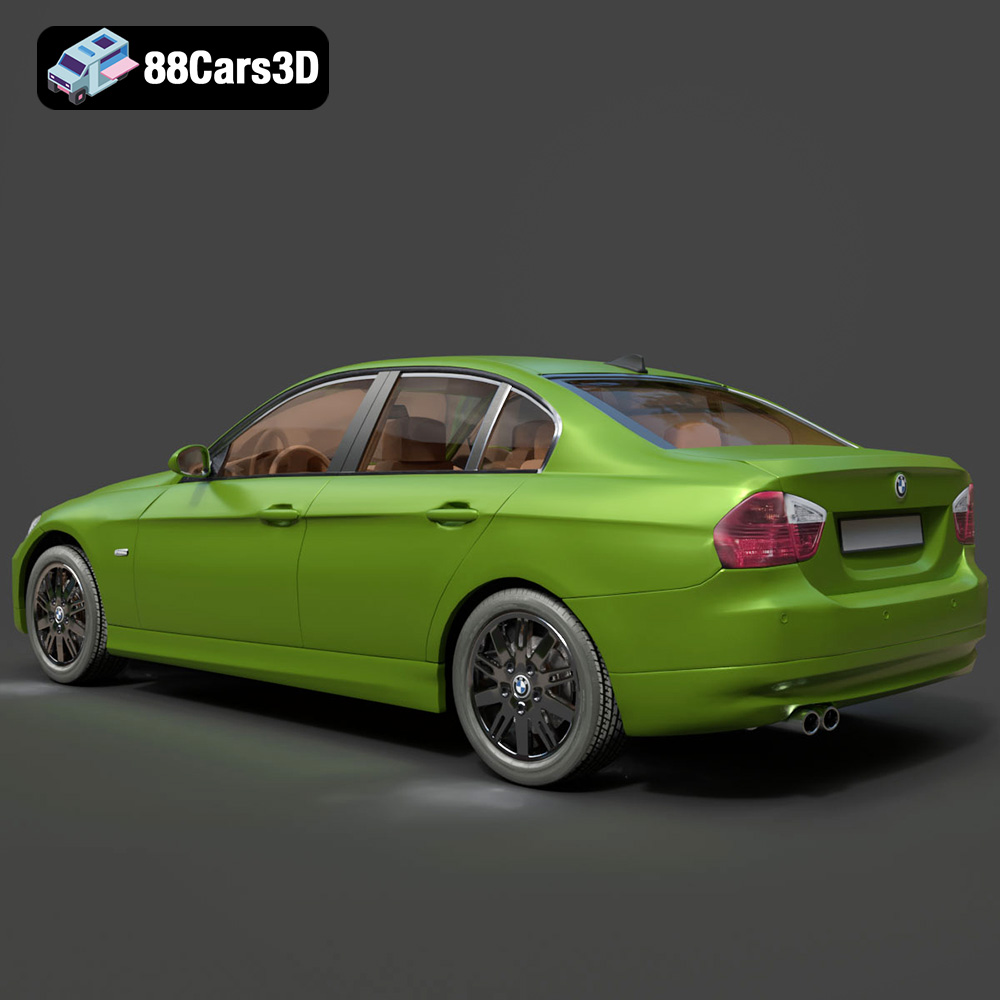
The quest for perfect 3D car models often leads industry professionals to specialized marketplaces like 88cars3d.com, where quality control and technical readiness are paramount. We will delve deep into the technical specifications and workflow integrations that define a truly professional vehicle asset, using a prime example—the BMW 3-005 3D Model—to illustrate best practices in modern digital automotive design.
This comprehensive guide explores everything from critical file formats and precise topology to advanced rendering techniques in environments like Unreal Engine and industry-standard modeling software. Understanding these elements is crucial for leveraging assets like the BMW 3-005 model effectively across diverse professional pipelines.
The Technical Blueprint: Specifications That Define Quality
When selecting a 3D vehicle, the aesthetic appeal is only the surface. True professional quality is found in the underlying technical structure. A high-quality model, such as the BMW 3-005 3D Model, is characterized by its meticulous attention to geometric detail and workflow compatibility.
Topology and Polygon Efficiency
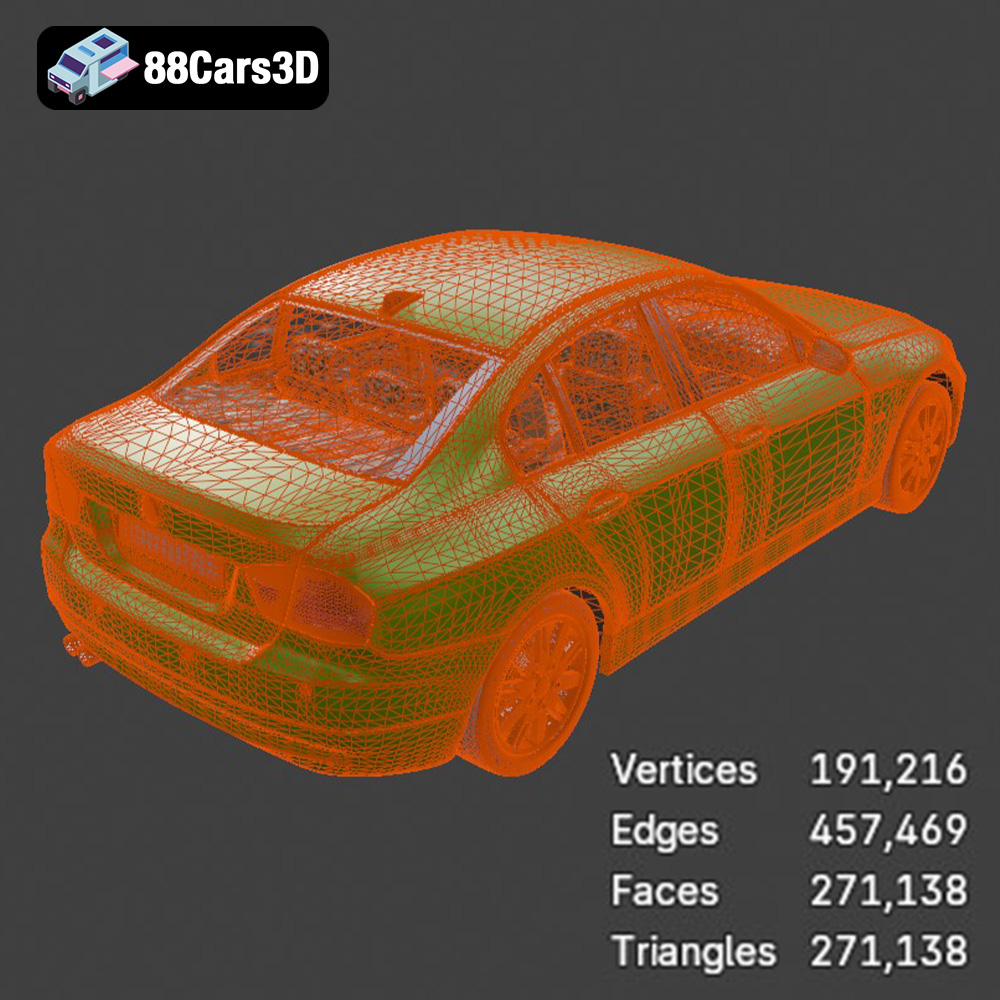
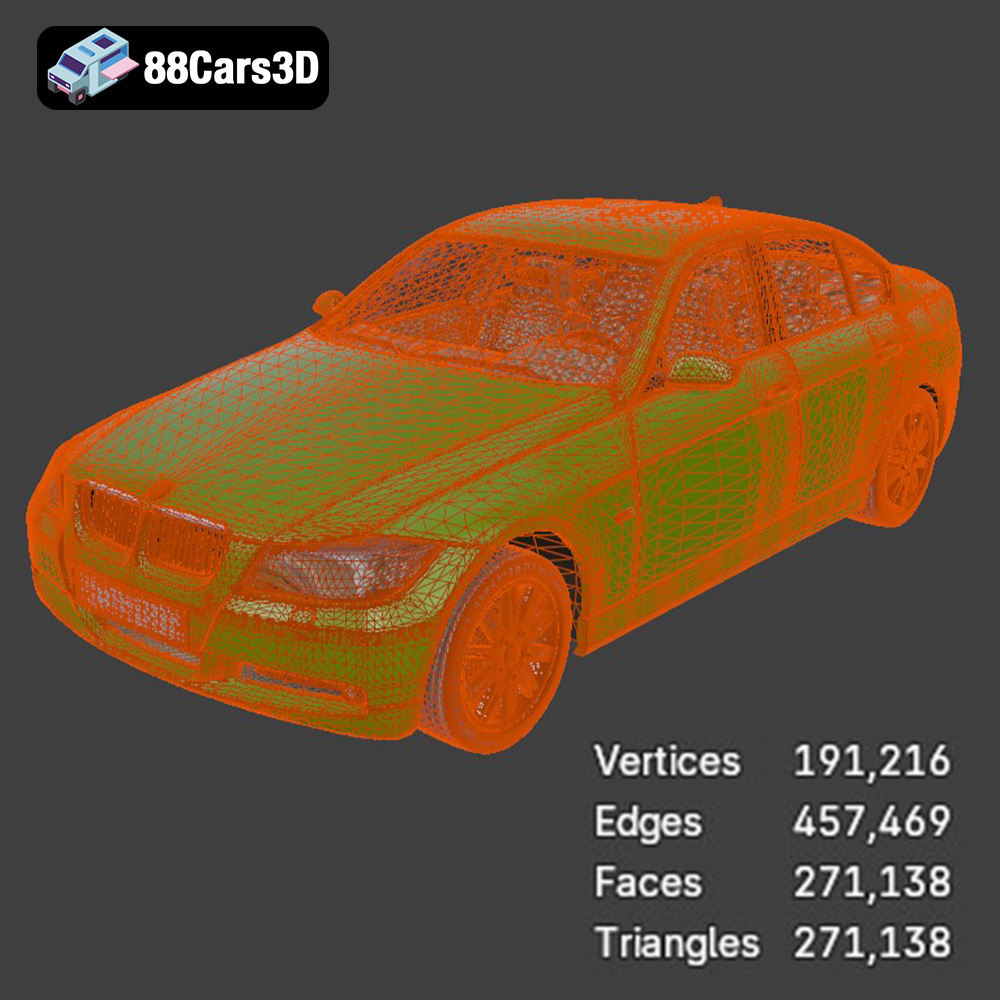
For high-end automotive rendering, clean topology is non-negotiable. The model must utilize quad-dominant geometry. Quads (four-sided polygons) ensure that subdivision surfaces (like those used with Turbosmooth in 3ds Max or Subdivision Surface modifier in Blender) produce smooth, predictable curves without pinching or artifacts, especially on large, reflective surfaces like car body panels. The BMW 3-005 3D Model specifically highlights its clean, quad-dominant topology, which is essential for achieving photorealistic results where reflections must flow seamlessly.
Real-World Scale and Coordinate Systems
All professional assets must be modeled to real-world scale. This seems fundamental, but incorrect scaling can cause enormous headaches in rendering, physics simulations, and engine integration (e.g., collision detection in games). When assets are correctly scaled, lighting calculations (such as global illumination) behave accurately, and the model integrates flawlessly into existing scene environments. Furthermore, properly set pivots for moving parts—doors, wheels, hood—are necessary for quick animation and rigging setup.
UV Mapping and Material Definition
Efficient UV mapping is the backbone of texturing. A professional model should have organized UV layouts that maximize texture space while minimizing distortion. For highly detailed automotive assets, materials often use layered setups: a base coat paint shader, a clear coat layer for reflection, and dedicated materials for specific elements like glass, rubber, and chrome. The BMW 3-005 includes reflective paint finishes and detailed material definitions for elements like headlights and taillights, ensuring an accurate, premium appearance immediately upon import.
Understanding 3D Model File Formats (The SEO Mandatory Section)
One of the greatest technical challenges in the 3D pipeline is interoperability. A single model might travel from a modeling package to a rendering engine, then to a game engine, and finally be prepared for an augmented reality application. This requires an in-depth understanding of various file formats provided by leading marketplaces like 88cars3d.com.
.max – Editable 3ds Max Project
The .max format represents a native scene file for Autodesk 3ds Max. This format is crucial for users entrenched in professional visualization, architecture, and linear animation workflows. It retains all scene data, including render settings, lighting setups, modifiers, material nodes, and camera views. Using the .max file for the BMW 3-005 allows render artists to leverage powerful rendering engines like V-Ray or Corona directly within a familiar and highly robust environment for cinematic sequences and high-resolution stills.
.blend – Fully Editable Blender Scene
The .blend format is the native file for Blender, the increasingly dominant open-source 3D suite. This file provides the full, editable scene, including procedural textures, geometry nodes, and Cycles or Eevee material definitions. For artists focused on iterative design, animation, or utilizing Blender’s extensive rigging tools, the .blend file for the BMW 3-005 offers maximum flexibility and customization using native Blender tools.
.fbx – The Real-Time Standard
The FilmBox (.fbx) format is the industry-standard exchange format, particularly critical for real-time environments. .fbx reliably transfers geometry, skeletal data, animation, UVs, and basic material properties between applications like Maya, 3ds Max, Blender, Unity, and Unreal Engine. It is the ideal format when preparing the BMW 3-005 for integration into a game development pipeline, ensuring optimal data transfer with minimal loss.
.unreal – Engine-Ready Asset
Specifically tailored for Unreal Engine, an .unreal file or a dedicated project setup means the asset has already undergone optimization steps: scaling is correct, collision meshes might be included, and materials are set up using Unreal’s physical based rendering (PBR) standards (e.g., using roughness, metallic, and normal maps). Choosing the .unreal package for the BMW 3-005 dramatically cuts down on integration time for virtual production and AAA game environments.
.obj – Universal Compatibility
The Wavefront Object (.obj) format is the ultimate universal fallback. It stores geometry (vertices, normals, UVs) and references material libraries (.mtl files). While it doesn’t carry complex animations or custom shaders, .obj ensures that the BMW 3-005 model can be opened and utilized in virtually any 3D software package, making it essential for cross-software compatibility or niche pipelines.
.glb – Optimized for AR, VR, and Web
The Graphics Library Transmission Format (.glb) is a binary version of glTF (Graphics Library Transmission Format). This format is rapidly becoming the standard for 3D assets deployed on the web, in AR (Augmented Reality), and VR (Virtual Reality). .glb files are highly efficient, compact, and optimized for fast loading, making them perfect for showcasing the BMW 3-005 in browser-based configurators or mobile AR experiences.
.stl – 3D Printing Output
The Stereolithography (.stl) format is the standard for additive manufacturing (3D printing). It simplifies the geometry into triangles (tessellation) without color or texture information, focusing purely on surface geometry. While scaling is often required, the inclusion of the .stl format for the BMW 3-005 allows designers to easily convert the digital asset into a physical prototype or collectible model.
.ply – Precision Mesh Format
The Polygon File Format (.ply) is often used in scientific, CAD, or scan data workflows. It can store a wide range of data including color, transparency, and sometimes precision analysis metrics. Using .ply for high-fidelity assets like this BMW model is beneficial when transferring the mesh to specialized analysis tools or reverse-engineering pipelines.
Integrating the BMW 3-005 into Game Development Workflows
Developing high-performance game assets requires a careful balancing act between visual fidelity and real-time performance. For a premium asset like the BMW 3-005 3D Model to function effectively in a modern racing simulator or open-world game, specific technical steps are required.
LOD (Level of Detail) Strategy
High-detail models are ideal for close-up shots and cinematic moments, but they are too performance-intensive to run across an entire game environment. A professional game asset must implement a robust LOD strategy. This involves creating multiple versions of the model (LOD0 being the highest detail, LOD1, LOD2, etc., progressively lower) using techniques like mesh decimation or manual retopology. When sourcing assets from 88cars3d.com, ensure that the baseline topology (LOD0) is clean enough to facilitate efficient, automated LOD generation within the game engine.
Physics and Collision Meshes
For a vehicle to interact realistically within a game environment, it needs accurate collision geometry. This typically means creating simplified, often convex, mesh representations (the “UCX” mesh in Unreal Engine) that do not require the engine to calculate complex physics against the detailed visual mesh. The clean hierarchy and optimized geometry of the BMW 3-005 simplify the creation of these critical collision volumes, which are essential for driving physics and environmental interaction.
Real-Time Material Setup (PBR)
Modern game engines rely exclusively on Physically Based Rendering (PBR) workflows. Materials like the paint, rubber, and glass on the BMW 3-005 must be defined by texture maps (Albedo/Base Color, Normal, Metallic, Roughness, Ambient Occlusion). Understanding how these maps interact with the engine’s lighting model is critical for achieving a realistic automotive finish that maintains its appearance under dynamic lighting conditions.
Advanced Automotive Rendering in 3ds Max and Blender
While game engines focus on real-time speed, offline renderers (like V-Ray, Corona, or Cycles) prioritize absolute visual quality. Using the native .max or .blend files for the BMW 3-005 allows artists to unlock maximum photorealism.
Car Paint Shaders and Layering
The complexity of automotive paint—the flaking metal particles, the deep reflections, and the clear coat—requires sophisticated shader networks. In 3ds Max, this often involves using a blend material combining a highly reflective clear coat (Fresnel effect is key) over a metallic base layer. Similarly, in Blender’s Cycles engine, achieving realistic results means manipulating the Principled BSDF shader with precise values for roughness, anisotropy, and metallic input to simulate the multi-layer depth of luxury paint finishes.
Studio Lighting Techniques
Effective automotive rendering relies heavily on specialized studio lighting. Techniques such as using large area lights or HDRI (High Dynamic Range Imaging) dome maps are essential. HDRI environments, often captured from professional photo studios or complex exterior scenes, provide realistic reflections and environmental lighting. For the BMW 3-005, correctly positioning these lights and reflecting geometry allows the body panels to showcase their curves and high-fidelity mesh details effectively, drawing the viewer’s eye across the signature BMW lines.
Post-Production and Cinematic Look
A successful render isn’t just about the raw output; it’s about the final cinematic polish. Using render passes (separate outputs for reflection, shadow, ambient occlusion, and Z-depth) allows compositing artists to fine-tune aspects like depth of field, chromatic aberration, and global contrast in software like Adobe Photoshop or Nuke. This multi-layered approach ensures the final visualization of the BMW 3-005 meets professional advertising standards.
Case Study: The BMW 3-005 in AR/VR and Visualization
The versatility of a well-structured 3D asset extends far beyond traditional rendering. The BMW 3-005 model is optimized for emerging visualization technologies, specifically AR (Augmented Reality) and VR (Virtual Reality), using formats like .glb.
Optimizing for Immersive Experiences (AR/VR)
AR/VR platforms demand extreme optimization. Frame rates must be high (ideally 90 FPS or more) to prevent motion sickness. Models used in these environments must maintain visual integrity while reducing poly count dramatically compared to cinematic renders. The included .glb format in the BMW 3-005 package is specifically prepared for this pipeline. Furthermore, ensuring that the model maintains real-world scale is paramount for AR applications, allowing the vehicle to be correctly superimposed onto real-world footage via a smartphone or headset camera.
Interactive Simulation and Training
The detailed interior features of the BMW 3-005—the dashboard, steering wheel, and control elements—are critical for simulation projects. For instance, a driving trainer simulation requires an accurate visual and physical representation of the cockpit. The logical organization and set pivots mentioned in the model’s description allow developers to easily rig the steering wheel, gauges, and pedals for interactive control feedback, enhancing the realism of educational or training modules.
Future-Proofing Your 3D Asset Library
Investing in high-quality 3D car models is an investment in future project flexibility. Technical excellence today means compatibility tomorrow.
Scalability and Modularity
The BMW 3-005 3D Model is built with separated components (doors, hood, trunk). This modularity is essential for future development. If a project requires damage modeling, customization (adding aftermarket parts), or specialized animation, separated geometry drastically simplifies the process. Artists can isolate and work on individual components without affecting the rest of the model’s complex geometry.
The Importance of Clean Naming Conventions
A hallmark of professional 3D assets is a clean, logical hierarchy and naming convention. Imagine importing hundreds of assets into a massive Unreal Engine project. If the BMW 3-005 geometry is labeled descriptively (e.g., “Body_Main,” “Wheel_Front_Left,” “Interior_Dashboard”), scene management, rigging, and shader assignment become fast and intuitive. Poorly named or unorganized geometry adds hours of cleanup time—a cost that professionals cannot afford.
Conclusion: The Professional Edge of High-Fidelity Automotive Assets
The professional landscape of 3D modeling demands assets that are not just visually appealing but technically flawless across multiple formats and pipelines. The BMW 3-005 3D Model exemplifies the meticulous standard required for high-end automotive rendering and rigorous simulation projects. Its clean topology, real-world scaling, detailed material definitions, and comprehensive file format package—including native .max, .blend, and engine-ready .unreal—make it an indispensable resource.
By prioritizing technical precision and understanding the nuances of file formats, 3D artists ensure their projects move efficiently from concept to final execution, whether for a blockbuster game or a cutting-edge visualization. Exploring resources like 88cars3d.com ensures access to assets that meet these demanding industry benchmarks, providing the professional edge necessary to succeed in today’s digital automotive industry.
Featured 3D Model
BMW 3-005 3D Model
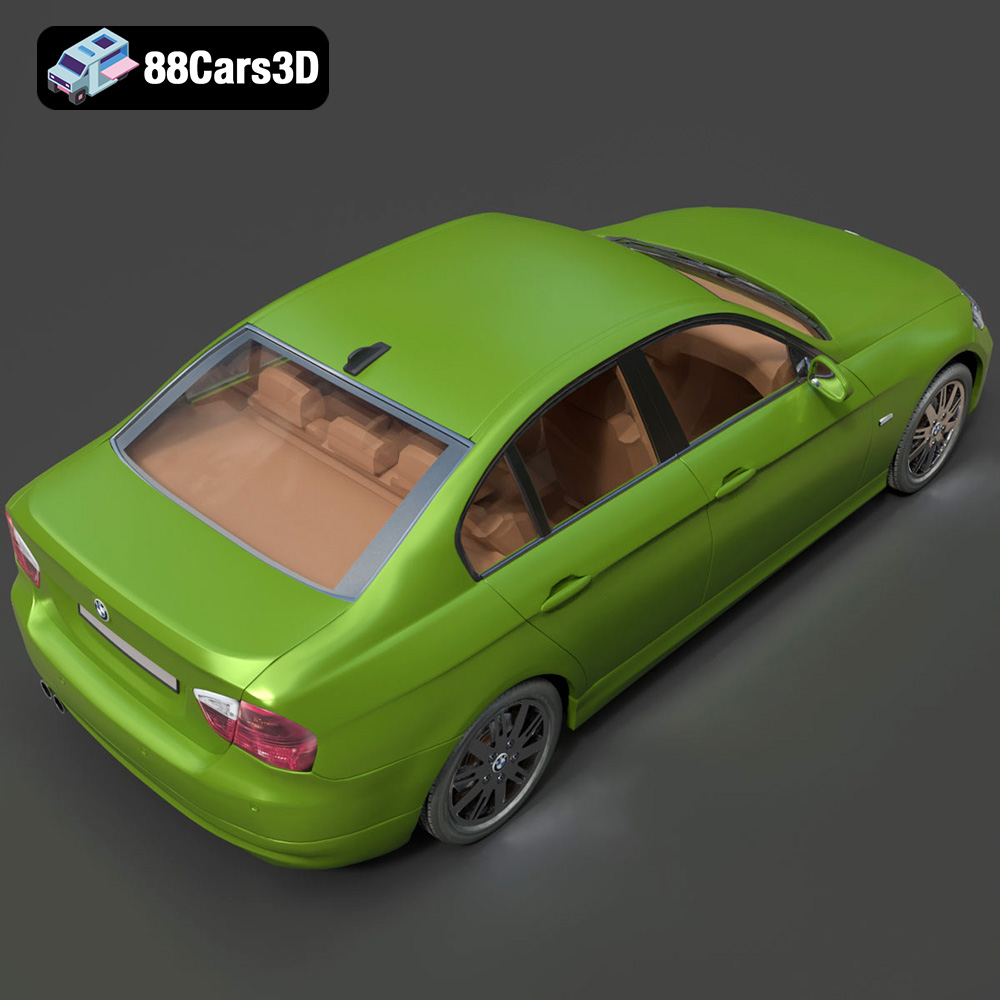
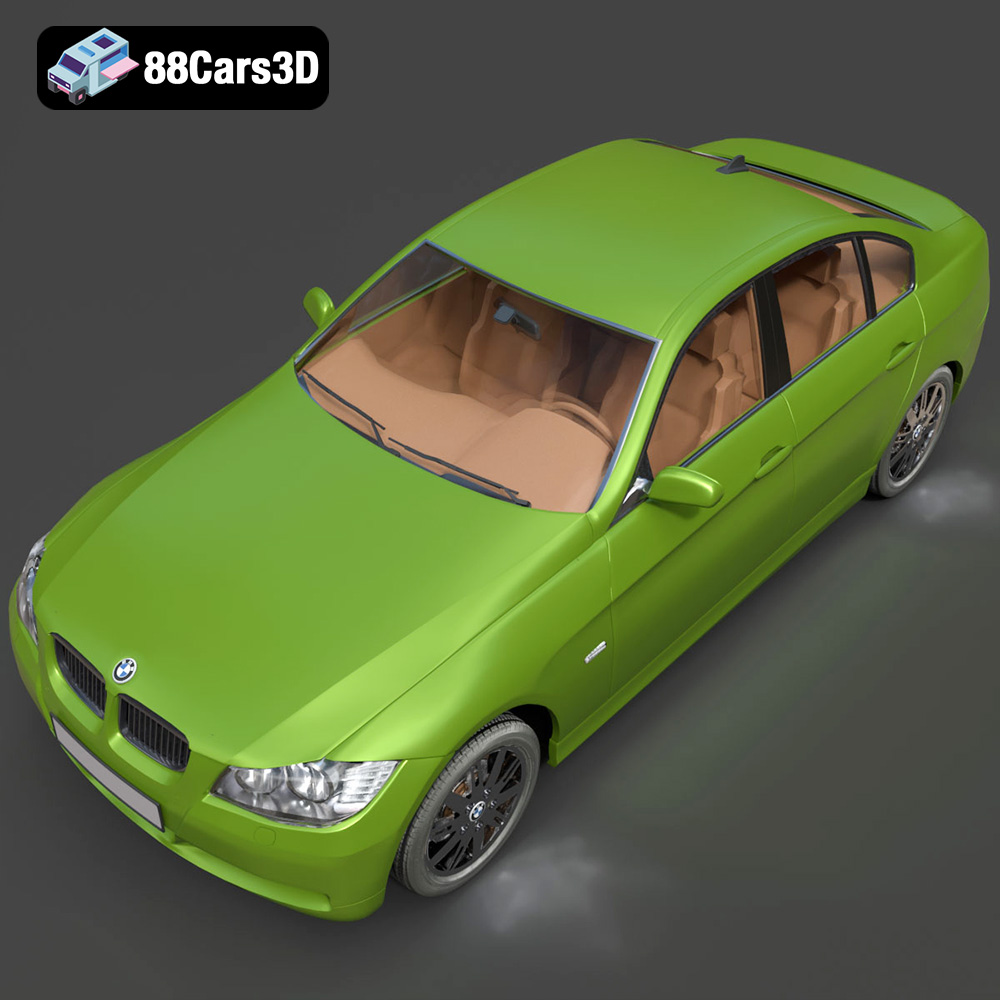
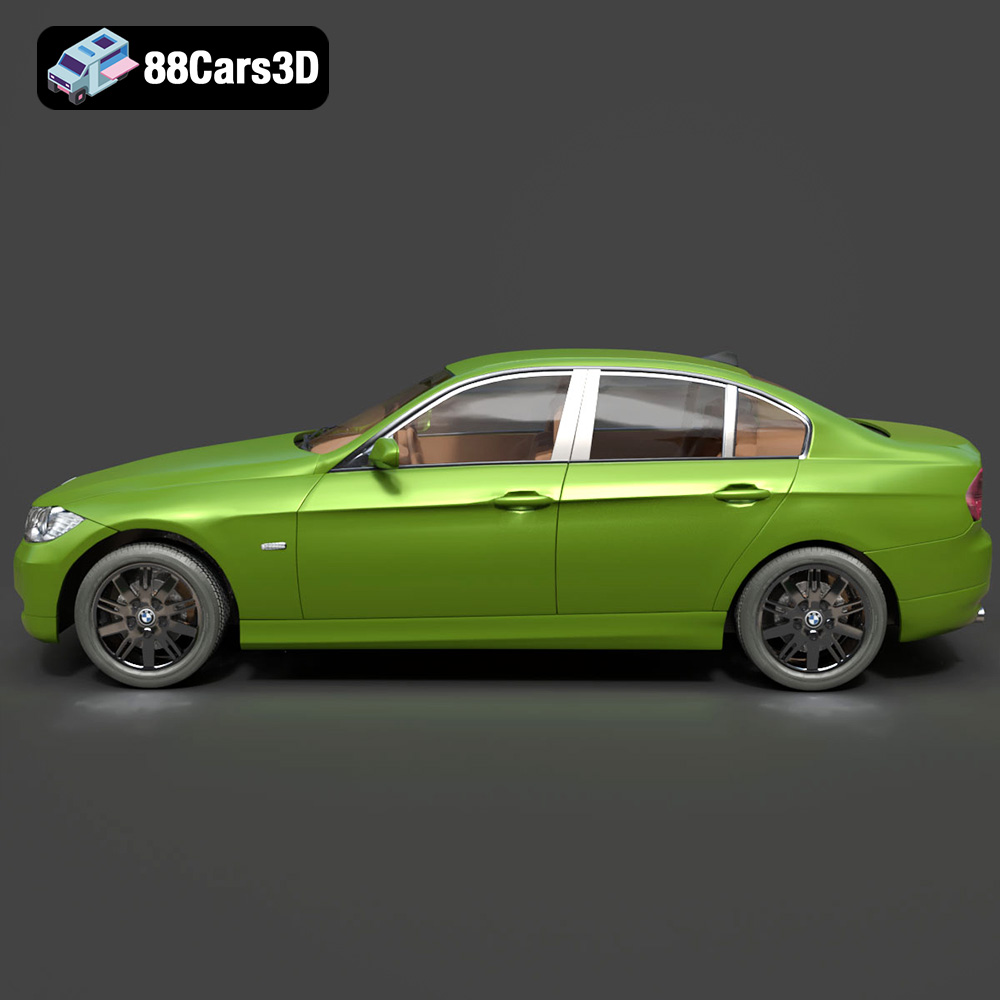
Presenting the professional-grade BMW 3-005 3D Model, a meticulously crafted digital representation of BMW’s iconic design philosophy. This model captures the essence of a modern luxury vehicle, featuring clean, optimized geometry and a balanced level of detail perfect for a wide range of applications. Built with precision, it’s an ideal asset for high-quality rendering, realistic animation, immersive simulation projects, and detailed game development.
$14.99
Product Image Gallery