Driving Innovation: A Deep Dive into High-Fidelity 3D Car Models for Rendering and Game Development
The digital automotive landscape is evolving at an unprecedented pace, fueled by advancements in rendering technology, real-time graphics, and immersive experiences. At the heart of this revolution lies the 3D car model – a complex, meticulously crafted digital asset that serves as the foundation for everything from photorealistic marketing visuals to interactive game environments. Whether you’re a seasoned visualization artist striving for ultimate fidelity, a game developer pushing the boundaries of realism, or an engineer exploring new concepts, understanding the intricacies of these assets is paramount. This comprehensive guide will navigate the technical landscape of 3D car models, exploring their creation, optimization, diverse applications, and the critical role they play in modern digital production.
The Evolving Landscape of 3D Car Models in Digital Production
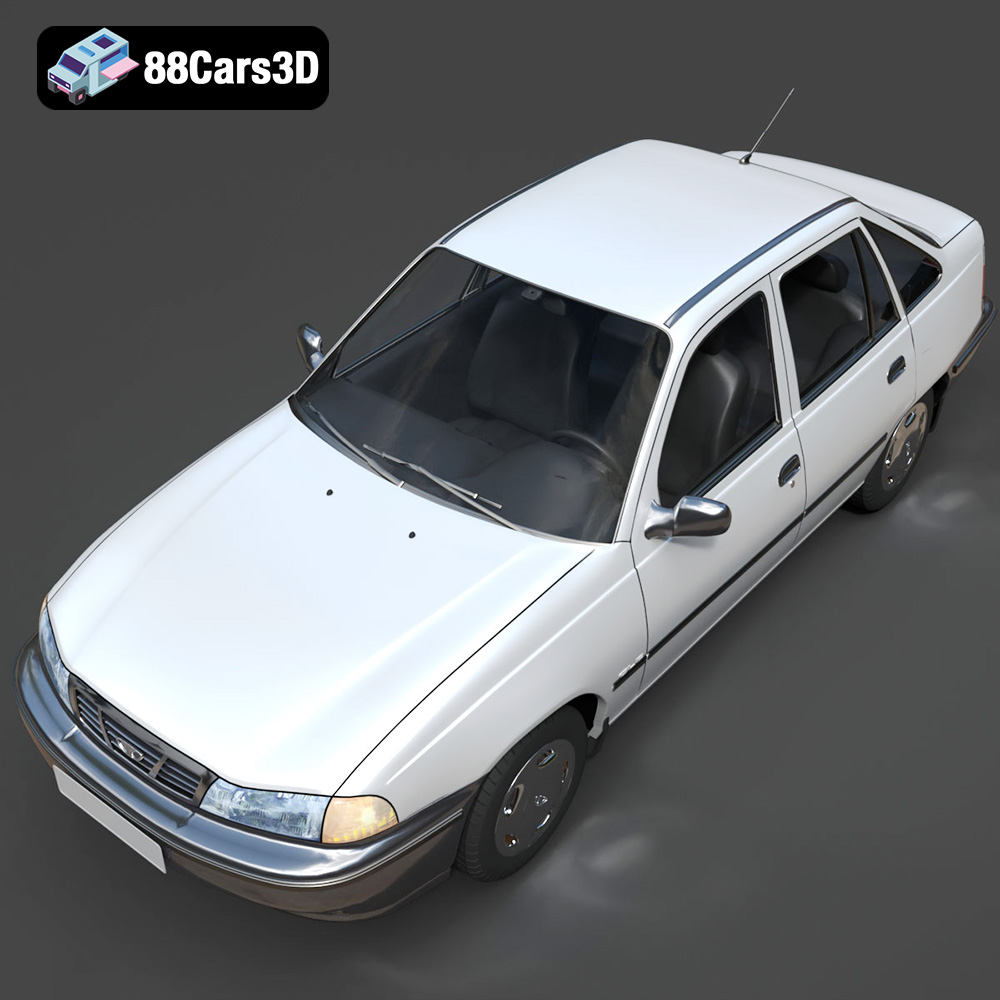
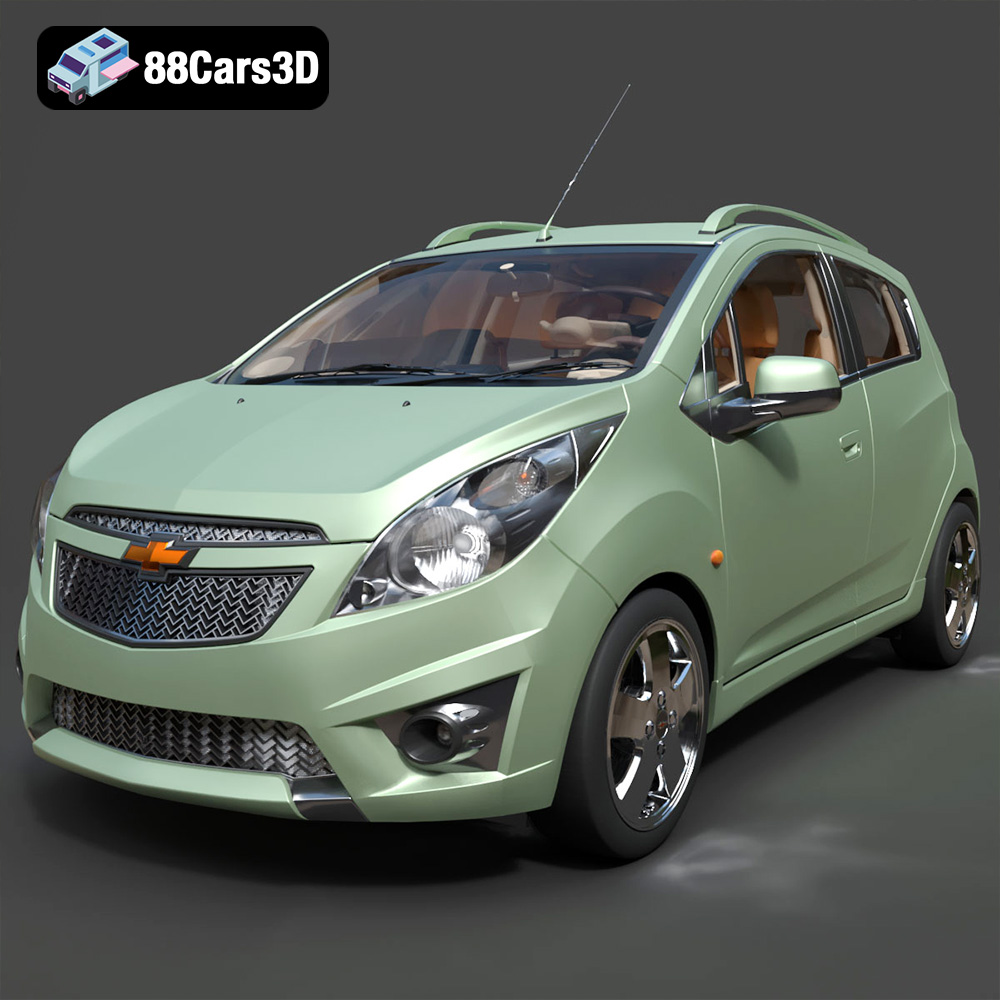
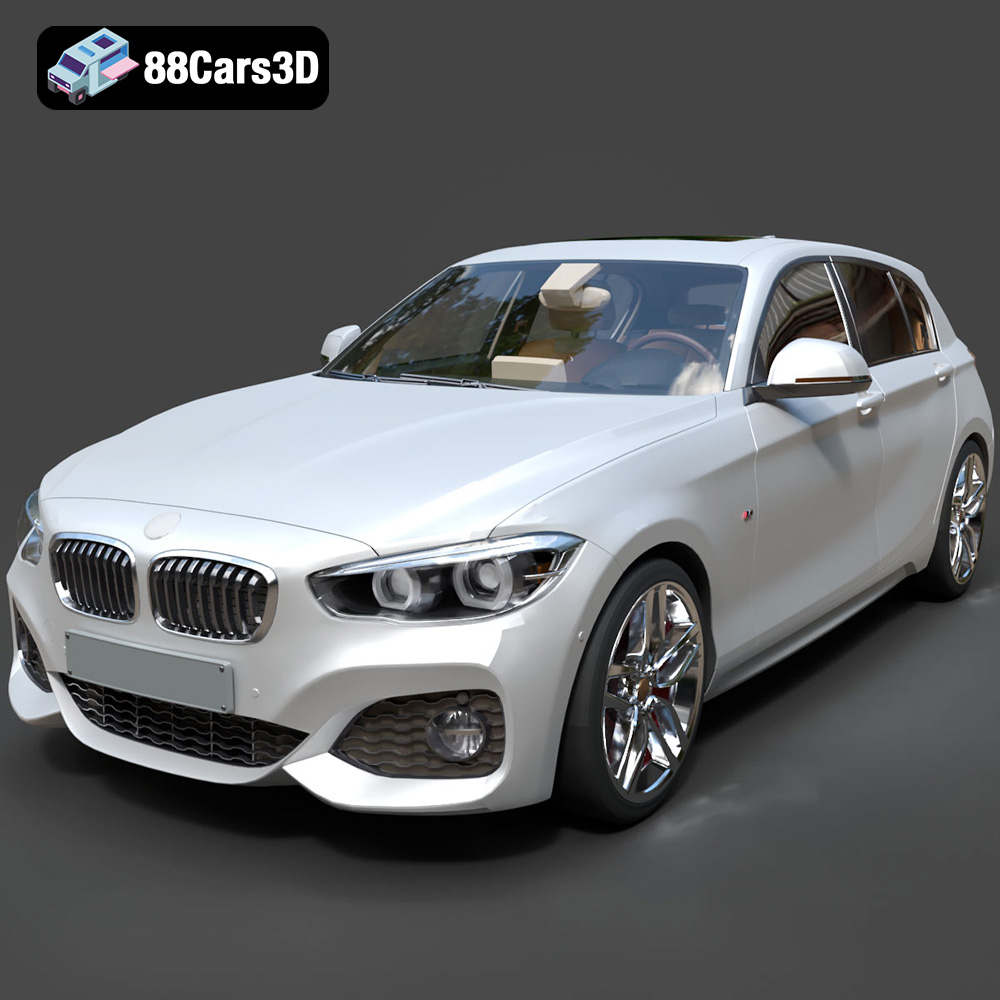
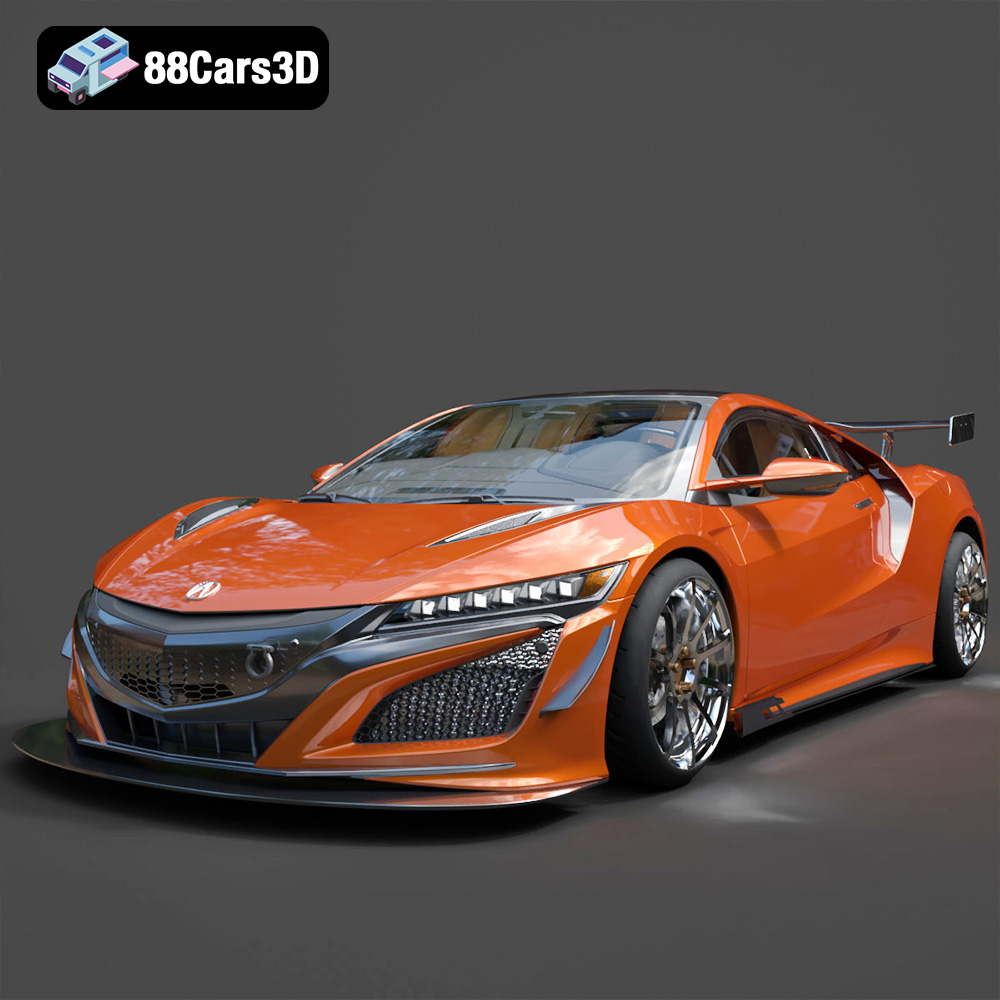
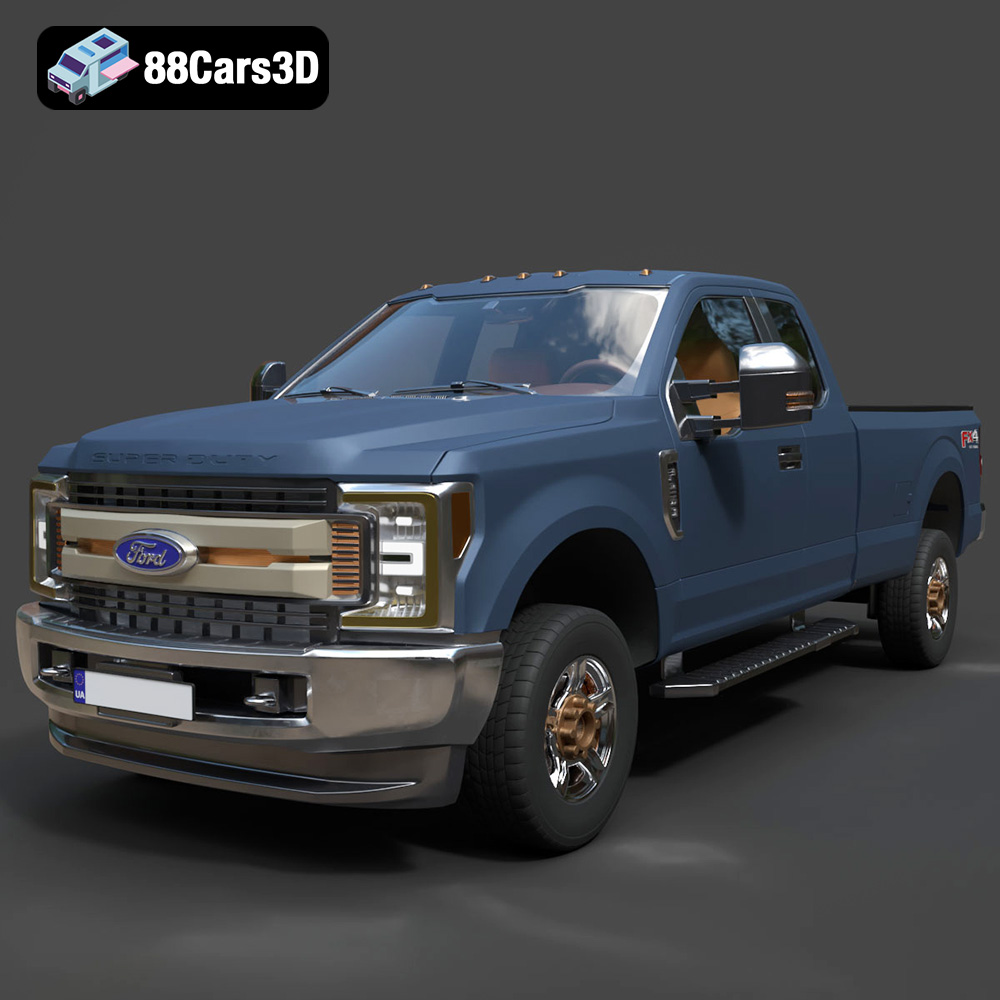
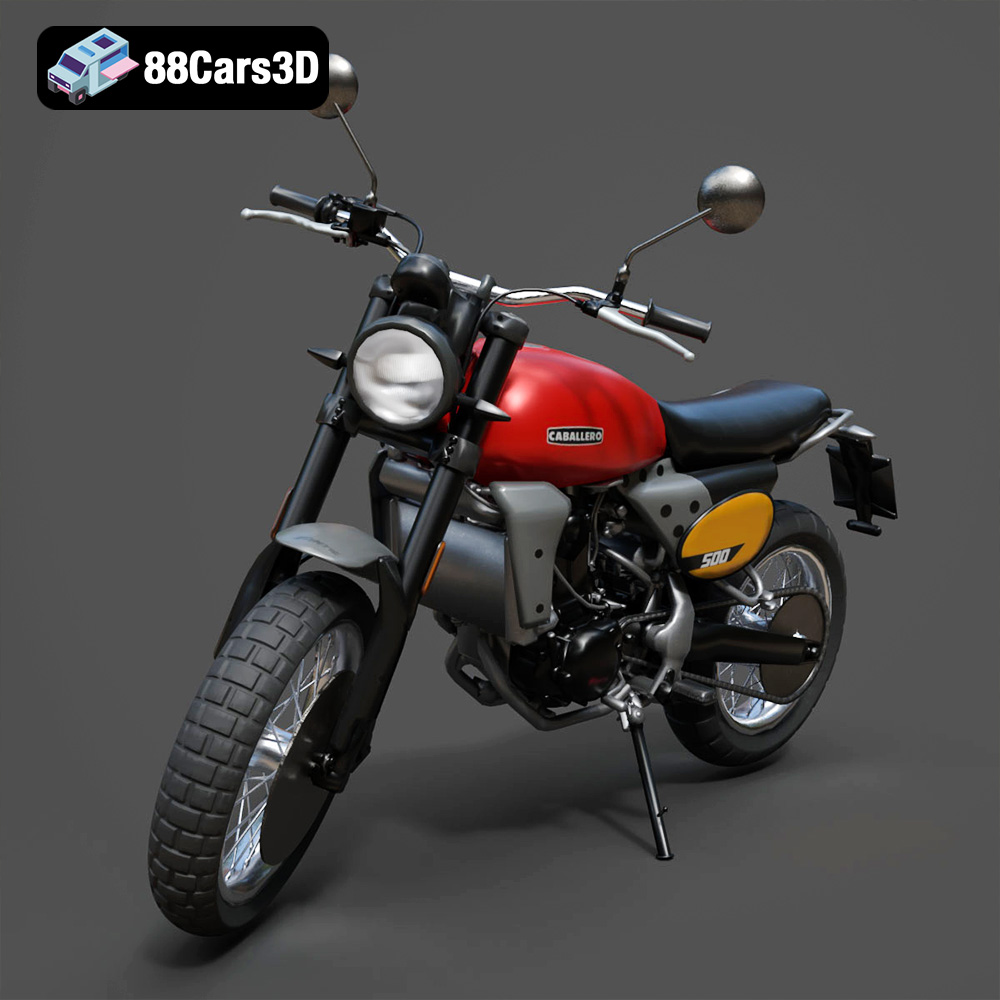
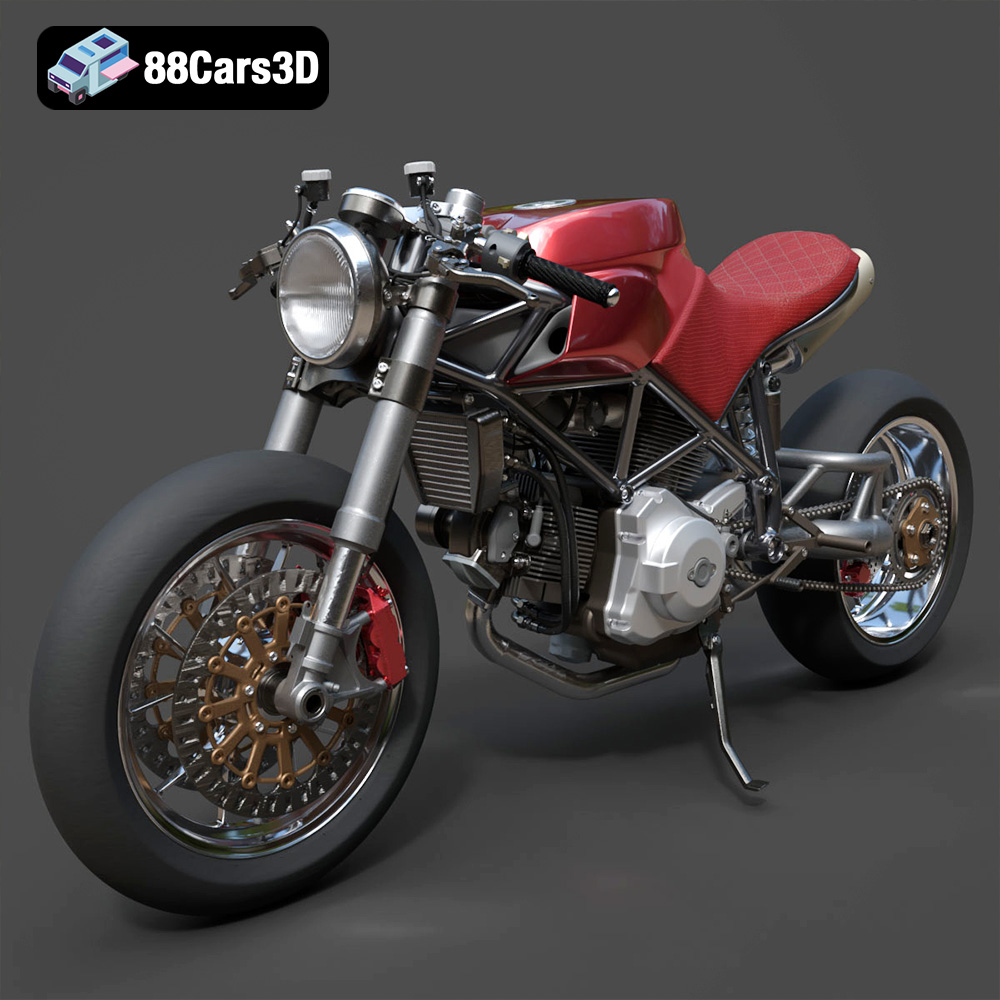
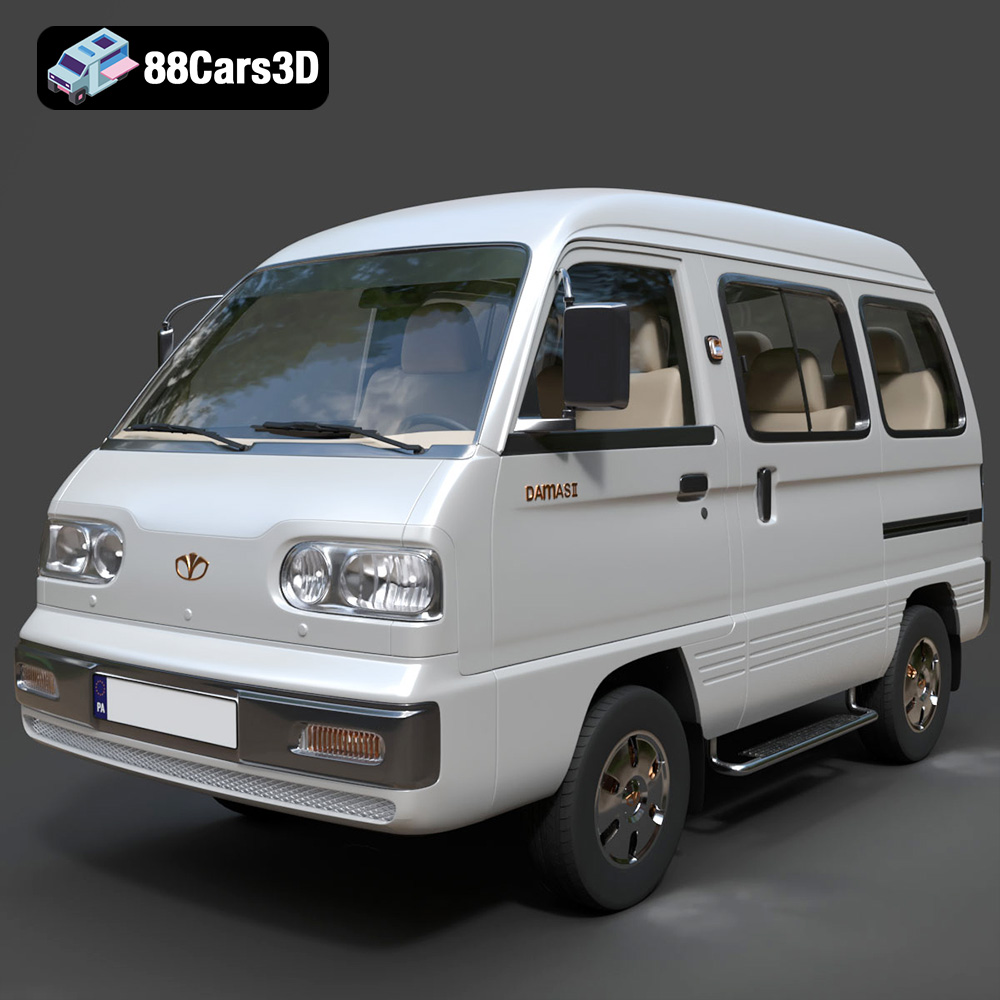
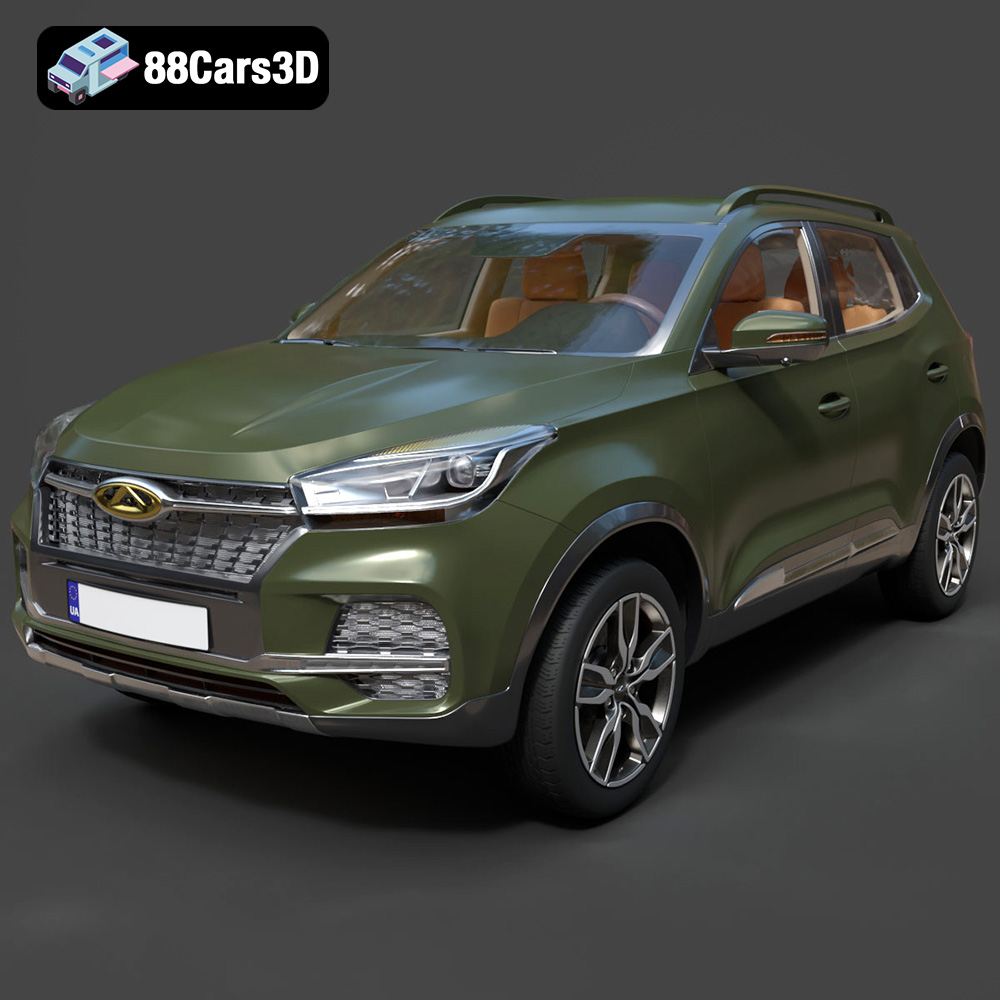
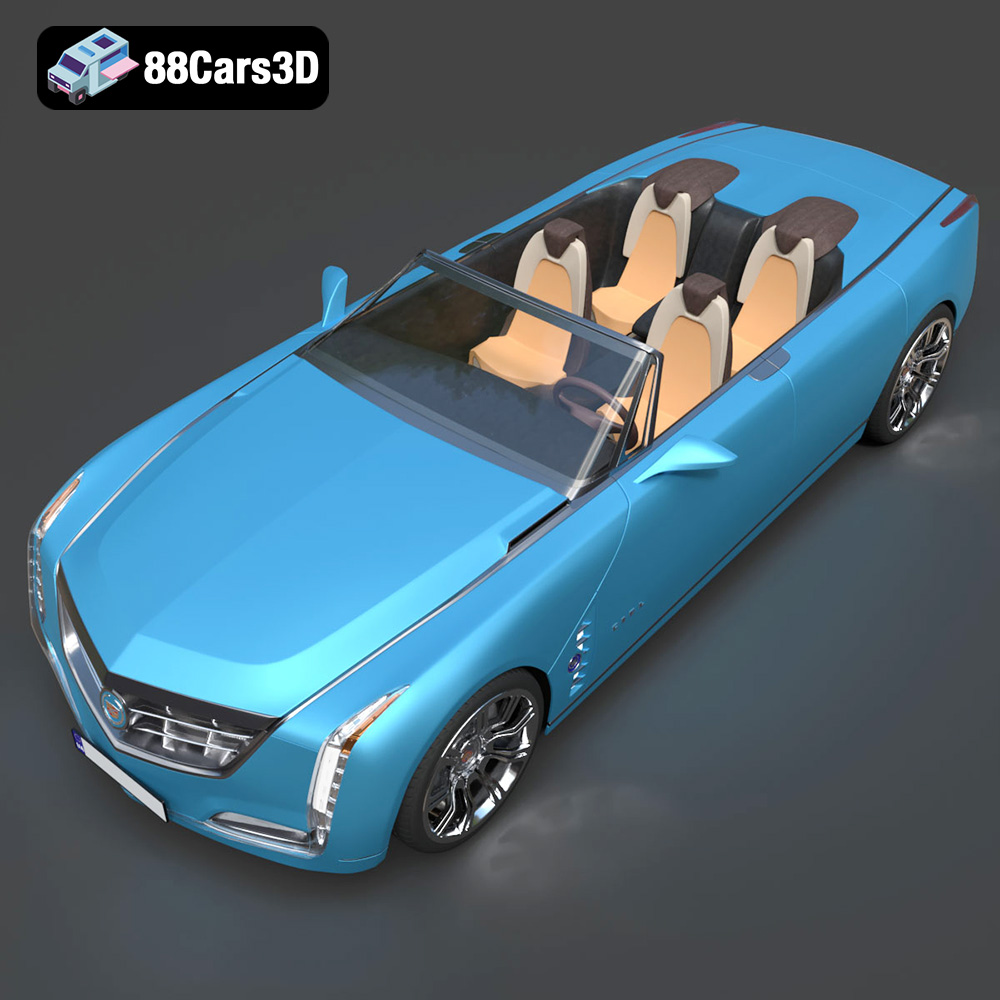
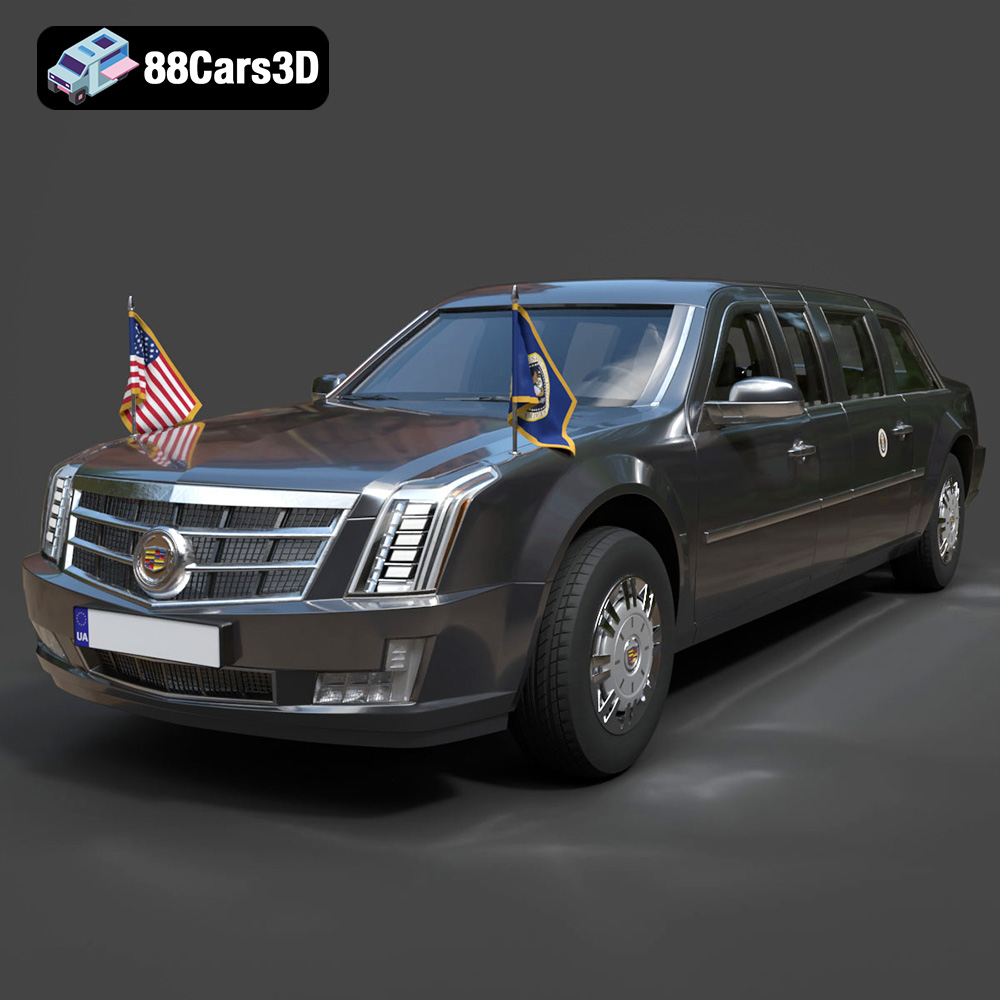
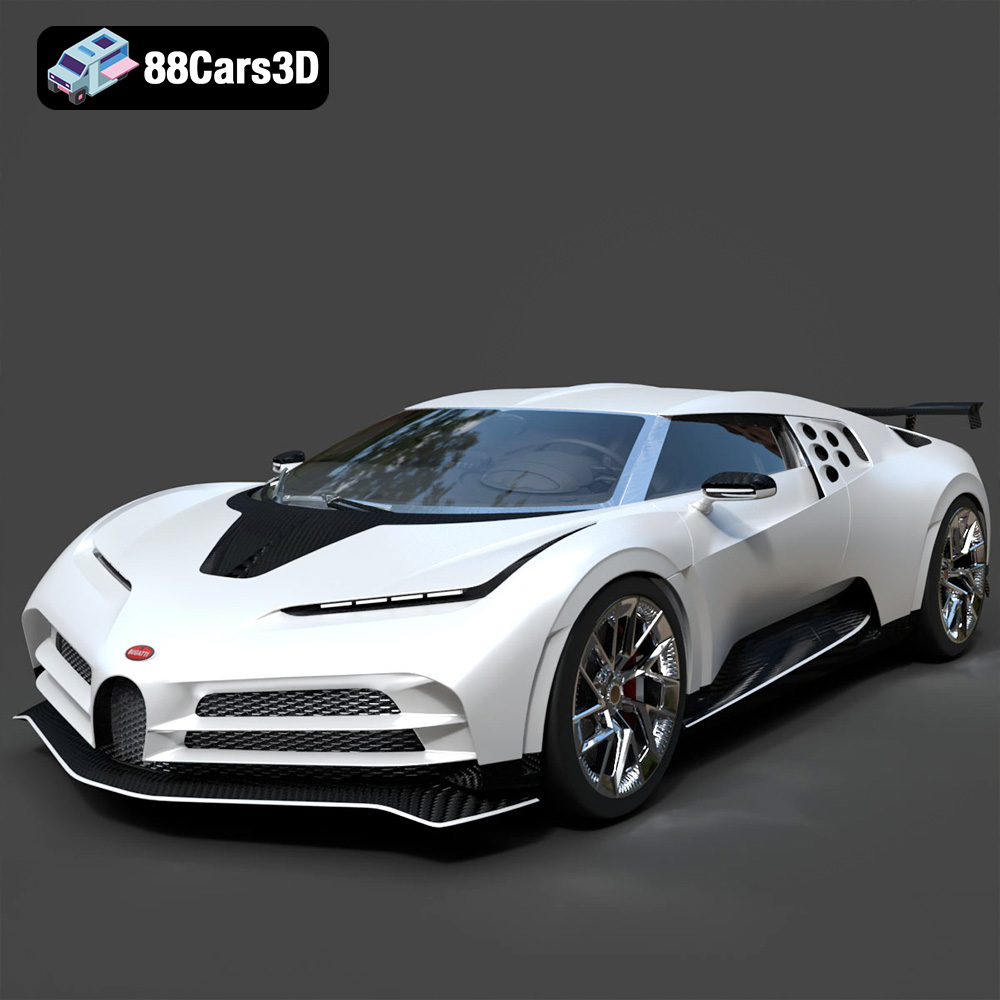
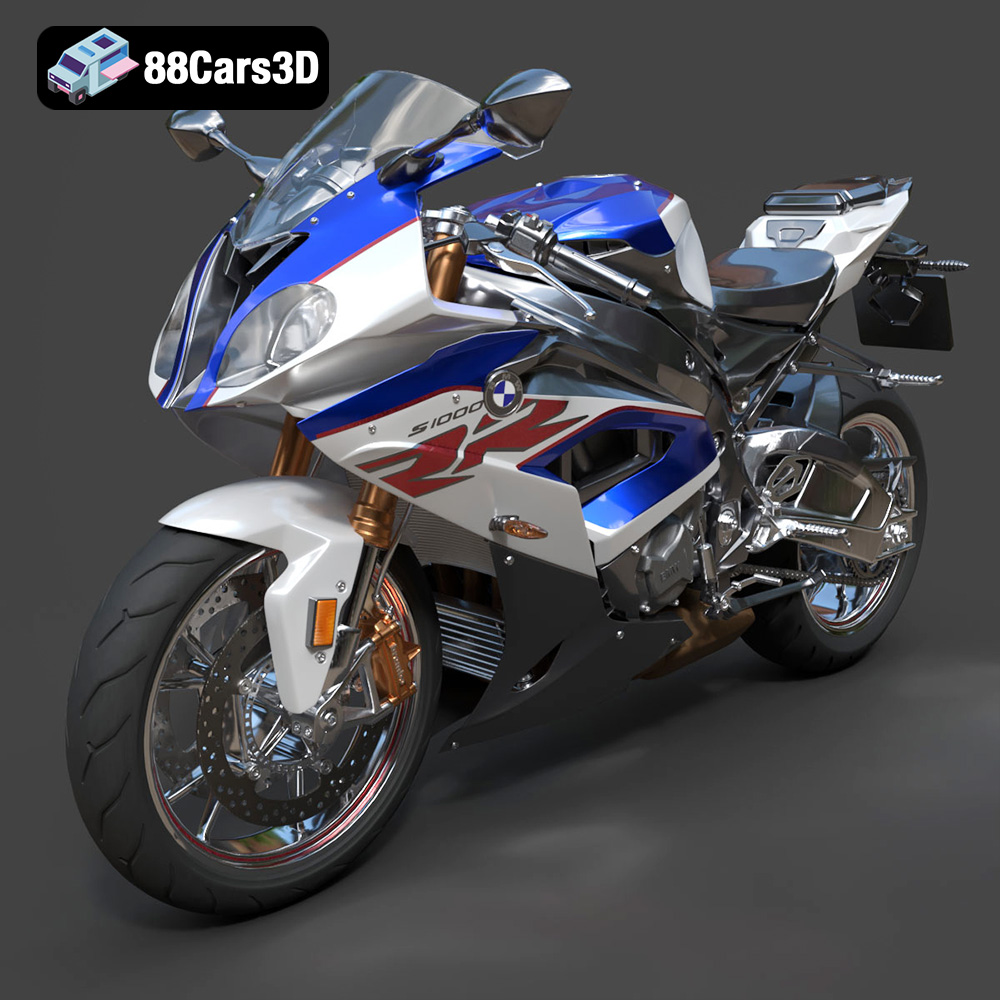
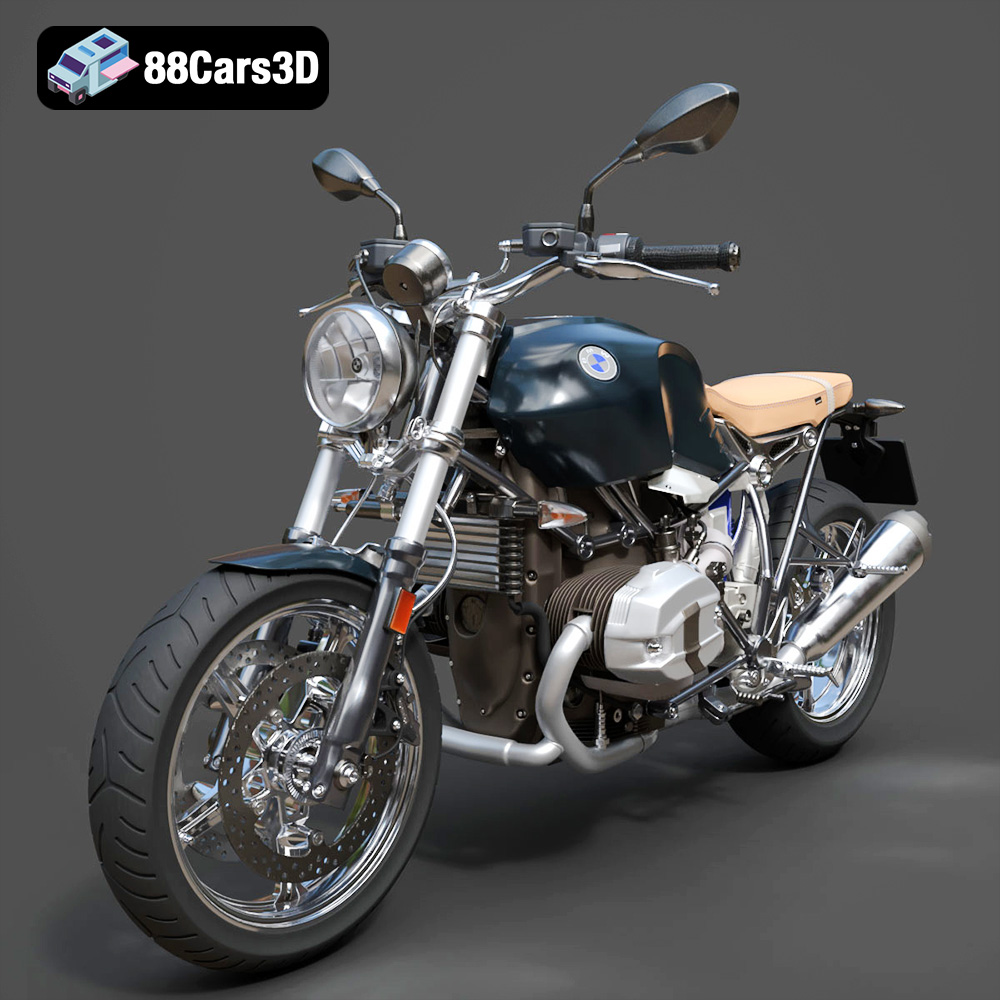
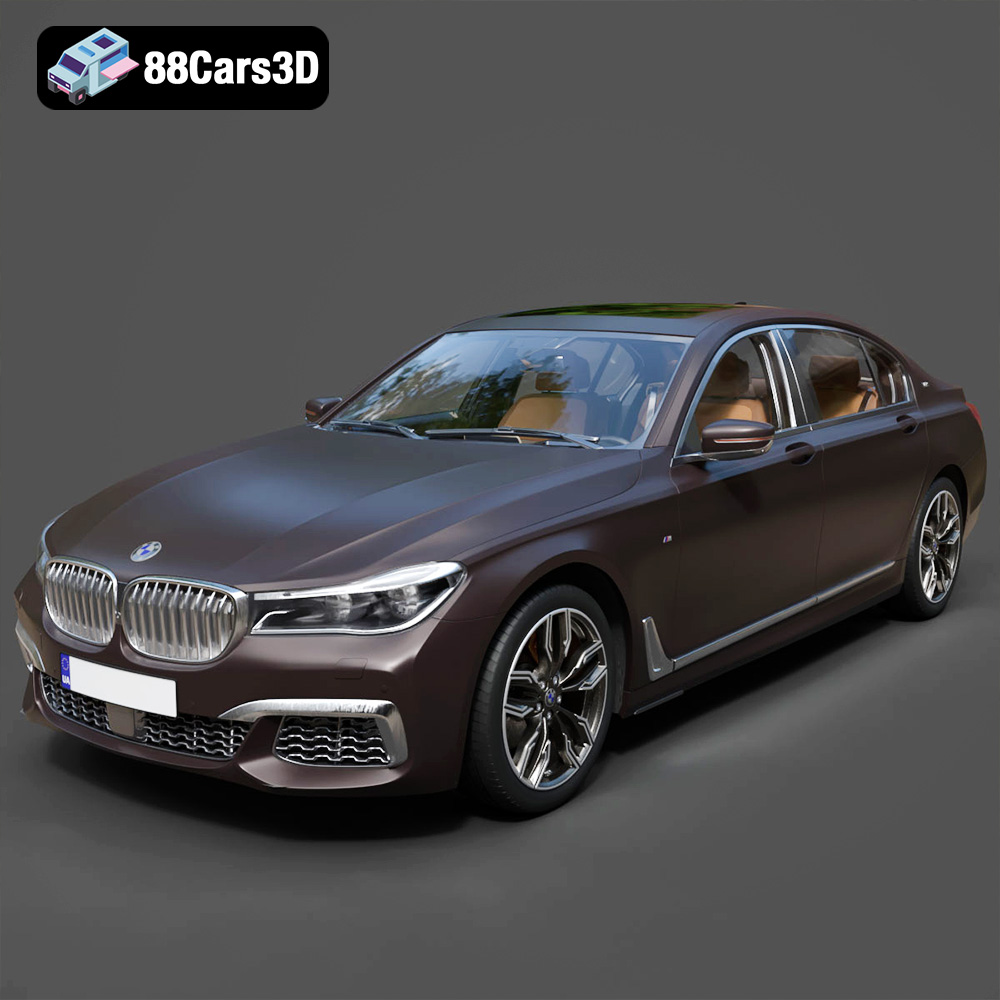
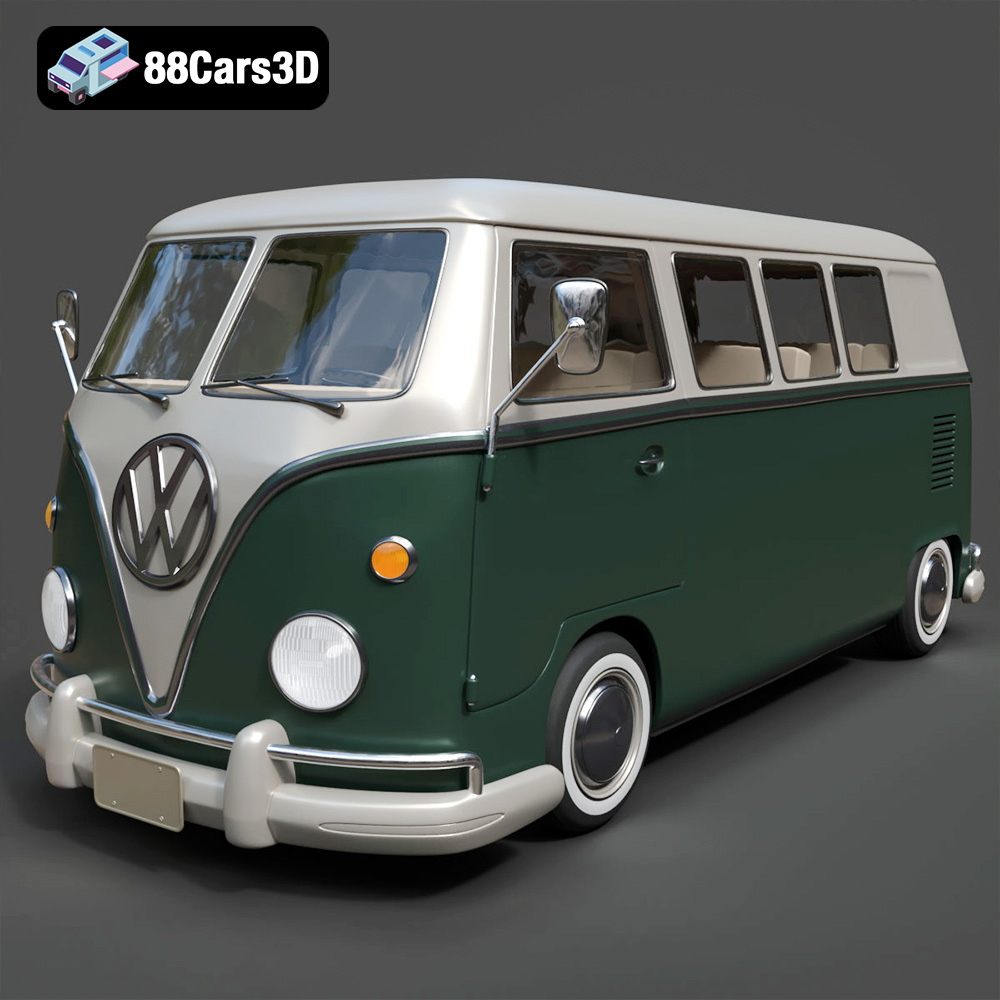
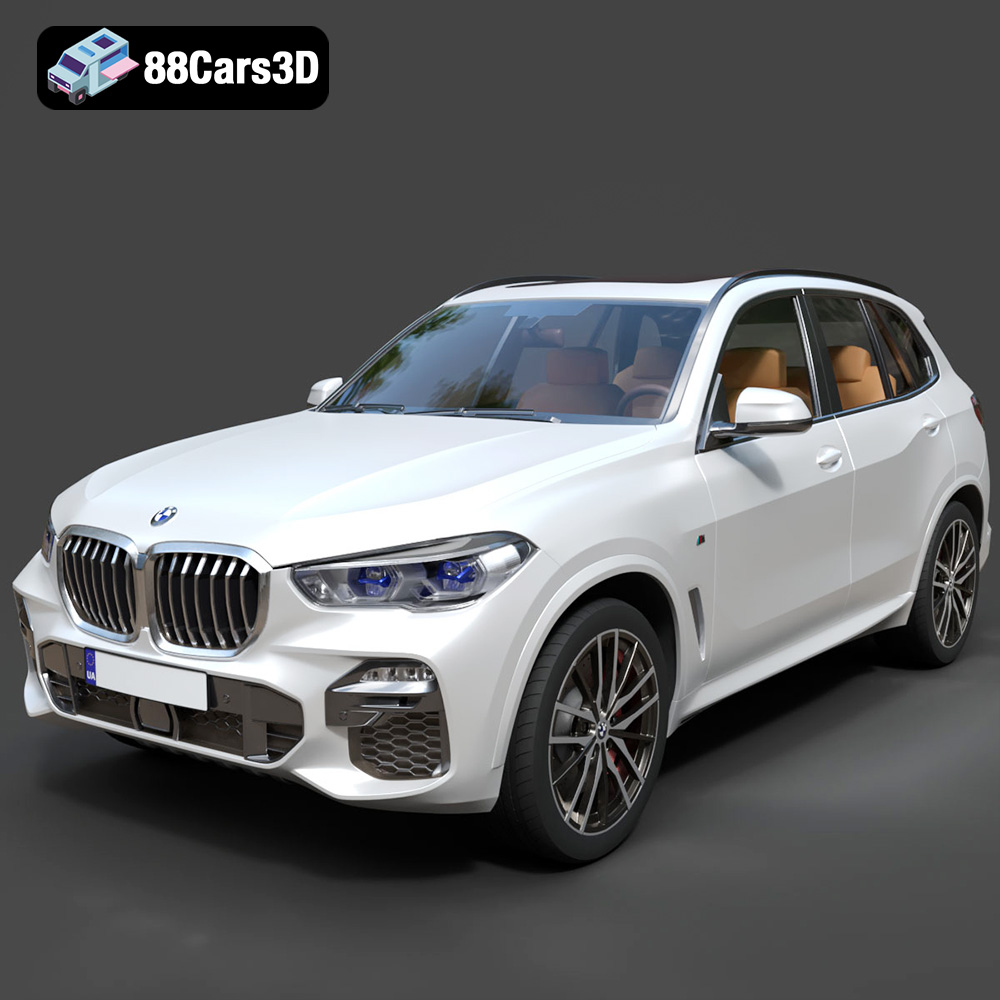
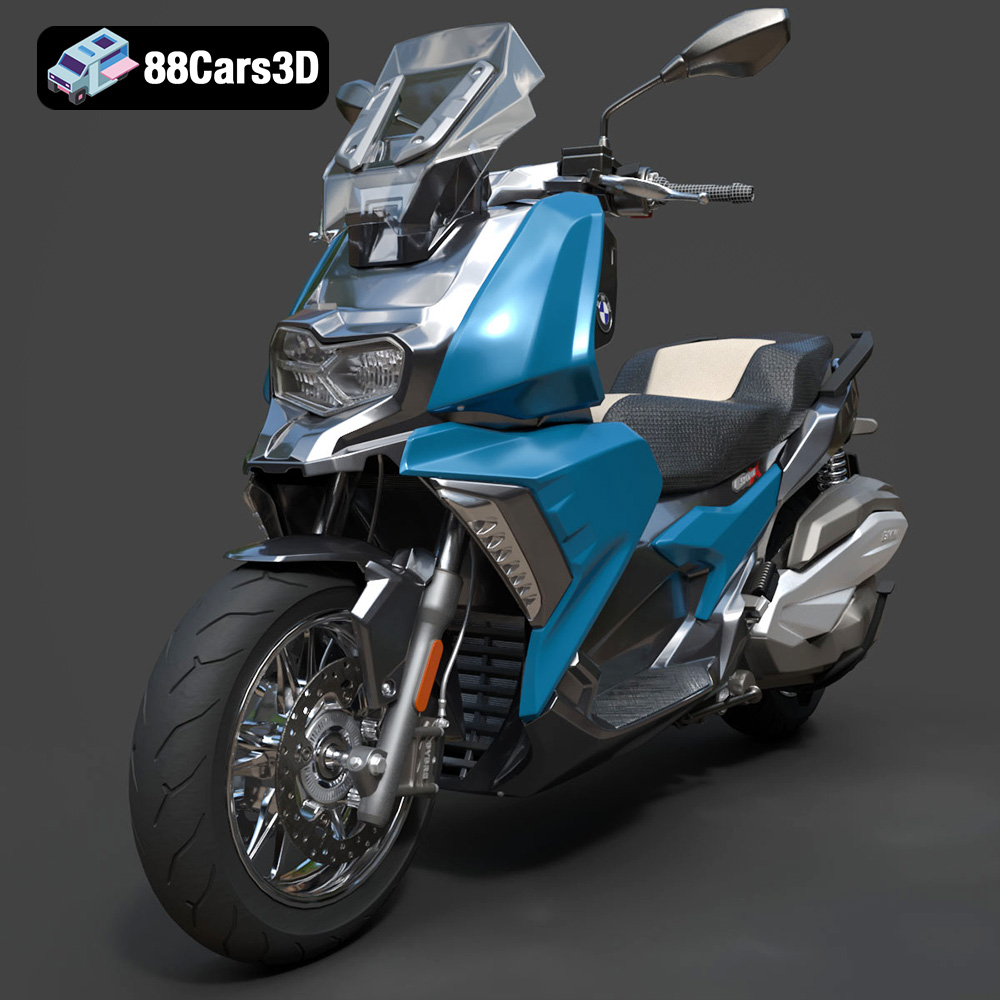
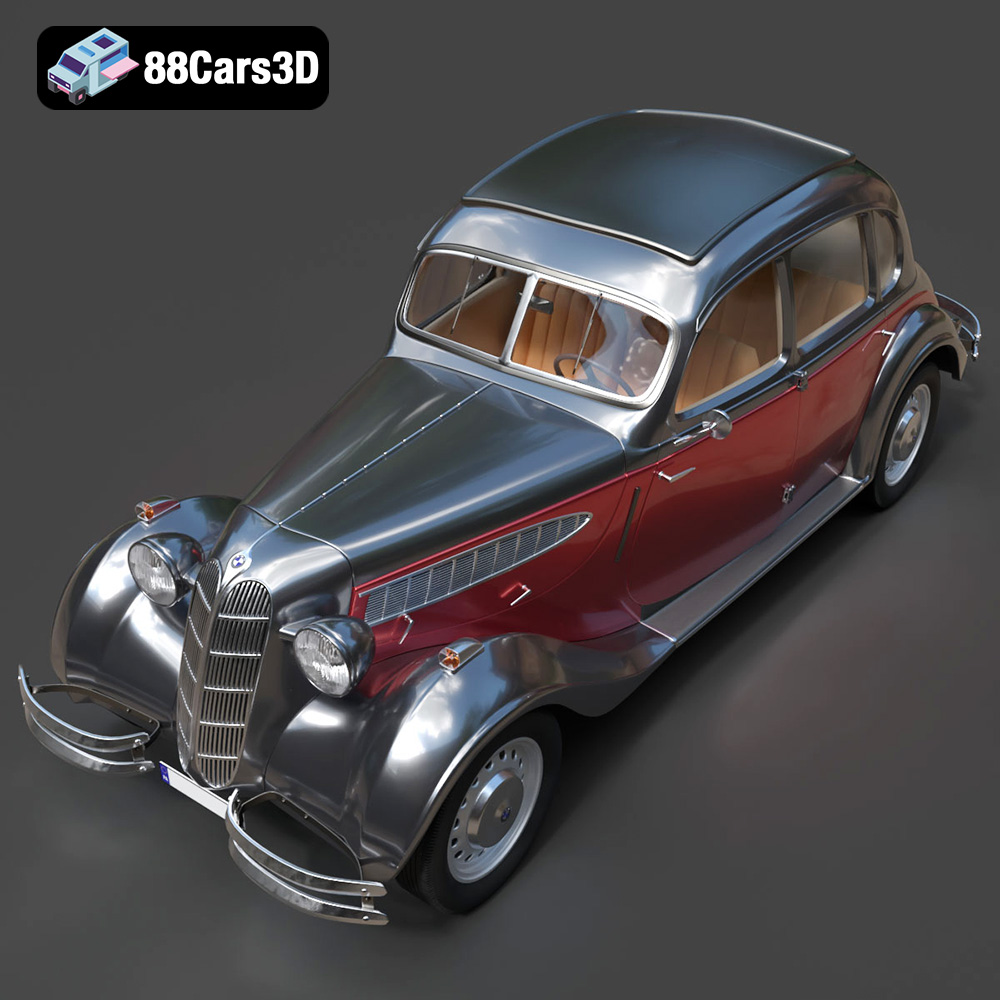
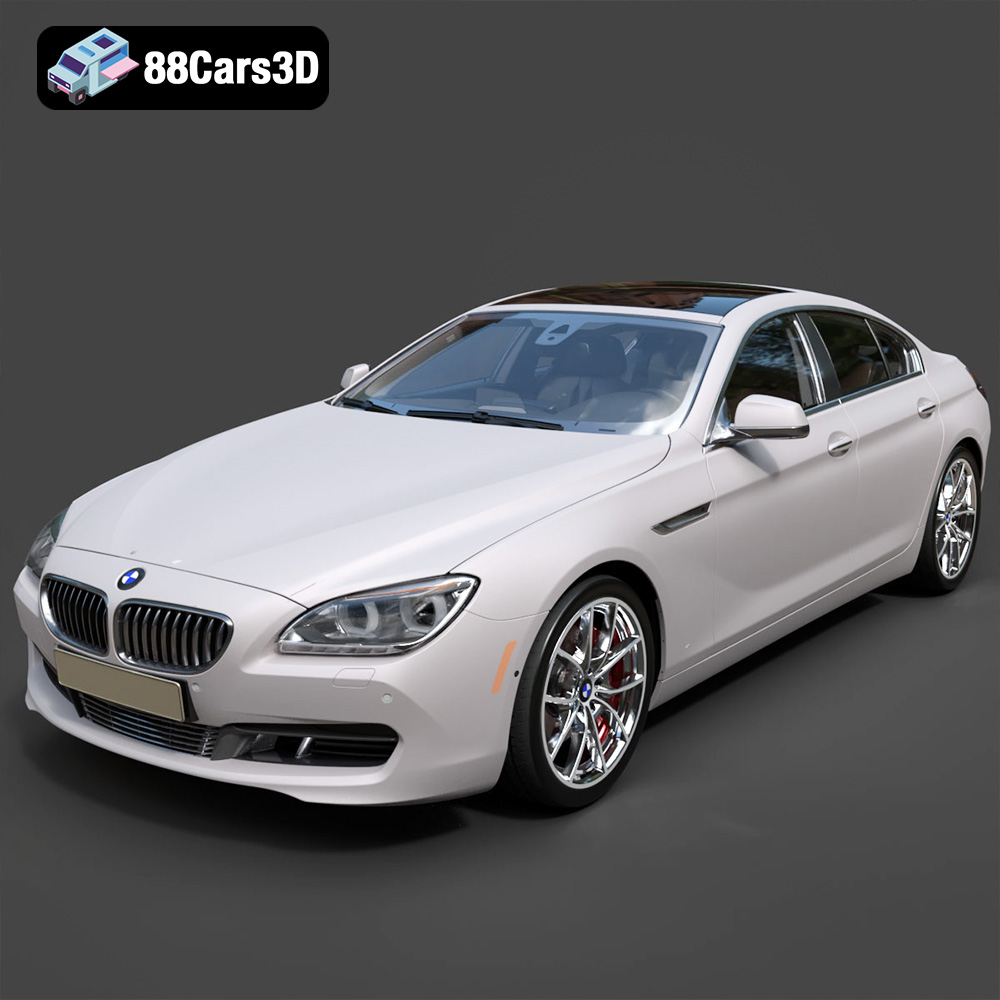
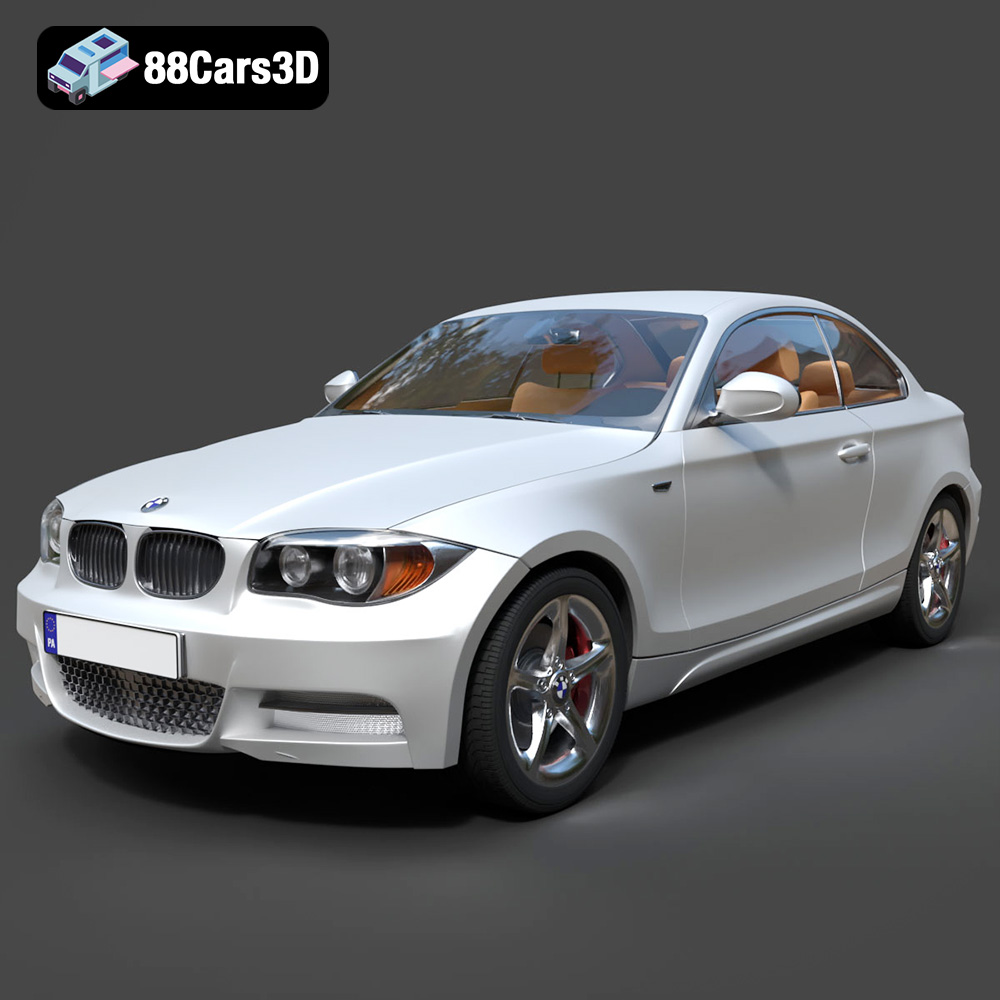
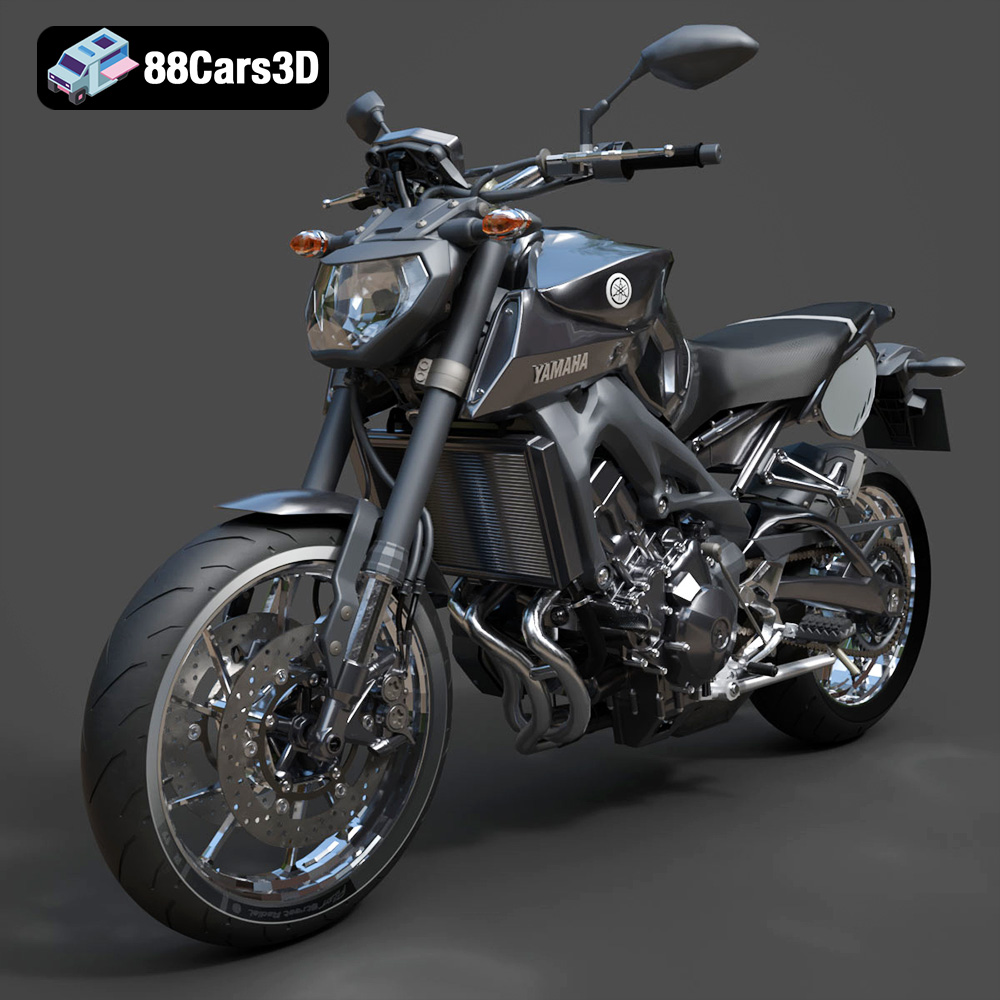
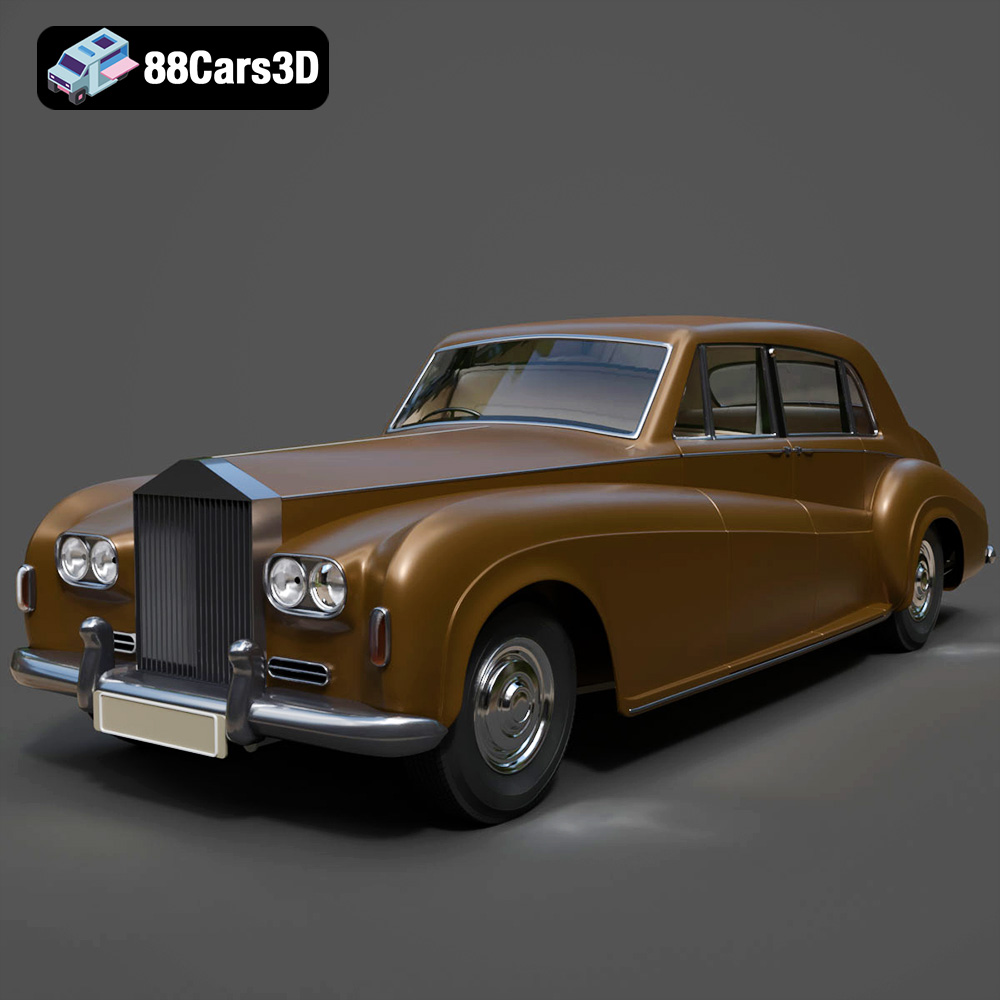
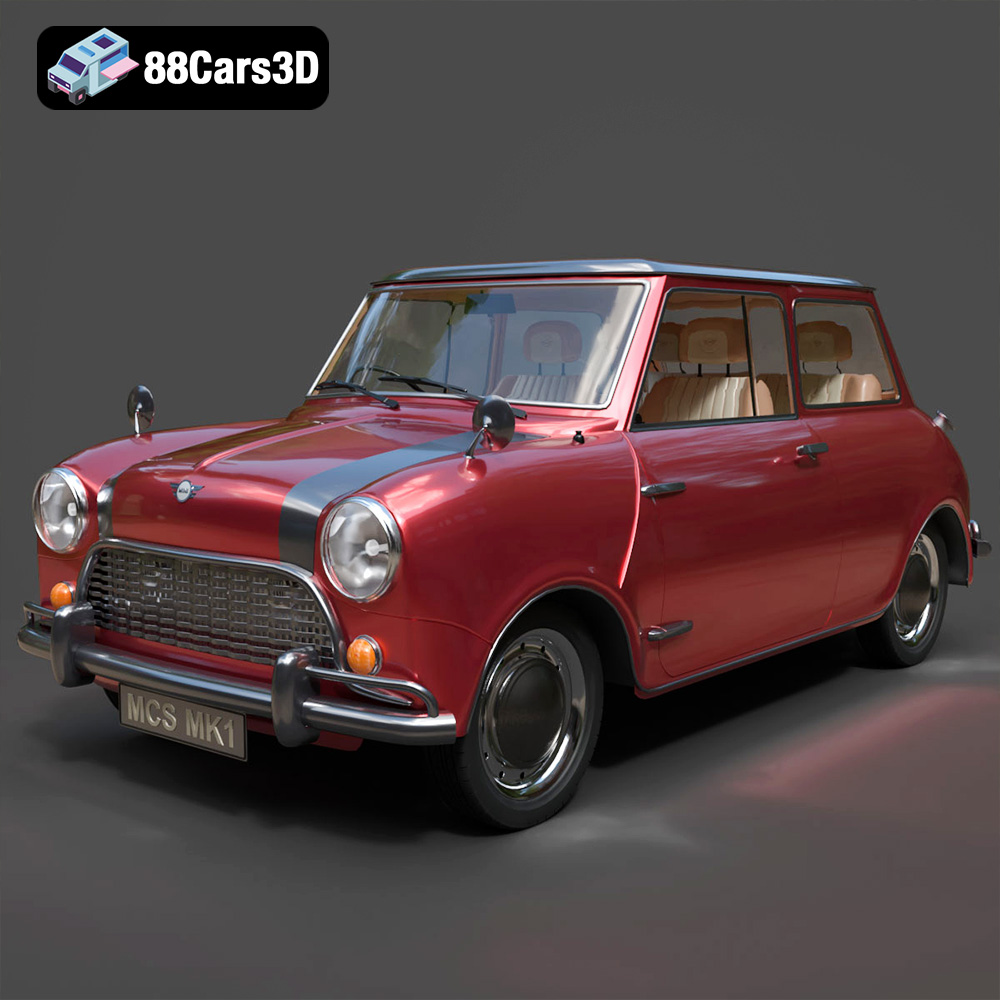
The demand for high-quality digital vehicles has surged across numerous industries. From blockbuster cinematic sequences and cutting-edge advertisements to virtual showrooms and sophisticated driving simulators, the need for accurate, detailed, and performant 3D car models is constant. Crafting these assets is an art and a science, blending aesthetic design principles with rigorous technical specifications to ensure they meet the specific requirements of their intended platform.
From Concept to Reality: The Design Workflow
The journey of a 3D car model often begins long before a single polygon is laid. It typically starts with extensive reference gathering, including blueprints, CAD data, and photographic documentation. Artists then employ specialized 3D modeling software like 3ds Max, Blender, or Maya to translate these references into a digital mesh. This process involves precise polygonal modeling, often starting with a low-resolution base mesh that is incrementally refined through subdivision modeling techniques. Attention to topology – the arrangement of polygons – is critical for smooth deformation, clean surfacing, and efficient UV unwrapping. High-poly models, sometimes reaching millions of polygons, capture every subtle curve and panel gap, while optimized low-poly versions are developed simultaneously or later for real-time applications.
High-Fidelity vs. Optimization: Striking the Balance
One of the core challenges in 3D car model production is balancing visual fidelity with performance requirements. For pristine automotive rendering, ultra-high polygon counts, detailed textures, and complex shader networks are desirable. These models aim to be indistinguishable from their real-world counterparts under close scrutiny. However, for interactive applications like video games or AR/VR experiences, performance is king. Here, optimization techniques become crucial. This involves intelligent polygon reduction, creating multiple Levels of Detail (LODs), baking high-resolution details into normal maps for low-poly meshes, and carefully managing texture resolutions and draw calls. Achieving this balance requires a deep understanding of both artistic vision and technical constraints, ensuring that the model looks great while running smoothly on target hardware.
Understanding 3D Model File Formats
The interoperability of 3D car models across different software, engines, and platforms hinges significantly on the chosen file format. Each format comes with its own strengths, limitations, and specific use cases, making an informed decision crucial for any digital pipeline. Understanding these technical distinctions ensures efficient workflow and preserves the integrity of your assets. Marketplaces like 88cars3d.com typically offer models in several formats to accommodate diverse project needs.
Versatility for Various Applications
The sheer variety of 3D applications, from CAD software and animation studios to game engines and web-based AR viewers, necessitates a range of formats. A format ideal for 3D printing might be unsuitable for a real-time game, just as a fully editable scene file would be impractical for web deployment. Choosing the right format at the outset can save significant time and effort in conversion and optimization down the line. It’s about matching the format’s capabilities to your project’s technical demands and delivery goals.
Technical Deep Dive into Each Format
- .blend (Blender Native): This is Blender’s proprietary file format. A .blend file saves an entire Blender scene, encompassing geometry, materials (with node setups), textures, lighting, cameras, animation data, rigging, physics simulations, and scene settings. It is fully editable within Blender, making it excellent for artists who use Blender as their primary DCC (Digital Content Creation) tool. Its strength lies in preserving the complete working environment, allowing for non-destructive edits and complex procedural workflows. When provided, it’s often the most comprehensive version of a model, offering maximum flexibility.
- .fbx (Filmbox): Developed by Autodesk, FBX is arguably the most widely adopted interchange format, particularly in the game development and animation industries. It excels at transferring 3D model data, including meshes, materials (basic properties like color, specularity), textures, skeletal animations, blend shapes, and camera/light information, between different 3D software applications (e.g., 3ds Max, Maya, Blender) and game engines (Unreal Engine, Unity). FBX is ideal for real-time pipelines due to its robust support for animation and scene hierarchy, making it a go-to for production-ready game assets. It’s a binary format, making it relatively compact.
- .obj (Wavefront OBJ): A classic and universal 3D format, OBJ is known for its simplicity and broad compatibility. It stores geometric data (vertices, normals, UV coordinates, polygonal faces) in a text-based format. While highly compatible across virtually all 3D software, OBJ does not support animation, rigging, or complex material setups directly; materials are typically referenced via an accompanying .mtl (Material Template Library) file. It’s excellent for exporting static meshes and for ensuring cross-software compatibility when complex features are not required.
- .glb (GLB/glTF Binary): GLB is the binary version of the GL Transmission Format (glTF), often referred to as the “JPEG of 3D.” It’s an open-standard, royalty-free format designed for efficient transmission and loading of 3D scenes and models by engines and applications. GLB bundles the mesh, textures, and PBR (Physically Based Rendering) material data into a single, compact file, making it highly optimized for web-based 3D, AR (Augmented Reality), and VR (Virtual Reality) applications. Its efficiency and support for modern PBR workflows make it increasingly popular for interactive, real-time browser experiences.
- .stl (Stereolithography): STL is the standard file format for 3D printing. It represents a 3D model’s surface geometry using a tessellated mesh of triangles. Crucially, STL files contain only geometric information – no color, texture, material, or animation data. Its simplicity makes it universally compatible with 3D printers and slicing software. When a physical prototype or collectible car model is desired, an .stl file is the required output.
- .ply (Polygon File Format): PLY is a versatile format for storing 3D data, particularly suited for storing data from 3D scanners. Similar to OBJ, it describes a 3D object as a collection of polygons. However, PLY offers more flexibility by allowing properties such as color, transparency, normals, texture coordinates, and even confidence values (for scanned data) to be associated with vertices and faces. It’s frequently used in scientific, research, and CAD applications where precise mesh data with additional attributes is important.
- .unreal (Unreal Engine Ready): While .unreal isn’t a standalone file extension in the same way as .fbx or .obj, it represents a model that has been specifically prepared and optimized for import into Unreal Engine, or an asset package distributed as a .uasset or .upk file. This means the underlying mesh (often an FBX import) has been correctly scaled, materials configured using Unreal’s PBR shader system, LODs set up, collision meshes generated, and potentially even blueprint functionality or specific animations implemented. When you acquire an “Unreal-ready” asset, it implies that the significant setup work within the engine has already been done, providing a plug-and-play experience for game developers working within the Unreal ecosystem.
- .max (3ds Max Native): This is the native file format for Autodesk 3ds Max. Similar to .blend files for Blender, a .max file contains the entire scene data, including geometry, materials, textures, lighting, cameras, animations, modifiers, and all specific 3ds Max object properties. It offers full editability within 3ds Max and is crucial for projects heavily reliant on its specific toolset, such as intricate architectural visualizations or complex character rigging.
Mastering Automotive Rendering for Photorealism
Achieving photorealistic automotive rendering is a highly sought-after skill, critical for marketing, design reviews, and virtual photography. It goes beyond simply having a great 3D car model; it involves a meticulous understanding of materials, lighting, and camera techniques to fool the eye into believing the image is real.
PBR Texturing and Material Creation
The foundation of realism in modern rendering lies in Physically Based Rendering (PBR). PBR materials accurately simulate how light interacts with surfaces based on real-world physics, using parameters like Albedo (base color), Metallic, Roughness, Normal, and Ambient Occlusion maps. For cars, this means recreating the nuanced metallic flake of paint, the subtle reflections on polished chrome, the precise weave of carbon fiber, and the varying sheens of leather and plastic. Tools like Substance Painter and Substance Designer are indispensable for creating high-resolution, layered PBR textures that capture every scratch, dust particle, and subtle imperfection, giving the model a sense of history and realism.
Lighting Techniques for Dramatic Impact
Lighting is paramount in automotive rendering, as it defines shape, reveals surface detail, and sets the mood. High Dynamic Range Imagery (HDRI) environments are commonly used to provide realistic global illumination and reflections, mimicking real-world lighting conditions from studio setups to outdoor scenes. Complementary techniques involve precise placement of virtual studio lights (area lights, spot lights) to highlight specific features, create dramatic shadows, or emulate cinematic lighting setups. Understanding how light interacts with the car’s curves and reflective surfaces is key to making the vehicle pop and conveying its form effectively. Mastering light temperature, intensity, and bounce can transform a good render into an exceptional one.
Post-Production and Compositing for Polish
The rendering process doesn’t end when the raw image is generated. Post-production and compositing are crucial steps to elevate the realism and aesthetic appeal of the final output. This typically involves using software like Adobe Photoshop or After Effects to apply color grading, add subtle lens flares, deepen shadows, enhance highlights, and integrate the rendered car seamlessly into a background plate or environment. Multi-pass rendering, where different elements like reflections, refractions, and diffuse light are rendered separately, provides maximum flexibility in compositing, allowing artists to fine-tune every aspect of the final image for unparalleled polish and visual impact. Many of the stunning visuals you see on 88cars3d.com benefit from expert post-production.
Integrating 3D Car Models into Game Engines
Bringing a static 3D car model to life in a real-time environment like a game engine presents a unique set of challenges, primarily centered around optimization and interactivity. Game developers must meticulously prepare assets to ensure smooth performance while maintaining visual quality.
Optimization Strategies for Real-Time Performance
For game engines, every polygon, texture, and draw call counts. Models must be optimized rigorously. This involves creating multiple Levels of Detail (LODs), where the model’s polygon count is reduced significantly as the camera moves further away. Baking high-polygon details onto normal maps for lower-polygon versions is a standard practice to retain visual fidelity without the performance cost. Efficient UV mapping is essential for optimal texture memory usage, and texture atlases can reduce draw calls. Developers also implement occlusion culling, where objects hidden from view are not rendered, and instancing for repetitive elements like wheels, further enhancing performance. Tools like Unreal Engine’s Datasmith can assist in importing complex CAD data and optimizing it for real-time.
Setting Up Assets in Unreal Engine and Unity
Once optimized, 3D car models are imported into game engines. In Unreal Engine, FBX is a common import format. Developers then set up PBR materials using the engine’s shader graph, creating master materials and material instances for various car parts (paint, glass, tires, interior). Collision meshes are generated – often simplified versions of the visual mesh – to define the car’s physical boundaries in the game world. For interactive elements like doors or wheels, basic rigging is applied, allowing for dynamic animation and control within the engine’s blueprint or C# scripting system. Similar workflows apply in Unity, utilizing its material system and physics engine to integrate the car as a functional game object.
Collision Meshes, LODs, and Rigging
Beyond visual fidelity, functionality is critical for game assets. Collision meshes define how the car interacts physically with its environment, preventing it from passing through walls or falling through the ground. They must be accurate enough for believable physics but simple enough not to burden the physics engine. LODs are crucial for maintaining framerate, with a smooth transition between different detail levels as the player moves. Rigging, even if simple, allows for dynamic elements. For instance, rigging wheels enables them to rotate and steer realistically, while basic joint setups can allow for door opening animations or trunk lifts. These technical considerations are what transform a static model into a dynamic, interactive component of a game world.
Beyond Visualization: Advanced Applications of 3D Automotive Assets
The utility of high-quality 3D car models extends far beyond traditional rendering and game development. Their versatility allows them to power a new generation of interactive and practical applications across various industries.
AR/VR Experiences and Interactive Showcases
Augmented Reality (AR) and Virtual Reality (VR) are revolutionizing how we interact with products, especially in the automotive sector. 3D car models are the backbone of virtual showrooms, allowing prospective buyers to explore vehicles in a fully immersive environment, customize features, and even “drive” them virtually. AR applications enable users to project a car into their real-world environment via a smartphone or tablet, viewing it in their driveway or garage at scale. These experiences demand highly optimized models (often in .glb format) that can render smoothly on mobile devices or VR headsets, delivering a compelling and interactive product showcase that transcends traditional static imagery.
3D Printing for Physical Prototypes and Collectibles
The digital fidelity of a 3D car model can directly translate into the physical realm through 3D printing. Engineers and designers use these models to rapidly prototype new car parts or scaled-down versions of entire vehicles, allowing for physical evaluation of form, fit, and aesthetics long before manufacturing. Beyond professional use, hobbyists and collectors utilize detailed 3D car models (typically in .stl format) to print high-quality collectible replicas, custom components, or unique display pieces. The accuracy of the digital model ensures that the printed object precisely matches the designer’s intent, opening up new avenues for personalized manufacturing and bespoke creations.
Engineering and Simulation Use Cases
In engineering, 3D car models are indispensable tools for a wide range of simulations. Computational Fluid Dynamics (CFD) analysis uses these models to simulate airflow over a vehicle, optimizing aerodynamics for improved fuel efficiency and performance. Crash simulations test structural integrity and passenger safety in a virtual environment, drastically reducing the need for costly physical prototypes. Ergonomic studies utilize 3D models to assess driver and passenger comfort, visibility, and accessibility. These applications often require highly accurate, watertight meshes derived from CAD data, emphasizing precision over visual flair, and showcasing the deep technical utility of these digital assets in the automotive design and development lifecycle.
Sourcing and Managing High-Quality 3D Car Models
The quality of your final output, whether a stunning render or a performant game, is directly tied to the quality of your source assets. Sourcing professionally crafted 3D car models is a critical step that can significantly impact project timelines and overall results.
The Value of Professionally Crafted Assets
A high-quality 3D car model is much more than just a pretty mesh. It embodies clean topology, efficient UV mapping, accurate real-world scaling, logically named parts, and often includes optimized textures and PBR materials. Professionally made models minimize the need for extensive rework, saving artists and developers countless hours. They are typically structured to be easily customizable, allowing for changes to paint, wheels, or interior elements without breaking the model. Investing in professional assets ensures a solid foundation, allowing project teams to focus on creative execution rather than troubleshooting fundamental asset issues.
What to Look for in a Marketplace
When selecting a source for 3D car models, several factors are paramount. Look for marketplaces that specialize in automotive assets, indicating a deeper understanding of the specific requirements for vehicles. Transparency regarding technical specifications – such as polygon count, texture resolutions, and included file formats – is crucial. Reputable providers will often showcase a variety of renders (wireframe, studio, environmental) and even provide video previews. Excellent customer support and clear licensing terms are also vital. Websites like 88cars3d.com focus specifically on high-quality 3D car models, ensuring that the assets are meticulously crafted, optimized for various uses (from high-end automotive rendering to efficient game assets), and provided with the necessary documentation to integrate seamlessly into your workflow. Their curated selection and detailed product information exemplify what to look for when making an informed purchasing decision.
Conclusion
The world of 3D car models is a dynamic and essential pillar of modern digital content creation. From the initial stages of concept design and meticulous modeling to the complexities of photorealistic automotive rendering and the rigorous demands of real-time game assets, these digital vehicles drive innovation across industries. Understanding the nuances of file formats, the delicate balance between fidelity and optimization, and the advanced applications beyond mere visualization is critical for anyone operating in this space.
Whether you’re crafting the next viral advertisement, building an immersive virtual world, or developing groundbreaking engineering simulations, the quality and technical robustness of your 3D car models directly impact the success of your project. By choosing carefully crafted assets from specialized platforms like 88cars3d.com, you ensure a solid foundation, empowering you to push creative boundaries and achieve unparalleled results in the ever-evolving digital landscape.
Featured 3D Car Models


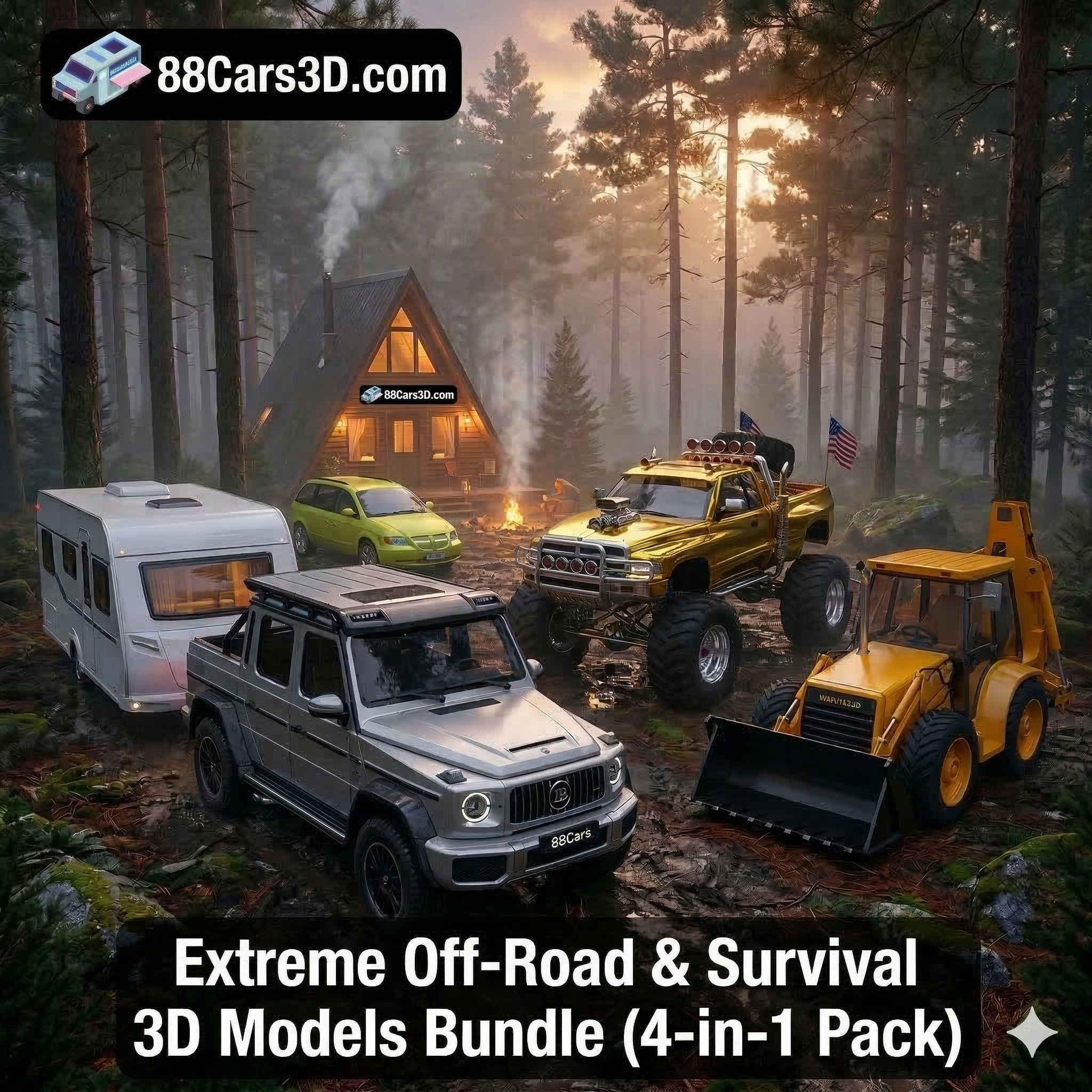
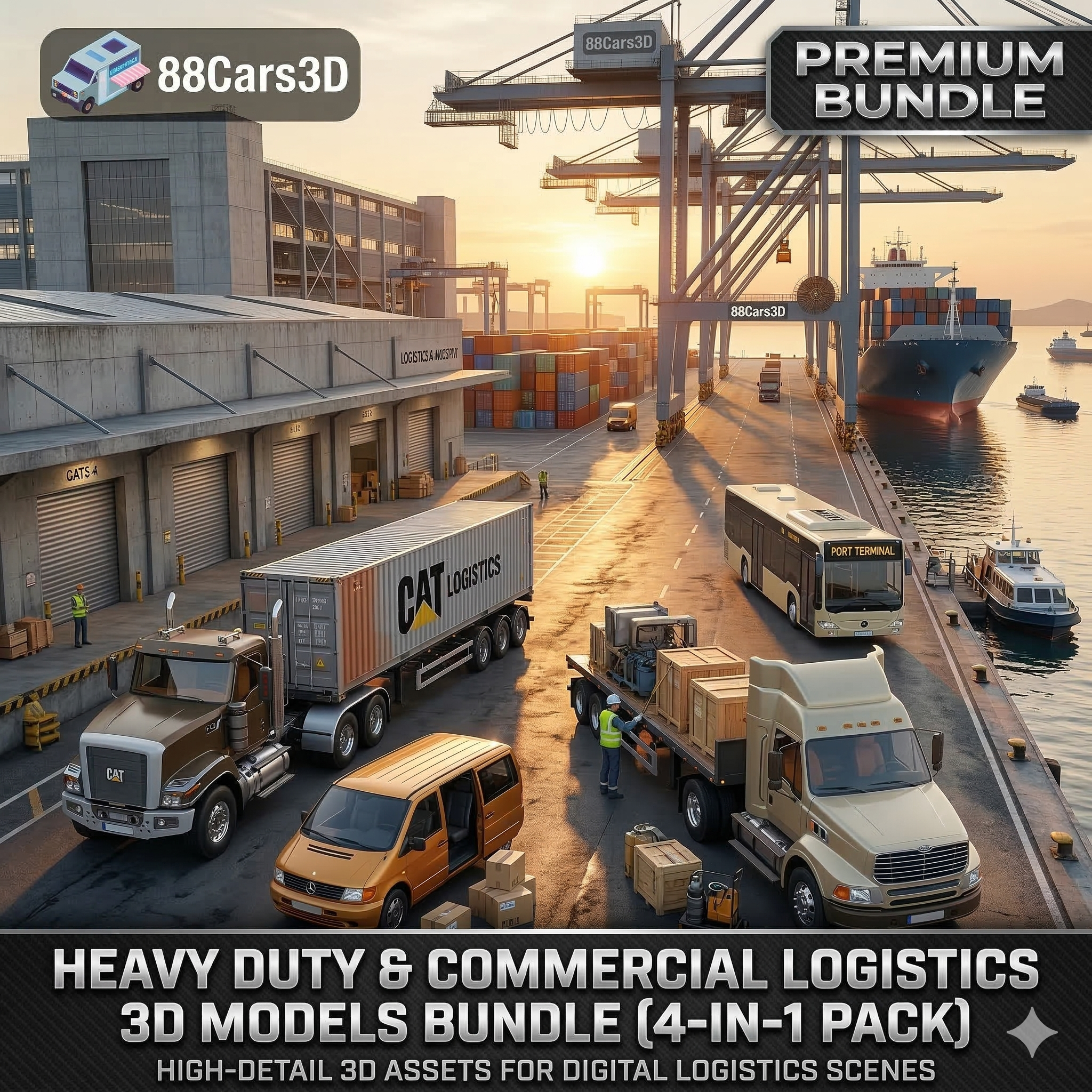


Japanese Legends: JDM Street Racing 3D Models Bundle (5-in-1 Pack) Nissan Mitsubishi Honda Mazda Toyota 3D Printable STL
Price: $129.99

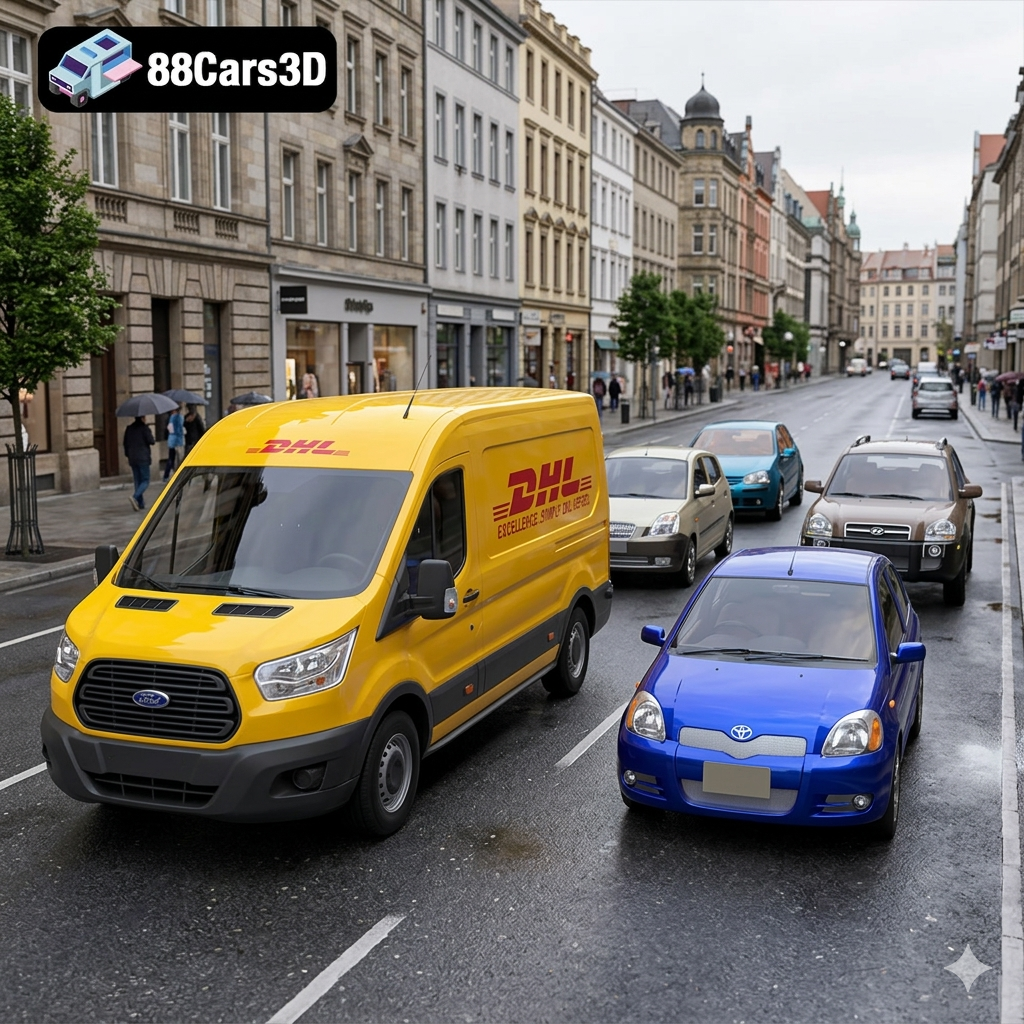
Everyday City Traffic Essentials pack 5in1 Hyundai Kia Volkswagen Toyota Ford 3D Printable STL
Price: $99.99
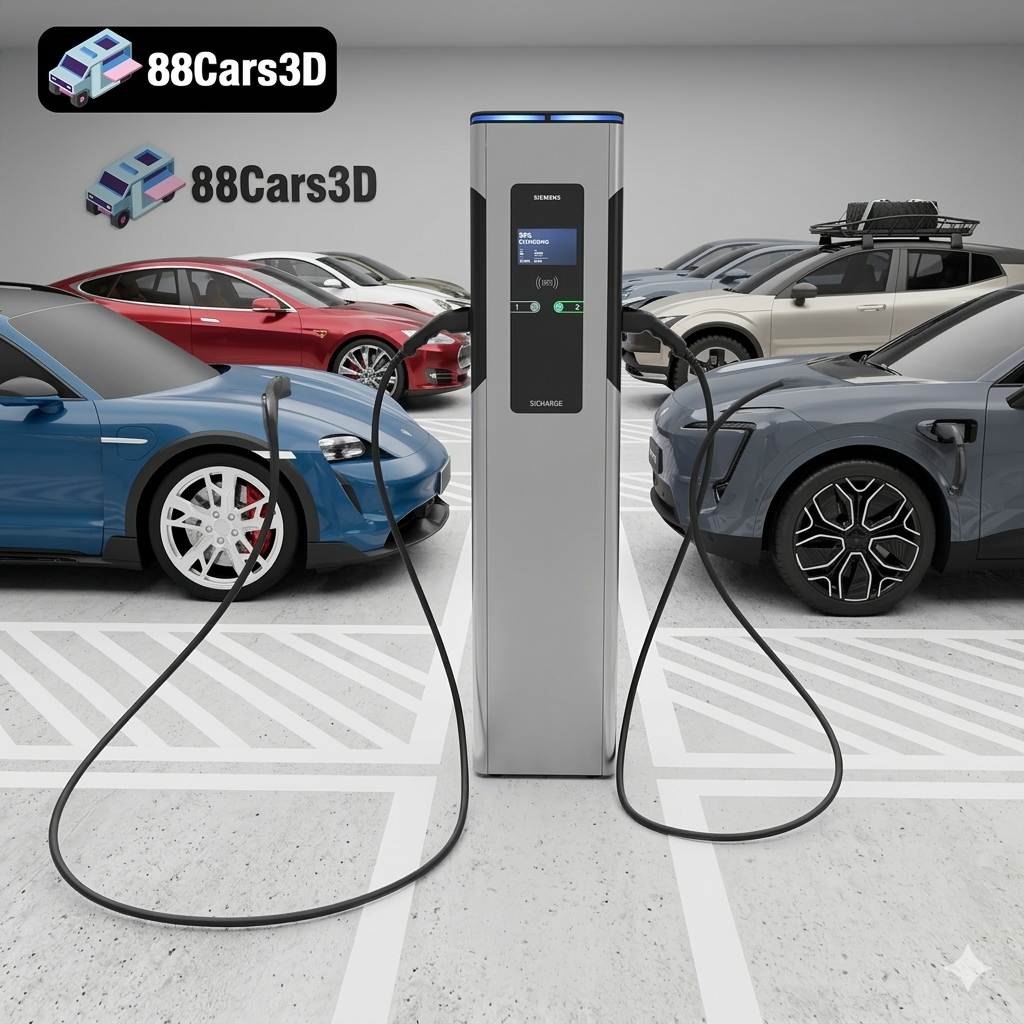
The Future of Mobility: Smart City EV 3D Models Bundle (5-in-1 Pack) Volvo Tesla AVATR Porsche 3D Printable STL
Price: $89.99