Get 20% OFF All Premium 3D & STL Models!

In the dynamic world of 3D visualization, the quality of your assets can make or break a project. Whether you’re crafting an architectural masterpiece, developing a sprawling open-world game, or producing a high-stakes commercial, photorealistic vehicles are often the cornerstone of immersive and believable scenes. They provide scale, context, and an undeniable touch of luxury or grit, instantly elevating the visual fidelity of your work.
Today, we’re going to explore the critical role of high-quality 3D car models in professional workflows, focusing on the intricate details that define excellence. We’ll delve into technical specifications, integration strategies, and the specific advantages that truly stand out. Our journey will highlight how a meticulously curated collection, such as the Ultimate German Luxury Cars 3D Models Bundle, can serve as a powerful catalyst for your creative endeavors, offering unparalleled realism and efficiency.
For discerning 3D artists, the difference between a passable project and an award-winning one often lies in the details. Generic or poorly optimized 3D car models can instantly shatter immersion, standing out as artificial elements in an otherwise stunning scene. Premium 3D car models, like those found on 88cars3d.com, are engineered to integrate seamlessly, enhancing the overall realism and narrative of your visualizations.
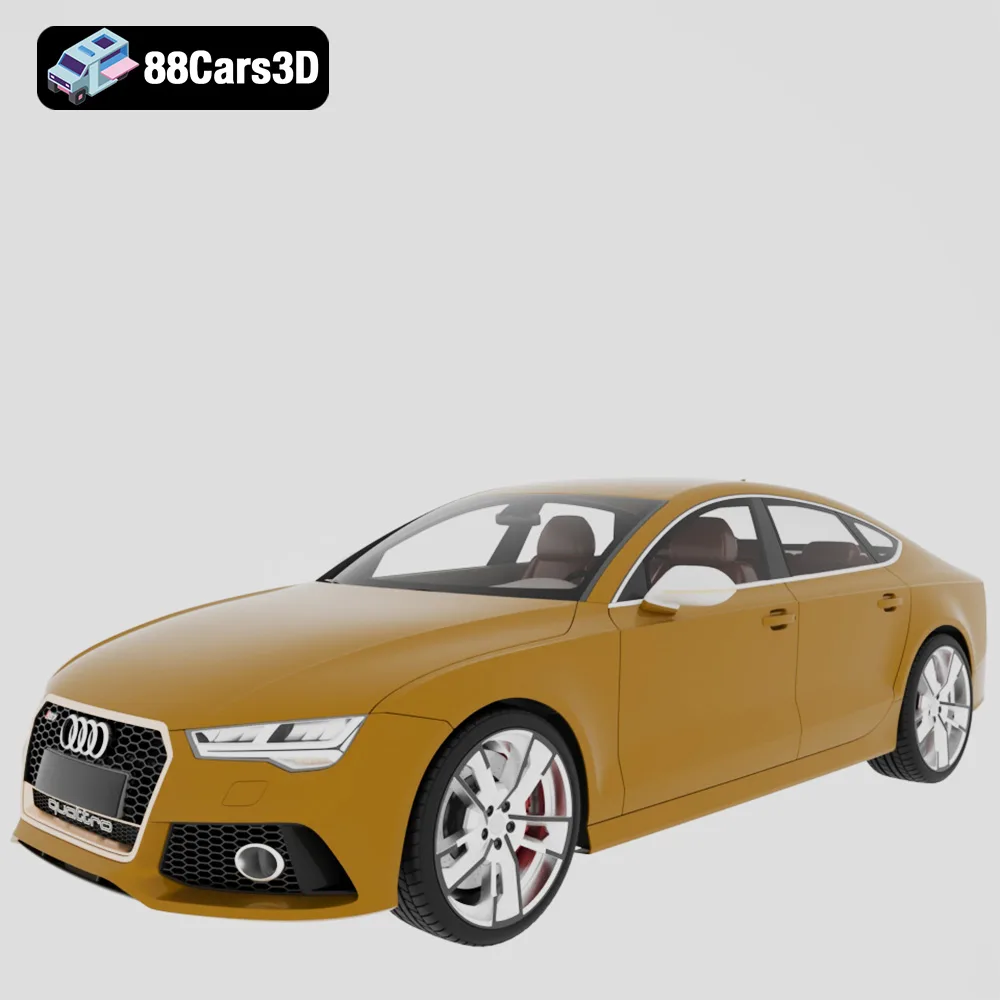
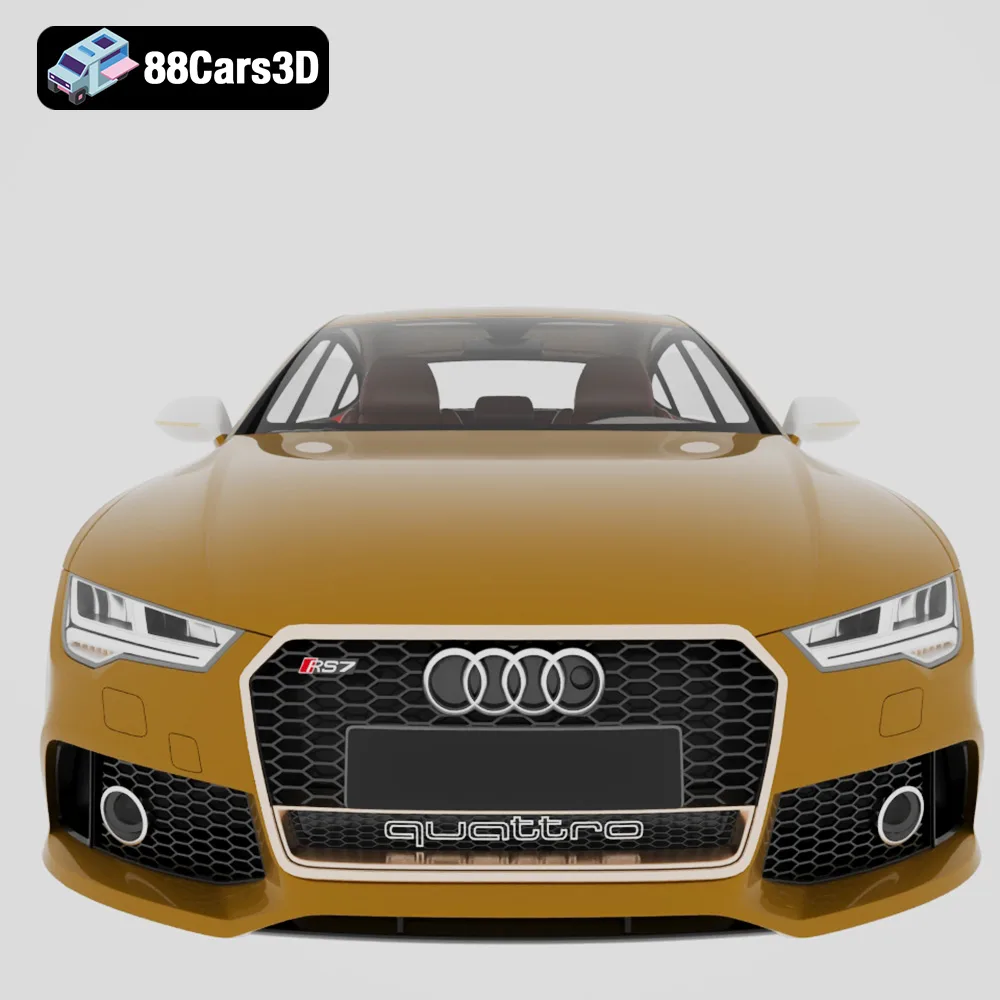
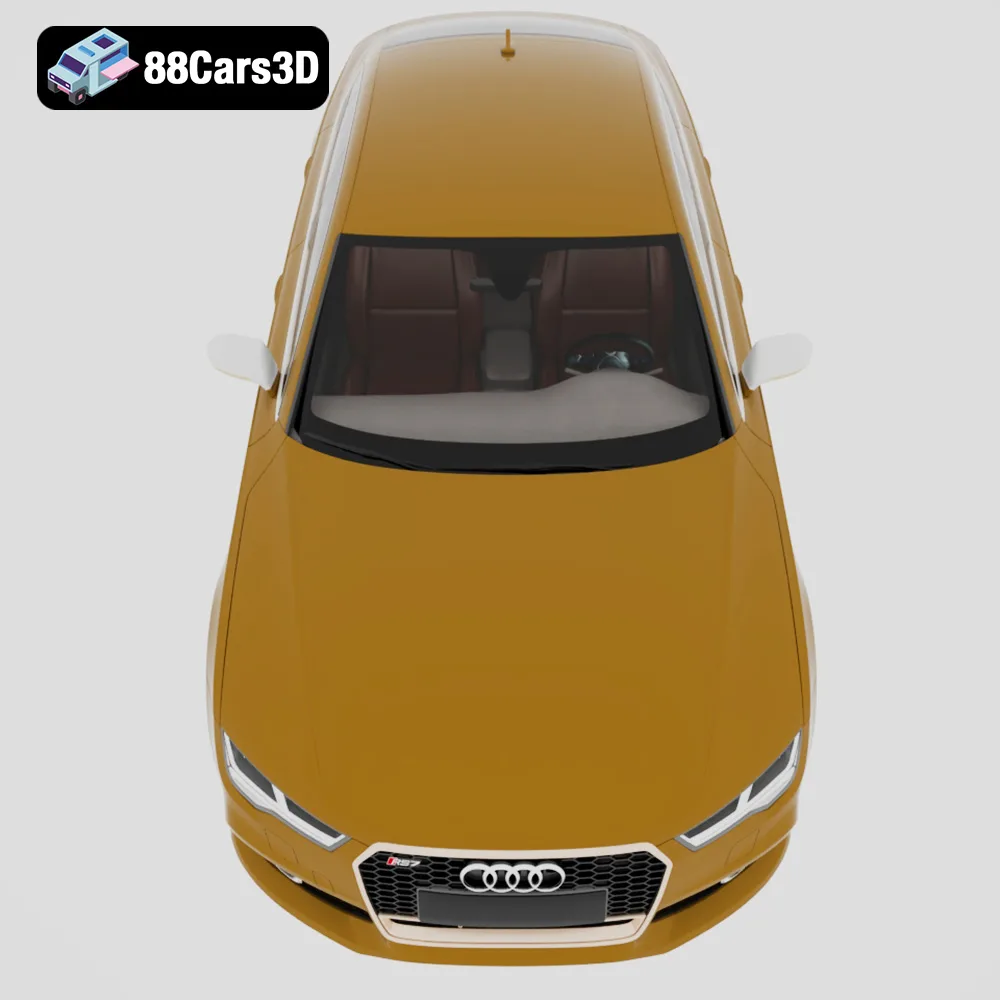
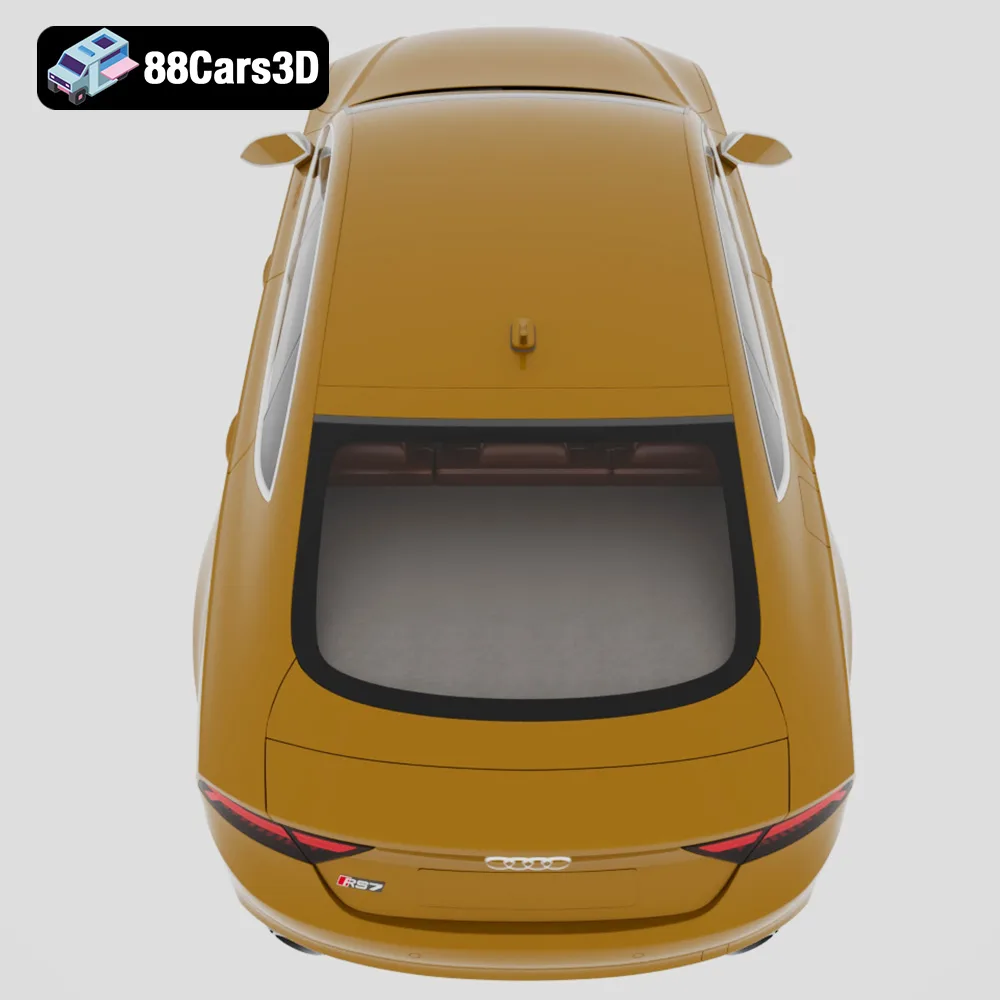
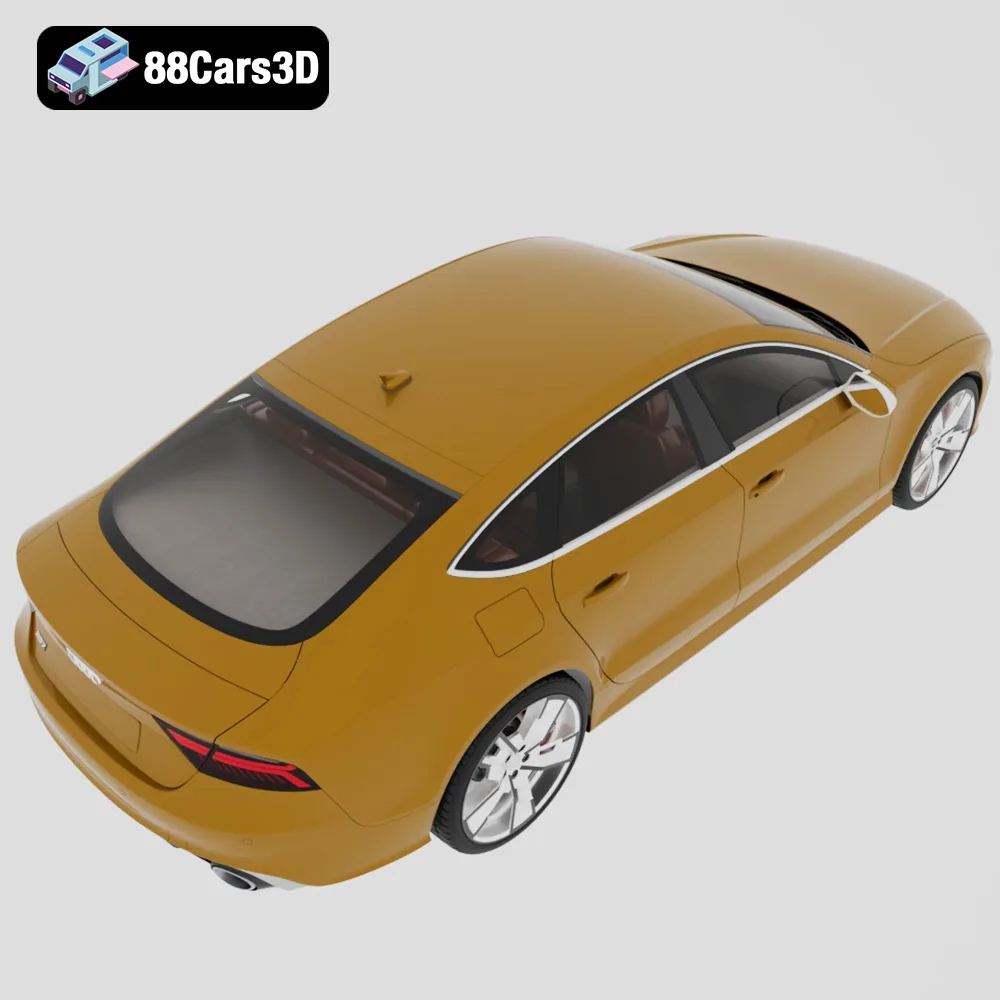
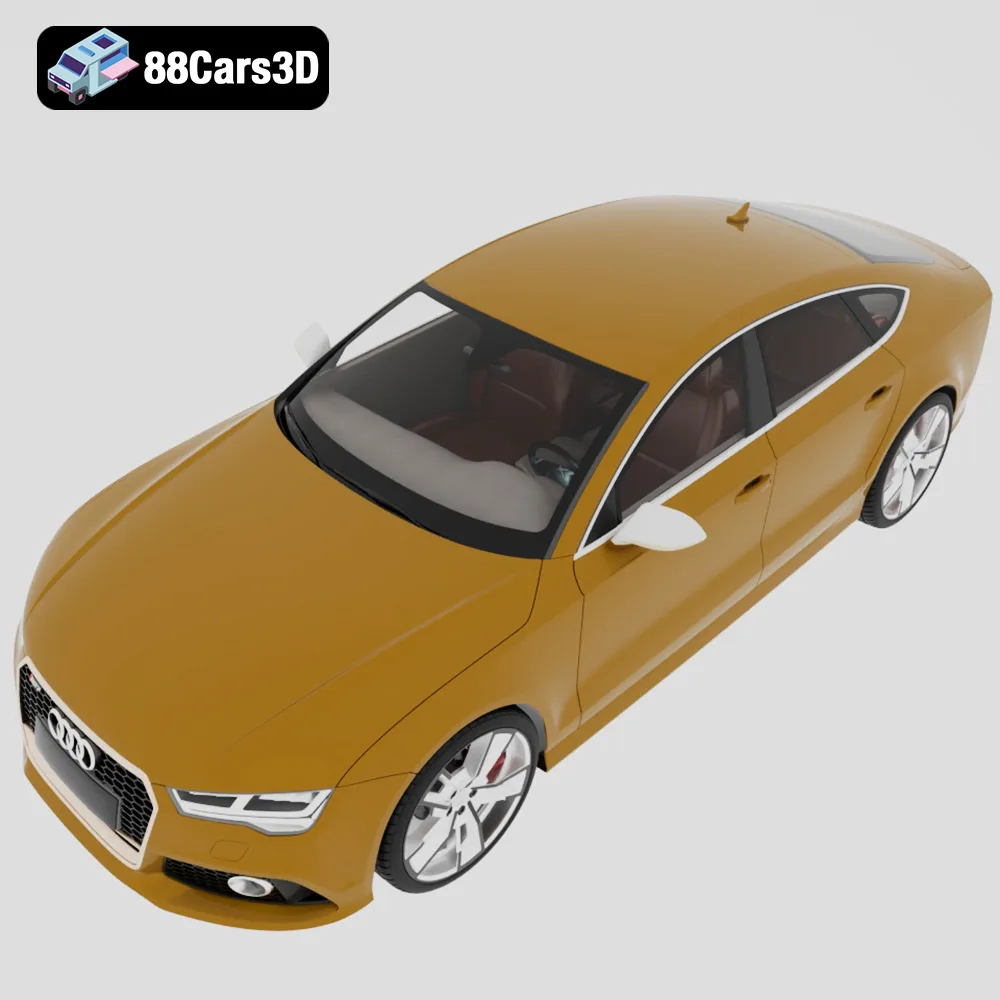
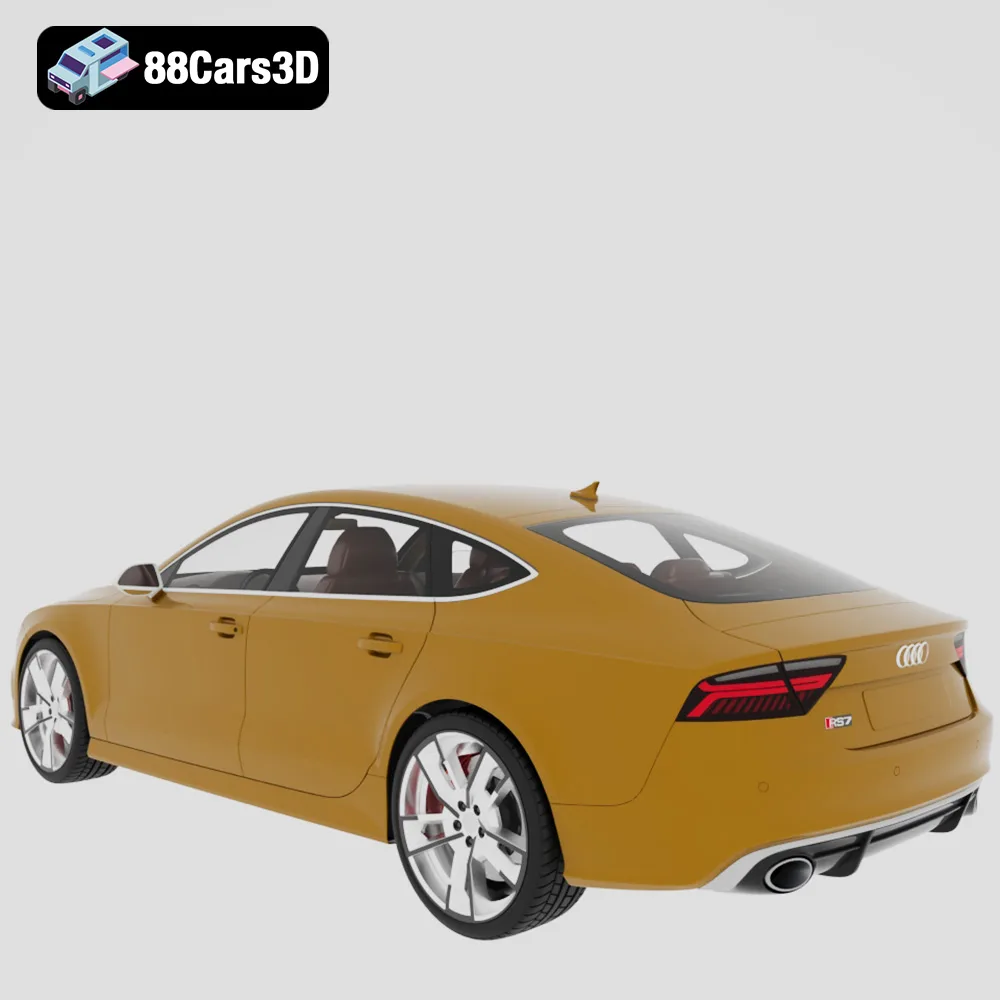
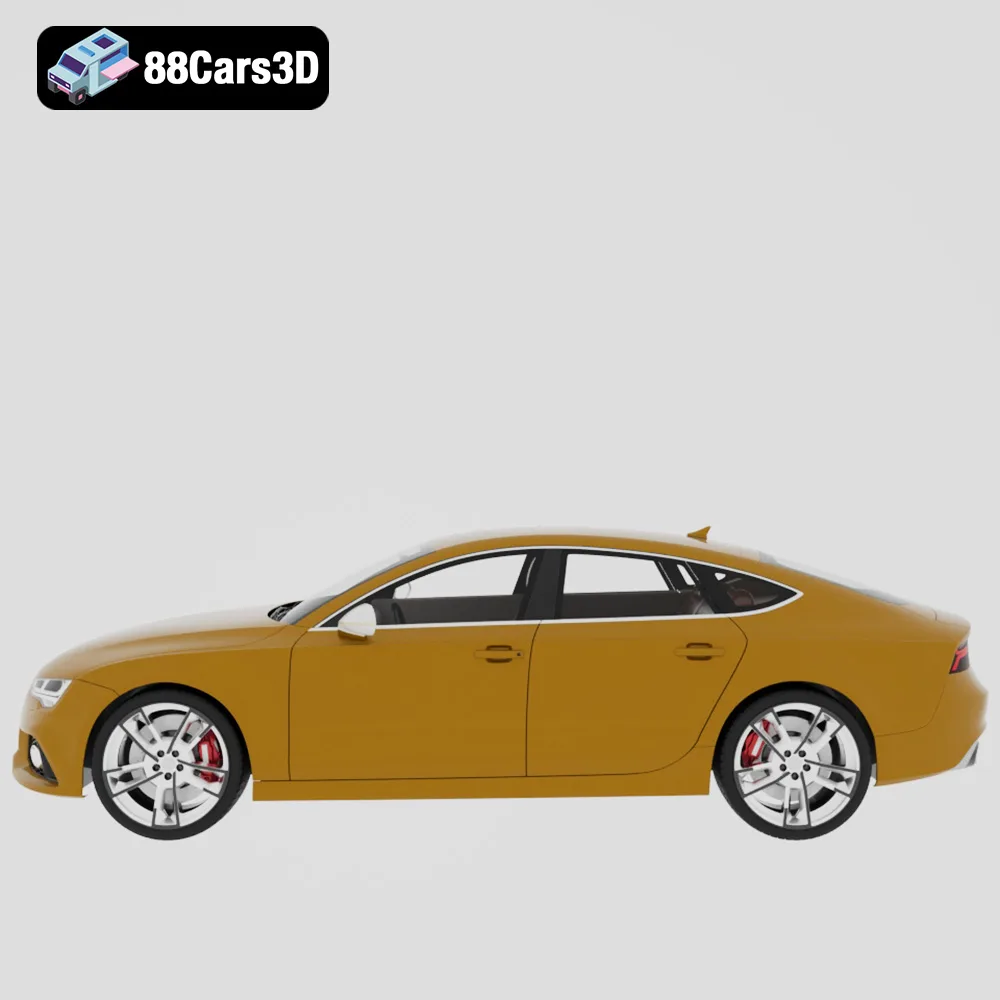
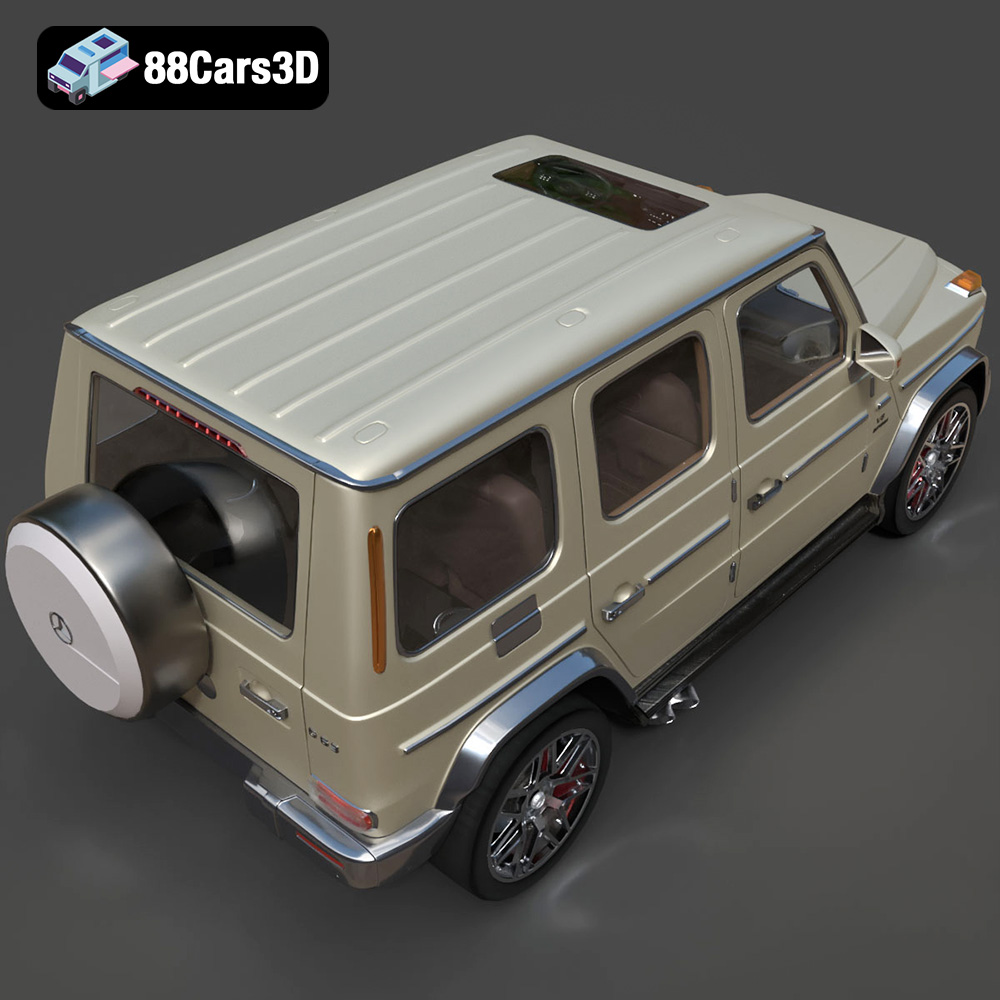
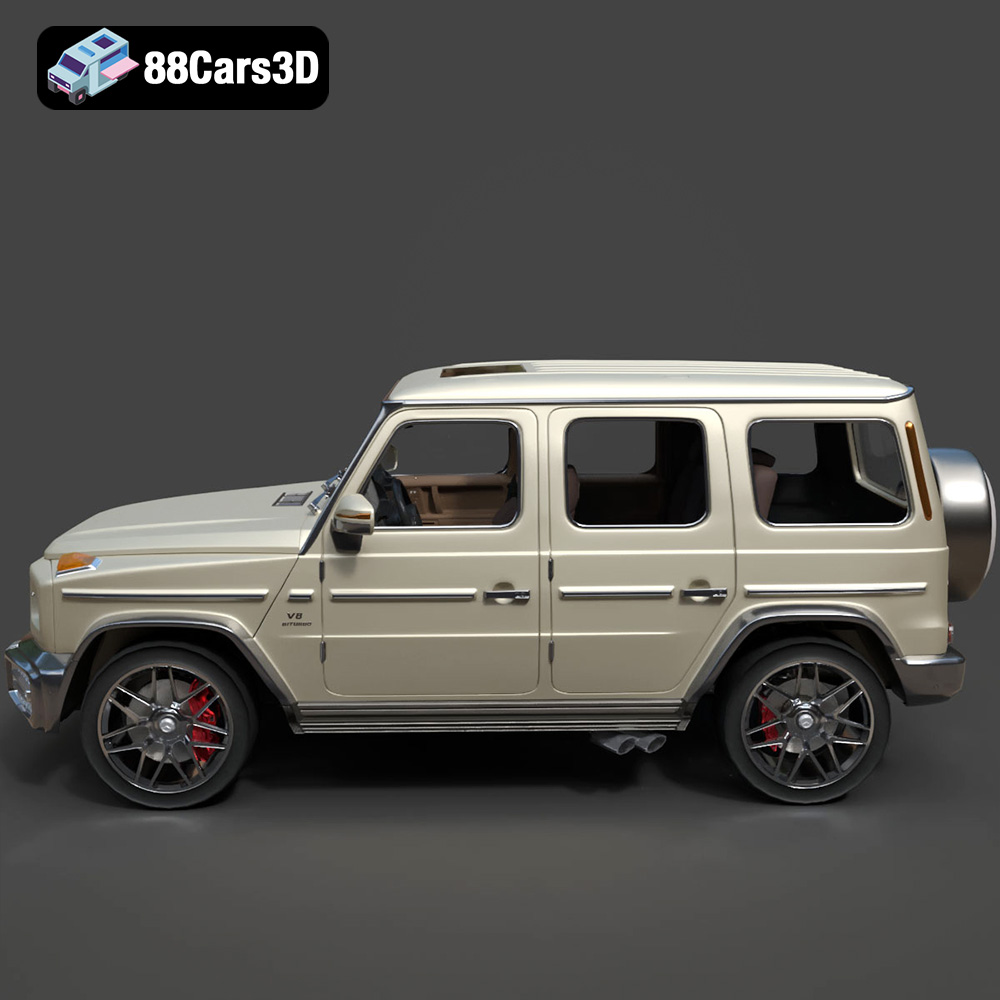
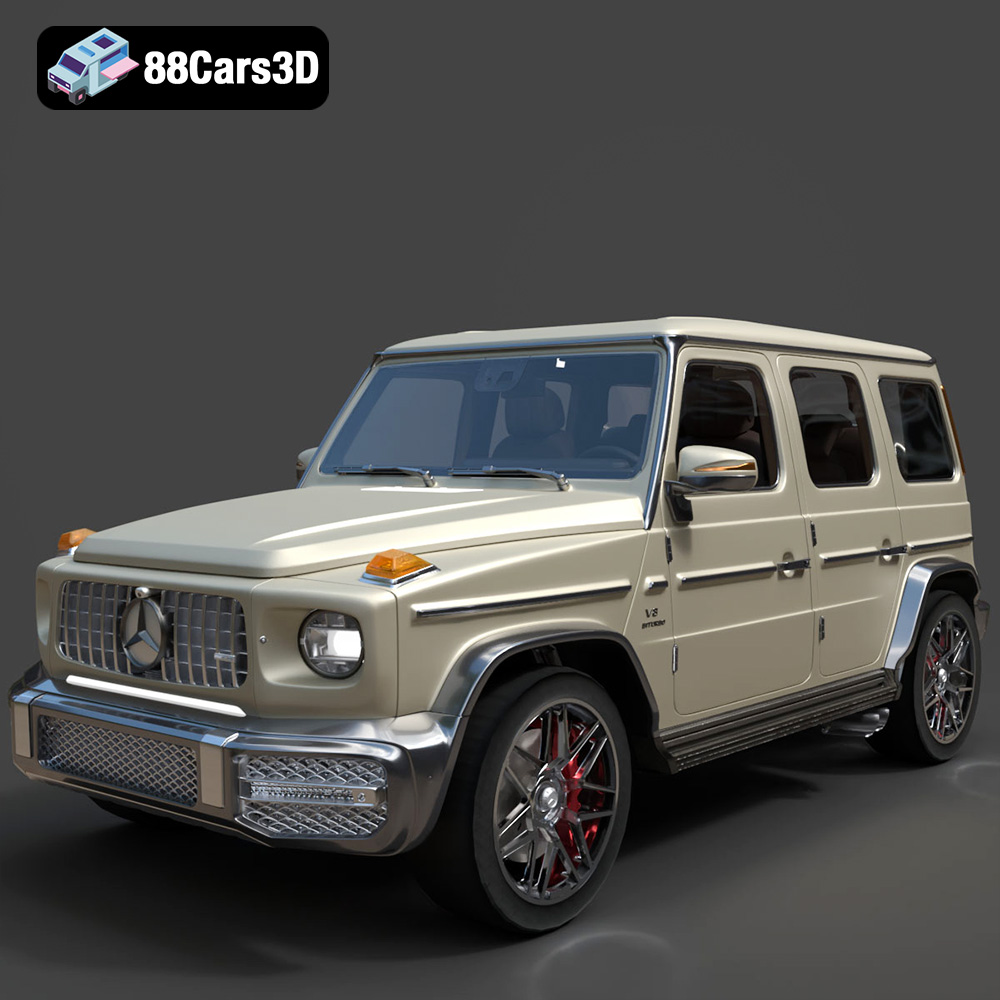
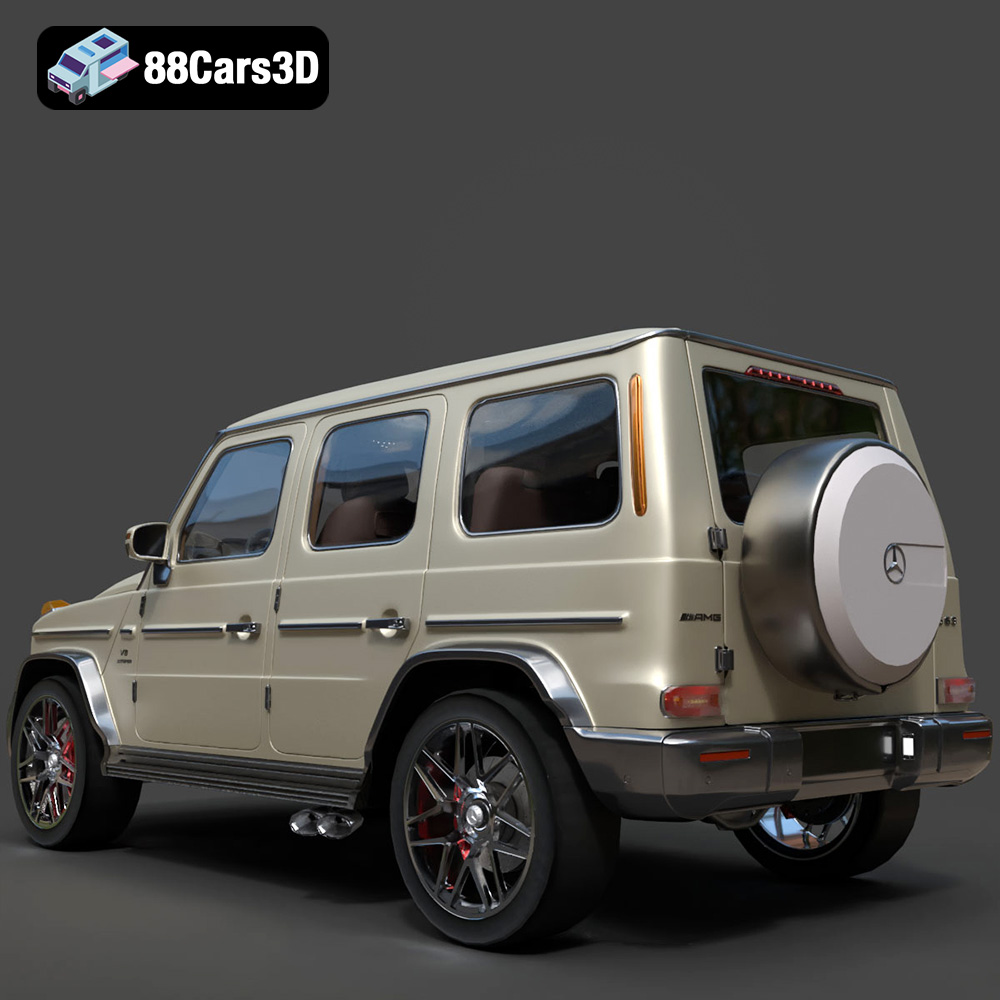
Architectural Visualization (ArchViz) demands nothing less than perfection. A sleek vehicle parked in front of a modern villa or navigating a bustling city street can profoundly impact how a proposed structure is perceived. The Ultimate German Luxury Cars 3D Models Bundle, with its collection including the commanding Mercedes-Benz G63 AMG and the elegant Audi RS7 Sportback Performance, offers ArchViz artists the ultimate “cheat code.” These models are designed with meticulous attention to detail, from the reflections on their paintwork to the intricate design of their alloy wheels, ensuring they contribute to, rather than detract from, the photorealism of an architectural render. They provide a sense of scale, lifestyle, and a touch of aspirational luxury that completes the visual narrative.
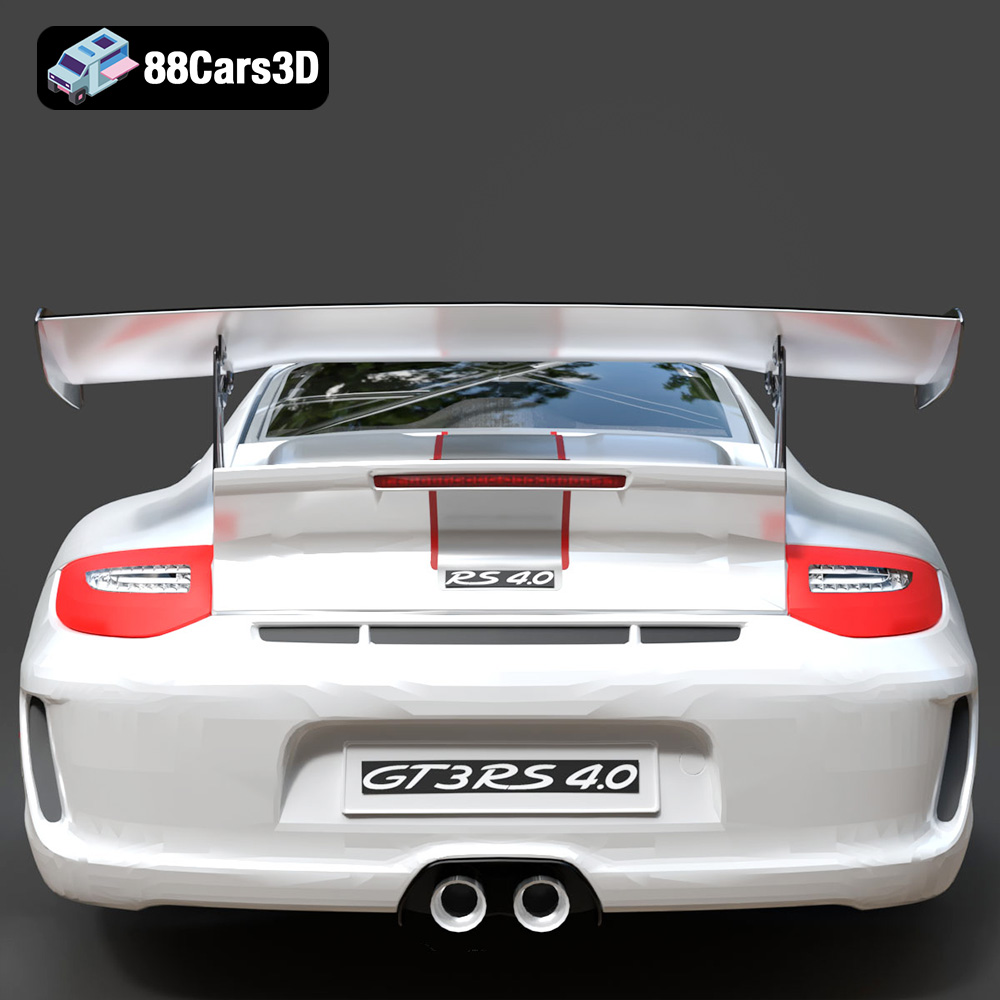
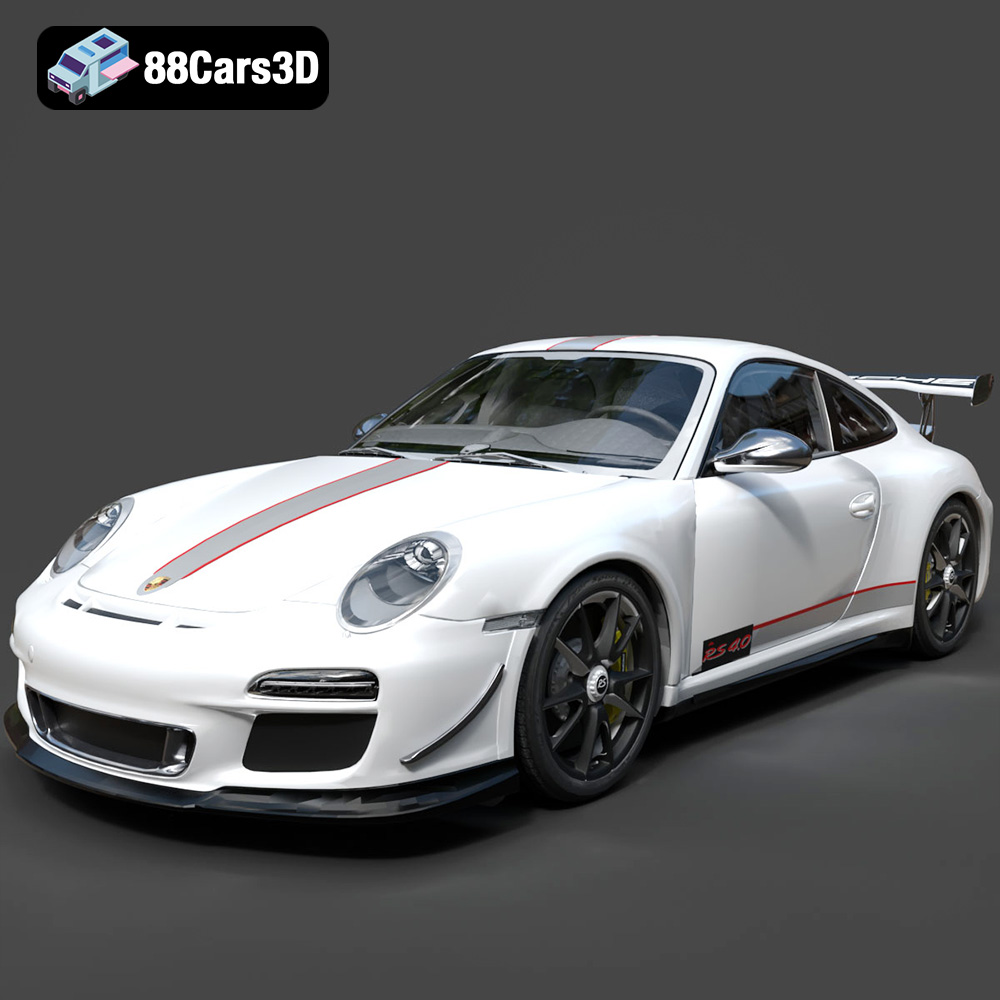
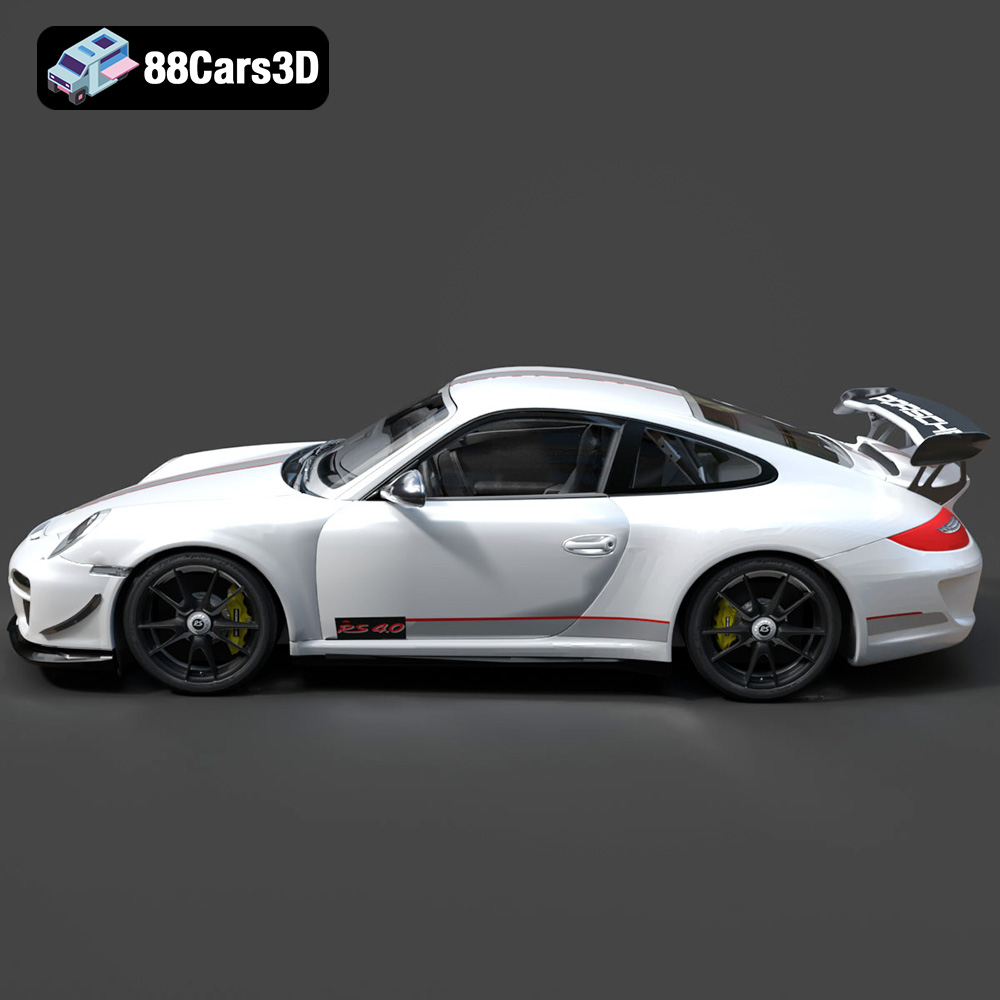
In game development, especially for AAA titles and open-world simulators, realism is paramount for player immersion. Game assets must strike a delicate balance between visual fidelity and performance efficiency. Premium 3D car models are optimized for real-time engines, featuring clean topology, efficient UV mapping, and separated parts for rigging and animation. The Porsche 911 997 GT3, a track-ready sports car included in the German Luxury Bundle, is a prime example of an asset that can serve as a hero vehicle, delivering stunning visuals without crippling frame rates. These models are not just static objects; they are dynamic components ready for vehicle physics, damage systems, and intricate animations, providing players with a truly engaging experience.
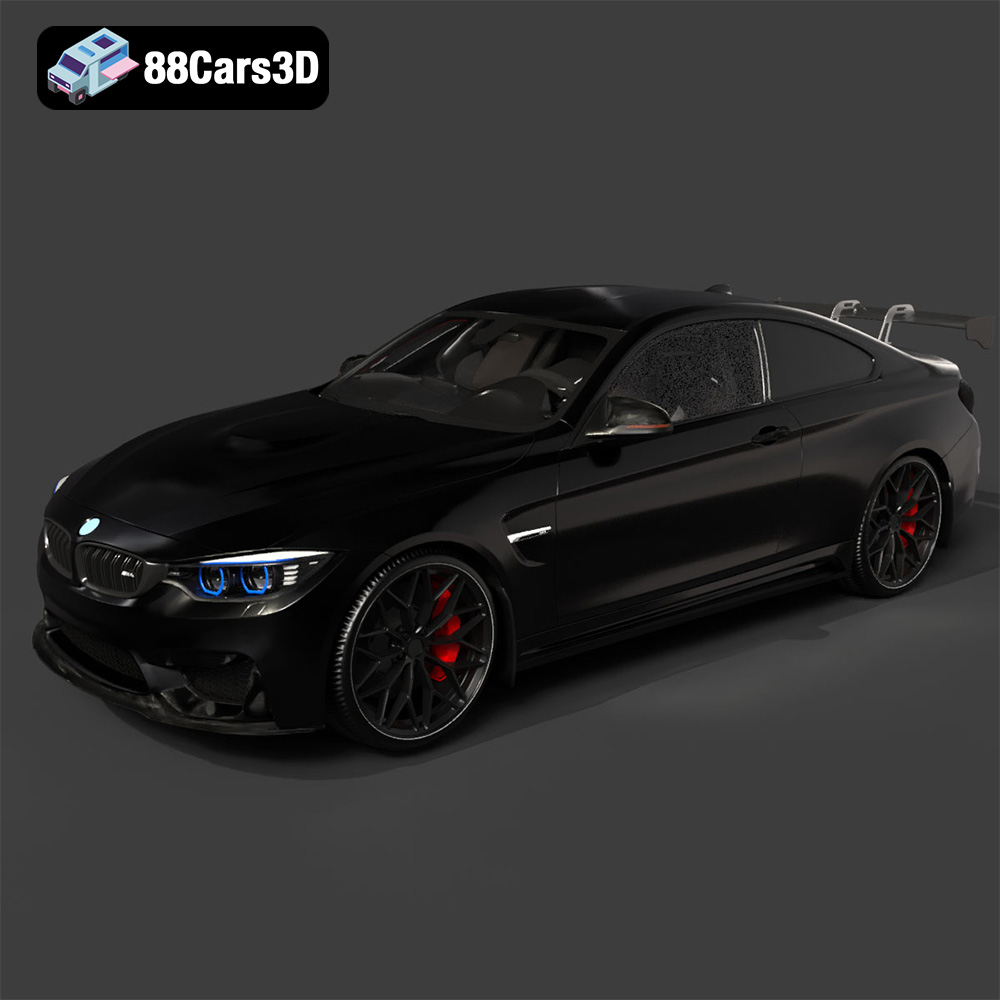
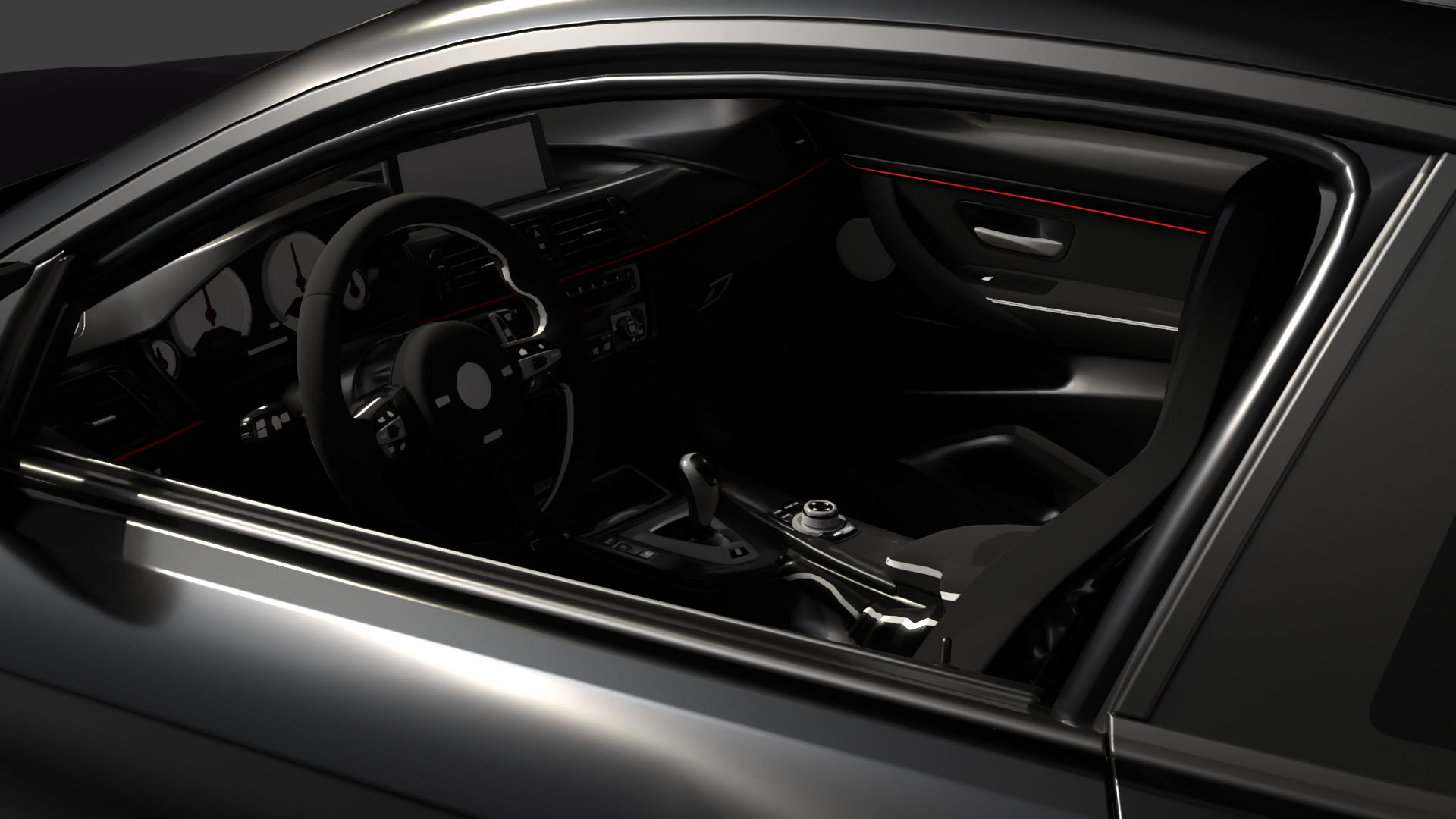
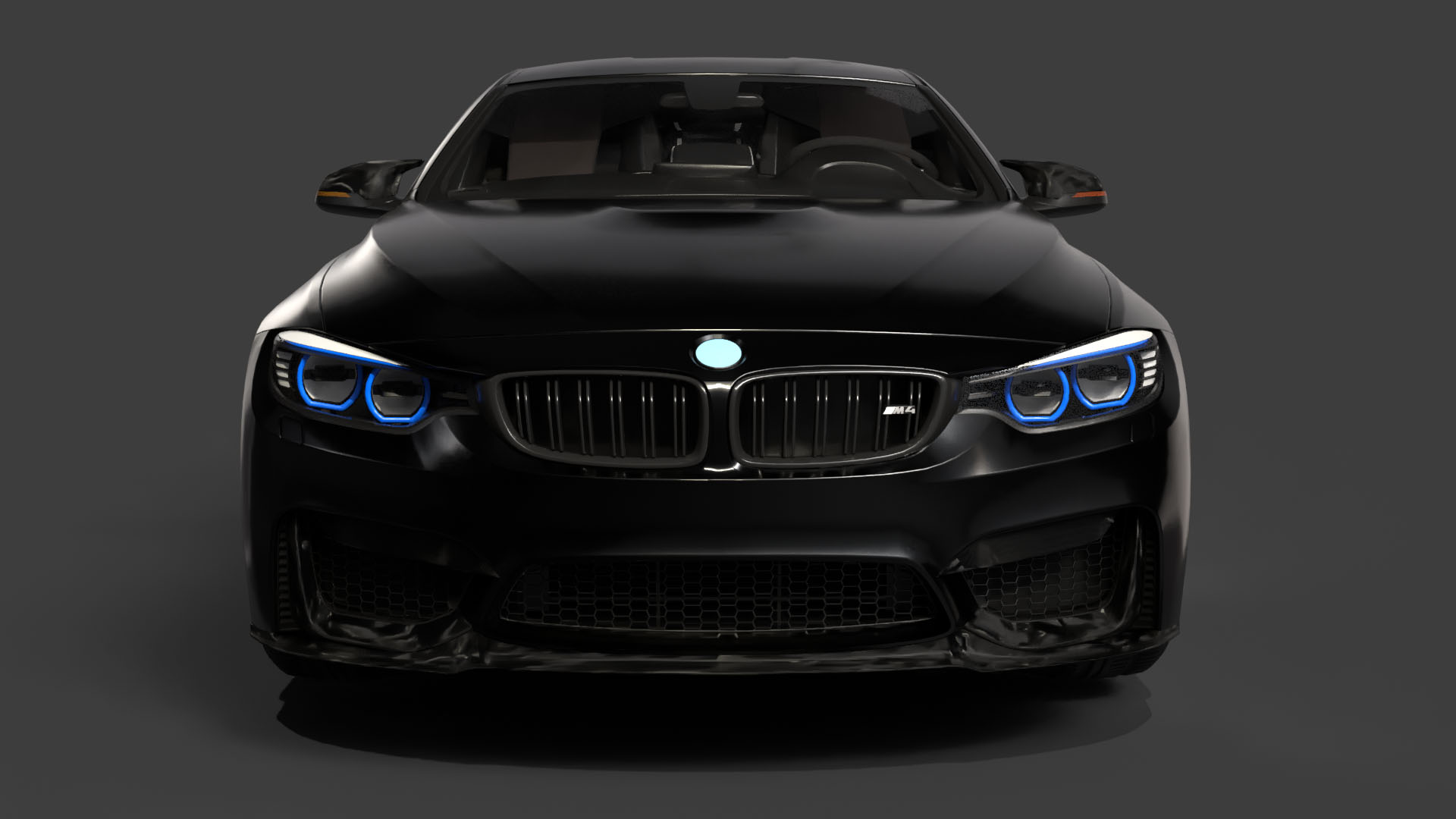
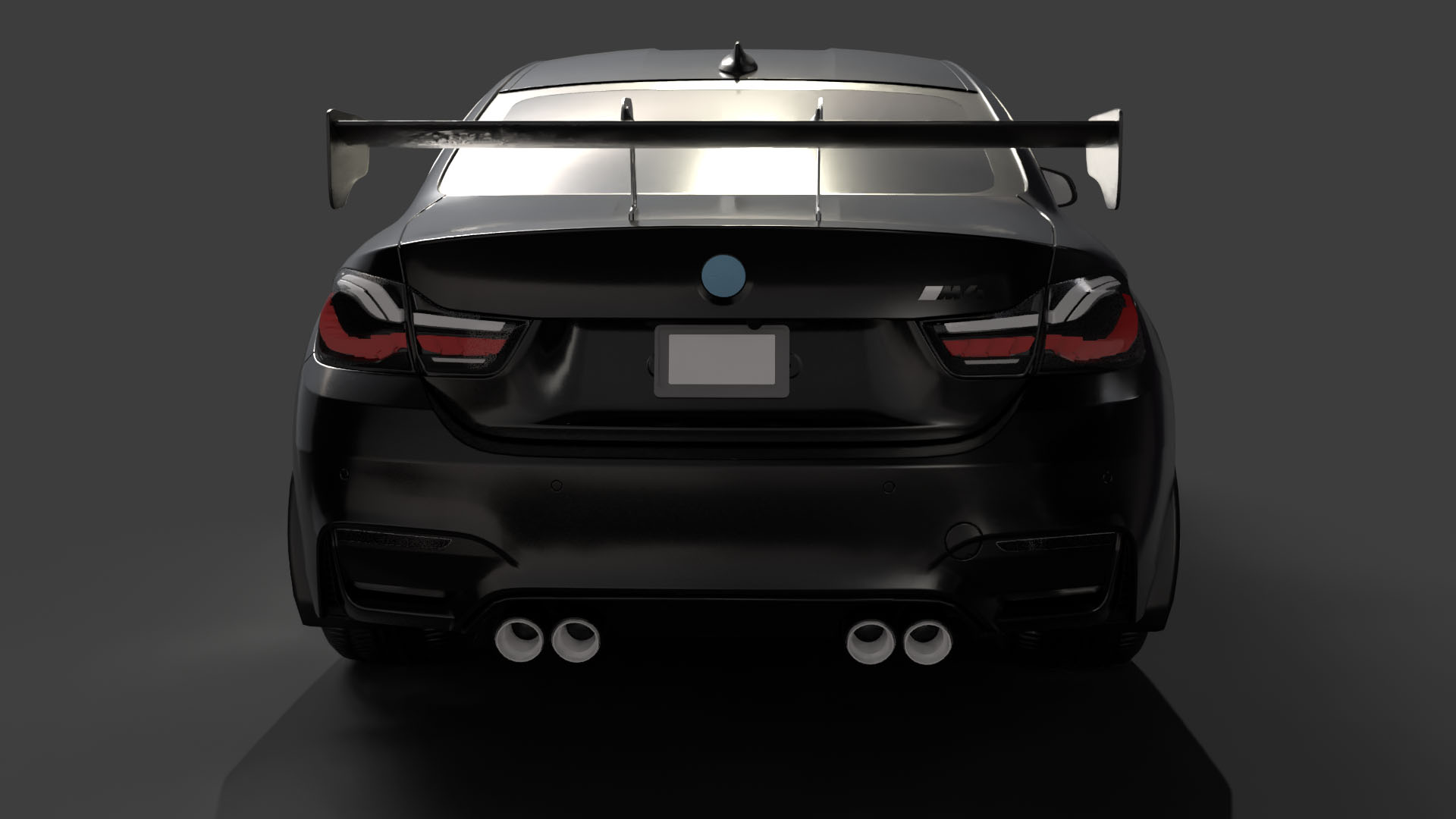
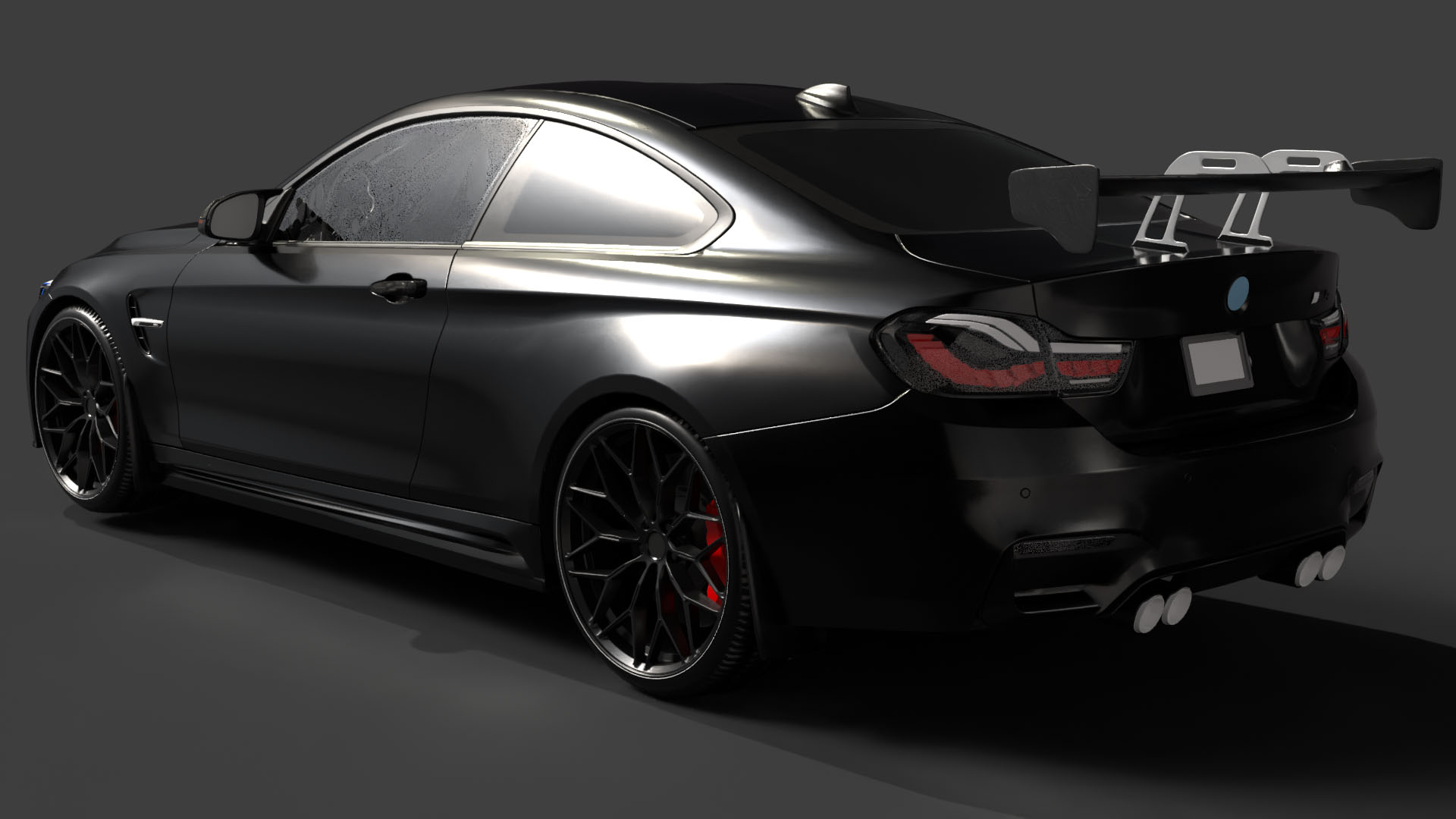
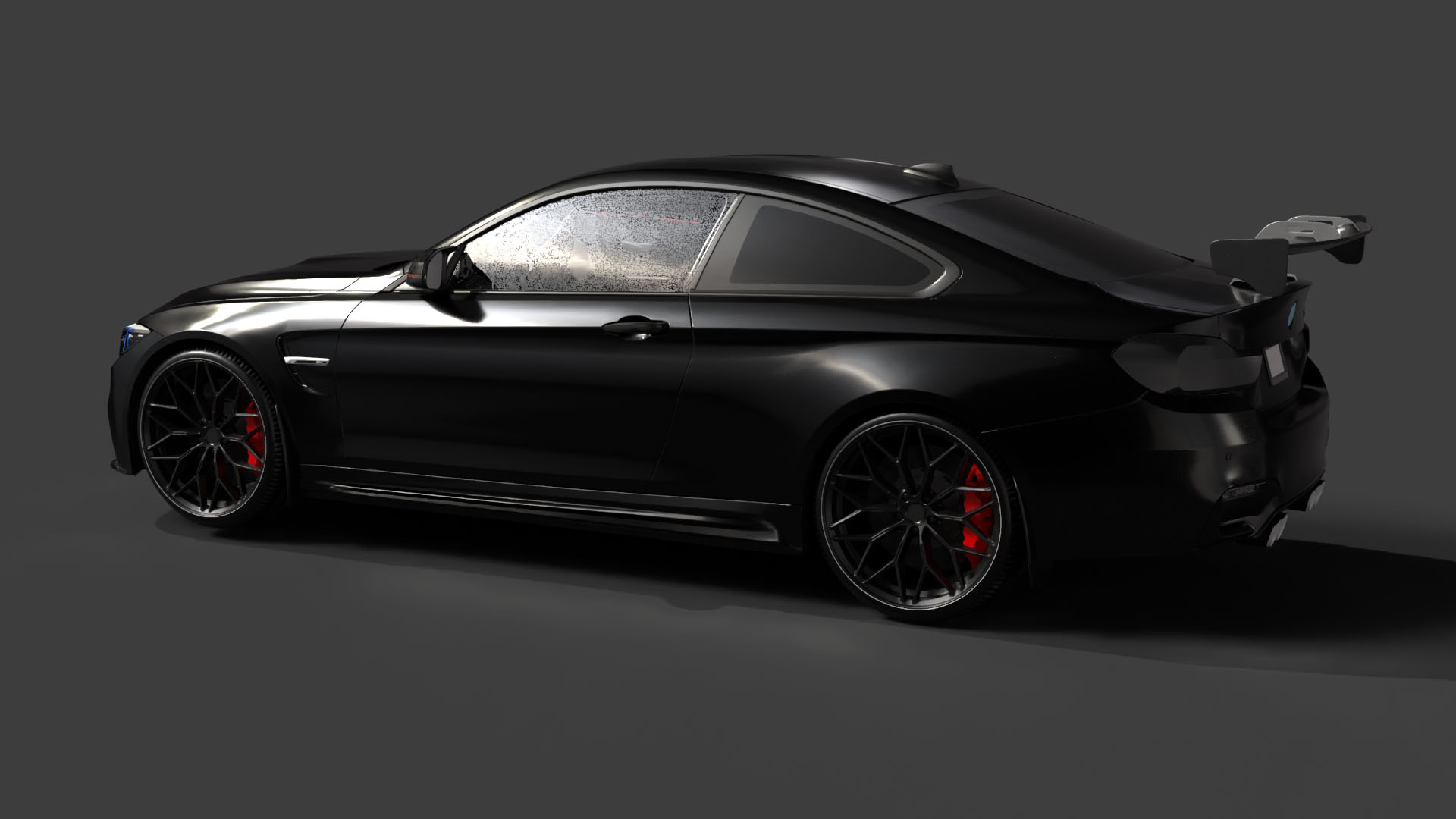
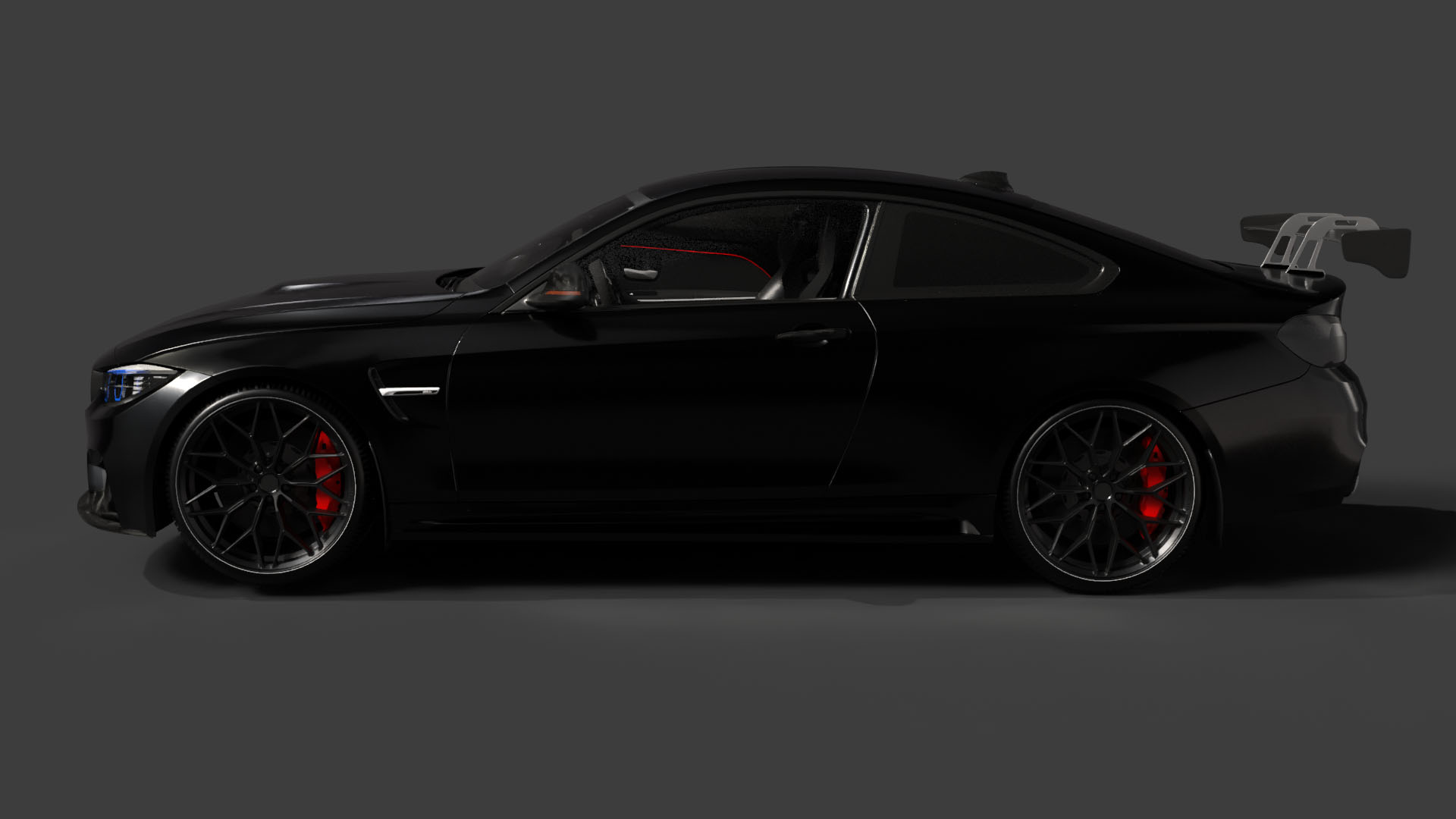
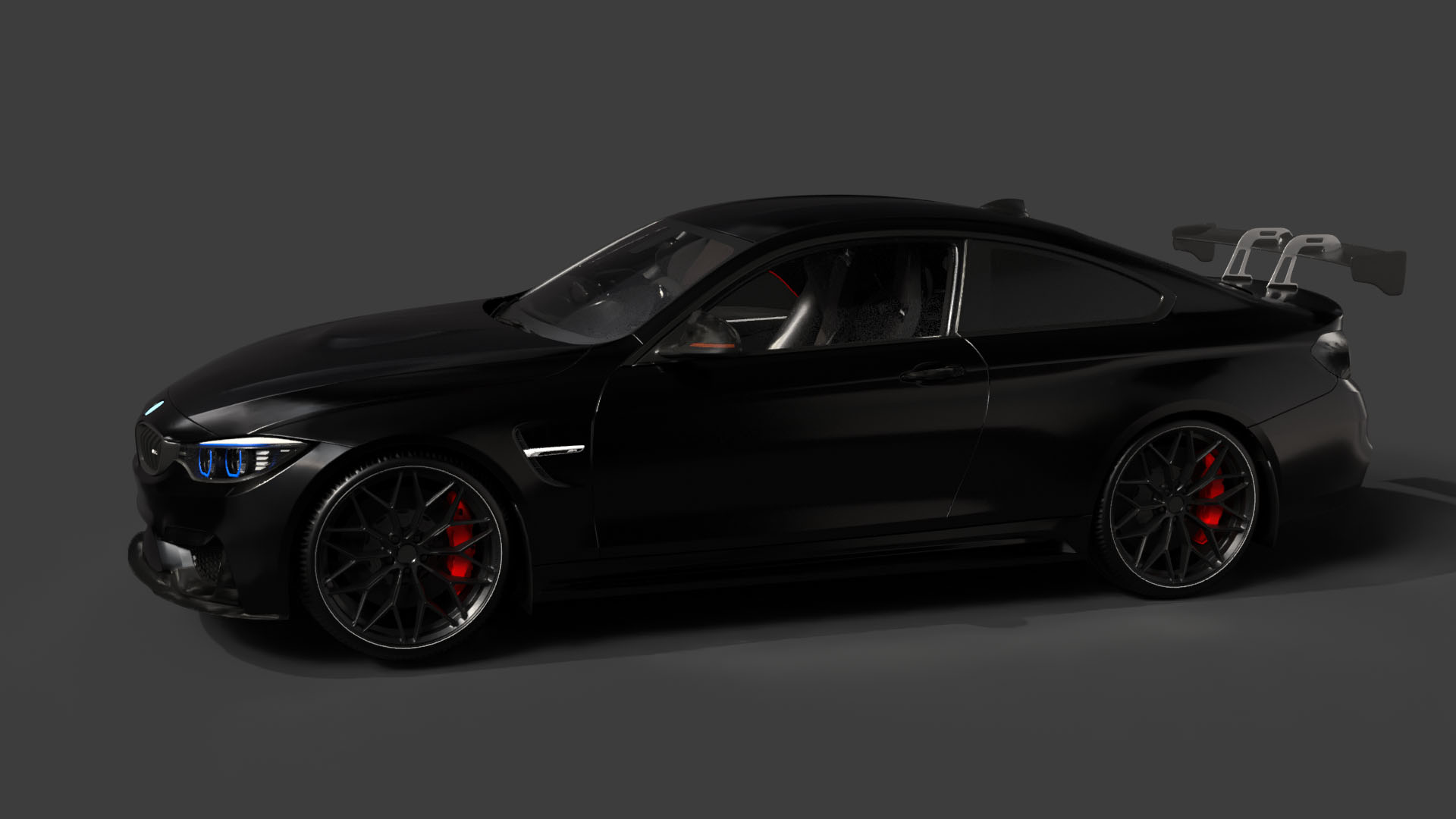
The applications of high-quality 3D car models extend far beyond traditional rendering. In Virtual Reality (VR) and Augmented Reality (AR) experiences, where users interact directly with digital content, model accuracy and optimization are even more critical. A flawlessly rendered BMW M4 F82 can be explored from every angle in a virtual showroom or seamlessly integrated into a real-world environment via AR, offering an unparalleled interactive experience. Similarly, in virtual production, these models are essential for creating believable cinematic sequences, high-end commercials, and visual effects (VFX) shots. Their robust construction and real-world scale make them ideal candidates for integrating into complex virtual sets, ensuring consistency and realism across diverse media.
Navigating the diverse landscape of 3D file formats is crucial for any professional artist. Each format serves a specific purpose, offering unique advantages in terms of compatibility, data integrity, and application-specific features. Choosing the right format is key to a smooth workflow, whether you’re working on a detailed automotive rendering or preparing assets for game development. The Ultimate German Luxury Cars 3D Models Bundle ensures broad compatibility by offering several industry-standard options.
The .blend format is Blender’s native file type. It encapsulates an entire Blender scene, including mesh data, materials, textures, animations, cameras, lighting, and even physics simulations. This format is ideal for artists working primarily within Blender, offering full editability and seamless transfer of complex scene setups. For those who wish to customize textures, adjust materials, or re-rig components of the Porsche 911 GT3 or BMW M4 F82, the .blend file provides maximum flexibility. It’s a comprehensive package, preserving all aspects of the original artist’s work within the Blender environment.
.fbx (Filmbox) is arguably the most widely adopted interchange format in the 3D industry, particularly favored for game development and animation pipelines. Developed by Autodesk, FBX excels at preserving a wide range of data, including geometry, materials, textures, animations, skeletal rigs, and even cameras and lights, while maintaining scene hierarchy. It is the go-to format for importing 3D car models like the Audi RS7 or Mercedes-Benz G63 AMG into game engines such as Unreal Engine and Unity, or into other DCC (Digital Content Creation) software like 3ds Max or Maya. Its robustness and broad support make it indispensable for collaborative projects and cross-software workflows, ensuring that assets are transferred with minimal data loss.
The .obj (Wavefront OBJ) format is a venerable and highly compatible format for storing 3D geometry. It primarily stores vertex positions, UV coordinates, normals, and polygonal faces, along with references to external material files (.mtl). While it doesn’t support animation or rigging data, its simplicity and universal support across virtually every 3D software make it an excellent choice for basic mesh transfer. If you need a clean, unadorned mesh of the G-Wagon or the M4 to start a new project in an obscure software, .obj is a reliable fallback. It’s especially useful for basic asset sharing where complex scene data is not required, making it a foundational element in many pipelines.
.glb (GL Transmission Format Binary) is the binary version of the glTF (GL Transmission Format) specification, designed for efficient transmission and loading of 3D scenes and models by engines and applications. It bundles all assets—geometry, materials, textures, and animations—into a single file, making it perfect for web-based 3D viewers, AR/VR applications, and browser-based display. For showcasing the sleek lines of an Audi RS7 on a product website or embedding it in an interactive AR experience, .glb offers optimized performance and ease of deployment. Its compact size and single-file structure reduce HTTP requests and loading times, critical for modern interactive platforms.
The .stl (Stereolithography) format is the standard for 3D printing and computer-aided manufacturing (CAM). It represents a 3D model as a series of connected triangles, defining only the surface geometry without color or texture information. When you want to bring the digital Mercedes-Benz G63 AMG to life as a physical scale model, an .stl file is what your 3D printer needs. The models in the Ultimate German Luxury Cars bundle are provided with manifold geometry suitable for 3D printing, enabling diecast enthusiasts to print miniature versions of these iconic vehicles, capturing intricate details through resin printing.
.ply (Polygon File Format, also known as Stanford Triangle Format) is another format primarily used to store 3D data, particularly from 3D scanners. It can store various properties beyond just geometry, such as color, transparency, normals, and even texture coordinates, making it richer than .obj in some aspects. While less common for direct asset transfer in entertainment, it’s highly valued in scientific, engineering, and CAD applications where precise mesh data, often with per-vertex color, is critical for analysis or reconstruction. If you’re incorporating the intricate details of a Porsche 911’s chassis into an engineering simulation, .ply might be the format of choice for certain analytical tools.
While “.unreal” is not a standalone file extension in the same vein as .fbx or .obj for raw mesh data, its inclusion in the context of file format discussions often refers to assets that are fully prepared, optimized, and often packaged within Unreal Engine’s native content structure (e.g., .uasset files). This implies that models like the BMW M4 F82 have been meticulously imported, had their materials configured using Unreal’s physically based rendering (PBR) system, collision meshes generated, and potentially even blueprint functionality added for immediate integration into an Unreal Engine project. It signifies a level of pipeline readiness, allowing developers to drop these high-quality 3D car models directly into their real-time environments with minimal setup, leveraging the engine’s capabilities for stunning visuals and interactive experiences.
The .max format is the native file type for Autodesk 3ds Max. Similar to .blend, it stores an entire 3ds Max scene, including geometry, materials, textures, lighting, animation, cameras, and plugin-specific data. For architectural visualization artists and those deeply embedded in the Autodesk ecosystem, the .max file for the Audi RS7 or Mercedes-Benz G63 AMG offers complete editability within 3ds Max. This allows for fine-tuning of scene elements, applying V-Ray or Corona materials, adjusting lighting setups, and orchestrating complex animations directly in the software where many ArchViz and product visualization projects are completed. It provides the highest level of control and fidelity for users of 3ds Max.
The Ultimate German Luxury Cars 3D Models Bundle is not merely a collection of assets; it’s a testament to superior 3D craftsmanship. Each vehicle—the Porsche 911 997 GT3, Audi RS7 Sportback Performance 2016, BMW M4 F82, and Mercedes-Benz G63 AMG—is an individual masterpiece, engineered for visual fidelity and technical efficiency. This level of detail and optimization ensures they perform flawlessly across a spectrum of professional applications.
The foundation of any high-quality 3D model lies in its meticulous construction. These German luxury cars boast highly detailed exteriors, capturing every curve, vent, and iconic design element. From the aggressive aerodynamics of the Porsche 911 GT3 to the commanding presence of the G63 AMG, every panel gap, headlight assembly, and taillight cluster is faithfully reproduced. Special attention is paid to elements like honeycomb grilles, intricate alloy wheel designs, and realistic street tires, ensuring that even close-up renders maintain their photorealistic appeal. This dedication to detail significantly reduces the time artists spend on refining models, allowing them to focus on composition and lighting.
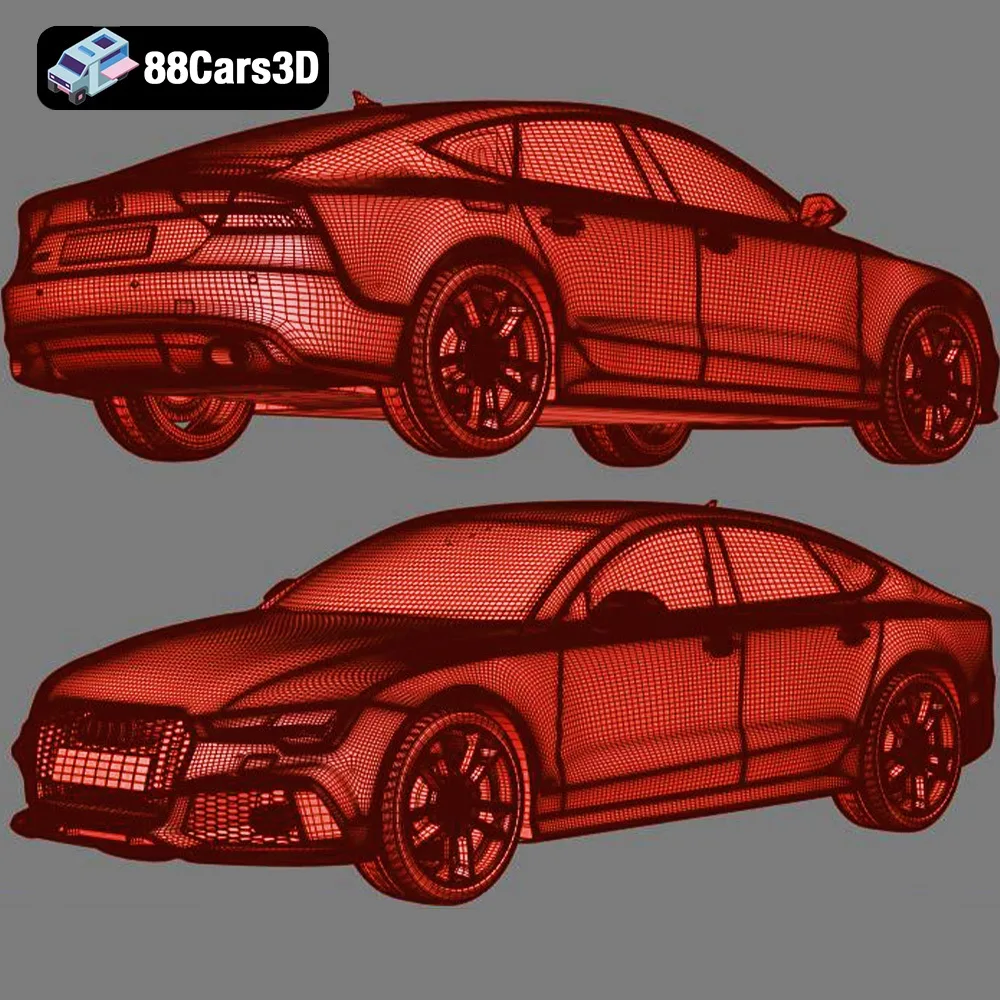
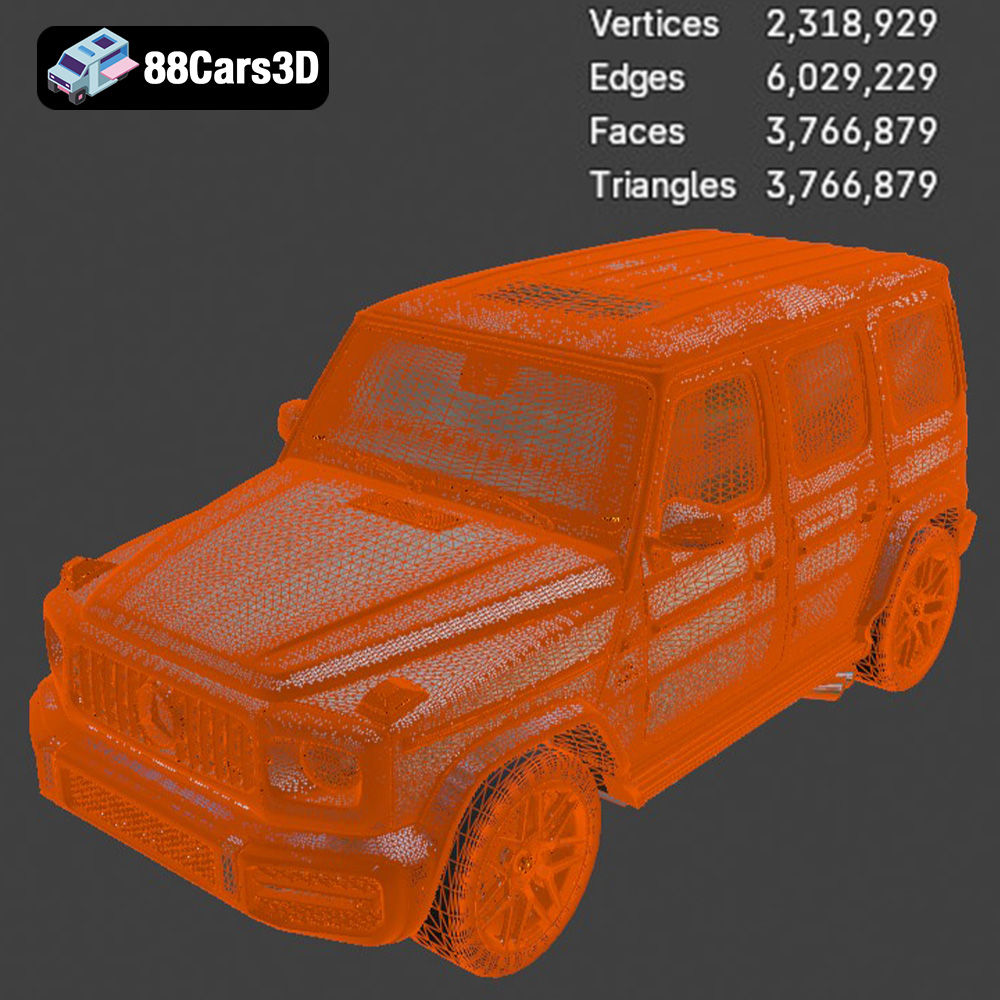
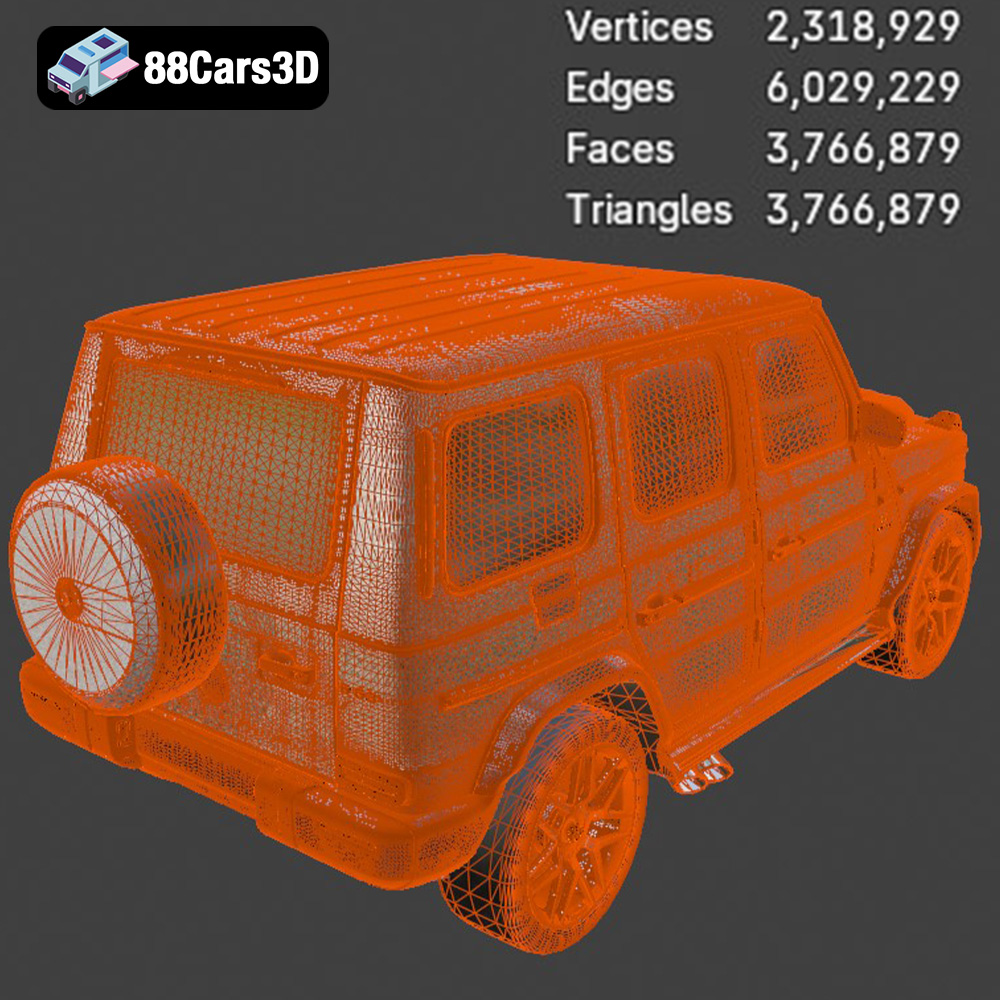
Beneath the gleaming surfaces lies a robust technical structure. The models in this bundle feature clean, quad-based geometry, which is crucial for smooth subdivisions and preventing shading artifacts, especially when rendered at high resolutions. This optimized topology provides the perfect balance between high visual fidelity and efficient polygon counts, ensuring the models are detailed enough for 4K ray-traced rendering yet optimized enough to populate dense city environments without crashing your scene. Furthermore, professional UV mapping ensures textures are applied accurately and efficiently, minimizing stretching or distortion. Separated parts for wheels, doors, and steering components facilitate easy rigging and animation, whether for a game engine’s physics system or a cinematic sequence.
Accuracy is paramount for believable 3D scenes. All models in the bundle adhere to 100% real-world scale based on factory dimensions. This precision ensures correct proportions when integrated into architectural scenes or alongside other real-world assets. Beyond static representation, the models feature proper pivot point setups for all four wheels, ready for vehicle physics controllers in game engines. This articulation is vital for game developers creating drivable hero cars or for animators crafting realistic vehicle movements, providing a solid foundation for dynamic and interactive content.
Acquiring high-quality 3D car models is just the first step. The true value lies in their seamless integration into established professional workflows. This bundle from 88cars3d.com is specifically designed for maximum compatibility and ease of use across industry-standard software and engines.
For architectural visualization artists, 3ds Max remains a powerhouse, especially when paired with renderers like V-Ray or Corona. The inclusion of .max files in the German Luxury Cars bundle is a direct boon for this workflow. Artists can drop the Mercedes-Benz G63 AMG into a modern mansion driveway or park the Audi RS7 in an urban streetscape, knowing that the models are prepped for immediate rendering. With clean topology and robust UVs, applying V-Ray or Corona materials and adjusting lighting is straightforward, allowing for rapid iteration and stunning photorealistic output. The real-world scale ensures perfect spatial relationships within architectural designs, enhancing the realism and impact of the final presentation.
Game developers demand assets that are not only visually impressive but also performant and easy to implement. The .fbx format included in the bundle is ideal for Unreal Engine and Unity workflows. These models are optimized to be “game-ready,” meaning they have efficient polygon counts for real-time performance, clean UVs for texture baking, and separated parts that facilitate rigging and physics implementation. A game developer can quickly integrate the BMW M4 F82 as a drivable hero car or the Porsche 911 GT3 as a high-detail NPC vehicle, leveraging the engines’ advanced rendering capabilities without significant optimization overhead. The proper pivot setups for wheels are particularly valuable for immediate integration with vehicle physics systems, saving crucial development time.
Blender’s growing popularity makes the inclusion of .blend files incredibly valuable. Artists can open the entire scene, inspect the model’s construction, and make any desired modifications—from texture adjustments to material tweaks or even minor geometry changes. Blender’s Cycles and Eevee renderers can then be used to produce stunning visuals, whether for independent film projects, product showcases, or personal portfolio pieces. The flexibility of the .blend format ensures that artists have complete creative control over the assets, adapting them to unique project requirements or personal artistic visions.
The versatility of these premium 3D car models extends beyond digital screens into the tangible world of physical objects. The Ultimate German Luxury Cars 3D Models Bundle is not just for rendering; it’s also designed to be 3D printable, opening up exciting possibilities for enthusiasts and collectors.
For diecast collectors, automotive enthusiasts, or simply those who appreciate the physical manifestation of digital art, the ability to 3D print these high-detail models is a significant advantage. The .stl files provided are manifold and optimized for physical output, ensuring that the intricate grilles, sculpted body lines, and detailed wheel designs of the Porsche 911 GT3 or the Mercedes-Benz G63 AMG can be faithfully replicated in plastic or resin. This capability allows artists and hobbyists to create custom scale models, prototypes, or unique display pieces directly from the digital source, bridging the gap between virtual and real worlds.
To achieve the best results when 3D printing these luxury vehicles, specific settings are recommended. For superior detail, especially for intricate components like grilles and rims, SLA/Resin printing is strictly recommended over FDM. Layer heights of 0.04–0.05 mm are ideal for capturing fine details. For optimal surface finish, printing bodies at a 45-degree angle is advised to ensure flawless, smooth roofs and hoods, while wheels should be printed separately. Recommended scales like 1:18, 1:24, or 1:43 provide a balance between manageable print size and detailed replication. Following these guidelines ensures that the physical models truly reflect the high fidelity of their digital counterparts.
When investing in 3D assets, quality, compatibility, and support are paramount. 88cars3d.com stands out as a reliable source for premium 3D car models, consistently delivering assets that meet the high standards of professional artists and studios. The Ultimate German Luxury Cars 3D Models Bundle exemplifies this commitment to excellence.
Every model on 88cars3d.com undergoes rigorous quality assurance. This means clean topology, accurate real-world scale, meticulously crafted details, and optimization for various applications, from high-end rendering to real-time game engines. The product descriptions are transparent, detailing technical specifications and included file formats, so you know exactly what you’re getting. Should any questions arise, dedicated technical support ensures a smooth integration into your workflow, providing peace of mind for complex projects.
Beyond this exceptional bundle, 88cars3d.com offers an extensive library of 3D car models, catering to a wide array of automotive needs. Whether you’re seeking vintage classics, modern supercars, utility vehicles, or custom builds, the platform provides a constantly expanding resource for your digital garage. Investing in high-quality assets from a trusted source like 88cars3d.com not only enhances the visual appeal of your projects but also saves countless hours of modeling time, allowing you to focus on the creative aspects of your work and deliver exceptional results.
In the competitive landscape of 3D visualization, the demand for realism and efficiency continues to grow. Premium 3D car models are no longer a luxury but a necessity for artists and studios aiming to produce top-tier content across architectural visualization, game development, virtual production, and even 3D printing. The meticulous detail, optimized topology, real-world scale, and broad compatibility offered by collections like the Ultimate German Luxury Cars 3D Models Bundle provide an unparalleled foundation for success.
By understanding the nuances of various file formats and leveraging assets designed for professional workflows, artists can dramatically elevate the quality of their renders and real-time experiences. From the commanding Mercedes-Benz G63 AMG gracing a luxury driveway to the sleek Porsche 911 GT3 tearing through a virtual race track, these models are crafted to bring your visions to life with stunning realism. Investing in such high-quality 3D car models from trusted sources like 88cars3d.com is a strategic decision that empowers creativity, streamlines production, and ultimately leads to more compelling and immersive digital experiences.
The Ultimate German Luxury Cars 3D Models Bundle is an elite collection featuring the pinnacle of European automotive engineering. Designed for high-end architectural visualization (ArchViz), AAA game development, and photorealistic rendering, this 4-in-1 premium package provides everything a 3D artist needs to populate luxury driveways, urban streetscapes, and virtual showrooms. Includes the Porsche 911 997 GT3, Audi RS7 Sportback Performance 2016, BMW M4 F82, and Mercedes-Benz G63 AMG. Highly detailed exteriors, separated parts for rigging, clean topology, real-world scale, and optimized for industry-standard renderers and real-time engines. Also suitable for 3D printing.
$129.99
.corona
3d-assets
archviz-pack
audi-rs7
bmw-m4
car-collection
game-ready
german-cars-bundle
luxury-car-3d-model
mercedes-g63
porsche-911-gt3
vehicle-bundle
vray