Get 20% OFF All Premium 3D & STL Models!

In the dynamic world of digital visualization, the demand for high-quality 3D car models has never been greater. From photorealistic cinematic sequences to immersive game environments and cutting-edge virtual reality experiences, precisely crafted automotive assets are the backbone of compelling visuals. Professionals across various industries, including advertising, film, gaming, and product design, rely on these intricate digital representations to bring their visions to life.
Creating these models from scratch requires immense skill, time, and computational power. This is where specialized marketplaces like 88cars3d.com become invaluable, offering a curated selection of professionally developed 3D car models ready for integration into diverse projects. But what truly defines a high-quality 3D car model, and how can professionals leverage them most effectively? This comprehensive guide delves into the technical nuances, workflows, and industry best practices for utilizing 3D car models to their full potential, whether your goal is stunning automotive rendering or robust game assets.
The visual fidelity of a 3D car model directly impacts the success of any project. A poorly constructed model can lead to glitches, visual inaccuracies, and a diminished sense of immersion. Conversely, a meticulously crafted model forms a solid foundation for exceptional rendering and seamless integration into interactive environments.
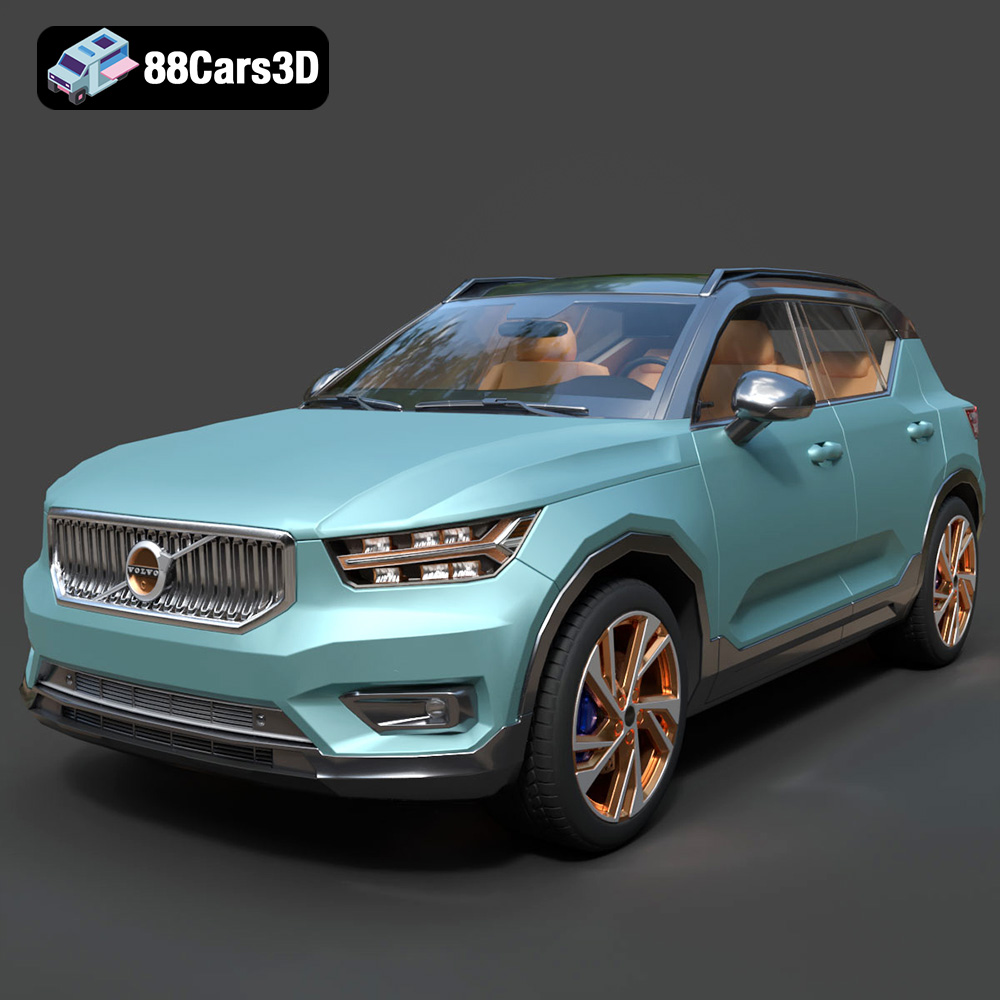
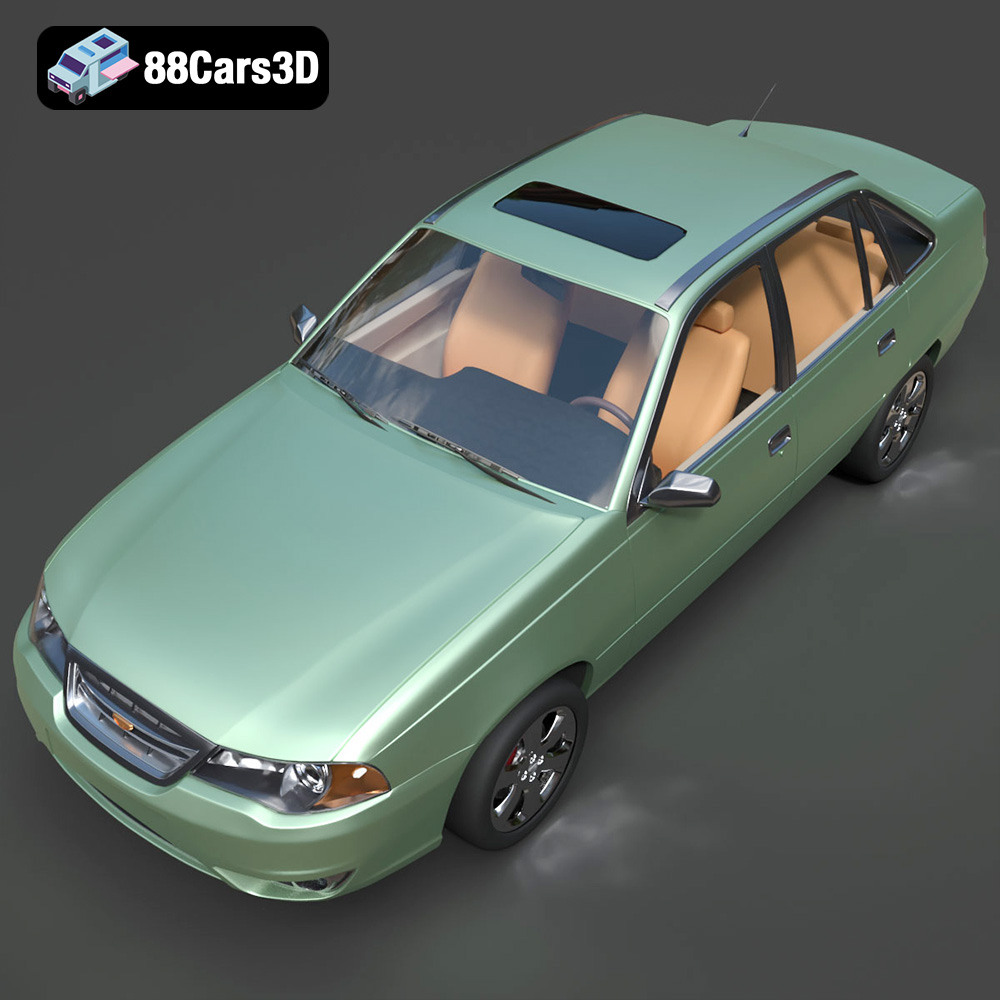
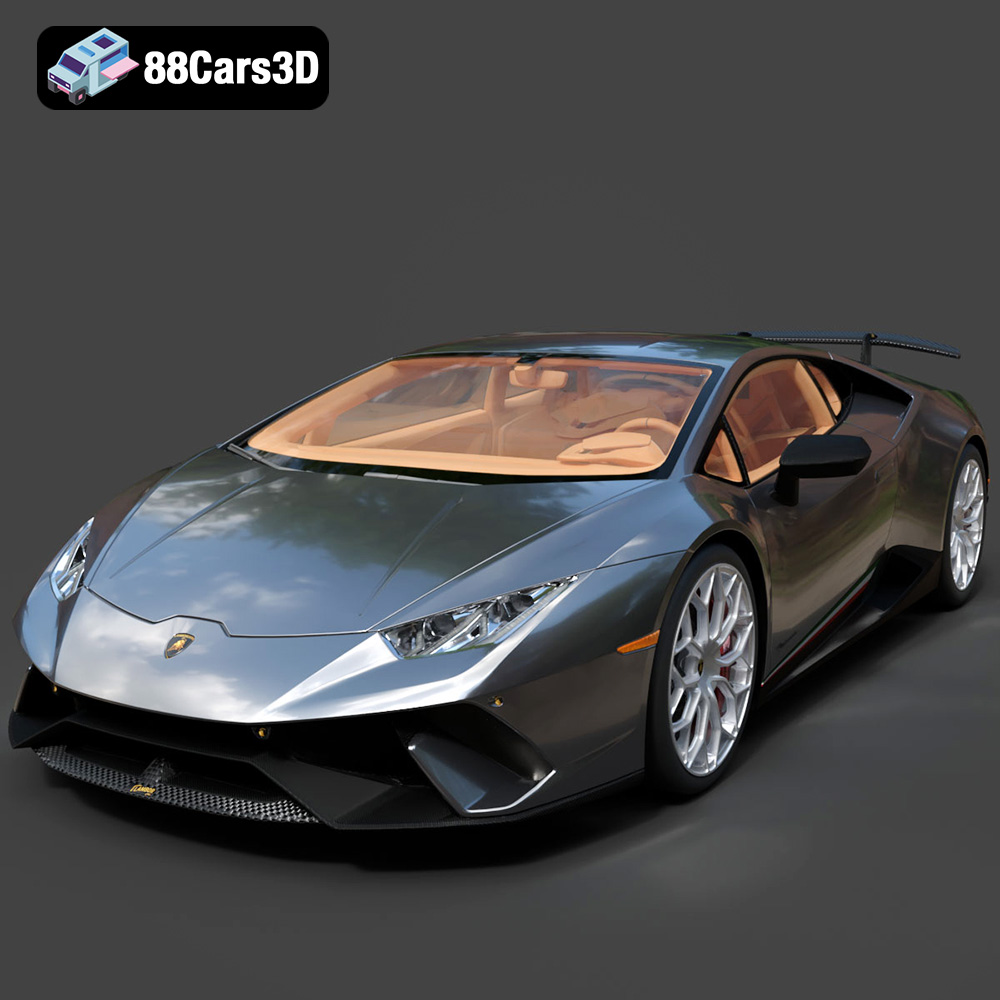
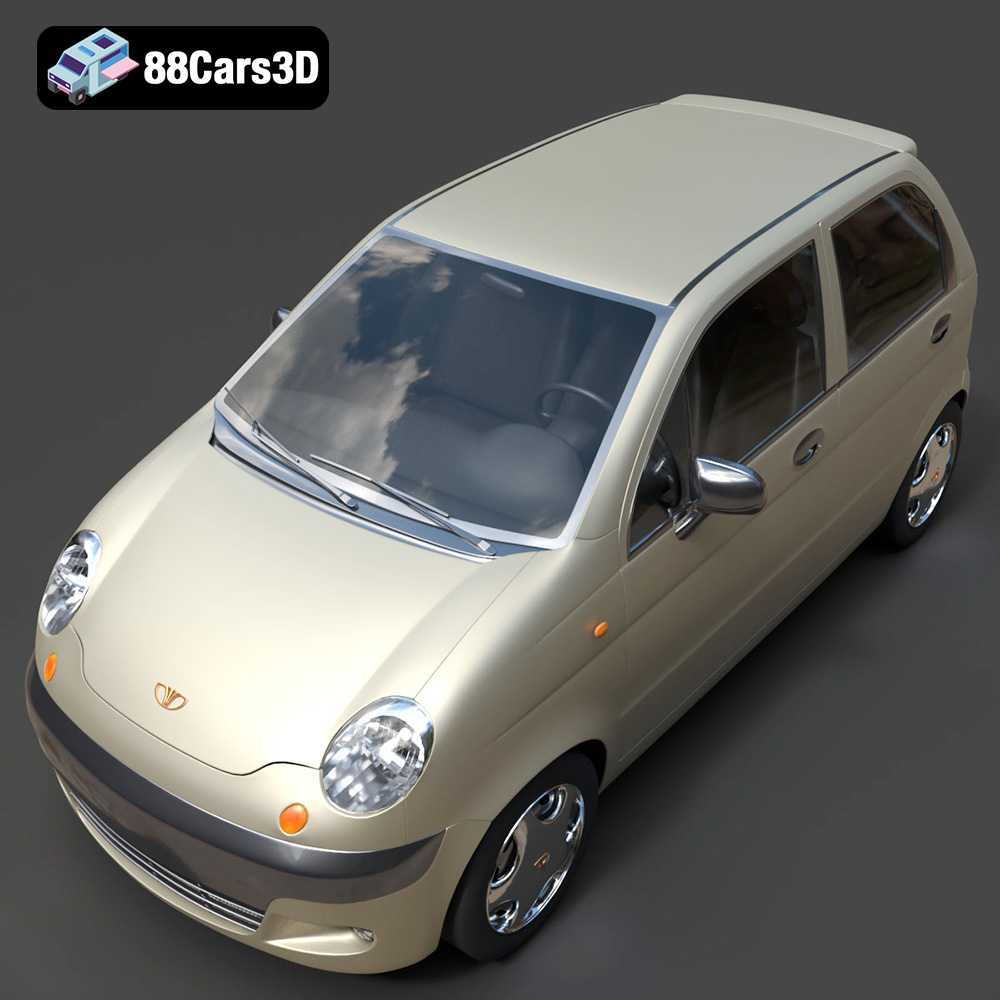
High-quality 3D car models are not just about looking good; they are engineered for performance and versatility. This begins with clean, optimized topology. A model with efficient polygon distribution ensures smooth deformations during animation and allows for consistent subdivision without artifacts. For high-end cinematic renders, poly counts can range into the millions, capturing every minute detail of the vehicle’s bodywork, interior, and engine components. However, for real-time applications like games or AR/VR, careful poly count optimization is crucial. Here, a base model might be targeted for 50,000-150,000 polygons, with multiple Level of Detail (LOD) versions created to further reduce polygon counts at a distance. The aim is to strike a balance where visual fidelity is maintained while ensuring optimal frame rates and smooth interactions.
Beyond the mesh itself, other functional considerations include proper scaling (often matching real-world dimensions for accuracy), pivot points positioned correctly for animation, and clear naming conventions for scene objects. These technical details are paramount for artists and developers to work efficiently, especially in large-scale productions.
Accuracy is a cornerstone of professional 3D car modeling. High-quality models are typically built using extensive references, including CAD data, technical blueprints, and a multitude of photographic references from every angle. This meticulous approach ensures that every curve, panel gap, and design element precisely matches the real-world vehicle. This precision is not merely for show; it is critical for brand representation in marketing materials, configurators, and simulations where authenticity is key. An incorrectly proportioned headlight or a slightly off body line can immediately break the illusion of realism. Furthermore, models designed with precision often feature accurately modeled interiors, undercarriages, and engine bays, allowing for highly detailed close-up renders or interactive explorations.
The choice of 3D model file format is critical and depends entirely on the intended application, software compatibility, and desired level of data fidelity. Each format has unique characteristics, strengths, and ideal use cases. Understanding these differences is essential for smooth workflows and successful project outcomes.
The .blend format is the native file type for Blender, the powerful open-source 3D creation suite. It is incredibly versatile, storing an entire Blender scene with all its components: geometry, materials (including procedural textures and complex node setups), lighting, cameras, animation data, physics simulations, modifiers, and even scripts. This format is ideal when your primary workflow is within Blender or when collaborating with other Blender users, as it preserves every editable aspect of the project. Developers using Blender to create 3D car models for any purpose will find this format to be the most comprehensive for their internal pipelines, allowing for full project iteration and management.
Developed by Autodesk, the .fbx (Filmbox) format has become the de facto standard for exchanging 3D data between various software applications and game engines. It supports a wide range of data types, including geometry, UVs, textures, materials (though material translation can sometimes be imperfect between different renderers), cameras, lights, skeletal animation, and skinning. This makes .fbx incredibly popular for pipelines involving Unreal Engine, Unity, Maya, 3ds Max, and Cinema 4D. For game developers seeking robust game assets, .fbx is often the go-to choice due to its excellent support for animation and scene hierarchy, making it ideal for importing rigged and animated 3D car models directly into real-time environments.
The .obj (Wavefront OBJ) format is one of the oldest and most widely supported 3D file formats. It is primarily used for static mesh geometry and UV coordinates, making it a universal choice for cross-software compatibility when only the raw mesh data is needed. While it can reference external material files (.mtl) for basic color and texture information, it doesn’t typically embed advanced material properties, animation, or rigging. Its simplicity makes it extremely robust and compatible with virtually every 3D application, making it a safe choice for distributing base 3D car models where advanced features will be added in the destination software. It’s often used as a fallback or for simple mesh exchange.
.glb is the binary version of the glTF (GL Transmission Format), a modern, royalty-free specification for 3D model transmission. It is highly optimized for efficient delivery and loading of 3D scenes and models in web browsers, augmented reality (AR), and virtual reality (VR) applications. A .glb file is self-contained, embedding textures, materials (PBR ready), animation, and mesh data into a single file, which simplifies distribution. This makes it an excellent choice for interactive 3D car models on websites, product configurators, or AR applications where quick loading and broad compatibility across devices are paramount.
The .stl (STereoLithography) format is the industry standard for 3D printing. It represents a 3D model as a series of connected triangles, describing only the surface geometry of an object without color, texture, or other advanced attributes. For 3D printing, it’s crucial that the model is “watertight” (manifold), meaning it has no holes or gaps in its surface, ensuring a solid object can be manufactured. While not used for rendering or games, .stl is indispensable for transforming digital 3D car models into physical replicas, making it relevant for prototyping or collectible model production.
The .ply (Polygon File Format) stores 3D data from 3D scanners, CAD software, and other applications that require high precision. It can store not only XYZ coordinates of vertices and faces but also additional properties like color, normal vectors, texture coordinates, and even transparency for each vertex or face. This makes it particularly useful for scientific visualization, reverse engineering, and applications where detailed data from point clouds or highly accurate surface measurements are important. While less common for general rendering or gaming, its precision can be valuable when dealing with highly accurate scanned 3D car models.
While not a universal file format in the traditional sense, an “engine-ready asset” often refers to a packaged or pre-configured asset specifically designed for direct import and immediate use within an engine like Unreal Engine. These assets, sometimes provided as direct project files or highly optimized .fbx derivatives, come with pre-set materials (often PBR compliant), collision models, Level of Detail (LOD) meshes, and sometimes even basic physics assets or blueprints. This format significantly streamlines development, especially for creating immersive real-time experiences, reducing the setup time required to integrate a 3D car model into a game or virtual production scene. 88cars3d.com often provides models optimized for these engine-specific needs.
The .max format is the native file type for Autodesk 3ds Max, a leading software for 3D modeling, animation, and rendering. Similar to .blend for Blender, a .max file contains the complete 3ds Max scene, including geometry, complex material setups (V-Ray, Corona, Arnold), lighting rigs, cameras, animation curves, modifiers, and scripts. It is the preferred format for users whose primary workflow is within 3ds Max, especially for high-end automotive rendering and architectural visualization where intricate scenes and powerful rendering engines are utilized. Artists can fully edit, animate, and render 3D car models within this native environment, leveraging 3ds Max’s extensive toolset.
Beyond the raw 3D model, the art of automotive rendering is what truly brings a vehicle to life, transforming digital geometry into photorealistic imagery. This process involves a sophisticated interplay of materials, lighting, and post-processing.
The realism of a 3D car model heavily relies on its materials. Automotive paints, for example, are complex, often featuring multiple layers: a base coat (color), metallic flakes, and a clear coat for gloss and reflection. Physically Based Rendering (PBR) workflows are standard, utilizing maps such as Albedo (base color), Normal (fine surface details), Roughness (micro-surface imperfections), Metalness (how metallic a surface is), and Ambient Occlusion (soft shadows in crevices). Chrome requires highly reflective and metallic materials, while glass needs accurate transmission and refraction properties. Tire rubber demands specific roughness and normal maps to convey its texture, and interior fabrics require intricate patterns and subtle fuzziness. Each material needs careful calibration to react correctly to light, contributing to the overall photorealism. Many high-quality 3D car models from sources like 88cars3d.com come with advanced PBR materials already set up, saving significant time for artists.
Lighting is the soul of any render. For automotive visualization, it’s crucial to mimic real-world lighting conditions. High Dynamic Range Images (HDRIs) are commonly used to capture real-world lighting and reflections from specific environments, providing a naturalistic and immersive lighting solution. Alternatively, physically accurate light sources (area lights, spot lights, sun and sky systems) can be manually positioned to create studio-style setups, emphasizing design lines and reflections. Techniques like ray tracing and global illumination are essential to accurately simulate how light bounces and interacts within the scene, generating realistic shadows, reflections, and color bleeding. Whether you’re aiming for a sleek studio look or an outdoor cinematic shot, careful lighting is non-negotiable for compelling automotive renders.
Even the best renders benefit from post-processing, much like a professional photograph. Techniques applied in software like Photoshop or Nuke can dramatically enhance the final image. This includes color grading to set the mood, adding subtle depth of field (bokeh) to draw attention to specific areas, introducing realistic motion blur for dynamic shots, and applying lens flares or chromatic aberration for added photographic realism. Compositing multiple render passes (e.g., beauty pass, reflection pass, shadow pass, ID masks) allows for granular control over each element of the image, enabling artists to fine-tune reflections, adjust colors selectively, and add atmospheric effects with precision.
Creating game assets for real-time engines presents a unique set of challenges compared to offline rendering. Performance is paramount, requiring careful optimization without sacrificing visual quality.
Level of Detail (LOD) systems are fundamental for optimizing 3D car models in games. Instead of rendering a high-polygon model at all distances, LODs involve creating multiple simplified versions of the same model. The game engine then automatically switches to a lower-polygon version when the car is far from the camera, significantly reducing the computational load on the GPU. A typical setup might include LOD0 (high-poly, for close-ups), LOD1 (medium-poly), and LOD2 (low-poly), with potentially even lower versions for very distant objects. Creating effective LODs requires careful mesh reduction techniques, ensuring that the silhouette and key features of the vehicle are maintained even at lower poly counts. This process helps balance visual fidelity with the frame rate, ensuring a smooth gaming experience.
Efficient UV mapping is crucial for applying textures to 3D car models in games. UVs must be non-overlapping to prevent texture bleeding and ensure correct lightmap baking. Texture density, which refers to the number of pixels per unit of surface area, needs to be consistent across the model to avoid blurry or pixelated areas. To further optimize performance, texture atlasing is a common technique. This involves consolidating multiple smaller textures (e.g., for various interior parts, lights, small details) into a single, larger texture map. This reduces the number of draw calls the game engine needs to make, improving rendering efficiency. Carefully laid out UVs are a hallmark of professional game assets, and models from 88cars3d.com are typically built with this efficiency in mind.
For a 3D car model to function realistically in a game, it needs robust collision detection and physics. This often involves creating simplified “collision models” that are separate from the high-detail visual mesh. These collision meshes are typically convex hulls or simplified box shapes that roughly approximate the vehicle’s form, significantly reducing the computational cost of physics calculations. In addition, physics assets (often integrated within engines like Unreal) define how different parts of the car (wheels, suspension, body) interact with each other and the environment, allowing for realistic driving mechanics, damage systems, and dynamic interactions. This includes setting up constraints for suspension travel, wheel rotation, and body deformation upon impact.
The versatility of high-quality 3D car models extends across a multitude of industries, each leveraging these assets for distinct purposes.
Interactive automotive configurators are a prime example of 3D car models in action. Car manufacturers use these tools on their websites and in showrooms to allow potential buyers to customize vehicles in real-time – changing paint colors, wheel designs, interior trims, and adding optional features. These configurators require highly optimized 3D models that can be rendered quickly in a browser or on a tablet, showcasing every detail with precision. Beyond configurators, high-resolution marketing renders generated from these models are used in brochures, advertisements, and online campaigns to showcase new models or specific features in stunning detail. Many clients turn to platforms like 88cars3d.com to acquire base models that can then be customized for these demanding marketing applications, ensuring brand consistency and visual excellence.
In the film and television industry, 3D car models are indispensable for virtual production and creating cinematic computer graphics. Virtual production workflows utilize real-time engines like Unreal to create immersive virtual sets, where actors can interact with CG environments and vehicles in real-time. This allows directors to block scenes, preview shots, and make creative decisions on the fly. For traditional cinematic CG, photorealistic 3D car models are integrated into live-action footage, providing convincing vehicle replacements, stunt doubles, or entirely digital car chase sequences that would be impossible or too dangerous to film practically. The level of detail required for these models is exceptionally high, often surpassing even the most demanding game assets.
Architectural visualization (Archviz) benefits greatly from the inclusion of realistic 3D car models. Adding vehicles to exterior architectural renders breathes life into a scene, providing a sense of scale, activity, and context. A modern supercar can accentuate a contemporary building design, while a classic car might complement a historic streetscape. Similarly, in product visualization, a 3D car model can serve as a compelling backdrop or a complementary item to showcase other products. For instance, a high-fidelity 3D car could be used in a render to display custom wheels, specialized automotive accessories, or even paint protection films. The ability to integrate these detailed assets seamlessly enhances the overall realism and appeal of the visualization, making the scene more believable and engaging for the viewer.
The journey from a digital concept to a photorealistic image or an interactive experience is complex, yet incredibly rewarding. High-quality 3D car models are more than just static objects; they are versatile, performance-engineered assets that form the cornerstone of compelling visuals across numerous industries. Whether you’re an architect seeking to populate a street scene, a game developer crafting immersive open worlds, or an automotive designer showcasing a new prototype, the technical considerations around mesh topology, material fidelity, file formats, and optimization are critical.
Understanding the nuances of different file formats—from the versatile .fbx for game development to the print-ready .stl and the web-optimized .glb—is paramount for efficient workflows. Mastering advanced rendering techniques elevates these models to photorealism, while strategic optimization transforms them into robust game assets. By adhering to these best practices, professionals can unlock the full potential of 3D automotive visualization.
For those seeking a reliable source of meticulously crafted 3D car models, 88cars3d.com offers a premium selection designed to meet the rigorous demands of professional projects. Explore the possibilities and elevate your next project with assets engineered for excellence.

Price: $129.99

Price: $99.99

Price: $89.99