Get 20% OFF All Premium 3D & STL Models!

The automotive landscape is undergoing a monumental shift, accelerating towards a future dominated by electric vehicles (EVs), autonomous driving, and smart city integration. For professionals in visualization, game development, and design, accurately depicting this evolving reality requires access to sophisticated, high-fidelity 3D car models. Whether you’re an architect envisioning a sustainable urban development, a game developer populating a futuristic open world, or a CGI artist crafting a cinematic sequence, the quality of your digital assets directly impacts the realism and impact of your work.
Enter the realm of premium 3D vehicle assets, where precision modeling meets artistic vision. Today, we’re diving deep into the technical intricacies and creative possibilities offered by a truly remarkable collection: the Elite Future Mobility: EV & Autonomous SUV Bundle. This curated pack of four high-end 3D models isn’t just a collection of cars; it’s a toolkit for shaping tomorrow’s digital environments, providing the cutting-edge vehicles necessary to bring visions of sustainable, tech-driven futures to life. Available through reputable marketplaces like 88cars3d.com, these assets represent the pinnacle of digital automotive design, ready for immediate integration into diverse professional workflows.
Before integrating any 3D asset into a project, understanding its native and exported file formats is crucial. Each format serves a specific purpose, catering to different software ecosystems, project requirements, and use cases. The Elite Future Mobility bundle, for instance, offers a comprehensive range of formats, ensuring maximum compatibility and flexibility for professionals. Let’s break down the most common and their technical implications:
The .blend file format is Blender’s native project file. It’s a complete package, containing not just the mesh data, but also materials, textures, lighting setups, cameras, animations, and even physics simulations. For users of Blender, this is the most powerful format as it provides full editability. You can dissect the model’s clean, quad-heavy topology, modify materials, adjust rigging, or even re-sculpt elements. This level of access is invaluable for customization, look development, and integrating the model seamlessly into complex Blender scenes with its Cycles or Eevee renderers. Technical users appreciate the .blend file for its integrity and the ability to leverage Blender’s extensive toolkit for further optimization or artistic refinement.
Autodesk’s .fbx (Filmbox) format is arguably the most widely adopted interchange format in the 3D industry, particularly popular for game development (Unreal Engine, Unity) and animation pipelines. It excels at preserving scene data like meshes, materials (often simplified), animations, bones, and even camera information. When exporting from 3ds Max or Blender to .fbx, developers expect a robust, game-ready asset. The “rigging-ready” nature of the Elite Future Mobility models, with separate components for wheels and doors, translates perfectly into .fbx for animation in Maya, 3ds Max, or direct import into game engines for setting up vehicle physics and interactive elements. Its versatility makes it a cornerstone for any professional 3D car model library.
The .obj (Wavefront OBJ) format is a venerable and highly compatible format, often considered the universal standard for basic mesh data. It stores geometry (vertices, normals, UV coordinates, faces) and can reference external material files (.mtl). While it doesn’t support animation or rigging, its simplicity and widespread support across virtually all 3D software make it excellent for cross-platform compatibility, particularly when focusing purely on static mesh transfer. For ArchViz artists or designers who primarily need to import a model for static renders in diverse software packages, .obj remains a reliable choice, ensuring the clean topology of these 3D car models is preserved.
.glb (GL Transmission Format Binary) is the binary version of glTF, a modern, royalty-free specification designed for efficient transmission and loading of 3D scenes and models by engines and applications. It’s quickly becoming the standard for web-based 3D, augmented reality (AR), and virtual reality (VR) experiences due to its compact size and comprehensive data encapsulation (geometry, materials, textures, animations). For showcasing the Elite Future Mobility bundle in interactive web viewers or AR apps, .glb is the go-to, providing optimized assets ready for immersive digital experiences.
The .stl (Stereolithography) format is the industry standard for 3D printing. It represents a 3D model as a collection of triangular facets, defining the surface geometry without color, texture, or material information. The Elite Future Mobility models are explicitly described as “3D Printable STL,” indicating that their mesh geometry is manifold and optimized for physical output. This means watertight meshes, crucial for successful 3D prints of scale models, prototypes, or automotive collectibles. The provided print settings (scale, layer height, supports) further confirm its readiness for FDM, SLA, or Resin printing, making these digital assets tangible.
The .ply (Polygon File Format) is another format for storing 3D data, often used in scientific and CAD applications for precision meshes. It can store various properties, including color, transparency, normals, texture coordinates, and confidence values, often generated from 3D scanners. While less common for general 3D asset exchange compared to .fbx or .obj, its inclusion signifies the meticulous detail and accuracy of the Elite Future Mobility models, making them suitable for engineering analysis or reverse engineering workflows where precise geometric data is paramount.
The .unreal format, often referring to native Unreal Engine asset packages or closely related import settings optimized for the engine, signifies assets that are prepared for a real-time environment. This typically means optimized meshes, PBR (Physically Based Rendering) materials, and potentially LODs (Levels of Detail) or collision meshes integrated directly into the Unreal ecosystem. For game developers leveraging Unreal Engine, having models prepped for this environment streamlines the import process, ensures correct material rendering, and maximizes performance within the engine, making the Elite Future Mobility bundle a true asset for game creation.
Similar to .blend for Blender, .max is the native project file for Autodesk 3ds Max, a powerhouse in architectural visualization, automotive design, and animation. A .max file contains the complete scene, including geometry, materials, lighting, cameras, animations, and render settings. For professionals operating within the 3ds Max ecosystem, this format offers full creative control. Users can take advantage of 3ds Max’s robust modeling tools, its integration with V-Ray or Corona Renderer for photorealistic results, and its animation capabilities to bring these EV and autonomous vehicle models to life in highly detailed architectural or cinematic projects.
The Elite Future Mobility Bundle is more than just a collection; it’s a strategic selection of four iconic vehicles that embody the present and future of personal and urban transportation. Each model is a testament to meticulous craftsmanship, designed to elevate any digital scene it inhabits.
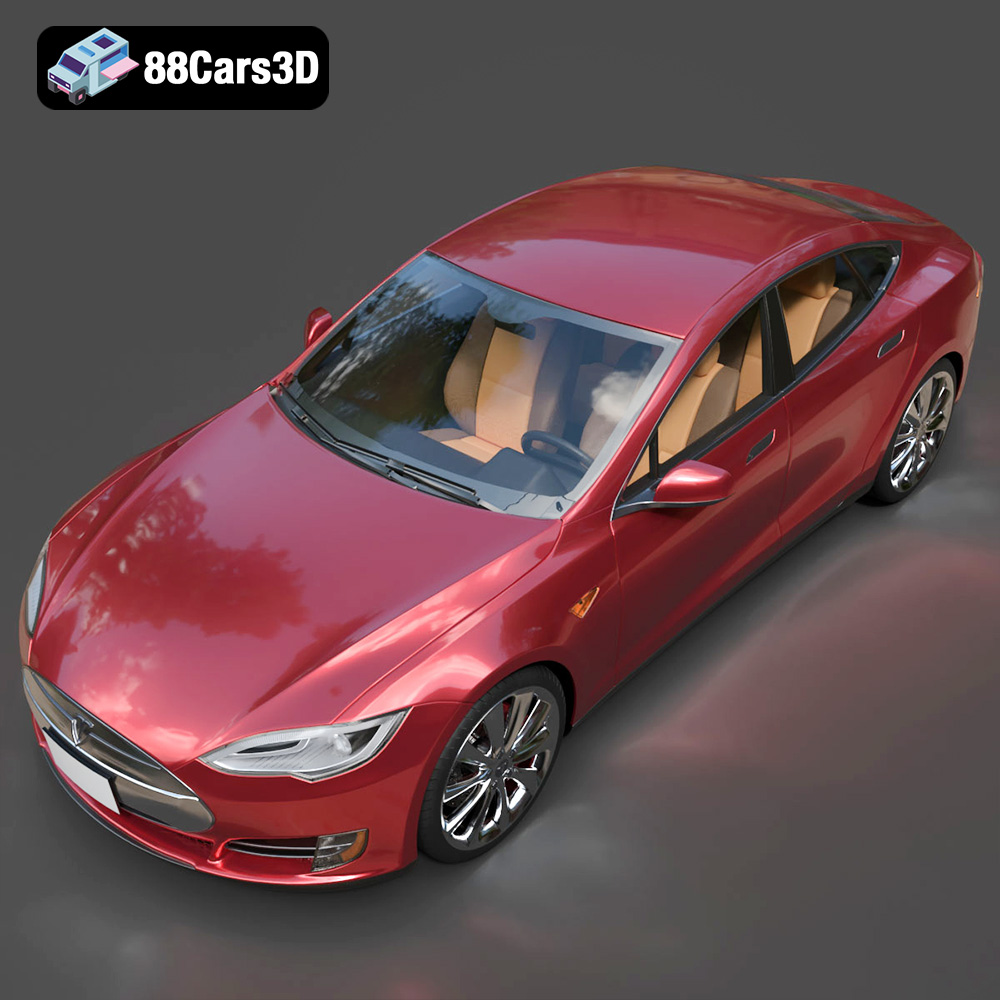
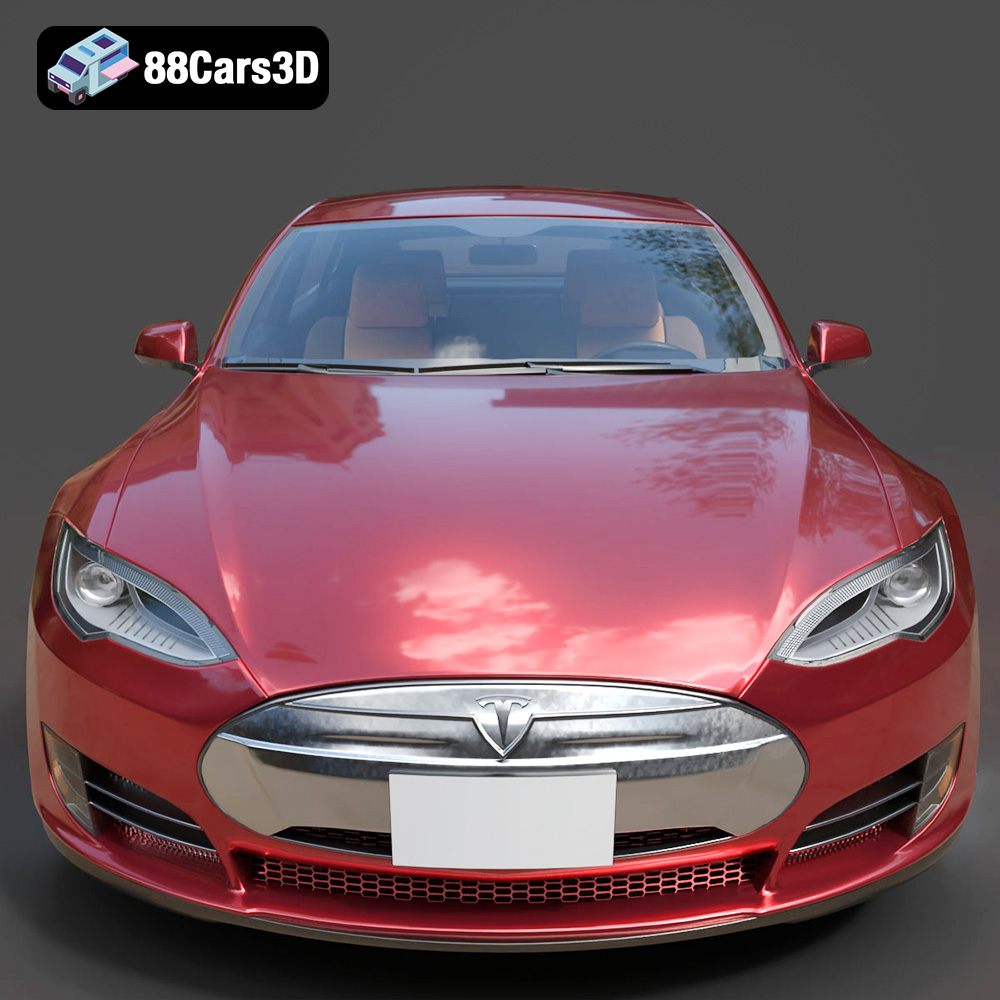
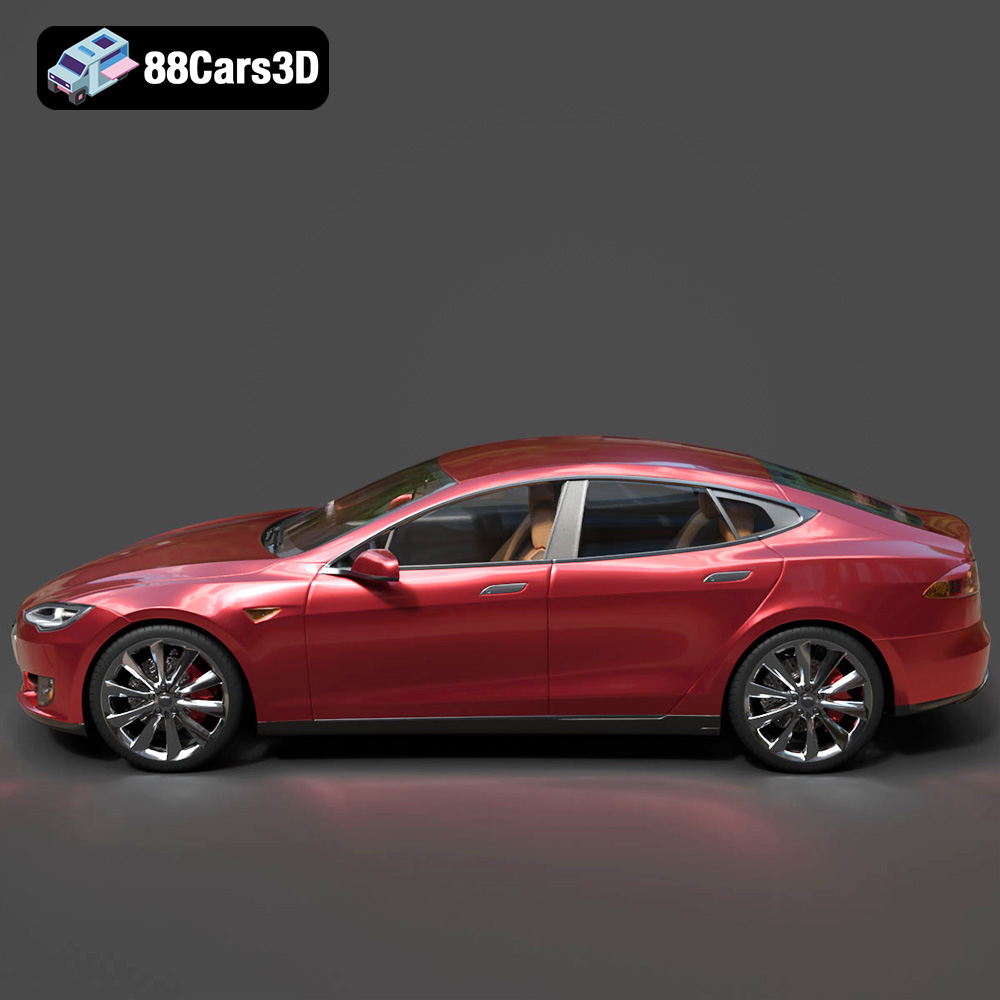
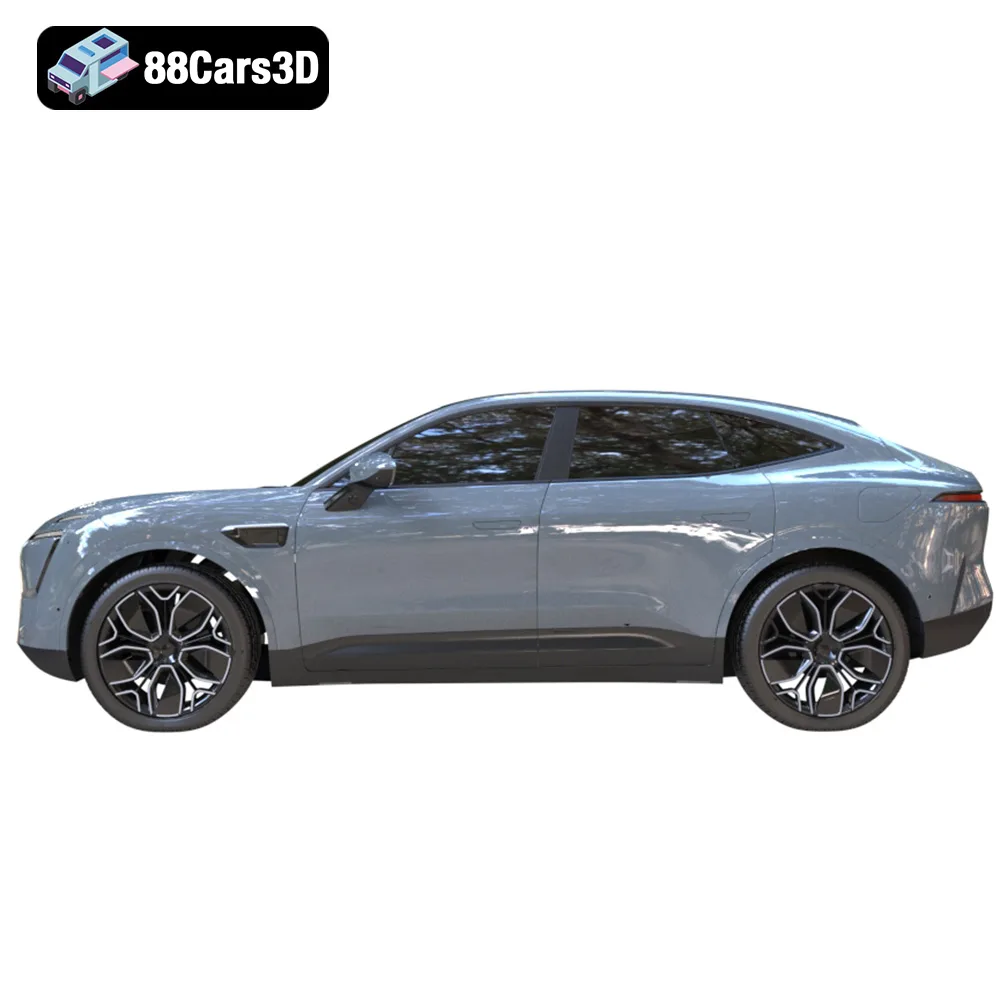
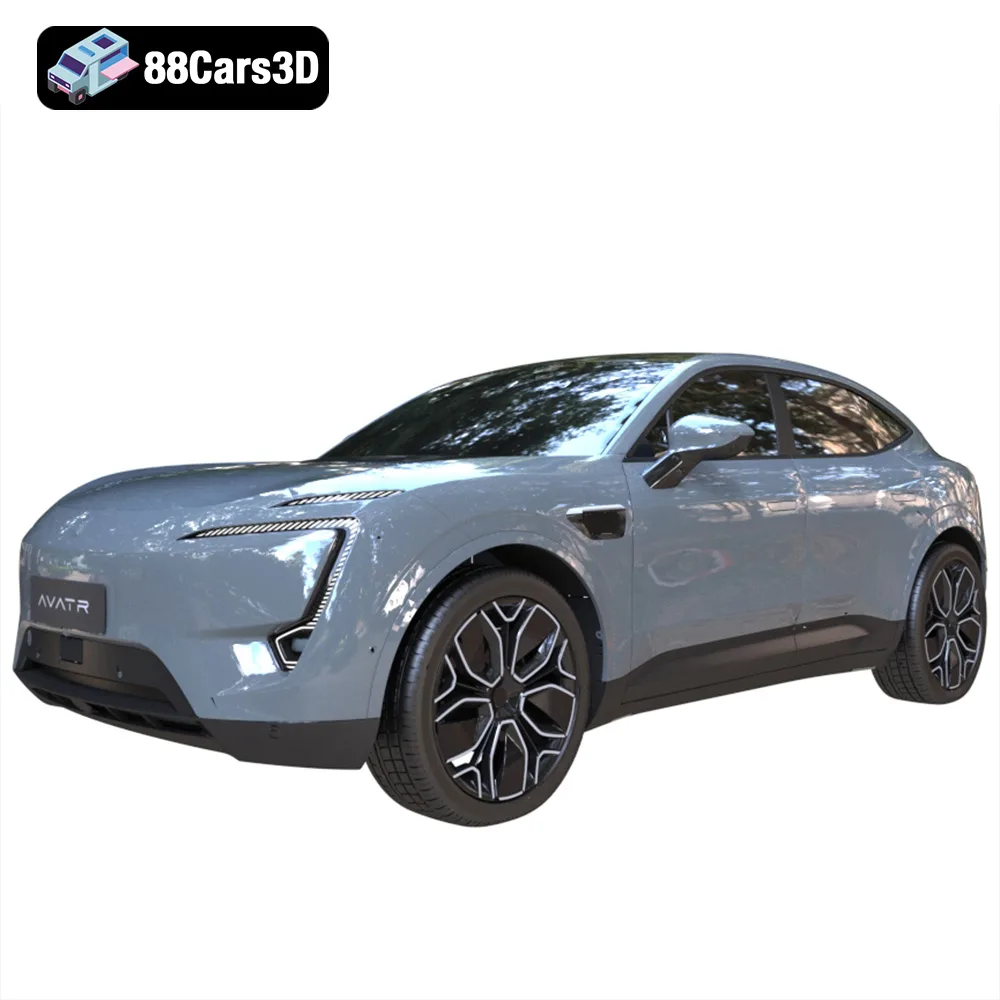
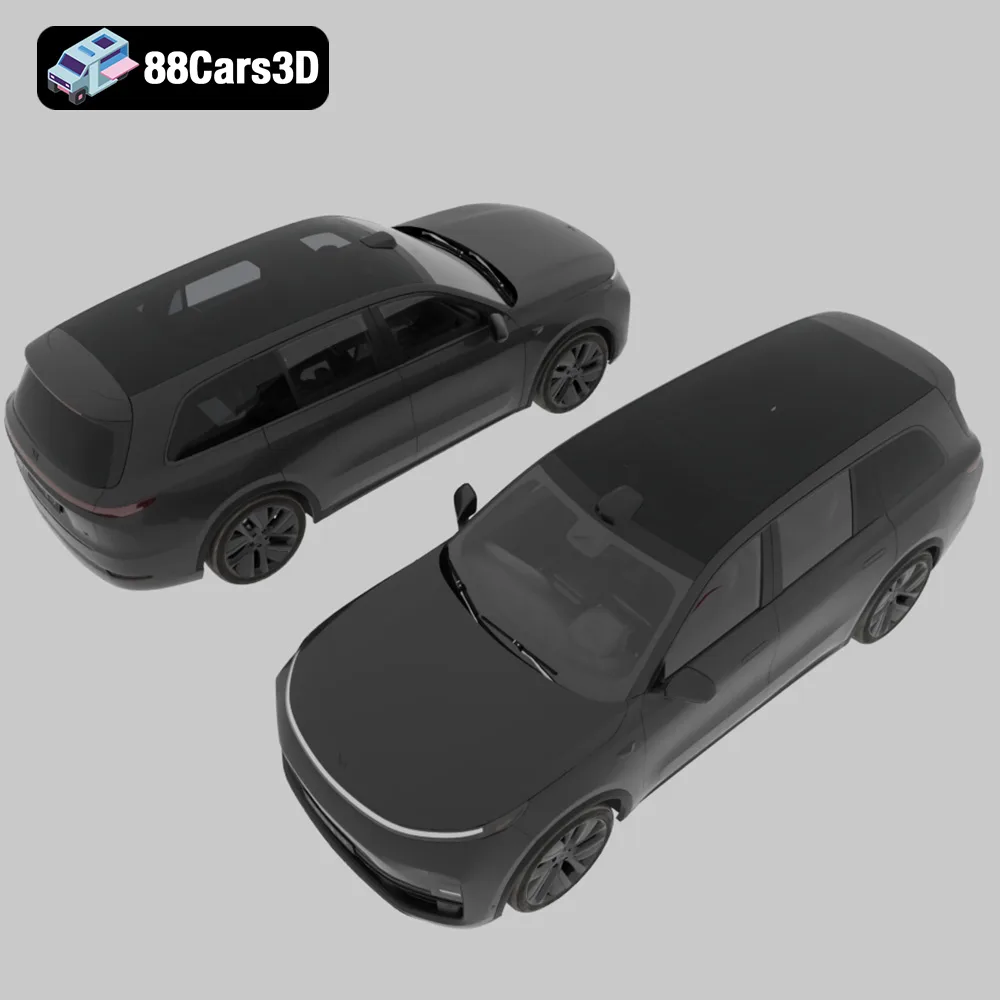
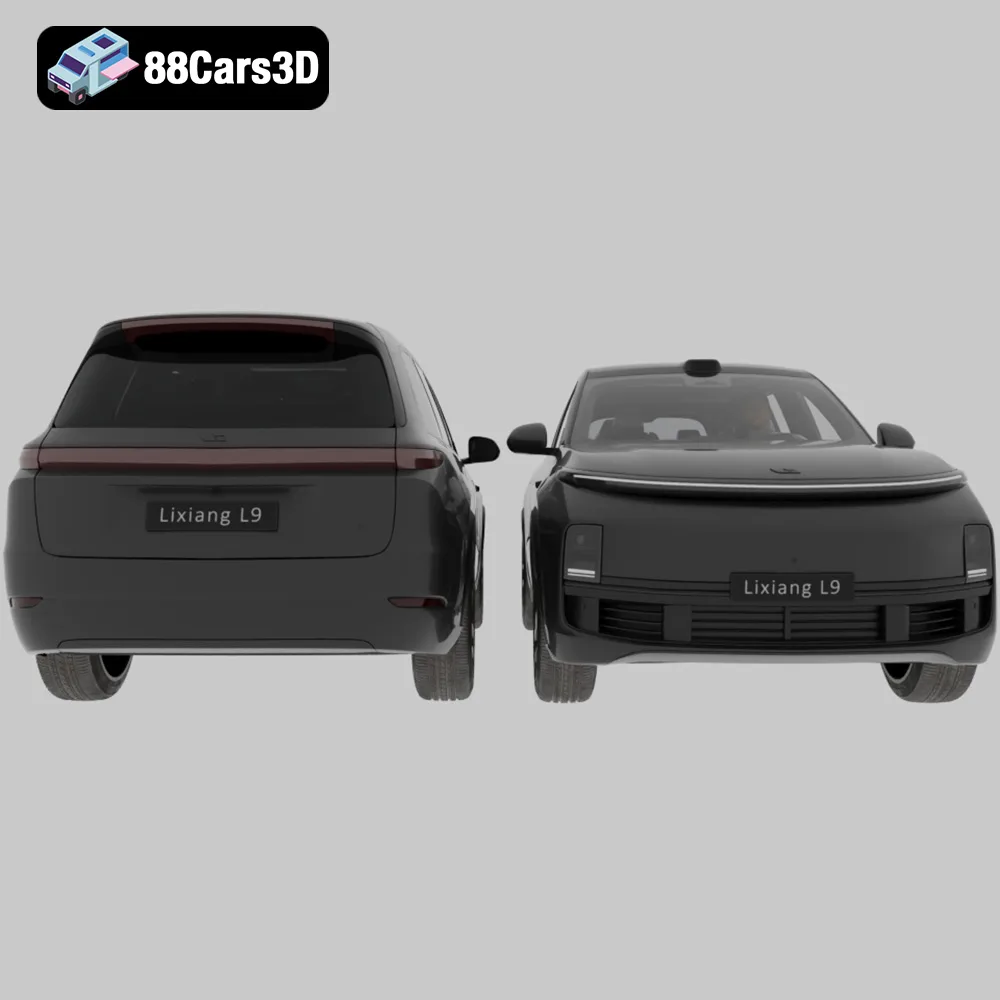
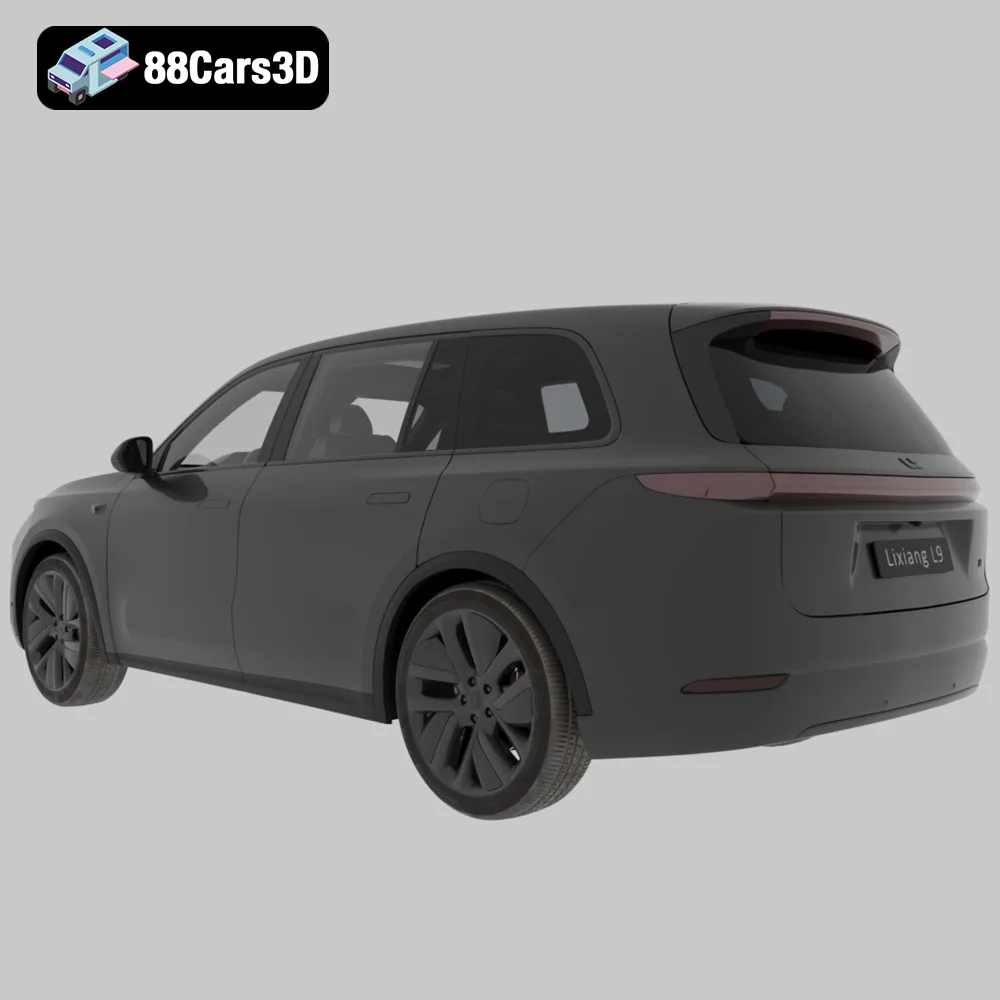
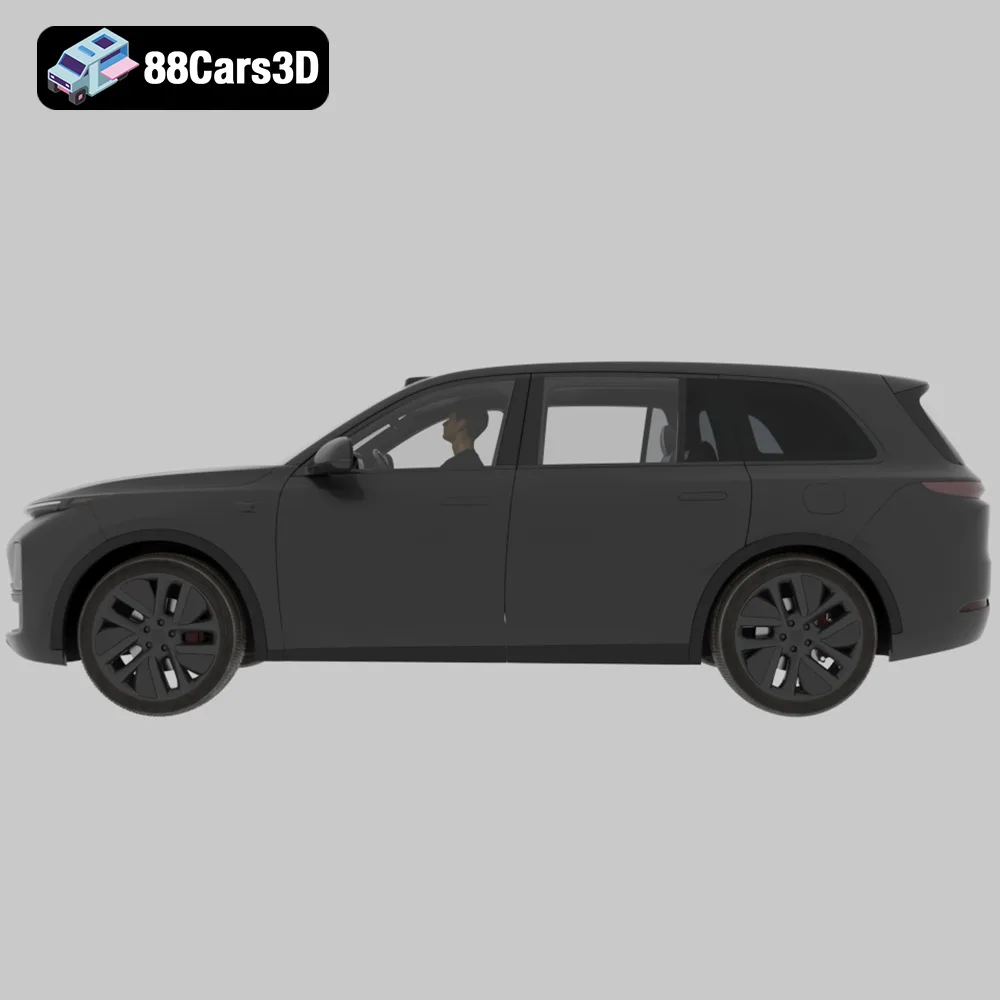
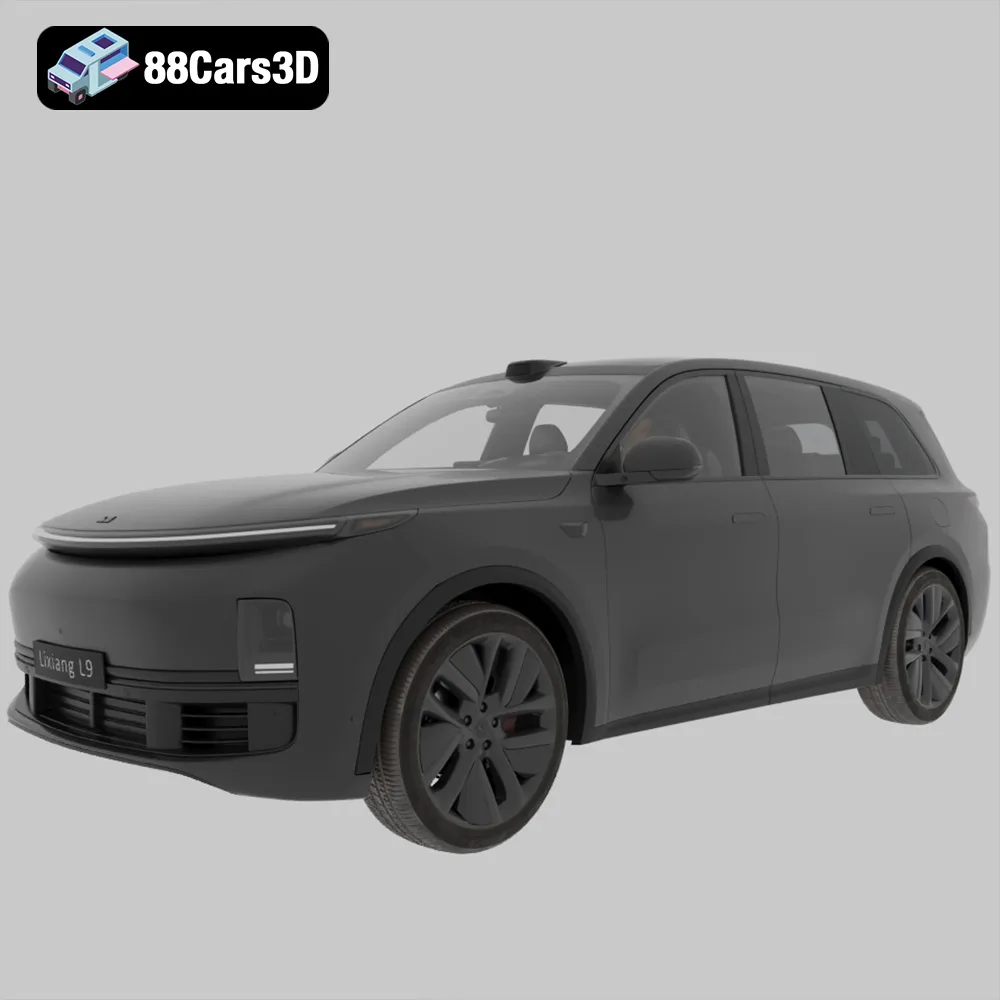
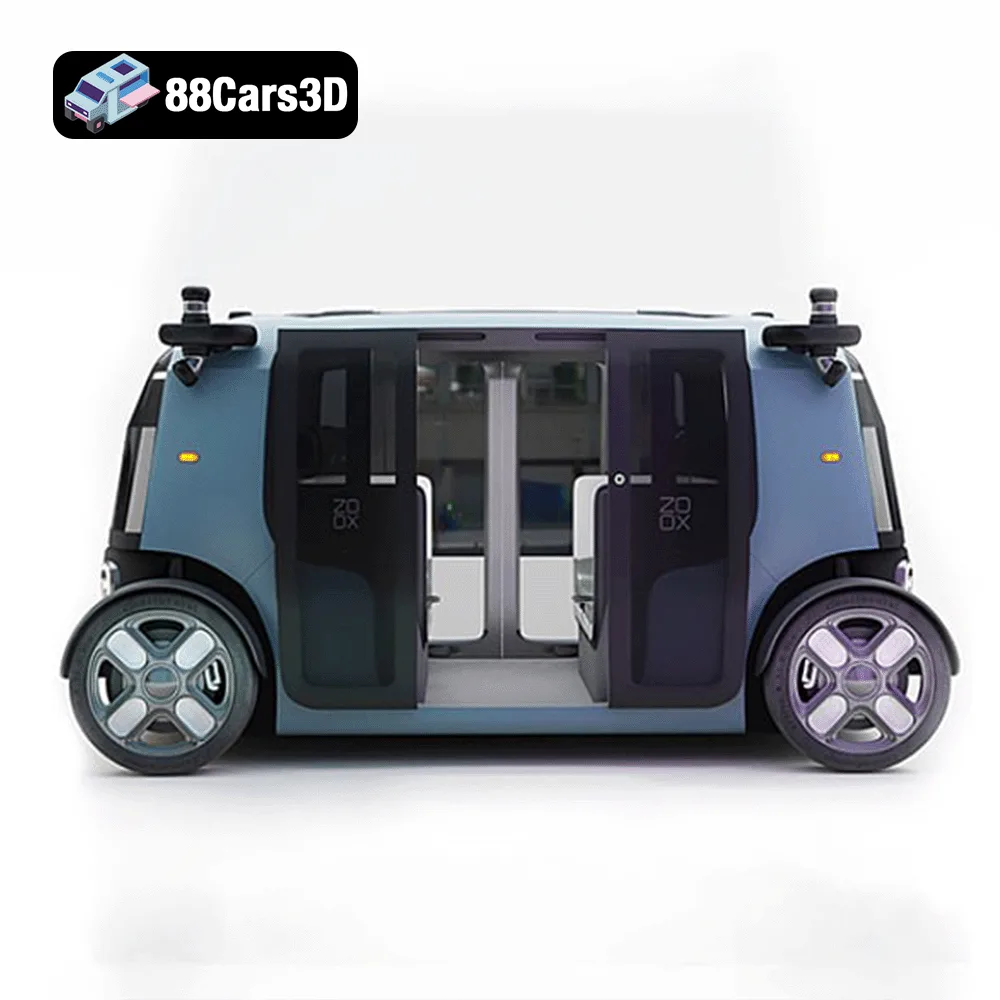
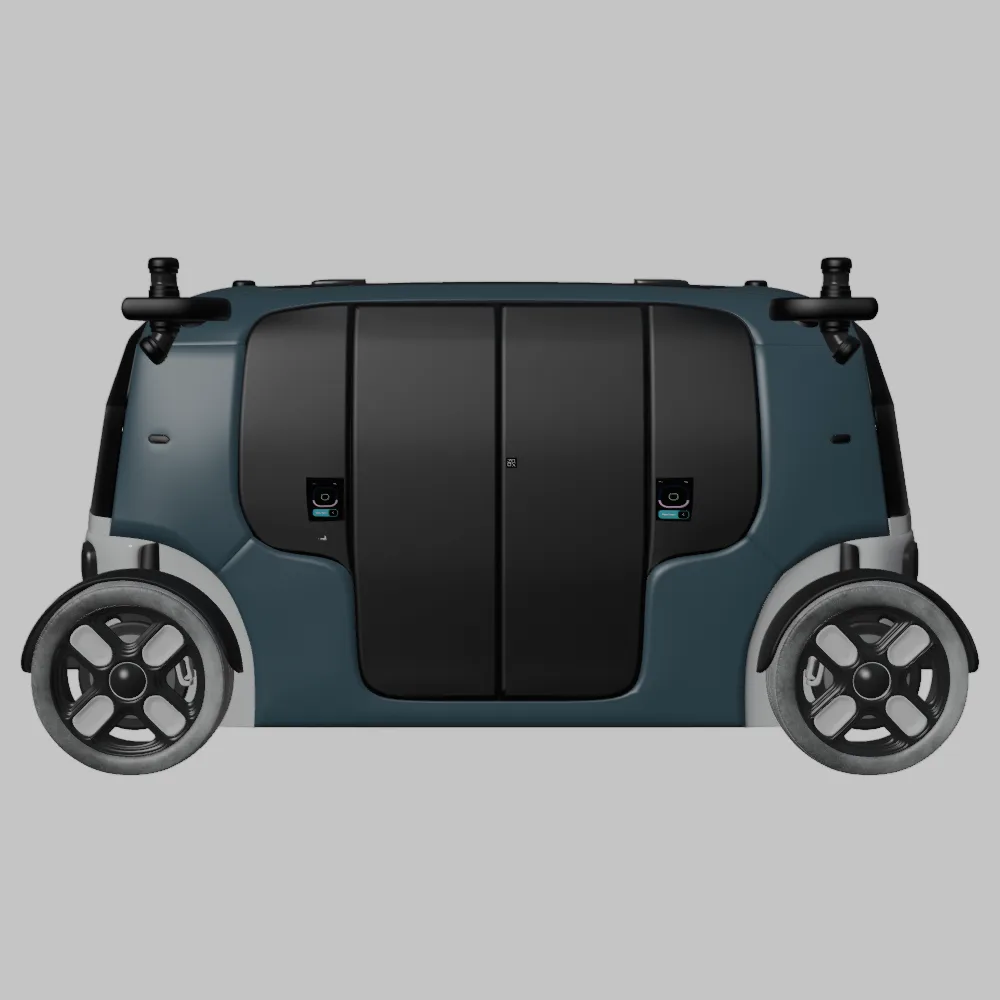
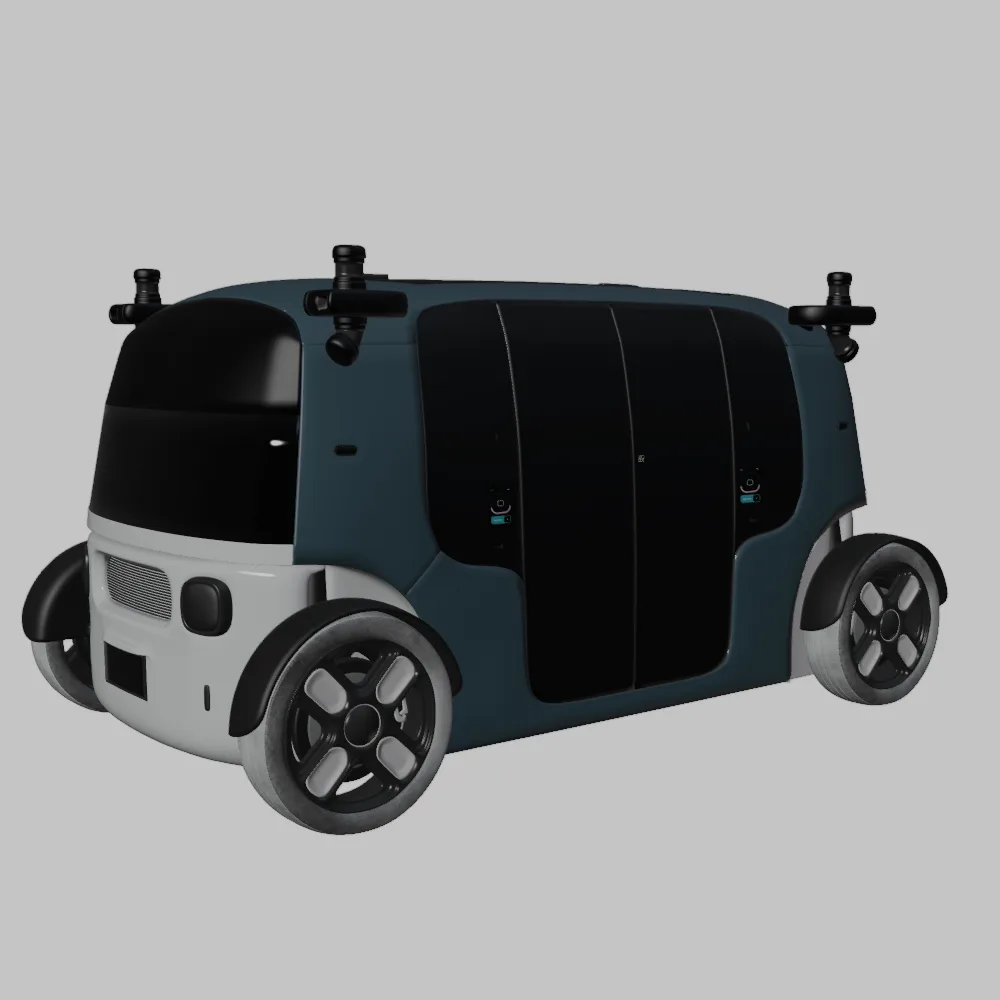
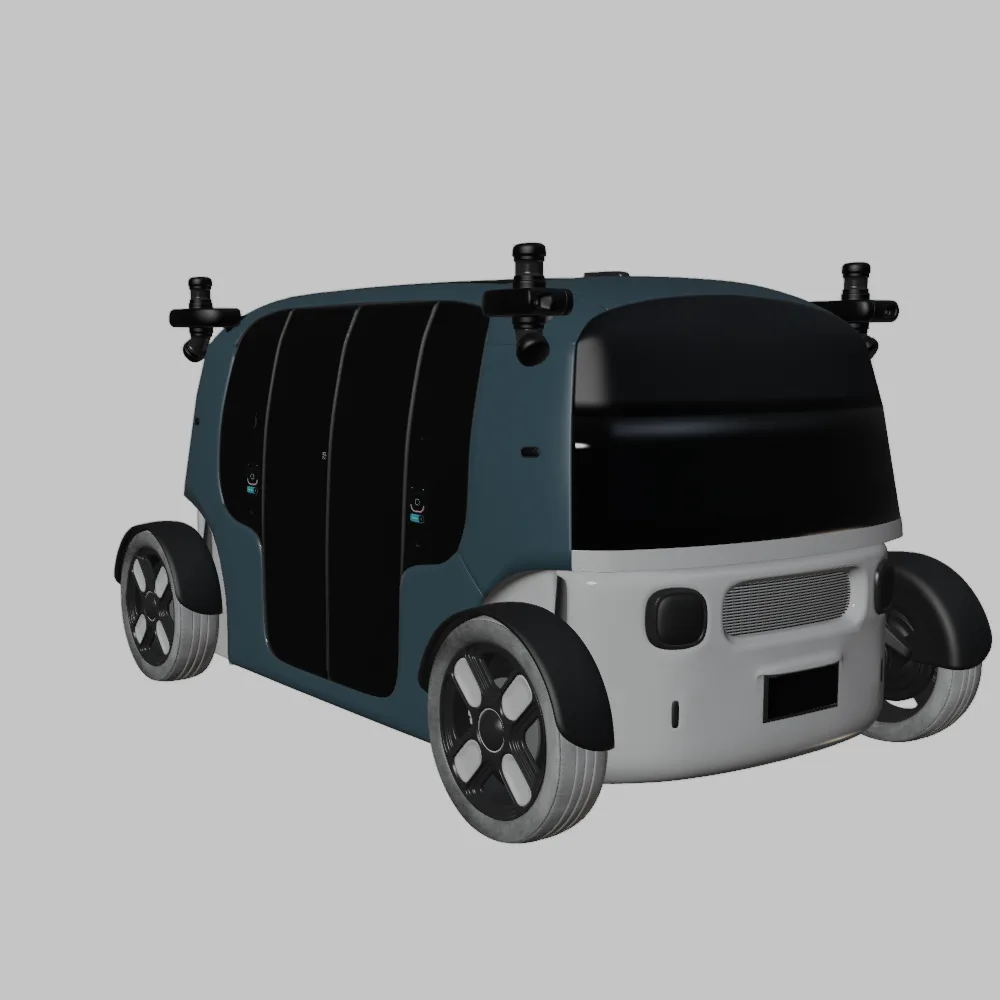
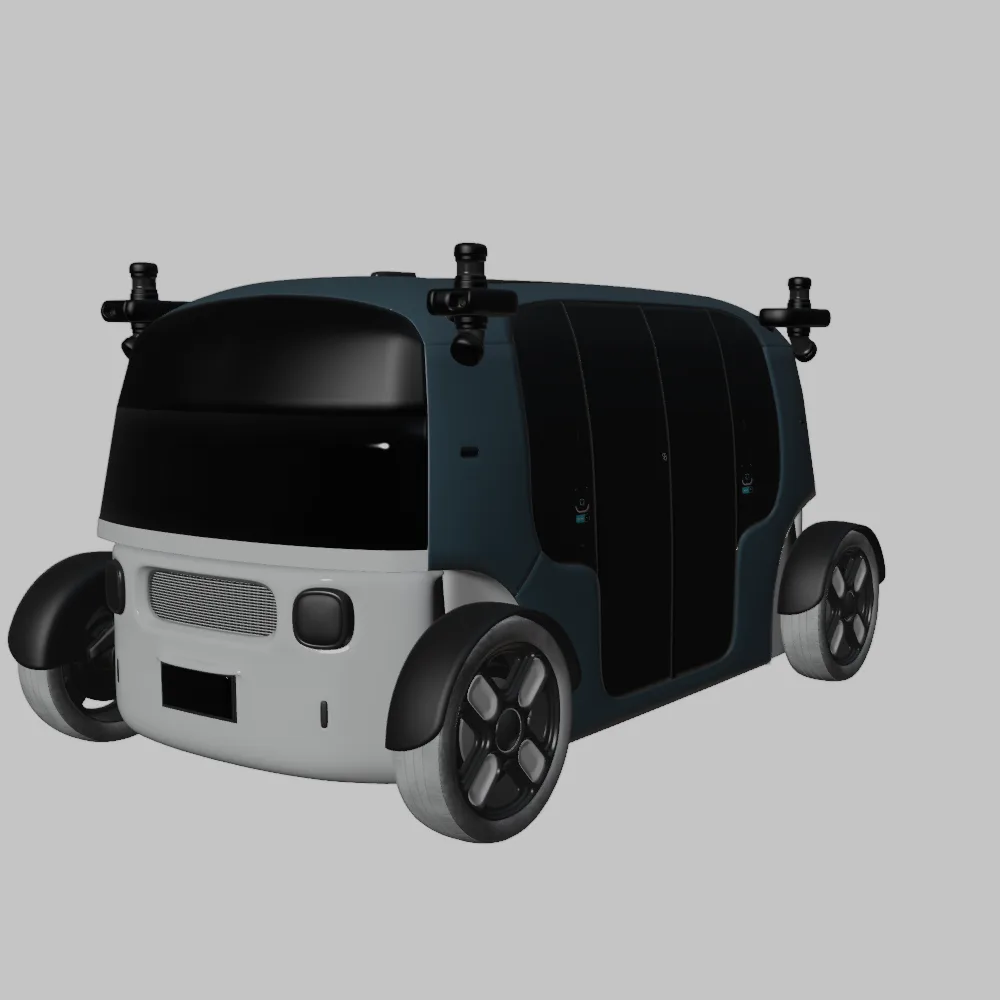
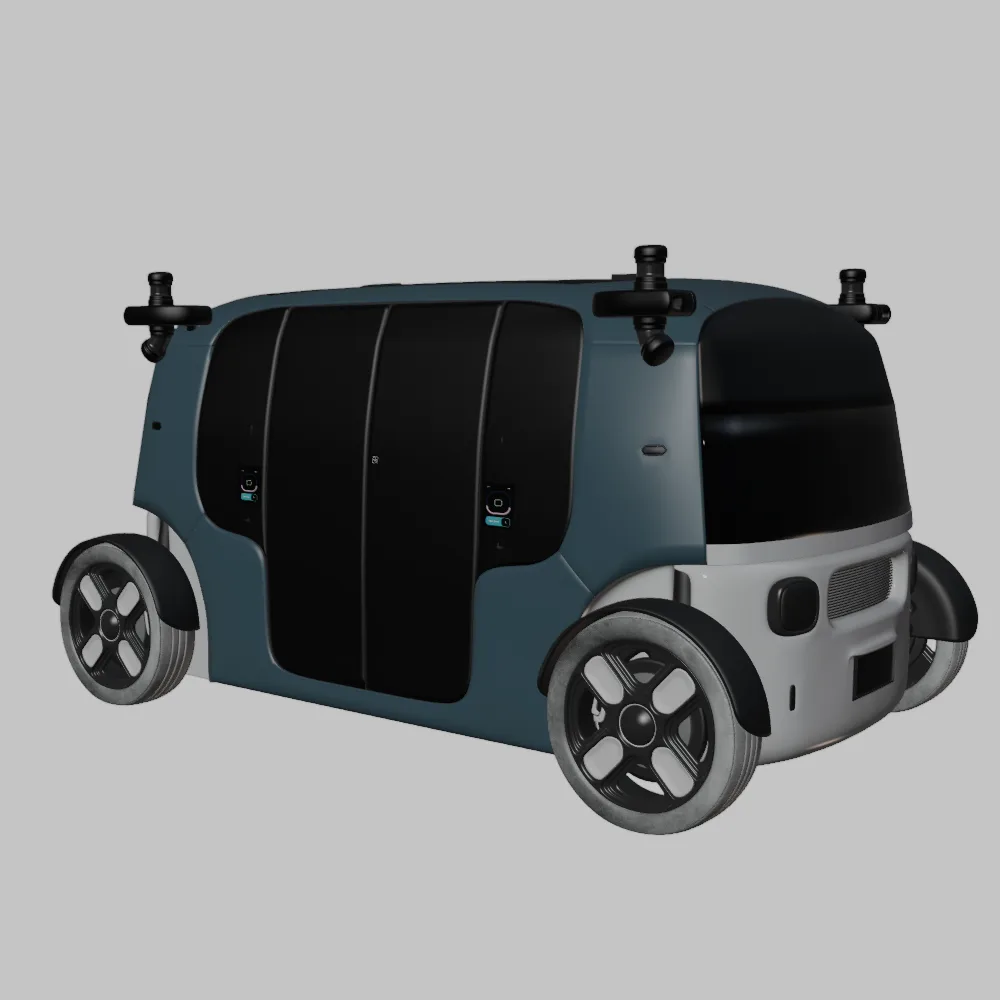
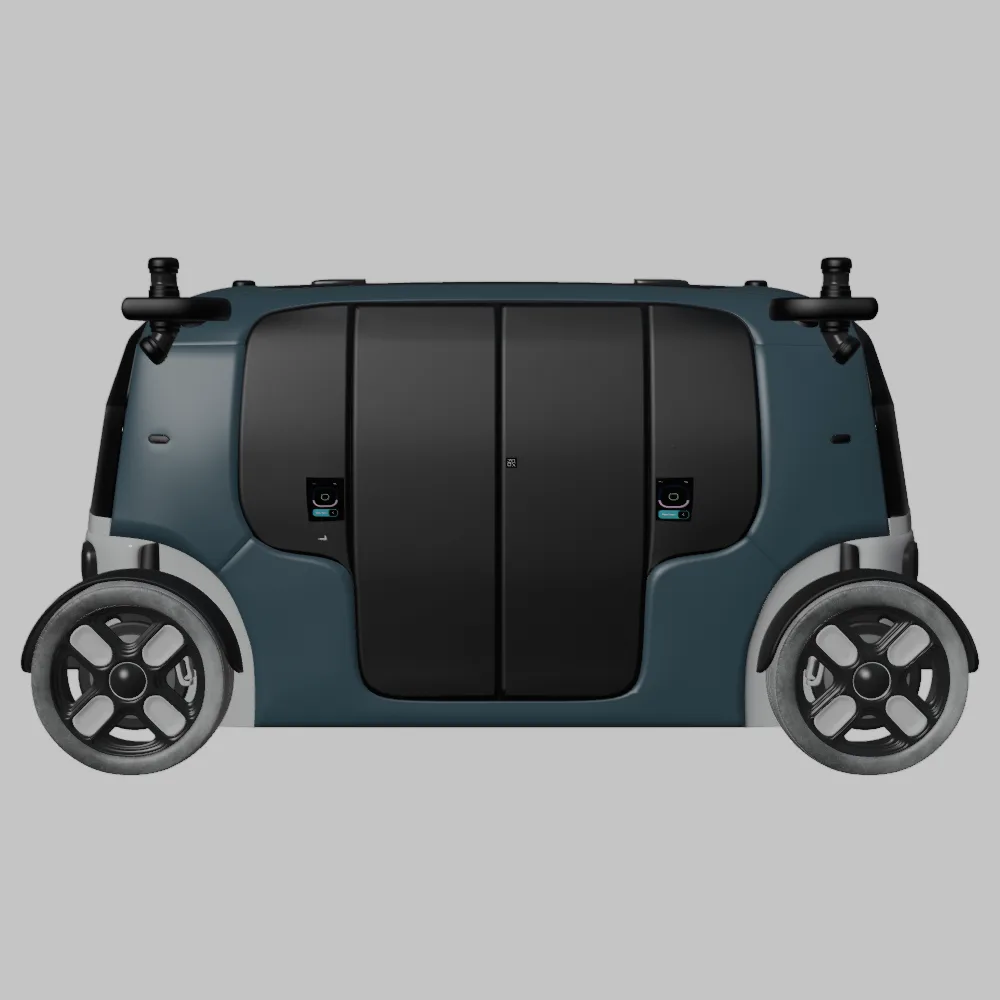
The strength of these models lies in their unwavering commitment to exterior detail. Every vehicle is modeled based on real-world factory dimensions, ensuring accurate proportions that hold up under close scrutiny. EV-specific details, such as Tesla’s flush door handles or Zoox’s sensor arrays, are not overlooked. The lighting systems are meticulously crafted, from Li L9’s distinctive “Halo” light bar to Tesla’s sleek headlights. Wheel geometry is also specialized, featuring aero-wheels and futuristic rim designs, ensuring that even the smallest elements contribute to the overall photorealism. Crucially, the models are “Rigging-Ready,” with separate components for wheels, steering, and doors, facilitating animation and interactive elements in game engines or cinematic sequences.
High-quality 3D car models are defined not just by their visual appeal but also by their underlying technical structure. The Elite Future Mobility bundle sets a high bar, balancing visual fidelity with optimized performance, a critical factor for any professional workflow.
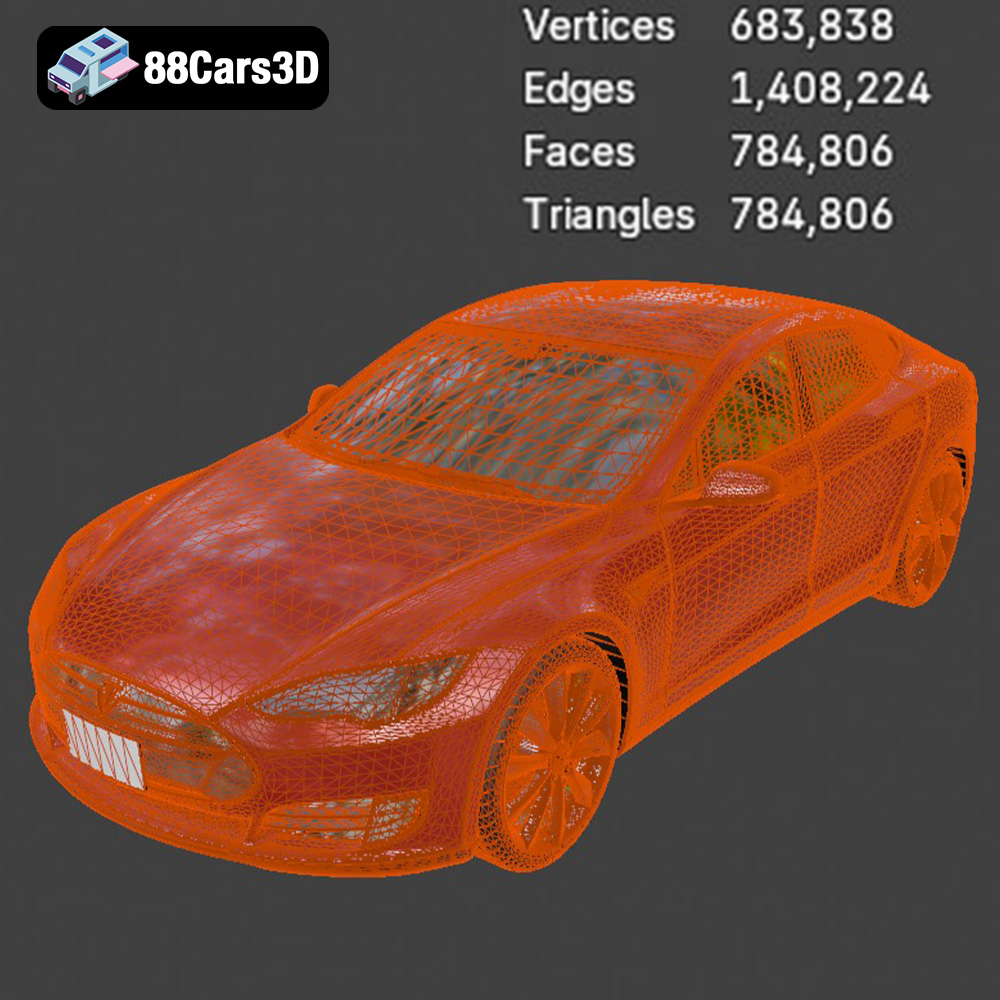
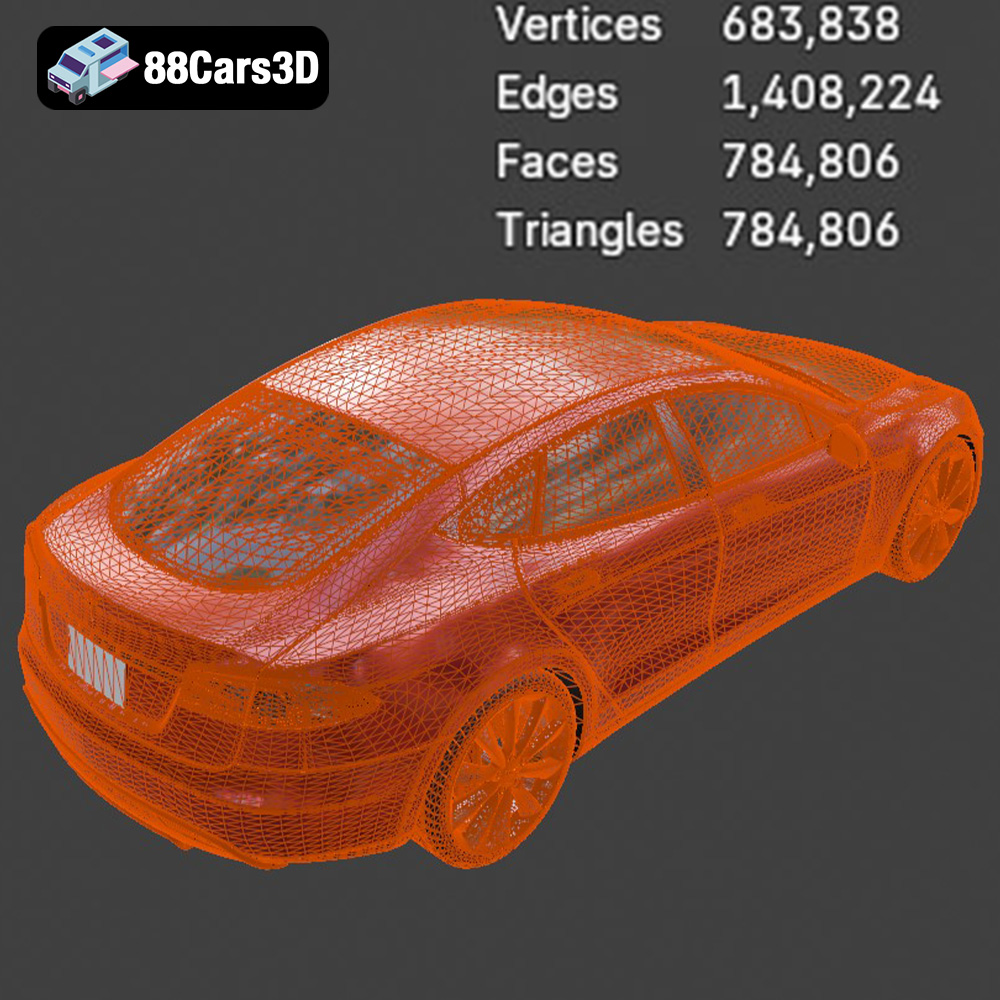
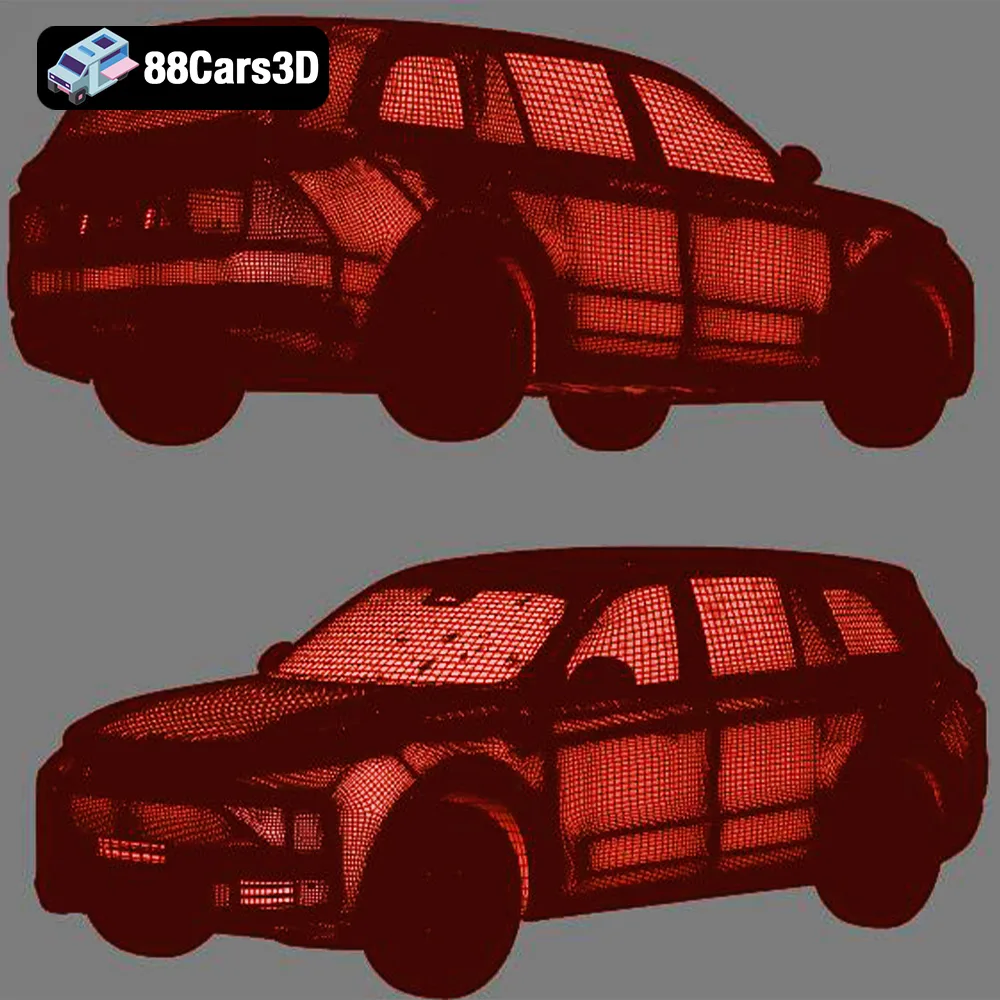
These models boast “Optimized Mid-Poly” topology, averaging 300k–500k triangles per model. This poly count range is a sweet spot: it’s high enough to capture intricate details for close-up renders and maintain smooth curvature without relying solely on subdivision surfaces, yet it remains manageable for real-time applications without crippling performance. The “clean, quad-heavy topology” ensures predictable deformation if rigged for animation and provides a solid foundation for flawless UV unwrapping and texture mapping. This meticulous approach to mesh construction minimizes artifacts and maximizes rendering efficiency across various engines and renderers.
Adherence to “Real-world scale (Metric system)” is fundamental for accurate visualization. This ensures that when the models are imported into an ArchViz scene, a game environment, or a product design showcase, they fit proportionally alongside other assets and environments without requiring manual scaling adjustments that can introduce errors. Equally important are properly centered and oriented pivot points for components like wheels, doors, and the main body. This technical detail, often overlooked in lower-quality assets, is crucial for easy rotation, steering, and movement, making the models truly “rigging-ready” and simplifying animation workflows for artists and developers.
The versatility of the Elite Future Mobility bundle makes it indispensable across a spectrum of professional disciplines. Its robust file format support and optimized technical specifications ensure seamless integration into demanding pipelines.
For ArchViz specialists, these 3D car models are the perfect vehicles (pun intended) for adding realism and a forward-thinking narrative to designs. Imagine populating a contemporary luxury villa driveway with a Tesla Model S or Li L9, or animating a Zoox Robotaxi traversing a smart city street. Using software like 3ds Max with V-Ray or Corona Renderer, or Blender with Cycles, artists can import the .max or .blend files directly. The clean topology allows for easy application of advanced automotive paint shaders, realistic glass, and detailed tire textures. The real-world scale and accurate proportions ensure the cars sit naturally within architectural renders, elevating the entire presentation from conceptual to truly immersive. These models not only fill space but also tell a story of modern, eco-conscious living and advanced urban planning.
Game developers constantly seek high-quality 3D car models that perform well in real-time. The .fbx and .unreal formats from this bundle are specifically tailored for engines like Unreal Engine and Unity. The “Optimized Mid-Poly” count is ideal for “Hero” vehicles in open-world games or as high-fidelity background traffic. Developers can import the .fbx files, apply PBR materials, set up vehicle physics, and even animate the separate wheel and door components. The clean topology aids in generating efficient LODs (Levels of Detail) for performance optimization, ensuring these modern EVs and autonomous vehicles look stunning up close and maintain smooth framerates from a distance. For simulations of smart cities or future transportation systems, the Zoox Robotaxi provides a ready-made asset for complex AI pathfinding and traffic flow scenarios.
Industrial designers can leverage these models to showcase innovative infrastructure, such as EV charging stations, or to visualize complex autonomous lane simulations. The detailed exterior features and accurate proportions make them excellent stand-ins for real vehicles in product mock-ups or concept presentations. For cinematic CGI, the high fidelity allows for stunning close-up shots and dynamic animations. A VFX artist working in 3ds Max or Blender can import the respective files, apply complex rigging for suspension, steering, and damage, and then animate sequences that would be indistinguishable from live-action footage. The “rigging-ready” separate components significantly reduce setup time, allowing artists to focus on creative animation and rendering rather than arduous preparation.
Rendering 3D car models to photorealistic standards is a craft that combines technical expertise with artistic sensibility. The quality of the underlying model, like those in the Elite Future Mobility bundle, provides an exceptional foundation for this process.
Achieving realistic automotive paint requires a sophisticated PBR material setup, typically involving base color, metallic, roughness, and normal maps. The clean topology of these models ensures that these textures map flawlessly, preventing stretching or distortion. When working in renderers like V-Ray, Corona, or Cycles, artists can layer complex shaders to simulate clear coat reflections, subtle metallic flakes, and accurate light absorption. Glass materials for windows and headlights demand specific refractive properties and subtle reflections. For the intricate LED arrays and light bars, emissive materials are crucial, often combined with volumetric effects to simulate realistic glow and atmospheric interaction. Correct lighting—whether studio HDRI setups for product shots or complex environmental lighting for ArchViz scenes—is paramount. Global Illumination, combined with targeted area lights and reflections, brings out the nuanced contours and specular highlights that define a vehicle’s character.
Look development is an iterative process of refining materials, textures, and lighting to achieve the desired aesthetic. This involves meticulous adjustments to roughness values for tires and plastic trims, fine-tuning the opacity and refraction of glass, and ensuring the car’s paint reacts correctly to the environment. The detailed wheel geometry and specialized rims also require careful material work to convey their metallic sheen or aerodynamic finishes. Once rendered, the image moves into post-processing. Tools like Photoshop or Nuke are used to enhance contrast, adjust color balance, add subtle lens effects (flares, depth of field), and integrate the car seamlessly into its background. The high-quality renders possible with these 3D car models provide an excellent starting point, allowing post-production artists to focus on artistic refinement rather than compensating for low-fidelity source material.
The utility of high-quality 3D models extends far beyond digital screens. The Elite Future Mobility bundle specifically highlights its suitability for 3D printing, transforming these digital visions into tangible automotive collectibles and scale models.
The inclusion of the .stl format and detailed 3D print settings is a significant value-add for enthusiasts and professionals alike. The provided “manifold geometry” ensures the models are watertight, a critical requirement for successful 3D printing. This means the mesh is continuous and enclosed, preventing errors during slicing. The recommended scales (1:24, 1:32, 1:43) cater to popular miniature car collections, while the suggested layer height (0.04–0.12 mm) points towards the preference for resin printing (SLA/Resin Print) for capturing intricate details, especially on smaller scales like the “Thor’s Hammer headlights” on certain models.
Successful 3D printing, especially of detailed models, requires careful consideration of settings. The specified wall thickness (1.2–2.0 mm) ensures structural integrity, while the suggested infill (15–25%) balances strength with material consumption. Supports are explicitly noted as “Required for side mirrors, wheel arches, and the subtle rear roof spoiler,” guiding users to prevent print failures on delicate overhangs. The advice to print the body angled for a smooth surface finish and to print wheels separately reflects best practices for achieving optimal results. Post-processing suggestions, such as sanding, primer, and specific factory colors, further empower users to create stunning physical replicas, turning these advanced digital assets into impressive physical automotive collectibles or tabletop displays.
The future of mobility is dynamic, innovative, and increasingly digital. For professionals navigating this exciting landscape, access to superior 3D car models is not merely a convenience but a necessity. The Elite Future Mobility: EV & Autonomous SUV Bundle stands out as an exemplary collection, offering not just visually stunning vehicles, but also meticulously engineered assets ready for the most demanding professional workflows.
From their clean, optimized topology and comprehensive file format support (including .blend, .fbx, .obj, .glb, .stl, .ply, .unreal, and .max) to their detailed exterior features and rigging-ready components, these models provide an unparalleled foundation. Whether you’re crafting photorealistic architectural visualizations, building immersive game worlds, designing cutting-edge industrial concepts, or producing cinematic masterpieces, this bundle empowers you to visualize the future with confidence and precision. Furthermore, the explicit support for 3D printing extends their value, allowing for the creation of tangible, high-quality scale models.
Investing in such high-quality 3D car models from trusted sources like 88cars3d.com ensures that your projects are equipped with the best possible assets, saving invaluable time and delivering exceptional results. Embrace the next generation of digital automotive design and let these premium models drive your creative visions forward.
The Elite Future Mobility Bundle is a curated collection of four groundbreaking vehicles that define the next era of transportation. This pack combines the elegance of high-performance electric sedans, the rugged luxury of next-gen SUVs, and the visionary design of autonomous urban pods.This bundle is specifically engineered for professionals in Architectural Visualization (ArchViz), Smart City Simulations, and Cinematic CGI. Featuring icons like the Tesla Model S, the futuristic Avatr 11, the luxurious Li L9, and the revolutionary Zoox Robotaxi, this collection provides a complete toolkit for populating modern, eco-conscious, and tech-driven virtual environments.Every model in this bundle follows a high-efficiency, clean topology philosophy, striking the perfect balance between visual fidelity for close-up renders and optimized performance for real-time engines.
$99
3d-vehicle-pack
archviz-assets
autonomous-driving
avatr-11
electric-vehicles
ev-bundle
future-cars
futuristic-suv
game-ready-cars
li-l9
luxury-ev
smart-city
tesla-3d-model
zoox-robotaxi