Get 20% OFF All Premium 3D & STL Models!

In the vast and dynamic world of 3D content creation, the devil is often in the details. From sweeping architectural visualizations to bustling game environments, the believability of a scene hinges on the quality and authenticity of its individual components. Urban settings, in particular, demand a rich tapestry of everyday objects to feel alive. Whether populating a street corner in a cinematic render or adding background context to an interactive game, the choice of assets profoundly impacts the overall immersion.
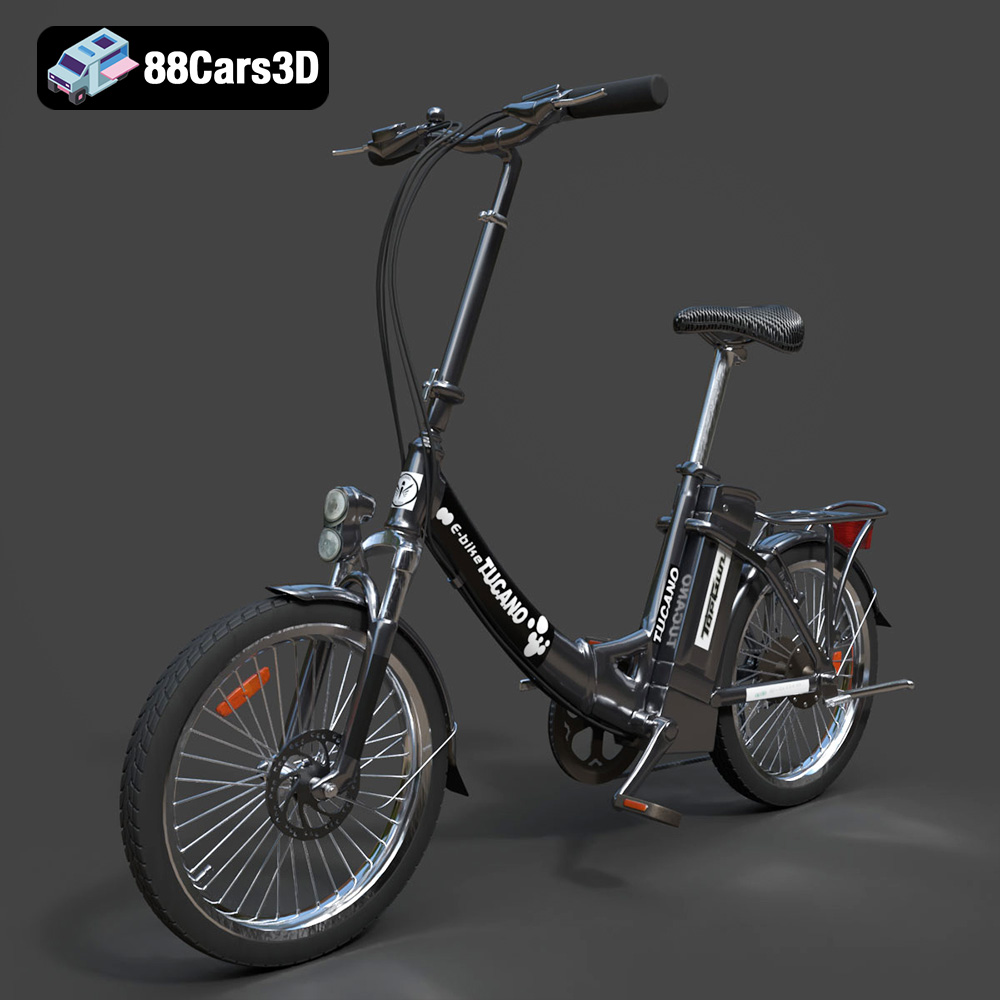
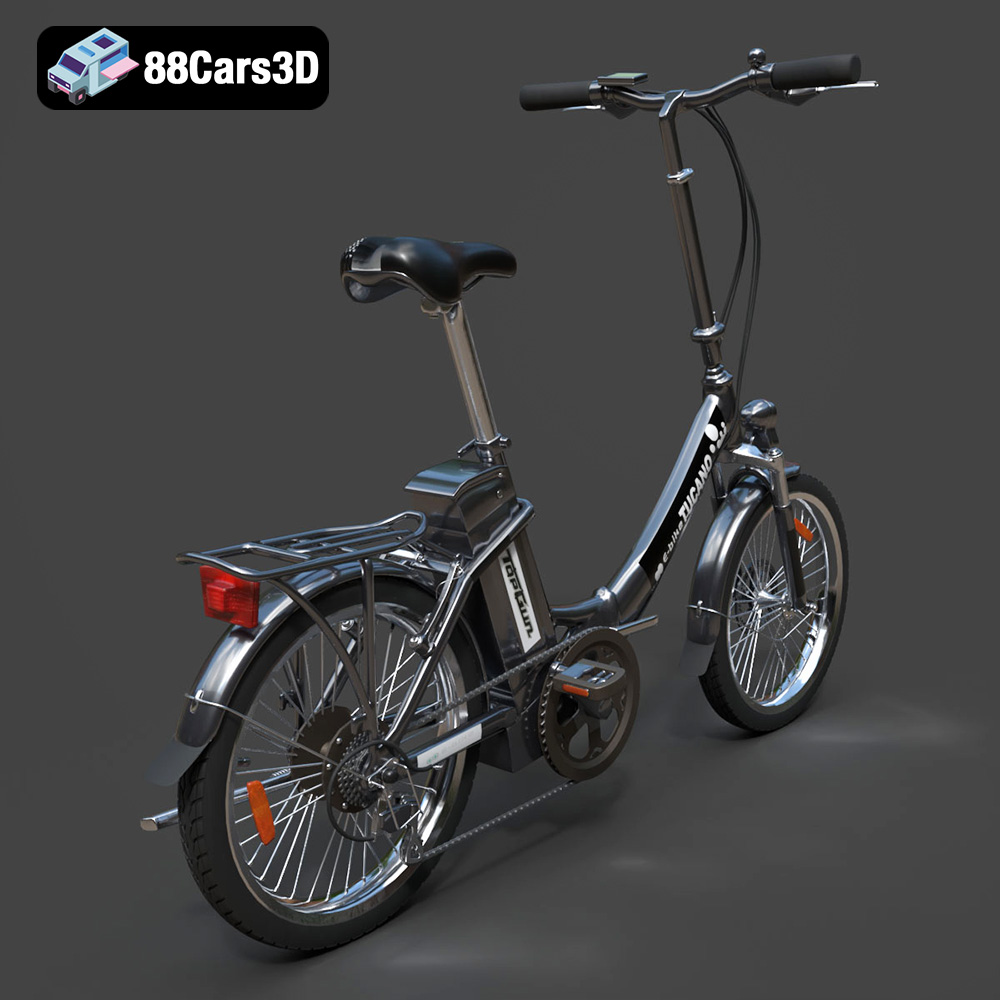
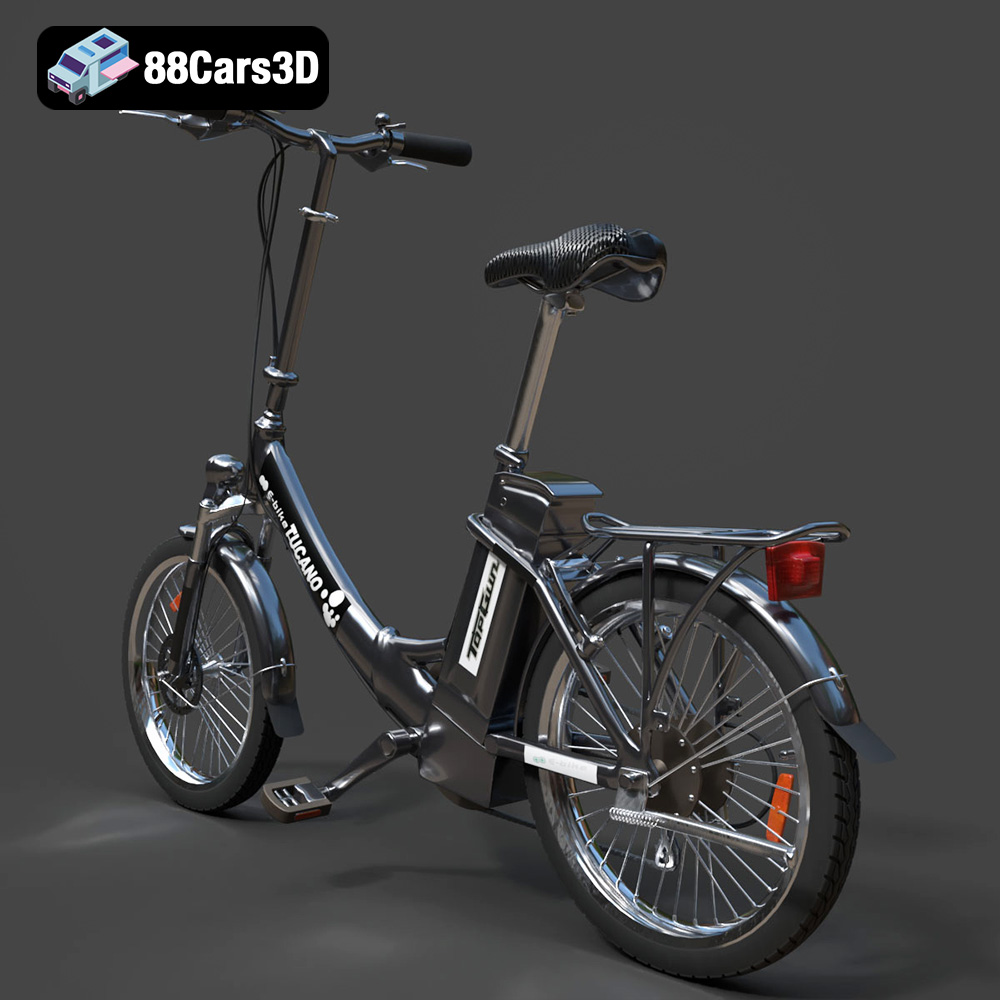
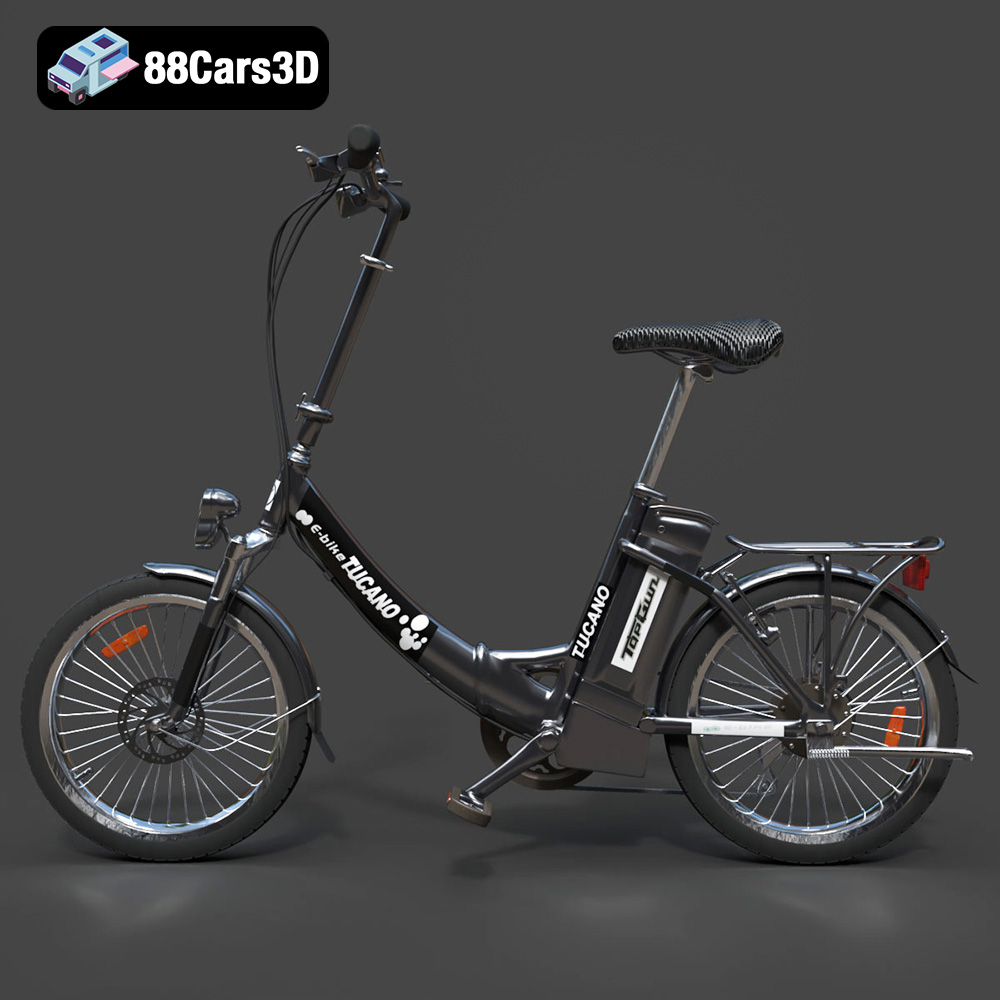
Today, we’re taking a closer look at a quintessential urban element: the bicycle. Not just any bicycle, but a meticulously crafted 3D model designed to blend seamlessly into a multitude of digital applications. The Bici Tucano 3D Model is more than just a static prop; it’s a versatile asset engineered for realism, performance, and broad compatibility across various professional workflows. Its design, inspired by practical European city bikes, offers a touch of authenticity to any digital city, making it an invaluable addition to your asset library for urban rendering, game development, and even physical 3D printing.
Navigating the ecosystem of 3D software and its myriad applications requires a fundamental understanding of file formats. Each format is designed with specific strengths, catering to different stages of the 3D pipeline – from initial modeling and texturing to final rendering, real-time deployment, or physical output. The Bici Tucano 3D Model is a prime example of an asset offered in a comprehensive suite of formats, ensuring its utility across diverse projects. Let’s delve into the technical nuances of the most common formats provided, explaining when and why each is chosen.
The .blend format is the native file type for Blender, a powerful open-source 3D creation suite. When you receive a .blend file like that for the Bici Tucano, you’re getting a fully editable scene. This means not just the mesh data, but also the materials, textures, lighting, camera setups, and even any existing rigging or animation data are preserved. It’s ideal for artists who primarily work in Blender, allowing for direct modification, material tweaking, and immediate rendering using Cycles or Eevee. Its comprehensive nature makes it perfect for deep customization, ensuring the model can be seamlessly integrated and adjusted within a Blender-centric pipeline without losing any original project settings.
.fbx (Filmbox) is arguably the most widely adopted interchange format in the 3D industry. Developed by Autodesk, it’s designed for robust data exchange between different 3D applications, including 3ds Max, Maya, Cinema 4D, and critically, game engines like Unreal Engine and Unity. An FBX file can encapsulate a vast array of data, from geometry, UVs, and materials to animation, rigging, and camera information. For game assets like the Bici Tucano, FBX is the go-to for exporting to real-time pipelines due to its ability to transfer complex hierarchies and animation data efficiently. Its versatility makes it indispensable for collaborative projects and multi-software workflows.
The .obj (Wavefront Object) format is one of the oldest and most universal 3D file formats. It’s renowned for its simplicity and excellent cross-software compatibility. An OBJ file primarily stores geometric data – vertices, faces, UV coordinates, and normal vectors – and can reference external material files (.mtl) for basic material properties. While it doesn’t support animation or complex scene data, its widespread acceptance means almost any 3D software can import and export OBJ files without issues. For a model like the Bici Tucano, an OBJ version ensures a foundational mesh that can be easily loaded into any modeling package for retopology, texturing, or conversion to other formats.
.glb (GL Transmission Format Binary) is an increasingly important format, especially in the realms of Augmented Reality (AR), Virtual Reality (VR), and web-based 3D experiences. GLB is the binary version of glTF, a royalty-free specification for the efficient transmission and loading of 3D scenes and models. It packages everything into a single file – geometry, materials, textures, animations – making it highly optimized for fast loading and rendering on various platforms, including mobile devices and web browsers. The Bici Tucano in GLB format would be perfect for embedding into an e-commerce website for an interactive view, or for deployment in AR applications showing the bike in a real-world setting.
.stl (Stereolithography) is the de facto standard for 3D printing. This format represents a 3D model as a series of connected triangles, describing only the surface geometry of an object without any color, texture, or material information. The key requirement for an STL file is that the mesh must be “manifold,” meaning it has no holes or non-watertight geometry, ensuring it can be physically printed. The Bici Tucano’s availability as an STL makes it ready for digital manufacturing, allowing designers to create physical prototypes or miniature collectible models, as detailed in the product’s 3D print settings.
.ply (Polygon File Format) is often associated with 3D scanning data, academic research, and applications requiring precise geometric representation. Like OBJ, it primarily stores geometry, but it can also include additional properties such as color per vertex, normal information, transparency, and sometimes even data from point clouds. While less common for general asset distribution than FBX or OBJ, PLY offers a robust format for transferring high-precision mesh data, particularly useful in CAD workflows or for analysis where fine geometric fidelity is paramount.
The .unreal file format denotes assets specifically prepared and optimized for the Unreal Engine. This often implies not just the mesh and basic materials, but also proper collision setups, LODs (Levels of Detail), and potentially even Blueprints or specific engine-specific material instances. Having the Bici Tucano in an .unreal format means it’s ready for immediate drag-and-drop integration into Unreal projects, saving significant time on import and setup, ensuring optimal performance within the engine’s real-time rendering pipeline.
Finally, the .max format is the native file type for Autodesk 3ds Max, a leading software for 3D modeling, animation, and rendering. Similar to .blend, a .max file preserves the entire scene, including all modifiers, materials, lights, cameras, and animation data. This format is crucial for professionals working within the 3ds Max ecosystem, providing maximum flexibility for further editing, rigging, or custom rendering setups using powerful renderers like V-Ray or Corona. The Bici Tucano’s .max file allows for complete control over the model’s appearance and behavior within one of the industry’s most robust animation and visualization platforms.
Creating a compelling 3D model, even of an everyday object like a bicycle, requires a blend of artistic insight and technical precision. The Bici Tucano 3D Model exemplifies this balance, meticulously designed to serve both high-fidelity rendering and performance-critical real-time applications. Let’s unpack the core features that make this model stand out.
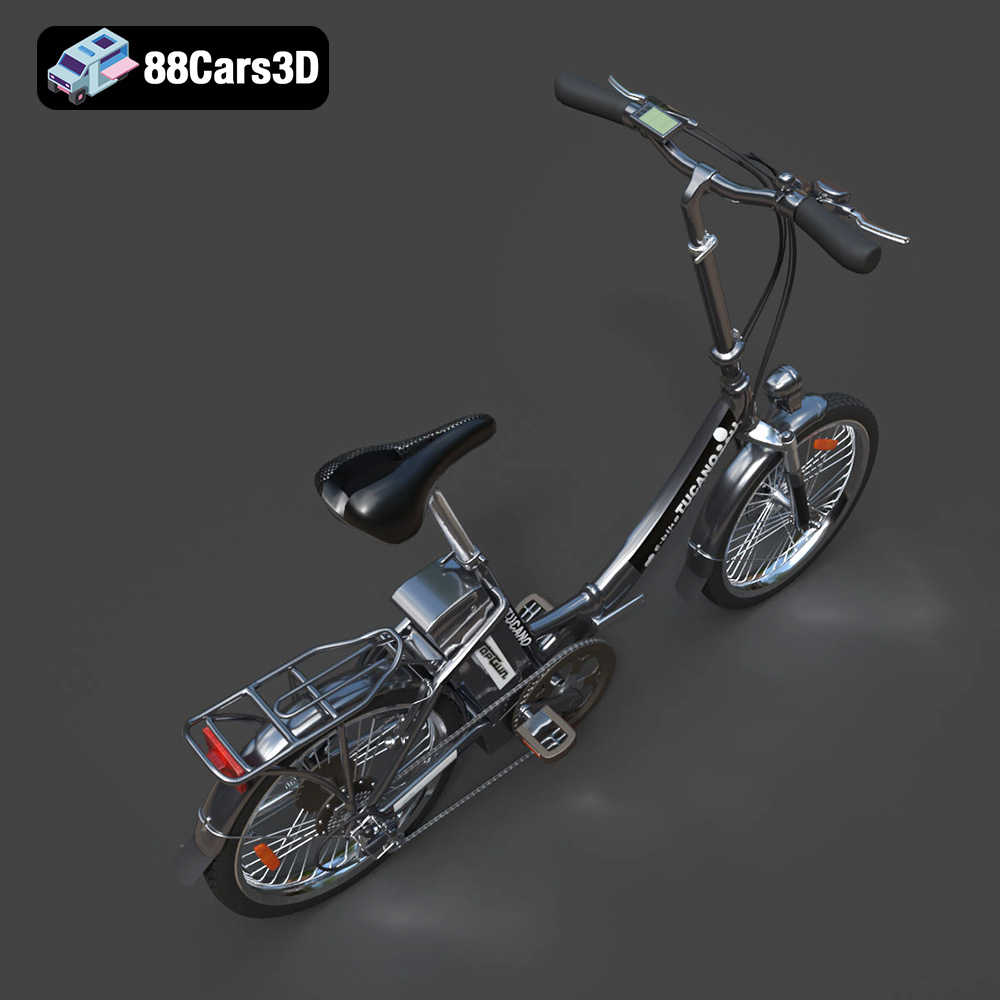
The first impression of any 3D model comes from its exterior, and the Bici Tucano delivers with realistic proportions and clean geometry. Its design is inspired by classic urban utility bicycles, characterized by their sturdy frames, upright riding positions, and functional components. Every element, from the distinct frame geometry to the detailed front fork and rear triangle structure, is accurately represented. The model includes accurately spoked wheels, carefully sculpted rubber tires, and fully modeled pedals, crankset, and chain system. Functional handlebars and a braking system are also present, ensuring that even close-up renders maintain a high degree of visual integrity. This attention to detail makes the Bici Tucano ideal for urban lifestyle renders, architectural exterior scenes, and product presentations where realism is key.
Beyond the visible aesthetics, the Bici Tucano incorporates thoughtful internal and mechanical detailing crucial for dynamic use cases. The drivetrain components are modeled, including the chainring, sprockets, and a representation of the gear structure. This level of detail extends to the brake levers and handlebar controls, and even the seat and saddle support detailing. Crucially, the model boasts separated components, with proper pivot points established for wheel rotation and pedal animation. This “animation-ready” state is a significant advantage, saving animators countless hours in setup. Whether you’re animating a cyclist pedaling through a virtual city street or simply needing the wheels to spin in a game environment, the Bici Tucano is designed for smooth, realistic motion.
The underlying technical construction of a 3D model often dictates its usability and performance. The Bici Tucano shines here with several key advantages:
The true measure of a 3D asset’s quality lies in its adaptability across different professional pipelines. The Bici Tucano 3D Model, with its robust construction and multiple file formats, is engineered to seamlessly integrate into various projects, from cinematic renders to interactive simulations.
For artists focused on producing photorealistic imagery, the Bici Tucano provides an excellent foundation. In software like 3ds Max, artists can leverage its .max file to refine materials, integrate it into complex architectural visualizations (ArchViz) with V-Ray or Corona Renderer, and set up intricate lighting scenarios. Imagine a beautifully rendered street scene, where the Bici Tucano leans against a lamppost, its metallic frame reflecting the urban glow, adding a touch of lived-in authenticity. Similarly, Blender artists can utilize the .blend file, tapping into Cycles or Eevee for stunning results. The clean topology and proper UVs simplify the process of applying advanced PBR (Physically Based Rendering) materials, ensuring the rubber tires have a subtle texture, the paint gleams realistically, and the metal components catch the light appropriately. This detailed approach is vital for promotional images, product showcases, or adding background context to complex urban models.
The demand for high-quality game assets that perform efficiently in real-time environments is ever-growing. The Bici Tucano’s lightweight geometry and optimized structure, especially in .fbx and .unreal formats, make it an ideal candidate for game development. Developers can import the model into Unreal Engine or Unity, quickly set up PBR materials, and integrate it into city-based games or mobility simulations. For instance, in an open-world game, these bicycles could serve as static street props, dynamic vehicles for NPCs, or even player-controllable assets. The pre-set pivot points for wheel and pedal animation significantly reduce rigging and animation time, allowing developers to quickly implement realistic cycling mechanics. Furthermore, the inclusion of a dedicated .unreal format means even less friction, as the asset is already prepared to meet the engine’s specific requirements for textures, materials, and potential collision meshes, maximizing performance and visual fidelity.
The utility of the Bici Tucano extends beyond traditional screen-based media. Its availability as an .stl file makes it perfectly suited for 3D printing. Architects and designers can print miniature versions for physical models, urban planners can create tangible representations of street scenes, or hobbyists can craft collectible displays. The provided 3D print settings, like recommended scales, layer heights for spoke detail, and support requirements, offer a clear pathway to successful physical production.
In the burgeoning fields of Augmented Reality (AR) and Virtual Reality (VR), the .glb format is invaluable. The Bici Tucano can be integrated into interactive transportation demos, urban mobility experiences, or used in AR applications that overlay digital objects onto the real world. Imagine viewing a virtual Bici Tucano in your living room through your phone, assessing its scale and design before a purchase decision. These immersive applications benefit immensely from optimized, ready-to-use models, enhancing realism and user engagement.
In 3D production, efficiency and scalability are paramount. A single 3D model often needs to serve multiple purposes, from high-resolution cinematic close-ups to background elements in a bustling game engine. The Bici Tucano 3D Model is designed with this versatility in mind, offering technical advantages that streamline workflows and ensure optimal performance across the spectrum of applications.
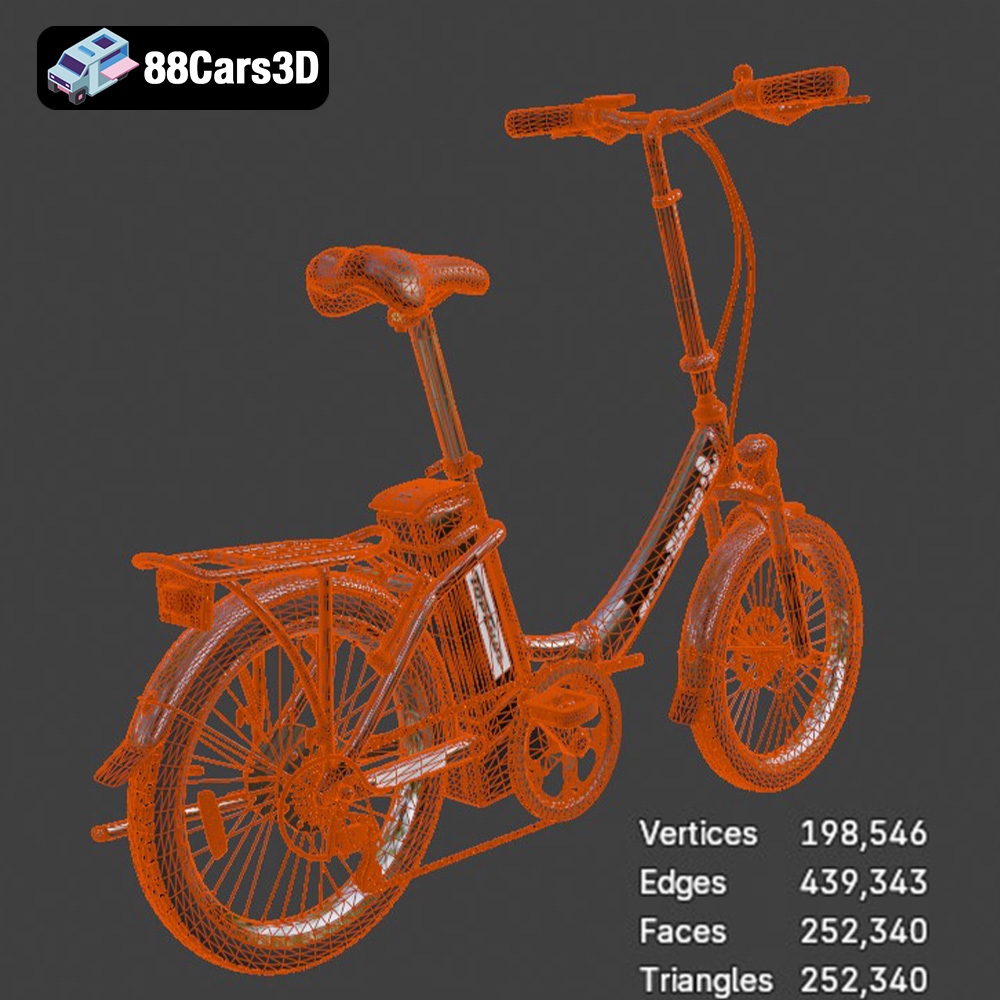
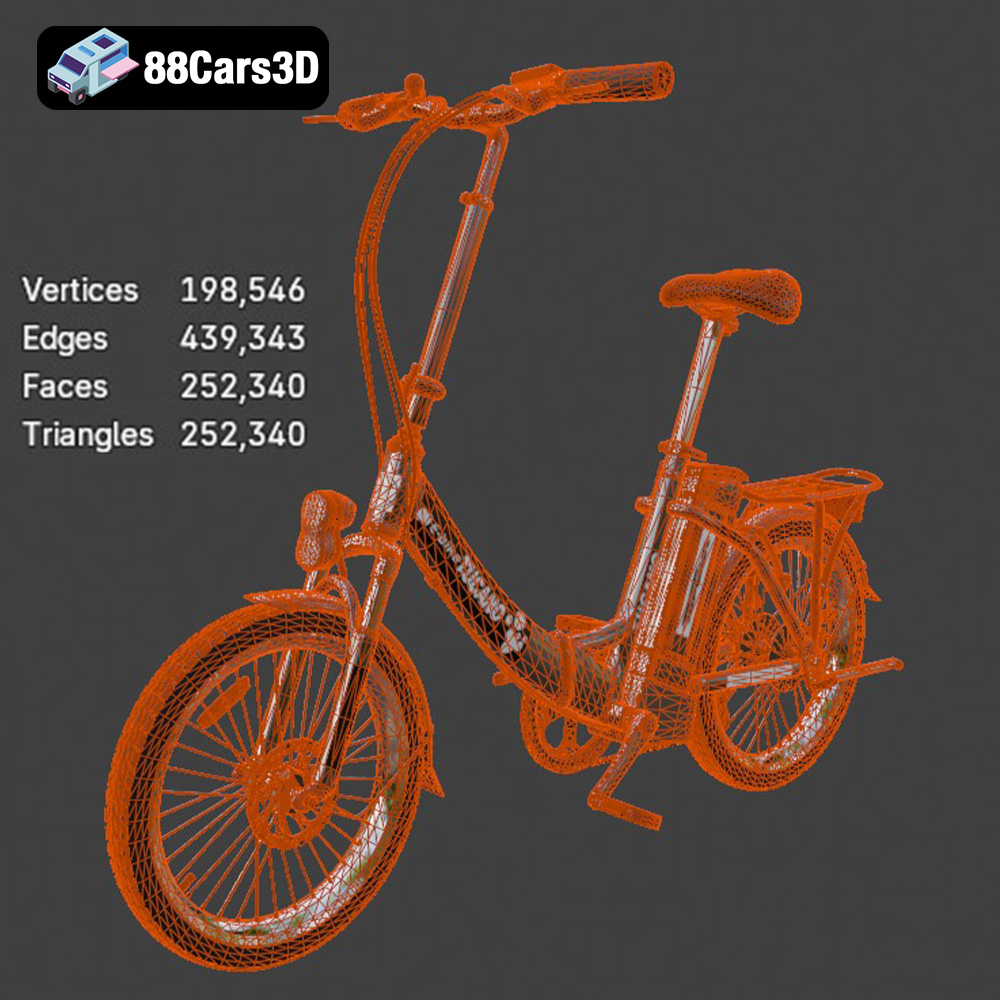
The “poly count” – the number of polygons in a model – is a critical factor influencing rendering time and real-time performance. While high poly counts allow for intricate details in static renders, they can cripple game engine frame rates. The Bici Tucano strikes a careful balance, providing sufficient detail for impressive visuals without being overly demanding. For demanding real-time projects, further optimization through Levels of Detail (LODs) is a common practice. This involves creating multiple versions of the model, each with progressively fewer polygons. As the camera moves further away from the Bici Tucano in a virtual scene, the engine automatically switches to a lower-poly version, significantly reducing rendering overhead without a noticeable loss in visual quality for the viewer. The model’s clean topology makes it easier for artists to generate these LODs efficiently, preserving its key silhouette and recognizable features even at lower polygon counts.
Effective UV mapping is essential for applying textures and materials accurately. The Bici Tucano features efficient UV layouts, which means its 2D texture coordinates are well-organized and minimize distortion. This is crucial for applying detailed PBR textures – albedo, roughness, metallic, normal maps – that give the model its realistic appearance. The ability to customize frame colors and finishes, add decals, or modify tire styles further enhances its adaptability. Artists can easily swap out material presets or paint directly onto the UVs to achieve specific visual targets, whether it’s a worn, vintage look or a pristine, factory-fresh aesthetic. This flexibility in material application allows the Bici Tucano to fit into any desired scene context, from a gritty urban alleyway to a sunlit park path.
For animated sequences or interactive experiences, a 3D model needs to be more than just visually appealing; it needs to be functionally ready for motion. The Bici Tucano’s separated components and proper pivot points are a testament to its animation-readiness. This setup simplifies the rigging process, allowing animators to quickly set up bones and controls for the wheels, pedals, and handlebars. In game engines, this foundational setup can be integrated with physics systems, enabling realistic bicycle dynamics – simulating turns, bumps, and even crashes. Imagine a game where the Bici Tucano can be ridden, with its wheels realistically responding to terrain and its pedals animated in sync with player input. This level of functional detail elevates the model from a simple prop to an interactive element, greatly enhancing immersion in any virtual environment.
The versatility of a high-quality 3D asset like the Bici Tucano 3D Model is best demonstrated through its diverse real-world applications. Its balanced design, technical advantages, and comprehensive file format support make it a valuable resource across multiple industries.
In architectural visualization (ArchViz), realism is paramount. Adding human-scale elements like bicycles breathes life into static architectural renders. The Bici Tucano is perfect for populating exterior scenes, leaning against building facades, parked in bike racks, or even being ridden by characters in an animated walkthrough. It provides a crucial sense of scale and activity, making virtual environments feel more inhabited and relatable. Urban planners can utilize such models to visualize proposed street designs, assess pedestrian and cycling flow, or illustrate the impact of new infrastructure. The real-world scale accuracy of the Bici Tucano ensures that these visualizations are not only aesthetically pleasing but also technically correct in their representation of urban elements.
For game developers, the Bici Tucano is an excellent example of a ready-to-use game asset. In city-based games, it can serve as environmental dressing, making streets feel more authentic and lived-in. In more interactive scenarios, it can function as a player’s ride, an NPC’s transport, or an objective in a delivery mission. Its lightweight geometry ensures efficient performance, while the animation-ready components allow for dynamic gameplay. Consider a mobility simulation where players navigate a virtual city on a bicycle, or an AR experience that allows users to place a virtual Bici Tucano in their real-world environment to visualize its size and aesthetics. Its clean topology and optimized structure mean less work for game artists, allowing them to focus on unique game mechanics and narratives.
Beyond digital rendering, the Bici Tucano’s suitability for 3D printing opens doors for product prototyping and educational uses. Designers can print miniature versions of the bicycle to review proportions, aesthetics, or even test custom accessories like baskets or cargo racks in a tangible form. This physical output can be invaluable for design iterations and client presentations. As an educational tool, the model, especially its separated components and detailed mechanical parts, can be used to teach about bicycle mechanics, engineering principles, or even basic 3D modeling concepts. Interactive displays featuring a 3D printable Bici Tucano could provide a hands-on learning experience about urban transportation and sustainable mobility, inspiring future engineers and designers.
In the expansive and continually evolving landscape of 3D content creation, access to high-quality, versatile assets is a cornerstone of success. The Bici Tucano 3D Model stands as a testament to meticulous craftsmanship and technical foresight, offering an indispensable asset for anyone looking to enrich their digital urban environments. From its realistic exterior and animation-ready mechanics to its broad compatibility across 3D software and applications, it encapsulates the ideal blend of aesthetic appeal and functional utility.
Whether your project demands photorealistic architectural visualizations in 3ds Max, engaging real-time game assets for Unreal Engine, or tangible 3D printed miniatures, the Bici Tucano delivers. Its inclusion of an extensive range of file formats ensures that professionals, regardless of their preferred software, can integrate this model seamlessly into their workflows. At 88cars3d.com, we are committed to providing such meticulously crafted 3D models that empower your creative vision and elevate your projects. Investing in assets like the Bici Tucano means investing in efficiency, quality, and the ability to bring your most ambitious digital worlds to life. Explore the potential and enhance your next project with the reliability and detail found in our premium selection of 3D models.
The Bici Tucano 3D Model is a detailed digital recreation of a classic urban utility bicycle, inspired by practical European city bikes commonly used for commuting and cargo transport. Designed with clean geometry and realistic proportions, this model captures the simplicity, durability, and functional character of traditional city bicycles. The model features a sturdy frame structure, comfortable upright riding position, and practical components suitable for urban environments. It is ideal for rendering, animation, architectural visualization, game development, AR/VR projects, and simulation scenes requiring a realistic bicycle asset. Perfect for city streets, park environments, lifestyle visualizations, delivery scenarios, and interactive mobility simulations.
$14.9
.arvr
.bicycle
.blend
.citybike
.cycling
.fbx
.gameasset
.glb
.max
.obj
.ply
.rendering
.simulation
.stl
.transportasset
.unreal
.urbanbike
.vehicle3dmodel
mobility