Get 20% OFF All Premium 3D & STL Models!

The landscape of automotive design is constantly evolving, pushing the boundaries of aesthetics, engineering, and digital representation. From sleek hypercars to robust off-road machines, the vehicles we envision today often debut first as breathtaking 3D models. These digital masterpieces serve as the foundation for everything from blockbuster movie sequences to immersive video games and even physical prototypes. Today, we delve into the intricate world of high-quality 3D car models, exploring their critical role in various industries, and spotlighting a truly exceptional piece of digital artistry: the Concept_ZAV_Bike 3D Model.
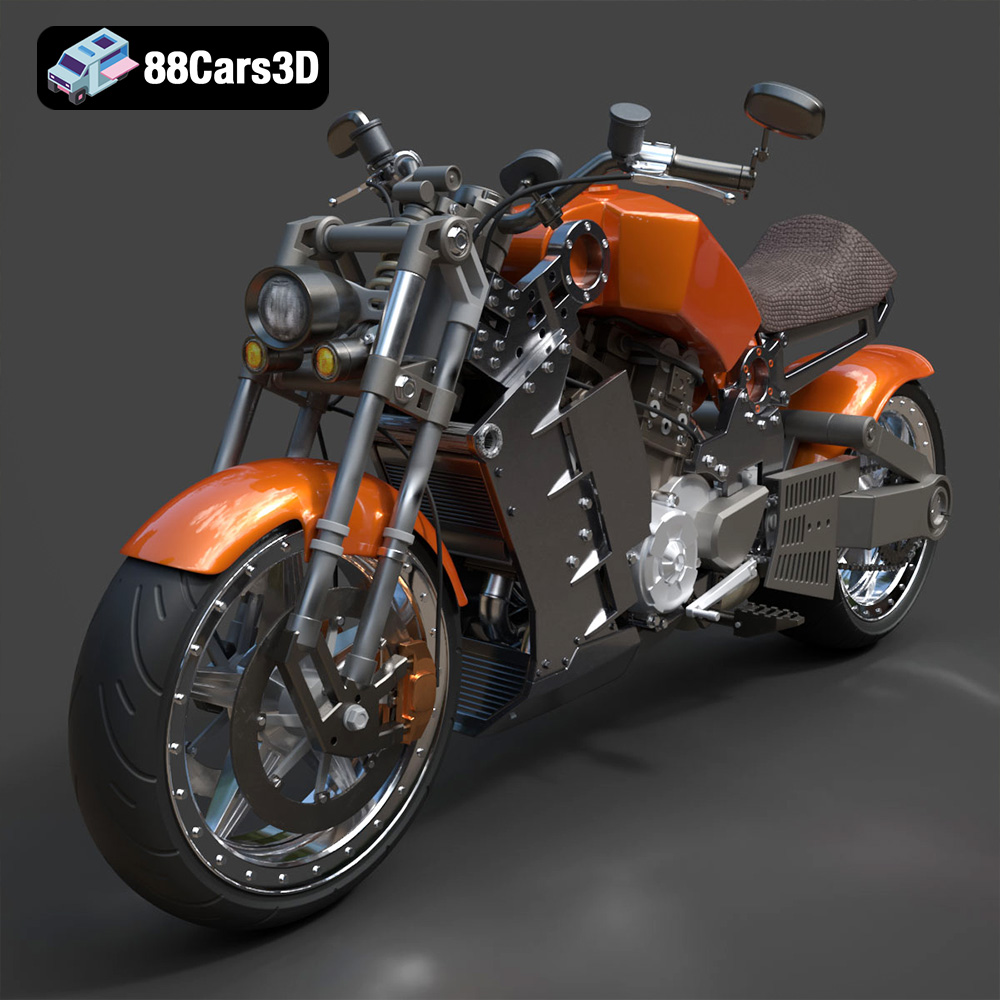
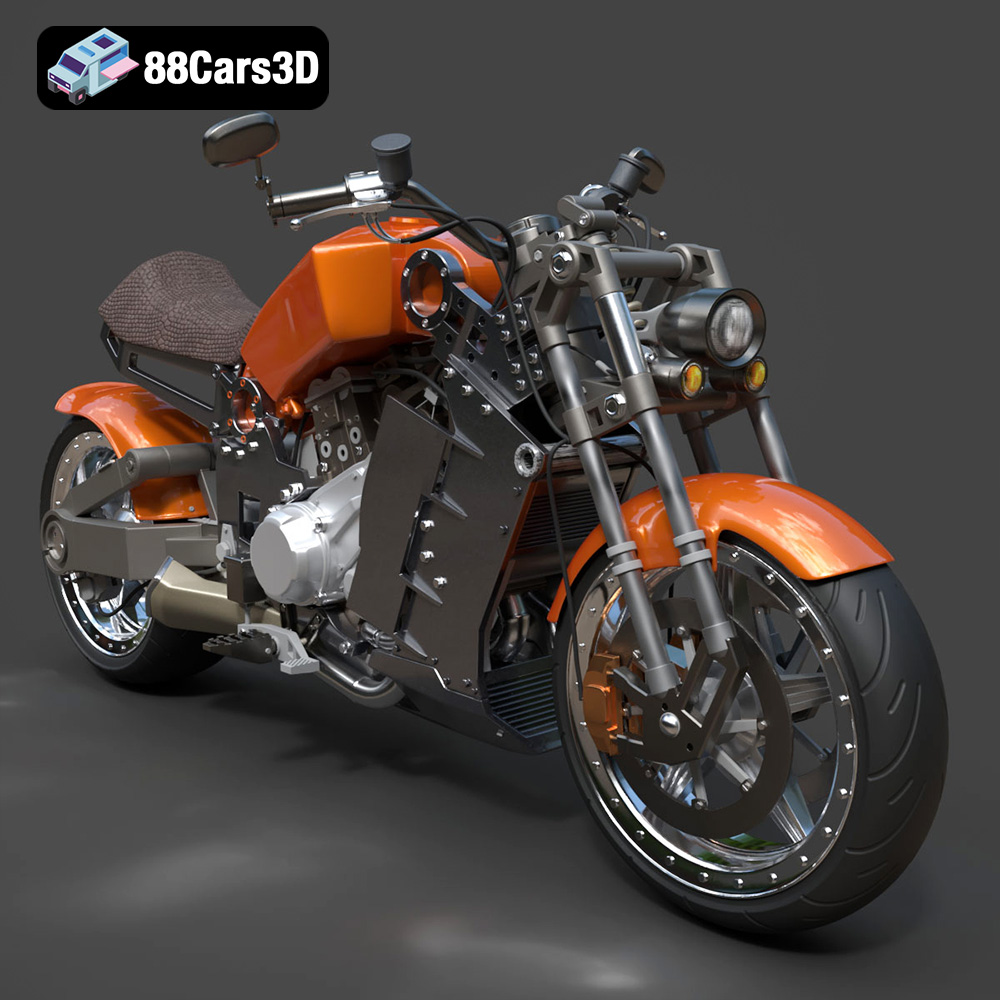
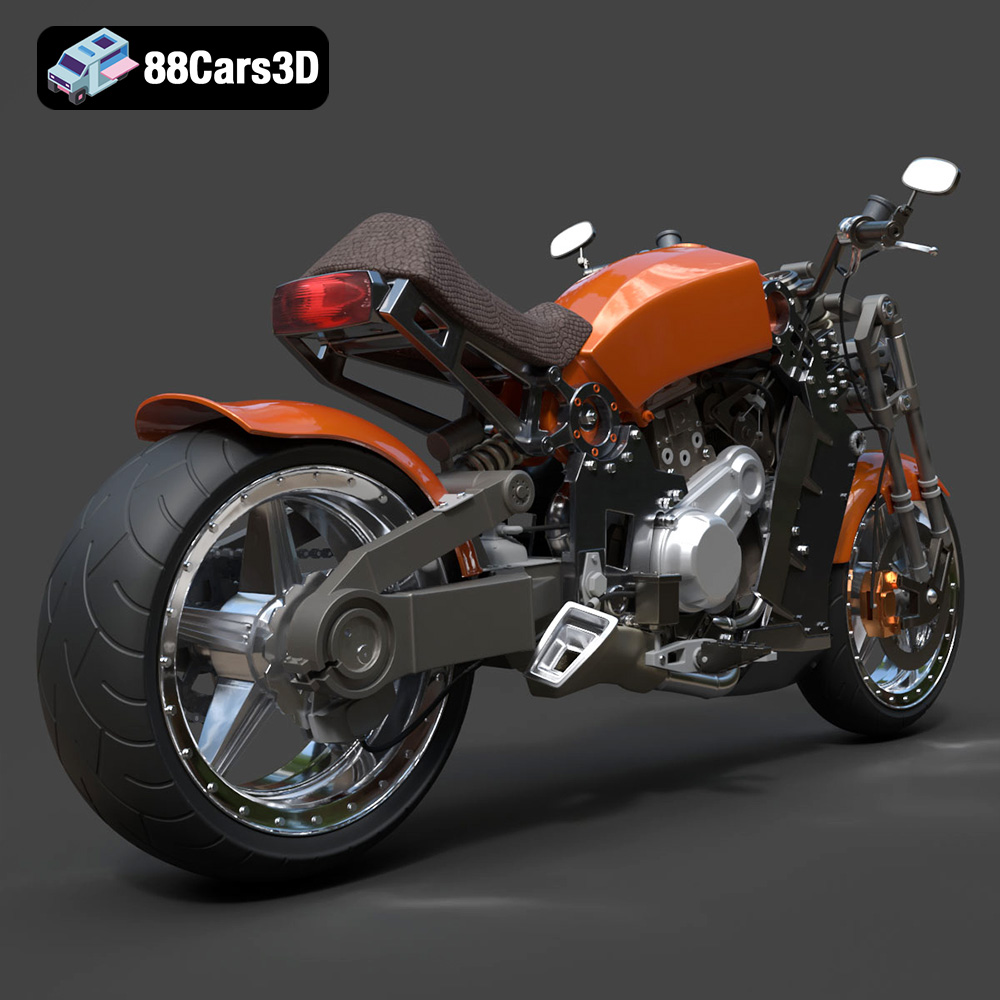
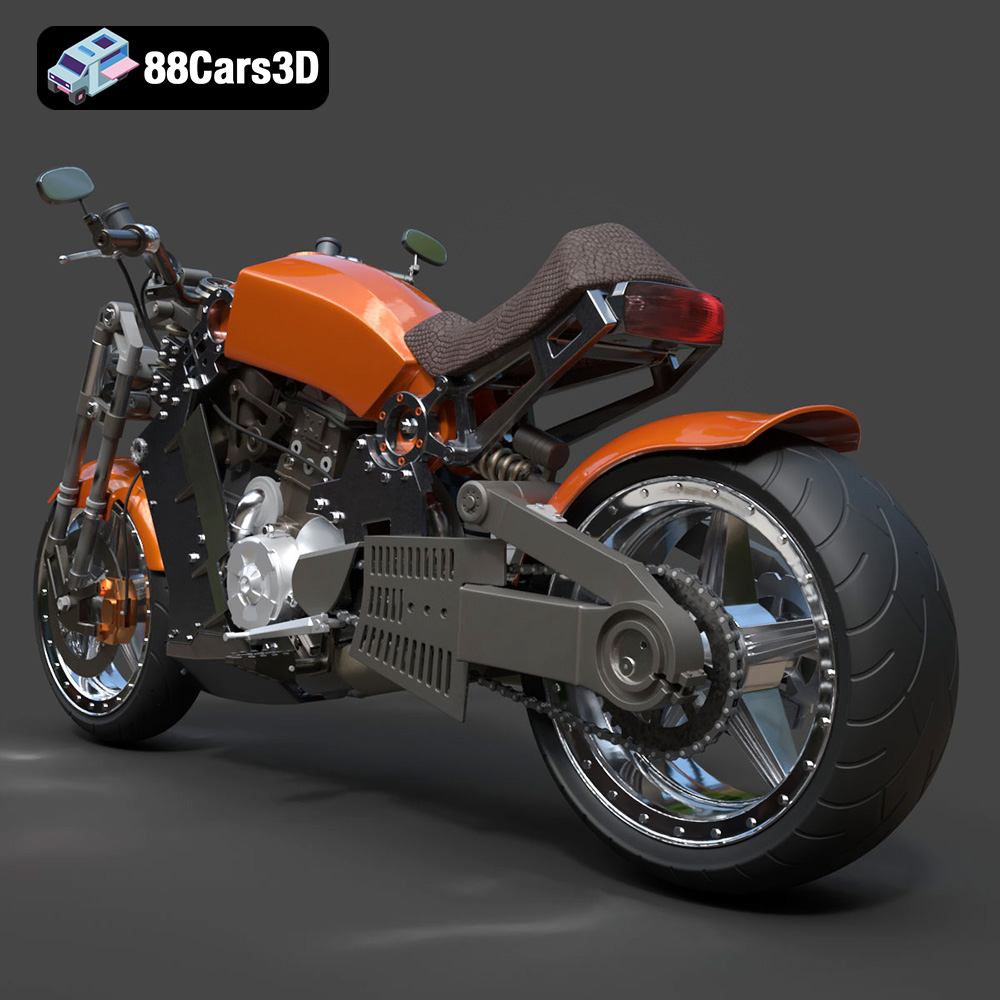
This isn’t just any motorcycle model; it’s a vision of tomorrow, an avant-garde fusion of aggressive aerodynamics and sci-fi elegance. The Concept_ZAV_Bike embodies the cutting edge of conceptual vehicle art, designed with a hyper-modern, minimalist profile, experimental wheel designs, and glowing energy accents. Whether you’re a professional looking for next-level automotive rendering, a game developer crafting a futuristic open-world, or a hobbyist dreaming of 3D printing a masterpiece, this model offers a rich canvas for creativity. Sourced from a trusted marketplace like 88cars3d.com, such assets are pivotal for accelerating projects and achieving unparalleled visual fidelity.
One of the most crucial aspects of working with 3D models, particularly detailed assets like the Concept_ZAV_Bike, is understanding the various file formats available. Each format serves a distinct purpose, offering specific advantages for different stages of a project, be it modeling, rendering, animation, real-time deployment, or 3D printing. The Concept_ZAV_Bike 3D Model is conveniently provided in a comprehensive array of formats, ensuring maximum compatibility and utility across diverse professional workflows.
The .blend format is the native file type for Blender, the powerful open-source 3D creation suite. When you download a .blend file, you’re getting a complete Blender scene, often including all materials, textures, lighting setups, cameras, and even animation data. For the Concept_ZAV_Bike, this means immediate access to a fully editable scene, allowing Blender artists to dissect its intricate topology, modify materials, adjust lighting, or even extend the design further without losing any original data. It’s ideal for those who want to leverage Blender’s extensive toolset for rendering with Cycles or Eevee, or for preparing the model for specific game engine exports after custom modifications.
.fbx (Filmbox) is a proprietary file format developed by Autodesk, widely regarded as the industry standard for exchanging 3D data between different software applications. Its strength lies in its ability to store not just geometry, but also materials, textures, lights, cameras, skeletal animation, and even morph targets. For the Concept_ZAV_Bike, an .fbx file is the go-to choice for importing into game engines like Unreal Engine or Unity, as well as other DCC (Digital Content Creation) software like 3ds Max, Maya, or Cinema 4D. Its robust support for animations, such as the bike’s separate wheels, suspension forks, and steering components, makes it indispensable for creating dynamic scenes.
The .obj (Wavefront OBJ) format is one of the oldest and most widely supported 3D file formats. It’s excellent for geometry transfer, focusing primarily on vertices, faces, normals, and UV coordinates. While it can reference external material (.mtl) files for basic color and texture information, it doesn’t typically store complex PBR (Physically Based Rendering) materials or animation data internally. The Concept_ZAV_Bike in .obj format guarantees cross-software compatibility, making it a reliable choice for importing into virtually any 3D application, especially when the primary need is the raw mesh data, which can then be used to set up custom materials in your preferred renderer.
.glb (GL Transmission Format Binary) is the binary version of glTF, a royalty-free specification for 3D scenes and models. It’s quickly becoming the standard for 3D content on the web and in AR/VR applications due to its efficiency and comprehensive support for PBR materials, animations, and scene graphs in a single, compact file. For showcasing the Concept_ZAV_Bike in an interactive web viewer, an AR app on a mobile device, or a VR experience, the .glb format offers optimal performance and visual quality with minimal loading times.
.stl (STereoLithography) is the de facto standard for 3D printing. It represents a 3D model as a series of connected triangles, describing only the surface geometry of an object. It contains no color, texture, or material information. The inclusion of the .stl format for the Concept_ZAV_Bike is crucial for hobbyists and professionals alike who wish to bring this futuristic design into the physical world. This format ensures manifold geometry, critical for successful slicing and printing on FDM or resin 3D printers, allowing enthusiasts to create display-scale conceptual models.
.ply (Polygon File Format or Stanford Triangle Format) is another format for storing 3D data, particularly useful for scanned data, point clouds, and precision meshes. It can store a wider range of properties than .obj, including color, transparency, and sometimes even texture coordinates, per vertex or per face. While less common for general DCC exchange, .ply is valuable in fields like reverse engineering, scientific visualization, or CAD applications where precise mesh data and potentially additional attributes are paramount. For the Concept_ZAV_Bike, it offers an alternative for highly precise geometrical analysis or specific manufacturing pipelines.
The .unreal format, or more accurately, assets packaged and optimized specifically for Unreal Engine, typically refers to a collection of files (meshes, materials, textures, blueprints) ready for direct import and use within the engine. While not a single file extension in the same way as .fbx or .obj, its inclusion indicates that the Concept_ZAV_Bike has been carefully prepared for Unreal’s real-time rendering pipeline. This usually involves optimized meshes, correctly set up PBR materials, and perhaps even basic collision meshes or LODs (Levels of Detail), saving game developers significant time in asset integration.
Similar to .blend for Blender, .max is the native project file format for Autodesk 3ds Max. This format allows 3ds Max users to open the Concept_ZAV_Bike model with all its original scene data, including complex material networks (like V-Ray or Corona materials), lighting setups, cameras, and modifiers. For professionals in architectural visualization, product design, or animation who rely on 3ds Max, this format provides the most flexibility for high-fidelity rendering and intricate scene composition.
With this comprehensive selection of formats, the Concept_ZAV_Bike 3D Model from 88cars3d.com ensures that users across all disciplines can seamlessly integrate this exceptional asset into their existing pipelines, regardless of their preferred software or end-use application.
Automotive rendering is an art form that transforms static 3D models into captivating visual experiences. It demands a deep understanding of lighting, materials, and composition to evoke realism and emotion. The Concept_ZAV_Bike 3D Model, with its high-poly, well-organized mesh and detailed features, is an ideal candidate for stunning automotive rendering projects.
To truly showcase the Concept_ZAV_Bike, meticulous attention to materials and lighting is paramount. Its description mentions high-end sci-fi material representation, including carbon fiber, brushed metal, and glowing displays. In rendering software like 3ds Max (using V-Ray or Corona Renderer) or Blender (with Cycles), these materials are built using PBR workflows. This involves creating or sourcing texture maps for albedo (base color), roughness, metallic, normal, and emissive properties. For the glowing energy accents and LED/neon light strips, emissive materials are key, requiring careful calibration to achieve a believable glow without overexposing the scene. High-dynamic-range imaging (HDRI) environments combined with targeted area lights are essential for replicating realistic reflections and highlights on the bike’s sleek, futuristic fairings and experimental wheel design.
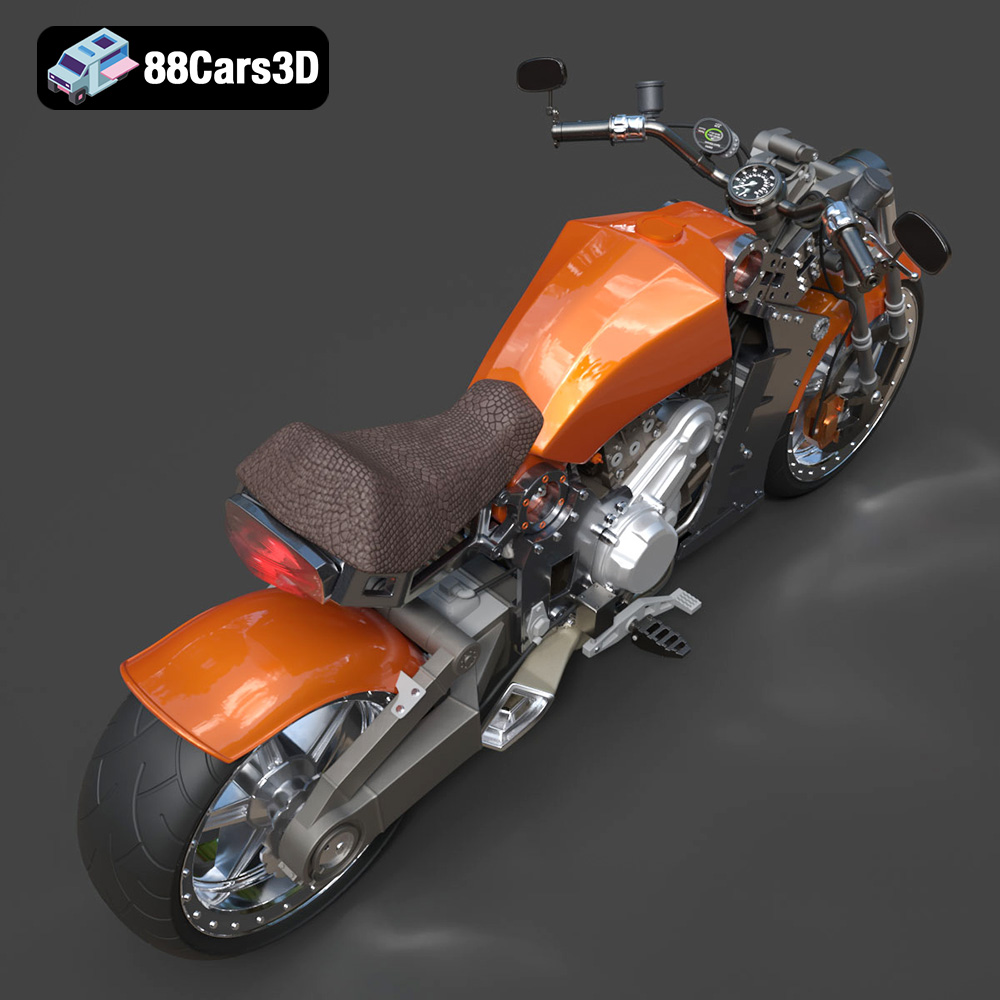
Beyond technical precision, effective rendering tells a story. The aggressive, aerodynamic hyper-bike proportions and low-slung clip-on style handlebars of the Concept_ZAV_Bike suggest speed and power. Camera angles should emphasize these characteristics – low angles can make the bike appear more imposing, while dynamic compositions with motion blur can convey velocity. Close-up renders can highlight intricate details like the integrated digital dashboard or exposed conceptual mechanical components. Using a depth of field to selectively focus on specific elements can draw the viewer’s eye and create a sense of scale and presence. This model is perfectly suited for futuristic city scenes or high-end sci-fi cinematic productions, allowing artists to craft compelling narratives around its striking design.
Once the raw renders are complete, post-processing in applications like Adobe Photoshop or Blackmagic Fusion is crucial for adding that final cinematic polish. This involves color grading to set the mood (e.g., cool tones for a cyberpunk vibe, warm tones for a dramatic reveal), adding subtle bloom and lens flares for the emissive elements, and sharpening details. Atmospheric effects like fog or mist can enhance the futuristic setting, while compositing the bike into a high-resolution background image or 3D environment adds contextual realism. The goal is to elevate the render from a mere technical representation to a piece of breathtaking digital art, fully leveraging the Concept_ZAV_Bike’s inherent visual strengths.
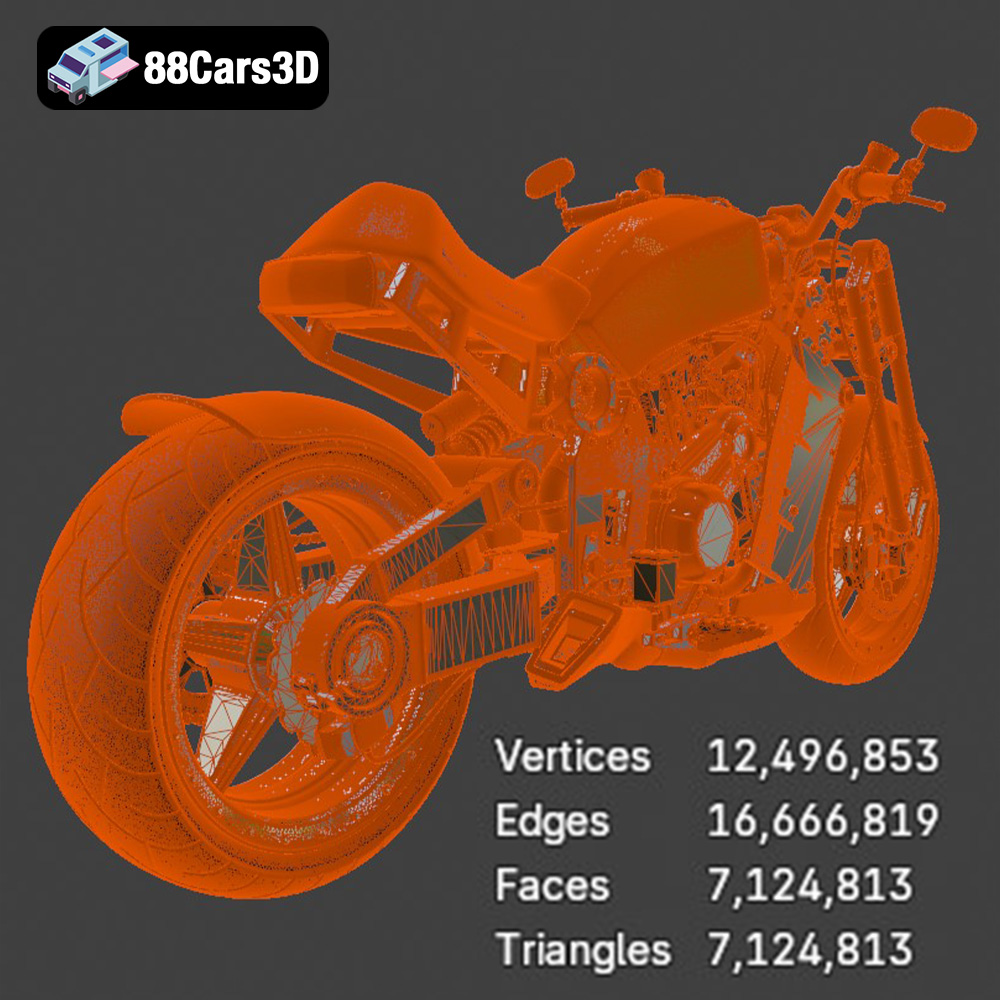
While the Concept_ZAV_Bike 3D Model is optimized for high-resolution concept visualization, its versatile file formats and detailed structure make it an excellent candidate for game development and real-time engine integration. However, its high polygon count (825,600 triangles) necessitates a strategic approach for optimal performance.
For demanding real-time environments like those found in Unreal Engine or Unity, a model with over 800,000 triangles might be too heavy for consistent frame rates, especially if multiple instances or complex scenes are involved. The initial high-poly mesh provides unparalleled detail for cinematics or high-end presentations, but for gameplay, retopology is often required. This involves creating a new, lower-polygon mesh that captures the essential forms and silhouettes of the original, while drastically reducing the face count. This retopologized mesh would then be accompanied by normal maps baked from the high-poly model to retain surface detail. Additionally, implementing Levels of Detail (LODs) is crucial. LODs are simplified versions of the model that automatically swap in at further distances from the camera, further optimizing performance without sacrificing visual quality up close. The Concept_ZAV_Bike’s well-organized mesh structure provides an excellent base for these optimization techniques.
The Concept_ZAV_Bike’s technical specifications mention proper pivot setup for steering, wheel rotation, and swingarm articulation, which is invaluable for game developers. This pre-setup significantly streamlines the rigging process. In engines like Unreal, a skeletal mesh can be created, allowing animators to define bones for the wheels, handlebars, suspension, and even potential engine components. These bones can then be driven by physics simulations or animation blueprints to create realistic movement as the player navigates the futuristic landscape. Imagine this hyper-modern bike darting through cyberpunk streets, its experimental wheels spinning, and its integrated digital dashboard glowing as a rider takes a sharp turn – all made possible by robust rigging and animation pipelines.
Once the optimized mesh and rigging are in place, setting up materials within the game engine is the next step. PBR materials are standard in modern engines, allowing artists to replicate the Concept_ZAV_Bike’s carbon fiber, brushed metal, and glowing accents with high fidelity. Unreal Engine, for example, offers a powerful material editor where artists can connect texture maps (albedo, normal, roughness, metallic, emissive) and create complex material instances for customization. The .fbx and .unreal formats provided are specifically designed to facilitate this seamless integration, allowing developers to quickly bring the Concept_ZAV_Bike to life in their virtual worlds, ready for immersive virtual showrooms or interactive sci-fi experiences.
Beyond the digital realm, 3D printing offers an exciting avenue to bring virtual models into tangible existence. The Concept_ZAV_Bike 3D Model, explicitly noted as “3D Printable STL,” provides a fantastic opportunity for hobbyists and professionals to create a physical conceptual model of this futuristic two-wheeler.
The inclusion of the .stl format is key for 3D printing. This format ensures that the model’s geometry is manifold (watertight), which is a critical requirement for slicing software. Before sending the Concept_ZAV_Bike to a 3D printer, the model needs to be prepared in a slicer program (e.g., Cura, PrusaSlicer, Chitubox for resin printers). This involves adjusting scale, orientation, and adding supports. The recommended scales of 1:12, 1:10, or 1:8 allow for a substantial display model that retains fine details. Careful consideration of wall thickness (1.2–2.0 mm) and infill (20–30%) ensures structural integrity without excessive material usage. Given the bike’s intricate sci-fi details, such as the experimental wheel design and sleek fairings, resin printing (SLA/DLP) is highly recommended over FDM for superior resolution and smoother surface finishes, as specified in the product description.
Successful 3D printing, especially for complex models like the Concept_ZAV_Bike, relies heavily on strategic support placement and print orientation. The product description advises that supports are “Required for handlebars, footpegs, and overhanging fairings.” Slicer software will automatically generate supports, but manual refinement is often necessary to prevent scarring on visible surfaces and ensure stability. The recommendation to print the frame angled for structural integrity and wheels separately is excellent advice. Printing parts separately not only allows for optimized orientation for each component but also simplifies post-processing and facilitates multi-material or multi-color assembly if desired. For the detailed components, angling helps avoid layer lines on critical visual surfaces.
Once printed, the physical model requires careful post-processing to achieve a professional finish. This typically involves removing supports, sanding down any rough spots or support marks, and applying a primer. The product description suggests a “matte black/carbon finish, and fluorescent paint for neon accents.” This is where the model truly comes alive. A base coat of matte black or dark grey will accentuate the aggressive styling, while carefully applied fluorescent or glow-in-the-dark paints for the LED/neon light strips will mimic the bike’s digital glowing energy accents. Artists can further enhance realism by weathering effects or adding a clear coat for protection, transforming a raw 3D print into a stunning physical collectible or display piece, a tangible representation of a futuristic vision conceived from an exceptional 3D car model.
The utility of a high-quality 3D model like the Concept_ZAV_Bike extends far beyond traditional rendering and game development. Its detailed design and technical flexibility make it a valuable asset for emerging technologies and creative endeavors such as augmented reality (AR), virtual reality (VR), and advanced concept art workflows.
With the rise of AR/VR, there’s a growing demand for photorealistic 3D assets that can be experienced interactively. The Concept_ZAV_Bike is “perfect for immersive virtual showrooms and interactive sci-fi experiences.” Using formats like .glb, developers can integrate this model into AR applications, allowing users to place the futuristic bike in their real-world environment via a smartphone or tablet. Imagine seeing the Concept_ZAV_Bike parked in your driveway or sitting on your desk, fully rendered and interactive. In VR, it could be the centerpiece of a virtual museum showcasing conceptual vehicles or an active element in a futuristic driving simulator. Its optimized geometry for first-person POV rendering also makes it ideal for direct rider-view experiences, enhancing immersion in virtual environments. This capability is invaluable for automotive manufacturers showcasing future designs or for educational purposes.
For concept artists, time is often of the essence. Starting with a robust, pre-modeled base like the Concept_ZAV_Bike can dramatically speed up the creative process. It serves as an “excellent base for kitbashing, digital painting, and futuristic vehicle design studies.” Artists can take parts of the bike – its experimental wheels, sleek fairings, or digital dashboard elements – and combine them with other assets to create entirely new vehicles or environments. The high-poly detail ensures that even when heavily modified or zoomed in upon, the base elements maintain visual integrity. This workflow allows concept artists to focus on generating unique ideas and iterating quickly, rather than building every component from scratch, effectively leveraging a professional 3D car model as a springboard for boundless creativity.
The Concept_ZAV_Bike offers extensive customization options, reflecting the dynamic nature of 3D assets. Users can “Change exterior color panels (e.g., Cyberpunk Neon, Matte Stealth Black, Clean Sci-Fi White),” “Modify emissive materials to alter the glowing light signatures,” and “Adjust structural materials (carbon fiber vs. brushed aluminum).” These options are not merely cosmetic; they represent deep technical flexibility. In a 3D software package, this involves swapping PBR texture sets, adjusting material parameters, or even implementing procedural textures. For game developers, these customizations can be exposed to players, allowing for personalized in-game vehicles. For artists, it means endless possibilities for creating variations to suit different project needs or client briefs, adapting the bike’s aesthetic for dramatic studio setups or neon-lit nighttime environments, truly making the asset their own.
In the fast-paced world of 3D production, efficiency and quality are paramount. Creating highly detailed 3D models from scratch, especially complex automotive designs, is an incredibly time-consuming and resource-intensive endeavor. This is where specialized marketplaces offering premium 3D assets prove invaluable. The Concept_ZAV_Bike 3D Model exemplifies the kind of high-quality assets available, significantly optimizing professional workflows.
Whether you’re an independent artist, a small studio, or a large production house, leveraging pre-made, high-quality 3D car models like the Concept_ZAV_Bike dramatically reduces production time. Instead of spending weeks or months on modeling, texturing, and rigging a vehicle, artists can acquire a production-ready asset and immediately integrate it into their projects. This allows teams to allocate their resources to other critical areas, such as scene development, animation, or post-production. For projects with tight deadlines, the ability to quickly procure a meticulously crafted model like this futuristic motorcycle from 88cars3d.com can be the difference between success and failure.
The level of detail and technical precision in models from reputable marketplaces is typically far higher than what most individual artists could achieve under typical project constraints. The Concept_ZAV_Bike, with its “high-poly, well-organized mesh structure for maximum realism,” “real-world scale accuracy,” and “proper pivot setup for steering, wheel rotation, and swingarm articulation,” is a testament to this. These are not just pretty models; they are engineered for performance and versatility. This professional quality ensures that the final renders, game assets, or 3D prints meet industry standards, impressing clients and enhancing the overall visual impact of any project. Accessing such premium assets means consistently delivering top-tier results without the prohibitive cost and time investment of bespoke creation.
Beyond efficiency, access to a diverse library of high-quality 3D car models empowers artists and designers to explore new creative avenues. A model like the Concept_ZAV_Bike might inspire a new game concept, a unique architectural visualization project, or a stunning piece of digital art that wouldn’t have been feasible otherwise. It provides a foundation upon which new ideas can be built, fostering innovation and pushing the boundaries of what’s possible. For anyone seeking to elevate their 3D projects with exceptional automotive assets, exploring the curated selection at 88cars3d.com is a smart strategic move, offering not just models, but opportunities for unparalleled digital creation.
The journey through the intricate world of 3D car models, exemplified by the stunning Concept_ZAV_Bike 3D Model, reveals the indispensable role these digital assets play across numerous industries. From the meticulous process of automotive rendering to the dynamic challenges of game development, the tangible excitement of 3D printing, and the immersive potential of AR/VR, high-quality 3D models are the building blocks of our digital and physical futures. We’ve explored the significance of various file formats, detailed workflows in leading software, and highlighted the specific advantages this futuristic bike offers.
The Concept_ZAV_Bike is more than just a model; it’s a testament to imaginative design and technical prowess, ready to be integrated into any visionary project. Its comprehensive technical specifications, combined with its striking aesthetics, make it a versatile asset for professionals and enthusiasts alike. By providing such an array of file formats and optimized features, platforms like 88cars3d.com empower creators to bypass tedious modeling stages and dive straight into bringing their creative visions to life with unparalleled realism and efficiency. Whether you aim to render breathtaking visuals, populate a cyberpunk city in a game, or hold a piece of the future in your hands through 3D printing, this model offers the foundation you need. Invest in quality assets, and unlock the full potential of your next 3D endeavor.
The Concept_ZAV_Bike 3D Model is a highly detailed digital recreation of a futuristic, avant-garde motorcycle concept. Designed as a vision of next-generation two-wheeled transport, this conceptual bike combines aggressive aerodynamic styling, advanced sci-fi aesthetics, and a hyper-modern, minimalist profile. This 3D model accurately represents the sleek, forward-leaning stance, experimental wheel design, aerodynamic fairings, and high-tech mechanical components typical of top-tier conceptual vehicle art. Built with dense, clean topology for premium visual fidelity and scale accuracy, it is ideal for close-up rendering, cyberpunk or sci-fi environment visualization, animation, game development, and AR/VR futuristic showcases. Perfect for futuristic city scenes, high-end sci-fi cinematic productions, conceptual design galleries, and cutting-edge digital art portfolios.
$39.99
.blend
.fbx
.obj
.rendering
.stl
3d printing
concept-bike
concept-zav-bike
cyberpunk-vehicle
futuristic-motorcycle
game asset
high poly
hyper-bike
motorcycle-3d-model
sci-fi-bike
two-wheeler
VR/AR