The Engines of Innovation: Mastering 3D Car Models for Modern Design and Entertainment
In the rapidly evolving landscape of digital visualization and interactive experiences, the quality of 3D car models stands as a critical determinant of success. From breathtaking cinematic sequences in automotive advertising to immersive open-world environments in AAA video games, and even precision engineering in virtual prototyping, the demand for highly detailed, technically sound vehicle assets has never been greater. These digital replicas are more than just aesthetics; they are complex data sets that drive realism, facilitate efficient workflows, and unlock new possibilities across industries. At 88cars3d.com, we understand this intricate balance between visual fidelity and technical integrity, providing a vast library of models designed to meet the rigorous demands of professionals.
This comprehensive guide delves into the multifaceted world of 3D car models, exploring the essential technical considerations, optimized workflows, and diverse applications that define their value. Whether you’re a seasoned 3D artist, a game developer, an automotive designer, or an architect seeking to populate a scene, understanding the nuances of these digital assets is paramount. We will navigate through file formats, modeling techniques, rendering strategies, and engine integration, equipping you with the knowledge to harness the full potential of these powerful tools.
The Foundation of Digital Automotive Design: Why Quality 3D Car Models Matter
The impact of high-quality 3D car models resonates deeply across various sectors, extending far beyond mere visual appeal. These assets serve as the backbone for critical operations, dictating everything from design accuracy to real-time performance. Investing in superior models from sources like 88cars3d.com ensures that projects are built on a solid, reliable foundation.
Precision and Authenticity in Visualization
For architectural visualization, product showcases, or marketing campaigns, an accurate 3D car model elevates the entire presentation. Low-quality models with incorrect proportions, jagged edges, or poorly applied textures can immediately break immersion and detract from the professionalism of a scene. High-fidelity models, conversely, provide the authenticity needed to convince and engage audiences. They enable designers to visualize how vehicles interact with environments, assess lighting reflections on complex surfaces, and communicate design intent with unparalleled clarity. This level of detail is crucial for communicating the craftsmanship and design philosophy of actual vehicles.
Driving Realism in Game Development
In the realm of interactive entertainment, particularly racing simulations and open-world games, the realism of game assets directly influences player immersion. Players expect vehicles to look, feel, and behave authentically. This necessitates models with precise geometry, robust UV layouts for detailed texturing, and optimized mesh structures for efficient real-time rendering. Beyond just appearances, well-structured models are easier to rig for suspension, steering, and damage systems, contributing to a more believable and engaging gameplay experience. Technical considerations such as polygon budgeting and Level of Detail (LOD) systems become paramount to maintain high frame rates without sacrificing visual quality.
Streamlining the Automotive Design Workflow
Automotive designers frequently leverage 3D car models throughout their entire development cycle. From initial concept sketching in a 3D environment to detailed engineering reviews and virtual showrooms, these models are indispensable. High-quality assets can serve as robust starting points, allowing designers to iterate rapidly on new ideas, test different material finishes, or even simulate aerodynamic properties. Integrating accurately scaled and detailed vehicles into virtual environments allows for early stage validation, reducing the need for costly physical prototypes and accelerating the overall design-to-production pipeline. This efficiency is a significant competitive advantage in a fast-paced industry.
Understanding 3D Model File Formats
Choosing the correct file format for your 3D car models is a fundamental decision that impacts compatibility, workflow efficiency, and the ultimate output quality of your projects. Each format is designed with specific use cases and technical considerations in mind. Understanding these distinctions is critical for anyone working with digital assets, whether for high-end automotive rendering, real-time game development, or AR/VR experiences.
Native and Interchange Formats
- .blend (Blender): This is Blender’s native file format, storing a complete scene including geometry, materials, textures (packed or referenced), animations, cameras, lighting, and scene settings. It’s fully editable and ideal for Blender users who need to retain full control over their project’s components. Its primary advantage is its comprehensive nature within the Blender ecosystem, making it excellent for collaboration among Blender artists. However, direct compatibility with other software can be limited without export.
- .max (3ds Max): Similar to .blend, .max is the native file format for Autodesk 3ds Max. It encapsulates all scene data, offering full editability for animation, rendering, and complex scene management within 3ds Max. It’s a workhorse in industries like architectural visualization, game development, and cinematic production where 3ds Max is prevalent. While rich in features, it requires 3ds Max to open and edit, making it less universal for cross-software pipelines.
- .fbx (Filmbox): Developed by Autodesk, .fbx is arguably the most widely adopted interchange format, particularly ideal for game engines like Unreal Engine and Unity, as well as real-time pipelines. It efficiently carries 3D model data (geometry, UVs, normals), materials, textures, rigging, and animations across different 3D applications. Its robust support for skeletal animations and blend shapes makes it a go-to for character and vehicle animation transfer. However, it can sometimes be proprietary, and while widely supported, importing/exporting sometimes requires careful attention to settings.
- .obj (Wavefront OBJ): A universal and widely supported format, .obj is excellent for cross-software compatibility. It primarily stores geometry (vertices, normals, UVs, faces) and can reference external material (.mtl) files for basic color and texture mapping. Its simplicity is its strength; almost every 3D software can import and export .obj. This makes it a reliable choice for transferring static mesh data. However, it doesn’t support animation, rigging, or advanced material attributes, making it less suitable for complex animated scenes without supplementary files.
Specialized Formats for Specific Pipelines
- .glb (GL Transmission Format Binary): Optimized for AR, VR, and browser-based display, .glb is a binary version of glTF. It packages geometry, materials, textures, and animation into a single, compact file, making it incredibly efficient for web-based 3D viewing and real-time applications where file size and loading speed are critical. Its PBR (Physically Based Rendering) material support makes it visually appealing across various platforms.
- .stl (Stereolithography): This format is synonymous with 3D printing. It describes only the surface geometry of a 3D object using a collection of triangular facets. While simple and universally supported by 3D printing software, .stl files lack color, texture, or material information. It’s strictly for manufacturing processes where physical reproduction is the goal.
- .ply (Polygon File Format/Stanford Triangle Format): .ply is a precision mesh format, often used for data captured from 3D scanners or for CAD/analysis purposes. It can store a wider range of properties than .obj or .stl, including color per vertex, transparency, surface normals, and various properties for each face and vertex. This makes it valuable for scientific applications or when extreme data fidelity from scans is needed.
- .unreal (Unreal Engine Asset): While not a single file format in the traditional sense, this refers to an asset that has been properly imported and integrated into an Unreal Engine project. It encompasses the engine’s internal representation of a mesh, its materials, textures, physics assets, and potentially blueprints (e.g., a vehicle blueprint). This “format” is engine-ready, meaning it’s optimized and configured to function natively within the Unreal Engine ecosystem for real-time environments, offering the highest level of integration and performance for game development.
Understanding these formats allows artists and developers to make informed decisions, ensuring their 3D car models are not only visually stunning but also technically compatible and optimized for their specific project needs.
Crafting Automotive Masterpieces: The Workflow from Concept to Render
The creation of a high-quality 3D car model is a meticulous process that combines artistic vision with technical precision. It involves several distinct stages, each demanding specific skills and software proficiencies to ensure the final asset meets professional standards for automotive rendering or game development.
High-Polygon Modeling and Surface Detailing
The initial phase often involves translating real-world blueprints, CAD data, or conceptual sketches into a 3D mesh. For automotive models, accuracy is paramount. Artists often begin with precise spline cage modeling or directly import CAD data (NURBS surfaces) which are then carefully converted or rebuilt into polygonal meshes. Techniques like subdivision surface modeling (SubD) in software like Blender or 3ds Max are crucial for achieving smooth, curvature-continuous surfaces characteristic of vehicle exteriors. Every panel gap, body line, and subtle curvature must be replicated with extreme care, often resulting in high-polygon models that capture every detail. Interior details, engine bays, and undercarriages also receive this level of attention, often requiring separate modeling passes to manage complexity.
UV Unwrapping, Texturing, and Material Creation
Once the geometric form is established, the model needs proper UV coordinates – a 2D representation of the 3D surface, crucial for applying textures without distortion. Efficient UV unwrapping is an art form itself, aiming to minimize seams and maximize texture resolution. Following this, texturing begins, often leveraging Physically Based Rendering (PBR) workflows. Artists use tools like Substance Painter to create realistic materials such as car paint (with metallic flakes and clear coat), glass, rubber, chrome, and intricate interior fabrics. These textures include albedo, normal, roughness, metallic, and ambient occlusion maps, which are essential for how light interacts with the surfaces, bringing the model to life during automotive rendering.
Rigging for Animation and Interactive Experiences
For models intended for animation, simulations, or interactive experiences, rigging is the next critical step. This involves creating a skeletal structure (bones) and controls that allow animators to manipulate parts of the vehicle. For a car, this typically includes a hierarchical rig for the chassis, individual wheel rigs (with suspension and steering), and sometimes articulated parts like doors, hoods, and trunks. Advanced rigs can incorporate inverse kinematics for realistic suspension travel and even basic deformation systems for damage modeling. This prepares the 3D car models for dynamic motion and user interaction within game engines or cinematic sequences.
Optimizing 3D Car Models for Performance and Fidelity
Achieving stunning visual fidelity is only half the battle; 3D car models must also perform efficiently, especially in real-time environments like game engines or AR/VR applications. Optimization is a nuanced process of balancing visual quality with computational cost.
Polygon Budgeting and LOD Generation
High-polygon models, while beautiful for static renders, can severely impact frame rates in real-time applications. Polygon budgeting involves determining an appropriate poly count for a model based on its intended use and importance within the scene. For game assets, this often means creating multiple versions of the same model at varying detail levels, known as Levels of Detail (LODs). As the player moves further away from the vehicle, lower LODs with fewer polygons are automatically swapped in, drastically reducing render cost without a noticeable drop in visual quality. This manual or automated process ensures consistent performance across diverse hardware configurations.
Efficient UV Layouts and Texture Atlasing
Optimized UV layouts go beyond just preventing texture distortion; they also improve rendering performance. Packing multiple small texture maps for different parts of a vehicle onto a single, larger texture sheet (an atlas) reduces the number of draw calls a game engine needs to make. Fewer draw calls mean less CPU overhead and faster rendering. Careful consideration of padding between UV islands and maintaining consistent texel density across the model are crucial for preventing visual artifacts and maximizing texture utilization. This strategy is vital for keeping GPU memory usage down and improving overall frame rates.
Collision Meshes and Physics Assets
For interactive applications, a vehicle isn’t just a visual asset; it needs to physically interact with its environment. This requires creating simplified collision meshes, which are lightweight, convex approximations of the visual model. These meshes are used by the physics engine to calculate collisions and responses, rather than the complex visual mesh. Additionally, physics assets are created for articulated parts (like wheels or suspension components) to define their physical properties, constraints, and joint limits. These optimized collision and physics assets ensure realistic vehicle behavior without bogging down the simulation with unnecessary geometric complexity.
Automotive Rendering: Bringing Vehicles to Life with Visual Fidelity
Automotive rendering is an art and science dedicated to presenting 3D car models in the most visually compelling way possible. It involves mastering lighting, materials, and post-processing to achieve photorealistic results that often blur the line between digital and reality.
Lighting Techniques for Realistic Automotive Scenes
Lighting is paramount in automotive rendering, as it defines reflections, shadows, and the overall mood of a scene. High Dynamic Range Image (HDRI) lighting is a foundational technique, providing realistic environmental illumination and reflections, crucial for conveying the gloss and reflectivity of car paint. Supplementing HDRIs with carefully placed area lights, spot lights, and often, complex light setups mimicking studio environments, helps to sculpt the vehicle’s form and highlight its design details. Simulating caustics, such as light refracting through headlamps or taillights, adds another layer of realism and sophistication, though it comes with a higher computational cost.
Advanced Materials and Shaders
The realism of a rendered car largely depends on its materials. Car paint, for instance, is one of the most complex materials to replicate accurately. It typically involves multiple layers: a base metallic flake coat, followed by several layers of clear coat that produce depth, specular highlights, and fresnel reflections. Glass shaders require careful tuning of transparency, refraction, and reflection. Chrome and polished metals demand physically accurate reflection models. Modern PBR (Physically Based Rendering) shaders are essential for achieving consistent and predictable material responses under various lighting conditions, ensuring that a material looks correct whether it’s in bright sunlight or a dimly lit garage.
Post-Processing and Compositing for Cinematic Results
The raw render output is often just the beginning. Post-processing and compositing are crucial steps to elevate a render to cinematic quality. This involves adjusting color grading, contrast, and saturation to achieve a desired aesthetic. Effects like depth of field (blurring parts of the image to mimic camera optics), motion blur (for dynamic shots), lens flares, and subtle chromatic aberration enhance realism. Compositing multiple render passes (e.g., separate passes for reflections, shadows, and diffuse lighting) in software like Photoshop or Nuke allows for fine-tuned control over every aspect of the final image, providing the flexibility to create truly stunning visuals for marketing or film.
Integrating 3D Car Models into Game Engines and Interactive Experiences
Bringing 3D car models into real-time environments like game engines requires a different set of considerations compared to static rendering. The focus shifts from absolute photorealism (at any cost) to optimized fidelity that runs smoothly at interactive frame rates.
Unreal Engine Workflows for Vehicle Assets
When integrating vehicles into Unreal Engine, the workflow typically begins with exporting a clean .fbx file from your 3D software. Inside Unreal, meticulous import settings are crucial: ensuring correct scale, normal import methods, and material slot assignments. Materials are then configured using Unreal’s powerful node-based material editor, translating PBR textures into engine-specific shaders. Beyond static meshes, vehicles often require complex Blueprint setups for functionality: defining suspension physics, engine parameters, steering input, and even damage models. The Vehicle physics system within Unreal Engine provides a robust framework for simulating realistic car behavior, allowing developers to create highly interactive driving experiences.
Real-Time Performance Considerations
Maintaining high frame rates is paramount for an enjoyable interactive experience. This means careful management of polygon counts (utilizing LODs effectively), optimizing texture resolutions, and minimizing draw calls by atlasing textures and combining meshes where appropriate. Shader complexity is another major factor; highly complex materials with many instructions can be performance intensive. Game developers often create simplified shaders for distant objects or use shader variations. Additionally, collision complexity needs to be kept in check with simplified collision meshes rather than using the high-detail visual mesh for physics calculations. Profiling tools within game engines are indispensable for identifying and resolving performance bottlenecks.
AR/VR Applications and WebGL Integration
The immersive nature of AR/VR and the accessibility of WebGL for browser-based 3D present unique challenges and opportunities for 3D car models. For AR/VR, the stringent performance requirements for maintaining high frame rates (e.g., 90Hz for VR) mean even more aggressive optimization strategies. Models must be extremely lightweight, often relying on baked lighting and simplified materials. For WebGL, file size becomes a critical factor for fast loading times. Formats like .glb are highly favored here, as they bundle all necessary data into a single, optimized file. The goal is to deliver compelling visuals within the constraints of real-time web rendering, often requiring a balance between mesh density, texture quality, and the complexity of interactive elements.
Conclusion: The Enduring Value of High-Quality 3D Car Models
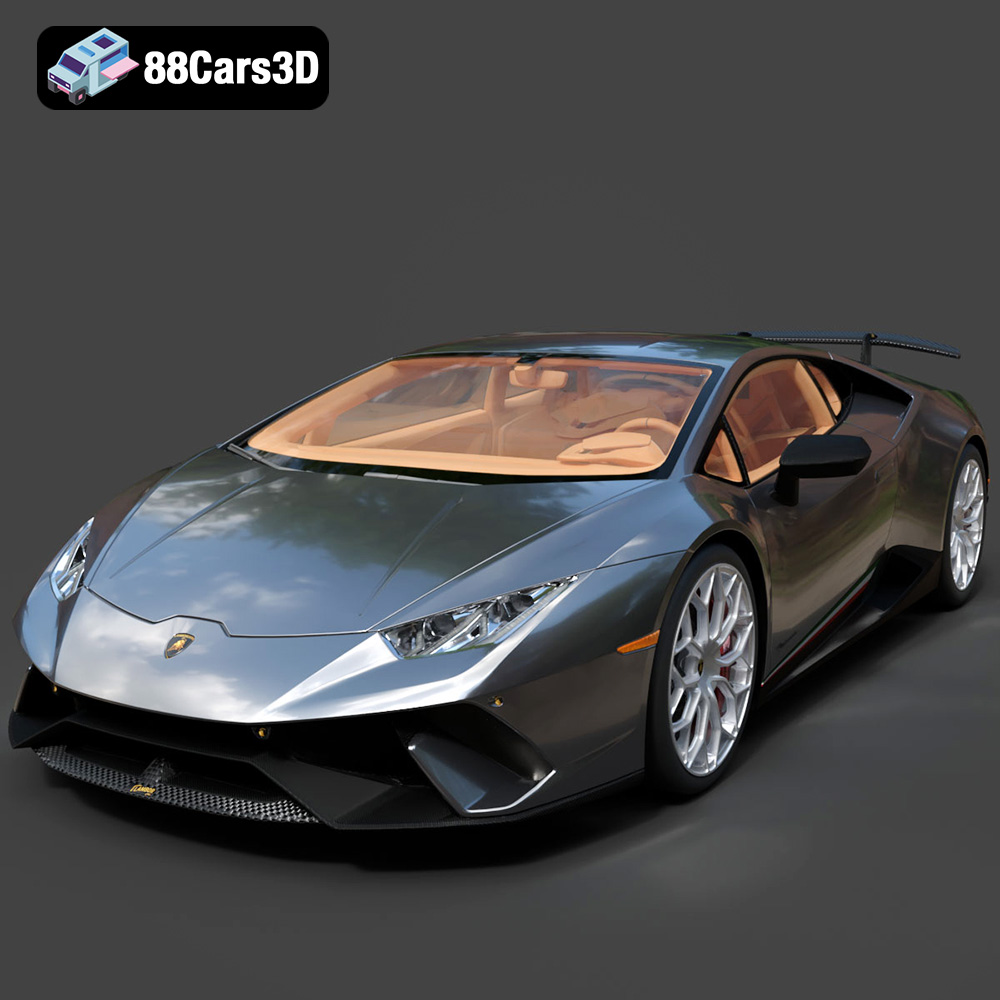
From the intricate curves of a hypercar in a cinematic advertisement to the adrenaline-pumping races in a next-generation video game, the impact of well-crafted 3D car models is undeniable. These digital assets are not merely representations; they are powerful tools that drive innovation, enhance immersion, and streamline complex workflows across diverse industries. We’ve explored the critical role of understanding file formats, the artistry and technical precision required in their creation, the necessity of optimization for performance, and the distinct considerations for both static automotive rendering and dynamic real-time environments.
The pursuit of realism and efficiency in digital projects hinges on the quality of foundational assets. By prioritizing technically sound and visually stunning 3D car models, designers, developers, and artists can unlock new levels of creativity and deliver truly impactful experiences. For professionals seeking a reliable source of meticulously crafted vehicles ready for any challenge, 88cars3d.com offers a comprehensive collection designed to meet the highest industry standards, ensuring your projects are always built on excellence.
Featured 3D Car Models







Japanese Legends: JDM Street Racing 3D Models Bundle (5-in-1 Pack) Nissan Mitsubishi Honda Mazda Toyota 3D Printable STL
Price: $129.99


Everyday City Traffic Essentials pack 5in1 Hyundai Kia Volkswagen Toyota Ford 3D Printable STL
Price: $99.99

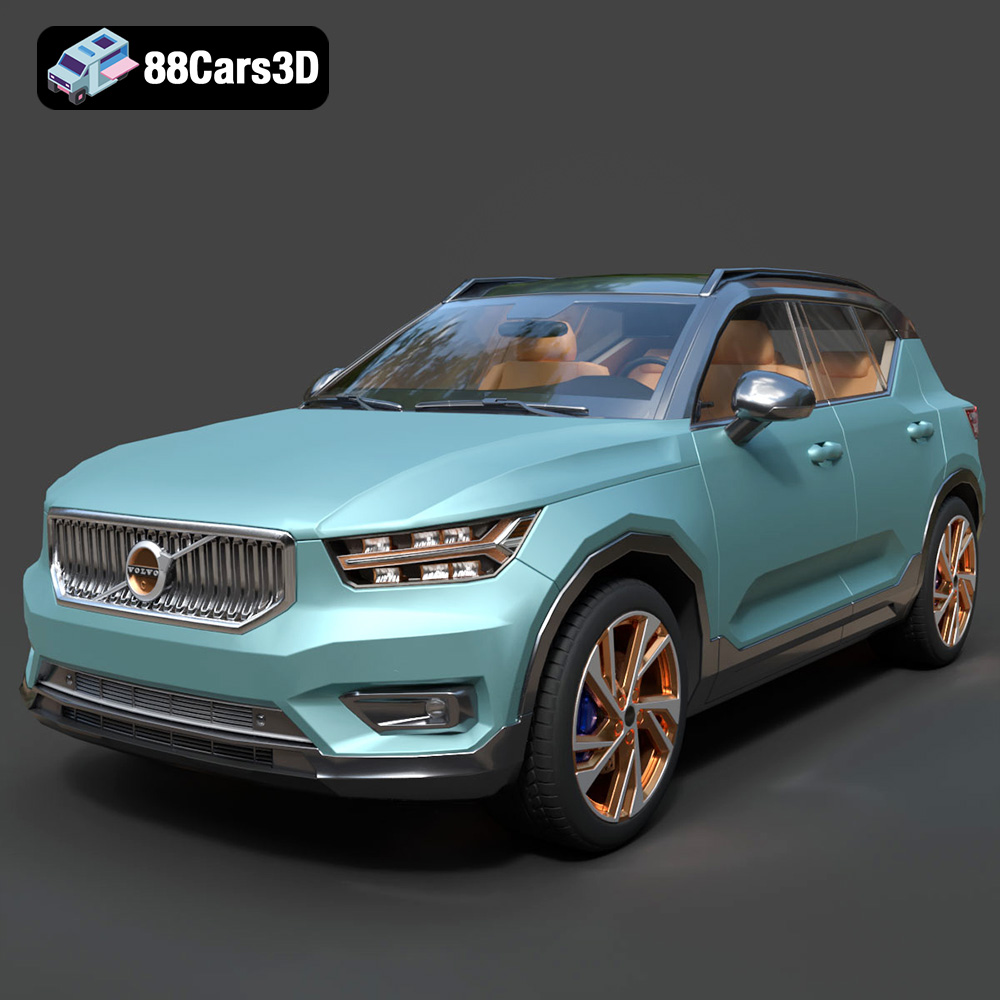
The Future of Mobility: Smart City EV 3D Models Bundle (5-in-1 Pack) Volvo Tesla AVATR Porsche 3D Printable STL
Price: $89.99