Get 20% OFF All Premium 3D & STL Models!

In the fast-paced world of digital creation, where cutting-edge technology often takes center stage, there’s a unique and growing appreciation for the charm of yesteryear. Vintage aesthetics offer a rich tapestry of design, history, and nostalgia, providing a powerful emotional connection that contemporary designs sometimes struggle to evoke. For 3D artists, game developers, architectural visualizers, and product designers, incorporating accurately crafted vintage elements can transform a project from ordinary to truly memorable. This deep dive explores the technical intricacies and creative potential of historical 3D car models and props, showcasing how they breathe life into diverse digital landscapes.
One prime example of this captivating blend of history and technology is the
Recreating historical objects in 3D requires more than just artistic flair; it demands a deep understanding of geometry, topology, and material science. Every curve, rivet, and surface imperfection tells a story, and translating that narrative into a digital asset is where true mastery lies. The
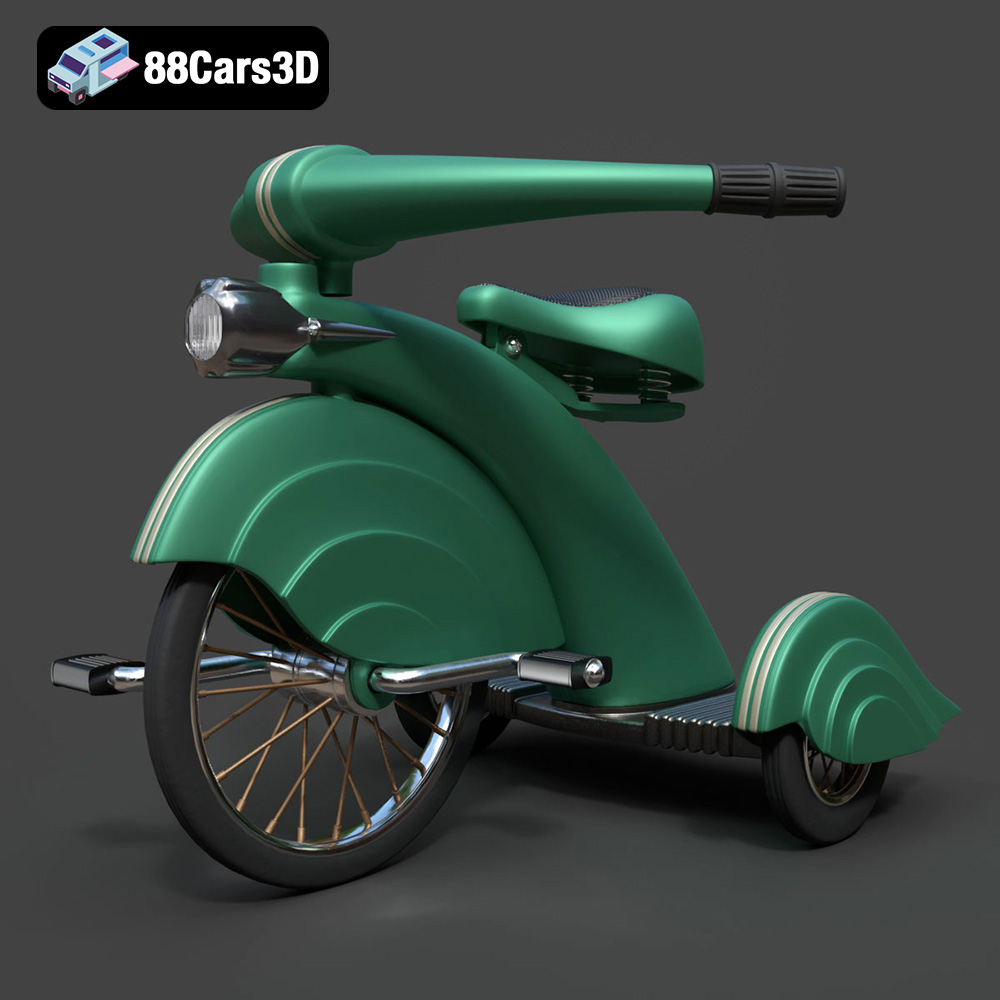
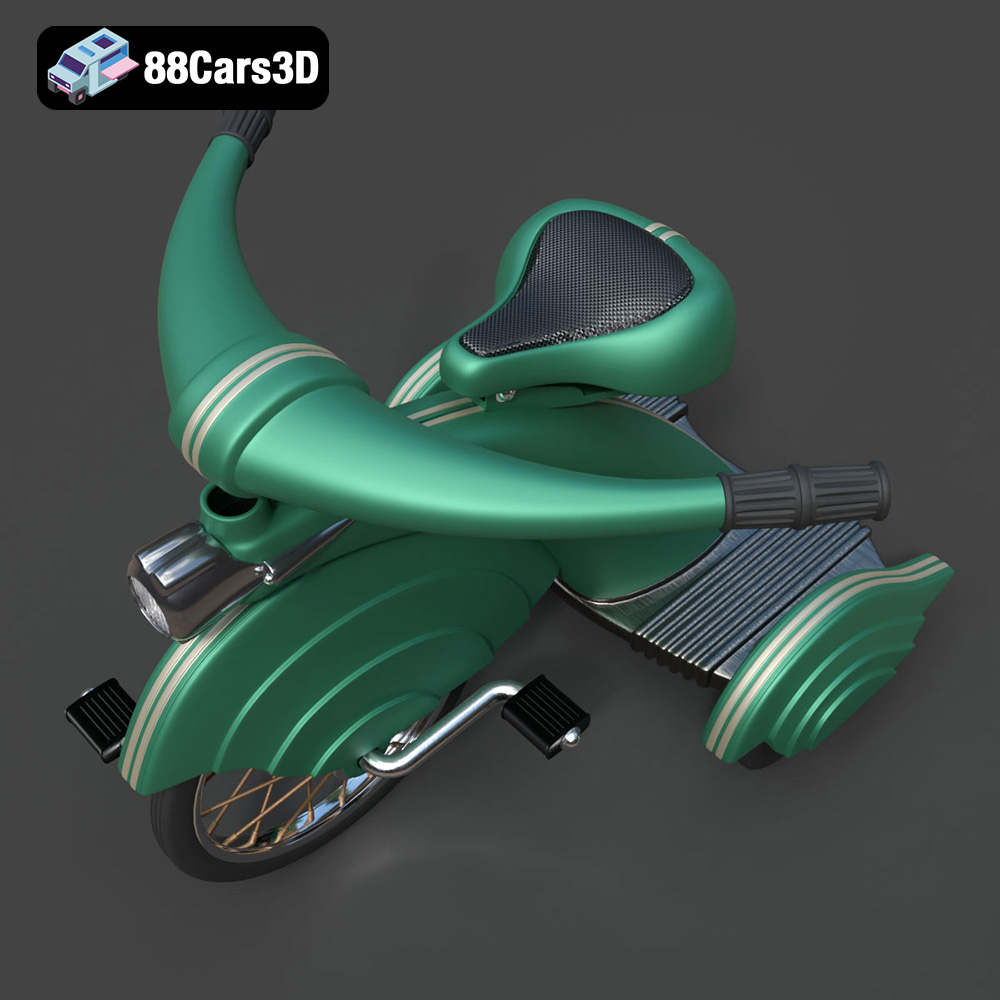
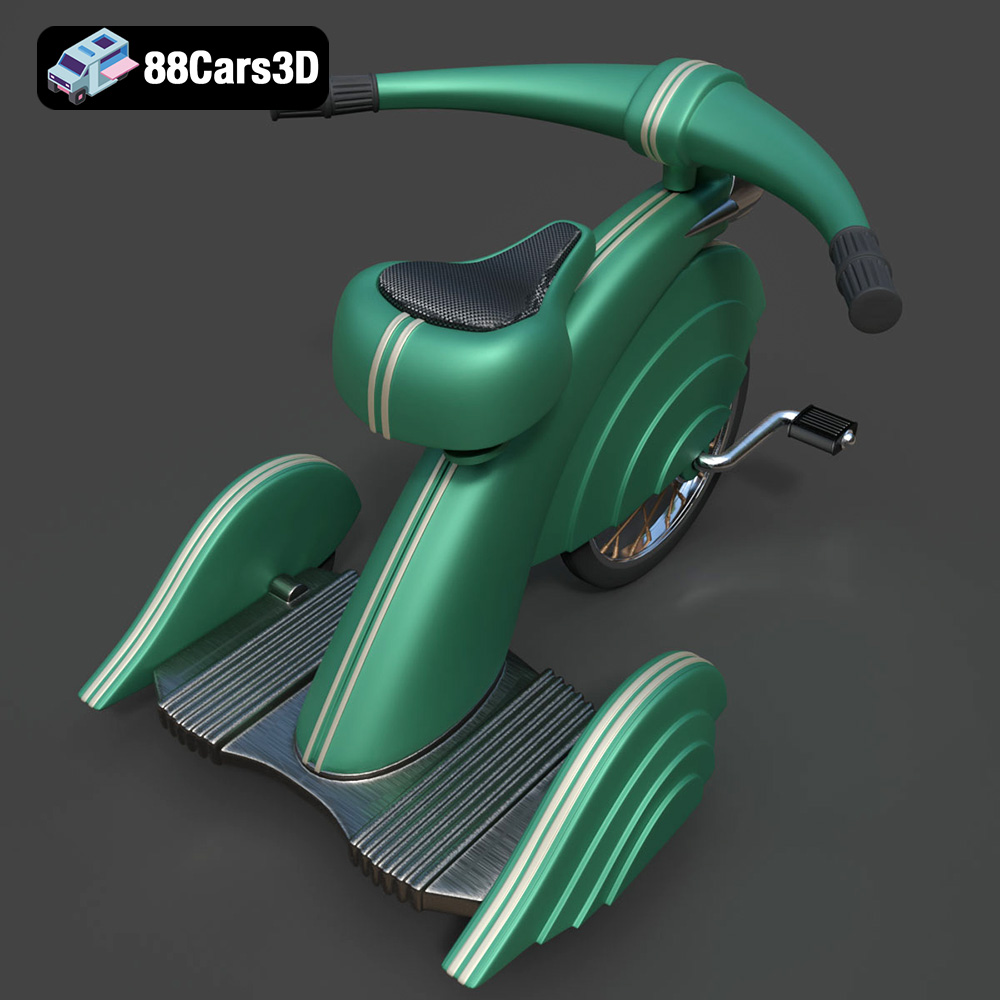
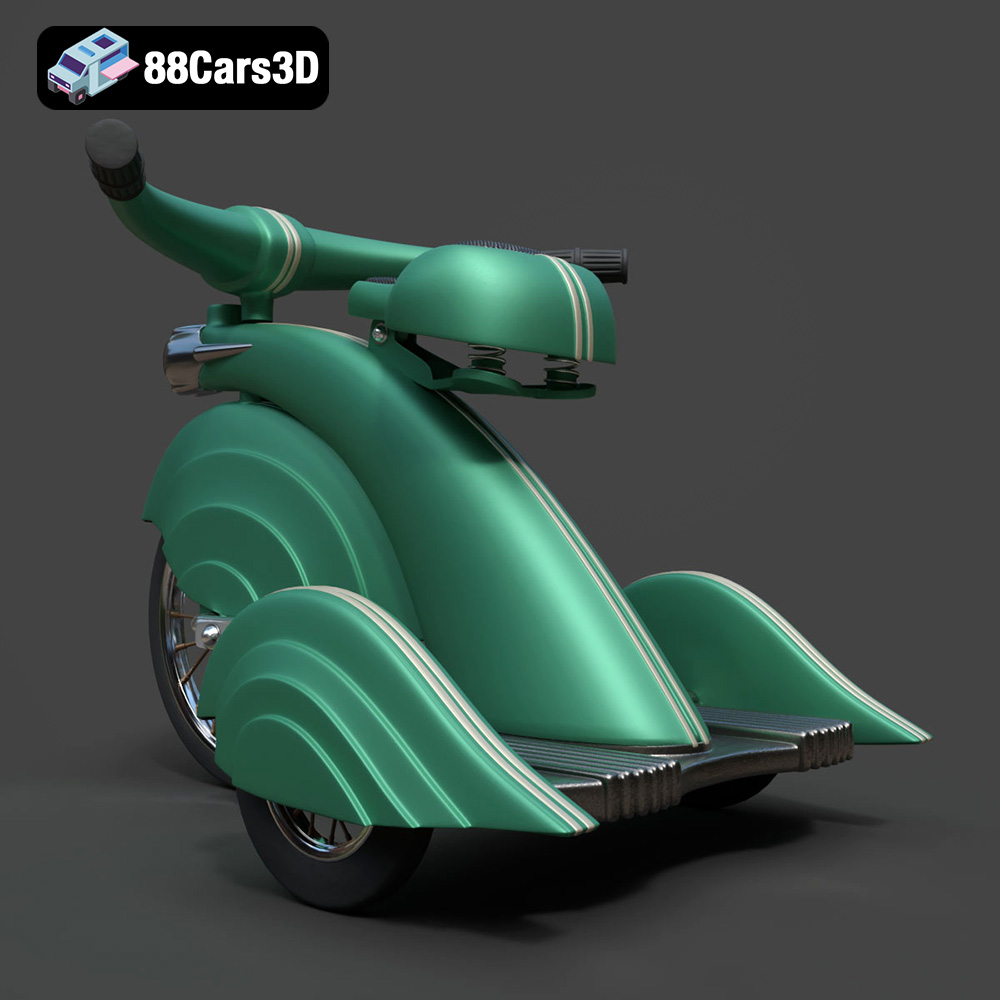
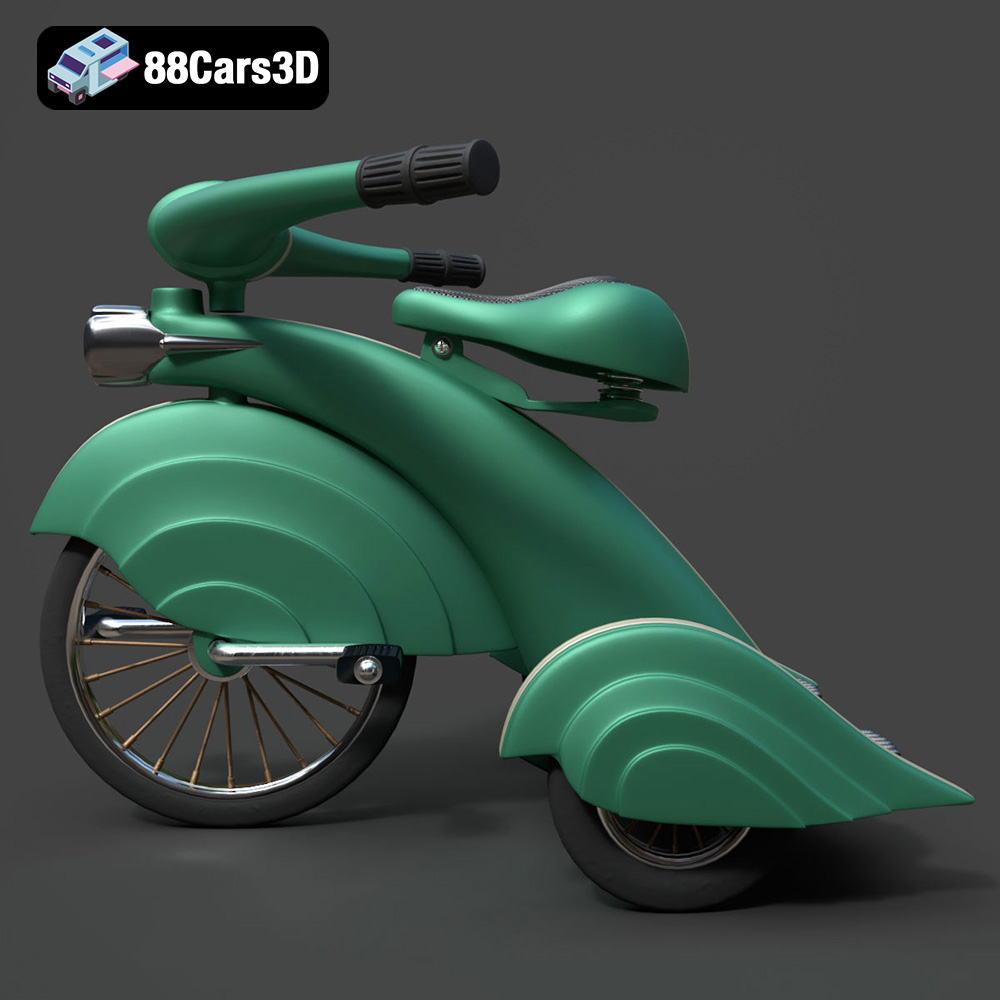
The allure of vintage items lies in their authenticity, often reflecting a craftsmanship rarely seen today. For the Vintage Tricycle 1930 3D Model, this means a painstaking recreation of its original design elements. Its accurate 1930s proportions, the large front wheel with an integrated pedal crank, dual rear wheels with a solid axle, and the distinctive curved vintage-style handlebars are all faithfully rendered. The simple molded saddle seat and the tubular steel frame construction speak volumes about the period’s pragmatic yet elegant design philosophy. Optional front or rear fender detailing adds another layer of realism, allowing for subtle variations to fit specific scene requirements. For automotive rendering specialists, these details are crucial for conveying a convincing historical narrative, ensuring that every angle holds up to scrutiny.
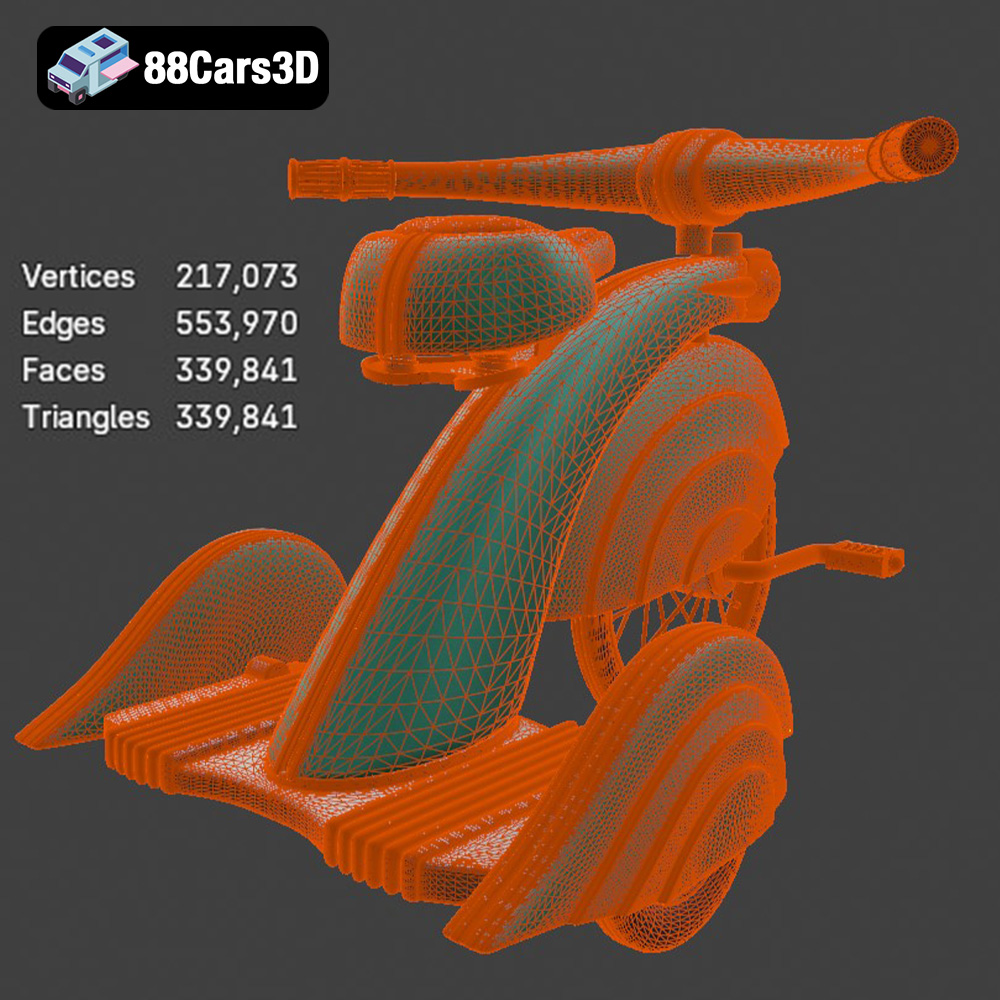
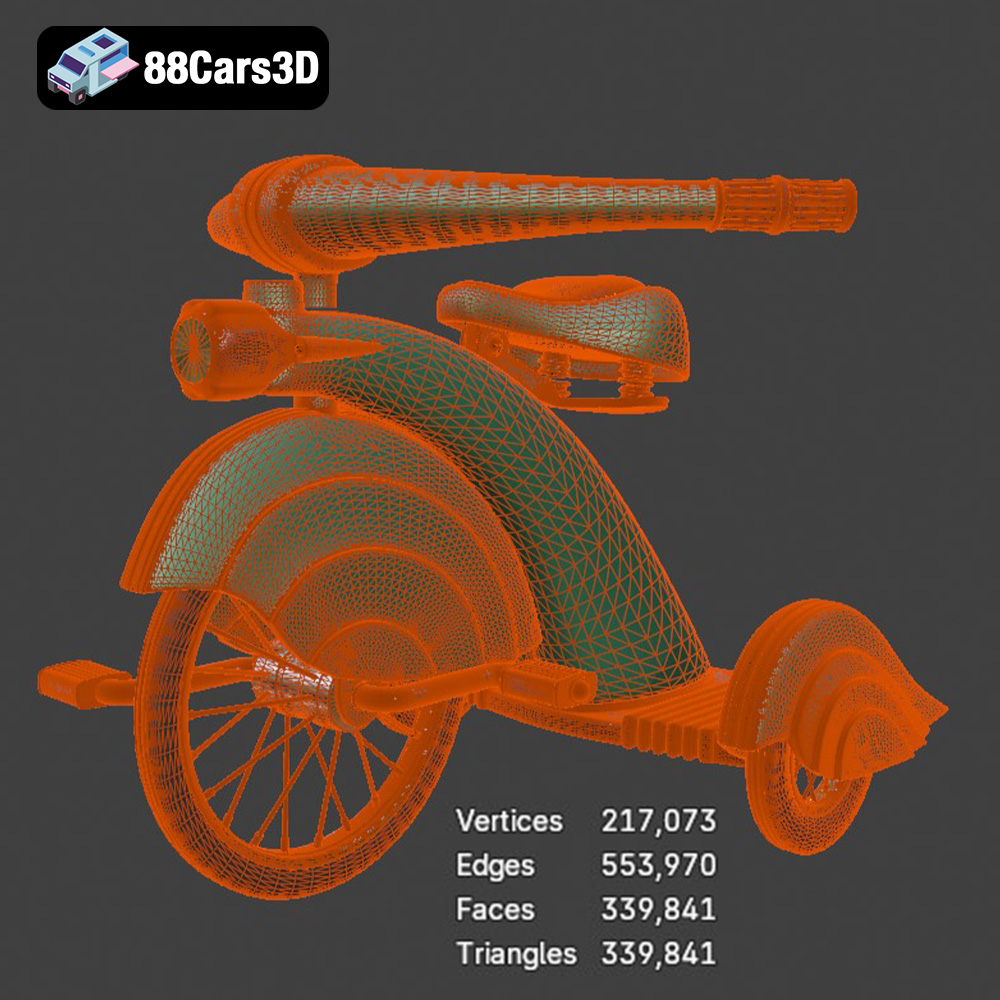
Beyond external aesthetics, the true value of a high-quality 3D model lies in its underlying technical structure. The Vintage Tricycle model boasts a front-wheel drive pedal mechanism, rear axle connection detailing, and a properly aligned steering pivot, making it not just visually appealing but also mechanically plausible. Frame weld and joint structure representations further enhance its realism. Crucially, the mesh is optimized for both real-time engines and high-quality renders, ensuring efficient performance without sacrificing visual fidelity. With clean and well-organized mesh structure, real-world scale accuracy, and proper pivot setup for wheel rotation and steering, it’s a versatile asset for anyone working with 3D car models, whether for detailed animations or as static scene elements. Such meticulous design minimizes post-purchase headaches and maximizes creative freedom.
Navigating the world of 3D assets requires a solid grasp of the various file formats available, each tailored for specific workflows and applications. The
The choice of file format often dictates the initial steps in your project. For instance, an artist primarily using Blender will benefit immensely from a native .blend file, while someone developing a game in Unreal Engine will look for a robust .fbx or engine-specific .unreal package. Similarly, architects might favor .obj for its universal compatibility, and AR/VR developers will appreciate the optimization of .glb. Each format serves a distinct purpose, offering varying levels of data integrity, material support, animation capabilities, and performance characteristics for different end-uses, from complex automotive rendering to streamlined game assets.
The utility of a high-quality 3D asset like the
For professionals specializing in automotive rendering and visualization, historical vehicles and props offer unique opportunities to create compelling narratives. Imagine the Vintage Tricycle positioned in a sun-drenched attic scene, or as a quaint element in a nostalgic streetscape. Its authentic proportions and material representations allow render artists to achieve stunning realism. It’s ideal for nostalgic marketing visuals, toy catalogs, antique showcases, and themed presentations, providing a focal point that draws the viewer in and adds depth to the scene. The ability to customize frame color, add vintage decals, or apply weathered finishes provides endless creative control for visual storytellers.
The demand for high-quality game assets has never been higher, and historical props play a significant role in creating immersive worlds. The Vintage Tricycle is perfectly suited for retro-style games, historical environments, or as decorative scene props that enhance atmosphere without compromising performance thanks to its optimized mesh. For AR/VR experiences, this model provides a tangible connection to the past, making it perfect for interactive museum exhibits, educational simulations, or vintage product demonstrations. Its real-world scale accuracy ensures a believable presence in virtual and augmented realities, offering users an authentic interactive experience.
Beyond digital realms, the physical manifestation of 3D models opens up another exciting avenue: 3D printing. The
Integrating a new 3D asset into an existing workflow requires a model that is both technically sound and versatile. The
For artists working in popular DCC (Digital Content Creation) applications like Blender and 3ds Max, the included .blend and .max files are invaluable. These native formats retain all editable properties, allowing for comprehensive customization. In Blender, artists can leverage its powerful non-destructive modifiers to fine-tune geometry, adjust UV layouts, or even re-texture using Cycles or Eevee’s node-based shaders. The properly set up pivots for wheels and pedals mean immediate animation capabilities, whether for a subtle rocking motion or a full ride cycle. Similarly, in 3ds Max, the .max file provides access to detailed scene data, enabling high-fidelity automotive rendering with V-Ray or Corona, precise rigging for complex animations, and seamless integration into architectural visualization scenes. The clean topology ensures that subdivision surface modifiers can be applied effectively for close-up shots without artifacts.
Game developers and real-time visualization artists relying on Unreal Engine will appreciate the .fbx and .unreal formats. The .fbx file offers excellent compatibility for importing geometry, materials, and basic animations, while the .unreal package indicates an asset pre-optimized for the engine’s specific requirements. This includes properly scaled models, efficient material setups (often with PBR textures), and sometimes even pre-configured blueprints for interactive elements. Integrating the Vintage Tricycle as a game asset becomes a drag-and-drop operation, minimizing setup time and allowing developers to focus on scene composition, lighting, and interactivity. Its optimized polygon flow ensures minimal draw calls and smooth performance even in complex real-time environments.
A key technical advantage of this model is its optimized mesh, balancing polygon count with visual detail. This is critical for maintaining high frame rates in real-time applications while still achieving photorealistic results in offline renders. The clean topology also facilitates easy UV unwrapping and texture application, ensuring that any materials or decals you add will display correctly. This attention to detail means less time spent on mesh cleanup and more time dedicated to creative enhancements, whether it’s adding a weathered paint job or configuring precise lighting for a studio shot. The thoughtful design ensures that the model performs optimally across a spectrum of demands, from the demanding requirements of high-end automotive rendering to the performance-critical environments of interactive games.
The ability to transform a digital model into a physical object is a powerful testament to modern design and manufacturing capabilities. The
The included .stl format is the industry standard for 3D printing. However, preparing a model for physical output often involves specific considerations. For the Vintage Tricycle, recommended scales like 1:12, 1:10, 1:8, or 1:6 ensure that intricate details are preserved while maintaining structural integrity. Printers should aim for a layer height between 0.08–0.16 mm to capture smooth curves and fine details. Wall thickness of 1.2–2 mm provides necessary strength without excessive material use. Infill between 15–25% offers a good balance of durability and print time. Supports will be required for areas like the handlebars and the gentle curves of the frame, ensuring successful overhangs. The recommendation to print the frame angled and wheels separately helps minimize visible layer lines and optimizes the final surface quality.
Once printed, post-processing is crucial to achieving a professional and authentic look. This typically involves sanding to remove support marks and smooth surfaces, followed by a primer layer to prepare for paint. The product description suggests various finishing options, from a glossy enamel reminiscent of a brand-new toy to a vintage matte paint finish that simulates decades of loving use. The ability to customize frame colors (classic red, cream, blue, or pastel tones) further enhances the personalized nature of the physical replica. This comprehensive approach, from digital design to physical finish, underscores the versatility of this specific 3D car model.
The world of 3D modeling thrives on detail, versatility, and historical accuracy, and the
By investing in such high-quality 3D car models, artists and developers can significantly reduce production time, enhance visual fidelity, and unlock new creative possibilities. The Vintage Tricycle 1930 3D Model is more than just a digital object; it’s a piece of history ready to be reimagined in your next project. Explore this exceptional model and many other premium assets at 88cars3d.com, where quality and versatility meet to fuel your creative endeavors.
The Vintage Tricycle 1930 3D Model is a high-detail digital recreation of a classic early 20th-century three-wheeled bicycle designed for children. Inspired by 1930s craftsmanship, this model captures the nostalgic charm of vintage steel construction, oversized front wheel, curved handlebars, simple saddle seat, and solid rubber tires. It accurately represents the sturdy tubular frame, large front drive wheel with pedals, dual rear wheels, rear axle structure, classic fender detailing, and period-correct handlebar design. Built with clean topology and real-world scale accuracy, it is ideal for rendering, animation, historical visualization, game development, and AR/VR experiences, as well as being convertible to .stl format for 3D printing.
$15.9
.1930s
.antiquetoy
.arvr
.blend
.classictricycle
.fbx
.gameasset
.glb
.max
.nostalgicdesign
.obj
.ply
.rendering
.retrobike
.simulation
.stl
.toy3dmodel
.unreal
.vintagetricycle